Retail News CRM

Tag: wearables

  • EZ Link launches contactless payment wearables

    EZ Link launches contactless payment wearables

    Singapore’s EZ-Link, the market’s largest issuer of CEPAS-compliant cards, announced the launch of EZ-Link Wearables.

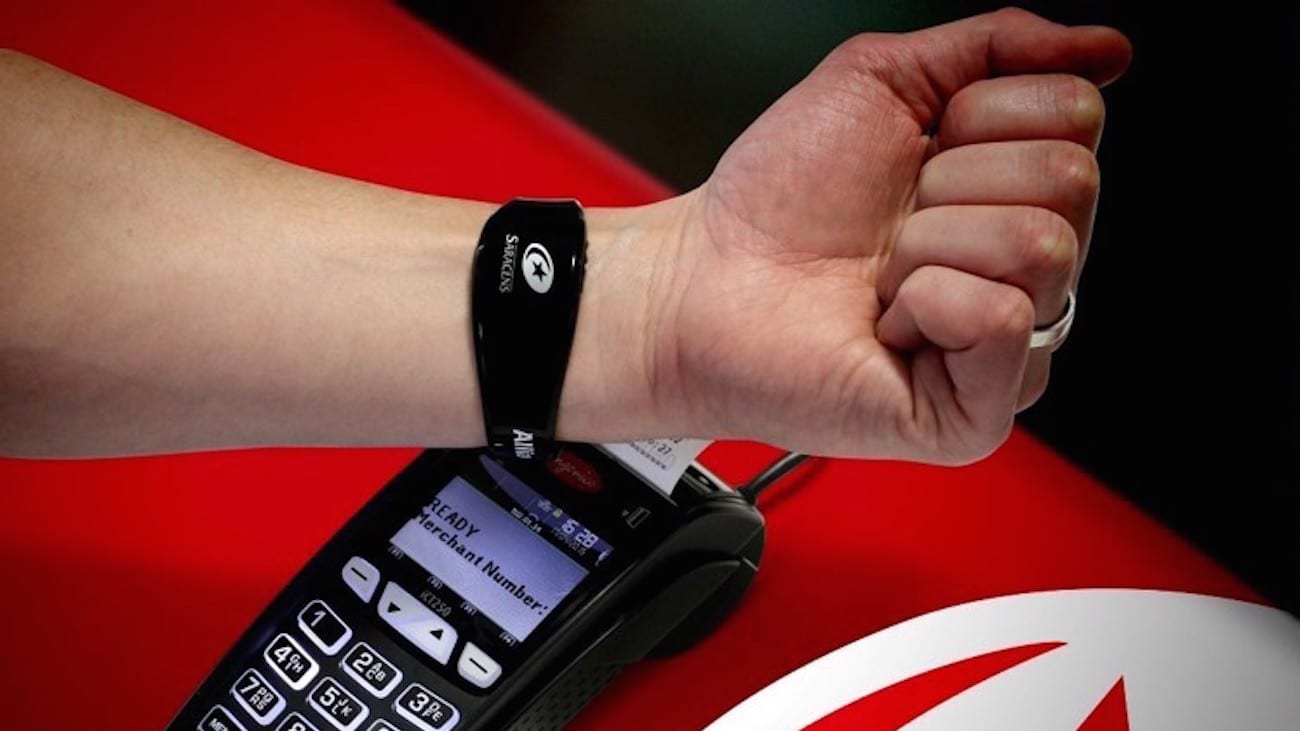
    Launched in collaboration with Watchdata Technologies and Garmin, the ez-link CEPAS purse will be enabled on the Batman v Superman Fitness Tracker X EZ-Link and the Garmin vívosmart HR with EZ-Link smartwatch.

    The devices will support contactless payments on public transit and at more than 30,000 ez-link acceptance points island-wide.

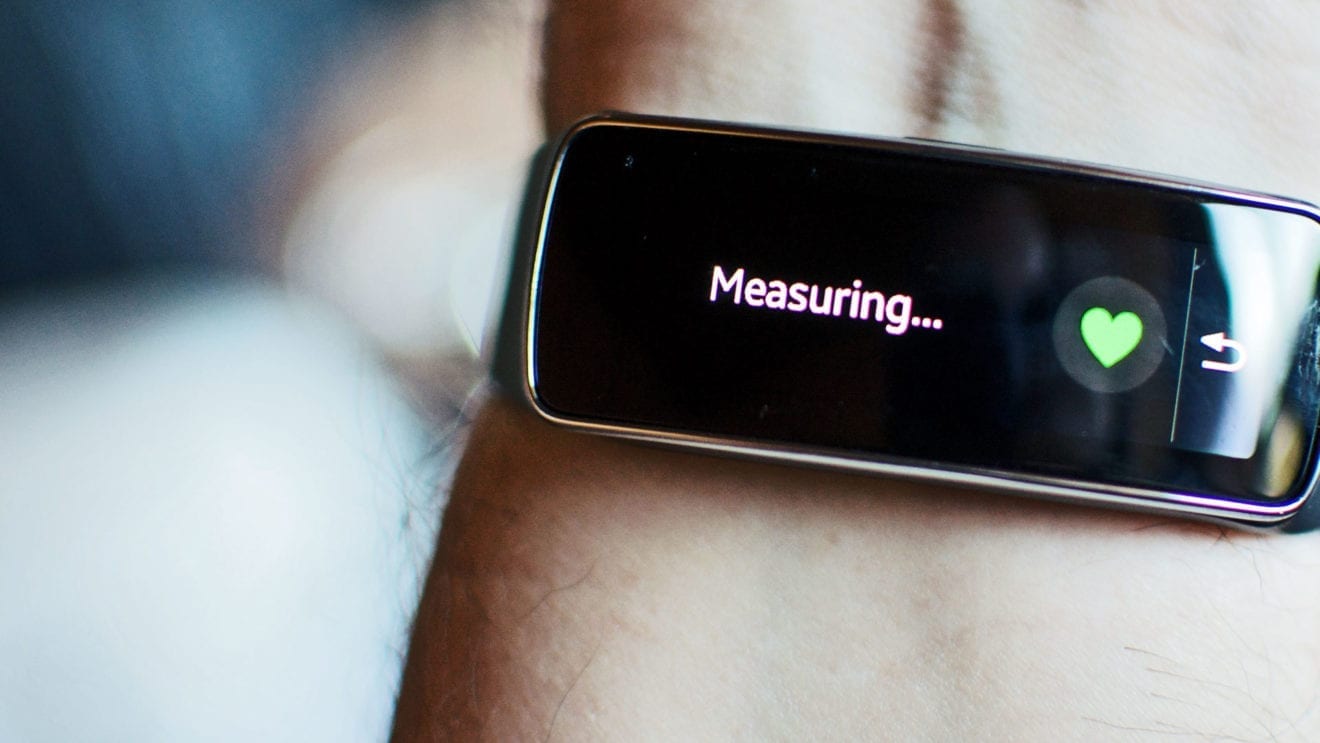
    While offering support for contactless payments, the devices remain smart health and fitness devices that monitor and record daily activities to support a healthy lifestyle.

    “Last year, we integrated a similar contactless chip into the vívosmart HR band in Taiwan which lets users pay for train rides, bus trips and retail purchases via the I-Pass electronic wallet stored within the chip,” Garmin South Asia GM Al Sundoro said.

    “This collaboration with EZ-Link puts Singapore on the road map as the first country in South-east Asia to offer a contactless payment solution where you can pay for public transport rides with a tap of your wearable on your wrist.”

  • Global device sales set to stay flat until 2018

    Global device sales set to stay flat until 2018

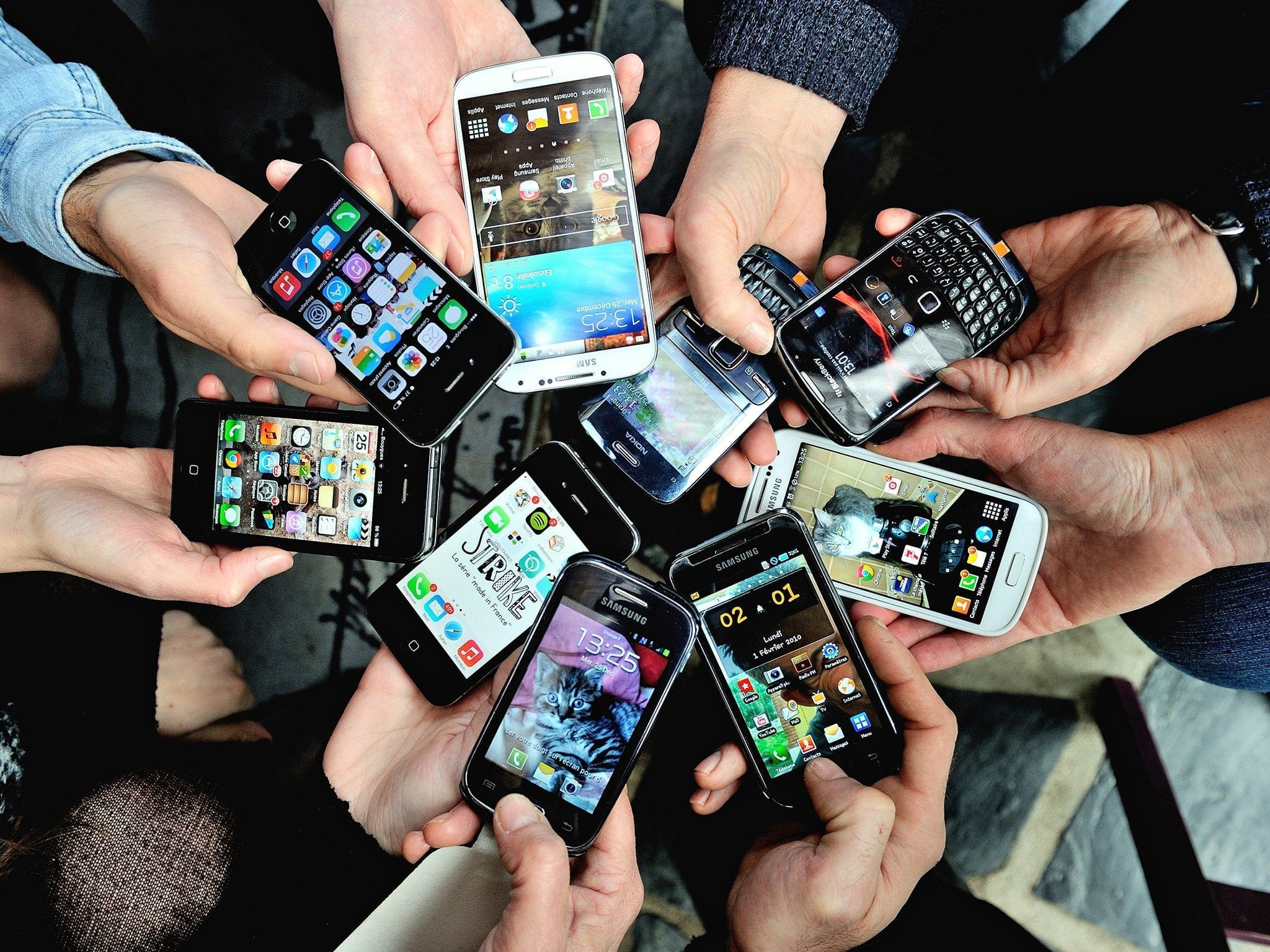
    Worldwide combined shipments of PCs, tablets, ultramobiles and mobile phones are projected to remain flat in 2017 with 2.3 billion units, according to Gartner.

    There were nearly 7 billion phones, tablets and PCs in use in the world by the end of 2016. However, Gartner does not expect any growth in shipments of traditional devices until 2018, when a small increase in ultramobiles and mobile phone shipments is expected.

    “The global devices market is stagnating,” said Ranjit Atwal, research director at Gartner. “Mobile phone shipments are only growing in emerging Asia-Pacific markets, and the PC market is just reaching the bottom of its decline.”

    Atwal said that aside from declining shipment growth for traditional devices, average selling prices are also beginning to stagnate because of market saturation and a slower rate of innovation.

    “Consumers have fewer reasons to upgrade or buy traditional devices,” he said. “They are seeking fresher experiences and applications in emerging categories such as head mounted displays (HMDs), virtual personal assistant (VPA) speakers and wearables.”

    Gartner sees the PC market benefiting from a replacement cycle toward the end of this forecast period, returning to growth in 2018. Increasingly, attractive premium ultramobile prices and functionality will entice buyers as traditional PC sales continue to decline.

    The mobile phone market will also benefit from replacements. There is, however, a difference in replacement activity between mature and emerging markets.

    “People in emerging markets still see smartphones as their main computing device and replace them more regularly than mature markets,” said Atwal.

    Device vendors are increasingly trying to move into faster-growing emerging device categories.

    “This requires a shift from a hardware-focused approach to a richer value-added service approach,” said Atwal.

    “As service-led approaches become even more crucial, hardware providers will have to partner with service providers, as they lack the expertise to deliver the service offerings themselves.”

  • Fitness trackers still dominate wearables market

    Fitness trackers still dominate wearables market

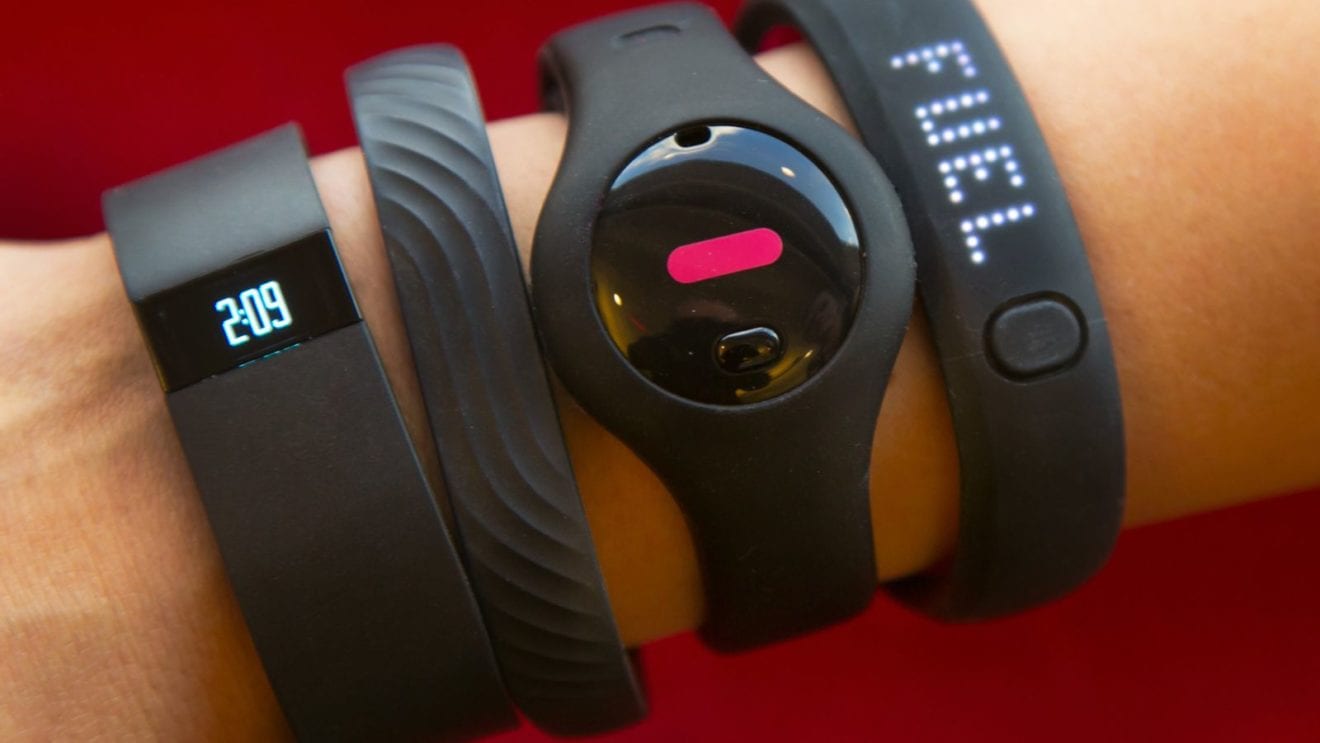
    Basic wearables, primarily comprised of fitness bands, accounted for 85% of the wearables market in the third quarter of 2016, IDC estimates.

    The total market grew 3.1% year-over-year during the quarter, with wearables shipments reaching 23 million.

    IDC said much of the increase in shipments for fitness trackers was attributed to the launch of newer models, an expanding user base, and an enticing summer season that allowed people to step out of their homes.

    The research firm expects the momentum for basic wearables to continue for the remainder of 2016 as the holiday season is now in full swing. However, it said smart wearables capable of running third party apps will likely continue to struggle in the near term.

    “It’s still early days, but we’re already seeing a notable shift in the market,” commented Jitesh Ubrani, senior research analyst for IDC Mobile Device Trackers.

    “Where smart watches were once expected to take the lead, basic wearables now reign supreme. Simplicity is a driving factor and this is well reflected in the top vendor list as four out of five offer a simple, dedicated fitness device. Meanwhile, from a design perspective, many devices are focusing on fashion first while allowing the technology to blend in with the background.”

    Ramon Llamas, research manager for IDC’s Wearables team, also noted that user tastes change, so will their needs.

    “That’s the opportunity for smart wearables with multi-functionality and third-party applications, both for consumers and business users. To get there, we need to see more intuitive user interfaces, seamless user experiences, standalone connectivity, and applications that go beyond health and fitness and into personal and professional productivity,” he said.

    During the quarter, Fitbit once again led the market. IDC expects Fitbit to continue leading the pack in the near term and said that the acquisition of Coin and the potential to expand into the smartwatch category present an opportunity for the company to be more than just a fitness brand.

    Xiaomi’s new Mi Band, on the other hand, includes heart rate tracking and is priced well below any competition, making it more suitable for impulse buying than any other fitness band. Garmin captured the third position as the company with one of the widest portfolios among all the vendors in this market.

    While Apple’s decision to launch its second-generation watches in mid-September did contribute to its year-over-year decline in 3Q16, IDC said the primary reasons for the downturn were an aging lineup and an unintuitive user interface.

    During the quarter, Samsung released two new models, Gear Fit 2 and the Icon X. Around the globe, the company was able to move large volumes of its latest wearables thanks to bundles offered with the Note 7 and other Samsung smartphones.

  • Gemalto launches applet for UnionPay wearables

    Gemalto launches applet for UnionPay wearables

    Gemalto has launched a secure element based applet for smart wearables developed by China UnionPay (CUP).

    CUP had launched smart wearables with embedded secure elements based payment applications last year.

    The payment applet runs on the secure element, to provide online and offline payment capabilities on wearables.

    This is expected to eliminate the need for different card vendors to develop their own versions, simplifying deployment of payment applications on a range of secure elements and improving time to market.

    “Intelligent NFC-based wearable devices are set to disrupt our lives much beyond contactless payments – from user access and authentication to smart homes and cities, the possibilities are simply endless,” said Suzanne Tong-Li, president for Greater China and Korea at Gemalto.

    With extensive experience in NFC ecosystem and end-to-end security, we support CUP to not only simplify and speed up this launch for maximum outreach, but also provide consulting for next-generation solutions.”

  • Fossil Group to launch wearables for 8 brands

    Fossil Group to launch wearables for 8 brands

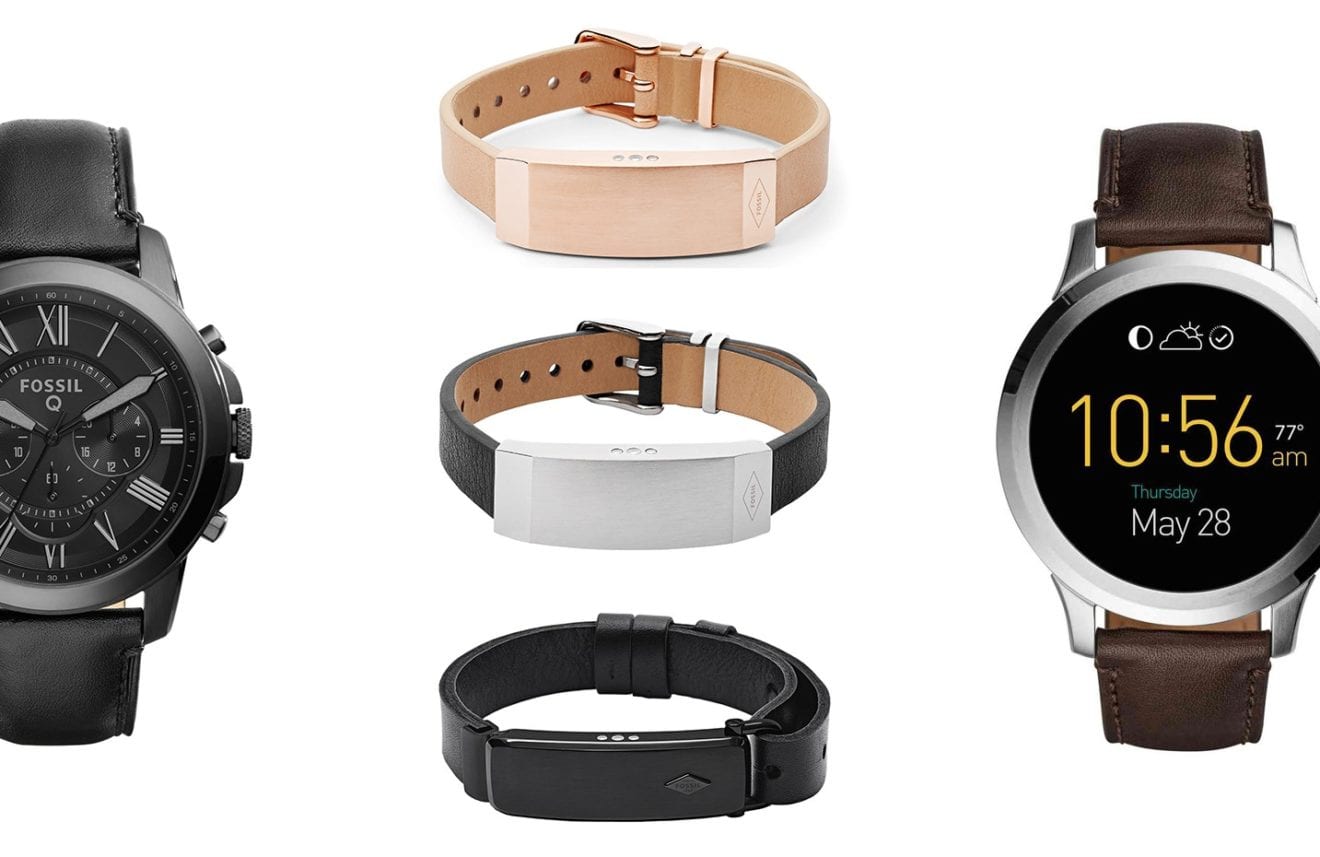
    Eight brands from the Fossil Group – Chaps, Diesel, Emporio Armani, Fossil, Kate Spade New York, Michael Kors, Misfit, and Skagen – will each launch wearables this year.

    The company said more than 100 wearables products, including display and non-display watches, will be introduced in 40 countries and more than 20 languages before the holiday season.

    Fossil Group said it will support the wearables with unique and branded apps across all brands, three product categories, and two operating systems. This is part of a corporate initiative to bring a fashion-first focus, innovation and an increased variety of products to the wearables industry.

    “One of the distinct advantages of a fashion company over traditional consumer electronics manufacturers is our product cycle. We demonstrate remarkable speed to market, from development to launch, in order to meet the retail industry’s seasonal new product deadlines,” said Greg McKelvey, chief strategy and digital officer, Fossil Group.

    The Fossil executive said the industry has been slow to adapt to growing consumer desires for new styles and options for wearables, but with the diversity major fashion brands offer, customers will be delighted shopping for a wearable that fits their personal style.

    Since acquiring Misfit in November 2015, Fossil Group has increased capabilities for the development and production of the technology supporting its wearables products.

    Its wearable technology platform includes proprietary power management technology that enables coin cell battery-powered non-display watches and trackers to be deployed across the entire Fossil Group brand portfolio. Without the need for daily, weekly or even monthly charging, the new devices function much more like traditional watches and lifestyle accessories than as typical consumer electronic products that require daily maintenance.

    The company also has strong partnerships with third-party technology partners, including Google and their Android Wear platform, to deliver on the company’s short- and long-term wearables strategy.

    Research firm IDC estimates that shipments for wearable devices will reach 237.1 million by 2020, which it said could be attributed to more vendors offering new wearables products and higher consumer awareness and demand for such devices.

    Aside from technology firms, fashion houses and luxury brands are also now entering the wearables space as part of a broader strategy to vary product offerings and cater to taste and preferences in the digital age.

  • Fossil wearables teams with major fashion labels

    Fossil wearables teams with major fashion labels

    Fossil wearables has teamed with major fashion brands Chaps, Diesel, Emporio Armani, Fossil, Kate Spade New York, Michael Kors, Misfit and Skagen to launch in 40 countries in 2016.

    Fossil Group says it plans more than 100 wearables products – which include display- and non-display watches and trackers – will be available in 40 countries and more than 20 languages later this year. The category of wearables offered will vary by brand.

    Fossil Group will support the wearables with unique and branded apps across all brands, three product categories, and two operating systems. The 2016 launches are part of the company’s efforts to bring a fashion-first focus, innovation and an increased variety of products to the wearables industry.

    “One of the distinct advantages of a fashion company over traditional consumer electronics manufacturers is our product cycle,” said Greg McKelvey, chief strategy and digital officer with Fossil Group.

    “We demonstrate remarkable speed to market, from development to launch, in order to meet the retail industry’s seasonal new product deadlines.

    “The industry has been slow to adapt to growing consumer desires for new styles and options for wearables. With the diversity of major fashion brands we offer, customers will be delighted with the sheer volume of styles and options available when shopping for a wearable that fits their personal style.”

    With the look, feel and fashion appeal of traditional watches, Fossil Group’s digital display watches and non-display watches leverage the company’s core competency in making beautiful, quality watches.

    Since acquiring Misfit in November 2015, Fossil Group has increased capabilities for the development and production of the technology supporting its wearables products. The company’s wearable technology platform includes proprietary power management technology that enables coin cell battery-powered non-display watches and trackers to be deployed across the entire Fossil Group brand portfolio.

    Without the need for daily, weekly or even monthly charging, the new devices function much more like traditional watches and lifestyle accessories than as typical consumer electronic products that require daily maintenance.

    Concurrent with the advancement of Fossil Group’s owned technology and research and development capabilities, the company continues its strong partnerships with third-party technology partners, including Google and their Android Wear platform, to deliver on the company’s short- and long-term wearables strategy.

    Fossil Group this week displayed Fall products – including wearables, watches, jewellery, leather goods and other accessories – to business partners and media in its new European headquarters in Basel, Switzerland, during the annual Baselworld marketplace show for the world’s watch and jewellery industry.

    The new, 108,000 sqft, seven-floor Basel facility was constructed with modern geometric architecture. Three floors of brand showrooms present brand-immersive experiences for each of the company’s 17 owned and licensed brands, and a large auditorium and event space.