Retail News CRM

Category: E-Tailing

Retail News Asia is committed to providing both local and global retailers with the latest E-Commerce & Etail news throughout the Asian market. This on a daily base.

  • Carousell acquires Singapore fashion resale brand Refash

    Carousell acquires Singapore fashion resale brand Refash

    ONLINE marketplace Carousell has inked a deal to buy Refash, a Singapore e-commerce platform and store operator for second-hand clothes, the companies announced on Monday (May 9). The deal value is undisclosed.

    Launched in 2015, Refash is focused on “thrifting”, or facilitating sales and purchases of second-hand clothes. The company said that it has processed over 5 million pieces of clothing and resold apparel from over 300 fashion labels. Besides its online platform, Refash also operates 10 physical thrift stores across Singapore.

    According to data platform VentureCap Insights, Refash posted US$460,242 in revenue for FY2020 ended December, with a profit of close to US$36,300.

    Post-acquisition, Refash will continue to operate as its own brand, retaining its name, platform, and team. The deal will beef up Carousell’s fashion vertical, which has been a major category for the company since its founding in 2012.

    “With our reach and expertise in using technology and AI to create seamless buy-sell experiences for secondhand (products), we are excited to partner and accelerate the growth of Refash,” said Carousell co-founder and chief executive Quek Siu Rui.

    The deal comes months after Carousell bought Ox Street, a Singapore-based marketplace for authenticated sneakers and street wear. In February, Carousell was in talks to acquire Singapore-based property marketplace operator 99 Group, ahead of a potential US listing this year.

  • Thailand urges care over content as Lazada promotion angers royalists

    Thailand urges care over content as Lazada promotion angers royalists

    Thailand on Saturday warned against the creation of online content that risked insulting the country’s monarchy, after a video by a social media influencer promoting e-commerce platform Lazada incensed royalists, who said it was mocking the palace.

    Thai law prescribes punishments of up to 15 years in jail for each offence if found guilty of defaming, insulting or threatening King Maha Vajiralongkorn and his closest family.

    The video, which has since been taken down, was promoting Lazada’s May 5 sale and featured a woman dressed in a traditional Thai costume sitting in a wheelchair and playing the role of an influencer’s mother.

    Royalists complained the woman in the wheelchair was a veiled reference to a royal family member. The video did not use the language used by the royal family, nor mention any of its members.

    In videos posted on Facebook, the influencer, Aniwat “Nara” Prathumthin, said the clip was a parody of a famous Thai soap opera and told critics the perceived royal insult was “all in your imagination”.

    Lazada, the Southeast Asian arm of Alibaba Group Holding, in a statement apologised for the “emotional damage” the video had caused and said it should have been more careful.

    Government spokesman Thanakorn Wangboonkongchana said such content risked damaging the reputation of brands.

    “Let us warn marketers, influencers and content creators to be careful about presenting content or promotions that reference appearances or individuals of the institution that all Thais worship and love,” Thanakorn said in a statement.

    “This is inappropriate, and will not only upset every Thai in the country, but also destroy the image and reputation of the brand. It could also be against the law.”

    The incident follows an April Fool’s prank tweeted by a staff member at budget airline Thai Vietjet Air, an offshoot of Vietnam’s Vietjet Aviation JSC, about a new route to Munich that stirred anger among royalists, who said it was a hidden joke about the Thai king spending time in Germany. The airline apologised.

  • India to launch open e-commerce network to take on Amazon, Walmart

    India to launch open e-commerce network to take on Amazon, Walmart

    The Indian government is all set to launch an Open Network for Digital Commerce to end the dominance of the US-based e-commerce companies like Amazon and Walmart in India. The ONDC platform will let buyers and sellers interact with each other and transact online. The launch of the ONDC platform comes in the wake of India’s antitrust body raid on domestic sellers of Amazon and some of Walmart’s Flipkart. The company’s were accused of violating the laws.

    With the launch of ONDC, the government aims to promote an open platform for the exchange of goods and services through electronic networks. The open network platform will be launched in five cities including Delhi NCR, Bengaluru, Bhopal, Shillong and Coimbatore, an official said on Thursday. It would later be expanded to other cities.

    As per Reuters report, the Modi government and its key supporters have long contended that Amazon and Flipkart only benefit a few big sellers through predatory pricing. However, the companies have always maintained that they comply with the laws set by the Indian government.

    Amazon and Flipkart are yet to react to the government’s ONDC platform. The report stated that India’s ONDC plan aims to onboard 30 million sellers and 10 million merchants online. The plan is to cover at least 100 cities and towns by August. The government will focus on apps in local languages for buyers and sellers. The apps would highlight small merchants and rural consumers.

    The government in a document revealed that the retailers and venture capital firms have lended support to the ONDC plan. Banks such as State Bank of India, ICICI Bank and Bank of Baroda have already committed total investments of 2.55 billion rupees.

    As per an investigation conducted by Reuters last year, Amazon was accused of giving preferential treatment for a years to a specific group of sellers on its platform and used them to bypass Indian laws. Amazon had denied the allegations.

  • Alibaba tipped to take Lazada to Europe

    Alibaba tipped to take Lazada to Europe

    Chinese tech giant Alibaba is taking Lazada to Europe as part of its strategy to drive growth in overseas countries.  It was reported that the plan to expand Lazada to Europe was due to Alibaba’s slowing opportunities in China.

    The company’s latest interim report published in December 2021 unveiled that its revenue from its China commerce retail business for the six months ended on 30 September 2021 was US$40.8 billion, an increase of 33% compared to US$29.7 billion for the same period of 2020. However, revenue from international commerce retail business for the same period last year was US$3.29 billion, a year-on-year increase of 43% compared to US$2.23 billion for the same period of 2020.

    When it comes to wholesale business, revenue in China for the six months ended on 30 September 2021 was US$1.26 billion, an increase of 14% compared to the same period of 2020. The increment was better in its international business, as the revenue was US$1.42 billion, an increase of 36% compared to the same period of 2020. Reuters’ report said that Lazada will target European vendors, while Lazada Thailand CEO James Dong will help spearhead the initiative. The destination of the expansion is still unknown at the moment. Moreover, Alibaba’s international digital commerce Jiang Fan visited Singapore in April to discuss the plan too.

    The potential expansion plan is Alibaba’s another step to tap into opportunities in Europe. Its logistic arm Cainiao opened a hub in Belgium last November which, reportedly, was the largest of its kind in Europe and a key part of the agreement between the Alibaba Group and the Belgian government concluded in 2018 to join the global Electronic World Trade Platform initiative.  Alibaba’s present in Europe also includes AliExpress, targets consumers looking for goods such as fashion, accessories, computer electronics, toys and tools from Chinese manufacturers.

    Last year, Alibaba reorganised its international and domestic commerce platforms into two units to better drive synergies, including international digital commerce and China digital commerce. International digital commerce brings together Alibaba’s overseas consumer-facing and wholesale businesses under the leadership of Jiang. It will include AliExpress, Alibaba.com, and Lazada. According to Alibaba, these businesses propel its globalisation strategy and the newly-created unit is in line with Alibaba’s goal of serving two billion consumers globally. In its last quarterly earnings, the company said it had reached 285 million annual active consumers overseas.

    Meanwhile, Lazada competitor Shopee also decided to pull out of France, after its foray into Europe. Shopee said that following a short-term, preliminary pilot, the company has decided not to continue the Shopee service in France. It added that other markets are unaffected, and Shopee will continue to adopt an “open-minded and disciplined approach to exploring new markets”.

    Last year, Shopee said that it is looking to grow its presence in Spain with the launch of a new Instagram page. At that point, the expansion into Europe is still in the early stages and that Shopee was understood still testing the waters. Shopee’s strategy to enter the Spanish market came shortly after it announced its expansion plans into Poland.

  • Alibaba’s Freshippo struggles to meet demand during Shanghai lockdown

    Alibaba’s Freshippo struggles to meet demand during Shanghai lockdown

    Alibaba’s supermarket chain Freshippo says it is adding more couriers to meet high demand in Shanghai but this was not yet catching up with the rising needs of locked-down residents as the city battles a surge in Covid-19 cases.

    Shen Li, a vice president at Alibaba Group’s Freshippo, told reporters on Sunday that while the company’s delivery capacity had recovered to about 60-70 per cent of pre-outbreak levels as more couriers were allowed back on the roads, many difficulties remained.

    “The biggest challenge we are facing now is that the demand and numbers of orders from consumers has increased by about two to three times compared with pre-outbreak levels,” she said.

    China’s most important economic hub has locked down most of its 25 million residents for more than three weeks in an effort to stamp out the country’s largest outbreak since the virus first emerged in Wuhan in late 2019.

    After most supermarkets and stores were shut across the city, residents resorted to online buying to procure food and other essentials but have faced difficulties. Shanghai authorities have said they are trying to ease these bottlenecks but it remains a key public frustration.

    Many residents have described waking up as early as 5am to try and grab delivery slots from online grocers such as Freshippo, only to find them sold out in seconds. While Freshippo and other vendors have launched bulk-buying purchase schemes, some people have complained about the inability to reach the volumes needed to guarantee orders.

    Shen said Freshippo as of Sunday had 47 stores open for online deliveries in Shanghai and it also had set up six additional ad hoc warehouses for the city, due to issues with inter-province supply chains.

    About 5000 staff were working in these stores and its warehouses while a further 1000 were working online from home, she added.

  • Trivago fined $44.7 million for misleading travellers

    Trivago fined $44.7 million for misleading travellers

    Online travel booking company Trivago has been ordered to pay $44.7 million in penalties by the Australian Federal Court for misleading consumers over hotel prices.

    The court found that in January 2020, the company deceived consumers through misleading misrepresentations of hotel room rates on its website and in television advertisements.

    Trivago had used an algorithm to determine which travel booking site paid the highest cost-per-click fee and highlighted them on its website.

    Between December 2016 and September 2019, the company admitted to receiving $58 million in cost-per-click fees from offers that weren’t the cheapest choice available for a given hotel. This had caused consumers to overpay on hotel booking sites, losing out on almost $38 million dollars.

    Australian Competition and Consumer Commission (ACCC) chair Gina Cass-Gottlieb said this penalty sends a strong message not just to Trivago, but to other comparison websites.

    “The way Trivago displayed its recommendations when consumers were searching for a hotel room, meant consumers were misled into thinking they were getting a great hotel deal when that was not the case.

    “Trivago also misleads consumers by using strike-through prices which gave them the false impression that Trivago’s rates represented a saving when in fact they often compared a standard room with a luxury room at the same hotel,” she said.

    Accommodation Association CEO Richard Munro welcomed the decision of the Federal Court and added: “After surviving Covid and closed borders, the harsh reality is that many of our members rely on a portion of their bookings generated through these platforms, and can find themselves stuck between a rock and a hard place.”

    He further encouraged Australian travellers to book directly with local accommodation providers or through local travel agents.

  • Lazada to highlight 5000 eco-friendly products in LazEarth campaign

    Lazada to highlight 5000 eco-friendly products in LazEarth campaign

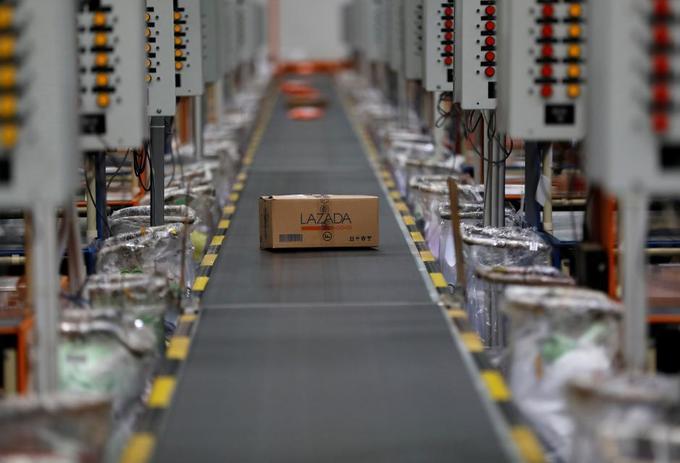
    E-commerce platform Lazada has grouped 5000 products with sustainability credentials in a new section of its LazMall to encourage shoppers to buy items that are friendly to the planet.

    The goods, from some 70 brands, mainly span the fashion and FMCG categories and are made, packed, or shipped with reduced plastics, or materials better for Earth.

    Unveiling its LazEarth campaign, Lazada says it wants to encourage a reduction in plastic waste in both products and packaging, given Southeast Asia consumes an estimated 31 million tonnes or more of plastic waste each year. Recognising that consumers in the region are becoming concerned about plastic waste, Lazada believes the campaign will make it easier for people to identify and source environmentally friendly products.

    Lazada will also work with LazMall brands and partners to expand their offer of eco-friendly products.

    “As digital commerce continues to be one of the key growth drivers in Southeast Asia, it is crucial for companies to place sustainability at the core of their strategies to build stronger and greener economies,” said Magnus Ekbom, chief strategy officer at Lazada Group.

    “The LazEarth campaign is part of Lazada’s ongoing efforts to address plastic waste and help our buyers make informed decisions about sustainable products.”

    Lazada has offered greener packaging through its Fulfilment by Lazada (FBL) service for the partnering brands since 2011. The brand also partners and makes social initiatives to build a sustainable digital commerce ecosystem in Southeast Asia.

    “As part of our commitment to build a lasting digital commerce business in Southeast Asia, we recognise that sustainability and value creation will become increasingly important to our long-term success,” said James Chang, chief business officer of Lazada Group

    “With the launch of LazEarth, we look forward to forging more collaborative partnerships and green initiatives that will empower our brands, partners and consumers to collectively create responsible and sustainable shopping and consumption habits.”

  • India’s Tata launches “super app” in challenge to Amazon, Walmart

    India’s Tata launches “super app” in challenge to Amazon, Walmart

    India’s Tata Group on Thursday launched its much-awaited e-commerce “super app” offering everything from apparel to air tickets in a renewed push for a slice of a fast growing market dominated by Amazon.com and Walmart’s Flipkart.

    Tata Neu, which has been in the works for about two years, is a single platform for the group’s brands, including Westside fashion, Air Asia tickets, Croma electronics, the Taj group of hotels, BigBasket online grocery and 1mg online pharmacy.

    “Our aim is to make the lives of Indian consumers simpler and easier,” Tata’s Chairman N Chandrasekaran said on LinkedIn, adding that its joint venture airline Vistara and recently acquired Air India, as well as watch brand Titan will be available on the app soon.

    The 154-year-old group, which raked in $103 billion in revenue in 2020-21, is a leading player in steelmaking, IT outsourcing and utilities but arguably best known internationally as the owner of British luxury car brand Jaguar Land Rover. It also makes cars at home under its own brand.

    Tata also has an expansive offline retail portfolio, including a joint venture with Starbucks Corp. Its fashion and watch stores are ubiquitous on Indian high streets and it operates stores for Inditex fashion brand Zara.

    Despite launching the Tata CliQ online marketplace in 2016, the group has been a minnow in an e-commerce market widely projected to be worth $200 billion by 2026. With Tata Neu the group is determined to change that, sources told Reuters last year.

    Tata Neu will offer a membership program and a cross-brand loyalty scheme where customers can earn and redeem rewards while making purchases on the app.

  • Shopee to shut down India operations

    Shopee to shut down India operations

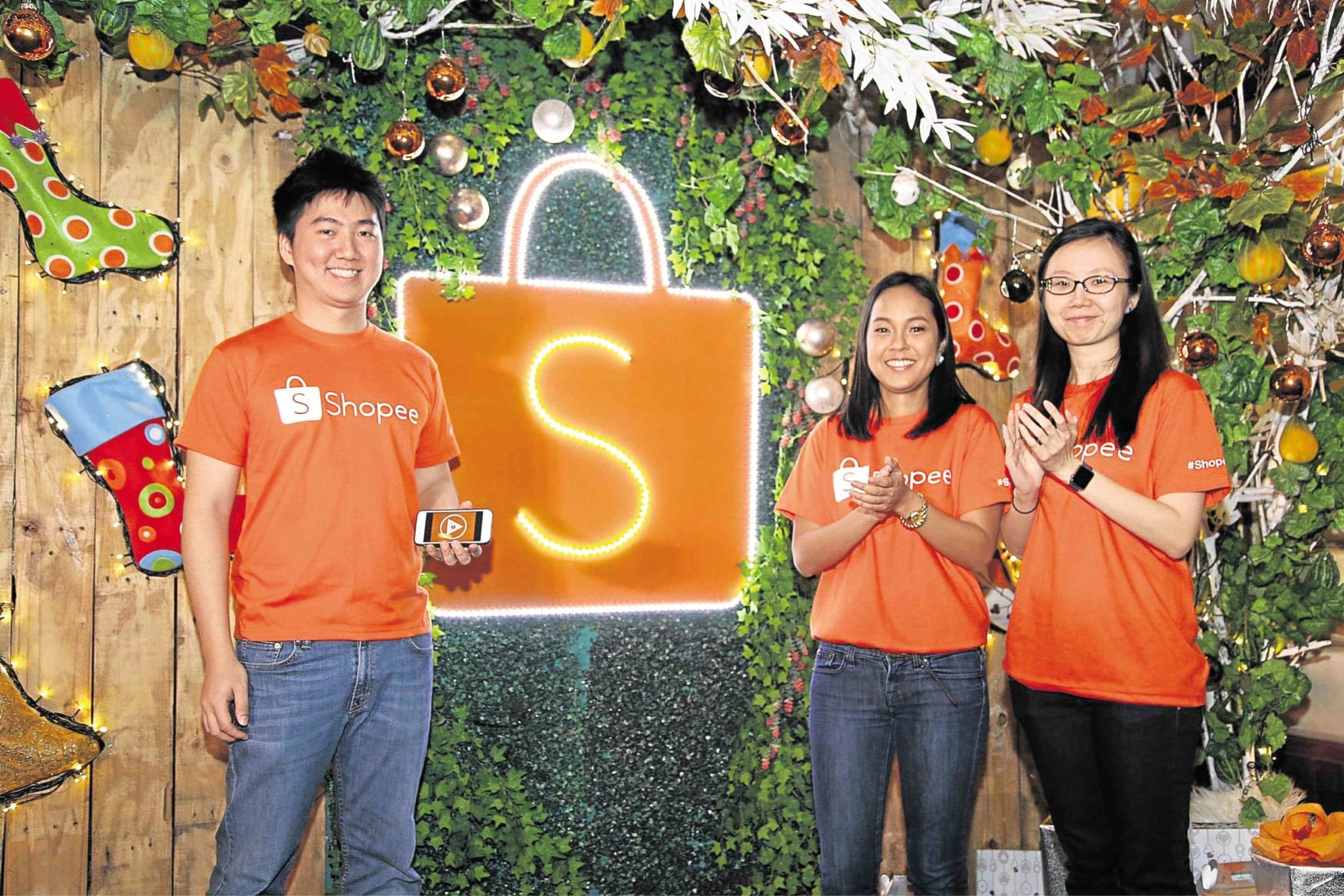
    E-commerce and gaming firm Sea said on Monday it is withdrawing from India’s retail market just months after starting operations there, the second pullback this month in an overseas expansion drive, as the loss-making firm faces a weak growth outlook.

    The withdrawal, effective beginning March 29, comes weeks after its e-commerce arm Shopee said it was pulling out of France and after India banned Sea’s popular gaming app “Free Fire”.

    After the ban, the market value of New York-listed Sea dropped by $16 billion in a single day, leading some investors to cut holdings in the Singapore-headquartered company.

    Shopee said in a statement its withdrawal came “in view of global market uncertainties” and that the company would make “the process as smooth as possible”.

    Sea earlier this month said revenue growth of its e-commerce business was expected to halve to around 76 percent this year from a blistering 157 percent in 2021, amid fewer online purchases and engagements as more countries emerge from the pandemic.

    “Due to a drastic shift in the market sentiment towards growth stocks, all these e-commerce companies are under real pressure to at least break even as soon as possible,” said LightStream Research equity analyst Oshadhi Kumarasiri, who publishes on the Smartkarma platform.

    Sea’s U.S.-listed shares fell 3.2 percent to $112.35 in afternoon trading.

    The company’s shares had already dropped 11 percent in January after Chinese tech giant Tencent announced it was selling 14.5 million shares in the group.

    There is no clear evidence that the decision to withdraw from India is based on government pressure or other operational decisions, Citi analyst Alicia Yap said.

    Reuters was the first to report Sea’s decision on its Indian operations.

    Shopee’s India business began in October 2021 as part of an aggressive international push that saw it expand into Europe. Sea’s market cap at the time was as much as $200 billion. It has since dropped to $64.76 billion in March 2022.

    The local unit, Shopee India, recruited local sellers and launched a shopping website and app. India’s fast-growing e-commerce market was already dominated by such players as Amazon.com Inc and Walmart’s Flipkart.

    One person with direct knowledge of the company’s thinking said Shopee’s decision to exit from India was sparked in part by stricter regulatory scrutiny that saw Sea’s gaming app Free Fire banned as part of a crackdown on companies allegedly sending data to servers in China.

    Sea said earlier in March it does not transfer or store data of Indian users in China.

    The person said Shopee had been planning to invest up to $1 billion in India, and that the pullback would hurt Indian logistics firms with whom it had signed lucrative contracts.

    The company, asked to comment on the figure, disputed the number as “not accurate”, without giving details, saying “the decision regarding Shopee India has nothing to do with regulatory matters”.

    “We continue to work on addressing the situation with Free Fire in India,” the firm added.

    Reuters reported in February, citing sources, that Singapore authorities had raised concerns to India over the ban, asking why Sea had been targeted.

    E-commerce players face a strict regulatory environment in India. New Delhi has for years imposed restrictions to protect smaller brick-and-mortar retailers.

    Offline retailers in India have often alleged foreign companies bypass regulations and offer deep discounts that hurt their business, allegations the companies deny. Shopee had in recent months faced boycott calls from such traders in India.

  • Taobao creates 10-yuan store for online bargain hunters

    Taobao creates 10-yuan store for online bargain hunters

    Alibaba Group’s marketplace Taobao Deals launched a 10-Yuan Store this week for China’s bargain hunters seeking daily necessities.

    Goods are priced below RMB10 (US$1.57) each at the digital stores, which are similar in concept to dollar stores in the US or pound shops in the UK.

    Taobao Deals also unveiled 100 Store, a marketplace for higher-value products, ranging from cosmetics, fashion accessories to kitchen utensils and toys, but still at a more affordable price point than many name brands.

    The launches are part of Taobao Deals’ efforts to appeal to a variety of shoppers in China’s lower-tier cities in China while streamlining supply chains. In both of the new store concepts, the platform is directly involved in sourcing, quality control, storage and delivery.

    Established in 2020, Taobao Deals had 280 million annual active users in the 12-months ended Dec. 31 last year. Paid orders on the platform grew over 100 per cent year-on-year in the third quarter, according to the group’s latest earnings report.

    “We’ve already reached many consumers in lower-tier cities…our mission is to serve consumers’ needs and create value for consumers,” said Wang Hai, president of Taobao Deals, at an online event held on Wednesday.

    The platform has three product categories: fresh produce sourced directly from farms, daily essentials and household items direct from factories, and trendy apparel direct from brands. 10-Yuan Store and 100 Store on Taobao Deals. Photo credit: Alibaba Group

    Powerful Partnerships

    Taobao Deal’s unique production model is best seen in an ultraviolet toothbrush head sanitizer now available on the 100 Store.

    As sales of electric toothbrushes surged in lower-tier cities in China, the operation team at Taobao Deals reached out to a manufacturer. It partnered to design a sanitizer that uses ultraviolet to sterilize the toothbrush.

    These devices tap the consumption upgrade wave washing across lower-tier cities and rural areas, which masses of merchants are surfing with the help of bargains app Taobao Deals.

    Most of the sellers that co-design products with Taobao Deals are top suppliers from Alibaba’s B2B purchasing and wholesale marketplace 1688.com. They hand over all the sales, marketing, storage and delivery work, cutting operational costs and thus passing this discount on to customers.

    “We pooled our strength to create products that cater to consumers’ needs…while manufacturers are good at production, we have consumer insight and a strong fulfillment network,” said Wang.

    More than 500,000 factories and two million merchants from China’s major manufacturing bases are collaborating with Taobao Deals as of December 2021.

  • Amazon Singapore offers staff mental health support

    Amazon Singapore offers staff mental health support

    Amazon Singapore has today launched a new mental health benefits package that provides its employees and their families with personalised, convenient, and confidential mental health and well-being support. The new service provides holistic mental well-being support with services such as life coaching, legal and financial support, and mindfulness resources available in addition to the traditional Employee Assistance Program services such as counselling sessions.

    Access to mental health care has become increasingly important as we all continue to navigate different everyday challenges,” says Henry Low, Country Manager, Amazon Singapore. “Our intent is to remove barriers and unnecessary stigma around getting help and ensure our employees and their families feel safe and supportedIn providing a range of services, as well as regular dialogue with employees about mental health, we hope to help in every way we can.”

    Through the new Employee Assistance Program, Amazon employees and their families have access to several free resources:

    • Life coaching sessions with a certified wellness coach to help navigate life transitions and maximise personal and professional growth.
    • Access to webinars, personalised advise and resources on topics including career development, travel and leisure, parenting, healthy living, consumer tips, personal growth and coping following a natural disaster.
    • Interactive self-care programs, including computerised Cognitive Behavior Therapy, mindfulness resources, and courses that guide individuals through self-paced, evidence-based treatment for anxiety, stress, depression, substance use, sleep troubles, and more.
    • Free one-on-one counselling sessions for employees and their families, with access to three sessions per person, per topic with the option to be in-person, via phone, video, or text.
    • Crisis and suicide-prevention support and access to a licensed mental health clinician any time of day or night.
    • Work-life assistance for everyday needs, including help with referrals for child and elder care, movers, and other personal services.

    Amazon works closely with health and safety experts and scientists, and conducts thousands of safety inspections each day in the company’s buildings across the world. The company has also made hundreds of changes globally as a result of feedback from employees on how to improve their well-being at work.

    All Amazon permanent employees receive the same core benefits, regardless of their role, level, or position—from the company’s executives to front-line employees in fulfilment centres preparing orders for customers.

    For Amazon employee, Carissa Seah, having a single point of contact for mental health support for not only herself, but her loved ones too, gives her great reassurance.

    “It’s very comforting to know that I have a range of mental health resources available not just for me but for my entire family. I’m glad its not a one-size-fits-all solution and offers a genuine range of services for all of us,” says Carissa.

    This new mental health offering complements Amazon’s range of benefits that support employees and eligible family members, including domestic partners and their children. These comprehensive benefits include health care coverage, time-off, and other resources to improve health and well-being. Amazon offers medical, prescription drug, dental, and vision coverage to all full-time and part-time employees, regardless of their level, tenure, or position. When employees want to take time away from work, they have paid time-off for holidays, in addition to other leave benefits that are available for various life events.

  • Vietnam launches national pavilion on Alibaba

    Vietnam launches national pavilion on Alibaba

    The Vietnam Pavilion was launched on Chinese e-commerce platform Alibaba.com Friday to globally promote the country’s products and success stories.

    The Vietnam Trade Promotion Agency and the tech giant signed a deal for the purpose. Deputy Minister of Industry and Trade Do Thang Hai said the site would be used for advertising and taking Vietnamese products to customers around the world.

    The pavilion allows visitors to search for Vietnamese suppliers of agricultural and seafood products, furniture, packaging, and home and garden items.

    Vietnam has gained a reputation with global customers thanks to its production capacity, quality of products and competitive pricing, Alibaba deputy director Andrew Zhang said.

    The Trade Promotion Agency said it would coordinate with the platform to organize online advice sessions on exporting via e-commerce sites for over 2,500 Vietnamese small and medium-sized enterprises.

    A similar program was held last year also in partnership with Alibaba for around 2,000 businesses, it added.

    Tran Thi Yen Phi, CEO of Hanoi agribusiness DSW, said her firm’s revenues in the first year after joining Alibaba were US$260,000.

    The business was unaffected by the congestion at the Vietnam-China border thanks to expansion of its market to Japan, the EU and Southeast Asia. “This year we are boosting exports to China under the official quota. Deliveries are delayed by China’s ‘Zero Covid’ policy, but we still be able to operate there,” she said.

    Proline Vietnam, a packaging supplier, said its sales grew by 200 percent last year as it carried out all exports through e-commerce platforms.

  • Shareholders urge Amazon to boost tax transparency

    Shareholders urge Amazon to boost tax transparency

    Twenty-four Amazon investors are urging the tech giant to step up transparency in tax disclosures and adopt a new reporting standard, the Financial Times said on Sunday.

    Asset managers Nordea, Royal London, and several large European and U.S. pension funds are among those pushing for Amazon to issue a transparency report in line with Global Reporting Initiative (GRI) tax standard, the newspaper said.

    They want to bring a shareholders’ resolution demanding the new standard at the company’s annual meeting this year, it said, citing a letter to be sent this week to the U.S. regulator, the Securities and Exchange Commission.

    “Aggressive tax practices can expose a company and its investors to increased scrutiny from tax authorities, adjustment risks, and increase their vulnerability to changes in tax rules,” the investors said.

    These measures come at a time when nations are looking to protect their tax bases from deleterious practices, they added in the letter seen by the FT.

    The 100 groups that signed the letter included several environmental, social, and governance-focused, and religious funds, although not all were investors, the paper said.

    An Amazon spokesperson declined to comment on the resolution but pointed to last month’s no-action request when the company barred a similar shareholder proposal.

    “The proposal implicates exactly the type of ordinary business issues for which resolution should remain with the company’s management and board,” Amazon said.

    It would be impractical for shareholders to exercise direct oversight of such issues, it added.

    Amazon’s current extensive tax disclosures are in line with U.S. generally accepted accounting principles (“GAAP”), it said, adding that it has publicly reported tax payments in the United States, Britain, France, Italy, and Spain.

    A December shareholder proposal by the Greater Manchester Pension Fund and Oblate International Pastoral Investment Trust urged Amazon to adopt the new GRI tax standard, and make public breakdowns of financial, tax, and worker information by country.

  • Flipkart Enters Strategic Alliance with Google Cloud to  Advance Innovation in a Digital-first Future

    Flipkart Enters Strategic Alliance with Google Cloud to Advance Innovation in a Digital-first Future

    Google Cloud and Flipkart, India’s homegrown consumer internet ecosystem, have entered into a multi-year strategic partnership to help fast-track Flipkart’s innovation and cloud strategy. This partnership will propel Flipkart into its next phase of growth and advance its vision of onboarding India’s next 200 million shoppers and lakhs of sellers.

    Working together, Google Cloud will help Flipkart:

    • Scale on Google Cloud’s infrastructure to reach more Flipkart customers — By leveraging Google Cloud’s secure and scalable global infrastructure and advanced networking technologies, Flipkart will be able to deliver robust app access and performance even during peak purchase seasons with heightened traffic. Flipkart will also continue to advance the pace of new product development by building on Google Cloud, furthering its expansion into Tier 2 and Tier 3 markets in India.

    • Accelerate data-led innovation to unlock customer insights — Flipkart will make its data platform more efficient by deploying Google Cloud’s advanced data analytics and machine learning technologies. This will enable the company to better analyze traffic and transactional data, unlock rich real-time insights into customer purchasing and shopping behavior,  identify trends and patterns with increased demand and create more personalized recommendations to enrich customer experience.

    • Advancing productivity and collaboration globally with Google Workspace — As a long time Google Workspace customer, Flipkart will expand its use of the flexible, innovative solution across its rapidly growing workforce to create innovative human-centered employee experiences and deepen connections in this new hybrid work environment.

    Jeyandran Venugopal, Chief Product and Technology Officer, Flipkart said, “Our strategic alliance with Google Cloud will enable us to accelerate our digital transformation, power productivity and advance our innovation agenda. We are excited by Google Cloud’s unique strengths and experience in AI/ML and its proven scalability and security, all of which will be critical in our next phase of growth.”

    “Flipkart’s growth in India has been powered by its digital-first strategy and forward thinking approach to cloud technology. As the company continues to scale and grow its ecommerce platform, we will work together to drive technological innovations and help Flipkart drive breakthrough businesses in the future,” said Bikram Singh Bedi, Managing Director,  Google Cloud India.

  • Zalora label arrives in India in a partnership with Myntra

    Zalora label arrives in India in a partnership with Myntra

    On 1st March, India’s fashion e-commerce platform, Myntra, announced its partnership with Zalora, Southeast Asia’s online fashion destination catering largely to the South East Asian markets, including, Singapore, Malaysia, Hong Kong, Taiwan, Philippines and Indonesia. As a house of brands with numerous private labels, Zalora offers an ever-expanding range of popular fashion trends and collections, with a firm focus on catering to evolving consumer needs and preferences.

    The announcement marks the arrival of the first brand from the Southeast Asia region to be brought to consumers in India with a wide range of in-house collections under one umbrella. The brand caters to the fashion-conscious urban value seekers, under the aegis of, Origin, Zalora Basics, Active, Occasion Wear and Work, at an average price point of INR 2500 (US$ 30.3). To begin with, Zalora will be offering approximately 5,000 options on Myntra from its portfolio of in-house brands. Its top selling products include, stylish basics, structured formal dresses, and timeless printed tops for women and suave shirts and sharp T-shirts for men.

    The first of its kind association with Myntra, a leading fashion and lifestyle e-commerce major in the country with a huge base of fashion-forward customers will set Zalora up for a strong start and enable it to establish its footprint in the burgeoning Indian fashion market, and build brand salience with the millions of fashion enthusiasts in the country. As the preferred platform for international brands to foray and scale in India, Myntra, is offering a dedicated brand store for Zalora on Myntra-Mall, its in-app mall to enable leading brands to showcase their offerings and efficiently assist consumers in brand and product discovery.

    Speaking on the launch, Sharon Pais, Chief Business Officer, Myntra said, “Myntra continues to be at the helm of enabling sought-after international brands to reach fashion-conscious consumers in India. Through our partnership with Zalora, we further our commitment to bring the best of global fashion within easy access of our shoppers. Zalora is a leader in the Southeast Asian markets and brings with it trendy and fashionable merchandise. Through this partnership, we continue to cater to the growing base of fashion and trend seekers in India.”

    On their partnership with Myntra, ZALORA Group’s CEO, Ms Gunjan Soni shared, “ZALORA’s commitment to connect more people to the limitless world of fashion went beyond the shores of Southeast Asia and reached the vibrant and exciting fashion consumers of India. We are super proud of our own label for its quality and as it offers a variety of styles, including our special collections made from sustainable materials – simply put there’s something for everyone from the Zalora label. More importantly, joining hands with Myntra reflects the evolving retail and e-commerce opportunity in Asia. ZALORA and Myntra are two e-commerce platforms that significantly impacted how people shop fashion in this part of the world, pushing the boundaries through innovation and cooperation.”