Retail News CRM

Tag: 7-Eleven

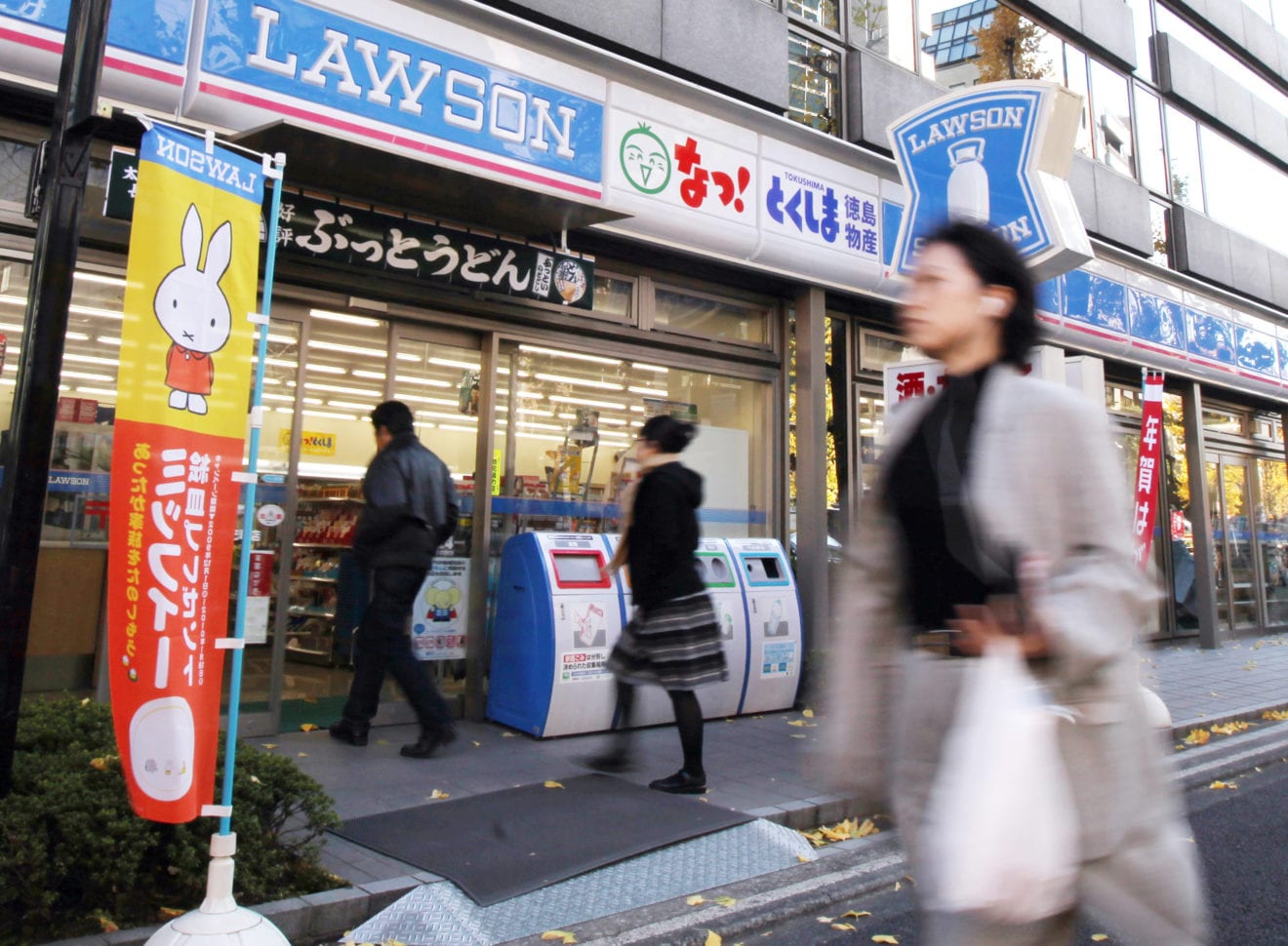
  • Lawson Japan eyes US for expansion

    Lawson Japan eyes US for expansion

    Convenience store owner Lawson Japan is seeking to buy chains in the US with the aim of boosting its number of overseas outlets by about a quarter within a year.

    “In the US, where the market is mature, mergers and acquisitions are a simple and straightforward way for us to expand, which would also allow us to buy time to boost the number of shops,” says Sadanobu Takemasu, who became Lawson president and COO this week.

    He says the group will also focus on expanding in Southeast Asia.

    Lawson has about 12,500 stores in Japan and 793 outside the country, and is targeting a 26 per cent increase to 1000 overseas outlets by February.

    Lawson joins other chains such as Seven & I Holdings’ 7-Eleven and FamilyMart in seeking overseas expansion while competing to displace conventional grocery shops and restaurants domestically amid Japan’s economic malaise and falling population.

    Lawson has a 5.3 per cent market share of Japan’s grocery retail sales, second only to 7-Eleven’s 12.2 per cent share, according to data from Euromonitor International. The situation is the same in the fast-food market, with 7-Eleven holding a  33.8 per cent share followed by Lawson with 12.4 per cent.

    Prime Minister Shinzo Abe says he is postponing an increase in sales tax until October 2019 as the government seeks to avoid depressing private consumption.

    But Takemasu says any changes in sales tax timing would have had only a temporary impact on Lawson’s business.

    “In Japan, I want to focus resources on the existing businesses to strengthen them, so I’m not considering adding new businesses through mergers and acquisitions for now.”

    Trading conglomerate Mitsubishi Corporation, where Takemasu was an aide to the president before joining Lawson, is Lawson’s top shareholder with a 33 per cent stake.

    Lawson bought the Seijo Ishii supermarket group in 2014, and the United Cinema chain the same year.

    While Lawson has outlets in China, Indonesia and the Philippines, Seven & I has about 40,000 shops outside Japan while FamilyMart has about 6000.

  • Lotte L Pay takes on Apple and Samsung

    Lotte L Pay takes on Apple and Samsung

    South Korea’s retail conglomerate Lotte Group is ratcheting up efforts to promote its own mobile payment platform, L Pay, industry watchers said Wednesday, as such services gained popularity over previous months amid the rising number of smartphone users.

    Lotte Group chairman Shin Dong-bin was recently quoted as saying by corporate officials that L Pay is an “important asset” for the business group, adding that Lotte should expand the scope and quality of the services provided by the L Pay platform.

    1201_epay_pcShin also highlighted the importance of expanding business partnerships to garner a larger slice of users in the market.

    The business group has been making efforts to establish “omnichannel” solutions, which refer to bringing together online and offline shopping platforms.

    L Pay is significant as it allows users to manage their mileage at shops and restaurants operated by Lotte Group, including Lotte Cinema, 7-Eleven and Lotte Department Store.

    The service has been forging ties with eight South Korean credit card firms and is also in talks with Samsung Electronics Co. to have L Pay applied to Samsung Pay.

  • Elections boost 7-Eleven Philippines profit

    Elections boost 7-Eleven Philippines profit

    7-Eleven Philippines stores register first-quarter sales growth on the back of election-related buying.

    Retail sales of all stores went up by 33.5 per cent to P7.3 billion (US$405 million) from P5.5 billion a year ago. This was driven by opening of new stores and increase in same store sales, which was largely attributed to election-related spending.

    Philippine Seven saw its net income up 61.6 per cent year-over-year to P182.4 million during the first quarter.

    The local licensee of 7-Eleven Convenience Stores said its improved financial performance was within expectation as the company’s profits are historically favorable during election season.

    Philippine Seven opened 55 new stores and closed two to end the quarter with 1655 stores. The company now has 1421 7-Eleven stores in Luzon, 189 in Visayas and 45 in Mindanao.

    It is set to attain another milestone this year in terms of total number of stores and profitability.

    The company said, while competition is likely to be more intense, Philippine Seven is the most capable to strengthen its position in the convenience store sector. It aims to capitalise on its first-mover advantage and intends to benefit from the capacity-building expenditures over the last three years.

    For 2016, the company plans to increase its capital expenditures budget to P3.5 billion to support its store expansion strategy.

  • Siam Makro plans $258m expansion

    Siam Makro plans $258m expansion

    Thai cash-and-carry chain Siam Makro plans to invest up to 9 billion baht ($258 million) in opening stores this year in Thailand and overseas.

    Its parent company, CP All, which through its ownership of 7-Eleven Thailand is the country’s largest convenience store operator, plans to sell some of its 97 per cent stake in Siam Makro. It has appointed Siam Commercial Bank as financial advisor for a public share sale.

    It is reported CP All aims to keep a stake of more than 50 per cent in Siam Makro, whose main customers are hotels, restaurants and small convenience stores.

    Siam Makro plans to spend 6 billion baht to open 20 stores in Thailand this year, plus 3 billion baht to expand elsewhere in Southeast Asia. CFO Saowaluck Thitaphant says possible markets include Cambodia, Laos and Vietnam.

    She says the company is also interested in India, and plans a store for Myanmar once the political climate is clearer following elections.

    Siam Makro expects revenue to rise by less than 10 per cent this year.

    CP All, controlled by billionaire Dhanin Chearavanont’s Charoen Pokphand Group, says it will use proceeds of the share sale to repay debt.

  • Cheap convenience store coffees enjoy growing popularity

    Cheap convenience store coffees enjoy growing popularity

    Low-cost coffees at Korean convenience stores are increasingly popular among price-conscious consumers, posing a threat to coffee shop franchises, industry data showed Monday.

    Local convenience stores have served canned coffee and instant coffee with hot water for years, but they are expanding sales of higher-quality drinks through self-serve coffee bars to get a bigger chunk of the rapidly growing market.

    The nation’s top three convenience store chains, which each have over 7,000 outlets nationwide, offer coffee at around 1,000 won (87 cents), a price one-third or one-fourth that of major franchise coffee shops.

    Helped by affordable prices, coffee sales at major convenience store chains have soared in the first quarter compared to a year ago.

    7-Eleven, operated by Lotte’s affiliate Korea Seven, said sales at “Seven Cafe” jumped nearly four times in the first three months of this year, without elaborating on the specific sales figures.

    GS 25, a chain under GS Retail, also saw coffee sales at “Cafe 25” rise nearly three-fold during the period, and CU, a chain by BGF Retail, said its sales at “Cafe GET” rose 62 percent.

    Convenience stores plan to expand their on-the-go coffee services this year as well as bakery items and ice beverage menus this summer to expand coffee-related sales. The 7-Eleven and GS 25 chains plan to triple the machine to 3,000 this year, according to company officials.

    As major chains are set to expand coffee services to edge out their rivals, industry officials expect the competition to accelerate polarization in the market between mini take-out stores and trendy cafes. Their fast rise poses a threat to franchise coffee shops, which have posted lackluster performances amid a supply glut and rising rental fees in major retail strips.

    Ediya, a homegrown coffee brand that has the largest number of shops nationwide, said the average sales per store slipped 2 percent in 2015 from a year ago.

    “We have been paying keen attention to convenience store coffees. After in-depth discussions with employees late year, we concluded that creating Ediya’s own taste is the most important,” Ediya CEO Moon Chang-ki said during last week’s press conference.

    “Despite the influx of cheap coffee, we will strengthen R&D to improve the quality of our coffee products.”

    The coffee market was valued at 6 trillion won last year and was expected to grow about 10 percent in the next five years.

    Amid the coffee craze, convenience store coffee grew at the fastest pace to snip away the market share of other caffeine beverages. Coffee sales at convenience stores amounted to 40 billion won ($34.7 million) in 2015 and are expected to expand to 100 billion won this year, according to industry data.

  • 7-Eleven awards Wolf Blass wine

    7-Eleven awards Wolf Blass wine

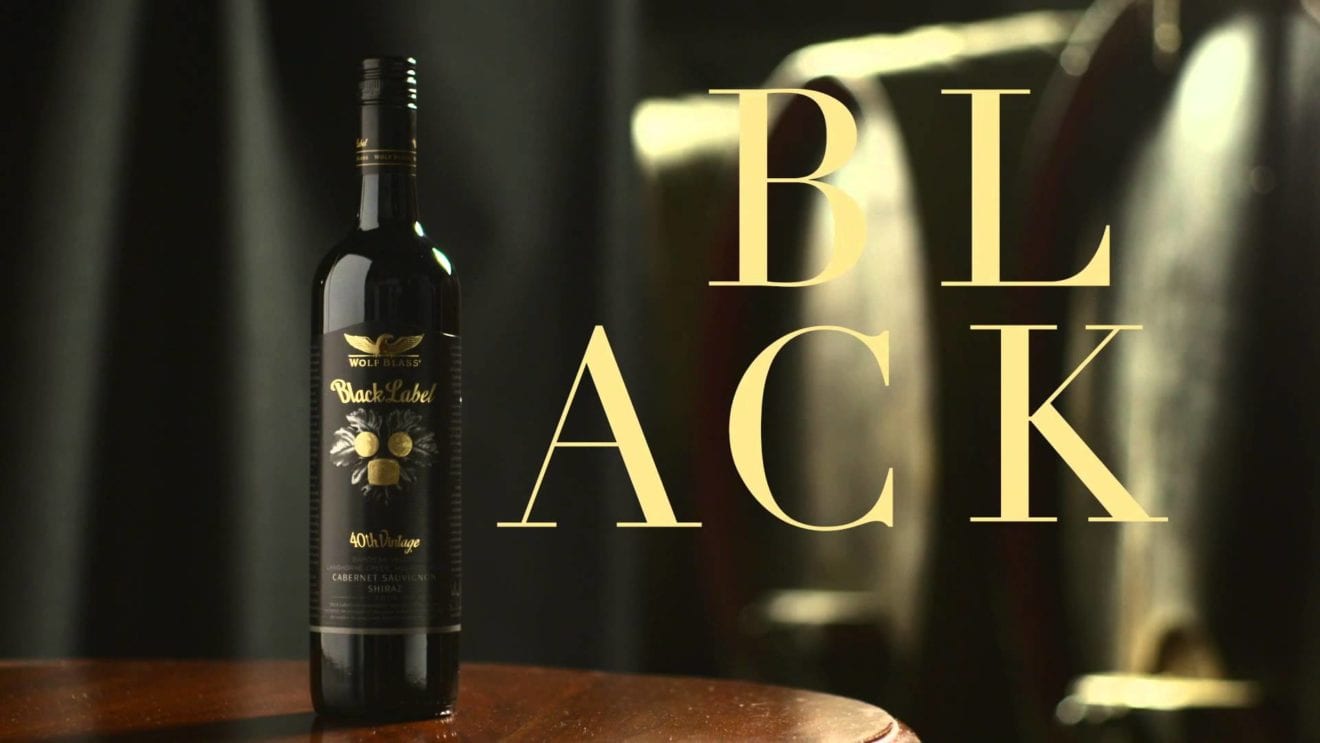
    The convenience market channel in Hong Kong has traditionally been the most significant retail sales channel for beer. The rise in wine sales through this channel with brand recognition evidences evolution of Hong Kong as a wine market.

    The brand winning criteria were based on combined scores tallied from consumer votes as well as by 7-Eleven staff during the January 2016 voting period.

    Along with Wolf Blass, other beverage companies that picked up awards at 7-Eleven’s ceremony included global brands such as Red Bull and Heineken.

    TWE-Barry-Galloway-receiving-the-award-on-behalf-of-Wolf-Blass-350x350

    “This award is a credit to our sales and merchandising team in recognition for their great work through this important Hong Kong convenience channel,” said Barry Galloway, Country Manager of Hong Kong, Macau and South China, Treasury Wine Estates.

    “I would also like to extend my congratulations to the Wolf Blass team as this accolade is testament to the outstanding efforts of our winemakers for producing exceptional quality wines enjoyed by consumers in Hong Kong and the world over.”

    Speaking to dbHK, Galloway admitted that although sales through the convenience market channel didn’t compare with sales through supermarkets and specialist wine stores, it was an important step for TWE’s market penetration in Hong Kong.

    According to Galloway, the popularity of the brand has posed a small challenge: that they have temporarily run out of stock of the smaller formats, as they proved so popular at the convenience stores.

    Established in the Barossa Valley in 1966, Wolf Blass has grown from a humble tin shed to become one of the world’s most successful and awarded wine brands.

    Already a recipient of more than 8,000 medals and trophies at national and international wine shows, this award is probably one of its more eclectic ones.

  • FamilyMart Malaysia rollout confirmed

    FamilyMart Malaysia rollout confirmed

    QL Resources, which produces chicken eggs and seafood surimi, is set to launch a MalaysiaFamilyMart network.

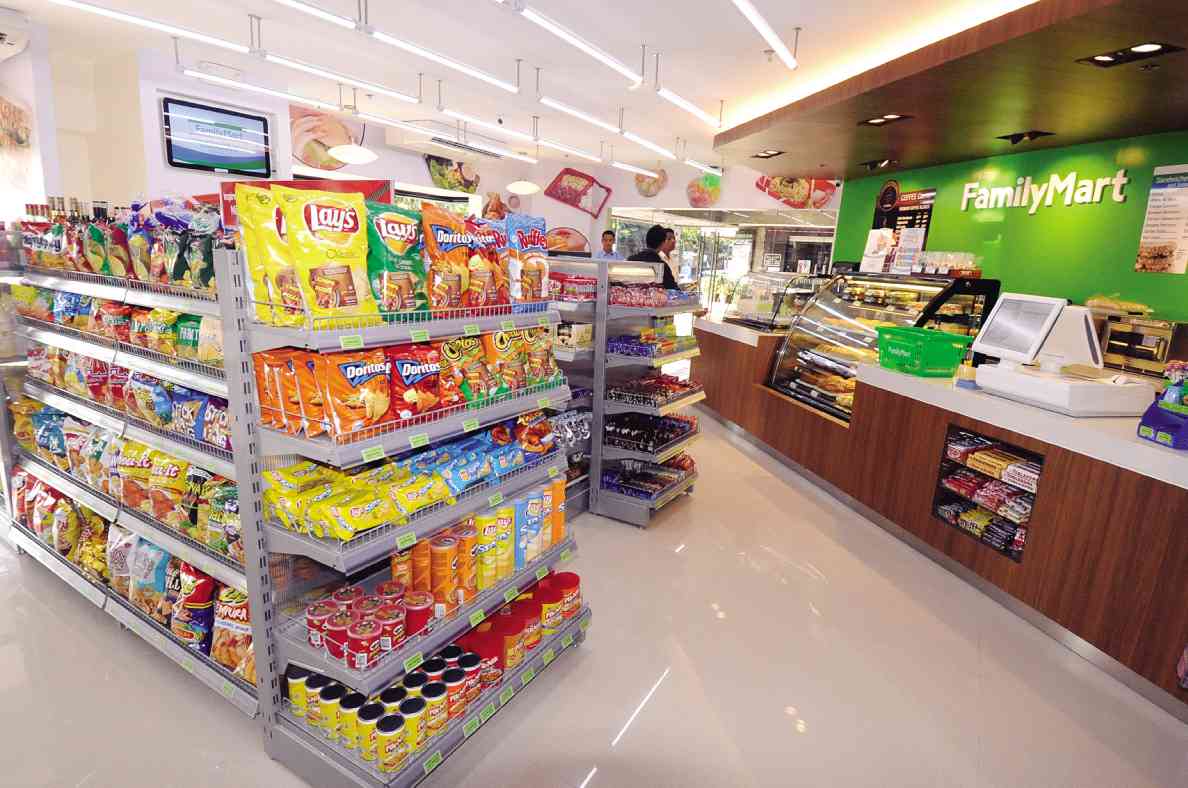
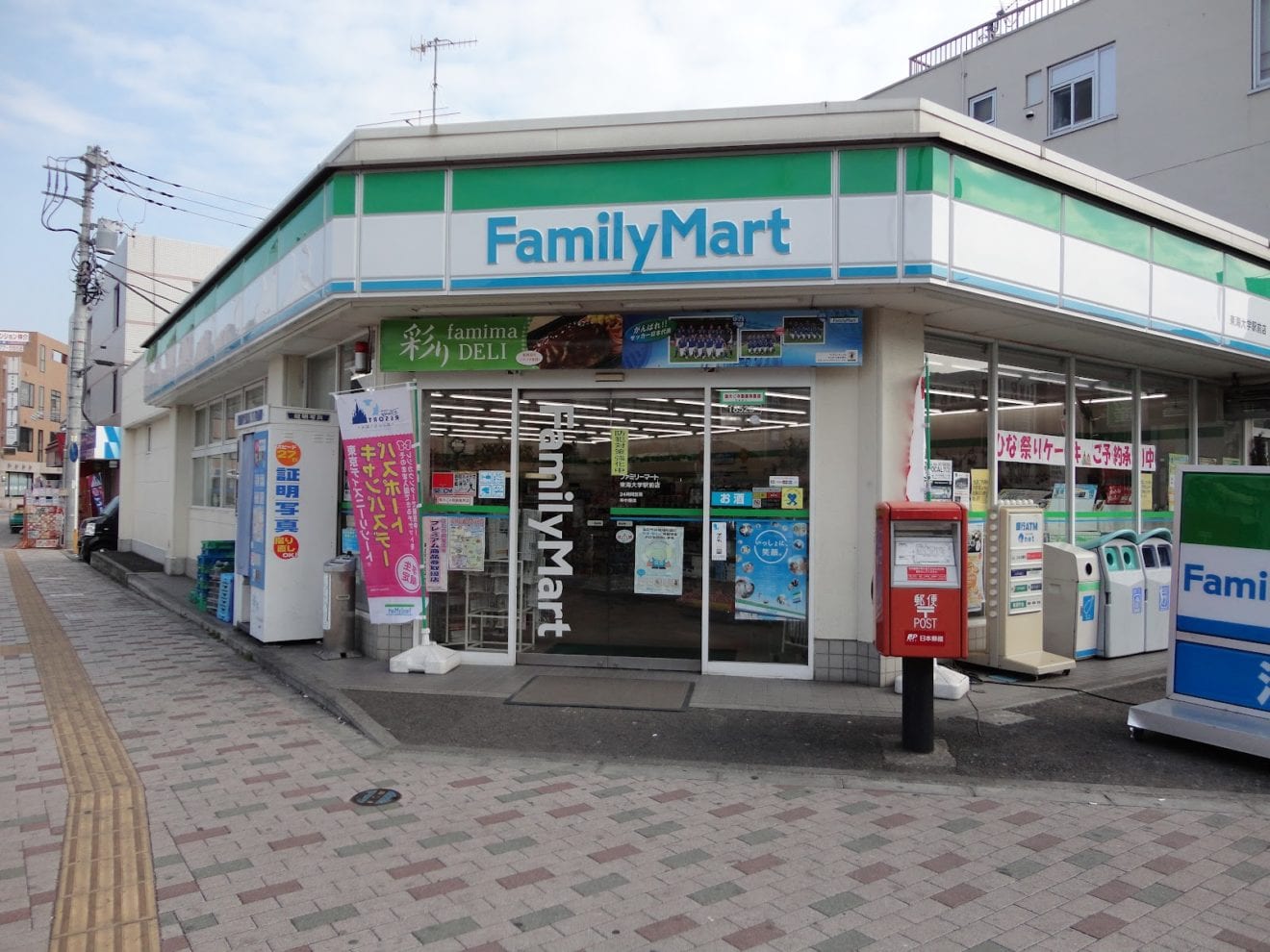
    The company says it plans to open 300 outlets within five years, with the first to be up and running by the end of this year. That will trigger a battle with fellow Japanese convenience store chain 7-Eleven and local startup Bison Incorporated which plans to use the funds from an upcoming IPO to open 150 new stores by 2017.

    QL Resources says its wholly owned subsidiary Maxincome Resources has signed the area master franchise agreement for the development and running of FamilyMart convenience stores in Malaysia. The 20-year agreement is renewable for subsequent periods of 20 years, each at Maxincome’s option, and becomes conditional once the company has registered as a franchisee with Ministry of Domestic Trade, Co-operatives and Consumerism.

    FamilyMart sees the move into Malaysia as an “exciting opportunity” given the country’s growing economy and consumer spending.

    Both parties seem to agree the launch will have a long gestation period, understandable given the current state of the convenience store industry in Malaysia.

    7-Eleven Malaysia dominates the market, with a share of around 82 per cent, through  more than 1900 stores nationwide and with an expansion rate of about 200 annually at present..

    Smaller rival Bison has about 240 newsstands and convenience stores under its brands, which include myNews, Newsplus, MagBit and The Front Page. It also runs WHSmith outlets in Malaysia, in a joint venture with UK’s WH Smith Plc.

    QL Resources says the launch of FamilyMart will open up bigger growth opportunities in the consumer market for the whole group. “It fits into our strategy of strengthening and expanding integration of the group’s value chain.”

    It cites such favourable factors as Malaysia’s increasing urbanisation and per-capita consumption, young population demographic, and a growing trend of proximity and convenience retail.

    Globally, FamilyMart had 17,540 stores in seven countries as at March 31, and is known for its range of ready-to-eat food and beverage offerings as well as convenience items.

    “FamilyMart’s philosophy and values resonate with QL Resources’ mission of providing nourishing agro-based products,” QL Resources says in a statement. “Their emphasis of delivering quality food is also a value that QL Resources, as a food company, values and sees synergy in.”

  • Philippine 7-Eleven profits surpass 1 billion pesos

    Philippine 7-Eleven profits surpass 1 billion pesos

    The Philippine 7-Eleven network of convenience stores recorded record profits in  2015, fuelled by new store openings.

    Parent, listed company Philippine Seven, says it surpassed 1 billion pesos (US$22 million) in profits for 2015.

    The 15.4 per cent year-over-year profit rise came on the back of an increase in stores from 1282 in 2014 to 1602 stores in 2015.

    Philippine Seven said retail sales of all stores rose by 25.3 per cent  to P25.8 billion from P20.6 billion compared with prior year.

    The company has been expanding its logistics infrastructure to support its

    unprecedented expansion in Visayas and Mindanao.

    “The rest of the country is relatively uncontested in comparison. We are virtually the only competitor with the critical mass to build out proper supply chains in areas logistically unreachable from GMA,” said Jose Victor Paterno, president and CEO.

    The expansion is  expected to support profitability in the medium term, through cashing in on underutilized warehouses and achieving dominant position in new markets.

    For 2016, the company plans to increase  capital expenditures budget to P3.5 billion to support its accelerated store expansion strategy. The bulk of this amount will fund new store openings, store renovations and equipment acquisition.

    Philippine Seven Corporation operates the largest convenience store network in the country. It acquired the master franchise licence from Southland Corporation (now Seven Eleven) of Dallas, Texas, in December 1982 and was listed in the Philippine Stock Exchange in February, 1998.

  • Singapore, Indonesia drag Dairy Farm Group food division

    Singapore, Indonesia drag Dairy Farm Group food division

    Weak performances in Singapore and Indonesia eroded underlying profits in multinational retailer Dairy Farm Group’s food division last year.

    Last week, Dairy Farm reported a 5 per cent overall increase in sales on a constant currency basis, but a 14 per cent decline in underlying profit due to the “challenging” operating environment across Asia. Sales totalled US$11.137 billion, profit fell from $509 million to $424 million.

    Dairy Farm’s interests span convenience stores, hypermarkets, supermarkets, fast food restaurants, cafes, pharmacies, beauty stores and Ikea franchises. While all divisions reported mixed results by markets, it was the core food division where the gaps seemed widest.

    CEO Graham Allan said Wellcome supermarkets and 7-Eleven convenience stores in Hong Kong traded well, and Wellcome Taiwan also delivered encouraging results with its targeted focus on upscale customers.

    In Hong Kong, despite a competitive trading environment and declining Mainland visitor traffic, Wellcome achieved gains in both sales and market share, he said.

    “In the face of steep increases in rental costs, profitability remained strong due to sales growth and prudent management of other costs. In 2015, the group acquired and successfully integrated the San Miu supermarket business in Macau, which delivered a higher than expected profit contribution.”

    Food (excluding the Yonghui China business in which Dairy Farm acquired a 19.99 per cent stake during the year) reported US$8.2 billion in sales, a decrease of 2 per cent, while operating profit declined by 21 per cent to US$236 million principally driven by disappointing results for supermarkets and hypermarkets in Singapore and Indonesia.

    In Mainland China, 7-Eleven showed further improvement despite the market slowdown. But in Singapore, “further margin erosion resulted from higher labour costs and rents, soft consumer sentiment, a weaker Singapore dollar” and intense competition in the supermarket sector.

    “Operating profit was significantly lower than in 2014, mainly due to lower margins from Cold Storage’s price campaigns, a store rationalisation program and operational challenges. In a difficult segment, Giant ended the year with improvement in both sales and profits.”

    Allan says in 2016, the group will optimise its product offer with improved fresh items and ready-to-eat meals, with the aim of growing market share, boosting stock management capability and fine tuning brand positioning.”

    In Malaysia, the introduction of GST in April and weak consumer confidence dampened retail spending and profitability.

    “Post-GST consumer apprehension, currency weakness, lower subsidies and political uncertainty brought consumer sentiment to its lowest point in 10 years and negatively impacted sales in the remainder of the year.

    “Nevertheless, improved retail execution, assortment enhancements and tactical investments in margin to improve price perception have helped to maintain sales in a soft market,” said Allan.

    “In the Philippines, the upscale and community supermarkets reported sales growth, while hypermarket sales were slightly positive. The group opened three new Rustan’s and three new Wellcome stores, and ended the year with 56 outlets. Enhancing the quality and breadth of the fresh offer, embracing more impactful merchandising and display practices and building corporate brands are central to the group’s plans for 2016.”

    In Indonesia, profitability declined significantly as a result of higher labour costs, price investments to drive customer traffic and changes associated with more rigorous stock management, Allan said. While its Giant supermarkets there enjoyed a better year and produced double digit sales growth, and its larger Giant hypermarkets also grew, Hero supermarkets sales were steady.

    “While overall margins improved, partly due to excellent growth in fresh food, earnings suffered from increases in labour costs, stock clearance activities and store rationalisation.”

    Results from PT Hero were also depressed by 12 per cent with the weakening rupiah affecting the outcome on translation. Hero, majority owned by Dairy Farm Group, has sold the majority of its Starmart convenience stores and will close the remaining ones.

    And in Vietnam, Giant achieved strong like-for-like sales with increases in both customer traffic and basket size.

    “Facing strong competition from new entrants and existing players, the group repositioned its fresh strategy with lower prices and a wider product offer to grow market share.”

    Convenience stores

    Operating profit in the convenience store division of the broader food business dropped by 12 per cent to US$64 million.

    Allan said in Mainland China, 7-Eleven saw a pleasing increase in sales and profits over the previous year, with like-for-like sales growth and store network expansion. Despite signs of an economic slowdown in China, profitability improved. Ready-to-eat was the leading category in terms of sales and contribution and this category will continue to be a major area of focus in 2016.

    “In Hong Kong, the group achieved excellent like-for-like growth and gained market share across most categories. Rapidly escalating operating costs, especially store labour and rental expenses, crimped profit growth. Sales momentum in Macau slowed during the second half of the year due to an increase in cigarette taxes in July and reductions in tourist numbers from Mainland China,” he reported.

    In Singapore, 7-Eleven’s results were impacted by lower sales from the tourist segment, by lower liquor sales partly due to new regulations curtailing late night alcohol sales, and by increased store labour costs and operating costs in the Distribution Centre.

    “Major initiatives for the coming year will focus on strengthening the ready-to-eat supply chain.”
  • 7-Eleven Malaysia: more sales, lower profits

    7-Eleven Malaysia: more sales, lower profits

    Despite positive sales growth, 7-Eleven Malaysia’s profits have slumped by more than a fifth.

    Higher selling and distribution expenses from store expansion are blamed for 7-Eleven Malaysia Holdings net profit falling 22.21 per cent to RM13.94 million ($3.3 million) in the fourth quarter ended December 31, from RM17.93 million.

    Its revenue increased by 3.87 per cent to RM499.74 million from RM481.12 million for the same quarter the previous year, the group told the stock exchange.
    Its net profit also fell for the full year, by 11.53 per cent to RMB55.8 million from RM63.07 million, while revenue rose 5.98 per cent to RM2 billion from RM1.89 billion.

    7-Eleven Malaysia’s growth in revenue continued to be driven by introducing new stores, improving the merchandise mix and promotional activity, says the company.

    “This growth was achieved despite ongoing retail market negativity caused by the implementation of GST (on April 1, 2015) and weak consumer confidence and spending.”

    However, the group’s selling and distribution expenses for the quarter also increased by RM13.7 million, or 10.3 per cent, mainly because its new stores meant higher staff costs, rental costs, store depreciation expenses and maintenance costs.
    It believes trading conditions for the current quarter will stay challenging.
    “Despite this, we are positive of holding on to our market leading position, while our new store expansion plan remains on track,” says the company.

  • 7-Eleven Taiwan in MyDay eCommerce partnership

    7-Eleven Taiwan in MyDay eCommerce partnership

    Taiwan’s largest convenience store chain, 7-Eleven, says it will work with local shopping website MyDay to have online purchases from overseas delivered to its 5000-plus stores around Taiwan.

    The convenience store introduced the delivery service on Wednesday (November 25), allowing shoppers on the MyDay website to have their purchases delivered from Japan, the US and South Korea in as little as five days.

    Myday has over 10 years’ experience in cross-border eCommerce services and also partners with other sites such as Amazon in the US, Rakuten in Japan, and Gmarket in South Korea, said 7-Eleven.

    7-Eleven is the second convenience store chain in Taiwan to offer such a service, following FamilyMart, which established a similar partnership with the Japanese shopping site Tenso in September.

    Registered members of Tenso can have their purchases delivered to FamilyMart stores in Taiwan in about six days.

    Over 43 per cent of online shoppers in Taiwan buy products on overseas sites six times per year on average, according to a 2013 survey by the Market Intelligence & Consulting Institute under the Institute for Information Industry.

  • South Korean Convenience Stores Thrive

    South Korean Convenience Stores Thrive

    The growing interest in ready-made meals and other necessities—driven by an increase in single-adult households—has fueled the growth of convenience stores in South Korea, Yonhap reports. These retailers stock daily essentials and food in smaller quantities and are open 24 hours a day, which provides more opportunities for working adults to shop.

    The three biggest chains—7-Eleven, BGF Retail and GS Retail—opened a combined 2,000 new locations this year. Overall, the number of convenience stores in the country jumped to close to 26,000.

    GS Retail, which operates GS 25, generated the largest increase with $3.11 billion in sales from January to September 2015, a 36% bump from the same time period in 2014. Meanwhile, BGF Retail posted a 28.8% rise in sales, while 7-Eleven increased its sales by 26.4%, over the same time period.

    Local convenience stores are capitalizing on the boost in customers by launching their own private-label brands to provide a low-cost alternative to name brands. The stores also have changed up their merchandise mix to include more non-food items in addition to the beverages, cigarettes and instant food items.

    However, the increasing number of convenience stores has begun to saturate the market. Retailers now experience stronger competition from each other, often with stores on opposite sides of the street vying for the same customers.

  • Dairy Farm struggles in SE Asia

    Dairy Farm struggles in SE Asia

    Dairy Farm International Holdings says softer sales growth and steep cost increases led to weakened margins in the third quarter.

    In an interim management statement, which does not include financial data, the Hong Kong-based pan-Asian retailer says the group faced more difficult economic conditions, and focused on building market share and investing for the long-term health of its businesses.

    Tighter margins and unfavourable exchange rate movements continued to affect the group’s US dollar reported results and led to lower underlying earnings for the period.

    “The group expects similar trading conditions to prevail for the remainder of the year.”

    Dairy Farm says profitability of its Singapore food business – where it owns the 7-Eleven franchise and Cold Storage supermarket chain – fell, principally due to weak performances from newly opened supermarkets and the impact on 7-Eleven of government restrictions on alcohol sales.

    In Malaysia, the introduction of GST and softer consumer confidence dampened spending at itsGiantstores.

    “In Indonesia, despite good sales momentum in July and August, higher labour costs and price investments to attract customers have reduced margins,” the company said.

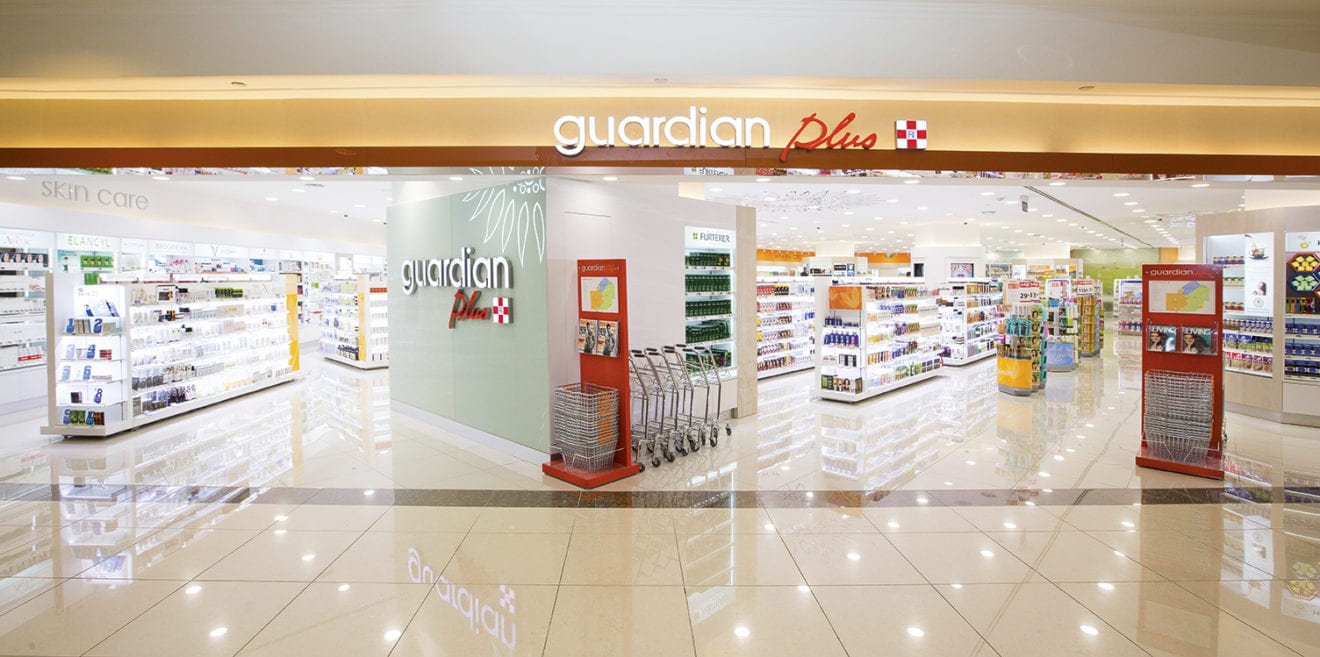
    The Health and Beauty Division – led by the Guardian and Mannings brands – continued to perform well in Hong Kong, despite the slowdown in Mainland Chinese tourist arrivals, and has seen improvements in profitability in Singapore. The overall results were, however, held back by poorer performances in Malaysia and Indonesia.

    Both the Home Furnishings and Restaurants Divisions have increased sales and profits. Ikea performed well in both Hong Kong and Taiwan, and the new Ikea store in Indonesia continues to trade ahead of expectations.

    Restaurant group Maxim’s, which operates Starbucks amongst other brands,  maintained its consistent performance.

    The group is to invest a further US$210 million in Yonghui Superstores in early 2016 so as to maintain its 19.99 per cent stake following a placement by Yonghui of a 10 per cent shareholding to internet retailer, JD.com. The investment by JD.com will provide Yonghui with additional opportunities for expansion into eCommerce.

    “With respect to recent investments, there have been positive contributions from [supermarket chain] San Miu in Macau and from Yonghui in China, despite the challenging trading environment. Meanwhile, progress continues on the integration and repositioning of the Rose Pharmacy business in the Philippines,” the company said.

    “Notwithstanding the challenging conditions, Dairy Farm was able to maintain its cashflow from operating activities through better working capital management.

    Dairy Farm operates over 6400 outlets – including supermarkets, hypermarkets, convenience stores, health and beauty stores, home furnishings stores, cafes and restaurants – employing over 170,000 people, and had total annual sales in 2014 exceeding US$13 billion.

  • FamilyMart-Uny seal merger

    FamilyMart-Uny seal merger

    A merger of Japan’s third and fourth-ranked convenience store operators is set to create a “third force” in Japanese retailing behind Seven & I and Aeon.

    The FamilyMart-Uny merger terms have now been agreed and the two companies are now working towards an implementation date of September 2016.

    FamilyMart will soak up smaller Uny, which operates the Circle K Sunkus convenience store network in Japan. A new holding company will be created, 30 per cent owned by Japanese trading house Itochu, which currently owns three per cent of Uny and is FamilyMart’s single largest shareholder.

    Once merged, the new business will turn over around US$42.2 billion from some 18,000 stores, a network larger than current second placed Lawson and on a par with Seven Eleven Japan.

    The merger has already taken some eight years to negotiate making it nine years by the time the merged entity begins trading. It was back in 2007 when FamilyMart first approached Uny, an offer initially rebuffed.

    Some details have yet to be finalised – or announced – such as the future of Uny’s 230 or so general merchandise stores in what will essentially become a convenience store operator.

    Uny president Norio Sako says there will be some store closures, decided “on their individual merits”.

    There is also no final agreement yet on whether a single operating brand will be adopted.

  • 7-Eleven store at Cineleisure no longer allowed to sell tobacco products

    7-Eleven store at Cineleisure no longer allowed to sell tobacco products

    The 7-Eleven retail store at Cineleisure Orchard is no longer allowed to sell tobacco products, after its employees were caught, for the second time, selling tobacco products to minors under the age of 18. The revocation of its tobacco retail licence took effect on July 31.

    Four other errant retail outlets have also had their tobacco retail licence suspended for six months after they were caught selling tobacco products to under-18 minors for the first time.

    The suspension for Nice Minimart at Tampines Street 32 takes effect today (Sept 28) until March 27 next year, while the suspension for Tastebud Foodcourt at Queen Street and J Plus Ten Mini Mart at Bukit Batok West Ave 6 started on July 31 and will last until Jan 30 next year. The suspension for Hwa Soon Heng Mini-Supermarket at Yishun Ring Road ended on Sept 15.

    The Health Sciences Authority (HSA) listed errant retailers and actions taken against them in a press release issued today. The HSA said they were caught via its ground surveillance and enforcement activities.

    In the last three years, 39 tobacco retail licences were suspended and 18 were revoked.

    The HSA reminded licensees that they are responsible for all transactions of tobacco products taking place at their outlets, as well as for the actions of their employees.

    Under the Tobacco (Control of Advertisements and Sale) Act, anyone caught selling tobacco products to persons below the age of 18 is liable, on conviction in Court, to a fine of up to S$5,000 for the first offence and up to S$10,000 for the second or subsequent offence. In addition, the tobacco retail licence will be suspended for 6 months for the first offence and revoked for the second offence.

    If any outlet is found selling tobacco products to under-18 minors in school uniform or those below 12 years of age, the tobacco retail licence will be revoked, even at the first offence.

    The HSA also reminded members of the public that anyone caught buying or acquiring any tobacco product for a person below the age of 18 years, is liable on conviction in Court, to a fine of up to S$2,500 for the first offence and up to S$5,000 for the second or subsequent offence.

    Anyone caught giving or furnishing a tobacco product to a person below the age of 18, is liable on conviction in Court, to a fine of up to S$500 for the first offence and up to S$1,000 for the second or subsequent offence.

    Between 2011 and August this year, 70 people have been caught for such offences.