Retail News CRM

Tag: bali

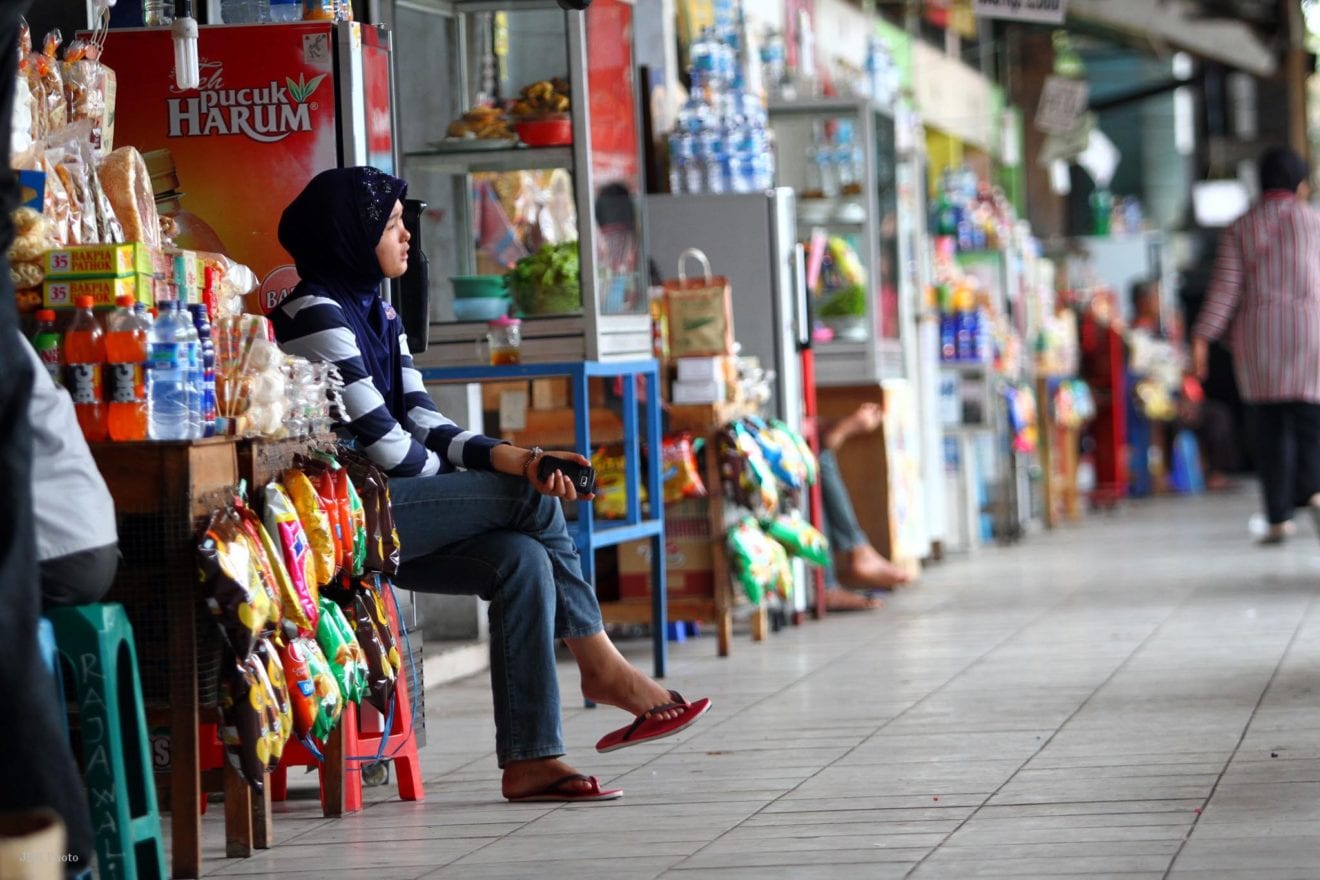
  • Indonesian retail sales fell 16.3 per cent in November

    Indonesian retail sales fell 16.3 per cent in November

    Retail sales in Indonesia dropped 16.3% year-on-year in November following a 14.9% fall a month earlier, a central bank survey showed on Tuesday.

    Sales of telecommunication types of equipment and other household goods contracted in November, the survey showed.

    The survey also forecasts an even deeper contraction of 20.7% in December.

  • Indonesian beauty retailer Sociolla lands in Vietnam

    Indonesian beauty retailer Sociolla lands in Vietnam

    Beauty technology company Social Bella announced its first overseas expansion with the launch of the beauty e-commerce platform Sociolla in Vietnam.

    Demand from beauty enthusiasts in Vietnam was one of the company’s considerations, following a US$58 million funding from investors, such as Singaporean state investment fund Temasek and its private equity subsidiary Pavilion, alongside Singaporean venture capital firm Jungle Ventures.

    The beauty and self-care market in Vietnam has stayed robust and adaptive amid the COVID-19 pandemic, a website on cosmetics and the personal care industry. The beauty sector in Vietnam has seen rapid growth in online sales.

    Christopher Madiam, cofounder and president of Social Bella, said the company was excited to expand its market internationally. “As one of the fastest-growing beauty and self-care markets in Southeast Asia with a population of a digitally literate young generation, Vietnam bears a resemblance to Indonesia,” Christopher said in a statement. “We’re certain that Vietnam is the right country for our first international expansion.”

    John Rasjid, cofounder and CEO of Social Bella, said the company intended to provide access for Indonesian beauty brands to consumers abroad through the expansion. “We’ve witnessed how local beauty brands are getting innovative in releasing quality yet affordable products that can compete with international products,” John said. “With the expansion, we’re not only opening distribution access, but we’re also giving comprehensive support to ensure that their products receive a warm welcome in Vietnam. We are collaborating with a number of our local partners to support a holistic business growth plan in Vietnam.”

    ESQA is among the Indonesian brands Sociolla brings to Vietnam. Cindy Angelina, the cofounder of ESQA Cosmetics, said the firm was proud to be part of the expansion. “We’ve experienced significant growth since joining Sociolla in April 2017. Hopefully, this success will continue in Vietnam,” Cindy said.

    Established in 2015, Social Bella has several business units, including offline stores under the Sociolla brand, Beauty Journal, and Lilla by Sociolla. In July, the company appointed renowned Indonesian make-up artist Archangela Chelsea as the makeup director of Sociolla.

  • New Wealth to Grow Distribution in Indonesia

    New Wealth to Grow Distribution in Indonesia

    The Singapore-based digital wealth engagement solutions provider has its sights on the retail and affluent banking segments in Indonesia.

    New Wealth has inked a strategic partnership with digital engineering firm HAXtech to distribute its solutions to banks, insurance, and fintech firms in Indonesia, the company announced in a press release on Friday.

    The partnership promises improved market access, faster project delivery, and enhanced in-country client support, New Wealth said in the announcement.

    CEO Löic Pitrou said the company is currently expanding its ability to deliver multiple digital finance projects in Indonesia to support the fast-growing digital savings and wealth management sector there.

    Pitrou, a digital finance strategy and Robo-advisory specialist, founded New Wealth company in 2018. Its senior management team includes head of the experience lab Sudhir Nain and chief technology officer Simon Mazas. The company provides sales and advisory tools and applications for both relationship managers and self-directed investors.

    Its clients and partners include Commonwealth Bank, Standard Chartered, Morningstar, Eastspring, and Savio, according to its website.

  • The airline founder building Asia’s next super app

    The airline founder building Asia’s next super app

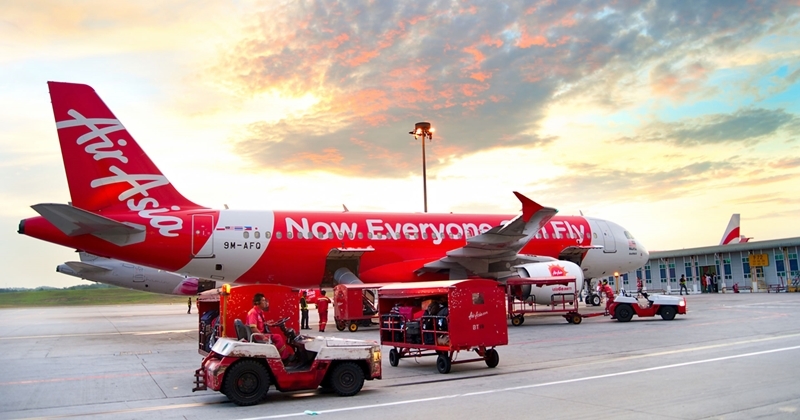
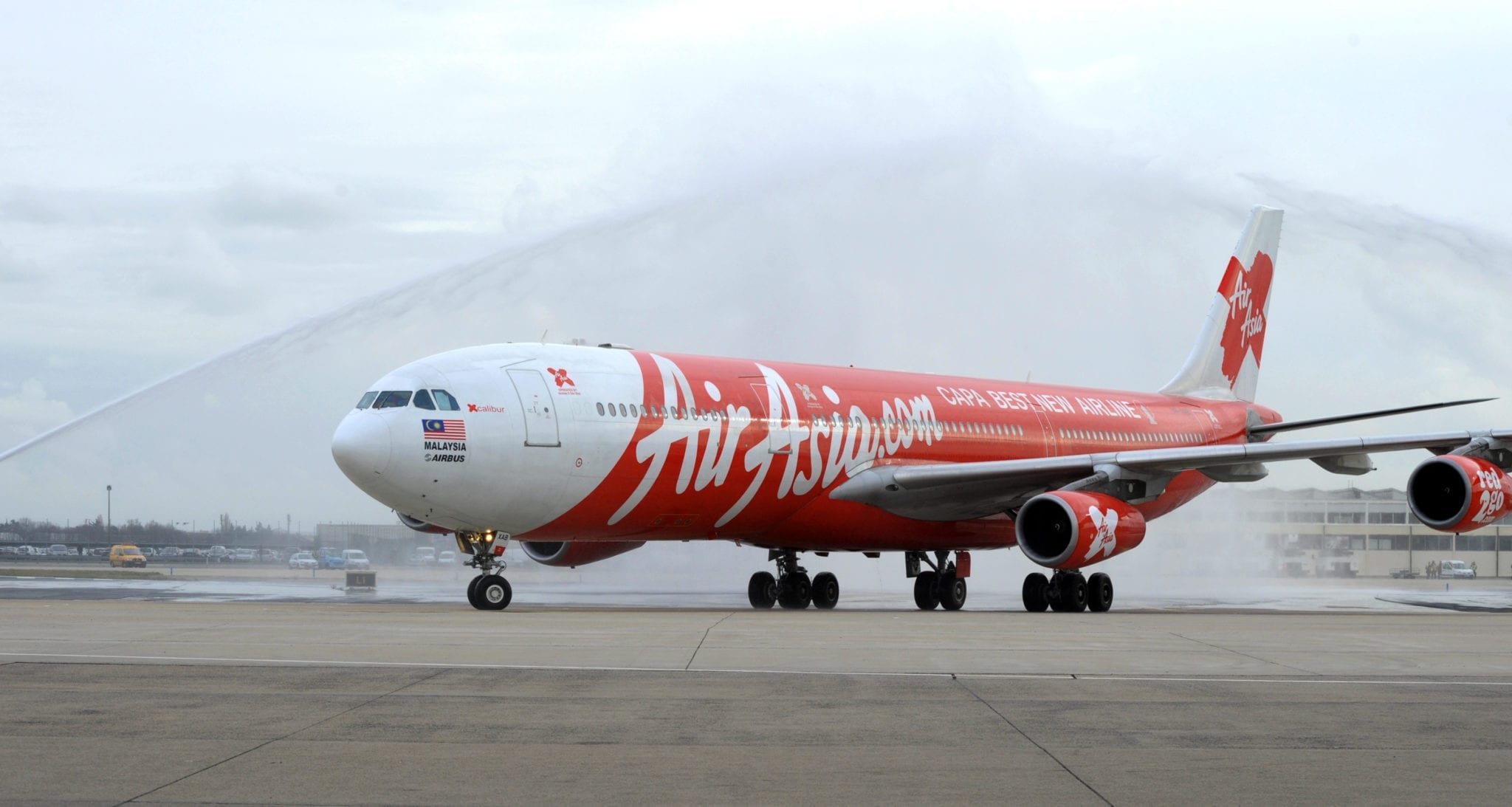
    AirAsia’s founder Tony Fernandes is building what he hopes will be the region’s next “super app” as he deals with the coronavirus travel downturn. He wants to rival the likes of Grab, GoJek, and WeChat with an all-in-one app for food delivery, shopping, payments, entertainment, and travel. As the airline’s boss, he has been looking at new ways to generate income while his planes were grounded. AirAsia has struggled during the pandemic and cut 30% of its staff.

    Mr. Fernandes said he has spent his time during the travel slump improving the AirAsia app and the company’s payments platform BigPay.

    “The downturn was a blessing in disguise in some ways as it allowed us to focus more on it. Running an airline takes up a lot of our time but we have been given the opportunity and time to focus on our digital business.”

    AirAsia already has a “rich database” of over 60 million users as its starting point. The AirAsia app, which also offers users a messaging service, has set its sights on super apps like Singapore-based Grab, Indonesia’s GoJek, and China’s Meituan.

    “AirAsia has always been a digital company. We were one of the first airlines to sell online. It’s in our bloodstream,” added Mr. Fernandes, who is also a major shareholder of English football club Queen’s Park Rangers (QPR).

    “I know a super app sounds like a lofty target but Grab and GoJek also started out small as food or mobility apps. Plus people also questioned me the same way when I said I wanted to start AirAsia.”

    Mr. Fernandes’ airline has now grown to become Asia’s biggest budget carrier. Last year AirAsia launched its own record label called RedRecords in partnership with Universal Music. The aim is to discover stars from South East Asia who will appeal to a Western audience. The first major signing, Thai pop star Jannine Weigel, has already built up millions of followers across social media.

    “Boy have we got something special with the record label. The Koreans have shown how Asian music can appeal to a global audience with K-pop and there is huge potential for southeast Asia.”

    “This also helps us engage with a younger audience and gives lots of content for our app.”

  • June Indonesian retail sales down again

    June Indonesian retail sales down again

    June Indonesian retail sales fell 17.1 percent over the same month last year – but that decline was slower than during the previous month.

    According to data from the country’s central bank, retail sales fell by 20.6 percent in May, as the Covid-19 pandemic forced store closures and consumers stayed home.

    Sectors to show improvement were food, beverages & tobacco, along with communication services.

    The Bank Indonesia is expecting the decline in Indonesian retail sales to further slow in July, to 12.3 percent.

  • Retail sales in Indonesia drop dramatically

    Retail sales in Indonesia drop dramatically

    Retail sales in Indonesia have fallen by 16.9 percent during the month of April compared to last year, according to government data.

    The drop is the steepest within the territory in 14 years and is the result of a steady decline in retail sales of a range of products surveyed by the Indonesian central bank.

    The decline is 4.5-per-cent deeper than comparable figures for the previous month, while retail sales in Indonesia declined by a more modest 0.8 percent during February.

    Even worse figures are expected for May, however, as the advent of Covid-19 saw people forced to implement social distancing.

    The Bank Indonesia now predicts sales figures to show a heavy 22.9-per-cent fall in volume year on year for last month.

  • Indonesia AirAsia’s growth halted due to coronavirus and economy

    Indonesia AirAsia’s growth halted due to coronavirus and economy

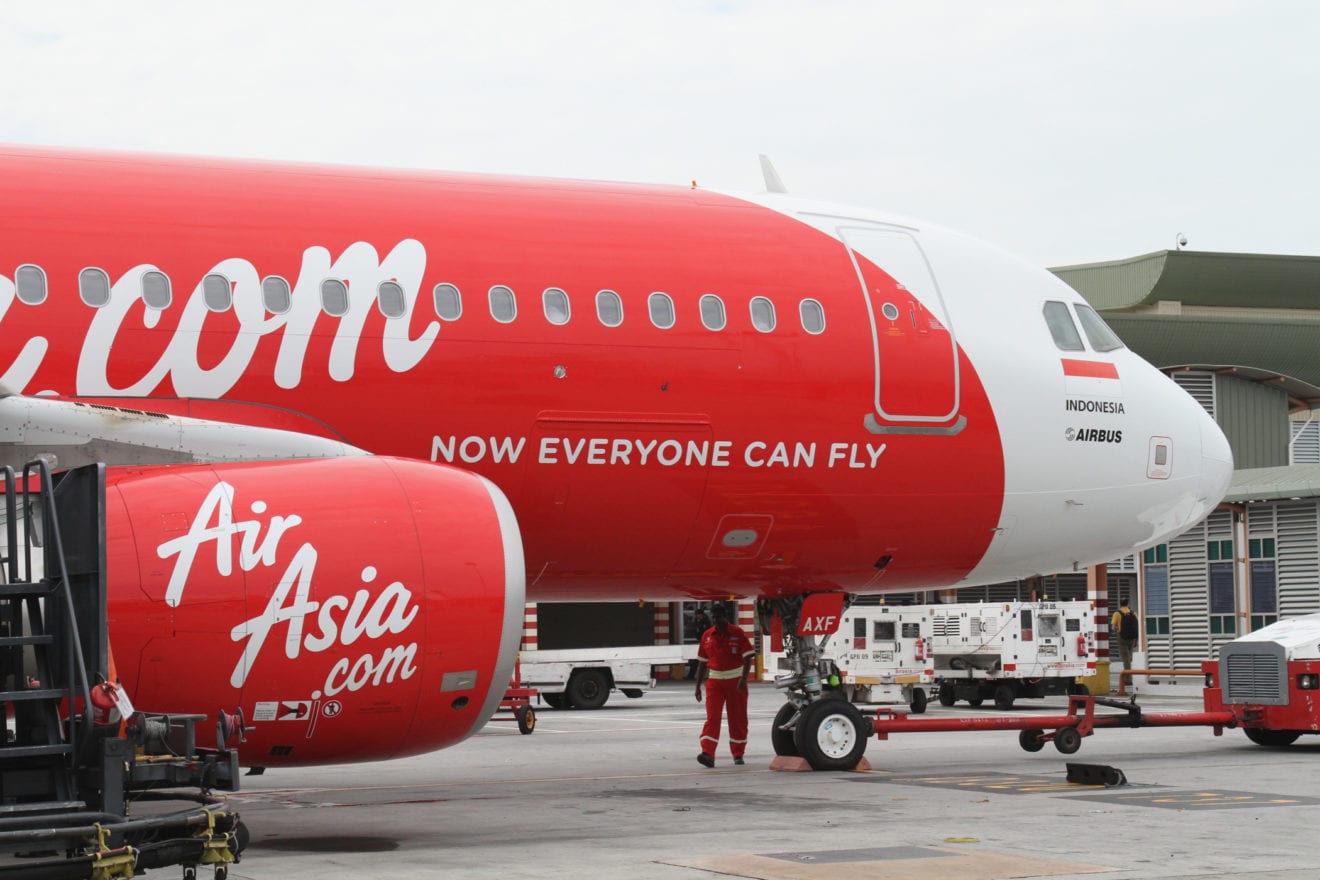
    Indonesia AirAsia has been forced to halt its growth plan for this year, as a result of the coronavirus pandemic and economic challenges faced by Indonesia.

    The plan for 2020 was for the low-cost carrier to increase its market share by adding three new aircraft and launching new services, having recorded a 28% growth in revenue for 2019 as compared to 2018, says parent company AirAsia Indonesia.

    The viral outbreak has led to travel restrictions imposed by neighboring countries and is affecting the demand for domestic and international air travel. AirAsia Indonesia says that Indonesia’s “economic situation has become more challenging”, noting that the exchange rate for rupiah against the dollar is now at more than Rp16,000 ($0.97), and it continues to fluctuate.

    “By considering these factors carefully and deeply, the company is forced to suspend international and domestic flights until the situation improves, and demand for air travel picks up. The measure will certainly have a significant influence on the company’s operating and financial performance in the first half of 2020,” says AirAsia Indonesia.

    Indonesia AirAsia suspended operations on 1 April. Domestic flights are suspended until 21 April and international flights until 17 May.

    Meanwhile, AirAsia Indonesia’s plan to resume trading on Indonesia Stock Exchange (BEI) by offering new shares to the public was also affected, although it did not offer any other details.

    It was suspended from trading in August 2019 for not complying with BEI’s requirement for a company to have at least 7.5% of its paid-in capital available as free float in order to remain listed. As of 29 February, it only had 1.6% of shares available for trade.

    AirAsia Indonesia’s priority for the group over the next six months is to reduce its operating cost base by renegotiating with suppliers and key stakeholders, and to ensure that it can continue to operate during this period, it says. This will then be followed by working to “restore” its finances after the outbreak is declared over.

  • Over 320,000 jobs in Asia-Pacific travel-retail industry under threat

    Over 320,000 jobs in Asia-Pacific travel-retail industry under threat

    Governments across Asia Pacific are being urged to protect more than 320,000 duty-free and travel-retail industry jobs at risk during the coronavirus pandemic.

    The Asia Pacific Travel Retail Association claims that the jobs in the US$36 billion industry may be overlooked by politicians devising financial rescue measures to deal with the economic fallout of the pandemic. It is asking governments to support the industry along with airlines, airports and maritime businesses.

    In a special report, the association outlines the industry’s almost $15 billion contribution to GDP across Asia Pacific.

    “Airport retail and commercial services, including food and beverage, constitute a crucial business sector providing up to 60 percent vital commercial income for airport owners, outpacing aeronautical revenue streams,” read a statement issued by the association.

    “It is the most significant direct contributor to the investment in Asia-Pacific’s aviation infrastructure and ongoing development of world-class national gateways, the region’s hubs to the world.”

    “The dynamics of duty-free and travel retailing are intrinsically linked to the aviation and maritime industries and its viability is entirely dependent on the return in passenger traffic,” said association president Grant Fleming.

    “This means 320,000 jobs are at risk that could be safeguarded if governments extend financial support packages to the industry.”

  • OUE buys Indonesia’s Maxx coffee chain

    OUE buys Indonesia’s Maxx coffee chain

    Singapore investment firm OUE has acquired a majority stake in the parent of Indonesia’s Maxx coffee chain, which also operates in Singapore.

    According to the agreement, OUE’s wholly-owned subsidiary Oddish Ventures will buy an 88.43-per-cent stake, worth US$23.1 million from two companies – Inti Anugerah Pratama and Ciptadana Capital – which own 45.64 percent and 42.79 percent of the Maxx Coffee Prima’s issued shares respectively.

    OUE reported that the acquisition was valued based on various factors, including the high barrier of entry into the Indonesia food-and-beverage market, the opportunity for additional revenue stream through franchising, and Maxx Coffee’s access to prime retail locations in Indonesia.

    With the acquisition, OUE hopes to scale up and optimize its existing food-and-beverage portfolio, the company said in a statement.

    Founded in 2015, Maxx Coffee has more than 75 outlets in Indonesia and Singapore.

  • Amorepacific launching Etude in Indonesia

    Amorepacific launching Etude in Indonesia

    South Korean beauty company Amorepacific Group is set to launch the Etude brand in Indonesia.

    The firm has partnered with local lifestyle retailer PT Mitra Adiperkasa Tbk (MAP) to boost the growth of its business in the territory.

    MAP plans to expand Amorepacific’s presence beyond Jakarta and across Bali, Surabaya and Bandung, giving more local customers better accessibility to the Etude brand, as well as Amorepacific’s other global brands such as Sulwhasoo, Laneige and Innisfree.

    “We are looking forward to working with MAP, the largest retailer in Indonesia to unlock the enormous potential the country has to offer,” said Amorepacific Group president Dong-hyun Bae.

    “With their expertise in retail, MAP and Amorepacific’s global brands are expected to create a great synergy and thereby provide the best quality service to the customers in Indonesia.”

  • Vietjet Commences First Ever Direct ServiceLinking Hanoi and Bali

    Vietjet Commences First Ever Direct ServiceLinking Hanoi and Bali

    In celebration of Lunar New Year 2020, new-age carrier Vietjetofficially commences its newest direct route linking Hanoi and Bali, Indonesia on the second day of Lunar New Year. This is Vietjet’s second service to the popular holiday destination, following the Ho Chi Minh City – Bali route that has been in operation from May 2019. It is also the first direct route departing from Vietnam’s capital city to Bali.

    Speaking at the opening ceremony, Chairwoman of Vietjet’s Board of Directors Nguyen Thanh Ha said, “Vietjet was founded with a pioneering mission to connect the skies. We are proud to be the first airline to operate direct flights between Hanoi and Bali. The new route, operated from the second day of the Lunar New Year, will meet the New Year’s travel demand of the locals and international travelers with less travel time and cost. Not only connecting the two most attractive cultural tourism destinations in Asia, the Hanoi – Bali route will also further promote cooperation between the countries in ASEAN.”

    The Hanoi – Bali route operates daily return flights from 26 January 2020. The flight departs from Hanoi at 10.00 am and arrives in Bali at 4.25 pm. The return flight takes off from Bali at 5.30 pm and lands in Hanoi at 9.55 pm. All are in local times.

    As Vietnam’s capital city, Hanoi offers an unforgettable vacation with its rich history. Founded more than one thousand years ago, tourists will be astonished by Hanoi’s architecture and colonial facades. Bali, one the most popular island destinations in Indonesia and all of Asia, is often called “The Island of the Gods” and often described as a tropical paradise. Voted as one of the best islands in the world, Bali is a destination of pristine, beautiful landscapes and unique cultural charms.

  • Indonesian retail sales growth slower as expected

    Indonesian retail sales growth slower as expected

    Indonesian retail sales growth in November slowed to 1.3 percent year-on-year, well below October’s rate of 3.6 percent.

    However, the figures, released by Bank Indonesia, reflect the continuing uptick in Indonesian retail sales which has now lasted five consecutive months.

    “Retail sales continued to grow positively in November,” wrote the central bank in a statement, “although it slowed compared to sales in the previous month”.

    Indonesia retail sales growth is expected to slow in the coming months, however, with declines recorded in several metropolitan areas surveyed – a harbinger of growth expected for December.

    Sales declined in the cities are projected to flow on from the estimated contractions of 9.4 percent and 4.8 percent over the previous period.

    The bank’s survey revealed respondents believe retail sales will decline over the next quarter.

  • Bank Rakyat Indonesia Earmarks Funds For E-commerce

    Bank Rakyat Indonesia Earmarks Funds For E-commerce

    Indonesia’s first digital bank, Bank Rakyat Indonesia announced on Monday that it has earmarked $1 million for Indonesia Mall, an early-stage assisted e-commerce program that aims to help small enterprises open new revenue channels by participating in the online retail market.

    To serve the growing numbers of micro and small-medium enterprises (MSMEs) populated by the region’s e-commerce boom, Bank Bank Rakyat Indonesia (BRI) rolled out Indonesia Mall in October 2018 with the goal to bring MSMEs online and give them easy access to a larger local and overseas markets.

    Indonesia Mall, an in-house program of the bank, helps small companies post their listings on Bank BRI’s Indonesia Mall e-stores, plus help them package and photograph products. It also provides logistics, shipping, and inventory, and even facilitates overseas exports.  So far, Indonesia Mall has signed up more than 10,000 MSMEs and those that have joined the program have reportedly seen revenues rise by 40 percent on average, the bank said in a statement on Monday.

    Many MSMEs in Indonesia continue to have limited access to the formal financial sector, with large swaths of the population still remaining unbanked.  By not having bank accounts, these enterprises would have difficulties collecting payments online.

    MSMEs employ 116.7 million people – more than 97% of the total national workforce, according to data from Indonesia’s Central Statistics Agency. However, less than 15 percent of MSMEs have proper access to financing.

    Indonesian e-commerce is growing at an average of 16.3 percent annually and is now worth 238 trillion Rupiah (US$16.6 billion), according to Global Data. This growth is expected to spike further by 2023, with the industry value predicted to reach 436 trillion Indonesian Rupiah (US$30.3 billion), reflecting growth of nearly 85 percent.

    Bank BRI-assisted MSME partners range from individual craft artisans to small snack-makers, tailors, and more. Their products can be directly purchased via major e-commerce platforms such as Tokopedia, Shopee, Bukalapak, Blanja.com, Blibli.com, Qoo10 in Singapore, and others.

    Indonesia Mall aims to offer MSMEs infrastructure, ecosystem, and capacity for business and resources developed with the goal of helping its partners sell within Indonesia, as well as overseas.

    To this end, Bank BRI cross-sells products on Indonesia Mall with its credit cards, debit cards, and other programs. Besides selecting and curating a top product list, Indonesia Mall also runs marketing campaigns on most major e-commerce platforms so as to keep its sellers’ products visible on an ongoing basis.

    Bank BRI is the largest microfinance institution and is one of Indonesia’s leading commercial banks and the country’s largest lender by assets.

  • Bali gears up for the holiday season with extra AirAsia seats

    Bali gears up for the holiday season with extra AirAsia seats

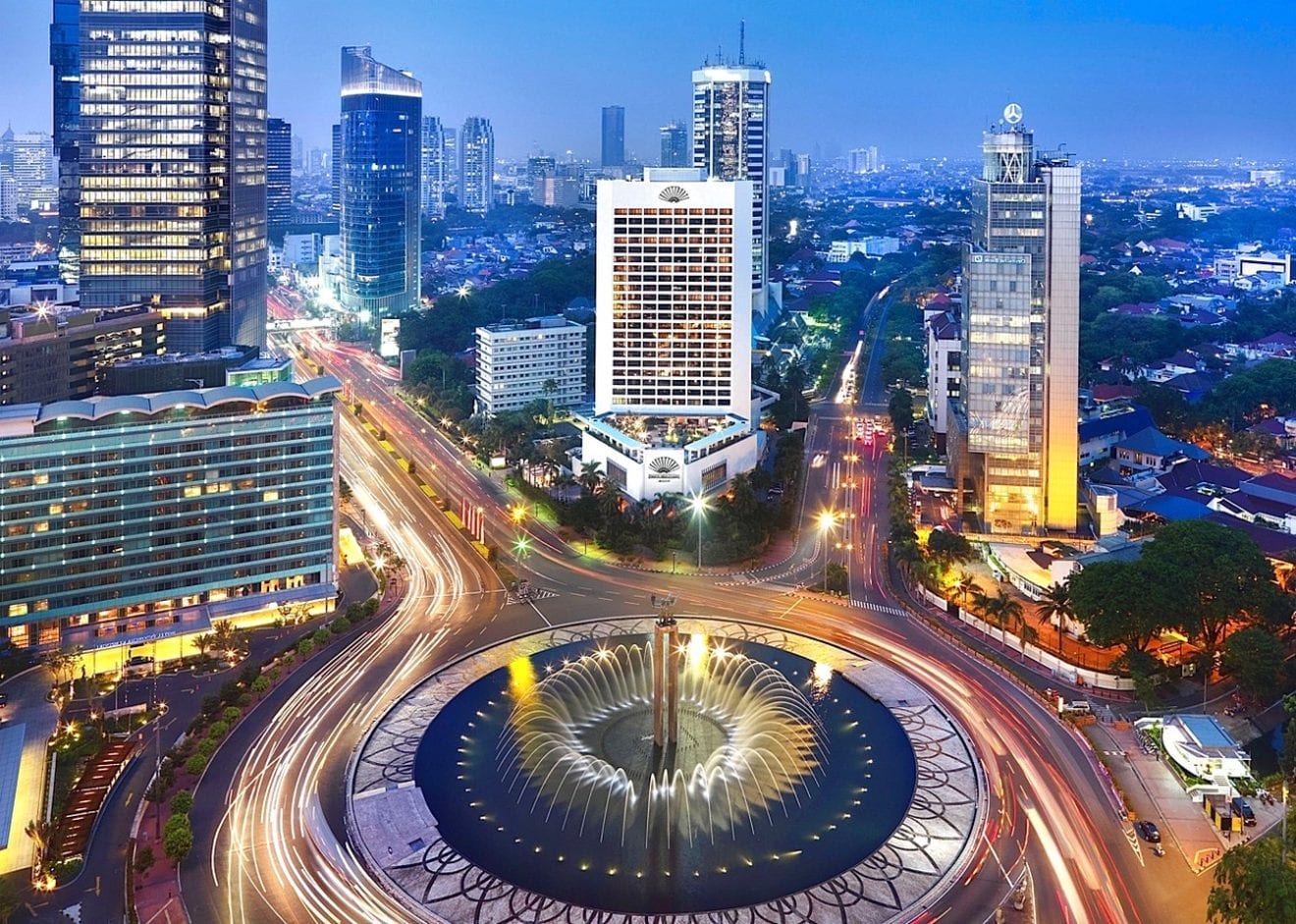
    The Christmas and New Year holidays always see a spike in both local and foreign visitor arrivals to Bali. And this year is expected to be no different.

    In anticipation of more traffic, local news wires are reporting AirAsia Indonesia would be adding an additional 65,000 seats from December 1 to January 5, 2020.

    Speaking to reporters in Jakarta, Head of Communications at Indonesia’s Transportation Ministry, Baskoro Adiwiyono, said AirAsia Indonesia would also be bringing in an additional fleet of Airbus A320s and adding extra flights for several domestic routes to and from Jakarta.

    The Ministry is expecting a significant increase in seat occupancy rates for flights in mid-December 2019 to early 2020, especially to favorite holiday destinations such as Singapore, Lombok, Bali, and Surabaya. The Jakarta to Bali route, for example, will have an additional two flights per day until December 14.

    “Towards the Christmas and New Year holiday period we plan to increase the frequency of flights from the Jakarta to Denpasar to 13-times per day for the period December 15 to January 5,” said Baskoro.

    Prices tend to increase significantly as the major holidays approach and the Transportation Ministry is encouraging prospective passengers to book early to get the best prices while tickets are still available.

    AirAsia is also suggesting customers check the company’s social media accounts to take advantage of any holiday promotions.

  • Axiata’s Q3 EBITDA jumps 29% on 3.5% revenue growth

    Axiata’s Q3 EBITDA jumps 29% on 3.5% revenue growth

    Axiata Group posted revenue of MYR 6.2 billion for the third quarter of 2019 (3Q19), which represents an increase of 3.5 percent year-on-year. EBITDA jumped 29 percent to MYR 2.8 billion, boosted by revenue growth as well as the group’s cost reduction initiatives which resulted in MYR 816 million in savings. Profit after tax jumped 33.5 percent to MYR 247.6 million for the quarter as a result of better topline, the company said. However, profit after tax and minority interest (PATAMI) fell 9.4 percent to MYR 119.7 million due to the absence of M1’s contribution following its disposal, as well as higher taxes in Bangladesh.

    Amid a highly competitive market in Malaysia, Celcom’s free cash flow rose 15.3 percent to MYR 674 million year-to-date, supported by EBITDA growth of 3.9 percent. PATAMI rose 7.9 percent to MYR 562 million. Celcom’s combined postpaid and prepaid revenue rose 0.6 percent, while mobile service revenue dropped 4.1 percent impacted by the decline in wholesale revenue. Blended ARPU improved by MYR 1 compared to the preceding quarter to MYR 52 in the third quarter of 2019. Celcom’s 4G population coverage rose to 93 percent, and its 4G LTE-A coverage reached 81 percent compared to 90 percent and 78 percent, respectively, in September 2018.

    Parent company Axiata also reported that its Indonesian unit XL’s turnaround in the period was led by its data-focused strategy continuing to deliver results as market share rose 0.6 percentage points to 18.3 percent, returning to profit with PATAMI at IDR 498 billion. Revenue grew 10.6 percent year-to-date driven by strong data growth of 30.4 percent. XL’s free cash flow surged 50.9 percent to IDR 1.8 trillion, on the back of cost efficiencies fueling 19.4 percent jump in EBITDA. XL says it captured 88 percent of 55.5 million total subscribers from 53.9 million in the third quarter of 2018. In support of its data strategy, XL’s 4G service is now available in 410 cities across Indonesia.

    Sri Lanka unit Dialog saw its revenue expand 8.1 percent year-to-date due to continued growth momentum across its TV (+16.6%), fixed (+8.7%) and mobile (+0.4%) businesses. Free cash flow grew 39.5 percent to SLR 19.2 billion buoyed by higher EBITDA and calibrated network rollout. Its PATAMI rose by 12.5 percent to SLR 8.3 billion YTD.

    Philippines subsidiary Smart delivered double-digit growth across all metrics with revenue, EBITDA and PATAMI up by 11.4 percent, 14.5 percent, and 14.3 percent, respectively, and FCF by over 200 percent.

    Despite new Bangladesh taxes, Robi returned to profit with PATAMI at BDT 1.6 billion. Revenue reaches BDT 19 billion in the three months ended 30 September 2019, as ARPU rose to BDT 125.

    With international long-distance revenue dropping 10.5 percent year-to-date, Ncell’s core mobile revenue declined 3.5 percent as a result of intense competition by internet service providers and Business Support System migration. Although PATAMI slipped 3.6 percent, PATAMI margin remained stable at 31 percent. Free cash flow fell 42.8 percent due to calibrated network rollout.

    In this year’s third quarter, edotco posted double-digit growth across all financial metrics. Revenue grew by 19 percent year-to-date, with positive contributions across its major footprints. The tower company recorded adjusted EBITDA growth of 26.7 percent, with 3.2 percentage points improvement in (adjusted) EBITDA margin driven by enhanced billing against lower maintenance costs in 2019. The improvement in EBITDA led to a 4-fold increase in free cash flow year-to-date, as well as growth in PATAMI of 10.4 percent year-to-date.