Retail News CRM

Tag: bali

  • Indonesia’s Kimia Farma eyes Growth into Vietnam

    Indonesia’s Kimia Farma eyes Growth into Vietnam

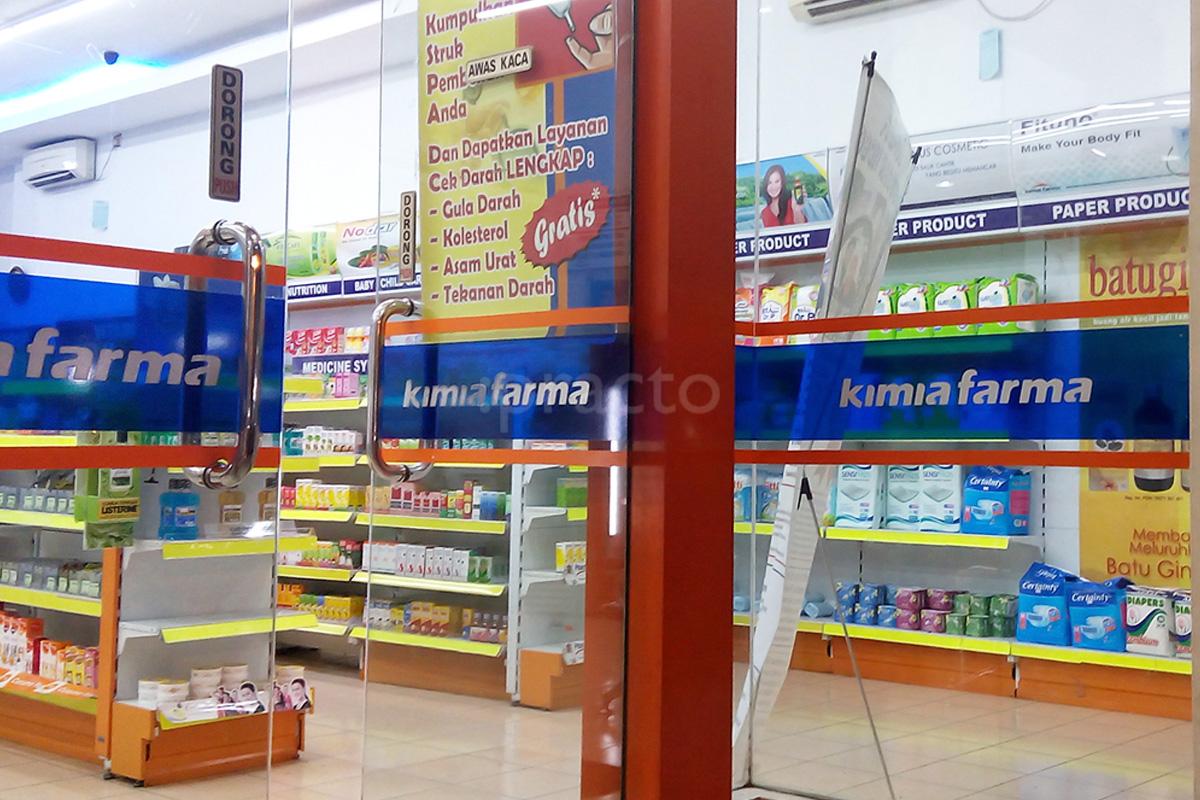
    Indonesian state-owned pharmaceuticals firm Kimia Farma is considering expanding into Vietnam by acquiring a local company. The firm recently invested US$10.26 million in a Saudi Arabian firm, purchasing 60 percent of its shares and renaming it as Kimia Farma Dawaa.

    It is currently investigating Vietnamese regulations to discover whether or not it can own a majority stake in a local firm, a critical factor in securing its investment.

    “It depends on the regulation in the country,” said Kimia Farma finance director IGN Suharta Wijaya. “It the regulation is okay, we will enter the country this year.”

    “If the sales of each Kimia Farma outlet in the country is IDR1.5 billion ($104,877) per month, [the sales of an outlet of the Vietnamese company] could be IDR4 billion per month,” Wijaya added.

    Investment in the pharmaceutical industry is stepping up in Vietnam, with the announcement last week that Vietnam-focussed private equity firm Mekong Capital has issued funding to pharmacy chain Pharmacity.

    With 186 outlets retailing both traditional Vietnamese and Western medicines, Pharmacity is the country’s most widespread network of pharmaceutical products stores, with 1 million subscribers to its loyalty program. The firm is targeting 1000 outlets in Vietnam within two years.

    Reportedly, Kimia Farma is seeking to buy a chain with 400 outlets nationwide.

  • Indonesian Retail Sales Down Last Month

    Indonesian Retail Sales Down Last Month

    Indonesian retail sales grew by 10.1 percent in March following a 9.1 percent increase in February, according to central bank survey data.

    The strong March performance was underpinned by sales of apparel along with automotive parts and accessories.

    However, the bank’s survey predicted that Indonesian retail sales growth will rise by a more modest 5.7 percent in April, the same figure it projects for the full year.

  • Vietjet launches new service to Indonesia with Ho Chi Minh City-Bali route

    Vietjet launches new service to Indonesia with Ho Chi Minh City-Bali route

    New-age airline Vietjet is giving people more reason to travel with the announcement and addition of its newest international route connecting the biggest city of Vietnam, Ho Chi Minh City with Bali (Indonesia). The first and only airline to operate this service, the Ho Chi Minh City – Bali route will serve as a crucial link between the two cultural centers, meeting the increasing travel demands of locals and tourists as well as boost regional trade and integration.

    The Ho Chi Minh City – Bali route will operate five return flights per week on Mondays, Wednesdays, Thursdays, Fridays and Sundays starting 29 May 2019. The flight duration is approximately four hours per leg. The flight will depart from Ho Chi Minh City at 08:05 and arrive in Bali at 13:05. The return flight takes off from Bali at 14:05 and lands in Ho Chi Minh City at 17:05 (All in local time).

    Vietjet Vice President Nguyen Thanh Son said: “Vietjet has the advantage of an ever-expanding flight network and professional aviation services; therefore, I believe not only does this new route create ease and increased opportunities for both locals and tourists to travel conveniently by safe, modern air transportation, it will also contribute to promoting tourism and economic integration in the region, all while introducing the beauty of Vietnam to the world.”

    Ticket sales for the new route are now open and available on all channels. Those hungry for promotional deals should be sure to check out Vietjet’s daily golden hour promotion which runs from 1.00pm to 3.00pm (Malaysian time) on the airline’s website.

    Vietjet operates its domestic and international routes with a dynamic and friendly flight crew, serving its passengers with fresh and hot meals, while its aircraft is equipped with comfortable leather seats with a technical reliability rate of 99.64% — the highest rate in the Asia Pacific region. As a fully-fledged member of International Air Transport Association (IATA), Vietjet has obtained the IATA Operational Safety Audit (IOSA) certificate and has been awarded a 7-star ranking, the world’s highest rate for safety, by AirlineRatings.

  • AirAsia Indonesia Under Pressure From Its Airspace Rivals

    AirAsia Indonesia Under Pressure From Its Airspace Rivals

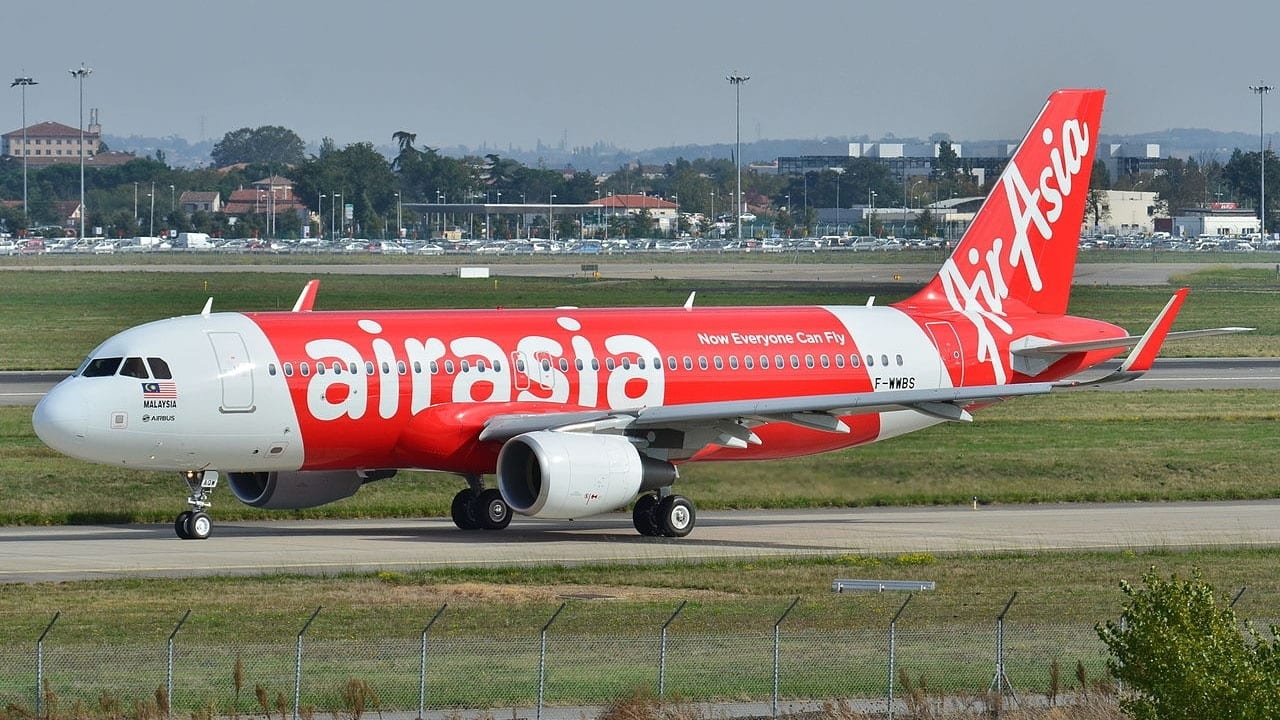
    Low-cost airline AirAsia appears to be facing increasing pressure from its Indonesian rivals Garuda Indonesia and Lion Air. Skift reporting recently claimed that Indonesia’s largest airline, Lion Air, and Garuda Indonesia had allegedly prevented Indonesia’s largest online travel agencies from listing AirAsia’s cheap Indonesian flights. The two sites were Traveloka and Tiket.com. AirAsia responded by removing its flight listings from Traveloka’s website.

    AirAsia Indonesia President Dendy Kurniawan said:

    We observed through social media messages how customers who enquired about the unavailability of AirAsia flights were recommended by Traveloka to book with other airlines instead.

    Subsequently, AirAsia  met with both Traveloka and Tiket.com but didn’t return comment on the meetings. Skift says an internal source claimed that AirAsia discovered that both travel agencies are under pressure from Lion Air and Garuda to drop AirAsia’s Indonesian routes. And, that the agencies risk losing the flights from the two rivals. A Garuda spokesperson denied the claims.

    High Operating Costs Could be Fuelling the Fight

    Speculation points to AirAsia’s rivals hoping to increase fares to combat high fuel costs. But, AirAsia’s lower prices could prevent them from doing so successfully. Industry experts say the airlines rely on online travel agencies, rather than direct bookings, for custom.

    Domestic flight prices in Indonesia have risen by between 40% and 120%, according to Skift and data from the Indonesia National Air Carrier Association. Skift also says that AirAsia flights don’t seem to be appearing on other websites, and Tiket.com. AirAsia remains committed to its low-price promise and encourages customers to book directly.

    Data from Wonderful Indonesia shows AirAsia carried the most passengers in Indonesia in 2017, at 3.8 million. And, AirAsia carried the most foreign tourists into Indonesia in 2017, at 2.9 million.

    A Political Issue?

    The rising cost of airfare is a campaign issue in Indonesia’s upcoming April general election. One Mile at a Time reported in February that state-owned Garuda was cutting domestic flight prices by 20% at the request of Indonesian Democratic president Joko Widodo. Garuda Indonesia’s CEO said at the time:

    This is in line with the aspirations of Indonesians, a number of national industry associations, and the (wishes of) the president of Indonesia, who wants a reduction in flight prices to support economic growth, especially in the tourism sector.

    In addition, Garuda Indonesia has reported losses over recent years. Political pressure is added to state-owned Garuda to turn a profit and remain competitive.

    AirAsia issued a statement in March reaffirming its low prices, adding that prices include 15kg free baggage and the passenger service charge for domestic Indonesian travelers. AirAsia Group’s head of communications, Audrey Progastama Petriny, says:

    While our withdrawal from Traveloka has not significantly impacted our sales, it does affect the traveling public as there are now fewer options to choose from on the online travel agency.

    Also, Traveloka called the withdrawal of AirAsia flights a “setback” for its value proposition to provide the widest range of offerings.

    To date, the figures point to AirAsia’s low-price strategy allowing it to dominate the market in Indonesia. And so far, the pressure from its Indonesian airspace rivals doesn’t appear to be impacting sales. Savvy consumers could be increasingly booking directly. AirAsia says its website is seeing a 50-60 percent increase in traffic.

    That said, just days ago Indonesia raised its price floor on over 1,000 domestic flights from 30% to 35%.  This in a direct move to protect Indonesia’s national airlines from rising fuel and operating costs.
  • Lion Air to reduce Ticket Prices From April

    Lion Air to reduce Ticket Prices From April

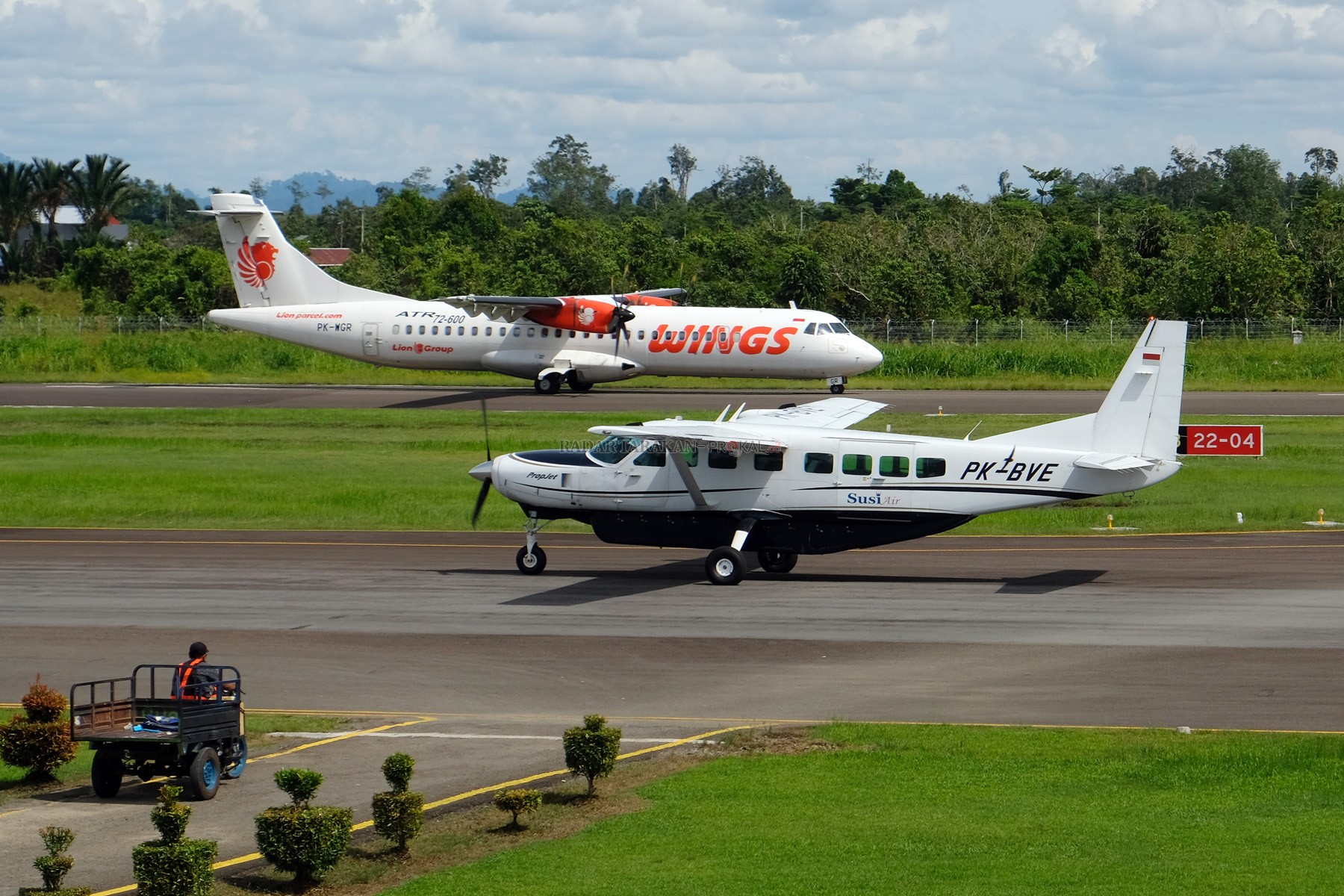
    Airlines under the Lion Air group, namely Lion Air, Wings Air and Batik Air, operate with reduced airfares on all routes starting Saturday.

    “The reduction in ticket prices is Lion Air group’s answer to challenges and opportunities in the travel business, and aims to accommodate demand for air travel while improving flight operations,” Lion Air spokesman Danang Mandala Prihantoro said in a release on Saturday.

    He went on to say that Lion Air was striving to provide convenience for passengers while prioritizing safety and comfort.

    Lion Air tickets with the new lower fares can be reserved through all travel agents and Lion Air’s website.

  • Nam Air to lure millennials with boutique airline

    Nam Air to lure millennials with boutique airline

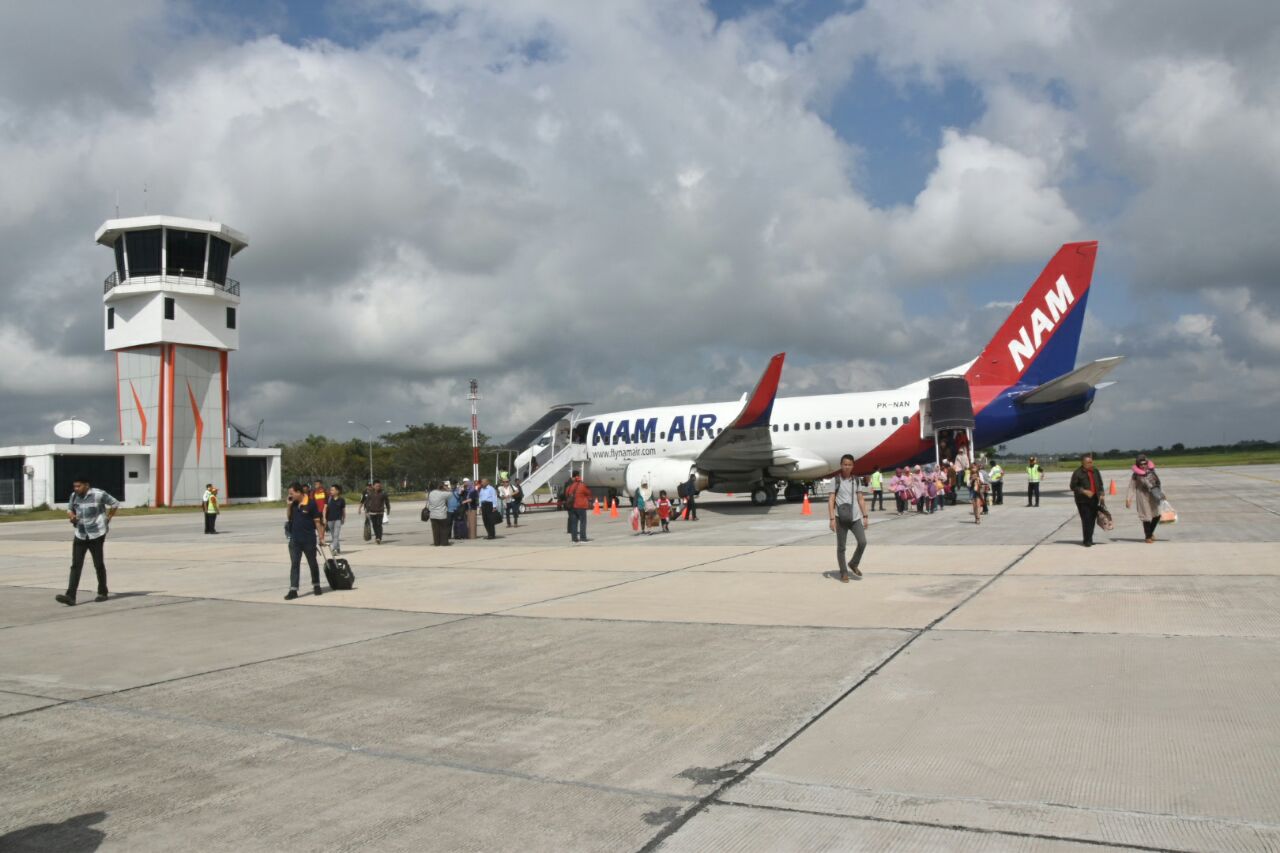
    Nam Air, a subsidiary of Sriwijaya Group, has announced a plan to apply the boutique airline concept, which mainly focuses on lifestyle branding.

    The carrier aims to make itself more appealing for customers of the millennial generation by delivering what it refers to as a “unique concept that is more masculine”.

    Nam Air director Asa Perkasa said passengers would experience the new concept even prior to their departure, and it would continue until their arrival at an airport. “There will be a number of changes, starting from our style to our products,” said Asa in an official statement. “But it will still have an Indonesian touch.”

    Asa described millennials as a promising target group, as they made up a large portion of the market and medium-service airlines were challenged to cater to their needs.

    Entering its fifth year of operation, Nam Air plans to change its internal operations as well. “We plan to apply the millennial lifestyle to our internal work pattern, from our outfits and offices to our business processes,” said Asa. “We’ll provide training for all of our employees to keep up with market trends.”

  • Deutsche Bank Appoints Head of Thailand

    Deutsche Bank Appoints Head of Thailand

    The German lender hires a new head from Siam Commercial Bank to fill the position left vacant since 2018. Deutsche Bank (DB) will get a new head for its Thailand operations in May, with the appointment of Pimolpa Suntichok as chief country officer and head of the financing and solutions group for Thailand, according to people close to the matter.

    Suntichok fills a position left by Phumchai Kambhato, who left the bank in 2018. She will report to Werner Steinmueller in her country management capacity and to Sreenivasan Iyer for her FSG responsibilities.

    Suntichok was previously the Senior Executive Vice President serving as the Head of Commercial Banking Solutions at Siam Commericial Bank, Thailand’s largest commercial bank. She brings over 20 years of experience in banking, having worked at Bangkok Bank, Jardine Fleming Thanakom Securities, Fitch Ratings (Thailand), and Standard Chartered Bank (Thailand). She joined SCB in 2008 to lead the structured finance practice for the Capital Markets Division and became the Head of Corporate Segment in 2015 and the Head of MultiCorporate Segment in 2016, according to SCB’s website.

    Future Uncertainty 

    Deutsche Bank in recent months has seen a raft of departures in Asia, including Southeast Asia Vice Chairman Philip Lee, Jakarta-based managing director Kunardy Lie, and North Asia COO

    Katherine Lai.

    DB, on its third CEO in four years, has in recent years scaled down its Asian operations as its focus has shifted towards Europe amid difficulties in the region. However, Thailand remains an important market for DB in Asia-Pacific, with the bank having a 40-year history in the country.

    The bank is currently in the midst of merger discussions with Commerzbank, which has cast uncertainty over Deutsche’s general strategy for the future.

  • Docomo trials drone-based tower inspection in Indonesia

    Docomo trials drone-based tower inspection in Indonesia

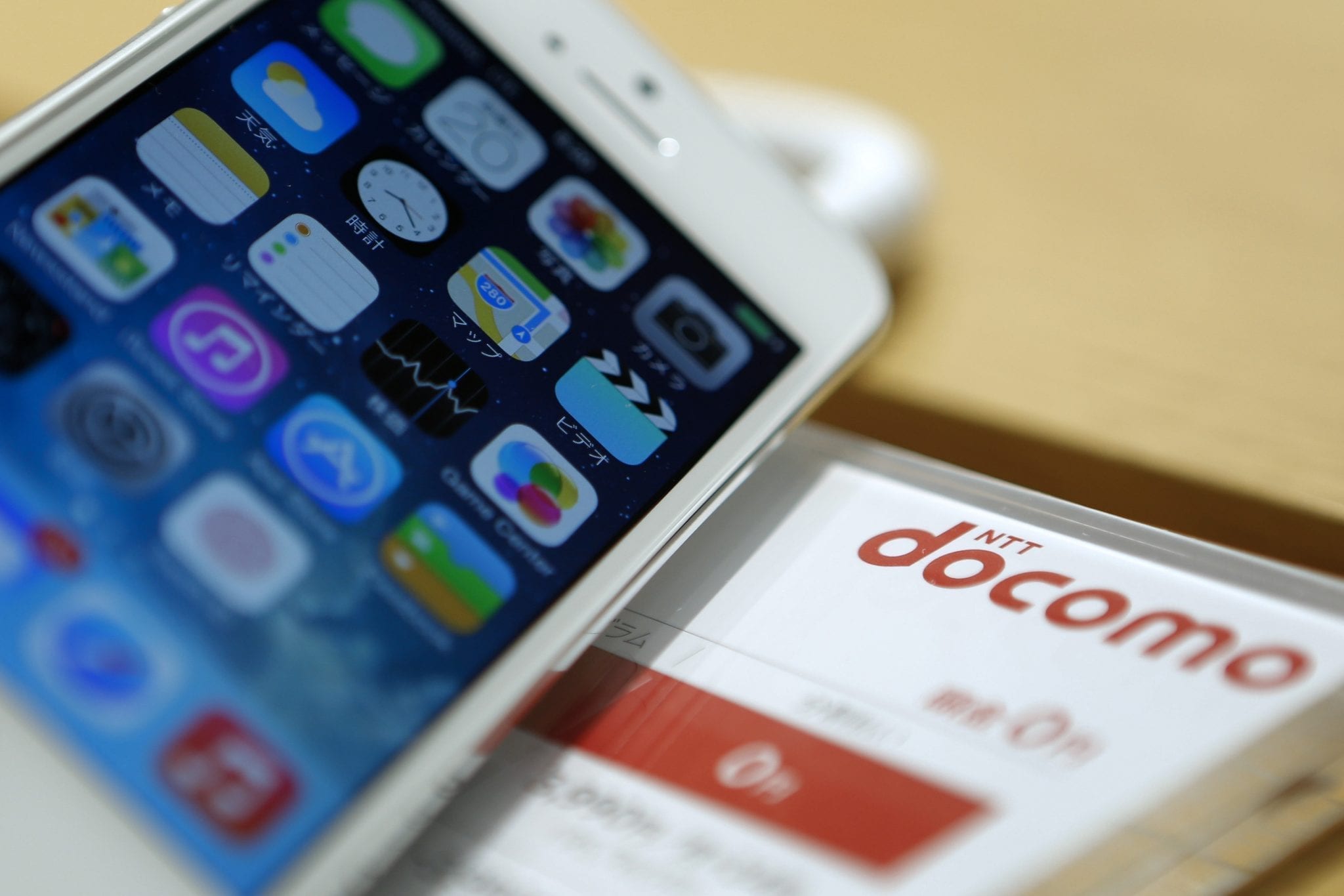
    Japan’s NTT Docomo and Indonesian tower provider PT Solusi Tunas Pratama (STP) have commenced a trial in Indonesia involving the use of drones to inspect telecom towers.

    During the pilot of the Docomo sky for Tower Inspection service, the companies will use drones to photograph base stations and telecom towers and transmit the information to a command center in real time.

    The system is based on an operational drone-based tower inspection system developed by Docomo for use in its own network across Japan. It is designed to support the Docomo sky ground control station app for assistance in inspection tasks and remotely piloting the drones.

    For the trial, Docomo will provide its cloud-based platform for operational support and data analysis for faster and more accurate tower inspections.

    According to the companies, the trial service is well suited to markets including Indonesia, where rapid urban development is resulting in the construction of tall buildings and transport infrastructure that can interfere with radio propagation from telecom towers.

    The two companies hope to test the technology in other locations and facilities before launching a full-scale commercial service later in the first half of the year.

  • AirAsia launches cheap fares to Bali, a thriving tourism destination for many Australians’

    AirAsia launches cheap fares to Bali, a thriving tourism destination for many Australians’

    AirAsia is offering cheap one-way fares to a tropical Indonesian island, which has been tipped to take the top spot as the favourite destination for Australians. The budget airline announced its new four-time weekly flights between Perth and Lombok, east of Bali this week.

    As part of the announcement, AirAsia is offering one-way flights to Lombok from just $99. AirAsia has launched cheap one-way fares to Indonesia’s newest holiday hotspot Lombok, which has been tipped to take the top spot a favourite destination for Australians

    The budget airline announced its new four-time weekly flights between Perth and Lombok, east of Bali this week Jetsetters can snag the cheap flights until March 24, to travel between June 9 and October 26.

    Australian sun-seekers are expected to flock to the new destination, which has been described as ‘the new Bali’.

    Lombok, east of Bali, has gearing up to become the next tourism hotspot with promises of endless blissful beaches.

  • Top 9 things to know about Starbucks Dewata coffee sanctuary

    Top 9 things to know about Starbucks Dewata coffee sanctuary

    Recently, Starbucks celebrated the journey of coffee from seed-to-cup by opening its largest destination in Southeast Asia – the Starbucks Dewata Coffee Sanctuary.

    1. Original Logo

    Starbucks opens the Dewata Coffee Sanctuary with an original logo, crafted in the Geringsing Double Ikat technique, inspired by the deep traditions of the seed-to-cup story. Double Ikat, found only in Bali, is a weaving technique used to create geringsing fabrics, traditionally taking five years to create, and an essential textile used in ceremonial dress as it is believed to have extraordinary powers. The logo itself is a lotus flower, the symbol of beauty, prosperity and fertility, and highly respected in Bali. The 18 petals represent the Balinese philosophy of Tri Hita Karana – the three causes of prosperity: harmonious relationships between people, the environment and God.

    2. Store Façade

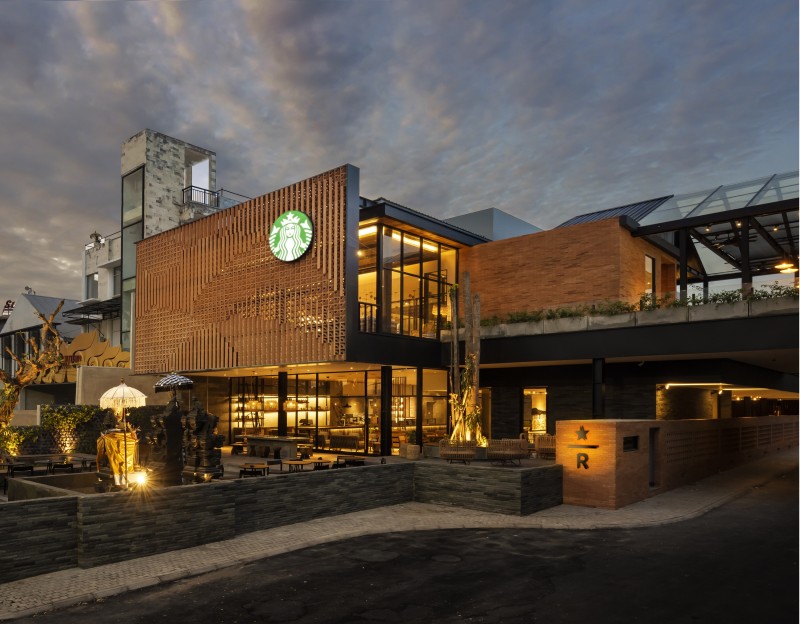
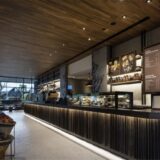
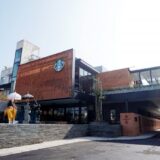
    The store’s façade is created with locally made red bricks in the shape of half circles to create the illusion of the many waves found on Bali’s famous beaches. The exterior appears to move to passersby on Sunset Boulevard as they drive past the storefront, and combines modern building techniques with traditional Balinese architecture for an east-meets-west design. The design is carried into the interior of the store at the core bar where baristas handcraft favorite Starbucks beverages.

    3. Micro-Plot of Arabica Coffee Trees

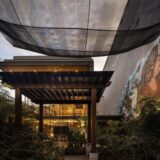
    Upon entering the space, customers are invited into a micro-plot of Arabica coffee trees. This 1,000 sq. ft. plot will be a working, coffee producing farm cherrying during harvest season in the region, typically in the early springtime, and mirrors the size of 90 percent of all coffee farms in Indoneisa.

    4. Hand-Carved Wooden Mural

    As customers enter the café, their eyes are immediately drawn to the unique artwork filling the store. A 30-foot tall hand-carved wooden mural from Jepara features a depiction of the history of coffee in Indonesia, from the coffee growing regions of Java, Sulawesi, Bali, West Papua, Brastagi and North Sumatra, home to Starbucks Indonesia Farmer Support Center. Over the Reserve bar, customers eyes are drawn up to the bamboo installation inspired by the smoke, steam and vapor that create the familiar aroma of coffee. Both expansive pieces were created by Indonesian art agency, Atrovale, while two Jakarta-based artists, Janet Jane and Jamal M. Aziz, created pieces to highlight the store’s moments of discovery. Janet’s macramé art was inspired by the lush landscapes of Indonesian coffee farms, while Jamal’s two murals illustrate the first-ten-feet of the coffee bean’s journey at origin.

    5. Hand-Carved Stone Tiles

    In the Reserve Bar, hand-carved stone tiles create the ornate floor and wall design. The traditional, local craft found across Bali was reimagined into patterns which reflect a modern interpretation of coffee flowers and coffee beans.

    6. Living Wall

    To the left of the entrance, customers are invited to Starbucks core bar featuring a living wall filled with flora from the region. The botanicals are arranged in the form of Bali’s signature gapura, split gates, a symbol to welcome guests into our stores. This living wall is set back behind the bar where Starbucks partners will enter the café to connect with customers and handcraft their favorite Starbucks beverages.

    7. Clay Pots

    Around the store, customers will be enchanted by the surrounding flora, bringing the unique Indonesian environment inside. Trees throughout the space are planted in beautiful clay pots inspired by a traditional Sumatran pattern and the Starbucks Siren. Motifs of Indonesia’s mountainous terrain and coffee beans remind customers of the unique surroundings found only in Indonesia.

    8. Coffee Seedling Nursery

    On the second floor, customers are invited into the first coffee seedling nursery to be located inside of a Starbucks store. Our partners work with local farmers to take special care of these seedlings and invite customers to help tend to the delicate plants. Inside this greenhouse, customers can touch the first stages of the seed-to-cup journey that brings us our favorite coffee flavors around the world.

    9. Interactive Media Installations

    The experience continues throughout the expansive space where customers can find two interactive media installations to further immerse themselves in the coffee journey. On the first floor, a first-of-its-kind digital wall can be accessed through pressing and twisting various portions of the wall to participate in the planting, processing, roasting, shipping and brewing processed. Above them, customers can hear the stories of Starbucks Farmer Support Center in Indonesia. Two synchronized videos guide visitors through the FSC on walls fashioned from the traditional rattan weavings which inspired the Dewata Bali logo.

  • Starbucks opens its Coffee Sanctuary in Bali

    Starbucks opens its Coffee Sanctuary in Bali

    Starbucks has opened its largest Southeast Asian location in Bali. The 20,000sqft Starbucks Dewata Coffee Sanctuary builds on 16 years of innovation in design, customer experience and community impact for the brand in Indonesia, where there are 370 Starbucks outlets nationwide. Customers can enjoy Starbucks handcrafted core and Reserve beverages within the store’s locally-inspired design that celebrates Indonesian tradition.

    The store pays tribute to the role that Indonesia, the fourth largest Arabica coffee-growing region in the world, plays in the Starbucks business. Sumatran coffee has been a staple offering at Starbucks since 1971.
    “We began sourcing Indonesian coffees more than four decades ago and have always been struck by the sense of community and care for the coffee journey at every step,” said Starbucks Coffee Company CEO Kevin Johnson.

    View the gallery of the new outlet below (8 images) :

    “The Starbucks Dewata Coffee Sanctuary amplifies our passion for the coffee journey, our ongoing commitment to Indonesia’s rich coffee culture, and our tireless pursuit of fostering moments of connection between our partners and customers. The Coffee Sanctuary marks the 10th Starbucks Reserve Bar store in Indonesia, one of 185 stores around the world, with the majority in Asia. This is Starbucks at its best, and we are proud to open the doors of this unique experience in one of Southeast Asia’s most dynamic markets.

    Visitors enter the store through an arabica coffee farm, try their hand at coffee bean de-pulping and washing during harvest season, dry and rake green coffee beans, visit budding seedlings in the nursery, take in the store’s locally-inspired design featuring traditional Balinese craft and Indonesian art, and enjoy the more than 100 Dewata-exclusive handcrafted beverages, food and merchandise, including the Lavender Latte.

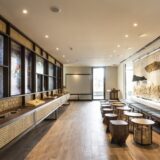
    The  Starbucks Dewata Coffee Sanctuary store’s expansive interior is inspired by traditional Balinese houses with free-flowing, connected rooms designed to promote discovery from one space to the next.

    “Bali has an envied reputation as one of Asia’s top travel destinations and Indonesia is one of coffee’s most extraordinary coffee origin regions,” said Starbucks Indonesia director Anthony Cottan said.

    “So we’re excited to invite customers here to ignite their senses and explore the seed-to-cup coffee journey at this unique Coffee Sanctuary. We’re very pleased to further strengthen the longstanding partnership between Starbucks and [licensee] PT Sari Coffee Indonesia with this truly one-of-a-kind Starbucks store, inspired by and filled with the finest examples of Indonesian art, design and craftsmanship.”

    To support the future of coffee, Starbucks Indonesia has committed to donating 100,000 coffee seedlings to farmers annually.

  • Telkomsel to adopt Kinetica analytics platform

    Telkomsel to adopt Kinetica analytics platform

    Indonesia’s Telkomsel has arranged to adopt the Kinetica advanced analytics platform to help it transform the customer experience for its users.

    The operator will use the Kinetica engine and NVIDIA graphics processing units (GPUs) to enable real-time analytics, location-based visualization and AI capabilities.

    Telkomsel plans to use thee capabilities to deliver data-driven customer experiences and to enable real-time financial and business reporting.

    “The rapid growth in mobile devices, digital users, and the micro-services nature of prepaid across the Indonesian market has led to exponentially more data generated than ever before,” Telkomsel CIO Montgomery Hong said.

    “This influx of extreme data presents a massive opportunity to develop new, personalized, digital lifestyle experiences for Indonesian consumers. Unlike traditional database solutions, the Kinetica engine is purpose-built for extreme data and provides real-time data analysis and location intelligence across our business, from prepaid and postpaid mobile, to digital lifestyle services (video, gaming, music), to mobile financial services, and digital advertising for starters.”

  • A Call to Stop Use of Plastic in Bali

    A Call to Stop Use of Plastic in Bali

    Java Mountain Coffee, a Jakarta-based social enterprise advocating for sustainable coffee farming, has called on the hospitality industry in Bali to avoid using plastic and aluminum coffee capsules in a bid to reduce pollution.

    Coffee capsule usage has grown five times faster than growth in coffee consumption globally between 2011 and 2016, Java Mountain Coffee said, citing a 2017 study by Euromonitor International.

    The firm said this is not sustainable, because used capsules usually end up in landfills, rivers and the ocean. Java Mountain Coffee said the used coffee pods also contribute to climate change, especially the plastic ones, which release harmful substances into the environment when exposed to sunlight.

    “Java Mountain Coffee’s response to the recent commitment by the global travel industry to reduce its reliance on plastics and other harmful environmental products, is to stop the use of plastic and aluminum coffee capsules,” the firm’s spokeswoman, Nadine Alexandra, said in a statement.

    “We believe the Bali travel industry collectively can lead the world in environmental responsibility, reversing old uninformed historical human behavior, which has caused irreversible damage to our planet,” she said.

    Java Mountain Coffee participated in an environmental event titled “Act Local, Impact Global,” hosted by Alila Resorts Bali last week. The island hotel industry organized the event in response to a commitment by the global travel industry in June to reduce the use of plastic and other harmful waste products.

    At least 50 hotels, members of the Bali Hotel Association and other travel industry stakeholders attended the event to share their environmental initiatives.

    Among these initiatives is “Komitmen” by One Island One Voice, a Bali-based network of organizations active in the field of waste prevention and management. The initiative calls on individuals, organizations, companies and government offices on the island to separate organic and inorganic waste at the source and to stop using single-use plastic straws, plastic water bottles, plastic retail bags, plastic cups and plastic cup lids.

    “Java Mountain Coffee urges all stakeholders to join us and make a commitment to One Island One Voice’s ‘Komitmen’ initiative,” the firm said.

  • Uniqlo to open new store in Bali

    Uniqlo to open new store in Bali

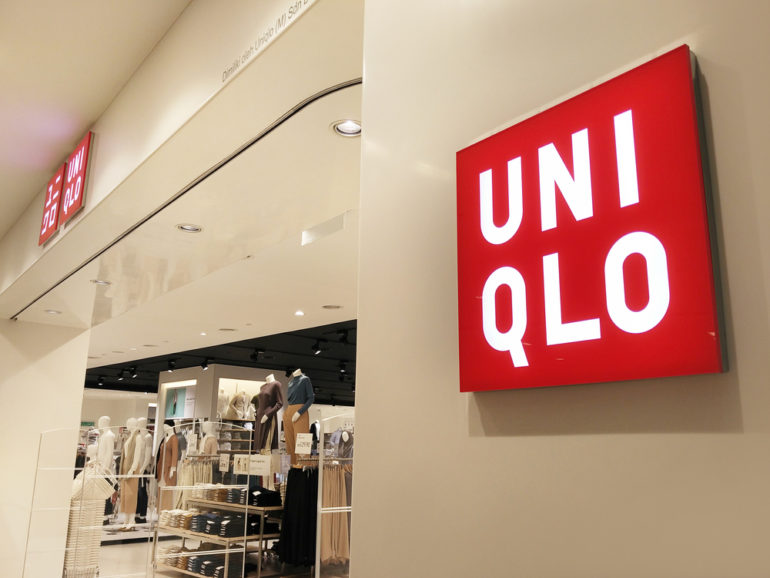
    Japanese apparel retailer Uniqlo has announced plans to open its first store in Bali this year.

    The new store will be located at Mal Bali Galeria in the heart of Kuta city centre on Bali island. It will feature a total sales area of nearly 2000sqm.

    Satoshi Hatase, Uniqlo’s CEO for SEA and Oceania said: “Since entering Southeast Asia and Oceania in 2009 and Indonesia in 2013, Uniqlo has been growing together with local communities around the region, and receiving a warm welcome with our LifeWear products.

    “We are now thrilled to have the opportunity to introduce our brand to Bali, one of the world’s favourite holiday destinations and well known for its relaxed and casual lifestyle.”

    Uniqlo Indonesia currently has 18 stores, located in Jakarta and five other major cities.

  • Bali ready to welcome more tourists

    Bali ready to welcome more tourists

    Indonesian private-sector company Bandara Internasional Bali Utara plans to build a new international airport in northern Bali to accommodate growth in foreign tourist arrivals.

    The airport will be built offshore to avoid interference with rice fields, temples and villages.

    Bali receives around 6 million foreign tourists annually, with most visiting the southern part of the island where the only international airport is located.

    Bali Governor I Made Mangku Pastika has met with President Joko “Jokowi” Widodo on several occasions and they have agreed to build a new airport in Bali on a reclaimed island off Buleleng district.

    “One advantage of building an airport offshore is that we do not need to waste time on land acquisition, which is often very expensive,” Freddy Numberi, a former environment minister and now strategic advisor to Bandara Internasional Bali Utara (BIBU), said at a press conference in Jakarta on Thursday (22/02).

    The project is currently awaiting approval by the Ministry of Transportation.

    BIBU is partnering with Airports Kinesis, a Canada-based airport development consulting company, which also helped design Kertajati Airport in West Java.

    “Bali’s northern airport will be funded privately by investors from Canada and the Middle East, involving a total investment of $2 billion,” said Shad Serroune, chief technical officer at Airports Kinesis.

    Beside opening opportunities for overseas investors, BIBU also hopes to attract local investors who may be interested in the project.

    “Basically, we’re open to anyone who wants to inject money into this project, even the regional government,” BIBU operations director Tulus Pranowo said.

    “But at the moment, we’re purely a privately owned company,” he said, confirming that they plan to build the airport without funding from the state budget.

    Responding to a question of when the airport construction project will break ground, Tulus said BIBU was still waiting for the Transportation Ministry to stipulate the exact location before the company will proceed to the next step.

    According to the Transportation Ministry, Bali’s Ngurah Rai International Airport can only accommodate 17 million arrivals per year, while the provincial government hopes to attract 35 million to boost tourism development.