Retail News CRM

Tag: cargo

  • Maritime transport sees growth for two consecutive years

    Maritime transport sees growth for two consecutive years

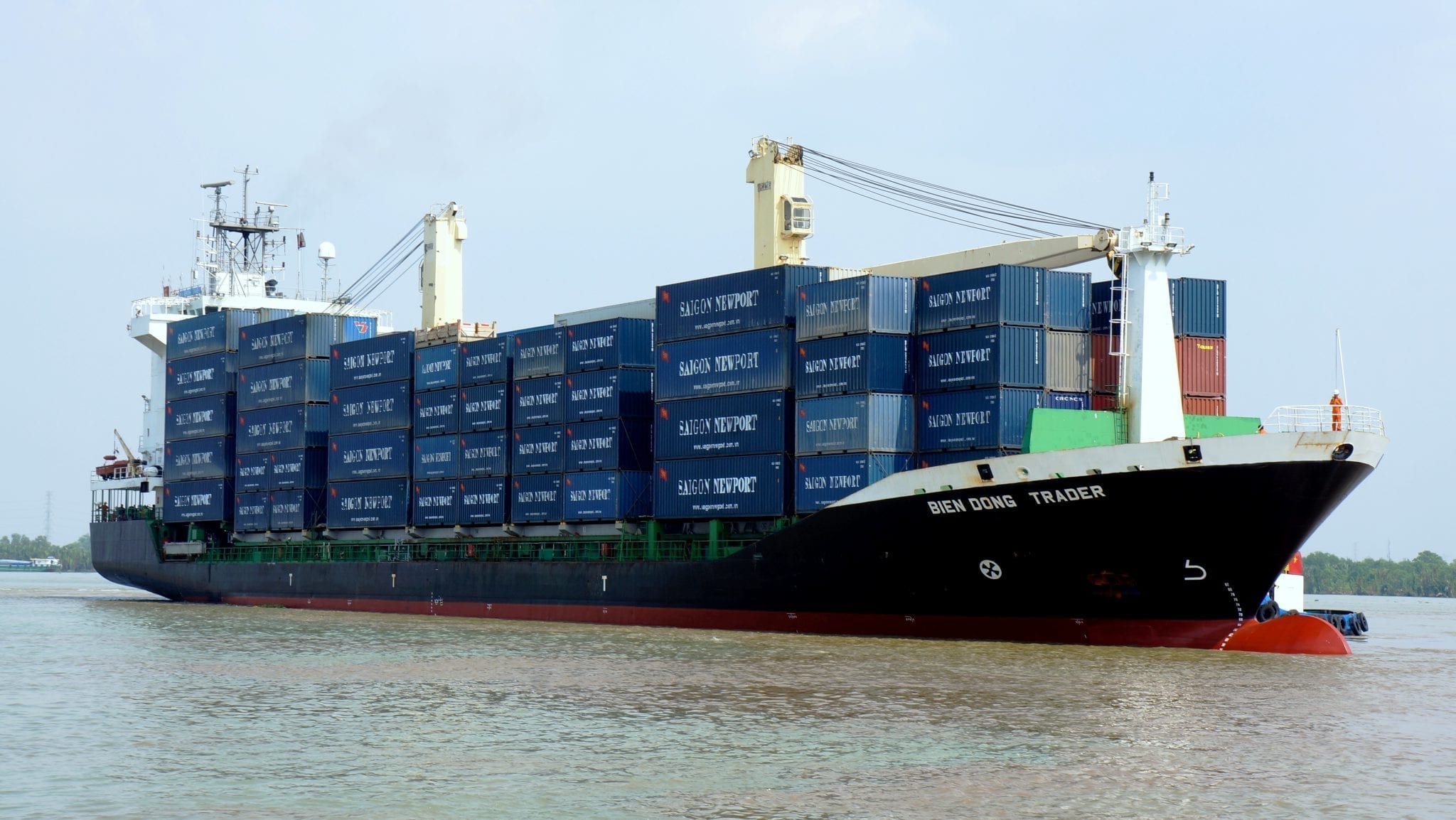
    The country’s maritime transport sector posted growth for two consecutive years, notwithstanding losses, restructuring and even bankruptcy of several large foreign carriers.

    Nguyễn Văn Công, Deputy Minister of Transport, hailed results of the maritime transport sector at the conference of the Việt Nam Maritime Administration (Vinamarine) held in Hà Nội on Monday.

    In 2016, Vinamarine was active in issuing documents guiding the implementation of the Việt Nam Maritime Law 2015. The two most important contents — price listing and seaport service prices — have eased business difficulties, helping to avoid economic losses.

    Công said growth rate of 4 per cent this year, with total output of 123 million tones, is impressive in the current situation.

    “In particular, the Cái Mép-Thị Vải seaport saw a high growth rate of containers. In 2016, the seaport received two million twenty-foot equivalent units (TEU), surging from 499,000 TEU in 2012. More than 1,200 arrivals of vessels weighing more than 80,000 tonnes came to the seaport,” he said.

    The deputy minister asked Vinamarine to continue undertaking checks on seaport service prices. Vinamarine was particularly asked to research and invest into key maritime corridors to develop multi-modal transportation.

    Đỗ Hồng Thái, Vinamarine’s deputy head, said this year, the number of maritime accidents was 21, reducing by two cases from last year. The port authorities also conducted checks on nearly 13,000 arrivals of vessels on local routes, discovering 1,300 vessels with defects. The authorities also implemented checks on more than 2,000 foreign vessels and uncovered 817 with defects.

    “There is no security incident with the country’s seaport system this year. Vietnamese seaports continue to be safe destinations for foreign vessels,” Thái said.

    In 2017, Vinamarine will continue to prepare legal documents guiding implementation of the Việt Nam Maritime Law 2015. It is expected to submit eight decrees and one decision to the Prime Minister for approval. It will also complete several plans such as the seaport development planning by 2020 with a vision to 2030.

    In addition, it will also ensure maritime security by investing in infrastructure and enhancing international co-operation.
  • DHL adding drones and ‘copters to its courier workforce as e-commerce operation expands

    DHL adding drones and ‘copters to its courier workforce as e-commerce operation expands

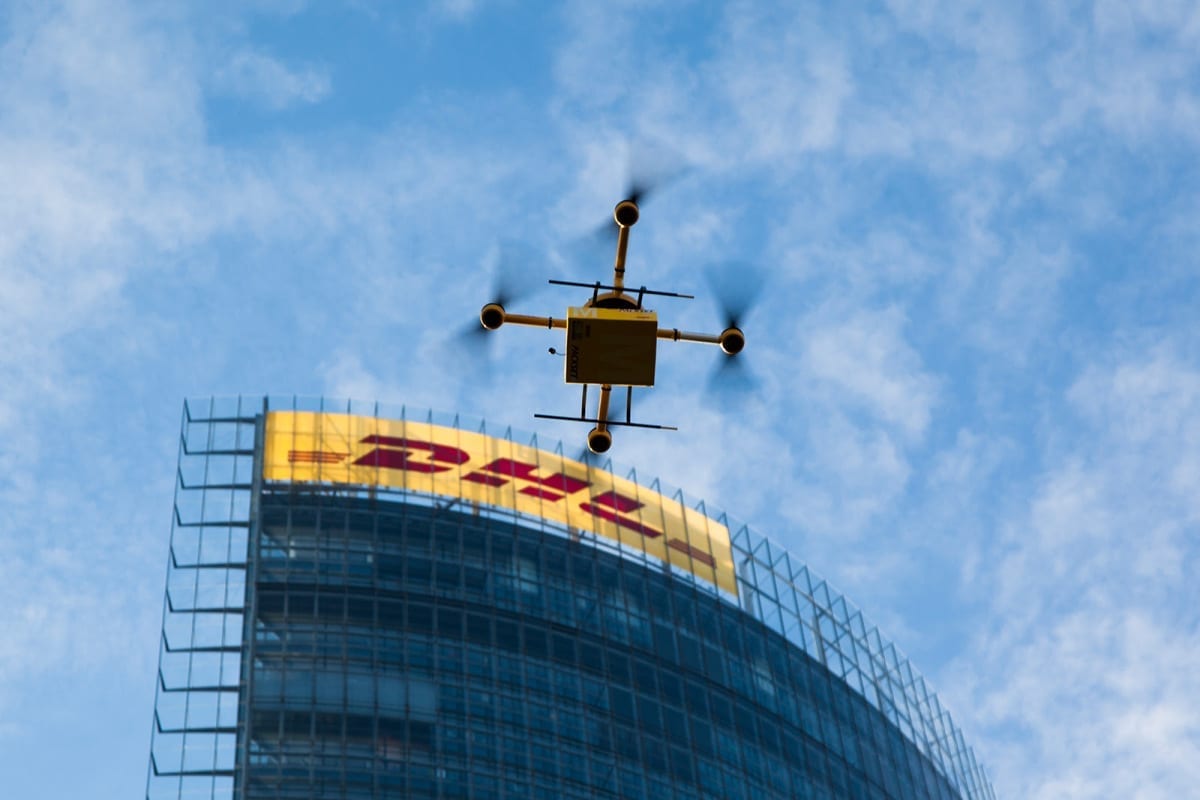
    DHL, the world’s largest logistics company, is poised for a major expansion of its delivery channels, including the wider use of shops where customers can collect parcels, drone deliveries, and what the company is calling “Parcel-copters”, says the chief executive of its rapidly growing e-commerce division.

    Speaking in Hong Kong, Charles Brewer suggested the routine procedure of having a uniformed courier delivering to your doorstep is rapidly becoming less popular, simply because customers these days are less willing to sit at home and wait for arrivals.

    So the company is now in the rapid process of introducing “alternative methods”, which Brewer – who’s been with the German deliveries titan since 1984 – is tipping to see the fastest growth.

    “We are going to have a big, big expansion in the choice of deliveries in some places,” he told on Thursday.

    Courier and delivery market leaders such as DHL, UPS and FedEx are having to adapt fast to ever-changing customer demands, with the emphasis very much now on faster, more convenient, internet-based methods.

    Brewer said his and other firms are increasingly facing what the industry likes to call the “parcel conundrum” – instances when shoppers enjoy the comfort and ease of picking their favourite items and placing their orders online, but are disappointed by the delivery efficiency that follows.

    “Their experience quickly begins to sour as the delivery process starts to take over,” Brewer said, citing a recent DHL survey result that showed more than 80 per cent of consumers are either dissatisfied or very dissatisfied with their online delivery experience.

    Many logistics firms, he added, only made deliveries to people’s homes within a time-banding, of say between 8am and 6pm, when typically people are at work.

    “Nobody wants to stay at home, waiting and waiting,” Brewer added.

    Brewer noted that customers are increasingly asking for what he calls “parcel lockers” and parcel shops, where they can easily collect their deliveries.

    We are going to have a big, big expansion in the choice of deliveries in some places

    A tie-up with intelligent locker makers will allow customers to retrieve parcels from lockers using a secure pin.

    “The fastest growing delivery channel is alternative,” said Brewer, outlining the future emphasis of his e-commerce offshoot.

    Since last year DHL has been running schemes in Germany to have packages actually delivered to the boots of people’s cars – in partnership with Daimler and Audi, the carmakers.

    The company is also partnering with Deutsche Telekom to launch a joint research into applications of unmanned aircraft for the safe and rapid delivery of parcels in urban areas.

    The first application is going to be the DHL Parcel-copter, which has been trialling since 2013.

    In September, it concluded a test of shipping products including urgently needed medicines via unmanned aircraft called “Parcel-copters,” in a Bavarian village of Germany.

    The planes were equipped with a mobile communications module allowing them to be located through GPS data.

    “One thing that will be very popular in Asia are parcel shops,” Brewer said.

    Already logistics companies such as Chinese company S.F. Express have been scrambled to join hands with bricks-and-mortar retailers such as 7-Eleven, to arrange convenient parcel pickup points.

    These alternative delivery methods are still in their infancy, accounting for just six per cent of total market share, while in mature e-commerce markets such as Germany and the Nordic countries, they already represent 10 to 15 per cent, Brewer said.

    “But that’s where we will end up in the rest of the world in the coming years.” he noted.

  • Keppel Logistics aims to stay relevant with e-commerce

    Keppel Logistics aims to stay relevant with e-commerce

    Staying relevant in a fast-changing sector is a key strategy for Keppel Logistics, said chief executive Desmond Gay.

    This is why the company – a wholly-owned unit of Keppel Telecommunications & Transportation – embarked on a $4.6 million acquisition of a majority stake in e-commerce logistics company Courex in October.

    Mr Gay told us recently: “We are constantly striving to innovate and evolve, and the Courex acquisition has allowed us to structure ourselves in a way that we become more relevant to the market and the new economy. It is just the first step of things to come.”

    Courex is a third-party logistics service provider that supports the needs of retailers, from last-mile delivery to international shipping and warehousing. It counts Singapore Airlines and Hachi.Tech among its clients.

    Keppel Logistics holds a 59.6 per cent stake in Courex, while the remaining 40.4 per cent is held by founder Joe Chua, who continues to lead the company.

    Mr Gay noted that the acquisition came as a “natural progression” for Keppel Logistics, as it moved to expand from its traditional B2B (business to business) business into the B2C (business to consumer) space, or the e-commerce market.

    “As companies, including our customers, begin to re-look and evolve their supply chains against the backdrop of an e-commerce dominated landscape, we likewise have to adapt and grow new muscle, and develop new capabilities and competencies,” he said, noting that doing so will ensure the company remains competitive.

    Incorporating Courex’s capabilities into Keppel Logistics’ business also allows the firm to better cater to its customers, he said. This is key as more brick-and-mortar retailers turn to online platforms to complement their sales channels.

    The growth prospects for e-commerce in South-east Asia are significant, Mr Gay noted.

    He cited a recent study by Google and Temasek Holdings, which says e-commerce in the region is expected to soar from US$5.5 billion (S$7.8 billion) last year to about US$88 billion over the next decade, and possibly up to US$128 billion even. Singapore’s e-commerce market is forecast to grow from US$1 billion to US$5.4 billion over the same period.

    “Being in the middle of a region like South-east Asia, with more than 600 million people – there we have a huge market opportunity,” said Mr Gay. “With the acquisition, we’re only just starting, and we’re ready to have a bite of the e-commerce pie.”

    Mr Gay expects Keppel Logistics, which has a presence in Australia, China, Indonesia, Malaysia, Singapore and Vietnam, to grow its e-commerce logistics business by at least 15 per cent in annual revenue over the next few years.

    He singled out Indonesia and Vietnam as “bright spots”, noting that Indonesia, in particular, is expected to make up over half the South-east Asian e-commerce market by 2025. The firm will explore opportunities to enter new markets such as Thailand, the Philippines and Myanmar.

    Amid a hyper-competitive market – reports last month said the US-based Amazon is set to enter South-east Asia next year – Mr Gay is positive Keppel Logistics will be able to maintain its edge.

    “A market that is US$88 billion and possibly US$128 billion is big enough, I think, for the various players,” Mr Gay, said.

    “If you look at South-east Asia, it’s still very fragmented. This means you have specialists that provide only last-mile services, for example, or parts of the supply chain, but not quite the entire supply chain.”

    He added: “Our synergies with Courex will also help us move towards being an omni-channel logistics service provider, while retaining our core strengths in providing best-in-class third-party logistics solutions.”

  • WCA launches e-commerce logistics network

    WCA launches e-commerce logistics network

    WCA Ltd has launched the world’s first dedicated eCommerce logistics network in response to the changing global economy and a marked shift towards online consumerism. The network is open to all players in the cross-border eCommerce supply chain, according to WCA.

    By 2020 it is projected that freight forwarding will be 20 per cent eCommerce driven,” said David Yokeum, founder and chairman of WCA. “Our decision to become involved in eCommerce is a direct result of these projections. Our utmost concern is that network members are supported, and provided with the tools and opportunities necessary for them to become leaders in eCommerce logistics.”

    Launched in mid-October, the network has already seen over 100 logistics companies apply for membership and has attracted the interest of a wide range of companies within the supply chain. “The response has been phenomenal,” said Dan March, WCA chief executive officer. “We have been approached by a number of the world’s largest internet retailers and online marketplaces, all wishing to employ the network to meet their ambitious international expansion plans for B2B, B2C, and C2C business.”

    The WCA eCommerce network is open to all independent freight forwarders regardless of their knowledge or experience in the sector. Companies first join at the eMember level where valuable resources – such as webinars, training sessions and expert consulting – can be utilised to help them become proficient in eCommerce logistics. Once accomplished, eMembers may apply for certified eVendor status, allowing them to trade directly and build volumes and business with fellow eCommerce partners and eTailers.

    “To become a certified eVendor a member must undergo a comprehensive eCommerce capabilities audit,” said Alex Allen, WCA eCommerce’s managing director. “As an eVendor, the company is free to offer logistics services back to the network. The beauty for eVendors is that they are also fully covered by WCA’s industry-leading financial protection programme.”

    WCA eCommerce is the world’s only neutral platform; promoting product development, new partnerships, and business growth in the eCommerce sector. In 2017 WCA eCommerce plans to launch a range of additional benefits, including comprehensive eCommerce shipment insurance, a range of innovative eCommerce-specific IT solutions, preferred rates on global and domestic last-mile and courier deliveries, and regional eCommerce consolidation programmes.

  • Etihad moves 72 high-value racehorses from UK to Kuwait

    Etihad moves 72 high-value racehorses from UK to Kuwait

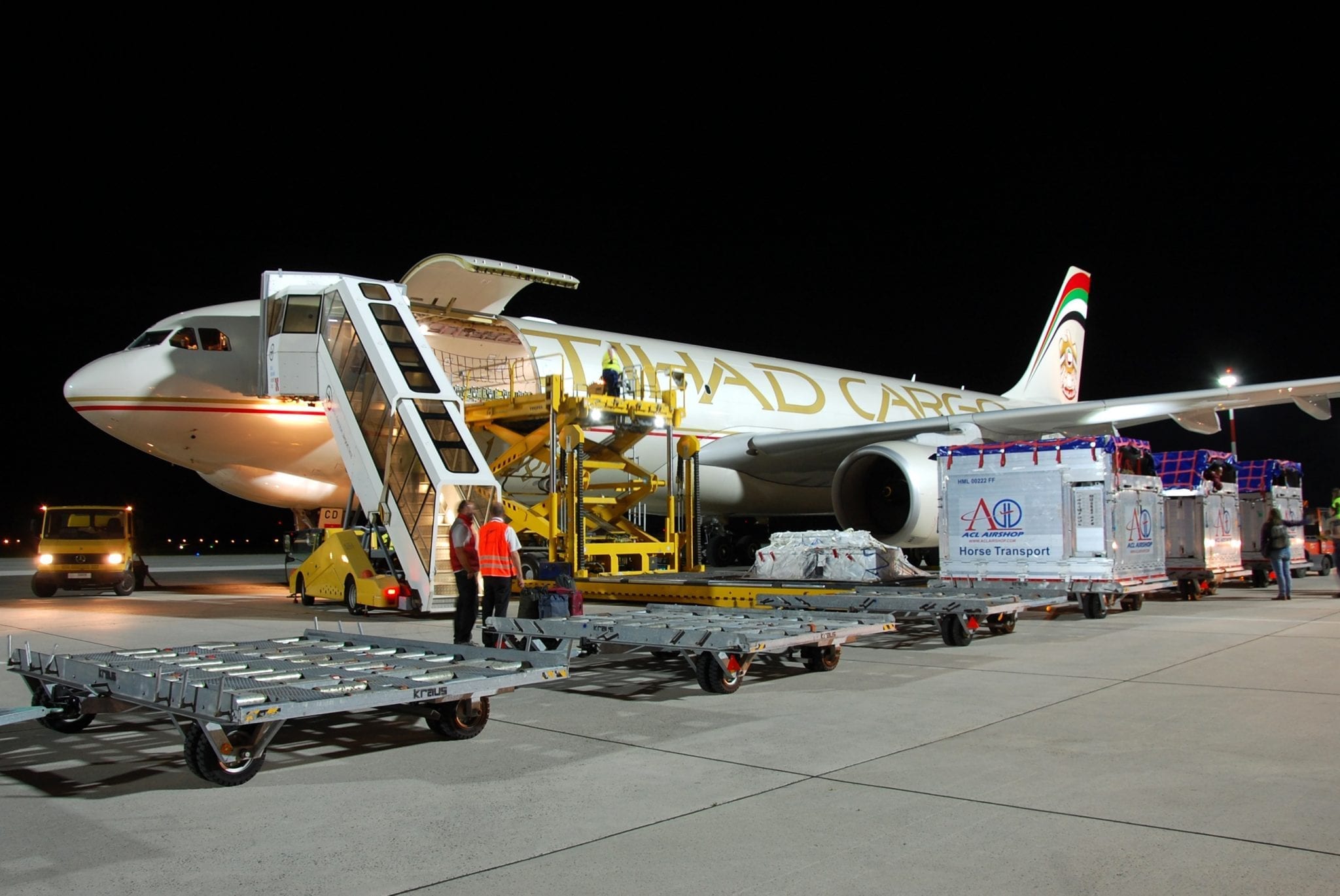
    Etihad Cargo has successfully shipped more than 70 elite racehorses from England to Kuwait after the European racing season. In all, 72 racehorses – worth a combined £36 million (US $45 million) – were transported from London Stansted Airport to Kuwait City, where they will spend the winter months training and racing in the temperate Middle Eastern climate. They were flown on one of the carrier’s state-of-the-art B777 freighters which are equipped with comfortable seating for up to nine grooms and can accommodate up to 75 horses at a time.

    David Kerr, senior VP of Etihad Cargo, said: “Safety is the most important thing for our equine customers, which is why it is imperative we offer a safe and reliable service on all of our shipments. The Middle East has strong ties to these magnificent creatures dating back thousands of years and, to this day, they are arguably the most precious cargo we carry. In 2016 alone Etihad Cargo has been entrusted to transport more than 1,200 horses, with several more large shipments scheduled before the end of the year.”

    A team of six professional grooms handled the horses during loading, while on board the flight – when they visit them in the cargo hold to ensure they are comfortable and calm – and on arrival in Kuwait.

     When the horses arrived at Stansted they were loaded by their grooms into jet stalls, specially designed with non-slip floors which hold three horses apiece. The IATA-approved stalls were then loaded onto the temperature controlled cargo hold of the aircraft in an operation which took more than six hours.

    Conan Busby, MAG’s head of cargo, owners of London Stansted Airport, said: “We are delighted that Etihad Airways chose Stansted to handle this delicate and valuable cargo. Stansted is the UK’s number one airport for horse travel and handles many specialist flights every year. Many of the horses taking part in this year’s Olympic Games and the Queen’s 90th Birthday celebrations passed through Stansted’s dedicated equine facility.”

    Etihad Cargo operates a fleet of nine wide-body freighters – five B777Fs and four A330Fs – which can be configured to carry 75 and 30 horses respectively.

  • Boeing has announced the end of its programme to turn Boeing 747-400 into cargo planes

    Boeing has announced the end of its programme to turn Boeing 747-400 into cargo planes

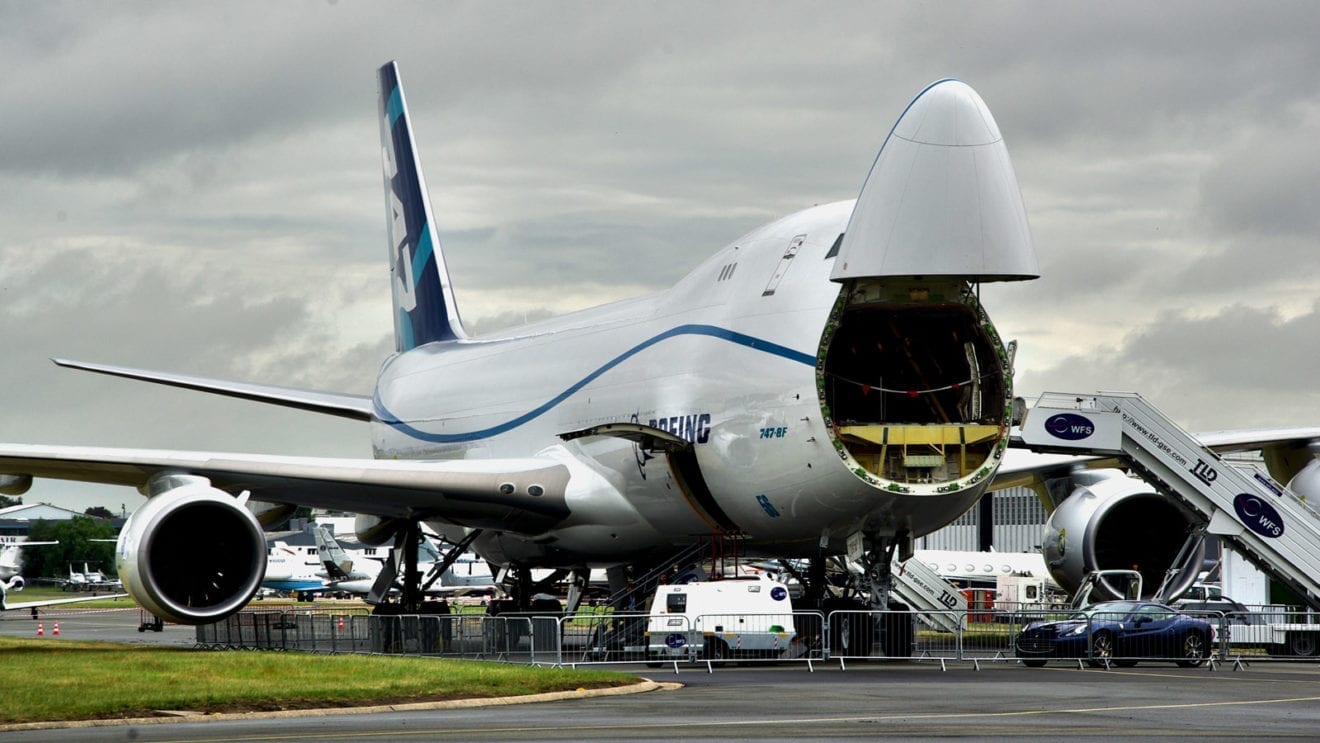
    Boeing has announced the end of its programme to turn Boeing 747-400 passenger aircraft into cargo planes. In October, the plane manufacturer formally announced that management had decided to cancel the programme.

    To some industry executives, Boeing’s decision merely seals the inevitable. One executive from a freighter conversion specialist likened the 747 conversion scene to a graveyard.


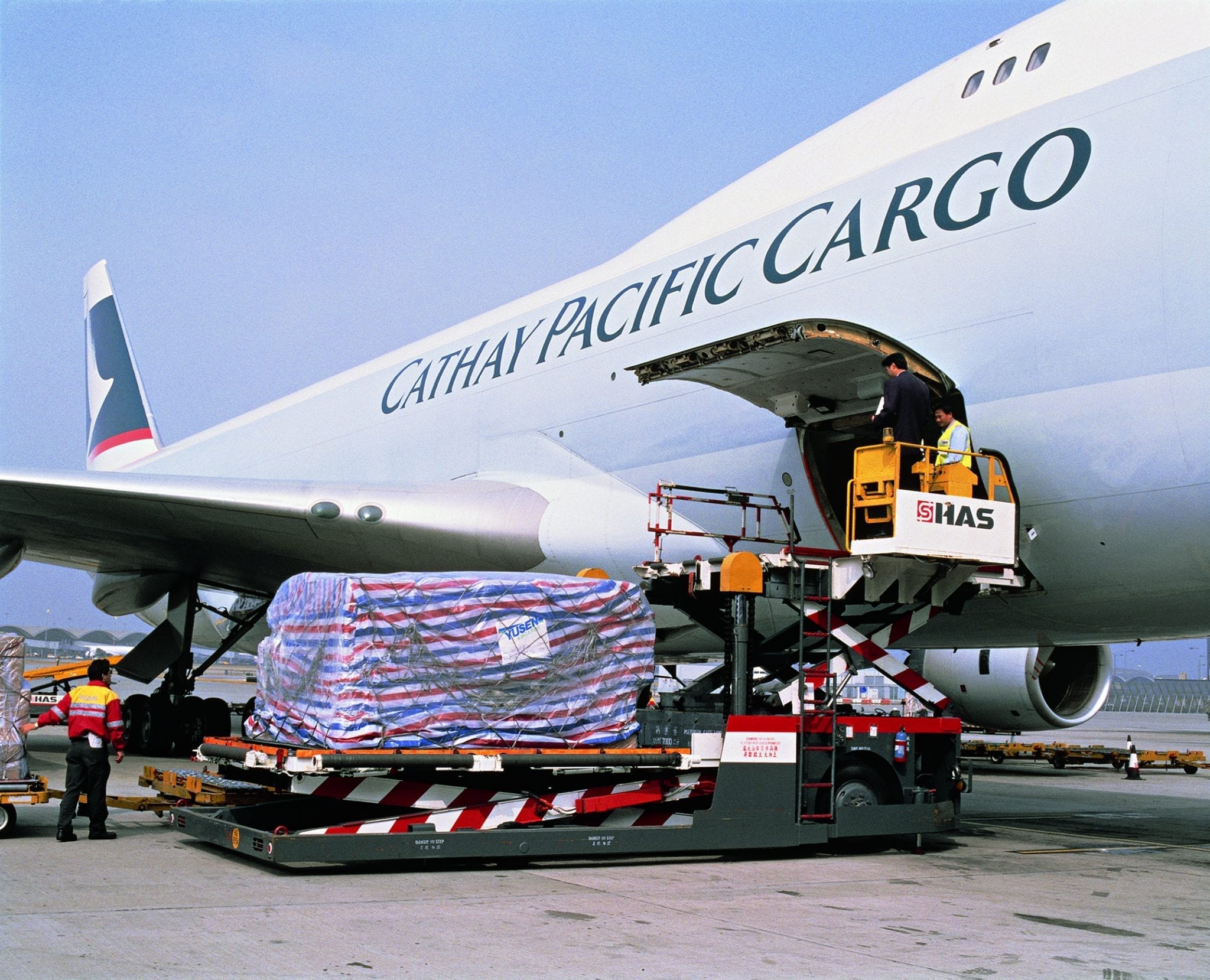
    Faced with relentless downward pressure on yields owing to abundant capacity chasing too little cargo in nearly every market around the globe, airlines have been pushed to shrink their all-cargo capacity. Recent years have seen a steady exodus not only of 747-400BCFs but also newer 747-400 production freighters. Cathay Pacific retired its last two 747-400Fs this summer, leaving it with a freighter fleet composed entirely of 747-8 and 747-400ER freighters, plus a lone 747-400BCF.

    Low oil prices may have alleviated the pain of operating older 747 freighters and rendered them more attractive versus the high acquisition cost of 747-8Fs, but the need to maximize load factors through capacity reduction has hastened their exit.

    As converted – as well as production – 747-400 freighters are headed for the shadows, a large question mark looms over their successor, the 747-8. The passenger version of the type never gained much traction, and the freighter programme has been struggling. In April, Boeing announced that with effect from September it would throttle down production of the aircraft from 12 a year to just six – a single freighter every two months.

    In 2013, Boeing was still producing two 747-8Fs a month, but sluggish demand forced it to slow down its output. In the summer the manufacturer went one step further, signalling the possible end of the 747-8 altogether. In its filing to the US Securities and Exchange Commission towards the end of that month Boeing stated that without sufficient new orders and/or an inability to mitigate market, production or other risks, “it is reasonably possible that we could decide to end production of the 747.”

    The demise of the 747-8 would mark the end of an era that began in 1969, when the first 747-100 entered the market. It would leave a gap in the market, with no aircraft other than the Antonov 124 in a similar bracket in terms of payload capability. The next largest freighter in commercial service is the 777-200F, which can carry 105 tons, significantly less than the 140 tons that the 747-8 can lift.

    Arguably a bigger loss would be the disappearance of large freighters with nose-loading capabilities, but most operators have shrugged off that issue, pointing to the presence of 747-8 freighters for decades to come.

    In late October, UPS placed an order for 14 747-8 freighters, plus 14 options. This prompted speculation in some quarters about a longer run for the type. However, with only 109 747-8 passenger and freighter aircraft delivered to date, an order for 14, or even 28, planes still appears a long shot to justify an extended production run.

    Many Asian carriers like EVA Air or China Southern, which used to operate 747-400 cargo aircraft, have decided to renew their freighter fleets with 777Fs instead and are phasing out their 747 contingents both in the passenger and cargo sectors. Of the large all-cargo airlines that are using 747-8Fs, Cargolux recently announced a major review of its business, indicating that without significant change it may not survive as a cargo carrier, which hardly indicates an appetite for more large freighters with price tags north of the US$300 million mark. Nippon Cargo Airlines is not showing appetite for growth, and AirBridge should have more than enough 747-8s to find markets for.

    In its 20-year market forecast released at the Air Cargo Forum in Paris in October, Boeing predicted stronger growth in the narrowbody freighter segment, driven by e-commerce. “The growth of the standard-body share of the fleet will result in a decline in the large- and medium-widebody shares of the total fleet over the forecast period, from 31% and 33% to 28% and 31%, respectively,” it declared.


    Rival Airbus, which has no freighter larger than the A330-200F in the market, is even less sanguine on the outlook for large freighters. Its recently published long-term industry forecast projections that bellyhold capacity will boost its share of the global freight market from 52% in 2015 to 62% by 2035.

  • DHL Express launches On Demand Delivery

    DHL Express launches On Demand Delivery

    DHL Express has launched a new “On Demand Delivery”, which it says has been developed in response to significant growth in premium cross-border e-commerce volumes.

    With On Demand Delivery, shippers can choose to activate specific delivery options and have DHL Express notify their customers via email or SMS about a shipment’s progress. The customers can then select the delivery option that best suits their requirements via the On Demand Delivery website.

    DHL said that the service is “specifically tailored” to the demands of international e-commerce deliveries, where the majority of shipments are addressed to residential addresses and customers crave flexibility and convenience.

    “We have seen the share of e-commerce deliveries grow from about 10% in 2013 to more than 20% of the international volumes of DHL Express in 2016,” said John Pearson, CEO Europe and Global Head of Commercial, DHL Express Europe.

    “This has primarily been driven by the strong demand for high-value and premium goods in the global marketplace, as well as the emergence of start-up retailers who are expanding opportunistically to new overseas markets and therefore require a worldwide door-to-door delivery service. In response to the dynamic growth and to ensure that our services continue to exceed customer expectations, we have launched On Demand Delivery.”

    Charlie Dobbie, Executive Vice President, Network Operations, Aviation and IT, DHL Express, said: “On Demand Delivery isn’t just a new customer interface – it also represents an enhancement of our worldwide network, as we have tailored our last-mile operations to meet the specific demands of cross-border e-commerce deliveries.

    “Thanks to On Demand Delivery, we can support the service offering of online shippers and improve the delivery experience for their customers, while improving our own efficiency, particularly for last-mile deliveries.”

    The  On Demand Delivery site can be accessed from smartphones, tablets and PCs, and offers receivers up to six delivery options. Shippers can incorporate their own branding into customer notifications.

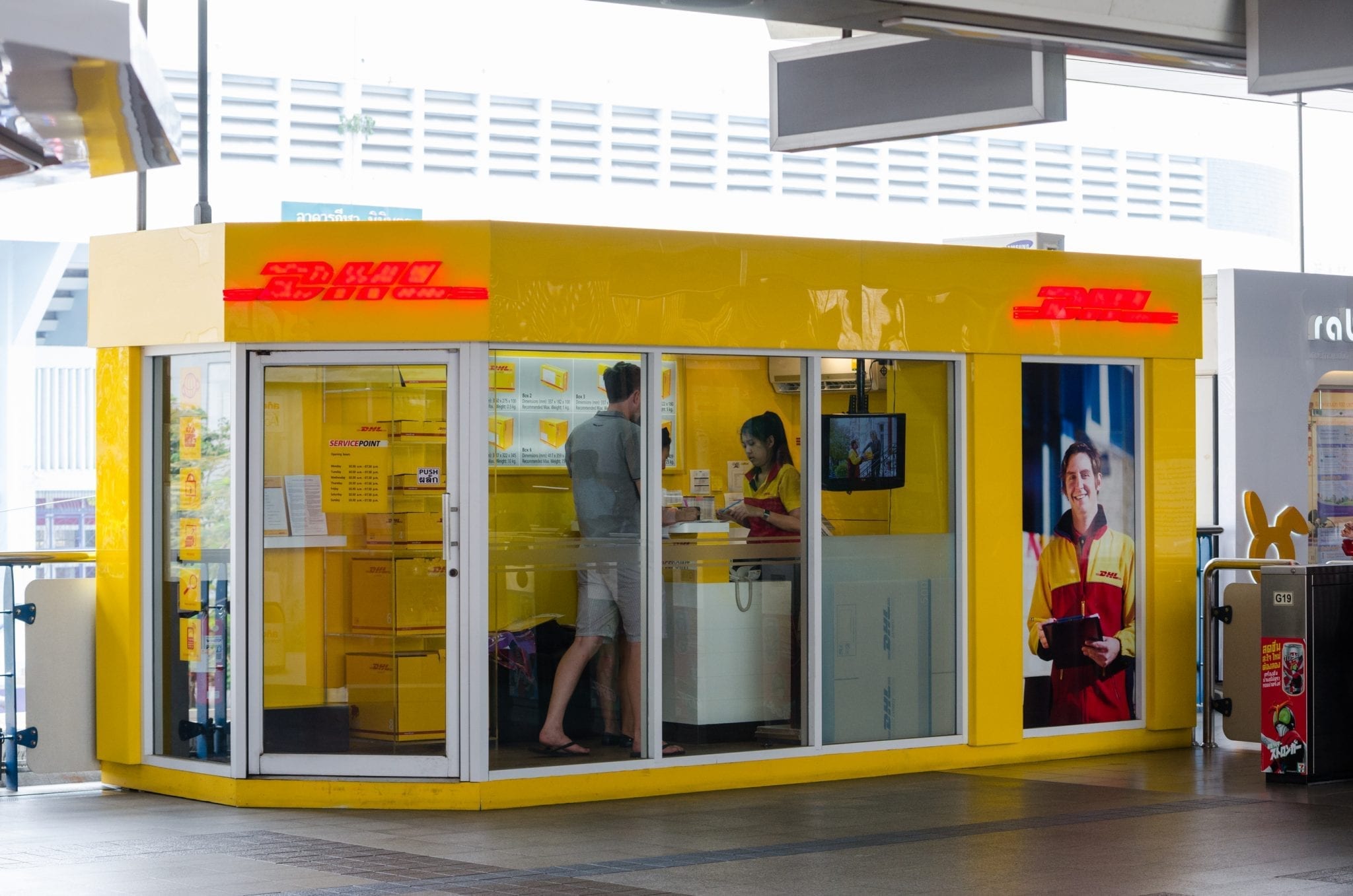
    Receivers can schedule a delivery, arrange delivery to a nearby DHL Service Point or their own alternate address, and request that a shipment is put on hold during a vacation.

    DHL Express plans to roll out the On Demand Delivery to more than 100 countries through 2016 and 2017.

  • Amazon Prime is launching in China

    Amazon Prime is launching in China

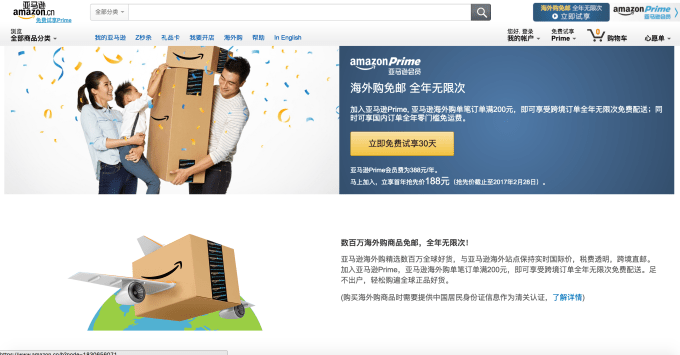
    Amazon announced it’s bringing a version of its Prime membership program to customers in China, which will include free, cross-border shipping from the Amazon Global Store as well as no minimum free domestic shipping, the company says. The service, which will compete with local rivals like Alibaba and JD.com, will cost 388 yuan ($57.23) per year after the first year, a discounted rate.

    Unlike the U.S. version of Prime, there aren’t a host of perks for Chinese customers outside of the shipping deals – instead, the main focus here is on increasing Amazon’s footprint in China by making it more affordable to buy foreign products from its site.

    Amazon today doesn’t have a significant footprint in China – less than 1.5 percent of the market, according to iResearch. It even launched a store on Alibaba’s Tmall site last year in order to reach Chinese consumers.

    Cross-border e-commerce is a growing trend in China, thanks to rising incomes and increased demand for foreign products. According to a McKinsey study from earlier this year, cross-border consumer e-commerce amounted to an estimated $40 billion (U.S.) in 2015, more than 6 percent of China’s total consumer e-commerce. The report also said it’s growing upwards of 50 percent annually.

    Chinese Prime members will be able to shop over 4 million international products from the Amazon Global Store – a storefront the company launched in November 2014 to cater to an international audience. The localized store’s millions of products are organized across 30 product categories, including those that appeal to Chinese consumers like apparel, shoes, baby, toys, home, kitchen and beauty.

    These international orders are delivered by Amazon fulfillment centers in the U.S. through its global logistics capabilities, says Amazon, and Prime members will receive those packages in an estimated 5-9 days in 82 cities.

    screen-shot-2016-10-28-at-9-58-38-am

    In some cases, orders may take longer. Single orders of over ¥2,000 or total orders for a citizen in a year totaling more than ¥20,000 will be routed through a customs channel which requires additional processing time, the retailer notes.

    Meanwhile, Amazon Prime members can also take unlimited free shipping with no minimum purchase on more than 9 million domestic products.

    “Launching a unique program designed for our Chinese customers shows our obsession with Chinese customer needs, and demonstrates our long-term commitment to growing our business in China,” said Russ Grandinetti, Senior Vice President of Amazon, in a statement about the launch. “We will continue to innovate for customers in China to deliver more value over time.”

    To kick off the launch, Amazon is discounting the Prime membership to encourage signups. Instead of ¥388, it will be ¥188 for the entire first year. A free, 30-day trial is also available from z.cn/prime.

    The launch coincides with Amazon’s third Global Shopping Festival, which runs until December 2, 2016, and will include deals on over 70,000 international brands as well as Black Friday deals on the Amazon Global Store.

  • Changi Airport Group strengthens pharmaceutical supply chain in Singapore

    Changi Airport Group strengthens pharmaceutical supply chain in Singapore

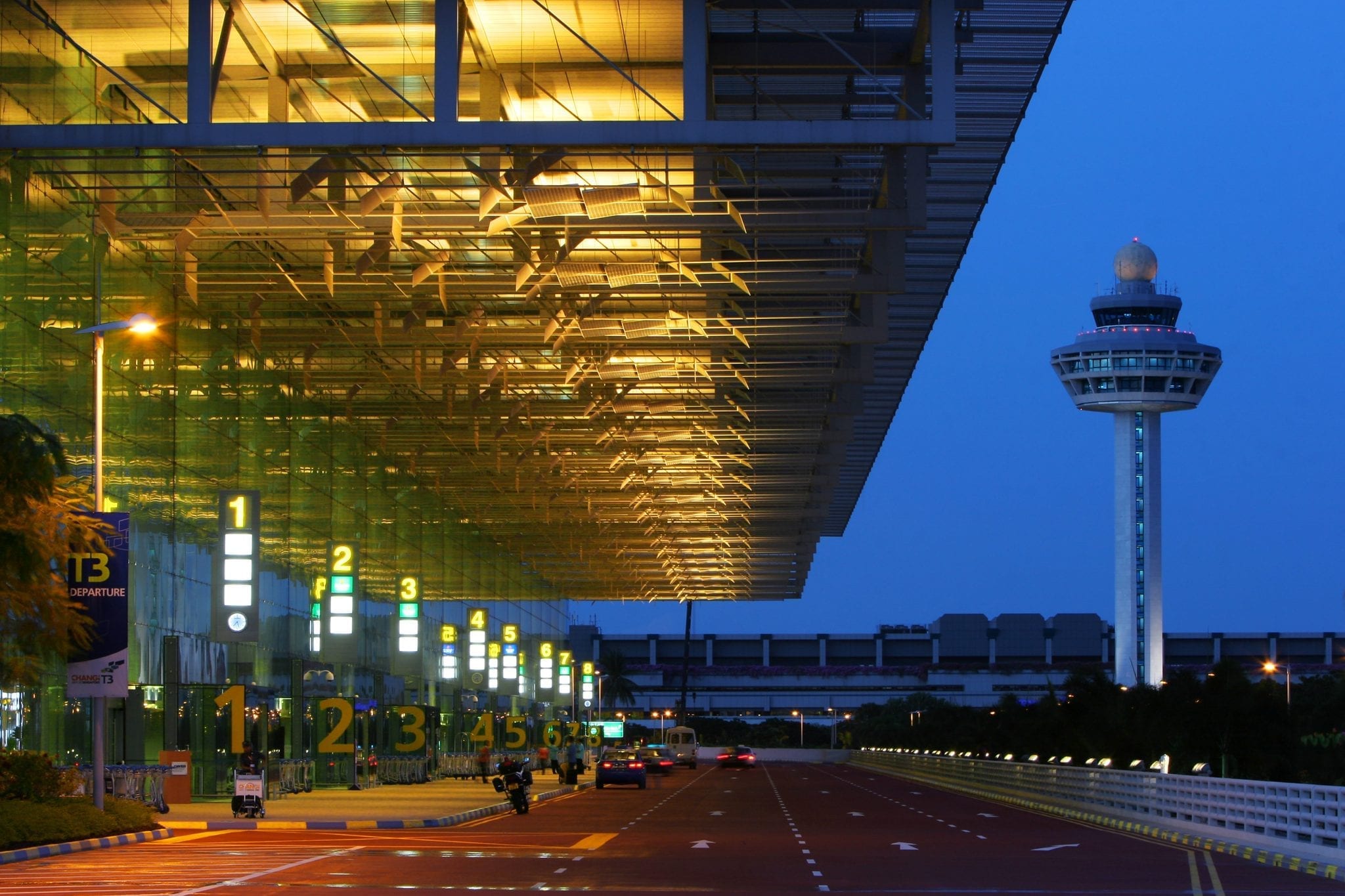
    Changi Airport is the first airport in Asia to join Pharma.Aero as a strategic member, together with partner Singapore Airlines Cargo who comes on board as a full member. Both parties envisage that this effort will raise pharmaceutical handling capabilities at Changi Airport.   An organization comprising stakeholders of air cargo supply chain from around the world, Pharma.Aero is dedicated to achieving excellence in end-to-end air transportation for pharma cargo.

    Pharmaceutical cargo is among the fastest growing segments at Changi Airport, growing 19 percent year-on-year for the first nine months of 2016, and registering a five-year compounded annual growth rate (CAGR) of 13 percent from 2010 to 2015.

    The South West Pacific and North East Asia regions account for 45 percent of total share of pharmaceutical cargo at Changi Airport. In terms of volume, Australia, China and India are Changi’s top three pharmaceutical markets on a year-to-date (January to September 2016) basis. The top markets showing strongest growth for the period are China (+51 percent), Vietnam (+35 percent) and Hong Kong (+32 percent).

    Pharmaceutical products that pass through Changi Airport include vaccines, tablets and pills. These products are highly sensitive to fluctuations in temperature. Pharmaceutical cargo is the sixth most valued segment in terms of total air cargo handled, and account for under 10 percent of total value of cargo handled.

    Changi Airport is well-equipped with specialized facilities to be the preferred gateway of pharma cargo in Asia, with the two ground handlers (Coolport by SATS and Coolchain by Dnata) having the ability to handle more than 300,000 tonnes of temperature sensitive cargo annually. Our excellent connectivity (6,800 flights to 330 cities served by over 100 airlines) and strong mix of freighter and bellyhold capacity provides ample options for pharma shippers to access the global economy.

    Changi Airport is the first airport in Asia to embark on a community approach for the IATA CEIV Pharma certification, thereby raising the local community’s handling standards and capability for temperature-sensitive pharma cargo. The pioneer group of companies in the Changi CEIV Community consists of Singapore Airlines Cargo, dnata Singapore, Global Airfreight International Expeditors Singapore, CEVA Logistics Singapore, and Schenker Singapore.

    SATS Coolport, a major cargo player at Changi Airport, was the first facility in the world to attain the IATA CEIV Pharma certification in 2014.

    Global spending on pharma cold chain logistics is projected to grow at eight-nine percent per year, totaling US$16.7 billion by 2020 according to Pharmaceutical Commerce. Asia is expected to account for the largest regional share growth with more than $1.2 billion of cold-chain growth through 2019.

  • Halal certification for DB Schenker’s Kuala Lumpur Logistics Centre

    Halal certification for DB Schenker’s Kuala Lumpur Logistics Centre

    Schenker Logistics (Malaysia) announced that the Kuala Lumpur Logistics Centre 9 (KLC9) warehouse located in Shah Alam is officially accredited for their halal logistics operations under the international halal standard for logistics IHIAS 0100:2010. The accreditation covers both storage and transportation.

    The certificate was presented by IHI Alliance executive director Hj Rafek Saleh to Schenker Malaysia Logistics director Claus Kuhnert in Shah Alam.

    According to Kuhnert, this recognition is timely as halal supply chain management is an emerging requirement for FMCG brands. It is a new milestone for DB Schenker to be the first accredited multinational third party logistics service provider to receive this international halal logistics recognition.

    “Schenker Malaysia understands the importance of a halal value chain, and an unbroken halal supply chain for big brand owners serving Muslim markets in Southeast Asia. We feel that this need is not well served by the logistics industry and we at Schenker Malaysia see this as an opportunity to become one of the first fully certified international logistics service provider in Asia. We are gearing towards full compliance to serve the halal industry as the innovative integrated logistics service provider of choice,” he added.

    DB Schenker expects the halal logistics solutions offered by the company will allow their clients to achieve a total halal supply chains for food, cosmetics and pharmaceutical companies, and strengthening its position in the FMCG business.

    The accreditation will also enable DB Schenker to actively participate as the MNC logistics player in strengthening Malaysia’s position as a global halal hub.

  • Arvato opens bonded warehouse in China

    Arvato opens bonded warehouse in China

    Arvato SCM Solutions is expanding its presence in China with a new bonded warehouse that will serve clients in the high-tech and entertainment and consumer products industries. The new 2,000 m² facility is located in the Shanghai Waigaoqiao Free Trade Zone.

    “The launch of our third distribution center in China is necessary as we meet an increasing demand for logistics services in the region,” said Raoul Kuetemeier, Head of Arvato SCM Solutions Asia.

    The Shanghai Waigaoqiao Free Trade Zone is unique for its government incentives and preferential tax policies; a strategic location for the distribution of goods into mainland China and trade between Asia and rest of the world. “This new bonded warehouse enhances our logistics network in the Chinese market and underscores our commitment to provide the most flexible and competitive supply chain solutions for our clients.” said Kuetemeier. Arvato is already represented by five distribution centers across Asia.

    Arvato will provide end-to-end logistics services in the new multi-user facility. This includes the processing of imports and exports as well as warehousing, multi-channel distribution, returns management, and other value-added services. The access-controlled location is also equipped with a monitoring system and has more than five loading bays. In the licensed bonded warehouse, goods can be stored duty-free indefinitely.

    The new logistics center in Shanghai’s Pudong district offers outstanding structural conditions for efficient distribution. It is within close proximity to the Waigaoqiao harbor and Yangshan deep-water port. The airport, central highways and container freight station within Shanghai are also easily accessible.

  • Matheson Flight Extenders has signed an agreement with Cathay Pacific

    Matheson Flight Extenders has signed an agreement with Cathay Pacific

    Matheson Flight Extenders, Inc. has signed an agreement with Cathay Pacific to act as a freight consolidation agent to provide export and import services at Portland International Airport.

    Matheson Flight Extenders, Inc., a subsidiary of Matheson Trucking Inc., recently added eight employees to support Cathay’s new twice-weekly Boeing 747-8F flight to Hong Kong via Anchorage which was launched on November 3.

    “This is an exciting opportunity for Matheson to once again expand into the international freight arena,” said Charles Mellor, chief operating officer for Matheson. “We handled similar services for Asiana Airlines and are proud to be a key facilitator in the partnership between the Port of Portland and Cathay Pacific. Providing consolidation for import/export goods benefits the economy of Portland and businesses in the region.”

    According to Mellor, Cathay first contacted Matheson about providing consolidation services at Portland.

    “We quickly presented a bid and began negotiations,” he said. “The referral was a result of our previous partnership with Asiana. We have the ramp space to park a 747 close to our hangar, making it more convenient to load and unload the aircraft.”

    Cathay expects the flight to carry 40 to 60 tonnes of cargo from Portland every month, including semi-finished footwear and apparel, electronics and perishables such as blueberries, cherries, Dungeness crabs and oysters.

    The Portland flight operates every Thursday and Saturday and is routed via Anchorage and Los Angeles from Hong Kong, and via Anchorage on the way back.

  • DHL Appoints New Hong Kong and Macau Managing Director

    DHL Appoints New Hong Kong and Macau Managing Director

    According to DHL, McQueen will be responsible for long-term growth across sectors such as aviation, consumer goods, healthcare, retail and technology. He will also be in charge of integrating solutions with freight and logistics services from South China’s major development zones.

    “Designing supply chain solutions that meet and exceed the unique needs of customers isn’t just my passion – it’s also essential for long-term growth that can withstand constant disruption and volatility in the marketplace,” said McQueen. “Having laid the foundations for such growth in the Greater China region, I’m excited to be focusing on Hong Kong as the linchpin in our regional operations, and look forward to leading our excellent team of more than 1,000 experienced supply chain employees to even greater heights.”

    McQueen has 24 years of supply chain experience. He was most recently in charge of business development at DHL Supply Chain Greater China, and was previously head of industrial development and solution design director for the Middle East and Africa.

    “We appointed Jez to lead our Hong Kong and Macau operations because of his outstanding track record in delivering rapid and sustainable growth across a wide variety of industries,” said Yin Zou, CEO of DHL Supply Chain Greater China. “Jez has proven invaluable as the head of business development for our operations in Greater China, combining deep expertise in all sectors with formidable acumen for turning supply chain innovations into substantial long-term improvements in customer satisfaction and revenues alike. Hong Kong remains a pivotal market for DHL Supply Chain, and I believe Jez’s skill set and passion for business development make him uniquely suited to handling its broad and dynamic range of multi-industry needs.”

  • Rhenus opens its first office in South Korea

    Rhenus opens its first office in South Korea

    The Rhenus Group is opening its own business operations in South Korea at the beginning of November. The logistics specialist also founded the national company known as Rhenus Logistics Korea at the same time. The office in the South Korean capital Seoul will organise sea and air freight operations, third-party logistics and domestic transport services in future.

    “The primary motive for opening the business site in South Korea is to continue consolidating our Asian network; we’ve been continually expanding this during the past few years. Seoul forms the centre of South Korea and is the focal point of the Sudogwon metropolitan district.

    “More than 25 million people live there and this accounts for half of the population of the country; it therefore provides an excellent starting point for our range of logistics solutions,” says Tobias Bartz, who is responsible for the logistics specialist’s Asian business on the Rhenus Management Board, citing the reasons for the latest developments.

    The Rhenus Group is particularly aiming to establish itself as a partner for transporting, handling and storing raw materials, semi-finished products and industrial and consumer goods in the South Korean market with its complete range of services. Rhenus Logistics Korea then plans to develop the individual solutions for specific sectors, combined with local expertise.

    Much of the country’s trade takes place with Europe – but the new company will also focus on transport between different Asian countries. In terms of its infrastructure, South Korea provides excellent conditions for sea and air freight services for the new national company with Incheon International Airport, one of the largest in Asia, and the port of Busan, which is one of the top 10 in the world according to the number of containers handled. “We also envisage further growth in this market in future after completing the starting phase in Seoul,” says Bartz.

  • Asia Pacific airlines see further cargo uptick in September

    Asia Pacific airlines see further cargo uptick in September

    Preliminary traffic figures for the month of September released by the Association of Asia Pacific Airlines (AAPA) showed further uptick in air cargo markets and steady growth in international air passenger demand.

    In spite of the prevailing weakness in trade conditions, air cargo markets experienced further improvement in September, as reflected in the 5.3 per cent growth in demand as measured in freight tonne kilometres (FTK). The average international freight load factor increased marginally, by 0.5 percentage points to 63 per cent for the month, after accounting for a 4.4 per cent expansion in offered freight capacity.

    Commenting on the results, Andrew Herdman, AAPA director general said: “Air cargo volumes aggregated for the first nine months of the year match those of the same period last year, reflecting the modest upswing in demand in recent months, bolstered by higher shipments of electronics designated for product launches.”

    Collectively, the region’s airlines carried 23.5 million international passengers in September, representing a 7.0 per cent increase compared to the same month last year. Spurred by continued growth in both long haul and regional markets, demand in revenue passenger kilometre (RPK) terms increased by 7.6 per cent, faster than the 6.7 per cent expansion in available seat capacity.

    Looking ahead, Herdman concluded: “Whilst air passenger numbers continue to demonstrate resilience, Asian carriers face challenges in the form of intense competition and cost pressures, as crude oil prices have risen from historical lows. In addition, the lack of impetus for a revival in global trade activity may present some headwinds to sustained growth in air cargo markets.”