Retail News CRM

Tag: cargo

  • UPS has entered into a definitive purchase agreement to acquire Marken

    UPS has entered into a definitive purchase agreement to acquire Marken

    UPS has entered into a definitive purchase agreement to acquire Marken, a supply chain company dedicated to the pharmaceutical and life sciences industries.

    The transaction is expected to close by December 31, 2016.

    “Healthcare logistics is a strategic market for UPS,” said Teresa Finley, chief marketing and business services officer at UPS. “Our acquisition of Marken strengthens our portfolio and demonstrates our commitment to customers. We plan to offer new solutions to our customers and generate further growth opportunities for UPS.

    Marken will be operated as a wholly owned UPS subsidiary and will have access to the UPS integrated global network.

    “We are excited to join the UPS organization,” said Wes Wheeler, chief executive officer of Marken. “UPS’s capabilities, particularly in mature markets, will provide many opportunities for us to enhance our service offerings in clinical trials logistics. With UPS, we will improve our efficiency, while continuing to provide our clients with the high-touch, personalized services that they have come to expect from us.”

    Marken has more than 650 employees in 44 locations worldwide and operates 10 depots that are compliant with Good Manufacturing Practices, according to UPS.


  • SingPost opens regional ecommerce logistics hub in Singapore

    SingPost opens regional ecommerce logistics hub in Singapore

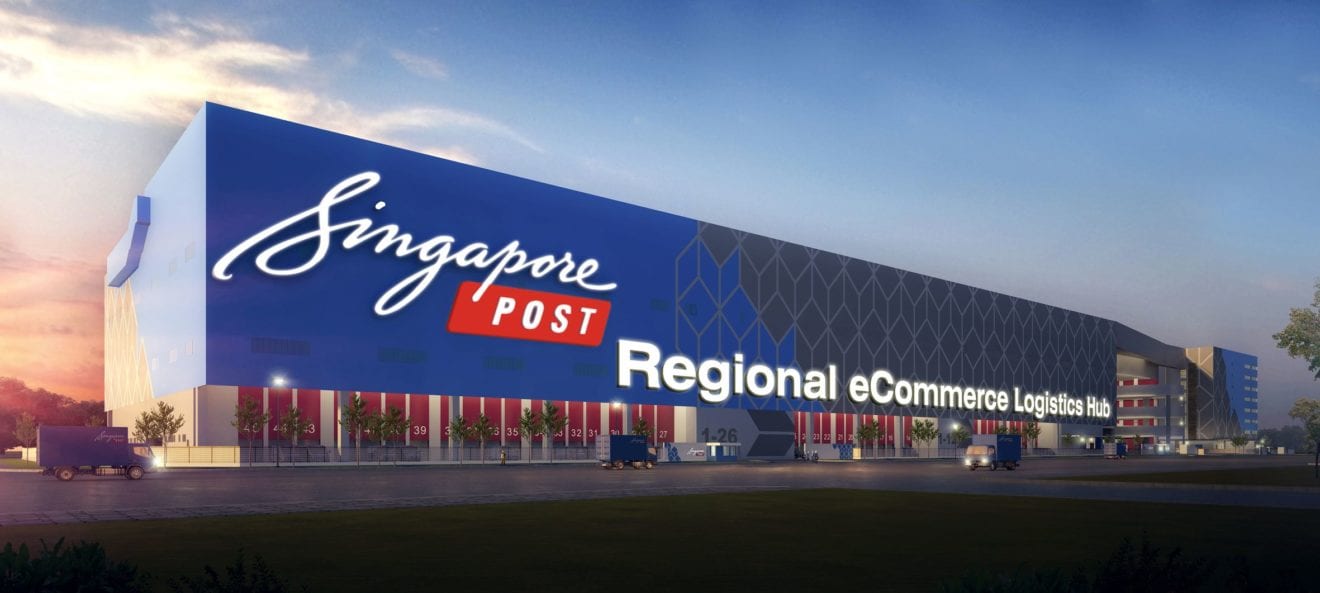
    Singapore Post Limited (“SingPost”) announced the launch of its Regional eCommerce Logistics Hub (“eComm Log Hub”) located at the Tampines Logistics Park. The S$182 million facility is SingPost’s largest eCommerce logistics investment in Singapore to date.

    The eComm Log Hub is officially opened by Singapore’s Deputy Prime Minister and Coordinating Minister for Economic and Social Policies, Mr Tharman Shanmugaratnam.

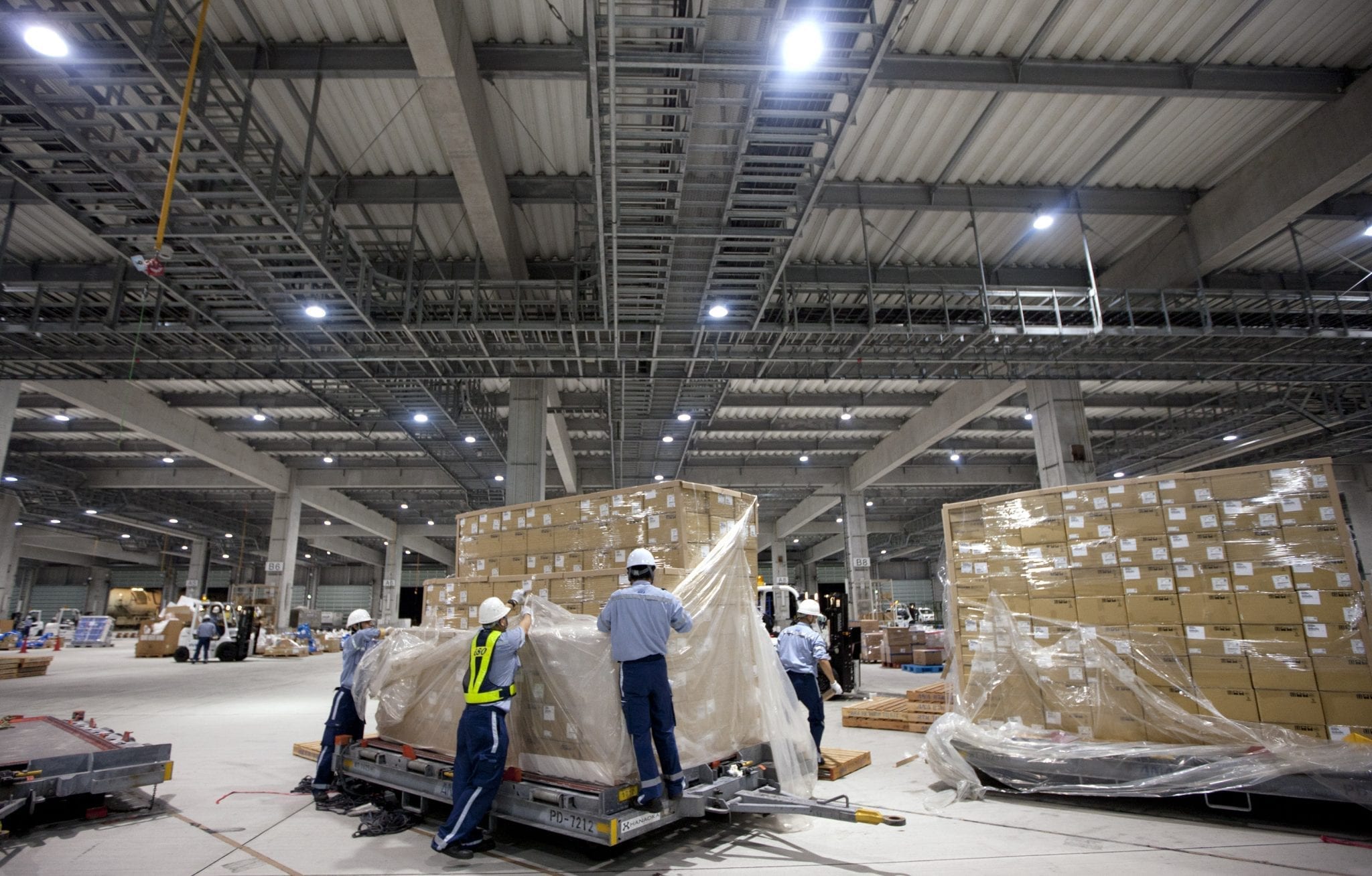
    SingPost’s eComm Log Hub is a three-storey facility housing two warehousing floors, 150 simultaneous loading bays as well as an office block. The ground floor of the building houses a fully automated parcel sorting facility with a capacity of up to 100,000 parcels a day, and end-to-end sorting, shipping and returns management capabilities that enable quicker order fulfilment. The total built-up area is 553,000 square feet.

    Automation plays a big part in the eComm Log Hub – beyond the fully automated parcel sorting system on the first floor of the facility, the second floor warehouse is also automated, resulting in the entire eComm Log Hub being integrated end-to-end from the eCommerce front-end platform to delivery. The eComm Log Hub will process parcels for delivery within Singapore and those to be shipped to destinations worldwide.

    Said Mr Chua Taik Him, Deputy Chief Executive Officer of IE Singapore, “IE Singapore has been working closely with SingPost on strategies to scale its business in the region, facilitating its projects and partnerships with both brand owners and last mile fulfilment players. Given the strong growth of eCommerce in Southeast Asia, the launch of SingPost’s facility will further support its local and overseas growth. This will also enhance Singapore’s capabilities in fulfilment and facilitate more regional eCommerce trade flows.”

    The Management Team of Sephora Asia said, “This October, SingPost has begun providing us with warehousing services in Australia to handle our beauty and fragrance products. At Sephora, we believe in giving our customers a great end-to-end experience from the time they log in to the moment they receive their purchases. SingPost’s support is critical to delivering that flawless customer experience. With their new eCommerce Log Hub and great solutions like POPStations, we recognise that SingPost is propelling the eCommerce industry forward. We have found SingPost’s professionals to be very conscious of accuracy, cost and service quality.”

    Mr Simon Israel, SingPost’s Chairman, said, “The opening of our Regional eCommerce Logistics Hub is another milestone in the expansion of SingPost’s eCommerce logistics network, which now spans 19 markets across Asia Pacific, Europe and the US. Singapore’s regional connectivity makes it ideally positioned to be a centre for eCommerce. Our Regional eCommerce Logistics Hub leverages on this geographic and infrastructural advantage. Everything in this building is scalable, which means we can keep upgrading it to meet the needs of the future.”

    He added, “With the Regional eCommerce Logistics Hub, our POPStation network and our investments into technologies for new postal and logistics solutions, we are prepared for a sustainable future of car-lite cities and the sharing economy. SingPost is therefore able to shape and play a broader role in how urban logistics is done in Singapore.”

    SingPost’s Centre of Innovation

    At the opening ceremony, SingPost also launched its Centre of Innovation (“COI”).

    The COI was set up in August 2015, with support from the Economic Development Board, to carry out research into new logistics and postal services and products, in collaboration with research institutions and institutions of higher learning.

    Emphasis will be placed on new technologies such as robotics and automation to meet the needs of future customers and markets as well as becoming the tools for SingPost’s next generation of employees.

    Some initiatives now being carried out by the SingPost COI are:

     Deliver significant enhancements to the eCommerce logistics platform which will help support the smart logistics and smart nation initiative;

     Roll out a new version of the Self-service Automated Machine (SAM) platform to enhance customer experience and provide a seamless omni-channel experience encompassing the kiosk and the digital postal office;

     Bring the online and offline world of retail shopping to the SingPost mall, which will provide exciting merchant offerings and delivery options to the customer. Retail merchants will be able to experiment with unique ways of interacting with customers to boost revenue and increase loyalty;

     A digital transformation of the post office to provide customers options to transact with greater ease and pace; and

     Innovate last mile delivery options through building the next generation of POPStations and experimenting with drone delivery across the island.

  • IAG to construct freight facility

    IAG to construct freight facility

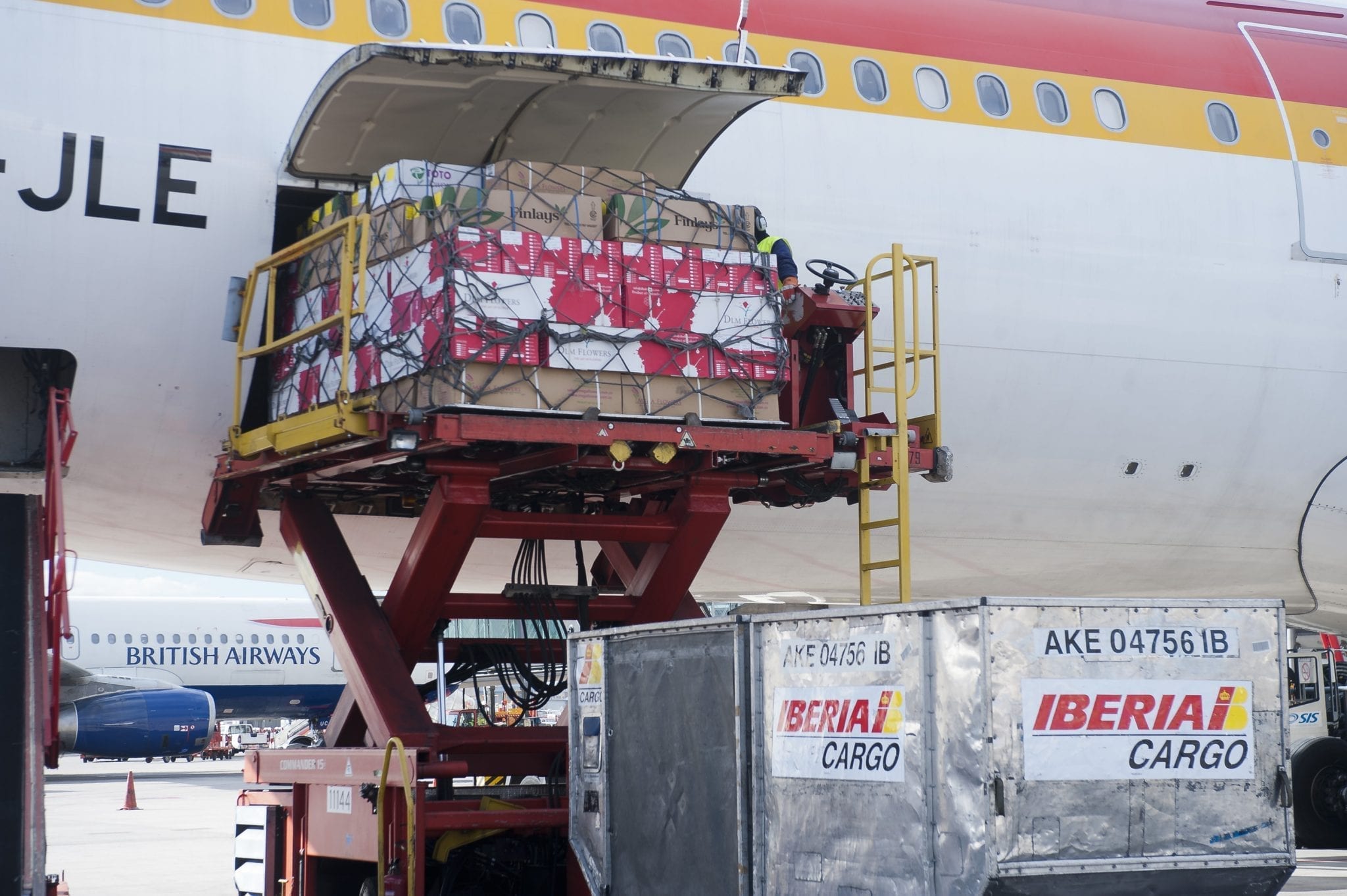
    IAG Cargo has announced that it is set to build a new premium freight facility at its London Heathrow Hub. The new building will be twice the size of IAG Cargo’s existing Premia facility and has been designed around the modern demands of premium airfreight.

    With a larger dedicated Constant Climate Quality Centre for pharmaceuticals; new delivery and collection doors and an advanced warehouse management system that will prioritise freight. The facility is designed to support the future demands of international premium trade.  Set to become operational in 2018, the building will operate alongside IAG Cargo’s existing Premia facility.

    The new building will manage the flow-through of all express Prioritise shipments and passive Constant Climate shipments.

    Drew Crawley, CEO of IAG Cargo said: ‘IAG Cargo’s four airlines now carry more premium freight than at any point in their combined history. With the continued growth of high speed e-commerce and cool chain logistics in particular , as well as the ongoing expansion of the IAG family and network, we need facilities that are ready for the next generation of premium freight.’

    ‘We believe that the  blend of our next generation aircraft, new freight facilities such as this one and our expanding  network means that IAG Cargo is extremely well positioned in the market to meet the current and future premium freight demands of all our customers. Our new premium warehouse will be built away from existing Premia, leaving our current operation and customer service unaffected.”

    Sarah Coulson, Head of Strategy and Business Development at IAG Cargo said: ‘Over the past few years we have continued to see year on year growth in premium freight. Our commitment to consistently deliver a high level of service to our customers has undoubtedly influenced our strong performance in this market. We want to continue our growth and performance in this sector and our new facility will help deliver this.’

    IAG is in the midst of a major fleet renewal programme, which is opening up new route opportunities and providing greater capacity on key trade lanes. The new facility will be designed to accommodate this growth, offering optimised handling capabilities and an enhanced premium proposition.

  • UPS Orders 14x 747

    UPS Orders 14x 747

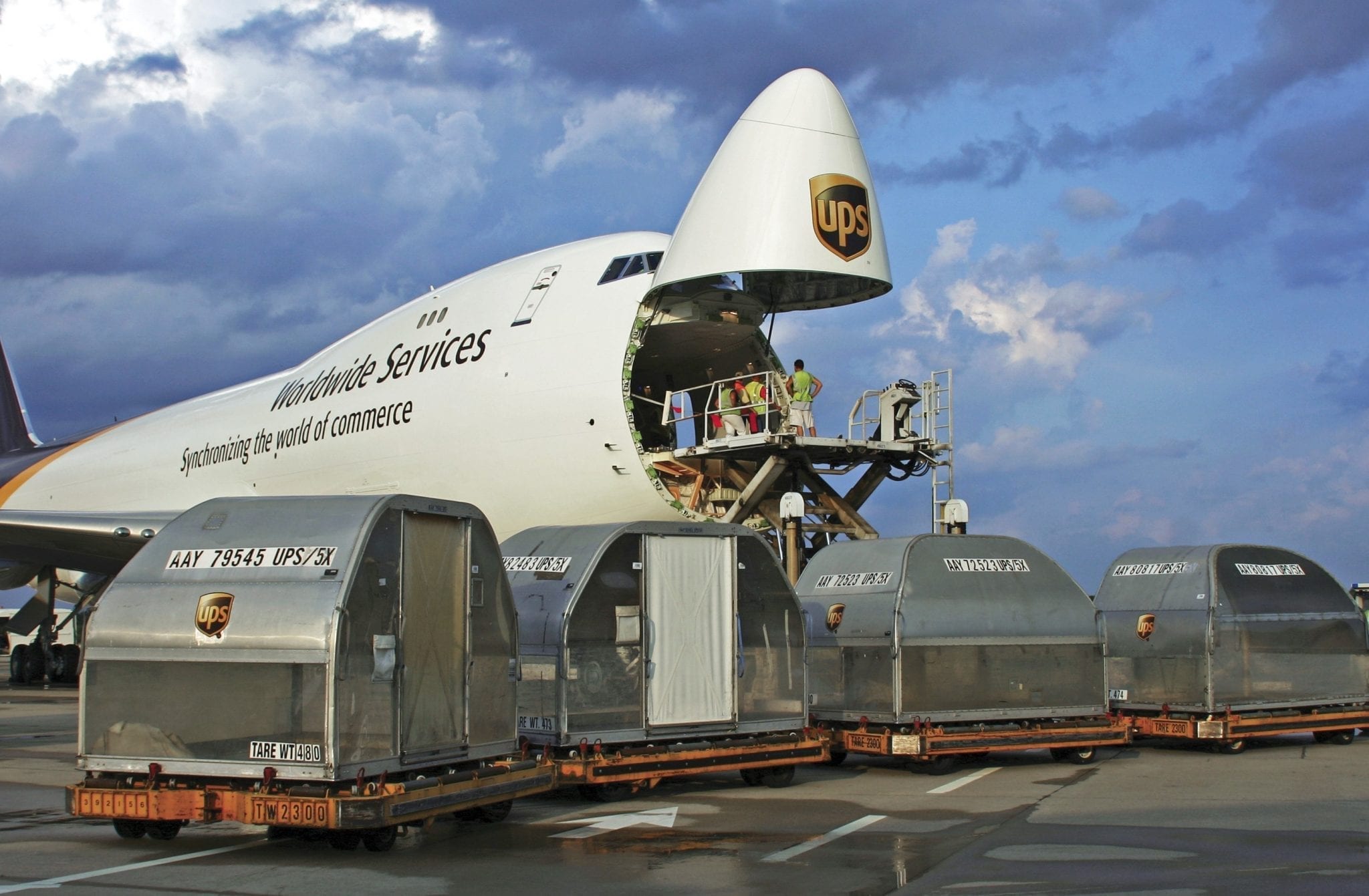
    “These aircraft are a strategic investment for increased capacity for UPS customers around the globe,” said Brendan Canavan, president of UPS Airlines. “The 747-8 will allow UPS to upsize our network in both new and existing markets.”

    The aircraft will be delivered between 2017 and 2020. Each 747-8F offers 16 percent more cargo capacity than the 747-400F and can carry approximately 137 tonnes. Pilots of the carrier’s 747-400F fleet will be able to fly the -8F after a short training course.

    “We benefit from the youngest fleet in the industry and we are continuously investing for both operating safety and efficiency,” said Brendan Canavan, UPS Airlines president. “This investment supports our customers’ future capacity needs while also reducing fuel use and emissions, which enhances UPS Airlines’ position as an industry leader in sustainability.”

    Boeing lowered the production rate of the 747-8 programme to 0.5 per month because of reduced demand. Russia’s Volga-Dnepr Group finalized the acquisition terms for 20 747-8Fs at the Farnborough International Airshow in July 2016, including four that had already been delivered.

    Apart from the new UPS order, the only -8Fs left to be delivered are two for AirBridgeCargo, one for Korean Air Cargo, two for Nippon Cargo Airlines and one for Silk Way Airlines.

    “UPS could not have selected a better aircraft to meet its growing business needs,” said Brad McMullen, vice president of sales for North America and leasing at Boeing Commercial Airplanes. “We’ve continued to make the 747-8 Freighter even better, and we look forward to seeing UPS introduce it to its fleet.”

    UPS operates a fleet of 236 aircraft, consisting of Airbus A300-600Fs, 747-400Fs, 757-200Fs, 767-300ERFs and MD-11Fs, as well as 305 other aircraft that are chartered or on short-term lease.

  • DHL launches air freight service for emergency logistics

    DHL launches air freight service for emergency logistics

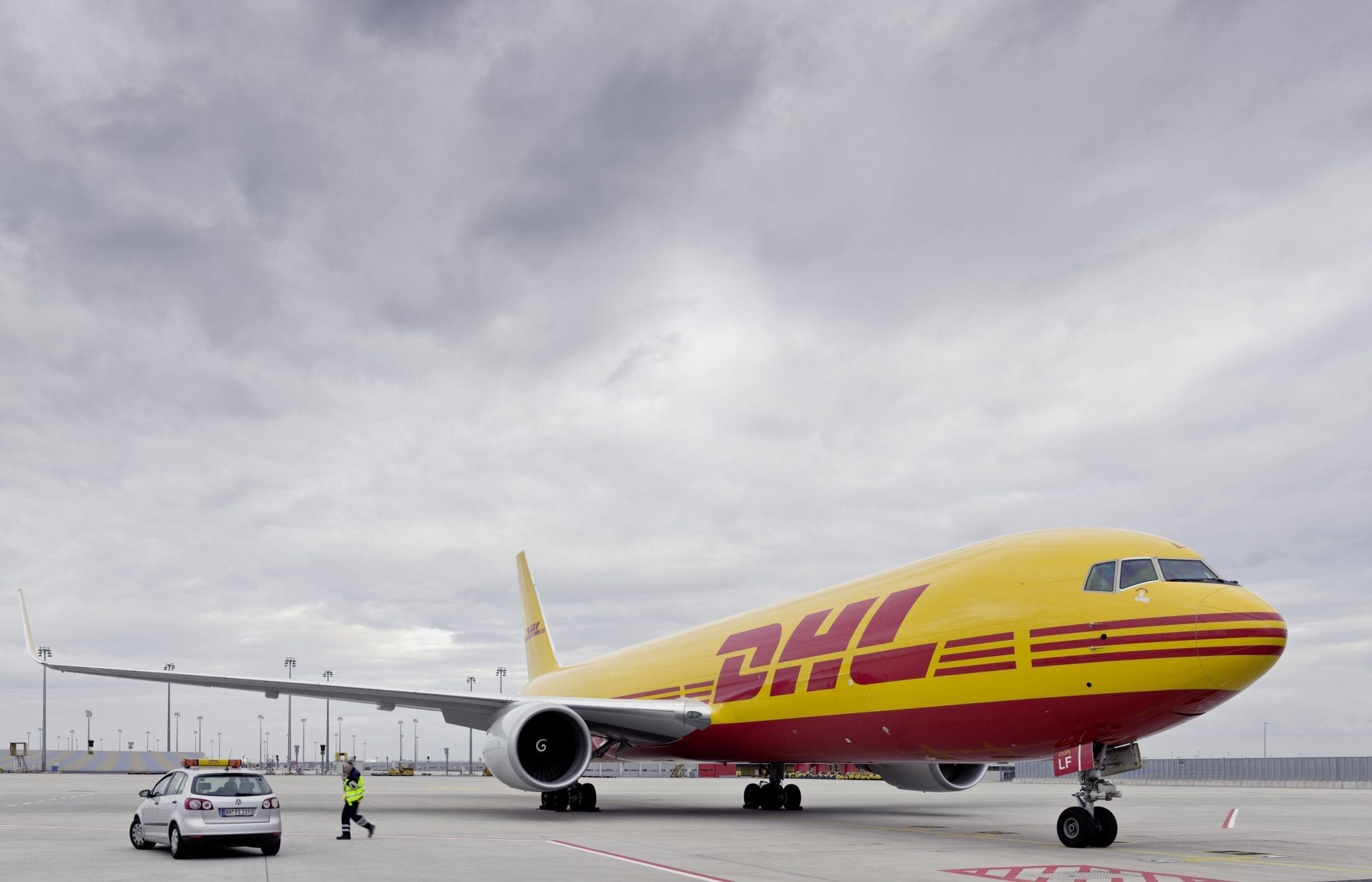
    DHL Global Forwarding extends its product portfolio and launches DHL SameDay Speedline. This new air freight product offers forwarding customers a mission critical solution for emergency shipments. Providing a best flight out service at an optimal cost-performance ratio, each unaccompanied shipment will be proactively monitored from origin to destination.

    With benefits such as 24/7/365 pickup and delivery, collection within 120 minutes and quotations within 60 minutes, the DHL SameDay Speedline product will fill the gap for a much needed global expedited solution. This new service covers urgent delivery of spare parts, critical medical supplies or newly launched products.

    Although DHL SameDay Speedline is a multisector product, it‘s especially attractive for aerospace & aviation, automotive, electronics, energy and life sciences industries.

    “The emergency shipment market is growing with just-in-time inventories for industries from aerospace and energy to manufacturing to adapt their supply chains. The need for mission critical shipment delivery to avoid line down situations continues to arise and requires a partner that has the global reach combined with the technology to provide transparency to each sector specific logistical challenge. DHL SameDay Speedline fills this gap and provides added value through its many service features,” states Ingo-Alexander Rahn, Global Head of Air Freight, DHL Global Forwarding.

    The launch of DHL SameDay Speedline’ s global network of 50+ stations will cover the greatest geographical demand for emergency shipments, with the expectation, that the network will grow through customer demand. A core strength of DHL SameDay Speedline are the 24/7/365 SameDay Contact Centers in the US, Singapore and Ireland, where each shipment is proactively monitored from origin to destination.

    Dedicated customer service representatives will handle the majority of quotes and routing option for door-to-door transits in less than 60 minutes. Customers of DHL SameDay Speedline will receive customized milestone updates of their shipments movement after the logistical event. In case of an irregularity, a resolution to the issue is available within minutes.

    Next to specific industry sectors solutions, the scope of DHL SameDay are those customers that need to ship time-critical cargo regularly or experience unplanned emergencies.

    “We see DHL SameDay Speedline as a multi sector product offering that is especially attractive for aerospace & aviation, automotive, technology, energy, marine logistics and life sciences industries, including temperature controlled, dangerous or out-of-gauge goods,” Rahn adds.

    After surveying more than 200 customers from various industry sectors with emergency shipment needs, DHL Global Forwarding saw a need to develop a product utilizing the best of both worlds, the leverage of the DHL relationships in country with the emergency product technology and intelligence of the DHL SameDay team.

    “Our customers will choose DHL SameDay Speedline for the best flight options to meet just-in-time demand at an optimal cost performance ratio,” stresses Ingo-Alexander Rahn.

  • Brussels Airport has launched its cool dolly

    Brussels Airport has launched its cool dolly

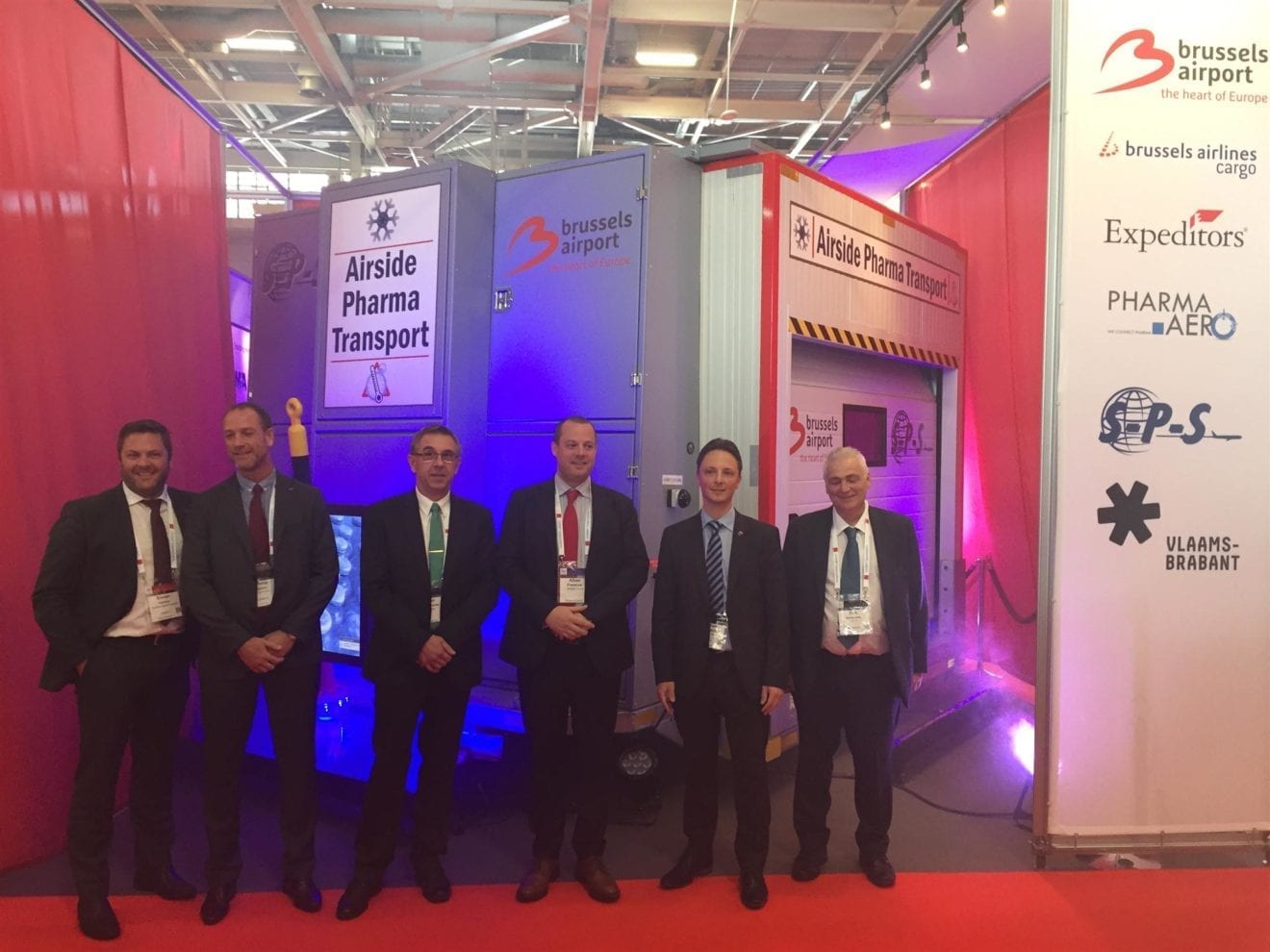
    Brussels Airport has launched its cool dolly on the opening day of the The International Air Cargo Association’s Air Cargo Forum in Paris.

    Following two years of work with its partners, the new airside pharma transport dolly is designed to be the missing link in the cool chain link. The pharmaceutical sector is of major economic importance to Belgium, explained Nathan de Valck, cargo and product development manager at Brussels Airport [second from right in photo], and this dolly had to meet 17 requirements identified by the industry.

    “We wanted to make a cost-effective temperature-controlled airside transport solution available to the market,” said de Valck.

    The pharmaceutical sector has been actively involved in this project, de Valck went on to say, along with airlines, forwarders, handlers and an engineering company.

    One of the requirements of the new dolly was to avoid extremes of temperatures. Temperatures below 5 degrees Celsius or above 25 were unacceptable, but temperatures in between, as long as they were stable, were acceptable.

    Solar panels on the roof allow the dolly to operate autonomously for several days without needing to be plugged in, and the unit is designed to reach the required temperature quickly, meaning the dolly can be used several times a day.

    Brussels Airport has currently ordered four dollies, and will look to increase the number if needed.

  • RFID market is growing

    RFID market is growing

    IDTechEx Research has tracked the RFID market since 1999. IDTechEx find that in 2015, the total RFID market is worth $10.1 billion, up from $9.5 billion in 2014 and $8.8 billion in 2013. This includes tags, readers and software/services for RFID cards, labels, fobs and all other form factors, for both passive and active RFID. IDTechEx forecast that to rise to $13.2 billion in 2020.

    In retail, RFID continues to be adopted for apparel tagging – that application alone will demand 4.6 billion RFID labels in 2016 – which still has some way to go with RFID penetrating about 15% of the total addressable market for apparel in 2016. RFID in the form of tickets used for transit will demand 800 million tags in 2016. The tagging of animals (such as pigs, sheep and pets) is substantial as it continues to be a legal requirement in many more territories, with 420 million tags being used for this sector in 2016.

    In total, IDTechEx expects that 8.9 billion tags will be sold in 2015 and 10.4 billion in 2016. Most of that growth is from passive UHF RFID (RAIN RFID) labels. However, in 2015 UHF (RAIN RFID) tag sales by value will only be 11% of the value of HF tag sales, mainly because HF tags where used for security (such as payments, access etc) have a higher price point versus the cheaper, usually disposable UHF (RAIN RFID) tags used for tagging things.

  • Zurich Insurance has launched a solution in Hong Kong and Singapore

    Zurich Insurance has launched a solution in Hong Kong and Singapore

    Zurich Insurance has launched a solution in Hong Kong and Singapore which provides risk-assessment services and protects businesses against the risks associated with supply chain disruptions.

    Called Zurich Supply Chain Insurance, the product is the first-of-its-kind in the Asia-Pacific region and is now available to qualified customers based in the two markets.

    “Increasing globalisation, improved transport and logistics through to technological advancements have enabled companies to source materials from virtually anywhere in the world,” said Keith Thomas, chief executive officer of Zurich’s Global Corporate in Asia Pacific business unit. “While this provides increased flexibility and cost savings, it can also result in complex supply chains that are highly interconnected, more exposed and difficult to manage.”

    According to Zurich, the new solution helps reduce supply chain failures and provides cover if delayed or undelivered supplies result in a financial impact on a company’s operations. Supply Chain Insurance consists of two components. In the first phase, risk engineers carry out a risk assessment to identify and evaluate customers’ exposure to critical risks throughout their supply chain, and recommend prioritized mitigation actions. In the second phase, the risk assessment is combined with other sources of data to underwrite and price the risk.

    “Many organizations are not aware who their key suppliers are, especially in the lower levels of the supply chain, and very few have visibility over their entire supply chain,” said Hassan Karim, technical underwriting manager of Zurich Asia Pacific. “Half of supply chain disruptions occur beyond the preliminary supplier of goods, therefore making it extremely difficult to establish where an organization lies within its suppliers’ priorities.”

    Karim added that it is essential to take a holistic approach and to identify critical supplies when working with customers to manage their exposures.

    “Effective supply chain risk management can present significant benefits to businesses and is becoming an increasingly important driver of their profits,” he said. “Every customer’s supply chain is different so we work with them to shape the appropriate solution and offer an individually tailored policy to meet their specific needs.”

    The Supply Chain Insurance solution has been available in Europe and North America for the past six years, according to Zurich.


  • DHL Express has inaugurated its South Asia Hub at Singapore Changi Airport

    DHL Express has inaugurated its South Asia Hub at Singapore Changi Airport

    The €85 million (US$85.5 million), 23,600-square-metre facility is located at the Changi Airfreight Centre and features the first fully automated express parcel sorting and processing system in South Asia.

    “Over the years, we’ve invested significantly to bolster our network and services in Asia Pacific,” said Ken Allen, CEO of DHL Express. “Our investment in the DHL South Asia Hub is the most recent in a series of global network investments made, and is the largest infrastructural investment made in Singapore to date. The country’s strategic location not only boosts our operational network capabilities, but also supports growing trade in the region aided by a stronger global economy.”

    According to DHL, the 24-hour facility is 33 percent larger than the previous hub. It is also six times faster, being capable of processing up to 24,000 shipments and documents per hour and handling more than 628 tonnes of cargo during the peak processing window.

    “The DHL South Asia Hub is a significant milestone in further enhancing our multi-hub strategy in the region,” said Ken Lee, CEO of DHL Express Asia Pacific. “With four hubs in Asia Pacific — Hong Kong, Shanghai, Singapore and Bangkok — this links over 70 DHL Express Gateways located throughout the region. Together, these facilities reinforce our customer commitment to provide the most efficient international express connectivity between key markets in the region. This will also allow us to add more network flights in and out of Singapore, such as the recent introduction of the Phnom Penh-Bangkok flight that adds to our existing Bangkok-Singapore service, as regional trade continues to grow.”

    Between 2012 and 2015, the average number of shipments per day grew by 50 percent for Oceania, 30 percent for South Asia and 25 percent for Southeast Asia, according to DHL.

  • All Nippon Airways’ cargo arm is taking aim at the Asia-US and automotive markets

    All Nippon Airways’ cargo arm is taking aim at the Asia-US and automotive markets

    All Nippon Airways’ cargo arm is taking aim at the Asia-US and automotive markets as a way to differentiate itself and to strengthen its overall competitiveness.

    “The market situation is not so easy right now,” says Toshiaki Toyama, president of ANA Cargo. “In order to maintain profitability or minimize loss, we need to adjust our freighter capacity in accordance with the market situation. As a combination carrier, we handle a lot of transit cargo between Europe or the US and Asia. We’re looking carefully at the role of each freighter flight and we’re planning to reduce some capacity for the winter season.”

    Transit traffic between Asia and the US will increasingly be a major focus of ANA Cargo’s strategy going forward. This was given a large boost in July 2016, when the carrier launched its trans-Pacific joint venture with United Cargo.

    “Frankly, we’ve been a little bit surprised because the response has been even better than we expected,” Toyama says. “In particular, we have a lot of manufacturer customers in Kyushu connecting to United’s San Francisco flight at Haneda and they seem to be very satisfied with the shorter lead times.”

    The first phase of the joint venture began on July 5, covering eastbound cargo from Japan to Canada and the US.

    “From the number of cross bookings between UA and us, we can see that the customers are very supportive of this programme,” says Toyama. “We’re preparing for the next phase for westbound traffic, which is scheduled to be early next year. Phase three will include the rest of Asia.”

    Another opportunity exists in the expanded slot arrangement at Haneda Airport. In February 2016, the Japanese and US authorities agreed to give the two countries five day-time slot pairs and one evening slot pair each at Haneda, as opposed to the four evening slot pairs each country used to have. As a result, ANA has already decided to shift a New York and a Chicago flight from Narita to Haneda from late October 2016.

    “From Japan to New York and Chicago, more than 50% of the total volume is transit cargo,” says Toyama. “The timing of the two flights enables morning connections at Haneda of about four hours from Shanghai, Singapore, Bangkok, Jakarta, Seoul, Taipei and Hong Kong.”

    ANA is the only airline to operate its own cargo facility at Haneda, with an 8,800-square-metre warehouse next to the larger Tokyo International Air Cargo Terminal.

    “We actually use TIACT too,” Toyama says. “I think it’s sufficient for now, because there’s a lot of vacant space at TIACT. We also want to minimize costs – Haneda is incredibly expensive and probably one of the most expensive [airports] in the world.”

    He adds that ANA is in discussions with Japan Airlines and Nippon Cargo Airlines to jointly develop an e-cargo programme, and that he hopes that project to be at 100% by 2020.

    Network expansion on the passenger side will also contribute positively to the cargo business. The airline launched Wuhan in April 2016, Phnom Penh this month, and is due to launch Mexico City in February 2017.

    “These destinations are very attractive for the cargo business too,” says Toyama. “Mexico is an automobile manufacturing centre and Japanese manufacturers like Nissan and Honda have factories there. The supply chain doesn’t just include Japan but also major Asian points such as Tianjin, Guangzhou and Bangkok. We still have a few months until the launch but we’ve already received a lot of enquiries from automobile companies and forwarders.”

    According to Toyama, Wuhan is an important target area for the carrier because of the Chinese government’s decision to shift development from the coast to inland areas.

    “I think it’s a reasonable base but I’m not satisfied yet,” he says. “I expect we’ll be able to gradually increase our load to and from Wuhan. Nissan and a lot of semiconductor companies are there, so we’re talking with them and with forwarders about utilizing our network.”

    Not wanting to lose out on growing e-commerce demand to mainland China, ANA Holdings invested in a young Japanese IT company called ACD in June to provide total logistics solutions including special customs clearance services into China. The service started in September. The first phase of the service is targeted at Japanese retailers and began in September, with plans to expand that to Taiwan, Korea and the US.

    ANA Cargo’s fleet consists of 12 Boeing 767 freighters, which Toyama says is enough for now.

    “In our mid-term strategy, we have plans in place to increase the fleet to 13 or 14 if we need to, depending on the market situation,” he says. “The advantage of the 767 is it allows us to access smaller and medium-sized markets such as Cambodia and Myanmar. Wuhan is also a candidate for the 767F, but it’s not yet at a level that requires a regular freighter. Our 767F network is designed around automobile-related demand. That’s why we’re operating it to Tianjin, Shanghai, Guangzhou, Jakarta and Bangkok.”

    The range of the 767F restricts it predominantly to Asia. According to Toyama, ANA is looking carefully at the possibility of operating larger and longer-range freighters, particularly to the US.

    “The passenger side is planning network expansion but they’re more aggressive on Asian routes,” Toyama says. “In order to achieve network balance in terms of cargo demand, we need more capacity to and from the US. The JV with United is one of the solutions, but if we can’t cover all the demand we will need to think about trans-Pacific freighters.”

    One shouldn’t expect to see ANA Cargo’s blue and white livery on a 747-8F or 777F anytime soon though. And even if the carrier decides to go down the trans-Pacific road, it wouldn’t necessarily have to acquire and operate its own aircraft, with options such as charters or ACMI available.

    “Of course, having a large-sized freighter is a dream for us,” says. “But I think we need to be realistic.”

  • Etihad Cargo has signed a multimillion-dollar deal with Trinity Logistics

    Etihad Cargo has signed a multimillion-dollar deal with Trinity Logistics

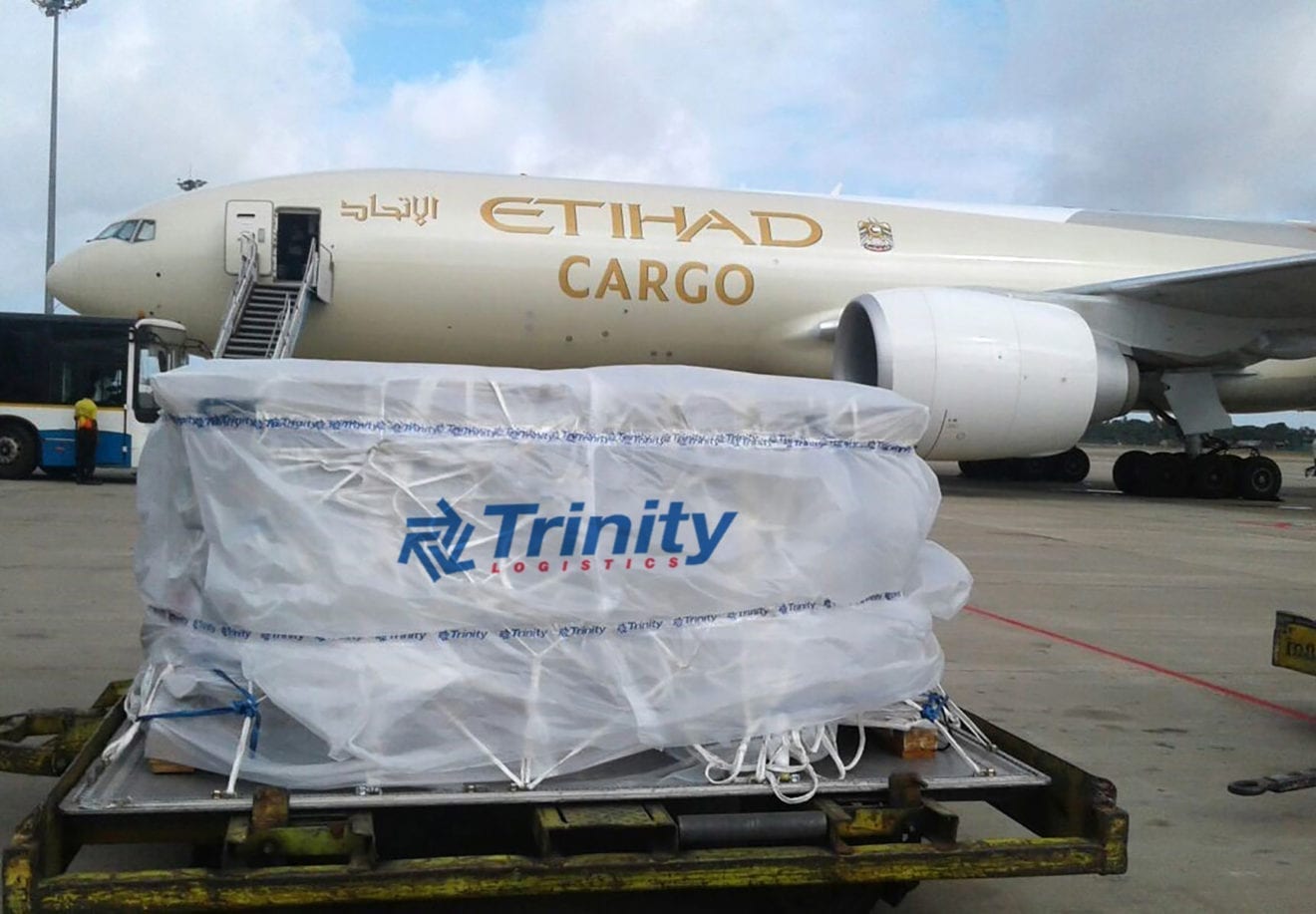
    Under the agreement, the carrier will fly freighters on behalf of the New York-based forwarder from Colombo, Sri Lanka to Columbus, Ohio and to East Midlands Airport in the UK. The weekly flight will be operated with Etihad’s Boeing 747-8F, which offers a cargo capacity of approximately 135 tonnes, or one of Etihad’s 777Fs, which have a capacity of approximately 103 tonnes.

    “Through our partnership, Etihad Cargo and Trinity Logistics are committed to facilitating this important trade,” said David Kerr, senior vice president of Etihad Cargo. “The flexibility our freighter fleet affords us means we are well placed to serve the fashion industry which is so reliant on a responsive supply chain.”

    According to Trinity Logistics, Etihad Cargo had already operated several charter flights for the company over the summer, and the new service will facilitate the movement of garments manufactured in Sri Lanka for brands such as Abercrombie & Fitch, GAP, Nike and Victoria’s Secret.

    “We select our global carrier partners based on their ability to understand the business of our clients,” said David Pereira, president of Trinity. “With Etihad Cargo, they not only displayed knowledge, but understood the value of creating a sustainable product to a very important cargo zip code in United States.  We expect our clients to benefit greatly from this game-changing solution that guarantees them speed and predictability.”

  • Taiwan Cargo Market Stays Flat

    Taiwan Cargo Market Stays Flat

    With the Asian Development Bank lowering its forecast for Taiwan’s economic growth in 2016 to 1.1%, perhaps it shouldn’t come as a surprise that operators in the freight industry have been disappointed with how the market has performed.

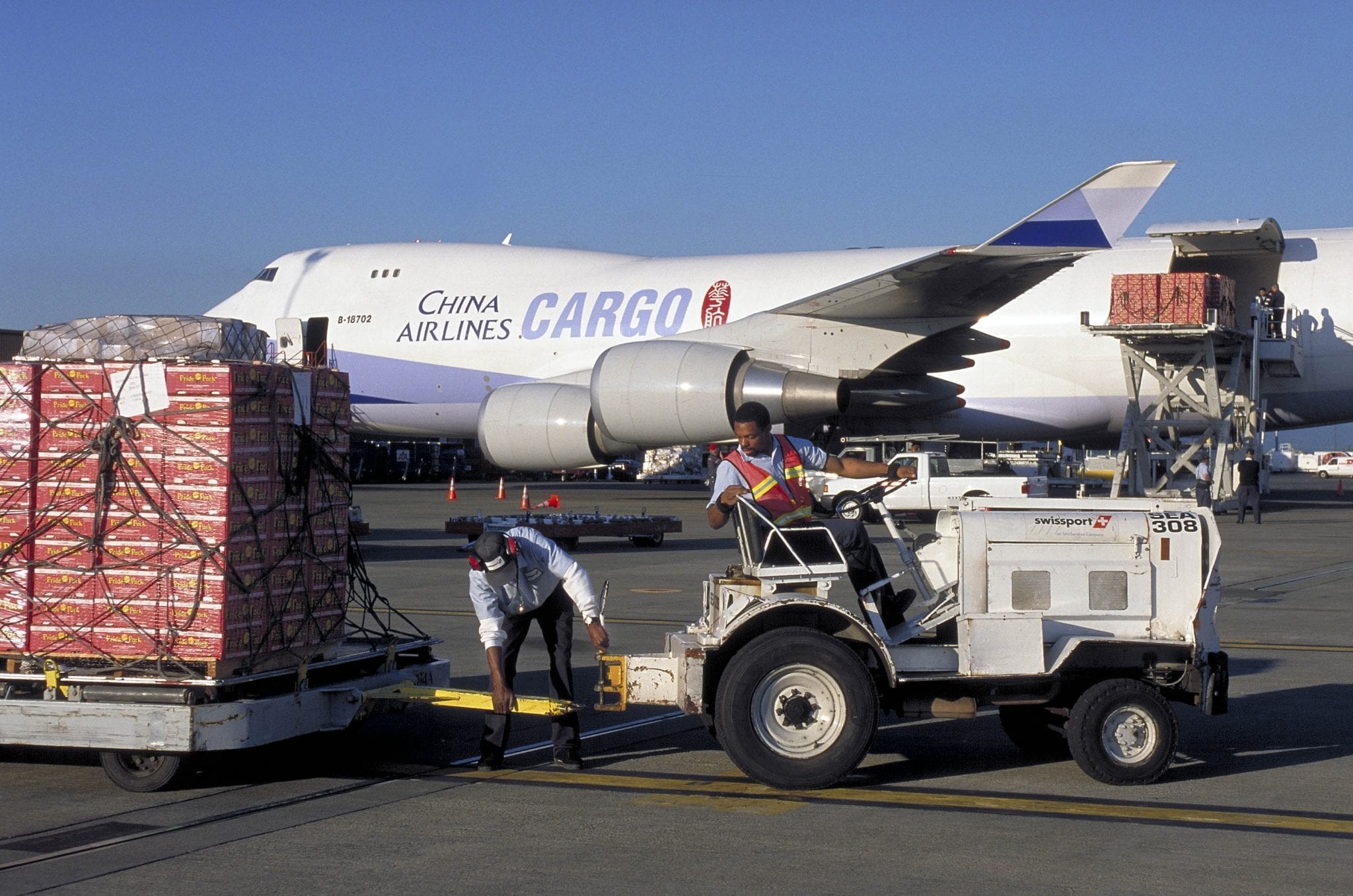
    Eddy Liu, vice president of cargo at China Airlines, says that the company’s first-half results were below expectations.

    “So far, air cargo demand has stayed flat and expansion in available freight capacity continues to outpace the growth in demand,” says Liu. “Under these circumstances, air cargo yields are slowly declining, consistent with persisting weakness in load factors, keeping downward pressure on our cargo business performance.”

    China Airlines is finding ways to address these weakening conditions to remain competitive. “We’re not only making efforts to improve the product mix by expanding the proportion of high-yield freight such as pharmaceuticals, aircraft parts and special cargo, but also focusing on developing and maintaining relationships with freight forwarders,” says Liu. “Furthermore, CI adopts revenue management tools to enhance the sales and space-control functions. In the next 12 months, the aforementioned strategies will still be the main priorities for us.”

    According to the International Air Transport Association, while annual growth in freight tonne kilometres rose to 5% year-on-year in July 2016, FTKs have overall only grown about 3% since the beginning of the year.

    “That’s why we put a lot of focus on the soaring e-commerce market and on strengthening our partnership with post offices and integrators,” says Liu. “Except working closely with postal agencies, particularly China Post and its brokers, Vietnam Post and Malaysia Post, CI also cooperates with UPS, FedEx, DHL, and SF Express to further enhance our revenues and business diversification. In addition, CI has been dedicated to exploring the freight-to-post business since the Taiwan Customs Administration permitted the addition of postal bags to transhipment cargo from March 31, 2015.”

    Another way in which the airline hopes to improve its competitiveness is with its order for 14 Airbus A350-900s. “The A350-900 is fuel-efficient and its payload capability is about 20% higher than other long-range aircraft,” says Liu. “Our new A350-900s will primarily be deployed on long-haul routes to Europe such as Amsterdam, Rome and Vienna, and to the United States, enabling CI to save cost and provide more useful cargo capacity if used on regular passenger operations.”

    The first frame was originally scheduled to be delivered in July 2016, but has since been pushed back to the end of September by Airbus because of production delays.

    “We have temporarily deployed other existing airplanes such as the Boeing 747-400, A330-300 and A340-300 in place of the new A350-900s,” says Liu. “So far there has not been any significant impact on our cargo operations.”

    The carrier is also growing its operations in Southeast Asia and the Indian subcontinent, which Liu says are two main drivers of the global economy and where demands for international shipments are still increasing.

    On top of passenger flights, China Airlines Cargo now serves Hanoi and Ho Chi Minh City four times a week each with 747-400Fs, and resumed dedicated main-deck capacity to Delhi with a weekly 747-400F flight from August 28, 2016.

    Liu says that, given the state of the global economy and the slowdown in the Asian manufacturing sectors, one might expect export growth in Taiwan to flatten out, but that hasn’t necessarily been the case.

    “Fortunately, the increasing global popularity of sports and recreation, as well as growing demand for electric vehicles, means that Taiwan’s functional textiles and electric-vehicle components will become key drivers of air cargo exports,” he says. “Moreover, air shipments of forged wheels, vaccines and semiconductor equipment are also rising.”

    On the other end of the cargo spectrum, the Taiwanese shipping industry has been experiencing similarly challenging conditions.

    “Affected by the slowdown of the world economy, Taiwanese exports suffered 17 straight months of decline, according to statistics released by Taiwan’s Ministry of Finance in early July,” says Lawrence Lee, president of Evergreen Marine Corporation. “In spite of the local market downturn, Evergreen Line managed to secure customer support and achieved a moderate increase in lifting performance during the first half of this year.”

    The first and foremost priority for Evergreen Line in the next 12 months, according to Lee, is to closely watch market developments and optimize service deployment so that company can return to a healthy level of profitability and maintain a sustainable service to its customers.

    Facilitating that is the completion of both the expanded Suez Canal and the expanded Panama Canal during 2016, which has enabled Evergreen to offer more capacity, shorter transit times and improved reliability.

    “We’ve been deploying 8,500 TEU L-type vessels on Far East-US East Coast all-water services since June, replacing Panamax ships of around 4,200 TEUs,” says Lee. “Our internal research indicates that the eco-friendly L-class vessels can offer the equivalent capacity of two traditional Panamax ships while at the same time reducing fuel consumption by 40% and lowering carbon emissions by the same percentage. These efforts are recognized by our customers, especially those who care about the carbon footprint in their supply chains.”

    Evergreen is also counting on its alliance strategy to help it tackle changes in the market. While it is currently still part of the CKYHE Alliance with COSCO Container Lines, “K” Line, Yang Ming and Hanjin, Evergreen announced in April 2016 that it would link up with CMA CGM, COSCO Container Lines and Orient Overseas Container Line to form a new alliance called the OCEAN Alliance, scheduled to begin in April 2017.

    “Our approach is to choose the most suitable partners that can provide complementary services to our network,” Lee says. “Such cooperation can produce synergy, enhance our competitiveness and enable us to cope with changing market demand. Together with the partners of the OCEAN Alliance, we can optimize our service network, expand port coverage, provide more direct sailings and shorten transit times. Most importantly, our service networks can be optimized to enhance our cost competitiveness.”

    In an environment with minimal growth but maximal competition, cost management has become ever more crucial and Lee is wary of how the market will play out in the short term.

    “Low cargo demand and tonnage oversupply have resulted in unsustainable freight rates and imposed heavy pressure on shipping companies,” he says. “Unless the global economy can regain growth momentum and produce sufficient cargo to reduce the gap between capacity demand and supply, the global shipping market, including the local market in Taiwan, is unlikely to pick up in the year ahead.”

  • Garuda Indonesia and Angkasa Pura II Sign Agreement for Air Cargo Business

    Garuda Indonesia and Angkasa Pura II Sign Agreement for Air Cargo Business

    Air carrier Garuda Indonesia signed an agreement with state-owned airport operator Angkasa Pura II at the Soekarno-Hatta airport on Thursday (13/10) to support the creation of a commercial cargo area.

    Both companies agreed to develop AP II’s commercial area in the airport’s cargo warehouse as Garuda Indonesia’s cargo operational service area. According to Garuda’s official statement, there will be revenue sharing between Garuda and AP II from the air cargo business.

    Garuda Indonesia was represented by cargo director Sigit Muhartono, while commercial and business development director Daan Achmad signed on behalf of AP II.

    “In line with Garuda’s target to obtain $269 million of cargo profit share in 2016, the utilization of this facility will significantly support the company’s cargo business,” Sigit said.

    He added he is optimistic in developing the business, particularly as the deal will span 23,000 meters squared.

    Daan shared Sigit’s optimism, saying the cooperation will “give a positive contribution to improving Indonesia’s cargo industry, given that Soekarno-Hatta is one of the largest bases for air cargo business in Indonesia.”

    Currently Garuda Indonesia has 70 Cargo Service Centers (CSC) all over Indonesia. Of all service centers, 46 CSCs are located in airports and 24 are in city centers. Garuda Indonesia Cargo provides shipping from City to Door and City to Port where CSCs serve as Drop and Pick-up Points.

    Garuda hopes to expand its cargo business to remote corners of Indonesia to support the rapid growth of domestic and international cargo shipping.

  • DHL Expands Presence in Hong Kong

    DHL Expands Presence in Hong Kong

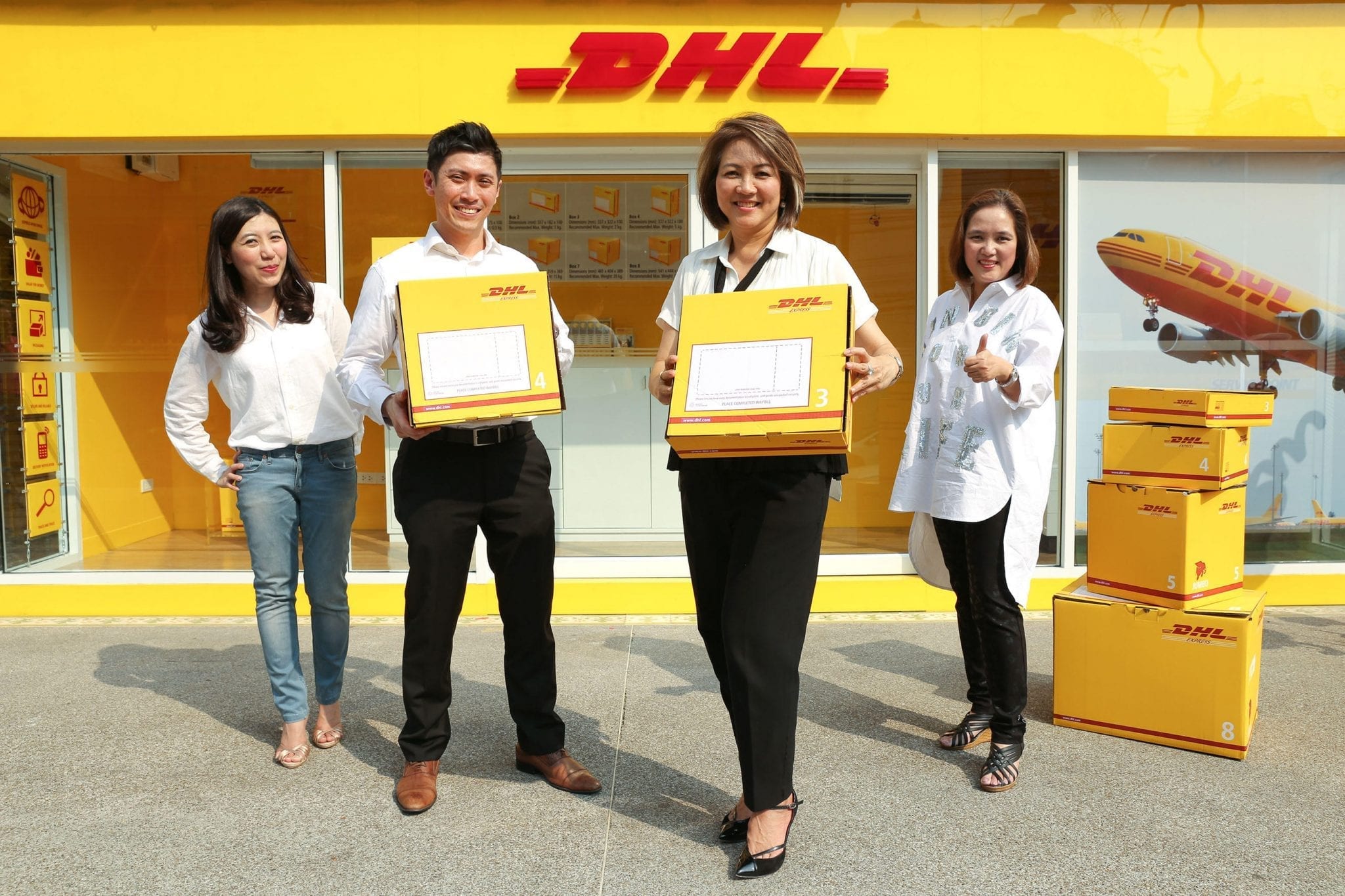
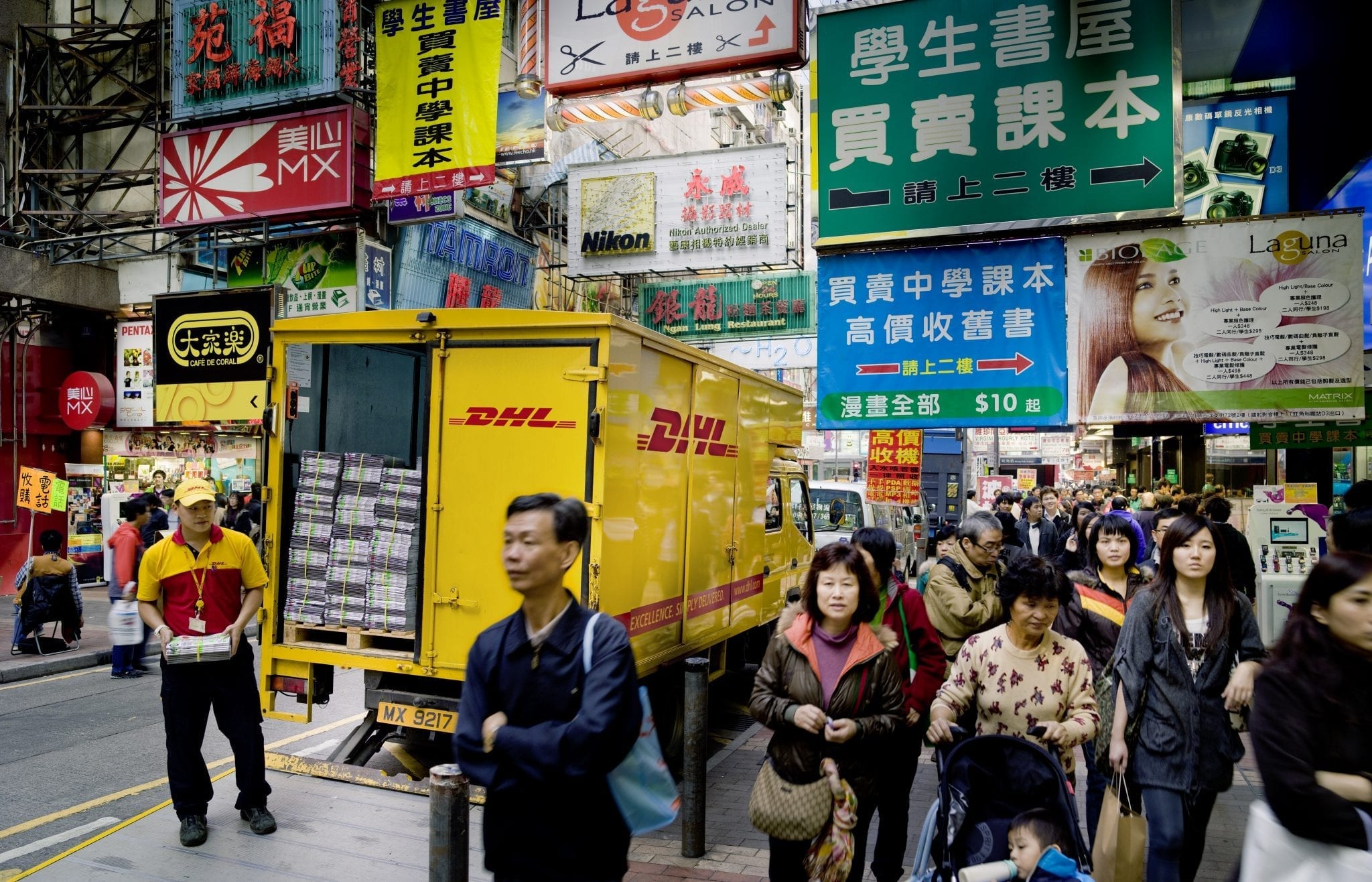
    DHL Express has opened its new Tsing Yi Service Center, a HK$78 million (US$10.1 million) facility on the third floor of the Goodman Interlink building in Hong Kong.

    “The opening of the new Tsing Yi Service Center follows double-digit growth in our international shipments over the past year, and underscores our confidence in the Hong Kong market,” said Herbert Vongpusanachai, senior vice president and managing director of DHL Express Hong Kong and Macau. “With a steady growth in our Hong Kong business contributed by the strong e-commerce sector, this facility is set to cement our market leadership with its enhanced handling capacity.”

    The 12,777-square-metre facility is double the size of the previous facility located in the same building and is capable of handling 380 tonnes of shipments per day, the strongest out of all DHL service centres worldwide.

    “We’ve been looking for a site since 2014,” said Vongpusanachai. “Hong Kong hasn’t been the easiest place in which to look for a new warehouse. There are very few fully equipped warehouses that have the size and scale that we needed based on our requirements.”

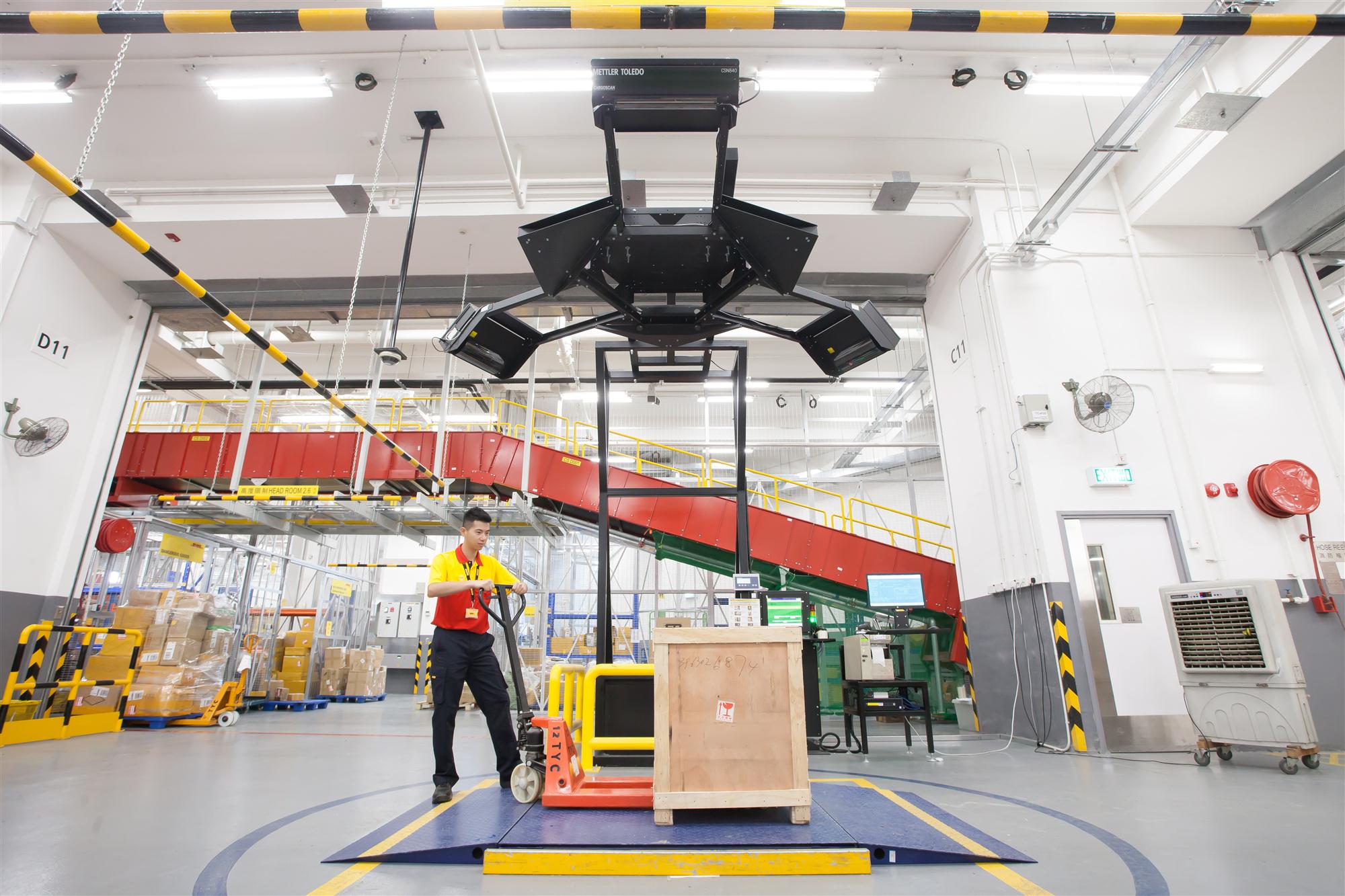
    Self Photos / Files - 3D reweigh & dimensioning machine

    Features include a high-speed automated reweigh and dimensioning machine capable of processing 2,200 pieces per hour, a 3D dimensioning and reweigh machine for unconveyable shipments that need volumetric measuring, a singulator which rearranges shipments so they travel down the conveyor belt one by one, and 122 CCTVs providing 24-hour monitoring.

    “It’s got all the technologies that we wanted,” said Vongpusanachai. “We want to be able to scan the shipments automatically when they come in, we want to sort them so that they go to the correct belt automatically, and we want to be able to build our own aircraft ULDs that we can bring straight to the airport.”

    One other “secret weapon,” according to Vongpusanachai, is the Clear-In-The-Air system, which allows all customs clearance information to be sent to the destination and handled while the plane is still in the air, cutting down transit times.

    Even though economic and trade conditions around the region have been disappointing, Vongpusanachai said that he wasn’t too concerned.

    “We’ve seen a bit of an economic slowdown over the past few quarters, but with the uptick in last quarter’s numbers and with our medium- to long-term look at the economy, we’re confident that we’ll actually see moderate growth in the near term,” he said. “There’s also still a lot of potential in the growth of certain sectors. The government has also increased its forecast for next year in terms of air trade.”

    The major driver of growth for DHL Express in recent times has been e-commerce, which was the predominant motivation for an upgraded facility.

    “We’ve seen a lot of customers moving away from big breakbulk to smaller shipments directly to the workplace or residence,” said Vongpusanachai. “That has been an emerging trend. This facility will allow us to increase our capacity and become more efficient in handling these types of shipments. Our focus as an express company is on time-definite international shipments.”

    The new Tsing Yi centre, which had its soft opening in July 2016, adds to DHL Express Hong Kong’s two other service centres in Cheung Sha Wan and Tsuen Wan.

    “These are some of the largest facilities that we have across the whole network, since Hong Kong is a high-capacity, high-volume exporter,” said Vongpusanachai. “We are always looking for new places. There is a plan but it’s a longer-term plan. Sometimes facilities might not be available yet, but we’re always looking ahead to see where we can expand.”

    The third-runway project at Hong Kong International Airport, which is scheduled to be completed by 2023, will give DHL Express the possibility of increasing capacity by operating more flights, allowing the DHL Central Asia hub to expand.

    “That’s something that we’re looking forward to,” Vongpusanachai said. “We’re very excited about the project and how we can participate in the growth of Hong Kong’s economy.”

  • Iran’s first LPG cargo for Pertamina arrives in Indonesia

    Iran’s first LPG cargo for Pertamina arrives in Indonesia

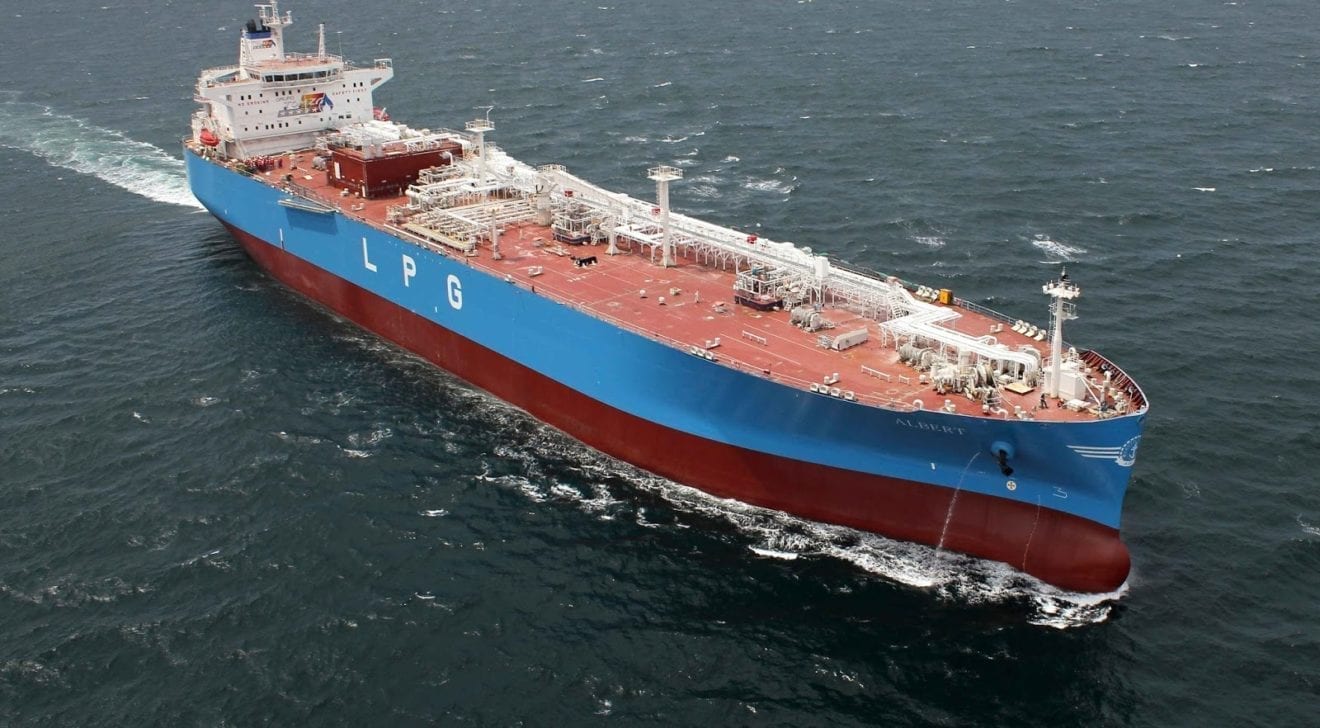
    State-run energy giant Pertamina officially received a cargo of liquefied petroleum gas (LPG) from Iran on Thursday, marking Iran’s first shipment as a new supplier of LPG to Indonesia.

    Pertamina president director Dwi Soetjipto welcomed the 44,000 metric tons of LPG transported from Asaluyeh Port in Iran 13 days ago by its VLGC Pertamina Gas 2 vessel, at Kalbut Port in Situbondo, East Java.

    According to him, the LNG shipment from the National Iranian Oil Company (NIOC) would open up other business development opportunities between Pertamina and the NIOC, in both the upstream and downstream sectors.

    “It marks a new chapter of cooperation between Pertamina and the NIOC and makes trade cooperation between Indonesia and Iran more significant,” Dwi said in a statement on Thursday.

    Earlier, the NIOC agreed to supply Pertamina with a total volume of 600,000 tons of LPG for 2016 and 2017.

    Following the arrival of the first cargo, the NIOC will immediately send the next cargo, which is expected to arrive on Nov. 20.

    In addition to the LPG purchase, the two state-run companies signed an agreement to conduct a preliminary study of two giant oil fields in Iran, namely Ab-Teymour and Mansouri, which have an oil reserve of more than 5 billion barrels.