Retail News CRM

Tag: cloud

  • Microsoft’s OneDrive updated with several new features for iOS 13 and 14 users

    Microsoft’s OneDrive updated with several new features for iOS 13 and 14 users

    The last time OneDrive for iOS was updated, the app received a couple of new features specifically designed for iOS 14. This time Microsoft is rolling out a slew of new features aimed at both iOS 13 and 14 users.

    First off, we have a brand new OneDrive widget available only for iOS 14 users. Then, there’s a new Home tab that should make it easier for OneDrive users to pick up where they left off. The new Home tab features a user’s Recent view for easy access to files, as well as an Offline Files section that lets you access and manages files already downloaded for offline access. The new Home tab is available now for all iOS users.

    Microsoft also revealed that OneDrive personal users will get On This Day featured at the top of the new Home tab. Finally, the update makes it easier for users of OneDrive at work or school to get their Shared Libraries from the Home tab.

    Besides the new features related to the Home tab, Microsoft made two improvements to OneDrive for iOS. Firstly, it fixed an issue with an unexpected dialog showing up when users would tap the widget to sign into a personal account. Secondly, it improved the widget to make it look even better.

    The new OneDrive for iOS 12.0.2 is already available for download via the App Store, so you might want to update your app to benefit from all these nifty improvements.

  • Siemens MindSphere Offers Cloud-Based Motorcycle Analytics

    Siemens MindSphere Offers Cloud-Based Motorcycle Analytics

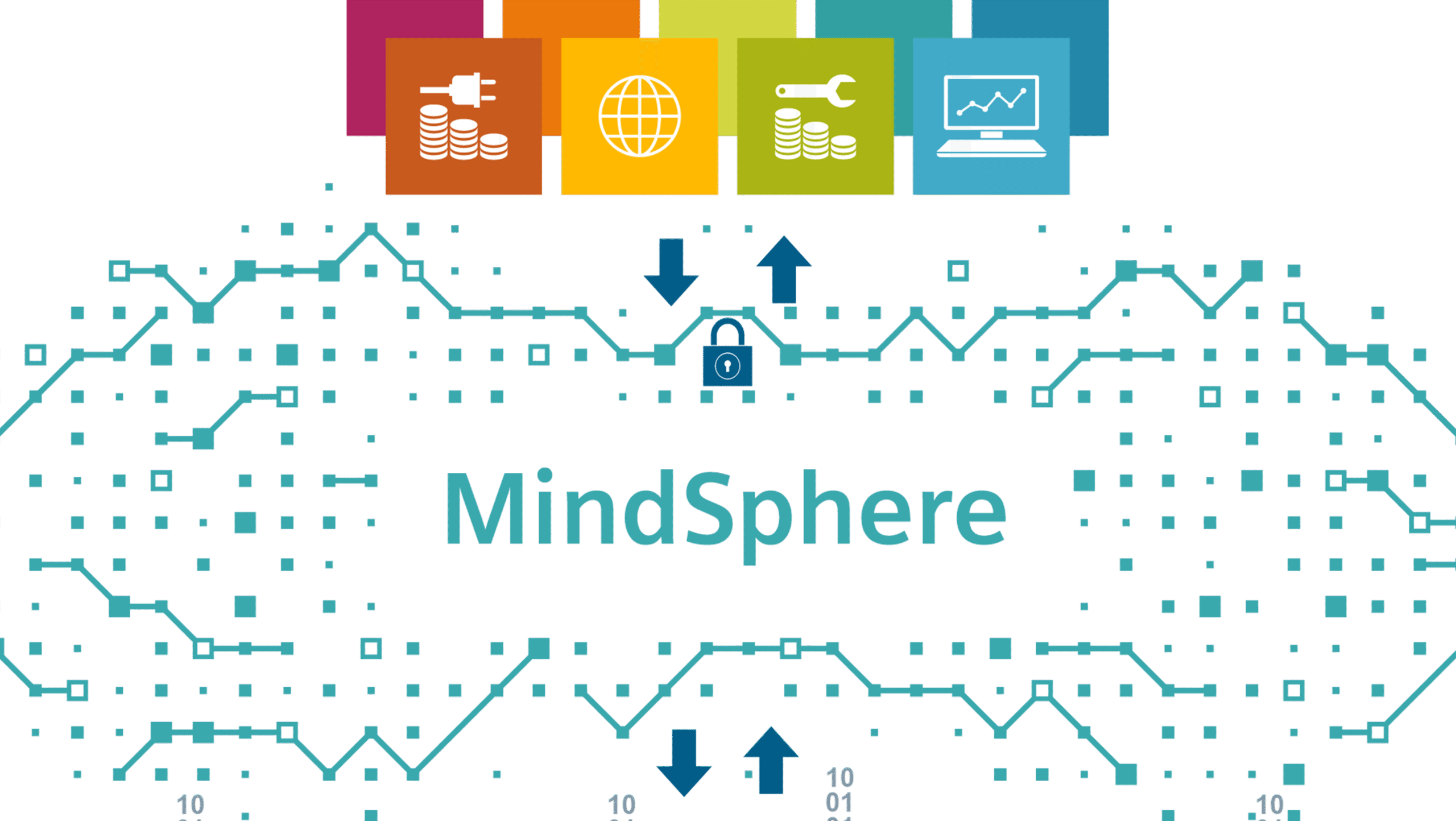
    A team of scientists from Siemens is developing a new cloud-based real-time motorcycle analytics program called MindSphere. The system uses a series of sensors fitted around the bike that monitor the machine as well as the environment around it. The MindSphere system automatically uploads data to the cloud in real-time, so in case of a competition machine, the team in the pits can review the information within seconds of the bike entering a corner, or while negotiating a bump on the tarmac. While there are already systems in place which monitor motorcycle performance, the current system uses telemetric data which is recorded and stored and then needs to be downloaded to review after a few laps or test runs.

    The system can monitor the lean angle of the bike, rear tire temperature, GPS position, air temperature, the speed of the bike, acceleration, and deceleration, and also fork travel. The number of systems monitored by MindSphere is limited only by the number of sensors that can be fitted on the bike. And if it’s any indication, the system opens up a long list of possibilities and measuring almost all kinds of parameters related to a race bike, like pitch, yaw, brake pressure, rear-wheel slip, and more.

    The MindSphere system is being developed by a team of scientists led by Petra Fuchsikova, a Siemens scientist from the Czech Republic. Fuchsikova works as a consultant for the digital enterprise and the open, cloud-based Internet of Things (IoT) operating system from Siemens. She is also an accomplished motorcycle racer and has been at the forefront of testing the new system by connecting her race bike to the cloud.

  • Alibaba Cloud and Unilever to Usher in Next-Generation Digital Marketing Initiatives

    Alibaba Cloud and Unilever to Usher in Next-Generation Digital Marketing Initiatives

    Alibaba Cloud, the digital technology and intelligence backbone of Alibaba Group – is partnering with Unilever, one of the biggest multinational consumer goods companies, in a pioneering strategic initiative that will enable Unilever to action on next-generation digital marketing campaigns.

    In the partnership, Unilever will be able to utilize Alibaba Cloud’s trusted artificial intelligence (AI) and cloud-based technologies to optimize its omni-channel, online and offline demand generation activities. With intelligent analysis, Alibaba Cloud’s solutions can help to unlock detailed insights into Unilever’s customers buying patterns and behaviors. The data-driven business intelligence could help Unilever accelerate the creation of new and precisely targeted digital marketing campaigns. It could also enable Unilever to predict more precisely and quickly respond to changing customer buying habits across multiple platforms.

    Taking Unilever’s digital marketing to the next level, Alibaba Cloud’s solution can support optimized brand experience for consumers’ purchasing journey through Unilever’s online stores in Taobao and Tmall. The data intelligence provided by Alibaba Cloud can be easily translated into consumer insight, pivotal in enabling Unilever to expand its current and future product offerings in line with customer needs.

    The insights into anticipated and current customer demand, will also benefit Unilever’s supply chain, as well as optimize its route to market. A range of technologies from Alibaba Cloud underpin the data intelligence analysis, which include machine learning and AI to spot customer and market patterns:

    Dataphin, a unified PaaS platform for intelligent information processing and management; Analytic DB, Online Analytical Processing (OLAP) managed database cloud service that can process enormous amounts of information in realtime; and Quick BI, an intelligent business analysis suite that generate business insights for enterprise users. With the strategic partnership, Alibaba Cloud will empower Unilever to leverage these technologies in the future.

    Fang Jun, VP Data and Digital, Unilever China: “Customer buying patterns are ever changing; when and where they buy has caused marketing to become even more agile and precise in order to stay relevant and reduce marketing waste. The use of Alibaba Cloud’s cutting-edge technology will ensure that our customers enjoy even more value from their relationship with the Unilever brand, through relevant campaigns and activities based on true insights into their buying preference.”

    “In the online, always connected world, getting customers’ attention is an ongoing challenge for marketers, so understanding what their customers want has never been more important. For marketers to keep on top of customers’ ever-changing needs and habits, the ability to understand their shopping habits is essential for keeping the brand messaging relevant for each customer,” said Selina Yuan, president of international business, Alibaba Cloud Intelligence. “Alibaba Cloud’s solutions have the ability to unlock the customer insights needed, and are set to ensure Unilever continues to succeed and build brand loyalty with its customers amid a constantly evolving and complex market place.”

    The Unilever and Alibaba Cloud collaboration was announced at the Alibaba Cloud Global Summit, in which “China Gateway 2.0” was also launched. The program, that Unilever is part of, hopes to help Alibaba Cloud’s partners and customers to accelerate their growth in China by capitalizing Alibaba Cloud’s local business expertise, technologies and matured ecosystem.

  • cand JD use big data to design ‘C2M Mobile Phone’

    cand JD use big data to design ‘C2M Mobile Phone’

    Chinese e-commerce giant JD and device manufacturer Xiaomi sold 10,000 units of a jointly-produced mobile phone within 11 minutes.

    The Redmi K30 5G Racing phone was developed by Xiaomi based on customer insights generated from big data provided by JD. Sales volume passed RMB2 million (US$280,500) within two minutes, with the unit price at RMB1999 ($280).

    More than 20,000 phones were sold within the day.

    JD’s data revealed that most customers within the price range were females with higher educational backgrounds and above-average demand for device functions and CPU. The phone was designed with an upgraded CPU and with a mint green color tone, shown by the data to be more attractive to female customers. JD’s data also supported the marketing strategy of the product, targeting around 1.2 million customers likely planning to replace their phones within two months.

    “We have great confidence in the new C2M product,” said Xiaomi China VP Weibing Lu. “JD has been an important partner for Xiaomi, and we will work closely with JD on more C2M products in the future to better serve our customers.”

    “JD has been continuously working on C2M products with our brand partners, and the Redmi K30 5G Racing version is the collective effort of JD, Xiaomi, and Qualcomm,” said JD Mobile Devices president Daniel Tan.

    “C2M enables customers’ demands to directly reach upstream supply chain players, helping to optimize supply chain efficiency and reduce costs. This model enables us to keep improving the shopping experience.”

  • Alibaba Cloud Launches USD 30 Million Global SME Enablement Program

    Alibaba Cloud Launches USD 30 Million Global SME Enablement Program

    Alibaba Cloud, the data intelligence backbone of Alibaba Group, today launched a Global SME Enablement Program to provide cloud technology relief worth more than USD 30 million to new and existing small and medium enterprise (SME) customers around the world and equip them with the solutions needed to maintain business continuity amid the COVID-19 pandemic.

    Under the program, new SME customers worldwide can apply for the relief between now and June 22 to start using a portfolio of proven solutions from Alibaba Cloud. The portfolio consists of a support package with 12 key products, including Elastic Compute Service (ECS), which powers cloud applications with low latency, and Object Storage Service (OSS), an encrypted service for data storage and backup in the cloud, as well as Alibaba Cloud Academy Courses.

    Existing customers can also apply for product coupons between now and June 22 to help them expand or upgrade their cloud applications. In addition, Alibaba Cloud will reach out to SME associations to help meet their members’ technology needs as they fight the pandemic.

    “COVID-19 has created unprecedented challenges and vulnerabilities to the global economy and especially to SMEs, who are often faced with financial constraints and limited access to technological support,” said Selina Yuan, President of International Business, Alibaba Cloud Intelligence. “Since its inception, Alibaba Cloud has always been committed to helping businesses of all sizes and making it easy to do business anywhere. The Alibaba Cloud Global SME Enablement Program aims to provide much needed and timely relief to SMEs so they can rapidly respond to the current crisis while speeding up their digital transformation and emerging from the current pandemic stronger and more resilient.”

    Alibaba Cloud announced the Global SME Enablement Program at its Digital Cloud Day. The interactive one-day online conference introduced Alibaba Cloud’s latest technologies and customer case studies; and in particular how Alibaba Cloud is applying cloud computing, data analytics, and artificial intelligence capabilities to help businesses and the wider communities better cope with COVID-19.

  • Samsung is looking into its own cloud service, likely to ditch its current provider

    Samsung is looking into its own cloud service, likely to ditch its current provider

    Samsung has decided upon self-reliance and is trying to substitute its cloud service provider. Samsung’s cloud currently relies 60% on Amazon Web Services, reports SamMobile, while the remaining 40% is outsourced to other providers. The cloud platform supports its smartphones, IoT devices and other products.

    Basically, Samsung is planning to first conduct several tests, bringing its cloud infrastructure to some of its departments in order to slowly limit its dependence on Amazon Web Services (AWS), and eventually stop using it altogether.

    So, why has Samsung decided to do this? First of all, of course, there are cost-related reasons. According to SamMobile, the company has been paying hundreds of millions of dollars every year for the service. Last year, more than $483 million, for Samsung Electronics alone, was paid to AWS. Additionally, as the number of users grows, the company has to pay even more for cloud computing solutions. If Samsung would rely on its own cloud, reportedly this could save a lot of money for the company.

    Secondly, there is the reason for security. The South-Korean-based firm wants to maintain its cloud by itself and thus ensure a secure environment, dependent on Samsung’s own efforts. However, it is not clear which organization will support Samsung’s cloud yet. It’s said that the company may choose Joyent, a cloud service that Samsung bought in 2016, as Amazon Web Services’ replacement.

  • Alibaba Cloud to help retailers go live online within five days

    Alibaba Cloud to help retailers go live online within five days

    Alibaba’s cloud service is promising to boost e-commerce solutions to businesses suffering from the impact of the coronavirus outbreak.

    The new services will allow retailers to set up a functioning trading platform within five days. Remote hands-on training with a focus on time to market is provided.

    “The global retail industry has been hit hard by the widespread outbreak of the novel coronavirus, with businesses encountering a variety of challenges including limited access to supplies, decreasing consumer demand and foot traffic,” said Alibaba Cloud Intelligence president of international business Selina Yuan.

    “Retailers are in urgent need of a digital enterprise platform and ready-to-deploy e-commerce system to continue growing their businesses despite the uncertainty.

    “Alibaba Cloud is committed to supporting retailers amidst the coronavirus outbreak. Our suite of solutions is to facilitate this process quickly and securely, making e-commerce a sustainable option for offline retailers to carry on with business as usual.

    The services include a set of plug-and-play Alibaba Cloud products and solutions in computing, databases, multimedia and video live streaming, collaboration, and security and data analytics.

  • Nokia to enable Rakuten Mobile’s automated network operations

    Nokia to enable Rakuten Mobile’s automated network operations

    Nokia and Japan’s newest mobile network operator Rakuten Mobile are working together to enable the operator’s implementation of a fully automated operations environment for the 5G era. Nokia will operate Rakuten Mobile’s virtualized core network to manage total cost of ownership (TCO). The agreement will allow Rakuten Mobile to focus on developing its portfolio of disruptive services and expanding its service footprint while developing operational maturity and automation capabilities.

    Rakuten Mobile is a disruptive new player in the Japanese mobile marketplace with ambitious objectives for the launch of its network and services, simultaneously deploying an innovative cloud-native greenfield LTE network which will rapidly evolve to enable 5G services. Nokia’s operational support services enable Rakuten Mobile to maintain their focus on growing LTE coverage footprint and 5G service capabilities while ensuring the reliability of launched services.

    Nokia is enabling groundbreaking levels of automation in network and service lifecycle management within the Rakuten Mobile cloud environment. This will accelerate the pace of service innovation and deployment while controlling OPEX. This managed services deal will ensure predictable OPEX costs to minimize financial risk while guaranteeing a secure, best-in-class cloud, incorporating network and IT operations. This will allow Rakuten Mobile to bring new services to market in the fastest possible way while assuring service reliability through a highly reliable telco cloud.

    Nokia is supporting over 160 virtual network function instances across two data centers in an industry-leading multivendor cloud environment. As an essential part of Rakuten Mobile’s operations organization, Nokia’s domain expertise and value-add will be incorporated into the core of Rakuten’s business.

    Friedrich Trawöger, Head of Operate & Managed Services Unit at Nokia, said: “By managing its telco cloud we can help Rakuten Mobile to focus on its objectives; to launch its mobile LTE network and to rapidly realize its vision as a 5G digital service provider. We support Rakuten Mobile in bringing new services to market quickly by utilizing the latest innovations in automated operations while focusing on the total cost of ownership.”

    Tareq Amin, Chief Technology Officer of Rakuten Mobile, Inc., said: “With Nokia supporting the operation of our cloud-native network, we can focus on service launch and expansion. Nokia is an integral partner in our network operations, and we look forward to future business opportunities that this partnership brings.”

  • Indonesia’s Telkomsel commercially launches CloudAIR 2.0 solution with Huawei

    Indonesia’s Telkomsel commercially launches CloudAIR 2.0 solution with Huawei

    From the verification in Telkomsel’s live network, the solution increases the mobile broadband cell edge user experience significantly. The application of spectrum cloudification technology increases the LTE user downlink speed throughput by 116% from 50Mbps to 108Mbps. In addition, the implementation of channel cloudification technology improves the carrier aggregation coverage for outdoor areas by 21.4% as well as two to three times user experience improvement for indoor areas.

    As the number of Telkomsel 4G subscribers grows rapidly, many of 2G subscribers will migrate to 4G. At the same time, there are many of 2G subscribers who will be remaining for a long time, making this an obvious long-tail phenomenon. Therefore, it is a big challenge for Telkomsel to maximize the spectrum efficiency in a limited spectrum by scheduling the 2G and 4G resources based on demand.

    Furthermore, in order to meet the rapid development of 4G business, Telkomsel has deployed LTE technology in 2300MHz, 2100Mhz, 1800MHz and 900MHz at the same time. However, the high-frequency band uplink signal becomes a coverage bottleneck due to a high propagation, a high penetration loss and a limited transmitting power of the terminal. This situation results in poor user experience at the cell edge, especially in indoor areas. Consequently, it is also challenging for Telkomsel to fully use the spectrum resources in high frequency.

    In response to those issues, Telkomsel and Huawei conducted Joint Innovation Center and introduced the CloudAIR 2.0 solution, which successfully solved the problems through two technologies: spectrum cloudification (dynamic spectrum sharing) and channel cloudification.

    The spectrum cloudification technology realizes the deployment of different Radio Access Technologies (RAT) in the same spectrum. This solution can dynamically allocate and adjust spectrum resources according to the changes of traffic and avoid the legacy RAT to occupy the golden spectrum in the long term to maximize the spectrum efficiency.

    Meanwhile, the channel cloudification technology combines the advantage of larger downlink bandwidth of high band and better uplink coverage of low band. The high band is selected as the uplink at near point and midpoint for capacity, while the low band is selected as the uplink at cell edge to compensate the coverage limitation of high band. The coordination between LTE high band and low band channel cloudification can significantly improve the coverage of high band and improve the cell edge user experience, especially for LTE indoor coverage areas.

    Director of Planning and Transformation of Telkomsel Edward Ying said, “We have been committed to the technology innovation and build the mobile broadband network to provide ultimate user experience to our subscribers. The CloudAIR 2.0 solution has enabled us to achieve a convergence of the multi-band network that maximizes capacity and coverage requirements and enhances the user experience effectively. We will continue to carry out joint innovation projects with Huawei, hoping JIC3.0 to achieve greater success.”

    Dr. Peter Zhou, Chief Marketing Officer of Huawei Wireless Solution said, “We are very delighted to provide an innovative solution for Telkomsel, the largest mobile network operator in Indonesia. Our focus is on improving the efficiency of air interface, enabling Telkomsel to deploy services more flexibly and, of course, enhancing the experience of Telkomsel’s millions subscribers.”

  • Oracle Cloud Accelerates Expansion to Bring Infrastructure to Customers

    Oracle Cloud Accelerates Expansion to Bring Infrastructure to Customers

    To support its customers around the world, Oracle today announced, at the annual Oracle OpenWorld, that it plans to launch 20 new Oracle Cloud regions by the end of 2020, for a total of 36 Oracle Cloud Infrastructure regions. This expansion includes regions in new countries and dual, geographically separated regions in the U.S., Canada, Brazil, U.K., EU, Japan, South Korea, Australia, India, UAE, Saudi Arabia, Israel, and new government regions in the U.K. and Israel. In addition, Oracle is announcing updates to its roadmap for its interconnect with Microsoft Azure.
    More customers and partners can harness the power of Oracle Cloud to unlock innovation and drive business growth. With these dual regions, customers can deploy both production and disaster recovery capacity within their country or jurisdiction to meet business continuity and compliance requirements. Customers will now have access to all Oracle Cloud Infrastructure services including Oracle Autonomous Database; as well as Oracle Fusion Applications, in these regions.

    “Enterprise customers worldwide require geographically distributed regions for true business continuity, disaster protection and regional compliance requirements. Multiple availability domains within a region will not address this issue,” said Don Johnson, EVP, Oracle Cloud Infrastructure. “Unlike other cloud providers, Oracle is committed to offer a second region for disaster recovery in every country where we launch Oracle Cloud Infrastructure services, a strategy that’s aligned with our customers’ needs.”

    Oracle Cloud has opened 12 regions in the past year and currently operates 16 regions globally—11 commercial and five government—the fastest expansion by any major cloud provider.
    Available regions include:

    • Americas: Phoenix, Ashburn, Toronto, Sao Paolo
    • Europe: Frankfurt, London, Zurich
    • Asia: Tokyo, Seoul, Mumbai, Sydney
    • Government: two U.S. Government regions, three U.S. DoD regions

    Rapid expansion in commercial and government regions
    Oracle expects to open an average of one region every 23 days over the next 15 months for a total of 20 additional regions (17 commercial and three government). As planned, 11 of the countries or jurisdictions served by local cloud regions will have two or more regions to facilitate in-country or in-jurisdiction disaster recovery capabilities. Oracle’s Gen 2 Cloud Infrastructure makes this possible through highly-optimized region deployment technologies, which can implement an entire software defined data center and customer-facing cloud services in days.
    Oracle Cloud is scheduled to build new cloud regions in the U.S. (Bay Area, CA), Canada (Montreal), Brazil (Belo Horizonte), U.K. (Newport, Wales), European Union (Amsterdam), Japan (Osaka), Australia (Melbourne), India (Hyderabad), South Korea (Chuncheon), Singapore, Israel, South Africa, Chile, two in Saudi Arabia and two in the United Arab Emirates. Oracle also intends to open two regions for usage by the U.K. Government and one for the Government of Israel.
    Microsoft Interconnect expansion in new locations, including government regions
    Oracle is expanding its regions interconnected with Microsoft Azure. Since June 2019, Oracle has announced two commercial regions that are interconnected with Microsoft Azure—Ashburn and London. In the next few quarters, it is globally expanding the interconnect to U.S. West, Asia and Europe. Similar to commercial regions, Oracle Cloud and Microsoft Azure will extend their interoperability into government regions. This will now enable joint Oracle and Microsoft government customers to more easily move applications to the cloud, preserving their existing technology investments while taking advantage of next generation cloud native technologies.

    Oracle Cloud meets needs of the enterprise

    “As the cloud is now being used by enterprises globally for more mission-critical workloads, Oracle is demonstrating that its enterprise-grade credentials are resonating with customers, leading to a combination of customer retention and growth. According to Oracle it is seeing more and more existing customers committing to the Oracle Cloud, as well as growth in new customers moving to the Oracle Cloud,” said Roy Illsley, distinguished analyst, infrastructure solutions, Ovum. “Oracle’s aggressive global data center expansion plan is helping in its growth. With its reputation for reliability, high performance and security, we believe Oracle is increasingly becoming an influential enterprise-class cloud provider.”

    Today, Oracle is the only company delivering a complete and integrated set of cloud services and building intelligence into every layer of the cloud: from cloud infrastructure, to tools for application development and integration, to cloud applications for finance, enterprise resource planning, customer experience, and analytics. Oracle Autonomous Database and Oracle Analytics, and platform services for application development and integration will be available in these regions. Oracle Fusion Applications now run on Oracle Cloud Infrastructure in five data center regions, and will be available in all global regions within a few months after each region’s launch. This will be the most distributed cloud application platform in the market, able to satisfy in-country and in-jurisdiction data sovereignty requirements. Customers requiring integration between Oracle Cloud Applications and on-premise applications will also benefit from the global availability of cloud-based integration services.

    Specifically architected to meet the needs of the enterprise, Oracle’s Generation 2 Cloud offers customers a compelling array of advanced Cloud Services. With Oracle Cloud Infrastructure, customers benefit from best-in-class security, consistent high performance, simple predictable pricing, and the tools and expertise needed to bring enterprise workloads to cloud quickly and efficiently.
  • JD exceeds Show Fantastic Growth Numbers

    JD exceeds Show Fantastic Growth Numbers

    Chinese e-commerce giant JD exceeded revenue expectations in the June quarter, net sales up by 23 per cent to 50.28 billion yuan (US$21.28 billion).

    The company has cited forays into the convenience-store sector and supermarkets, as well as the harnessing of artificial intelligence in its advertising and logistics operations for the improved result, as it tries to be less reliant on its core online retail platform for growth.

    Net income for JD reached 618.8 million yuan ($90.1 million), a significant turnaround from the 212.4 million yuan net loss of the same period last year.

    Significantly, the company’s logistics business broke even during the quarter.

    Discussing the results during an analyst briefing, a senior executive said the company was now turning its attention to lower tier Mainland China cities for growth, hoping to broaden its customer base. That strategy has been working for JD’s archrival Alibaba to date.

    Other plans afoot include developing more private-label products and improving its WeChat interface to increase customer engagement there.

  • BT chooses Juniper Networks to unify services for cloud initiative and 5G future

    BT chooses Juniper Networks to unify services for cloud initiative and 5G future

    BT will develop its 5G capabilities further after striking an agreement with Juniper Networks. The network developer will support BT in the delivery of its Network Cloud infrastructure initiative, which will allow various lines of its business on a single platform.

    A more flexible, virtualised network infrastructure will allow the biggest British telco to create new converged services for mobile, Wi-Fi, and fixed networks.

    It will also bring about a range of new applications that evolve services such as internet access, TV and business network functions.

    After EE, BT’s subsidiary, launched 5G in the UK on May 22, Guillaume Sampic, enterprise strategy director at BT, said that the benefits of 5G to businesses in terms of latency, speed, reliability and volume will “be a step change” from 4G.

    Commenting on the Juniper Networks agreement, Neil McRae, chief architect at BT, said: “BT is a global leader in ultrafast services, with growing demand from our ultrafast broadband services and ultrafast 5G services and has the perfect opportunity to combine several discrete networks into a unified, automated infrastructure.

    “This move to a single cloud-driven network infrastructure will enable BT to offer a wider range of services, faster and more efficiently to customers in the UK and around the world.”

    The Network Cloud infrastructure initiative will integrate seamlessly with BT’s other partners and solutions to move it closer to an automated and programmable network, which will benefit services such as ISP, TV, IT and its voice, mobile core, radio access and internal applications.

    BT is investing in a range of Juniper solutions across various tenants within the BT network, including a dynamic end-to-end networking policy and control for telco cloud workloads using Contrail Networking, cloud operations management using AppFormix and a scalable and flexible spine and leaf underlay fabric using the QFX Series.

    “As a renowned global service provider, BT is a shining example of how to evolve networks to become more agile,” said Bikash Koley, CTO, Juniper Networks. “By leveraging the ‘beach-front property’ it has in central offices around the globe, BT can optimise the business value that 5G’s bandwidth and connectivity brings.

    “The move to an integrated telco cloud platform brings always-on reliability, along with enhanced automation capabilities, to help improve business continuity and increase time-to-market while doing so in a cost-effective manner.”

    Capacity recently spoke with Juniper Networks to learn more about its cloud-based SD-WAN solution and how differs from the competition.

  • Indonesia’s VisioNet enters cloud partnership with Epsilon

    Indonesia’s VisioNet enters cloud partnership with Epsilon

    PT VisioNet Data Internasional (VisioNet) has selected Epsilon to deliver its Direct Cloud Connect solution for its enterprise customers in Indonesia.

    Through the partnership, VisioNet’s Indonesian enterprise customers will benefit from on-demand access to leading cloud service providers (CSPs) with scalable, private, and secure cloud connectivity.

    Direct Cloud Connect is offered using Epsilon’s MEF-certified Ethernet service delivered in granular bandwidth ranging from 2Mbps up to 100Gbps. It is delivered via Epsilon’s Software-Defined Networking (SDN) platform, Infiny by Epsilon.

    This enables VisioNet to connect to multiple CSPs, including Alibaba Cloud, Amazon Web Services, Microsoft Azure, Google Cloud Platform, and a growing number of other options.

    “Indonesia has one of the most exciting cloud markets in South East Asia and has shown tremendous growth over the last five years. Our work with VisioNet will simplify and accelerate how Indonesia enterprises connect to the cloud and enable them to deploy hybrid cloud strategies easily,” said Jerzy Szlosarek, CEO at Epsilon.

    “We see exponential growth in digital services in Indonesia, and cloud demand is growing alongside eCommerce, fintech and digital content. We see an opportunity to seamlessly add Cloud Connectivity to expand our service offering and enable our customers to optimize how they connect to a variety of CSPs,” Miko Yanuar, CTO and CSMO of PT Visionet Data Internasional.

  • HMD Global expands enterprise recommended portfolio

    HMD Global expands enterprise recommended portfolio

    HMD Global, licensee for the Nokia smartphone brand, has received Android Enterprise Recommended certification to three new devices in its portfolio.

    The three new devices include the Nokia 9 PureView, the recently announced smartphone with a five-camera array, as well as the Nokia 4.2 and 3.2 devices.

    HMD Global now has 14 Nokia branded devices that have received Android Enterprise Recommended Certification – more than any other smartphone brand.

    More than 50 organizations worldwide – including SAP, contacting and manufacturing company Ineco and industrial design company Mukava – have already deployed devices within this portfolio.

    Google’s Android Enterprise Recommended certification program requires devices to meet an elevated set of hardware, software, security update, user experience and other specifications. It is designed to act as a benchmark for the user experience in a variety of enterprise use cases.

    HMD Global said its recent market research found that 98% of enterprises within the European companies covered by the study use the Android Enterprise Recommended program to influence their choice of devices.

  • Google Drive users on a discontinued plan

    Google Drive users on a discontinued plan

    It’s getting harder and harder to complain about running out of storage space on today’s high-end and even mid-range smartphones, especially if you also add in an ultra-affordable or insanely hefty microSD card. At the same time, it’s generally a good idea to back up some of your most precious stuff in the cloud, where storage has gotten cheaper and cheaper in recent years as well.

    For instance, the 2018-released Google One subscription service provides two whole terabytes of digital hoarding room at a monthly fee of only $9.99 or an even more reasonable price of $99.99 per year. A couple of lower-cost options can hook you up with a 100 or 200 gig cache for $1.99 and $2.99 a month respectively (or $19.99 and $29.99 a year), while every free Google account gets a 15GB storage allotment to use across Google Drive, Gmail, and Google Photos platforms.

    This is all extremely well and good, but you know what can be better? Even more free cloud storage, which is exactly what subscribers on a discontinued Google Drive plan are reportedly receiving. Basically, instead of forcing users to upgrade from a $5 a year subscription that’s no longer a thing to one of the aforementioned $20, $30, or $100 plans, Google is letting people keep their digital depositories without ever needing to pay a dime.

    We’re obviously not talking about a great deal of storage space, but 20 gigs for free is certainly nothing to sneeze at, especially when you combine that number with the entry-level 15GB allotment. That’s right, these lucky Google Drive users will get a grand total of 35 GB of space in the cloud at no monthly charge whatsoever going forward. Unfortunately, if you weren’t subscribed to the grandfathered $5/year plan, there’s nothing you can do to take advantage of a similar special offer.