Retail News CRM

Tag: Electronics

  • WK Life launches its flagship store at Mall of India

    WK Life launches its flagship store at Mall of India

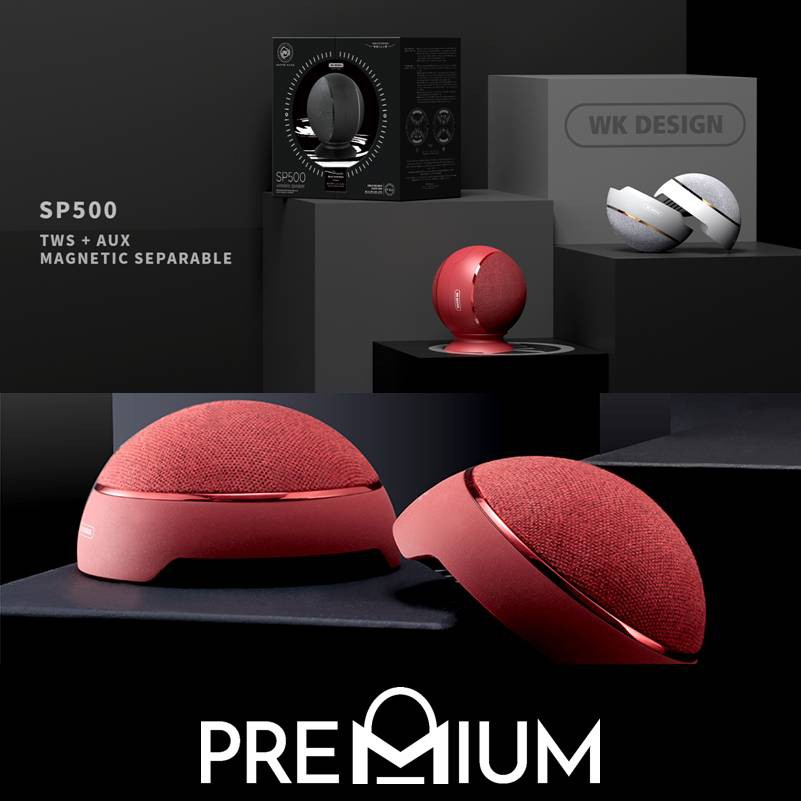
    Electronics and accessories retailer WK Life is launching its first Indian flagship at DLF Mall of India, Noida. The firm is entering the Indian market on the strength of its more than 1000 outlets in 60 countries worldwide. The 1000sqft flagship stocks a broad range of the brand’s products designed according to the ideas of its customers.

    WK Life director Rohit Sahni said the launch of the company’s first store in India is a significant achievement. “The decision to enter the Indian market has been driven by the anticipated growth in this untapped sector which is worth ₹10,000 crore.”

    WK Life retails bluetooth speakers, laptop accessories, travel luggage and gear, household electronic articles and car accessories.

  • Xiaomi is coming to UK

    Xiaomi is coming to UK

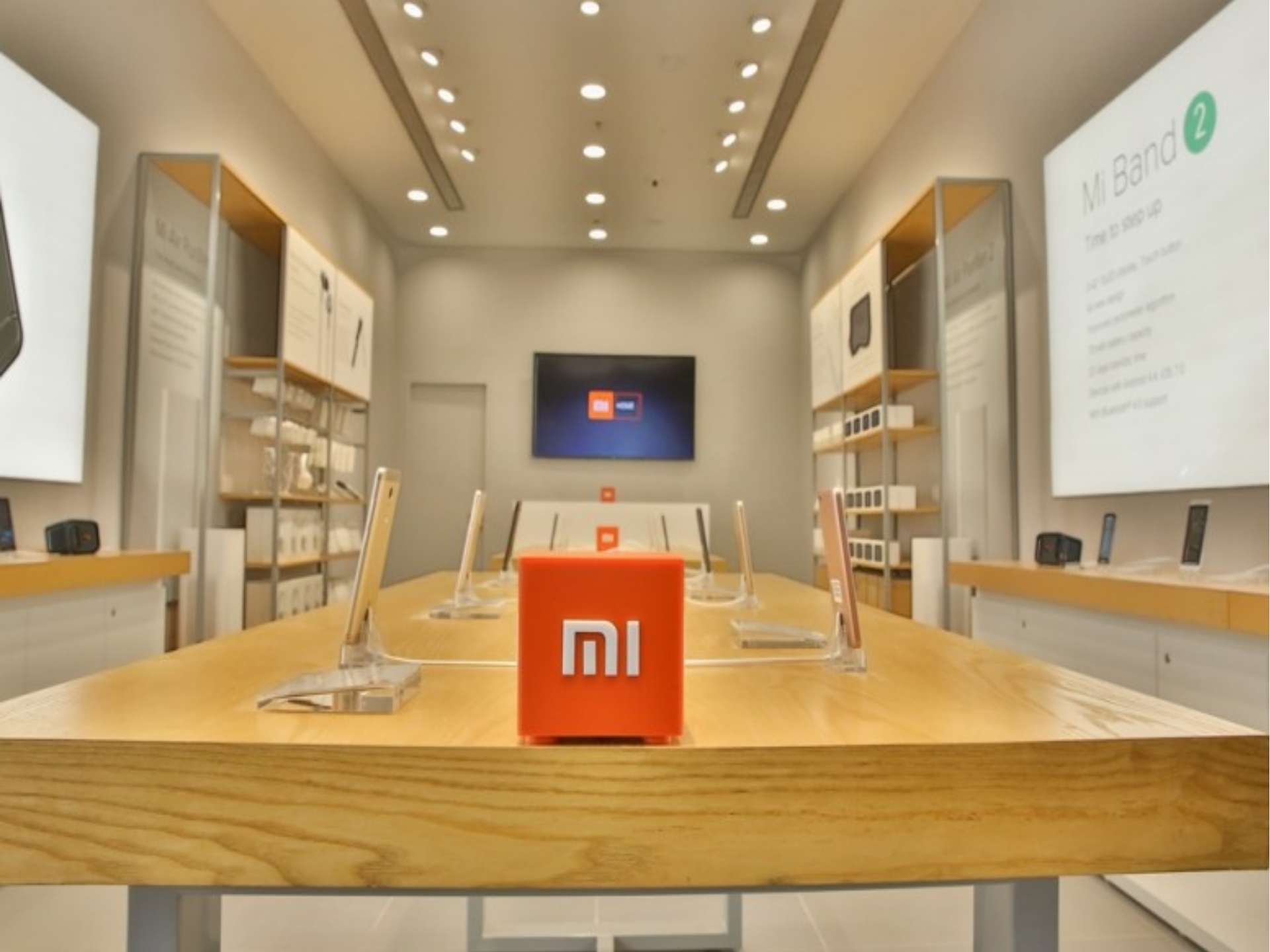
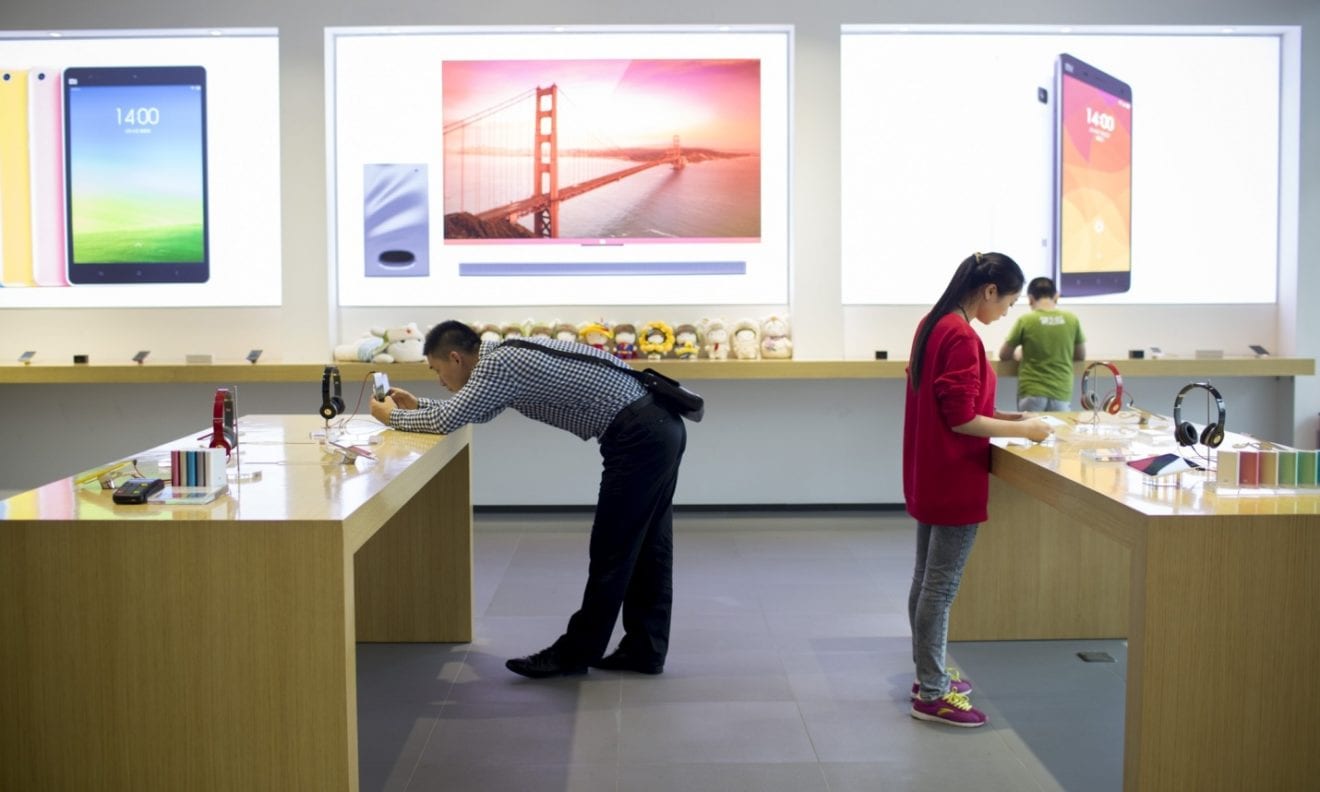
    Xiaomi will open its first store in the UK next week. The fast-growing Chinese electronics company will also sell its smartphones through the Three network, giving the brand exposure in hundreds of stores across the UK and in the Republic of Ireland.

    The Xiaomi UK launch follows openings in Spain and Paris as it joins other major global phone brands fighting for European market share.

    The first store, to be located in Westfield London, will open on November 10 and besides smartphones, will sell consumer electronics and accessories.

    In a Tweet, Xiaomi global spokesperson Donovan Sung wrote: “Excited to announce that Xiaomi will be officially entering the UK. See you all in London!”

    Just eight years after its launch, Xiaomi is now sold in 80 countries and boasts 200 million users. Already the fourth-largest smartphone brand in the world, behind Samsung, Huawei and Apple, Xiaomi sold 28.5 million handsets in the first quarter of this year.

  • LG Electronics starts venture to make in-cabin electronics

    LG Electronics starts venture to make in-cabin electronics

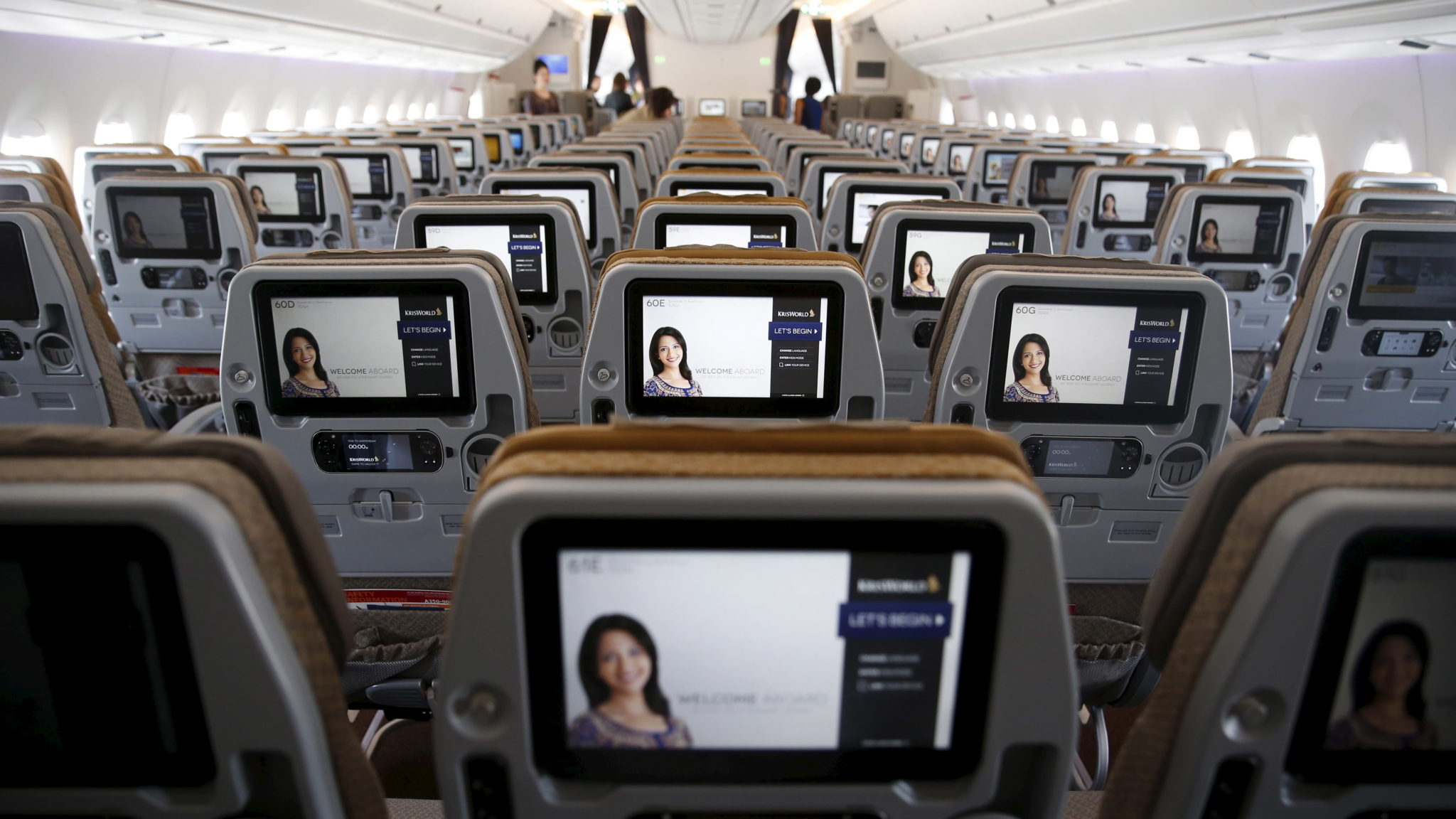
    LG Electronics said Thursday it will establish a joint venture with Germany’s Lufthansa Technik, which will be devoted to developing in-cabin electronics systems. The new venture, whose name has not yet been decided, will focus on developing in-cabin solutions utilizing LG Electronics’ technologies, including its OLED displays.

    Lufthansa Technik is a subsidiary of Deutsche Lufthansa AG, Germany’s largest air carrier.

    The new company will kick off in the first half of 2019, and will be based in Hamburg, Germany. LG did not reveal detailed conditions of the agreement, including the size of the deal.

  • Fair to screen startup hosted by LG

    Fair to screen startup hosted by LG

    Technology-related subsidiaries of LG hosted a fair on Monday in which 20 local start-ups presented their cutting-edge developments in areas such as autopilot technologies, artificial intelligence and big data. The small firms are seeking partnerships with and support from the fourth-largest conglomerate in Korea.

    LG picked the start-ups jointly with the Korea International Trade Association (KITA), hoping to revitalize local start-up ecosystem.

    The conglomerate is providing a venue for the fledgling firms to mingle with their larger counterparts and find new business opportunities.

    LG subsidiaries participating in the event include LG Electronics, LG Display, LG Innotek, LG Chem, LG U+ and LG CNS.

    Executives and researchers from those companies as well as KITA CEO Kim Young-ju paid a visit to the start-up fair, which took place at the LG Science Park in Magok, western Seoul, and had a closer look at technologies and services featured.

    Funnel, for instance, has developed a voice-recognition system that automatically collects information from television broadcasts. The resulting database can be used for artificial-intelligence smart speakers and voice-command chat bots.

    Venta VR owns a technology that is able to tape high-resolution 3D videos and calibrate the video images afterwards in a way that enhances the level of immersion and minimizes visual fatigue.

    LG will offer some of the participating start-ups office and research space inside the LG Science Park as well as technology-related consulting and funds.

    Companies under the LG umbrella have been increasing support for start-ups.

    LG Electronics is backing four start-ups that are in the web operating system business, whereas LG CNS and LG Display have been running their own programs.

    LG-led tech fairs aimed at locating and supporting promising local start-ups have been held in the United States, Germany, Israel and Russia.

    With a German start-up discovered during a tech fair in Europe, LG developed a linear compressor technology for refrigerators.

    LG says it will apply the cooperation system it developed overseas to Korean start-ups and smaller companies.

    “Future cooperation with start-ups will propel their global outreach,” said an executive at the LG Science Park.

  • KBank teaming with Com7 to expand the BaNanas IT stores

    KBank teaming with Com7 to expand the BaNanas IT stores

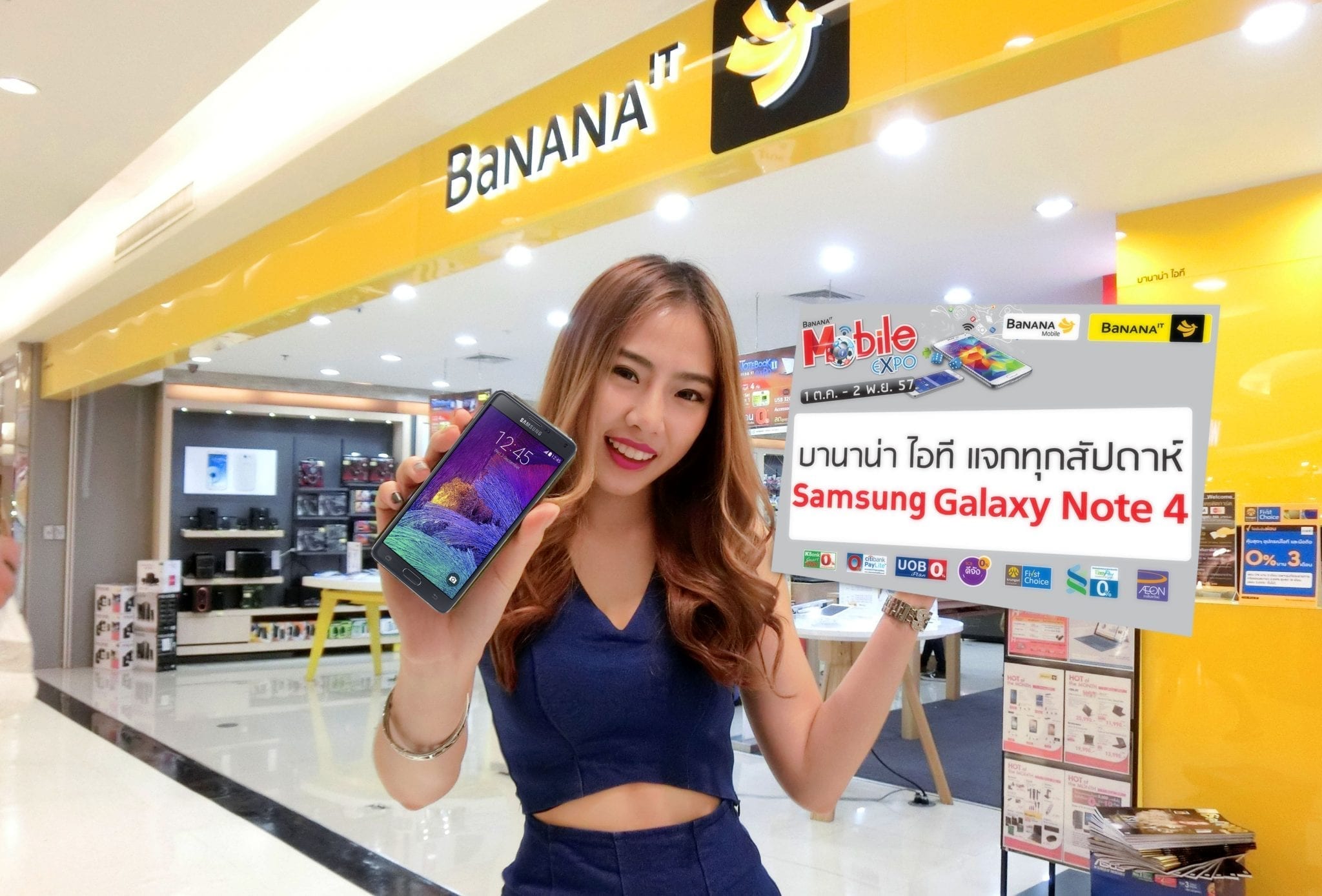
    Com7 has teamed with Kasikornbank (KBank) to expand the BaNana store chain, enabling younger consumers to access IT products and services more conveniently.

    Their first joint BaNana pilot branch was in Yasothon, and the two companies plan to have 20 more mini-branches by year’s end offering more diverse retail business and comprehensive financial services in Thailand, says Com7 CEO Sura Khanittaweekul.

    The listed company aims to achieve 600 branches under its management by the end of the year, up from 434 last year. Com7 has set an income-growth target of not less than 15 per cent for this year. Last year’s income came in at THB22.584 billion and net profit at THB608.8 million, both records for the business.

  • Samsung Electronics to expand production in Vietnam

    Samsung Electronics to expand production in Vietnam

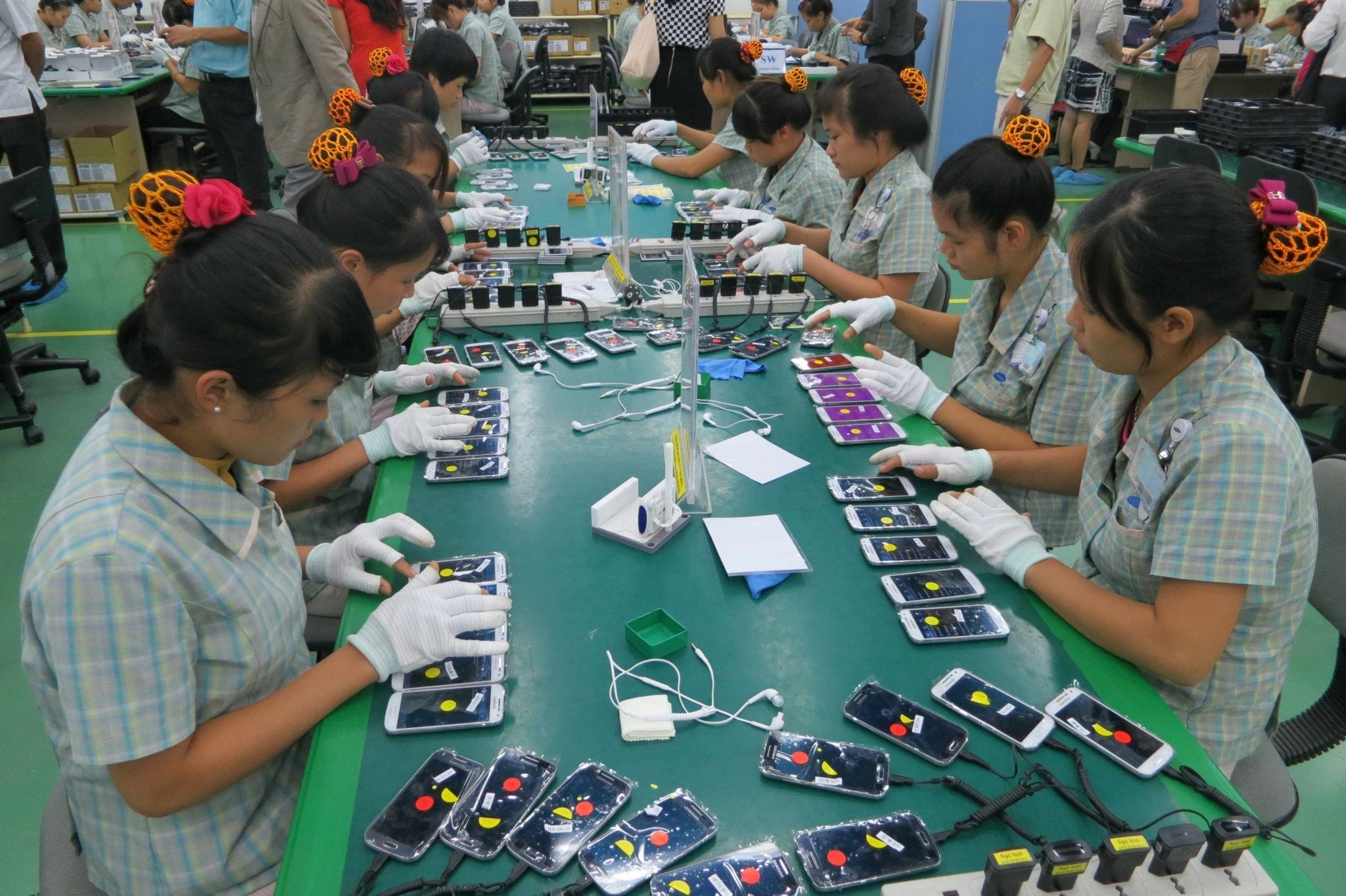
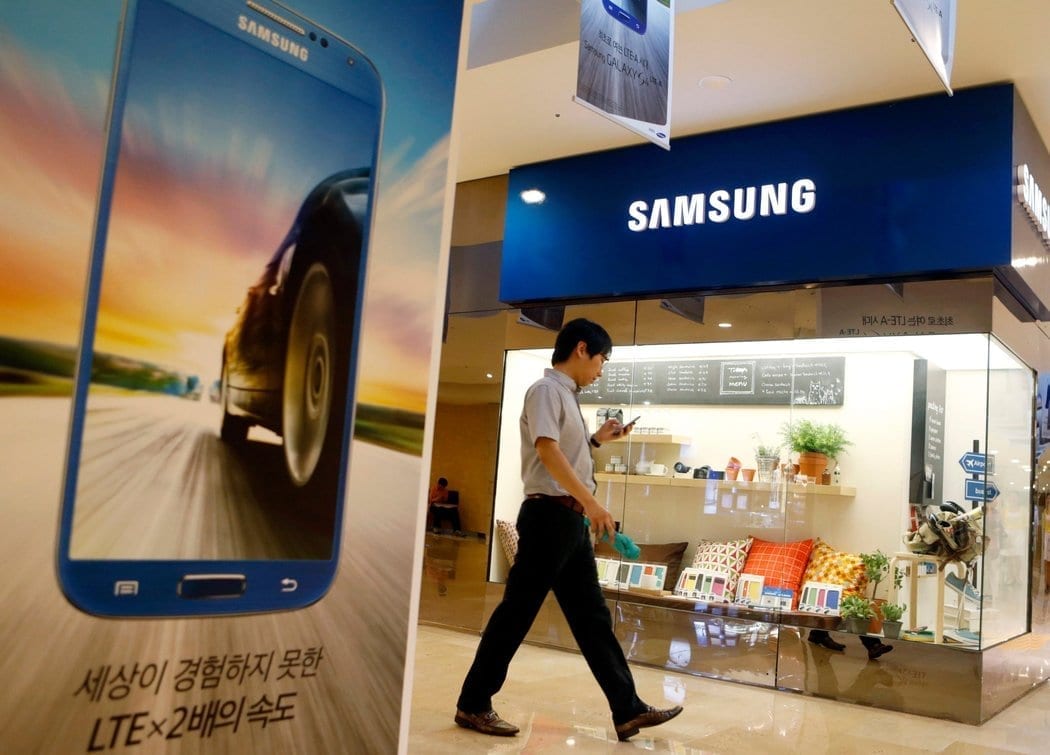
    Samsung is the largest foreign investor in Vietnam and accounts for around a quarter of the country’s total export revenue. Samsung Electronics Co. is determined to further expand production in Vietnam, co-CEO Koh Dong-jin told Vietnamese Prime Minister Nguyen Xuan Phuc on Friday.

    Samsung will recruit more Vietnamese employees and develop electronics in smart cities in Bac Ninh province and other places, according to a statement posted on the government’s website.

    Samsung is the largest foreign investor in Vietnam and accounts for around a quarter of the country’s total export revenue.

    Phuc told Koh that Vietnam is always willing to create the most favorable conditions for Samsung to develop in the country, the statement said.

    Samsung has invested $17.3 billion in eight factories and one research and development center in Vietnam, turning the country into its largest smart phone production base, the government said.

    Exports from Samsung Electronics’ factories in Vietnam totaled $54 billion last year, it said.

  • Xiaomi files documents for IPO in Hong Kong

    Xiaomi files documents for IPO in Hong Kong

    Chinese smartphone giant Xiaomi has filed documents for an IPO on the Hong Kong stock exchange that could see the company raise at least $10 billion in the biggest public offer since 2014.

    The IPO is expected to value the company at between $80 billion and $100 billion, according to data and analysis company GlobalData. This would make it the largest IPO since Alibaba’s $25 billion public listing in 2014.

    GlobalData consumer technology analyst Avi Greengart said the listing would give Xiaomi the infusion of capital it will need to pursue an expansion to the West.

    “Xiaomi has long planned to enter the US. For now it is targeting Europe, starting with Spain, and we will be closely monitoring how the brand and its business model translates well outside of China,” Greengart said.

    “Xiaomi has said it plans to enter the US market ‘next year’ for the past three years. The US is famously unfriendly to Chinese brands right now. The bigger challenge is that carriers are the gatekeepers, the market is skewed heavily towards premium smartphones, and US consumers have expectations around brand and software that Xiaomi may have difficulty meeting.”

    The vendor’s “fascinating” business model involves selling phones in high volumes at low margins, and started with online-only operations, Greengart said.

    “However competitors such as Huawei eventually countered with online-only brands of their own, and Xiaomi was unprepared. The company was able to successfully regroup and move into retail outlets as well as online. Xiaomi’s also thinks of itself as an incubator and IoT ecosystem vendor, investing in dozens of start-ups selling everything from air cleaners to fitness bands to Segways.”

    Xiaomi’s IPO documents [PDF] show that the company recorded a 67.5% increase in revenue in 2017 to 114.62 billion yuan (HK$141.36 billion). But the company swung to a net loss of 43.89 billion yuan from a profit of 491.6 billion yuan in 2016.

    The company already has a presence outside of China, having rapidly grown to the top smartphone brand in India, IDC estimates. The research firm also puts Xiaomi at the number four spot globally in terms of smartphone market share, behind Samsung, Apple and Huawei.

  • Apple acknowledge iPhone challenges

    Apple acknowledge iPhone challenges

    Analysis of the latest Apple sales figures shows that tech giant remains a phenomenal company, but it needs to regain the magic spark that used to be its hallmark.

    As usual, Apple’s performance is good on both the top and bottom lines. Revenue for the quarter jumped by almost 16 per cent, an impressive increase given last year’s strong results. Even more impressive was the 25.3 per cent leap in net income, an uplift that came despite a higher level of spending on research and development.

    But as good as the headline numbers are, there are some less satisfactory nuances in the underlying dynamics driving them. Foremost among these are sales of the iPhone. On the surface, revenue from iPhone sales, which rose by 14 per cent, looks strong. However, this is mostly pushed up by higher average prices rather than volume. Indeed, in unit sales terms, the number of iPhones sold rose by just 3 per cent over the same period last year.

    Given the high raw numbers that sit behind a 3 per cent unit uplift, such a criticism may seem petty. However, the second quarter last year was a weak one for the iPhone with sales down in both volume and value terms. As such, we would expect a much bigger uplift this time around. That this didn’t materialise, and that unit growth is well below the run rate for new phone launches, signals that the replacement cycle is slowing down. In essence, we maintain our view that Apple is struggling to persuade many consumers to update their phones.

    Failure to wow

    As I’ve have said before, this relative slowdown in iPhone sales is largely a function of Apple’s inability to come up with meaningful and valuable innovations that wow consumers. No matter how Apple tries to spin it, the iPhone X is essentially an incremental product that lacks the excitement and newness earlier models brought to the market.

    The same logic applies to many other product lines, including iPads and Apple Watch. These are good, quality items, however they are simply not impressing the market and Apple is losing its lustre in terms of producing compelling products. Apple has moved from a position of ‘must have this and must have it now’ to ‘might buy this at some point in the future’.

    Price increases may mitigate this but, ultimately, such a shift can only ever result in a softer sales performance.

    Adding new products, such as HomePod, into the mix provides potential new sources of revenue.

    However, with launches to date, Apple is not disrupting the market like it used to. HomePod is a case in point. Here, despite good technical specifications and design credentials, Apple was a latecomer to the smart speaker market. This crimped sales and puts Apple in direct competition with both Google and Amazon – against both of which it does not have a clear and compelling unique selling point. While we believe Apple can take a share of this market, we do not think it can win a decisive victory in the battle with other tech firms.

    One area of relative success, at least in revenue terms, is services. However, this is an area where we think Apple needs to push harder. Amazon is successfully creating an ecosystem of services through Prime. Apple needs to do something similar by building on its Apple Music subscription and its App Store offering. Content is a big growth area and is becoming increasingly linked to devices. Apple needs to play more heavily in this space both to generate new opportunities but also to defend its own device business.

  • Xiaomi signs a partner deal with LightInTheBox Holding

    Xiaomi signs a partner deal with LightInTheBox Holding

    Global online retailer LightInTheBox Holding has signed a strategic distribution agreement with Xiaomi to sell its technology products in North America.

    It is Xiaomi’s first cross-border e-commerce distribution partnership in the region, and customers buying its products through LightInTheBox platforms will receive local customer support from Xiaomi.

    Founded in 2010 by entrepreneur Lei Jun, Xiaomi is based on the vision “innovation for everyone”.

    The Beijing-based company incorporates customer feedback into its product range, which includes Mi and Redmi smartphones, TVs and set-top boxes, routers and Mi Ecosystem products including smart home products, wearables and other accessories. Xiaomi has a presence in more than 70 countries and regions.

    With its headquarters in Beijing, LightInTheBox websites and mobile applications are available in 23 languages and cover more than 80 per cent of global internet users.

  • Samsung tips record first quarter profit as chip boom winds down

    Samsung tips record first quarter profit as chip boom winds down

    Samsung Electronics tipped a surprise record first-quarter profit on Friday but market reaction was muted due to growing concerns that the semiconductor boom that has driven the South Korean tech giant’s earnings is about to end.

    Samsung shares fell after the announcement as analysts forecast similar or lower profit in the second quarter, due to slower growth in DRAM chip prices and higher marketing costs for the flagship Galaxy S9 smartphone.

    “Even if profits start falling in the second half, Samsung will have a strong balance sheet this year,” said Song Myung-sup, analyst at HI Investment & Securities, predicting looser supply of DRAM chips to start driving down prices.

    The global semiconductor leader and Apple Inc smartphone rival forecast January-March profit to leap 57.6 percent from a year earlier to 15.6 trillion won (US$14.7 billion), beating an average forecast of 14.5 trillion won from a Thomson Reuters survey of 21 analysts.

    Revenue for the quarter was tipped to rise 18.7 percent to 60 trillion won, Samsung said in a regulatory filing. The company did not elaborate on its performance and will disclose detailed earnings in late April.

    Samsung shares fell as much as 2.7 percent on Friday before paring losses to close down 0.7 percent, compared to a 0.3 percent drop in the wider market.

    Analysts said Samsung’s shares were affected by a UBS report forecasting an increase in the supply of DRAM chips used in servers, which dragged down Micron Technology Inc shares more than 6 percent on Thursday.

    The prices of NAND chips commonly used in mobile devices began falling late last year and analysts have been closely watching for signs of the peak in the DRAM price boom as well.

    Even if DRAM price growth is at its peak, analysts said Samsung remained on track for record annual earnings.

    “Although gains in memory chip prices have slowed from the height of the chip boom, lower prices could also increase demand for chips, and Samsung has the cost-cutting ability to keep profits up,” said Greg Roh, analyst at HMC Investment & Securities.

    MOBILE BUSINESS

    While the chip business underpinned Samsung’s profit growth, the mobile business – which accounted for 40 percent of 2017 revenue – appeared to have made a surprisingly solid contribution to first-quarter earnings, analysts said.

    They put this down to Samsung’s early launch of its flagship Galaxy S9 device in March, healthy sales of older devices as consumers balk at the high price of new premium models, and a short-term dip in advertising costs.

    “I think lower marketing costs for the mobile business helped, because the first quarter is traditionally not a boom season for rival Apple, so Samsung did not need to spend a lot on marketing,” said Claire Kim, analyst at Daishin Securities.

    Worldwide smartphone shipment volumes shrank for the first time in 2017, and Samsung is coming under increasing competition from the likes of low-cost Chinese rival Xiaomi .

    Concerns about the smartphone market and a subsequent fall in demand for components like OLED screens – used in Apple’s iPhone X – are behind a roughly 5.3 percent fall in Samsung Electronics’ share price so far this year, from a record high in November.

    In a separate development, prosecutors searched the offices of a Samsung Electronics unit on Friday as part of a probe into allegations the conglomerate had sabotaged worker’s efforts to strengthen labor unions, a South Korean prosecutors’ office said.

    A Samsung spokeswoman said prosecutors had secured labor-related documents. She declined comment further.


  • Kinpo to add 2 factories in Philippines

    Kinpo to add 2 factories in Philippines

    Consumer electronics maker Kinpo Electronics, viewing that production capacities for smart home appliances at two factories in the Philippines will be fully utilized in first-half 2018, will set up two more factories there in third-quarter 2018, with one for injection molding and the other for assembly, according to company president Simon Shen.

    The existing factories and the ones to be built in the Philippines belong to Kinpo Electronics (Philippines) in which Kinpo and its Thailand-based affiliate Cal-Comp Electronics hold a 81% and 19% stake respectively, Shen said, adding the Philippines-based subsidiary is expected to be listed on the local stock market in third-quarter 2018.

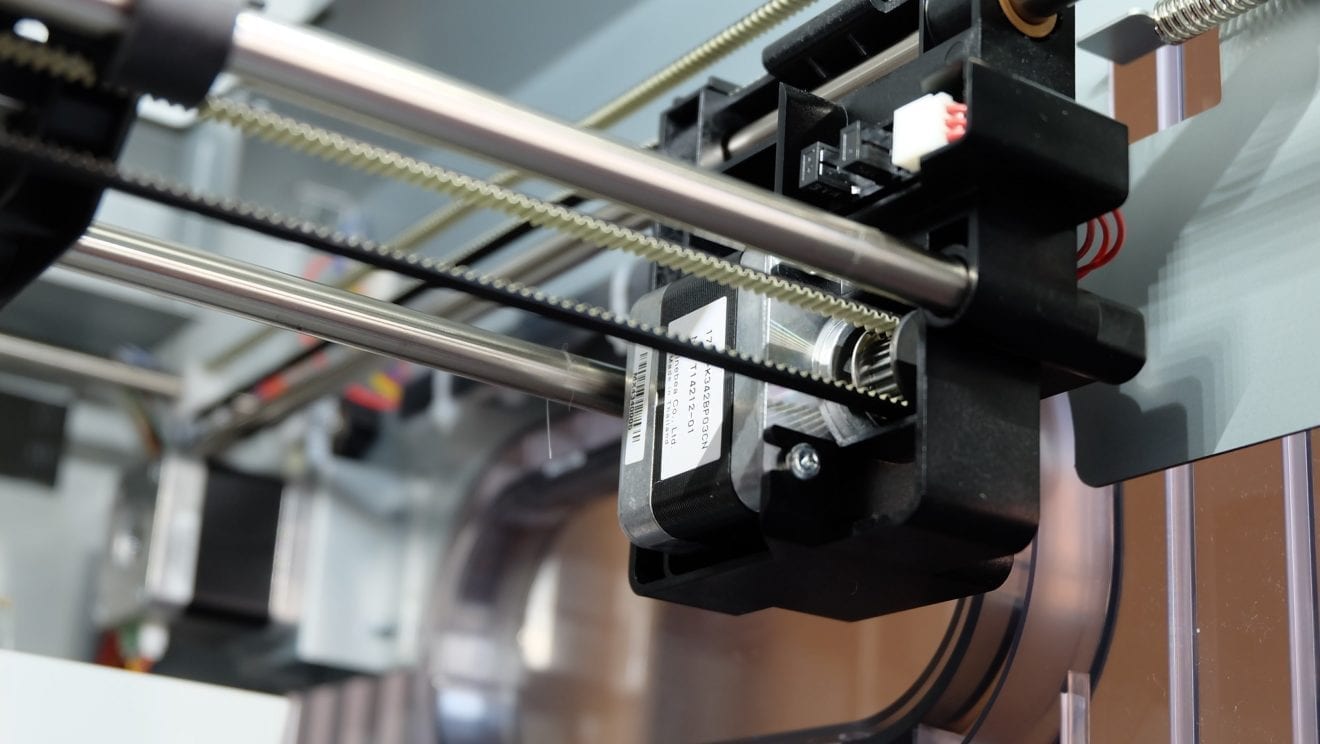
    Kinpo stepped into production of consumer 3D printers in 2017 and currently has a global market share of 23-24% Shen said, adding it will extend production to business-use 3D printers in 2018.

    Kinpo expects to globally ship 73,000 3D printers, including 500 for color printing, in 2017, and 100,000 units in 2018, consisting of 2,500-3,000 color models, Shen noted. A color 3D printer sells for US$35,000.

    Kinpo has also begun production of service robots for hospitals, hotels, retail stores and airports, with unit prices ranging from US$15,000-30,000, and 2018 target shipments are set at 300-500 units, Shen indicated.

    Kinpo expects to ship 10,000 units of HiMirror, a smart device for medical care of facial skin, in 2017 and will offer a second-generation model with target shipments of 50,000-100,000 units in 2018.

  • Harvey Norman officially launches Kuching outlet

    Harvey Norman officially launches Kuching outlet

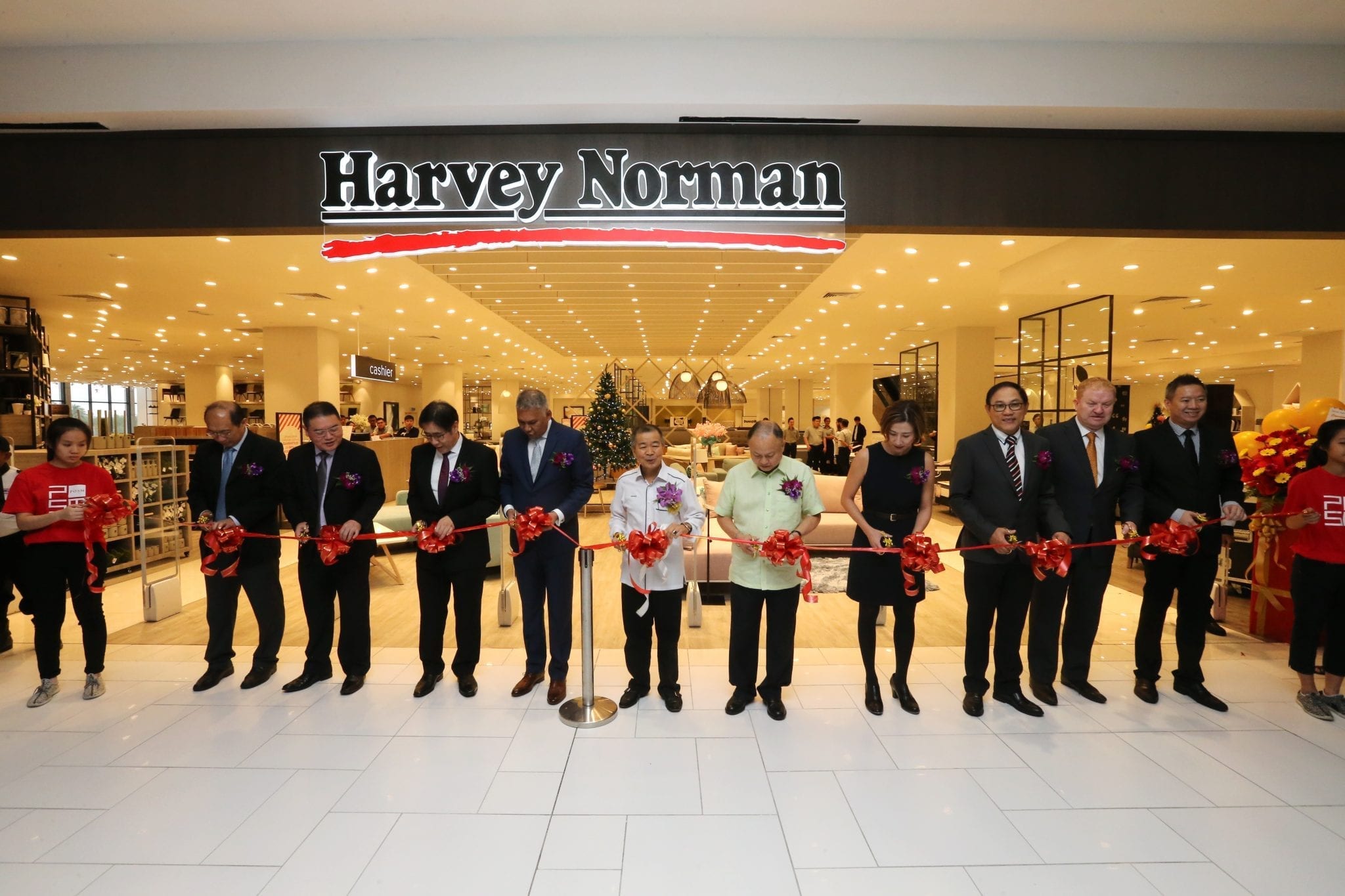
    Australian brand Harvey Norman marked a new milestone with the official launch of its first superstore in East Malaysia today at Vivacity Megamall.

    Established since 1982 in Australia with over 280 stores worldwide, the superstore here occupies a retail space of 46,806 square feet across two floors, featuring a unique retail experience in the country.

    According to Harvey Norman’s managing director for Singapore and Malaysia, Kenneth Aruldoss, the group is creating a revolution in the way customers connect with products and brands.

    “Consumers of today are changing — and therefore we have to change the way we do retail as well.

    “It is a first-of-its-kind shopping experience with a huge range of merchandises spread over two levels of retail space. The range is current and of the latest,” he said in his speech during the official launch today.

    Also present during the launch were Assistant Minister of E-Commerce Datuk Mohd Naroden Majais, Kuching South City mayor (MBKS) Datuk James Chan, Vivacity Megamall executive director Sim Yaw Hang and Vivacity Megamall director Alan Sim, as well as other officials from Harvey Norman.

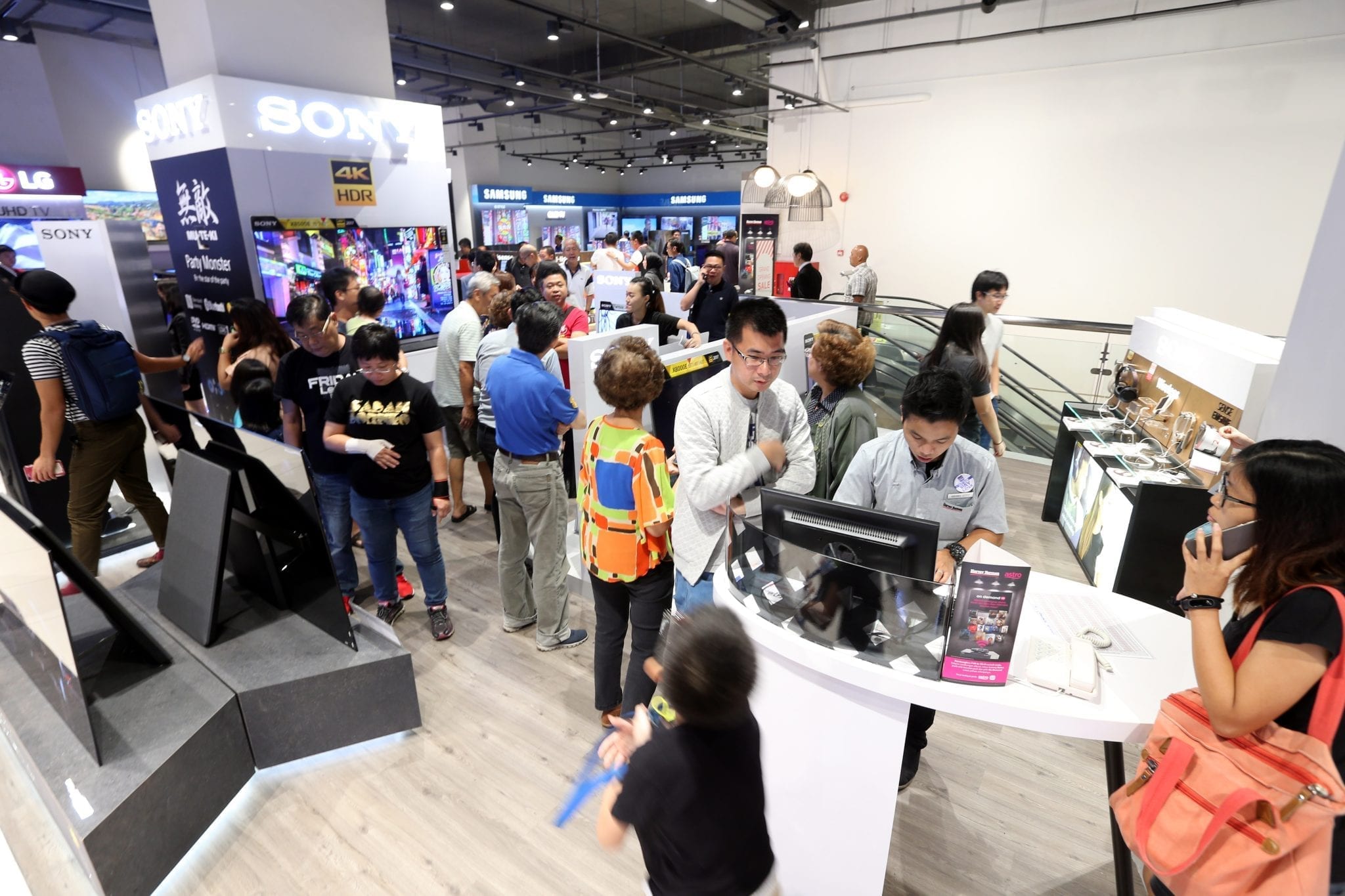
    The store is set to inspire in terms of layout and how the products are being  merchandised. It boasts some of the biggest range of electrical, computers and communications, furniture and bedding products in Kuching.


    The first level features a whole floor of Furniture & Bedding products ranging from sofas, coffee tables, dining sets, home wares, outdoor furniture, home office, TV cabinets, recliners, rugs, as well as mattresses, bed frames, bedroom sets, kids bed frames and bedding accessories.

    Its second floor features home and kitchen appliances, audio visual, cameras, photocentre, computers, games hub, connected health and fitness products.

  • Samsung Electronics expects record $12.8 bn Q3 operating profit

    Samsung Electronics expects record $12.8 bn Q3 operating profit

    The company estimated operating profits of $12.8 billion in the July-September period, an all-time record for quarterly profit. Samsung Electronics said Friday it expected profits to hit an all-time record in the third quarter to September as the South Korean IT giant enjoys booming semiconductor sales.

    The company estimated operating profits of 14.5 trillion won ($12.8 billion) in the July-September period, an all-time record for quarterly profit and nearly triple the 5.2 trillion won earned a year earlier.

    Sales are estimated to have surged 29.65 percent on-year to 62 trillion won.

    Samsung did not announce the performance estimates of each business division but its semiconductor business is widely believed to have contributed greatly to the record-beating report.

    The company is set to release its final earnings report later this month.

    Samsung has been seeking to move past a bribery scandal which saw the company’s de-facto head Lee Jae-Yong thrown into jail and overcome a damaging recall last year of its flagship Galaxy Note 7 smartphone over exploding batteries.

    Lee, who was found guilty in August of bribery, perjury and other charges relating to payments made by Samsung to ousted president Park Geun-Hye’s secret confidante Choi Soon-Sil, is appealing his five-year sentence and says he is innocent.

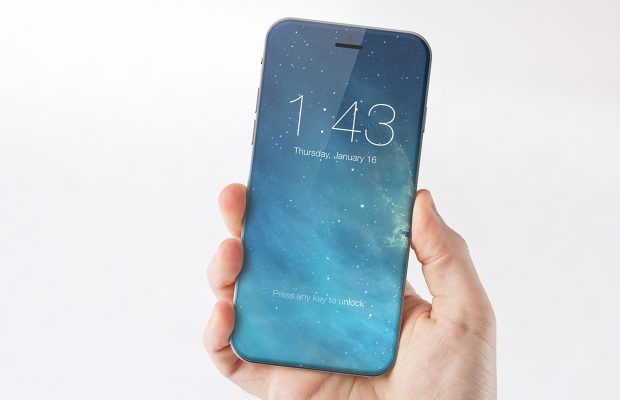
  • Consumers skeptical of iPhone X face recognition

    Consumers skeptical of iPhone X face recognition

    A new survey indicates that one of the defining functions of Apple’s new flagship iPhone X – the face recognition functionality – could struggle to gain traction with consumers.

    Juniper Research polled iOS users in the US, and found that over 40% consider themselves unlikely to use facial recognition as a payment security technology.

    Consumers in the US and UK instead showed a clear preference for fingerprint authentication and voice recognition as alternative biometric security methods, with 74% and 62% respectively indicating they are likely to use these technologies.

    The research also shows that the number of contactless payment users grew by only 2% year-on-year in the US, compared to 12% in the UK.

    Existing users of OEM contactless payment services (such as Apple, Samsung and Android Pay) expect to increase their usage, but only 39% of non-users in the US and 26% in the UK expect to start using mobile contactless payments.

    Major obstacles to adoption include ongoing security concerns, according to research author James Moar. Two thirds of non-users (32%) have concerns about the security of transactions, compared to just 14% of users. A similar proportion of mobile banking non-users compared to users have security concerns inhibiting adoption. But security concerns are overall starting to ease.

    “Transaction security is a key barrier for mobile financial services adoption,” Moar said. “Addressing these concerns will bring many consumers to the point where they will consider using such services.”

  • Verdict for Samsung heir weighs on telecom giant

    Verdict for Samsung heir weighs on telecom giant

    Prosecutors have demanded a 12-year sentence for Samsung’s 49-year-old ‘crown prince.’ The heir to the Samsung empire faces the verdict in his corruption trial Friday, which threatens to leave the world’s biggest smartphone maker rudderless for more than a decade.

    Lee Jae-Yong, vice chairman of Samsung Electronics and the son of Samsung group chairman Lee Kun-Hee, has been groomed all his life to take over the giant conglomerate founded by his grandfather in 1938.

    It is by far the largest of the chaebols, the family-controlled firms that dominate Asia’s fourth-largest economy, which some South Koreans self-mockingly dub the “Republic of Samsung”.

    Its turnover is equivalent to a fifth of the national GDP and it has long had close, opaque connections with political authorities.

    But now prosecutors have demanded a 12-year sentence for Samsung’s 49-year-old “crown prince” if he is convicted of charges including bribery and embezzlement in connection with the corruption scandal that brought down president Park Geun-Hye.

    Park, dismissed from office in March after public fury, is on trial separately accused of offering policy favors to tycoons including Lee who enriched her secret confidante Choi Soon-Sil, with Samsung handing over around $40 million.

    Lee has been detained during his trial, and the prospect of his being imprisoned for years has sent shockwaves through Samsung, where the founding family’s rule has been taken for granted for decades.

    The Lee clan directly owns about five percent of Samsung Electronics shares, but maintains its grip on the wider group through a byzantine web of cross-ownership stakes involving dozens of companies.

    Although Samsung’s day-to-day business is maintained by the elite CEOs at each unit, analysts say they would be unwilling to make — and take responsibility for — costly decisions over large-scale acquisitions or investments without family approval.

    “In South Korea, such decisions are often endorsed by the patriarch of a ruling family,” said Chung Sun-Sup, the head of corporate analysis firm chaebul.com.

    Lee Jae-Yong’s sister Boo-Jin, who is in charge of the group’s fast-growing hotel business, was once touted as a potential stand-in.

    But many dismiss the possibility, saying she has few allies and little management experience at Samsung Electronics — the crown jewel of the group.

    Despite Lee’s absence Samsung Electronics has reported stellar profits in recent months, sending its share price soaring, thanks to booming demand for its memory chips used in computers, servers and mobile gadgets.

    Analysts say it is reaping the benefit of radical decisions made years ago under the senior Lee’s rule, including the construction of new chip factories that cost billions of dollars.

    “With so much uncertainty at its leadership, Samsung may move more slowly than before to make the kind of bold, large-scale investments that made it so successful today,” Chung told AFP.

    Future strategy

    Since the senior Lee was left bedridden by a heart attack in 2014, Samsung has stepped up attempts to streamline itself, selling off marginal or less profitable businesses, while also enhancing Lee Jae-Yong’s authority.

    Those efforts would be suspended if Lee receives a lengthy jail term, Chung said, which could force the group into “an unprecedented experiment” of operating without direct Lee family control.

    But Geoffrey Cain, the author of a forthcoming book on Samsung, pointed out Samsung Electronics had been able to make strategic moves despite Lee’s detention in custody.

    “The leader being in jail is a familiar story for chaebol groups, and one they can get around,” he said.

    “Samsung will not be doomed without Jay Lee. Even if he gets a prison sentence, Samsung will be just fine. It’s up to the specialists to make their own decisions.”

    After the scandal sparked nationwide calls to reform “corrupt” chaebols, Samsung earlier this year disbanded its Future Strategy Office — a small, secretive group of top company veterans who directly served the Lees — vowing to give the board of directors a bigger role in decision-making.

    Millions of dollars

    New President Moon Jae-In won a sweeping election victory in May with promises of weeding out deep-rooted, corrupt ties between chaebols and regulators.

    Prosecutors accuse Lee of seeking state approval for a controversial 2015 merger of two Samsung units seen as a key step to ensuring his accession.

    He pleaded not guilty, saying he was not involved in decisions over the donations and not even aware of Choi’s existence.

    During his trial, his lawyers and ex-members of the Future Strategy Office tried to portray him as an inexperienced, naive heir not even allowed to “meddle with” decisions made by the veteran executives chosen by his father.

    As a legal strategy it is undoubtedly embarrassing, but it remains to be seen whether the three judges hearing the case, in which four other top Samsung executives are also accused, are convinced.

    “If he is found innocent and walks away, it would be a huge setback against the court and the current administration,” said Shim Jung-Taik, an author of several books on Samsung and its history.

    He warned of “huge public outcry” in the event of an acquittal, telling AFP: “In South Korea, the Lee case is not just a legal case but a social and political one whose result is seen as a verdict on wider chaebol culture and corruption.”