Retail News CRM

Tag: Electronics

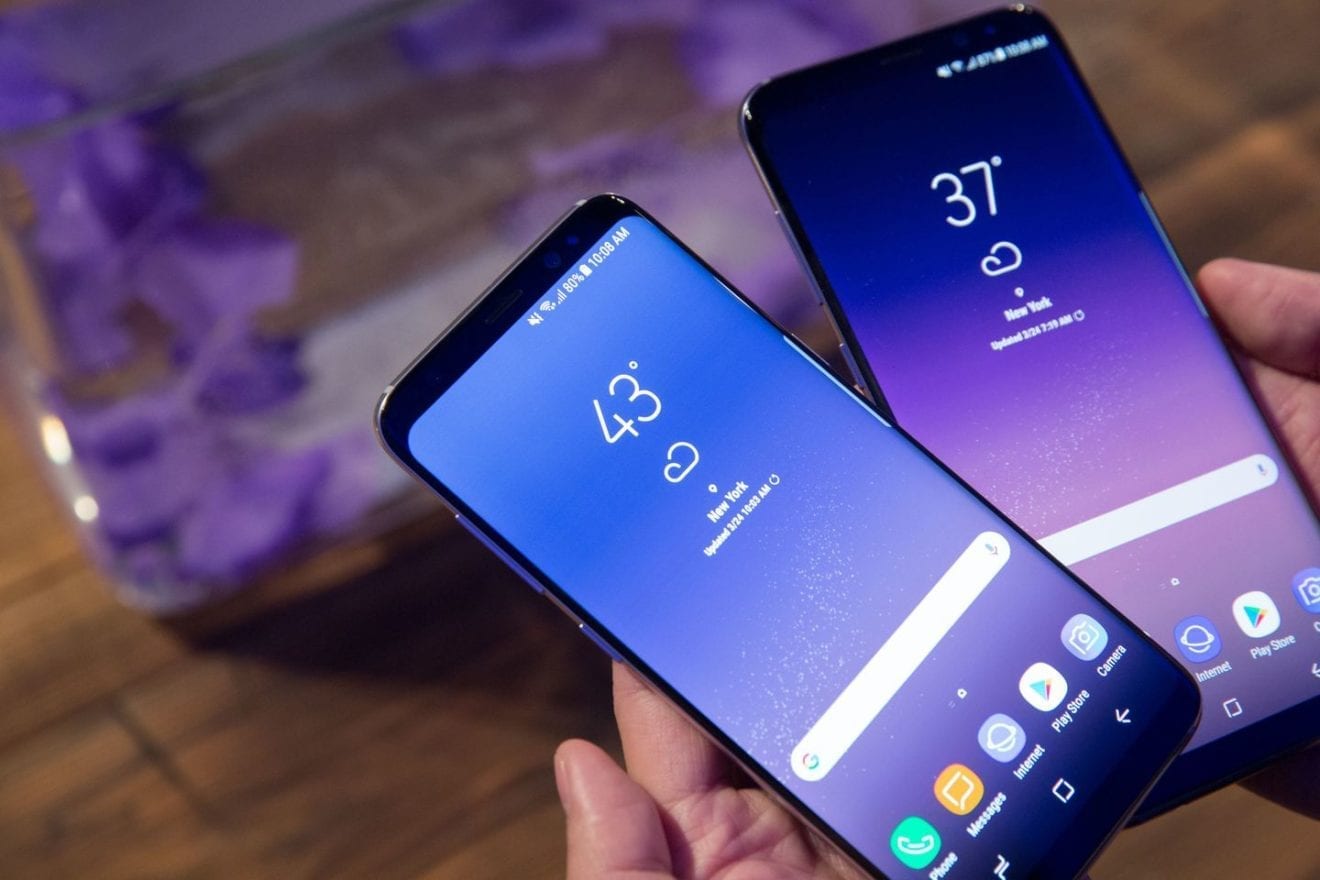
  • Samsung Mobile Philippines takes nod to past

    Samsung Mobile Philippines takes nod to past

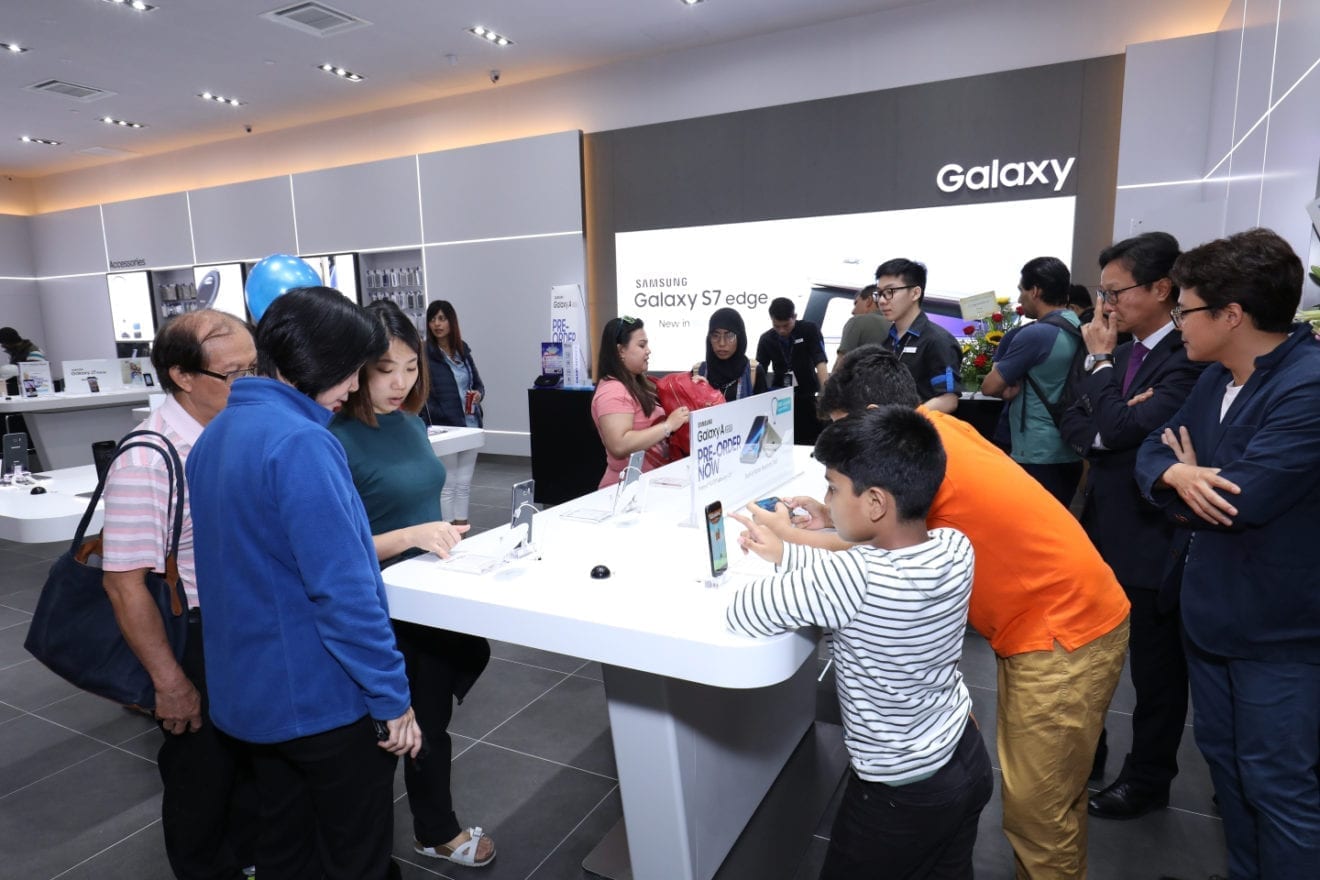
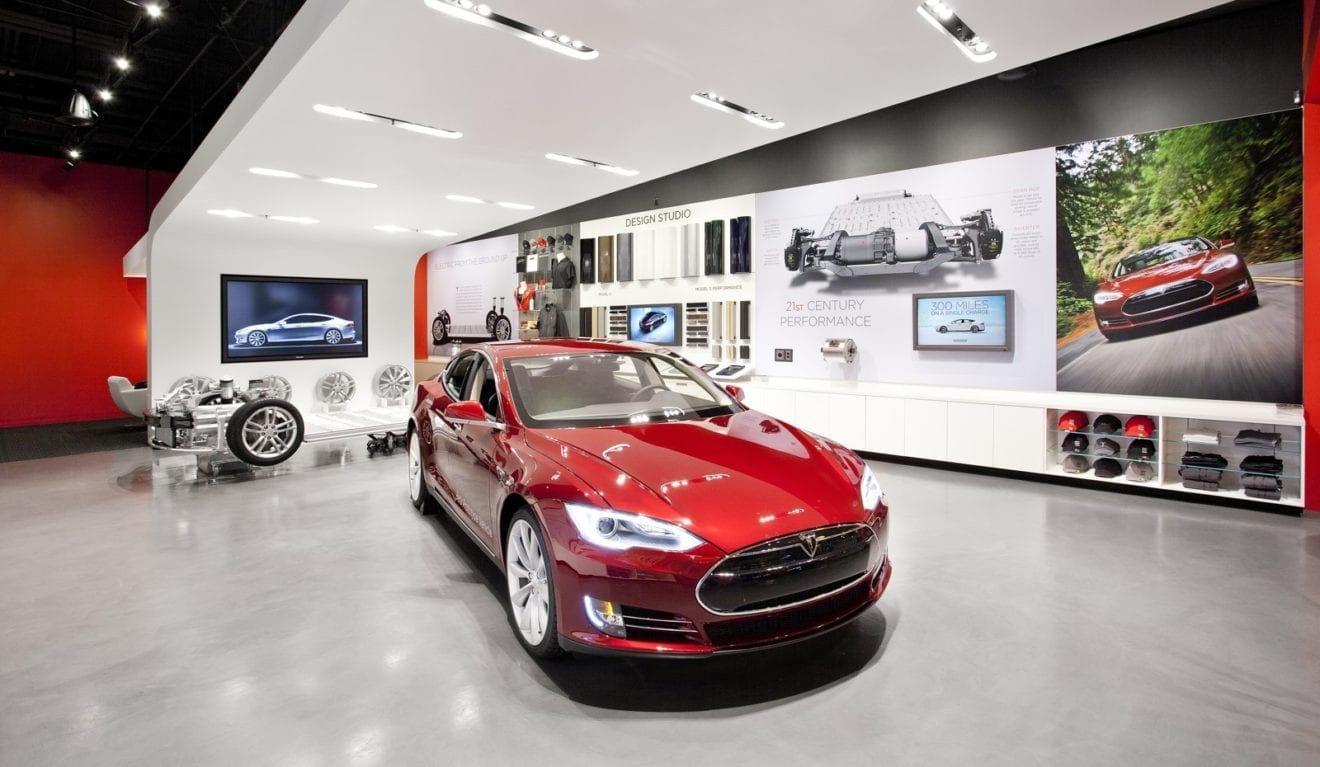
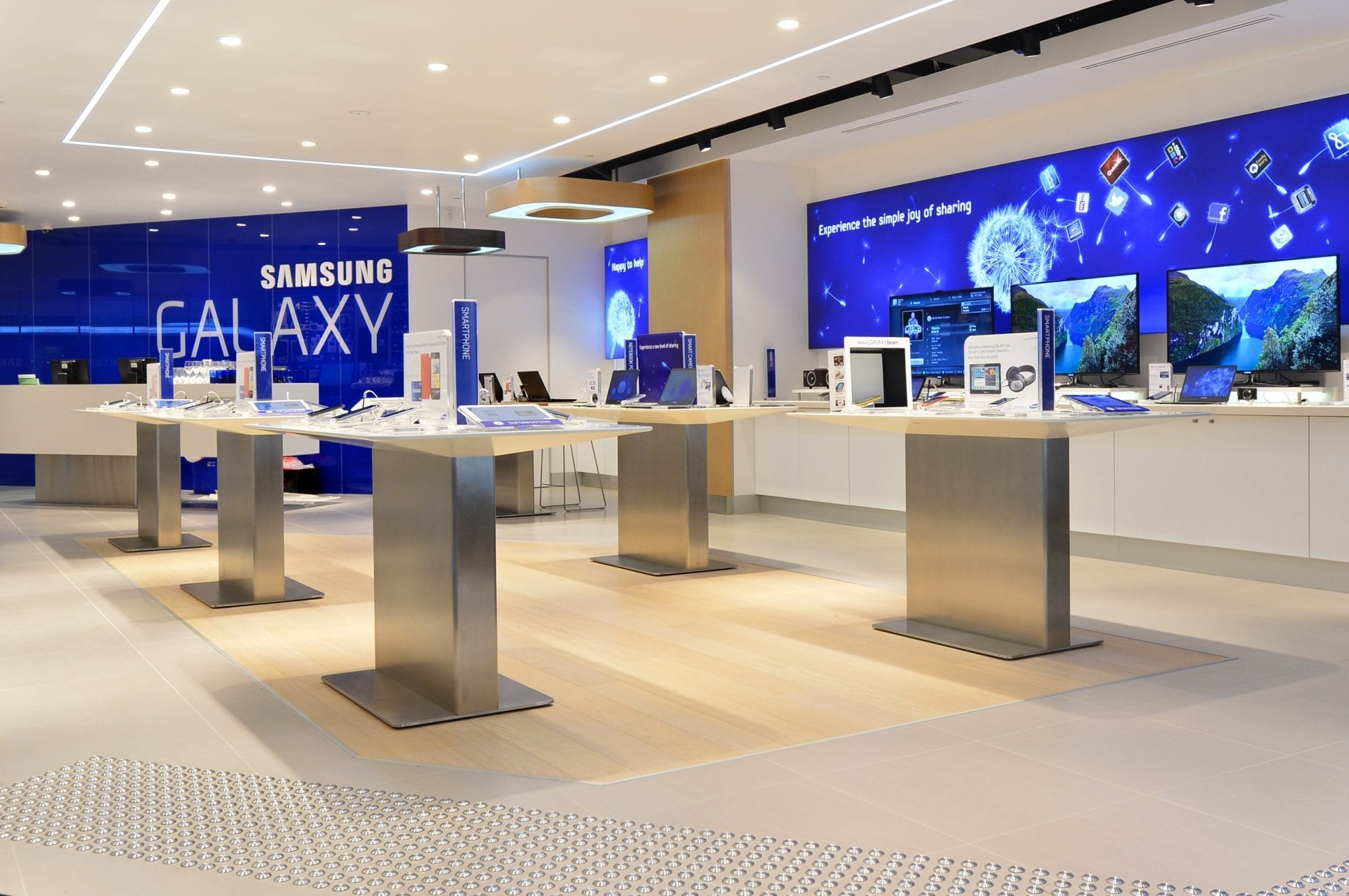
    In partnership with 8Telcom, Samsung Mobile Philippines has officially opened its second Samsung Experience Store, at Davao City’s Victoria Plaza Mall.

    Billed as the first redesigned concept store in the Philippines, it marks 8telcom’s 15th anniversary, with Samsung deciding to go back to where everything started – the first 8telcom multi-brand kiosk was established at Victoria Plaza.

    At a grand opening of the Samsung store, the first 50 customers each received a free headset, and a free Bluetooth speaker was given to buyers of five different phone models.

    Customers who pre-ordered the Samsung J7 Pro smartphone will also receive a free wireless speaker.

  • Dick Smith sites prove hard to sell

    Dick Smith sites prove hard to sell

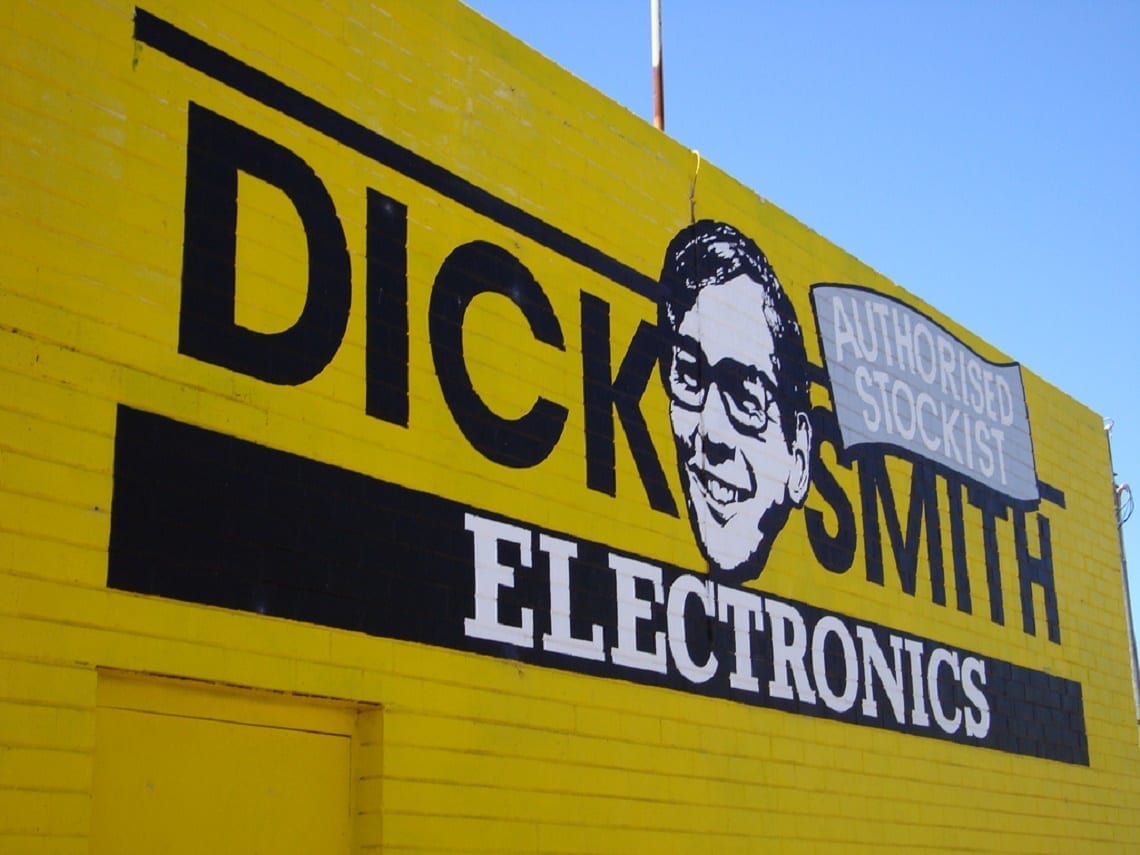
    Nearly half of all Dick Smith stores nationwide have been re-leased to a range of categories and big brands, however many of the smaller regional locations remain vacant, according to real estate firm, Colliers.

    Former Dick Smith stores in locations like Levin, Gisborne, Richmond and Wanganui are still empty.

    “Although the former Dick Smith’s stores are typically in the best retail locations in these markets, the issue is around the lack of demand from national brands to enter these smaller cities and towns,” said Leroy Wolland, Colliers national director of retail.

    Wolland anticipated these challenges for the smaller regional store locations earlier this year when the Dick Smith’s stores closed down.

    “The hesitancy for the bigger brands moving into these locations is around the lack of catchment size.”

    “So it’s likely these sites will be back-filled with local retailers as opposed to national branded retailers.

    “We are working on a few options for these locations.”

    Most of the Dick Smith’s stores in the major cities were leased to larger, high profile retailers.

    Wolland says Colliers has also completed deals with international retailers Witner Shoes and Footlocker who have snapped up ‘high street’ sites in Wellington and Auckland.

    “We have also leased a number of stores to new Australian pet retailer, Petstock.

    “The opportunity presented by the closure of the Dick Smith’s chain accelerated these brands’ rollout into New Zealand,” said Wolland.

    Colliers has also successfully leased stores around the country to homeware retailers Bed Bath & Beyond and Lighting Plus as well as to The Clearance Shed, Hot Spring Spas, Repco, Pricewise and NZ Uniforms.

    The Golf Warehouse, Curtain Studio, Citta Homewares and electronic retailers Jay Car, Noel Leeming and PB Tech have also taken over stores.

  • Chinese market no longer land of opportunity for Korean products

    Chinese market no longer land of opportunity for Korean products

    China’s consumer market that once offered vast opportunities for South Korean exporters has become less penetrable as Chinese firms make goods that compete with imports, industry data showed on July 14th.

    Samsung Electronics, which in 2012 ousted Apple Inc. to hold the top market share for smartphones in China, fell to eighth place in the first quarter of this year. Samsung’s market share in handsets hit 17.7 percent in 2012. It dropped to 4.9 percent in 2016. In the first quarter this year, its market share was a marginal 3.1 percent.

    China’s own brand Huawei raised its market portion from 9.9 percent to 18.9 percent over the past five years. Another local firm OPPO, who had no presence in 2012, soared to grab 18.7 percent during the period. Together with Vivo, the three are dominating the Chinese smartphone market.

    Industry officials say that data indicates THAAD may not be the only cause of falling South Korean exports to China as firms there are quickly catching up in technology and no longer relying on foreign products.

    South Korea’s auto exporters have also been nudged out by Chinese companies, data showed. Hyundai Motor and its sister firm Kia Motors reported their market share in China had been cut in half compared with five years ago.

    The carmakers said their numbers fell from 8.6 percent to 3.8 percent. They were routed by Chinese local labels, which claimed 46.1 percent of the market, followed by European (21.4 percent) and Japanese (17.6 percent) automakers.

  • Omnichannel retailing to deliver market win

    Omnichannel retailing to deliver market win

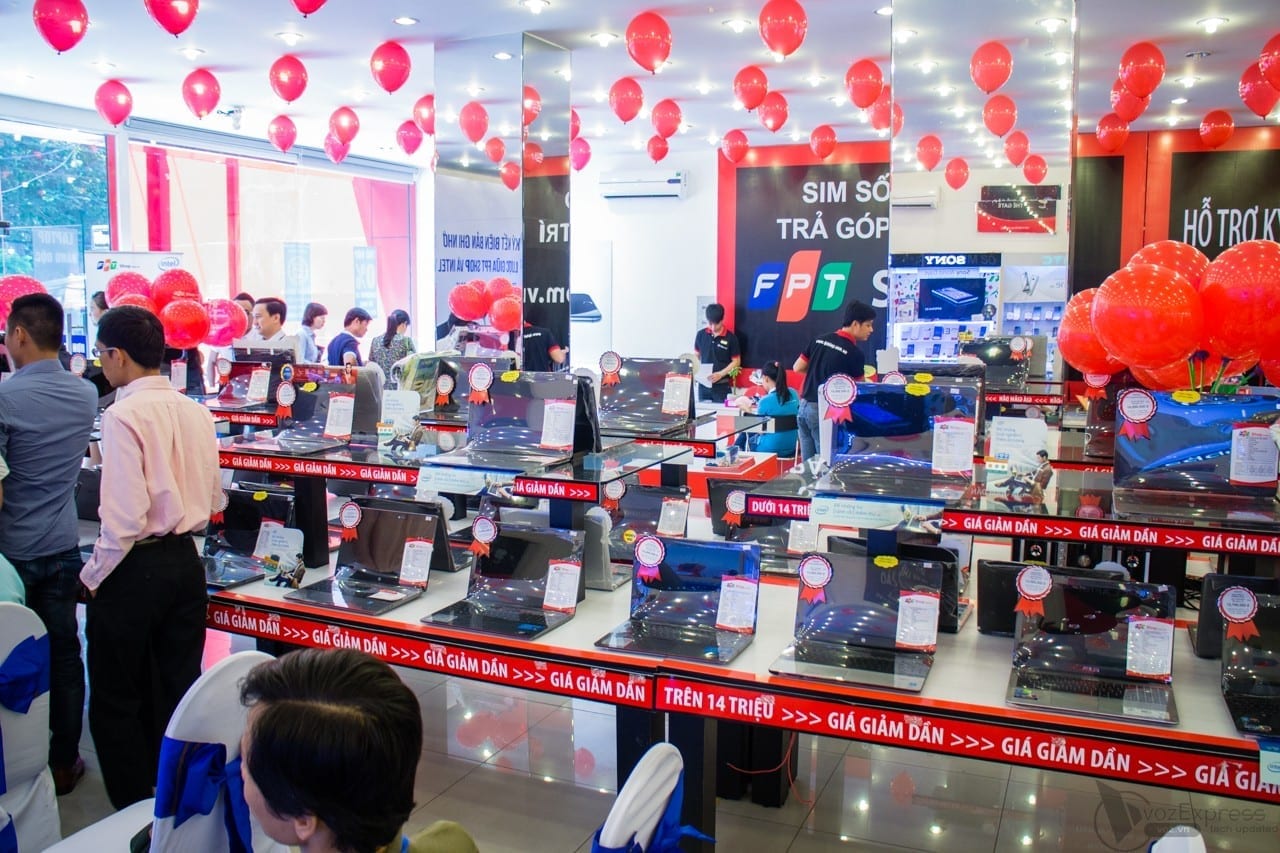
    The omnichannel model has become a new weapon in the race to maintain and expand market share in the electronics retail industry.

    The coveted Top 3

    A latecomer taking on established competitors, FPT Shop only started to strengthen its e-commerce channel in 2014. Within a single year, revenue from this business segment was only VND318 billion out of the total VND5.226 trillion ($13.98 million out of $229.91 million). FPT Shop’s website’s traffic reached a modest 100,000 visitors per day.

    In 2015, the firm’s e-commerce revenue posted VND568 billion ($24.98 million) and traffic doubled. In 2016, revenue from online sales grew by over 200 per cent, registering VND1.2 trillion ($52.79 million) and contributing approximately 10 per cent of its total revenue. Traffic was 800,000 visitors per day.

    Although FPT Shop’s e-commerce revenue in 2016 was only half of its largest competitor The Gioi Di Dong, this is considered an optimistic sign of greater opportunities as FPT Shop enters the potential e-commerce playground.

    According to Ngo Quoc Bao, director of business development of FPT Retail, FPT Shop has set a more ambitious target. “E-commerce revenue will double in 2017, crossing the VND2 trillion ($87.98 million) threshold,” said Bao. Such acceleration of growth shows FPT Shop’s intention toward professional omnichannel retailing. “We will continue the strong development of offline and online channels and the strategic partnership with companies like Google and Facebook to boost customer outreach,” remarked Bao.

    In order to achieve this, FPT Shop implemented comprehensive HR restructuring at the e-Commerce Centre from upper management to business strategy. While it used to open 5-7 stores a month, now the rate is only 1-2 stores per month, with no plans for further physical store expansion in the near future. Its current store count is 430.

    According to Bao, as FPT Shop entered the online arena later than its competitors, it has to reach one million customers this year. To achieve this, FPT Shop must boost traffic, optimise user experience to increase returning visitors, ensure confidentiality, convenience, and timeliness in online payments.

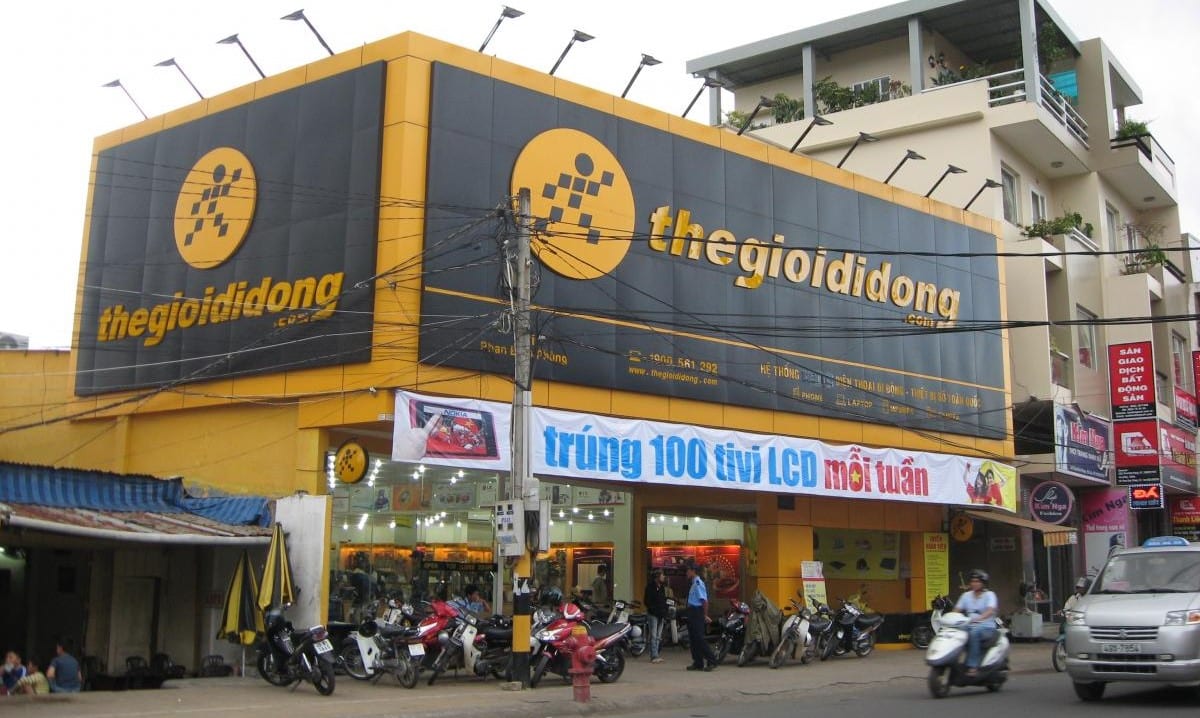
    The Gioi Di Dong (MWG) is arguably the first entrant to the online retail realm. This major name is in possession of the largest market share, with 10 per cent, thanks to a formidable online presence that is considered superior to that of Lazada (mostly owned by Alibaba) and Zalora (wholly owned by Nguyen Kim and Central Group).

    According to market research firm Euromonitor International, although market shares fluctuate year to year, MWG continues asserting its dominance among online retailers since 2011. MWG determined hefty targets for online retail as revenue from this source is set to double over-year to VND6.65 trillion ($292.55 million). The company’s total supermarket count will reach 1,207, of which thegioididong.com accounts for 951, Dien may XANH 256 for supermarkets and 40 for stores. Along with all this, Vuivui.com, a dedicated e-commerce site, will play a crucial role in the company’s strategy.

    Nguyen Duc Tai, president of MWG, commented that middle and high-school students tend to make more and more online purchases. Vuivui.com is the company’s investment for this future consumer base. The platform may even become MWG’s growth driver by 2020. “But for now, physical stores remain MWG’s chief money maker,” said Tai.

    Talks of the race to expand among the likes of FPT Shop and MWG cannot leave out Vien Thong A, a name ringing fewer bells, who is currently ranked third in the online retail arena. This retailer had an impressive year in 2016, where it opened 63 new supermarkets nationwide, boosting total count to nearly 300. Additionally, the retailer’s revenue went up by 30 per cent on-year.

    Besides tackling the coverage target and growth at least of 30 per cent, this year Vien Thong A will expand its online sales activities, which in 2016 generated only 5 per cent of the revenue made through traditional channels.

    Hoang Ngoc Vy, CEO of Vien Thong A, said the company is looking to expand its B2B online business in order to meet the ever-increasing demand. “The development of omnichannel tactics to offer services regardless of location and timing is our top priority,” remarked Vy.

    In order to jumpstart this business segment, Vien Thong A has to meticulously identify a strategic investor as its partner in this race.

    A game of speed

    According to Euromonitor International, by 2020, online electronics retail will grow at 30.9 per cent CAGR, reaching VND20.985 trillion ($923.18 million). Meanwhile, purchasing behaviour is changing, shifting to more time spent online, leading the offline channel to saturation, with increasingly limited room for growth.

    In reality, omnichannel retailing has been steadily gaining ground for the past three years in Vietnam as mini-scale online stores started mushrooming on Facebook with numerous online sales tactics.

    Especially, Zalo (VNG) launched Zalo Shop to provide independent online merchants with a direct platform to 60 million customers without acquiring technical capabilities. Zalo users can conveniently “browse” thousands of stores on the uniform interface of Zalo Shop and easily make purchases without searching on Facebook or Google. Boasting these advantages, the online channel, more than ever before, has become considerably lucrative.

    According to statistics by Google, Vietnam is second in the world in terms of the number of online retail merchants. Whether this form of retail can grow sustainably remains, however, a question as customers are hesitant to accept/trust these independent small-scale businesses.

    Such prospects push retailers towards change. They admit the never-before-seen potential of omnichannel in awakening the market and capturing new customer segments.

    Bao commented that FPT Shop must expand its coverage and get ahead of market demand. However the Vietnamese consumers are naturally sceptical. Online buyers would visit offline stores to browse the merchandise, compare the products and prices. Therefore, it is advisable that companies stay mindful of their physical chains.

    Logistics above all

    “Never coerce consumers to online channels, since physical visits are conducive to unintended additional purchases. It depends on geographic and taste factors that enterprises coordinate their channels, hence enhancing brand recognition,” said Bao.

    In the race of omnichannel retailing, the essential survival tip is understanding, satisfying, and building trust with customers. To achieve this, retailers are responsible for guaranteeing the authenticity, quality, and timeliness of merchandise. Logistics, therefore, should be an investment priority.

    The Gioi Di Dong used to outsource its logistics but has since developed its own delivery capabilities. FPT Shop utilises its own store staff for delivery.

    “In that way, our delivery staff can directly consult the customers on product use and ensure our reputation,” commented Bao.

    Regarding logistics, Luong Duy Hoai, CEO of Giao hang nhanh (GHN) said, in the future, a product from abroad can easily reach Vietnamese consumers. The same goes for Vietnamese goods sold to other countries.

    Therefore, it is no longer a matter of speed but of agility to comprehend and lead the industry landscape by market shares. The challenge for modern retailing is the shipment of million, even tens of millions, of orders on a daily basis. The ultimate success factor lies in a delivery network that can address the complexities of increasingly customised demands. It is up to each retailer to rapidly transform its model according to the current technological trends.
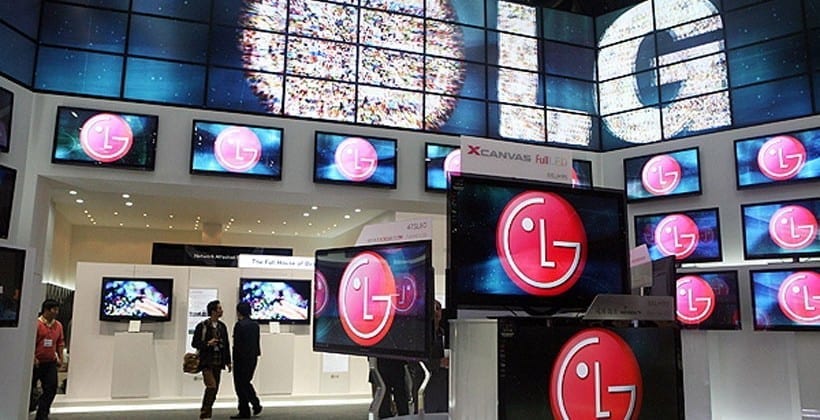
  • Profits fall again at South Korea’s LG Electronics

    Profits fall again at South Korea’s LG Electronics

    South Korea’s LG Electronics on Wednesday reported its second successive year of slumping net profits due partly to weak smartphone sales.

    Full-year net profit for 2016 was 126.3 billion won (Dh398 million, $109.3 million), the Seoul-based firm said, down by almost half on 2015 — when they had fallen by 50 per cent.

    The company produces a range of products, from mobile phones to televisions and home appliances including air conditioners, washers and refrigerators.

    It said in a statement it fell into losses in the fourth quarter, taking hits in its mobile telecommunications and vehicle components businesses.

    LG Electronics made a net loss of 258.8 billion won ($224 million) in the October-December period.

    Its home appliances and home entertainment units both turned in strong performances, but in mobile communications “profitability was hampered by weak sales of the G5 smartphone and higher marketing investments”.

    LG has struggled for years to increase its smartphone sales after a late entry into the market dominated by Samsung and Apple.

    It has since found itself hemmed in by emerging Chinese rivals such as Huawei or Xiaomi.

    Its vehicle components unit saw revenues jump by nearly two-thirds in the fourth quarter, but “R&D investments negatively affected profitability”, it said.

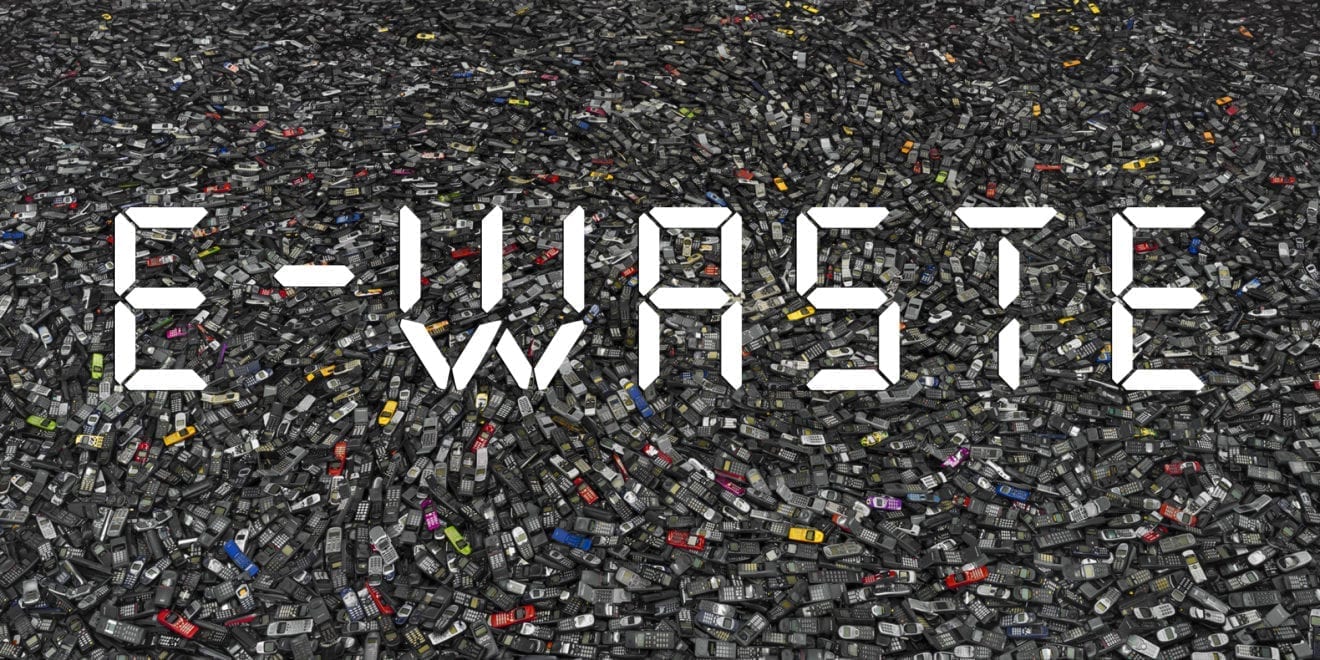
  • How does electronic waste get recycled?

    How does electronic waste get recycled?

    The life cycle of electronics and electrical equipment (EEE) does not end when they stop working.If recycled properly, the precious metals found in electronic waste can go towards new EEE products.Discarded consumer electronics such as mobile phones, for instance, contain small amounts of precious and rare earth metals such as gold and silver.Scrapped cars and home appliances such as fridges and air conditioners also contain these rare metals, along with base metals of iron and zinc.In Singapore, there are several e-waste recycling initiatives for consumers.

    StarHub, for instance, partners recycling company Tes-Amm and logistics company DHL Delivery to place 328 specialised recycling bins in 277 locations under its Renew programme.Singtel has recycling bins placed at three of its shops for consumers to discard their used gadgets.Under the Project Homecoming initiative led by Canon and Epson, those with ink and toner cartridges can also drop them off at selected National Library Board locations.SORTED

    Once collected, the e-waste is sorted, labelled and dismantled according to their types – wires, LCD screens, hard disks and more.Measures, such as demagnetising hard disks, are taken to ensure data security.The e-waste is then exported to countries equipped to separate the metals through chemical processes.Once extracted, the metals are used in the manufacture of new products.

    Why recycle e-waste?

    When electronic waste is not disposed of properly, both the environment and public health suffer.This is because e-waste is very heterogeneous, National University of Singapore’s Associate Professor Tong Yen Wah explained.Apart from being made up of many types of components and materials, discarded electronics are also assembled in many ways, from simple devices like batteries to complex ones like smartphones.
    “All of these make e-waste very difficult to handle and recycle, and if their disposal is not done properly, these materials can get out and be circulated in the environment,” said the co-director of NUS’ Energy and Environmental Sustainability Solutions for Megacities programme.For instance, toxins from e-waste in landfills can seep into the groundwater that flows into rivers, causing water pollution.
  • South Korean home appliance and IT giant opens new store in Genting

    South Korean home appliance and IT giant opens new store in Genting

    Samsung Malaysia Electronics has launched its first Samsung Experience Store (SES) in Genting Highlands at the Sky Avenue mall, offering a wide range of the Samsung Galaxy mobile phones as well as a variety of wearables.

    The SES outlet is a one-stop shop that provides customer satisfaction with the best products and services.

    “The opening of the SES is another step forward in our expansion plans to different regions of Malaysia,” said Samsung Malaysia Electronics IT & mobile business unit vice-president Lee Jui Siang.

    “Our aim is to continuously expand our channel coverage, providing consumers a revolutionary digital convergence experience.

    Visitors to Genting Highlands can now experience the full Galaxy ecosystem at the newly opened Samsung Experience Store in the prestigious Sky Avenue mall.

    “With this expansion to Genting Highlands, we want to bring our innovations closer to locals as well as those visiting the country,” he said.

    In celebration of the store’s opening, Samsung offered customers a chance to take home a personalised caricature mug specially drawn using a Galaxy Note5 with purchase of any Samsung product on Jan 14.

    The company also gave away a special edition umbrella for the purchase of any Samsung product.

    Located at Lot T2B-57, Level T2B, Sky Avenue, Genting Highlands Resorts, the SES is now open every day from 10am to 10pm.

    Samsung Malaysia Electronics president Lee Sang Hoon (right) presenting a specially designed caricature mug, drawn using the Galaxy Note5, to Netcom Mobility Sdn Bhd director Elvis Chew as a token of appreciation.

    Samsung Malaysia Electronics president Lee Sang Hoon (right) presenting a specially designed caricature mug, drawn using the Galaxy Note5, to Netcom Mobility Sdn Bhd director Elvis Chew as a token of appreciation.
  • 200 Vietnamese firms in Samsung chain

    200 Vietnamese firms in Samsung chain

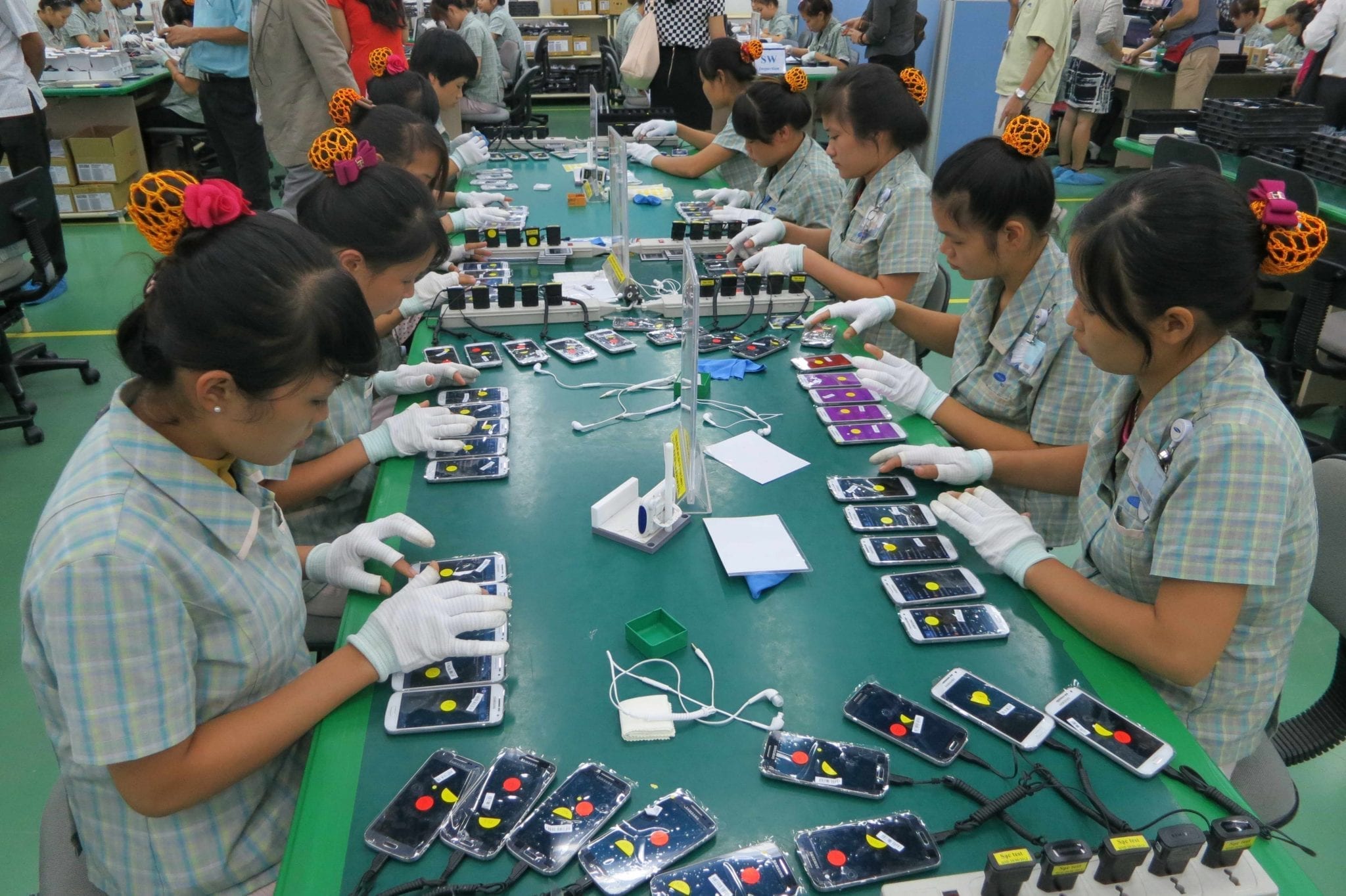
    Nearly 200 Vietnamese enterprises are participating in the component supply chain used by three Samsung plants in Việt Nam, including 20 tier-1 vendors and 178 tier-2 vendors.

    Also, Samsung plans to raise the number of level-1 suppliers in Việt Nam to 29 this year, said Han Myoungsup, President of Samsung Complex Việt Nam.

    Several local companies were able to join Samsung’s production chain, showing that Việt Nam’s support industry could be developed if domestic firms know how to take advantage of the opportunities provided by large enterprises.

    Samsung Việt Nam’s management board last week visited and surveyed the two companies, An Lập Plastic Co Ltd in Hà Nội’s Long Biên District and Việt Hưng Plastic Co Ltd in Hưng Yên Province. It also worked directly with three other suppliers, including PTE Company, Minh Nguyên Company and Việt Hưng Plastic Co Ltd in HCM City.

    This field survey is part of Samsung’s programme to provide experts to help Vietnamese vendors improve their capacity to join Samsung’s supply chain.

    “Samsung Việt Nam has also recorded a significant breakthrough in raising the localisation rate of products, from 35 per cent in 2014 to 51 per cent in 2016. This is a great contribution that helps made-in-Việt Nam products become popular worldwide,” Han said.

    Samsung’s five-vendor visit is part of the supporting programme of Samsung’s experts for Vietnamese businesses. Accordingly, Samsung’s experienced experts from South Korea have directly assisted the five enterprises in the past three months to improve their production process to assure they meet Samsung’s criteria. They are also five of 14 Vietnamese vendors who have received Samsung’s direct assistance since September 2015.

    This supporting programme has also confirmed a strong commitment of Samsung, in response to a call by the Government of Việt Nam, which is increasing the localisation rate and the presence of Vietnamese enterprises in Samsung’s component supply chain.

    “I do hope that, through Samsung’s supporting programme, Vietnamese enterprises could gain the knowledge and experience to enhance their capacities. Samsung believes that if a product can be localised, we will maximize its localised content,” Han added.

    Hoàng Anh Tuân, President of Việt Hưng Plastic Company, said their turnover has seen rapid growth since they have been supplying packaging to Samsung. Last year, their sales to Samsung accounted for half of their total VNĐ2 trillion (US$88.9 million) turnover.

    “Our largest advantage from Samsung’s supporting programme is the change in mindset. We commit to always learning and changing in order to apply experience from Samsung in the best way,” Tuân added.

    “Being suppliers to Samsung could be a quality measurement to help local firms easily participate into other value chains. We are also a packaging supplier to LG and Canon,” he noted.

    He emphasised that joining the supply chain for Samsung has been transparent and open to all businesses. Those seek to participate in the chain without sufficient capacity would be immediately removed.

    Trương Quang Khởi, An Lập’s director, said they have opportunities to modernise their company after joining the Samsung production chain.

    “We have received support from Samsung to upgrade our workshops, equipment and technology, as well as to learn effective management models,” he added.

    Samsung Electronics is one of the largest foreign investors in Việt Nam, with three manufacturing plants in Bắc Ninh (SEV), Thái Nguyên (SEVT) and HCM City (SEHC). With an export turnover of over $37 billion in 2016, Samsung Electronics in Việt Nam contributed 20 per cent to Việt Nam’s exports.

    This year, Samsung Electronics in Việt Nam has set a target of 7-10 per cent growth in export turnovers. Samsung aims to not only turn Việt Nam into the world’s smartphones and electronic appliance production base, but also create more opportunities for Vietnamese enterprises in the field of supporting industries to become involved in Samsung’s global supply chain.

  • Samsung Vietnam develops intensive language programe

    Samsung Vietnam develops intensive language programe

    Samsung Electronics Việt Nam (SEV) in association with University of Social Sciences and Humanities and the University of Languages and International Studies on Saturday held a ceremony to mark completion of the 14th Korean language course.

    The course was taken by outstanding employees at SEV and Samsung Electronics Việt Nam Thái Nguyên (SEVT) plants.

    The programme is a part of SEV’s sustainable development plan to contribute to the country’s high quality human resource development in general and to provide Samsung’s employees opportunities to learn and improve their capabilities.

    The programme is undertaken by Samsung annually for free for its employee, with the company spending nearly VNĐ50million (US$2,200) spent per trainee, and is exclusive for employees performing exceptionally well in the SEV and SEVT plants.

    Each course, which continues for 12 straight weeks, will be taught by Korean lecturers and Vietnamese teachers with PhD and master’s degrees from the two leading universities.

    On returning to work, the employees can practice their intensive Korean skills at their department by self-study or through spending time with Korean dispatchers. Following the 12-weeks course, all trainees will get the opportunity to obtain the TOPIK certificate. All the trainees are provided with training, accommodation and meals for free.

    “We believe every Samsung employee comes here not just to work, but to also get an opportunity to develop soft skills and hard skills for their personal development. Therefore, their development is a high priority within the company. We hope through these training programmes, our Vietnamese employees will be more proactive and confident in the global working environment and develop solid skills during the management process in the future”, Cho Hoseok, general director of Human Resources, said.

    Established in 2014, Samsung has organised 14 Korean training courses for nearly 250 employees. Samsung expects to host another six training courses for 120 employees next year.

    Samsung has also established several training programnes for management levels, as well as the entire staff body at the two factories.

  • Hong Kong electronics pricing losing edge

    Hong Kong electronics pricing losing edge

    Hong Kong’s reputation as a go-to destination for cheap electronics prices is under threat.

    According to a survey of 72 global markets by South American eCommerce vendor Linio.com, Hong Kong electronics are not the cheapest in the world – in fact in the case of some products, Hong Kong ranks in the middle to most expensive.

    hong-kong-ranking

    Venezuela proved the most expensive market for every one of the 14 products compared, due to out-of-control inflation

    Linio.com’s 2016-17 Technology Price Index takes into account the cost of smartphones, laptops, games consoles, tablets, smart devices, and other gadgets, ranking the countries on the average cost of all products researched.

    The entire table can be viewed online.

    second-most-expensive-countries

    To conduct the research Linio looked at the costs of all products in the study from several brick-and-mortar chain stores and smaller retailers in all major cities in each country. The study also took into account average costs from at least three reputable online outlets in each country. Taxes and other associated purchasing costs, minus delivery, were also accounted for.

    The results, which were ranked in order of average cost of all products researched, reveal that Hong Kong has an overall ranking of 12. Hong Kong also ranks in the top 10 most affordable countries for iPad Mini, Apple Watches, and External Hard Drives.

    “At Linio, we place a high value on transparency with our customers, and we hope that our index helps people more confidently interpret variations in tech price around the world,” said Andreas Mjelde Linio’s CEO. “Increasingly, the average citizen is a global one, and with a better understanding of global markets comes empowerment to travel, shop, and live smarter.”

    most-affordable-countries

  • Tesla Motors to get semiconductors from Samsung Electronics

    Tesla Motors to get semiconductors from Samsung Electronics

    Samsung Electronics will supply semiconductors to US electric car maker Tesla Motors, South Korea’s Electronic Times reported on Friday citing unnamed sources.

    Samsung would contract manufacture chips for self-driving features in Tesla vehicles, the paper reported, without putting a value on the order.

    The South Korean firm has been trying to build auto-related sales for components such as semiconductors and displays in a push to develop a new growth engine.

    Samsung in November said it would acquire Harman International Industries for $8 billion in a bid to grow quickly in the automotive market.

    Samsung did not immediately comment on the report, while Tesla could not be immediately reached for comment.

  • World’s Largest Electronics Marketplace Opens in Hong Kong

    World’s Largest Electronics Marketplace Opens in Hong Kong

    The Hong Kong Electronics Fair (Autumn Edition) and electronicAsia opened today at the Hong Kong Convention and Exhibition Centre (HKCEC) and continue through 16 October. The 36th Electronics Fair (Autumn Edition) is organised by the Hong Kong Trade Development Council (HKTDC), while the 20th electronicAsia is jointly organised by the HKTDC and MMI Asia Pte Ltd.

    “As the world’s largest electronics marketplace, the Electronics Fair and electronicAsia gather around 4,200 exhibitors from 29 countries and regions,” said Benjamin Chau, Acting Executive Director, HKTDC. “The exhibits this year include smart tech, virtual reality, wearable electronics and more, demonstrating the industry’s ability to keep abreast of the technology trends and launch products that match the market’s demand. We hope they will be received well during the fairs.”

    The HKTDC has organised more than 140 buyer missions this year representing more than 12,000 global buyers from over 8,000 companies to the two fairs. These include major international retailers, importers and distributors such as TDL from Canada, Product Group from Australia, Casino from France, Casanova from Spain, Mad Robots from Russia, Mobibox from Brazil, Sound Village from Argentina, LehuMall.com from the Chinese mainland, Croma from India, ICST from Japan, Signeo from Singapore and Matahari Mall.com from Indonesia.

    Debut Virtual Reality and Startup zones showcase innovative technology and ideas

    Adopting smart and high-tech solutions has become a prevailing trend across virtually all sectors. To effectively showcase the latest technologies and products, the HKTDC has introduced a new Tech Hall at the Convention Hall, clustering five thematic zones including the inaugural Virtual Reality and Startup zones, as well as Smart Tech, Robotics & Unmanned Tech and 3D Printing. This assemblage will help buyers source high-tech electronic products with ease while investors can explore investment and partnership opportunities in a range of new technologies developed by startups.

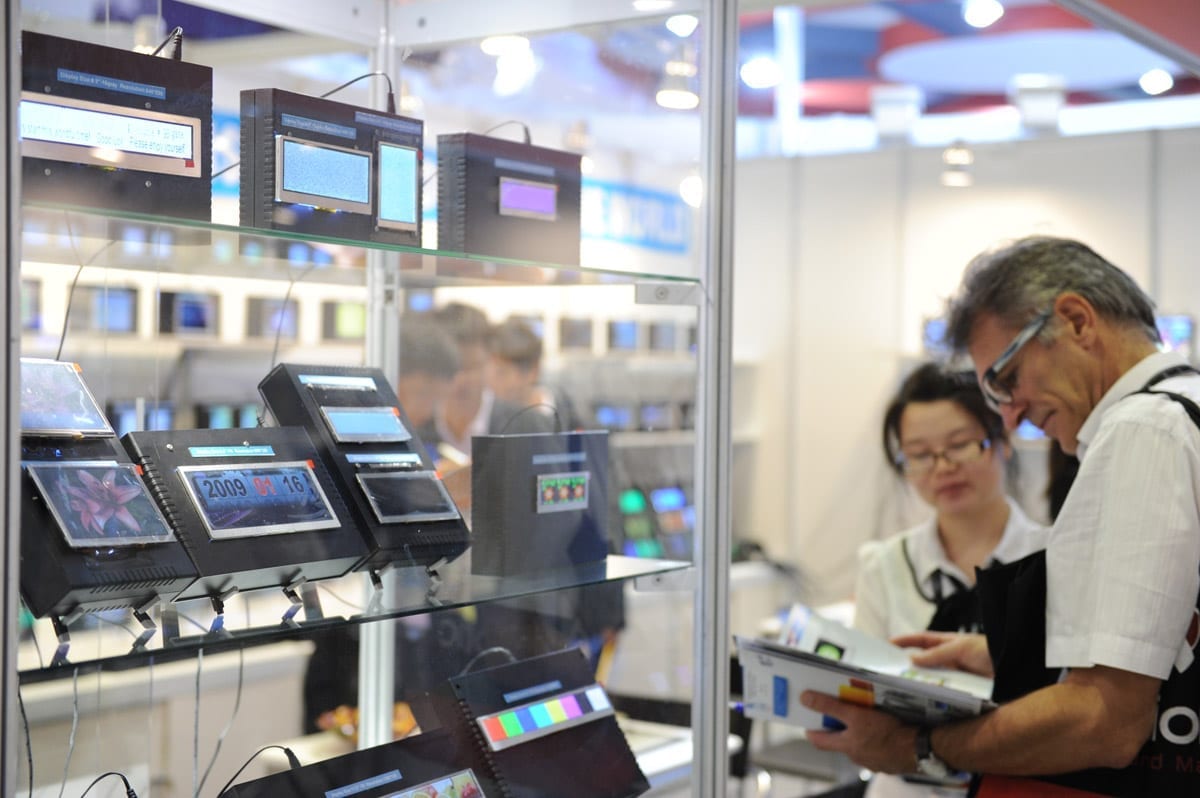
    Startups are a growing force in driving economic diversity. The new Startup zone gathers close to 50 startup companies from Hong Kong, Canada, the Chinese mainland, Taiwan and the US to showcase new technologies. A Canadian exhibitor is presenting an in-vehicle diagnostic and monitoring device that can transform a conventional car into a smart vehicle. Its nine-axis sensor can gather data to reconstruct the car’s motion path if it is involved in an accident. A local startup exhibitor is introducing an electronic smart price tag equipped with a high-definition colour display and Wi-Fi, allowing pricing information to be updated wirelessly in real-time.

    To stand out in the marketplace, startups need suitable opportunities to explain their ideas and showcase their products to potential investors. To this end, the Electronics Fair provides an excellent platform with a series of startup-themed events on the programme. These include the “First Step of Your Startup Project” seminar, which features Ben Bateman, Senior Director of Strategic Programs of the US crowdfunding platform Indiegogo, a pitching session where startups can pitch solutions or product ideas to potential investors on the spot, as well as “Startup, Smart Launch” where newly developed technology and products can be introduced to buyers. Entrepreneurs behind successful startups are also on hand to share their experiences with visitors.

    Virtual Reality zone energises the tech craze

    Many industry players in the technology and online gaming sectors are investing in the development of virtual reality (VR) applications. The new Virtual Reality zone at the Electronics Fair is showcasing a range of VR headsets and related technology as well as VR video cameras. One of the Hong Kong exhibitors is using the fair to parade its 360-degree VR drone, a professional grade system for filming 360-degree panoramic scenes and VR videos. It is compatible with action cameras, enabling all-direction aerial spherical photography. A company from Taiwan has brought its 3D video camera module that enables users to capture 3D videos on a mobile phone with the module and an app.

    Launched last year, the Smart Tech and Robotics & Unmanned Tech zones continue to be popular with fair visitors keen to view the latest creative products and future technologies including robots with IoT technology, luggage tracking bands, drones and electric scooters. Meanwhile, the 3D Printing zone features 3D printers and related materials and technology. A local exhibitor is presenting a 3D printing education kit for use at home or in a professional learning setting. Users can assemble the printer themselves to print directly and, in the process, learn more about 3D printing technology.

    Hall of Fame presents branded products

    The brand of an electronic product is one of the key factors influencing consumer purchasing decisions. The Hall of Fame at the Electronics Fair gathers electronic products from some 550 brands, covering digital entertainment, home tech, wireless and communications, power and accessories. Buyers can choose from a wide variety of respected brands at the fair, including Desay, Goodway, GP Batteries, Haier, Intel, Motorola and VTech.

    electronicAsia offers cutting-edge electronic parts and components

    Held concurrently with the Electronics Fair, electronicAsia is an important sourcing platform for electronic components and production technologies. The fair gathers cutting-edge innovations from the US, Germany, France, Singapore, Taiwan, Japan and Korea, providing the industry with new product design ideas and materials. One of the highlight zones is World of Display Technology, which features products such as a LCD display suitable for outdoor use under direct sunlight. The product features a wide-viewing angle, high-resolution display and can also be used as a touch-screen panel.

    electronicAsia is also showcasing other components such as printed circuit boards, keyboards, switches, integrated circuits as well as parts, modules and technology for solar and photovoltaic energy. Key components for smart devices such as display backlight and smart switch modules are also on show, targeting mobile device manufacturers.

    Symposium on Innovation & Technology discusses IoT and smart devices

    Besides being an annual sourcing event for the industry, the Electronics Fair and electronicAsia also provide insights into market trends and industry intelligence. As smart devices and IoT technology continue to gain attention, the HKTDC is nurturing these trends by jointly organising today’s Symposium on Innovation & Technology with the Hong Kong Electronics & Technologies Association. Representatives from the world’s leading tech companies including Tesla, Amazon Web Services, HP and Qualcomm are among those sharing their expertise on smart tech and IoT trends.

    During the two fairs, a number of buyer forums and seminars are organised to address hot-button issues in the electronics sector such as virtual reality, augmented reality, wearable technology and integrated circuits among other industry developments. Meanwhile, TEDxHong Kong will be held on Saturday (15 October). TED, which stands for “Technology, Entertainment, Design”, is a forum for thought leaders from various sectors to share their views on future technological advancements. The winning products of The Electronic Industries Awards (EIA) 2016, jointly organised by the HKTDC and the Hong Kong Electronic Industries Association (HKEIA), are displayed at the fairground (booth no.: 1CON-00B). This year, there are 21 award winners from 13 product categories. The EIA aims to stimulate creative design and innovation within the electronics industry, as well as recognise and award exhibitors for their outstanding performance.

    Big business through small orders

    In view of the keen demand for small order sourcing, the hktdc.com Small Orders zone returns to the fair, featuring a total of more than 330 counters offering over 2,900 products for buyers looking to source products in minimum quantities of between five and 1,000 pieces. With the increasing popularity of e-commerce, the Small-Order Online Transaction Platform (https://smallorders.hktdc.com) enables global buyers to complete transactions with suppliers online. The platform is displaying more than 120,000 products from over 10,000 suppliers.

  • Pervasive Displays collaborates with Energia IDE to add ultra-low power e-paper

    Pervasive Displays collaborates with Energia IDE to add ultra-low power e-paper

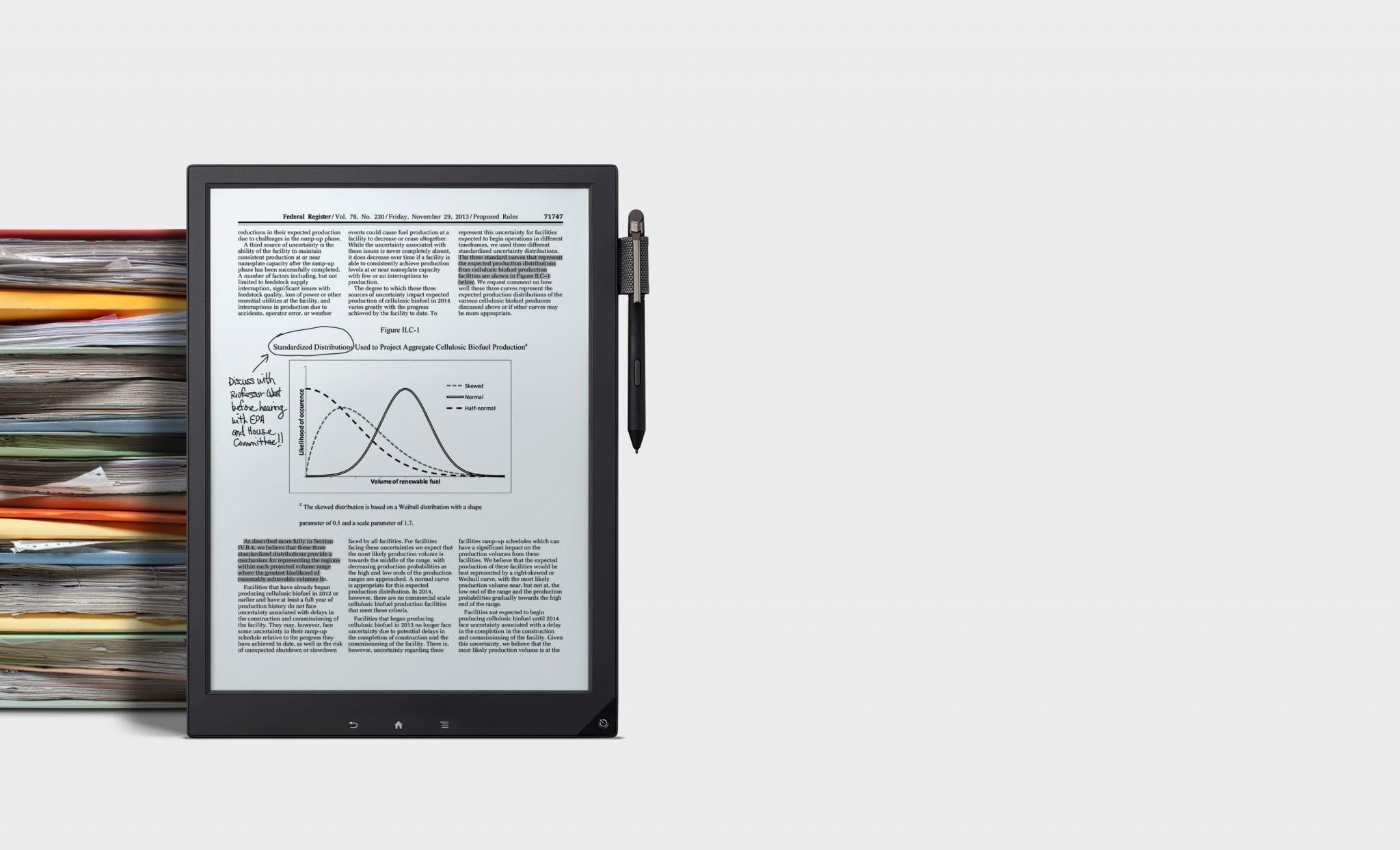
    Pervasive Displays (PDi), a world leader in e-paper displays today announced the results of its collaboration with community-driven and open source electronics prototyping platform provider Energia. The Energia integrated development environment (IDE) provides similar support for the Texas Instruments (TI) family of LaunchPad development platforms as the Arduino and Wiring IDE.

    Designed to bring the same Arduino-style application development simplicity to the LaunchPad ecosystem, the Energia IDE provides support across the range of MSP430™ microcontroller(MCU)-, MSP432™ MCU, SimpleLink™ Wi-Fi® CC3200 wireless MCU- and TM4C microcontroller boards.

    Within Energia IDE’s Library Manager all the necessary driver libraries for the range of Pervasive Displays 1.44 to 4.2 inch e-paper displays are built in. In addition, support for future three-color displays is accommodated. Full support is also provisioned for the recently announced EPD Extension Kit Gen (EXT2) extension board that is constructed in a TI LaunchPad kit and BoosterPack™ plug-in module-compliant format.

    By incorporating native IDE driver support, both Pervasive Displays and Energia are easing the development of designs that use e-paper displays. E-paper displays are ideal where power budget restrictions mean that driving an LCD display is not possible. E‑paper only requires energy to change the information displayed. Once changed, the power source can be removed and the information last displayed remains. This approach yields exceptionally long battery life; a single coin cell will power some applications for many years.

    Adrian Fernandez, microcontroller customer experience manager at TI commented, “Integrating ease of access to e-paper displays by providing full library support through our LaunchPad kit ecosystem and the Energia IDE gives developers every opportunity to trial their capabilities and incorporate them into their next design. Energia support for the e-paper BoosterPack module will enable the maker community in their various endeavours.”

    Robert Wessels, Founder of Energia said, “The LaunchPad kit is an ideal development environment ecosystem from which to prototype a wide range of applications and these advancements will enable rapid future prototyping. The addition of native Energia IDE support for Pervasive Displays’ range of e-paper displays further broadens the possible range of applications and expands into a number of sectors where extremely low power consumption and/or energy harvesting techniques are essential. The fact that the display continues to show an image after the power has been disconnected facilitates display-based developments not previously possible and we are getting very positive reviews on the second generation of the Pervasive Displays e‑paper extension kit with support for new screens and new LaunchPad kits.”

  • Myanmar consumers go on spending spree

    Myanmar consumers go on spending spree

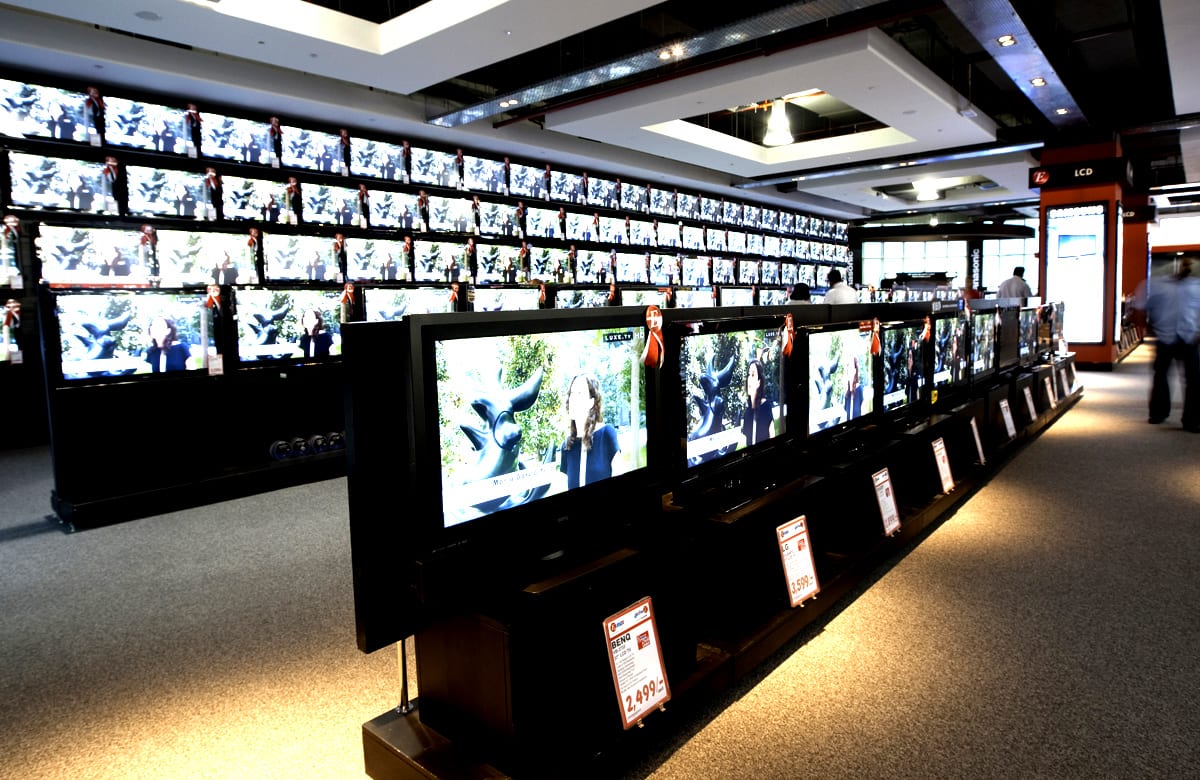
    Myanmar consumers are buying more and more flat-screen TVs, refrigerators and washing machines each month as the country’s economy strengthens following its liberalisation.

    In a study in the Mandalay and Yangon regions, commissioned by market information company GFK Asia, nearly 152,000 TVs were bought in the first quarter of 2016, generating sales totalling more than US$36 million.

    While 49 per cent of market demand was skewed toward 32” LED TV models in the quarter, the 40-43” segment grew from 12 per cent in January to 20 per cent of total sales in March. The trend was similar for the full-HD and UHD segments, in a market largely made up of HD ready-only models (55 per cent).

    GFK Southeast Asia MD Stanley Kee says there was “robust” buying in the months leading up to the Burmese new year last month. “This is an important period for retailers as aggressive efforts to drive sales are in full force.”

    While 38 per cent of TV units sold were in the $200-300 price range, GFK found a consecutive monthly incremental demand for TVs priced $400 and above, with the volume share nearly tripling from 5 per cent in January to 15 per cent in March. In value terms, the segment accounted for 36 per cent of entire TV sales that month alone. Overall, smart TVs made up less than 7 per cent of TV sets sold.

    In the refrigerator market, the number sold in March more than doubled the combined total sales in January and February, netting $6.9 million within a single month. One-door fridges dominated (65 per cent of sales volume), while 34 per cent were two-door, freezer-top models. Consumers spent $21.5 million on nearly 116,000 units in the quarter.

    Meanwhile, more than 59,000 washing machines worth nearly $10.5 million were bought in the period – 70 per cent single-tub washers and the rest double-tub models.

  • Mobile World crossing borders

    Mobile World crossing borders

    As well as electronics and mobile phones, its usual products, Vietnamese chain Mobile World is planning to distribute groceries in its first stores in Cambodia, Laos and Myanmar.

    CEO Tran Kinh Doanh says the stores will open early next year.

    Meanwhile, he has revealed two goals – to become one of the biggest eCommerce firms in Vietnam, and to bring in revenue of about VND34,000 billion (US$1.51 billion) this year. This would provide an after-tax profit of VND1400 billion – up VND400 billion on the past financial year.

    With 70 stores and a distribution network covering 42 provinces and cities, Mobile World last year earned VND25,000 billion, giving an after-tax profit of VND1000 billion. Both revenue and profit grew by 60 to 70 per cent. Online sales contributed less than 10 per cent of total revenue.

    Mobile World opened more than 200 cellphone stores last year, taking its total to 550, and this year it plans to expand its network to all 63 provinces and cities in Vietnam to become the second-largest electronic and mobile phone retail chain in the nation.

    It decision to join the food market with 13 stores was announced late last year. The corporation has 17,000 employees, expecting to grow this to about 26,000 people.