Retail News CRM

Tag: flipkart

  • Amazon India proposes $500m food venture

    Amazon India proposes $500m food venture

    Amazon India has applied to the government to invest US$500 million in a wholly owned venture that will allow the US eCommerce giant to stock locally produced food items and sell them online.

    If successful, it would become the first foreign retailer to enter the segment.

    Amazon already has an eCommerce marketplace in India, but while 100 per cent overseas capital is permitted for such platforms, they cannot sell products of their own. Last year, the government allowed for 100 per cent foreign investment in the retailing of processed foods made in India.

    Amazon has filed its application with the Department of Industrial Policy & Promotion (DIPP), which handles foreign investment in retailing and e­Commerce. The company plans to invest $500 million over five years and could start selling locally produced food items within six months of obtaining approval, says an insider.

    “We are excited by the government’s continued efforts to encourage foreign direct investment in India for a stronger food-supply chain,” says an Amazon spokesperson. “We have sought an approval to invest and partner with the government in achieving this vision.”

    Only Indian grocery delivery companies Big­Basket and Grofers have applied under
    the category, prompting the government to invite companies including CP Foods (Thailand), Heinz, Nestle and Walmart to provide feedback and investment plans.

    This followed the minister for food-processing industries Harsimrat Kaur Badal visiting London with a team of officials last year to meet representatives of such companies as Cobra Beer, Harrods, Marks & Spencer, Sainsbury’s and Tesco to drum up support for the policy.

    Amazon’s current online platform is open to Indian-­owned entities, and similar platforms are run by Flipkart, the country’s largest eCommerce company, and Snapdeal.
  • Amazon big shopping to buy Flipkart

    Amazon big shopping to buy Flipkart

    In a bid to knock online marketplace Flipkart from its leadership position in India, eCommerce giant Amazon has injected Rs2010 crore (US$296 million) into its Indian unit.

    Regulatory filings show that the move takes Amazon’s total capital investment in India to more than Rs7000 crore in the past one year.

    “We will invest what it takes to become the customers’ preferred choice in India, and are encouraged that we are India’s largest and fastest-growing eCommerce marketplace,” says an Amazon India spokeswoman.

    A report in The Economic Times says Amazon is estimated to have spent more than Rs1000 crore last month to woo customers with special offers and discounts for the festive season, and is losing about Rs600 crore every month.

    Amazon entered India three years ago, introducing some of its global programs this year including its Prime service, which offers quicker deliveries and early-access deals.

    Last week, it announced Prime Video services for India offering Hollywood and other international movies and TV shows – plus launching nine original Indian shows, making it the largest Indian original line-up on an OTT (over-the-top) platform.

    Earlier this month Amazon announced the launch in India of its global program for start-up products, Launchpad, and in October it launched Global Store, offering products from its US online store that are not available in India.

    Meanwhile, Flipkart’s Sachin Bansal is seeking government help in the battle against Amazon.

  • Amazon’s flagship India unit beats Flipkart’s in revenue

    Amazon’s flagship India unit beats Flipkart’s in revenue

    Amazon’s flagship unit in India Amazon Seller Services has more than doubled its revenues in the year ended March, leading rival Flipkart’s similar firm in terms of revenues.

    Amazon Seller Services’ turnover for the last fiscal rose 116% to Rs 2,217 crore while Flipkart Internet’s sales increased 153% to Rs 1,952 crore during the same period.

    Both units earn revenues through commissions, advertisements and shipping fees that they charge to sellers.

    While the Amazon unit outpacing Flipkart Internet is a significant development, both companies operate through a complex structure which makes total revenues of their units hard to conclusively interpret.

    Flipkart India, which runs the wholesale arm of the Singapore-registered etailer, posted 34% increase in revenues for FY16 with sales of Rs 12,818 crore, compared with Rs 9,351.7 crore a year ago.

    Amazon India’s wholesale unit has not filed its numbers for the financial year yet.

    Experts feel Flipkart’s retail sales could be at least 15-20% higher than its wholesale revenues after including margins. Flipkart didn’t disclose profit or loss figures. It made a loss of Rs 837 crore in 2014-15.

    Doubling of revenues of both the ecommerce giants indicates the rapid pace of growth in the ecommerce market aided by billions of dollars in overseas funding even as brick and mortar peers struggle.

    Flipkart India’s turnover is now nearly double the country’s organised wholesale market that has players such as Wal-Mart and Metro Cash & Carry. Experts, though, feel the numbers are minuscule compared to other markets.

    “Given the potential of the market, the numbers are still not huge and the pace of growth has come down. Even within the overall organised retail market, their contribution is just a fraction despite spending aggressively to gain market share,” said Harminder Sahni, founder of retail consultancy firm Wazir Advisors.

    “Flipkart will have a tough time going forward in terms of funding as well as competing with Amazon,” he said.

    The financial performance numbers are also reflective of the change of pace in investments by both the etailers. Amazon India has ramped up investment since 2015 as it looks to increase its market share, even as Flipkart has been focused on cutting its cash burn rate.

    Flipkart Marketplace, a Singapore-based subsidiary and investment holding company which owns 99.74% stake in Flipkart Internet, received equity infusion of Rs 1,629 crore in fiscal 2016, significantly down from Rs 5,456 crore in the preceding year.

    In comparison, Amazon Seller Services received capital infusion of Rs 7,463 crore in fiscal 2016, up from Rs 1,888 crore in the previous year.

    The rivalry will only intensify — Amazon has committed $5 billion to the Indian market, and is outspending Flipkart by 3-4 times by investing aggressively in areas like video and grocery delivery. An Amazon India spokesperson said it is now the largest as well as fastest growing online marketplace.

  • Wal-Mart Boosts Stake in JD.com, Expands Further in China

    Wal-Mart Boosts Stake in JD.com, Expands Further in China

    Wal-Mart Stores Inc. has reportedly increased its stake in Chinese eCommerce website, JD.com Inc., to 10.8% from 5.9%, aiming to grab more market share in the world’s largest online market. Shares of JD.com jumped 7.5% in after-hours trading following the news.

    The move comes nearly four months after Wal-Mart inked a deal with JD.com. to sell its Chinese eCommerce business, Yihaodian to JD.com in exchange for a 5% equity stake in the company.

    JD.com is the second-largest online retailer in China after Alibaba Group Holding Ltd. in terms of market cap. The expanded deal with JD.com is expected to offer Wal-Mart a better chance of competing in the cut-throat retail industry in China and expand its reach in the country. Evidently, it expects to generate 25% of global retail growth from the region over the next five years. Further, this will benefit Wal-Mart with JD.com’s huge customer base and its same-day delivery network.

    WAL-MART STORES Price and Consensus

    We note that Wal-Mart has been struggling of late to expand its reach in China. The retailer opened its first store in the country in 1996, but only has about 430 stores there at present. The company has stated various reasons for the sluggish business operations in the region.

    In China, the company has long been dealing with food safety scandals despite trying to maintain high food safety standards. Wal-Mart China too has been facing significant pressure from government austerity measures and deflation. Further, the company faces problems in understanding discerning Chinese consumers as their buying decisions aren’t always price driven.

    Apart from expansion in China, this Bentonville, AR-based company is leaving no stone unturned to acquire a stake in the online business. In this regard, it continues to make huge investments in eCommerce initiatives, including acquisitions. Recently, Wal-Mart completed the acquisition of eCommerce company, Jet.com, Inc., which marked a huge step forward in its quest to dominate ecommerce king, Amazon.com, Inc. Wal-Mart is also in talks to acquire a stake in India’s largest eCommerce firm, Flipkart Online Services Pvt., in order to expand in the fast-growing online retail market.

  • Flipkart tightens cash tap to its marketplace by 70%

    Flipkart tightens cash tap to its marketplace by 70%

    Flipkart, the Singapore-based parent of India’s online retail giant, reduced investment into its marketplace unit by 70% in the year ended March, effectively restraining the firm’s sales during the period.

    Flipkart Marketplace, a Singapore-based subsidiary and investment holding company, received equity infusion of Rs 1,629 crore in fiscal 2016, significantly lower than the Rs 5,456 crore it secured in the preceding year, show Singapore government filings accessed. Contrasting with the reduced investment into Flipkart’s commerce business, US-based Amazon’s main India unit, Amazon Seller Services, received capital infusion of Rs 7,463 crore in fiscal 2016, up from Rs 1,888 crore in the previous year. Both companies have relied heavily on investments to drive sales growth, primarily using the cash to lure customers with huge discounts.

    While the eight-year-old Flipkart, which has raised $3.2 billion (Rs 21,500 crore) until now, has had the lead and can possibly afford to channel capital into strengthening other critical business arms, Amazon is aggressively catching up. A senior Flipkart executive who declined to be identified said the company has reduced its cash burn by about 40% this year.

    “It is much lesser than $40 million,” this person said, adding that “supply-chain costs have improved by 20% and we have also done a lot of work in getting our seller costs in shape.” Flipkart declined to offer comment for this report. Flipkart’s gross merchandise value, or gross sales, remained stagnant at $3.5 billion-$4 billion for most of the past year-and-half, before inching back to $4.5 billion-$5 billion in recent months.

    Amazon India has managed to narrow the gap with Flipkart’s gross sales to 15-20% in recent months, according to ecommerce executives, investors and analysts. They added that Amazon India is estimated to be out-spending Flipkart by two-three times, especially in marketing and promotions. The total equity investment in Flipkart Marketplace until now stands at Rs 7,909 crore, with most of the money flowing in during recent years.

    Amazon Seller Services’s total infusion stands at about Rs 9,600 crore. The two companies are competing to trump each other during their ongoing festival sales, although analysts say Flipkart’s investment in marketing and advertising is significantly lower this time. “Flipkart is reaping the benefits of investing a lot over the past two-three years. They have created a brand value so they may not have to invest as much,” said Satish Meena, analyst with Forrester Research.
    Both Flipkart and Amazon have a slew of companies registered in India that run their business across commerce, logistics, wholesale and payments. These units get capital infusion from investment holding companies registered overseas. Flipkart’s commerce business in India is housed under two companies.
    Flipkart Internet owns Flipkart.com and registers sales from advertisements and commissions charged on merchants. Flipkart Marketplace owns a 99.74% stake in Flipkart Internet. We obtained access to regulatory filings related only to Flipkart Marketplace. The other business is Flipkart India, the company’s wholesale cash-and-carry unit, which is owned by Flipkart directly and registers product sales. Flipkart India and Flipkart Internet reported a combined a loss of Rs 2,000 crore for fiscal 2015, show filings with the Registrar of Companies.

    Their combined sales trebled to Rs 10,390 crore that year, with Flipkart India accounting for over 90% of it. Financial numbers for the year ended March 2016 are yet to be filed.

  • Wal-Mart Stores mulls Flipkart ownership

    Wal-Mart Stores mulls Flipkart ownership

    Wal-Mart Stores is seeking to pay as much as US$1 billion for a share of India’s Flipkart Online Services to counter Amazon’s foray into the fast-developing eCommerce market.

    Under a proposed agreement, reported by both Bloomberg and the Wall Street Journal, the world’s largest retailer would take a minority Flipkart ownership. Insiders say the terms have not yet been finalised for the deal, which follows on the heels of Amazon CEO Jeff Bezos announcing plans to spend a further $3 billion in India.

    India’s largest online retailer, Flipkart is worth about $16 billion, according to research firm CB Insights.

    India’s online market will expand at an average of 45 per cent annually in the next four years and reach $28 billion by 2020, according to estimates from Kotak Institutional Equities.

    Wal-Mart first established a retail joint venture in India with Bharti Group, which runs the country’s largest telecommunications organisation, Bharti Airtel. Eventually Wal-Mart sold its stake to its partner.

    Meanwhile, Amazon has been making major investments in infrastructure and partnerships in India, so far costing about $2 billion.

    Wal-Mart last month agreed to buy US eCommerce company Jet.com for about $3.3 billion, and put founder Marc Lore in charge of the combined company’s online business.

  • LeEco India ready to roll out 1000 stores

    LeEco India ready to roll out 1000 stores

    Chinese tech firm LeEco India plans to open 1000 outlets across the subcontinent by the end of this year.

    Expecting half of its revenue in India to come from physical stores, LeEco filed an application five months ago with the Foreign Investment Promotion Board (FIPB) to open single-brand retail stores.

    These will be a mix of company-owned stores as well as franchise outlets, says LeEco India COO for smart electronics business Atul Jain. “This is in line with our aim to be among top three brands in the country by 2018.”

    LeEco, which also has an offline presence in China, has not revealed the cost of setting up the stores. However, it will be spending nearly US$10 million on marketing in the three months starting October.

    Already the company has tied up with multiple distributors across organised and unorganised channels in India and is already available in about 3000 outlets in cities including Bengaluru, Chennai, Delhi, Mumbai, Pune and Varanasi. It expects to reach 65 cities and have a presence in 6000 to 8000 outlets by December.

    No longer exclusive

    Launched exclusively on Flipkart, LeEco’s products will now be available on other eCommerce marketplaces such as Amazon India and Snapdeal. Flipkart has contributed nearly 75 per cent of LeEco’s sales in India.

    LeEco has invested Rs.50 crore (US$500 million) in setting up a smartphone assembly plant in the Greater Noida area, in partnership with Compal Electronics. The factory has an initial capacity of 60,000 units a month but this will be ramped up to 200,000 by the end of December.

    By the second half of next year, the company plans to start exporting products to Hong Kong, Indonesia, Malaysia, Russia and Singapore, says Jain. LeEco sold more than 70,000 phones and 2000 televisions last month alone.

    Other plans include a partnership with Hungama to offer music services from next month.
    Founded by billionaire Jia Yueting in 2004, LeEco positions itself as the Apple, Netflix and Tesla of China. Apart from smartphones and online content, the company sells TVs, electric vehicles and virtual-reality headsets.

  • Revenue up 36pc for Zalora parent

    Revenue up 36pc for Zalora parent

    The Lazada and Zalora parent is paring back its losses after divesting operations in two markets.

    With operating losses nearly halved and excluding disposals in India and Southeast Asia, Global Fashion Group (GFG) has reported a 36.3 per cent rise in net revenue.

    Backed by Rocket Internet and comprising online fashion retail businesses in emerging markets, GFG says net revenue in constant currency rose 47.5 per cent to 456 million euros (US$512.73 million).

    GFG sold interests in Thailand and Vietnam for an undisclosed amount to retailer Central Group in April. It also sold its Indian fashion business Jabong to Flipkart for $70 million in cash in August.

    GFG raised 330 million euros in funding from existing investors in July, cutting the holding of Rocket Internet to 20.4 per cent.

    The company says adjusted losses before interest, taxes, depreciation and amortisation (EBITDA) narrowed to 67.6 million euros in the first half of this year from 120.5 million euros in the same period last year. The EBITDA margin improved to a negative 14.8 per cent in the first half from minus 33.4 per cent, which the company says was driven by tighter inventory management and cost-cutting.

  • Coupang Sales Growth Bolsters SoftBank’s Bet on Korean Retailer

    Coupang Sales Growth Bolsters SoftBank’s Bet on Korean Retailer

    Coupang’s net sales more than doubled in the first half of the year, helping to validate SoftBank Group Corp.’s bet that the South Korean web retailer will carve out a piece of Asia’s booming e-commerce market.

    Net revenue rose to 868 billion won ($782 million) in the first half of the year, helped by retail expansion and increased margins, according to a financial document seen by Bloomberg. Gross merchandise volume climbed 26 percent to 1.8 trillion won in the period, the document showed.

    SoftBank, whose investment in Alibaba Group Holding Ltd. has zoomed past $70 billion, backed Coupang in June 2015 with $1 billion in financing that valued the Seoul-based company at $5 billion. The bets are part of billionaire Masayoshi Son’s quest to replicate his success with Alibaba, an investment that started with a $20 million stake more than 15 years ago. SoftBank’s expansion in Asia has also led to deals with India’s Snapdeal and Indonesia’s Tokopedia.

    The number of products offered by Coupang more than tripled to 700,000 items from a year ago, according to the document. The startup launched its Rocket Pay services and opened a fulfillment center in Korea, the first of two planned for this year, the document showed.

    Matthew Nicholson, a spokesman for SoftBank, declined to comment. Coupang Chief Executive Officer Bom Kim didn’t immediately reply to an e-mail seeking comment. Backers of Coupang include Sequoia, Greenoaks Capital and Rose Park Advisors.

    The startup, founded in 2010, is burning through cash to expand and capture users as it competes with sites such as Ticket Monster, a Korean online retailer that’s owned by Groupon Inc., KKR & Co. and Hong Kong-based Anchor Equity Partners. Forward Ventures, Coupang’s parent, said its operating loss widened to 547 billion won in 2015, compared with a 121.5 billion won loss in 2014.

    SoftBank’s e-commerce bet in India is under even more pressure. Snapdeal, which has struggled to narrow the lead of its home-grown rival Flipkart Ltd., now faces competition from Amazon.com Inc. In June, Amazon Chief Executive Officer Jeff Bezos pledged to invest another $3 billion in his company’s Indian operations, bringing the total to $5 billion.

  • Toms and another global brands for Myntra

    Toms and another global brands for Myntra

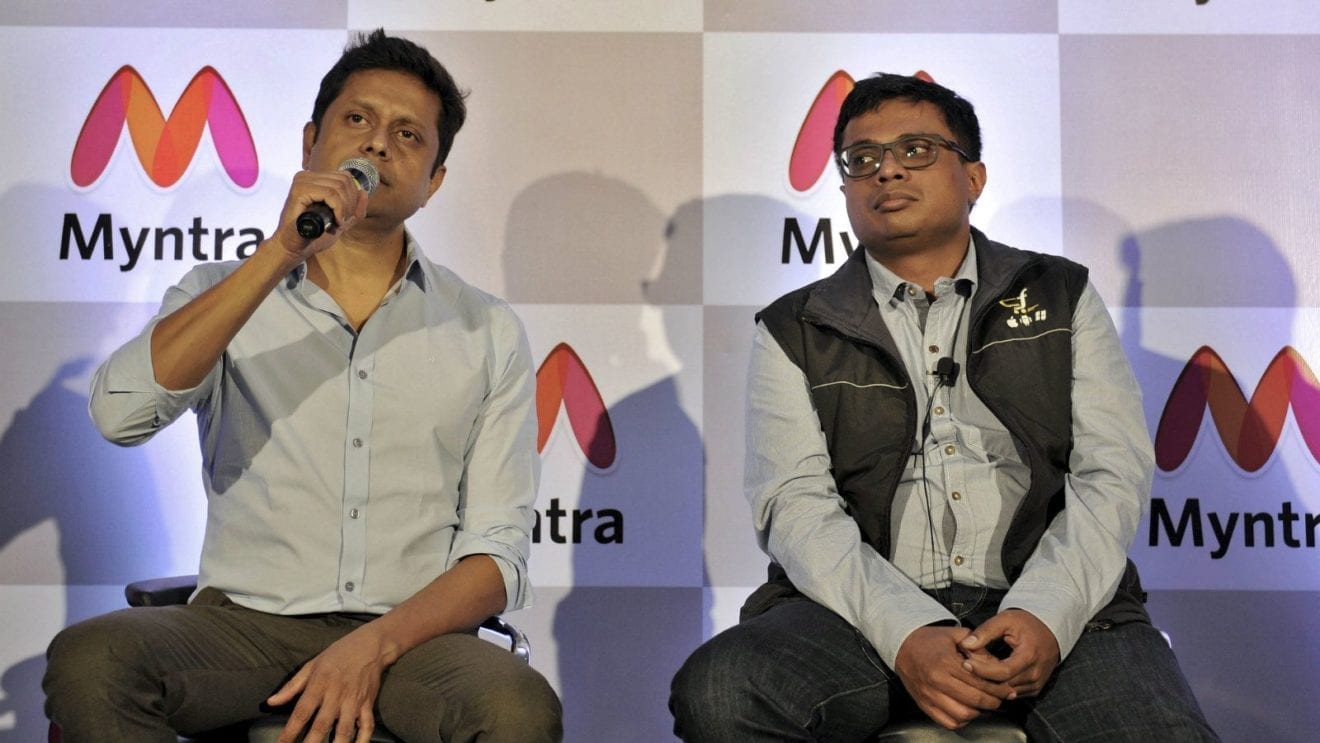
    Flipkart-owned Indian online fashion company Myntra has added two international brands to its platform, Toms and Meters/Bonwe.

    This makes Myntra home to more than 30 global brands, says its head of international brands business, Gunjan Soni.

    US-based Toms is known for its footwear range while Chinese brand Meters/Bonwe focuses on fashion-forward styles for young men and women.

    “Our partnership with Myntra will allow us to cater to the dynamic fashion choices of millennials in India who want to dress well with an individual style without the hassles of store shopping,” says Meters/Bonwe spokesperson Jay Zhou.

    Toms MD Helen Thompson says Myntra will help the brand start its commercial relationship in India. “We have already been working to produce locally as well as give shoes and restore sight through Toms’ partnerships.”

    Online retail, which is being increasingly adopted by Indian shoppers, is expected to account for 3 per cent of total retail sales by 2020, according to a PWC report.

  • Flipkart trumps rivals in Jabong bid

    Flipkart trumps rivals in Jabong bid

    A year ago, Jabong’s founders turned down $700 million plus from Amazon; this week they sold for $70 million to Flipkart’s Myntra.

    Indian eCommerce site Flipkart has sealed a shock deal to acquire Jabong, the nation’s third largest online fashion retailer.

    The news came just a day after rival bidder Snapdeal presumed it had won the battle.

    Flipkart’s success is expected to provide a crucial advantage in its battle to ‘own’ the clothing eCommerce space, giving it an advantage of scale and local knowledge in fighting off US-based Amazon.

    Flipkart’s subsidiary Myntra will reportedly pay US$70 million for the troubled Jabong business. That’s a fraction of an offer from Amazon in early 2015 which valued Jabong at between $700 million and $1 billion.

    “The acquisition…. holds an important lesson to all investors and entrepreneurs,” observed Harsimran Julka of Tech in Asia. “Exit when you don’t want to sell.”

    Jabong is one a growing group of failing Southeast Asian eCommerce websites owned by Germany’s Rocket Internet which has witnessed the value of its businesses shrink dramatically over the last 12 to 18 months. It has sold off Foodpanda, Zalora and Lazada websites in several regional markets in a bid to stem growing losses.

    “The acquisition of Jabong is a natural step in our journey to be India’s largest fashion platform,” said Ananth Narayanan, CEO of Myntra. “We see significant synergies between the two companies especially on brand relationships and consumer experience.”

    Julka wrote that in buying Jabong, Myntra will acquire one of the best sourcing systems, catalogs, and loyal customer bases, especially amongst women buyers, within India.

    “With Myntra’s app-only experiment going kaput last year, the company lost a lot of traction in India.

    “The buyout will also give a boost to profitability of Flipkart, as the fashion category is the most profitable of all eCommerce segments, with gross margins as high as 80 per cent.”

  • ABFRL takes over Forever 21 India

    ABFRL takes over Forever 21 India

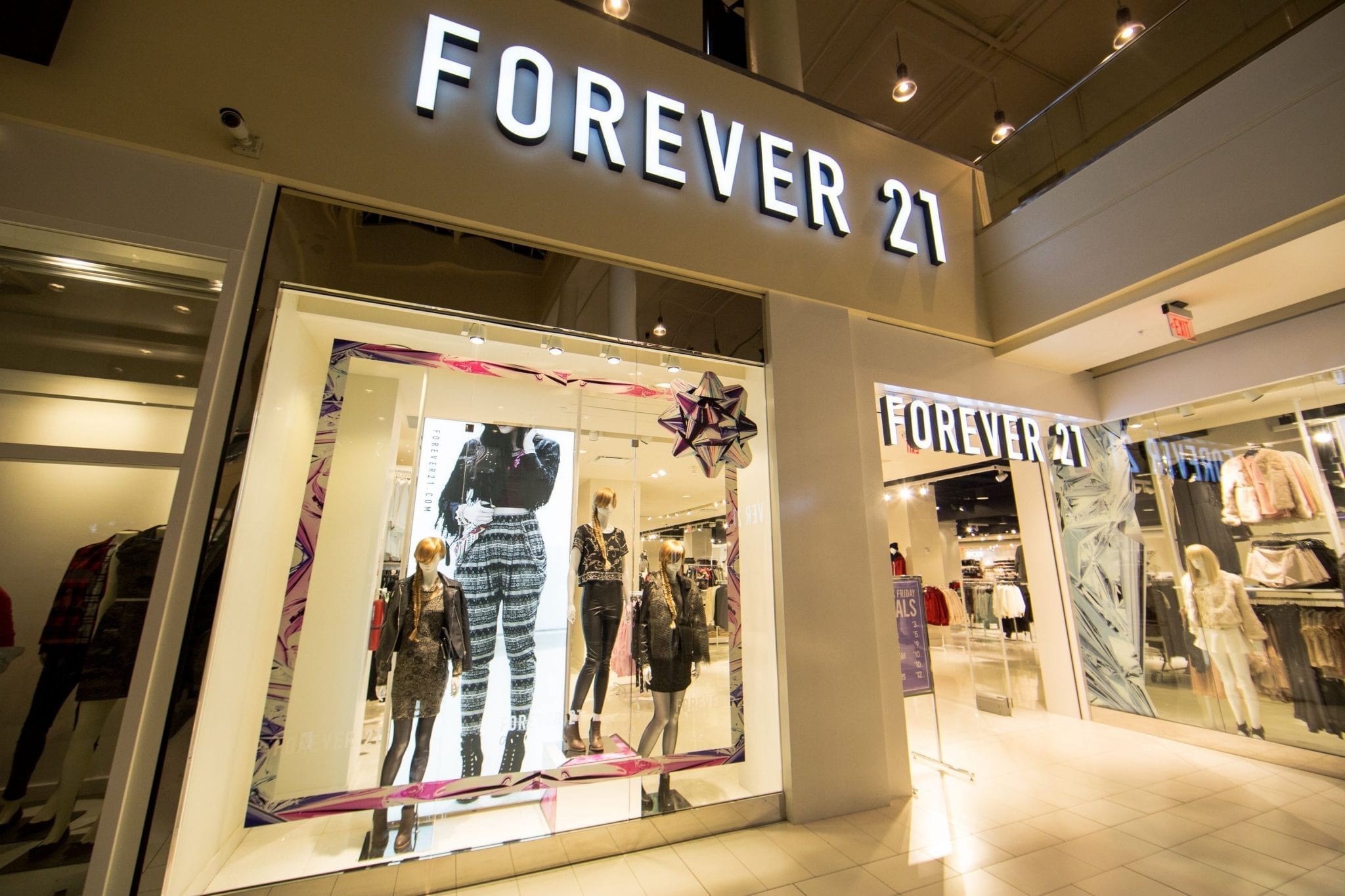
    Aditya Birla Fashion and Retail (ABFRL) will acquire US-based clothing brand Forever 21 India from existing local franchise partner Diana Retail.

    The Rs.175-crore (US$26 million) transaction involves a business transfer agreement, not share transfer, says ABFRL in a filing with the Bombay Stock Exchange.

    The Forever 21 business will become part of ABFRL’s Madura Fashion & Lifestyle division.

    ABFRL was formed after the consolidation of the branded apparel businesses of the Mumbai-based Aditya Birla Group, one of India’s largest conglomerates. It has a presence in 375 Indian cities.

    Forever 21 has a network of more than 700 stores worldwide.

    “With the acquisition of Forever 21, we aim to create a strong foothold in the womenswear business in the western-wear segment, which is growing at 20 per cent,” ABFRL MD Pranab Barua said in May when the company announced it would enter into a deal to acquire Forever 21’s online and offline rights for the Indian market.

    In March, it is reported that Flipkart’s online fashion store Myntra, which sells Forever 21 products, was seeking to take over management of the US brand’s India  brick-and-mortar stores.

  • Adidas Group India plans shopping app

    Adidas Group India plans shopping app

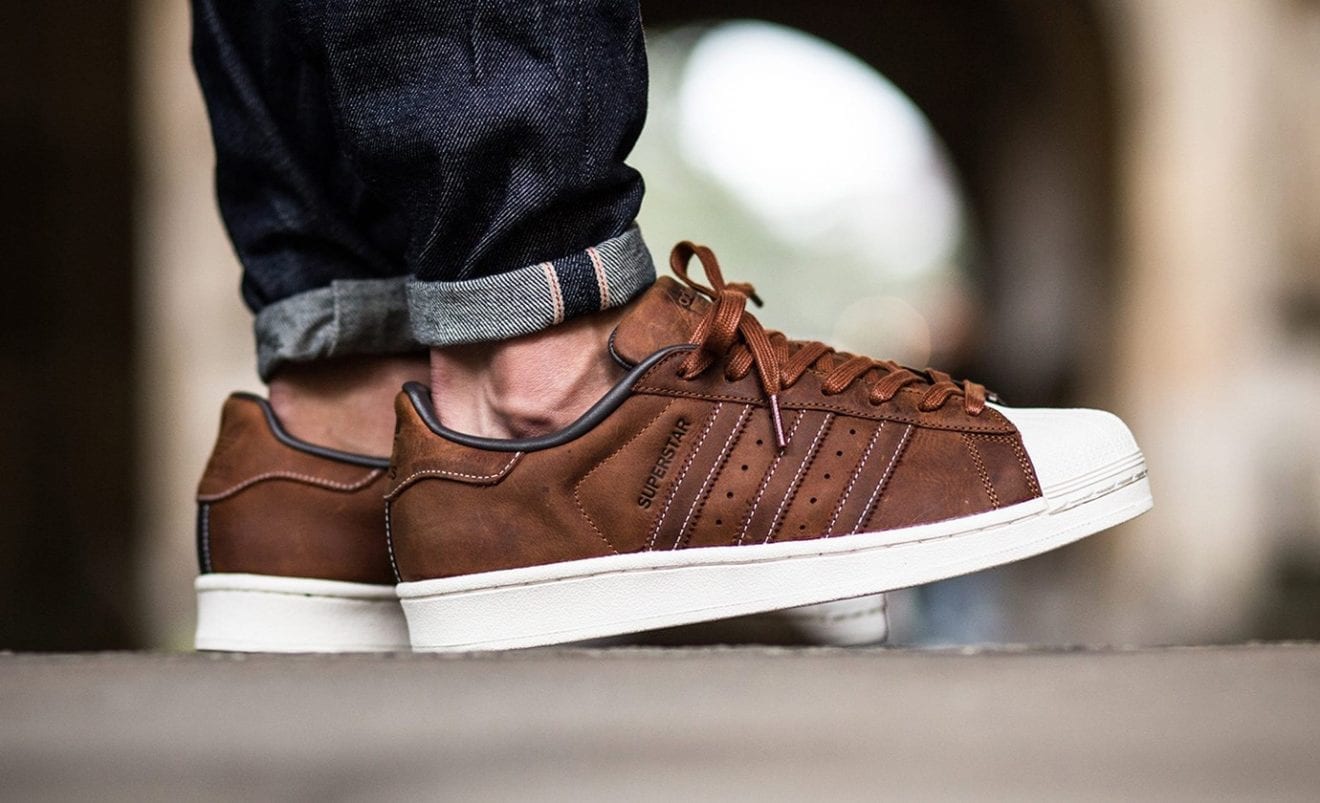
    Sportshoe brand Adidas Group India is planning to launch a shopping app by December, primarily to drive customer engagement through content and loyalty programs, as well as boost online sales.

    It is a significant move as it indicates increasing fragmentation in online fashion shopping, as most brands do not have independent shopping apps, reports Live Mint.

    With its app, Adidas is aiming to strengthen its online presence as brands and offline retailers adopt omnichannel strategies to offer customers access to products across physical stores via their mobile phones and websites.

    “Our engagement with consumers does not end in incremental sales,” says Adidas Group India’s senior eCommerce director Abhishek Lal. “Shopping is just a small fraction. We are planning an app and rewards program to increase engagement with the brand.”

    Separate apps will be rolled out for Adidas and its subsidiary Reebok India.

    Adidas is currently available on online stores such as Amazon India, Flipkart and Myntra, and online channels contribute 10 to 15 per cent of the company’s overall sales, says Lal.

    Other brands are already building online stores to reduce their dependence on the likes of Amazon India and Myntra. Leading the way is Madura Garments with two online stores, Abof and Trendin. Its brands include Allen Solly, Louis Philippe and Peter England.

    By launching an app, Adidas is also trying to tap into social commerce by offering content and creating communities of fashion followers.

    “Social commerce is complementary to pure play eCommerce, and also the way forward for us,” says Lal. “There is no history of a single-brand app yet, so it is hard to assess what the outcome will be.”

    Adidas has also expanded its omnichannel presence since its launch early last year. Adidas plans to bring about 400 stores under the omni-channel loop by December. Those already involved in the strategy have had their revenue grow about 3 to 5 per cent.

    “There has been some impact on revenue because of omni-channel,” says Lal. “A lot of sales were lost because sizes were not available in stores. There was also a lot of cross-selling. We have a brand called Neo which is available only online, so a lot of people walked into the stores and bought Neo on the tab. That is an upsell opportunity.”

  • LeEco India moves into stores

    LeEco India moves into stores

    Chinese internet and ecosystem conglomerate LeEco India has ventured into the offline retail space to expand its consumer base in an increasingly competitive market on the sub-continent.

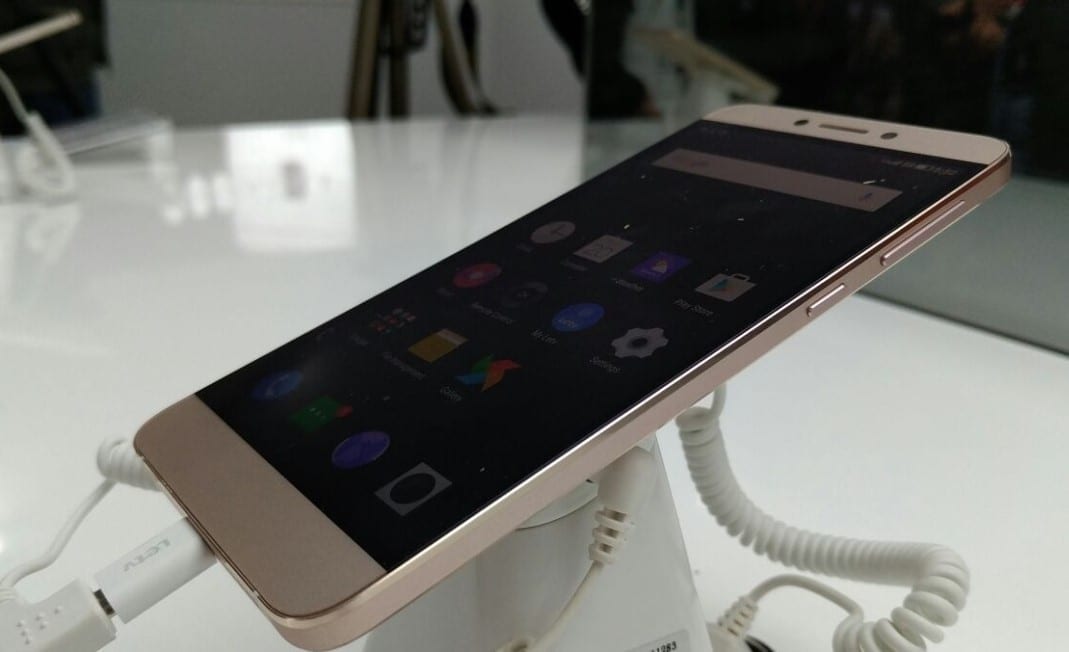
    It has started selling its Le 1s smartphone, initially available exclusively on Flipkart, through retail stores across prime locations in Delhi and Mumbai. In the second phase, LeEco plans to cover nearly 70 per cent of retail stores across India that sell mobile technology, by the end of September.

    “We have fast-tracked our growth trajectory in India, and our entry into the physical retail space affirms it,” says Smart Electronics Business of LeEco India COO Atul jain.

    LeEco has also just launched its eCommerce platform LeMall in India, and also has a new ecosystem membership program. As well as providing users with high-quality content, the program integrates personal cloud services (LeEco Drive), LeMall and after-sales services.

    Founded in China in 2013, LeMall is now available in Hong Kong and the US with a product range including smartphones, smart TVs, reverse in-ear headphones, all-metal earphones and Leme Bluetooth headphones. The company started in India in January with the Le 1s and Le Max, and now has 555 service centres in prime locations.

  • New lifeline for sagging Rocket Internet fashion sites

    New lifeline for sagging Rocket Internet fashion sites

    Investors have injected US$339 million lifeline into GFG, which owns the struggling Rocket Internet fashion websites.

    Rocket Internet and others have sunk the euro 300 million into its Global Fashion Group, raising GFG’s valuation to €1 billion – which is about a third of what it was worth hardly a year ago, when it raised €150 million.

    Launched in Luxembourg in 2014, GFG is a holding company formed from a merger of five eCommerce fashion companies – India’s Jabong, Latin America’s Dafiti, Russia’s Lamoda, Middle East firm Namshi, and Zalora (Southeast Asia and Australia).

    GFG acting CEO Romain Voog says the financing will provide the group with the capital it needs to continue with its strategy of “building out its leading position” in the online fashion sector in emerging markets.

    Rocket claims GFG’s performance has improved in the past year, easing its losses and raising its adjusted EBITDA margin. But it has been struggling to gain market share, and pulled out of Thailand and Vietnam, one of the fastest-growing eCommerce and internet markets in Asia.

    And GFG’s Jabong business in India, considered the next big market after China, has reportedly been up for sale for months with its valuation eroded by a tenth in just a year. Meanwhile, rival eCommerce companies like Flipkart and Snapdeal have soared in value.

    Voog is optimistic the reduced losses combined with this funding round will help accelerate the GFG’s path to profitability while it expands. A third of the €300 million raised came from Rocket. Swedish investor Kinnevik was also involved, along with existing shareholders.