Retail News CRM

Tag: future

  • IGD predicts five trends set to shape retail in 2019

    IGD predicts five trends set to shape retail in 2019

    Seamless in-store shopping experiences coupled with innovative advances in technology are among IGD’s five key retail trends for 2019. “Next year’s biggest trend of all is likely to be the continuation of rapid and radical change in the food and grocery industry,” said Toby Pickard, head of insight, innovation and futures at IGD.

    “We have already seen a significant pivot towards innovative new technology, and there is no sign of this letting up next year. Shoppers’ expectations have changed, and the retail and grocery sectors are working to meet those expectations in every area of business,” he said.

    IGD’s five key retail trends for 2019 are:

    Data dictates the way: This year has seen data become more valuable to the retail sector than ever, with 46 per cent of supply-chain experts now actively prioritising data-driven business. As well as helping to boost sales, accurate data will be vital for tools that allow retailers to understand customer behaviour – and reward their loyalty.

    Through customer datasets, artificial intelligence (AI) and machine learning in-store, retailers can target products and offers more effectively while maintaining appropriate stock levels and improving customer service. Insights gained through closer customer engagement will provide invaluable guidance to retailers looking to grow their businesses: making stronger connections beneficial to both groups.

    Doing good is good businesses: Companies will increasingly take the lead on sustainability while issues such as food waste and plastic pollution make headline news. This has translated to changing attitudes across the generations. Nearly three quarters (74 per cent) of UK shoppers say they have become more aware of the environmental impact of plastic packaging over the past year, and this has led to innovations such as biodegradable wrapping and plastic-free supermarket aisles. Retailers are no longer thinking about just reducing waste, but want to make a positive, tangible contribution. The next wave of innovative and leading retailers and brands will move beyond reducing their impact.

    Seamless stores: Physical stores will offer a much more digital experience next year, by using technology to make it easier for customers to find items and gain more product information. Some 85 per cent of UK shoppers would like to see the roll out of more in-store technologies. This should lead to a faster shop for many, where searching aisles and shelves for the right item is replaced by an app that guides shoppers to where they want to be.

    “Physical stores offer customers a more tangible shopping experience, where they can see products before they commit to purchase,” sais Pickard. “This gives these spaces an advantage over online providers, and we are seeing stores begin to capitalise on that and add in extras to incorporate more of the benefits of online.

    “A recent example of this is Il Viaggiator Goloso, a premium Italian brand, which has enabled its electronic shelf-edge labels to show the online reviews and scores products have received. This gives customers a more informed choice in store.”

    Help me be healthy: Most shoppers aspire to eat and live well, with 85 per cent saying they are actively trying to improve their diet, but aspirations don’t always translate into action. “We believe shoppers will be more health conscious going forward, so supporting them to both look and feel good will be a major priority for retailers and their suppliers. This means that both consumers and businesses will be thinking more about wellness and the role of retail in promoting cleaner living going forward,” says Pickard.

    Anywhere, anytime: IGD expects innovative new social-commerce solutions to emerge throughout next year. Retailers and suppliers will deliver targeted marketing, and new ways to make online shopping more social, instantaneous, and convenient.

    “Next year, we will see retailers think increasingly about making every moment shoppable,” says Pickard. “A recent innovation was EasyJet making it possible for Instagram users to find and book holidays to new destinations, simply by clicking on a photo they have seen. Whether through targeted marketing or simple ways to make purchasing more seamless, shopping is becoming not just more convenient but more instant as well.”

    IGD says shopping will become seamless and omnipresent, with people no longer needing to visit a retailer’s online store. As they look at pictures, watch videos or TV they’ll be able to just add products to a shopping cart.

    “This has the potential to change the way that retailers think about selling in the future.”

  • Walmart China tests same-day delivery from Dada

    Walmart China tests same-day delivery from Dada

    Walmart China has begun testing same-day grocery delivery in its Xiangmihu store. The new Walmart To Go service is available within a WeChat mini-program, following Walmart’s partnership with online social networking provider Tencent earlier this year. It is currently undergoing trial with future rollout pending feedback from customers who opt in to the service.

    Those ordering from the nearly 8000 SKUs available on the app can receive delivery in as little as one hour via a service provided by Dada.

    Another of Walmart’s new mini-programs being tested at the branch displays a digital map that shows in-store shoppers inventory location and stock status.

  • Electric vehicles, new tech focus of NAP 2019 in Malaysia

    Electric vehicles, new tech focus of NAP 2019 in Malaysia

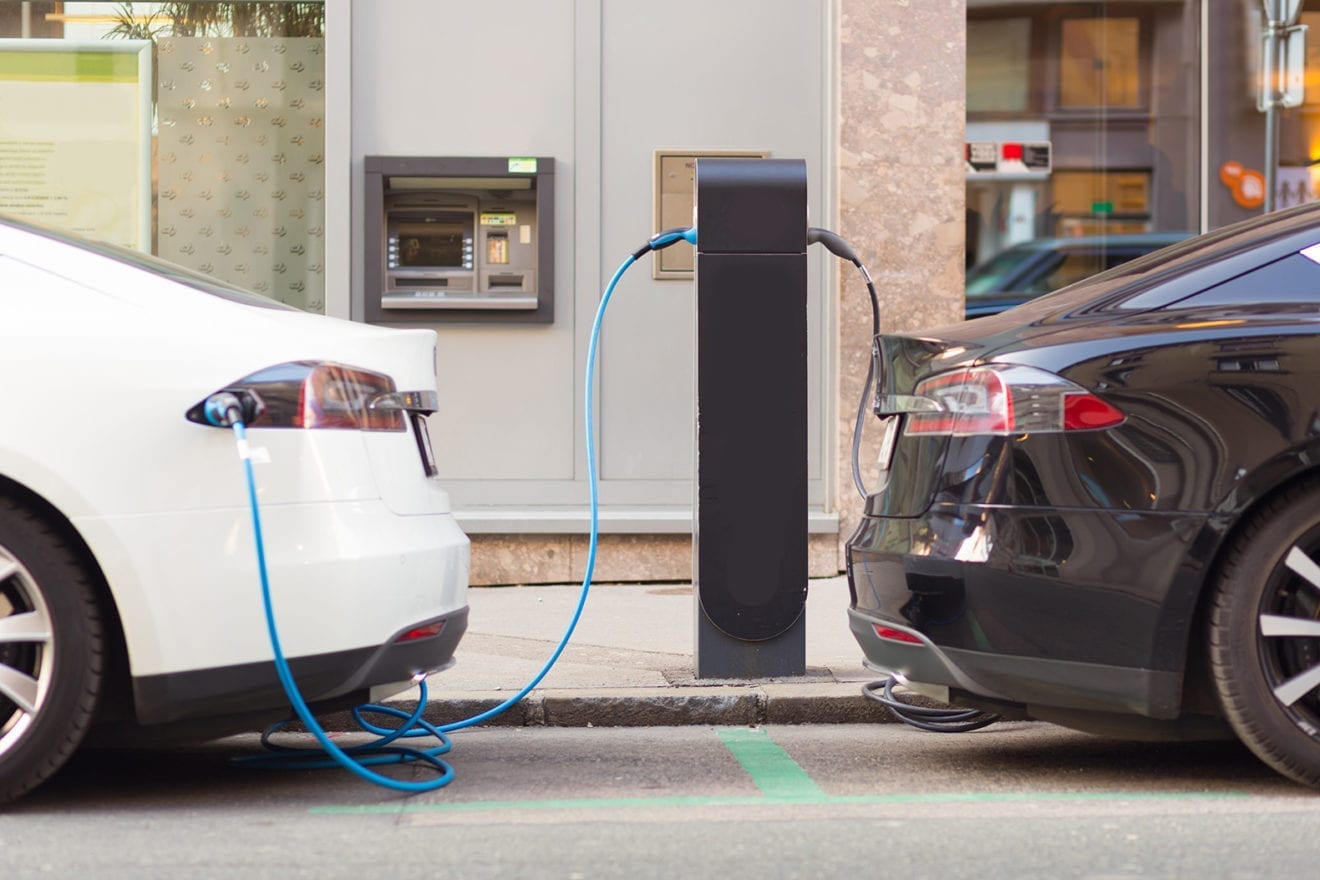
    The National Automotive Policy (NAP) 2019 will be unveiled in the first quarter of next year, and will place emphasis on electric vehicles and new technologies, according to Deputy International Trade and Industry Minister Dr Ong Kian Ming.

    “The main focus then (NAP 2014) was on energy efficient vehicles (EEVs) and now we are moving much more towards electric vehicles and new technologies,” he said after delivering his keynote address at Kuala Lumpur International Automotive Conference 2018 today.

    “But we have to discuss with the relevant stakeholders first and make sure that we fine-tune the details, so that the needs of the whole industry are taken care of,” he added.

    Ong said his ministry together with some key companies in the automotive sector, are currently reviewing the policy, which was first introduced in 2006 to transform the domestic automotive industry.

    Furthermore, he said the revised policy, which will also include the development of the third national car project, will overlook the entire automotive ecosystem, encompassing four key pillars of connected mobility, Industrial Revolution 4.0, new generation vehicles and artificial intelligence.

    “When we talk about the third national car, we need to look at it at a holistic perspective. So let’s not just focus on the third national car project, which is an important component of the NAP review, but also look at the entire ecosystem. This ecosystem needs to be further enhanced and developed to take into consideration of new trends, such as the newly launched Industry 4.0.

    “With the new technologies coming in, including the possibility of self-driving cars, more rapid advancement in electric vehicles and necessary ecosystems such as batteries and charging stations, it is timely to review this particular sector,” he noted.

    To date, Ong said, the ministry has received over 20 proposals on the third national car project, from various sub-sectors, comprising small to large companies in the automotive sector, which include some “big players”.

    He noted that the ministry has developed a matrix to analyse and evaluate these proposals, in order to make a fair, transparent and comprehensive choice.

    “One of the deciding factors would be the financial sustainability of the project as the government will not be funding this third national car project as noted in Budget 2019,” Ong added.

    Meanwhile, the Malaysian Automotive Association (MAA) president Datuk Aishah Ahmad said in conjunction with the event that the association is hopeful that the government would continue to focus on the components emphasised in NAP 2014, including the EEV initiative.

    “Future technology is good, but we would also like them to continue to emphasis on EEV that has helped the industry. We would also like to see long-term policies rather than short-term (policies) and more consultations with the industry,” she added.

    Themed “Beyond Mobility: Moving Sustainably”, the two-day conference, which is organised by the Asian Strategy and Leadership Institute (Asli) and MAA, aims to bring together industry experts and leading players to share views concerning the automotive industry and ecosystem roadmap beyond 2025.

  • Vietnam leads Southeast Asia in digital economy development

    Vietnam leads Southeast Asia in digital economy development

    Vietnam’s internet economy is the largest relative to GDP in terms of gross merchandise volume in Southeast Asia this year. A study by Google and Temasek, a Singaporean holding company owned by the Government of Singapore, said gross merchandise volume (GMV) traded over the Internet in Vietnam was 4 percent of GDP. The study encompasses ride-hailing, e-commerce, online travel and online media.

    In second place was Singapore with 3.2 percent, according to the study which covered Indonesia, Malaysia, the Philippines, Singapore, Thailand, and Vietnam. Indonesia’s digital economy had the fastest absolute growth and looks set to reach $100 billion in 2025.

    In the last few years online businesses have been booming in Vietnam, with last year the digital economy growing by more than 25 percent, a rate that can be sustained for the next two or three years, according to the Vietnam E-Commerce Association.

    It said online sales are set to hit $10 billion by 2020, accounting for 5 percent of total retail sales.

    A Financial Times report last April cited Bain, a U.S.-based global management consulting firm, as estimating that Southeast Asia had 200 million digital consumers, or people who bought goods or services online, out of an adult population of 405 million. Vietnam, with a population of 93.7 million, accounted for 35 million.

    Vietnam’s youthful population is among the keenest users of mobile devices in the region, while the country’s consumers spend more time online than most of their neighbors, several studies have found.

    Research firm Nikkei estimated Vietnamese spend nearly 25 hours online per week, on a par with or just behind Singapore and the Philippines.

    In the ride-hailing sector, many players are expanding investments. Vietnam recently saw new entrants such as local firm FastGo, GoViet, a subsidiary of Indonesia’s Go-Jek, and Aber.

    Current market leader Grab has expanded to offer GrabFood and GrabCar Business, the latter targeting the corporate sector.

    But experts say Vietnam and many other countries in the world face a slew of challenges in the digital economy such as upgrading the skills of the workforce and adapting to rapidly changing technologies.

  • AlipayHK Appointed QR Code Payment Solution Vendor of MTR

    AlipayHK Appointed QR Code Payment Solution Vendor of MTR

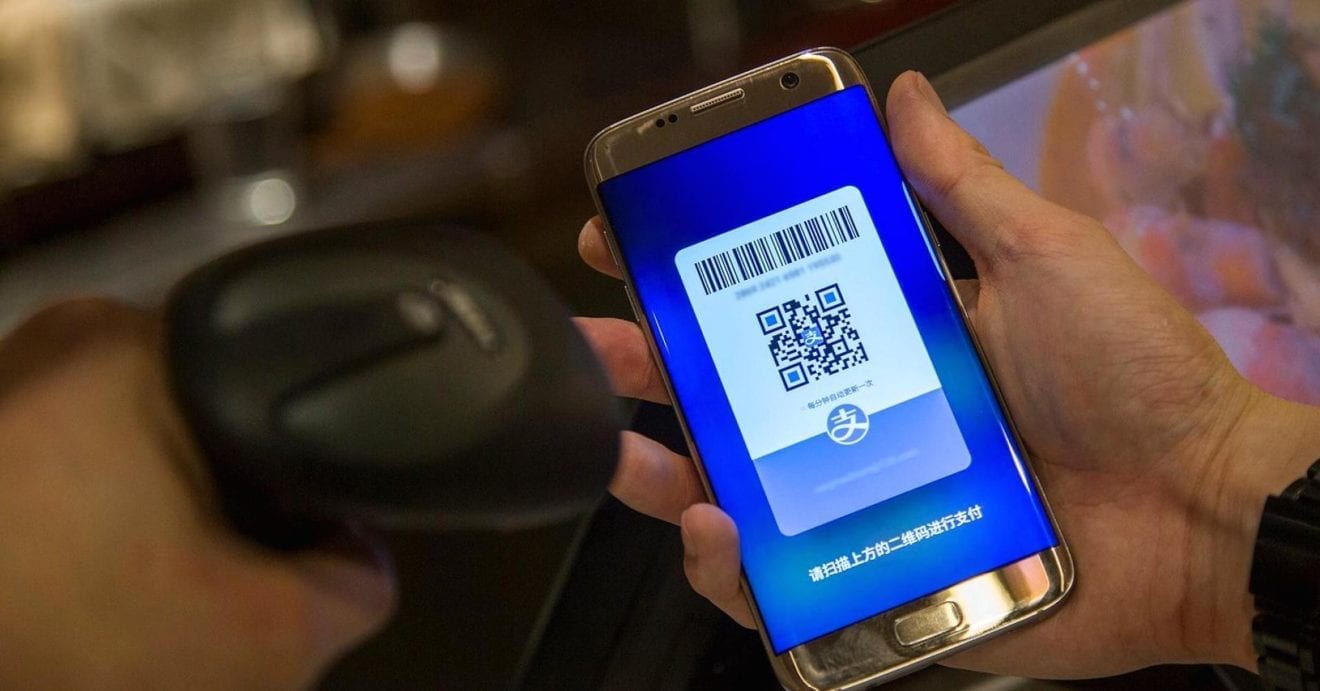
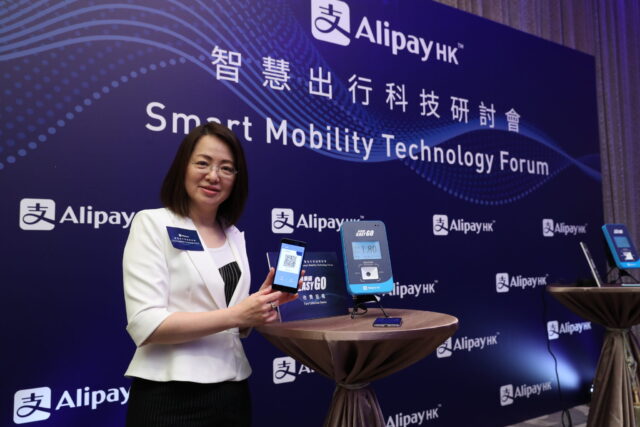
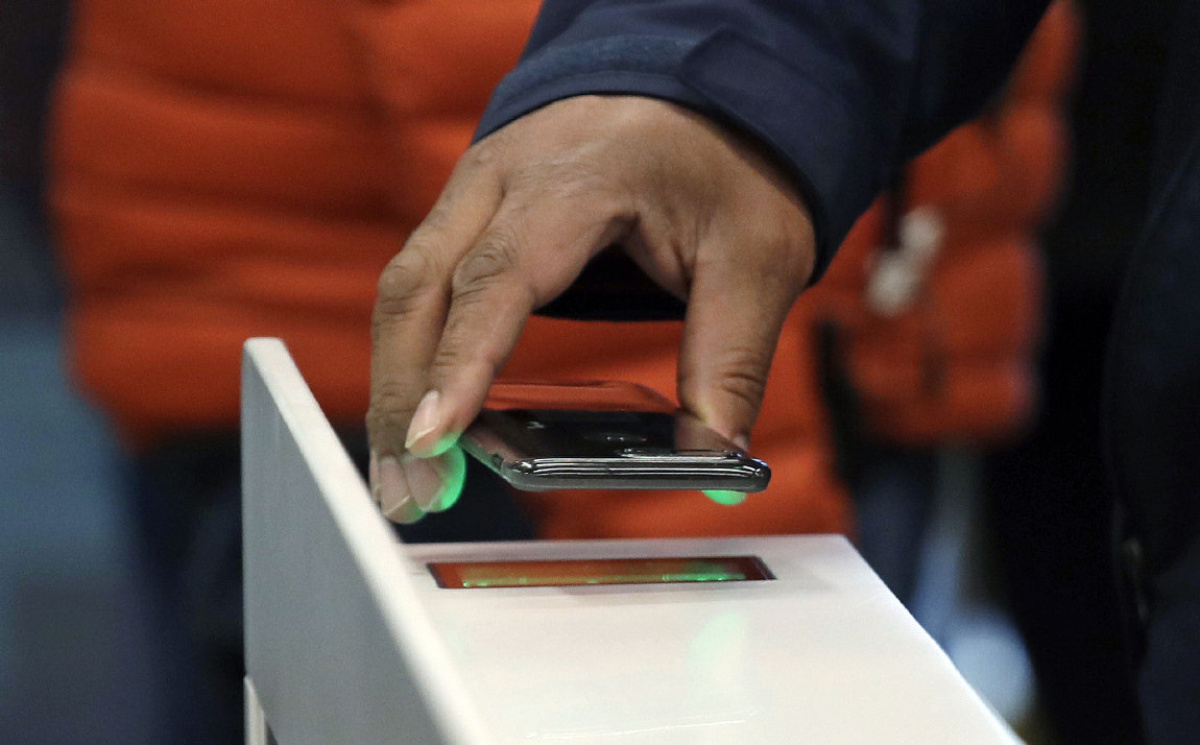
    AlipayHK users will be able to take the MTR by simply tapping their mobile phones at ticket gates at MTR stations starting from mid 2020 as the mobile payment service provider stood out from the many bidding participants and was appointed the QR Code payment solution vendor of MTR on Thursday last week.

    The QR Code solution provided by AlipayHK allows passengers to scan a code in under 0.4 seconds at ticket gates. Furthermore, the QR Code solution will support dual offline solution, so even if internet service is poor or lacking, transactions can be completed to ensure smooth journeys. The plan is to launch the QR Code payment system across  91 MTR stations in 2020. Citizens throughout Hong Kong will be able to enjoy Smart Mobility when commuting on MTR.

    AlipayHK focuses on fulfilling Hong Kong citizens’ needs in shopping, dining, living, and commuting. After its launch into the taxi industry and of the EasyGo technology,, it makes history by hitting another milestone. As Hong Kong people’s number one choice of transport, MTR caters roughly 5.8 million passengers trips every work day. In light of the high volume of passengers, MTR will introduce QR Code as an additional method of payment for passengers.

    Jennifer Tan, CEO of Alipay Payment Service (HK) Limited (APSHK) expressed: “After our collaboration with minibus operators, AlipayHK is thrilled to have won the bid in being MTR’s QR Code payment system provider. Not only is this a recognition in AlipayHK’s technological stability, we feel confident QR Code transit technology will be successfully expanded into more aspects. Commuting via QR Code is the trend for the future. Aside from gradually merging with Hong Kong’s public transports, we will also be exploring smart mobility in outbound travels by entering the most popular travel destinations of Hong Kong people, driving smart mobility across Hong Kong.”

  • Visa and GARMIN launch GARMIN Pay in Thailand

    Visa and GARMIN launch GARMIN Pay in Thailand

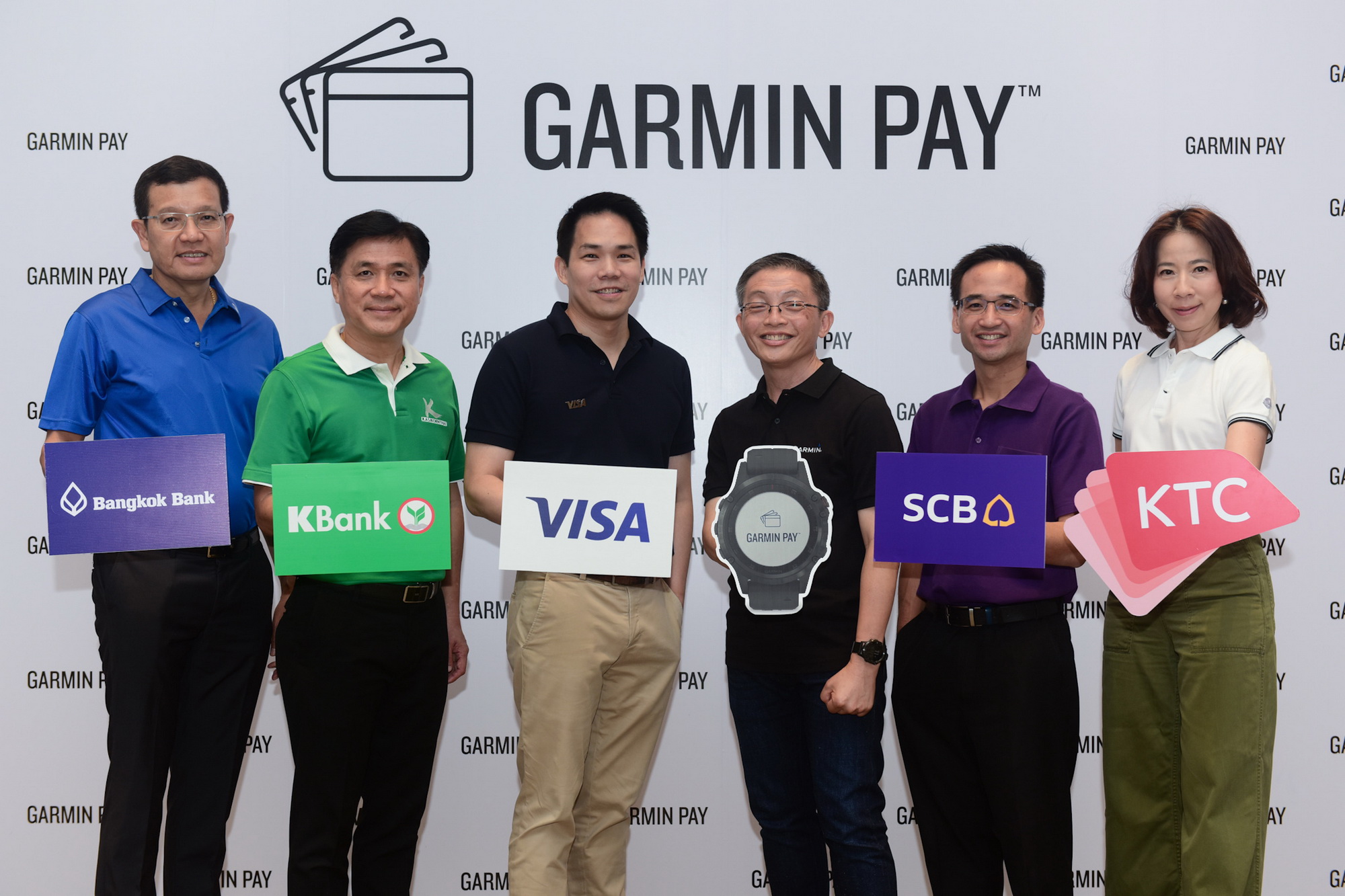
    Visa, the world’s leader in digital payments and GARMIN, in partnership with leading financial institutions, announced the launch of GARMIN Pay, a new contactless payment feature on GARMIN smartwatches. Starting 15 November, customers of Kasikornbank, Krungthai Card and Siam Commercial Bank can add their Visa credit or debit card to their GARMIN smartwatches, while Bangkok Bank is in line to launch by first quarter 2019.  The feature offers a new cashless experience, where purchases can be made seamlessly at growing contactless-accepted merchant locations. The emergence of payment innovation and technology mark yet another milestone helping to transform Thailand into a less-cash society.

    Mr. Suripong Tantiyanon, Visa Country Manager for Thailand said: “Visa is pleased to support the launch of Garmin Pay, bringing Visa contactless payments to Garmin smartwatches in Thailand.  Visa believes payments wearables are the future of fast, simple and secure payments, for people who lead an active lifestyle. According to Visa’s “sweaty money” survey, 57 percent of people who bring cash or a payment.

    card along on their workouts are stashing it somewhere uncomfortable and inconvenient. Garmin Pay will be a welcome solution for anyone looking for an effortless way to pay while on the go.  This launch is another milestone in Visa’s commitment to continue providing payment innovations and experiences across a wide range of form factors to consumers in Thailand.”

    Mr. Krairop Luang U-Thai, General Manager of GIS, the authorized distributor of GARMIN products in Thailand said: “GARMIN Pay is the latest feature on the GARMIN smartwatch.  Select the credit card you want to connect to the watch and create the GARMIN Pay Wallet by filling in the card information on the GARMIN Connect application along with your passcode. All customers then have to do is place their wrist near a card reader that supports contactless payments to purchase goods and services.  GARMIN Pay uses tokenization offered by the global payment networks to secure users’ information. The tokenized data is saved in an isolated safety chip which is in device, so to keep sensitive data from malware or virus. In addition to Thailand, GARMIN Pay is also currently available in 22 countries around the world.”.

    GARMIN Pay is available on vivoactive 3 series, forerunner 645 series, fenix 5 plus series. Check back for future additions and more information about GARMIN Pay, visit Garmin.co.th/Garmin-Pay


  • BigBasket India eyes 40 pc revenue from private labels next fiscal

    BigBasket India eyes 40 pc revenue from private labels next fiscal

    Chinese retail giant Alibaba-backed online grocery player BigBasket that aims to be a billion-dollar company by the next fiscal year, is expecting 40 percent of its projected revenue to come in from its private labels, a top company official has said.

    “Private labels are around 34 per cent of our business now and we plan to scale this to 40 per cent in about a year. The incremental 6 percentage points of revenue will come from non-fruits and vegetables and non-staples,” Hari Menon, Co-founder and Chief Executive, BigBasket said.

    According to a report: The company aims to clock Rs 3,500 crore in sales this fiscal year, up from Rs 2,000 crore last year.

    He added that the Bengaluru-based company will add a lot of categories to the private labels vertical.

    BigBasket that aims to raise up to US$ 200 million over the next few months, said, the FMCG sales overall (food and non-food) contributes over 50 percent of its business, 30 percent from staples (including 14.5 percent from private labels) and 18 percent from fruits and vegetables.

    It is going to launch beauty as a category in the next few days, with imported products as well, Menon said.

    The company has a presence in 25 cities and plans to launch its operations in Kochi soon.

    “Having gone deeper into the existing consumer base already, which has been our growth driver, we are now planning to get into the upper middle class and middle class segments,” he further said.

    BigBasket, founded in December 2011, claims 10 million subscribers and close to 1 lakh orders per day. The company expects to break even in the 10 large cities by next June.

    BigBasket last month acquired Pune-based RainCan and the Bengaluru-based Morning Cart to deliver milk to 20,000 customers. It has already launched this service in seven cities and expects to roll out to other three cities among the top 10 metros.

    Menon expects the milk delivery business to clock Rs 1,000-crore by next year and plans to grow this business as it will give access to many homes.

    He further said that the company will look at scaling up the fresh meat segment and increase its contribution to 5-6 percent from 1-1.5 percent at present.

    BigBasket has 30 warehouses now and will touch 45 by next year.

  • Korea’s convenience stores to use mobile payments more

    Korea’s convenience stores to use mobile payments more

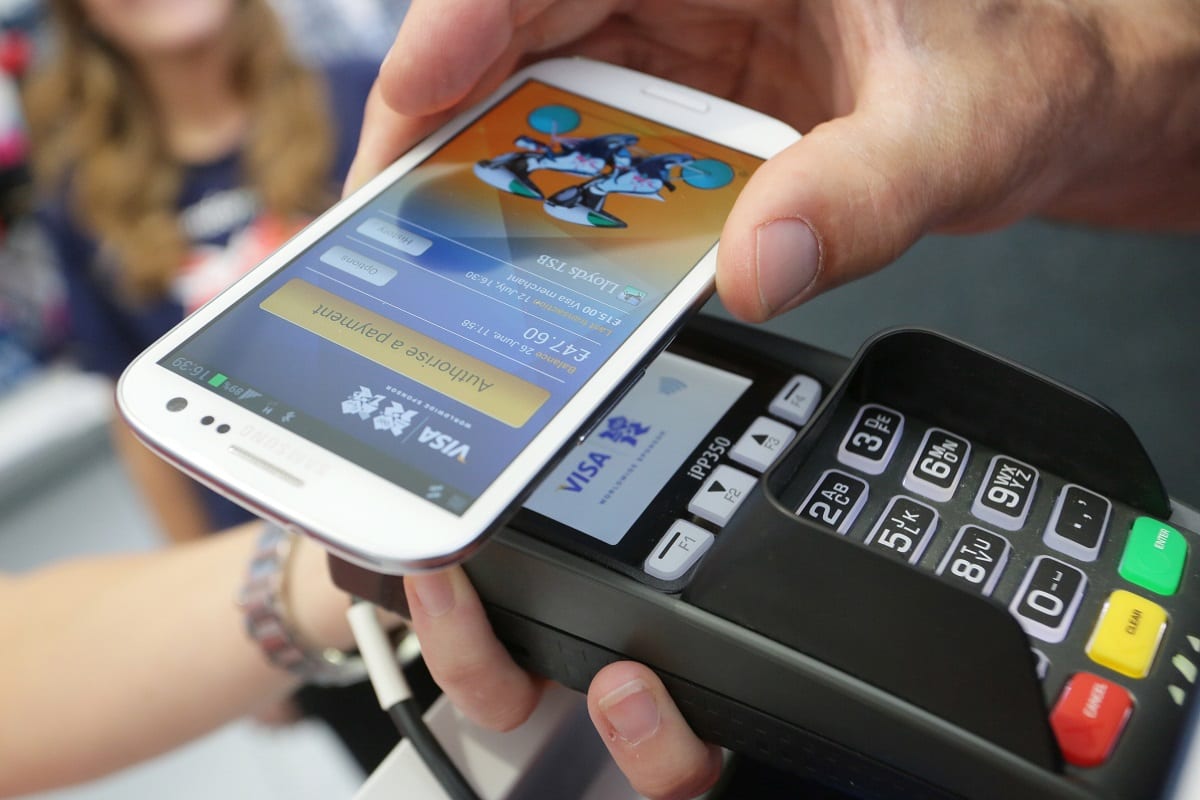
    Mobile payments at South Korean convenience stores have more than doubled this year thanks to the greater use of smartphones and the expansion of mobile settlement services. South Korea’s top convenience store chain CU said the number of so-called easy mobile payments at its outlets soared 121.5 per cent year on year in the first 10 months.

    Convenience chain operators in Asia’s fourth-largest economy adopted the easy mobile payment system in 2011, but the service only started to take off last year.

    The percentage of mobile payments out of total settlements at convenience stores expanded to 3.5 per cent this year, compared with 1.9 per cent last year and just 1 per cent in 2015.

    “The number remains in the single-digit range, but the easy mobile-settlement system has been growing at an exponential pace,” a CU spokesperson said.

    Currently, CU allows customers to use Samsung Electronics’ Samsung Pay and 19 other payment tools at its stores.

    Samsung Pay accounted for 85.5 per cent of CU’s mobile settlements during the January-October period, followed by Kakaopay with 4 per cent and LG Pay with 2.8 per cent.

    Industry sources said retailers in South Korea have been ramping up efforts to develop their own mobile payment platforms as more tech-savvy consumers turn to their smartphones to make mobile payments at South Korean convenience stores.

    Some seven in 10 South Koreans are known to own a smartphone, the fourth-highest smartphone penetration rate in the world.

  • Naver Labs, Qualcomm to team up on future tech

    Naver Labs, Qualcomm to team up on future tech

    Naver Labs and Qualcomm will work together on future technology like robotics and self-driving vehicles, the local IT company said on Tuesday. The two companies signed an agreement on Monday to combine their knowledge and expertise.

    U.S.-based Qualcomm is a well-known manufacturer of semiconductors and telecommunications solutions. Naver Labs is an affiliate of Korea’s largest portal site and is currently working on a wide array of location-based technology solutions like autonomous driving, mapping and navigation using augmented reality.

    Naver Labs said it hopes to apply Qualcomm’s latest chips and solutions to its high-tech products. The first products developed by the two companies will be unveiled at next year’s Consumer Electronics Show in Las Vegas in January.

    “We plan to offer full technology support for the successful development of Naver Labs’ products and services,” said Jim Cathey, Qualcomm’s president for the Asia Pacific and India regions.

  • Star at Xiaomi’s store opening in NZ

    Star at Xiaomi’s store opening in NZ

    The electric scooter craze has well and truly hit New Zealand. Within just hours of Chinese electronics giant Xiaomi, or “Mi” as many know it as, opening the doors to its first New Zealand store, the retailer sold more than $250,000 worth of electric scooters.

    In just seven hours it had clocked $257,750 in sales from the e-scooters, which are similar to the popular rentable Lime-branded ones sweeping Auckland and Christchurch.

    About 200 of the scooters priced at $599 were sold online in 30 minutes yesterday, causing the retailer’s website to crash.

    Meanwhile, at Sylvia Park in Mount Wellington, where Mi opened its store, about 1500 people queued – from one side of the mall to the other – waiting in line for a glimpse of the scooter.

    More than 400 Mi electric scooters were sold in-store.

    The scooters are said to now be sold out.

    The Mi e-scooter is popular overseas.

    Mi New Zealand spokesman Eric Chang said he believed the popularity of rentable electric scooters had driven significant demand and interest in consumers wanting their own.

    The scooters have a range of 29km and can travel up to 25km/h.

    Lime scooters were introduced to Auckland and Christchurch streets last month and have proven popular and been in the headlines since.

    Some riders have left a trail of mayhem, and injury claims from electric scooter-induced injuries have soared.

    Between October 14 and 31 there were 69 electric scooter claims lodged with ACC.

    Overseas there have been bans of the scooters and one recorded death. As of today, there has been a global recall of models made by Chinese manufacturer Okai.

    A spokeswoman for Lime said the company was working with the US Consumer Product Safety Commission and other international agencies following reports the scooters made by Okai could break apart while in use.

    Lime said it did not anticipate any disruptions to its service after the recall.

    Lime currently operates in a string of cities across the world, offering e-scooters and bikes for hire, including in Switzerland, Germany, France, Poland, Czech Republic, Spain, Portugal, Mexico, Canada, Austria and United States.

  • E-commerce to contribute 11 pc of FMCG sales by 2030: Nielsen

    E-commerce to contribute 11 pc of FMCG sales by 2030: Nielsen

    E-commerce’s contribution to the total FMCG sales is expected to be 11 percent by 2030, according to market research firm Nielsen. E-commerce contributed 0.4 percent to FMCG sales in 2016 and in 2018 it is expected to be around 1.3 percent of the branded packaged FMCG sales.

    “Over the next 12 years, we expect e-commerce itself to be 11 percent of FMCG sales, an 8X growth from its current size, Sameer Shukla, Executive Director – Retail Measurement Services, South Asia, Nielsen (India) said.

    E-commerce is around 10 percent of modern trade, while modern trade at present is 10 percent of FMCG sales.

    “E-commerce channel contribution to India FMCG sales now stands at over 1 percent and has grown at over 101 percent since last year. In specific product categories and markets the contribution is already touching double digits of total category value sales,” he said.

    He added that in categories like diaper there has been an upsurge in e-commerce from 4 percent to 9 percent since July 2016 to September 2018.

    Modern trade itself has seen a growth over the last few years from growing at one-third of traditional trade in 2015 to 2X at present.

    From the third quarter in 2016 to third quarter of 2018, traditional trade grew at 2 percent while modern trade at 23 per cent.

    The growth in modern trade has been classified as 18 percent from metros, 32 to percent from 5-10 lakh towns, 33 per cent from 1-5 lakh towns and 58 percent from less than 1 lakh towns.

    Nielsen also noted that salary weeks witness 15-20 percent higher sales compared to regular weeks in a given month and the tactical play adopted by modern trade retailers around big days or weeks (Republic Day, Independence Day, Diwali etc) is an essential ingredient for success in the fast growing modern trade channel.

    In the third quarter of calendar year 2018, FMCG had a growth of 16 percent largely led by volumes, with 81 per cent share or 13 percentage points and the remaining 3 percentage points from price changes.

    It also noted that north and east have contributed to the 16 percent growth in the third quarter. Rural consumption is growing at a faster pace than urban with an index of 1.4X.

    The market research firm also noted that the FMCG companies in the top 50 contributed 60 percent in value terms, however the smaller manufacturers are driving the growth.

    It noted that companies in the bracket of top 101 to 300 contributed 11 percent in terms of value however their growth was 12.8 percent and in terms of the tail-end companies beyond the top 300, the contribution was 21 percent while the growth was 18.5 percent.

    Regional players are growing at a faster clip at 27.7 percent compared to national players at 11.7 percent.

    The presence of regional players is predominantly in packaged food categories where they clocked 31 percent growth in September 2018 on year. This was nearly 3X times growth witnessed among national players.

    However for the last quarter of 2018, it expects the growth in FMCG to come down to 12-13 percent.

  • LG seeks AI, robotics, big data talent in Silicon Valley

    LG seeks AI, robotics, big data talent in Silicon Valley

    LG Electronics Vice Chairman Jo Seong-jin will be in Silicon Valley on Nov. 14 scouting employees with expertise in future technologies such as artificial intelligence, robotics, big data and the cloud. He will meet with job candidates – mostly those with doctoral degrees in the areas of interest – and introduce LG’s vision for growth and plans to staff up in research and development. He will then meet with academics focused on artificial intelligence, including professors at Stanford University, to discuss technological trends and future prospects in the field, according to LG.

    Jo will also visit San Diego, San Jose and Seattle to meet with corporate leaders in IT, finance and consumer goods to discuss the company’s blueprint for the future.

    “LG must hire global talent to become a leader in future businesses based on artificial intelligence, big data and the cloud,” Jo was quoted as saying by LG in a release.

    LG will continue investing in leading companies and cooperating with other businesses in related fields, he added.

    Inaugurated as chief executive of LG Electronics in 2016, Jo has been outspoken about the company’s future in artificial intelligence.

    Delivering a keynote speech at the opening of the IFA tech fair in Berlin in August, he said LG will be “pouring the company’s resources into artificial intelligence,” given that the technology will determine LG’s future.

    LG launched an artificial intelligence research center in June. It is led by the company’s chief technology officer and devoted to voice, video and bio recognition as well as deep-learning algorithms.

    Earlier this year, the country’s second-largest electronics appliance producer established another center connected to LG’s Silicon Valley lab. It is focused on deep learning and automobile technologies.

  • JD.com’s First Robot Restaurant Now Open in Tianjin

    JD.com’s First Robot Restaurant Now Open in Tianjin

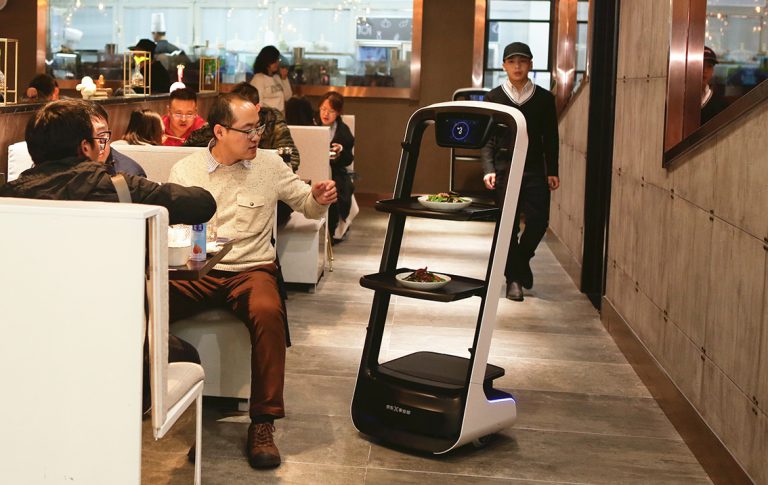
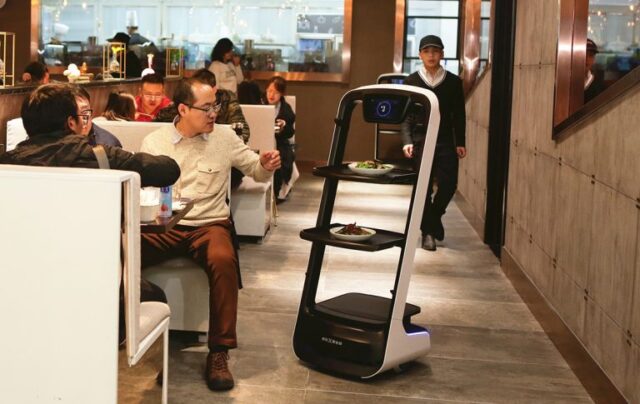
    Chinese online retailer JD has opened its first fully automated robot restaurant in Tianjin. The 400sqm venue has opened as “XCafe” at the Sino-Singapore Tianjin Eco-city, an area of Tianjin dedicated to environmental sustainability. XCafe is the first fully-automated restaurant in China, with all aspects of ordering, preparing, cooking, plating and serving performed by robots, which can work a full day on a single charge. Five or six human staff are still required to refill and position ingredients for the robot chefs.

    XCafe’s manager Tang Siyu said the restaurant can seat about 300 guests for dinner, with a table turnover rate of three turns per table during the lunch or dinner hour. It currently serves around 40 predominantly stir-fry dishes, with a potential full menu of more than 200 offerings.

    The restaurant also features VR interactive games and immersive dining experience areas.

    JD plans to open 1000 robot restaurants by 2020 and is seeking to promote the technology to other catering firms.

  • Start-ups in Korea challenged by overregulation and lack of exits

    Start-ups in Korea challenged by overregulation and lack of exits

    Park Jong-hwan is a Korean start-up success story. Twenty years ago, he was living in a basement room with a friend. In 2015, he became a legendary figure after selling his Kim Gisa navigation service to Kakao for 62.6 billion won ($56.0 million).

    The co-CEO of Kim Gisa Company, who now also runs co-working space company Work&All and a start-up accelerator, met with JoongAng Ilbo on Nov. 2 to discuss the challenges faced by start-ups in Korea.

    During the interview, he expressed the need for a change in government regulations.

    “It is difficult for a second Kim Gisa to emerge in this regulatory environment,” said Park. “When I meet start-ups these days, they don’t have the confidence to start new things but instead worry about facing legal or social problems.”

    “In an environment that first regards new ideas or businesses as illegal, start-ups lose confidence and creativity,” complained the Kim Gisa Company founder.

    Park has struggled with regulations and a negative attitude towards the industry since his early start-up years. When nominated for an award, it was almost rescinded as his service didn’t provide location services inside buildings. When Kakao tried to implement Kim Gisa’s technology to match rides, it was met with government opposition. The government’s strong stance against the growing carpool and ridesharing industries is an issue that particularly frustrates the start-up pioneer.

    Park, whose father is a veteran taxi driver of 40 years, said he understands the opposition from the taxi industry but explained that the carsharing service provides a better alternative for taxi drivers.

    “If a company-owned taxi driver opts to operate on a car-sharing platform, the driver will pay two to three percent in fees instead of the payment to the taxi company, leading to increased income,” said Park. “If we set aside a partial fee for every service and provide it to the taxi industry, as it is done in Australia, private taxi drivers will be less opposed.”

    “The government should be a mediator in the changing times,” he added. Park also argued that Korea’s business environment, which make start-ups mergers and acquisitions (M&A) difficult, pose as an unseen stumbling block for tech-based start-ups.

    A positive cycle of investment, growth, profit return and reinvestment can only occur when there are numerous success stories of start-up exits. But complex tax-related regulations, difficult conditions for initial public offerings and a negative attitude toward start-up exits all prevent M&A from taking place, said Park.

    “If start-ups grow and are bought out by large corporations, they then fall under new regulations as they are considered an affiliate company of a large corporation, even if they maintain the same workforce and business structure,” explained Park. “M&A can only be undertaken by large corporations with enough cash, but the reality is that it’s difficult because of such regulations.”

    The start-up founder lamented the lack of successful exits since Kim Gisa, “There hasn’t been a large-scale M&A in the three years since Kim Gisa,” he notes. “Promising local start-ups are leaving to countries abroad.”

    Park’s co-working sharing company aims to ease some of the burdens faced by start-ups and provide an accommodating environment in the country’s tech hub in Pangyo, Gyeonggi. While tech giants such as NHN, Nexon and AhnLab are able to afford the high rent in Pangyo, it is difficult for start-ups.

    Park argues that acquisition of start-ups by tech giants will become more common if start-ups settle down in Pangyo and create an environment similar to Silicon Valley.

    “I would like to provide a mentoring space to help others reduce the time spent on trial and error,” said Park. “I am looking at two to three start-ups in which to make investments.”

    The start-up mentor said that updating regulations that stand in the way of start-up development could help create new jobs – one of the main promises of the government.

    “When the number of start-ups increases and their businesses grow, there will naturally be more recruitment. The quality of jobs will increase as the number of them rises.”

  • Retailers Transforming Distribution, Expanding Online and Turning to the Cloud as They Revolutionize Customer Experience

    Retailers Transforming Distribution, Expanding Online and Turning to the Cloud as They Revolutionize Customer Experience

    As retailers race to deliver more unique and personalized customer experiences, the use of Cloud, IoT and Big Data will accelerate in stores, online channels and distribution centers. However, one quarter of retailers still lag in the process of adopting new technologies and integrating them across operations to present a more integrated customer experience, according to a new report from Vertiv.

    For the report, participants included executives from 50 of the world’s largest retailers, with a combined annual revenue of $953 billion USD in 2017. The study, “Into Uncharted Territory: Retail Transformation and its Impact on Digital Infrastructure”, co-sponsored by Vertiv and DatacenterDynamics, revealed a heightened focus on online retail, as businesses transform their digital resources and capabilities to address changes in customer behavior. Over the next two years, the amount of data center space dedicated to online retail – both on-premise and colocation – is expected to increase by 20 percent, while cloud hosting would increase by 33 percent to support store applications.

    An important part of the retail digital evolution includes a massive transformation of distribution centers. The research suggests the number of distribution centers and warehouses will increase by about 26 percent over the next two years as retail companies increasingly realign operations to meet consumer demand for online purchasing. The amount of data center space dedicated to distribution/logistics is expected to increase by 10 percent and the use of cloud hosting to support distribution will increase by 87 percent.

    “It’s no secret that online retail is driving significant IT investment for retailers. However, as this study makes clear, digital transformation in the retail space is about more than e-commerce,” said Lucas Beran, analyst, data center infrastructure at IHS Markit. “Today’s retailers are striving to improve the IT systems in their stores and distribution centers as they pursue impactful customer experiences across all interactions with their brand. More business-critical online, distribution and in-store environments require new approaches to physical infrastructure to increase IT reliability, speed time to market, hold down costs and reduce management complexity,” Beran added.

    The survey confirms that more computing power is being moved into stores to support edge computing types of applications providing greater customer immediacy and influencing them at the point of use.

    “Retailers are going to move more IT footprint into the stores, to communicate with customers and to influence them closer to the point of decision,” said Martin Olsen, vice president, global edge and integrated solutions at Vertiv. “Our forecast for the next couple of years shows about two dollars going into stores and distribution for every dollar spent in the core data center. And much of that data center investment is being made to support online and stores.”

    To support their transformation, retailers are adopting new physical infrastructure options that provide higher reliability and are easy and fast to deploy. These technologies are based on standardized, modular designs that are scalable with capacity demand and future-proofed for next-generation technological advances.