Retail News CRM

Tag: Grocery

  • Retail grocery market in Asia is expecting a double-digit growth

    Retail grocery market in Asia is expecting a double-digit growth

    The global grocery market is at high by the influence of Asian grocery market. Though there has been certain stagnation in growth in Western Europe and North America, the overall global grocery sales set to reach about US 10 trillion by the year 2023 that includes half of the additional sales which will mainly be from Asia. The grocery industry in the Western Europe and North America are struggling to sustain their positive growth in a saturated market, the worldwide grocery business is doubtful to weaken. Asia which is home to the world’s fastest growing economies can see a rapid rise in the grocery business globally and is expected to create additional USD 1.9 trillion retail grocery sales by 2023.

    Since 2011, the global grocery industry of USD 8.77 trillion had grown by 6.9 percent annually according to the market researchers. According to the IGD which was released by the leading grocery training and research charity in December 2018 had focused on the positive trigger which the Asian markets are creating over the global trade. According to IGD report, nearly half or about 44% of the extra sales is actually expected from Asian market while, additional USD 1.9 trillion of the sales is projected by 20 global players from 2018 to 2023 which is around 28% extra sales. The sales in Asia keep growing in demand and is likely to add about 47% of additional spend over the groceries from 2018 to 2023. Many physical casinos have also come up with table games also.

    Due to the high fixed costs, thin margins and the need to handle different products, the grocery retail is still under pressure. The grocery business had dropped in several mature economies due to the market saturation and the increased competition from a lower priced format like dollar stores and the discount chains. About 20-50 % of the market share in Germany had been captured by the discounters. It’s also rapidly increasing in Ireland, Netherland, US and Canada as well.

    The changes in consumer behavior to opt for a specialty store or a convenient one had also reduced the sales in mandatory supermarket brands. Though most of the popular supermarket chains provide hundreds to thousands of items for the broad choice of their customers, customers are now looking for the selected product category throughout the board. Now customers trying to avoid the one stop shopping choices which they earlier used to have in various multiple retail outlets that also include the drug stores, online, warehouse clubs, dollar stores etc. They mainly focus on value-for-spent which has to be highest while making any kind of purchase.

    The US has observed shirking in the market share of their traditional grocers. According to a study, the grocery store openings had dropped by about 28.8 percent year after year in 2017. Similarly, the biggest players in Britain have been left with 68.5 % against 76.3% combined market share which was about 5 years ago. According to the industry data, the grocery sales have just risen by 2% in saturated and mature economies over the last decade and more than half of the profits from 2012 to 2017 have taken a blow.

    According to a recent study which was carried out in December 2018, it had claimed that the sales in Western Europe and the US may take a hit from US $200 billion to US $700 billion without taking any measure to get adopted to automation or consumers personalization, as consumers opt for alternative options like the discount stores, farmers markets and the online segments by the year 2026.

    Though there is a slowdown in the Western Europe, the European grocery market has an existing euro 191 billion which is expected to reach about euro 228 billion by the year 2022 which will be 16% of the global grocery sales. This growth in the global grocery sales is mainly expected to come from the East and central European economies like Russia, Poland and Romania.

    All of these countries are getting benefited by the liberalization of the economy and have better integration with various European countries. Countries like Japan, China and Korea have emerged to be the biggest growth triggers for the grocery sales in Asia. China which is actually the 2nd largest market in the US is expected to be a global leader by 2022 with a growth rate of 32.6%. According to the IGD report the top 10 global retailers by their revenues will be in Asia and will show higher growth in the next 5 years.

    The GDP in Indonesia, Pakistan, India, Vietnam, Philippines continues to improve due to which their contribution to the global growth is significant. With the modernization in trade and the retail infrastructure, the overall business environment has become easy. The grocery retail is expected to reach about US 700 billion by the year 2022 in India which is currently ranging from US 440 billion to the US 600 billion. When we consider the grocery trade format in Asia it includes the specialty, small hypermarkets, convenience stores, stores close to the workplace or the residential hubs etc. The convenience stores are growing their sales at a faster rate in Asia with the changing shopping habits of the customers and increased store networks.

    According to the IGD’s forecast these are expected to grow at a rate of 6.6% every year till 2022. In most of the Asian countries, the retail partnerships have also improved to a great extent. With the latest developments in technology and the self checkout technology it’s now very easy to manage the grocery retail operations in much efficient and cost-effective ways. According to the latest study, the global beverage sales and online food sales is expected to rise by 80% in the next 5 years that in turn results in keen decline by 2022 in the traditional form of brick and mortar sales. In Asia the online grocery shoppers are at a leading rate with 37% of buyers from Asia- Pacific when compared to the buyers from Europe which are just 13%.
     

  • Aeon teams with UK online grocer Ocado to boost online offer

    Aeon teams with UK online grocer Ocado to boost online offer

    Japanese supermarket operator Aeon is seeking to expand its e-commerce arm by hiring British online grocer Ocado.

    Aeon will use Ocado’s technology to set up a new online platform capable of fulfilling national orders to a level of ¥600 billion (US$5.52 billion) in sales by 2030, and ¥1 trillion ($9.13 billion) within the following five years.

    The move is a defense effort against rivals in the territory such as Amazon and Walmart-backed Seiyu as the online grocery market appears poised to expand in Japan, according to a Reuters report.

    Ocado’s software system is the basis of its £8.1 billion ($10.46 billion) market valuation, despite its meagre 1.4-per-cent share of Britain’s grocery market.

  • Coles launches grocery subscription service

    Coles launches grocery subscription service

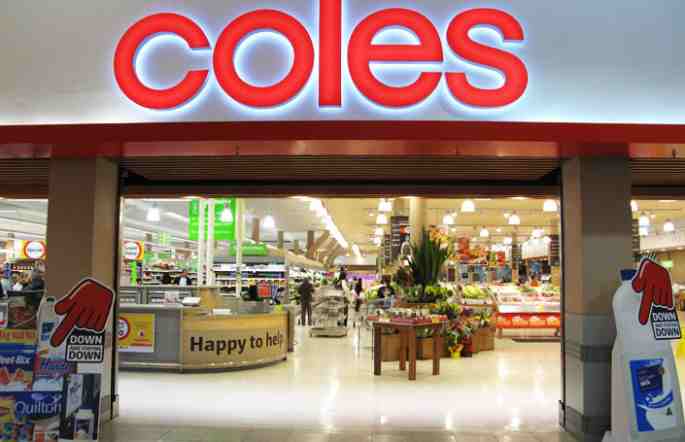
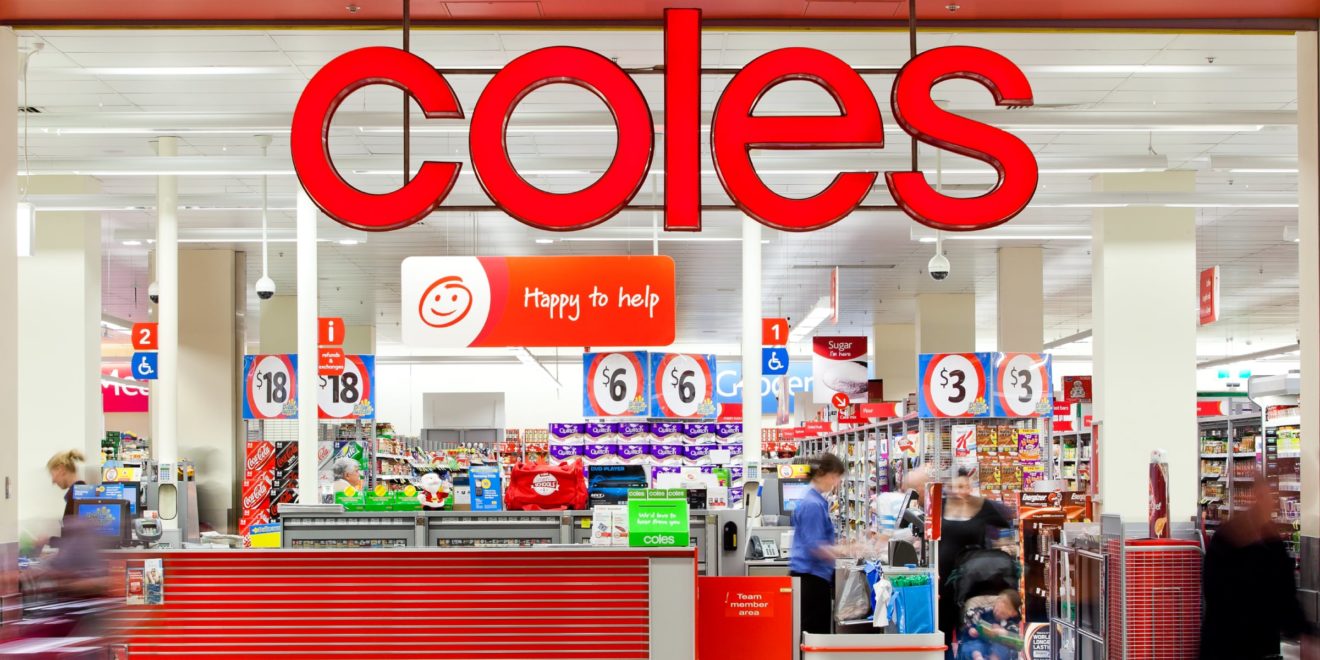
    Coles is taking its online grocery offering a step further with the launch of a new subscription service that allows customers to make unlimited orders for a flat monthly fee.

    Customers must spend over $100 in each transaction to qualify for Coles Delivery Plus, which gives the option of delivery any day of the week for $19 a month, or mid-week delivery from Tuesday through to Thursday for the lower rate of $14 per month.

    Coles Online general manager Karen Donaldson said the new service is aimed at time-poor online regulars who are looking to save on delivery.

    “On average, the cost of a Coles Home Delivery window is $10, depending on location, time of day and length of delivery window chosen,” Donaldson said.

    “Delivery Plus will allow customers who regularly shop online to save hundreds of dollars a year and help them manage their family budget by knowing exactly how much they will pay on Coles Online delivery each month.”

    The big two have been ramping up investment in online this year, in a bid to retain and gain consumers as new players like Kaufland enter the market.

    In March, Coles scored an exclusive deal with the world’s leading online grocery platform, Ocado, which has previously signed lucrative deals with some of Britain’s biggest grocery retailers including Waitrose and M&S.

    But Woolworths hasn’t been resting on its laurels. A recent partnership with eGrocery startup Takeoff Technologies is expected to propel its online grocery operations with the addition of compact, automated micro fulfillment centers at a number of its supermarkets.

    Woolworths Group CEO said the new centers will allow the retailer to deliver “ultra-convenience at a local level” and be even closer to the customer for that last-mile delivery.

    Woolworths is also planning to bring circular shopping to its online service through a partnership with TerraCycle’s Loop platform. By mid-2021, shoppers will be able to have products such as washing detergent, shampoo, juice or ice cream delivered to their door in reusable and refillable containers, which can be collected for cleaning and refilling after use.

    In a bid to get customers onboard with Coles new subscription service, the retailer is offering the first month free, with automatic payments commencing the following month. But customers can cancel the auto-renewal of their subscription at any time.

    For a limited time, Delivery Plus will also cover the fees for unlimited Same-Day Deliveries.

  • China to become world’s largest grocery market by 2023

    China to become world’s largest grocery market by 2023

    China is set to overtake the US to become the world’s largest grocery market by 2023 in value terms, according to new forecasts.

    Studies from international researcher IGD Asia have shown the country’s total market size will reach RMB11.0 trillion (US$1.8 trillion), more than Asia’s next four largest grocery markets (India, Japan, Indonesia and South Korea) combined.

    “China will not only retain its position as Asia’s largest grocery market by 2023, it will also overtake the US to become the world’s largest,” said IGD head of Asia Pacific Nick Miles. “The market is expected to have a CAGR of 5.5 per cent, on par with Sri Lanka and Thailand, but slower than markets such as India, Vietnam, Indonesia and the Philippines, where the economy is growing faster.

    “Less than half of grocery sales in China currently go through traditional trade and as the market continues to mature, we expect traditional trade to continue losing share to modern trade. As the total market size expands, traditional trade will still grow, but at a much slower pace over the next five years (forecast CAGR of 0.8 per cent), compared with the growth rate of modern trade (forecast CAGR of 8.5 per cent).”

    Development of modern trade in China over the next few years will be largely driven by ongoing store expansion, according to IGD’s research, as well as strong performances from the online and convenience channels.

    “Convenience will be the fastest-growing physical store channel, driven by Alibaba and JD transforming traditional mom-and-pop stores, retailers opening smaller format stores and both local and overseas players expanding their networks through partnerships,” said Miles. “Online and offline integration will drive online growth. As the fastest-growing channel, we forecast online to contribute up to 11 per cent of sales in 2023.”

    Hypermarket share will decline

    Meanwhile, IGD forecasts that hypermarkets will see their share of China’s total grocery retail market reduce from 22 per cent last year to 18 per cent in 2023, while the market share of supermarkets will remain steady, close to 20 per cent.

    IGD research has also found that China’s leading grocery retailers will grow at varying rates to 2023. E-commerce giants such as JD and Alibaba are set to see significant growth from both online and offline channels and become the second- and third-largest grocery retailers in China respectively. Meanwhile, retailers with nationwide networks such as Sun Art, Yonghui, Walmart, CRV and Carrefour will benefit from ongoing expansion, partnerships with e-commerce and tech companies, improved efficiencies, and investment in small formats. Regional players such as NGS and Wumart will continue to focus on profitability.

    “With such strong market growth to 2023, trading in China has vast potential, whether supplying directly to physical stores or via online marketplaces,” concluded Miles. “However, there are huge changes taking place that suppliers need to consider. Online giants are reshaping China’s retail landscape with their strong logistical and technical capabilities, so suppliers should understand this new path of purchase and design meaningful ways to reach their shoppers. Expansion through local partners will also remain a key route to market in China, so customer strategies must take into account the strong alliances forming between e-commerce players and bricks and mortar retailers.

    “There’s also a huge RMB1.7 trillion ($245.57 trillion) growth opportunity in convenience and online in the next five years, which can be captured by understanding trends and retailer strategies and allocating resources accordingly. But we would also urge suppliers not to neglect traditional trade, which will still account for about one-third of FMCG sales in 2023. As the channel modernises, it will provide new ways to reach new shoppers.”

  • Online FMCG sales to soar in four years

    Online FMCG sales to soar in four years

    Online FMCG sales are forecast to grow 163 per cent by 2023 across major markets, according to a new report from research organisation IGD, in association with The Consumer Goods Forum.

    The report explores three digital retail models of the future and predictions for an increasingly digital food and consumer goods industry. It finds that Asia and North America will lead the way on the rate of growth, with Europe set to develop this channel at a comparatively slower pace. Major grocery e-commerce markets will continue to expand rapidly, growing at almost four times the rate of any other channel.

    Online FMCG sales in Asia-Pacific are set to triple over the five year period, with IGD forecasting that in 2023, e-commerce’s share of grocery in Asia (7.5 per cent) will be twice that of North America (3.4 per cent), and close to three times larger than Europe’s (2.5 per cent).

    Asia-Pacific’s online grocery market will grow by 196 per cent by 2023, adding US$198 billion to the industry.

    “We are living in exceptional times,” said IGD CEO Susan Barratt, “with an extraordinary burst of retail innovation, driven largely by digital developments. With this research we explore the global proliferation of retail innovation from three different directions: established players, online specialists and the new ecosystems. We believe that plenty of the new emerging models are set to grow and prosper, which means established retailers will need to work hard and swiftly, either to limit their impact or to emulate them.”

    “While of course growth remains challenging for all of the established players in the industry, many are nevertheless finding that the ongoing disruption presents exciting opportunities,” said The Consumer Goods Forum MD Peter Freedman.

    “This report presents several ideas for consumer goods and retail companies looking to secure their long-term future, and we’ll be discussing some of these themes at the Global Summit in Vancouver: how scale and agility can impact your business model, how digital technologies will permeate decisions and how new forms of collaboration will help drive the sustainable evolution of our industry.”

  • Indian grocery chains merging to create nation wide network

    Indian grocery chains merging to create nation wide network

    Two regional Indian grocery retail chains are effectively merging, creating a national player.

    Spencer’s Retail, part of RP Sanjiv Goenka Group, says it will pay US$42.76 million to acquire upmarket grocery chain Nature’s Basket from Godrej Industries.

    The deal will give Spencer’s access to the western part of India through 36 stores of Nature’s Basket in Mumbai, Pune and Bengaluru, according to Shashwat Goenka, head of RPG. It will also strengthen the company’s omnichannel capability.

    Tanya Dubash, executive director and chief brand officer at Godrej Group, said the sale would unlock “the immense potential of the Nature’s Basket brand” allowing it to grow faster.

    “We have passed on the torch to owners who have prioritised retail in their portfolio strategy and have the relevant ecosystems to take the business to the next level,” she said.

    Nature’s Basket was launched in 2005.

    Goenka said the Nature’s Basket stores are located in prime residential locations, have a high sales throughput per square feet, and will add to the top line of Spencer‘s grocery portfolio.

    “Nature’s Basket has a strong portfolio of private-label brands which has huge traction with its consumers. We believe there is huge potential to expand this to Spencer’s stores. It also has a strong e-commerce presence, and we believe that fits in well with our omni-channel strategy.”

    He said both chains were positioned as experiential grocery retailers and there were many synergies in the acquisition.

  • Online grocery marketplace Dei Lifts Off in Singapore

    Online grocery marketplace Dei Lifts Off in Singapore

    Home-grown online grocery marketplace Dei has launched in Singapore.

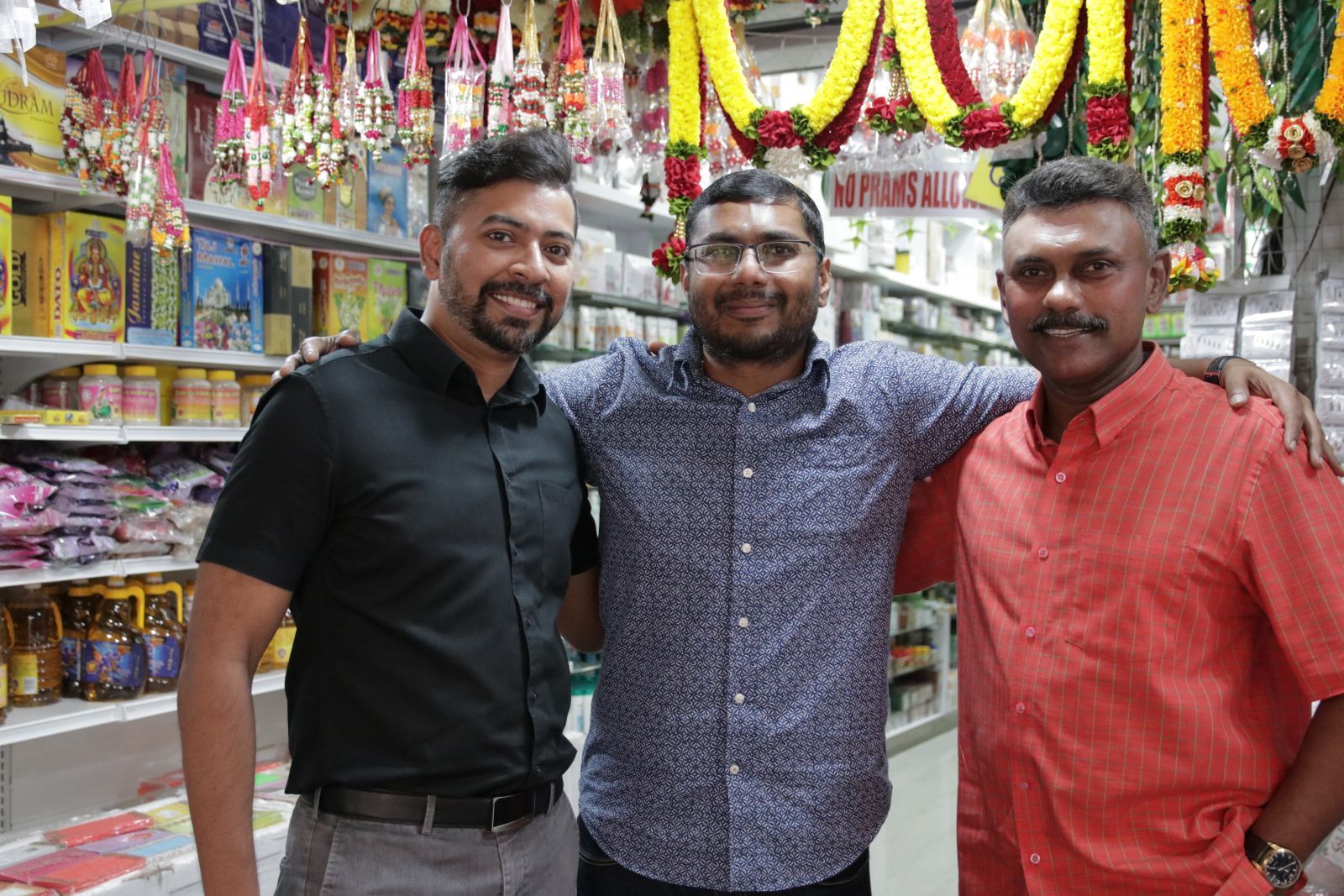
    Standing for ‘Daily Everything’, Dei hosts more than 70 physical Singapore-based Indian retailers, and 15,000 products categorised into canned goods, clothing, locally sourced vegetables, fruit and meat.

    Consumers will enjoy same-day delivery along with post-sale services.

    “Dei was founded to promote digital transformation and introduce new technologies for Little India’s merchant community,” said Jay Varman, co-founder and CEO.

    “With Dei, Little India’s retailers and merchants can enjoy greater access to the greater Singapore community and increase their revenue by up to 30 per cent.”

    Appointed by the Little India Heritage Association (LISHA) and the Singapore India Chamber of Commerce and Industry (SICCI), Dei was soft-launched in 2016, and has gained year-on-year growth of 120 per cent, peaking at an average of 50 daily orders with an estimated $900,000 in total revenue.

    “Dei helps to bridge the gap between e-commerce and the traditional brick and mortar space, allowing for the consolidation of shipments into one,” said Rajakumar Chandra, chairman of LISHA,

    “We hope to collectively onboard all business owners and merchants of Little India to ensure that everyone benefits from the nationwide digitalisation push. Furthermore, we are in discussions with representatives from Chinatown and Kampong Glam to expand into their respective precincts, thus providing a truly seamless experience for all Singaporeans.”

    The platform is currently raising seed funding for future expansion. It plans to build hyperlocal, omnichannel-integrated marketplaces across Southeast Asia.

  • Walmart partners with Google for voice shopping

    Walmart partners with Google for voice shopping

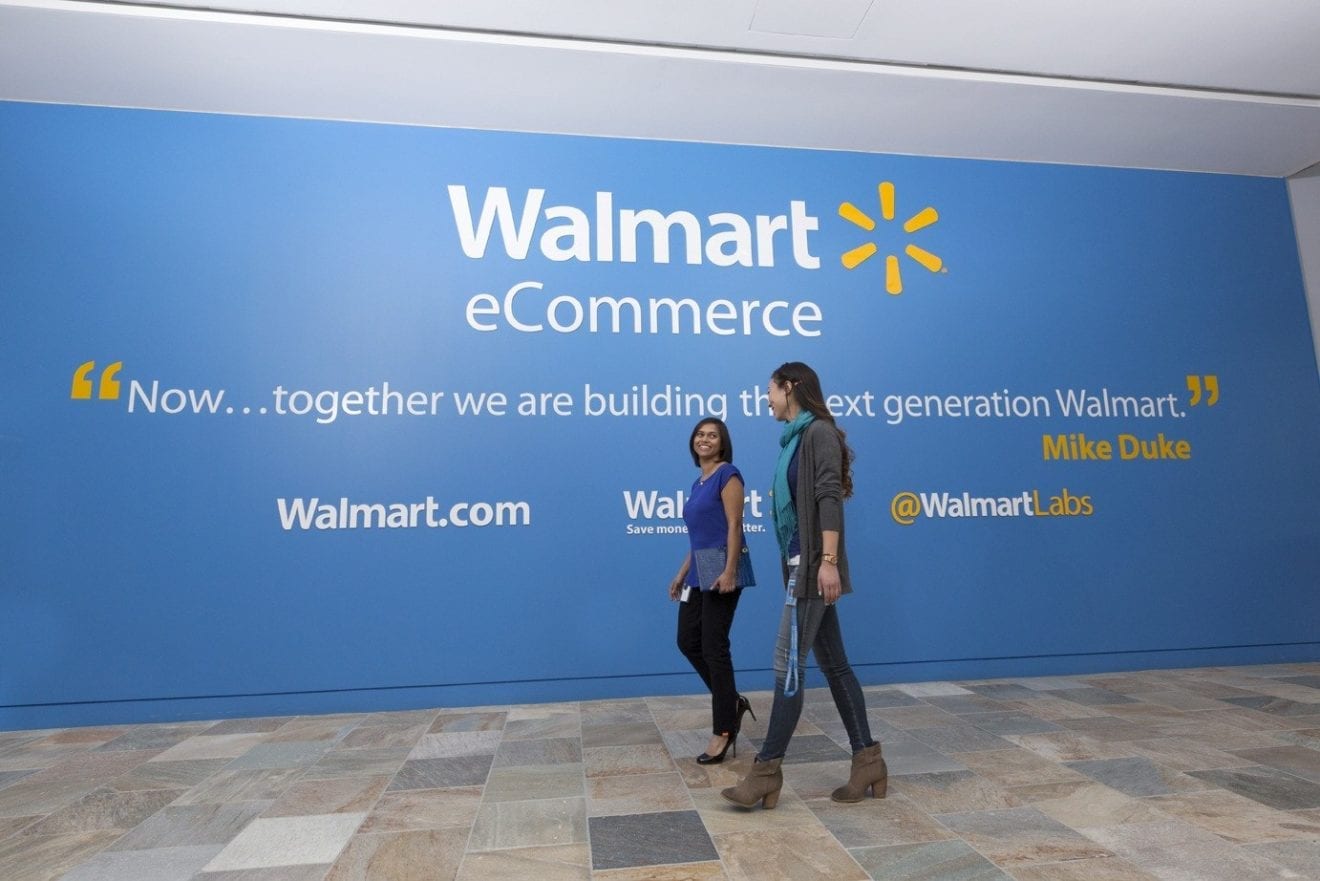
    US retail giant Walmart and tech company Google have collaborated on voice technology to assist customers with grocery shopping.

    Starting this month, Walmart Voice Order will allow consumers to order groceries through Google Assistant by saying, “Hey Google, talk to Walmart”.  Google Assistant will then follow the orders directly and add grocery items to their Walmart Grocery cart.

    “We continue to innovate for the future and look to technology to make great services even better in the future. Introducing: Walmart Voice Order,” said Tom Ward, senior vice president, Digital Operations, Walmart US.

    “With the new voice ordering capabilities we’re building across platforms with partners like Google, we’re helping customers simply say the word to have Walmart help them shop … literally.”

    “Best of all, customers can be extra confident that we can quickly and accurately identify the items they are asking for with the help of information from their prior purchases with us. The more you use it, the better we’ll get,” added Ward.

    When shoppers say “add milk to my cart,” the Google Assistant will add the specific milk brand the customer usually buys, meaning there is no need to continually repeat the brand, volume and whether it’s a low fat or whole milk.

    Shoppers can use Walmart Voice Order on Smart Displays like Google Home Hub, Android phones, iPhones, watches, etc.

    “We know when using voice technology, customers like to add items to their cart one at a time over a few days – not complete their shopping for the week all at once. So, this capability aligns with the way customers shop. We can’t wait to hear what they think about it and how it’s making shopping easier for them,” Ward explained.

    Walmart, Amazon competes in the US grocery sector

    Walmart’s latest move comes in light of Amazon’s plans to slash prices at Whole Foods Market and to give major discounts to Amazon Prime members. Amazon also offers voice-activated shopping using its own Alexa-enabled devices, which dominates the US smart speaker market, with 67 per cent market share in 2018.

    “We still don’t see a lot of people shopping and buying with smart speakers yet, but this may change if more lower-cost models begin to incorporate screens. We’re also likely to see people doing more things with their voice assistants as they find their way into cars and other home-based devices,” said analyst Victoria Petrock.

    There are still a minimum number of shoppers who are using speakers to shop. Voice commerce in 2018 accounted for approximately 0.4 per cent of US e-commerce sales. Analysts expect it to increase in the next few years.

  • Coles scores exclusive deal with the world leader

    Coles scores exclusive deal with the world leader

    Supermarket giant Coles has entered into an exclusive services agreement with the world’s leading online grocery platform, Ocado, to double its home delivery capacity in Australia by the end of the 2023 financial year.

    Over the next four years, the supermarket will spend $130 million to $150 million on the construction and development of the project, which will give the retailer access to Ocado’s online grocery website, automated single-pick fulfilment technology and home delivery solution.

    As part of the deal Ocado will install and maintain equipment for Coles in new automated customer fulfilment centres outside Sydney and Melbourne, which are expected to be operational by the 2023 financial year.

    Each centre has an estimated sales capacity of between approximately $500 million and $750 million per annum.

    The new deal is expected to offer customers a seamless digital customer experience, greater range, improved product availability and freshness, as well as more regular delivery windows. The partnership means increased network capacity at a lower cost to serve and is expected to double Coles’ current home delivery capacity.

    “Ocado is singularly focused on online grocery shopping, and as a result, has become the leading solution provider in the world. We are delighted to be partnering with them to make life easier for Coles’ customers here in Australia. Ocado’s ongoing investment and retail partnerships around the world will help us continue to improve our offer into the future,” Coles CEO Steven Cain said.

    Customers outside of metropolitan Melbourne and Sydney will have access to Ocado’s website, whereby orders will continue to be fulfilled by the existing store-based network, which will continue to evolve over the coming years.

    “We are delighted to partner with Coles,” Luke Jensen, CEO of Ocado Solutions, said. “Already a leading player in online grocery retailing in Australia, we are proud that they have chosen the Ocado Smart Platform to take them to the next level. Our flexible, scalable and modular solution will help them bring new levels of convenience, choice and value to Australian consumers. The Australian market is changing as consumer needs evolve and our platform will enable Coles to lead this transformation in a profitable and sustainable way.”

    Ocado CEO Tim Steiner said he is delighted to be working with Coles “to reshape the food retail landscape in Australia”.

    Ocado has over 15 years’ experience in grocery market innovation and recently signed a deal with British retailer Marks and Spencer to boost its online grocery experience.

  • Coles starts selling food on eBay

    Coles starts selling food on eBay

    Coles on Wednesday started selling a range of ‘everyday essentials’ on eBay, in a bid to reach some of the marketplace’s 11 million unique monthly visitors. The offering includes perishable and non-perishable items in Coles’ everyday essentials range across several categories, including select pre-packaged fresh food, pantry, personal care and household items. The items at launch are available to eBay shoppers in metro Sydney, Melbourne and Brisbane. Shoppers will initially have just one delivery option, though more will be added throughout the year, according to a statement from eBay and Coles. 

    Alister Jordan, chief executive of Coles Online, described the partnership as being all about convenience.

    “By partnering with eBay, we are providing our customers another convenient way to access our products and have them delivered straight to their door,” he said in a statement.

    The idea is that consumers who are already buying fashion, homewares and electronics on eBay can also complete their food shopping on the online marketplace, rather than having to make a second – virtual – trip to Coles’ e-commerce site.

    “It really comes down to convenience and being able to choose from a great range of groceries as well as those bigger ticket items you can’t get from a supermarket,” Julie Nestor, eBay’s CMO told.

    “Think about planning for a dinner party and being able to purchase everything from the table setting to the meal ingredients on the one site – it’s a more convenient, seamless way to shop online.”

    There is also the fact that more and more brands stocked on supermarket shelves are increasing their direct-to-consumer sales through their own websites or marketplaces like Amazon, which expanded into the pantry category last October, though it doesn’t yet offer fresh food in Australia. For eBay, the partnership seems to be about growing its eBay Plus membership program, which it launched in May 2018 in what many saw as a response to Amazon Prime. The program, which costs $49 a year, includes unlimited delivery and returns on new items bought on eBay, discounts on the Stan streaming service and opportunities to earn points through Coles’ flybuys loyalty program.

    Nestor confirmed that launching Coles’ food offering on eBay has been in the works for some time.

    “After we successfully launched our partnership with flybuys last year, this is a natural extension of our relationship with Coles,” she said.

    Nestor declined to say how many members are currently signed up to the eBay Plus program, but she described the uptake so far as “really positive” and said the company expects it to continue to grow with the launch of Coles on eBay. EBay Plus members get free delivery on orders that are $49 and over, and they earn double the number of flybuys points on all orders.

  • Amazon crafts new grocery offerings

    Amazon crafts new grocery offerings

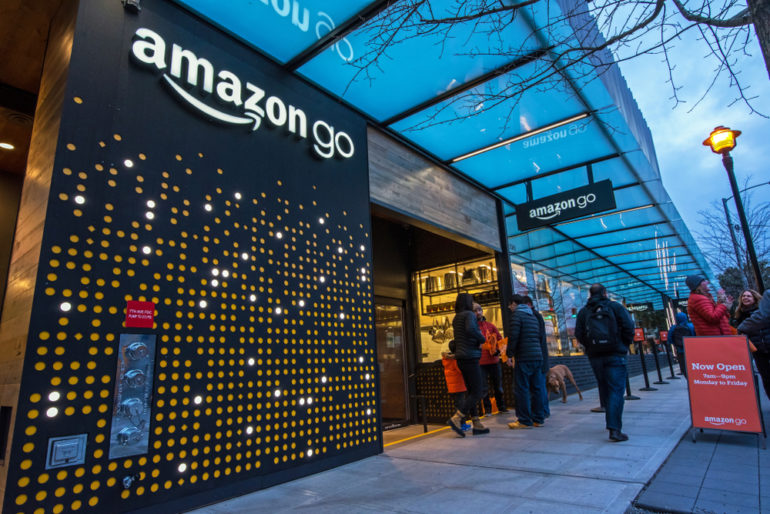
    E-commerce giant Amazon is plotting a new grocery business in the US. The online retail giant is planning to strengthen its supermarket brand by purchasing local grocery chains that operate at least a dozen stores, the report claims.

    The first store is expected to open in Los Angeles by the end of the year, with leases signed for two more locations, set to open by early 2020. The business is in talks to bring the grocery stores to shopping malls in San Francisco, Seattle, Chicago, Washington, D.C. and Philadelphia.

    Amazon, which bought the healthy supermarket chain Whole Foods for $13.7 billion in 2017, had “ambitions in this space” for a long time.

    Amazon’s big rival, Walmart has already been preparing for a battle with the retail giant, the source said. Walmart is introducing grocery pickup at 3,100 stores by next January and will also offer grocery delivery from about 800 more stores by the end of 2019.

  • Lotte Mart Vietnam expands in Hanoi

    Lotte Mart Vietnam expands in Hanoi

    Lotte Mart Vietnam has opened its third Hanoi store in Cau Giay District. The South Korean retailer’s new 2776sqm branch is located in the urban district, near seven local universities. Targeting local students, the branch will offer trendy but inexpensive products. There will be an international zone that sells products from Korea, the US and Europe and  a ‘Delica’ corner will offer baked goods and easy-to-cook food.

    About 35 per cent of the fresh-food products will include harvests from farms near Hanoi to maintain freshness.

    Lotte Mart Vietnam head of overseas business Kang Min-ho said the firm is planning to expand its business in the country, mainly focusing on Hanoi and Ho Chi Minh City.

    Lotte Mart now has 14 stores in Vietnam.

  • SPAR India to partner Himachal Pradesh in promoting fresh sourcing and manufacturing

    SPAR India to partner Himachal Pradesh in promoting fresh sourcing and manufacturing

    As part of ‘The Global Investors Meet’ in Dharamshala, Himachal Pradesh on June 10-11, 2019, which will have the CII as key national partner, a road show was organized in Bangalore recently that saw senior leaders from various industries participate in the event. SPAR was one such participant at the show as a representative of the retail industry.

    At the event, SPAR India’s MD & CEO Rajeev Krishnan and Solai Shakthivel, Senior Vice President – Buying and Merchandising Foods, had the opportunity for a one-on-one interaction with the Chief Minister of Himachal Pradesh Jai Ram Thakur and Industry minister Bikram Singh.

    Himachal Pradesh, known as the ‘Fruit bowl of India’, is famous for its manufacturing and SME development. With its ideal weather conditions, there are different varieties of fruits and vegetables grown in Himachal Pradesh. The state is famed for its abundance of crisp, juicy apples as well as for its pears, peaches, plums, grapes, apricots, mangoes, strawberries and citrus fruits.

    SPAR India offers a variety of fresh produce to its customers, which are mainly sourced from Himachal Pradesh. These include apples, green peas, oranges, honey, organic produce, among other products.

    According to Krishnan, “SPAR India is committed to continue building strong farm to fork relationships. We will be working jointly with the State on sourcing and developing our private label products – soaps, handicrafts, etc which, in turn, will support the growth of SMEs.”

    In its endeavour to continue making a difference in the lives of farmers, customers and communities, SPAR wants to be a strong partner to Himachal Pradesh in promoting fresh sourcing, manufacturing and tourism in the coming years.

  • Bigbasket India expands its offerings to include beauty products

    Bigbasket India expands its offerings to include beauty products

    Bigbasket has made its foray into the beauty and cosmetics category. The company is already a leader in FMCG sales, staples, and fruits and vegetables, has about 10 million subscribers, and is clocking over 1 lakh orders per day. With this new category, bigbasket has cemented its place as the one-stop-shop for all customer needs in groceries.

    The vast range of cosmetic products on the beauty store by bigbasket includes eyeliners, kajal, face creams, nail colors, lipsticks, hair colors, perfumes, deodorants, etc. which can be purchased on the website or through the app. Some of the prominent labels featured include Lakme, L’Oreal, Garnier, Elle18, Lotus Herbals, and Maybelline, among others.

    Customers can make choices based on their skin type, preferred brand, benefits, formulation, etc. There are also exciting discounts of about 25 percent to 40 percent on selected brands and products.

    Speaking about this, Seshu Tirumala, National Head, Buying and Merchandising, bigbasket, said, “bigbasket’s customers can now look forward to far larger variety in our offering with our most recent addition of beauty products. The foray into beauty and cosmetics category comes at a time when we are already growing at a frenetic pace in the market. With this category, we aim to transcend our existing customer base and take the venture a notch higher – both in terms of the customer base and revenue. We will be providing the widest range of affordable and regularly used beauty products to our customers.

    With a dominant share in the market space, bigbasket now aims to raise additional investments up to US$ 200 million over the next few months. The FMCG sales overall (food and non-food) contribute to over 50 percent of its business, another 30 percent comes from staples (including 14.5 percent from private labels) and 18 percent is from fruits and vegetables. The Alibaba-backed company expects to break even in the 10 large cities by next June and aims at becoming a billion-dollar company by the next fiscal year. The company has a presence in 25 cities and plans to launch its operations in Kochi soon.

    Recently, bigbasket acquired Pune-based RainCan and Bengaluru-based Morning Cart to deliver milk to 20,000 customers. The service has been launched in 7 cities and is expected to roll out to another three cities among the top 10 metros. The milk delivery business is expected to clock Rs 10 billion by next year.

  • India’s January retail inflation more than halved to 2.05 pc

    India’s January retail inflation more than halved to 2.05 pc

    India’s annual rate of retail inflation more than halved to 2.05 percent in January from a high of 5.07 percent during the corresponding period last year, official data showed on Tuesday. The downward trend in CPI, is due to food inflation which has further widened its negative trend. Fruits, vegetables and eggs continued to witness deflationary trend during January this year, with their prices declining 4.18 percent, 13.32 percent and 2.44 percent, respectively, according to the data.

    Industrial production jumped to 2.4 percent in December, 2018 from 0.5 percent in November, 2018 driven mainly by a sharp spike in manufacturing index which rose to 2.7 percent vs -0.4 percent month-on-month.