Retail News CRM

Tag: Gucci

  • Closing shop on China’s e-commerce platforms

    Closing shop on China’s e-commerce platforms

    The closures of a number of retail and luxury brand giants on China’s e-commerce platforms indicate that retail competition is no less fierce online than offline.

    It is old news that the Chinese market is highly competitive and unlike any other market in the world. What may sell on the high street in London is not guaranteed to sell in China. The rainbow-lensed promises of e-commerce seem to be an easy way to access China’s 770.4 million working population, 0.2 per cent or over 1.5 million of which have an average income of US$500,000.

    Political concerns and falling sales: Lotte

    In 2015, Lotte Group Retail opened a Tmall store, hoping to widen its reach in China, where over 60 per cent of its overseas stores are located. The large South Korean multinational conglomerate has had a presence in China for over 20 years, with 115 supermarkets and five shopping malls.

    But on January 12 this year, Lotte closed its Tmall store – along with three brick-and-mortar stores in Beijing – after rising political tension between China and South Korea. In December, Lotte’s China headquarters admitted that the company was facing investigations for tax, fire control and safety issues. However, the closure of its Tmall store seems to have stemmed also from the fact that China is Lotte’s only international market where growth is stymying. Sales fell during the last three months of 2016, year-on-year.

    While Lotte remains in the market through its physical shopping malls and supermarkets, and on the JD.com website, the company has not announced whether it will be reopening its Tmall store at any future date.

    Heavy local competition: Asos

    Asos, the UK’s largest online fashion retailer, entered China in 2013 with high expectations. The company announced it was investing RMB 100 million (US$14.5 million) towards the market, importing British styles and developing a sales force. Its business model relied exclusively on e-commerce, with its own website, as well as a Tmall store.

    However, Asos failed to attract enough customers and was running a loss of GBP 4 million (US$5 million) by April of 2016, when it announced that it was shutting down its China operations.

    Asos faced a number of problems in the Chinese market, from operations to marketing. When it first started, the company encountered issues with shipping though China Post, with customers paying import taxes on clothes. Eventually, Asos obtained a local warehouse, but then it encountered complex clothing trade regulations in China, particularly in regards to correct labelling. As a result, Asos had to spend additional funds on restitching to comply with local code, contributing to higher than expected start-up costs.

    Effective marketing was also a major issue for Asos, with the company failing to distinguish itself from local, more affordable brands. While it may be a major player in the US and Europe, Asos was relatively unknown to Chinese millennials, its target consumer base.

    Tmall concerns for luxury brands: Coach

    Coach was one of the first US luxury handbag brands to launch a Tmall store, creating a pop-up store from December 2011 to January 2012, and then an official one in 2015. However, citing a shifting operational strategy, Coach announced that it was leaving the platform just one year later in September 2016.

    China is a critical market for luxury goods, as sales in the US and Europe steadily decline. Many brands see e-commerce as a way to directly access customers and receive greater exposure, which is why many have moved onto online platforms en masse. Despite this, online platforms have always been a concern for luxury brands, who fear appearing too mass market. Moreover, Alibaba has been criticised by brands for not doing enough to remove fake goods, despite a counterfeit removal program. In 2016, Gucci and Michael Kors quit the anti-counterfeit coalition as protest against the program’s inefficacy.

    Coach still remains in the Chinese market through its WeChat account, an avenue that is growing in popularity amongst luxury brands. Cartier, Longchamp, and Montblanc all have WeChat shops with WePay functions. Some companies believe that WeChat offers a more personalised shopping experience, as well as greater control over its brand.

    For many luxury brands, online platforms are more for marketing and building brand image, rather than sales. However, official Tmall flagship stores do not receive priority listing on searches. In fact, according to a 2016 study by L2, only 12 per cent of first page Tmall search results were through the official Coach shop. The only luxury brands that controlled more than 80 per cent of first page search results were Ports 1961, Burberry, Tommy Hilfiger, Calvin Klein, and Tumi.

    Key Takeaways

    E-commerce is a high-growth sector, with online retail sales totaling US$581.61 billion in 2015, and it is estimated to grow 20 per cent annually by 2020. China is now the biggest online retail market in the world, and Chinese consumers make up almost half of all online sales globally.

    Companies looking to take advantage of China’s market size and sell to Chinese consumers often mistakenly believe that e-commerce offers a shortcut to success. While a misconception, this idea is understandable. There are fewer licensing requirements to operate through e-commerce, and customs clearance is faster.

    However, as has been demonstrated through high-profile store closures in 2016, e-commerce requires extensive pre-entry knowledge of current regulations, a realistic logistics plan, and a local marketing strategy. Those who enter the market blindly do so at the risk of expensive learning curves and wasted efforts.

    • This article was first published on dezshira.com.  Since its establishment in 1992, Dezan Shira & Associates has been guiding foreign clients through Asia’s complex regulatory environment and assisting them with all aspects of legal, accounting, tax, internal control, HR, payroll, and audit matters. For inquiries, email [email protected].
  • Hugo Boss Asia sales rebound

    Hugo Boss Asia sales rebound

    Rebounding Hugo Boss Asia sales have prompted the German fashion retailer to revise its profit outlook.

    The company’s stock price soared as much as 10 per cent after management said improved sales in Asia and Britain mean its profit decline will be less than previously predicted in the current financial year.

    Hugo Boss Asia like-for-like sales soared 20 per cent in the latest quarter, after currency adjustments.

    Asia accounts for about 20 per cent of Hugo Boss’ global sales and after currency adjustment, regional revenues rose 5 per cent in the fourth quarter – a significant turnaround from the 3 per cent decline of the previous quarter. The increase was aided by adjusting pricing more into line with those of the US and Europe.

    It is now forecasting an operating profit for 2016 which is better than the previously predicted  decline of between 17 and 23 per cent. Final results will be revealed on March 9.

    Rival fashion retailers Gucci and Louis Vuitton have also recently  reported improving sales in Mainland China as consumers open their wallets again, encouraged by government policies aimed at boosting local consumption rather than shopping abroad.

    CEO Mark Langer said in a statement that fourth-quarter results underline the company is on the right track.

    Total sales fell 3 per cent to 725 million euros (US$769 million), down 1 per cent on a currency adjusted basis, but a far better result than the third-quarter’s fall of 6 per cent. The damage was done in the US where sales fell 14 per cent on a currency-adjusted basis, partly due to the brand’s decision to stop selling in discount and outlet stores.

    Sales in Europe rose 2 per cent.

  • Tencent Singapore office targets tourists

    Tencent Singapore office targets tourists

    Chinese-based online social media platform parent Tencent has opened a Singapore office to help drive Asian brands improve their reach to Chinese consumers.

    Tencent, which owns the WeChat messaging and browsing platform, has created an International Business Group charged with raising awareness of the opportunities offered by WeChat, especially targeting people who live outside China.

    While WeChat is as mainstream in the mainland as facebook is outside China, its takeup across the rest of Asia is limited.  The new Tencent Singapore team believes there are huge opportunities marketing to Chinese when they are travelling outside their home country.

    A growing number of luxury brands are establishing a presence on Wechat – Gucci even sells handbags worth several thousand US dollars on the platform, and BMW reaches out to prospective customers. Other consumer retailers like Hong Kong’s Sa Sa have developed extensive interactive eCommerce platforms which work across channel and drive customers in-store.

    Benny Ho, senior director of business development at Tencent, told The Drum that inbound marketing is a big opportunity in Singapore, especially.

    “These tourists are setting their own itinerary and they know precisely what store to buy from and in what colour before they arrive; they come to buy, not to shop. This means you need to build all the brand consideration and purchase intent way before they arrive and that is part of the core service we are trying to offer,” he said.

    WeChat alone has just over 800 million monthly active users.

    “That’s a huge number,” said Ho. “Every market we go to, we educate the market and tell them the numbers and it’s mind blowing. Our role is to make something that big [more] understandable.”

  • LVMH will expand to eyewear business

    LVMH will expand to eyewear business

    Luxury brand group LVMH is thinking about taking its eyewear business in-house.

    This could be a further blow for Italian eyewear group Safilo, which lost the Armani licence in 2013 and those for the Kering Group labels (Alexander McQueen, Bottega Veneta, Gucci and Saint Laurent) at the end of 2014, reports CPP-Luxury.com.

    Italian investment bank Mediobanca has published a report about Safilo, owned by Dutch investment fund Hal, focussing on its announcement that its licence agreement with Celine has been terminated while its contract with Christian Dior has been extended until 2020. The licence for Celine’s eyeglass collections – the LVMH label joined Safilo’s portfolio in 2012 – ends on December 31.

    While the licence agreement for the design, production and distribution of eyeglasses and sunglasses for Dior and Dior Homme, also part of LVMH’s galaxy, has been extended until the end of 2020, Mediobanca says the extension is for three years only, not for seven years as was the case for the previous contract, renewed in September 2010.

    The bank’s analysts noted that the standard renewable licence contract is for five years.

    “We believe markets are much more volatile than in the past, and renegotiating contracts on a more frequent basis may be to the advantage of both parties,” says the bank. “But we think this could also signal a change in LVMH’s approach as the group has the financial strength to internalise its eyewear business, as Kering did a few years ago.”

    LVMH has been managing the eyewear collections for its leading brand, Louis Vuitton, internally for several years.

    Mediobanca estimates the sales for Celine and Dior eyeglasses collections are worth respectively €40 million (US$41 million) and €200 million. As well as these, there are the sales for the eyewear lines of Fendi, Givenchy and Marc Jacobs, all licensed to Safilo. Altogether, LVMH brands are worth €350 million in annual revenue for the eyewear group, equivalent to nearly 30 per cent of its total revenue, which Mediobanca pegs at €1.2 billion.

    The bank report also highlighted the Safilo portfolio’s “marked reliance on one single client”, plus the weakness of its own brands.

  • Gucci owner meets Korea’s retail giants

    Gucci owner meets Korea’s retail giants

    Kering CEO Francois-Henri Pinault came to Korea, Wednesday, to meet owners and CEOs of retail giants here, according to industry sources. Kering, which changed its name from PPR in 2013, is the French luxury goods holding company owner of more than 20 luxury sport and lifestyle brands including Gucci, Bottega Veneta, Saint Laurent Paris, Balenciaga, Brioni and Puma, which are sold worldwide,.

    Pinault reportedly visited Hyundai Department Store in Apgujeong, southeastern Seoul, Wednesday, and was shown around by CEO Park Dong-woon. Chairman Chung Ji-sun did not meet Pinault, due to a scheduling conflict.

    The sources said Pinault also met Shinsegae Department Store President Chung Yoo-kyung and Lotte Group Chairman Shin Dong-bin on Thursday.

    Pinault is also reportedly scheduled to meet Hotel Shilla President Lee Bu-jin. In 2012, Pinault visited Korea as PPR chairman and met Shin and Lee. At that time, he looked around Lotte Department Store, Lotte Duty Free, Hanwha Galleria Department Store, Shinsegae Department Store and Shilla Duty Free over three days.

    Observers are paying attention to Pinault’s visit, which is only a week before new duty-free store operators are named, Dec. 17. Some sources anticipate Pinault and Korean retailers will discuss offering Kering’s luxury brands at the stores.

    However, candidates for duty free store cannot name what was not included in their business proposals submitted in October, during their final presentations. Other observers therefore believe Pinault’s visit is not related to duty free stores.

    Those observers say Pinault was here to talk with Korean retailers, so Kering’s brands can expand their presence here and in other Asian countries, especially China.

    With rapid sales growth, Asia has recently been in the limelight among global luxury brand retailers.

    In April, Moet Hennessy Louis Vuitton SE (LVMH) Chairman Bernard Arnault visited Korea and met Hotel Shilla’s Lee and Shinsegae’s Chung.

    Arnault also came to Korea last year for the opening celebration of The House of Dior, a flagship store in Apgujeong.

  • Gucci Roppongi designed by Gucci

    Gucci Roppongi designed by Gucci

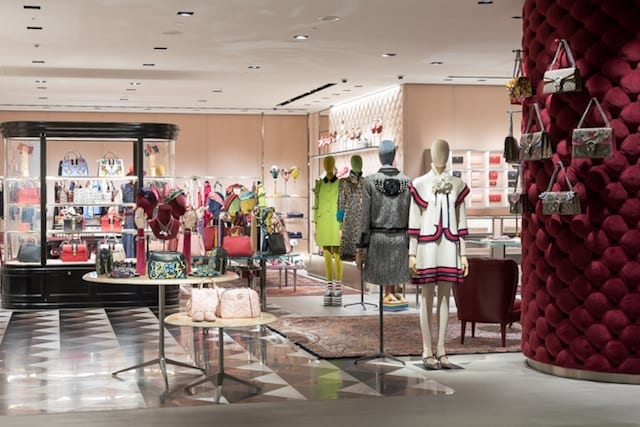
    Just opened, Gucci Roppongi in Tokyo is the first-ever Japanese flagship store designed by Alessandro Michele, the Italian fashion brand’s creative director.

    gucci-new-flagship-store-tokyo-at-roppongi-hills-3

    Covering 228 sqm, the store is in Westwalk Roppongi, Minato-ku.

    gucci-new-flagship-store-tokyo-at-roppongi-hills-2

    It features both women’s and men’s collections including ready-to-wear, footwear, handbags, luggage, accessories and jewellery.

    There are also special items such as exotic clutches and rare Gucci handbags exclusive to the boutique.

  • Kering sales soar – even in China

    Kering sales soar – even in China

    Luxury goods and apparel giant Kering has reported a 10.5 per cent global rise in revenues in the latest quarter, with luxury sales up 11.3 per cent and sports and lifestyle brands up 9.3 per cent.

    Most significantly, at a time its peers are battling falling sales in Hong Kong, Macau and some brands even in Mainland China, Kering seems to have experienced respectable results in those core markets.

    Paris-based Kering’s brands range from luxury labels Gucci, Bottega Veneta and Yves Saint Laurent through to lifestyle brand Puma. The company says sales in directly operated luxury stores enjoyed double-digit growth across all geographic regions excluding Japan, with strong growth of 24 per cent in Asia-Pacific, a very steady 17 per cent increase in North America and an “extremely good performance” in Western Europe, which expanded by 12 per cent.

    “In a complex environment, we stepped up the pace of revenue growth and continued to gain market share,” said Francois-Henri Pinault, chairman and CEO. “Thanks to the creativity of our brands and the outstanding customer experience they offer, we achieved double-digit increases across all geographic regions excluding Japan.

    “We have laid the foundations for steady, sustainable growth, and are highly confident about the full year.”

    Kering’s headline brand Gucci achieved a sales increase of 17 per cent, while Yves Saint Laurent sales soared 33.9 per cent, both gaining market share from rivals. Sales were up sharply across all product categories and regions, excluding Japan, where market conditions were lacklustre for the sector as a whole. Gucci sales in directly operated stores rose by 19 per cent. Sales from Gucci’s e-commerce website increased by more than 50 per cent during the quarter.

    Overall, Kering’s luxury activities generated €2.115 billion in revenue during the period, the 11.3 per cent same-store growth its fastest quarterly figure in three years.

    But at Bottega Veneta, third-quarter sales were again impacted by slower tourism, particularly in the mature markets of Western Europe and Japan. Revenue was down 10.9 per cent on a comparable basis.

    Here, Hong Kong’s luxury retail decline impacted on the brand, the company said, without divulging figures: “While sales in directly operated stores were lower in the quarter, they delivered a slight improvement compared to the second-quarter trend thanks to resilient sales to local customers in Europe and growth across all main markets in Asia Pacific, with the exception of Hong Kong.”

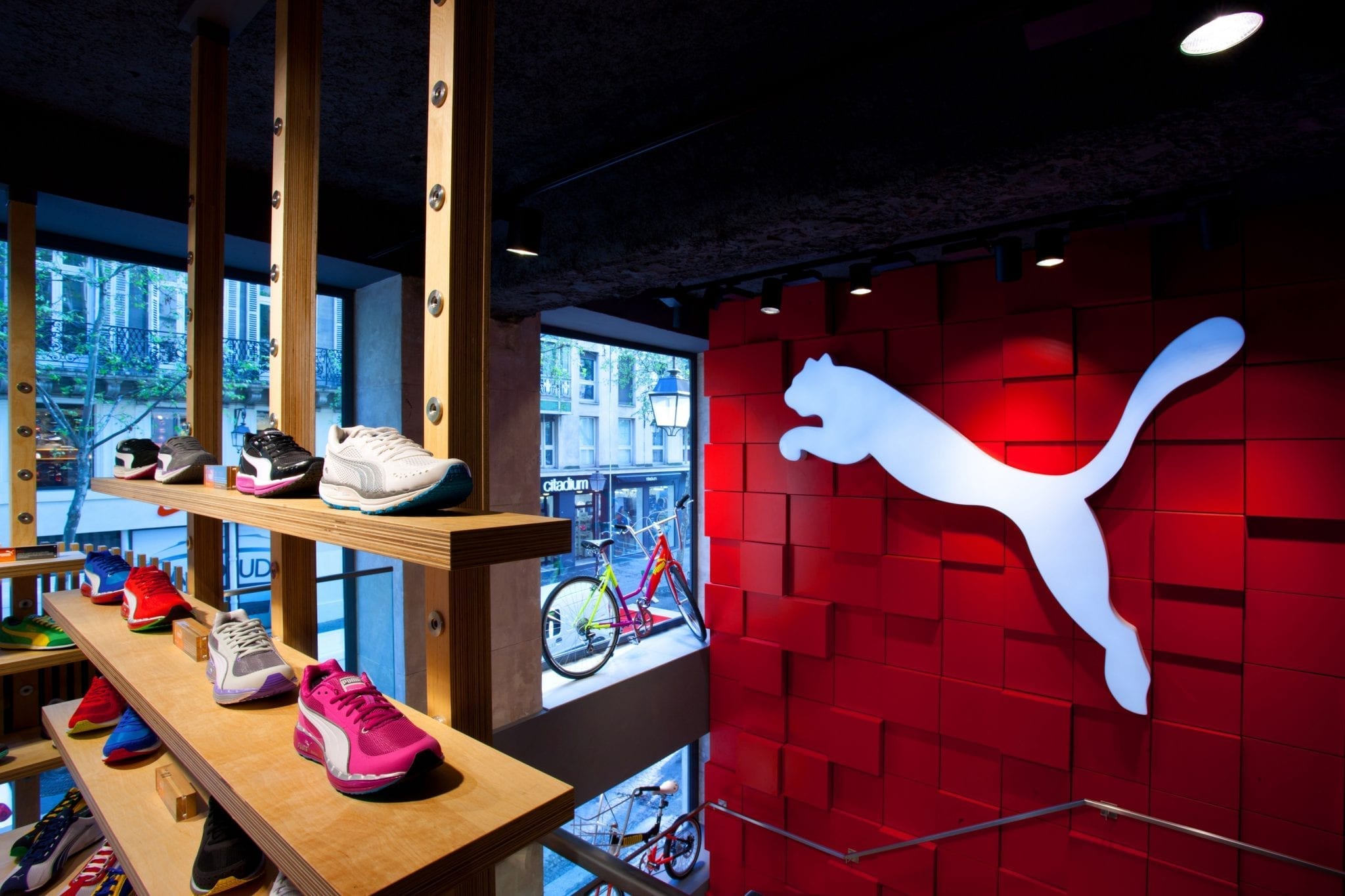
    Puma’s leap

    Puma’s 10.8 per cent same-store sales leap was the result of the brand building on innovative products and renewed appeal, Kering said. Shoes performed particularly well, posting 17 per cent growth, fuelled by the success of new models such as Ignite, Fierce and Fenty. Revenue from apparel was up a solid 10 per cent.

    “With the exception of Japan, Puma achieved double-digit growth across all geographic regions, enjoying strong performances in Europe and the Americas, and sustained expansion in Mainland China.”

    Kering has an ensemble of luxury fashion, leather goods, jewellery and watch brands: Gucci, Bottega Veneta, Saint Laurent, Alexander McQueen, Balenciaga, Brioni, Christopher Kane, McQ, Stella McCartney, Tomas Maier, Boucheron, Dodo, Girard-Perregaux, Pomellato, Qeelin and Ulysse Nardin.

    Kering also has the sports & lifestyle brands Puma, Volcom and Cobra. The group generated revenues of more than €11.5 billion in 2015 and had more than 38,000 employees at year end.

  • Paris label BA&SH eyes Asia expansion

    Paris label BA&SH eyes Asia expansion

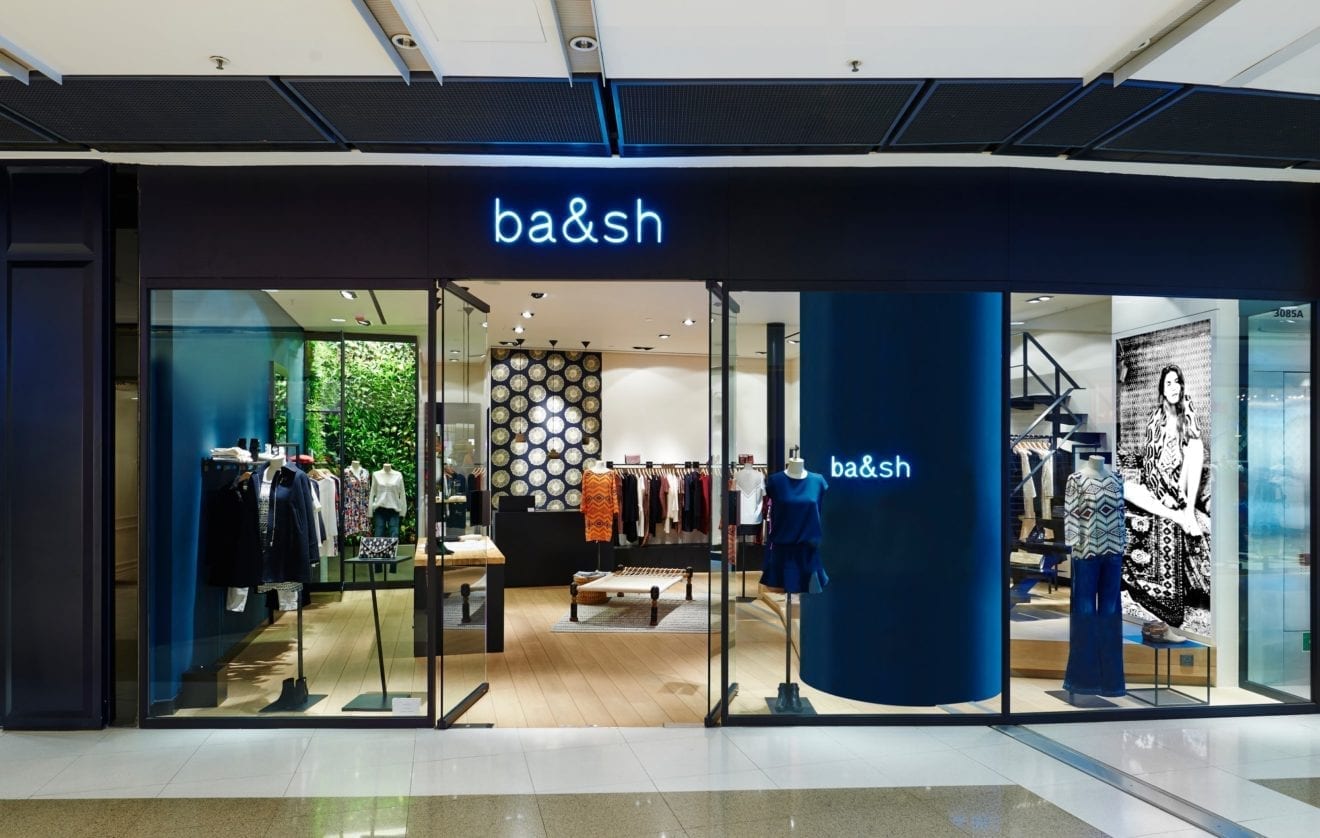
    Parisian fashion house BA&SH has partnered with Hong Kong retail and brand management company ImagineX Group to strengthen its presence in Asia.

    BA&SH has hopes of accelerating its expansion in Hong Kong, Macau, Singapore, Taiwan and China. The label opened its first Asian store at Hong Kong’s IFC Mall in September 2014 and with ImagineX now plans 30 more openings in the region, including a second Hong Kong outlet early next year.

    “Hong Kong customers have taken to our style and our collections,” say designers Barbara Boccara and Sharon Krief. “We are very happy to share our vision of fashion and femininity.”

    Associate general directors Dan Arrouas and Pierre-Arnaud Grenade say the new partnership marks an important and supplementary stage in the company’s development strategy following its establishment in the Middle East and the US.

    They say the ImagineX Group’s expertise in fashion retail and marketing will help BA&SH expand rapidly and contribute to its globalisation.

    ImagineX Group president Alice Wong says the label’s Parisian flair, combined with its unique positioning and price point, make it appealing to Asian customers.

    Childhood friends, Boccara and Krief established BA&SH in 2003 to offer contemporary fashion in the affordable luxury sector. With 91 stores last year, the brand aims to reach 130 stores this year.

    Founded in 1992, ImagineX Group introduced luxury brands such as Cartier, Gucci, Prada and Salvatore Ferragamo to China more than 20 years ago. It represents more than 18 international brands including DKNY, Marc Jacobs and Paul Smith. The portfolio also includes such lifestyle and beauty brands as Apivita, Aveda and Natura Bisse.

  • Hong Kong shines for Sandro Asia

    Hong Kong shines for Sandro Asia

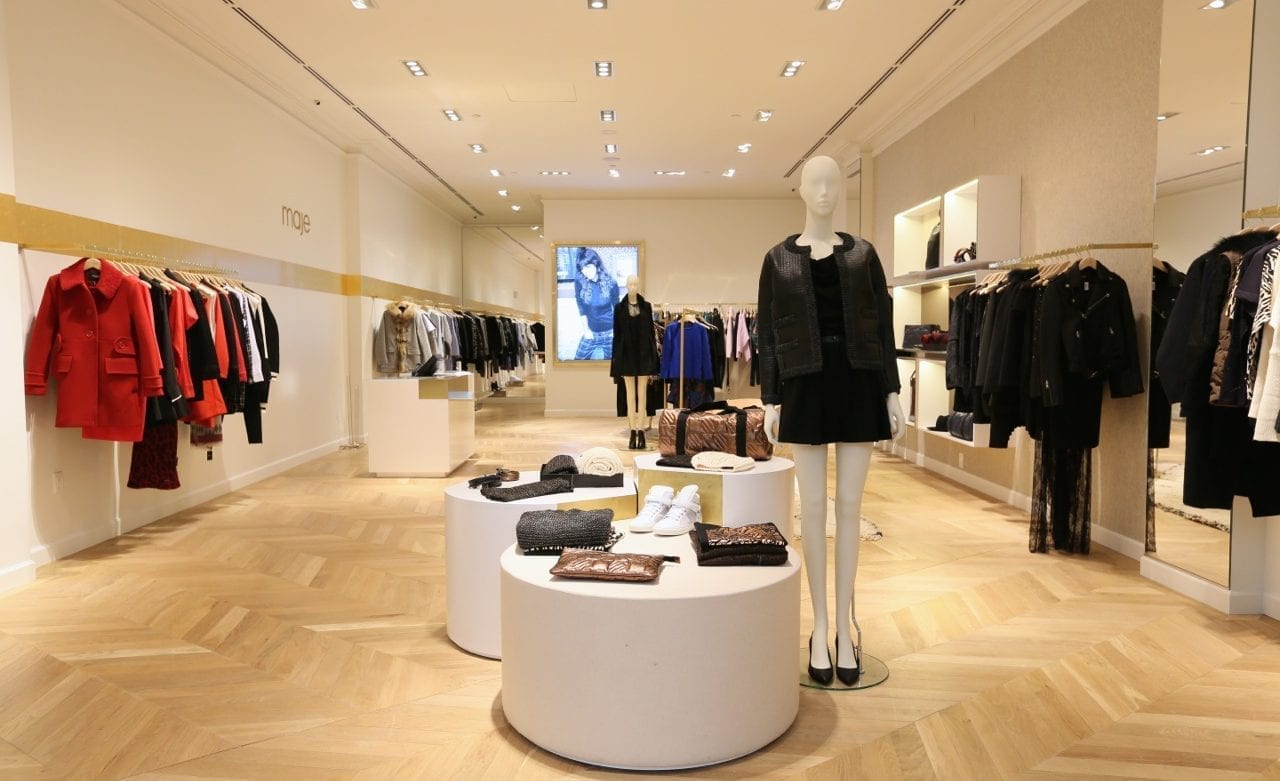
    Paris-based affordable luxury fashion chain Sandro Asia, along with sister brand Maje and Claudie Pierlot, recorded 51 per cent year-on-year growth in Asia Pacific in the first six months of the year.

    Sandro opened its largest Asia flagship store in the heart of Causeway Bay in August, and plans to double the size of its year-old store in Tsim Sha Tsui’s Harbour City.

    This store quickly became the most lucrative of Sandro’s 410 retail outlets worldwide in terms of sales per square metre. In contrast, total tenant sales at Harbour City fell 14.7 per cent to HK$13.3 billion (US$1.7 billion) in the first half, according to financial filings by its parent company Wharf Holdings.

    Sandro now has eight outlets in Hong Kong, and plans to add another two or three more by the end of next year.

    Branding its products as “accessible luxuries”, Sandro’s CEO Jean-Philippe Hecquet says the segment became “very powerful” when people started to look inside their wallets.

    Hecquet, who previously worked for luxury group LVMH, says upper-middle-class consumers still want to enjoy their life even with less money. “They still want to buy luxury products, for sure.”

    Sandro’s launched in Hong Kong in 2012, and Hecquet admits it may have missed the “golden age” when mainland shoppers would queue up outside Chanel, Gucci and Louis Vuitton outlets. But he says that while business is slowing for the traditional luxury brands, “we still see very decent traffic”.

    He believes the emerging young upper-middle class in Asia will be the future powerhouse for luxury goods, and the right time to expand is now. Hong Kong’s retail downturn has freed up more prime retail space and rents are going down. “We have been waiting for a long time to be able to open a flagship,” says Hecquet.

    He says the average age of Sandro’s customers in Hong Kong is between 25 and 30 years, and mainland visitors contribute to a significant portion of sales.

  • Mid-priced brands cash in on falling Hong Kong rents at expense of luxury retailers

    Mid-priced brands cash in on falling Hong Kong rents at expense of luxury retailers

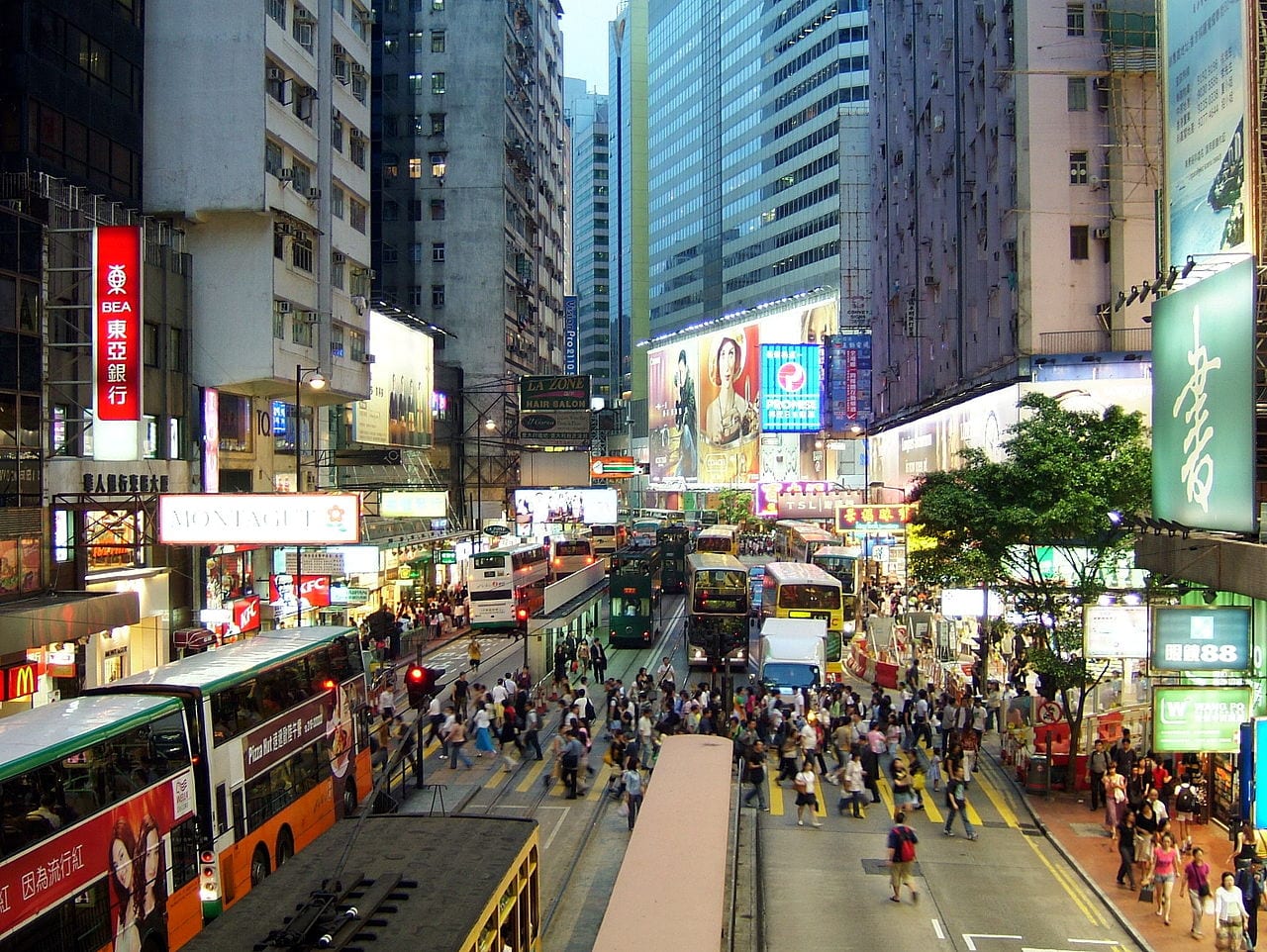
    Hong Kong may no longer be the darling of European luxury brands after the combined effect of a slower local economy and fewer mainland shoppers as a result of Beijing’s anti-corruption crack down, but the city is still magnet for less expensive luxury brands and mid-priced retailers.

    Retail sales have seen an 18 month-long nosedive, with August figures (the latest available) down 10.5 per cent year on year to HK$33.9 billion.

    The decline, largely due to a drop in the number of mainland Chinese tourists, has forced landlords to reduce retail rents to avoid vacancies.

    “This has created a lot of opportunities for retail players to emerge and innovate,” Joanne Lee, associate director of research and advisory of Colliers International said.

    Some less expensive luxury brands and mid-priced retailers still have confidence in the Hong Kong retail market, taking the opportunity to move in on prime locations as high end luxury brands close up shop, according to property consultants.

    French brand Sandro is an example. It finds Hong Kong is still a highly lucrative market compared with the rest of the world – even in bad economic times.

    In August the Paris-based fashion chain opened its largest Asia flagship store in the heart of Causeway Bay, considered one of the world’s most prime shopping districts. It also plans to double the size of its store in Tsim Sha Tsui’s Harbour City, one of the most prestigious malls for mainland visitors.

    Branding its products as “accessible luxuries”, Sandro’s chief executive Jean-Philippe Hecquet said the segment became “very powerful” when people started to look inside their wallets.

    The luxury retail industry veteran, who previously worked for world’s biggest luxury group LVMH for over a decade, said that upper-middle class consumers still want to enjoy their life even with less money. “They still want to buy luxury products for sure.”

    Sandro, along with sister brand Maje and Claudie Pierlot, recorded a 51 per cent year on year growth in Asia Pacific in the first six months of the year.

    Encouraged by the strong performance, Sandro opened three new stores in prime shopping districts in Hong Kong, and plans to add two or three more by the end of next year. It currently operates eight outlets in Hong Kong.

    The Harbour City store, which opened a year ago, quickly become the most lucrative store among its 410 retail outlets worldwide in terms of sales per square metre.

    In contrast, total tenant sales at Harbour City fell 14.7 per cent to HK$13.3 billion in the first half, according to financial filings by its parent company Wharf Holding.

    “The economy is about cycles. Everything happen for a reason. You just need to hang in there,” Hecquet said.

    Unlike traditional luxury brands such as Gucci, Louis Vuitton and Burberry, which had previously aggressively expanded in the city to cater for the huge influx of mainland shoppers, Sandro has only recently ramped up its pace in terms of adding stores. Its first store in Hong Kong was not opened until 2012.

    Hecquet admits Sandro may have missed the “golden age” when rich mainland shoppers queued up outside Chanel, Gucci and Louis Vuitton outlets, snapping up expensive leather bags emblazoned with big logos.

    “For [traditional luxury brands], the traffic is going down, but for us, we still see very decent traffic,” he said.

    But he noted that the emerging young upper-middle class in Asia would be the future powerhouse for luxury goods, and the right time to expand is now. The current retail downturn in Hong Kong has also freed up more prime retail locations and rents were going down. “We have been waiting for a long time to be able to open a flagship,” he said.

    Hecquet said the average age of its customers in Hong Kong was from 25 to 30 years old, and mainland visitors contributed to a significant portion of sales.

    Property consultants said the impact of mainland tourists will continue to diminish as retailers focus their efforts on locals and millennial shoppers.

    “[Retailers will be] very much focusing on the local spending power, instead of relying on tourists,” said Daniel Shih, director of research and advisory at Colliers International.

  • Antonia debuts in Asia at Macau

    Antonia debuts in Asia at Macau

    Multi-label Italian luxury fashion retailer Antonia has opened its first store in Asia, at The Parisian Macao in Macau.

    Designed by architect Vincenzo de Cotiis, the 3000 sqm store features such brands as Gucci, Rick Owens, Sacai, Saint Laurent, Valentino and Versace.

    The store is run in partnership with Modern Avenue, formerly the Canudilo Group. Ten other stores are planned for greater China.

  • Asian tourists boost Australian luxury retailing

    Asian tourists boost Australian luxury retailing

    International tourists, particularly from Asia, have been a major driver of strong revenue growth in Australian luxury retailing over the past five years.

    The latest Luxury Retailing in Australia report from business data company IbisWorld predicts that across the sector, which covers the sales of such goods as Swiss watches and designer handbags and clothing, revenue will reach AU$1.8 billion next year, an 11 per cent annual growth rate. For the ensuing five years, growth is anticipated to continue at the rate of 8.2 per cent a year to reach more than $2.7 billion.

    IbisWorld anticipates that about 30 per cent of industry revenue can be attributed to inbound tourists, especially from increasingly sophisticated markets in Asia.

    Its reports says these tourists have traditionally been drawn to heritage luxury labels and flagship stores, mainly because of the perceived prestige of brands like Chanel, Gucci and Louis Vuitton across Asia, particularly China.

    A gradual depreciation of the Australian dollar since mid-2013 has helped drive growth in inbound tourism, boosting demand for luxury goods.

  • New ambassador sings praises of Gucci Asia

    New ambassador sings praises of Gucci Asia

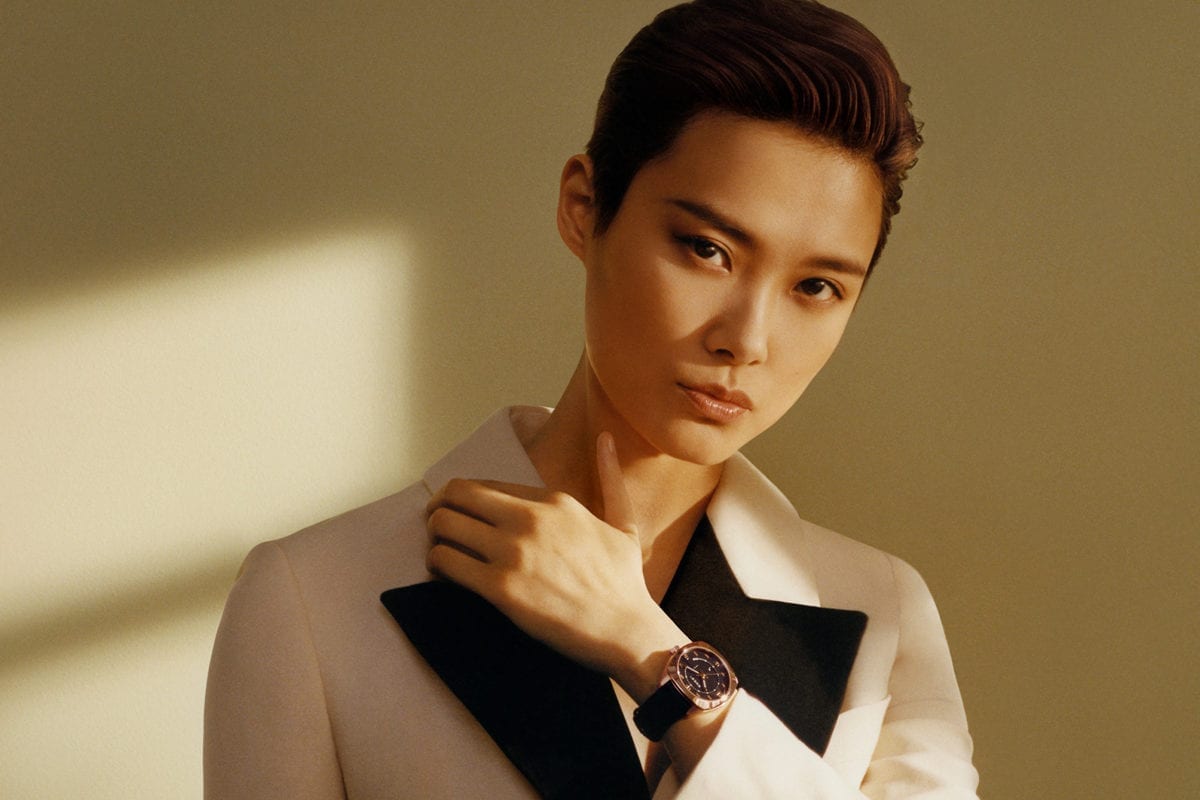
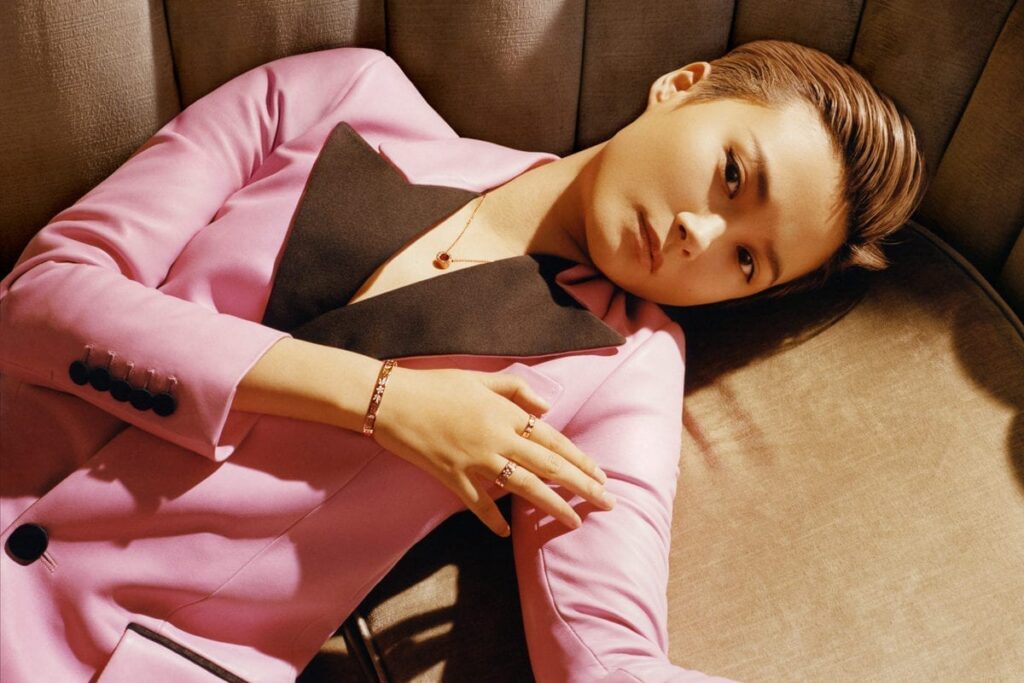
    Chinese actress/singer Chris Lee is Gucci Asia’s new ambassador for timepieces and jewellery.

    The fashion giant says Lee was chosen for her personal style, which is in “absolute harmony” with Gucci creative director Alessandro Michele’s philosophy of self-expression.

    CHRIS-LEE-JEWELLERY-AMBASSADOR_SP_3_300dpi-1200x800

    “I have been captivated by Michele’s collections since he became creative director as they are original and joyful,” says Lee.

    For her first official photoshoot, the celebrity wore items from Gucci’s fine timepieces and jewellery collections. For watches, she modelled the GG2570, named in homage to Michele’s lucky number (25) and Gucci’s hallmark decade, the ’70s. She also wore the G-Timeless automatic, which features decorative bees, a heart and stars on the dial.

    For jewellery, Lee promoted pieces from the Icon Fine Jewellery Collection, including rings, bangles and a matching pendant chain necklace in 18-karat pink gold and white enamel. In an update, small flower and leaf motifs have been added to Icon’s engraved “G” motif.

    Gucci says the campaign launches across Asia this month.

  • DFS Group Cambodia gala opening

    DFS Group Cambodia gala opening

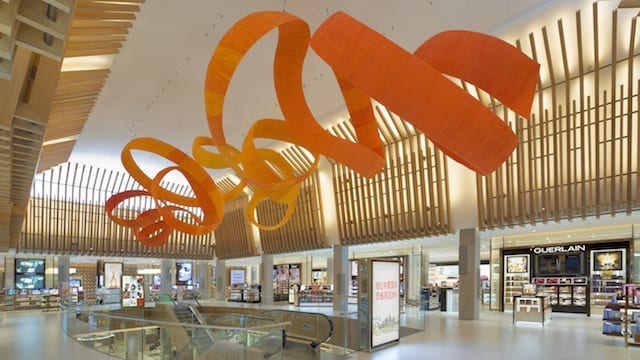
    Luxury travel retailer DFS Group Cambodia has marked the opening of its first store, T Galleria by DFS, Angkor, with a gala event for more than 300 guests.

    DFS T-Galleria Angkor Cambodia

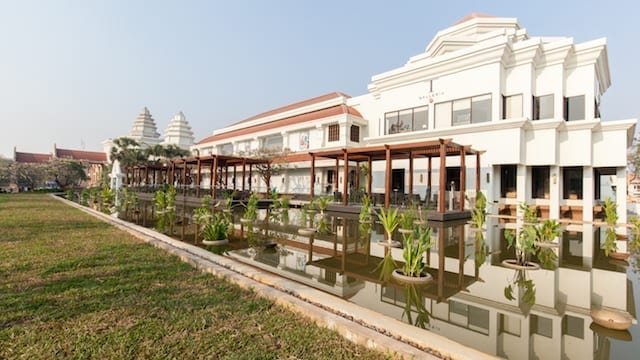
    In the resort town and provincial capital of Siem Reap, near the ancient temple of Angkor Wat, T Galleria by DFS, Angkor is the largest duty-free luxury department store in Cambodia. It offers travelers an integrated retail, hospitality and leisure experience with 170 brands across 86,000 sqft (7989 sqm).

    The opening celebration began with a ribbon-cutting ceremony, after which traditional Cambodian Apsara hostesses led guests through the two-storey store for traditional cultural performances and demonstrations by Cambodian craftsmen.

    DFS T-Galleria Angkor Cambodia 3

    From DFS Group were chairman/CEO Philippe Schaus and co-founder Robert Miller, while special guests included Cambodia’s Senior Minister of Economy and Finance Aun Pornmoniroth and Minister of Tourism Thong Khon.

    DFS Cambodia

    The store features a curated collection of Cambodian artisanal products designed and produced by more than 30 Cambodian artist workshops. At the event, Angkor Artwork, a Siem Reap design studio, demonstrated the art of lacquer work, while Golden Silk, one of the last fully integrated silk producers in the world, wove silk spun from Cambodian silk worms.

    DFS T-Galleria Angkor Cambodia 2

    Traditional Khmer motifs and carvings feature throughout the store, including a nearly 20m art installation suspended above the vaulted atrium.

    DFS T-Galleria Angkor Cambodia 1

    T Galleria by DFS Angkor also ranges more than 130 international brands including watches and jewellery from Bulgari, Cartier and Tiffany & Co and fashion from Bottega Veneta, Burberry, Fendi, Gucci and Saint Laurent. There are also more than 30 beauty and fragrance brands such as Cle de Peau Beaute, Dior, Estee Lauder and Giorgio Armani.

    DFS T-Galleria Angkor Cambodia 5

    The gala event also marked the official opening of the onsite restaurant, the first Crystal Jade outlet in Cambodia, serving traditional Chinese cuisine in a setting overlooking the gardens and reflecting pools outside.

    DFS T-Galleria Angkor Cambodia 6

    DFS T-Galleria Angkor Cambodia 8

    The event also provided a platform to officially announce the company’s sponsorship of several non-profit organisations focussed on helping underserved populations in Cambodia. Schaus presented a donation to Kuma Cambodia, which aims to reduce poverty through providing education, healthcare and nutrition to vulnerable youngsters, English and computer courses for teenagers, and workshops and guidance for parents and guardians.

  • Changi Airport bookstore concessions up for grabs

    Changi Airport bookstore concessions up for grabs

    Ten Changi Airport bookstore concessions are up for tender across four terminals.

    Changi Airport Group (CAG) has issued documentation seeking bids to operate books/magazine/stationery concessions spread across terminals 1 to 4 at Singapore’s airport.

    Three store premises are being made available for each of the T1 (departure/transit lounge East and West, and departure/check-in-hall East), T2  (departure/transit lounge North and South, and departure/check-in-hall South) and T3 (departure/transit lounge North and South, and departure/check-in-hall North). One T4 store will be made available in departure/transit lounge North.

    CAG says the concession requires that companies have “a good track record” in the business of retailing books, magazines, newspapers, postcards, pens and stationery items.

    The contract is for three years, with a two-year option to extend at the discretion of CAG.

    Meanwhile, concept stores Avenue Kids and Pure Gold Jewellers have launched in T2 in the public areas. It is Avenue Kids’ second full-fledged airport store following the opening of its first outlet in the T2 transit area last month.