Retail News CRM

Tag: healthcare

  • Sigma chairman Resigns after remuneration protest

    Sigma chairman Resigns after remuneration protest

    Brian Jamieson, chairman of Sigma Healthcare, has said he intends to step down within the next 12 months after shareholders protested the remuneration report at Sigma’s annual general meeting on Wednesday.

    Shareholders delivered an 18 percent vote against the report during the meeting, while also opting to re-elect Jamieson, as well as David Manuel, as directors.

    The vote signalled shareholders’ frustration over Sigma’s decision to reject a takeover offer by rival healthcare business Australian Pharmaceutical Industries, as well as a protest against the remuneration report itself, which included bonuses for board members in a year that has seen Sigma’s share price fall from 80 cents per share in June 2018 to 53 cents per share.

    “This has been a defining year for Sigma,” Jamieson told shareholders at the business’s AGM.

    Over the course of the year, Sigma walked away from a supply contract with Chemist Warehouse Group, causing a major fall in the business’s share price hasn’t been recovered.

    Sigma also walked away from the proposed merger with API, which Jamieson told shareholders was “somewhat opportunistic, with Sigma at its most vulnerable” after dropping the Chemist Warehouse Group supply contract.

    “To agree to proceed may have been the easy decision, but our detailed analysis supported our view that it was not the right decision for mid to long-term shareholder value,” Jamieson said.

  • Indonesia’s Kimia Farma eyes Growth into Vietnam

    Indonesia’s Kimia Farma eyes Growth into Vietnam

    Indonesian state-owned pharmaceuticals firm Kimia Farma is considering expanding into Vietnam by acquiring a local company. The firm recently invested US$10.26 million in a Saudi Arabian firm, purchasing 60 percent of its shares and renaming it as Kimia Farma Dawaa.

    It is currently investigating Vietnamese regulations to discover whether or not it can own a majority stake in a local firm, a critical factor in securing its investment.

    “It depends on the regulation in the country,” said Kimia Farma finance director IGN Suharta Wijaya. “It the regulation is okay, we will enter the country this year.”

    “If the sales of each Kimia Farma outlet in the country is IDR1.5 billion ($104,877) per month, [the sales of an outlet of the Vietnamese company] could be IDR4 billion per month,” Wijaya added.

    Investment in the pharmaceutical industry is stepping up in Vietnam, with the announcement last week that Vietnam-focussed private equity firm Mekong Capital has issued funding to pharmacy chain Pharmacity.

    With 186 outlets retailing both traditional Vietnamese and Western medicines, Pharmacity is the country’s most widespread network of pharmaceutical products stores, with 1 million subscribers to its loyalty program. The firm is targeting 1000 outlets in Vietnam within two years.

    Reportedly, Kimia Farma is seeking to buy a chain with 400 outlets nationwide.

  • Government to recommend vaping as healthier

    Government to recommend vaping as healthier

    The New Zealand Government is set to publicly recommend that Kiwis seeking to quit tobacco could use vaping as a healthier alternative, with a media campaign set to begin in August.

    While the New Zealand Ministry for Health website notes it “does not have enough evidence to recommend vaping products confidently as a smoking-cessation tool”, a spokesperson confirmed that vaping is intended to be a safe gateway for those who wish to give up cigarettes.

    “There is a scientific consensus that vaping is significantly less harmful than smoking,” the spokesperson said.

    “It is likely vaping can also be used to stop smoking but the evidence is still emerging. A number of large studies are underway and more information will be available over the next year.”

    The campaign is also set to limit access to vaping devices for non-smokers, especially the under-age, while also focusing on Māori women – who have been shown to have the highest smoking rate in the country at 32.5 percent.

    The shift in thinking is likely to assist with the Government’s ‘Smoke-free 2025’ target.

  • Google launches its health-tracking app for Iphone Users

    Google launches its health-tracking app for Iphone Users

    Google Fit, the health-tracking app that made its debut on Android four years ago, has now been released on iOS. The app has gone through multiple overhauls since its launch back in 2014, but the last major update released last year made it extremely simply to use.

    Starting today, iOS users will be able to track their Heart Points and Move Minutes, the best way to build smarter, healthier habits throughout the day. Google Fit awards users so-called Move Minutes and Heart Points the more they move and the more intensely they move. Based on the scores, you’ll be closer to reach the recommended amount of weekly physical activity and reap the health benefits.

    It’s purely motivational, but very helpful if you’re trying to exercise but don’t find the courage to do it regularly. More importantly, Google Fit allows users to track their progress throughout the day using various apps.

    For example, app connected to Apple Health, such as Sleep Cycle, Nike Run Club and Headspace, can be synced with Google Fit to offer a more holistic view of your health. You’ll also be able to see how many Heart Points and Move Minutes you earn through other activities.

    Moreover, if own an Apple Watch as well, Google Fit will keep track of all your workout sessions too. Just don’t forget to check the app’s journal to see what you need to do to sleep better and get more active. You can download Google Fit for iOS right now via the App Store.

  • Vietnam cracks down on drugstores selling without prescriptions

    Vietnam cracks down on drugstores selling without prescriptions

    The Ministry of Health has ordered that all drugstores should be connected to the national medicine database via the Internet by Monday, a move aimed at preventing the sales of drugs without prescription.

    But in Ho Chi Minh City, which has the highest number of pharmacies in the country at over 6,000, only 61 percent have linked up, according to the city Department of Health. In Hanoi, 90 percent of its over 4,600 drugstores have done so.

    Many pharmacy owners said they do not have a computer or Internet. Tran Thi Nhi Ha, deputy director of the Hanoi Department of Health, said the regulation requires pharmacies to invest in infrastructure and this takes time.

    Tang Chi Thuong, her HCMC counterpart, said inspectors would soon carry out checks to ensure compliance. “Licenses will be taken away from pharmacies that continue to disobey.”

    Most pharmacies in Vietnam sell drugs without prescriptions. In fact, around 88 percent of all antibiotics sold in urban areas are without prescriptions while the rate is 91 percent in the countryside, the health ministry said.

    The World Health Organization has listed Vietnam among the list of countries with the highest rate of antibiotic-resistant infections, with 33 percent of all patients suffering from them.

  • Hong Kong fitness centres named and shamed

    Hong Kong fitness centres named and shamed

    Expressing deep concern for “unscrupulous sales practices” of some Hong Kong fitness centres, the Consumer Council has named and shamed four operators it says targets young consumers with high-pressure sales tactics.

    “After careful consideration, the council today publicly names four fitness centres and strongly reprimands them for their undesirable sales practices targeting inexperienced young consumers,” the council said in a statement. “The complaint cases levelled against the four centres involved some $40,000 on average and in the most extreme case it stunningly reached the sum of $1.75 million.”

    The council said the centres’ behaviour is “detrimental to consumer rights and interests”.

    The four centres shamed are:

    • SML Studio/TIA Studio, CMB Wing Lung Bank Centre, Nathan Road, Mong Kok.
    • Fitness Express, Mongkok Metro, Nathan Road, Mong Kok and Grand Place, Nathan Road, Mong Kok.
    • Legend Fight & Fitness, Russell Street, Causeway Bay.
    • A Plus Fitness, Argyle Street, Mong Kok.

    More than 90 per cent of the complaints the council has received relating to the Hong Kong fitness centres, related to customers aged 25 or younger, and some of the victims were even mentally incapacitated.

    “High-pressure tactics were deployed throughout the course of the sales process. Young consumers, under threat of personal safety, succumbed to the unrelenting pressure to sign the contracts so as to swiftly escape from the uncomfortable situation. Some traders also resorted to unconventional payment methods, including taking the complainants to major chain stores to buy gift vouchers to pay for fitness centre memberships, or requiring bank transfers or electronic payments and in some cases the funds were transferred to the personal accounts of the salesperson.

    “Consumers were generally given only a copy of the signed contract but not an official payment receipt.  Recent complaints have indicated that they were not even given a copy of the service agreement.”

    The council said most complainants were allegedly forced to have a photo or video taken, or were made to declare and sign a statement that they had signed the contract of their own free will, and that they would not make any claims against the company in the future.

    “Since the payments are made indirectly to the fitness centres, and there are no official receipts, it is incredibly difficult for consumers to seek legal redress in the face of such blatant disregard of consumer rights.”

    Targeting the young

    According to the council there has been a growing emergence of small independent Hong Kong fitness centres in areas frequented by young people, such as Mongkok and Causeway Bay, in recent years.

    “Unscrupulous traders have seized the opportunity to set up fitness centres in small premises with limited gym facilities, so it’s hard to believe they have ever had a long-term development plan to provide quality service to consumers.

    “In general, the modus operandi of these centres involves staff first appealing to the sympathy of complainants to help filling out a questionnaire, and then luring them to a nearby fitness centre. Once inside the premises, another sales team take over and use warm and friendly persuasion to lower the targets’ alertness as much as possible. On the pretext of validating the questionnaire, they then coax the targets to hand over their credit cards and identity cards with the actual intention of drawing up a contract and transferring funds.”

    It was further alleged that any attempts to leave the premises were often met with oral and even physical threats of the staff.

    In the past year, the council received 160 complaints against the four fitness centres, involving $6.78 million.  In the case of the highest amount from A Plus Fitness, within just four months, the complainant was persuaded to buy a 15-year membership and 1050 private coaching sessions, totalling more than $1.75 million.  Hundreds of thousands of this amount was borrowed from a moneylender. After explaining that the fitness centre could not open a credit-card account, its staff asked the complainant to make electronic transfers to pay for the membership and coaching sessions through 20 transfers of some $1 million in total.

    Complaints against Legend Fight & Fitness revealed an even more unusual means of payment method. The complainants were taken to nearby electronic goods and personal care chain stores to buy gift vouchers worth tens of thousands of dollars as payment for the fitness expenses.  As the complainants paid for the fitness centre membership with gift vouchers purchased from a third party and the fitness centre kept the receipts for the gift vouchers without giving a copy to the complainants, this will make it difficult for complainants to seek legal remedy in the future.

    Despite repeated enquiries by the council about how the fitness centre converted the gift vouchers to cash and deposited the cash into the company’s bank account, the centre staff refused to respond.

    Of the 237 complaint cases levelled against the four Hong Kong fitness centres between January last year and last February, the council referred 16 complaints to the Customs and Excise Department (CED) for follow-up whereas 51 complainants approached the CED direct to report their cases. Two other cases are currently receiving assistance from the Consumer Legal Action Fund (CLAF).

    Complaints escalate

    The council says that while the number of complaints about sales malpractices have been declining in recent years, after removing complaints relating to fitness centres closing down, those relating to the fitness sector have shown no signs of declining, running at 500 to 700 cases a year.  Complaints about sales malpractices have continued to rise unabated, jumping 88 per cent last year to 415 cases.

    The council advised consumers who felt coerced into signing a contract for an unreasonable amount to discuss the problem with their family immediately and if necessary, contact the Consumer Council or report the business to the Customs and Excise Department or the police.


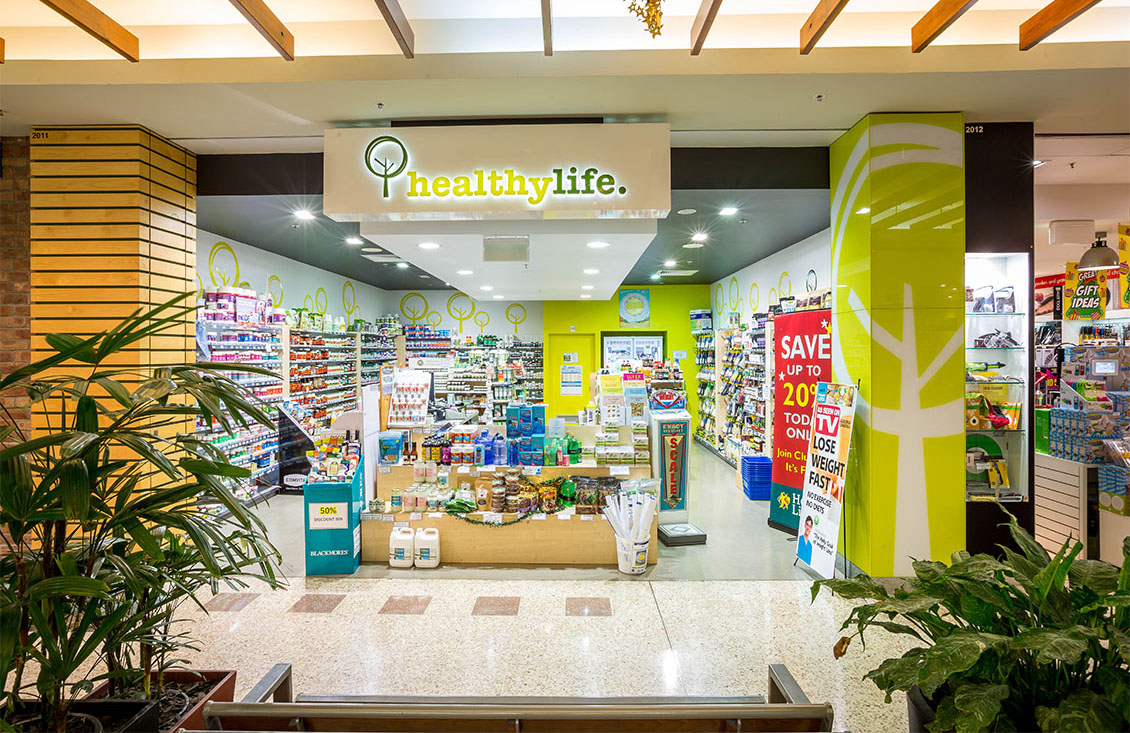
  • Healthy Life to join Go Vita network Immediately

    Healthy Life to join Go Vita network Immediately

    Australian retailer Healthy Life will join the nation’s largest health food store group, Go Vita, in the hope of strengthening the retail health channel.

    GoVita has more than 135 independently-owned and operated health stores in its network. Going forward, Healthy Life’s 50-plus store network will be co-branded as GoVita & Healthy Life, and both brands will retain their current identity.

    “In the face of an increasingly competitive and challenging retail environment, we believe this move will strengthen the retail health channel for the future,” said Healthy Life general manager, Craig Johnston in a statement on Tuesday.

    Healthy Life Group also plans to boost growth by investing further in its private label range for export.

    “By joining forces with Go Vita and shoring up the retail health channel we can both benefit from the significant growth that has seen the complementary medicine sector grow by 70 per cent in the last five years alone to an estimated $4.9 billion and the organic food market, which has grown by 88 per cent to an estimated $2.4 billion in Australia,” Healthy Life chairman Rolf Krecklenberg said.

    Go Vita CEO Terry Hughes said the move is great for both parties and will give Australians easier access to premium health and wellness products and services.

    “They Healthy Life have joined as members of Go Vita, enabling Go Vita to have a larger footprint to better serve the health & wellness sector across Australia with an increased store base just short of 180 stores nationally,” Terry Hughes CEO Go Vita told.

    “Health food stores play a vital role in the growth of Australia’s health and wellness industry. They are the incubators and launch pads for new, innovative products onto the Australian market and are a critical part of our retail landscape; ensuring consumers have diversity of choice about what they buy, and where they shop.”

    Commenting on whether there would be store closures in areas where Healthy Life/Go Vita store locations overlap Hughes said, “this will be reviewed on a case by case situation”.

    “If the Healthy Life store is within 1 km of the existing Go Vita store we will look to relocate the Healthy Life store.”

  • George & Matilda expands up to 70 practices

    George & Matilda expands up to 70 practices

    George & Matilda now has 70 practices in its network, a milestone for the eyecare retailer started in 2016, which brings together independent optometrists under a single banner.

    According to CEO Chris Beer, this model has been the key to success for the business, which recently added local optometrists in Victoria, Queensland and New South Wales.

    “We pride ourselves on being a home for any practice that is focused on delivering the best care for their patients, no matter how they do so,” Beer said.

    “This makes for a very varied and diverse group of partners, which we believe is our key strength.”

    According to Beer, the firm’s ability to listen and learn from its partners to gather information which can then be filtered through its marketing, supply chain and business support structures has resulted in “fantastic results at a time when a lot of retail is hurting.”

    IBISWorld estimates the optometry and optical dispensing industry to be worth approximately $3.7 billion in Australia, with an annual growth of 2.9 per cent between 2014-19.

    Much of this is due to the industry’s distinct mix of retail and service elements, according to IBISWorld senior industry analyst Liam Harrison.

    “With around half of Australians requiring glasses, there is a large market for industry services,” Harrison told IR.

    “Combining traditional retail with service elements has helped the industry both remain relevant and protect its profitability at a time when consumers are looking to reduce their expenditure where they can.”

    However, with businesses offering the purchase of eyewear online, the offering of service elements may not be mandatory to survive in the industry, Harrison argues.

    Looking forward, Beer believes the next year will be transformative for George & Matilda.

    “We started this business with the vision to help the world see better by supporting and uniting local independents to build the best optometry community,” Beer said.

    “It’s a big ambition, but we have invested the time and resources to create something that can bring about meaningful change for the industry in the long term.”

  • Apple Watch’s ECG became finally available in Europe

    Apple Watch’s ECG became finally available in Europe

    The Apple Watch is the world’s most popular line of smartwatches right now, holding about 50% of the global market. When Apple announced the Apple Watch Series 4 last year, there was one feature that stood above all. It wasn’t the larger display or the Digital Crown with tactile feedback.

    Instead, it was the addition of ECG (electrocardiogram) capabilities without any additional hardware needed (besides the Apple Watch itself, of course). The feature allows the user to quickly and easily take an ECG and then, if need be, send the results to their doctor. Even without having the results looked at by a specialist, the device’s own algorithms would alert the user if they notice something out of the ordinary. Since then, reports are showing up regularly about how the Apple Watch helped one person or another notice an issue with their heart that was later confirmed by a cardiologist. This allowed proper measures to be taken a lot sooner than if the patient had waited until the problems became obvious.

    Unfortunately, despite the Apple Watch being loved all around the world, the ECG functionality was limited only to the United States. Not anymore!

    Select European countries and Hong Kong are getting ECG

    Apple’s watchOS 5.2 is now available for all Apple Watch models and adds a couple of features for users in 19 European countries and Hong Kong. The more important one is ECG, which comes only to the Apple Watch Series 4. Here’s the full list of European countries that are getting the new feature:

    Austria, Belgium, Denmark, Finland, France, Germany, Greece, Hungary, Ireland, Italy, Luxembourg, Netherlands, Norway, Portugal, Romania, Spain, Sweden, Switzerland, the UK.

    Despite the ECG app and the Irregular Rhythm Notification (more on it below) being cleared for use in the European Economic Area, according to Apple, there are several countries that are part of the EEA and won’t be getting these features yet: Bulgaria, Croatia, Czech Republic, Estonia, Iceland, Latvia, Lithuania, Poland, Slovakia, Slovenia.

    The reason for that is unknown. It could be due to additional regulatory approval needed or, alternatively, those are just markets Apple isn’t as interested in right now.

    A more notable country that’s also missing from the expansion list, although not in Europe, is Canada. It was expected to be one of the first countries besides the US to get the ECG app, but it appears that Canadians will have to wait at least until the second wave of expansion.

    ECG on a smartwatch, how does that work?

    For those of you that are just hearing about the Apple Watch’s ECG, here’s a quick rundown. Electrodes inside the Apple Watch Series 4 measure the electrical impulses your heart is releasing when beating. To do that, the user must touch the Digital Crown (the rotating bit on the side of the watch) in order to close the circuit, creating an effect similar to a single-lead electrocardiogram.
    After 30 seconds of measuring your rhythm, the ECG app will classify it as either AFib or sinus rhythm. If you get AFib as a result, you might want to get a consultation from your general practitioner or cardiologist. Of course, the results won’t be nearly as accurate as those taken by professional medical equipment, but the Apple Watch feature is far from a gimmick. Medical trials have shown that the wearable device is classifying the different heart rhythms with very high accuracy.
    The watchOS 5.2 update is also bringing a health-related feature to older Apple Watches as well. Called Irregular Rhythm Notification, this feature is coming to Apple Watch Series 1 and newer models. It checks the user’s heart rhythm on regular intervals using the optical sensors of the device and sends a notification if five irregular rhythms are detected over the span of at least 65 minutes.

    Sinus rhythm notification on the left (in Spanish) and an irregular heart rhythm warning on the right (in Italian

    To start using the new features, users have to enable them from the Health app on their iPhones. Obviously, the Apple Watch must be updated to watchOS 5.2, but to do that the iPhone itself must be updated to iOS 12.2.

  • Sigma confident of turnaround plan

    Sigma confident of turnaround plan

    Pharmaceutical retailer Sigma Healthcare’s net profit fell 33.1 per cent to $37 million in FY19, down from $55 million in the prior corresponding period.

    Total revenue also decreased in the year to January 31, 2019, falling 2.9 per cent to $3.98 billion, compared to $4.09 billion in FY18.

    The business declared a final dividend for FY19 of 2 cents per share, and Sigma chairman Brian Jamieson stated the business remained committed to returning a high proportion of its NPAT to shareholders.

    Sigma also shared with investors further details about Project Pivot, the turnaround initiative it unveiled after dropping its Chemist Warehouse contract in September 2018, including over $100 million of efficiency gains to be enacted over the next two years.

    “Whilst a large proportion of the cost savings come from extracting costs incurred to directly deliver services to, additional cost savings will come from a restructure of functional areas within Sigma, and changes within our DC network,” Sigma chief executive and managing director Mark Hooper said.

    “This work has already commenced with plans and timeframes communicated to our DC team members in March.”

    As part of these changes, Sigma will cut staff and close three distribution centres, in Shepparton, Newcastle and Launceston, by October 2019.

    The retailer recently refused an offer to merge with Priceline owner Australian Pharmaceuticals Industries on the grounds that it undervalued its long term prospects, and that the $60 million of savings the combined company was forecasted to make was not as efficient as its own $100 million savings plan.

    API countered this claim last week, stating that the cost savings Sigma cites are uncertain and unclear, and that the company has so far released little information in regards to its restructure.

    “While the Sigma Board is not philosophically against industrial consolidation, the assessment of management, the Board and our advisors was united – this proposal was not in the best interest of Sigma shareholders,” Jamieson, the company’s chairman, said.

    “Our Project Pivot review and the cost efficiencies to flow from it, along with the structural reforms we are implementing to provide step change to our operations, give us great confidence in the direction we are heading and the future of our business on a standalone basis.”

    Sigma has reaffirmed its EBITDA guidance for FY20 of $55-60 million, with the savings of Project Pivot not likely to come into effect immediately. Hooper had previously stated it was unlikely EBITDA would return to FY19 levels until FY23.

  • API doubts Sigma plans

    API doubts Sigma plans

    The proposed merger between the owners of the Priceline and Amcal pharmacy chains is off after Sigma Healthcare rebuffed an approach by its rival.

    Amcal owner Sigma, which is restructuring after losing a contract to supply Chemist Warehouse, said on Wednesday that October’s cash-and-scrip approach by Australian Pharmaceuticals Industries had undervalued its long-term prospects.

    Instead of responding with an increased offer, API questioned Sigma’s plans and said it would now decide what to do with the 12.85 per cent stake it bought late last year.

    “The Sigma Board has chose a path to restructure its significantly downsized business, rather than pursue a merger to create a future that benefits consumers, pharmacists and both sets of shareholders,” API said.

    Sigma said it agreed the tie-up could save the combined company $60 million a year through supply chain consolidation, but that a business review completed last month found $100 million in potential savings through cost-cutting as a stand-alone company.

    It also said that a decline in API’s share price also meant the offer was worth 12 per cent less than when it was made in October.

    The offer was worth about $727 million when it was made public in December.

    API countered by saying the cost savings that Sigma was citing were uncertain and unclear, and would mostly be offset by revenue lost by Chemist Warehouse’s decision to take its business elsewhere.

    It also pointed out its offer represented a 41.8 per cent premium to the average price of Sigma shares in the month before the offer was announced.

    “API notes that very little information has been provided by Sigma in relation to its intended restructure,” API said.

    Sigma shares slumped on the development, dropping 14 per cent to 52.5 cents by 1423 AEDT, their lowest since before the merger proposal was made public.

    API shares were down 3.57 per cent, at $1.35.

    Sigma is the owner of franchise brands Amcal, Chemist King, Discount Drugs and Guardian.

    API owns the Priceline, Soul Pattinson and Pharmacist Advice brands.

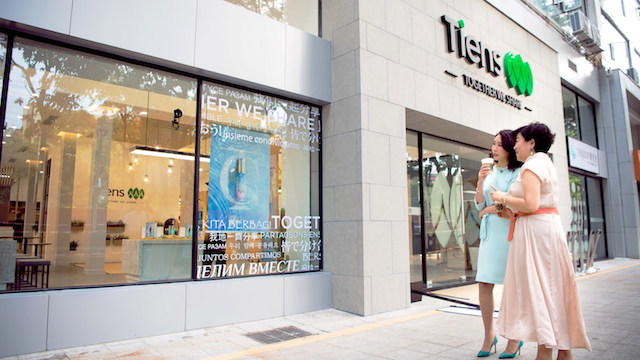
  • Tiens Group reveals global expansion plan

    Tiens Group reveals global expansion plan

    Chinese healthcare company Tiens Group is eyeing global expansion following the success of its high-tech Shenzhen flagship store which opened in August. According to the firm, the launch was made as a step towards global expansion, featuring a combination of technology-enhanced online and offline consumer experiences such as touch-screen computers and live product demonstrations.

    The brand now plans to establish 110 branches worldwide as part of its broader strategy to create a healthcare system integrating physical retail, e-commerce, Traditional Chinese Medicine and medical facilities, as well as educational, tourism, accommodation and lifestyle experiences.

    Board member and e-commerce GM Chelsea Li said experience marketing is at the cutting edge of business development trends. “We aim to bring our customers an intuitive experience of meticulous care, attentiveness, and beauty.”

    Tiens’ new e-wallet app PointsWin is positioned to play a core role in the firm’s strategy, connecting the business’s blockchain-based customer network. Consumers can currently use the app to make purchases and earn rewards at any business bearing the Tiens banner.

    Tiens Group chairman Li Jinyuan said: “We have always approached development by considering the world from a global perspective. These [target locations] are especially the regions involved in China’s One Belt One Road initiative.”

    The flagship is located in the Tiens International Health Industrial Park in Luohu, Shenzhen.

  • Seed Money for Healthcare Startups in Southeast Asia

    Seed Money for Healthcare Startups in Southeast Asia

    HealthXCapital launched Emerging Asia’s first healthcare-focused early stage VC fund, according to a media release sent on Thursday.

    Backed by Apollo Hospitals, Jungle Ventures, Eight Roads Ventures (the proprietary investment arm of Fidelity International), and other private investors, early stage venture firm HealthXCapital aims to fuel healthcare innovation in Asia’s emerging economies.

    Healthcare Has Not Kept Pace

    The region has experienced one of the world’s fastest growths stories but healthcare has not kept pace. We believe that HealthXCapital can foster healthcare innovation in Asia in order to improve patient outcomes, access and affordability in our core demographies, said Suneeta Reddy, Managing Director of the Apollo Hospitals Group.

    HealthXCapital has launched a $25 million fund to provide smart, connected capital to healthcare startups focused on emerging markets in South Asia and Southeast Asia.

    Perennial Challenges

    The firm invests and works intensively with healthcare startups to augment their commercialisation and bring accessible socio-economic benefits to Asia’s healthcare ecosystem.

    Asia faces perennial challenges such as underdeveloped infrastructure, affordability of treatments, lack of proactive healthcare and opaque data management. While healthcare expenditure is growing fast, it still continues to lag. Large gaps remain in the Asian healthcare systems, Reddy added.

    Ripe For Disruption

    These gaps are also driving strong demand for technology in the $517 billion opportunity in 2018 as projected in a recent report published by Frost & Sullivan.

    Our aim at HealthXCapital is to help modernise a sector which has long been ripe for disruption. We want to grow the best domestic and global healthcare technologies by helping them rapidly scale across emerging Asian markets, said Seemant Jauhari, Partner at HealthXCapital.

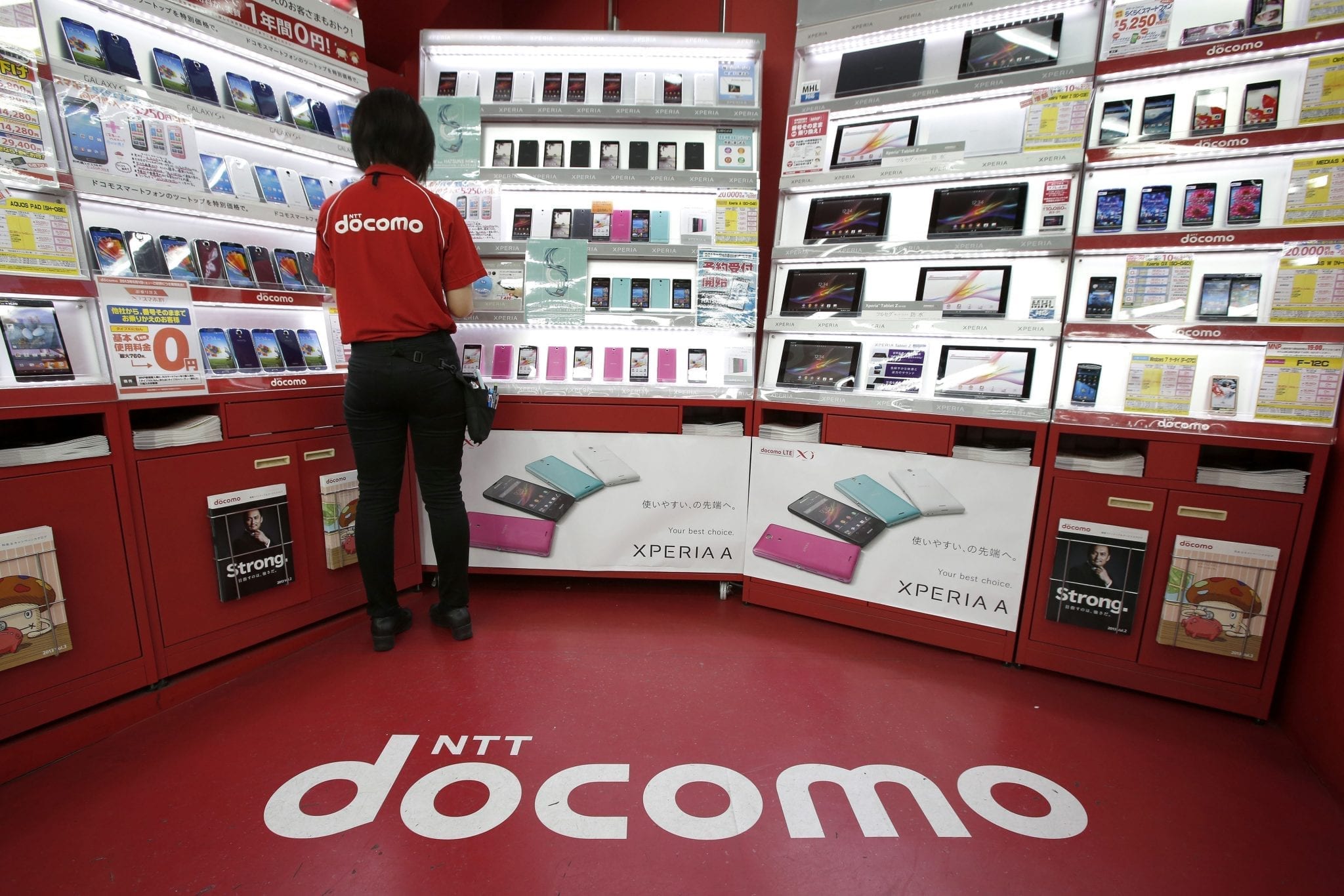
  • Docomo trials 5G for remote healthcare

    Docomo trials 5G for remote healthcare

    Japan’s NTT Docomo has completed a trial involving the use of 5G technology to conduct remote medical examinations.

    The trial in the sparsely populated Wakayama Prefecture used base station equipment provided by NEC.

    It was conducted in collaboration with the Wakayama Prefectural Government and Wakayama Medical University and hosted by Japan’s Ministry of Internal Affairs and Communications (MIC).

    The Wakayama Prefecture has previously established  a remote medical support internet based video conferencing system to connect 13 prefectural medical institutions and Wakayama Medical University, allowing doctors to receive advice from specialists, even in towns in mountainous areas.

    But the system has frequently met with problems including unclear images and transmission delays due to the underlying internet infrastructure.

    The trial marks an attempt to overcome these issues. It involves the deployment of a fiber cable to establish a remote medical examination service by using 5G to connect Wakayama Medical University and the Hidakagawa Kokuho Kawakami Clinic about 30 km from the university.

    An NEC base station supporting the 28-GHz band and meeting 5G specifications was deployed to enable real-time sharing of images taken by a 4K close-up camera, as well as HD echocardiographic video and MRI images.

    The trial demonstrated that using HD large-screen monitors and high-capacity data transmission it is possible for remote doctors to view the condition of a patient in minute detail, and to communicate more intimately with patients compared to the use of standard videoconferencing equipment.

    “Ultra-high-speed 5G communications are often associated with the entertainment industry. However, these trials showed us that 5G can play a role in solving social issues, such as reducing regional disparities in the delivery of health care,” NTT Docomo senior research engineer for 5G radio access network research Jun Mashino said.

    “We plan to create new business models and value by continuing to take advantage of 5G technologies in collaboration with ICT vendors, and a wide variety of companies and organizations in the near future.”

  • Vietnam ministries against tax on sugary drinks

    Vietnam ministries against tax on sugary drinks

    Vietnam’s Finance Ministry has proposed a special consumption tax on some soft drinks that it claims contain an unhealthy amount of sugar, but its argument has been dismissed by other ministries.

    The Ministry of Industry and Trade said in a statement that imposing a special consumption tax on soft drinks because they contain sugar is not a convincing enough reason.

    It said the finance ministry needs to give a clearer explanation as to why soft drinks should be subject to higher taxes and why their consumption should be restricted.

    The trade ministry was repeating the same argument made by the Vietnam Chamber of Commerce and Industry (VCCI), which represents thousands of businesses in Vietnam.

    The VCCI said last October that a special tax should only be imposed after adequate studies have been made on the drinks’ impacts on consumer health and how much the tax could help reduce the risks.

    The Ministry of Agriculture and Rural Development has also demanded scientific evidence of why instant tea and coffee should be subject to the tax.

    “No study has found that the abuse of sweetened tea or coffee causes obesity, diabetes or cardiovascular diseases in Vietnam,” it said.

    The Ministry of Planning and Investment is also against the proposal, which it says could affect the beverage industry and its large workforce.

    In Vietnam, special consumption taxes are levied on items and services considered unhealthy or luxurious such as tobacco, alcoholic drinks and cars.

    The finance ministry has suggested a tax rate of 10-20 percent on sugary drinks from 2019. “The tax will help regulate the consumption of sweetened beverages, and it’s also an international norm,” it said last August.

    A letter from the World Health Organization (WHO) last September endorsed the proposed tax, which is effective in around 40 other countries, it said.

    “The WHO recommends Vietnam impose a tax that can increase the market prices of soft drinks by 20 percent,” it said.

    The ministry also cited a WHO report that shows excessive consumption of sugary drinks can lead to obesity which has been linked to many health risks such as cardiovascular disease, hypertension and strokes.

    A study unveiled in June last year found that about 25 percent of Vietnamese adults are overweight or obese. The obesity rate among children under five years old is also rising fast.

    Many Southeast Asian countries have already imposed taxes on sugary drinks, according to the ministry. The current rate is 20-25 percent in Thailand, 5-10 percent in Laos and 10 percent in Cambodia.

    Myanmar, the Philippines and Indonesia are considering a similar tax.i