Retail News CRM

Tag: hotel

  • Centara Hotels & Resorts Celebrate Thai New Year in Traditional Style

    Centara Hotels & Resorts Celebrate Thai New Year in Traditional Style

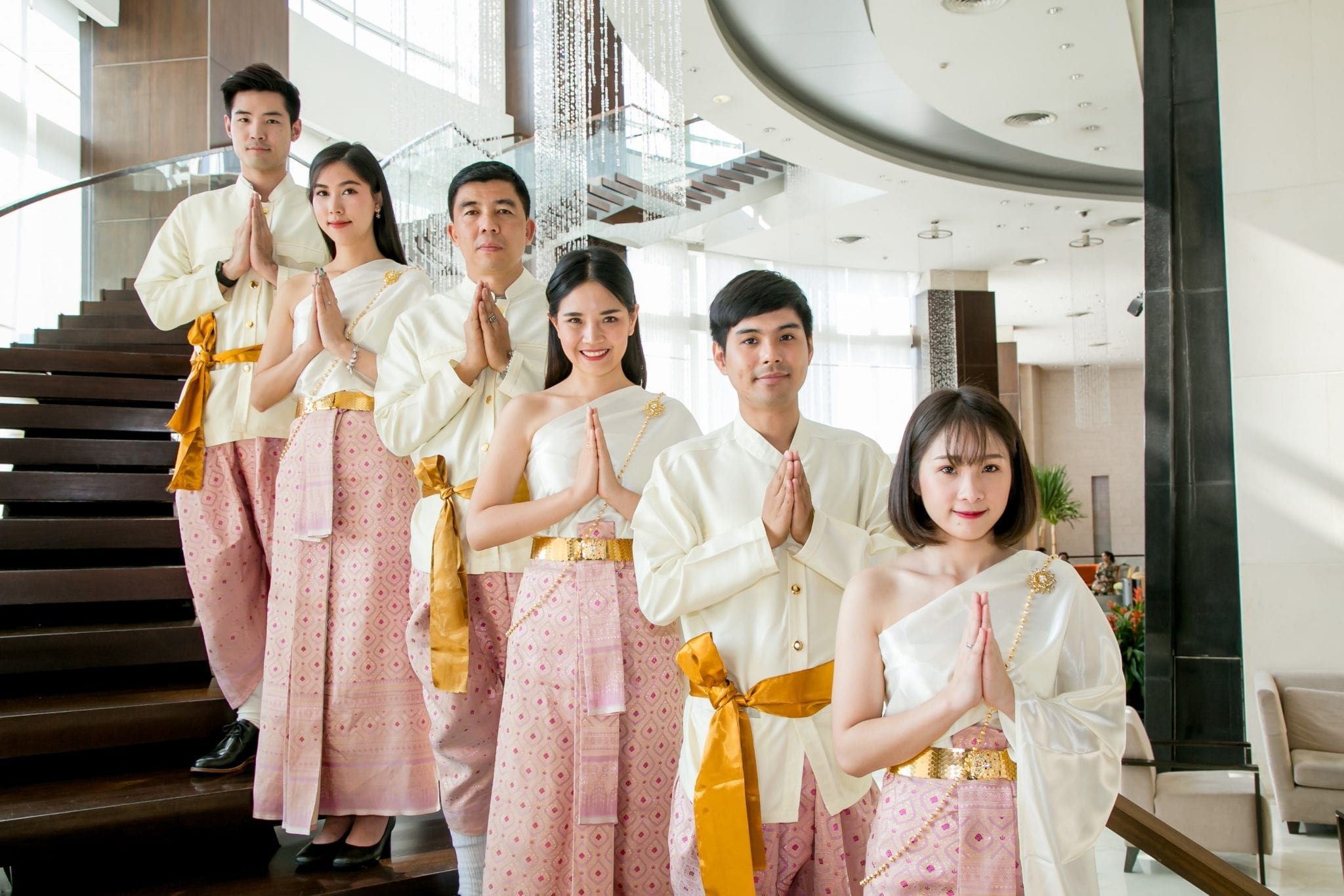
    Centara Hotels & Resorts, Thailand’s leading hotel operator, will observe the upcoming Songkran Thai New Year period by wearing colorful traditional dress. Visitors and guests to the company’s properties are treated daily to graceful Thai service and cultural traditions that have become Centara’s hallmark; this Songkran, 13th – 15th April, they can enjoy the added delight of seeing staff dressed in the beautiful costumes of historic Siam.

    “Thailand’s world-famous, genteel hospitality is at the heart of our company culture,” said Centara’s Chairman of the Board Suthikiati Chirathivat about the idea. “What better way to emphasise our unique Thai-ness than trading our uniforms for charming, traditional costumes over the Thai New Year. It is our way of wishing our guests, partners, and friends a happy and healthy festive season.”

    All 33 of Centara’s hotels and resorts within Thailand are taking part in this celebration and guests are invited to enjoy festive dining options or a relaxing stay over the Songkran period, where they will receive the inimitable Centara Thai welcome.

  • Park Hyatt hotel to occupy top floors at Malaysia’s PNB 118, the world’s 3rd tallest building

    Park Hyatt hotel to occupy top floors at Malaysia’s PNB 118, the world’s 3rd tallest building

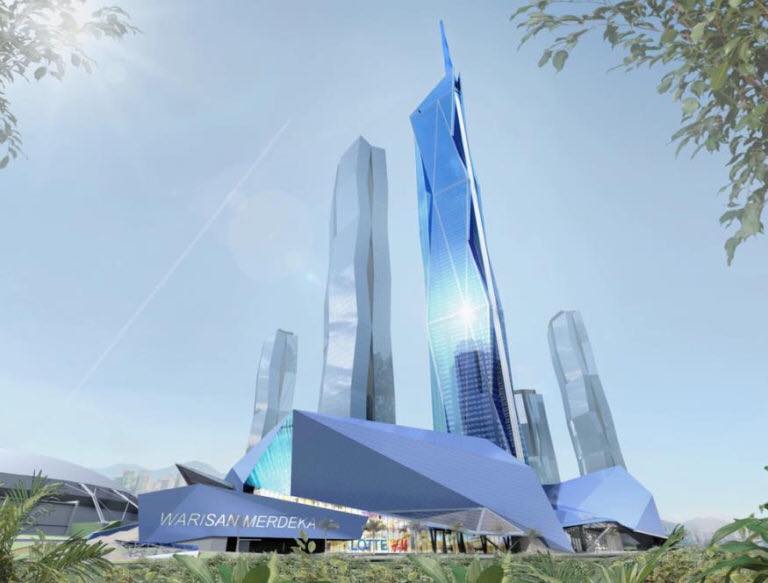
    Malaysia’s largest government-linked fund management firm, Permodalan Nasional Bhd (PNB), has signed Hyatt Hotels & Resorts as the hotel operator for its tower development, expected to be the third tallest in the world when completed.

    The luxury hotel operator’s Park Hyatt brand will occupy the top 17 floors of the tower, called PNB 118, PNB said on Tuesday. Aimed for completion in 2020, the 118-storey building will be the tallest in Southeast Asia.

    PNB 118 will have 1.65 million square feet of rentable office space, a retail mall and other entertainment amenities. The fund itself will take up around half of the office space, and is looking to have its portfolio companies take tenancy as well.

    “From our perspective, this is an investment into real estate, in a historic location,” group chairman Abdul Wahid Omar said at a press briefing.

    In November, PNB said it was looking to raise 2 billion ringgit ($512.03 million) via a green sukuk programme to finance the tower project. The fund’s real estate portfolio also include British and Australian assets.

    Malaysia’s capital has been experiencing an oversupply of office space in recent years. However, new office buildings continue to enter the market. Notably, the construction of a 106-storey building, Exchange 106, is underway in the Tun Razak Exchange and targeted for completion this year.

  • MUJI Moves Into Hospitality With New MUJI Hotel and Restaurant

    MUJI Moves Into Hospitality With New MUJI Hotel and Restaurant

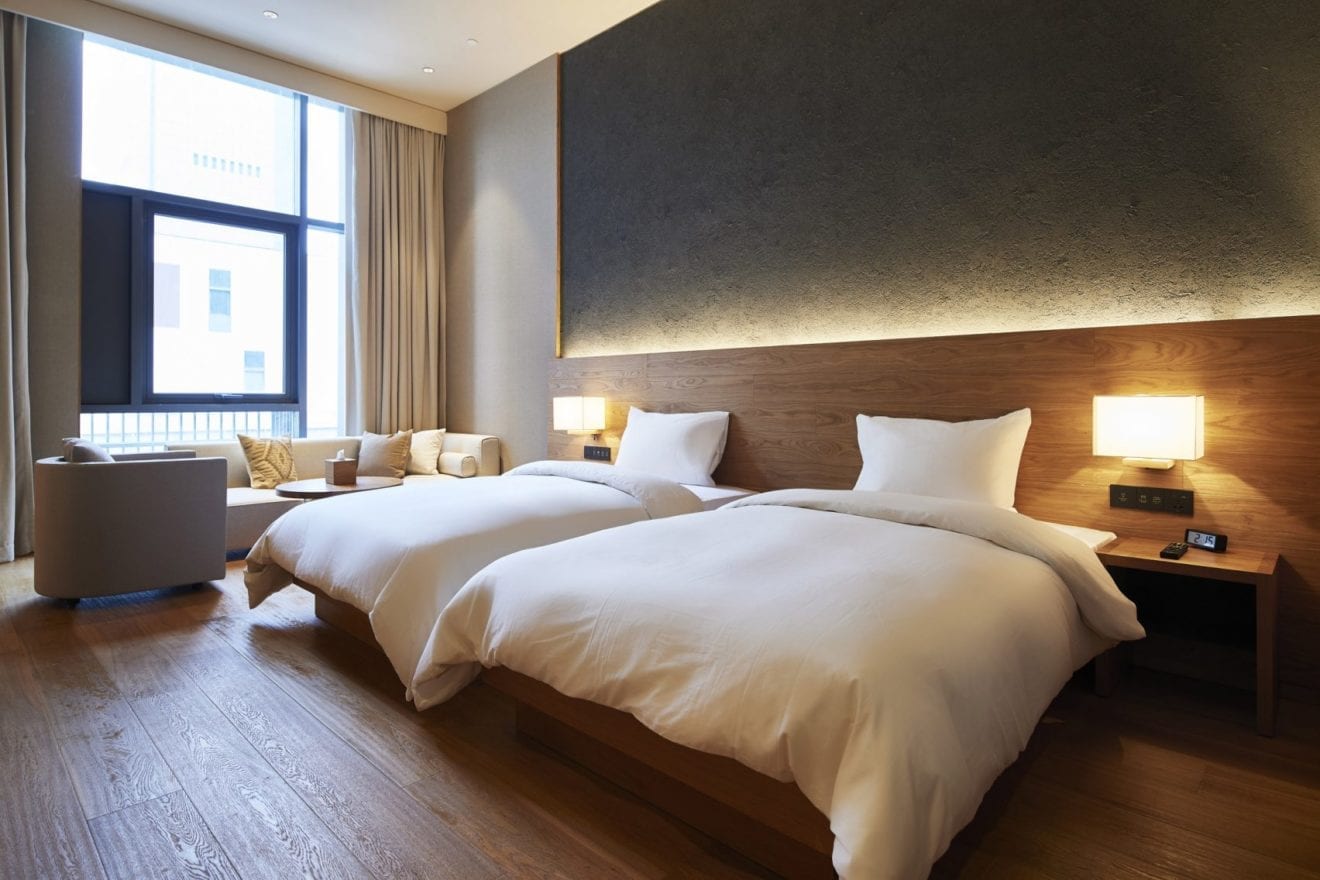
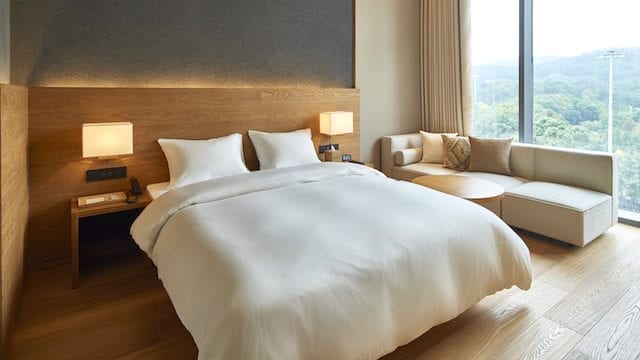
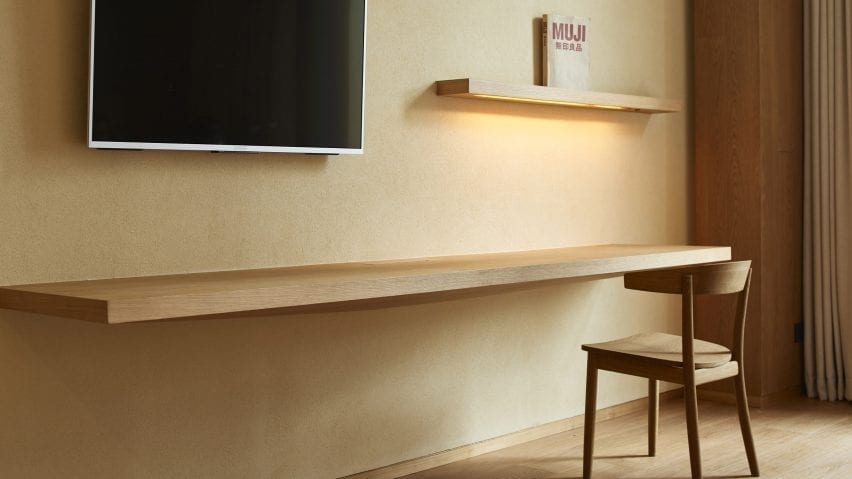
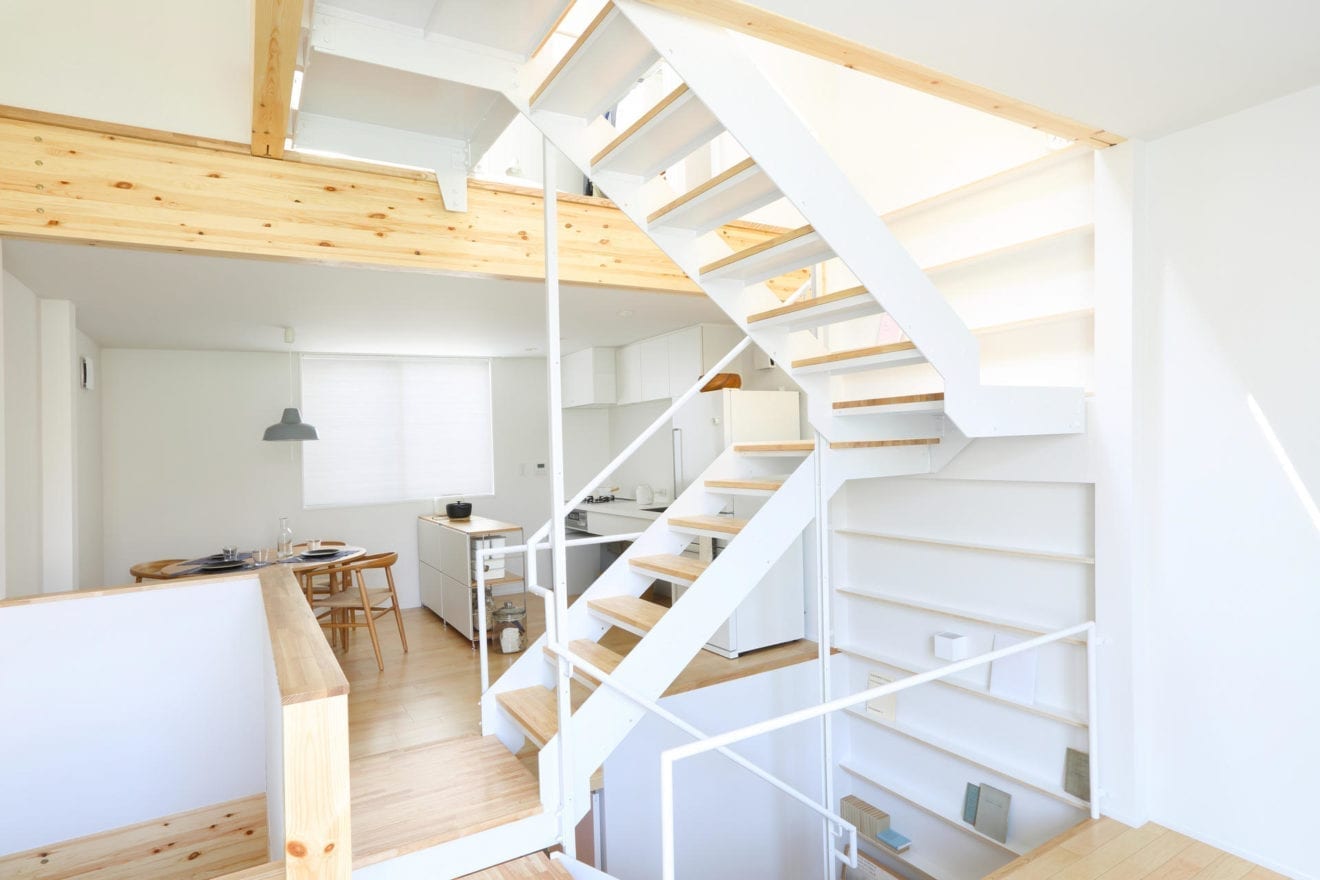
    Wood-lined bedrooms, a minimal diner, a library and a shop feature in the Muji Hotel in Shenzhen, which opens next week.

    In the Futian district, it is the first hospitality project initiated by the Japanese retailer, known for its minimalist homeware products. These feature in the hotel to reflect Muji’s simple aesthetic – described by the brand as an “anti-gorgeous, anti-cheap” concept.

    As well as 79 guest rooms, the hotel will offer a gym, a diner, three meeting rooms, a library and a shop, as reported.

    In the bedrooms, Muji products will range from toothbrushes to electric kettles and wall-mounted CD players.


    Muji Diner, the third-floor restaurant, will serve local food inspired by international home cooking, all served on Muji dinnerware.

    On the same floor and to be open 24 hours a day to the public as well as guests, the library will have a selection of more than 650 books.

    A small gym is equipped with running machines, aero-bikes and workout equipment, while a shop allows guests to buy the products they have been using inside the hotel.

    A second Muji hotel will follow in Tokyo’s Chuo City next year.

    The hotels are the latest architectural project to be initiated by the Muji, following on from a 9sqm prefabricated house and a trio of huts designed by Konstantin Grcic, Jasper Morrison and Naoto Fukasawa.

    Established in 1979, Muji is commonly referred to as a “brandless” company as its products bear no logos.

  • New W hotel collaborates with Xu Zhi fashion label

    New W hotel collaborates with Xu Zhi fashion label

    Last week a fast-food brand partnered with a fast-fashion label: now a luxury hotel is teaming with a Chinese fashion label…

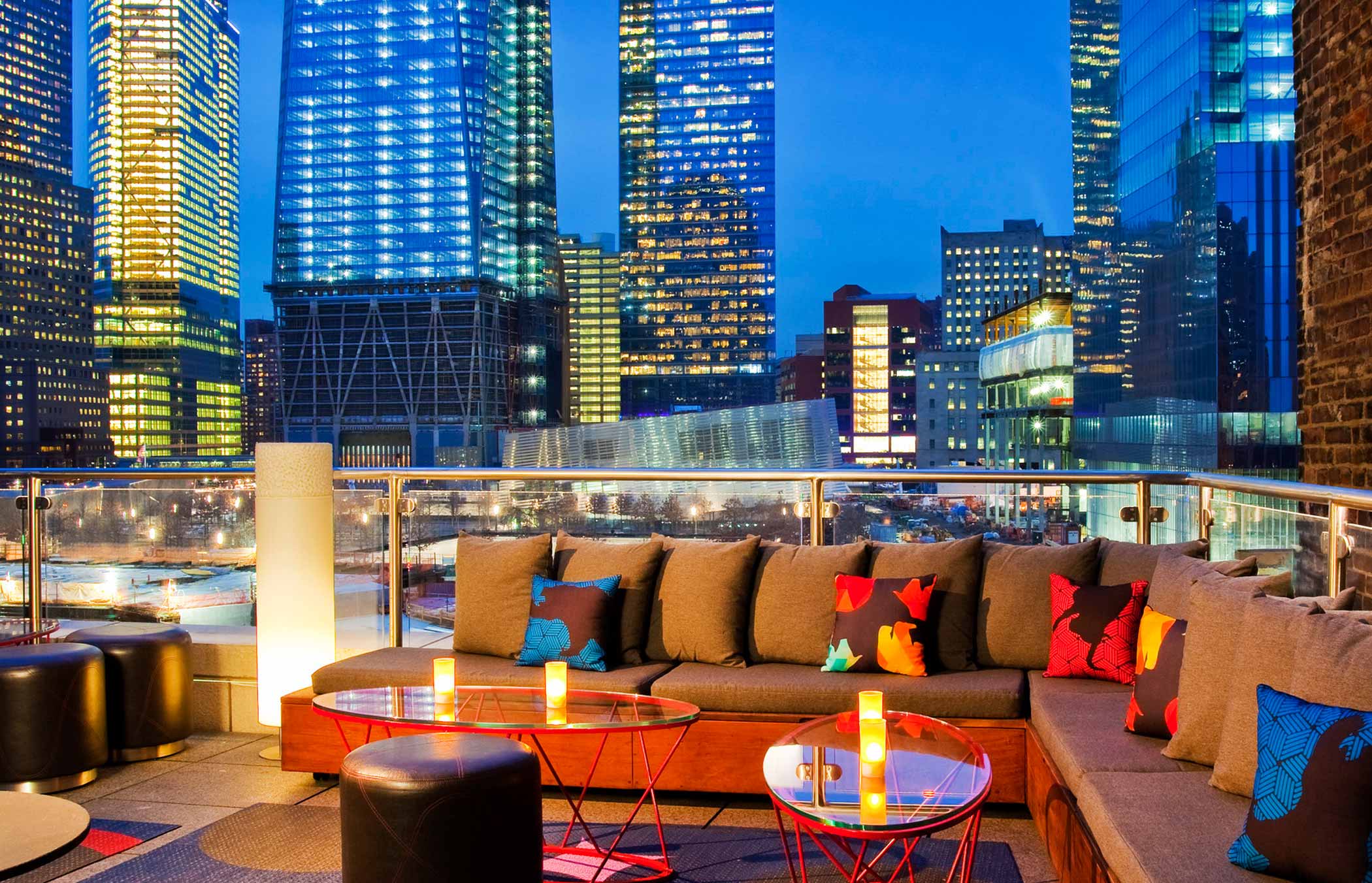
    In time for Shanghai Fashion Week, W Hotels Worldwide unveiled an exclusive capsule collection by Chinese fashion brand Xu Zhi to mark the opening of the first W hotel in Shanghai.

    Six distinct looks and several travel accessories make up the Xu Zhi for W Hotels collection, inspired by the city’s glamorous past as well as the edgy design of W Shanghai – The Bund.

    “W has always been associated with high-octane fashion,” says luxury brand management senior director for Asia Pacific for Marriott International, Carol Zhoul. “We have always dedicated ourselves to aspiring artists and young fashion designers.”

    “W has always been one of my favourite hotel brands – they bring so much passion to the design of their properties,” says designer Xuzhi Chen of Xu Zhi. “Both W and I design with bold innovation and a contemporary attitude.”

    Hosted at the new hotel, Xu Zhi’s runway presentation was W’s first show at Shanghai Fashion Week. Nearly 400 guests attended the “Sleepless Shanghai” event, with VIPs being granted backstage access to the hotel’s high-design suite Cloud on the Bund, where the capsule collection was displayed amid the suite’s neon art and hanging bed.

    The collection is available at W Hotels The Store online.

    W Shanghai – The Bund, with 374 guest rooms, was designed by GA Design showcasing historic and modern influences while offering skyline views of the city’s new financial district.

  • Tokidoki Plans to Open 10 to 15 Hotels in China in the Next Five Years

    Tokidoki Plans to Open 10 to 15 Hotels in China in the Next Five Years

    Devotees of Tokidoki, the overly cute character lifestyle brand, will in future be able to book a room in a Tokidoki-adorned hotel. Cofounders Pooneh Mohajer and Simone Legno plan to open 10 to 15 Tokidoki hotels in China in the next five years, with the first one expected to be welcoming guests by the end of next year. Chasing young professionals who favor ultra-clean design with touches of art, the company is laying the groundwork for its own affordable luxury hotels. The Tokidoki branded hotel will feature its own designed decor, including hospitality products that will be available for purchase at the hotel. Legno, creative director, said, “It is a 360-degree experience as a designer. I have a graphic design background so I will apply that to stationery for the Tokidoki hotel, as well as a new logo.” (His fine art will also be sprinkled throughout the hotel.)

    Tokidoki’s interpretation of Kartell “Ghost” chairs will be in the hotel rooms. The company just unveiled the $480 Louis Ghost chair and the $185 Lou Lo one for children, reimagining the iconic seats that Philippe Starck designed for the company. Legno said, “We will promote it for sure. Why not? That’s the wonderful part of a design project.”

    The name Tokidoki means “sometimes” in Japanese, but the Asian-inspired products are made by an Italian artist now living in Los Angeles. The mash-up of cultures has led to collaborations with Karl Lagerfeld, LeSportsac, Marvel and Hello Kitty, among others, and a global following. The new Kartell chairs, for example, will be sold via Tokidoki’s site, Kartell’s New York and Miami stores and its wholesale accounts. With 10 Tokidoki stores, including outposts in Shanghai and a two-month pop-up shop at Galeries Lafayette in Beijing that featured big-screen animation. The 12-year-old company, which has flagship in IAPM Mall in Shanghai, plans to open 20 more before the end of this year.

    In January, the brand teamed with the conglomerate Chow Tai Fook for fine jewelry which is being distributed through more than 1,500 outposts in China, as well as stores in the U.S., Japan, South Korea, Singapore and Malaysia.

    This week alone included stays in Singapore, Los Angeles and New York. Monday they will be off to Vancouver. Next month, trips to New York, London, Milan and Indonesia are slated. “A year feels like it goes by in a month,” Mohajer said. “It’s pretty insane.”

    Reminded of his recent trips to India and Thailand, Legno said, “You have to push as much as possible when it’s a hot moment. We’re trying to focus on a global label and expand the brand as much as possible.”

    Li & Fung, Toki’s master licensing partner for China, Taiwan and South Korea, coordinated the hotel deal, and is scouting new ones for jewelry and cosmetics. A jewelry collaboration is in place and more shoppers are in search of Tokidoki’s vinyl art collectible figurines. Mohajer said of Li & Fung, “They’re constantly generating good flow. It’s been amazing to work with them. They were part of negotiating and procuring a retail partner for us for China.”

  • Muji plans world flagship and hotel in Tokyo

    Muji plans world flagship and hotel in Tokyo

    The Japanese household goods and apparel company has announced its plans to open a hotel and world flagship in Ginza, Tokyo, in the spring of 2019.

    Developed by the Yomiuri Shimbun Tokyo headquarters and Mitsui Fudosan, a retail property developer of the Mitsui group, the 14,219 square metre, 13-floor building will feature eight floors dedicated to the Muji ‘world flagship’ store. Hotel accommodation will be spread across the top five floors of the building, and will be decorated with Muji furniture and products.

    The provisionally named ‘Muji Hotel’ will be developed as part of the “Marronnier x Namiki Yomiuri Ginza Project,” a retail complex in the upmarket area of Ginza, Tokyo, that Mitsui hopes will further revitalise footfall in the area. The building will be located close to the Marronier Gate Ginza, a commercial facility.

    The hotel is to be designed and operated by the UDS company of the Odakyu Group. Construction began in June 2017.

  • ‘Customer-centric’ Giorgio Armani counter opens at Lotte Hotel

    ‘Customer-centric’ Giorgio Armani counter opens at Lotte Hotel

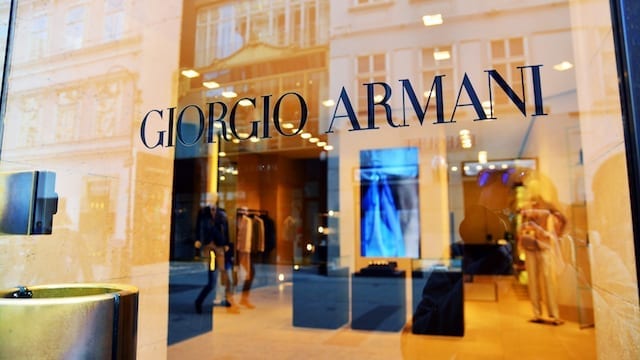
    L’Oréal Travel Retail has partnered with Lotte Duty Free to open a 23sq m counter at the Lotte Hotel in Seoul.

    The counter, based on Armani’s “from fashion dress code to beauty dress code” concept, is the first in travel retail to showcase the brand’s new retail expression. The space, which features curved lines and an open feel, allows customers to try the brand’s products and services.

    From fashion dress code to beauty dress code: The counter features splashes of red, inspired by the iconic lipstick colour Rouge #400.

    The counter enables customers to discover a complete beauty dress code through make-up and skincare (dress code for lips, dress code for face) and perfumes (fragrances dress code). Giorgio Armani Face Designers also offer customers tailor-made advice.

    Lotte Duty Free Merchandising Innovation Team Merchandising Director Jeffrey Davis said: “We are very pleased to open the very first Giorgio Armani Cosmetics beauty concept counter at Lotte Duty free. It breaks the rules of retail standards in travel retail as it is fully customer-centric enabling each customer to play with the products and indulge in the full universe of Armani.

    “The revolutionary design sets itself apart from all of the other beauty counters with its signature red and black design and fabric swatches above the foundation bar that ties back to Armani’s runway fashions. Sales have already improved since opening and you can see the smiles and joy from customers that love the new look and freedom to navigate in a more playful manner.”

  • Centara Wins Recognition of Chinese Guests with “Best City Hotel” Award

    Centara Wins Recognition of Chinese Guests with “Best City Hotel” Award

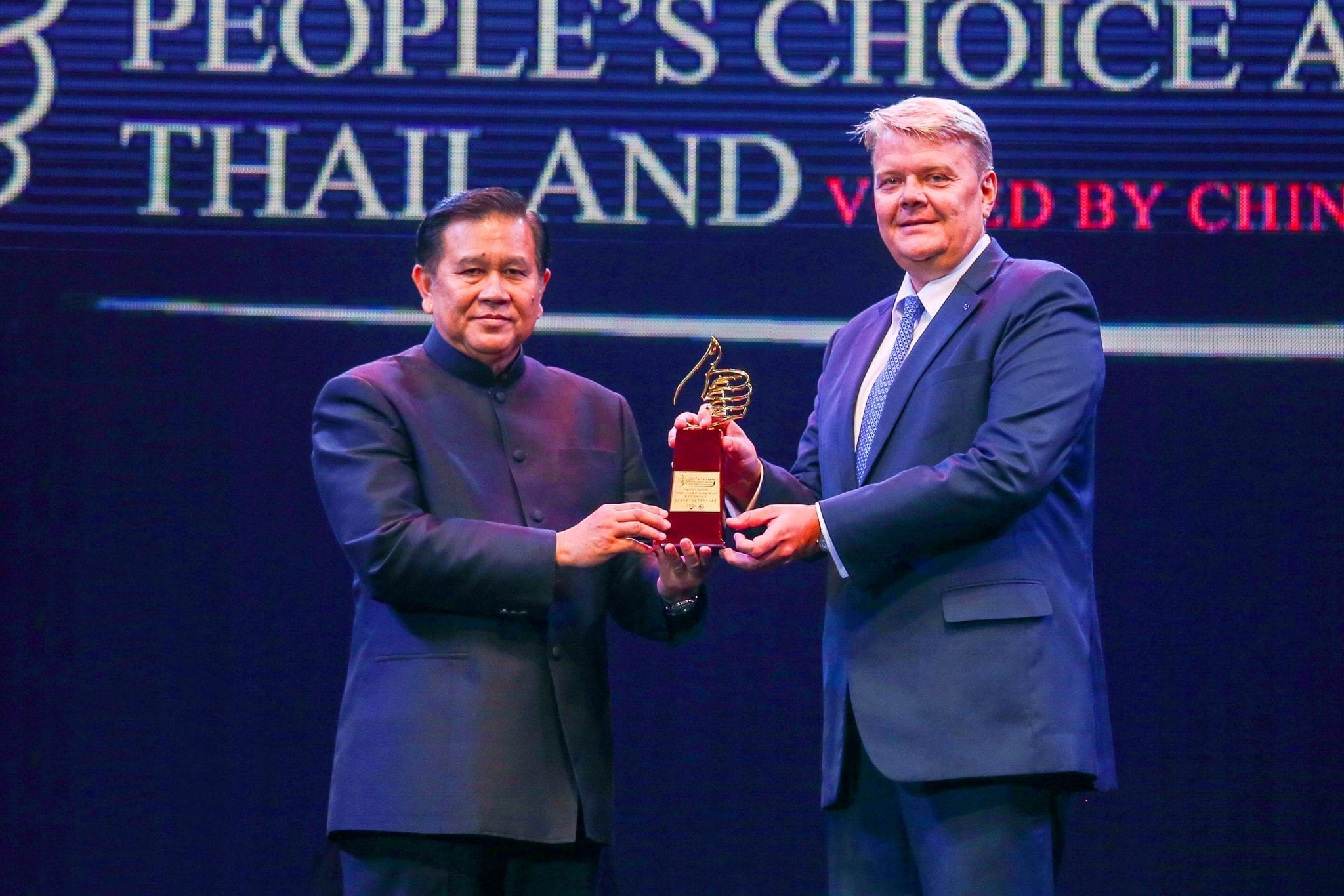
    Over 10 million Chinese tourists visit Thailand each year. The Tourism Authority of Thailand (TAT) polled many of them for the 2017 People’s Choice Awards and Centara Grand & Bangkok Convention Centre at Central World was voted “Best City Hotel.” The poll, just completed in June, is evidence of Chinese visitors’ growing importance to Thailand, and Centara’s success in meeting their needs.

    Centara Hotels & Resorts, Thailand’s largest hotel operator, is making a concerted effort to appeal to Chinese guests. Their 66 deluxe and first-class properties includes 43 Thailand hotels across all major tourist destinations and another 23 located in prominent international destinations. The award-winner, Centara Grand & Bangkok Convention Centre at CentralWorld, is one of the group’s premier properties, located in the heart of Bangkok’s central shopping district and integrated with a popular convention and shopping complex.

    Centara also operates properties in Vietnam, Sri Lanka, the Maldives and Oman. The group offers diverse formats — integrating multi-ethnic restaurants, Thai spas, Kids’ Clubs, water parks, and other innovative features – that appeal to couples, individuals, families, and business professionals. Thailand’s famous hospitality culture is also a key ingredient of the brand’s recipe for success.

    Most Centara hotels and resorts have Chinese-speaking staff and serve Chinese meals including breakfast. Centara offers Chinese information about its hotels and destinations, promotions, and online booking on its official website, which is now hosted in China for optimum speed. The group also accepts the popular Chinese payment channel UnionPay, in addition to major credit cards, and is active on China’s leading social media applications, Wiebo and WeChat.

    The Centara management team led by 3 top executives; Tom Thrussell – Vice President of Marketing, Paul Wilson – Vice President of Sales and Harry Thaliwal – Group Director of Operations, recently completed a roadshow that included five major Chinese cities and Hong Kong. The tour raised awareness of the Centara brand and shared news of the group’s expansion plans into China and the Middle East with members of China’s travel industry and key trade and consumer media.

    “China now represents our most significant inbound market and the numbers will continue to rise”, said Tom Thrussell. “We are committed to developing a deep understanding of Chinese guests’ needs and by visiting key Chinese cities and partners, engaging with our guests and soliciting feedback, we are able to communicate more effectively, better meet their travel needs and ultimately equipped ourselves to manage successful properties in China itself.”

    Centara is planning to open its first properties in China in 2019.

  • Huawei, Henan Unicom develop smart hotel solution

    Huawei, Henan Unicom develop smart hotel solution

    Huawei has teamed up with China Unicom’s Henan branch Henan Unicom to develop a smart hotel connectivity solution based on all-optical access.

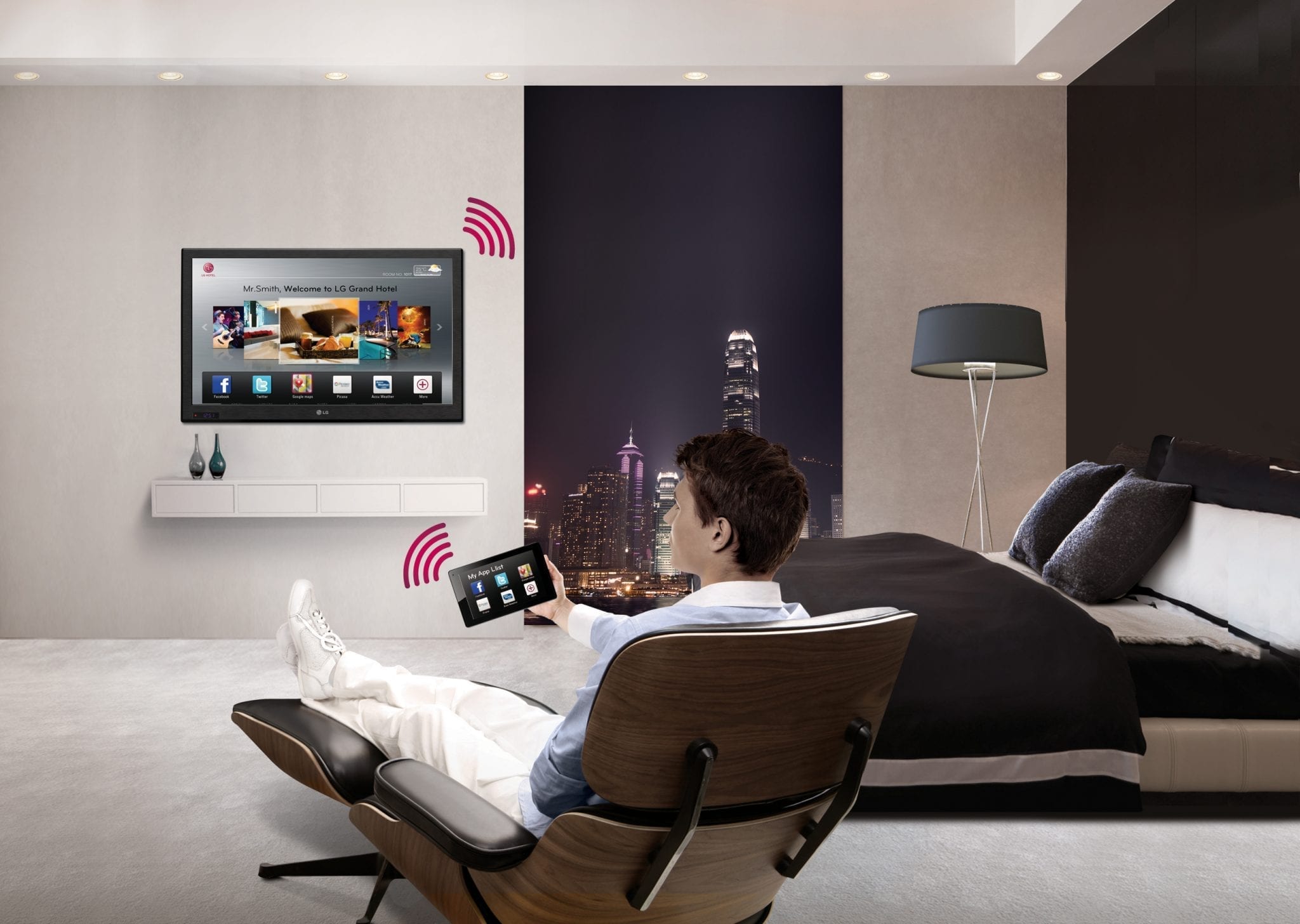
    The solution involves the delivery of broadband capability based on a large-capacity converged optical line terminal, fibers routed inside buildings and converged smart gateways.

    Each hotel room will be provided exclusive Wi-Fi access, eliminating issues involving poor coverage or congestion. The converged smart gateways will deliver both wired broadband and Wi-Fi access, and hotel users will be provided dedicated IPTV access.

    The solution also supports centralized managed operation and maintenance (O&M) to eliminate the requirement for dedicated IT support personnel, and delivers an access rate of 10GE. It can support control of lights, home appliances, and curtains using external intelligent devices.

    “Huawei’s all-optical access smart hotel solution has obvious advantages in terms of deployment, service experience, and uniform O&M,” Henan Unicom Zhao Songhui said.

    “This solution enables Henan Unicom to accelerate hotel informatization effectively, and has earned high recognition from both hotels and their guests. In the future, we plan to spread this solution to more hotels and provide users with more intelligent services.”

  • Finance Ministry tells online hotel booking services to pay tax

    Finance Ministry tells online hotel booking services to pay tax

    Agoda, Traveloka, Booking and Expedia have to pay VAT (value added tax) and CIT (corporate income tax), which is 5 percent of total revenue, for profits from doing business in Vietnam, according to the Ministry of Finance (MOF).

    MOF released the decision one month after Vntrip.vn, a Vietnamese owned firm, criticized Agoda for evading tax in Vietnam. It said the tax payment duty must be implemented by accommodation service providers on behalf of foreign contractors like the contractor withholding tax.

    If clients who book hotel rooms make payment directly to the accommodation service providers in Vietnam (hotels or guesthouses), and the service providers pay commissions to foreign contractors, the service providers will have to make tax declarations and pay tax.

    If clients pay money to foreign contractors, foreign contractors will transfer money to accommodation service providers, while retaining commissions. Taxation bodies will ask accommodation service providers to inform foreign contractors about tax duties and pay tax on behalf of foreign contractors.

    MOF said it released legal documents with an aim to stop the loss of revenue from tax collection as Vietnam could not collect tax from foreign companies which make profits from providing services to Vietnamese via the internet.

    Prior to that, in December 2016, Vntrip.vn held a meeting with the local press, saying Agoda evaded tax in Vietnam.

    The representative of Vntrip.vn affirmed that unhealthy competition was occurring in Vietnam as foreign service providers don’t have to pay tax, causing a loss of trillions of dong in revenue to the state budget.

    Vntrip.vn warned that Vietnam may lose VND10 trillion worth of tax by 2020, if it cannot find the way to collect tax from the company.

    Vntrip sent an official document to MOF denouncing Agoda and similar service providers for evading tax. The behavior by Vntrip then surprised the public, because Booking.com, who was the strategic partner of Vntrip, and Agoda were considered ‘brothers’ as they both belonged to the US-based Priceline.

    Another surprise was that before MOF released the decision officially asking Agoda to pay tax, the Vietnamese domain name of Agoda, the tourism website, unexpectedly stopped operation.

    Le Dac Lam, Vntrip’s CEO, applauded MOF’s decision.

    “Some people advised us to focus on doing business rather than spending time thinking about policies for foreign companies,” Lam said.

    Nguyen Duc Tai, president and CEO of The Gioi Di Dong, the largest domestic technology product distribution chain, said Vntrip should focus on its own business instead of suing other companies, because the move won’t bring benefits.
  • Trump’s 6-Star Bali Hotel Project Meets Resistance

    Trump’s 6-Star Bali Hotel Project Meets Resistance

    The lands and waters we now know as Indonesia used to be under the influence of Hindu empires (prior to the expansion of Islam in the Archipelago after the 1200s). However, on most Indonesian islands this Hindu chapter has been erased, either by time or conquest, from the Archipelago’s history. The only exception being the island of Bali. Until today most inhabitants on this resort island (known as ‘island of the Gods’) practice Balinese Hinduism (and its rituals and art also form reasons for foreign tourists to visit this island).

    In Balinese Hinduism the worshiping of gods plays a central role. Not only the traditional Hindu gods (Brahma, Vishnu and Shiva) are worshiped but also a range of other deities. These gods need to be respected fully (like in monotheistic religions). One of the local rules is that buildings are not allowed to be taller than the highest (nearby) coconut tree. If this rule is ignored, then it would anger the gods. This is one of the key issues surrounding the Trump Organization’s new 6-star hotel project in Bali’s Tabanan regency.

    The Trump Organization and its Indonesian partner business tycoon (MNC Group founder) Hary Tanoesoedibjo acquired an existing hotel (the 20-year-old Pan Pacific Nirwana Bali Resort) about two years ago. This resort is located nearby the Pura Tanah Lot temple. The structure of the existing property is, in line with local beliefs, not taller than the surrounding coconut trees. However, the Trump Organization “thinks big” and wants to expand the existing structure by building a tower with ocean view and an upgraded golf course.

    Besides the height, another issue is the additional land that is required. The MNC Group said the project requires about 34 hectares of additional land. Surrounding the existing property there is only farmland, implying local farmers need to sell it to the developers. However, based on information in local media few farmers want to sell their land. Moreover, according to local beliefs land nearby temples cannot be used for the purpose of leisure (such as a golf course). On the eastern side of the existing golf course there stands a small temple and therefore local people do not want to see an upgraded (expanded) golf course.

    Land acquisition is always a costly and time-consuming affair in Indonesia. The property, which will be named the Trump International Hotel and Tower Bali, would become the most luxurious resort on Bali. Construction is planned to start in early 2018.

    Meanwhile, I Gusti Ngurah Sudiana, Chief of Parisada Hindu Dharma Indonesia (Indonesia’s largest Hindu organization), is against any property development that would impact on the 16th century Hindu pilgrimage temple Pura Tanah Lot, a UNESCO-listed World Heritage Site.

    Hary Tanoesoedibjo’s MNC Group, however, said the height of the planned property on Bali is not yet determined.

  • Tallest Mekong Delta building opens

    Tallest Mekong Delta building opens

    The Vinpearl Cần Thơ Hotel, the first five-star hotel in the southern city of Cần Thơ, was inaugurated last weekend, becoming the tallest building in the Mekong Delta region.

    Vinpearl Cần Thơ Hotel, with 30 floors and a three-story lobby, is the ninth hotel in the chain of Vinpearl-branded tourism hotels owned by Vingroup – a Vietnamese property developer.

    The 120-metre-high hotel also offers a high-end restaurant, entertainment, and health and beauty care services.

    The 262-room hotel is located in a hotel–trade centre–shopping complex that is the largest in the Mekong Delta region.

    The chairman of the municipal People’s Committee, Võ Thành Thống, said Cần Thơ, located in the centre of the Mekong Delta, is considered an ideal destination for both domestic and foreign tourists to explore the unique waterways of the southwestern region.

    He noted that Vingroup’s construction of the hotel conforms to the city’s tourism plans, adding that with its high-quality services, the hotel will help attract tourists and fuel the city’s development.

  • Prada to close boutique at Peninsula hotel as Hong Kong’s retail slump bites

    Prada to close boutique at Peninsula hotel as Hong Kong’s retail slump bites

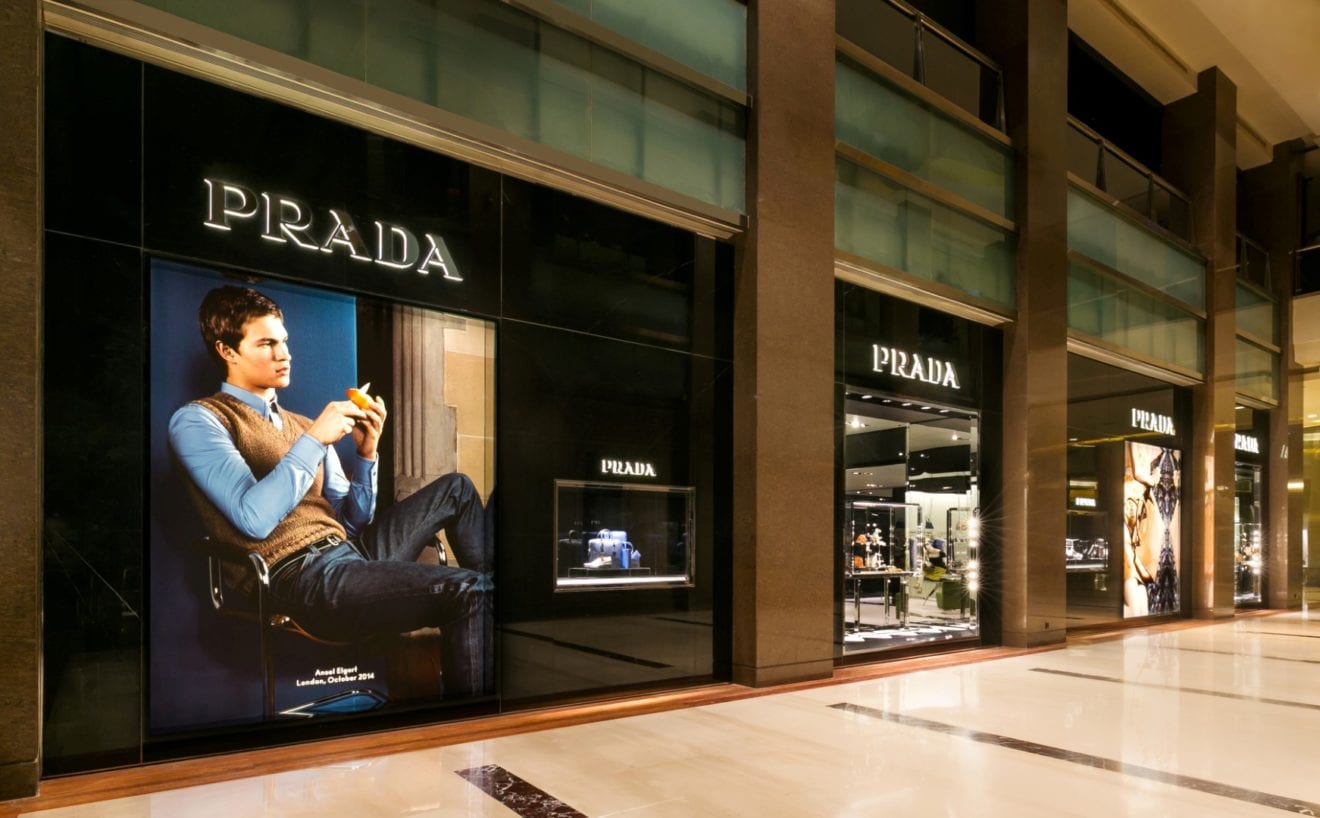
    Prada will shut its boutique at the Peninsula hotel shopping centre on December 31 in the latest sign that the retail slump is hurting high-end brands. The Italian luxury fashion label made its debut in the city with its 3,091 sq ft outlet at the landmark Tsim Sha Tsui address in 1986.

    But with fewer rich mainland Chinese shoppers visiting the city, analysts warn more luxury stores could fold after expanding too rapidly in the past decade.

    “The tenancy contract between The Peninsula Arcade and Prada will conclude on 31 December 2016,” a hotel spokeswoman said via email.

    A shop assistant at the boutique told the Post that some sales personnel had already left and others would be relocated to the brand’s other shops.

    A Prada spokeswoman said the company had “no comment” on the closure. It currently has 11 stores in the city.

    Prada’s total sales in Greater China tumbled 24.4 per cent in the first six months of the year on a yearly basis, as “Hong Kong and Macau continued to weigh heavily on the region’s contraction”, the company’s latest interim report said.

    Premium lifestyle brand Ralph Lauren quietly closed its 20,000 sq ft store in the Causeway Bay shopping hub overnight earlier this month, and British fashion house Burberry is to cut the size of its biggest Hong Kong flagship store in Pacific Place by 50 per cent within the next financial year.

    Retail sales of luxury items in the city such as jewellery, watches and clocks, and valuable gifts slumped 19.7 per cent in the first 10 months of the year.

    Helen Mak, head of retail service at property consultant Knight Frank, said more luxury brands would have to cut store numbers in the city, which she considered “a healthy adjustment”, after an aggressive expansion in recent years.

    “The store numbers of many luxury brands have doubled in the past decade,” Mak said.

    International high-end labels were eager to increase their presence to lure rich mainland shoppers who began to flood into the city from 2003 when Beijing eased travel restrictions.

    As Hong Kong recovered from severe acute respiratory syndrome – which struck the mainland in late 2002 and Hong Kong in 2003, killing 299 in the city – mainland residents from 49 cities were allowed in as individual travellers rather than having to join tour groups.

    But average spending by mainland visitors has dropped to about HK$7,000 per person this year, compared with HK$9,000 two years ago.

    “For luxury brands, it is a question of whether Hong Kong is still a place worth investing in,” Mak said, adding that some brands preferred to put resources directly into mainland cities.

    This article appeared in the South China Morning Post print edition as:

    prada ends its 30-year run at THE peninsula

  • InterContinental Vientiane to Open 2021 in Laos

    InterContinental Vientiane to Open 2021 in Laos

    Set to open in 2021, the new-build InterContinental Vientiane will become the company’s second hotel in Southeast Asian country, following the existing Crowne Plaza Vientiane. It will also become one of the Lao capital’s largest hotels, with more than 400 rooms.

    Built by Lao International Development, the hotel will form part of the new World Trade Centre complex – a mixed-use development that will include a large retail mall, medical centre, conference centre, office tower and residential towers.

    “Laos is currently one of the region’s fastest growing nations with close to five million international arrivals each year and future infrastructural and industrial developments underway to continue boosting economic growth and attract foreign investment,” explained Leanne Harwood, IHG’s vice president of operations for Southeast Asia & Korea. “It’s a great time to be bringing the InterContinental brand into the country to tap on this potential.

    “InterContinental Vientiane is… set to be positioned as one of the city’s most prominent hotels which will welcome distinguished guests such as visiting dignitaries and heads of states as key government meetings are planned to take place in the adjoining conference centre,” she added.

    Among its 400+ rooms, InterContinental Vientiane will feature a range of club rooms and suites which provide access to the hotel’s club lounge. Other facilities will include several F&B outlets, a swimming pool, spa and fitness centre.

    “It’s an exciting time to be investing in Laos as the country sees improved intra-regional connectivity through the completed Kunming-Vientiane-Bangkok highway connecting China, Laos and Thailand and the upcoming high-speed rail project that will link China to Laos,” said Xiao Long, CEO of Lao International Development. “We are confident these infrastructural developments will boost tourist arrivals, especially from surrounding nations, and the opening of InterContinental Vientiane will cater to the influx of travellers.

    “We are very pleased to partner IHG to develop what we are confident will be one of the most highly sought-after hotels in Vientiane,” he added.

    Across Southeast Asia, IHG now operates 14 InterContinental hotels and resorts, with 10 more due to open in the next five years. There are several international hotel brands currently present in Vientiane, including ibis, Best Western and Crowne Plaza, but InterContinental will be one of the first international luxury brands to enter the city.

  • Adonara Hotel Group to Open 20 New Hotels

    Adonara Hotel Group to Open 20 New Hotels

    Amor added the Adonara Group will open the 20 new hotels in Bali, Makassar (Sulawesi), Yogyakarta, Bangka (administratively part of Sumatra) and Solo (Central Java). These locations were selected as local demand for hostelry is considered high enough. Moreover, the central government of Indonesia has high hopes for the tourism sector. By expanding the tourism sector the government seeks to reduce the economy’s reliance on exports of raw commodities. By 2019 the government targets to attract 20 million visitors (per year), more than double 9.73 million foreign visitor arrivals in 2015.

    With regard to the exact location Adonara aims for provincial capital cities, located nearby airports or industrial estates. Amor said it requires approximately IDR 30 billion (approx. USD $2.3 million) to develop a budget hotel or two-star hotel (with around 100 rooms) in Indonesia. The return of investment (ROI) is estimated at 6 – 7 years. The ROI for four-star hotels is estimated at 8 – 10 years.

    E-commerce is becoming an increasingly important part of Adonara’s business. Currently, approximately 30 percent of total room reservations are done online. To support its hotel business the group acquired the Room Today Asia platform.

    Up to this year’s 3rd quarter Indonesia’s hotel industry has been bleak. However, Amor sees a rebounding hotel industry in 2017 as Indonesia’s economic growth accelerates, while inflation is expected to remain low, thus boosting domestic investors’ purchasing power.

    On its website Adonara describes itself as a hotel operator that manages unique three – five star hotels as well as budget hotels in various locations across Indonesia (Sumatra, Java, Bali, Kalimantan, Sulawesi and Papua).