Tag: Investment

  • How China’s online retail appetite is eating our lunch

    How China’s online retail appetite is eating our lunch

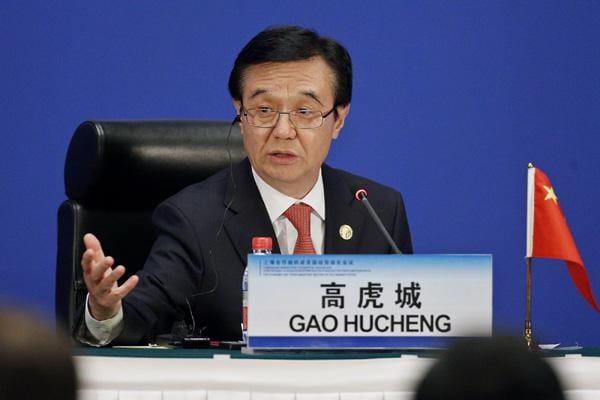
    Commerce Minister Gao Hucheng (pictured) boasts online sales will reach four trillion yuan (US$16 billion) this year.

    China has attained the key targets (outlined in the 12th Five-Year Plan) by the end of 2015 to become a genuine giant trader, Gao said at a national meeting on commerce. As a result it has outpaced its global competitors.

    chinese commerce minister

    China is now home to over 80,000 trade markets and total retail sales of consumer goods would each 30 trillion yuan this year with consumption contributing to about 60 percent of total GDP growth, he added.

    In the past five years, China’s exports of goods grew at an annual average of 6.5%, with its share in the global market rising from 10.4% in 2010 to about 13.2% in 2015, faring much better than major global economies. Service trade grew over 13.6% each year,marking the world’s second largest service trader.

    China’s actual use of foreign capital during the 20102015 period is expected to reach $620billion with the tertiary sector taking over 60% of total foreign capital. Outbound direct investment grew at 14.2 % annually.

    China is expected to receive foreign direct investment worth $135 billion both in financial and non-financial sectors in 2015, according to Gao.

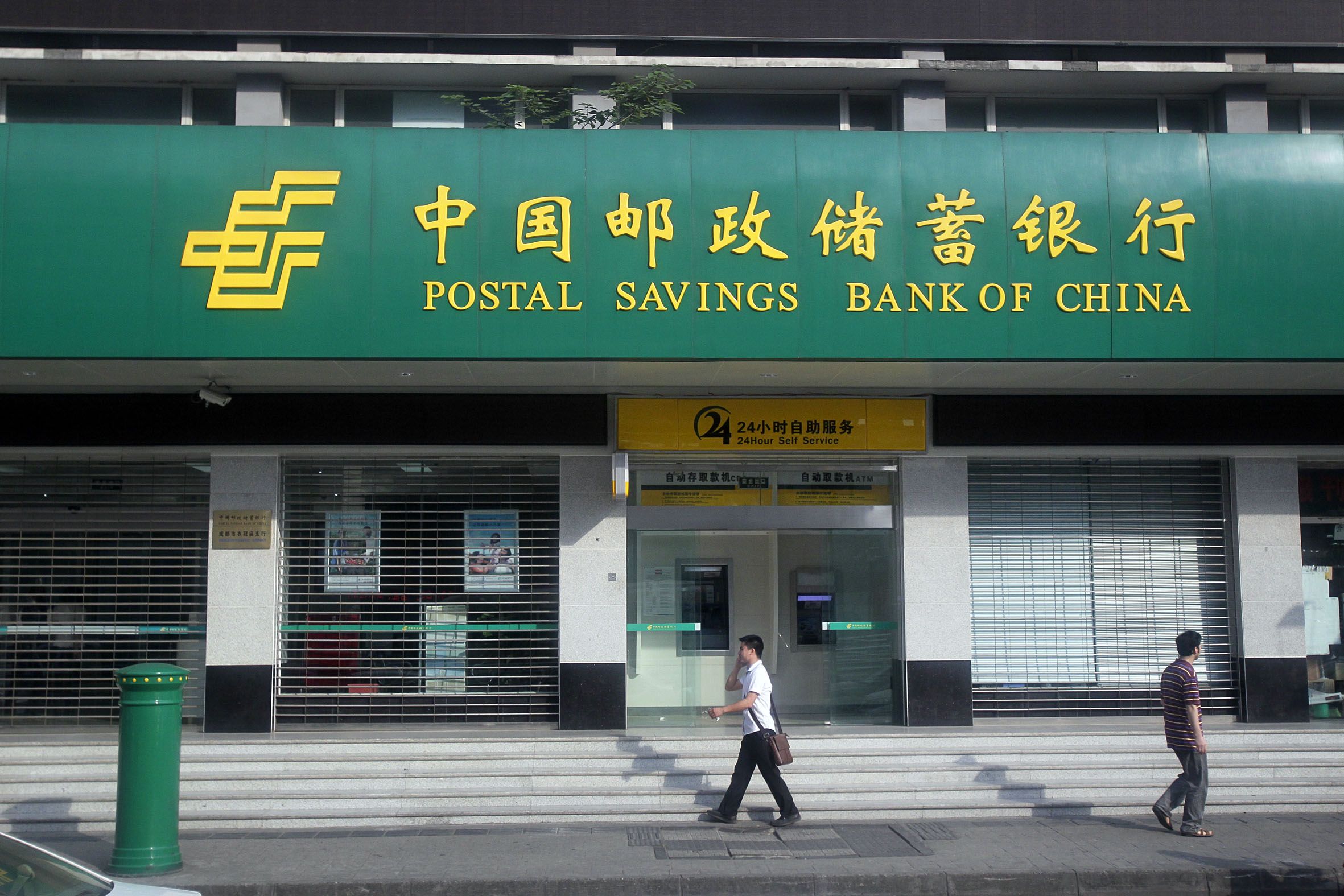
  • Postal Savings Bank of China has raised investment

    Postal Savings Bank of China has raised investment

    Postal Savings Bank of China has raised $7bn from a global group of 10 investors including JPMorgan, an affiliate of Alibaba, and Temasek, valuing the state-owned lender at $41bn ahead of a float that could come as soon as next year.

    The sale of 17 per cent equity marks the largest private fundraising by a Chinese financial institution, and its international collection of investors will be seen as a signal Beijing is more open to outside funds to help with its slow-moving plans to reform its state-owned enterprises.

    Postal Savings Bank is China’s biggest unlisted lender and its sixth largest commercial bank in terms of assets. It has more than 400m retail customers and nearly 40,000 branches, many of them in rural areas where until recently the only alternative was putting money under the mattress.

    A similar pre-float sale of a $17bn stake last year in the retail operations of Sinopec was sold largely to domestic investors — so-called friends and family — in spite of interest from international groups, denting hopes at the time that China was serious about bringing in outside expertise and funding.

    Lu Jiajin, Postal Savings Bank president, on Wednesday described the placement as an “example of mutually beneficial co-operation between China and the world”.

    He added: “This indicates that the world has . . . confidence in China’s financial systems and [the] stability and profitability of China’s banking industry”.

    The international investors are UBS; JPMorgan; Singapore’s Temasek investment fund and DBS, the city-state’s biggest bank; Canada Pension Plan Investment Board; and the IFC arm of the World Bank.

    CPPIB is committing $500m. Mark Machin, head of international business and president of Asia for CPPIB, said the investment met the fund’s strategic goals of investing in less-developed regions of China and increasing exposure to the Chinese consumer.

    Chinese banks have come under pressure in a rapidly shifting landscape, and face challenges including rising bad loans and competitive pressures from the country’s interest rate liberalisation agenda.

    Hong Kong-listed shares in the country’s big four state-backed banks — ICBC, Bank of China, China Construction Bank and Agricultural Bank of China — have dropped at least 17 per cent this year.

    “This isn’t a sector bet, it’s an investment in this bank,” said Mr Machin, adding that Postal Savings Bank’s focus on consumer lending helped isolate it from some of the bad loan issues faced by corporate lenders.

    Ant Financial, the payments affiliate of Alibaba; rival internet Chinese giant Tencent; China Telecom; and insurer China Life have also committed funds.

    A filing with the Hong Kong stock exchange showed China Life is putting up $2bn and its stake will not be more than 5 per cent — implying a valuation of $41bn for Postal Savings Bank.

    Pre-IPO funding rounds are increasingly being used as a way of establishing baseline valuations and demonstrating support for a company before it approaches the public markets.

    JPMorgan said its agreement with Postal Savings Bank covered “multiple levels of collaboration” between the two sides.

    An executive at one of the companies involved in arranging the deal said: “They have reached out to strategic partners who can help them professionalise rather than just have passive investors”.

    Mr Lu said Postal Savings Bank wants to establish itself “as a 100-year bank with steady operations and excellent risk management”.

  • Several German companies interested to invest in automotive component industry

    Several German companies interested to invest in automotive component industry

    Several German companies have expressed interest to invest in automotive component manufacturing industry using aluminum as its raw materials, state enterprises minister Rini Soemarno said.

    “One of the companies is Rheinmetall Land System. We will discuss it further with them when I visit Germany later,” she said when asked for her confirmation about the news here on Sunday.

    She said Rheinmetall Land is currently building cooperation with PT Pindad to produce defense and security equipment.

    PT Pindad is cooperating with Rheinmetall Land System in overhauling, upgrading, servicing, maintenance and modification of a number of military combat vehicles.

    The cooperation covers several products such as MBT Leopard 2 RI, Leopard 2 A4, AIFV Marder aA3 RI, Gunnery/Driving Simulator and others.

    “But the big business that the company carries out also includes car components and many of them are exported across the world,” she said.

    She said she would follow up Rheinmetalls plan to invest in Indonesia especially in aluminum car components.

    “If they do decide to invest supply chain from upstream to downstream will be done by Indonesia,” she added.

  • Thai events organiser taps into Myanmar’s showbiz potential

    Thai events organiser taps into Myanmar’s showbiz potential

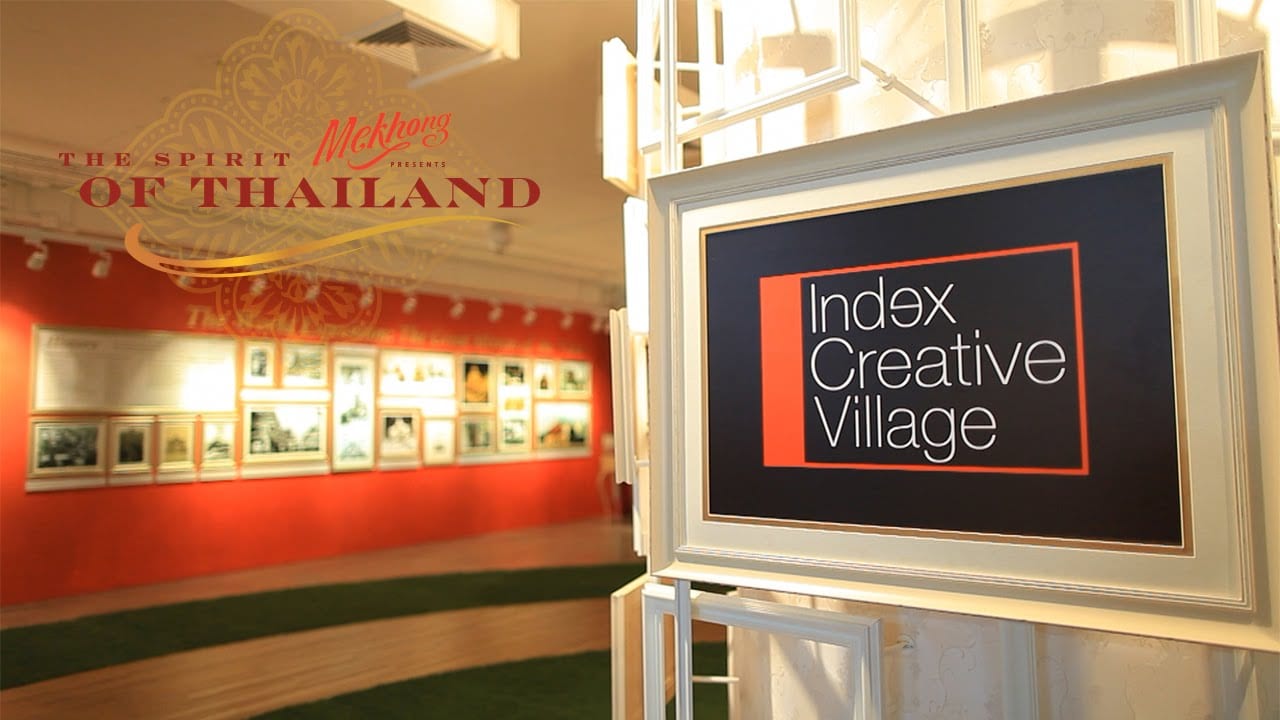
    Co-chief executive officer Kriangkrai Kanjanapokin said yesterday Myanmar was transforming into a new era of development that needed infrastructure, real-estate projects, accommodation and transport.

    This presented a huge opportunity for foreign investors, including Thai enterprises.

    Through its joint-venture company ICVeX based in Yangon, Index Creative Village will next year hold “Myanmar FoodBev” and “Myanmar Retail Expo” from August 18-20 and the third edition of “Myanmar Build and Decor”, from October 6-8 at Myanmar Event Park, which is owned and managed by business partner Forever Group.

    Kriangkrai said the construction industry in Myanmar was growing fast, with a compound average growth rate of 20 per cent. The residential and infrastructure sectors comprise almost 80 per cent of the industry, especially residential projects, which account for 49 per cent of investment value.

    According to the Myanmar Department of Human Settlement and Housing Development, only 7,000 houses are currently being constructed but annual demand appears to be around 20,000 units. The government has indicated its willingness to cooperate with the private sector in the construction industry in key cities such as Yangon and Mandalay while carrying out construction in other areas of the country using government loans.

    “We hope that ‘Myanmar Build and Decor’ will be a platform that enables Thai companies related to the construction industry to meet local developers for greater cooperation,” Kriangkrai said.

    He also said there were lots of opportunities for retail business, which was being transformed from traditional to modern trade.

    To cash in on this transformation, major retailer Siam Makro is reportedly keen on expanding its business in Myanmar.

    However, Kriangkrai believes that traditional shops will also look at improving their service with new equipment and management systems from Thai companies on display at Myanmar FoodBev and Myanmar Retail Expo.

    Apart from trade fairs, the company has also formed a joint venture with Suravath Pinsuwanbutr, the owner of Myanmar Alliance Travel and Tours, to offer marketing service for brands and products.

    This service includes organising direct marketing, product demonstrations at points of sale, on-the-ground event and lucky draws.

    Suravath said that after operating for two months, the JV had secured seven or eight projects. The tourism business is another area that Index Creative Village wants to focus on in the near future.

    After entering a partnership with Bagan Myanmar, a travel and hotel operator, the company invested Bt50 million on light and sound equipment for the “Dandaree” cultural show. Kriangkrai hopes the show will hit break-even point within four or five years. Next year, he plans to introduce this show to international tourism operators at the “Asia Tourism Forum” in the Philippines, “ITB Berlin” in Germany and “World Travel Market” in Britain.

    He said he was in talks with another company based in Yangon that is keen on a similar cultural show.

  • SM opens 53rd mall in Philippines

    SM opens 53rd mall in Philippines

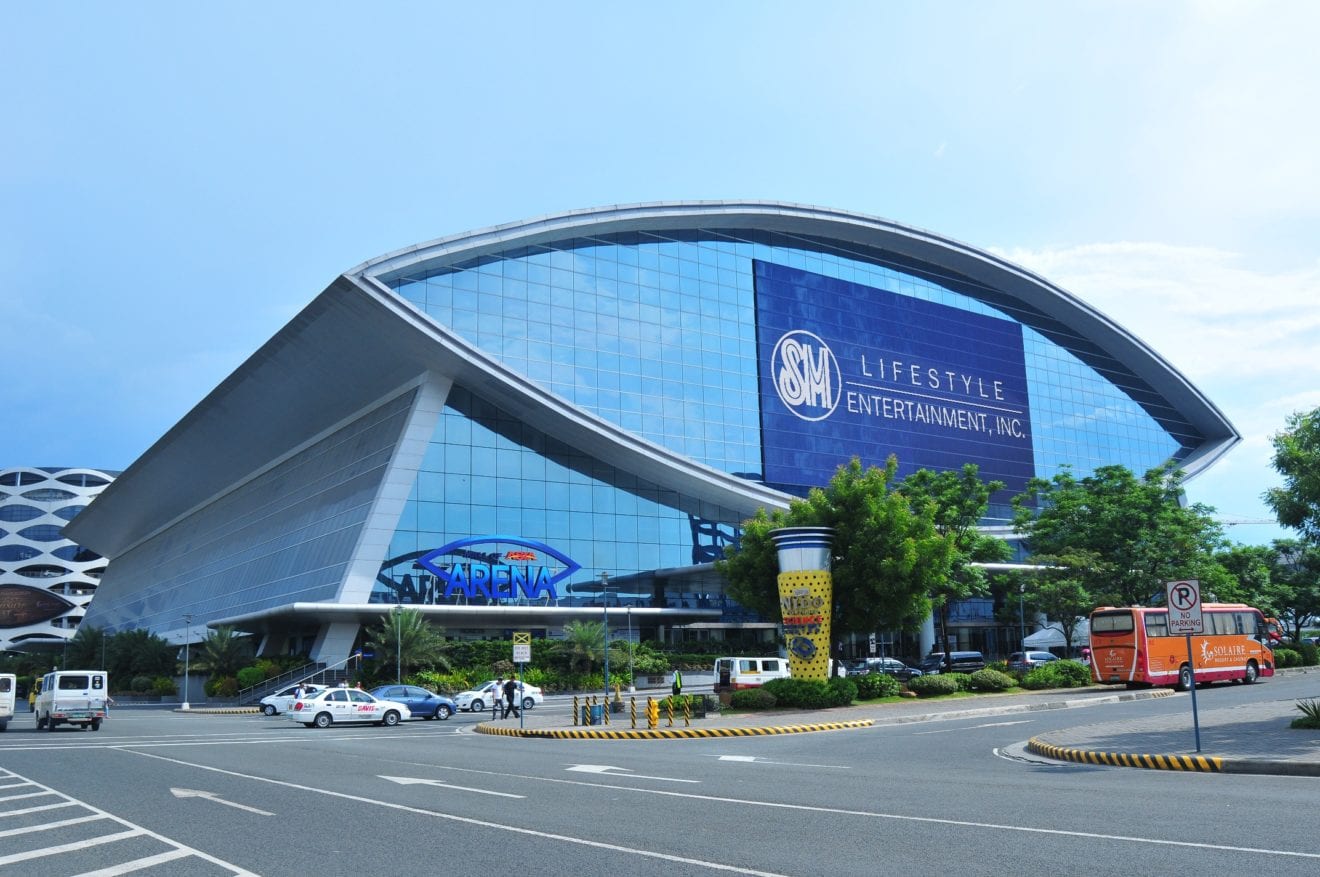
    SM Prime Holdings, Inc. on Friday is opening its second shopping center in Cabanatuan, as part of the property holding firm of the Sy family’s drive to capitalize on the growth prospects in the provinces.

    Its 53rd mall in the country, SM City Cabanatuan expands SM Prime’s footprint in Nueva Ecija after SM Megacenter Cabanatuan, the integrated property developer said in a disclosure yesterday.The four-level mall, which has 154,020 square meters (sqm) of gross floor area (GFA), increased SM Prime’s total retail space to 6.76 million sqm in the Philippines.

    “The opening of SM City Cabanatuan is SM Prime’s commitment to be part of the growth of the province. The opening of new malls is timely given the expected higher growth in overall consumption in the fourth quarter,” the disclosure quoted SM Prime President Hans T. Sy as saying.

    “The economy’s sustained gross domestic product growth in the past five years is now spreading to the provinces and we at SM Prime will continue to expand in these provinces that are enjoying high growth, like in Cabanatuan City, where we see significant development and huge unserved demand for shopping experiences,” Mr. Sy said.

    Cabanatuan, the largest city in Nueva Ecija, is located between the provinces of Pampanga, Bulacan, Tarlac and Aurora.

    SM City Cabanatuan is 90% occupied by various tenants, including SM Store, SM Supermarket, Ace Hardware, SM Appliance Center, Watson’s, The Body Shop, Surplus Shop and Uniqlo.

    The mall will have six cinemas, consisting five cinemas with a 275-seating capacity and one large-format cinema with a 525-seating capacity. It has 2,500 parking slots for cars and motorcycles.

    For the rest of the year, SM Prime is scheduled to open SM Center Sangandaan in Caloocan and SM Seaside City Cebu. The company is also set to expand SM City Lipa in Batangas and SM City Iloilo this year.

    By the end of 2015, SM Prime will have 55 malls in the Philippines and six in China with an estimated combined GFA of 8,269,486 million sqm.

    Next year, SM Prime is spending P65 billion in 2016 with plans to open six malls with an aggregate GFA of 430,669 sqm. They are located in San Jose Del Monte in Bulacan, Commonwealth in Quezon City, Trece Martires City in Cavite, Tuguegarao, Puerto Princesa in Palawan, and Urdaneta in Pangasinan.

    SM Prime is part of SM Investments Corp., which has core businesses in retail, banking and real estate. The family also has interests in gaming, geothermal energy and infrastructure.

    Shares in SM Prime slid 10 centavos or 0.47% to P21.40 apiece yesterday.

  • Siam Paragon announces Bt100m sales campaign

    Siam Paragon announces Bt100m sales campaign

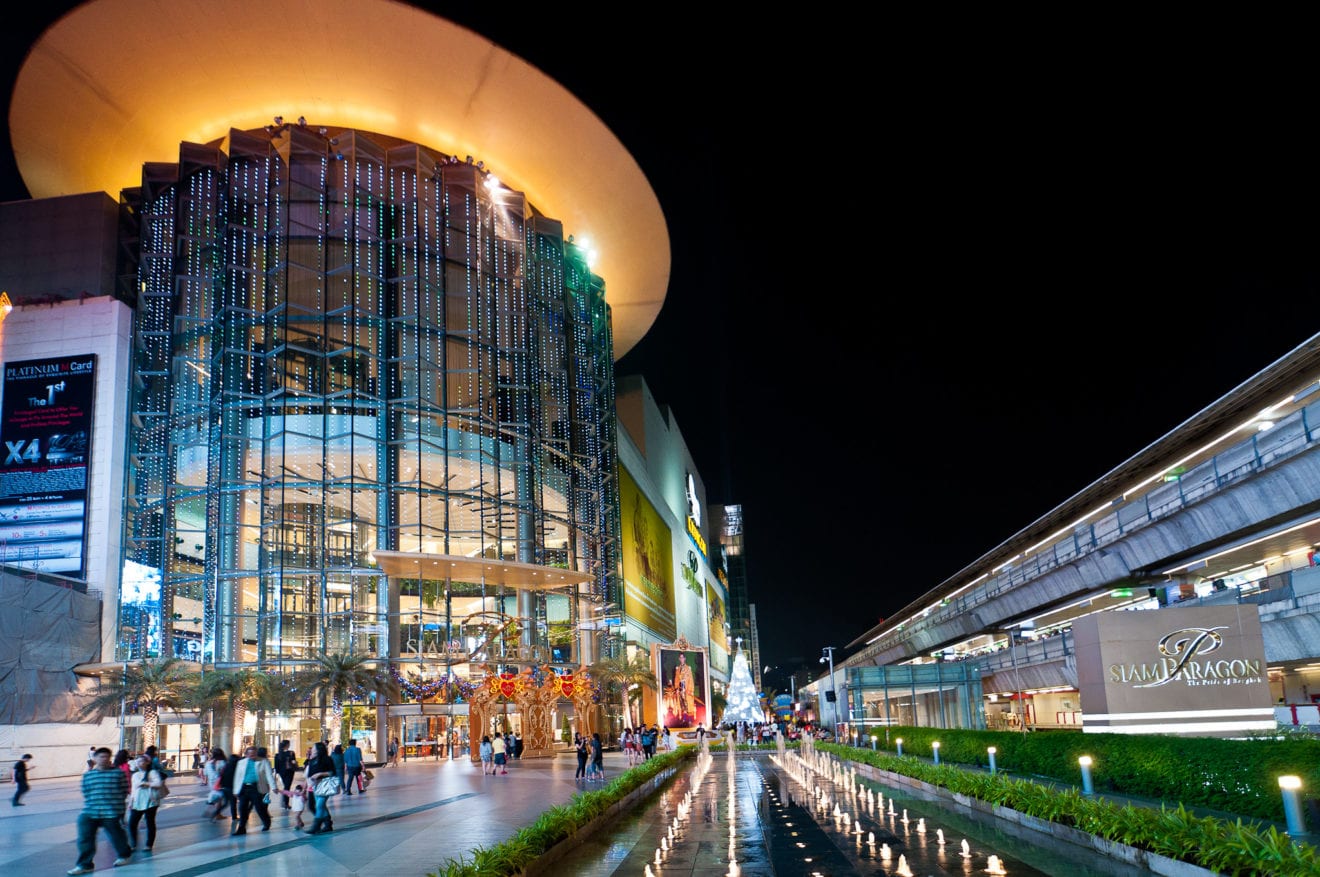
    Siam Paragon yesterday announced it would invest about Bt100 million in its biggest campaign of the year, “Siam Paragon 10th Anniversary: The Prismatic Phenomenon”.

    There will be two thank-you campaigns: a 10-week promotion with 100 prizes running from tomorrow to December 18 and a 10-day celebration including a series of “world-class” events and gifts.

    Siam Paragon is one of the major shopping centres on Bangkok’s Rama I Road, jointly developed by Siam Piwat Co and The Mall Group, Thailand’s two giant retail developers. The 10th-anniversary campaign is aimed at increasing customer traffic at Siam Paragon by 5 per cent and to increase spending per transaction by 10 per cent.

    Mayuree Chaipromprasith, senior executive vice president for marketing at Siam Paragon Development, said the strong partnership between Siam Piwat and The Mall Group had made Siam Paragon a retail phenomenon and a true “world-class shopping destination” that attracts more than 200,000 local and international shoppers a day.

    “Our loyal customers who have high purchasing power and are members of our Platinum and Scarlet cards have not been significantly affected by the prolonged economic difficulty. We have seen their purchasing value and earning of points on their cards increase a significant 24 per cent year on year in the first three quarters of this year.”

    Chamnarn Maytaprechakul, executive vice president of Siam Paragon Retail, who is also chief marketing executive of The Mall Group, said the explosion that hit Ratchaprasong Intersection in the middle of August had little impact on the number of foreign tourists coming to downtown Bangkok. Foreign visitors disappeared from the Ratchaprasong and Rama I areas for only few weeks and traffic is now back to normal.

    “However, with Thailand’s GDP anticipated to increase by only 2.5 per cent this year, we believe that the overall retail sector in Thailand will increase by no more than 5 per cent in total sales this year,” Chamnarn said.

    He added that people’s shopping behaviour had changed along with the economic difficulty, as they come to the shopping malls to eat and buy only necessary goods. The launch of attractive value-for-money campaigns will allow shoppers to decide more quickly what they plan to buy in the future.

  • Pantaloons to invest Rs 125 cr this fiscal, add up to 35 stores

    Pantaloons to invest Rs 125 cr this fiscal, add up to 35 stores

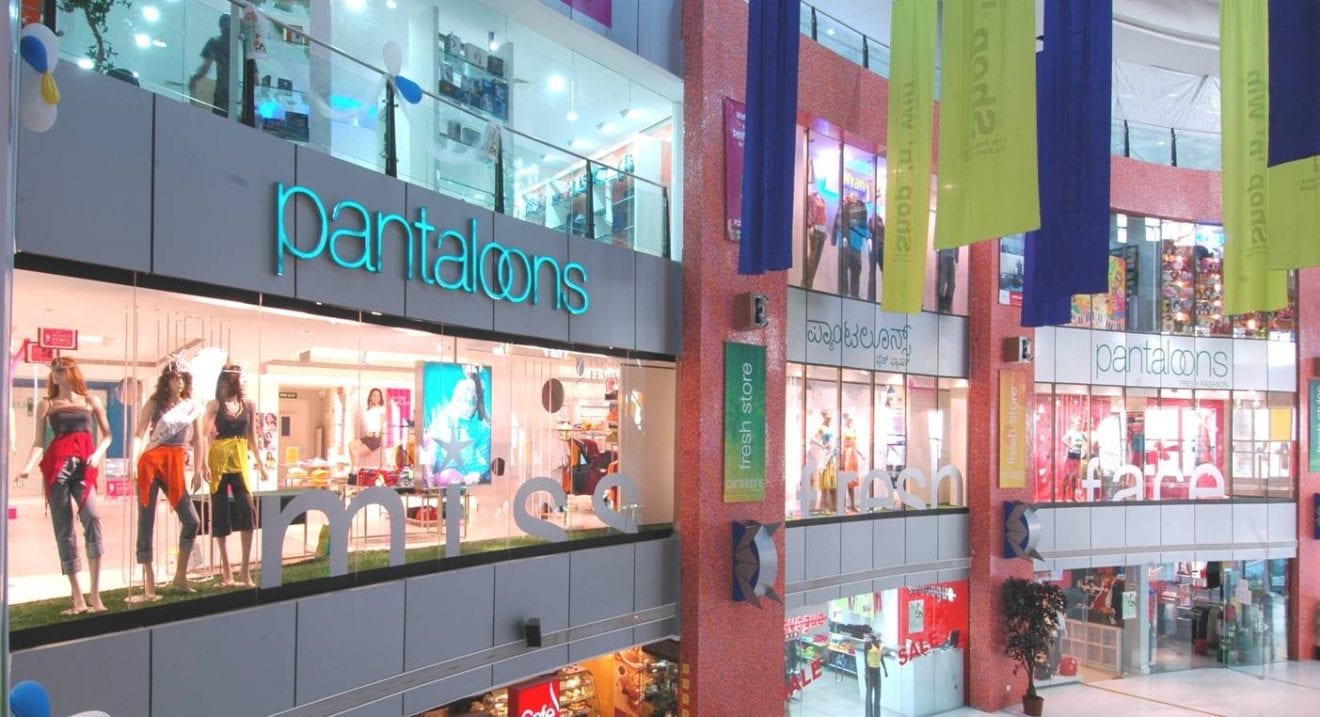
    Retail chain Pantaloons plans to invest Rs 125 crore this fiscal as it plans to add up to 35 stores across the country.

    In an investor update, Pantaloons Fashion & Retail’s parent company Aditya Birla Nuvo said: “Financial year 2015-16 capex guidance (for Pantaloons) stands at about Rs 125 crore mainly towards launch of new stores.”

    “The company is targeting to launch 30-35 stores during 2015-16 and focus will be on expanding customer reach and portfolio enrichment,” it said.

    Pantaloons, which has over 100 stores across the country, reported net sales of Rs 433.70 crore for the quarter ended June 30, 2015.

    In May, in a major restructuring exercise, Aditya Birla Group announced merger of all its branded apparel businesses into one entity, Aditya Birla Fashion and Retail Ltd.

    Under the scheme of arrangement, the apparel businesses of group holding company Aditya Birla Nuvo and of another group firm Madura Garments Lifestyle Retail would be demerged into listed firm Pantaloons Fashion & Retail Ltd (PFRL).

    Madura owns and retails brands such as Louis Philippe, Van Heusen, Allen Solly, Peter England and People and operates 1,759 stores across the country.

    In 2012, Aditya Birla Nuvo had entered into an agreement with the Future Group to infuse Rs 1,600 crore into Pantaloons and acquire a majority stake in the store chain.

  • Wal-Mart says heavy e-commerce investments put a crimp on earnings

    Wal-Mart says heavy e-commerce investments put a crimp on earnings

    The retailer’s global online sales increased 16% in Q2, excluding the impact of the stronger U.S. dollar.

    Wal-Mart Stores Inc. says its heavy investment in e-commerce infrastructure is paying off, with online sales growing by double-digit percentages, but that it hit a rough patch in international online sales and that the spending is weighing on its earnings.

    The retail giant, No. 3 in the Internet Retailer 2015 Top 500 Guide, said Tuesday its global online sales, excluding the impact of the strengthening dollar, grew 16% in the second quarter. But investments in e-commerce are estimated to lower full-year earnings per share by between 6 cents and 9 cents, company officials said. With 3.23 billion shares outstanding, that suggests Wal-Mart will spend between $190 million and $295 million on e-commerce this year.

    “The highlight was solid growth in the Walmart.com and SamsClub.com U.S. businesses, while international was soft, due to economic challenges in several of our key markets,” chief financial officer Charles Holley said on the company’s earnings call. The international results led Wal-Mart to revise its e-commerce sales growth forecast for 2105 to the mid to high teens from the previous mid-20s range.

    Wal-Mart also said its e-commerce investments, meant to vie with Amazon.com and other online retailers, are vital given the competitive environment.

    “We’re pleased that the investments we’ve made are helping to improve our business,” CEO Doug McMillon told analysts during the company’s earnings conference call, according to a transcript from Seeking Alpha. “Even if it’s not as fast as we would like, the fundamentals of serving our customers are consistently improving. In this case, our desired changes require investments, which are pressuring earnings this year.”

    Also in the quarter, the retailer opened two automated online fulfillment centers in the U.S., each bigger than 20 football fields, and two more are coming this quarter, said Holley. The centers will serve customers this holiday season and serve as the cornerstones of Wal-Mart’s fulfillment network, he says.

    On the call, Wal-Mart executives discussed its deal, announced last month, to acquire the remaining 49% it did not already own in Yihaodian, a Chinese online grocery retailer that’s been expanding into other categories and is No. 7 in the Internet Retailer 2015 China 500 Guide. Wal-Mart spent $760 million in the quarter to acquire the remaining 49% of Yihaodian, the online retail site in China with 100 million registered users.

    “Our primary goal is to continue to accelerate Yihaodian’s core e-commerce business and maintain strong local Chinese expertise,” Neil Ashe, CEO of Wal-Mart Global e-Commerce, told analysts. “Now that we are the sole owners, we will be expanding our leadership team from within the Yihaodian business, from within Wal-Mart and from the e-commerce industry in China. We will also leverage Walmart’s global reach and scale to better benefit Yihaodian, including global sourcing. China is an exciting, dynamic, large and competitive market. We are excited about our long-term opportunity in China.”

    For the quarter ended July 31, Wal-Mart reported:

    • Net sales of $120.229 billion, relatively flat from $120.125 billion.
    • Wal-Mart did not report online sales but said e-commerce sales increased 16% globally when adjusting for the strengthening dollar, which is reducing the dollar value of sales outside the United States. The total value of purchases on Wal-Mart’s e-commerce sites in 11 countries increased 18% on a constant-currency basis. That includes sales by outside merchants selling on Walmart.com and other sites that offer goods from other retailers.
    • Net income of $3.475 billion, down 15.1% from $4.093 billion in the same period in 2014
    • A decline in operating income in the retailer’s three primary divisions. At Wal-Mart U.S. it was $4.819 billion, down 8.2%; at Wal-Mart International it was $1.277 billion, down 14.2%; and at Sam’s Club it was $428 million, down 13.4%.
  • Aeon Hong Kong to invest in new stores

    Aeon Hong Kong to invest in new stores

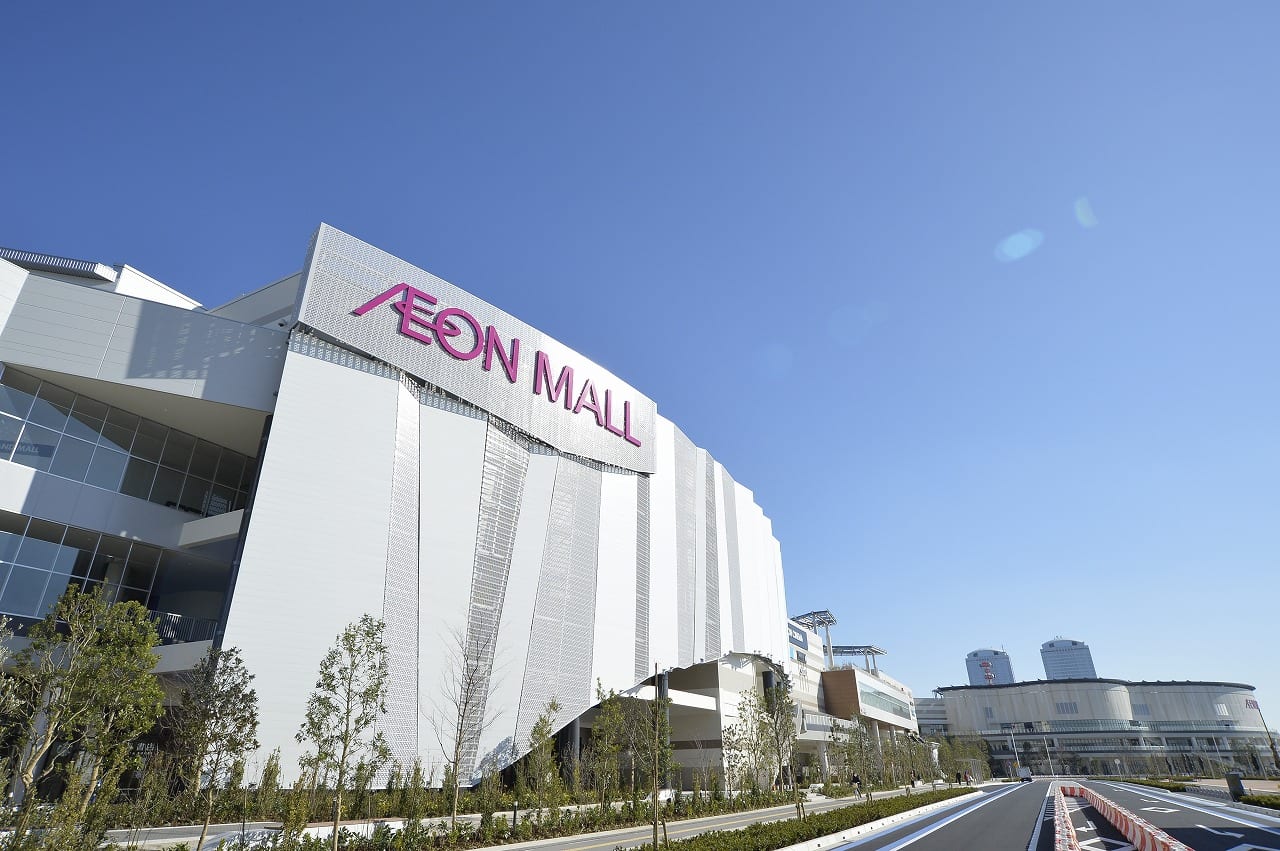
    Aeon Hong Kong is ramping up its store network expansion in the territory and the mainland.

    The Japanese retailer’s locally listed subsidiary has set aside HK$420 million to build new stores and refurbish existing ones, MD Christine Chan Pui Man said in announcing the company’s half year result. The cash – vastly more than the $51 million spent in the first half of this year – will be spent during the second half of 2015 and in 2016.

    Chan said despite a “stagnant” retail industry in both China and Hong Kong, the group improved its sales by 2.4 per cent to $4.499 billion in the six months to June 30, largely from stable growth in the mainland. Gross margin rose from 30.6 per cent to 31.1 per cent due to merchandise enhancement, boosting the core business profit by 20.8 per cent to $43.7 million.

    In the first half of this year Aeon Hong Kong opened four new stores – two in Tsuen Wan, one in Sai Ying Pun and another in Sham Shui Po, giving it a network of 46 on June 30.

    Revenue from the group’s Hong Kong operations was maintained at HK$1.87 billion, down marginally on a year ago, but profit fell from $44.7 million to $23.6 million.

    On the mainland, revenue rose by 6.8 per cent to $2.626 billion and the segment results achieved a turnaround with profit of $20.2 million compared with a loss of $8.4 million last year. Aeon now has 29 stores in south China, no more than at the end of last year.

    With a focus on now expanding the network, Aeon Hong Kong believes the mainland will become a major growth driver of the group.

    “In spite of the unstable macroeconomic environment and the volatile stock market, the PRC is still one of the economies with the largest potential for further business growth,” Chan said.

    In the second half of 2015, a new store will open in Zhongshan and in the first half of 2016, one will open in Panyu and two in Guangzhou and Shenzhen respectively in the second half.

  • Hong Kong fund sales slide by 50%

    Hong Kong fund sales slide by 50%

    The Hong Kong fund industry saw net sales drop by almost a half in the first six months of 2015, new figures reveal.

    The Hong Kong Investment Funds Association (HKIFA) published data on Wednesday which cited a sharp fall in funds to $3.71bn (£2.38bn, €3.34bn).

    Bruno Lee, the chairman of HKIFA, blamed the decrease in sales on global market uncertainty, particularly around China mainland’s A-Share market, the Greek debt crisis, and the potential US interest rate rise. He said volatility in the global currency market was also to blame.

    “Retail investors should review their investment position regularly to ensure their investment strategy is aligned with their long-term personal financial objective and seek for professional investment advice if needed,” Lee said.

    Though net sales fell dramatically, gross sales saw a rise of 14% to $47bn in the first half of 2015, after hovering at $7bn in the first quarter, soaring up by more than $10bn in April, and then dropping back to $7bn towards the end of the second quarter.

    HKIFA said China-related and European equity funds were the key sectors which contributed to the surge in gross sales in the second quarter of this year.

    “The moderate growth in gross retail fund sales and higher equity fund sales percentage indicate a higher risk appetite amongst retail investors,” said Lee.

    HKIFA members are comprised of 82 fund management companies.  It also has 43 associate members, including lawyers, accountants, trustees and other professionals that are involved in the creation and administration of funds.

  • Alibaba spends $4.6-billion on Chinese electronics retailer Suning

    Alibaba spends $4.6-billion on Chinese electronics retailer Suning

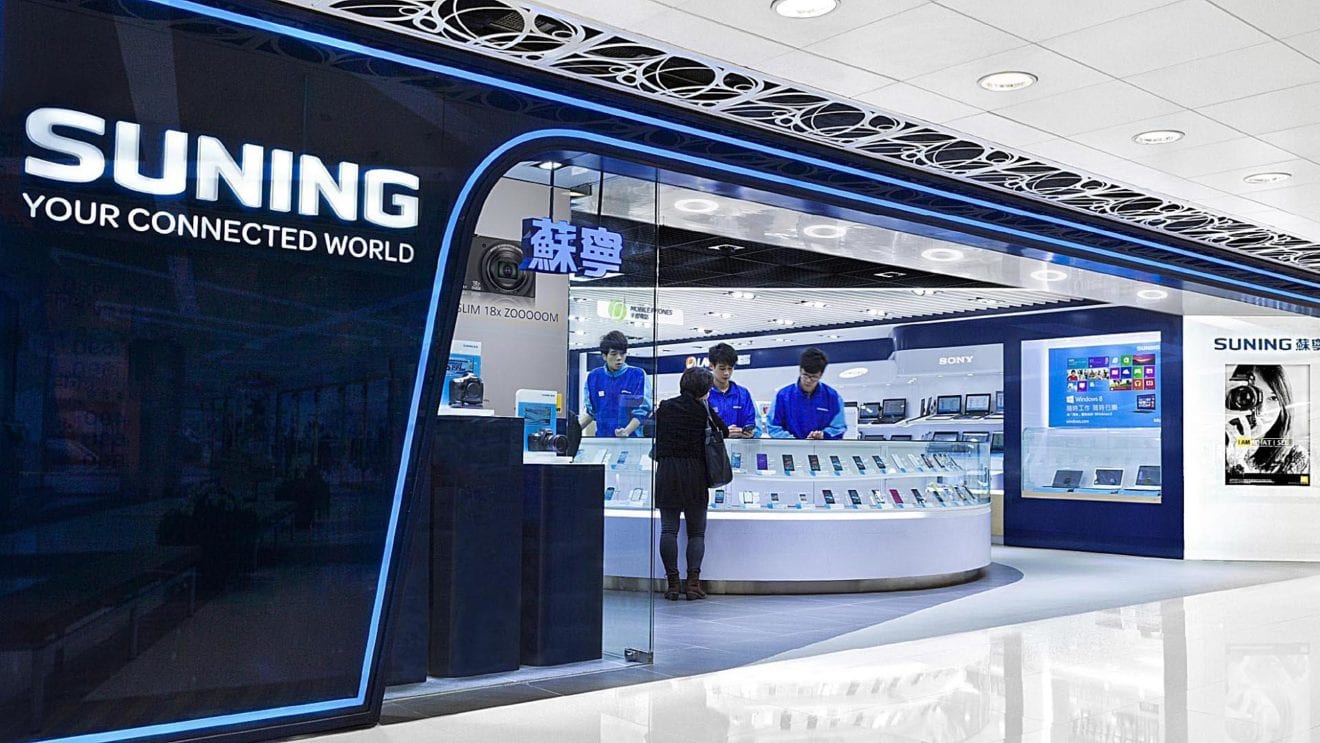
    Alibaba Group Holding Ltd. will spend 28.3 billion yuan ($4.6-billion) for a stake in Suning Commerce Group Ltd. as China’s biggest e-commerce operator adds a network of electronics stores in its biggest deal ever.

    Alibaba will buy a 19.99 per cent stake in Suning, which in turn will spend as much as 14 billion yuan for shares in the e– commerce company, according to a Business Wire statement on Monday. The companies will partner in logistics and online sales to target deliveries as fast as two hours.

    Alibaba Chairman Jack Ma is beefing up his retail presence after a 24 per cent drop in the company’s market value this year, bolstering the appeal of e-commerce operations facing slowing growth in China. Adding Suning to a partnership with department store operator Intime Retail Group Co. helps Alibaba compete with JD.com Inc., which specializes in selling electronics and has surged in New York trading this year.

    “Suning has one of the largest physical networks for selling appliances and that would help Alibaba’s location-based services,” said John Choi, an analyst at Daiwa Securities Group Inc. in Hong Kong. “Alibaba is becoming much more involved in offline retail through investments.”

    Alibaba’s American depositary receipts gained about 1 per cent to $79.62 at 9:45 a.m. in New York on Monday. The stock has declined about 23 per cent this year.

    Suning has more than 1,600 outlets in about 290 cities in China selling appliances, books and baby products. Alibaba will become the second-largest investor in the Nanjing-based retailer, trailing only Chairman Zhang Jindong.

    Logistics Partnership

    Alibaba is paying 15.23 yuan a share for the stake, which is about 10 per cent more than Suning’s closing price on July 31, its last day of trading before being halted. Shares are up 53 per cent this year.

    “We’re going to be able to leverage on Suning’s physical infrastructure,” Alibaba Vice Chairman Joseph Tsai said during a conference call.

    The companies will link their customer databases so they can tailor services such as in-store mobile payments, Chief Executive Officer Daniel Zhang said.

    The acquisition is Alibaba’s biggest-ever, excluding a $7.1-billion share buyback in 2012 from Yahoo! Inc.

    Alibaba has quickened the pace of its deals this year as its share price plummets in New York trading. Since January, Alibaba has announced 22 deals at a total value of $9.1-billion, compared with 25 deals all of last year at a value of $5.9-billion.

    The Suning partnership will help Alibaba expand in an electronics and appliance retail market forecast to grow 23 per cent to 1.1 trillion yuan by 2018, according to researcher Euromonitor.

    Ground Teams

    Suning will partner with Alibaba’s Cainiao logistics affiliate, enabling the companies to cover almost all of the 2,800 counties and districts in China.

    “Retail e-commerce also needs the ground teams to serve its customers, especially for the electronics appliances,” said Ray Zhao, an analyst at Guotai Junan Securities Co. “It’s difficult for e-commerce players to acquire more good logistics land.”

    Suning’s No. 1 rival, Gome Electrical Appliances Holding Ltd., has taken a different direction in its strategy. Two weeks ago, the Beijing-based company signed a deal to buy a company owned by jailed founder Huang Guangyu for HK$11.3-billion ($1.5-billion). That would help it increase the number of outlets by 50 per cent to 1,714 in 436 cities, exceeding those owned by Suning.

    Alibaba is scheduled to report fiscal first-quarter earnings on Wednesday.

  • Asia shares fall led by Shanghai as investors eye safety ahead of Greece

    Asia shares fall led by Shanghai as investors eye safety ahead of Greece

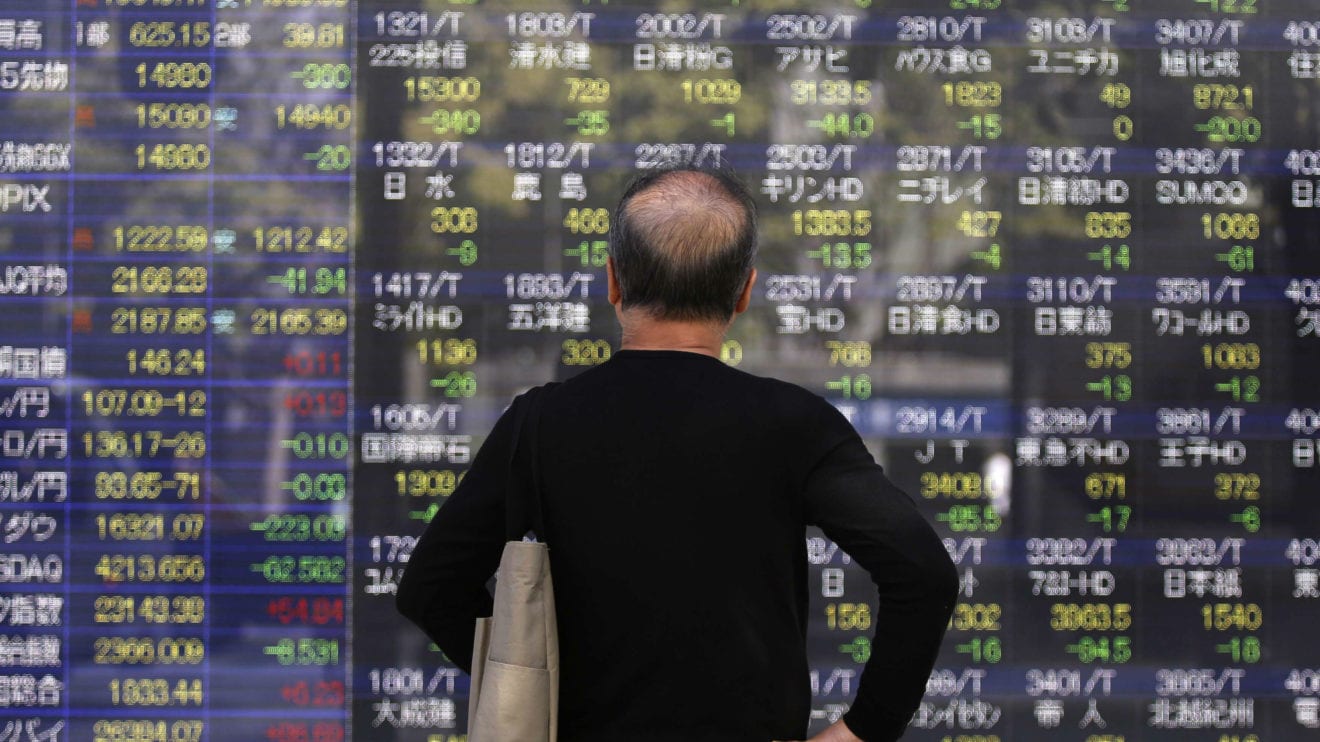
    Shares in Shanghai slumped on Friday, leading other Asian markets lower as investors headed for safety ahead of a weekend referendum that could decide whether Greece stays in the euro zone that is now too close to call.

    The Shanghai Composite fell 5.57% before the break, while the Hang Seng index eased 0.55% and the S&P/ASX 200 was down 1.78%. The Nikkei 225 was down 0.44%.

    Prime Minister Alexis Tsipras on Wednesday urged Greeks to reject an international bailout deal in a referendum due to be held on July 5, souring hopes of any breakthrough.

    Less than 24 hours before, Tsipras had written a conciliatory letter to creditors asking for a new bailout that would accept many of their terms.

    On Wednesday Greece became the first developed country to default on the International Monetary Fund after its second bailout program expired late Tuesday. The IMF confirmed that the Greek government failed to make a scheduled €1.6 billion loan repayment.

    In Australia, May retail sales data showed a 0.3% increase month-on-month, below a forecast for retail sales up 0.5% month-on-month.

    Earlier in Australia, the June AIGroup services index rose 1.6 points to 51.2.

    “The improvement in services-industry conditions so far this year has been concentrated in consumer services,” AI Group Chief Executive Innes Willox said.

    “Increased housing-market activity and very low interest rates are now assisting retail and personal and recreational services – although consumer-confidence and household-income growth are still below par. For the more business-oriented services subsectors weak business confidence, an uncertain outlook and low private and public investment are still weighing on demand across a range of design, consulting, personnel and administrative services.”

    U.S. markets are shut on Friday.

    Overnight, U.S. stocks were lower after the close on Thursday, as losses in the Financials, Healthcare and Basic Materials sectors led shares lower.

    At the close in New York, the Dow Jones Industrial Average lost 0.16%, while the S&P 500 index declined 0.03%, and the NASDAQ Composite index declined 0.08%.

    The best performers of the session on the Dow Jones Industrial Average were Intel Corporation (NASDAQ:NASDAQ:INTC), which rose 1.24% or 0.38 points to trade at 30.55 at the close. Meanwhile, Exxon Mobil Corporation (NYSE:NYSE:XOM) added 0.93% or 0.77 points to end at 83.14 and Visa Inc (NYSE:NYSE:V) was up 0.57% or 0.39 points to 68.24 in late trade.

  • Singaporeans spend money on Sogo Malaysia

    Singaporeans spend money on Sogo Malaysia

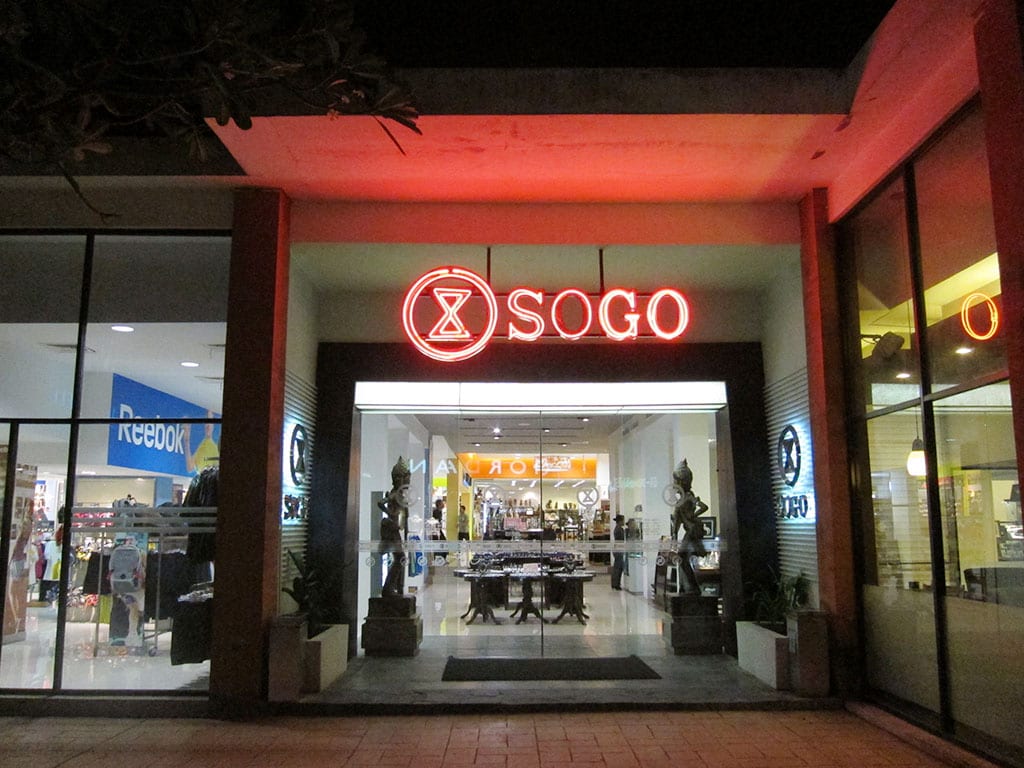
    A Singaporean funding firm has taken a strategic stake within the Malaysian licenceholder of Japanese division retailer model Sogo.

    Singapore-listed LTC Company, by way of a wholly-owned subsidiary, has taken a 50 per cent share of USP Fairness in equal partnership with USP Assets, which has acquired USP’s shareholding in SKLDS, which operates Sogo beneath licence from Sogo & Seibu  of Japan.

    LTC, historically concerned in property improvement, metal buying and selling and investments in Malaysia, China and Singapore, says in a regulatory submitting the mover is a part of a strategic initiative to broaden its enterprise base.

    “The LTC Group has been in search of a brand new enterprise to generate further revenue streams and diversify its asset and income base. Venturing into the retail and distributive enterprise in Malaysia is a step within the course of attaining these aims,” it stated.

    The funding value LTC MYR70.14 million (US$18.17 million).

    Sogo Malaysia is a full-line division retailer concentrating on home shoppers within the center market, ranging grocery, cosmetics, fragrances, attire and homewares.

  • Phoon Huat on the block

    Phoon Huat on the block

    Personal fairness buyers are already circling well-known Singapore bakery enterprise Phoon Huat & Co.

    The corporate, which sells its well-liked cupcakes from 11 retail shops across the metropolis state, is predicted to draw a sale worth within the neighborhood of S$250 million. Apart from its shops, the enterprise has a central bakery and sells baked merchandise, confectionery, drinks and components, on the wholesale market,

    Based in 1947 by Hainan migrant Wong Tai Fuang, it’s now owned by the Wong household, which based on reviews in Bloomberg, has despatched prospectuses to potential bidders. First spherical bids are anticipated subsequent month.

    The corporate’s belongings embrace property and the manufacturers Purple Man, Bakeway and Gold Tree.

  • Matahari Putra Prima to Distribute Rp194b in Dividends

    Matahari Putra Prima to Distribute Rp194b in Dividends

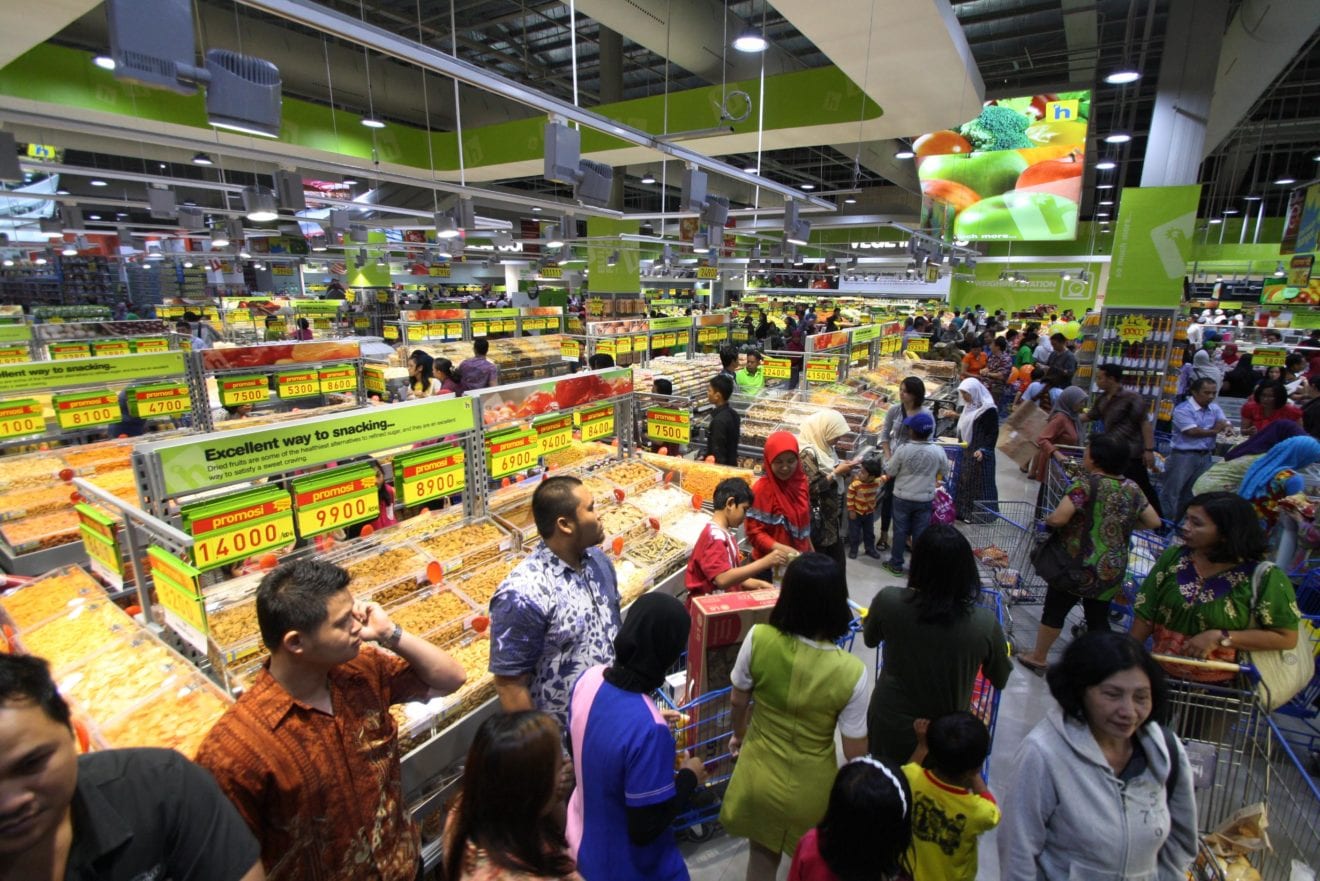
    Shareholders of Indonesia’s largest trendy retailer for fast-moving shopper items Matahari Putra Prima permitted in its annual common shareholders assembly a plan to distribute Rp 193.9 billion ($14.7 million) in dividends, which characterize 35 % of the corporate’s 2014 internet earnings of Rp 554 billion.

    Buyers of MPP, a Jakarta Globe affiliate by means of the Lippo Group, will obtain a dividend cost of Rp 36 for each share they maintain in a date which might be introduced later.

    “We’re happy to announce the money dividend of Rp 193.9 billion to our valued shareholders. This demonstrates the corporate’s on­going dedication to extend shareholder worth in ­line with the corporate’s goal to turn into the main FMCF trendy retailer in Indonesia,” MPP president director Benjamin Mailool stated in a press launch on Monday.

    Mailool added that the corporate will proceed its aggressive enlargement this yr by opening at the very least 10 new Hypermart retailers and additional develop its Foodmart and Boston Well being & Magnificence enterprise models.

    “Our dedication to buyer satisfaction is concentrated on additional improvement of the Hypermart format to continued enchancment of the client purchasing expertise and ensures we proceed to seize market share to safe the primary place within the multi-­format fast-moving shopper items phase,” he added.

    Buyers additionally welcomed John Riady and Niel Nielson to the board of commissioners and accepted the administrators studies on the corporate’s achievements and monetary outcomes for the 2014 fiscal yr.

    “We want to welcome John Riady and Niel Nielson who at the moment are the brand new members of BOC. These management modifications proceed to strengthen our boards to help the aggressive enlargement plans for 2015 and past,” Mailool stated.

    MPP posted a robust revenue progress final yr, because of strong gross sales and enhancing store-level productiveness.

    MPP lately introduced that its internet revenue grew 24.5 % to Rp 554 billion final yr. Eliminating one-time good points in 2014, internet revenue elevated 58.2 % to Rp 625.9 billion.

    In 2014, MPP grew with the widest retailer community of 107 hypermarkets, 21 supermarkets, 102 well being and wonder retailers, and 37 comfort shops working in additional than 60 cities and  29 provinces throughout Indonesia.

    It has launched the newest idea of Hypermart Era 7 (G7) in North Lippo Karawaci, on the outskirts of Jakarta. The occasion was adopted by the opening of a second G7 retailer in Batam in April.