Retail News CRM

Tag: jakarta

  • Retailers Brace for Gloomy Ramadan Amid Economic Slowdown

    Retailers Brace for Gloomy Ramadan Amid Economic Slowdown

    Indonesian retailers are predicting sales to drop by 36 percent year-on-year during the Muslim holy month of Ramadan and Idul Fitri, the latest sign of the country’s weakening economy.

    Sales are expected to reach Rp 15 trillion ($1.12 billion) during the fasting period, which runs from June 18 through July 17,  compared to Rp 25 trillion in the same period last year, according to estimates from the Indonesia Retailers Association (Aprindo).

    Members of the association range from convenience store chain operators such as Sumber Alfaria Trijaya to hyper market operators like Matahari Putra Prima.

    Aprindo chairman Roy N. Mandey said consumers’ purchasing power has been under pressure this year due to rising inflation stemming from fluctuating oil prices, the weakening rupiah and slow government spending.

    President Joko Widodo shifted government subsidies for fuel prices this year to back up his $21 billion infrastructure projects. However, only 8 percent of the funds were disbursed in the first six months 0f 2014 due to red tape, dragging further on the country’s economy, which is already struggling against low commodity prices and slowing investment.

    Based on current conditions, Aprindo has revised its 2015 sales target to Rp 152 trillion from its initial total of Rp 184 trillion — a 10 percent contraction from last year’s sales of Rp 168 trillion.

    “People are not as enthusiastic [as before]. They are refraining from buying anything now,” Roy said.

    A recent consumer confidence survey from Bank Indonesia, the country’s central bank, showed that consumers have become less optimistic about their income and job availability, holding back on buying durable goods like electronics, motor vehicles and home appliances.

    Still, Matahari Putra Prima, one of the largest retailers in Indonesia and a Jakarta Globe affiliate through the Lippo Group, remains confident it will see an 11 percent increase in sales during Ramadan to Rp 3 trillion from Rp 2.7 trillion last year, banking on its expansion in the eastern part of the country.

    The company now operates 111 stores under the brands Hypermart, Foodmart and Boston Health & Beauty.

  • Can Lippo Malls Indonesia Retail Trust Turn Itself Around?

    Can Lippo Malls Indonesia Retail Trust Turn Itself Around?

    With China’s stock market turmoil and Greece’s debt issues, it’s easy to miss out the woes that are befalling Singapore’s southern neighbour, Indonesia.

    The rupiah, Indonesia’s currency, has crashed by around 50% against the Singapore dollar since the start of 2010. In fact, the rupiah has tumbled in recent times to levels that were last seen during the Asian Financial Crisis of the late 1990s, some 17 years ago.

    Indonesia’s currency issues have heaped pressure on Indonesia-based but Singapore-listed companies and investment trusts.

    One good example is Indonesian retail malls owner Lippo Malls Indonesia Retail Trust the real estate investment trust has seen its units fall by 30% in price since the start of 2010 even as the broader market, a tracker for the Straits Times Index has climbed by 12%.

    Can things ever turn around for the REIT? Here are three reasons why it may.

    Hedging in place

    Lippo Malls Indonesia Retail Trust is well aware of the risk which can come with a falling rupiah and as a result, the REIT mentioned in its 2014 annual report that it “has entered into foreign exchange hedges to hedge its estimated quarterly cash flows in Indonesian Rupiah until the end of 2016.”

    These hedges can help to cushion any negative impacts from adverse currency swings which may affect the REIT’s bottom-line and distributions.

    Growth by acquisitions

    My colleague Stanley Lim had noted only two weeks ago that Lippo Malls Indonesia Retail Trust has made two new acquisitions of the Indonesian malls Lippo Plaza Batu and Palembang Icon and the purchases are accretive to the REIT’s distributions on a per unit basis.

    The REIT may also have a healthy pipeline of assets to acquire given the reach of its sponsor, PT Lippo Karawaci Tbk, Indonesia’s largest listed company by total assets.

    Undemanding valuation and juicy yield

    At its current unit price of S$0.35, Lippo Malls Indonesia Retail Trust has a very high trailing-12-months dividend yield of 8.2%.

    In the first quarter of 2015, the REIT’s distributions per unit (DPU) for the quarter had jumped by 16% year over year from 0.68 Singapore cents to 0.79 cents. Based on the REIT’s reading of its own micro-economics, it’d appear that brighter days are ahead. Here’re the REIT’s comments from its first quarter earnings release:

    “As the shopping centre moratorium continues, the near term retail space supply in Jakarta will be limited. This will create a favourable market condition for existing shopping mall owners as retail space in Jakarta will be keenly sought after in the next few years.

    The outlook for quality retail spaces looks promising in the next 12 months as both local and foreign retail players continue to remain active. Higher disposable income, lower inflation, coupled with an emerging trend of lifestyle shopping malls are expected to drive the demand for retail space.”

    While currency woes may still plague the REIT, it’s worth noting, as I mentioned earlier, that currency hedges have already been put in place till the end of 2016.

    In the meantime, Lippo Malls Indonesia Retail Trust is also selling for just 0.8 times its latest book value. These low valuations could potentially give some downside protection for investors.

    Foolish Bottomline

    While there may be things to like about Lippo Malls Indonesia Retail Trust, it’s important to note that its history with its DPU has been less than impressive.

    The REIT’s first annual distribution was in 2008 and it had doled out a DPU of 4.96 Singapore cents. But in 2014, its annual DPU was just 2.76 cents, a fall of some 44%.

    This undesirable track record is a source of risk, in the sense that while a weak rupiah may have played a part in the REIT’s shrinking distributions (this is something not within the REIT’s control), it could also be a sign that the REIT may not be the best operators of retail malls around.

    Investors would have to weigh the risks and rewards with Lippo Malls Indonesia Retail Trust before any investing decision can be reached.

  • Prada Jakarta opens doors

    Prada Jakarta opens doors

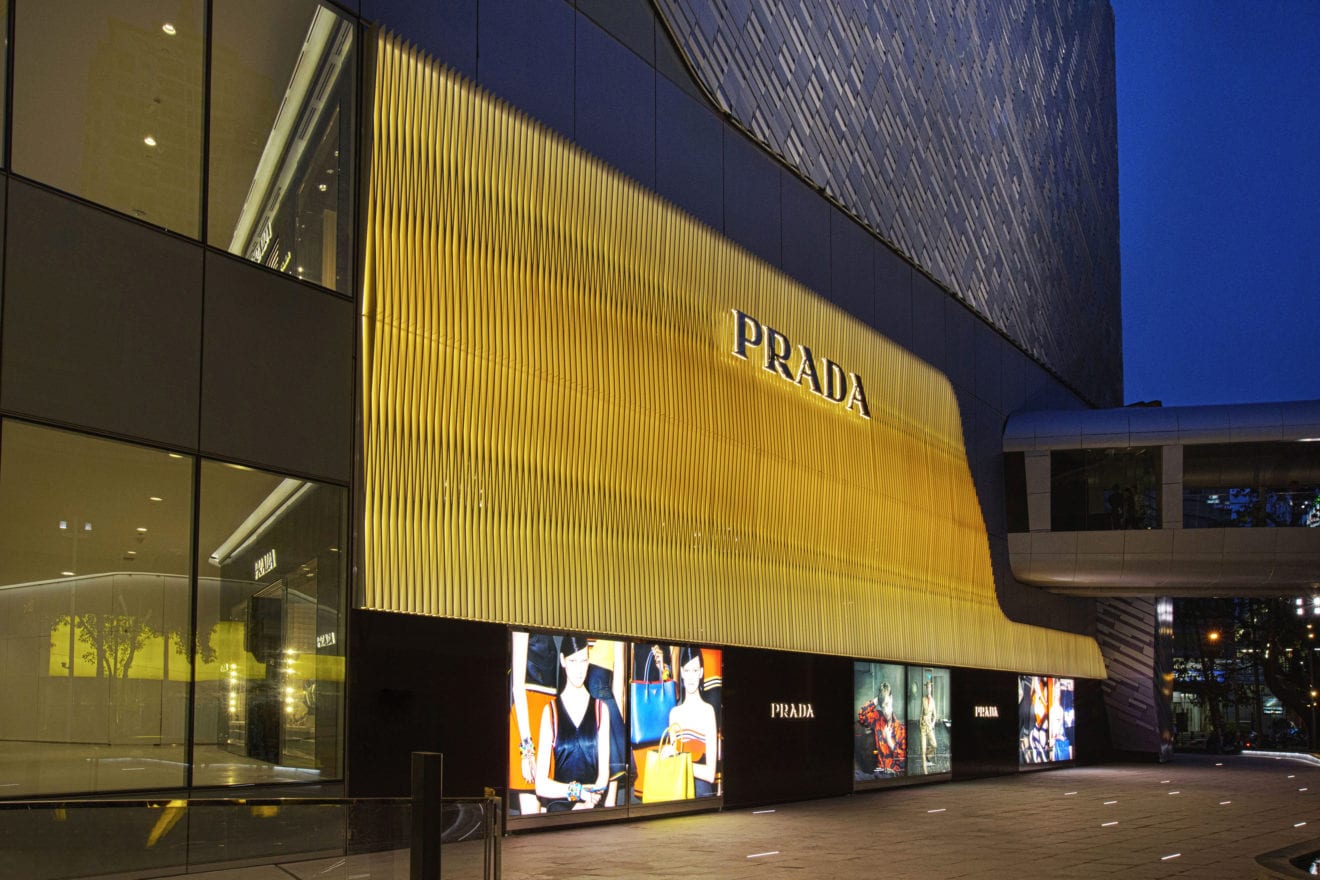
    Prada Jakarta has opened its doors, the luxury Italian fashion brand’s first store in Indonesia.

    The new 420 sqm single level store is located inside the upmarket Pacific Place shopping mall.

    The retail space, designed by architect Roberto Baciocchi, houses the women’s and men’s ready-to-wear, leather goods, accessories and footwear collections.

    The external facade is clad in black Marquinia marble, while slim polished steel profiles highlight the light boxes.

    The store has a corner location inside the mall, with slim strips of black Marquinia marble framing the entrance, display windows and large floor-to-ceiling windows that open up on the interior.

    The space is designed as a succession of rooms, each featuring a different atmosphere.

    The women’s leather goods area is defined by the signature black-and- white marble chequered flooring – a legacy of Prada’s identity worldwide – and green fabric-clad walls with alcoves housing displayed product, an original reinterpretation of Prada’s iconic display niches.

    The space housing the women’s accessories and small leather goods collections is characterised by black marble-clad walls and display counters with coloured saffiano leather detailing.

    The women’s footwear collection is showcased in an area defined by green fabric-clad walls with cut-in display niches. Beige carpeting and green velvet sofas create an elegant atmosphere.

    Green fabric-clad walls also characterise the area dedicated to the women’s ready-to-wear collection, where transparent perspex cases exalt the product display. Crystal tables and green velvet sofas complete the furnishing.

    The space devoted to men comprises an area dedicated to the leather goods and accessories collections and another room where the footwear and ready-to-wear collections are displayed. The area features masculine materials and finishes: ebony floorboards and walls, dark brown carpeting and cotto-coloured leather sofas. Polished steel display cases and counters with drawers covered in coloured saffiano leather complete the setting.

  • Reprieve for AirAsia

    Reprieve for AirAsia

    No further risk to IAA’s licence but bigger re-rating depends on ability to become sustainably profitable

    IT has been a topsy-turvy time for AirAsia Group Bhd’s share price.

    After investor sentiment was rocked by a damaging report by GMT Research report on June 10 that questioned the financials of the low-cost airline, AirAsia’s share price came under pressure when Indonesia threatened to pull back its licence in its 49% owned unit, Indonesia AirAsia (IAA), if its finances and that of 12 other airlines are not improved by July 31.

    Indonesia’s Transport Ministry wants the 13 airlines to shore up their shareholders’ equity to 500 billion rupiah if they operated 70 seater planes by July 31 or face being stripped of their licence.

    That punitive measures were later softened with the ministry changing its mind.

    On Thursday, the ministry issued a statement saying it would “assist and support” the 13 airlines with negative shareholders’ equity to improve their equity positions if they were unable to meet the July 31 deadline.

    “The wording suggests that the ministry has performed a gentle face-saving U-turn and the airlines’ licences will not be at risk after all. With no further risk to IAA’s licence, the recent share price sell-off may partially reverse, although a bigger re-rating depends on IAA’s ability to become sustainably profitable,’’ says CIMB Research senior analyst Raymond Yap.

    AirAsia share price has thus far rebounded and closed on Friday at RM1.34, marginally up from Wednesday’s close of RM1.30, which was the recent low.

    From the beginning of this year, it has lost RM4.11bil in market capitalisation and both the GMT report and the Indonesian directive were much of the culprits for the drop.

    Maybank Investment Bank senior analyst Mohshin Aziz described the ruling as “unexpected surprise.’’

    “About half of the airlines globally have negative equity and anyone in the airline industry knows that safety is not about negative equity. It is about discipline, cashflow and enforcement,’’ he adds.

    An airline executive felt that the ruling was not enforceable, adding that “do you honestly think Indonesia will close an airline which hires 2,000 people and brings in most tourists?’’

    According to World Bank data, international tourism receipts totalled US$10bil for Indonesia for the 2010-2014 period.

    But Shukor Yusof, the founder of Endau Analytics, felt that the Indonesian Transport Minister is making a concerted effort to overhaul and clean up the domestic aviation.

    “A good number of Indonesian carriers can barely stay solvent, with the exception of the major ones like Lion Air group and Garuda. But it is unlikely they will shut them (the 13 players) down though.’’

    Apart from IAA and Rusdi Kirana’s Batik Air (a unit of Lion Air Group), the others affected by the new ruling are Cardig Air, Trans Wisata Prima Aviation, Istindo Services, Survei Udara Penas, Air Pasifik Utama, John Lin Air Transport, Asialink Cargo Airline, Ersa Eastern Aviation, Tri MG Intra, Nusantara Buana and Manunggal Air.

    Indonesia is the world’s fourth most populous nation with demand for air travel growing every quarter. From 2010 to 2014, about 95 million passengers took to the skies. There are 65 domestic airlines in the country.

    AirAsia has a 49% stake in IAA and its share of the Indonesian market is below 10%, though IAA has the largest market share in international air travel segment in Indonesia. The market is controlled by Garuda and Rusdi Kirana’s Lion Air group.

    Despite the threat of suspension, AirAsia boss Tan Sri Tony Fernandes says the airline is not pulling out of Indonesia.

    This can be explained as the market potential is huge and an initial public offering (IPO) is being planned for IAA, which operates with 29 planes in Indonesia.

    According the International Air Transport Association (IATA), by 2034, Indonesia is expected to be the sixth largest market for air travel. By then, some 270 million passengers are expected to fly to, from and within the country. That’s three times the size of today’s market.

    Short-term reprieve

    Though IAA got a reprieve, affected airlines in Indonesia will still have to improve their balance sheet if they want new routes. New routes are important for low-cost carriers as growth in traffic comes with more destinations.

    All the 13 players also need to submit their business plan by month end.

    Fernandes was reported to have said that “We were going to comply anyway. We have already set that process in motion.”

    As at end March this year, IAA had a negative equity position of 3 trillion rupiah (RM860mil) and paid-up capital of 180 billion rupiah. Hong Leong Research estimates that IAA needs at least RM1bil injection and this includes the additional paid-up capital of 320 billion rupiah or RM90mil.

    Yap of CIMB points out that the fundamental issue of IAA’s long-term future will still weigh heavily on investors minds.

    “At the moment, IAA is still some distance away from securing the subscribers for its proposed US$100mil-US$150mil convertible bonds.”

    Even if those are secured, most likely with a guarantee issued by AirAsia, it would only buy AirAsia two years of time. IAA will need to be reasonably and sustainably profitable before AirAsia’s share price can recover convincingly.

    But Fernandes told that “we have resolved and have no worries about our licences and we are confident of a profitable airline in Indonesia.’’


  • Uber Takes The eCommerce Route In Indonesia

    Uber Takes The eCommerce Route In Indonesia

    After being recently shut down in multiple countries over its controversial “tech company” status, Uber seems to have found a workaround at least in Indonesia.

    The company has announced plans to register itself as an eCommerce business so as to avoid taxes, and taxi-medallion regulations, which has brought troubles to its door in almost all of its major business markets.

    With the registration, the company plans to establish itself as a foreign-owned entity registered as an Internet portal, said Uber Indonesia’s Country Head Alan Jiang.

    “Indonesia is a super-key market for us,” he said.

    The ride-hailing company has been cutting corners in its everlasting struggles against local and national laws in all of its market, but in Indonesia the plans come after the local police in Jakarta arrested five Uber drivers as part of a wider investigation in a case filed by other taxi companies accusing Uber for challenging market rates with its predatory pricing scheme.

    For expanding its business in the country, Uber has not only been offering its service for 30 percent less than the main local taxicab companies, but has also not been charging commission on rides, Jiang said.

    “In the future we will take a service fee and when we do we will pay all the applicable taxes on that,” he said. “I don’t have a specific timeline for when.”

    As it struggles to keep its business open in several markets, the company has repeatedly justified its business model. “Uber is a technology company,” the company said. “We do not own, operate vehicles or employ drivers.”

  • iBox opens new outlet in Indonesia

    iBox opens new outlet in Indonesia

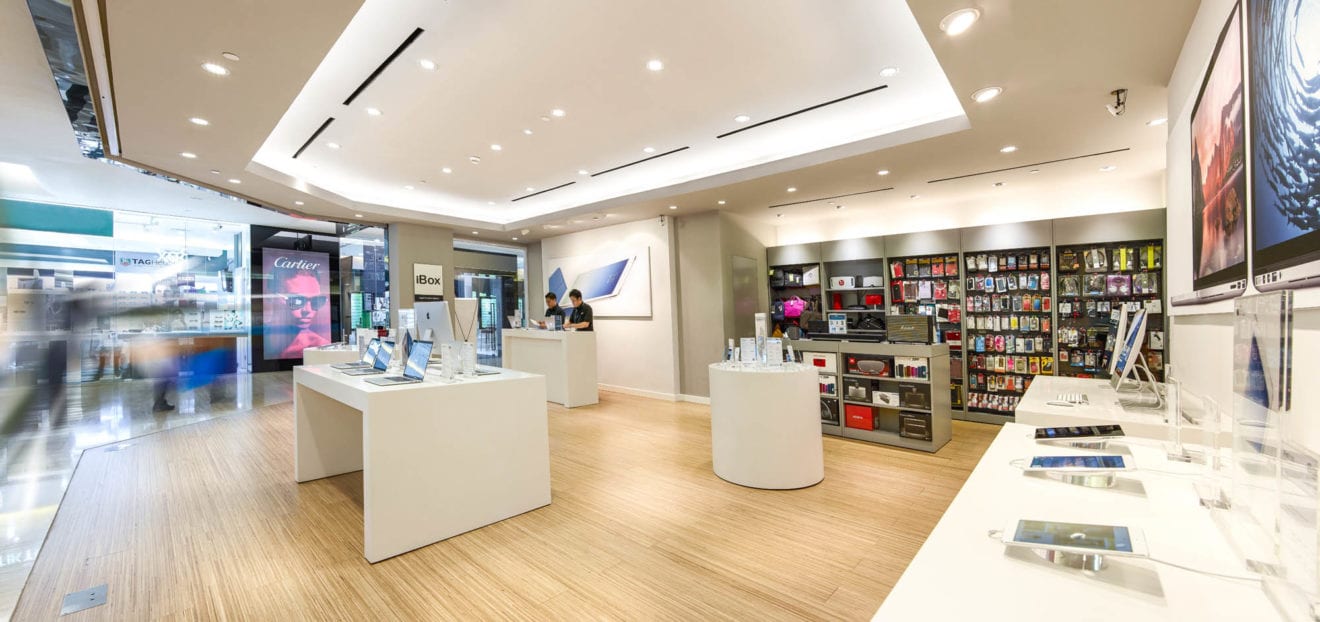
    iBox, the leading Apple Premium Reseller (APR) in Indonesia, recently opened a new store in Bandung, West Java. The new store, located in Bandung Electronic Centre (BEC), is the third iBox in the city, joining existing branches in Dago and Palace Plaza. In total, iBox operates more than 40 outlets across Indonesia as well as multiple Apple service centres. iBox is a business unit of Erajaya Group.

    iBox outlets offer a wide range of Apple products, plus software and accessories, delivering a one-stop-shop digital lifestyle retail experience, according to the company. iBox was the Apple partner in Indonesia to become a premium service and provider and is the country’s only Apple authorised training centre.

    The new iBox BEC Bandung will demonstrate a full range of Apple products with trained staff on hand to explain how the products can enrich consumer lives. iBox positions itself as the local Apple expert for consumers across Indonesia.

    Erajaya Group was established in 1996 and has grown to become a major distributor and retailer of mobile devices, accessories, computers and consumer electronics. Erajaya Group’s mission is to position itself as a leading distributor with direct integrated access to consumers and retailers, and to provide a complete range of mobile products and solutions.

  • Taxi services with apps  springing up like mushrooms

    Taxi services with apps springing up like mushrooms

    Taxi services equipped with booking applications are springing up like mushrooms in Indonesia as people are seeking more reliable means of transportation amid the country’s poor public transportation facilities.

    GrabTaxi, Uber or even the newly established ojek (motorcycle taxi) app Go-Jek are rapidly spreading in the country’s major cities.

    Nadiem Makarim, founder and CEO of the Go-Jek app, said that he came up with the idea to establish Go-Jek in 2011 out of his own need for fast and reliable transportation and also courier services in the capital city.

    The company, which was first established to serve Jakarta commuters, has quickly expanded its services and is now also available in Bandung, West Java; Denpasar, Bali; and Surabaya, East Java.

    “The expansion is based on the city’s traffic jam level, the supply of ojek drivers and the city’s economic level since our users are from the middle and upper-middle class,” he told The Jakarta Post. “We are planning to further expand our presence in other cities across the country, but we cannot mention the names of the cities just yet,” he continued.

    Since Go-Jek launched its mobile app in January this year, its number of ojek partners increased from 1,000 to 10,000 amid rising demand. The app itself has been downloaded 650,000 times since it was launched, Nadiem said.

    The marketing head of Malaysian company GrabTaxi’s Indonesian representative office, Kiki Rizki, similarly said that the company’s presence in Indonesia was aimed at tapping the rising demand for safe and reliable transportation in the country’s main cities.

    “We see a similar transportation problem in big cities across Southeast Asia. Residents basically need public transportation that can offer security, convenience and speed, which is what we offer at GrabTaxi,” Kiki told the Post.

    She said that the GrabTaxi service — which incorporates thousands of selected drivers from five leading taxi fleets in the country and assigns available taxis to nearby commuters using mapping and location-sharing technology — was now available not only in Jakarta but also in Surabaya and Padang in West Sumatra.

    The application displays the identity of the driver, the license plate of the taxi that will pick up the passenger and its estimated arrival time.

    “By using this application, customers don’t have to worry about being ripped off by taxi drivers, as they can monitor their journey and be informed of the driver’s identity,” she said.

    The company also decided to launch GrabBike, which is similar to the Go-Jek service, last month, and had since accommodated more than 1,000 ojek drivers, Kiki said.

    Similarly, one of its global competitors, Uber, also does not operate its own fleet. While GrabTaxi partners with official taxi drivers, Uber partners with licensed chauffeur-driven limousine or rental car companies. The operation has been, however, criticized by the city administration regarding its legality.

    According to the Castrol Stop-Start Index examining traffic conditions in 78 cities and regions around the globe, Jakarta ranked as the city with the highest number of stops and starts with an average of 33,240 per driver per year.

    East Java’s Surabaya was also included on the list, with the fourth-highest stop-start average, reaching 29,880 per year.

    Jakarta currently has one rail-based form of public transportation, a commuter train operated by PT KAI.

    While the government is currently constructing an MRT system in Jakarta and will soon start the construction of a tram system in Surabaya, little attention has been given to improving city bus management. Metromini and Kopaja minibuses in Jakarta, for instance, are currently owned and operated by private owners, without a united management system.

    Transportation Ministry spokesperson Julius Andravida Barata, however, said that the ministry would not legitimatize motorcycles as public transportation, saying that there were no safety requirements regulating motorcycles to serve as a means of public transportation.

    “The ministry will not regulate ojek because motorcycles don’t meet the standards for proper public transportation, but we also can’t deny that these mobile applications are emerging based on demand from the public,” Julius said.

    “The ministry, in cooperation with the city administration, will try its best to improve city transportation so the public can have reliable public transportation that meets safety standards,” he continued, citing that the management of public transportation, however, was the responsibility of the city
    administration.

    From the total Rp 64 trillion allocated for the ministry in the revised 2015 state budget, the ministry allocated less than 10 percent or Rp 6.07 trillion for the directorate general of land transportation.

    Julius said that the ministry would provide 1,000 buses for Damri and state-run city bus companies (PPD) across the archipelago this year, which, according to him, was part of the government’s support for city transportation.

  • Garuda adds 5 extra flights  after fire

    Garuda adds 5 extra flights after fire

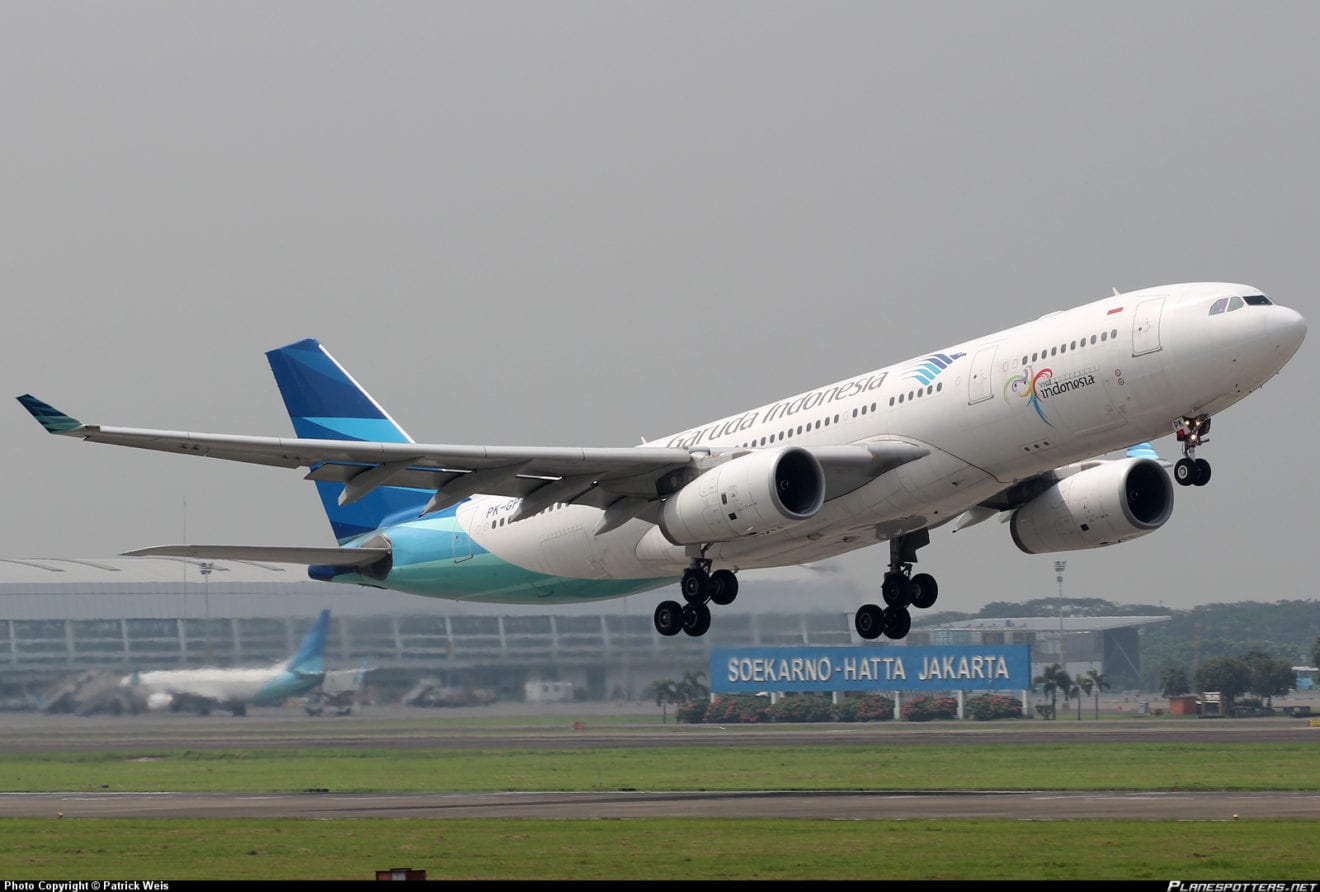
    National flag carrier Garuda Indonesia said on Monday that it had prepared five additional flights for passengers caught in delays and cancellations following a fire at Soekarno-Hatta International Airport’s Terminal 2E on Sunday morning.

    “We aim for all flights leaving this morning,” Garuda spokesperson Ikhsan Rosan said as quoted by tempo.co

    The additional flights will serve five routes from Jakarta to Batam, Riau; Jakarta to Semarang, Central Java; Jakarta to Pontianak, West Kalimantan; Jakarta to Surabaya, East Java and Jakarta to Denpasar, Bali.

    “We will also operate two wide-body planes, Boeing 747-400s, to carry passengers to Surabaya and Depansar,” Ikhsan added.

    Ikhsan admitted there were still several flights that were delayed until early this morning.

    “We put them [the passengers] up in hotels,” he said.

    He gave an assurance that the extra flights would not disrupt other regular flights.

    “Today’s flights will run normally as scheduled,” he said.

    A fire broke out in a VIP lounge at the airport on Sunday morning, causing disruption to departures and arrivals.

    Airport police suspect the fire was caused by an electrical short circuit in the lounge.

  • Archipelago to Open Six New Harper Hotels in Indonesia

    Archipelago to Open Six New Harper Hotels in Indonesia

    Archipelago International’s harper portfolio will soon increase by six new hotels across Indonesia in the coming two years. Currently, the harper brand covers two hotels in two of Indonesia’s most prominent destinations, Bali and Yogyakarta, but by the end of 2017 the harper brand will have six new names under its belt: harper M.T Haryono – Jakarta; harper Purwakarta – West Java; harper Pasteur – Bandung; harperPerintis – Makassar; and harper Puncak Gate – West Java.

    Harper M.T Haryono – Jakarta is set to open in the 3rd quarter of 2015. The hotel is located on Jl. MT. Haryono Kav in Cawang, Jakarta and will feature 131 rooms, five meeting rooms, harper’s signature Rustik Coffee Shop, a swimming pool, gym and a spa.

    Also opening in the 3rd quarter of 2015 is harper Purwakarta – West Java. Located on Jl. Bungursari in Purwakarta-Jawa Barat, harper Purwakarta is a short stroll from the Cikampek / Dawuan / Sadang toll road and is surrounded by cultural and natural tourism spots, local eateries and the Pupuk Kujang Cikampek Golf Course. The hotel will offer 130 guest rooms and suites, nine state-of-the-art meeting rooms and a ballroom that can accommodate up to 700 delegates. Facilities include the signature Rustik Coffee Shop, an outdoor swimming pool with a kid’s pool and a convenient poolside restaurant, as well as 24-hour reception staff and room service, complimentary high-speed WiFi and the highest service standards in the region.

    Harper Pasteur – Bandung shall then open shortly after in the 4th quarter of 2015. Sitting in an ideal location on Jl. Dr. Djunjunan at the gateway to Bandung, harperPasteur offers easy access to the Paris Van Java Mall and the Husein Sastranegara Airport. The hotel will feature 256 rooms, 10 meeting rooms, harper’s Rustik Coffee Shop & Lounge as well as a swimming pool.

    Crossing the archipelago to Sulawesi, harper Perintis – Makassar also plans to open in the 4th quarter of 2015. The hotel will feature 159 rooms, a ballroom, four meeting rooms, the signature harper Rustik Coffee Shop & Lounge and a swimming pool. The hotel is located on Jl. Perintis Kemerdekaan only 30 minutes from Makassar’s city center and just 15 minutes from the international Sultan Hasanuddin Airport. Guests at the hotel will also enjoy close proximity to the growing tourist attractions in the area, such as Makassar’s shopping malls and restaurants, the city’s theme park and even the white sand beaches of Samalona Island and Kodingareng Keke, famous for their idyllic swimming, sunbathing, snorkelling and diving spots.

    Opening shortly after, harper Puncak Gate – West Java on Jl. Raya Pertanian, Ciawi Bogor, will feature 301 rooms, a ballroom, nine meeting rooms and the signature Rustic Coffee Shop & Lounge, as well as a spa, gym and swimming pool. Puncak is a popular weekend getaway for Jakartans and many tourists alike, most of whom are visiting for a taste of the fresh mountain air and the numerous natural attractions, including the Bogor and Cibodas Botanical Gardens; the Gede Pangrango National Park; the Plantations and the Safari Park.

    Archipelago International has also just signed the harper Solo – Central Java, scheduled to open in the 1st quarter of 2017. The hotel will feature 250 rooms, several meeting rooms and a swimming pool. The hotel will be located on Jl. Bridgen Katamso in Surakarta (Solo) Central Java, close to the acclaimed palace of Susuhunan Pakubuwono, Keraton Surakarta, and also the Javanese court of Mangkunegaran.

    “Indonesia has seen extraordinary economic growth over the past four to five years, and the hotel industry has predominantly been driven by the local market. The high demand for accommodation facilities is bolstered primarily by Indonesia’s position as one of Asia’s most popular tourist destinations, receiving 9.44 million foreign visitors in 2014, resulting from growth of 7.19% compared to the previous year. According to the Central Bureau of Statistics, much of this growth has arisen from catering to the middle-segment of the market, namely the 2, 3 and 4 star hotels. Nowadays in our increasingly anxious world, people want comfort and functionality, and it’s no secret today’s guests want to be reminded of home.

    That’s why harper’s modern-rustic design concept uses warm, rich colors to offer comfort in each room. harper Hotels convey a residential feel and a balanced functionality, offering unobtrusive service and never ending innovation – hotels for the astute traveler who values individualism and character. Our expansion in Indonesia is certainly one of our strategies, but we have always focused on quality rather than quantity,” said John Flood, President & CEO – Archipelago International.

  • Hyundai Grand i10X launched

    Hyundai Grand i10X launched

    The population of pseudo SUVs has risen over the past few years. While Fiat, Volkswagen and Toyota have reworked hatchbacks of their own, Hyundai played their cards right by launching the i20 Active around the time waiting periods for the Elite i20 started rising. Now, Hyundai has just launched the Hyundai Grand i10X in Indonesia, in order to capitalize on what seems to be a global trend.

    The car gets black plastic cladding around the wheel arches, side skirts and bumpers, day time running LEDs along the fog lamp housing, a faux skid plate, new alloy wheels, and black sash tape on the C pillar among other alterations. Mechanically, the car gets no changes.

    Hyundai India has not stated any plans to launch this model. The South Korean automaker already sells around 8,500 units of the Grand i10 in India every month. While a new product launch could be considered at a later stage, features such as the LED DRLs may be tempting for some Indian buyers.

  • SK Telecom Wins Most Innovative Telecom Project Award

    SK Telecom Wins Most Innovative Telecom Project Award

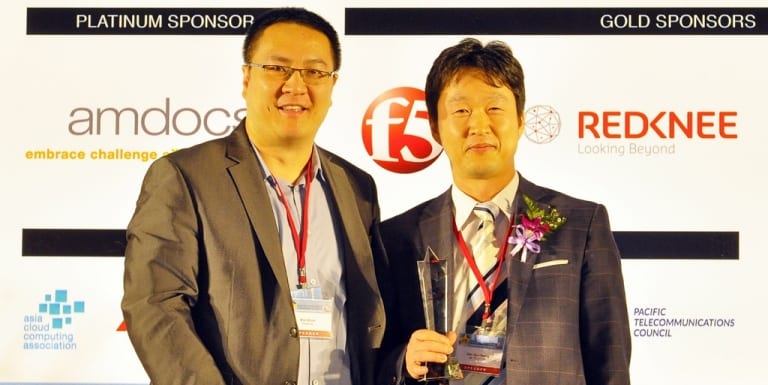
    SK Telecom won the Most Innovative Telecom Project (MITP) award on May 20 from the Telecom Asia Award (TAA) held in Jakarta, Indonesia, the company said.

    SK Telecom could win the Most Innovative Telecom Project award because TAA recognized the company’s continuous efforts for LTE technology development, particularly the commercialization of the “3 band LTE-A,” which provides a speed of 300Mbps maximum, SK Telecom said.

    TTA is held by Telecom Asia, a Hong Kong-based media company specializing in information technology, SK Telecom said. TTA has been awarding Asian companies for providing communication services or technologies, SK Telecom said.

    Park Jin-hyo, head of the network technology institution of SK Telecom, said that the company will continually innovate its network technology, with ambitions of being the world’s representative mobile communication company.

  • Indonesian telco giant XL Axiata appoints Mindshare for $18m media duties

    Indonesian telco giant XL Axiata appoints Mindshare for $18m media duties

    Indonesia’s second largest mobile telecommunications firm, XL Axiata, has concluded a multi-agency pitch that sees its media account change hands.

    Mindshare takes on the planning and buying business from Havas Media after three rounds of pitching against the country’s top agencies. Starcom MediaVest Group, Maxus, Zenith Optimedia and the incumbent were among those involved in the pitch, Mumbrella understands.

    The account is estimated to be worth around US$15-18 million, according to agency sources.

    A creative review of the business earlier in the year, which covered both of XL Axiata’s brands – XL and Axis – saw Lowe emerge the winner of a pitch involving Dentsu, Coleman, Saatchi & Saatchi and Bates Chi & Partners. Y&R was the incumbent.

    Digital marketing duties were awarded to STW Group-owned Xion, taking on the business from Mirum Jakarta, in March.

    The companies agencies will be working on briefs to differentiate XL and Axis, and reposition XL as a leading player in data.

  • Fujita Kanko Opens Bangkok and Jakarta Offices

    Fujita Kanko Opens Bangkok and Jakarta Offices

    Leading Japanese hospitality company Fujita Kanko Inc. will open two new overseas offices in Bangkok, Thailand and Jakarta, Indonesia in June. The openings are intended to accelerate the globalization of its business, one of the key goals the company has set for the next five years, aiming at 25 percent growth in overseas guests by 2019.

    “Adding Bangkok and Jakarta bases is a critical step in our business plan,” said Akira Segawa, Fujita Kanko’s President and CEO. “Southeast Asia is a strategically important market – an increasingly strong inbound market for Japan, and also a very popular destination for Japanese travelers.” Mr. Segawa stressed the importance for the company of maximizing business opportunities in Southeast Asia. “We’ve built a broad range of hospitality expertise, and offer some of Japan’s most upscale, exquisite properties. We’re eager to welcome more international travelers, and to build local businesses, including opening hotels, in other Asian markets.”

    The 60-year-old company opened its first overseas office in Shanghai in 2010 and added offices in Seoul and Taipei in 2012. A Singapore office was added in 2013 to strengthen marketing and sales and pursue business development opportunities in Southeast Asia. The Singapore office will be consolidated with the Jakarta office at the end of May, which will also oversee the Malaysian market.

    Fujita Kanko will use its overseas offices to promote its 70+ properties in Japan and build international recognition for its businesses among travelers and other stakeholders. Last year, the company announced it will open a hotel in Seoul, Korea in 2018, its first overseas property since 2002.

    Fujita Kanko Jakarta Office:
    Mid Plaza 1 Lt. 17 Unit 1718
    Jl. Jend Sudirman Kav 10-11, Jakarta Pusat 10220, Indonesia
    Phone: +62-21-2783-2323

    About Fujita Kanko

    Fujita Kanko Inc., established in 1955, is a publicly-traded tourism industry corporation headquartered in Tokyo. In addition to its core hospitality business, the company operates wedding and banquet facilities, high-end resorts, leisure facilities and related services. It has 70 properties/facilities, including its five-star flagship, Hotel Chinzanso Tokyo, and 30 mid-priced hotels throughout Japan in the Hotel Gracery and Washington Hotels groups.

  • Jaguar Land Rover Opens Showroom in Jakarta

    Jaguar Land Rover Opens Showroom in Jakarta

    British automotive firm Jaguar Land Rover formally opened its showroom in Arteri Pondok Indah to offer its buyer with one-stop answer showroom.

    The six-story showroom, which the carmaker claims to be its largest in Southeast Asia, is constructed on a four,500-square meter website, offering automotive unit gross sales, service and spare elements.

    Twelve educated and authorized inner mechanics will work on the showroom.

    “We consider that the Jaguar Land Rover South Jakarta showroom is ready to meet the purchasers’ wants of Jaguar Land Rover merchandise,” stated Darwin Maspolim, who’s vice chairman of Grandauto Dinamika — Jaguar Land Rover’s sole approved distributor — on Wednesday.

  • Alfaria to Raise Rp 2.5t From Bonds, Private Placement

    Alfaria to Raise Rp 2.5t From Bonds, Private Placement

    Sumber Alfaria Trijaya — the operator of Alfamart, Alfamidi, Alfa Express, and Lawson minimarkets — plans to raise Rp 2.5 trillion ($193 million) from selling bonds to the public and from the sale of new shares to affiliated companies, in order to pay back bank loans.

    The company will sell 3-year and 5-year bonds on May 4 and May 5, eying to raise Rp 1 trillion from the proceeds, Alfa said in a statement on Thursday. BCA Sekuritas, HSBC Securities Indonesia, and Mandiri Sekuritas act as the underwriter for the bonds, which rated AA- by global rating agency Fitch Ratings.

    Alfaria will also sell 2.91 billion new shares, or 7.5 percent of paid-up capital, at Rp 510 apiece to Sigmantara Alfindo, currently the largest Alfaria shareholder, and to an affiliate Amanda Cipta Persada.

    The company will use proceeds from the bond sales and private placement to pay back loans, including those from private lender Bank Central Asia and state-owned lender Bank Mandiri, Indonesia’s largest lender. Alfaria has Rp 1.45 trillion in debt outstanding to BCA, and Rp 1 trillion debt to Bank Mandiri, according to the company’s latest financial statement. Both loans have a 10 percent annual interest.

    “[The proceeds are] expected to reduce the company’s liability and risks against third-party creditors. In turn, the company can expand its business,” Alfaria said.