Retail News CRM

Tag: Management

  • Jaguar’s Director of Design Ian Callum Steps Down After 20 Years

    Jaguar’s Director of Design Ian Callum Steps Down After 20 Years

    Jaguar has announced that Ian Callum, its Director of Design, has decided to step down from his position after 20 years. A legend within the company, as well as in the industry, Cullum, has been responsible for creating a new design philosophy and reviving the company product range with award-winning designs for the Tata Motors-owned British carmaker. Julian Thomson, who currently serves as the Creative Design Director for Jaguar, has been now been appointed as Ian Callum’s successor and will take charge as Director of Design from July 1, 2019. Callum will continue to work with Jaguar as a Design Consultant.

    Talking about his decision to step down as Jaguar’s Director of Design, Ian Callum said, “I came into this role with a mission to take Jaguar design back to where it deserved to be. It has taken 20 years, but I believe I have achieved what I set out to do. Given the strength of both our products and the design team, I feel that now is the right time to move on, both personally and professionally and explore other design projects. Designing Jaguar cars was a lifelong dream for me and I’m delighted to remain involved as a consultant for the brand.” He further added, “I have worked closely with Julian Thomson for 18 years – he is a hugely talented designer and absolutely the right person to lead Jaguar design into its next chapter.”

    Over the years, Ian Callum has been responsible for some of the most popular Jaguar cars, including the F-Type two-seater sports car, the XE, XF and XJ saloons, and the company’s first-ever SUVs, the F-Pace, which as soon followed by its younger sibling the E-Pace. Cullum most recent creation and perhaps the most award-winning model has been the all-electric Jaguar I-Pace. This year the first all-electric Jaguar bagged the 2019 World Car of the Year, World Car Design of the Year, and World Green Car awards.

    Talking about his creations with Jaguar, Callum said, “One of my biggest highlights was creating XF because it represented the beginning of a new era moving Jaguar from tradition to contemporary design – it was a significant turning point in our story. Designing the F-Type was a dream come true for me, and I-PACE was an opportunity to create something hugely innovative that would really challenge the perception of Jaguar – and its success is a testament to just how far the brand has come.”

    Like the cars he has designed over the years, Ian’s journey has been equally spectacular as well. A journey which began back in 1979 with Ford. During the first 12 years of his spent at Ford Design Studios, Callum contribution led to the creation of models like – Ford Escort RS Cosworth and the Ghia Via Concept. After Ford, Callum left the corporate environment to join Peter Stevens and Tom Walkinshaw to form TWR Design as Chief Designer in 1991. At TWR, Callum was partially responsible for the Aston Martin DB7, probably the design he is currently most famous for, followed by the Vanquish. In fact, with TWR, Callum has also worked for other automotive clients like – Volvo, Mazda and HSV and in 1998, he designed the Nissan R390.

    Finally, in 1999, following the death of Jaguar’s then design director, Geoff Lawson, Callum was appointed to succeed him, which back then was a subsidiary Ford Motor Company. At that time, for a short stint, Ian continued to manage Aston Martin Design as well and is said to have played a key role in the creation of both the DB9 and Vantage, however, they are attributed to Henrik Fisker. At Jaguar Design Ian and his team, amongst others, also created the R-Coupe, RD-6 and C-X75 concepts. However, the first all-new model was the XK, followed by the XF and XJ sedans and then in September 2012 the much-anticipated F-Type was launched, Jaguar’s first 2-seater sports car since the iconic E-Type. This was followed later by the Jaguar XE, which Ian designed for a very competitive segment. A bold statement for Jaguar using Ian’s established design philosophy.

    Talking about replacing Ian Callum as the Director of Design, Julian Thomson, Creative Design Director, Jaguar said, “I’m honored to take up the position of Director of Design, Jaguar. It will be a great privilege to lead such a talented team and continue to build on our success. Automotive design has always been fast moving, but today it is changing at a rate faster than ever before. I’m passionate about ensuring Jaguar Design leads that change, and the cars that will drive our future.”

  • Docomo, Itochu Logistics test IoT for delivery-fleet management in US

    Docomo, Itochu Logistics test IoT for delivery-fleet management in US

    Japan’s NTT Docomo and Itochu Logistics are planning to trial an IoT solution for delivery fleet management in the US.

    The solution uses devices compatible with low-power, wide-area LTE-M technology to track the status of outsourced trucks in their fleets.

    The trial will begin in the United States on May 1, 2019.

    According to the companies, the solution involves placing hand-held, battery- or solar-powered devices in trucks to collect data, such as truck locations and frequency of sudden braking, which will be sent through an LTE network to a dedicated website.

    The solution can also provide temperature, humidity, brightness, etc. data depending on delivery needs, as well as notify customers via email when the trucks approach their destinations.Itochu Logistics USA expects to save time using the solution compared to the conventional method of manually phoning drivers to confirm their locations and estimated delivery times.

    The solution will be tested for its effectiveness in supporting the management and safety of truck fleets at Itochu Logistics USA’s delivery-trick network and logistics system.

    “While most delivery trucks are equipped with GPS devices, the location data typically is available to the owner but not to logistics/transport companies that retain the trucks on an outsourced basis,” the companies said.

    “The solution’s easily deployed LTE-M devices, however, will give logistics/transport companies dedicated access to location and other useful information about trucks operating temporarily in their fleets.”

    The trial is part of the Globiot global-IoT initiative that Docomo launched on July 2, 2018.

    The Japanese mobile giant said it expects the solution will be marketed widely throughout US, Japan, and Asia.

  • Myer axes 50 management staff and fresh marketing lead

    Myer axes 50 management staff and fresh marketing lead

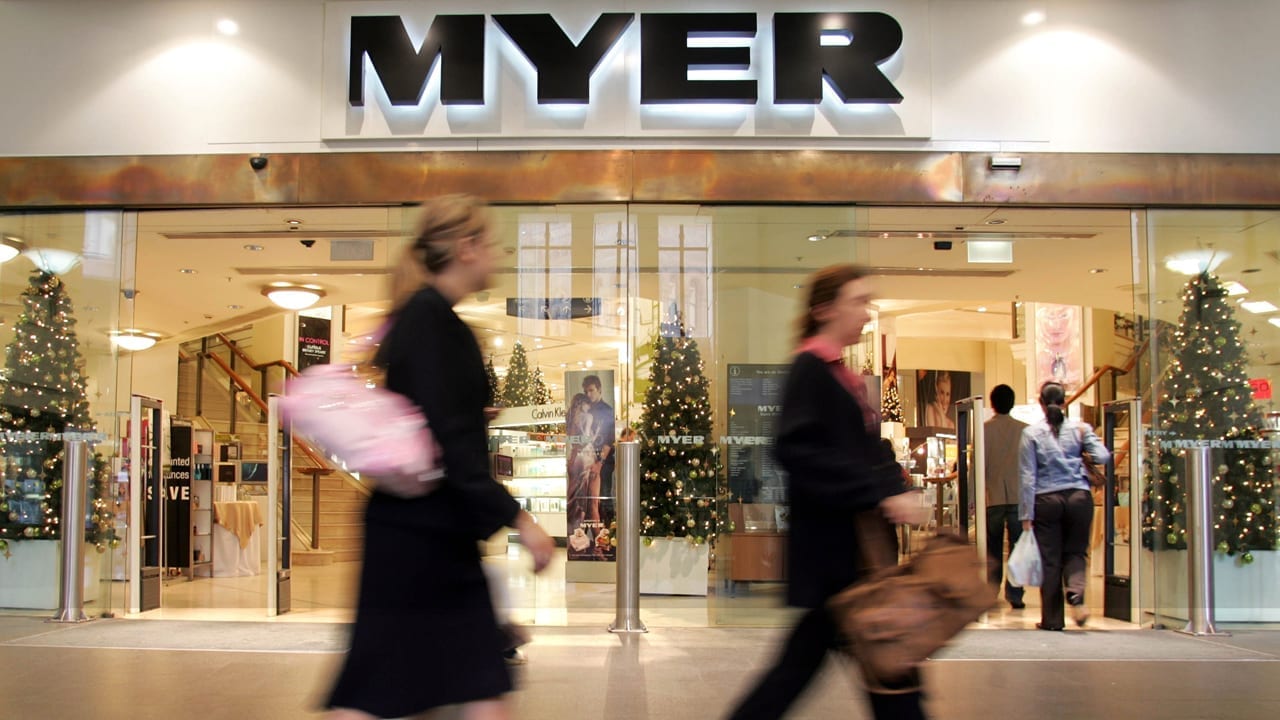
    Myer has cut a further 50 positions from its store management and store support team, including group general manager of marketing Andrew Egan. The cuts are the second round of large scale lay-offs for the department store in the last eight months, with over 30 executive positions cut last August, in order to reduce costs and barriers between the business and its customers – bringing the total number of executives lost within the last year in the realm of 80.

    “We have to place the customer first, in every decision we make and every action we take,” a Myer spokesperson said.

    “From doing a thorough review of our entire store management structure and a further review of the store support office… as a result of this, a number of administrative and management roles will be leaving the business to align our structure more closely with our customers.”

    No customer facing team members have been affected by the cuts.

    According to the spokesperson, this will enable the business to operate in a more efficient manner, improving the financial performance and shareholder value delivered.

    Myer recently posted a rise in net profit for the first half FY19, increasing 3.1 per cent to $41.3 million, signalling that the brand’s customer-first turnaround strategy has some legs.

    The retailer improved store layouts over the half-year, and launched the ‘My Store’ marketing campaign, which chief executive John King said had been received well by customers.

    Despite this, Egan, who led the launch of the ‘My Store’ campaign, as well as the department store’s recent Christmas campaign, has been let go in this recent round of lay-offs.

    “We thank Andrew for his contribution to Myer and particularly to our marketing and advertising team,” the spokesperson said. “We wish him all the best for the future.”

  • Vietnamese women’s presence in senior management ranks second in Asia

    Vietnamese women’s presence in senior management ranks second in Asia

    With 36 percent of senior management teams in Vietnam including women, the country ranks second in Asia in female representation. In Asia, Vietnam’s proportion of women in senior management positions is only below Philippines at 37.46 percent. It is higher than countries like Singapore at 33.04 percent, Indonesia 31.85 percent and South Korea 29.89 percent, according to a report released Thursday by Grant Thornton International.

    Vietnam’s ration in this regard is also higher than the global average of 28 percent.

    The top four roles of Vietnamese women in business are Chief Finance Officer (36 percent), Chief Executive Officer or Managing Director (30 percent), Human Resources Director and Chief Marketing Officer (25 percent).

    “In Vietnam, women in business always play significant parts,” said Nguyen Thi Vinh Ha, national head of Advisory Services and deputy general director, Grant Thornton Vietnam.

    “We are proud of having many influential and inspirational female in general and look forward to a generation of successors.”

    However, Vietnamese women in senior positions still face many challenges, the report said.

    It said 40 percent of Vietnamese women lack access to “developmental” work opportunities, higher than the global proportion at 27 percent.

    Thirty-five percent lack access to networking opportunities, while the global rate is 26 percent.

    They also have caring responsibilities outside of work, at 39 percent in Vietnam versus 25 percent in the world.

    “If we want to continue seeing female representation trend upwards in senior positions, more deliberate action needs to be taken and leaders will play a critical role,” said Kenneth Atkinson, executive chairman of Grant Thornton Vietnam.

    “Policies that address equal opportunity in career development, bias in recruitment and flexible working can’t just be a nice to have. To achieve meaningful progress, they must be adhered to, enforced and regularly revisited to assess their effectiveness.”

  • Ex-AirAsia marketer Kathleen Tan shares her personal challenges as a female boss

    Ex-AirAsia marketer Kathleen Tan shares her personal challenges as a female boss

    While there have been a wave of female leaders breaking the glass ceiling, women still face challenges in the workplace and those in leadership positions are often seen as aggressive or difficult. In 2018, Malaysia was ranked the sixth lowest in East Asia and the Pacific by the World Economic Forum in its Global Gender Report 2018, which measures countries on their progress towards gender parity.

    The country had a score of 0.676 out of 1.0 and was ranked 101th globally. Meanwhile, Singapore came in 67th with a score of 0.707, while Indonesia was ranked 85th with a score of 0.691. In line with International Women’s Day, A+M speaks to female leaders in the industry about their views on being a female boss and the challenges that come with it.

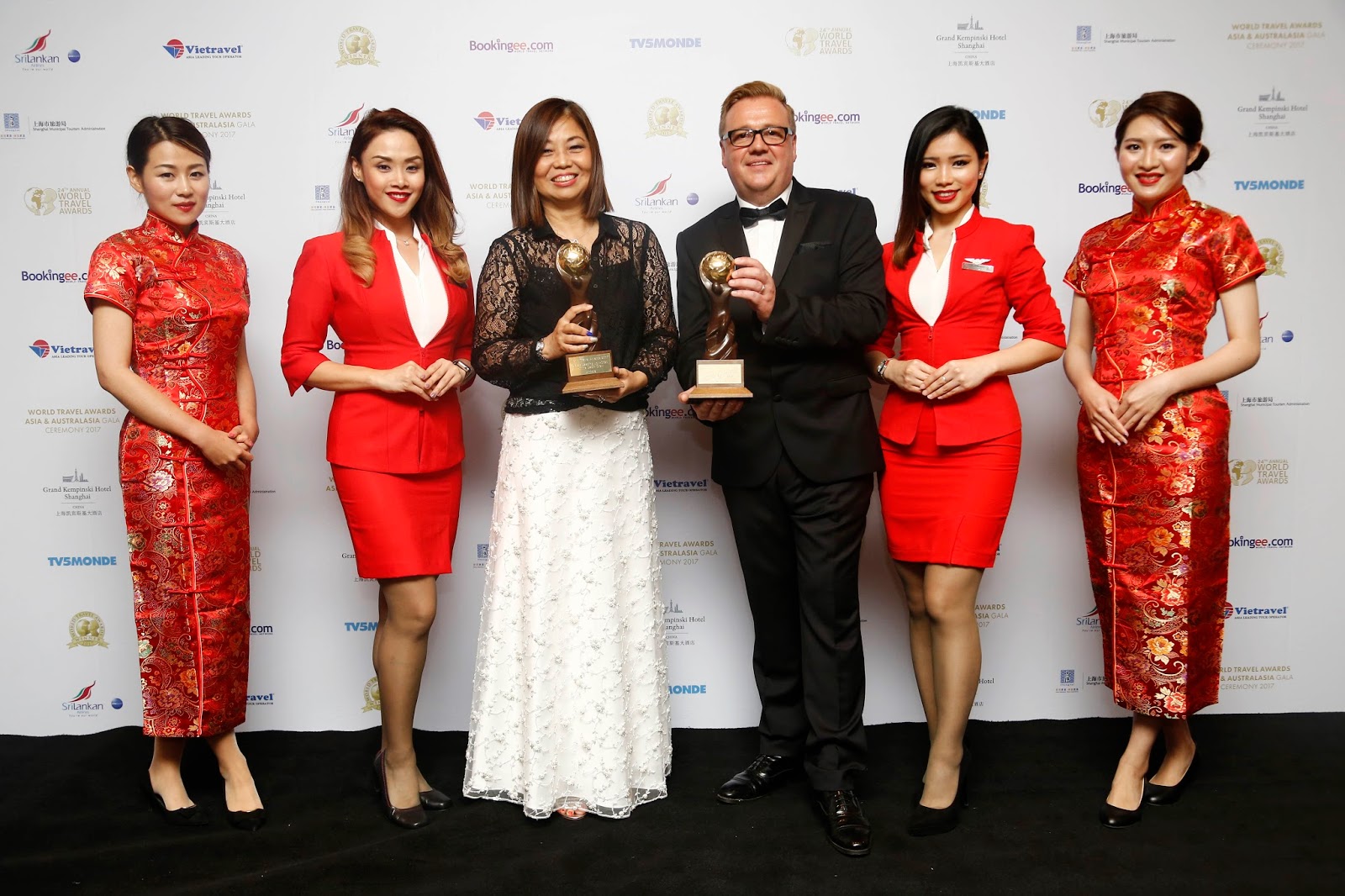
    Kicking off the series is marketing veteran Kathleen Tan (pictured), former AirAsia president of China who also previously helmed regional roles at Warner Music and FJ Benjamin. Tan shares her journey about being a female boss and the biggest challenges women on top in the advertising and marketing world face today.

    A+M: What has been the toughest thing about being a female boss?

    Tan: In my corporate journey, I have never put a lot of focus on my gender but rather on what I can contribute, and leverage on my ability to make a difference in whatever I do in my position as a professional and to do my best. However, there are some moments where I have to deal with male staff who let me or themselves down when it came to performance, and the toughest times for me is to see a man break down in front of me. Such moments strike the raw nerves of my gender and breaks my heart to see a man, who is traditionally seen as “macho”, cry.

    I worked in one of toughest industries – aviation – which is highly male-dominated who view women differently, and they see senior management roles more suited for qualified men than women. My toughest challenge is to combat prejudices in my early days as someone who came from an entertainment background and knew nothing about the aviation industry while also being a woman. I had to constantly deal with government regulators, especially in China. Many possess traditional views and dealing with foreign woman like me shocked their system.

    Instead of being daunted, I chose to view my role as a ‘novelty’ and took on the challenge to win and influence them with wit, charm and smartness.

    A+M: Staff members aren’t always the kindest to opinionated female leaders, how do you deal with this?

    Tan: I get this a lot and I either ignored them or squared with them. If things get out of control, confrontation is best way to handle them. Generally, people are still not used to seeing women speaking up or calling the shots as corporate boardrooms are still dominated by men. It takes courage, honesty to confront the issue and deal with it in a professional manner. After we became friends, I have had male leaders confess that they too get intimidated with strong women and are sometimes unsure of how to handle them, as well as what to wear when they had to meet me for the first time and what my expectations were.

    A+M: What are some of the biggest challenges women on top in the ad/marketing world face?

    Tan: Prejudices, discrimination and sometimes sexual harassment as women are viewed as the “the weaker sex” in the corporate world. However, to address and improve this, women must step up, be aware of our rights and not be afraid to call them out. Just focus on your competence and confidence to deliver results. The way we carry ourselves is also important so as to not send wrong signals.

    The ability to deliver results and be professional will silence critics.

    A+M: What was the toughest thing about getting to the top?

    Tan: As women contributors, we should not focus too much on our gender and if we want to be taken seriously, we should not expect to be treated differently but rather focus on our ability to deliver, work smart and not just work hard. While women have attributes that some may see as weakness, focus on turning them into advantages.  This has worked so well for me in a male dominated industry where I spent many years.

    My respect goes to women who can strike a good balance, to have a career, be a wife and mother. The key is to also build a strong support system whether it is in the workplace or at home. Having a strong mental resilience is essential.

    For women who are ambitious, build advocates with your male colleagues to win and influence them. Honest engagement with HR and management also helps.

    A+M: Is sexism and harassment in the ad/marketing industry an issue in Southeast Asia markets? 

    Tan: I believe it’s not just in Southeast Asia but an issue that is getting more attention and awareness by regulators especially through social media.

    A+M: Do you see tides changing locally since the emergence of the #MeToo movement?   

    Tan: It will take time but Asia is still behind and I believe with the Millennial generation, the issue may be lessened as their values are very different from the colonial era.

  • Guess announces new CEO

    Guess announces new CEO

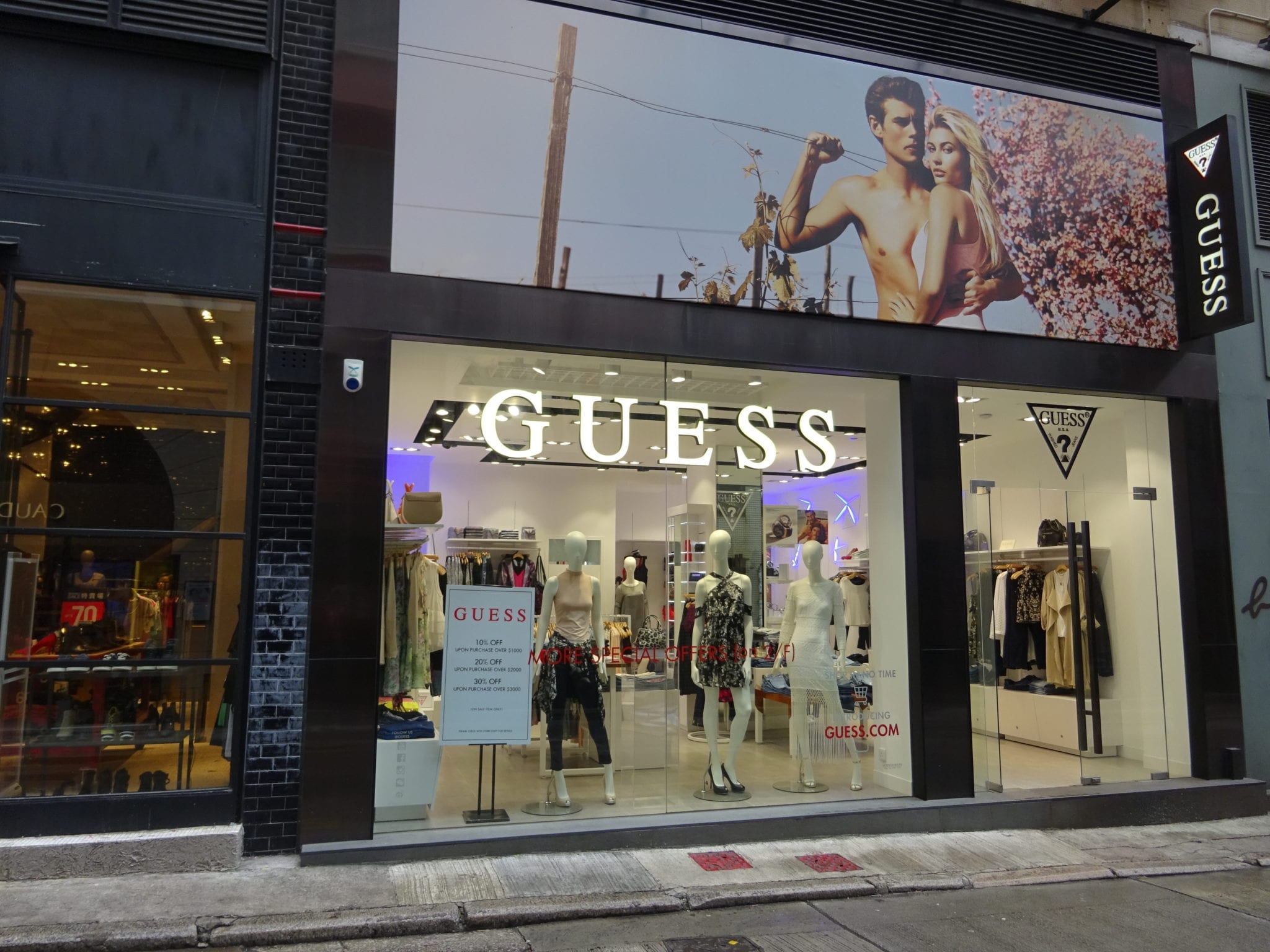
    Iconic American fashion brand Guess Inc. announced that its chief executive officer and director, Victor Herrero, is leaving the company effective February 2, 2019. Carlos Alberini, who served as Guess’s president and chief operating officer more than ten years ago, will replace Herrero.

    “On behalf of the Board of Directors, I want to thank Victor for his contributions during his tenure and wish him well in his endeavors,” said Maurice Marciano, chairman of the board.

    Alberini has been appointed as the new CEO and a Director of the company, “effective upon his separation from his current employer,” said Guess in a press release detailing the new hire on January 28.

    Alberini served as COO for the Californian company from 2000 to 2010. He was co-CEO of Restoration Hardware until 2014, and a director on the board of Restoration Hardware from 2010 until present.

    More recently, Alberini has been the Chairman and CEO of Lucky Brand, a role he took on from 2014.

    “I am very excited to have Carlos coming back as CEO at Guess. He was instrumental in building the international business in Europe and Asia during his 10-year tenure with the company,” said Maurice Marciano.

    The company also announced that Marciano has agreed to remain as Chief Creative Officer. His employment will be “at will”, according to Guess.
    During the transition, Marciano will be acting as interim Chief Executive Officer.

    In 2017-2018 financial year, Guess witnessed a steady growth track in Asia, notably in China.

    In March last year, the brand said it planned to open 60 stores in Asia, after also opening its first subsidiary in Singapore.

    In same financial year, the group said it improved its gross margin in Asia by 470 base points, with sales up 40 percent.

  • Apple appoints new retail head to ramp up sales

    Apple appoints new retail head to ramp up sales

    In an effort to ramp up slow iPhone sales amid sluggish smartphone market, Apple on Wednesday appointed a new head of global retail and online stores. Deirdre O’Brien will take over as Senior Vice President of Retail and People, reporting to CEO Tim Cook, the company said in a statement. “For more than three decades, she has helped keep Apple focused on serving customers and enriching lives,” said Cook.

    “I am thrilled to work alongside Deirdre in her new role, and I know our 70,000 retail employees will be, too,” he added.

    After five years, current retail head Angela Ahrendts plans to depart Apple in April for “personal and professional pursuits”.

    O’Brien will continue to lead the People team, overseeing all People-related functions, including talent development and Apple University, recruiting, employee relations and experience, business partnership, benefits, compensation, and inclusion and diversity.

    “I am looking forward to this journey, and to continuing the important work of the People team in supporting all of Apple’s amazing employees,” said O’Brien.

    Despite slow iPhone sales, Apple posted $84.3 billion in revenue for the first quarter of its fiscal 2019 — a decline of 5 per cent from the year-ago quarter — while revenue from its other products and services grew 19 per cent.

    Apple operates 35 online stores and 506 retail stores in five continents.

    In the first quarter of its fiscal 2019, revenue from iPhone declined 15 per cent from the prior year.

    Cook said that there are several factors why iPhone sales are not picking up in the emerging markets.

    “The customers are holding on to their older iPhones a bit longer than in the past.

    “When you pair this with the macroeconomic factors, particularly in emerging markets, it resulted in iPhone revenue that was down 15 per cent from last year,” Cook told analysts.

    The Apple CEO said foreign exchange is another key factor behind the slow iPhone sales. “The relative strength of the US dollar has made our products more expensive in many parts of the world,” he added.

  • J.Crew Chairman Mickey Drexler Steps Down

    J.Crew Chairman Mickey Drexler Steps Down

    J.Crew chairman and former-chief executive Millard “Mickey” Drexler has stepped down from his position to focus on other interests, including the development of investment business Dexler Ventures, LLC. Chad Leat has been elected as chairman effective immediately. Drexler is set to continue to serve as a strategic advisor to the company’s board and CEO.

    Drexler said it had been a privilege to spend 15 years with the business, and he was thankful to have been a part of its evolution throughout the years.

    “I look forward to working with the Office of the CEO and the board as a strategic advisor to help support J.Crew’s long term success,” Drexler said in an announcement to investors.

    Leat is a former vice-chairman of global banking at Citigroup and holds nearly three decades of markets and banking experience, having led numerous successful and profitable businesses at Citigroup.

    “I am honored to serve has the next chairman of J.Crew,” Leat said.

    “As chairman, my priorities will be to ensure that the J.Crew brand moves quickly to capitalise on recent momentum and to support Madewell’s growth towards becoming a one billion dollar brand, while also working with the board to identify strong, permanent leadership to guide the Company in its next chapter.”

    Drexler’s departure follows the exit of chief executive James Brett and chief marketing officer Vanessa Holden in November 2018. Brett had been in the position for 16 months, while Holden had been with J.Crew for one year.Adtech Ad

    Brett’s exit left the brand leaderless at a pivotal moment, according to GlobalRetail Data managing director Neil Saunders, who noted that the suddenness of the exit suggested a disagreement over how to develop the brand moving forward, and that the brand’s management had been an issue since before

    “If the departure of Jim Brett hails the return to these unrealistic attitudes, J.Crew is going to slip back and undo all of the progress made to date. Given the precariousness of its financial position, this is a mistake it cannot afford to make,” Saunders said.

  • Indian retail drew Rs 1,300 crore investment in 2018

    Indian retail drew Rs 1,300 crore investment in 2018

    The hallmark of a market’s increasing maturity is how organized it is – and in any developing country, the state of ‘organized’ business is usually kick-started by the entry of foreign players who bring in structured deployment and business philosophies wherever they go. This philosophy of organized retail players covers a lot of ground, from the aptness of locations to size and visibility of a mall or high street, from store sizes to layouts, tech enablements and promotion parameters, and from pricing to financial accountability. The arrival of foreign brands forces domestic brands to up their game, as well. This is exactly what is happening in Indian retail, and what ‘getting organized’ is all about.

    By definition, organized retailing essentially refers to any trading activity conducted by licensed retailers from modern retail formats such as hypermarkets, supermarkets or departmental stores. Organized retail formats can exist either as stand-alone shops or occupy space in a mall. Unorganized retailing, which is what all developing nations start out with, are usually family-run neighbourhood shops (referred as ‘kirana’ shops in India) and in open markets.

    Bringing organized flavour into a previously disorganized market first disruption, then gradual acceptance and emulation, and finally prosperity to all stakeholders and immeasurable benefits to customers. Getting organized has certainly benefited Indian retail, causing massive growth spurts.

    Growth of Organized Retail

    From a mere 9 percent share in 2017, the organized retail market in India is gearing up for a significant 20-25 percent growth jump across the top 7 cities. By 2020, organized retail will have captured approximately 19 percent of overall market share. The fact that it accounted for only 4 percent just 10 years ago tells its own story. Indian retail is coming of age.

    The growth of organized retail obviously involves organized retail real estate – especially modern, well-researched and fully-equipped malls in the right locations – and organized mall space is definitely proliferating across India.

    As per ANAROCK data:

    – Around 39 mn sq. ft. of organized retail space is slated to hit the market between 2019-2022
    – Out of this supply, approximately 71 percent is in metros and Tier 1 cities and the remaining 29 percent in Tier 2 & 3 cities

    Ahmedabad, Bhubaneshwar, Ranchi, Kochi, Lucknow, Surat and Amritsar, among others, are the new stages where the next chapters of the Indian organized retail saga will play out. Global retailers are now also eyeing cities like Chandigarh, Lucknow and Jaipur, to name a few.

    As they catch this growth wave, mall developers and big-banner brands have grasped the utmost importance of providing a metropolitan-grade shopping experience to customers in these smaller cities. This is hardly surprising.

    In these cities, customers’ shopping options were previously limited to whatever was available locally. Today, they are being aggressively wooed by hyper-capitalized e-commerce giants who sensed the latent opportunity in Tier 2 and Tier 3 long before brick-and-mortar retail did.

    To counter this onslaught, albeit belatedly, retailers whose business model is largely based on physical retail are prevailing on mall developers to build metro-grade shopping centres in areas they had never considered before.

    Policy Impetus Fuels Growth

    Foreign retailers, to whom India owes most of its turbo-charged growth in organized retail, took their time to view India as worthy of their attention. For the longest time, this country was an unattractive destination for them, largely because of regressive Government policies.

    All this changed when the Government decided to give a major impetus to the retail industry. By liberalizing its hitherto restrictive FDI policies, it repositioned Indian retail and finally put it on the global map. Consequently, global retailers and foreign investments made a beeline for the Indian retail industry. The decision to allow 51 percent FDI in multi-brand retail and 100 percent FDI in single-brand retail under the automatic route has caused global retail giants like Walmart and IKEA to foray into India.

    Thereafter, the rebooted regulatory environment post DeMo, RERA and GST implementation put even more wind into organized retail’s sails and allowed organized players to race ahead of the unorganized sector.

    Investments Surge

    The Indian retail sector has attracted cumulative investments of more than Rs 5,500 crore between 2015-2018, and close to Rs 1,300 crore in 2018 alone. This made 2018 one of the best years ever for the Indian retail sector, and the momentum is eminently sustainable. The increasing involvement of foreign and private players in India’s retail infrastructure indicates long-term growth potential for organized retail in the country.

    The growth of organized retail is also evident in the stock prices of listed retail firms, which were major wealth generators for investors in 2018. If we check the performance of these stocks on the basis of their 52-weeks high and low, some very interesting data emerges:

    Untapped Potential

    The fact that despite this growth, 91% of India’s retail market still remains unorganised underscores the huge latent potential that remains to be explored by organised players. Despite the deliriously positive numbers, organized retail in India is nowhere close to the level in more developed countries. For instance, in the US, 85 percent of the overall retail market is organized.

    Advantage Brick-and-mortar in 2019?

    The most recent policy developments will give physical organized retail a leg up in its fierce battle with e-commerce. The Government is pushing a new e-commerce policy from February 2019 wherein the concept of ‘exclusivity’ will no longer hold good. This means that online retail players will scramble to grab a larger pie of the offline market, so physical stores will get the upper hand.

    2019 will hopefully be the year in which the Government embarks on the next stage of ushering more unorganized retail into organized formats – thereby making Indian retail a worthy contender as a global grade market.

  • Henry Sy passes away at 94

    Henry Sy passes away at 94

    The founding father of Philippine retail, Henry Sy, has passed away. Sy, who has topped the Philippines Rich List for the last seven years, was chairman emeritus of SM Investments, one of the country’s largest business conglomerates. A Chinese immigrant who arrived in the Philippines at the age of 12 with his parents, his introduction to retailing began with helping out in his father’s neighbourhood store. He saved enough money to open a shoe store which he named ShoeMart, and whose initials later became the most recognisable brand name in the nation.

    From a single shoe store, his business expanded into department stores, the first of which opened in 1972, then into malls, with 70 shopping centres bearing the SM brand in the Philippines and more in Mainland China.

    SM Investments also owns supermarkets, BDO Unibank, almost 50 residential developments, six hotels and nine office towers.

    Sy, who died on Saturday, stepped down as chairman of the company in 2017, taking on the title chairman emeritus and leaving the business under the leadership of his family and his long-time business partner Jose Sio, who is now chairman.

    He had six children: Teresita Sy-Coson, Elizabeth, Henry Jr, Hans, Herbert and Harley. Teresita and Henry Jr are vice chairpersons of SM Investments and Harley serves as executive director of SM.

    Forbes last year estimated the 94 year old’s net worth at US$19 billion, ranking him the most wealthy Filipino and 53rd richest man in the world.

  • 7-Eleven Malaysia appoints Tsai Tzung-Han as director

    7-Eleven Malaysia appoints Tsai Tzung-Han as director

    Convenience store chain operator 7-Eleven Malaysia Holdings Bhd has appointed Tsai Tzung-Han (pix) as a non-independent and non-executive director, effective Jan 16, 2019. Tsai, 42, is currently the vice chairman of Cathay United Bank, a subsidiary of Cathay Financial Holdings which is listed in Taiwan. He also serves as a director on the board of Cathay Life Insurance, the largest life insurer in Taiwan and also a subsidiary of Cathay Financial Holdings.

    Tsai had previously served in various capacities at Cathay Life Insurance, including senior vice president in charge of alternative investments and executive vice president in charge of real estate acquisitions and development, human resources and strategic planning.

    He also ran the strategic planning department for Cathay Financial Holdings from 2010 until 2016 and oversaw the strategic investments into Bank Mayapada in Indonesia, Rizal Commercial Banking Corporation in Philippines and Conning Asset Management in the US.

    He joined Cathay United Bank in 2015 and served as the head of strategic planning until he became the vice chairman in 2016, where he continues to oversee the strategic planning, wealth management, digital banking, data analytics and overseas banking departments.

    Prior to returning to Taiwan, Tsai worked briefly in private equity at Goldman Sachs in New York and in venture capital at Pacific Venture Partners in San Francisco.

    From 2001 until 2003, he was a practicing attorney in the real estate department at Hale and Dorr LLP, currently known as Wilmer Hale, in Boston. Tsai has over 10 years’ experience in investment and business development in finance industry.

  • Hong Kong high-street retail rents ease

    Hong Kong high-street retail rents ease

    Vacancy rates in tier 1 streets in the four core retail districts edged up by 0.2 percentage points from 3.6 per cent in the third quarter to 3.8 per cent in the last quarter. However, the full-year vacancy rate fell by 0.3 percentage points to 3.8 per cent compared to 4.1 per cent a year earlier.

    CBRE said market sentiment weakened in the fourth quarter, impacted by the US-China trade conflict and volatility in the stock market.

    While retail sales rose by 6 per cent year on year in October, growth slowed to just 1.4 per cent in November – the slowest monthly increase since June 2017.

    “Visitor arrivals remained solid, recording 15.9 per cent growth year on year in October and November combined, the strongest quarterly growth last year,” said CBRE’s report.

    “This ensured continued strong leasing demand from health, personal care and cosmetics retailers.”

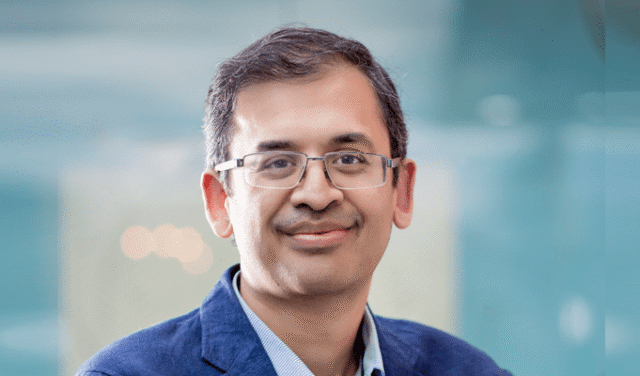
  • Ananth Narayanan steps down as Myntra Jabong CEO

    Ananth Narayanan steps down as Myntra Jabong CEO

    Fashion e-tailer Myntra Monday said its CEO Ananth Narayanan has quit, a development that ends months of speculation about his exit following a recent re-jig at its parent group Flipkart. In a statement, Myntra said Narayanan has decided to step down as CEO of Myntra and Jabongto pursue external opportunities. Amar Nagaram has been named as Head, Myntra and Jabong, and will report to Flipkart Group CEO Kalyan Krishnamurthy, it added.

    According to a report, there were speculations that Narayanan would quit after a new reporting structure was put in place when Binny Bansal — the then CEO at Flipkart Group (which owns Myntra and Jabong) — quit the company.

    As a part of the new structure, Myntra and Jabong were brought under Flipkart, with Narayanan reporting to Krishnamurthy.

    “Ananth has played an important role in making Myntra and Jabong into a formidable player in the fashion e-commerce market and steering the company towards sustainable growth,” Myntra said in its statement Monday.

    It added that over the last three and a half years, Narayanan and the management team have built a strong foundation for the company.

    “Myntra and Jabong are an important part of the Flipkart group serving our valuable customers. The company will continue to execute the growth strategy and leverage synergies with Flipkart as appropriate,” it said.

    The strong bench strength and new leadership at Myntra and Jabong will allow the business to continue on its strong and sustainable growth trajectory, the statement added. Nagaram, who recently moved to Myntra from Flipkart, has been working with the group for around seven years.

    “…(Nagaram) has played a pivotal role in making shopping accessible, delightful and affordable on every connected device. Most notably, he led the efforts on revisiting the boundaries of mobile web, making the experience on it as good as native,” the statement said.

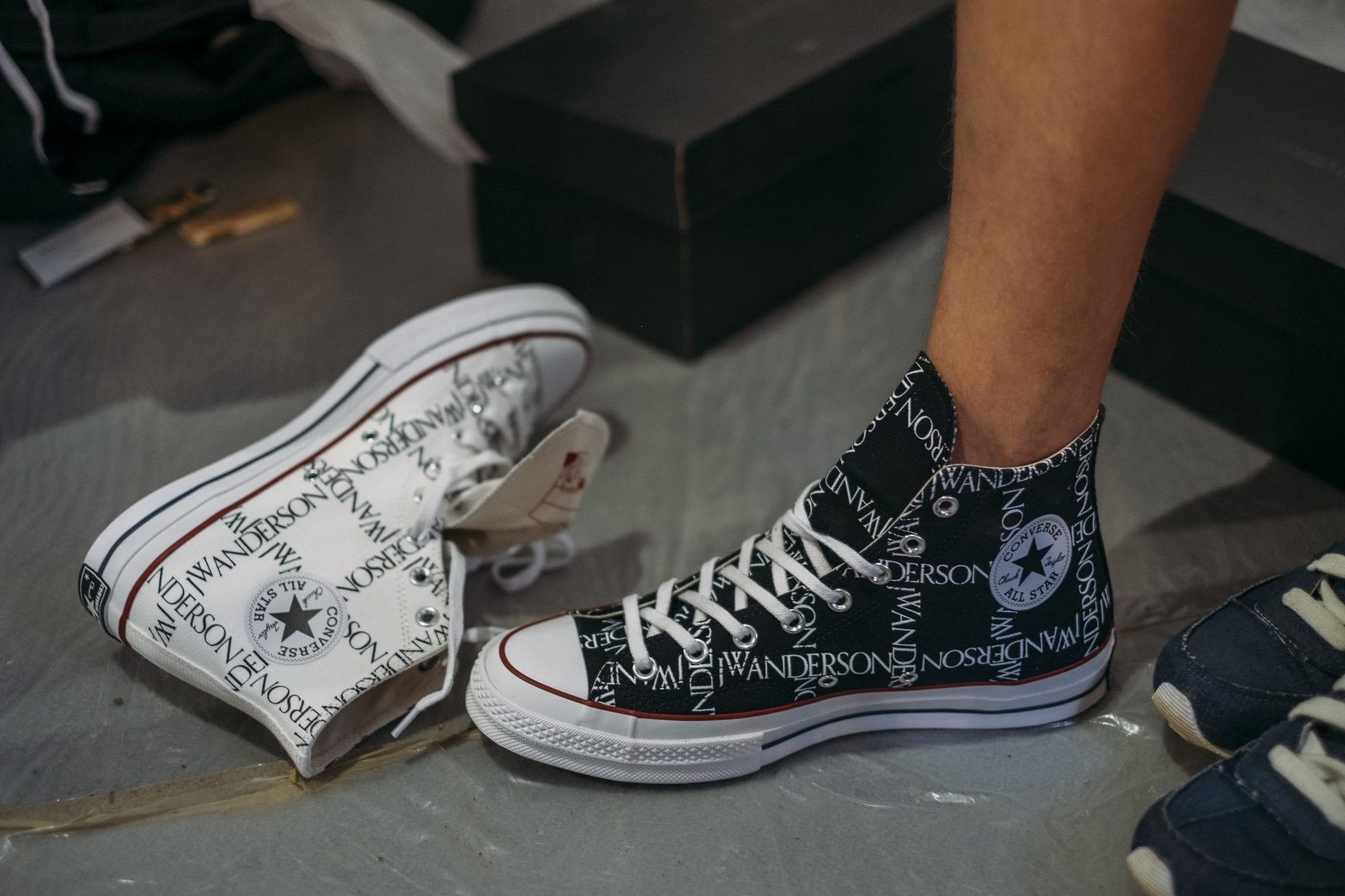
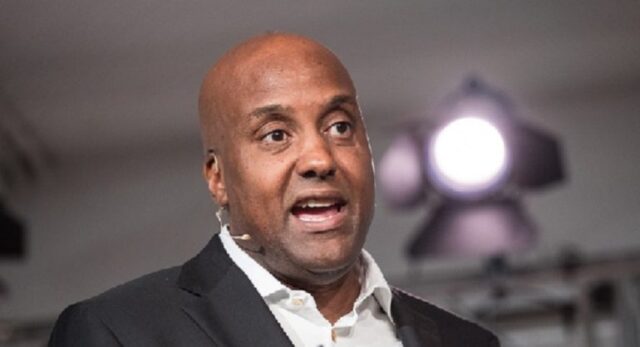
  • Nike appoints new Converse CEO

    Nike appoints new Converse CEO

    In the week leading up to Christmas 2018, Nike Inc. said it has recruited a new leader for its Converse brand, naming G. Scott Uzzell as its president and chief executive officer, to helm the heritage sneaker company in the New Year. Uzzell replaces Davide Grasso who has decided to retire at the end of this calendar year. He will report directly to Michael Spillane, President, Categories and Product, Nike Inc.

    Effective January 22, 2019, Uzzell’s new appointment comes at a time when the brand is setting “the stage to move into new spaces by reconnecting to its heritage in sport,” according to a press release in December from Nike Inc.

    “Scott’s unique blend of experience driving both strategic business growth and strong brand development is well-suited to help unlock the full potential of the Converse Brand and lead its next phase of growth globally,” said Michael Spillane, President, Categories and Product, Nike Inc.

    Uzzell comes to Converse from The Coca-Cola Company, where he most recently served as President, Venturing & Emerging Brands Group (VEB).

    As head of Coca-Cola’s VEB Group, the consumer goods executive led a portfolio of high-growth brands for The Coca-Cola Company, including Honest Tea, ZICO Coconut Water, Fairlife Milk and Suja Juice.

    Uzzell began his career within sales and marketing for companies such as Procter & Gamble, Coca-Cola and Nabisco, before returning to Coca-Cola in 2000 in the Strategy & Planning division. Since then, he has held a number of leadership positions across its business including McDonald’s U.S. Division, Global New Business Development, Global Marketing, ZICO and VEB.

    In addition, he is a member on the boards of State Bank and Trust Company; Fairlife and Suja Juice Company, as well as being a member of the Florida A&M University Foundation Board and is part of the Executive Leadership Council (ELC).

    Founded in 1908, Boston-based Converse is today owned by Nike. Converse shoes are sold globally in over 160 countries.

  • Fonterra India appoints Ishmeet Singh CEO

    Fonterra India appoints Ishmeet Singh CEO

    Fonterra Future Dairy Pvt Ltd, a new joint venture between global dairy nutrition company Fonterra Co-operative Group and new age FMCG company Future Consumer Limited, announced the appointment of Ishmeet Singh as its CEO, effective from January 7, 2019.

    Singh, a seasoned leader with a proven track record of profitable growth and business expansion, joins the business to deliver its ambition to bring high value and innovative dairy products to Indian consumers.

    Singh was a member, Western Region Committee (WRC) of the American Chamber of Commerce. He is a physics graduate, and has a Master’s in Management Studies from Mumbai’s Sydenham Institute.

    Singh says, “Over the next seven years dairy consumption is set to increase by 82 billion litres – seven times the forecasted growth for China. I feel extremely privileged to be able to lead this new opportunity as we look to bring an enhanced dairy experience to Indian consumers. I firmly believe through Fonterra Future Dairy we have a huge opportunity to challenge and change the market, combining Fonterra’s global dairy innovation, manufacturing and nutrition expertise with Future Group’s leadership in retail and distribution expertise and infrastructure.”

    Leading the growth and expansion of some of the world’s largest, trusted flagship brands in the Indian market, is familiar territory to Singh, having worked over the last 25 years at top multinational and FMCG companies such as Mattel, Vodafone, Hindustan Unilever, and Coca-Cola.

    Most recently, he led the business at Mattel, largest toy manufacturer in the world, as its Country Manager for India and the SAARC region. Previously, he held the role of Business Head at Vodafone India for over 5 years, leading remarkable revenue growth and retail expansion in many circles including Mumbai and Maharashtra.

    Managing Director Future Consumer Limited and Board Member of Fonterra Future Dairy, Ashni Biyani says, “We’re delighted to have someone of Ishmeet’s calibre to lead the business. As a sales and marketing professional at heart, we see him being instrumental in helping us build a brand that Indians love.”

    Fonterra’s Managing Director of Sri Lanka and the Indian Subcontinent, Chairman of Fonterra Future Dairy, Sunil Sethi said, “As our exciting growth phase picks up steam, it is critical that people with the right experience, values and drive are in place to steer the business forward. We are in the process of putting together a first-class team to build a fantastic legacy for the business. Through the ambition we have set, we believe the learning experience and possibilities here at Fonterra Future Dairy are limitless. Ishmeet is a proven and highly accomplished professional with a passion for leading teams to transformative success and growth. With his vision and deep personal commitment to society, we are confident that he will bring immense value in delivering on our ambition.”