Retail News CRM

Tag: McDonald

  • McDonald’s posts positive third quarter results

    McDonald’s posts positive third quarter results

    Global fast food chain, McDonald’s, has posted an increase in sales for the third quarter as its promotions and fresh food offerings attract more customers.

    McDonald’s net income rose to $1.88 billion (A$2.42 billion) in the three months ending September 30 from $1.28 billion the previous corresponding period.

    Total revenue was $5.75 billion, down 10 per cent from a year earlier due to charges related to a refranchising initiative, according to McDonald’s.

    The fast-food company said on Tuesday that sales in the US rose 4.1 per cent at existing locations during the third quarter, thanks to its US$1 drinks and its two for US$5 promotion called McPick 2.

    McDonald’s also said pricier burgers, which are stuffed with crispy onions, kale or guacamole, helped boost sales, too.

    McDonald’s has been working to modernise its restaurants by adding mobile ordering and offering delivery through the UberEats app. It’s also been tinkering with its menu as more people shun processed foods: It removed artificial preservatives from its nuggets and it’s working to use fresh beef in its Quarter Pounder burgers.

    “We’re building a better McDonald’s and more customers are noticing,” said chief executive Steve Easterbrook.

    Adjusted earnings came to $US1.76 per share, a penny above what analysts expected, according to Zacks Investment Research.

    Revenue fell 10 per cent to US$5.75 billion, missing analyst expectations of US$5.8 billion. The company said it brought in less revenue as it switches more stores from company-owned restaurants to ones owned by franchisees, especially in China and Hong Kong.

    Neil Saunders, managing director of GlobalData Retail, although various storms and natural disasters across the US threatened to blow McDonald’s off course, the company’s third-quarter numbers are a testament to both its resilience and the soundness of its reinvention strategy.

    He said international growth may have waned slightly in lead markets, but its US comparable sales growth continues to accelerate over the same period last year.

    “Given that the fast food and casual dining segments as a whole struggled over the third quarter, this is an encouraging set of results which suggests McDonald’s is gaining both market and customer share,” Saunders said.

  • Complaints prompt raid of McDonald’s Korea

    Complaints prompt raid of McDonald’s Korea

    ollowing complains of children falling ill, investigators have raided the Seoul office of McDonald’s Korea.

    It is alleged the youngsters had eaten undercooked hamburger patties, reports Yonhap News Agency.

    Seoul central district prosecutors’ office has seized documents and evidence from McDonald’s as well as the offices of an ingredient supplier.

    “We take this matter very seriously,” says McDonald’s spokeswoman Karen Kim. “McDonald’s Korea continues to fully co-operate with all relevant authorities.”

    A consumer filed a complaint against the US fast-food giant in July saying her four-year-old daughter had been diagnosed with hemolytic uremic syndrome (kidney damage), often referred to as “hamburger disease”, after she had eaten a McDonald’s hamburger last year.

    Complaints were also filed by the parents of four more children who became sick after eating McDonald’s burgers.

    In August, customers of a McDonald’s outlet in the southwestern city of Jeonju reported stomach aches and high fever after eating bulgogi burgers. The chain temporarily halted sales of the product.

    Talks to sell McDonald’s South Korean business to domestic firm KG Chemical Corporation collapsed last year over what KG called “a large difference of opinion”.

  • McDonald’s Singapore: Lock up your phone

    McDonald’s Singapore: Lock up your phone

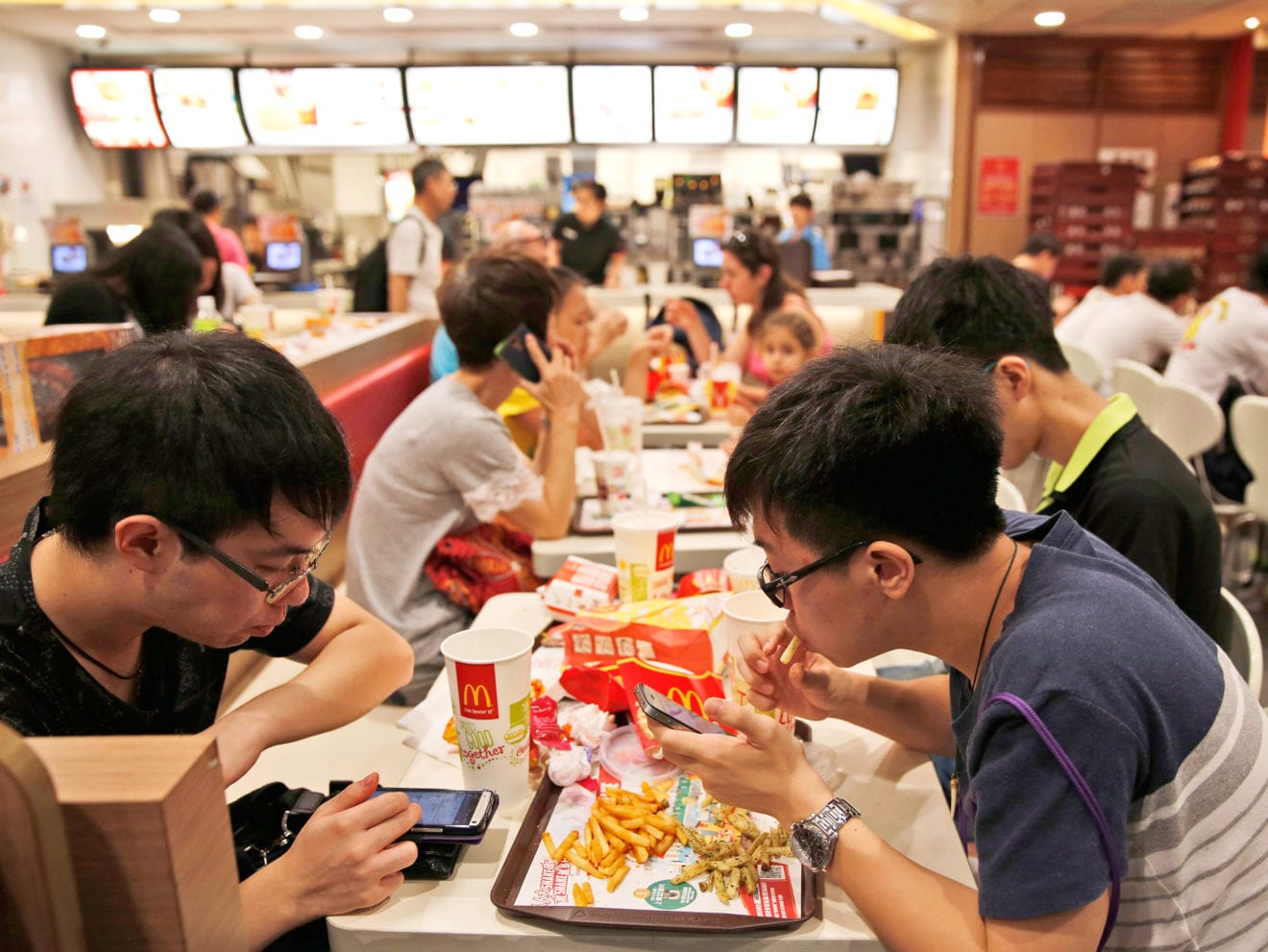
    In a bid to help families reconnect, McDonald’s Singapore has introduced a locker for mobile phones at its Marine Cove flagship.

    Its new“Family Playdate” concept includes table service with the aim of promoting human interaction.

    McDonald’s says a survey it ran shows that more than 90 per cent of parents and children use their mobile devices when they’re together, despite most parents wanting to be “more disciplined in staying away from digital distractions during family time”.

    Rather than go hi-tech, the 100 clear lockers have physical keys, and staff members will remind customers to take their phones when they leave.

    Staff members will also act as “guest experience leaders”, says the fast-food company. They will “engage with families”. When ordering at a self-service kiosk, customers can select the table-service option at no extra charge
    A McDonald’s Singapore says the restaurant will gather feedback on the initiatives to decide whether or not to expand them to other outlets.

  • McDonald’s China signs deal with second developer

    McDonald’s China signs deal with second developer

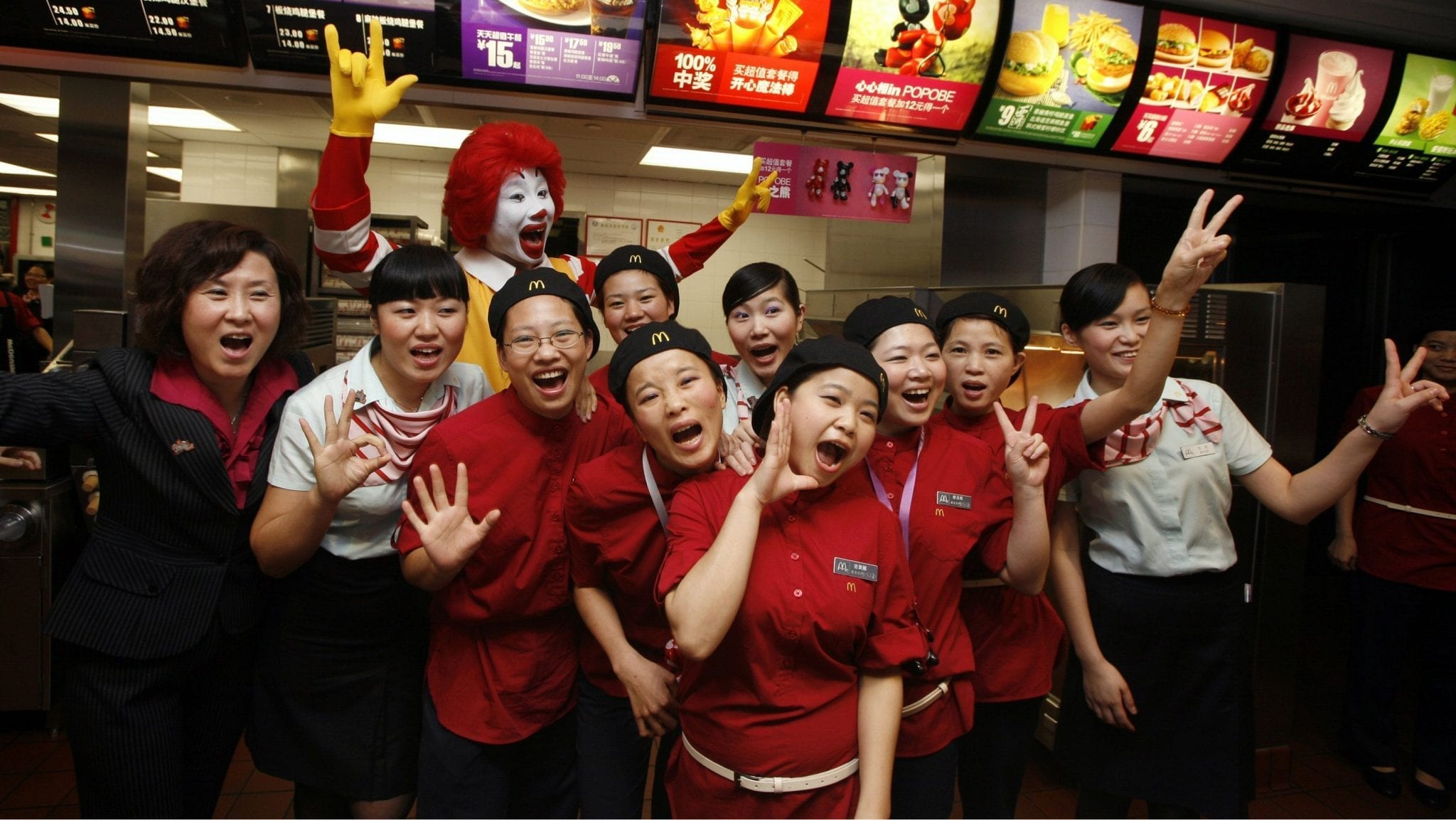
    Guangzhou-based developer Country Garden has signed a deal to help McDonald’s China reach its goal of opening 2000 restaurants by 2022.

    In the strategic co-operation deal signed with the new owner of McDonald’s China, the mainland’s third-largest developer by sales has pledged to provide locations for the fast-food chain’s plan to nearly double its footprint, reports property portal Guandian.

    The partnership echoes a deal McDonald’s signed last month with Evergrande Real Estate Group, under which the burger giant will piggyback on the residential developer’s nationwide property portfolio to accelerate its push into China’s lower-tier cities.

    McDonald’s China’s strategy to grow its stores from 2500 to 4500 in little more than five years looks to third- and fourth-tier cities for the bulk of the expansion. These cities will account for 45 per cent of outlets by the end of 2022.

    The new approach to securing shop locations comes after Citic Limited and its investment-management arm Citic Capital Partners jointly took a 52 per cent stake in the venture. McDonald’s China chairman Zhang Yichen, who is also CEO of Citic Capital, says the company is discussing similar agreements with rival builders China Overseas Land & Investment and China Vanke, which have close connections with Citic.

    Hong Kong-listed Country Garden, China’s top developer by sales, had 722 projects across mainland China and Hainan at the end of last year, more than 35 per cent of them in Guangdong province.

  • Designer Julien Macdonald beefs up McDonald’s burger offering

    Designer Julien Macdonald beefs up McDonald’s burger offering

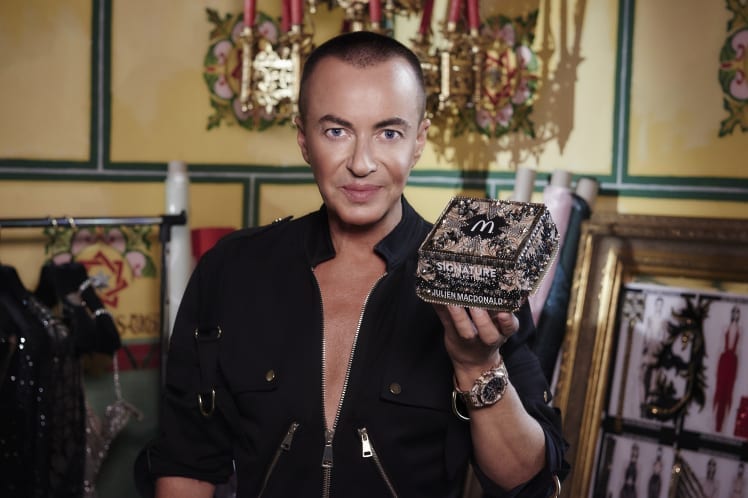
    Fashion designer Julien Macdonald has created a special-edition box for McDonald’s UK new Signature Collection range of “gourmet” burgers, described in a press release as “McDonald’s’ first foray into the world of luxury and fashion”.

    Following a trial in selected restaurants, the range is being released in more than 900 McDonald’s eateries across the UK.

    Unveiled in London, the box has a limited release of 1000, with fans being invited to sign up online if they want one. One special box, customised by Macdonald himself, will be auctioned to raise money for the fast-food chain’s Ronald McDonald House Charities.

    “I drew inspiration from my fashion creations and iconic embellished red-carpet dresses,” says Macdonald, who has dressed such celebrities as Beyoncé, Kylie Jenner, Madonna, Mick Jagger, Puff Daddy, Shirley Bassey and Taylor Swift.

    The result is a gold baroque-style crystal-encrusted box, described as “the perfect packaging for the luxury McDonald’s Signature Collection burger”.

    “It’s a brave and exciting move,” says McDonald’s UK VP of marketing Emily Somers. “Julien Macdonald’s beautifully designed star-studded box complements the Signature Collection perfectly.”

    The box complements the “luxury” positioning of the product as demonstrated by this promotional video which is – well, unlike anything we’ve seen from McDonald’s before…:

    One blogger has commented: “You haven’t enjoyed a burger until you’ve eaten it out of a box which has crystal detailing, embellishment and bespoke digital print.”

    Facebook users have been a little less kind (or ironic), one asking, “And the point of it is exactly what? … Congratulations, you have just polished a turd.”

    Another asked, “Is it April 1st already?”

    Meanwhile, Etihad Airways has given its in-flight safety video a makeover by setting it backstage at one of Macdonald’s runway shows. Models put on oxygen masks to escape a cloud of hairspray, they wear life jackets as if they were the season’s must-have accessory, they buckle up safety belts over embellished couture gowns, and move into brace position as they have their hair done.

    Unveiled during New York Fashion Week, the promotional film will not replace Etihad’s safety video, but will be shown on-board from next month and be used to highlight the airline’s ties to the fashion world (it sponsors 17 fashion weeks and events internationally).

  • McDonald’s USA revamps McCafe

    McDonald’s USA revamps McCafe

    McDonald’s USA has revamped its McCafe brand, introducing new imagery and new beverages.

    Originally launched in Australia in 1993, the coffee concept has been rolled out in an increasing number of markets internationally in recent years but had traditionally underperformed in McDonald’s home country.

    Now, president Chris Kempczinski believes he can change that.

    “This is just the start of our McCafe commitment. We understand how important the coffee culture is for consumers and we are committed to meeting that demand at the taste, convenience and value only McDonald’s can offer,” he said, announcing the relaunch.

    “This is a central part of our growth strategy and we can’t wait to share what’s next.”

    McDonald’s UAS will now offer cafe-quality espresso beverages and an expanded retail offer in its McCafe stores across the country.

    An expanded menu now includes Caramel Macchiato, hot or iced; Cappuccino, with French Vanilla, caramel or hazelnut flavours, and fresh-brewed Americano. For a limited time, all small-sized beverages will be offered at US$2 a cup.

    Early next year, McCafe will expand its retail presence by partnering with The Coca-Cola Company to introduce a line of bottled, ready-to-drink McCafe Frappe beverages in three flavors: Caramel, Vanilla, and Mocha.

    New image

    In addition to the menu additions, the refreshed McCafe look will include a new brand logo and packaging McDonald’s says will evolve with the seasons. McDonald’s will also begin transitioning to an updated and expanded McCafe presence in-restaurant with a sleek, modern look in 2018 as part of its evolving ‘Experience of the Future’.

    “Our new McCafe beverages start with 100 per cent Arabica beans that are freshly ground and skillfully made on demand,” said Chef Dan Coudreaut, VP culinary innovation, with McDonald’s USA.

    As part of the upgrade, McDonald’s has introduced new coffee makers, “allowing for the new espresso-based beverages to be handcrafted with a consistent, flavourful taste” in nearly all of McDonald’s USA’s 14,000 restaurants.

  • McDonald’s China partners with property developer

    McDonald’s China partners with property developer

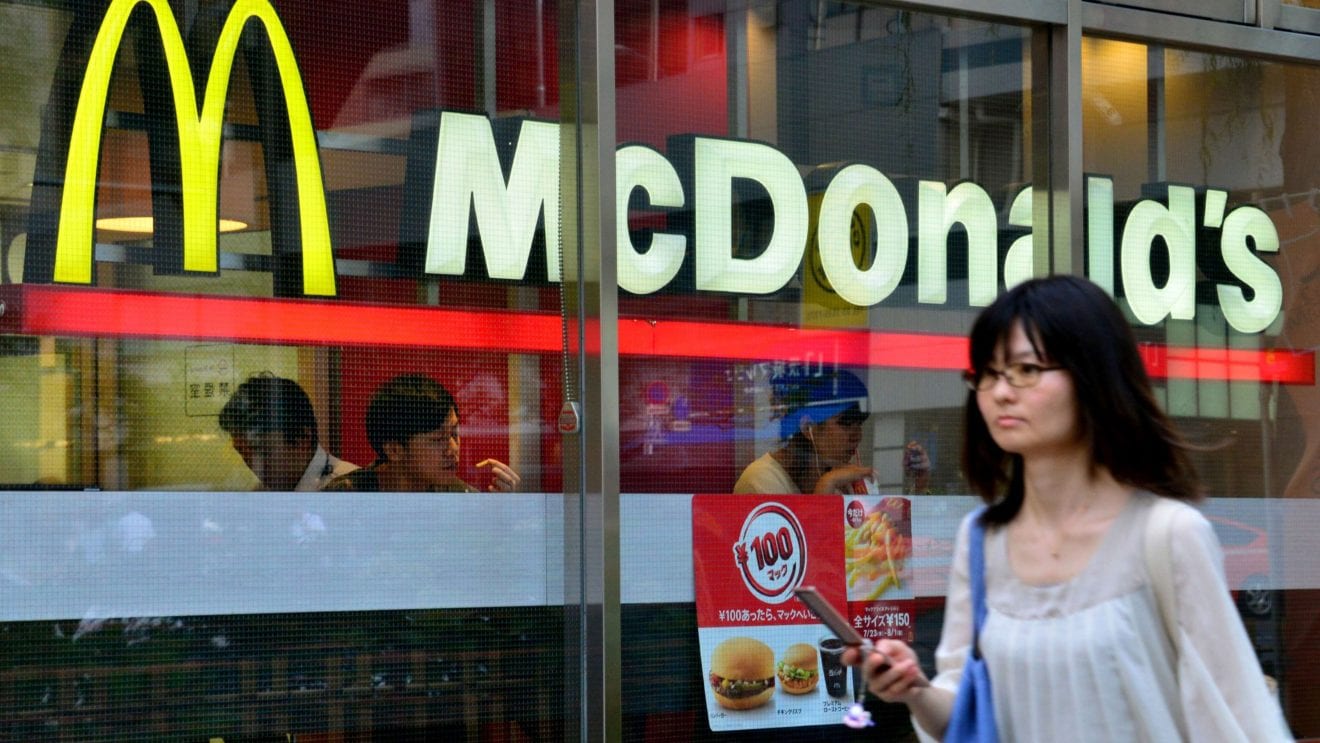
    McDonald’s China has formed a partnership with property developer Evergrande Group with the aim of speeding up expansion throughout the mainland.

    This has been announced just a fortnight after the US fast-food giant sold a controlling stake in its Chinese and Hong Kong divisions to China’s state-owned Citic Group. The newly formed McDonald’s China unveiled a plan to add 2000 more restaurants to its 2500 outlets on the mainland China over the next five years.

    Citic chairman Chang Zhenming says the strategic co-operation with Evergrande will help McDonald’s restaurants quickly expand its footprint, especially in third- and fourth-tier cities.

    Evergrande will give McDonald’s “priority” in site selection for its residential property developments nationwide, Citic says.

    The restaurant chain is now aiming to have 45 per cent of its China stores in third- and fourth-tier cities, with more than 75 per cent of them offering delivery.

    Evergrande Group has about 700 property projects in 240 mainly lower-tier mainland cities.

  • New McDonald’s China offers vision of innovation

    New McDonald’s China offers vision of innovation

    Deliveries and a digitalised, personalised dining experience are part of the “Vision 2022” strategy to be rolled out by the new owners of McDonald’s China and Hong Kong.

    McDonald’s Corporation yesterday confirmed its strategic partnership with Citic, Citic Capital Partners and The Carlyle Group following China’s regulatory approval half a year after the deal was announced.

    It is the largest McDonald’s franchisee outside of the US, covering existing businesses in Mainland China (about 2500 restaurants) and Hong Kong (about 240). Its development initiatives for China aim to drive double-digit sales growth in each of the next five years by almost doubling the number of restaurants to 4500 by the end of 2022.

    There will also be delivery hubs for more than three-quarters of the restaurants, plus more than 90 per cent will offer the “Experience of the Future” concept, taking digitalised and personalised dining to more customers.

    Innovation hubs

    The opening pace of mainland restaurants is expected to progressively ramp up from about 250 this year to 500 a year by 2022. Vision 2022 includes plans to significantly grow the restaurant portfolio mix in tier-three to -four cities to about 45 per cent.

    Innovation hubs in Hong Kong and Shanghai will introduce new menus and advanced digital retail experience.

    “China will soon become our largest market outside of the US, and we are excited to join forces with Citic and Carlyle for better localised decision-making to meet changing customer demands in this dynamic market,” says McDonald’s Corporation president/CEO Steve Easterbrook. “China and Hong Kong are leading the global system in capturing new consumer trends such as delivery and digitalisation, and its driving strong performance and growth momentum.”

    He says the corporation will continue to play an active part in the China growth journey through its remaining interest and participation on the China board.

    “We believe this is a winning formula that fuses McDonald’s global standards and branding with Citic and Carlyle’s extensive resources and market expertise,” says new McDonald’s China board chairman Zhang Yichen.

    McDonald’s has more than 37,000 locations in more than 100 countries. About 90 per cent of the restaurants worldwide are franchises.

  • McDonald’s China sales boom ahead of spin-off

    McDonald’s China sales boom ahead of spin-off

    McDonald’s China sales posted solid quarterly growth ahead of the division’s spin-off. Global same-store sales rose 6.6 per cent in the three months to June 30. In what the company terms its ‘High Growth segment’, second quarter comparable sales increased 7 per cent, led by a strong performance in China. The segment’s operating income rose 28 per cent, with about half of that resulting from lower depreciation expense due to the accounting treatment related to the pending sale of the China and Hong Kong businesses.

    McDonald’s CEO Steve Easterbrook was positive about the company’s performance.

    “We’re building a better McDonald’s and more customers are noticing. Our relentless commitment to running great restaurants and keeping the customer at the center of everything we do is generating broad-based strength and momentum across our entire business.  For the quarter, we delivered our strongest global comparable sales and guest count results in more than five years.  We’re now introducing our Velocity Growth Plan accelerators in more restaurants around the world, bringing meaningful benefits to more customers through digital, delivery and our Experience of the Future.”

    Second quarter highlights

    While sales were up, consolidated operating revenues slipped 3 per cent, or 2 per cent in constant currencies, due to the impact of the company’s strategic refranchising initiative.

    Systemwide sales increased 8 per cent in constant currencies, due to strong comparable sales performance and restaurant expansion.

    Consolidated operating income increased 24 per cent (26 per cent in constant currencies), which included a benefit from the prior year’s strategic charges of approximately $230 million.

    US operating income for the quarter increased 5 per cent, reflecting higher sales-driven franchised margin dollars and higher gains on sales of restaurants, among other factors.

    “Whilst we’re encouraged by our results from the first half of 2017, we’re not complacent.  Today, we’re acting like a leadership brand, taking on new challenges and opportunities and moving with a greater sense of purpose and urgency,” said Easterbrook.

    “We’re building on our momentum, leveraging our size and scale and executing with greater precision against our priorities to retain, regain and convert customers by giving them even more reasons to visit and enjoy McDonald’s.”

  • McDonald’s Is Now Serving Minion-Shaped Fries

    McDonald’s Is Now Serving Minion-Shaped Fries

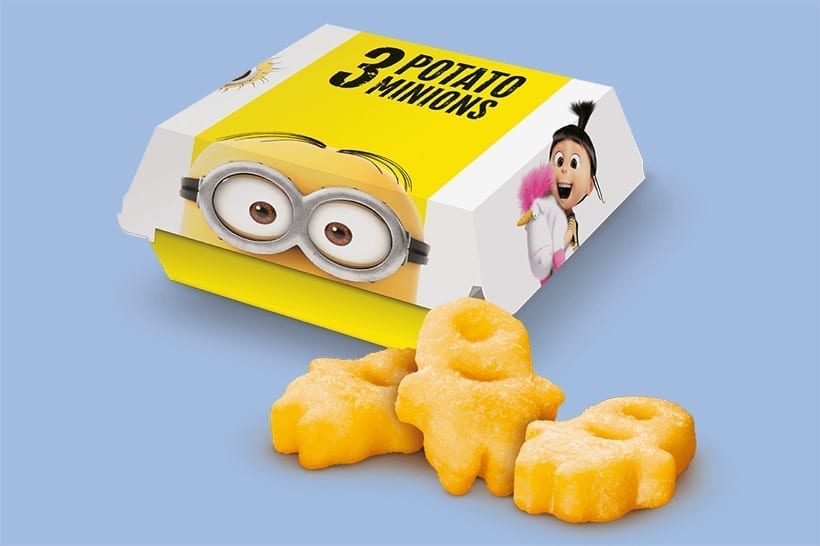
    For those who can’t make it to the Minions-themed café in Japan, don’t worry — we’ve got you covered with the next best thing. In celebration of the premiere of Despicable Me 3, McDonald’s now introduces a special menu inspired by the beloved characters of the animated film. In particular, fans will probably go bananas over the Minion-shaped fries.

    Characterized by its cute, hollow eye and mouth, this potato goodness will likely become the next big food craze on social media. Check out the images below to see it for yourself.

    The Minion fries are currently only available at McDonald’s locations in Australia, New Zealand, Singapore and Thailand.

  • McDonald’s shuts up shop on Olympic support

    McDonald’s shuts up shop on Olympic support

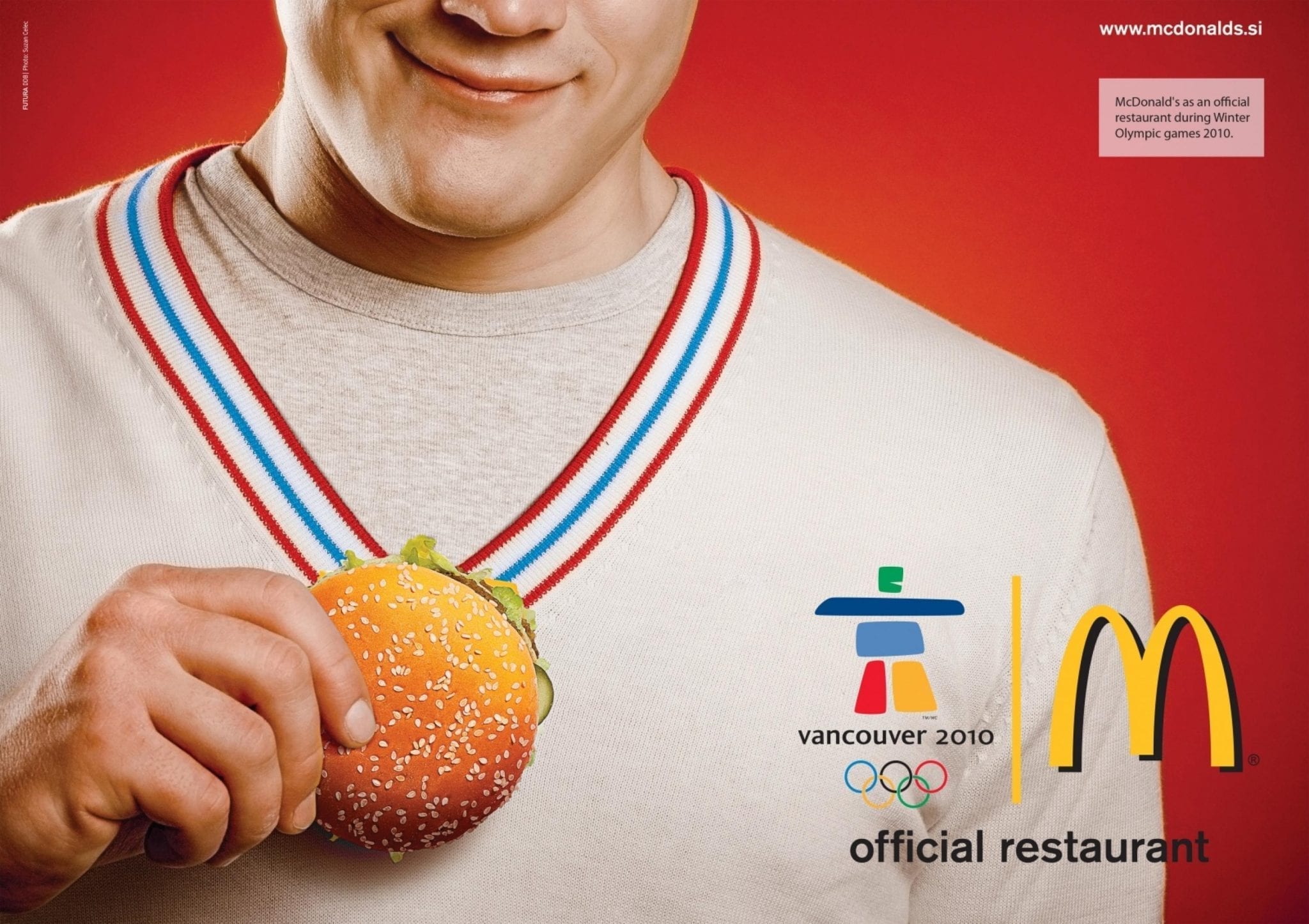
    McDonald’s has ended its longtime Olympic sponsorship dating back to 1976, the International Olympic Committee announced today. The fast food giant has supported the Olympics since the Montreal Games and although the split takes place with immediate effect they will continue to be a sponsor at the 2018 Winter Games in Pyeongchang.

    “The IOC and McDonald’s have announced that they have mutually agreed to bring their worldwide partnership to an end,” an IOC statement confirmed.

    The burger chain, which is cutting its Olympic ties with three years of its contract still to run, was one of the IOC’s heavyweight “TOP” partners along with the likes of Coca Cola, Visa, Bridgestone, Panasonic, Toyota and Omega.

    The IOC, giving the reasons behind the divorce, wrote: “In today’s rapidly evolving business landscape, we understand that McDonald’s is looking to focus on different business priorities.”

    McDonald’s global chief marketing officer Silvia Lagnado commented: “As part of our global growth plan, we are reconsidering all aspects of our business and have made this decision in cooperation with the IOC to focus on different priorities.”

    Whilst McDonald’s first became an official backer at Montreal in 1976 and a TOP partner in 1997, the company’s Olympic appetite was first whetted at the 1968 Grenoble Winter Games. McDonald’s on their website explained how they “airlifted” burgers to Olympic athletes who had become “so homesick for American food” in the French Alpine city.

    Over the decades the fast food chain has contributed hundreds of millions of dollars into the IOC’s cash tills and had a popular presence at every Olympic village since. At last year’s Rio Games their promotion of free meals for athletes triggered lengthy queues from sunrise to sunset. One marketing guru suggested the split was logical given the emphasis on health-conscious diets.

    Illogical and counterproductive

    “The scale of obesity and diet-related disease around the world is alarming, and although we can’t put this at McDonald’s door they must be aware that sponsoring the Olympics has now become ‘illogical’ and even in many ways ‘counterproductive’,” British sports marketing expert Patrick Nally told AFP.

    “McDonald’s have many other ways of promoting themselves but the logic of them sponsoring the Olympics does not now fit with the current attitude to fast food,” Nally added.

    Looking ahead to their last association with the Olympic movement next year, the IOC said: “McDonald’s will continue to be a sponsor of the Olympic Winter Games Pyeongchang 2018 with domestic marketing rights in the Republic of Korea only.

    “The company will deliver its Games-time operations, including restaurants in the Olympic Park and the Olympic Village.”

    The IOC said it had “no immediate plans to appoint a direct replacement in the retail food operations sponsorship category”.

    The IOC, with over 500 employees on its payroll, receives 70% of its revenue from broadcasting rights, which for 2013-2016 rose by 7.4% to $4.1 billion (3.67 billion) compared to 2009-2012, according to IOC figures.

    The bulk of the revenue is paid out to international sports federations, national Olympic committees, and Games organisers.

    McDonald’s deal would have run through the Tokyo Olympics in 2020, and bowing out will likely to save it hundreds of million of dollars if it had continued into the next four-year Olympics cycle and beyond.

    McDonald’s has been trying to hold down costs as it invests in improving food quality, restaurant service and online ordering to woo back U.S. diners. Intense competition has gnawed away at sales.

    “We are reconsidering all aspects of our business and have made this decision in cooperation with the IOC to focus on different priorities,” said McDonald’s Global Chief Marketing Officer Silvia Lagnado.

    The company’s move may also reflect a rising view among consumer brands that exclusive Olympics sponsorship deals do not offer the marketing impact they once did. Some companies find it is much cheaper to work directly with athletes or specific countries than the IOC.

    Moreover, in a trend that began after the Beijing games in 2008, shrinking television audiences for the games could be diminishing the value of sponsors’ ads. With the Rio de Janeiro games in 2016, many viewers turned to social media alternatives like Twitter and Facebook.

    In the United States, Comcast Corp’s NBCUniversal said it had attracted 8.6 percent fewer eyeballs for Rio than it did for London in 2012.

    The fast food chain has been part of the IOC’s top sponsors program that contributes more than $1 billion in each four-year cycle for the games.

    While terms of Olympic sponsorship are not disclosed, a source who negotiated previous IOC sponsorship deals said that top global sponsors like McDonald’s spend about $25 million a year or about $100 million for a four-year period that includes a summer and winter games.

    Reuters previously reported that the IOC had wanted to roughly double fees to $200 million per four year period starting in 2021.
    While it is unusual for an Olympic sponsor to leave early, sponsors change regularly within the IOC’s top program. The most recent addition was China’s Alibaba Group Holding Ltd, which signed a deal in January for a partnership through 2028.

    The next three Olympics take place in Asia, and this could turn off U.S. sponsors trying to reach a U.S. audience. The U.S. Olympic Committee also has lost recent sponsors such as AT&T and Citigroup ahead of the 2018 winter games in South Korea.

    The IOC said it was not planning a direct replacement for McDonald’s, but it is expected to announce a new global deal with Intel next week, according a source familiar with the matter. Intel did not immediately respond to a request for comment.

    “Companies with a deep focus on technology are barging in while others migrate out,” said Peter Land, who works with Olympics and Paralympics sponsors for communications firm Finsbury.

    The IOC has faced criticism from public health campaigners for allowing sponsors such as Coca-Cola and McDonald’s to use the games to market their products, which are perceived to be unhealthy.

    John Lewicki, who oversees global Olympic sponsorship deals for McDonald’s, said last year the company would reevaluate its Olympic relationship after changes to a rule that ended a marketing blackout for companies that sponsor athletes rather than the event itself.
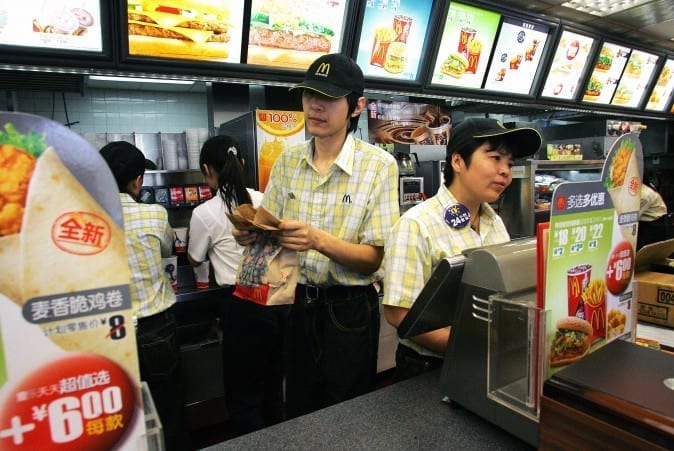
  • McDonald’s Malaysia to double store presence

    McDonald’s Malaysia to double store presence

    McDonald’s Malaysia will expand its store stable over the next nine years, taking its current store total to 450 by 2025.

    The fast-food operator will invest 1.4 billion ringgit (US$317 million) to facilitate an almost doubling of store numbers in Malaysia.

    According to a press release, some 363 million ringgit will be used to open 33 new restaurants and refurbish 86 existing outlets by 2019, in an “aggressive three-year accelerated growth plan.”

    In addition, more than sixty per cent of outlets will have a drive-thru service, increasing consumer “convenience, anytime anywhere,” Azmir Jaafar, McDonald’s Malaysia managing director, told reporters.

    McDonald’s Malaysia also plans to open more McCafes, and launch mobile app-enabled delivery and 24-hour stores — slated for urban areas and on busy roadsides.

    The retail shakeup comes just 100 days after Lionhorn, part of Saudi Arabia’s Reza Investment Company, acquired the American restaurant’s franchise license to operate 400 McDonald’s outlets in Malaysia and Singapore.

    At the time, McDonald’s hailed the venture as positive with more flexibility for accessing capital, and more streamline decision making for business growth.

    As part of McDonald’s turnaround plan announced in May 2015, it was committed to refranchising 4,000 restaurants by end-2018 with the long-term goal of becoming 95% franchised. McDonald’s has now refranchised about 1,300 restaurants.

    U.S.-based McDonald’s shift to Developmental Licensee ownership in Malaysia has further allowed local market stores to create products for local consumption.

    Product customisation, coupled with McDonald’s burger icons, resulted in double-digit growth for McDonald’s Malaysia last year. Same-store sales surged 16% year on year in 2016, driven the Big Mac and the “Great Value” hamburger products.

    Looking forward, the fast-food operator projects double-digit growth for 2017 in Malaysia. It currently boasts a network of 262 restaurants and 12,000 employees and served 13.5 million customers monthly.

  • McDonald’s Indonesia to launch mobile app in Q4

    McDonald’s Indonesia to launch mobile app in Q4

    McDonald’s Indonesia celebrates its 25th anniversary this year. The franchise of US-based fast food giant McDonald’s will launch a mobile application to serve customers amid growing technology development.

    Fast food giant McDonald’s Indonesia will launch a mobile application for food orders in the fourth quarter of this year to tap the growing smartphone market and keep up with the shifting customer behavior, a senior company employee said on Thursday.

    Customers can currently order food for delivery through the McDonald’s website, said Michael Hartono, McDonald’s Indonesia’s marketing and communication director.

    The food chain said that a mobile application would give customers easier access to order food order amid growing technology use and development in Indonesia.

    “We are currently developing the application and hope to launch it by the fourth quarter of 2016,” Michael said during an event in Jakarta on Thursday.

    Once it is launched, customers can download the app and click on the menu when they want to place an order, he added.

    McDonalds recorded a stable performance in 2015 amid the global economic slowdown affecting commodity prices and people’s purchasing power, Michael said without giving further details.

    McDonald’s plans to open 15 stand-alone outlets across the country, adding to its 168 outlets in Indonesia.

    The fast food giant aims to record 15 percent sales growth this year, Michael said.

    McDonald’s Indonesia operates under PT Rekso Nasional Food, which holds the franchise license in Indonesia for McDonald’s.

    Free Egg McMuffin

    McDonald’s will give away 1,000 Egg McMuffins at stand-alone stores across Indonesia on March 7 from 6:30 a.m. to 10 a.m. as part of a promotional campaign. They can be obtained at outlet counters or drive-thrus, Michael said on Thursday. A 50 percent discount will also be given on coffee and hash browns during breakfast.

    During what the company calls National Breakfast Day, held since 2013 on the first Monday of March, free souvenirs, such as T-shirts, will be given to selected customers.

    As this year’s event coincides with McDonald’s 25th anniversary, the company will also give free Egg McMuffins to public institutions, such as schools, police posts, firefighters and hospitals.

    Customers at the event could receive discount vouchers for the following day’s meal, Michael added.

  • McDonald’s McMasala Breakfast Menu Options Meet ‘Meh’ Response in India

    McDonald’s McMasala Breakfast Menu Options Meet ‘Meh’ Response in India

    McDonald’s India has added two new breakfast burgers, the “Masala Dosa Brioche” and “Masala Scrambled Eggs” burgers, to its product line-up to woo local customers amid rising competition from Domino’s and Burger King.

    The two new products will be served alongside more familiar fare such as vegetarian and non-vegetarian burgers, waffles, hotcakes and hash browns.
    The Masala Dosa Brioche burger features a grilled vegetable patty topped with molaga podi chili sauce, a flavor popular in the southern state of Tamil Nadu. The other burger features spiced scrambled eggs on a bun.

    The expanded menu has been rolled out across 44 restaurants, starting with Mumbai on January 13. Items on the McBreakfast menu cost between 30 rupees ($0.50) for a hash brown and 213 rupees ($3) for a meal.

    These items will also be served through McDelivery and takeaway kiosks. The menu will gradually be introduced across India.

    “Breakfast convenience on the go will increase as more people enter the segment. As a western quick service restaurant, we are going to grow the Indian breakfast market dramatically,” Amit Jatia, vice-chairman of Westlife Development, which runs over 240 McDonald’s restaurants throughout western and southern India, told the media.

    McDonald’s first launched its breakfast menu in India back in 2010. Six years later, the fast-food chain is anticipating a good response from its fans. However, initial reactions to the “Masala Dosa Burger” were lukewarm on Twitter, as well as outside its restaurants in Delhi’s Connaught Place where the product has yet to be launched.

    ​A regular McDonald customer told Sputnik, “If I have to east Masala Dosa, why would I come to McDonald’s. I will go to one of those south Indian cuisine restaurants.” Yet another said, “it is worth trying but it is not exactly a masala dosa, which is served with coconut chutney and sambar (a curry).”

  • McDonald’s trims plans to sell parts of Asian operations

    McDonald’s trims plans to sell parts of Asian operations

    McDonald’s has downsized plans to sell parts of its Asia franchise after failing to find a suitable buyer in South Korea. The world’s largest fast-food retailer has a stringent list of terms for the deal, including keeping management and existing suppliers in place for a period of time in the hope of protecting the brand.

    Potential buyers balked at those demands, and prompted the decision to cut the country out of the current deal, said two people close to the matter.

    McDonald’s also plans to take a minority stake in the sale of the franchise in China and Hong Kong of up to 25 per cent, in an attempt to exercise greater control over the business that has in the past suffered from food safety scandals.

    The changes to the deal, which is near closing, with China’s Citic Group Corp and US private equity house Carlyle as the buyers, would reduce the size of the transaction to between $1bn and $2bn from what was originally expected to be as much as $3bn.

    The deal could close by the end of the month, said one of the people close to the deal.

    The sale of the 20-year franchise of 2,400 stores in China and Hong Kong has forced McDonald’s to strike a balance between reducing its exposure to China while also protecting its brand in the region.

    The deal attracted several Chinese bidders but people close to the process said the company turned many of them away because they were not deemed suitable to run the operation. The list of bidders included Sanpower Group, the owner of UK retailer House of Fraser, as well as Cinda Asset Management, a state-run bad-debt investor.

    The terms of the deal were unappealing to some of the private equity funds that originally were interested because McDonald’s has insisted the franchise not be publicly listed. Some private equity investors hoping to squeeze value out of the franchise considered terms such as maintaining management and suppliers for two years oppressive.

    US private equity house TPG, which partnered with Chinese retailer Wumart Stores, dropped out of the process at an early stage, followed later by Bain Capital and Shanghai-based partner GreenTree Hospitality.

    Yum Brands, which is nearly double McDonald’s presence in China, struggled with similar problems earlier this year.

    Yum Brands spun off its China business in a New York Stock Exchange listing in October with China-based private equity fund Primavera Capital and Ant Financial Services, an affiliate of Alibaba, taking a $460m stake in the operation.

    One investor has raised concerns about McDonald’s Latin American partner’s performance and whether McDonald’s would face similar issues in Asia by stepping back from operations on the ground.

    CtW Investment Group, which has a 0.2 per cent stake in McDonald’s and is affiliated to a federation of unions representing more than $250bn in assets, wrote to McDonald’s earlier this year citing worries over corporate governance at the fast-food chain’s master franchiser in Latin America, Arcos Dorados, which it says is hampering the chain’s performance in the market.