Retail News CRM

Tag: News

  • Google wants you to think of its search app when it comes to breaking news

    Google wants you to think of its search app when it comes to breaking news

    Twitter, on the other hand, has been able to attract viewers looking for live coverage of breaking news. During such events, anyone with a smartphone can become a photojournalist sharing live video and audio from the scene. In 2015, Google and Twitter reached a deal that elevated tweets to the top of Google Search results for queries related to breaking news. Now, Google would like to be more like Twitter.

    Inside the company, Google’s initiative is called Big Moments and is still considered an experiment. As such, Google isn’t saying exactly how it might display tweets covering breaking news in the future. A small group inside the Google Search team is working on Big Moments and the failure of Google Search to display relevant breaking news during the attack on the U.S. Capitol and the Black Lives Matter protests has insiders on the Google Search team working on ways to fix things.

    “We are continually experimenting with ways to ensure that people who come to Google can find the most authoritative and up to date information when they need it,” a Google spokesperson said in a statement. “Any feature or improvement to our systems goes through a rigorous testing and evaluation process to ensure it delivers value to people.”

    Early last year when word about COVID-19 started to be the big story almost every day, Google revised its Search format so that video and data from medical authorities stood out more in the results. This is what Google would like to do with other timely breaking news events. Still, Google argues that it is not a publisher and should be viewed as a platform.

    The changes that Google wants to bring to Search include the addition of historical context to a story. In addition, Google would add information to a breaking news event that it doesn’t already include such as updating the most recent death and injury counts connected to a breaking news story, in real-time. Currently, those interested in news turn to Google Search after an event is over instead of heading to the app while the event is taking place.

    Twitter has made itself one of the most visited sites during a breaking news event when the event is taking place. As we explained above, part of what makes Twitter so good with breaking news is the way live video from the scene of an event can be posted in seconds and those close to the event can obtain up-to-date information. Google hopes to catch up to Twitter with Big Moments which is being led by Elizabeth Reid, a senior executive who took over as the head of Search experiences in April.

    Big Moments will use algorithms to make editorial decisions instead of having human editors make these decisions. The SearchEngine Journal said that using algorithms to curate news in real-time will be a big challenge for Google especially with stories that are “polarizing.” Google already comes under attack for showing bias is some search results and would probably have to deal with more critics complaining on the bigger news stage.

    Google recently added a notice that appears on Search when a story is moving too quickly to appear on the Search app. The message says: “It looks like these results are changing quickly. If this topic is new, it can sometimes take time for results to be added by reliable sources.” In a situation like this, human curators would take too long to bring the story to Google which is why the company is using algorithms since the goal for the company is to get the latest news out as fast as possible.
  • Apple Developing A System For iPhone To Control ACs, Seats, Stereo In Cars

    Apple Developing A System For iPhone To Control ACs, Seats, Stereo In Cars

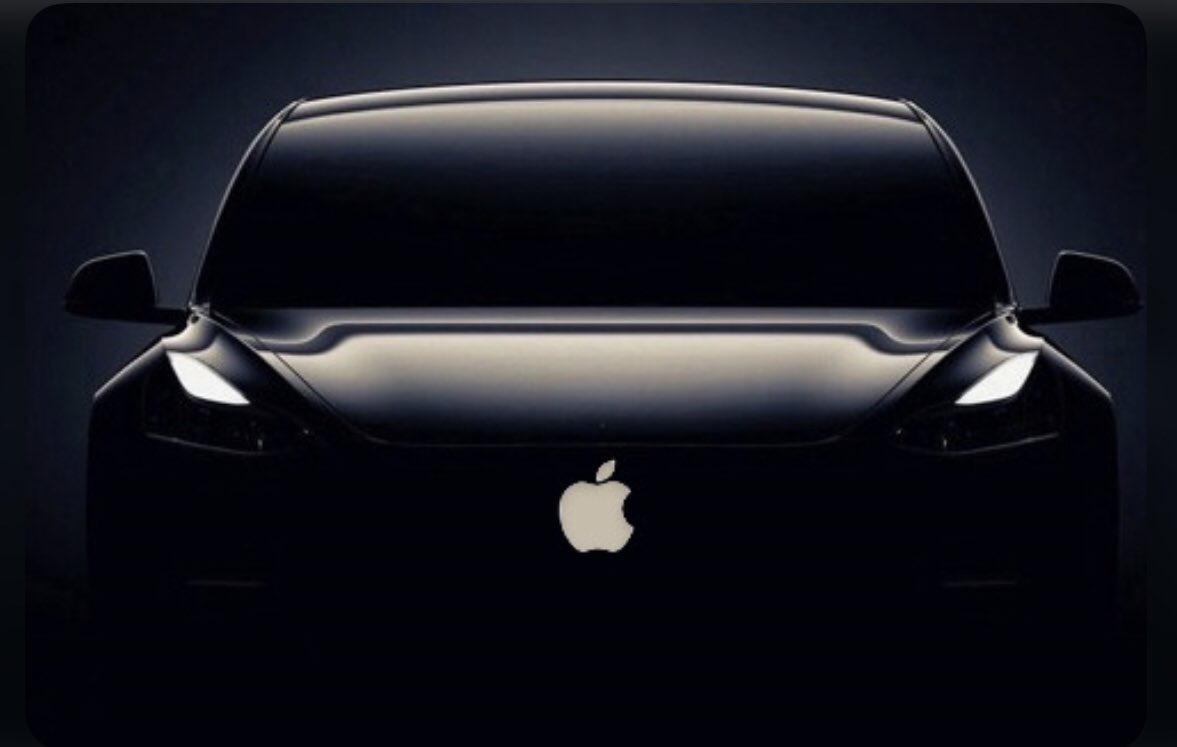
    Apple already has CarPlay which is highly successful as it allows users to beam the interface and features of their iPhone onto the infotainment system of their vehicles. It allows to get navigation, voice recognition via Siri and also taps into contacts and music streaming services. But Apple as per a Bloomberg report by Mark Gurman is working on a bolder system that will enable the iPhone to control core features of a car like the air conditioning, the seats, and even the stereo. The initiative internally is apparently called “IronHeart” and is in the early stages of development and will likely require the compliance of automakers.

    The automotive market is clearly a long-term goal for Apple as it also has its electric self-driving car project in the works called Project Titan. But that project is a long-term play and has had many issues, but in the meanwhile, Apple has made solid inroads with CarPlay. One of the latest automobile-focused features that Apple introduced in 2020 was CarKey which has even been emulated by Google.

    But IronHeart takes things to another level and it will provide inside and outside temperature and humidity readings. It will have information around temperature zones, fans, and defroster systems. There will be settings embedded for surround sound speakers, EQ settings which Apple doesn’t even provide for Apple Music, and fader and balancer settings; things that are standard in a car infotainment system that allows the user to sculpt the sound of the sound system in the car.

    Users will also be able to control the seats and armrests and it will also embed the car telematics data and will pull information from the speedometer, tachometer, and fuel instrument clusters – basically, Apple is trying to combine all the functions that are found in both the infotainment screen and the instrument cluster and make it accessible right from the iPhone. Apple is turning CarPlay into the interface for the car itself and potentially with access to such data, Apple could allow third parties to develop more apps over these core functions.

    Apple has faced resistance from major manufacturers like Tesla with the adoption of CarPlay. The updates that Apple is working on will reduce the reliance on the core car infotainment interface and most users will likely default to Apple’s interface. Apple could also use this information that will further help its efforts to make its own car which has been a tumultuous project since 2015.

  • Toyota Launches Virtual Showroom To Further Digitize Customer Experience

    Toyota Launches Virtual Showroom To Further Digitize Customer Experience

    Toyota Kirloskar Motors has launched its virtual showroom to further expand the digital experience for its customers in India. Calling it a step towards the new normal, the Indian arm of the Japanese carmaker says that the virtual showroom will allow customers to have an in-depth look at Toyota’s vehicle line-up online. Customers can also book their new Toyota directly from the virtual showroom, as it’s fully integrated with a payment gateway. The carmaker says that the virtual showroom will facilitate offers, finance options, loan applications and other value-added services in the future.

    Commenting on the new initiative, V. Wiseline Sigamani, Associate General Manager (AGM), Sales and Strategic Marketing, TKM, said, “Owing to the pandemic and growing access to technologies, customers increasingly prefer digital and contactless experience. Last year, as COVID-19 disrupted the purchase lifecycle, we took immediate steps to digitalize our sales process by making available pricing, offers and booking in the online realm. The virtual showroom further simplifies all the elements of car buying by digitizing and integrating the key touchpoints in a customer’s purchase cycle as a one-stop-shop solution. The core idea behind the virtual showroom is to empower our customers to access our world-class cars from wherever they want to. Moving forward, we will continue to listen to our customers keenly and introduce new solutions and tools leveraging digital technologies to further improve their buying experience.”

    Customers visiting Toyota’s virtual showroom will be able to select any model and get a 360-degree external and internal view of the car. They can even check out all the available variants and colour options, switch on the lights, open and close the doors, virtually experience the top features in the day or night modes and get variant-wise prices. The platform also comes with an augmented reality mode for smartphones, which allows customers to see how a Toyota vehicle will look when parked in their garage or portico.

    The virtual showroom also gives you the option to schedule a test drive. Customers can also book their Toyota vehicle directly from the virtual showroom and get it delivered to their nearest dealership or their homes. In fact, Toyota says that it has also integrated all its dealer partners onto the new platform, and soon the virtual showroom will be made available on the websites of all its dealer partners as well.

  • Bentley Develops 22-Inch Carbon Fibre Wheel For The Bentayga

    Bentley Develops 22-Inch Carbon Fibre Wheel For The Bentayga

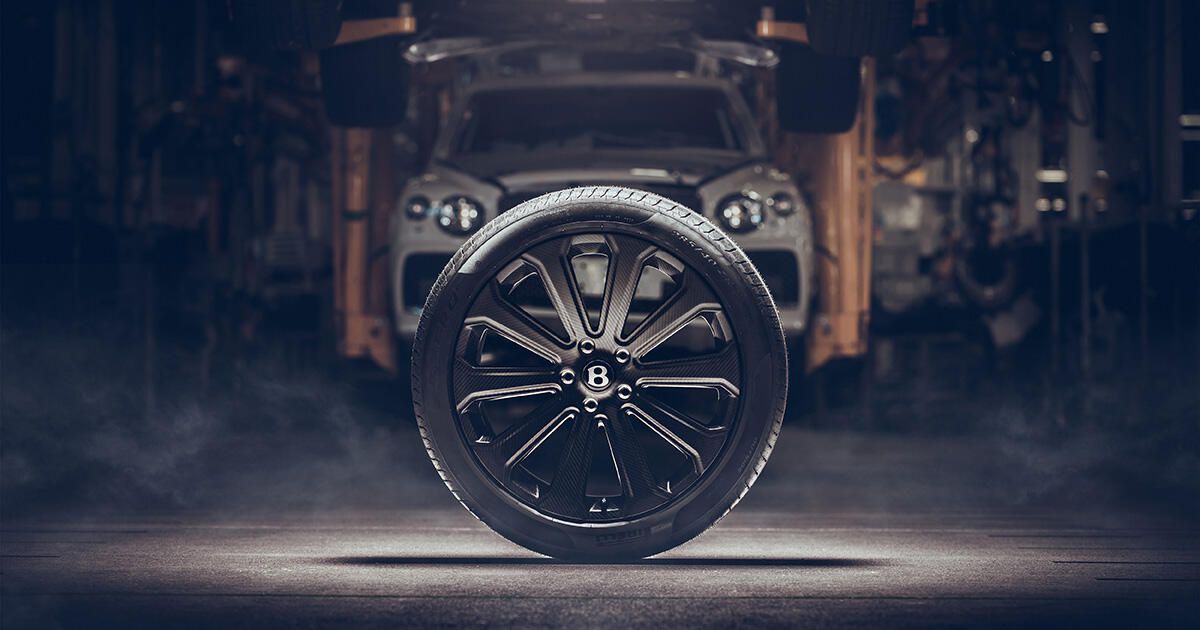
    After years of development with leading composite suppliers, Bentley has announced a new carbon fiber wheel developed specifically for the Bentayga. The 22-inch carbon wheel, engineered with renowned specialists Bucci Composites, is to be the largest carbon wheel in production in the world and offers a vast range of benefits beyond the initial 6 kg improvement in unsprung mass per wheel.

    The new carbon wheel has been subjected to the exceptionally rigorous TUV (Technischer Uberwachungsverei – Technical Inspection Association) standards and is the first carbon wheel ever produced to pass all tests. The newly developed rim has undergone the most rigorous testing for non-metallic wheels according to the new TUV standards including biaxial stress testing, radial and lateral impact testing for simulating potholes and cobblestones, tire overpressure, and excessive torque tests exceeding the permitted limits.

    One of the most severe tests of the TUV requirements – the impact test – has shown how the carbon rim is extremely safe in addition to the performance benefits. After a severe impact that would crack or shatter an aluminum wheel, causing the tire to collapse explosively, the carbon fiber rim allows a slow tire deflation thanks to the intelligent layering of fiber weaves, allowing the vehicle to come to a controlled, safe stop. For the final sign-off stage, the wheel was put through its paces on one of the most famous tracks in the world – the Nurburgring Nordschleife and it passed that test with flying colors.

    The new wheel will be available to order from later this year

  • Tata Motors To Increase Prices Across Its Passenger Vehicle Line Soon

    Tata Motors To Increase Prices Across Its Passenger Vehicle Line Soon

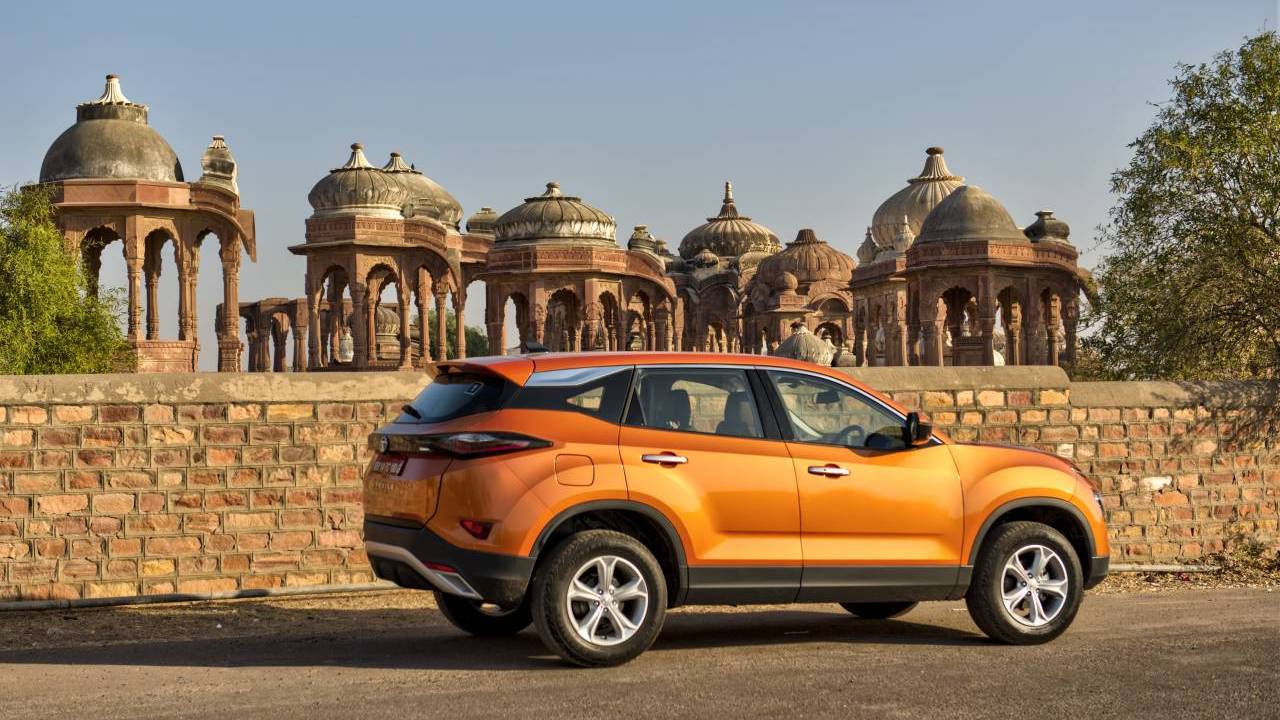
    Tata Motors, the home-grown automaker, today announced its plan to increase prices across its passenger vehicle line-up. As of now, the company has not revealed the timeline or the quantum of the price hike on cars, however, Tata did mention that the increase in prices is due to the steep climb in overall input costs. Tata has said that the formal announcement about the quantum of price increase is likely to be made within the forthcoming days or weeks. We expect the new prices to come into effect from August 1, 2021.

    In its official communication, Tata Motors said, “Tata Motors, India’s leading vehicle manufacturer intends to shortly mark an appropriate increase in prices of its ‘New Forever’ range of Cars and SUVs. The steep climb in overall input costs, especially due to continuing rise in costs of essential raw material including steel and precious metals, necessitates a transfer of at least some part of this increase to end customers.”

    Interestingly enough, it was just in May 2021 that the company increased car prices in India by up to 1.8 percent. And now the carmaker has made a price hike announcement in less than 2 months. Back then Tata Motors had said that the price hike was part of Tata’s ‘Business Agility Plan’ to protect and serve the interests of its customers, dealers and suppliers. The rise in the cost of raw materials was also a contributor to the hike. This will be the brand’s third price increase this year. Before May 2021, Tata had previously increased prices in January by up to ₹ 26,000.

    Right now, Tata Motors is gearing up to launch its 2021 Dark Edition range in India, which, in addition to the Harrier, will also include the Altroz, Nexon and Nexon EV. The new Dark Edition models are expected to be launched in India as early as later this week.

  • Huge Rise In Coronavirus Cases Hit India’s April Fuel Demand

    Huge Rise In Coronavirus Cases Hit India’s April Fuel Demand

    Indian state refiners’ local fuel sales in April declined due to state-level restrictions aimed at stemming a rampant second wave of coronavirus infections, preliminary data shows. The deadly second wave topped 400,000 new daily cases for the first time on Saturday.

    Authorities reported 401,993 new cases in the previous 24 hours, the highest daily count globally, after 10 consecutive days over 300,000. Deaths from COVID-19 jumped by 3,523, taking the total toll in India to 211,853.

    “Overall fuel demand is down by about 7% from pre-covid level of April 2019,” said A.K. Singh, head of marketing at refiner Bharat Petroleum Corp.

    “We were near pre-covid level in March but new restrictions and covid wave-2 has temporarily reduced demand equivalent to about 10% of March demand for both personal mobility and industrial goods movement,” Singh told Reuters.

    He said the local fuel consumption will ‘start to look up’ in June, by when second wave of coronavirus is expected to weaken.

    Analysts are expecting India’s demand for transportation fuels to witness a sharper slump in May due to more impending restrictions.

    Declining fuel sales will reduce crude intake by refiners. The country’s top refiner Indian Oil Corp is operating refineries at an average 95% capacity.

    State companies – IOC, Hindustan Petroleum Corp and BPCL – own about 90% of India’s retail fuel outlets.

    State retailers’ fuel sales in April declined from their sales in March and April 2019 levels, while posting a sharp rise from the year ago month when there was a nation-wide lockdown.

  • Leo Burnett India Introduces ‘StreetEye’

    Leo Burnett India Introduces ‘StreetEye’

    Leo Burnett is a global multi-disciplinary consultancy firm that specializes in, advertising, brand consultancy, communication, marketing, and so on. While the company isn’t active in the business of road safety, Leo Burnett recently introduced a first-of-its-kind product in India. Called the ‘StreetEye’, this two-wheeler mounted device is designed to detect potholes and alert a two-wheeler rider of the same in real-time. StreetEye was conceptualized, designed, and manufactured by Leo Burnett and the project was sponsored by Acko Insurance.

    India has one of the densest road networks in the world. Traffic data from 2019 suggests that 4,775 road accidents were caused by pot holes, resulting in 2,140 deaths. So a device that can be mounted on a two-wheeler and alerts motorists of pot holes well in time, has the potential to save thousands of lives and even prevent injuries to two-wheeler users.

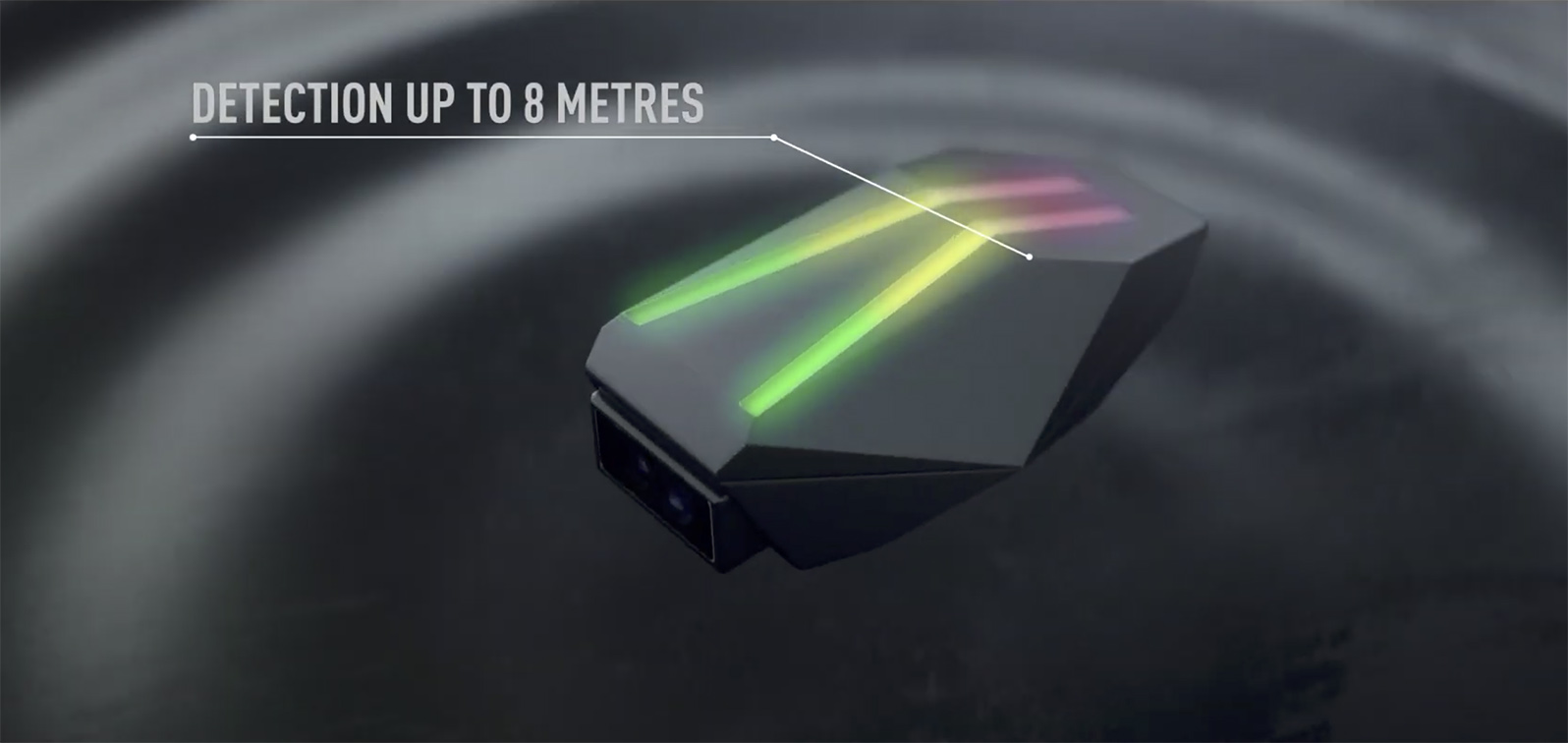
    Leo Burnett says that the StreetEye device uses stereo cameras and light detecting to map potholes on the road’s surface and alert the rider so that he/she can take adequate action to avoid the same. The device has a pot-hole detection range of up to eight meters. The device will be light and gets a sleek design. And it is encased in a weatherproof body.

    Speaking about the prospective launch Rajdeepak Das, CEO, and Chief Creative Officer, Leo Burnett said “At Leo Burnett we believe the only way to predict the future is to create it ourselves. We have always been driven by our HumanKind philosophy which puts people and problems at the center of all our initiatives. The teams at Leo Burnett have been tirelessly researching, developing, and testing various versions of StreetEye to find a solution to one of the vital problems i.e. accidents due to potholes. And we are very excited about this product and would be launching it soon in the market.”

    The StreetEye device is yet to be launched in India and so far,

  • Indian Consumers Prefer 3D Catalogues As Digital First Trend Takes Off Because Of COVID19

    Indian Consumers Prefer 3D Catalogues As Digital First Trend Takes Off Because Of COVID19

    Eccentric Engine’s One 3D platform has been powering the virtual showroom and 3D catalogs for various automobile OEMs has released a survey which reveals 7.6 million Indians chose to experience cars virtually in 3D on platforms enabled by its technology in 2020.

    It reports a 300 percent increase from 2019 for its visualization platform One 3D. The data is based on 100 million interactions and over 500 respondents spanning tier 1, tier 2 and tier 3 cities. Its platform enabled research for cars in a virtual 3D format.

    Eccentric Engine’s 3D configurator has been in the market since 2018. Most recently, it enabled the 3D experiences for MG Motors, Citroen and Tata Motors.

    “In India, we work with Maruti Suzuki, Tata Motors, MG, Citroen, Toyota, and Nissan. And also with the newly formed Stellantis (which is the whole PSA group plus FCA),” revealed Varun Shah, the co-founder of Eccentric Engine.

    Shah reveals his platform enables users to explore granular details about vehicles, including details that can’t be explored in review videos or online activations.

    The survey revealed that 51 percent of the sessions were from the 6 top-tier cities including New Delhi, Mumbai, Pune, Hyderabad, Bangalore and Chennai. Even Lucknow broke into 3 percent of the digital sessions making its way into the top 10 cities in India. Interestingly, tier 3 cities accounted for 9 percent of the queries which is an impressive number.

    The survey also revealed that 91 percent of the users who experienced the car online ended up buying the same car offline.

    “By intuitively integrating the real and digital world with One 3D we are excited to create an unprecedented level of customer engagement for our OEM partners to understand evolving consumer needs and help them serve their customers better by offering world-class product visualization that can create surprise and delight and personalize their buying experience,” said Varun Shah.

    The survey also revealed that non-resident Indians were making buying decisions for their families in India digitally. 4.6 percent sessions were from NRIs out of which 31 percent were from North America, 32 percent were from the Middle East, 10 percent were from Europe, 5 percent from the UK, 4 percent from Australia, 2 percent Africa and 1 percent from Latin America.

    The survey also showed blue and white were the most popular shades by more than 40 percent. 35 percent people preferred the colour grey, brown and silver. Red, black and orange were preferred by 15 percent.

    Indian automakers have seen a sharp rise in digital interaction over the past couple of years and yes, it’s been largely driven by the pandemic. Audi India, Volkswagen India saw an uptick of 70% in online interface compared to pre-covid times and with new tech, enhancing that experience for customers is going to be paramount. More manufacturers are now getting into the game and innovation is at the top of everyone’s agenda.

  • BMW Group Invests In Innovative Method For CO2-Free Steel Production

    BMW Group Invests In Innovative Method For CO2-Free Steel Production

    The BMW Group announced that it is investing in an innovative method for CO2-free steel production developed by American startup Boston Metal, through its venture capital fund, BMW i Ventures. Over the coming years, Boston Metal plans to expand the new method for steel production on an industrial scale. The investment is part of the BMW Group’s far-reaching sustainability activities aimed at significantly reducing CO2 emissions across the supplier network.

    With its versatile properties, steel is one of the most important materials in car production and will be no less important for future vehicle generations. Even with the dynamic ramp-up of electromobility, steel will remain an important building material for car bodies and many components. BMW Group press plants in Europe process more than half a million tonnes of steel per year.

    The blast furnaces used in conventional steel production generate carbon dioxide. The startup Boston Metal uses electricity for its new technology, which, by means of an electrolysis cell, produces molten iron that is later processed into steel. If electricity from renewable energies is used for this process, then steel production is carbon-free. The young company will build demonstration facilities for this process over the next few years and further develop it for use on an industrial scale.

    The BMW Group established close contact with Boston Metal already last year in the context of its own research activities and through the BMW Startup Garage. The company is now investing in the startup as part of its i Ventures activities.

    To safeguard reserves of raw materials, the BMW Group has set itself the goal of further increasing its percentage of recycled raw materials, so-called secondary material, by 2030 and using raw materials multiple times in a circular economy.

    All steel waste produced at the press plants – for example, when doors are punched out – is either reused through a direct material cycle or sent back to the steel producer via steel traders and processed into new steel. The use of secondary material reduces CO2 emissions substantially compared to primary material, conserves natural resources and also reduces the amount of energy needed for production.

  • Jaguar Land Rover To Cut 2,000 Jobs Globally

    Jaguar Land Rover To Cut 2,000 Jobs Globally

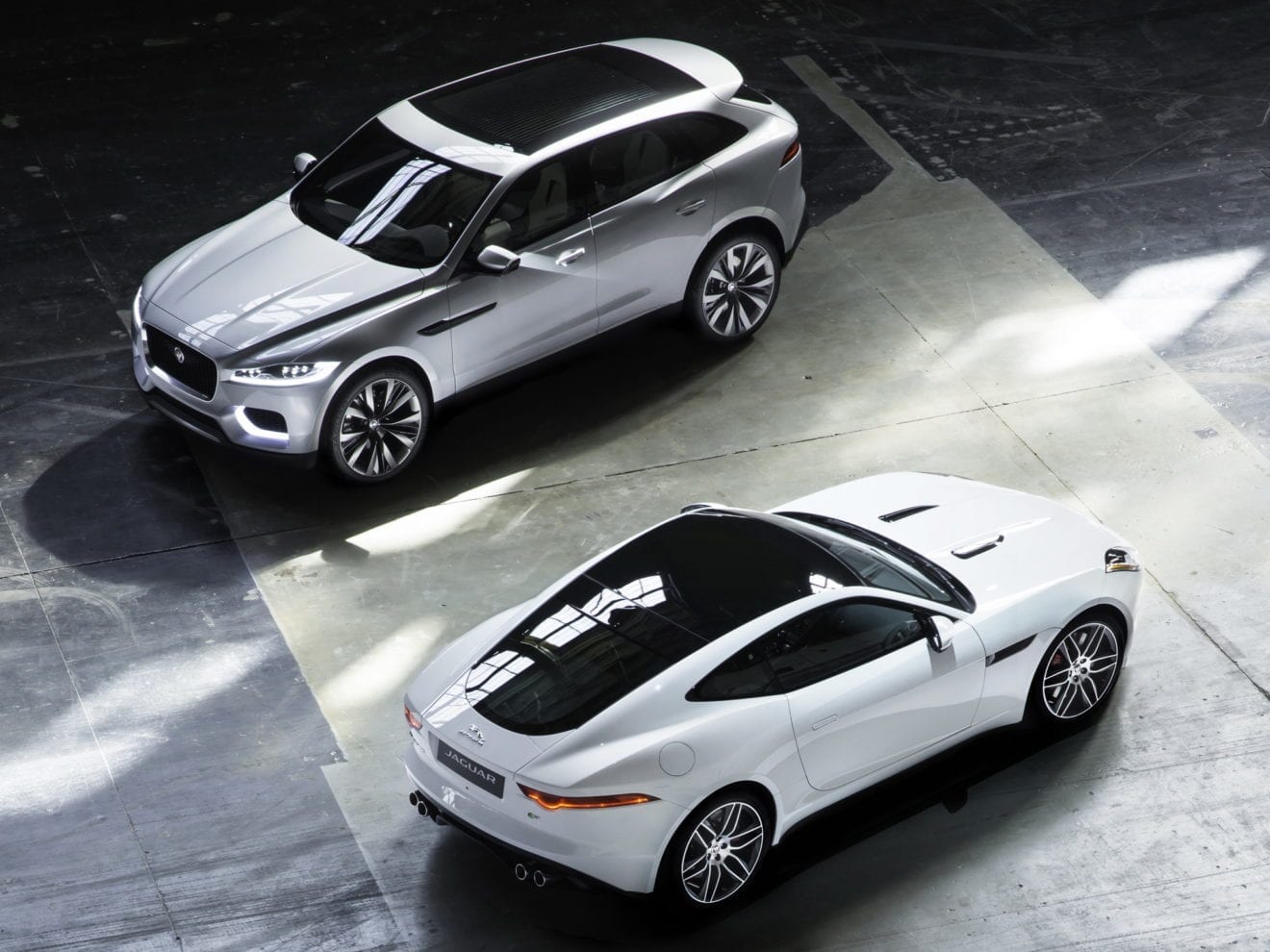
    Jaguar Land Rover said on Wednesday it would cut 2,000 jobs from its global salaried workforce, just days after announcing its luxury Jaguar brand will be entirely electric by 2025 and e-models of its entire lineup will be launched by 2030. “The full review of the Jaguar Land Rover organization is already underway,” the company said in an emailed statement. “We anticipate a net reduction of around 2,000 people from our global salaried workforce in the next financial year,” it said.

    However, it added that the organizational review did not impact hourly paid, manufacturing employees. JLR, owned by India’s Tata Motors, said earlier that its Land Rover brand will launch six fully electric models over the next five years, with the first in 2024.

    Known for its iconic, high-performance E-Type model in the 1960s and 1970s, Jaguar faces the same challenges as many other carmakers as it transitions to electric vehicles while trying to retain the feeling and power of a luxury combustion engine model.

    Last month, Tata Motors said it was concerned by semiconductor shortages and Brexit-related supply disruptions as its luxury car sales recover, although the Indian automaker added these had not yet hit production.

    Tata Motors posted three straight quarters of losses as the COVID-19 crisis dented sales, exacerbating uncertainties over Britain’s exit from the European Union, weak demand and rising costs, but had bounced back to clock a profit in its third-quarter to the end of December. The 2,000 reductions in JLR’s non-factory jobs was reported earlier on Wednesday.

  • The entire Retail News Editorial team wishes you a Joyful and Merry Christmas

    The entire Retail News Editorial team wishes you a Joyful and Merry Christmas

    It’s been a difficult year; we better say the most difficult year in decades with Covid-19 and all social restrictions that were put in place. But we were resilient, and prepare ourselves for a better year.

    Hopefully with more and more retail events and summits; cause that’s what we retailers live from. Showcase and demo products, networking, and meeting up with customers and vendors. It’s not that far ahead of us… we already prepare ourselves in order to get ready when the markets are ready again to shift gears.

    Thanks for being part of the largest retail community covering Asia this year. The entire Retail News Editorial team is wishing you a Happy Holiday season. We wish you joy and peace in the upcoming year. Wishing you all the joys of the season and happiness throughout the coming year.

    Thanks for support us; thanks for reading us and stay close in the new year!


  • 18th U.S. Takata Death Reported, First In A BMW

    18th U.S. Takata Death Reported, First In A BMW

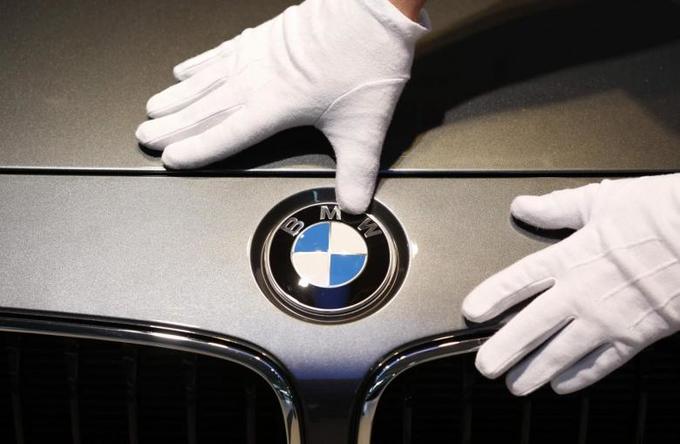
    A U.S. auto safety regulator said on Thursday it identified the 18th U.S. death tied to a Takata airbag inflator rupture after the review of a recent BMW crash. The National Highway Traffic Safety Administration (NHTSA) said it had concluded a Takata airbag inflator rupture during a September crash in Arizona had led to fatal injuries of the driver. This was the first reported Takata death in a BMW vehicle after 15 U.S. deaths in those of Honda Motor Co and two in Ford Motor Co vehicles since 2009.

    BMW said its “engineers will work closely with federal investigators to inspect the vehicle and to understand the details of the incident.”

    The German automaker added it had “been working diligently to identify and contact owners of these older vehicles equipped with recalled Takata airbags.”

    The defect, which leads in rare instances to airbag inflators rupturing and sending metal fragments flying, prompted the largest automotive recall in U.S. history of about 63 million inflators. Worldwide, about 100 million inflators by 19 major automakers were recalled.

    More than 290 U.S. injuries are also tied to faulty Takata inflators and at least 27 deaths worldwide. The issues especially affects older vehicles with long-term exposure to hot, humid conditions. A number of the deaths have occurred in Arizona. Millions of unrepaired airbags remain in cars on U.S. roads.

    NHTSA said in a statement Thursday the “incident underscores the importance of replacing every recalled Takata airbag. When notified of a safety defect, we urge vehicle owners to immediately contact their automaker’s local dealer to schedule a free repair.”

  • Red Bull Spent Two Times More In 2019 Than What It Will Be Allowed In 2021

    Red Bull Spent Two Times More In 2019 Than What It Will Be Allowed In 2021

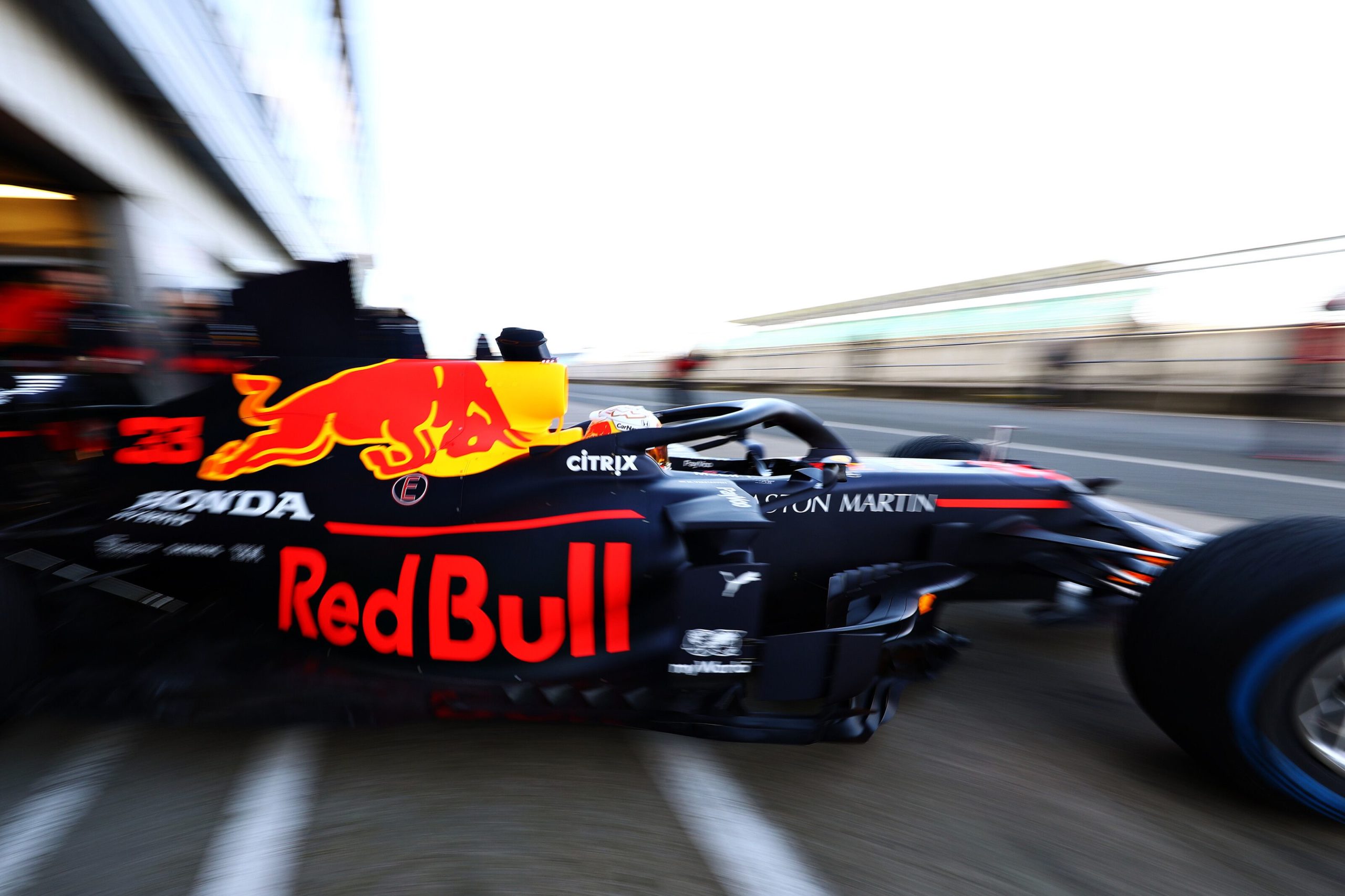
    Red Bull spent $305.04 million dollars in its 2019 campaign to win the F1 world championship which is reflective of the challenges that the big teams are up against in light of the upcoming budget cap that’s incoming. Next season teams will be only allowed to spend $145 million, though this number doesn’t include things like driver salaries. This number was also achieved after a minor reduction of $2.95 million from 2018 which was preceded with years of increasing expenditure. The big three teams – Mercedes, Ferrari, and Red Bull are all in for major restructuring as the budget cap will not allow them to spend as much on their F1 programs. Ferrari has also revealed that it is willing to explore participating in the Indy Car franchise to transfer some of its staff from F1.

    “The directors consider race performance, Championship performance, and a controlled cost base to be principal key performance indicators to assess progress towards strategic goals,” said Red Bull team boss Christian Horner.

    “Costs remain under control and the team is mindful of adaptions necessary for new financial regulations coming into force for 2021,” he added.

    Red Bull’s racing unit remains profitable but just slightly as it made a profit of $0.79 million which is peanuts in the scheme of things. This number also fell when compared to what Red Bull made in 2018. It made $1.18 million in that year when it also finished P3 in the constructor’s world championship behind Mercedes and Ferrari.

    Even these numbers are complicated as Red Bull’s association with its parent company Red Bull Technologies is complex as it employs and hires a lot of the designing and manufacturing staff. The complications are compounded by the fact that Red Bull Technologies is the parent behind the sister AlphaTauri team and also works with Aston Martin on the Valkyrie project.

    The 2010, 2011, 2012, and 2013 world championships were won by Red Bull with Sebastian Vettel becoming world champion four years in a row, till 2014 ushered in the new hybrid era of F1 engines and Mercedes started to dominate.

  • Tesla Becomes Most Valuable Automaker In Latest Stock Rally

    Tesla Becomes Most Valuable Automaker In Latest Stock Rally

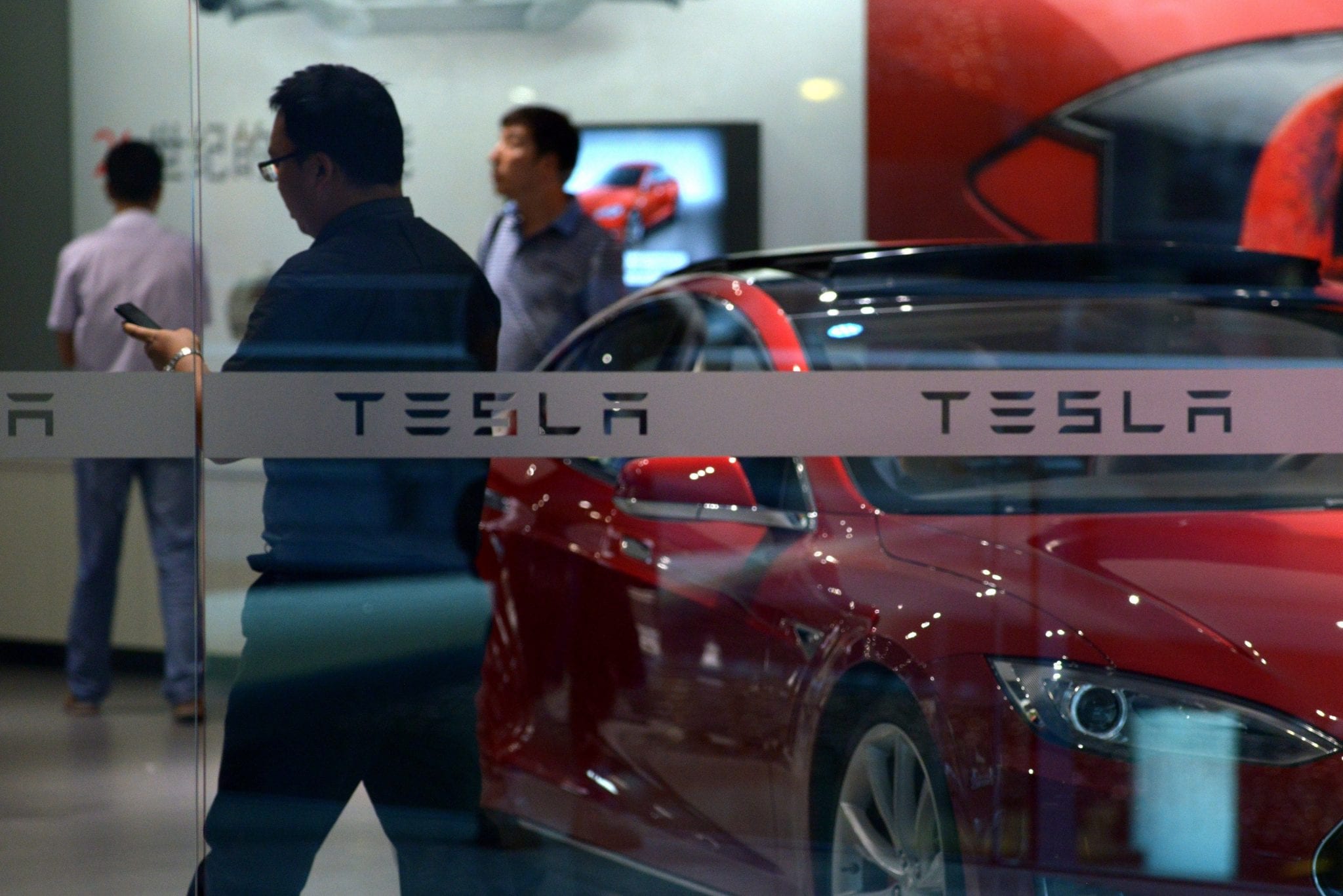
    Tesla Inc on Wednesday became the highest-valued automaker as its shares surged to record highs and the electric carmaker’s market capitalization overtook that of former front runner Toyota Motors Corp. Tesla shares gained 5% in early morning trade to a record of $1,133, boosting the company’s market cap to $209.47 billion – roughly $6 billion more than Toyota is currently valued by investors. Tesla is now worth more than triple the combined value of U.S. automakers General Motors Co and Ford Motor Co.

    The shares’ meteoric rise, up more than 163% since the start of 2020, highlight growing confidence among investors about the future of electric vehicles and Tesla’s shift from a niche carmaker into a global leader in cleaner cars.

    After several years of losses, Tesla has delivered three straight profitable quarters since the third quarter of 2019 and surprised investors with solid first-quarter deliveries despite the virus outbreak.

    Toyota, one of the world’s most profitable automakers, sold 10.46 million vehicles during its 2019 financial year, ending on March 31, 2020. It reported net revenues of 30,226 billion yen, or roughly $281.20 billion, during that time.

    Tesla, in comparison, ended 2019 with $24.6 billion in revenues, having delivered 367,200 vehicles last year. Chief Executive Elon Musk in the past said Tesla would deliver at least 500,000 vehicles in 2020, a forecast the company has not changed despite the coronavirus pandemic.

    Tesla is expected to report second-quarter delivery numbers this week.

  • Lamborghini Urus Gets A New Pearl Capsule Design Edition

    Lamborghini Urus Gets A New Pearl Capsule Design Edition

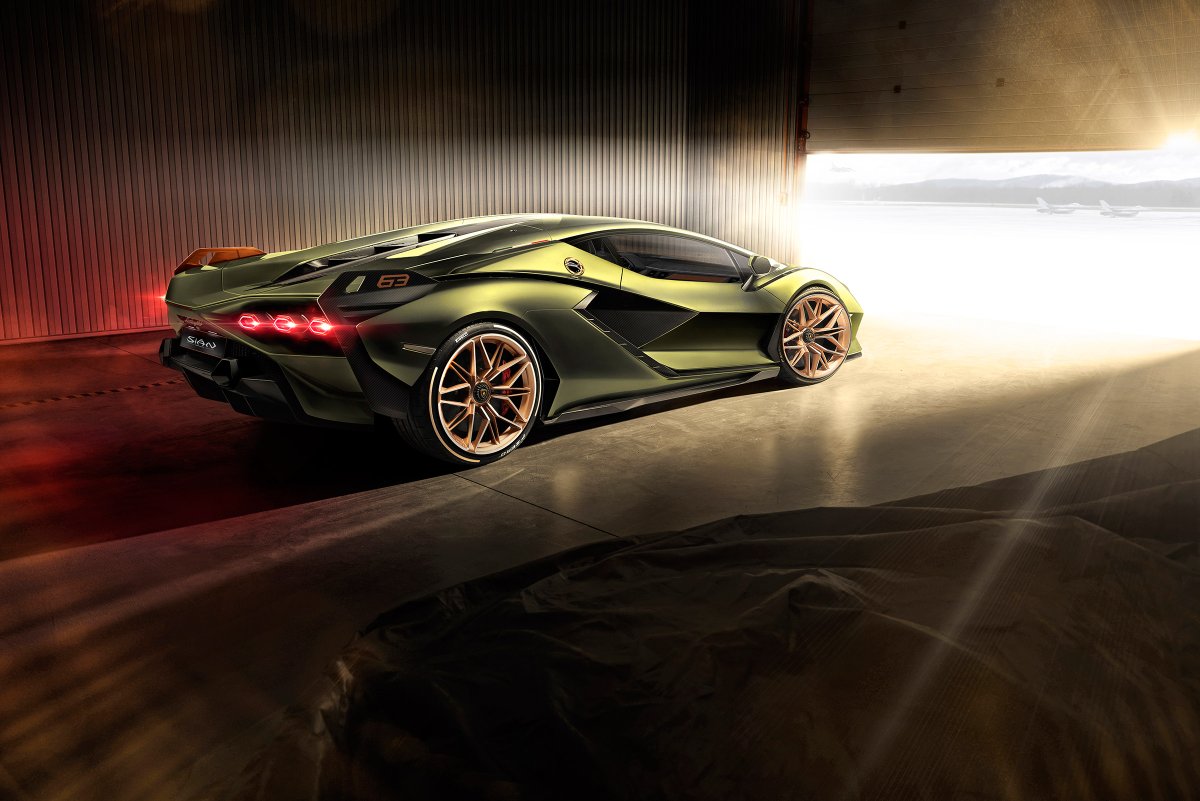
    Italian Supercar marque Lamborghini’s first SUV in the market, the Urus has just got a new design edition to its name. The Pearl capsule edition aims to make the Urus even more appealing than before by using dual color tones outside and inside the car along with black accents at several places. The Urus Pearl Capsule is available on Urus model year 2021, alongside an extended range of colors and features following the first full year of Urus production in 2019.

    The customer has the option to choose from three base colors. These are Verde Mantis (green), Arancio Borialis (orange) and Giallo Inti (yellow). This base color is complemented well by the use of gloss black paint which has been applied on the lower bumpers, locker covers as well as the roof. The 23-inch taigete alloys get a shiny black color to match with the base color accent. To match the exterior paint the two-tone theme is carried forward into the cabin as well. Base colour accents and stitching is seen at many places like seats, cup holders, dashboard and grab handles.

    The 2021 Model year Urus also features an optional park assist feature

    The Lamborghini Urus Pearl Capsule models also gets logo embroidery on the seat, carbon fiber and black anodized Aluminium details and the optional fully-electric seat that features airy perforated Alcantara. It continues to run on a 4.0 litre twin-turbocharged V8 engine which offers a maximum power output of 650 bhp at 6,000 rpm and a peak torque of 850 Nm at 2,250 – 4,500 rpm. It accelerates from 0-100 kmph in just 3.6 seconds and hits a tops speed of 306 kmph. For the time being the car is being sold in Europe, USA and China.