Retail News CRM

Tag: Philippines

  • First Blockchain-Based Remittance in Philippines Completed

    First Blockchain-Based Remittance in Philippines Completed

    Major Philippines lender Union Bank has completed the first-ever blockchain-based remittance in the nation from OCBC in Singapore.

    The bank reportedly used an Ethereum-powered liquidity management system alongside its own proprietary i2i platform to complete the transaction from OCBC as a pilot. The funds were remitted to an account holder at Cantilan Bank in Surigao del Sur, a southeastern province.

    Chief fintech officer of the Monetary Authority of Singapore Sopnendu Mohantynoted that the city-state’s regulator had been exploring blockchain-based payments since 2016.

    We are excited to see this potential being realized, with cross-border payments that are cheaper, faster, and safer through the i2i network, he said.

    Rural banks have limited access to financial networks and a lag for remittances to be credited—five to seven days. Non-bank remittance counters offer faster execution but at a higher and sometimes unbearable cost for the relevant market segment.

    On the other hand, the crypto-based platform which the aforementioned banks used, Adhara, allows users to settle real-time payments at low cost and high efficiency by tokenizing assets and smart contracts on an Ethereum-based ledger.

  • SM Group nearly ready to take over Harrison Plaza in Manila

    SM Group nearly ready to take over Harrison Plaza in Manila

    SM Group will assume ownership of Manila’s Harrison Plaza complex from the Martel family by next year, most likely refurbishing the seven-hectare property into a new mixed-used development.

    “The plans are being reviewed,” said a source from the firm. “It might be mixed use, but definitely there will be a mall.”

    “The area is a prime location and can be very well expanded into another sprawling mall with residential developments around it,” said SM Investments Corp chairman Jose Sio last year upon announcing the group’s plans to develop and manage the complex.

    Harrison Plaza has been a highly recognisable fixture in the city since its construction in 1976, and is often referred to as the Philippines’ first modern shopping centre. The complex has, however, fallen into decline in the years since its renovation in the early 1980s. It currently has around 200 shops.

    SM will buy out the plaza’s current owners from its contract with local government, which expires next year.

  • New Tiffany Philippines store opened

    New Tiffany Philippines store opened

    American luxury jewellery and specialty retailer Tiffany & Co will open a new freestanding boutique at Greenbelt 4 in Makati City, the Philippines tomorrow, July 12.

    The coming launch was featured in Lifestyle online magazine for its understated luxurious design inspired by the New York flagship, featuring “off-white and pale gray walls and lone chandelier floating above the main glass-and-chrome vitrine at the centre, which displays the key collections … Satellite vitrines on either side showcase the high jewellery pieces, available in the Philippines for the first time.”

    While the firm has had a presence in the Philippines for many years at Rustan’s stores, the new boutique will showcase a broader selection of the firm’s jewellery.

    “At Rustan’s, they could do only mostly silver jewelry and engagement rings,” said Tiffany’s country manager Mario Katigbak. “When I came in, we found that there is a market for Tiffany high jewellery.

    “Unlike other brands where it’s the design that’s selling, at Tiffany, it’s the stones. The market is very ready. It’s more sophisticated and ready to appreciate the quality of the stones, more than just the design. Tiffany does its own cutting, and it’s very important for them where the stones are mined. It’s an evolution to a higher level of jewellery.”

    Tiffany’s diamonds are laser-etched with a microscopic serial number to help identify their quality and point of origin.

  • Mr Jeff plans more outlet in Singapore and Philippines

    Mr Jeff plans more outlet in Singapore and Philippines

    Spanish on-demand laundry startup Mr Jeff plans Singapore and the Philippines expansion. The company aims to open more than 75 franchises in the Philippines, and 30 in Singapore by the end of this year.

    A Mr Jeff app allows users to book laundry services on-demand and through a subscription model. By using the app, website, or the company’s physical store network, customers can choose the exact location, time and day for their laundry to be collected and delivered. A driver visits the user’s home or office, collects the garments and delivers them back later, cleaned and ironed.

    According to Mr Jeff’s research, laundry services are popular among the younger generation, and considered by 78 per cent as the most-disliked domestic chore.

    “With our digital approach and our subscriptions plans, we intend to change the traditional function of the dry cleaning sector,” said Luis Eduardo Quintero, of Mr Jeff Philippines.

    “Singapore and the Philippines are two of the countries in which maximum revenue is expected.”

    Founded in 2015, Mr Jeff is currently operating 370 laundry points in more than 10 countries, mostly in Central and Southern America.

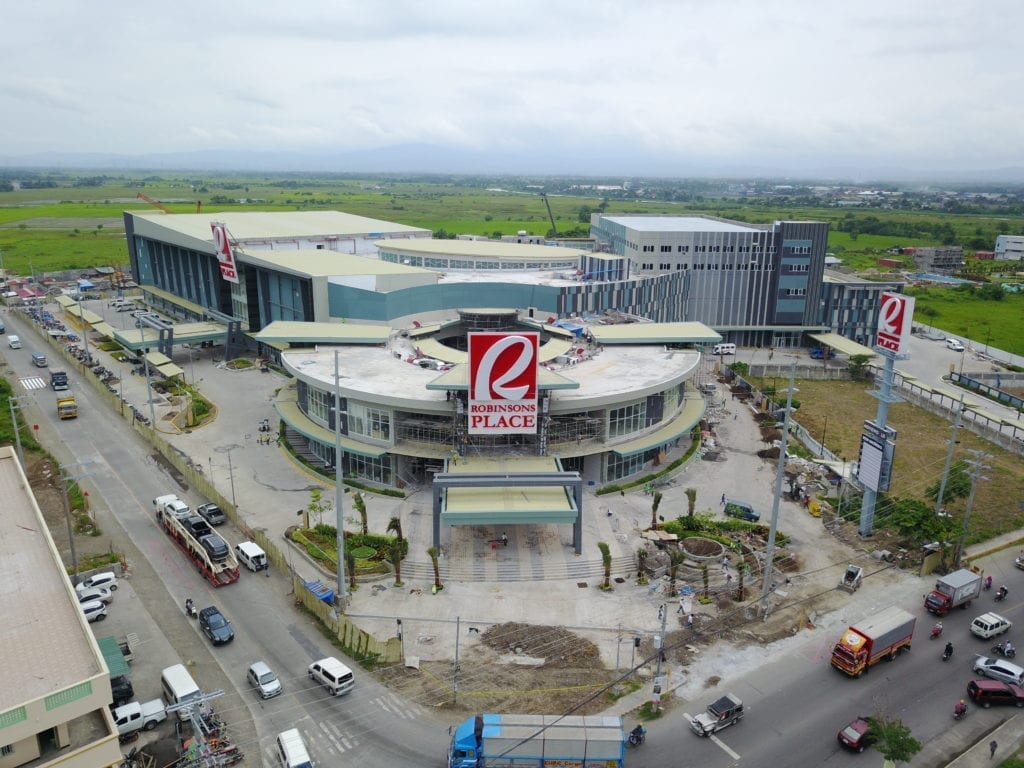
  • Robinsons Retail favours pets over fashion

    Robinsons Retail favours pets over fashion

    Robinsons Retail is looking to shrink its fashion business as competition with cheaper chains gets tougher.

    “We are shrinking fashion, for it has become very difficult,” said the firm’s CEO Gokongwei-Pe. “There are other brands that came in who are more progressive and cheaper. We are already reducing the number of stores and we have to think if we move out altogether.”

    The firm is reporting stronger returns from pet, health and beauty products where there is growing demand.

    “Pets have become very big,” added Gokongwei-Pe. “Dogs now are very spoiled. Just look at Instagram and Facebook, it’s all about dogs. You should put money where the money is, which is food, drugstores, hardware, and growing businesses like pets and beauty.”

    The firm is also making moves into high-end groceries as well as growing its beauty and pet care franchises overseas. It is reportedly seeking 15 per cent annual revenue growth in these sectors within five years.

    Robinsons Retail is also investing PHP3–5 billion (US$58.59–97.65 million) on expanding its store network by 100–150 outlets per year from its current 1911 stores during the same period.

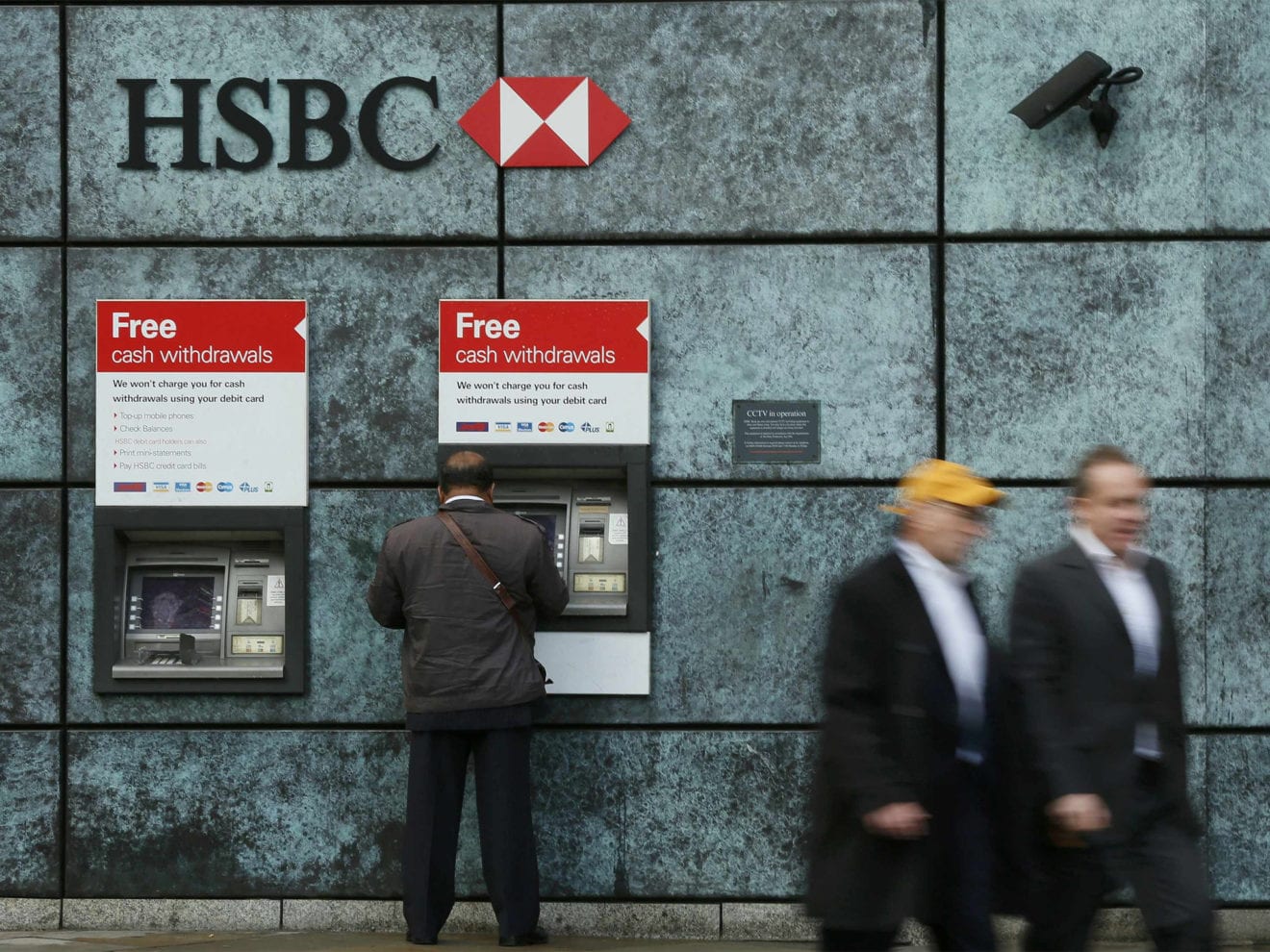
  • HSBC Private Banking Boosts Philippines Coverage

    HSBC Private Banking Boosts Philippines Coverage

    HSBC Private Banking continues its hiring drive in Asia with the addition of three relationship managers focusing on the Philippines high-net-worth segment, both in on and offshore locations.

    In its onshore private bank in Manilla, HSBC has hired Valerie See-Tang and Janice Marie Laurel as relationship managers. See-Tang was previously a branch head of HSBC’s Quezon City branch and Laurel was a premier team leader of HSBC’s Ortigas branch.

    In its offshore center in Hong Kong, the bank is adding Carmen Wong, most recently with J.P. Morgan in the same role and market. Previously, Wong held other roles with Deutsche Bank and Citi.

    The Philippines market teams in Manila and Hong Kong report to Bala Balagopalan, market head for Philippines and Japan, North Asia, HSBC Private Banking.

    We are delighted to welcome new talent to our team to serve the increasing wealth needs of our Philippines’ clients, said Kevin Herbert, co-head for North Asia, HSBC Private Banking.

    Not only do we have one of the largest private banking teams supporting the Philippines market, we believe our strong business heritage, global network, and experience working with families across generations, all give us a competitive edge.

    According to the bank, the increased Philippines coverage occurs amid continued market uncertainty and increasingly sophisticated needs. This has sparked a range of demand that the bank is confident it can fill.

    We’re seeing more demand for alternatives, particularly in private equity and private credit, as well for managed solutions,» Herbert continued.

    In addition, a number of successful family businesses are on the cusp of inter-generational wealth and business transfer. So our knowledge and experience of legacy planning and family governance, are key elements of our offering that Philippines clients value.

  • Singapore digital accessories chain Uniq enters the Philippines

    Singapore digital accessories chain Uniq enters the Philippines

    Singaporean gadget and mobile-accessories retailer Uniq has opened its first Philippine store.

    Located at Cyberzone in Quezon’s SM North Edsa Annex, the store targets young professionals who are particular about style.

    Its products known for their “minimalist mobility” and “smart simplicity” to the country’s digitally connected populace.

    “Most of our products are for iPhones and Mac but we also have charging solutions that are more universal,” said Andy Wong, MD and co-founder of Uniq.

    Established in Singapore in 2010, Uniq started out as a phone-case design company.

    The company has entered the Philippines with the help of Macpower Marketing Corporation, which is also partner of Globe, Power Mac Center, and Lazada.

    Uniq products are available in 22 countries via an online store and the company plans to partner with online stores such as Shopee and Lazada.

  • Alipay’s e-wallet partner GCash introduces GCash Forest in the Philippines

    Alipay’s e-wallet partner GCash introduces GCash Forest in the Philippines

    Filipinos who want to contribute to environmental preservation can now conveniently use an innovative mobile phone app to help plant trees and increase the Philippines’ forest cover.

    Leading mobile wallet, GCash, is introducing an exciting “green” feature on the app called GCash Forest, which lets subscribers plant virtual trees that will have real-life counterparts. By the end of 365 days, GCash Forest aims to plant 365 thousand trees with the help of GCash subscribers.
    According to the Department of Environment and Natural Resources’ Forest Management Bureau (FMB), the Philippines is losing 47,000 hectares of forest cover every year. The FMB also reported the need to rehabilitate 1.2 million hectares of forest lands by 2022 to prevent landslides, ensure water availability, and preserve biodiversity.

    “GCash Forest is about making it easier, more convenient, and even rewarding for everyone to take care of our environment for the benefit of future generations,” said Mynt CEO Anthony Thomas. “GCash is no longer just providing an excellent platform for accessible financial products and services but also enabling Filipinos to be more active in responding to real-life issues, such as climate change mitigation through reforestation.”
    GCash considers GCash Forest as the last mile initiative that fully recognizes the emergence of an all-digital Filipino lifestyle.

    To implement its tree-planting initiatives, GCash Forest partnered with the Department of Environment and Natural Resources (DENR), World Wildlife Fund (WWF) and The Biodiversity Finance Initiative (BIOFIN). The DENR will provide land resources in Ipo Watershed, an essential component of the Angat-Umiray-Ipo watersheds system supplying 98 percent of Metro Manila’s water. WWF will be providing trees and manpower while BIOFIN will provide expertise on monitoring.

    Thomas added that recent findings on the Philippines’ vulnerability to climate-related hazards call for greater collective action. Results of the Global Peace Index 2019 identified the Philippines as the most susceptible country to the adverse effects of climate change. By leveraging the GCash platform and scale, GCash Forest aims to rally a coalition of individuals, non-government organizations, and international organizations to meet its 2020 targets.
    To plant trees through GCash Forest, GCash users need to collect “green energy” by frequently using the app. Users who get enough green energy can choose which species of trees they want to plant in a selected area at the Ipo watershed. Once the trees are physically planted, users get to receive a certificate of ownership with a serial number, fun facts and updates on the growth of their trees on their GCash apps.

    “Many Filipinos, especially the younger ones, care about the environment but a lot of them don’t know how they can actively take part in environmental protection. This is a barrier that GCash Forest addresses because they only need to use their smartphones—an already integral part of their daily lives—to make a difference,” concluded Thomas.

    The new feature is inspired by Alipay Ant Forest, a product operates by Ant Financial, an Alibaba affiliate and the parent company of the world’s leading payments and lifestyle platform, Alipay. Via the mobile platform, more than 500 million users have planted 100 million real trees and advanced a shared vision of sustainable and inclusive development.

  • Globe Telecom launches SE Asia’s first 5G broadband service

    Globe Telecom launches SE Asia’s first 5G broadband service

    Philippines’ Globe Telecom Inc on Thursday launched Southeast Asia’s first 5G broadband service, with embattled Huawei Technologies Co Ltd providing the equipment, a win for the Chinese firm despite cybersecurity worries from Western nations.

    The telecoms firm aims to offer high-speed internet to tens of thousands of homes and offices in key urban centres as part of its $1.2 billion capital spending this year, Alberto de Larrazabal, Globe’s chief commercial officer, told reporters.

    Globe would use Huawei’s equipment like radios and modems to deliver 5G quality broadband internet, he added. Huawei and Finland’s Nokia were Globe’s equipment providers for its 4G service.

    The United States had warned that next-generation 5G equipment, which some telecoms experts see as more vulnerable to attack than previous technology, could be exploited by the Chinese government for spying if supplied by Huawei, which the company denies.

    Washington, a treaty ally of Manila, had persuaded governments and telecoms operators to shun Huawei, the world’s largest maker of telecommunications equipment.

    Globe hired independent firms “to ensure that our security protocols are up to date, to make sure privacy and security issues are addressed,” de Larrazabal said.

    Philippine consumers, the world’s top social media users, often get frustrated with slow and choppy internet connections. The Philippines’ mobile internet and fixed broadband speeds lag behind its neighbours, data from Ookla’s Speedtest Global Index showed.

    It ranks 107th among 178 countries in terms of fixed broadband speed at 19.55 megabits per second (Mbps) versus the global average of 59.6 Mbps. Among 140 countries, it ranks 107th in terms of mobile internet speed at 15.10 Mbps, nearly half of the 27.22 Mbps global average.

    Globe is owned by Philippine conglomerate Ayala Corp, with Singapore Telecommunications Ltd holding a minority stake.

  • AirAsia Philippines delivers world-class flying at low fares

    AirAsia Philippines delivers world-class flying at low fares

    Challenging the common impression that customers get what they pay for in patronizing low-cost carriers (LCC), AirAsia Philippines redefines the flying experience with an uncompromising commitment to world-class safety standards and passion in delivering top-notch service without the hefty price tag.

    AirAsia Philippines is part of the AirAsia Group, which includes AirAsia Malaysia, Thailand, Indonesia, India and Japan. AirAsia Philippines operates a fleet of 23 aircraft out of four hubs servicing seven domestic destinations and 18 international destinations, in line with the group’s vision to be the “wings” that enable people to reach their dream destinations.

    “Having established ourselves as an LCC when we introduced all-in fares, we now want to be known for having the best service,” says Captain Dexter Comendador, AirAsia Philippines CEO.

    AirAsia Philippines commenced operations locally in 2012 with two new planes. With the acquisition of local airline Zest Airways the following year, AirAsia Philippines’ fleet became 13. Backed by its parent company, which boasts a total fleet of 252 aircraft and more than 140 destinations in 25 markets, AirAsia Philippines is set to raise the benchmark in the aviation industry, particularly the LCC segment.

    The company constantly pursues initiatives to provide customers a hassle-free experience. For example, AirAsia Philippines relinquished the use of jet bridges and instead uses steps for boarding and disembarking passengers. By doing this, the airline has been able to keep turnaround time to 25 minutes – one of the quickest in Asia. Foregoing the use of expensive jet bridges also allows AirAsia Philippines to pass on cost savings to customers, resulting in more economical fares.

    Tapping technology to offer a seamless customer experience, AirAsia has overhauled its website and mobile app and even launched a chatbot named AVA (AirAsia Virtual Allstar). Powered by artificial intelligence, the chatbot is well-versed in English, Thai, Malay, Indonesian, Vietnamese, Korean and Chinese, and responds to queries instantly. As part of the AirAsia network, AirAsia Philippines has allowed customers to use AVA to manage their flight needs since March this year.

    AirAsia Philippines also takes a proactive role in creating hubs in the Philippines, connecting them to the whole AirAsia network. The airline now has hubs in Manila, Cebu and Kalibo. Outside Manila, AirAsia Philippines is launching new flights, and will soon fly directly to Macau, Kunming, Chengdu, Hangzhou and Taipei from its Kalibo hub.

    As it seeks to relocate its headquarters to Clark, Pampanga, AirAsia Philippines hopes to develop the former airbase as its next hub. It also aims to establish hubs in popular tourist destinations such as Bohol and Palawan.

    “Our vision is to be the No 1 LCC in the Philippines. We also want to be the employer of choice for aviation industry professionals,” Comendador says.

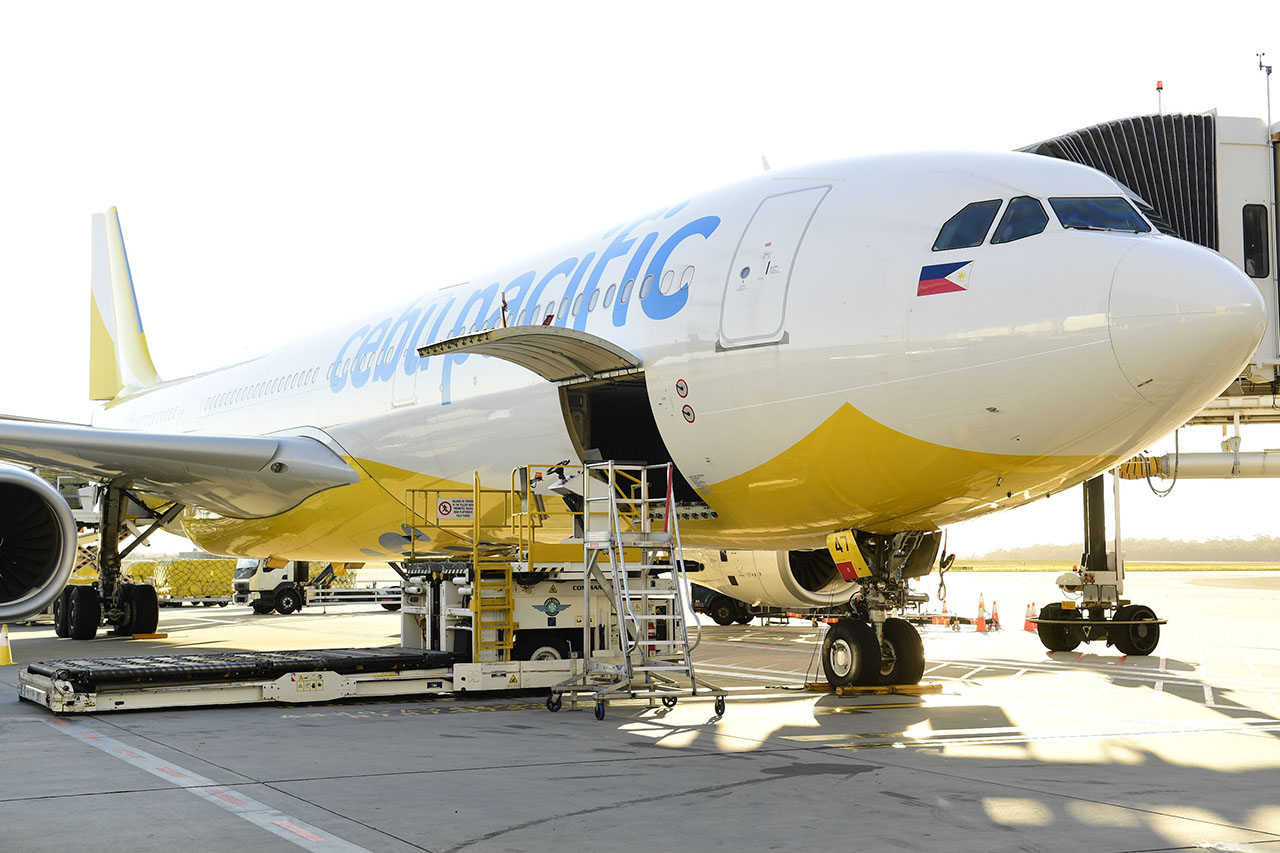
  • Cebu Pacific Began Manila-Shenzhen flights on July 1

    Cebu Pacific Began Manila-Shenzhen flights on July 1

    Cebu Pacific will launch direct flights from Manila to the Chinese city of Shenzhen in July, citing “increasing demand for leisure and business travel.”

    In a statement on Monday, June 10, the budget carrier announced that its Manila-Shenzhen route will have flights 4 times a week – every Monday, Wednesday, Friday, and Saturday – beginning July 1.

    “At only two hours and 40 minutes’ flying time, the evening departure of the flights will enable travelers to make full use of business hours, both in Manila and in Shenzhen,” Cebu Pacific said.

    The airline is holding a seat sale for the new route from Monday to Tuesday, June 11, with a base fare of as low as P1. The travel period is from July 1 to October 26 this year.

    Cebu Pacific said Shenzhen is its 5th destination in mainland China, and its 27th international destination.

    “We want to provide our travelers with a viable option to reach some of the most crucial commercial centers in the world. Our new direct service between Manila and Shenzhen will enable faster movement of people and products,” said Cebu Pacific vice president for marketing and distribution Candice Iyog.

    Cebu Pacific and its subsidiary Cebgo currently fly to 37 domestic and 26 international destinations, with over 107 routes spanning Asia, Australia, the Middle East, and the United States.

    The airline had enforced dozens of flight cancellations in April and May, however, citing “an unprecedented level of disruption” to its operations.

    President Rodrigo Duterte conducted a “surprise inspection” at the Ninoy Aquino International Airport Terminal 2 on Monday, and promised to find a solution to flight cancellations and delays within a month.

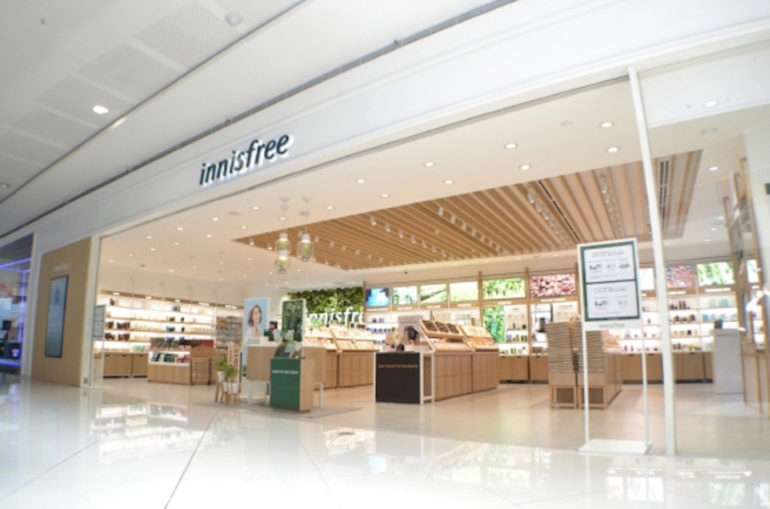
  • Second Innisfree store opens in SM Megamall Philippines

    Second Innisfree store opens in SM Megamall Philippines

    Innisfree Philippines has opened its second outlet, at SM Megamall, a year after first launching at Mall of Asia.

    One of Korean beauty-and-skincare giant Amorepacific’s fastest-growing brands, Innisfree’s key ingredients are sourced from popular South Korean destination Jeju island. The new store will stock some of the brand’s best-selling products.

    “In today’s culture, Filipinos are naturally drawn to Korean influences, especially the K-beauty skin care regimen,” said Innis­free Philippines brand GM Stephen Lee. “With our brand, we are excited to offer our Filipino consumers skincare with quality selection of products and green sustainable practices. We are also committed to expanding and establishing a long-term presence here.”

    The new Innisfree Philippines store opening coincided with the launch of Innisfree’s empty bottle recycling campaign, which encourages customers to donate their empty Innisfree bottles to either branch.

  • Cebu Pacific to expand its hubs in Clark, Cebu

    Cebu Pacific to expand its hubs in Clark, Cebu

    Cebu Pacific said it is eyeing to expand its hubs in Clark and Cebu as it continues to boost its fleet with a target of 83 aircraft by end-2022.

    Lance Y. Gokongwei, president of Cebu Pacific operator Cebu Air, Inc., said the budget carrier will be adding “a lot of frequency” in its hubs in Cebu and Clark.

    “In Clark, we’re going to try to connect the dots so that a lot of North Asia will be able to fly into the south without having to connect through Manila… I think in the next two to three years, you’ll see a lot of flights into Japan, (South) Korea and China from Clark,” he told BusinessWorld on the sidelines of the JG Summit Holdings, Inc. stockholders’ meeting last week.

    For Cebu, Mr. Gokongwei said they will ramp up the frequencies of its existing routes, which currently connect the city to both Japan and South Korea. Cebu is a popular destination for Japanese and Korean tourists.

    “The (Airbus A321neos), we put them into Manila. Then we pull out the (Airbus A320s) and put them to Clark or to Cebu,” he said.

    The carrier is currently on fleet expansion mode and expects the delivery of 12 new aircraft this year, namely six Airbus A321neos (new engine option), five A320neos and one ATR 72-600.

    Mr. Gokongwei said in the long term, what Cebu Pacific wants is to make its Clark operations as big as its Manila operations. “We have to complete the Bacolods, the Iloilos, the Taclobans, the CDOs. Whatever we have in Manila, we’ll replicate in Clark,” he said, but noted it may take about 15 years from now.

    Cebu Pacific said its hubs in Clark and Cebu have already seen rapid growth since the start of the year, both in terms of new routes and frequency of flights.

    For the Clark hub, the carrier already increased its capacity to and from Caticlan by 231% after shifting to use the bigger Airbus A320 starting March 31 from the 78-seater ATR 72-600.

    It also noted it will be opening daily from its Clark hub going to and from Iloilo, Bacolod and Narita by Aug. 9, and daily flights to and from Puerto Princesa by Oct. 9.

    For its Cebu hub, the airline noted it already added frequency to its flights going to Cagayan de Oro, Dumaguete, Siargao, Iloilo, Caticlan, Ozamiz and Zamboanga by an average of 63% since April 15.

    “Flights between Manila and Cebu had likewise increased 24%. The increase in flights from its Cebu hub is on top of its six-times weekly Cebu-Shanghai and Shanghai-Cebu routes which began on April 15, 2019,” it added.

    Cebu Pacific currently has flights from Clark to Cebu, Caticlan, Tagbilaran, Davao, Singapore, Macau and Hong Kong.

    In its Cebu hub, the carrier flies to and from Bacolod, Caticlan, Butuan, Cagayan de Oro, Calbayog, Camiguin, Clark, Davao, Dumaguete, General Santos, Iloilo, Kalibo, Legazpi, Ozamis, Pagadian, Puerto Princesa, Siargao, Surigao, Tacloban, Zamboanga, Hong Kong, Macau, Tokyo (Narita), Singapore and Incheon.

    Listed Cebu Air posted a net income of P3.43 billion in the first quarter, up 138.4% from the same period last year due to a growth in passenger volume and average fares


  • Shakey’s Pizza Asia Ventures acquires Restaurants

    Shakey’s Pizza Asia Ventures acquires Restaurants

    Shakey’s Pizza Asia Ventures has fully acquired local Philippines restaurant chain Peri-Peri Charcoal Chicken.

    The firm has also recently signed a memorandum of understanding to buy artisanal pizza brand Project Pie, including all assets and intellectual property. The brand was previously owned by Shakey’s parent firm Century Pacific Group and Singaporean sovereign wealth fund GIC.

    As of June 1, Shakey’s is now the owner-operator of all Peri Peri stores owned by the company, as well as brand owner and franchisor of the remaining outlets.

    Peri-Peri now has 23 locations throughout the Philippines.

  • Expedia, Booking.com warn AirAsia of turbulence in online travel plan

    Expedia, Booking.com warn AirAsia of turbulence in online travel plan

    Online travel giants Expedia and Booking.com are warning that budget airline pioneer, AirAsia Group, risks being destabilized by ambitious plans to become the “Amazon of travel”.

    AirAsia, which already offers limited travel plans on its website, plans to expand the online service to include booking flights with rival airlines and ecommerce. As profits tumble in the face of rising fuel costs and intensifying competition, CEO Tony Fernandes is seeking alternative sources of revenue and earlier this year told the Nikkei Asian Review he intended to invest 100 million Malaysian ringgit ($24.6 million) a year to become a technology-led company.

    The carrier’s future competitors in the wider online travel sector dismissed the threat posed by the company which brought low cost flight to Asia.

    Booking.com’s head of China, Marsha Ma, suggested the online travel giants would rally their vast networks of flights, hotels and services in the fight against any attempts by AirAsia to take market share. “The online travel agency business, especially accommodation, is a pretty heavy business model in terms of its supply chain management,” said Ma. “It takes years… We have offices at 190 locations and [they] have built up our supply chain capability, with width and depth.”

    “We will keep fighting on that,” the Booking.com executive said, speaking at an event held in Singapore last week by Skift, an U.S.-based travel industry information provider.

    Expedia, once a partner of AirAsia’s existing travel platform, indicated the carrier might not have the necessary skills to succeed. “What makes you great to run an airline” is not the same as being a great online travel agency, said Greg Schulze, head of commercial strategy & services at Expedia. Worse, the carrier risked being distracted from selling its own flights, which could exacerbate its current troubles, he suggested. “I am happy to see [AirAsia] negotiating with other airlines.”

    However, Aireen Omar, AirAsia’s deputy CEO for technology, was confident AirAsia could manage the risks. It was “ambitious, but I think it’s very doable,” Omar said.

    The aviation business model was changing, Omar said. “The key essence for us is no longer the aircraft but data.” AirAsia transported close to 100 million passengers this year alone in Southeast Asia, and was seeing six to eight million visitors come to its website every month. “A lot of new business opportunity is around there,” she said. This included enhancing its digital travel platform with itinerary suggestions, hotels or shopping, using technologies such as artificial intelligence to improve the offering.

    When asked if becoming the Amazon of travel is overly ambitious, Aireen Omar, AirAsia’s deputy CEO for technology and digital, said it’s “ambitious, but I think it’s very doable.” (Photo by Eri Sugiura)

    “I think online travel agencies are very cautious,” Omar said. She insisted that the company already has a “big platform” for AirAsia.com, the carrier’s BigPay, a mobile wallet which was launched in Malaysia last year tracking consumers’ credit and debit card payments, and combining this with its own loyalty program. “It is an opportunity for [other airlines] to have an access of the network and the data we have,” she added.

    AirAsia entered the flight and hotel package business in 2015 through a joint venture with Expedia. However last August it announced it would sell its 25% stake to Expedia for $60 million. This freed the carrier to build its own accommodation and other inventories. The airline in 2017 acquired 50% in travel tours and attractions provider startup Vidi, in a deal worth $2.6 million.

    Omar said the company’s data would be uploaded in the cloud by the end of the year, in preparation for the launch of its new service.

    AirAsia’s rush to build an enriched travel platform can be explained by headwinds the company faces in its core business. The carrier’s net income slipped to 96.1 million ringgit, a 92%-drop in the three months through March from a year earlier, as it was hit by high fuel costs and lower average fares.

    While the company remains profitable in Malaysia, where it is based, its operations in Indonesia, Thailand and elsewhere are either losing money or earning less.