Retail News CRM

Tag: PUMA

  • Puma signs pop star Dua Lipa as ambassador for its womenswear range

    Puma signs pop star Dua Lipa as ambassador for its womenswear range

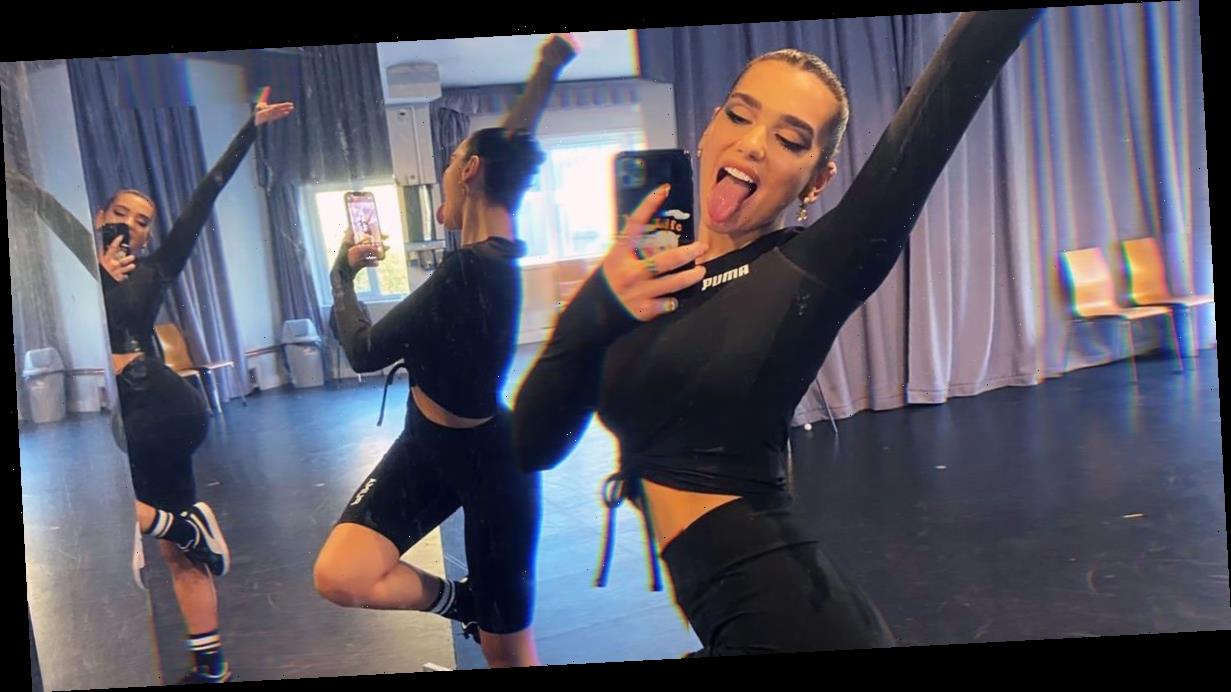
    The German sportswear giant announced today that it signed a multiyear deal with the singer-songwriter, who will be the face of its women’s business. Aside from boosting the profile of Puma’s women’s business unit, Lipa will work to “help inspire women around the world” through global campaigns and “important inclusive initiatives close to her heart.”

    “From performance rehearsals to hiking in the hills, it’s important to feel comfortable & look good. I’ve got so many ideas for the projects and campaigns I’ll be taking part in and look forward to bringing them all to life with my Puma family,” Lipa said in a statement.

    Aside from revealing the deal, Puma stated Lipa will star in its “She Moves Us” campaign, which was created to inspire women to achieve and connect through sport and culture.

    “We were drawn towards her creativity, passion, drive and the way in which she resonates with the young female consumer. But most importantly, we were moved by her authentic passion to close the gender gap and look forward to supporting her through several brand initiatives we have planned together. We think she embodies what today’s consumer is looking for in a role model,” Puma global director of brand and marketing Adam Petrick said in a statement.

    To kick off the partnership, Puma said it will be the presenting sponsors of Lipa’s “Studio 2054” virtual performance. Not only will the pop star and her dancers be in Puma head-to-toe, but the brand is also offering a limited amount of tickets for the performance at a discount to her fans.

    The athletic powerhouse has been busy in recent months adding to its ambassador roster. In September, Puma signed UFC champion Israel Adesanya and soccer star Neymar Jr. And in October, it added promising soon-to-be NBA rookie LaMelo Ball.

  • Puma surfaces in third quarter as stores open again

    Puma surfaces in third quarter as stores open again

    Puma says its third-quarter sales rose 13.3 percent on a currency-adjusted basis to US$1.85 billion, leaving year-to-date sales down just 5.1 percent despite the impact of the pandemic.

    “The third quarter developed much better than I expected,” said Bjorn Gulden, Puma’s CEO.

    “Retail stores reopened, sports events resumed, consumer confidence improved and our sales increased week by week. I feel this strong performance confirms the strength of both PUMA as a brand and the sporting goods industry in general.”

    Puma’s gross profit margin decreased to 47 percent, largely due to negative currency impacts and increased promotional activity as the company adjusted to an unusual trading environment. However, operating expenses dropped by 3.3 percent allowing a pre-tax profit of $223 million.

    “Despite a very promotional market environment and currency developments that put pressure on our margins, we were even able to improve our EBIT compared to last year,” said Gulden.

    “This was achieved by continued strong cost control that we initiated in the extremely weak second quarter and through less but more efficient marketing activities.

    “October started well, but the recent development of Covid-19 and the number of infections we are seeing globally make us cautious for the rest of the year. We will continue to maneuver through this pandemic in the short-term without hindering Puma’s mid-term momentum.”

    Sales in Asia/Pacific declined by 1.9 percent, mainly due to slower growth in Greater China and a sales decline in India, Korea and Southeast Asian markets.

    For the first nine months of the year, including the time when lockdowns were in place across much of Asia, sales in the region fell 9.1 percent.

    Global net earnings for the nine months combined were down from $287 million last year to $63.7 million.

  • Puma launches crossover with Chinese streetwear brand Attempt

    Puma launches crossover with Chinese streetwear brand Attempt

    Puma has collaborated with Chinese streetwear brand Attempt to launch a “hacking the archive”-themed range.

    The Puma x Attempt Collection offers a selection of footwear, apparel, and accessories, featuring both classic Puma style and Attempt’s signature minimalist and functional designs.

    “The designs feature deconstructed elements with technical designs and the tonal color palette comes alive with bold color pops, resulting in a collection that is fresh, unexpected, and raw,” the company described.

    The collection also offers a mix of Puma footwear, including the RS-2K, Oslo Pro, and Style Rider. The apparel range features five tees and outerwear items for the warmer months. The accessories range consists of a crossbody bag and a cap.

    Founded in 2015, Attempt is known for its casual clothing featuring minimalist aesthetics with functionality and fresh styling.

  • Puma explores sustainable technologies with Central St Martins students

    Puma explores sustainable technologies with Central St Martins students

    Puma has partnered with London design school Central St Martins to launch a new collection using sustainable technologies.

    The Puma x CSM Collection uses new dyeing technologies including “Dope Dye”, which is a process using less energy, water, and chemicals than conventional wet processing, and digital printing technology which reduces waste and chemicals.

    With these technologies, Puma is able to reduce water consumption during making the clothing by up to 17.4 percent. These technologies will be rolled out in other sectors of Puma’s product range after being tested in this collection.

    “Reducing waste goes beyond the production cycle, which is why Puma also delved into new ways to make its marketing more sustainable,” the company said in a statement.

    The Puma x CSM collection, which includes footwear, apparel and accessories for both men and women, is available on Puma’s website and in selected stores.

  • Puma searching sustainable technologies with Central St Martins students

    Puma searching sustainable technologies with Central St Martins students

    Puma has partnered with London design school Central St Martins to launch a new collection using sustainable technologies.

    The Puma x CSM Collection uses new dyeing technologies including “Dope Dye”, which is a process using less energy, water, and chemicals than conventional wet processing, and digital printing technology which reduces waste and chemicals.

    With these technologies, Puma is able to reduce water consumption during making the clothing by up to 17.4 percent. These technologies will be rolled out in other sectors of Puma’s product range after being tested in this collection.

    “Reducing waste goes beyond the production cycle, which is why Puma also delved into new ways to make its marketing more sustainable,” the company said in a statement.

    The Puma x CSM collection, which includes footwear, apparel, and accessories for both men and women, is available on Puma’s website and in selected stores.

  • Puma focuses on survival and recovery as sales goes down

    Puma focuses on survival and recovery as sales goes down

    Outlining a survival strategy for the coronavirus pandemic, Puma says its global operations are split into three phases: Survive, Recover and Grow Again. The sportswear retailer and manufacturer reported a 1.3-per-cent decrease in first-quarter sales to €1.3 billion, with strong growth during the first 10 weeks undermined by the widening impact of the pandemic. Net earnings fell 61.6 percent to €36.2 million.

    However, in the current quarter, global revenue is running at about 50 percent of normal levels.

    CEO Bjorn Gulden said the year started very well with a great order book, strong sell-through, and record retail numbers. “Then, at the end of January, the Covid-19 virus hit China. Since then we have worked to minimize the damage short-term without hindering the mid-term momentum of Puma.

    “The different markets are at different stages. Asia Pacific with China and South Korea is recovering. Europe is hopefully also moving towards recovery while the Americas, with almost all stores closed, are in the middle of the Survive phase.”

    Describing the first quarter as “difficult,” he believed Puma had done “a decent job”.

    “The second quarter will financially be even worse with more than 50 percent of global sports and sports lifestyle space being closed. We are mitigating the impact on our revenues wherever we can by focusing on e-commerce and the markets that are opening up again. We are working with our factories and other partners in our supply chain to minimize the damage, assure timely deliveries, avoid excess stock as much as possible and to find fair solutions for all of us.”

    Puma has secured a €900 million revolving credit facility to tide it over the crisis and has asked all partners to get additional financing to ensure operations can continue.

    “The goal is to get through this without any Puma employee losing their job. To survive this crisis in cooperation with all our partners such as retailers, suppliers, landlords, financial institutions, authorities, investors, and customers is crucial. We can only get through this together. So far, cooperation with most of them has been great.”

    Puma’s gross profit margin declined by 140 basis points to 47.6 percent, during the first quarter, impacted by negative currency valuation, lower China sales, inventory devaluation, and return provisions.

    The almost complete shutdown of China retail from the last week of January caused the most damage to Puma’s sales and profitability during the quarter.

    “Over the [ensuing] six weeks, the whole business in China, except for e-commerce, basically disappeared,” the company said in a statement. “As China started to recover in mid-March, Covid-19 had started to spread globally and by the end of the month basically 80 percent of Puma’s retail doors, both owned and operated as well as partner stores, we’re closed.”

    A significant challenge for Puma going forward is the inventory levels resulting from the lack of trading. The total inventory value is up 24.5 percent to €1.13 billion.

    However, the company has struck a positive note on its mid-term prospects. Sales in China and South Korea are already improving and the first stores are reopening in some European markets. Offsetting that is the almost full shutdown in the Americas. While e-commerce sales are rising, it is not at a pace that can compensate “in any way” for the declining sales across other channels, the company said.

    While short-term prospects are not bright, the company said it is committed to managing the crisis in the short term “without hindering the midterm momentum”.

    “This year is, and will continue to be, a difficult year, where the goal for Puma is to survive, recover and then emerge stronger with growth again. Different markets will go through these phases at different times and execution, therefore, must be very locally driven,” the company said.

    Puma expects all markets to recover by the year’s end and to return to growth next year.

    “The industry is expected to be in a strong position after the crisis. People have already now started doing more sports wherever it is possible, even under difficult circumstances. There are many indications that health and sports will be even more important than before the crisis.”
  • Puma experiences its best year yet as sales soar globally

    Puma experiences its best year yet as sales soar globally

    Puma’s worldwide sales surged 18.4 percent last year, to €5.502 billion and its pre-tax profit rose 40 percent to €262 million.

    But the positive results were tempered by a warning from CEO Bjorn Gulden about the year ahead given the outbreak of coronavirus in China.

    “After a good start into 2020, February has of course been negatively affected by the outbreak of COVID-19. The business in China is currently heavily impacted due to the restrictions and safety measures implemented by the authorities.”

    He said businesses in other markets, especially in Asia, are suffering from lower numbers of Chinese tourists.

    “Given the current uncertainty around the virus, it is, of course, impossible to forecast its impact on the business. We will do everything we can in the short term to minimize the damage and remain very positive in the long term both for our industry and for Puma,” said Gulden.

    Puma’s year ended with a strong fourth-quarter result, with revenue up by 20.6 percent and pre-tax earnings up by 47 percent.

    “All regions and all product divisions were up by double-digits. This made 2019 the best year in Puma‘s history,” said Gulden. “I am very proud of what the team has achieved and thought this performance shows the global potential of the Puma brand.”

  • ‘Sporting idol experience’ unveiled inside Puma NYC flagship

    ‘Sporting idol experience’ unveiled inside Puma NYC flagship

    A “unique and immersive” retail experience awaits visitors to the new Puma NYC flagship store unveiled on Fifth Avenue.

    The athletic footwear and apparel brand have opened a two-story store which features an industry-first multi-sport, multi-sensory Skill Cube, designed and developed by human experience design studio Green Room.

    The creative platform integrates global Puma brand ambassadors into an immersive experience, positioning them as virtual training buddies – an approach established, through behavioral research, as key to better engaging the lifestyle traits of Puma’s Gen Z target audience.

    Respected for their training regimes and prowess, athletes Lewis Hamilton, Antoine Griezmann and Romelu Lukaku host coaching sessions that transport customers either to a virtual football stadium or a disused warehouse; an experience specifically designed to deliver the best authentic footwear trial whilst still in store.

    “Facilitating unique and immersive experiences is central to our long-term commercial strategy and the Skill Cube New York delivers on this in every way,” said Puma’s global head of commercial marketing Jason Isenberg. “This is truly a one-of-a-kind experience, and we are confident that our shoppers in the Puma NYC flagship store will find it extremely engaging and compelling.”

    Once inside the Skill Cube, visitors are immersed in a multi-sensory environment incorporating 270° floor to ceiling LCD content screens, graphic projection, motion sensing devices, dynamic lighting and surround sound. The floor covering is a high-quality, multi-sport, synthetic turf, designed to bring the footwear benefits to the fore by simulating authentic trial conditions, further enhancing a life-like experience.

    Converging analog and digital worlds, the Teamsport experience kicks off in a virtual Puma locker room with footballers Griezmann or Lukaku; trialists are transported to a CGI replica of a capacity-filled San Siro Stadium. Reconstructed to a superior level of detail and adaptability – featuring an impressive 5 million individual blades of grass – the virtual environment offers full flexibility and control over 152 lights, independent movement of all 80,000 football fans in the crowd and updatable sponsorship boards, TV screens and pitch patterns.

    Visitors to the Puma NYC flagship’s Skill Cube are scored on their performance and at the end of the experience, the stadium comes alive with confetti cannons, fireworks, and a cheering crowd. The training experience then transports participants into a warehouse to train with Lewis Hamilton, who takes them through three trials; ladder, jab and jump.

    “Our approach was to encourage engagement and disrupt ‘autopilot customer’ browsing,” said digital experience director Martyn Palmer. “By introducing a highly curated approach to the experience zone, we have succeeded in creating a harmonious customer journey that mixes physical and digital interactions to elevate a positive product experience.”

  • Puma sales drops as 233 new stores open across China

    Puma sales drops as 233 new stores open across China

    Puma sales surged by 15.5 per cent on a currency-adjusted basis in the first half of this year, to €2.546 billion.

    The Asia-Pacific region led the way, with sales soaring 21.6 per cent in the second quarter, closely followed by the Americas, up by 19.7 per cent. Net earnings rose by 46.3 per cent to €144.1 million.

    “The second quarter of 2019 developed very positively for us, with sales growing 15.7 per cent currency-adjusted and earnings before interest and tax increasing 39 per cent,” said CEO Bjorn Gulden. “All divisions and all regions saw healthy improvement.”

    New styles of footwear sold well, apparel continued to be strong, replenishment orders for both apparel and footwear developed and the company’s direct-to-consumer business also performed well, he said.

    Within Asia, China was the main growth driver for the sportswear brand, without breaking down Puma sales figures by market.

    From a product-division perspective, the sales growth was driven by double-digit growth in apparel with an increase of 24.8 per cent as well as in footwear, which grew by 11.7 per cent.

    Wholesale continued to drive growth with an increase of 13.8 per cent currency-adjusted, supported by the strong performance of key accounts. Sales through Puma’s owned-and-operated retail sales increased by 21.5 per cent currency-adjusted to €599.6 million including e-commerce.

    In China Puma opened a net 33 owned-and-operated retail stores during the first six months and its partners a further 200.

  • Puma profit Down

    Puma profit Down

    Sportswear giant’s sales and profit soar, with China one of its greatest performing markets.

    Puma is celebrating its “best quarter ever” as sales, gross margin and profit reached record levels.

    On a currency-adjusted basis sales reached €1.319 billion (US$1.476 billion) up 15.3 per cent, while on a reported basis, sales growth was 16.6 per cent.

    The German-headquarted sportswear retailer said the increase reflected continued growth in all regions and product divisions across the business.

    Gross profit margin improved by 80 basis points to 49 per cent and EBIT by 27 per cent to €143 million. Net earnings rose 40.1 per cent to €94.4 million in the quarter.

    “The first quarter of 2019 was the best quarter Puma has ever seen,” said Bjorn Gulden, Puma’s CEO. “Revenues … were the highest Puma has ever achieved in a quarter and the EBIT … was also the highest absolute EBIT Puma has ever achieved. So, it has been a very good start into the year.”

    By region, Asia-Pacific – driven by China – and the Americas contributed with double-digit sales growth, while sales in Europe, Middle East and Africa increased “solidly,” the company said.

    By division, apparel was the main growth driver in the quarter, followed by accessories and footwear. The categories running and training, teamsport, motorsport and golf on the performance side, as well as sportstyle all recorded strong growth.

  • Puma Store in Dhaka marks First Milestone

    Puma Store in Dhaka marks First Milestone

    The new Puma Bangladesh flagship just opened in Dhaka marks the sportswear brand’s largest yet in the country.

    The 2220sqft location showcasing the firm’s latest performance and sportstyle products is the brand’s first flagship in Dhaka, the largest full-price store in the country across global brands; and the first entry by any international brand into the Bangladeshi market, according to its employee publication.

    “The store is a great brand statement for us in the heart of the capital city of Dhaka,” said Puma India MD Abhishek Ganguly. “The response we are getting is far beyond expectations. The economy in Bangladesh is going in the right direction and sport is getting more and more popular. We will continue to focus and expand in the market.”

    The Puma brand has been brought into the country by its regional partner, textile & apparel manufacturer DBL Group.

    “We are looking at expanding our footprint in the region, and what better way than launching our very own flagship store,” said DBL Group MD M A Jabbar. “Through our iconic flagship store we aim to bring the best Puma experience and product to our consumers.”

    The brand aims to expand within Bangladesh with more outlets to come in the unspecified future.

  • Ford Unveils Their Puma Crossover

    Ford Unveils Their Puma Crossover

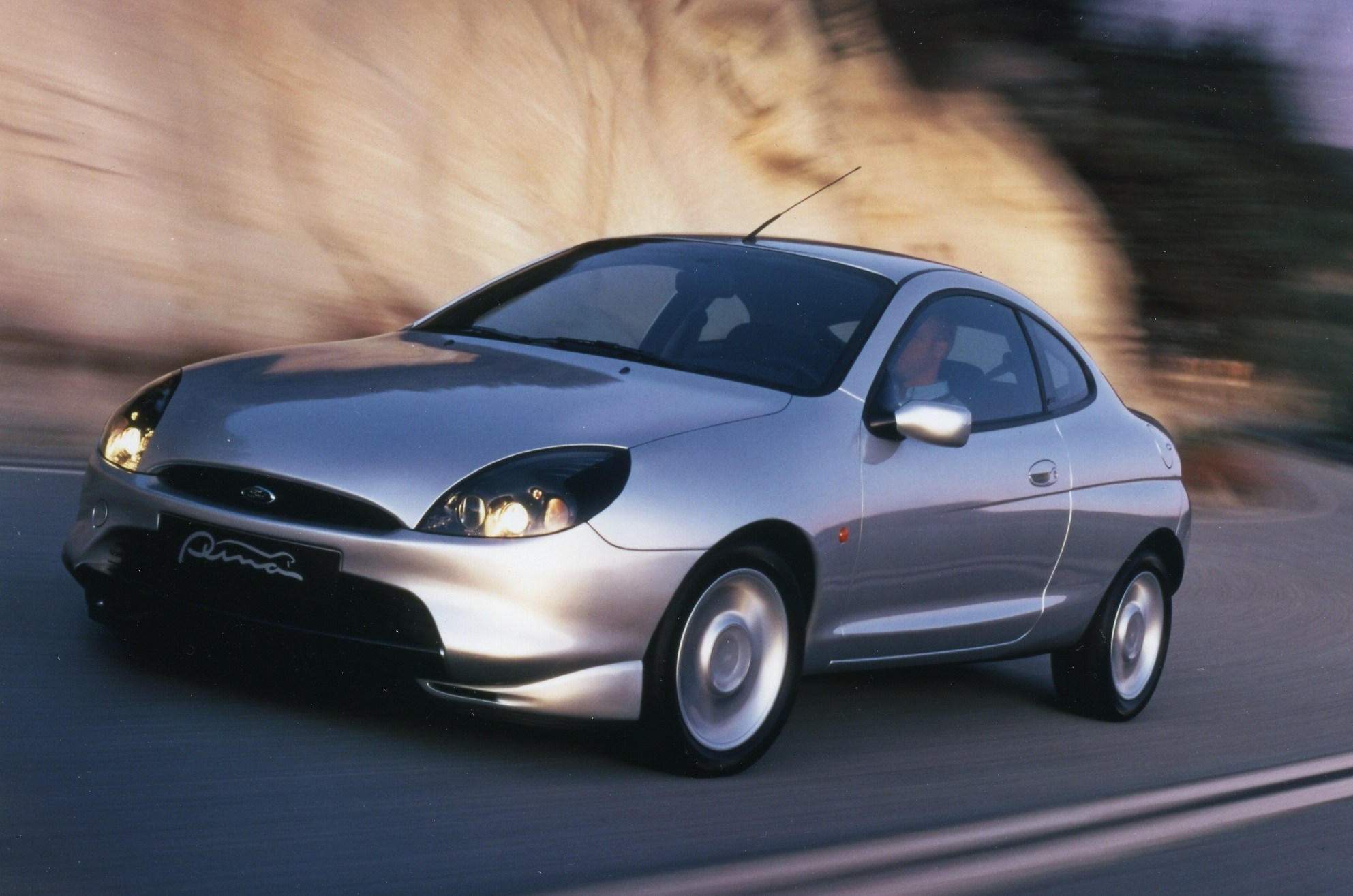
    Ford has revealed the first image of the Puma – an SUV-inspired compact crossover and the company says that it comes with hybrid technology. The Puma will go on sale in the global markets by the end of 2019 and will be manufactured at the company’s Craiova Assembly Plant, Romania, following nearly 1.5 billion Euros investment since 2008.

    The first image of the Ford Puma reveals its styling cues and we can see the distinctive wing-top mounted headlamps and the curves on the side of the car which brings out the athletic side of the car and also showcases the aerodynamic ability too. The company has not said much about the ride height but does mention that the luggage capacity is 456 litres.

    The company says that discussions with customers have led to it providing for flexible luggage space. The Puma’s innovative rear stowage can swallow small furniture and the company says that the versatile storage compartment is capable of comfortably accommodating two golf bags in an upright position.

    Under the hood is Ford’s 1-litre, 3 cylinder EcoBoost Hybrid technology which delivers 153 bhp and a belt-driven integrated starter/generator (BISG) enables recovery and storage of energy usually lost during braking and coasting to charge a 48 volt lithium-ion air-cooled battery pack.

    The BISG also integrates with the engine and uses the stored energy to provide torque substitution – which reduces the amount of work required from the petrol engine to maximise fuel savings, and torque supplementation – which increases the total torque available from the powertrain for optimised performance.

    The Puma joins Ford’s expanding line-up of SUV and SUV-inspired crossover models in Europe, including the Fiesta Active, Focus Active, EcoSport, Kuga, Edge, and the all-new Explorer Plug-In Hybrid among others. The SUVs now account for more than one in five Ford vehicles sold in Europe, and sales rose more than 19 per cent in 2018.

  • Puma reports strong sales, profitability in 2018

    Puma reports strong sales, profitability in 2018

    Sportswear giant Puma reported strong annual results in 2018, as the German company witnessed double-digit growth across all geographic zones and product divisions. For the year ending December 31, 2018, the Herzogenaurach-based company said sales increase by 17.6% currency adjusted to €4,648 million (+12.4% reported) with double-digit growth in all regions.

    Asia-Pacific, despite being the smallest of Puma’s three regions after the Americas (+16.9%) and market leader EMEA (+11.4%), was the strongest in growth terms for 2018, up 28.8% to €1,235.5 million. APAC was mainly driven by high growth in China and Korea, while sales in Japan increased at a more moderate mid to high single-digit rate.

    In product terms, Puma highlighted the success of new sneaker styles Thunder, RS-0 and RS-X in 2018, as part of the company’s debut into the “chunky shoe” category.

    Puma also spent 2018 re-entering the basketball category after 20 years, and signed supermodel Adriana Lima as its women’s training ambassador.

    Net earnings increased by 38 % from €135.8 million to €187.4 million, and earnings per share lifted from €9.09 to €12.54.

    “We are very happy with how our business developed in 2018. Sales rose organically by 17.6% to €4,648 million and the operating result (Ebit) improved by 37.9% % to €337 million, which shows our strong momentum,” said Bjørn Gulden, Chief executive officer of Puma.

    “The double-digit growth in all regions is a proof that the we have strengthened the Puma brand globally and the double-digit growth in all product divisions shows that we have enhanced our product portfolio,” added Gulden.

    In 2019, Puma said it expects currency adjusted sales to grow around 10% and operating results to increase to a range between €395 million and €415 million.

    “We still have a lot to improve, but we feel we are moving our brand and company in a good direction,” said Gulden.

  • Puma pips rivals, becomes top sportswear brand in India

    Puma pips rivals, becomes top sportswear brand in India

    German sportswear major Puma on Monday claimed that it has become the top sportswear retailer in India, surpassing rivals such as Nike, Adidas, Skechers and Reebok in terms of yearly sales. Puma, the third-largest sportswear manufacturer in the world, has reported sales of Rs 1,157 crore for the 12-month period ending December 2018 against Rs 958 crore reported in the year ago period.

    The company follows the January-December calendar year, while its Nike, Adidas, Skechers and Reebok go by the April-March financial year (FY) cycle.

    In FY 2017-18, Puma’s compatriot Adidas had registered sales of Rs 1,132 crore, up from Rs 1,100 crore reported in FY 2016-17.

    During the same period, American sportswear giant Nike reported sales of Rs 828 crore against Rs 807 crore reported in the previous fiscal.

    Reebok, which is owned by Adidas, saw its sales drop from Rs 416 crore in FY 2016-17 to Rs 391 crore in FY 2017-18.

    Another American brand Skechers, which is relatively new in the Indian market, reported sales of Rs 440 crore in FY 2018-19, up from Rs 282 crore reported in FY2016-17.

    “We are making strong progress in both sports performance and sport style categories,” Puma India Managing Director Abhishek Ganguly was quoted as saying.

    Interestingly, India is the only country where Puma’s sales have crossed the sales of other sportswear giants such as Adidas and Nike.

    Over the past few years, India has rapidly caught up with the wider global fitness trends. From 2015 to 2016, the Indian sportswear market grew 22 per cent, outpacing the segment’s global increase of 7 per cent, according to Euromonitor International. By 2020, it is expected to grow an additional 12 per cent CAGR (compound annual growth rate) with sales expected to reach $8 billion.

    The bitter rivalry between Puma and Adidas goes beyond mere corporate competition. It was in fact a sibling fallout that created two of the world’s biggest sportswear brands.

    In the 1920s, German brothers Adolf and Rudolf Dassler launched a shoe company together. Their business picked up after Dassler shoes were used by medal-winning Olympians through out the 1930s.

    But along with sales, tension also spiked between the Dassler brothers, which reached a boiling point during World War II. While it was not clear what exactly caused the rift, it was said to be a result of miscommunication.

    The brothers eventually split in 1947 with Rudolf forming a new firm that he called Ruda – from Rudolf Dassler – later rebranded Puma, while Adolf, who preferred to be called Adi, named his business Adidas.

  • LVMH registers company called “Project Loud” with Rihanna

    LVMH registers company called “Project Loud” with Rihanna

    Plans by luxury fashion house LVMH to quietly collaborate with popular celebrity Rihanna on a new fashion business have been exposed, according to Fashion United. Citing a Fashion Network report on the partnership, the website reveals that the new fashion company Project Loud – originally registered as a shell firm in 2017 – took in a €60 million (US$67.8 million) capital investment from LVMH last year. The firm’s president was shown to be senior LVMH executive Jean-Baptiste Voisin.

    Rihanna’s Fenty line – which, according to LVMH chairman Bernard Arnault achieved €500 million in sales last year – was also launched with the support of LVMH. Its Fenty x Puma collaboration in 2017 resulted in a boost in Puma sales by 23 per cent.

    The success of Fenty indicates high potential sales volumes for Project Loud and bodes well for this latest LVMH investment.

    News of the collaboration first broke in January when online portal WWD and the New York Times cited multiple unnamed sources confirming plans.

    Writer Vanessa Friedman flagged the question “Is Rihanna the Coco Chanel of the 21st century?” in a feature published last month.

    “Robyn Rihanna Fenty, one of the defining musical artists of the millennium and a multi-hyphenate talent, has no formal fashion training. What she does have is a clear vision for her own image, 14 No. 1 singles on the Billboard 100 chart and more than 50 Top 40 hits, 67 million Instagram followers, and an ability to disrupt the status quo,” Friedman wrote.

    “While the details of the agreement remain unclear, it is a turning point in both fashion and fame.

    “The combination of Fenty and LVMH will be the clearest expression yet of how celebrity, social media and influencers have redefined the power balance between culture and consumption, changing the way brands of all kinds relate to their audience,” wrote Friedman.