Retail News CRM

Tag: Research

  • Mobile financial services booming in emerging markets

    Mobile financial services booming in emerging markets

    The total transaction value of mobile financial services in emerging markets will reach $500 billion in 2021, up from $198 billion in 2016, Juniper Research estimates.

    The estimates include revenue from domestic money transfers, deposits on loans, insurance products, and savings accounts.

    The research argues that by introducing insurance offerings, operators had the opportunity to substantially reduce churn levels.

    It cited the example of Telenor Suraksha life insurance scheme in India, which has seen nearly 50% of its 45 million user base sign up since its December 2015 launch.

    “The model underpinning the Surakhsa scheme – requiring consumers to top-up airtime on a monthly basis to receive the insurance cover – should be widely replicated. It enables operators to maintain average revenue levels within low-income, low-ARPU prepaid environments and allows consumers to reap the benefits of micro-insurance cover,” said Lauren Foye, research analyst, Juniper Research.

    However, the research cautioned that a key challenge would be tailoring financial service products to the needs of individual markets. It cited the case of several early implementations of mobile financial services in markets such as India, the Philippines and Nigeria achieving limited adoption where products were often ill-suited to their target audience.

    Opportunity in New Markets

    The research also highlighted the Asia-Pacific as a region which, while currently under-served due in part to the complexity of national regulations, has strong potential for future product launches.

    Whilst restrictions have been in place previously, largely due to cultural beliefs, Juniper found that attitudes are changing in under-served regions, with Indonesia acquiring its first ever microloans product Kashmi in 2017.

    Additionally, specialized products have been launched to address religious requirements, such as Achuwat in Pakistan which provides interest free loans to meet Sharia requirements.

  • Low-end smartphones hinder music streaming business

    Low-end smartphones hinder music streaming business

    Music streaming is quickly becoming a favored service, offering Indonesia’s music-seeking public a legal means to access music. However, with a majority of Indonesians possessing low-end smartphones, the outlook may not be as rosy as some think.

    According to a new report by McKinsey, the prevalence of low-cost smartphones among mass market consumers in Asia, including Indonesia, has hindered the take-up of music streaming apps.

    Indonesia experienced a particularly busy time for music streaming services in the first half, with the entrance of foreign-based names such as Spotify, Apple Music, Yonder Music and JOOX coming in around the same period, tapping into the potentials and eagerness of the largest Southeast Asian digital market.

    Services that previously entered and operated in Indonesia include Guvera, Deezer and Rdio, which closed operations in November last year.

    It turns out that 34.7 percent of Indonesians listen to JOOX, followed by 12 percent with Musixmatch, 10.2 percent with SoundCloud, 10.1 percent with Langit Musik and 9.8 percent with Spotify, the report shows.

    However, “in markets such as Indonesia, low-end smartphones cost as little as [US]$75 per device. These devices are slower and possess less memory capacity than other smartphones, posing a dilemma for music streaming services”, the report said.

    “They can optimize music streaming apps for these lower-end smartphones at the cost of functionality that is critical to the customer experience of more affluent consumers or retain the full functionality of streaming apps to maximize the customer experience for affluent customers at the cost of limited access to mass market consumers.”

    Among the most popular smartphone brands in Indonesia in the second quarter of 2016 were Samsung, OPPO, Asus, Advan and Lenovo, all of which offer low-end smartphones.

    Services usually offer an “offline” option, through which listeners can download certain tracks onto their phone for internet-less listening. Usually, streaming relies on an internet connection, making online connectivity necessary.

    Many services offer rates that have adjusted with the market’s emphasis on affordability, with fees as low as Rp 35,000 ($2.67) to Rp 50,000 per month, and varying payment methods aside from the usual credit card option.

    To make their products affordable and wide-ranging, the services partnered with telecom companies, with partnerships including Spotify with Indosat Ooredoo, Yonder with XL Axiata and JOOX and Guvera with Telkomsel.

    However, in terms of low-end smartphone capacity, some services are confident that their apps will give listeners optimum quality regardless of weak Indonesian bandwidth or poor connectivity in some areas.

    For one, Guvera operations and marketing director Onny Robert said that because its service primarily targeted “users who prefer not to pay for their music”, its bundling plans included latching onto smartphones themselves such as Lenovo devices in order to secure listeners.

    After evaluating field connections, Onny said Guvera was able to deliver a capable service even at 3G speed.

    “Bandwidth or phone capacity won’t really matter to Guvera users because our app is practically small in size, 20 megabytes, and because it is bundled with Lenovo devices, it will drive more interest into using our service,” he said recently.

    Guvera has 1.5 million active subscribers, with under-25s dominating their demographics.

    Yonder Music CEO Adam Kidron earlier said the service aimed to further cultivate the music streaming tradition and make it more affordable and accessible.

    Spotify, meanwhile, has seen its users stream over 100 billion minutes of local and international music and listen to an average of 90 minutes of music per day, since its launch in March.

  • Big data market to grow three times faster than tech overall

    Big data market to grow three times faster than tech overall

    Forrester’s latest forecast predicts that the big data technology market will grow at a 12.8% CAGR over the next five years.

    In the first forecast of its kind from Forrester, the market is segmented into six buckets — enterprise data warehouse, NoSQL, Hadoop, big data integration, data virtualization, and in-memory data fabric.

    Forrester data found that, in 2016, almost 40% of firms are implementing and expanding big data technology adoption. Another 30% are planning to adopt big data in the next 12 months.

    In-memory data fabric is taking off. In-memory data fabric will grow 29% annually over the forecast period, according to Forrester data.

    Interest in non-relational databases (NoSQL and Hadoop) is increasing. NoSQL will grow 25%, and Hadoop will grow 33% annually over the forecast period.

    Among respondents, 41% have implemented and are expanding use of NoSQL, and another 20% plan to implement NoSQL in the next 12 months.

    Also, 30% of respondents implemented Hadoop in 2016 versus only 26% in 2015. The increase in unstructured data stored in the cloud using Hadoop increased from 29% in 2015 to 35% in 2016.

    Further, market growth varies by industry. In the next five years, the pharmaceutical, transportation, and primary production industries will see the highest adoption of big data technology. Currently the professional services, telecoms, government, and financial service sectors are the largest users.

  • Global m-banking userbase to hit 2b by 2021

    Global m-banking userbase to hit 2b by 2021

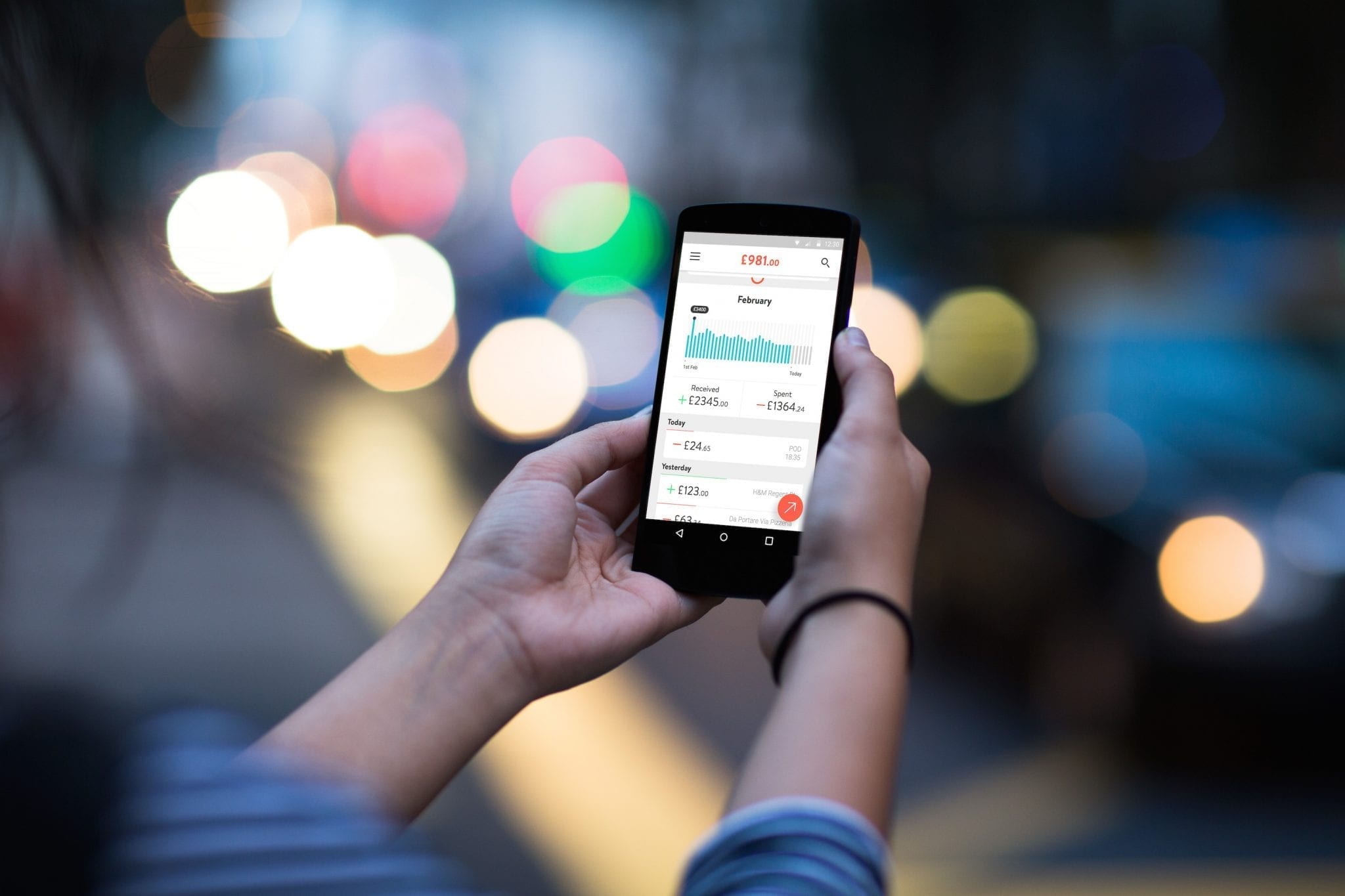
    Over 2 billion consumers worldwide will have used their mobile devices for banking purposes by the end of 2021, up from 1.2 billion this year, Juniper Research predicts.

    Growth in mobile banking is being driven by consumer adoption of banking apps the changing way consumers manage their finances, the research firm said.

    The study found that the number of mobile banking logins are now exceeding that of internet banking logins in many markets. For example, the BBA (British Trade Association for Banking) announced that banking app logins in the UK reached a record 11 million per day during 2015, compared to 4.3 million internet banking logins during the same period.

    Meanwhile, a recent consumer survey conducted by Juniper Research found that around 65% of mobile banking customers in the US and the UK use an app to conduct banking services.

    The report found that banks are becoming increasingly concerned that their market position is being undermined by tech companies and pure-play vendors enabled by technology and regulations to enter the marketplace.

    Additionally, by 2017, banks in the EU will be compelled to open their APIs. This will result in many innovative new products that analyze (with permission) user data to create more attractive financial services for customers.

    “Recent industry shifts highlight why traditional banks must respond rapidly to retain market share by cultivating new revenue channels and enhancing existing base through sustained innovation,” research author Nitin Bhas said.

    “However the challenge here for new players is to increase market share and maintain profitability in the long-run.”

  • Take a bite out of the Indonesian digital pie

    Take a bite out of the Indonesian digital pie

    Recent research has highlighted the potential increase in digital ad spend in Indonesia over the next five years. Brands yet to venture into Indonesia’s booming digital ecosystem must expedite their entry strategies to ensure getting a share of this lucrative pie.

    A report has highlighted the growing potential of digital retail from Indonesia. This is attributed to the increasing use of mobile devices, especially with cheaper smartphones enabling a greater population to access the digital sphere. This rapid growth projects digital ad spending to increase to 20.4% of all media ad spending by 2018, up from 10.7% in 2016. This report illuminates the expanse of Indonesia’s digital ad market that could be further developed, and have an emergent interest in the technology amongst local advertisers.

    With the largest population in Southeast Asia, an exponential increase in digital adoption, and a seemingly insatiable appetite for e-commerce and social media, Indonesia is the puzzle every brand wants to solve.

    However, does this mean the death of the traditional advertising and offline retail? Are you as a marketer confident in leaving your brand in the hands of the bots?

    While digitisation has revolutionised the marketing function in Indonesia, brands cannot assume that a digital presence is the solution to building market share. Because of the increase in digital ad spending cited above, the question of effective brand engagement is more crucial than ever.

    So what can brands do to continue engaging their consumers beyond their finger-tips and into their hearts and minds? And more importantly, how can you build loyalty in a competitive market like Indonesia?

    Going beyond Digital

    The consumer journey is not limited to just the digital sphere. Rather than situating offline and online as extreme entities, they should be treated as a continuum. Take the example of Zalora. Marketed as the leading online apparel retailer in Asia, Zalora launched several pop-up stores in order to let consumers try their items before buying, thereby reducing return rates.

    Strategic alliances between logistic services and e-commerce consumer brands like Zalora are revolutionising the customer experience. The traditional is not dead. It is revamped with renewed excitement. Digital is an essential medium for marketers to reach out to their audience. This is more so imperative in the emerging scene of digital marketing in Indonesia to start with the right foot in.

    To take a first-hand look at how leading marketers are tackling Indonesia’s digital frontier, be involved in Digital Marketing Indonesia that is happening on 24th and 25th November at Mandarin Oriental, Jakarta.

  • Advantages Of EPOS

    Advantages Of EPOS

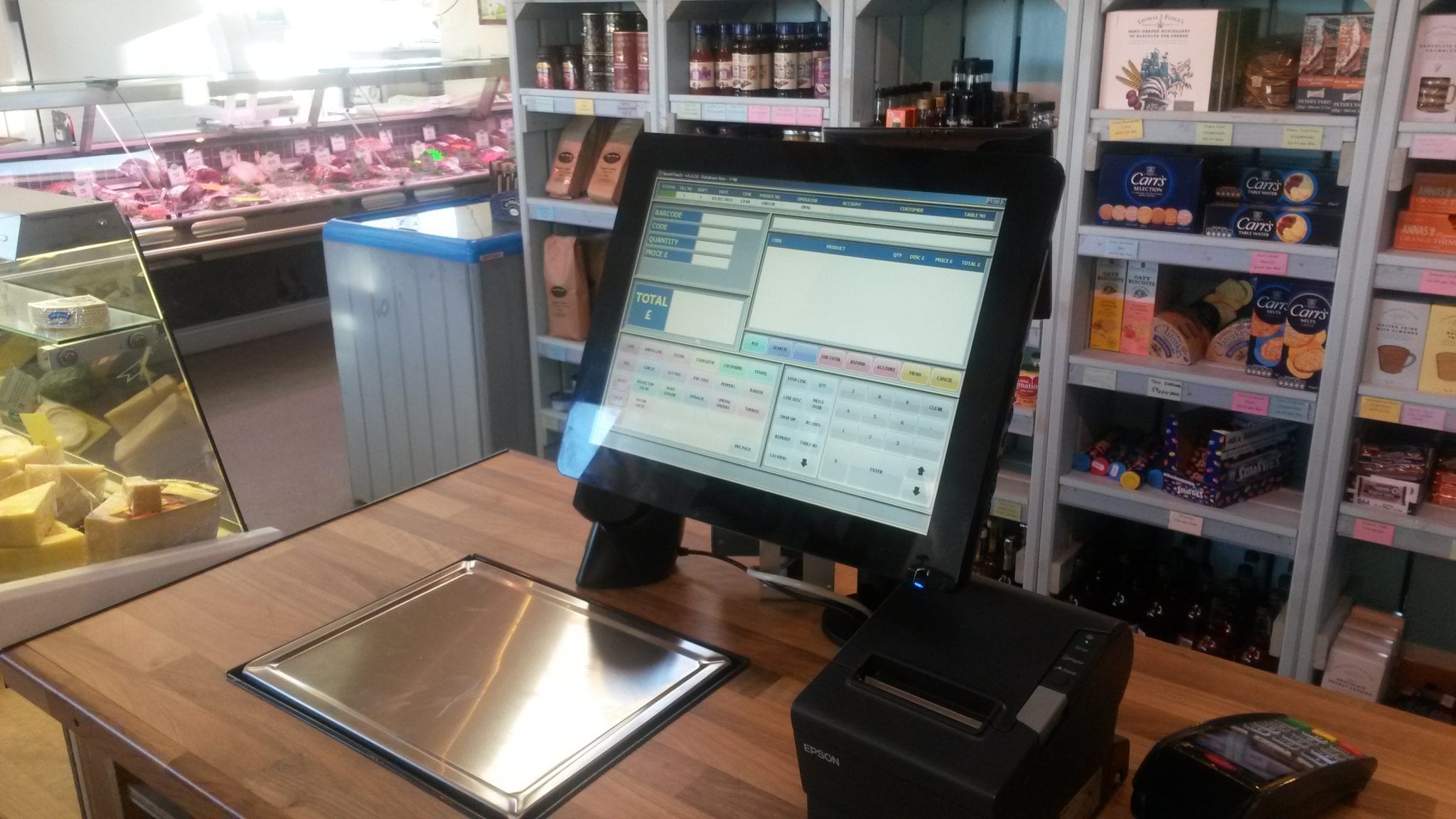
    There are very many advantages associated with the use of an EPOS system in your business. Some new vendors or business owners may be wondering the necessity of buying a more expensive hardware instead of choosing a cheaper version like a simple cash till.

    However, they need to know that the EPOS system is integrated and can control, organize, and analyze the various business reports. It can work on tasks such as backend reporting, cash transactions, inventory control and staff monitoring.

    Compared to cash tills, EPOS have additional features such as the integration of all the features in a single system that makes life easier for the merchant.

    A sophisticated EPOS system can make it possible for you to get reports about the best-performing staff, best-selling items, best performing sales channels and peak sales times which will help you optimize your business flow easily.

    The 5 Major Benefits of EPOS

    1. Financial Accuracy

    One of the major benefits of EPOS systems is the fact that it increases the financial accuracy when charging your customers. Normally, businesses depend on the competence of the staff to properly calculate the business sales transactions.

    However, this can lead to omissions and mistakes. The customer may end up being overcharged reducing the chances of them ever coming back.

    At times they may be undercharged leading to losses. An EPOS system can help reduce the possibility of such staff errors hence making sure that there is consistency in the business pricing and charging structure.

    1. Accountability

    Electronic point of sale systems allow the business to monitor and record staff activity accurately. As an employer, you can benefit by being able to pinpoint the specific staff member responsible for specific transactions.

    For example, employers can easily identify the employees with the strongest sales figures which will encourage a spirit of competition within the business. It can also be easy to identify those employees with poor sales figures or employees with unusual sales activities including unusually high levels of voided transactions.

    1. Speed and efficiency

    The EPOS systems can greatly improve the speed and efficiency of transactions. This will appeal to customers helping your employees focus on offering services to more clients. There will be an improved customer experience which makes the customer come back again and again. These systems don’t have to be expensive and are easy to maintain, just look at this piece on HHT repair.

    1. Stock Management

    Modern EPOS systems can also be used to manage stock. Businesses are able to review their current levels of stock quickly and identify areas where a greater level of stock is required easily. The automated EPOS system can help save a noticeable amount of time when compared to the traditional, manual stocktaking operations.

    1. Reporting

    EPOS systems also have the ability to produce a wide range of business performance reports. These reports range from fundamental analysis of the profit margins on a daily or annual basis to the identification of products or services which are top sellers in a company’s range.

    Such kind of information can help provide a business with a useful picture of their overall performance and have an impact on the marketing campaigns. For instance, it enables you to apply discounts to those items that are not popular at specific times in the year.

  • Consumers unaware of the power of smart homes

    Consumers unaware of the power of smart homes

    An intelligently connected home can do more today than most consumers consider possible, according to a survey by Bosch.

    Bosch has conducted a survey on the topic of smart homes together with Twitter in Germany, France, Great Britain, Austria, Spain and the United States.

    While two thirds of the respondents know that the smart home can turn the lights off automatically when they leave the house, only 22% can imagine that the oven can already suggest the perfect recipes.

    By country comparison, Twitter users from France are most confident of what smart home technology can do compared to the British, the Americans and the Austrians, for example. Germans and Spaniards, on the other hand, consider much of what is already possible today to be a vision for the future.

    “It is particularly striking that especially the 25 to 34-year olds come closest to the reality with their assessments,” Bosch said. The fact that awareness of the possibilities decreases with age is not as surprising as the fact that many digital natives do not know what functions are possible today.

    Especially for the 16 to 24 year-olds who don’t even know a world without the internet, networking at home is still surprisingly unknown. The reason for this could be the lack of relevance that home topics have for this age group.

    Furthermore, only 50% of the surveyed are aware that today’s smart home systems are interoperable, meaning that different devices can communicate with each other, even independent of the manufacturers.

    Respondents were even more convinced by the potential for saving energy, when the heating switches off automatically as soon as the windows are opened, for example.

    The Spanish, French and English, in particular, seem to be very interested in saving money. Between 71% and 75% considered saving energy a convincing argument in the survey.

    While this was also the most popular answer the Germans surveyed gave, they come in last place here by country comparison with 59% of the mentions.

    “This is quite surprising because the Germans are normally known for their environmental consciousness,” said Bosch. “Presumably more financial than ecological aspects make energy saving possibilities so interesting in countries like Spain, France and England, however.”

  • Indonesia to overtake Brazil and Mexico as 4th largest smartphone market in 2020

    Indonesia to overtake Brazil and Mexico as 4th largest smartphone market in 2020

    Global prospects for wearable electronics continue to be strong with retail value sales projected to grow by 138% to become a US$45 billion dollar industry in 2021, remaining the worlds second best-selling product behind smartphone

    Euromonitor International’s new data released Tuesday on the global consumer electronics industry also said new products like smart wearables and wireless speakers and innovations like Ultra HD and convertible laptops resonate with the shift in consumer preferences.

    These products command higher retail selling prices, helping boost profit margins of manufacturers and retailers, says Head of Consumer Electronics at Euromonitor International, Wee Teck Loo.

    While wearable electronics demand is growing, Emerging markets like India and Indonesia provide plenty of untapped opportunity for smartphones due to the huge pool of feature phone upgrades.

    Indonesia is projected to overtake Brazil and Mexico as the fourth largest smartphone market reaching almost $1 billion dollar sales in 2020, adds Loo.

    The top-10 smartphone markets in 2021 are projected to be: 1. China 2. India 3. US 4. Indonesia 5. Brazil 6. Russia 7. Mexico 8. Japan 9. Philippines 10. United Kingdom

  • Mobile and Internet Usage Propels Southeast Asia’s Retail Ecommerce Sector

    Mobile and Internet Usage Propels Southeast Asia’s Retail Ecommerce Sector

    Southeast Asia has all the ingredients for a promising ecommerce market—rising internet and mobile penetration, a growing middle class with greater discretionary spending, and an increasing supply of digital platforms. Still, many challenges continue to hamper ecommerce growth in the region, as explored in a new report, “Ad Fraud in the US: How More Sophisticated Methods Are Hurting Mobile, Video and Performance Measurement”

    Retail sales in the six largest economies in Southeast Asia—Indonesia, Malaysia, Philippines, Singapore, Thailand and Vietnam—will total $786.45 billion this year, representing 3.6% of worldwide sales. Indonesia, the most populated country in Southeast Asia, will also have the largest retail market, with $245.86 billion in sales. Thailand and Vietnam will follow, at roughly $190 billion and $161 billion, respectively.

    Retail potential in Southeast Asia is determined in large part by population size and purchasing power. Collectively, these six nations benefit from having a population of over 561 million people as of 2016, according to estimates from the US Census Bureau. And that number will continue to expand, growing to nearly 583 million people in 2020, adding about 21.7 million new consumers over the next four years.

    Robust economic growth in these markets is giving way to rising incomes and expanding middle classes. Data from the International Monetary Fund (IMF) shows that total GDP rose from $1.824 trillion in 2010 to $2.462 trillion in 2016. These figures, which account for inflation, are forecast to rise even further, topping $3.346 trillion by 2020.

    Southeast Asia is also experiencing a boom in urbanization, which will also help drive further retail expansion across the region. Generally, retail players focus on urban areas because they have the greatest opportunity (i.e., large population sizes) and favorable conditions for development—such as developed transportation systems, supply chains and technology. Several of the most densely populated cities in Southeast Asia are also the ones growing quickly in population size and retail infrastructure.

    Additionally, rapid ecommerce growth continues to increase in Southeast Asia. eMarketer estimates that the digital retail market—including retail products ordered online via mobile—will reach $14.04 billion in 2016, up from $10.50 billion in 2015, an increase of 33.6% year over year

    Nonetheless, ecommerce’s contribution to retail sales in Southeast Asia is still relatively small. In the six countries tracked by eMarketer, digital retail sales will make up 1.8% of total retail sales in 2016, with the lowest ecommerce share in the Philippines (0.9%) and the highest in Singapore (4.5%). These figures stand in sharp contrast to the more developed ecommerce markets in China and South Korea, where digital retail will represent 18.4% and 12.1%, respectively.

    Southeast Asia is on the cusp of an ecommerce boom, as fast-growing mobile and internet usage propels consumer spending. There are over 262 million internet users residing in these six markets. And many of these consumers are mobile-first internet users, or people who primarily access the web through their mobile phones. eMarketer estimates that about 177 million people—or 67.5% of internet users—will own and use a smartphone in 2016.

  • Security on cloud still a major challenge for global firms, says study

    Security on cloud still a major challenge for global firms, says study

    Despite the continued importance of cloud computing resources to organizations, companies are not adopting appropriate governance and security measures to protect sensitive data in the cloud.

    This is just one of the findings of a Ponemon Institute study titled “The 2016 Global Cloud Data Security Study,” commissioned by digital security firm Gemalto.

    The study surveyed more than 3,400 IT and IT security practitioners worldwide to gain a better understanding of key trends in data governance and security practices for cloud-based services.

    According to 73% of respondents, cloud-based services and platforms are considered important to their organization’s operations and 81% said they will be more so over the next two years. In fact, 36% of respondents said their companies’ total IT and data processing needs were met using cloud resources today and that they expected this to increase to 45% over the next two years.

    Although cloud-based resources are becoming more important to companies’ IT operations and business strategies, 54% of respondents did not agree their companies have a proactive approach to managing security and complying with privacy and data protection regulations in cloud environments. This is despite the fact that 65% of respondents said their organizations are committed to protecting confidential or sensitive information in the cloud. Furthermore, 56% did not agree their organization is careful about sharing sensitive information in the cloud with third parties such as business partners, contractors and vendors.
    Larry Ponemon, chairman and founder of Ponemon Institute, said, “Cloud security continues to be a challenge for companies, especially in dealing with the complexity of privacy and data protection regulations.”

    “To ensure compliance, it is important for companies to consider deploying such technologies as encryption, tokenization or other cryptographic solutions to secure sensitive data transferred and stored in the cloud,” Ponemon said.

    Jason Hart, VP and CTO for Data Protection at Gemalto, said, “Organizations have embraced the cloud with its benefits of cost and flexibility but they are still struggling with maintaining control of their data and compliance in virtual environments.”

    “It’s quite obvious security measures are not keeping pace because the cloud challenges traditional approaches of protecting data when it was just stored on the network. It is an issue that can only be solved with a data-centric approach in which IT organizations can uniformly protect customer and corporate information across the dozens of cloud-based services their employees and internal departments rely every day,” Hart said.
    More customer information is being stored in the cloud and is considered the data most at risk.
    According to the survey, customer information, emails, consumer data, employee records and payment information are the types of data most often stored in the cloud. Since 2014, the storage of customer information in the cloud has increased the most, from 53% in 2014 to 62% of respondents saying their company was doing this today.

  • SGX announces independent research paper on retail sector

    SGX announces independent research paper on retail sector

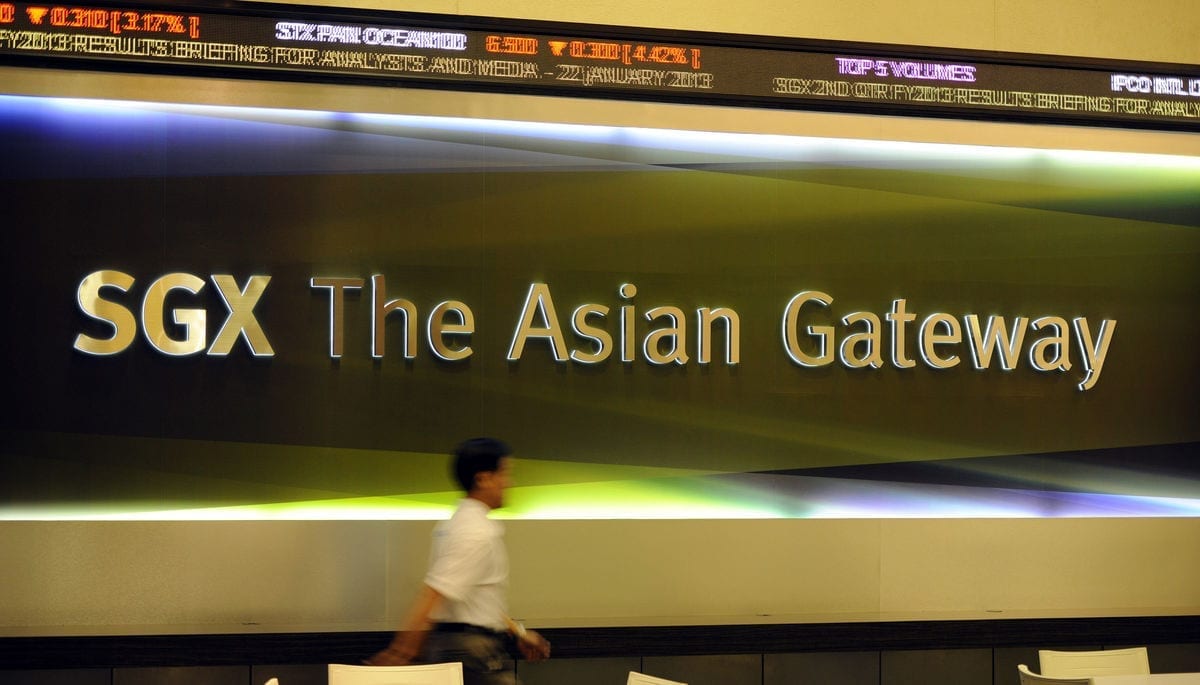
    The Singapore Exchange (SGX) has launched an independent research report. The research paper covers the retail sector in four Asean countries, namely Singapore, Indonesia, Malaysia and Thailand.

    Titled “Asean Retail: Overview, Trends and Outlook, with a focus on SGX-listed Companies”, the report evaluates the growth potential for ASEAN’s retail industry in response to rising middle-class consumers, increasing spending power and rising e-commerce sales.

    The report is segmented into six retail subsectors and for each, covers an in-depth analysis of the key sector drivers and an overview of the SGX-listed companies that are in these sectors.

    There are currently 43 retail companies listed on the SGX, with a market capitalisation of $30 billion.

    According to the report, retail sales in Thailand, Singapore, Malaysia, and Indonesia are projected to collectively reach US$1 trillion ($1.3 trillion) by 2018. Asean consumers also have higher purchasing power propelled by fast-growing incomes while the e-commerce space has expanded, offering new opportunities for retailers.

    “Despite headwinds facing the retail sector recently, we recognise the need to keep investors informed of the sector’s longer-term growth outlook in ASEAN, which continues to be backed by strong demographic and macroeconomic fundamentals. The emergence of e-commerce also presents an exciting growth opportunity for the sector,” says Simon Lim, SGX Head of Equity Capital Market (Sectors).

    To download a copy of the research report, go to sgx.com/retailcluster.

  • Japan’s Uniqlo targets global stature with fashion identity

    Japan’s Uniqlo targets global stature with fashion identity

    Japanese clothing chain Uniqlo has leveraged its prowess in mass production to build a fashion empire filled with shelves upon shelves of affordable, good quality items like down jackets, underwear and T-shirts.

    Now the 17-nation, 1,734-store retailer is on a quest to beat Western giants like Gap, H&M and Zara to become the world’s biggest apparel maker.

    In the overcrowded, highly competitive casual fashion market, size is important but no guarantee of success: analysts say Uniqlo’s challenge is to carve out a brand identity of its own, going beyond its formula of delivering no-nonsense quality at good prices.

    “To win over consumers and break through the clutter, Uniqlo needs to get even more personal,” says Stuart Green, chief executive of Asia Pacific at Interbrand, which consults and ranks brands.

    “It will be critical for Uniqlo to maintain product quality and, most importantly, create a deeper, more emotional connection with its customers to drive brand loyalty,” he said.

    Interbrand ranks Uniqlo as Japan’s most valuable retail brand, and eighth among Japan’s global brands, including Toyota, Sony and Nintendo. The company’s founder and chief, Tadashi Yanai, is Japan’s richest man, according to Forbes magazine.

    Analysts say that to move it to its next stage of growth, Uniqlo also needs to beef up its digital presence and adapt to non-Asian markets. Winning over the huge market of suburban American shoppers will be crucial.

    Consumers these days are picking brands on digital platforms and social networks, as they increasingly shop online. To cope with the mind-boggling volumes of information online, consumers now rely on brands to serve as filters and curators, Green said.

    To help drive its global expansion, Uniqlo is tapping outside talent.

    It just hired Christophe Lemaire, formerly of Hermes and Lacoste, who started his own Uniqlo line last year, to head its Paris research center.

    In 2014, it brought in a global branding expert, John Jay. An American of Chinese origin, he who worked on ad campaigns for Nike, Coca-Cola and Microsoft, and a fleece campaign for Uniqlo, at U.S. marketing company Wieden+Kennedy.

    “Whether they’re in Beijing or New York, there is a commonality to young people and what they want in life,” Jay, whose title is president of Global Creative at Uniqlo’s parent company Fast Retailing, said at a recent Tokyo event, centered on Uniqlo’s second fashion show ever.

    “We have barely scratched the surface. Our potential is amazing,” he said.

    Uniqlo is still relatively small, with 44 stores in the U.S., 449 stores in China and 846 in Japan, its biggest market. Retail giant H&M of Sweden has 4,000 stores around the world, Gap Inc. of the U.S., 3,700 stores, and Inditex of Spain operates 7,000 Zara, Bershka and other brand stores.

    H&M and Inditex have posted healthy financial results recently, but Gap, which has the Old Navy and Banana Republic brands, is struggling, slashing prices to draw buyers and closing dozens of stores, including some in Japan. The Standard & Poor’s credit rating agency recently downgraded Gap’s debt to junk status.

    Uniqlo’s profits also have slowed recently, hurt by a warm winter that slowed sales of its down jackets, HeatTech underwear and other winter apparel.

    Fast Retailing, with 100,000 employees, forecasts a profit of ¥60 billion ($560 million) for the fiscal year through August, down 46 percent from the previous fiscal year, mainly because of falling profits at Uniqlo.

    Yanai’s turnaround plan includes sweeping cost cuts, improved efficiency, pricing reviews, and, perhaps most importantly, greater flair in the company’s fashion offerings, building on collaborations with designers.

    The company asked Nigo, a Japanese DJ with a reputation for innovation who created The Bathing Ape clothing line, to add more flair and edge to his T-shirts.

    Nigo added to the T-shirt line motifs from pop artist Andy Warhol, music producer and singer Pharrell Williams and from traditional Kabuki theater, in addition to old-time favorites like Mickey Mouse.

    A partnership with Carine Roitfield, former editor-in-chief of Vogue Paris, has brought into Uniqlo stores chic designs unlike most anything else you’d find.

    The company has strengthened its sportswear, signing on tennis stars Kei Nishikori and Novak Djokovic.

    Uniqlo also has partnerships with labels like Liberty London, with its colorful flower-pattern fabrics, and Hana Tajima, a designer who specializes in Muslim clothing such as head scarves and long dresses.

    “Uniqlo has a smart format, which stands out from most of the mass fashion retailers. Less concerned on fashion trends, and more focused on ‘basics’ or ‘investment pieces’ of good fabric and quality,” said Luca Solca, analyst with BNP Paribas. “They are trying to spice this up with designer collaborations.”

    Uniqlo executives believe fashion is globalizing, and people around the world, from China to New York, more or less want the same thing — quality for reasonable prices, and clothes that suit their lives.

    On a recent weekday, the company’s 12-story Ginza store was crowded, as tourists milled around snapping selfies in front of what has become a city landmark.

    Olga Symonenko, an IT worker from the Ukraine, said she had heard about Uniqlo from friends who had been to the store in the U.S.

    “The prices are good, and the quality,” she said, happily clutching two blue dresses. She said she and her husband planned to pick up 20 items.

  • China Consumption Growth To Stay Strong In 2016

    China Consumption Growth To Stay Strong In 2016

    China’s consumption will grow at a quick pace in 2016, the country’s Minister of Commerce Gao Hucheng assured investors Tuesday, while tackling issues such as impact of yuan devaluation, building more free trade zones and the U.S.-led Trans-Pacific Partnership (TPP) at a news conference.

    A slowdown in China’s traditional economic drivers — heavy industries and manufacturing — last year sent jitters in global financial markets and commodity markets, as China’s policymakers look to shift the balance of the economy toward a consumption-led growth.

    “China realized a major transformation of economic growth, from growth mainly driven by investments and foreign trade to one mainly driven by domestic demand, especially by consumption,” the minister said. In terms of consumption, China’s total retail sales of consumer goods rose 10.7 percent to hit 30.1 trillion yuan ($4.59 trillion) in 2015, he added.

    Consumption accounted for 66.4 percent of China’s GDP growth in 2015, the Chinese statistics bureau said in January.

    A weaker yuan has not had a direct impact on China’s foreign-trade growth, Gao said, adding: “I don’t believe yuan exchange-rate volatility since the August reform can have big impact on our trade.” The renminbi, has declined by a further 3 percent against the U.S. dollar after China devalued its currency by nearly 2 percent on Aug. 11 last year.

    Earlier in February, China had announced monthly trade figures that missed expectations with exports slipping 6.6 percent in January compared to a year earlier, while imports fell 14.4 percent year-on-year.

    China’s trade decline in 2015 was much lower than those of its main trading partners and the world in general, Gao said Tuesday.

    Gao also said that the ambitious TPP agreement, signed earlier in February among twelve Pacific Rim countries — of which China is not a member — and the China-led Regional Comprehensive Economic Partnership, are moving in the same direction.

    “Bejing does not think that the (TPP) targets China,” Gao said.

  • Study reveals Asian dining spending trends

    Study reveals Asian dining spending trends

    One in three millennials in Asia are eating at fine dining restaurants at least once a month – more often than those aged over 30.

    The surprise finding is one of a list of revelations uncovered by a MasterCard survey of Asian dining trends away from home. It featured consumers in 17 Asia Pacific markets: Australia, Bangladesh, China, Hong Kong, India, Indonesia, Japan, Malaysia, Myanmar, New Zealand, Philippines, Singapore, South Korea, Sri Lanka, Taiwan, Thailand and Vietnam.

    The most frequent fine-diners in Asia Pacific are millennials (18-29 year olds) from China – on average they visit more expensive establishments two or three times a month. This is higher than the average for millennials across the region and higher than any other age group.

    When choosing where to eat, consumers in Asia Pacific still prefer to rely on word of mouth and recommendations from friends and family (50 per cent). This was applicable for all consumers, regardless of age group, with even millennials trusting word of mouth recommendations (52 per cent) more than online reviews (38 per cent).

    This is despite the fact that more than a third of millennials (36 per cent) post comments and reviews of their dining experiences online. This is especially true of Chinese (61 per cent) and Thai (52 per cent) millennials, where more than half of the young people polled regularly post reviews after a meal.

    Beyond millennials, people in Thailand (39 per cent) and China (30 per cent) are also the most likely to spend more on dining over the next six months with around one in three indicating they plan to eat at more expensive establishments.

    But while consumers may be enjoying fine dining, they are still cost conscious. Sixty-four per cent of consumers in Asia Pacific regularly check for discounts or dining deals from coupon websites, mobile applications or credit card promotions. Sixty-eight per cent of millennials regularly look out for deals before choosing a place to eat.

    Eric Schneider, regional head, Asia Pacific, with MasterCard Advisors, said Asia has always had a strong dining out culture and so it is not surprising that affluent millennials in the region are ‘foodies,’ with many sharing their dining experiences on social media and posting reviews online.

    “While the survey has shown that people are increasingly moving from the hawker centres and into restaurants, young people are still cost conscious, taking a practical and savvy approach by looking for discounts and deals. Young people also still rely on word of mouth recommendations, despite many posting online reviews of dining spots. As Asia’s economies continue to grow, and with technology and social media revolutionizing the dining experience, people will increasingly demand top quality experiences when dining out,” he said.

    Other findings from the survey included:

    • Overall, consumers in Asia Pacific are not looking to make any significant changes to their dining out plans with 61 per cent of all consumers indicating they will look to eat out at the same frequency in the next six months. Twenty per cent plan to eat out more and 19 per cent plan to eat out less in the next six months.
    • The most popular dining option for consumers in Asia Pacific are mid-range restaurants and cafes, followed by fast food outlets and then hawker centres and food courts.
    • Consumers in the Philippines (44 per cent) are looking to tighten their belts with close to one in two planning to eat at less expensive venues in the next six months. Forty-nine per cent also plan to eat out less regularly.
    • A significant proportion of older consumers are going online to check for dining discounts whether on coupon websites/applications or credit card promotions. More than one-third of consumers aged 55 years old and above (36 per cent) indicated they regularly do so before deciding on a dining option.
    • Consumers in China (58 per cent), Taiwan (44 per cent) and Thailand (44 per cent) are the most likely to book dining deals on coupon sites or coupon applications; while consumers in Bangladesh (1 per cent) and Indonesia (11 per cent) were least likely to do so.
    • Diners in Thailand (60 per cent) and China (57 per cent) are most likely to post comments or reviews on social networking sites like Facebook and Twitter with about one in two respondents in these markets reporting that they regularly post comments online following their dining experience.

    The results are based on interviews with 8698 individuals aged 18 to 64 years-old.

  • Asia’s new shopping hotspots (and their must-have products)

    Asia’s new shopping hotspots (and their must-have products)

    Cashed-up Asian shoppers are switching their retail allegiances from long-time favorites Hong Kong and Singapore, and it’s not just for a change of scenery.

    Japan, South Korea and Taiwan are the new regional hotspots for selective shoppers, experts say, because they offer a mix of attractive exchange rates and must-have products.

    The Americas and Europe are still the world’s two largest luxury hubs, with 34 and 33 percent of the market respectively, according to the Altagamma 2015 Worldwide Markets Monitor report by Bain & Company. The report calculates market-share based on the value of the luxury goods purchased.

    Asia holds 28 per cent of the global personal luxury goods market, but the regional distribution is changing.

    “Hong Kong, mainland China and Macau have taken a hit, losing spend to Japan and Europe,” Joel Stephen, senior director and head of retailer representation for Asia at commercial real-estate player CBRE, said, adding that China’s corruption crackdown had also hurt the level of spending.

    “Singapore and Taiwan have also seen a drop in mainland Chinese luxury spend. There is still tourism, but a lot of the HNWI’s [high net worth individuals] from mainland China are traveling further afield.”

    While still largely driven by local shoppers, Taipei’s retail sector got a boost when the government eased visa restrictions and brought in a more consumer-friendly tax system. High-end department stores such as The Breeze Centre in the Taipei 101 area are an example of the stores capitalizing on the trend.

    Shoppers are also taking advantage of the weak yen, which is giving them greater purchasing power in Japan.

    “Chinese and, to a certain extent, Singaporean shoppers prefer to buy luxury goods when travelling where there are more opportunities to purchase them at lower prices,” said Amrita Banta, managing director at luxury-focused adviser Agility Research & Strategy.

    Japan is more popular with mature customers, while younger shoppers are heading to South Korean capital Seoul, Banta said.

    Seoul’s famous TV dramas and K-pop stars have as much, or more, influence on shoppers as traditional advertising campaigns for luxury brands. A recent example: Jimmy Choo shoes worn by Gianna Jun on the TV show “My Love from Another Star” sold out in stores across Asia.

    But Banta said old favorites Hong Kong and Singapore could make a comeback as Europe becomes more expensive, and Asians grow increasingly wealthy.

    “We see the Asia Pacific retail environment becoming increasingly competitive as shoppers will head back into stores in the region due to the price changes in Europe,” Banta says.

    Here’s what cashed-up shoppers are hunting for:

    Sulwhasoo ‘Timetreasure’ Renovating Serum – Seoul

    A price tag of hundreds of dollars for a 50ml bottle of anti-aging serum doesn’t stop moisturizer addicts from flocking to South Korea. Beauty products are a serious business for the country, with the rest of the world taking notice of all the products Korea has to offer.

    Moynat boutique – Hong Kong

    The trunk-maker’s first boutique outside of France sits in Central’s Landmark in a 400-square foot space. One of its prized offerings is the limited edition mini Réjane, a crocodile bag with diamonds on its clasp priced at $124,300.

    Café Dior – Seoul

    This year, the French designer fashion brand set up shop in Gangnam, offering a six-floor experience called House of Dior. The boutique has a glass-walled café upstairs – Café Dior is a culinary representation of the label, with a menu designed by French pastry chef Pierre Hermé.

    Hermès Petit H – Tokyo

    Works created from upcycled parts makes for a unique Hermès piece. Using leathers and textiles known in their products to create something new, Petit H is a pop-up series that lasts only a few weeks in locations such as Japan’s Ginza store, designed to promote recycling in a very high-fashion way – offering bags, wallets, necklaces and even a life-size fawn. This limited time offering drew design fanatics to Tokyo. It’s now set up in London.

    Taipei 101 – Taipei

    What once was the tallest building in the world still has one of the most highly regarded retail spaces on its first five floors. The sixth floor is where the VIP club is, which requires a purchase of over $44,000 in the one day to gain entry. Once in, you’ll have access to a private showroom with the latest in luxury items, private dressing rooms and Chanel spa products.

    Three Michelin stars – Tokyo

    Culinary experiences and Japan go hand-in-hand, from imported chefs such as Joël Robuchon gaining widespread appeal for modern French cuisine, to local chef Yoshihiro Narisawa’s fusion of European cooking styles with local ingredients.