Retail News CRM

Tag: retail sales

  • Japan’s retail sales fall for third straight month

    Japan’s retail sales fall for third straight month

    Japanese retail sales fell for the third straight month in February as households kept a lid on expenditure amid the coronavirus emergency, underscoring the fragile nature of the economy’s recovery from last year’s slump.

    Analysts expect Japan’s economy sharply contracted in the first quarter, as lacklustre consumer spending and weakening exports create challenges for policymakers who have already rolled out massive stimulus.

    Retail sales lost 1.5% in February from a year earlier, government data showed on Tuesday, a smaller fall than the median market forecast for a 2.8% drop.

    But it marked the third straight month of declines following January’s 2.4% fall and a 0.2% drop in December.

    “That the coronavirus isn’t subsiding is a major reason to worry about a delay of an economic recovery,” said Atsushi Takeda, chief economist at Itochu Economic Research Institute.

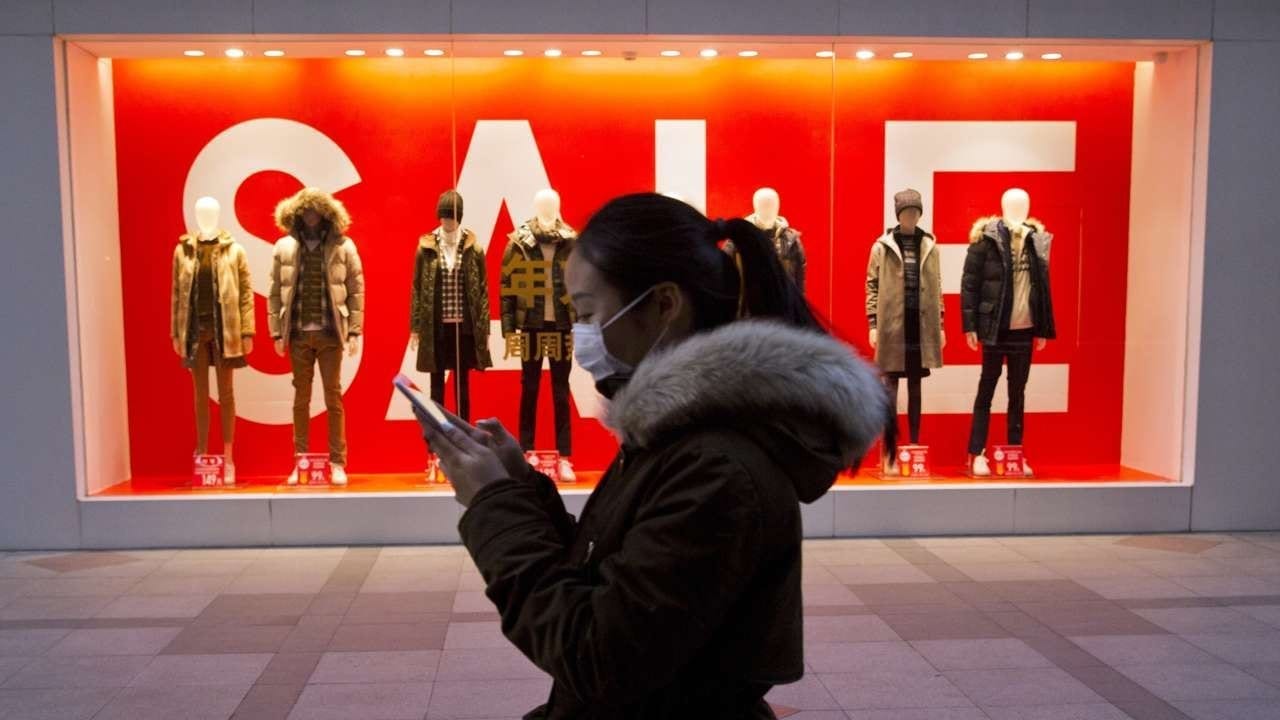
    “Clothes aren’t selling because people aren’t going out,” he said. “People are not really returning to commercial facilities, the trend is for them to go shopping at supermarkets in their neighbourhoods.”
    The broader decline in retail sales was driven by falls in spending on items such as clothing, toiletries and general merchandise, the data showed.

    Compared with the previous month, retail sales rose 3.1% on a seasonally adjusted basis.

    Separate data showed the nationwide seasonally adjusted unemployment rate was steady at 2.9%, lower than the median forecast of 3.0%.

    There were 1.09 jobs per applicant in February, down from the previous month’s 1.10, labour ministry data showed.

    The world’s third-largest economy is set to contract by an annualised 6.0% in the current quarter, which would be the first decline in three quarters partly due to sagging consumer spending, according to the latest Reuters poll data.

    Some analysts are worried that a longer contraction in household spending and weakening exports raise the prospect of a slower economic recovery than initially thought.

  • Malaysia retail sales slump to worst in the recent 22 years

    Malaysia retail sales slump to worst in the recent 22 years

    Malaysia retail sales last year dropped to the lowest level in 22 years as the country has been heavily impacted by the Covid-19 pandemic.

    According to the Malaysia Retail Sales Report, turnover plummeted 16.3 percent last year, with most retail sub-sectors recording double-digit declines. The department store and fashion segments shrunk at 38.3 percent and 37.9 percent respectively, the worst-performing sectors.

    Since the Movement Control Order (MCO) was in place for most of the first quarter, retail sales this year are expected to drop 4.1 percent, with the first quarter’s sales down by 13.4 percent. The next three quarters will show recovery, the report predicts.

    “Last year, Malaysia’s retail industry recorded the worst performance since the Asian financial and economic crisis that took place 22 years ago,” said Tan Hai Hsin, MD at Retail Group Malaysia. “In 1998, retail sales in Malaysia dropped by 20 percent.”

    While most retail sub-sectors, including F&B, children products, and pharmacy, contracted by double digits, the convenience-store sector posted its best performance with 14.8 percent growth last year. The furniture and electronics sector surged by 0.4 percent despite the pandemic.

  • Singapore retail sales slide overall while E-commerce goes up

    Singapore retail sales slide overall while E-commerce goes up

    Singapore retail sales – excluding motor vehicles – fell 4.5 percent y-o-y last Dec, a slightly higher decline than Nov’s 2.8 percent. M-o-m sales were down 0.7 percent. DOS estimates total retail sales value at SGD3.5 billion (US$2.62 billion) and that online retail sales accounted for 12.6 percent of that. The strongest categories online were computer and telecommunications equipment, accounting for 35.2 percent of the category’s overall turnover, furniture and homewares (23.4 percent) and supermarkets (11.8 percent).

    Most retail industry categories posted declines in sales in Dec on a y-o-y basis. However, supermarkets and hypermarkets, computer and telecommunications equipment, and furniture and homewares recorded growth rates of between 20.8 percent and 25.3 percent, due mainly to higher sales of groceries, mobile phones and household appliances respectively.

    Sales of recreational goods rose 10.3 percent, largely driven by strong demand for sporting goods. Sales of F&B services fell 16.5 percent in Dec, y-o-y, which was a lesser rate than Nov’s 22.4 percent decline. Online orders made up 19.9 percent of the estimated total spend of $800 million.

  • Strong China sales fail to ease European Covid pain for Capri

    Strong China sales fail to ease European Covid pain for Capri

    Capri Holdings is expected to post a fourth straight fall in quarterly revenue on Wednesday as the blow from fresh lockdowns in Europe eclipses a China-driven recovery in sales of its luxury handbags and apparel.

    A spike in coronavirus infections from late last year forced many European governments to put their economies back into lockdown, keeping consumers away from stores during the crucial holiday shopping season.

    Capri not only has to deal with store closures in Europe and sluggish department store traffic due to the pandemic but also a “stale” Michael Kors brand image, Jane Hali & Associates retail analyst Jessica Ramirez said.

    Investors will be hoping that Capri’s Versace and Jimmy Choo brands can emulate fashion giant LVMH’s growth in China, which helped cushion some of the pandemic’s impact in other markets.

    Sales of luxury goods in China have been rising since the easing of COVID-19 measures in the second half of 2020, sparking hopes that one of the world’s biggest markets for high-end fashion could ease the pain of companies suffering in regions where the virus continues to rage.

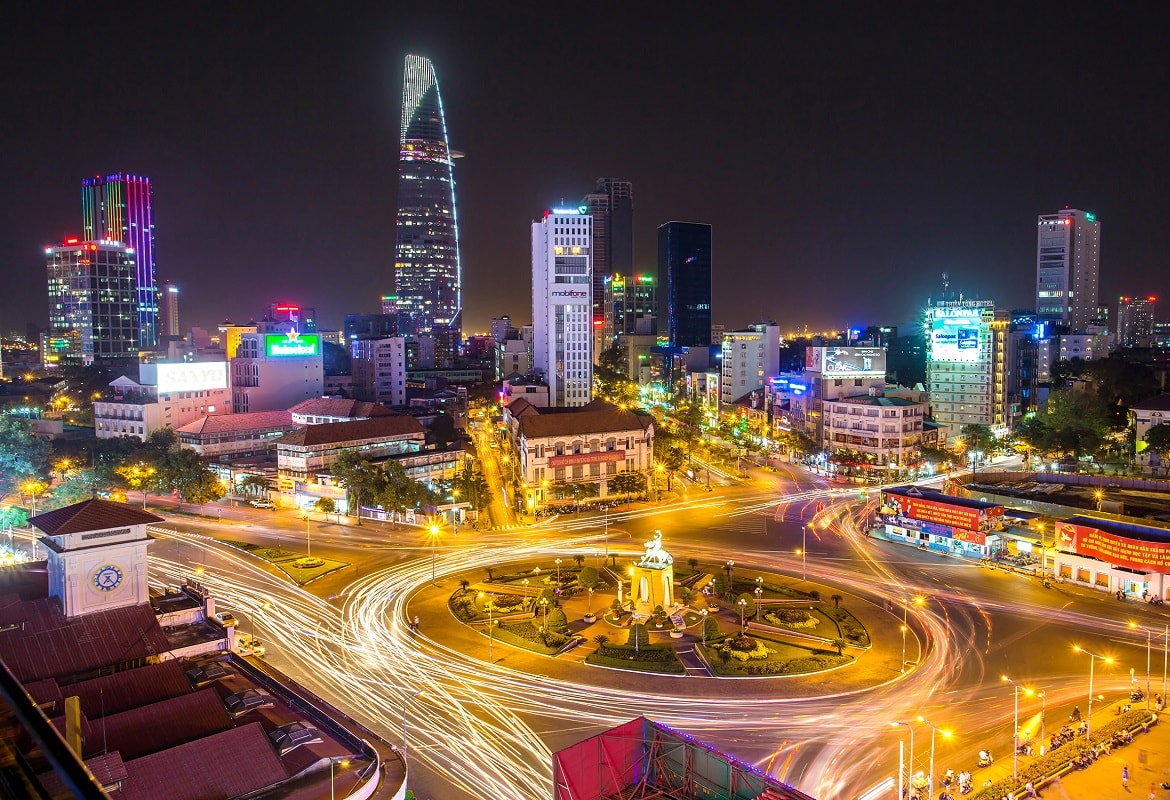
  • Vietnam retail sales surge ahead of Lunar New Year

    Vietnam retail sales surge ahead of Lunar New Year

    Total retail sales of goods and revenue from consumer services in January are estimated at 479.9 trillion VND (nearly 20.77 billion USD), up 3.7 percent month-on-month and 6.4 percent year-on-year, according to the General Statistics Office (GSO).

    Goods-retail sales totaled 378.9 trillion VND, accounting for 79 percent of the total and up 4.1 percent month-on-month and 8.7 percent year-on-year.

    Revenue from accommodation and food service stood at around 48.7 trillion VND, representing 10.1 percent of the total. It increased 2.7 percent against December but was down 4.1 percent against January 2020.

    Tourism revenue was around 1.6 trillion VND, or 0.3 percent of the total, up 0.7 percent compared to December but down 62.2 percent year-on-year.

    Earnings from other services were estimated at 50.7 trillion VND, accounting for 10.6 percent of the total and up 1.1 percent month-on-month and 7.3 percent year-on-year.

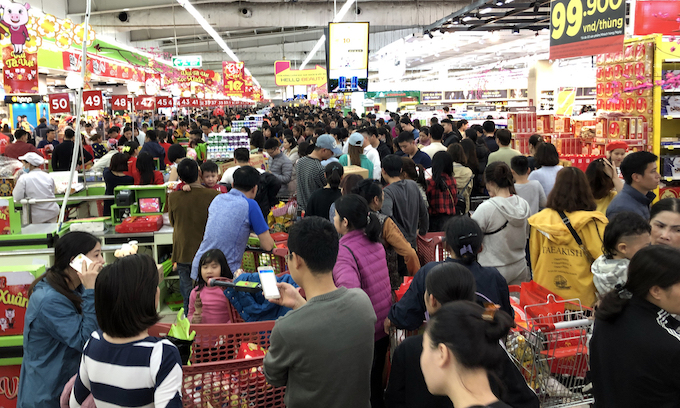
    The GSO said retail sales and consumer services have become more vibrant as the Lunar New Year (Tet) holiday nears.

    Most enterprises, shopping centers, supermarkets, and business establishments have readied an abundant supply of goods and offered various promotional programs to stimulate consumption ahead of the lunar new year, the office noted.

  • Indonesian retail sales fell 16.3 per cent in November

    Indonesian retail sales fell 16.3 per cent in November

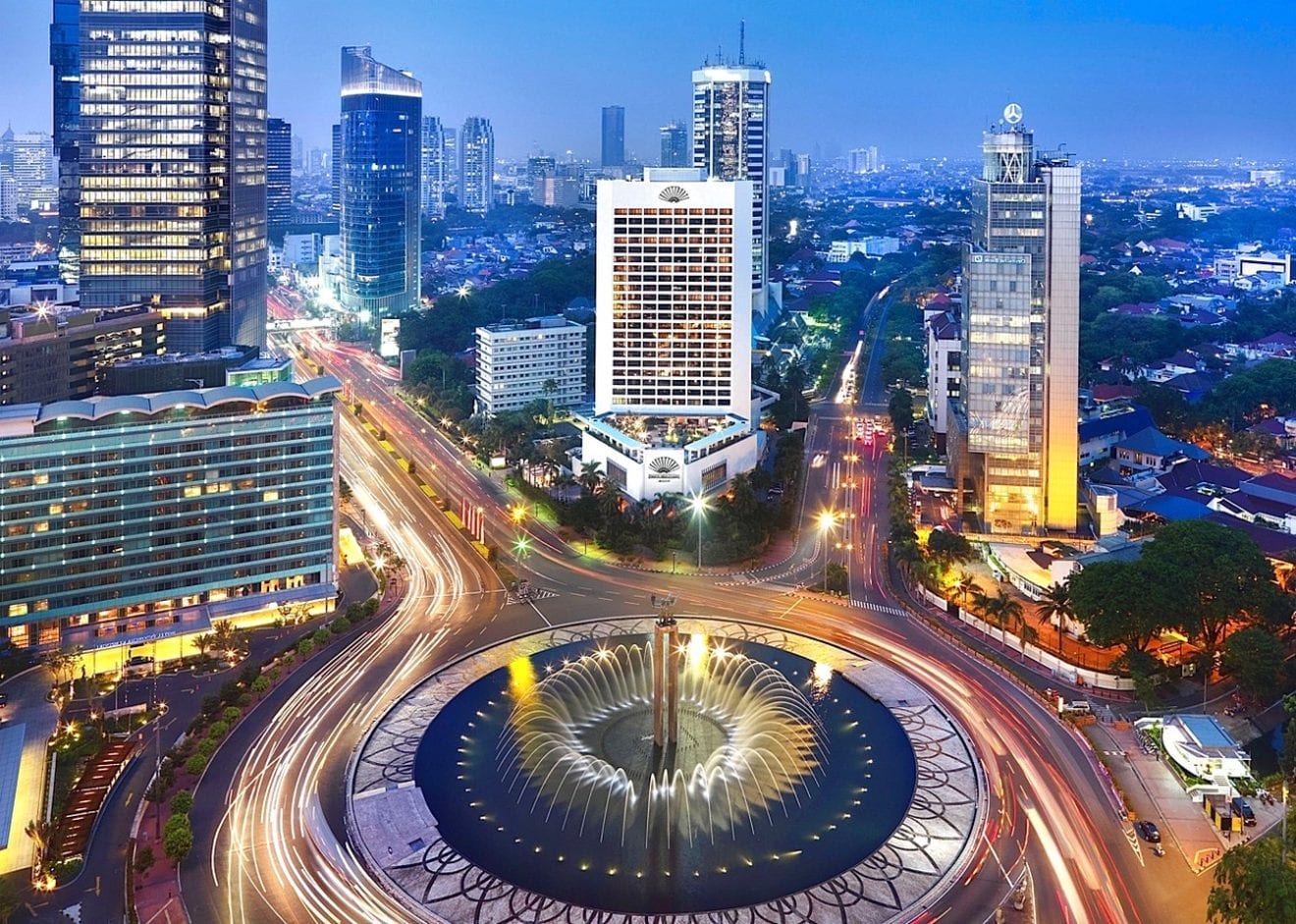
    Retail sales in Indonesia dropped 16.3% year-on-year in November following a 14.9% fall a month earlier, a central bank survey showed on Tuesday.

    Sales of telecommunication types of equipment and other household goods contracted in November, the survey showed.

    The survey also forecasts an even deeper contraction of 20.7% in December.

  • Vietnam’s retail sales see lowest growth in nine years

    Vietnam’s retail sales see lowest growth in nine years

    This year’s retail sales growth was much lower than 9.5 percent seen in 2019 and was also the lowest rate in the 2011-2020 period due to the significant impact of the COVID-19 pandemic.

    Revenue from retail sales of consumer goods exceeded 3.9 quadrillion VND, up 7 percent year-on-year or accounting for 79 percent of the total. Especially, revenue increased by 10.7 percent for food and foodstuff; 7.5 percent for the group of household appliances, tools and equipment; 3 percent for garments and 1 percent for cultural and educational services.

    Meanwhile, revenue from accommodation and catering services dropped by 13 percent year-on-year to 510.4 trillion VND, making up 10 percent of the total. Last year, the revenue from these services saw a yearly increase of 9.8 percent.

    Other services also experienced a slight revenue decline of 4 percent to 535 trillion VND in 2020.

    However, VNDirect Securities forecast that the nation’s retail sales growth would bounce back to pre-COVID-19 levels next year, reaching 8.5-9 percent year-on-year.

    The projection was made on the back of the country’s successful containment of COVID-19, which was a major contributor to the economic rebound in the third quarter that saw unemployment fall 0.23 percent against the previous quarter to 2.5 percent.

    VNDirect also predicted that consumer confidence would likely recover soon, against a backdrop of COVID-19 vaccines expected to be available in 2021.

    With the rapid growth of the middle class and rising per capita income, domestic consumption remained the main growth driver of the retail industry, even during COVID-19.

    The Ministry of Industry and Trade expected the domestic trade sector’s added value to contribute 13.5 percent to GDP by 2025 and total retail sales of goods and services to grow around 9-9.5 percent annually over the next five years.

    The ministry forecast that total retail sales would reach nearly 350 billion USD by 2025.

    The market’s recovery offers huge opportunities for retailers to expand their distribution networks.

    Saigon Co.op is targeting to add at least 2,000 stores to its chain over the next five years, with revenue rising 8-10 percent annually.

    Major Japanese retailer Muji, which sells a wide variety of household and consumer goods, has opened its first store in Vietnam, in HCM City, and is planning to open another in Hanoi, it added.

    Inflation forecast to be controlled less than 4% in 2021

    Many essential goods prices are forecast to fluctuate in 2021, thus the Consumer Price Index (CPI) will rise more sharply than in 2020. However, the average price hike for the whole year is projected to be less than 4%, as the target set by the National Assembly (NA).

    This comment was proposed by experts at a seminar held by the Academy of Finance on January 5 to discuss price fluctuation in 2020 and forecast for 2021.

    Nguyen Anh Tuan, Director of the Price Management Department, said that both objective and subjective impacts have made the Government and ministries and branches’ task of stabilizing the macro-economy, promoting growth, and controlling inflation face great challenges. Therefore, the department had built and set up a price management scenario for this year, closely following the NA target of controlling inflation at below 4%.

    In that context, price management has been directed by the Government and the Prime Minister to implement a prudent point of view, closely coordinating to ensure the harmonization of common goals.

    It was difficult to predict prices of commodities this year, so the Price Management Department would continue to work closely with ministries, agencies and localities to drastically and effectively implement the public management, administration and price stabilization under market mechanisms to control inflation according to set targets, said Tuan.

    At the same time, it would continue to implement the market price roadmap for public services and essential goods.

    Economic expert Ngo Tri Long said that 2021 is still very unpredictable, so price management should be operated in a prudent, flexible and proactive manner. Fiscal policy should coordinate closely with monetary policy and other macroeconomic policies in order to control inflation in accordance with the set targets; at the same time, contributing to supporting and removing difficulties for production and business, and the lives of people affected by the COVID-19 pandemic.

    According to Nguyen Duc Do, Deputy Director of the Institute of Economics and Finance, in 2021, when the disease is better controlled thanks to vaccines, and the world and domestic economy recovers; inflation compared to the same period last year tends to increase again.

    Da Lat aims to welcome 4 million tourists in 2021

    Da Lat city greeted more than 58,000 visitors during the 2021 New Year holiday from January 1 to 3, said Ms. Tran Thi Vu Loan, Deputy Chairwoman of the Da Lat People’s Committee.

    Of this, domestic visitors reached 57,500, a year-on-year increase of 44% while foreigners numbered over 500, a year-on-year decrease of 92%. Total number of visitors staying overnight was 48,000.

    While the tourism industry of many countries in the world and many localities in the country are greatly affected by the COVID-19 pandemic, the number of tourists choosing Da Lat for their destination on New Year is remarkable and is expected to open prospect for the city’s tourism industry in 2021.

    In 2020, Da Lat welcomed four million tourists; down 44% compared to 2019. Of which, over-staying visitors were more than 3.6 million, down 24.7%.

    It is forecasted that by 2021, the COVID-19 pandemic may still be complicated; the local tourism industry focuses on attracting domestic tourists, with many programs linking tours, stimulating tourism demand during the tourist season and holidays. It aims to welcome more than 4 million visitors this year./.
  • Retail sales decline slows significant in Hong Kong and Singapore

    Retail sales decline slows significant in Hong Kong and Singapore

    Hong Kong’s retail sales fell 8.8% in October, the first single-digit fall since June last year, showing further signs of a recovery after coronavirus restrictions had slammed the brakes on spending and tourism in the global financial hub.

    The drop compared with a revised 12.8% decline in September and a 6.7% fall in June 2019.

    October’s sales plummeted from a year earlier to HK$27.4 billion ($3.5 billion), government data showed on Tuesday, falling for the 21st consecutive month.

    In volume terms, retail sales slumped 9.3%, compared with a revised 13.3% fall in the previous month. It was also the first single-digit decline since June 2019.

    “With the fourth wave of the local epidemic spreading widely and quickly, the business environment of the retail trade may deteriorate again in the near term,” a government spokesman said.

    For the first 10 months of 2020, the value of total retail sales fell 27%, and 28.3% by volume, from the corresponding 2019 period.

    Hong Kong leader Carrie Lam on Tuesday again urged residents to stay at home and avoid unnecessary family gatherings as the global financial hub scrambles to contain a rise in coronavirus cases.

    Games centres, karaoke lounges and swimming pools will close from Wednesday, while the Ocean Park theme park and DisneyLand will also close.

    The worsening situation in the city also prompted the government to extend the postponement of an air travel bubble with Singapore on Tuesday to beyond 2020.

    Hong Kong’s economy shrank 3.5% in the third quarter compared with a year earlier as the coronavirus pandemic hammered consumer spending, trade and tourism, but at a slower pace as the outbreak had eased.

    The city’s tourist arrivals in October plunged 99.8% from a year earlier to 7,817 visitors, the tourism board said, compared with a drop of 99.7% in September.

    Sales of jewellery, watches, clocks and valuable gifts, which depend heavily on mainland tourists, fell 26.6% in October versus a revised 25.6% plunge in September.

  • Vietnam retail sales up despite absence of tourists due to Covid

    Vietnam retail sales up despite absence of tourists due to Covid

    Asia is currently going through widespread economic and business disruptions caused by the outbreak of the coronavirus (COVID-19), which originated in Wuhan, Hubei province in China, and the stringent government measures to contain it, threatening to stall the economic growth of major markets in Asia. Reason enough for Fung Business Intelligence, the knowledge bank and think tank for Hong Kong-based multinational Fung Group, to analyze the impact of the coronavirus disease on Asia’s retail markets, with a focus on department stores and the duty-free sectors. The resulting report “Impact of Coronavirus Disease on Asia’s Retail and travel-related Sectors” also looks at the coronavirus’s impact on the tourism industry in Asia.

    Fung Retail Intelligence believes that the current COVID-19 outbreak could have a deeper impact on Asian economies and their respective retail and travel-related markets compared to the SARS epidemic in 2002-03 given that there are now more Asian countries with increased economic ties to China – for instance, China is now the largest export country for Vietnam, Singapore, Japan, South Korea, Malaysia and others. “As these countries become more reliant on Chinese demand as a source of growth, dampened consumer demand from China, along with supply chain disruptions on the production side, will have a significant impact on their economies,” cautions the report.

    Add to that the fact that Chinese tourists remain the biggest spenders of all international travelers, thus their absence, following the Chinese government’s ban on all outbound group travel after the Chinese New Year (from 27th January 2020) to contain the spread of the disease, comes as a tough blow to the retail and travel-related sectors in many Asian countries, of which the fashion and luxury industries are a part. “The outbreak also reveals how dependent retail businesses – especially department stores and travel retailers – are on visitors from China,” finds the report.

    However, Fung Business Intelligence remains positive and points to four important reasons why Asia is now better geared to handle the current crisis than almost two decades ago when SARS 2002-03 struck: “The difference for Asia, now, is that its economic fundamentals are more robust, its technology more advanced, its services more diverse, and its consumers more resilient. For these and other reasons including a raft of initiatives launched by local governments and relevant parties to support businesses, we believe the COVID-19 outbreak is not likely to cause long-term effects on Asia’s retail and travel-related markets.

    As of 18th February 2020, there are now more than 73,000 confirmed coronavirus cases, with a majority (more than 72,600) in China, followed by Japan (more than 500 including cases on the Diamond Princess cruise ship) and Singapore (more than 80). Other cases have been confirmed in Hong Kong, Thailand, South Korea, Malaysia, Taiwan, Vietnam, Australia, India and the Philippines. Thus, many people are calling off travel plans over coronavirus fears and hassles over the currently imposed travel bans and quarantine requirements.

    According to the Economist Intelligence Unit (EIU), this means that Chinese outbound tourism is unlikely to recover to pre-coronavirus levels until the second quarter of 2021 and the coronavirus outbreak is expected to cost the global tourism industry about 80 billion US dollars (about 60 billion pounds) in lost revenue, with key players in the market probably taking more than a year to recover.

    ASEAN countries will suffer the most as they are all among the top 20 destinations for Chinese outbound tourists, continues the EIU, estimating that visitors from China will decrease sharply by 30 – 40 percent this year, resulting in a loss in tourism revenue of 7 billion US dollars (about 5.4 billion pounds) in the region. Especially Japan has felt the pinch, where Chinese tourists represent 30 percent of all foreign visitors, and spent 16.2 billion US dollars (12.55 billion pounds) in Japan last year.

    According to the Singapore Tourism Board, China is the city’s largest tourist source and Singapore is thus expected to see a drop in tourism arrivals of up to 30 percent compared to last year, representing a daily loss of 18,000- 20,000 foreign tourist arrivals. In Thailand, this number even dropped by 86.5 percent in the first week of February and is expected to plummet to 50 percent in the first half of 2020 according to the Tourism Authority of Thailand, costing the Thai economy 3.05 billion US dollars (2.36 billion pounds) in the first four months of the year alone.

    Though the impact on the tourism sector in Europe and the United States is comparatively milder, with Chinese tourists only making up 4 percent of total foreign visitors, “some European economies are likely to see weakened consumption if there is a sharp decline in Chinese tourists throughout 2020,” states the report. In the first half of 2019, Chinese nationals made 3 million visits to European countries, up by 7.4 percent year-on-year, according to the Chinese Tourism Academy.

    In Japan, department stores like Isetan Mitsukoshi, Takashimaya, Sogo & Seibu, and Daimaru Matsuzakaya all have seen a decrease in foreign visitors starting from the Chinese New Year holidays, resulting in a drop in sales. In South Korea, department stores like Lotte, Shinsegae and Hyundai and Lotte and Shilla duty-free stores were temporarily closed due to sterilization efforts. Sales dropped between 11 and 30 percent during the first weekend in February.

    In Singapore, department stores like Honestbee, OG, and BHG Holdings either adjusted their timings or shut their stores temporarily, with the latter seeing sales of its six outlets drop between 40 and 50 percent since the first case was confirmed in the city on 23th January. Luxury travel retailer DFS announced the closures of its locations T Galleria by DFS in Tsim Sha Tsui East and Hong Kong T Galleria Beauty by DFS from 8th to 29th February.

    While the Japanese government announced a limited 96 million US dollar (about 74 million pounds) package of emergency funds on 14th February, the Taiwanese Ministry of Economic Affairs plans to provide financial assistance to domestic retailers and foodservice providers by offering loans, loan extensions and subsidies on interest. The government also considers providing coupons worth 66.1 million US dollars (around 51 million pounds) to be used at night markets, shops and restaurants as a means to boost local consumption once the spread of the virus subsides. In Singapore, the government announced that it has set aside 4.02 billion US dollars (about 3.11 billion pounds) in the coming year to help businesses and households.

    The Restaurant Association of Singapore has also asked shopping mall landlords for a rental rebate of 50 percent from February to April to help the food and beverage industry, which has seen a significant drop in business. Singapore’s largest property developer, CapitaLand, has launched a 10- million-Singapore-dollar (7.14 million US dollars or close to 6 million pounds) marketing assistance program to help its retail partners cope. Jewel Changi Airport announced a rental rebate of 50 percent for its tenants during February and March.

    “It is hard to predict when COVID-19 is going to end. Considering the sharp drop in the number of Chinese tourists and the subsequent adverse impact on domestic consumption, we expect major retail markets in Asia to remain under pressure in the first half of 2020. That said, the sound economic fundamentals of these markets, along with a raft of initiatives launched by local governments and relevant parties to support the retail and travel-related sectors during the COVID-19 outbreak, are likely to guide businesses through the tough times and pave the way for recovery,” ends the report.

  • Singapore retail rents tipped to slide up to 15 percent

    Singapore retail rents tipped to slide up to 15 percent

    The increased activity in Singapore’s retail sector hints at a bottoming out of rents by the end of this year or early next year, Knight Frank’s research team said in a report published on Friday (Oct 16).

    Overall retail rents are expected to fall by 10-15 percent for the whole of this year due to recessionary pressures and safe-distancing restrictions, according to the real estate consultancy.

    That being said, in the suburban region, rents of retailers will likely decline by just 7.5 percent or less.

    “As physical retail stores resumed operations, shopper traffic also returned to a greater extent in the suburban malls compared to the centrally located ones that are more reliant on the tourist dollar,” Knight Frank analysts wrote.

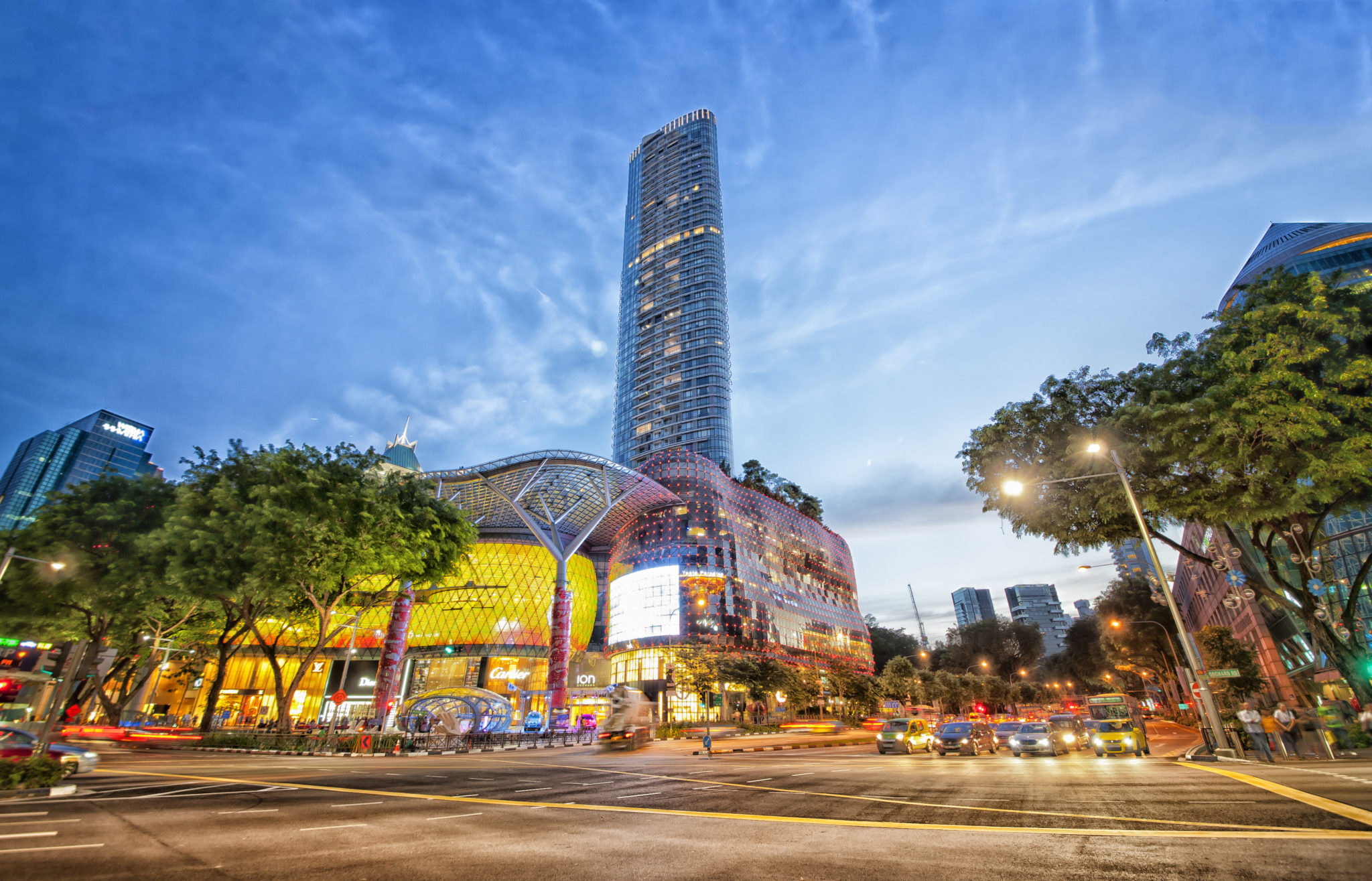
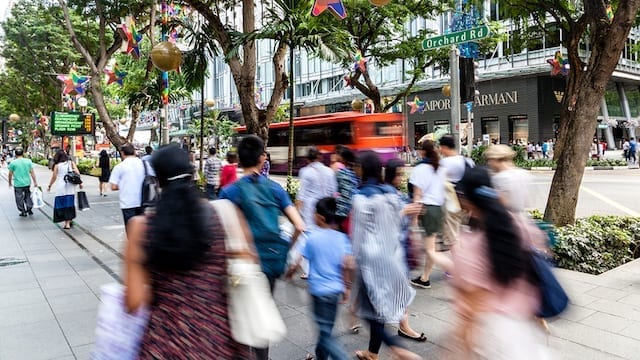
    Thus, the rental gap between suburban malls and those in Orchard will likely continue to narrow, given that the inflow of tourists into Singapore is still impeded by travel restrictions. Suburban retail rents are expected to recover sooner because they are supported by the domestic catchment resident population.

    In the third quarter this year, prime retail rents islandwide decreased by 10.3 percent year on year to average $27.40 per square foot (psf) per month, as safe-distancing measures and border controls remained in place.

    This drop was largely led by the 11 percent fall in gross rents for prime retail spaces along the Orchard Road shopping belt, as stores there continued to struggle with the absence of international tourists, Knight Frank noted.

    Prime spaces refer to rental-yielding units between 350 and 1,500 square feet with the best frontage, connectivity, footfall and accessibility in a mall. Such spaces are typically located on the ground level of a mall or the basement level of a mall that is linked to an MRT station or bus interchange.

    In the Marina Centre, City Hall and Bugis region, gross rents of prime retail spaces tumbled by 13.5 percent year on year to $25.40 psf per month on average for the third quarter.

    The city fringe, meanwhile, posted an 8.6 percent decline from a year ago, to $23.40 psf per month.

    Propping up the retail market was the suburban areas, where rents started to stabilize during the July-September period.

    “As more employees work from home, the malls located within residential population centers were visited by many for daily necessities and household sundries,” the analysts wrote.

    The suburban region recorded the smallest drop in gross prime retail rents during the quarter, slipping 6.9 percent on the year to average $26.60 psf per month.

    Quarter on quarter, rents of prime retail spaces in suburban areas also inched down by just 1.4 percent, compared to the bigger declines of 6.4 percent in Orchard, 7 percent in Marina Centre, City Hall, and Bugis, and 4.5 percent in the city fringe.

    While traditional retailers such as Topshop at VivoCity and Robinsons at Jem closed during the latest quarter, there were also newcomers to the scene. For instance, 100-year-old Hong Kong bakery Hang Heung opened its first Singapore outlet at Ion Orchard, Knight Frank noted.

    Other notable retail openings in the three months include store expansions such as Foot Locker at Orchard Gateway @ Emerald and Decathlon at The Centrepoint.

    In August, retail sales – excluding motor vehicles – fell by 8.4 percent year on year, according to figures released by the Department of Statistics last week.

    On a seasonally-adjusted month-on-month basis, total retail sales were higher by 1.4 percent in August. Excluding motor vehicles, sales edged up 0.1 percent on the month.

  • China’s retail sales fall as consumers adopt caution

    China’s retail sales fall as consumers adopt caution

    China’s retail sales slipped in July, dashing expectations for a modest rise, as consumers in the world’s second-largest economy failed to shake off wariness about the coronavirus.

    Meanwhile, the recovery in the factory sector struggled to gain momentum.

    Asian markets pulled back on Friday following the disappointing set of economic indicators, which raised concerns about the fragility of China’s emergence from coronavirus.

    China’s recovery had been gathering pace after the pandemic paralyzed huge swathes of the economy as pent-up demand, government stimulus and surprisingly resilient exports propel a rebound.

    However, the data from the National Bureau of Statistics on Friday showed weaker-than-expected year-on-year industrial output growth and retail sales extending declines into a seventh straight month in July. That was slightly offset by firmer property investment, which showed a recent stimulus was supporting construction activity.

    “Looking ahead, we expect a renewed acceleration in infrastructure investment in the coming months as planned government bond issuance continues to ramp-up,” said Martin Rasmussen, China Economist at Capital Economics.

    “This should drive a further rebound in industry and construction, helping to absorb labor market slack, indirectly shore up consumption and keep the economic recovery on track.”

    Industrial output grew 4.8 percent in July from a year earlier, in line with June’s growth but less than forecasts for a 5.1-per-cent rise.

    Retail sales dropped 1.1 percent year on year, missing predictions for a 0.1-per-cent rise and following a 1.8-percent fall in June.

    The decline in retail sales was broad-based with garments, cosmetics, home appliances and furniture all worsening from June.

    A key exception was auto sales, which surged 12.3 percent, turning around an 8.2-per-cent fall in June.

    China’s economy returned to growth in the second quarter after a deep slump at the start of the year, but unexpected weakness in domestic consumption weighed on momentum.

  • June Indonesian retail sales down again

    June Indonesian retail sales down again

    June Indonesian retail sales fell 17.1 percent over the same month last year – but that decline was slower than during the previous month.

    According to data from the country’s central bank, retail sales fell by 20.6 percent in May, as the Covid-19 pandemic forced store closures and consumers stayed home.

    Sectors to show improvement were food, beverages & tobacco, along with communication services.

    The Bank Indonesia is expecting the decline in Indonesian retail sales to further slow in July, to 12.3 percent.

  • Retail sales in Indonesia drop dramatically

    Retail sales in Indonesia drop dramatically

    Retail sales in Indonesia have fallen by 16.9 percent during the month of April compared to last year, according to government data.

    The drop is the steepest within the territory in 14 years and is the result of a steady decline in retail sales of a range of products surveyed by the Indonesian central bank.

    The decline is 4.5-per-cent deeper than comparable figures for the previous month, while retail sales in Indonesia declined by a more modest 0.8 percent during February.

    Even worse figures are expected for May, however, as the advent of Covid-19 saw people forced to implement social distancing.

    The Bank Indonesia now predicts sales figures to show a heavy 22.9-per-cent fall in volume year on year for last month.

  • China retail sales decline eases in May

    China retail sales decline eases in May

    The decline in China retail sales sparked by the advent of Covid-19 slowed substantially in May as the country continued to reopen for business.

    The consumer goods retail sector in China saw a year-on-year decline of 2.8 percent last month, according to the National Bureau of Statistics.

    That decline was a significant improvement on April, when China retail sales fell by 7.5 percent.

    Retail takings hit US$451 billion during May.

    However, the mainland’s catering industry remained heavily affected by the pandemic, with sales down by 18.9 percent year on year last month. That was still better than the 31.1-per-cent decline of April.

    Statistics show that online shopping is continuing to boom, with a 4.5 percent increase during the first five months of this year over last year’s results.

  • Singapore retail sales down with 10 percent in February

    Singapore retail sales down with 10 percent in February

    Singapore retail sales in February fell by 10.2 percent, excluding motor vehicles.  Including motor vehicles, sales were down by 8.6 percent year on year. In releasing the data, Statistics Singapore attributed the decline to falling sales of discretionary items due to fewer inbound tourists and lower domestic consumption in the wake of the coronavirus pandemic.

    The month-on-month decline in Singapore retail sales in February was 11.2 percent, excluding motor vehicles.

    The two worst-affected categories in February were apparel and footwear, down 41 percent year on year, and food and alcohol, down by 40.5 percent.

    Sales in department stores dropped by 36.3 percent, while sales of watches and jewelry fell by 23.8 percent.

    On the plus side, sales by supermarkets and hypermarkets surged by 15.3 percent and of furniture and household equipment by 5.9 percent.

    Statistics Singapore estimated total Singapore retail sales in February at $3.1 billion. Of that figure, online retail sales accounted for 7.4 percent, with the computer & telecommunications equipment the largest contributor, accounting for 30.4 percent.

    Meanwhile, year-on-year sales of food & beverage services fell by 16.6 percent in February, on the back of declining consumption related to the coronavirus pandemic. On a seasonally adjusted basis, sales of food & beverage services decreased by 18.3 percent month on month.

    Statistics Singapore estimated sales of food & beverage services in February totaling $732 million, of which online sales accounted for 12.5 percent.

    The turnover of food caterers and restaurants decreased by 31.5 percent and 29.1 percent respectively, while sales by cafes, food courts and other eating places decreased by 2.3 percent. Sales by fast-food outlets rose 5.8 percent during the month.