Retail News CRM

Tag: seoul

  • Seoul underground mall planned in giant transit zone

    Seoul underground mall planned in giant transit zone

    A massive Seoul underground mall is planned as part of a transit zone that will match Coex Mall in size.

    One whole level of the development will feature retail and restaurants.

    Comprising six underground floors, the Gangnam district complex in the south of the city will cover 160,000 sqm.

    If Seoul manages to connect the complex with Coex Mall and a new shopping mall now being built by Hyundai Motor Group, the three areas will encompass a total 420,000 sqm.

    City officials say that about 1.7 trillion won ($1.5 billion) will be allocated for the project, which is expected to serve more than 580,000 commuters daily. The funding will include private investment.

    20160502-225917-907Thread00_595.indd

    Seoul will come up with a master plan by the end of this month, wrap up administrative procedures by the end of this year and open public bidding for an architectural design early next year.

    More than 50 metres deep, the sixth level will service six different rail lines, from subway to KTX bullet trains. Also, 90 bus routes will pass through the area, with the transit centre on the second level.

    Because of a new high-speed train line, it will take only five minutes to travel from the complex to Seoul City Hall, now a one-hour journey.

    Several Great Train Express (GTX) lines will pass through the underground transit zone, connecting Seoul with neighbouring cities in Gyeonggi.

    City terminal services for Incheon International Airport, now provided at Coex, will probably be moved to the second basement floor of the new complex.

  • Korea to allow four new duty-free shops in Seoul

    Korea to allow four new duty-free shops in Seoul

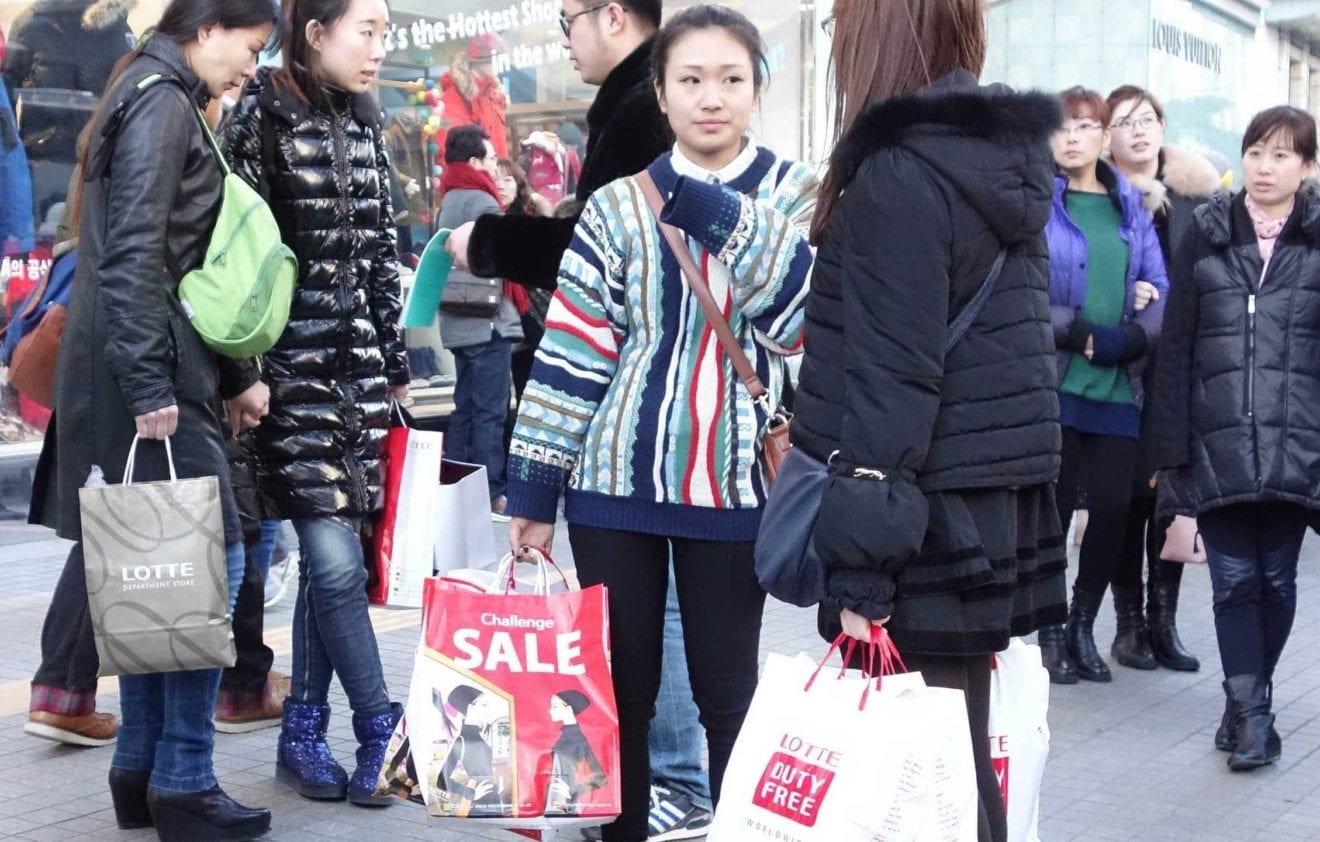
    Korea will allow four more duty-free shops to open in Seoul to meet growing demand from Chinese tourists, the government announced Friday.

    “Four new licenses will be issued for operation in Seoul, while the city of Busan and Gangwon Province will also get one each,” Lee Myung-gu, director of the Korea Customs Service, said at a press briefing in Sejong.

    The licensees will be selected by the end of this year through an open competition, the official explained, with one ticket reserved for midsized companies.

    Seoul currently has nine tax-exempt retail outlets. Friday’s decision will raise the total to 13.

    Duty-free stores are a rare bright spot in Korea’s lackluster retail sector, growing by an average 20 per cent over the past five years. Last year, they posted a combined 9.2 trillion won ($8 billion) in sales.

    Major retail giants Lotte Duty Free, part of Lotte Group, SK Networks of SK Group and Hyundai Department Store hailed the decision, vowing an all-out effort to win a license.

    For Lotte and SK, in particular, this represents a second chance after they failed to renew the license for shops that they have been running for years.

    “We will make utmost efforts to win the license back,” SK Networks said in a press statement after the announcement.

    SK’s only duty-free outlet inside the Walkerhill Hotel in eastern Seoul faces closure in May with the expiry of its license.

    Lotte, which runs the top duty-free store by sales in Seoul, has to shut its Lotte World Tower outlet in southern Seoul by the end of June. The Lotte World Tower shop ranked third by sales in 2014.

    Hyundai Department Store said it wants to open a tax-free retail outlet at Coex in the southern shopping district of Gangnam.

    The government last year changed its policy on duty-free shops, holding an open competition for operational licenses for the first time. HDC Shilla Duty Free, Hanwha Galleria and SM Duty Free grabbed new licenses to open outlets in Seoul, while Doosan and Shinsegae beat Lotte and SK to win theirs.

    The government, however, has changed its stance again this year, extending the operational licenses of local duty-free stores to 10 years from the current five. Also, the licenses will be automatically renewed to help the companies run their businesses in a more sustainable way.

    The decision to open the field wider for competition is a move in line with the government’s efforts to grow tourism and revive the sluggish domestic economy and create jobs, the KCS explained in a press statement. It expects the new licenses to spur domestic investment of 1 trillion won and 5,000 new jobs.

    Korea is the world’s largest duty-free market, accounting for more than 10 per cent of global revenues from duty-free shops.

    In 2014, it saw foreign tourist arrivals rising to a record 14.2 million, greatly helped by a surge in visitors from neighbouring China.


  • Seoul insect restaurant opens

    Seoul insect restaurant opens

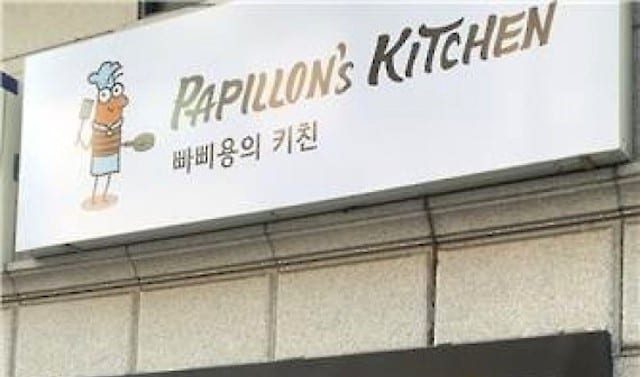
    Papillon’s Kitchen, a new Seoul insect restaurant has been packed since its opening – and is fully booked for the next few months.

    Although insects are known to be a great source of protein, and often mentioned as the ‘food of the future’, many consumers avoid them due to their appearance. However, the number of individuals who enjoy edible insects as a meal is continuously increasing as awareness builds of their health value.

    ‘Papillon’s Kitchen’, the first insect restaurant in Korea, serves food made from insects such as grasshoppers and crickets.

    During a recent mealtime watched by Korea Bizwire staff, guests sat around a large table and enjoyed pasta, soup, and croquettes made from insects. They seemed to be enjoying their meal, as everyone appeared to be content.

    “There’s no problem with food cooked with insects when I can’t see them,” said one female customer, raising her thumb in approval.

    With food scarcity becoming an increasing concern due to the rapid growth of the global population, insects could be a great substitute for traditional sources of protein. The academic world and food industry predict that in the not-so-distant future, insects will rise as one of the main sources of nourishment for humans.

    Insect resturant 1

    While 100 grams of beef contains 21 grams of protein, the same mass of dried grasshoppers contains 70 grams of protein. Insects are also less fattening, as they contain half the calories of rice and beans.

    Insects are also considered to be an eco-friendly food source. According to the Food and Agriculture Organization (FAO), the food resources used to breed cows for beef could contribute to the production of 12 times as many crickets. Even more significant, the amount of greenhouse gas produced when raising crickets is one hundredth the amount produced when raising cows.

    Insect resturant

    Due to new perspectives on insects as food, the Korean government and related industries are taking fast action. Currently, the government has certified mealworms and crickets as ‘general food ingredients’. Food industry giant CJ also started research on edible insects in collaboration with the Korean Edible Insect Laboratory Knowledge Coop (KEIL).

    Experts comment that people hold prejudice on insects simply because of their unattractive appearance. They expect  edible insects will soon be commercialised due to their many benefits.

  • Lotte El Cube – Korea’s new compact mall

    Lotte El Cube – Korea’s new compact mall

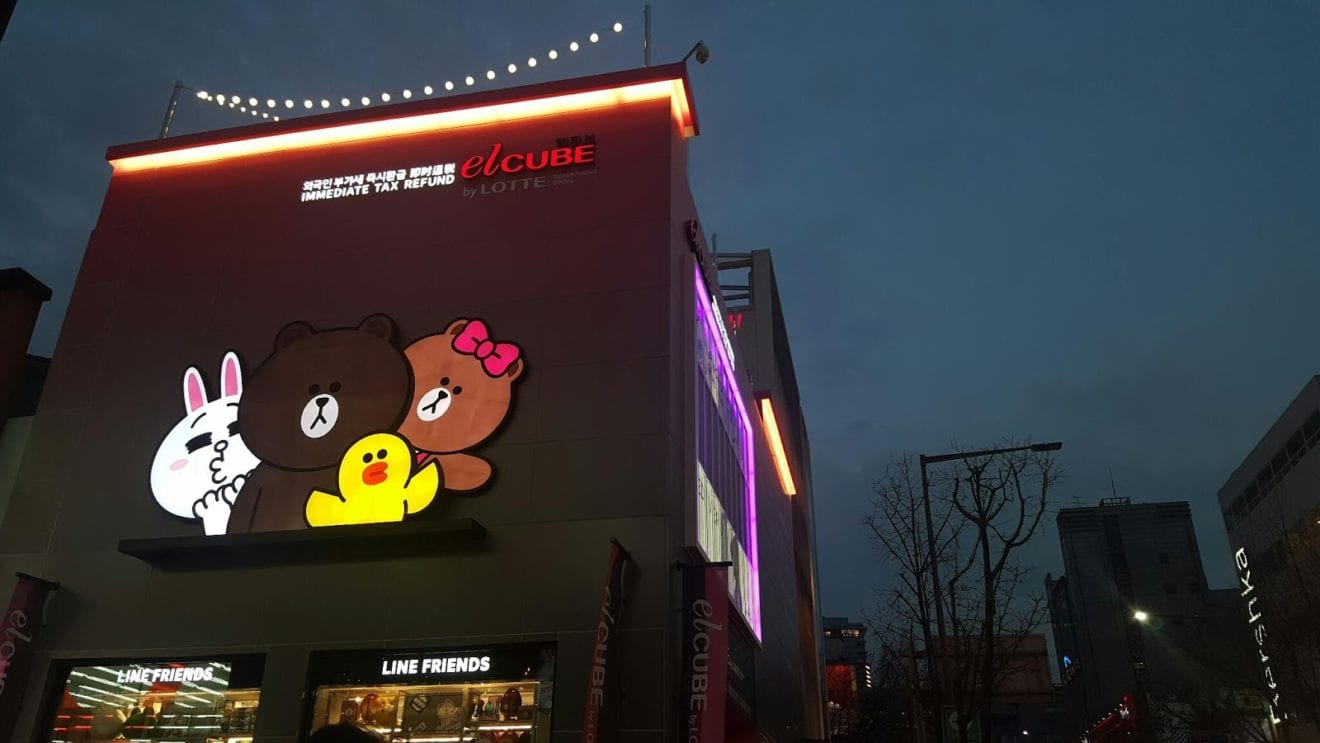
    In a bid to overturn the sluggish growth of traditional brick-and-mortar retail, Lotte Department Store is launching a new type of shopping mall in Seoul, the Lotte El Cube.

    In a trendy university neighborhood, the relatively small store focuses specifically on young, fashion-conscious shoppers – a departure from the retailer’s usual strategy of offering something for everyone at its department stores.

    Lotte El Cube 4

    Covering 630 sqm in a three-storey building, the Lotte El Cube houses 20 clothing brands, mostly casual in style. Featured labels include Pigment, PlayNoMore and Tomotom’s.

    “El Cube can adopt different concepts and focuses, such as beauty and lifestyle, depending on the location and needs of consumers,” says Lotte, which plans a second such outlet also in Seoul within a year.

    Lotte says it took its cue from Japan’s Isetan Department Store, which has several branches with different offerings. Isetan Mirror is dedicated to cosmetics and beauty products, while its Alta mall targets shoppers in their 20s.

    Lotte El Cube 5

    Known for its urban art and indie music culture, the neighbourhood where El Cube has set up is also attracting start-ups. The average number of daily users of nearby Hongik University Station grew from 72,000 in 2014 to 78,000 last year, and the neighborhood is also expanding in size.

    Lotte El Cube 1

    Annual combined sales at South Korea’s department stores – Hyundai and Shinsegae as well as Lotte – have had negative growth since 2014. Lotte is confident El Cube will attract new customers and become a fresh source of revenue amid unfavorable market conditions.

    “The key is to find new consumers as department stores are expected to face headwinds and low growth,” says Lotte merchandise strategy division head Woo Gil-jo.

    To match other stores in the area, El Cube will have extended shopping hours, from midday to 10pm.

  • Nation’s consumers, companies finding themselves on thin ice in South Korea

    Nation’s consumers, companies finding themselves on thin ice in South Korea

    Every floor of the NC Department Store in Jamsil-dong, southern Seoul, was packed with customers frantically digging through piles of clothes and shoes on March 1.

    The moment an employee set out pairs of Nike sneakers at 50 percent off the retail price, men and women alike snatched them off the shelves. There was even a scuffle when several buyers grabbed the same item simultaneously.

    “We ran out of boxed tissues by 3 p.m.,” a saleswoman said. “As they were crazy cheap, people took several boxes at once.”

    On the Internet communities for Jamsil residents, members warned the neighborhood had turned into a mad house and said it would take at least an hour just to find parking.

    The chaotic scene has been happening every Independence Movement Day since the retailer started its event several years ago, offering everything from food to fashion at discounts of up to 80 percent.

    While the rest of the country took the day off to remember the independence movement during the Japanese colonial period, NC Department Store was packed with shoppers elbowing each other out of the way to snag the best bargain.

    But this year, shoppers seemed a little more desperate to save money.

    “I’m not really a person who is attracted to sales, but recently, I’ve been changing the way I’ve been spending because the economic situation is becoming more uncertain,” said Song, 42, who was digging through a steeply discounted pile of Nautica outdoors pants. “My wife and I both work so we’re better off than some other households. But even with our income, after paying the interest on our loans, living expenses and for our kids’ education, there’s hardly any left for saving.”

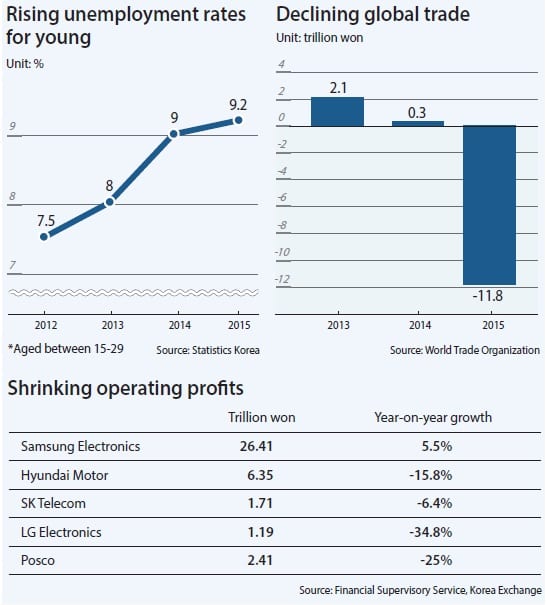
    The average household today is jittery and increasingly less confident about the path of the Korean economy, particularly as various indicators including exports, industrial output, unemployment and household loans have been alarming.

    The frozen stock and real estate markets are causing household income to shrink just as ever-growing household loans, which reached more than 1,200 trillion won ($996 billion) by the end of last year, are applying more pressure on Korean families.

    With less income and more uncertainty about the nation’s economy, many consumers are shopping online rather than at discount stores like E-Mart or Lotte Mart.

    According to Statistics Korea, while overall retail sales grew 4.1 percent in January compared to the same period last year, online sales grew 21 percent.

    Online shopping is currently a 5 trillion won market, accounting for 17.2 percent of overall retail sales, at 30 trillion won. That’s 2.4 percent larger than a year ago.

    Why is online shopping growing so fast? One reason is because it offers products at lower prices while being more convenient.

    More shoppers are buying their groceries online, with sales of agricultural and marine products surging 57.6 percent in just a year. Online sales of processed food and beverages have seen exceptional growth of 43.2 percent.

    But consumers are also heading online because living conditions for the average household have worsened over the last few years.

    According to a recent study by Statistics Korea, the gap between the monthly paychecks of people working for small and midsize companies and those working at conglomerates is wider than it has ever been.

    The average paycheck received by employees at companies with more than 300 employees, categorized as a conglomerate, reached 5.01 million won last year, an increase of 3.9 percent year on year.

    Over the same period, the average paycheck taken home by people at small and medium-size companies (between five and 299 employees) grew 3.4 percent to 3.11 million won. That’s just 62.3 percent of the salary received by their conglomerate counterparts.

    “This year, it is difficult to expect the domestic market to recover from policy implementation,” said Lee Geun-tae, senior analyst at LG Economic Research Institute.

    “Since the second half of last year, household spending has been falling to all-time lows as uncertainties over the economic future have gone up.”

    Lee added that the frozen property market, in which many older people have invested to sustain their life after retirement, as well as low interest returns on financial assets have dampened spending confidence. Growing unemployment faced by young people is also contributing to further cutbacks on spending.

    Even the nation’s top companies are feeling a squeeze. Last year, Hyundai Motor recorded its highest-ever annual revenue at nearly 92 trillion won. But the company was only able to earn 6.35 trillion won in operating profit, which is the smallest since 2010 and 15.8 percent less than the previous year. It was the third consecutive year that operating profit has shrunk.

    The situation at other companies is similar. Samsung Electronics enjoyed an annual operating profit increase of 5.5 percent to 26.4 trillion won. But when looking solely at the fourth quarter, operating profit actually declined compared to the third quarter.

    Market experts are particularly worried by the fact that leading manufacturers, which should be leading the country out of the gloom, are themselves struggling.

    Furthermore, Korea’s leading companies are also major exporters, and the continuing decline in outbound shipments since January 2015 will likely lead to disappointing performances, in turn worsening consumer confidence and finally impacting the domestic market.

    The current situation is unlikely to improve anytime soon as China, which accounts for one quarter of Korea’s economy, has already seen its growth fall below 7 percent.

    “New government stimulus efforts are likely to take effect starting in the second quarter, but their impact is not expected to be strong enough to offset the slowdown in exports,” said Suh Dae-il, an analyst at Daewoo Securities. “In particular, tighter control on bank lending is anticipated to erode the impact of any stimulus. February readings of the consumer sentiment index and the business sentiment index suggest that consumers’ expectations for housing price growth are sliding sharply, and that corporate financial conditions have deteriorated from the levels seen in the second half of 2015.

    “As the Korean economy is expected to continue to slow down in first half of this year, we believe that additional stimulus measures, including a base rate cut, will be needed going forward.”

    Finance Minister Yoo Il-ho, who celebrated his 50th day in office last week, brushed off the growing concerns.

    “There are concerns that the uncertainties [shrinking exports, consumption and even investment] regarding the local economy could result in contraction,” Yoo said during a meeting of economic ministers held at the government complex in central Seoul on Thursday. “[However] when you exclude automobile sales, overall sales are increasing, and as the lowering of the individual consumption tax was back in February, the situation will gradually improve.

    “Exports also fell less in February than in January and actually rose by volume.”

    The minister said that although he is aware of the growing concerns, he does not see the need yet to consider measures like a supplementary budget.

     

  • Shinsegae unveils revamped Gangnam department store

    Shinsegae unveils revamped Gangnam department store

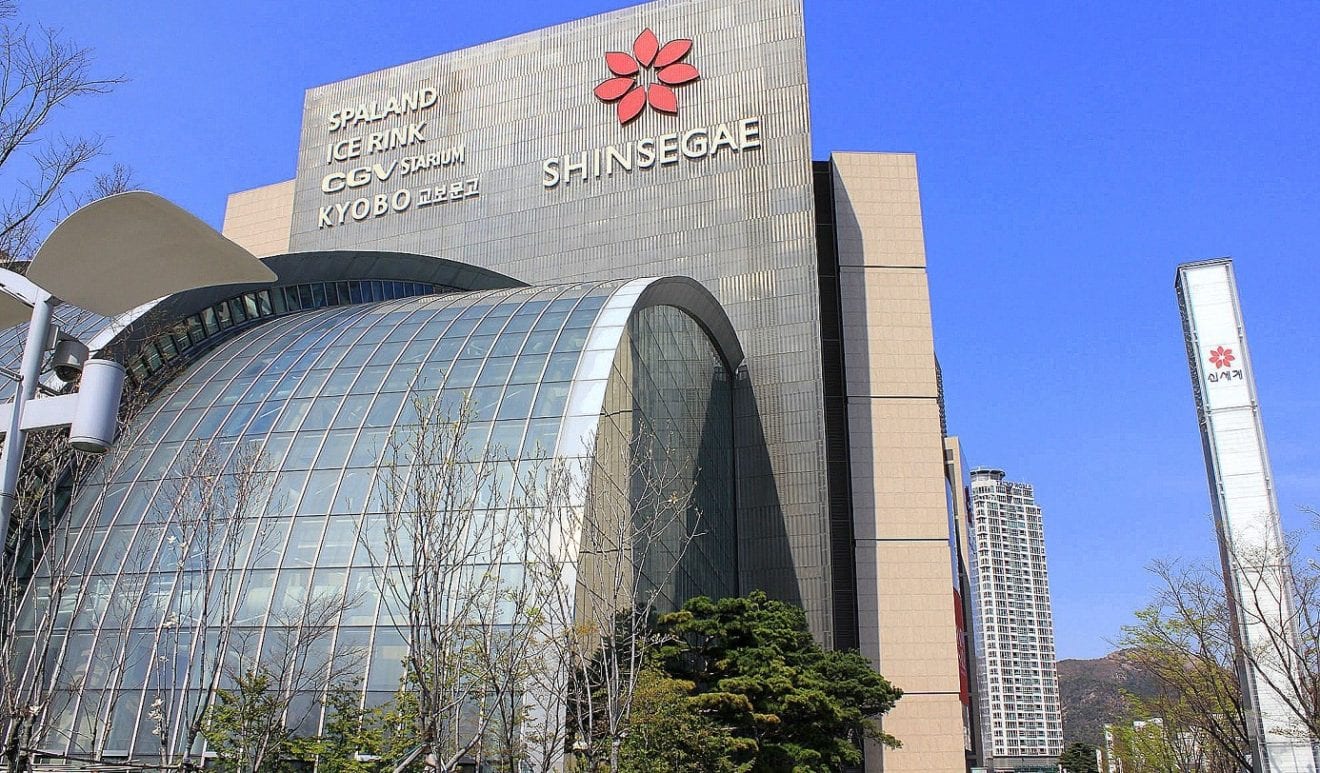
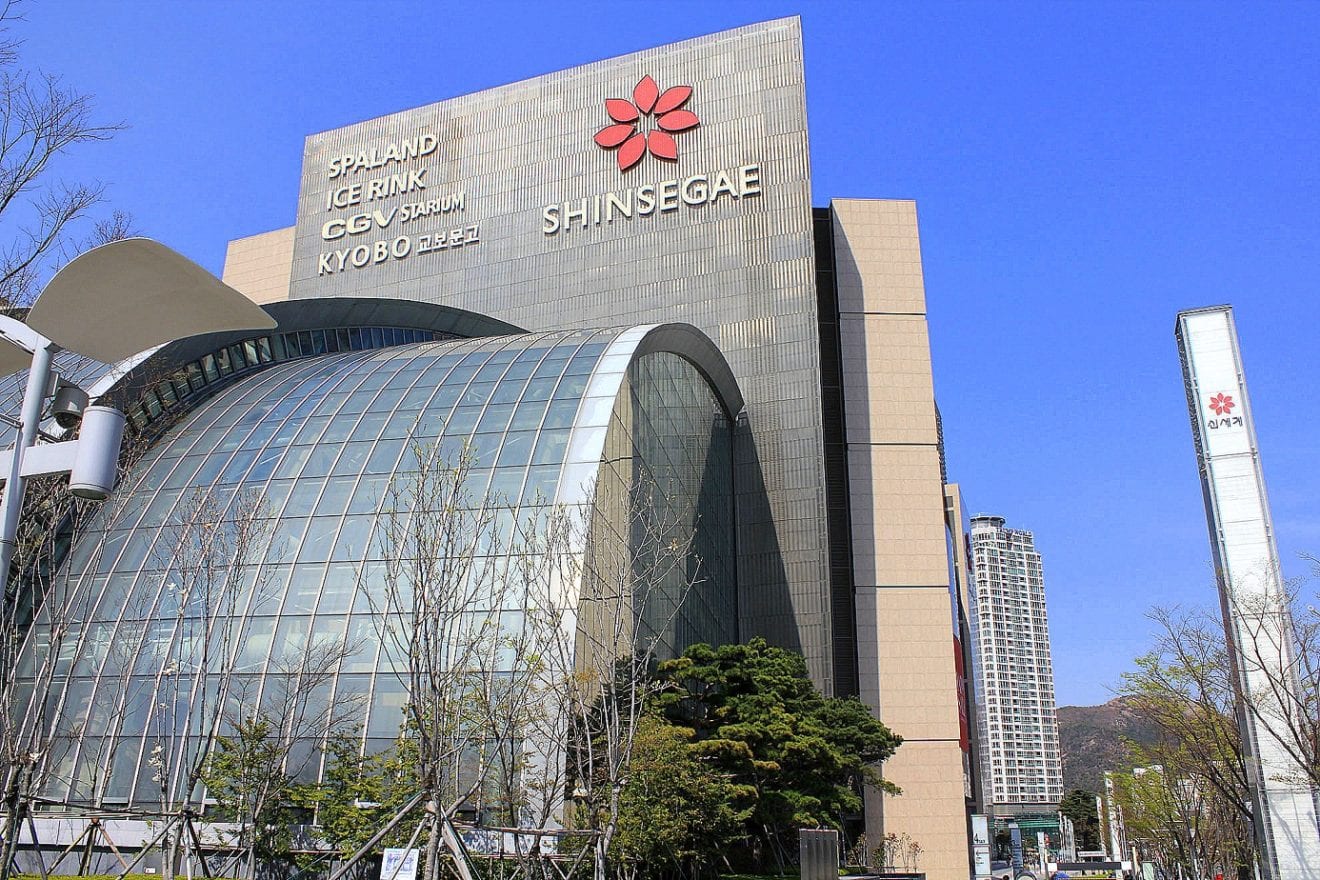
    The revamped Shinsegae department store in Gangnam will officially open on Friday.

    The store’s concept is heavily inspired by the high-end department store chains Le Bon Marche in France and Saks Fifth Avenue in the U.S.

    The Shinsegae Group, which is Korea’s second-largest retailer, has added six new floors to the annex building of its store in the affluent area of southern Seoul. This makes the 86,500 square-meter store the largest department store in Seoul. It also now houses 1,000 brands, up from about 600 brands previously.

    “The Gangnam store is important in every way. We are striving to suggest shopping as a lifestyle rather than to seek for simply sales growth,” said Jang Jae-young, CEO of Shinsegae Department Store, at the press briefing to mark the opening.

    The company has seen sales come to a standstill over the past few years, mainly due to the global economic slowdown as well as competition from other retail channels such as e-commerce.

    The revamped store is designed to attract people who prefer a luxurious in-store shopping experience and Shinsegae expects it to be a game changer. Its Gangnam branch is expected to generate 1.7 trillion won ($1.2 billion) in its first year and 2 trillion won by 2019.

    Brands within the store are categorized into four major themes – shoes, contemporary, kids and living. Products Items are divided based on themes rather than by brand names. Hence luxury brands, such as Christian Louboutin, and domestic brands, such as Soda, mingle in the same zone.

    For those preparing for marriage, the store has dedicated a whole floor to wedding gifts and lifestyle goods. There, you can find anything from luxury goods, such as jewelry and watches worth hundreds of millions of won, to silver three-story tea trays or zen-style flower arrangements.

    “According to our research, people from countries exceeding gross domestic production per capita of $30,000 value the experience of shopping, its process and services they receive. We think the Korean market is ready for this,” said Ryu Sin-yul, vice president of the Gangnam store.

    Shinsegae plans to open five more stores this year — Busan Centum City Mall in March, an urban duty free store in May, two stores in Gimhae of South Gyeongsang Province and Daegu in June and December respectively as well as Hanam Union Square shopping mall in September.

    “We are not trying to compete with (other retail powerhouses such as) Hyundai or Lotte. We will create a new generation of shoppers who have never been to department stores before,” Ryu said.

  • Chinese spend $13.8bn abroad during Spring Festival

    Chinese spend $13.8bn abroad during Spring Festival

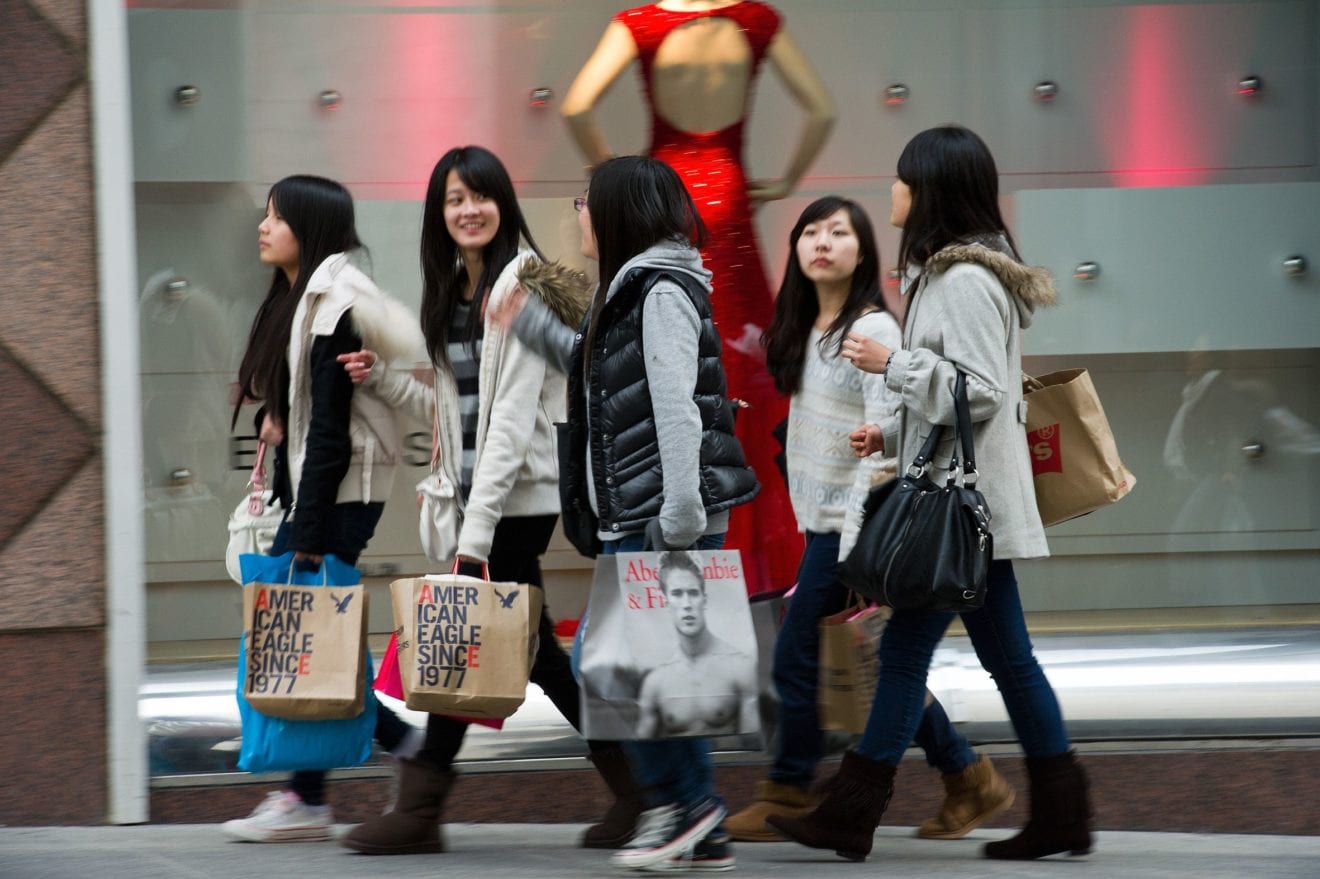
    During the Chinese Spring Festival, 6 million Chinese travelled overseas and spent a total of 90 billion ($13.8 billion) yuan on shopping.

    The products they purchased abroad included expensive luxury items, smart bidets, and electric rice cookers, but surprisingly, most Chinese tourists bought items used in everyday life such as cough syrup, sanitary napkins, condoms, stockings, electric toothbrushes, and nail clippers.

    Chinese media also reported on the phenomenon of their people buying commonplace items during their travels abroad. Various media outlets reported that Chinese tourists bought condoms, sanitary napkins, nail clippers, tumblers, and cough syrup from Japan, and hair dye, shampoo, sanitary napkins with oriental medicinal herbs, ramen, and honey butter almonds from Korea.

    Cosmetics, health supplements and clothing were popular items from the US, as well as fountain pens, knives, key chains and electric toothbrushes from Europe.

    A clerk at a duty-free store in Osaka commented that sales were 2.6 times higher than in 2015, thanks to the spirited purchasing of low-priced, everyday items by Chinese tourists.

    A tour guide in Seoul commented that along with cosmetics, skincare products, and shampoo, snacks and stationary were popular Korean items among Chinese tourists.

    Some Chinese media outlets suggested that because overseas products are of better quality, can be purchased at more reasonable prices, and are safer than Chinese products, Chinese tourists stock up on foreign products when they have a chance.

    A Chinese consumer commented that she comes to Korea every year to buy facial packs and BB creams.

    “Of course, there are quality packs in China too, but so many are fake, and sometimes side effects occur even if the products are purchased at official stores.”

    Officials at Chinese consumer associations point out that China still lags behind neighboring countries in the manufacturing, design, and development of products, and should overcome the fact that the quality of their products is low in comparison to prices.

  • Indonesian bank opens branch in Seoul

    Indonesian bank opens branch in Seoul

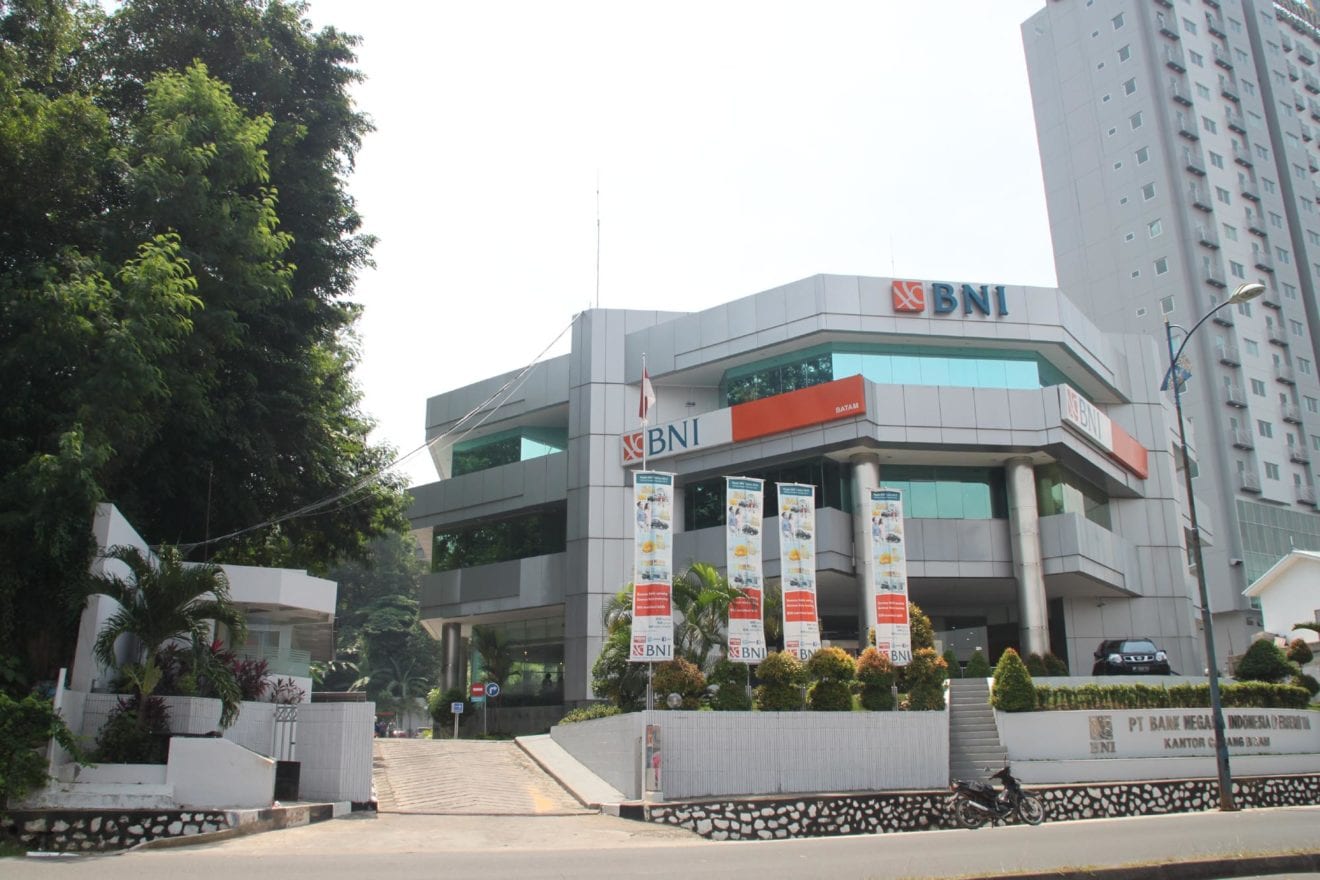
    An Indonesian bank, Bank Negara Indonesia (BNI) 46, opened a branch office in Seoul, South Korea, in Wise Tower, on Monday. It was inaugurated by the Ambassador of Indonesia to South Korea, John A Prasetio and Manager of BNI46 Seoul, Wan Andi Aryati. “The banking industry in South Korea is already shaken, but BNI46 still sees market potential,” Wan Andi said in a statement received by ANTARA here Monday. The BNI46 targets the domestic trade market according to her. “BNI Seoul wants to be a bridge to establish cooperation between Indonesia and South Korea by providing loans and other related banking services,” Wan Andi said.

    The BNI46 also provides services for South Korean businessmen who want to invest in Indonesia, she added.
    “We are also targeting the Indonesian labor market in South Korea, which now reaches 40 thousand people. We are committed to providing the best service for the Indonesias foreign exchange heroes,” she said.

    Meanwhile, Ambassador Prasetio stated that the world economy is still in a state of collapse. The stock market and the value of currency in some countries against the US dollar continues to decline.

    “This shows that the global sentiment has not been encouraging. Uniquely, the Indonesian economy is relatively solid in the middle of the uncertainty shocks,” the ambassador said.

    Cooperation in trade and investment between Indonesia and South Korea are still positive. The demand for Indonesian products and South Koreas investment in the country are progressive, according to him.

    “They respond positively on the economic policies of President Jokowi (Joko Widodo). I believe that the presence of BNI46 in Korea is very important to bridge cooperation between the two countries,” the ambassador said.

    Data from the Investment Coordinating Board (BKPM) shows that South Koreas direct investment in the country in the last five years is ranked fourth with a value of more than US$7 billion. Currently, there are 2,700 South Korean companies in Indonesia.

  • Korean department stores offer instant tax refunds to tourist

    Korean department stores offer instant tax refunds to tourist

    South Korean department stores will start offering instant tax refund services to foreign customers from this month as part of an effort to boost sales.

    Under the new program, foreigners can buy products without paying the mandatory 10 per cent value-added tax (VAT) if the item costs 30,000-200,000 won (US$25-166), observers said. Each person can be exempt from VAT for up to the first 1 million won in purchases. Products that cost more than 200,000 won require the buyer to pay the VAT and get a refund later on.

    Seoul announced last year that it would implement changes to the way all local tax-free shops operate in 2016 by making it easier for tourists to spend in the country without the need to hold onto purchase receipts that must be shown at departure to get tax refunds.

    Lotte Department Store, South Korea’s No. 1 luxury retailer, said the instant tax refund will be given at its main Sogong-dong flagship store in downtown Seoul.

    Shinsegae Department Store said its main store in Jung-gu will offer the service to customers, while Hyundai Department Store plans to give immediate tax refunds at its main Apgujeong store and its Coex outlet in southern Seoul.

    Department stores said they picked the stores because they are the most frequented by foreign visitors, with more stores to be added later.

    “Foreign shoppers can buy products minus the 10 per cent VAT so there is no need to keep tabs on receipts or show the product they purchased at the airport when they leave the country,” a Lotte official said. “This can greatly reduce the hassle at airports and should fuel sales at our store.”

    In addition, local department stores said they will kick off promotion sales to attract Chinese tourists who are expected to arrive in large numbers during the Chinese Lunar New Year holiday. The traditional holiday runs from February 3 through February 13 this year.

    Lotte said it will give 50,000 won discounts for purchases exceeding 1 million won, with gift cards equal to 5 per cent of the purchase of the total to be given if the total tops 10 million won. Shinsegae said it too will give upwards of 30 per cent discounts and gifts to foreign tourists that buy items at its stores in February. The retailers said that to get the benefits the shopper needs to show his or her passport when making the purchase.

  • Shinsegae Group in massive expansion plan

    Shinsegae Group in massive expansion plan

    Shinsegae Group says it will invest 4.1 trillion won ($3.4 billion) this year and hire 14,400 new staff to expand its retail business and revitalise the “sagging domestic economy”.

    “The overall retail sector has been struggling to deal with continued sluggish domestic consumption,” a Shinsegae Group official said. “But we decided to invest more and hire more workers to find new growth engines and help inject vigor into the stagnant domestic market.”

    Shinsegae, Korea’s largest retail group, will open 10 shopping centres across the country in 2016, including the massive Hanam Union Square southeast of Seoul, built on a 117,000 sqm site and employing 5000 staff. That project is worth 1 trillion won alone,  (US$832 million).

    The company’s discount arm E-Mart, is building a logistics centre in Gimpo, in the Gyeonggi province, to support an expanded online business as it ramps up competition with rivals including Coupang. It also plans to increase the size of many of its existing stores as well as opening new shops in Vietnam and other Southeast asian markets.

    Three new Shinsegae department stores will open their doors – in Hanam, Gimhae (in South Gyeongsang Province) and in Daegu. Stores in southern Seoul and downtown Busan will be expanded.

    And the company’s Shinsegae Duty Free operation is putting the finishing touches on an upmarket duty free store inside its downtown Seoul department store. That shop is scheduled to open in May.

    “Business conditions at home and abroad have largely been unfavorable for us,” said Shinsegae Group vice chairman Chung Yong-jin.

    “We expect to bear fruits this year from our investments in multipurpose shopping centers, duty free shops and department stores. We will continue to invest and hire workers as a leading retailer to help bolster the domestic economy,” he said.

  • Drones manufacturer DJI to open flagship retail store in Korea

    Drones manufacturer DJI to open flagship retail store in Korea

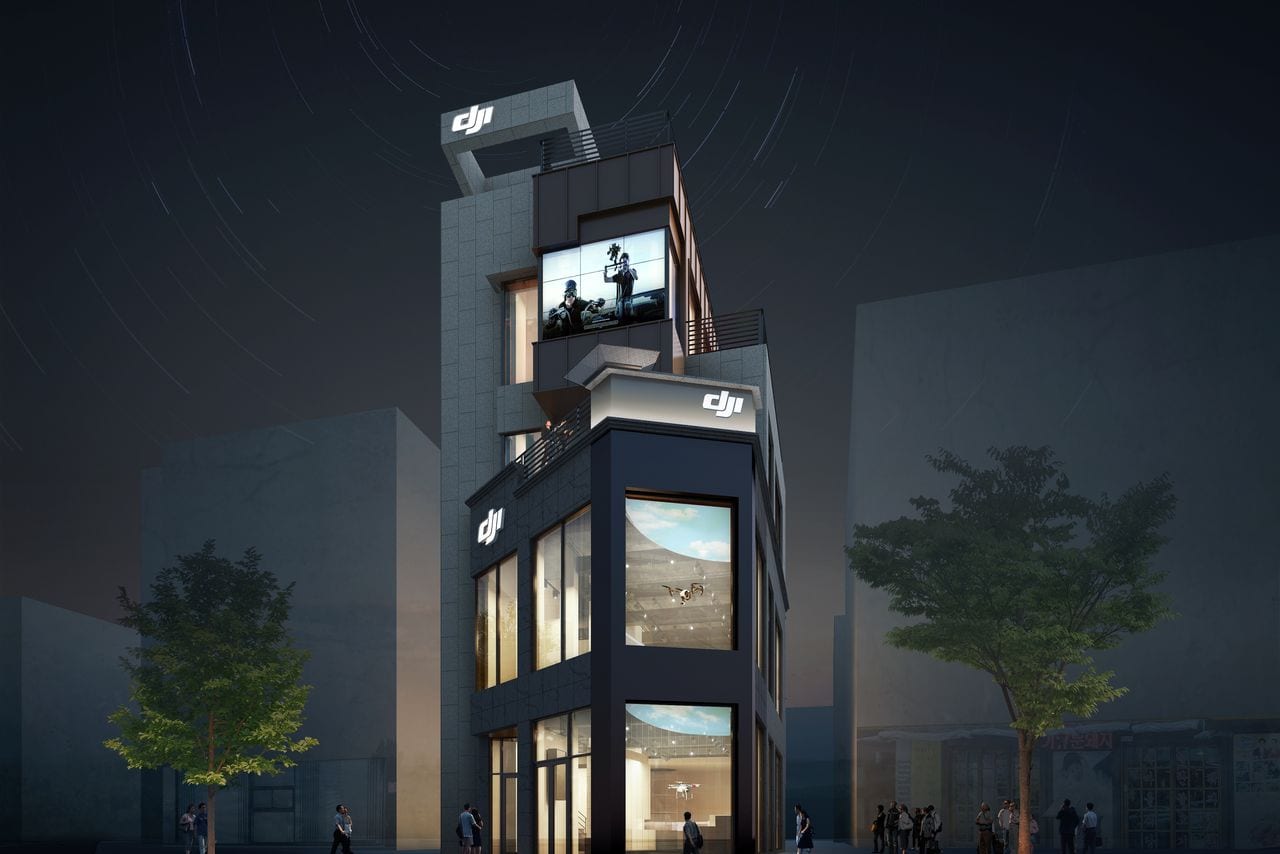
    DJI, a manufacturer unmanned aerial vehicle technology, is set to open a flagship store in Seoul’s Hongdae district in March.

    Frank Wang, DJI Founder and CEO, said the location was chosen as Hongdae is a vibrant district that combines urban arts, indie music and pop culture.

    DJI korea inside

    “DJI is also creating a cool new culture for aerial enthusiasts, allowing people to experience and see the world from a new perspective,” he said.

    The five-story, 870-square-meter store will feature a full range of DJI’s consumer products, including the Phantom 3 series, the Inspire 1 and Spreading Wings series, Matrice 100, Guidance, the Ronin handheld three-axis camera gimbal line, as well as the company’s latest integrated stabilized 4K handheld camera, the Osmo.

    The store will have a lounge area for visitors to relax and enjoy aerial footage and content from around the world; a customer experience zone where DJI pilots will perform demos for different products; and customer support.

    The Seoul store is DJI’s second foray into retail after the December opening of its OCT Harbour shop near the company’s headquarters in Shenzhen, China.

  • Lotte founder appears in court to prove his health

    Lotte founder appears in court to prove his health

    The 93-year-old founder of South Korean retail giant Lotte Group walked into a court hearing on Wednesday to prove that he still remains healthy, which has emerged as a critical factor in the bitter family feud between his two sons.

    Shin Kyuk-ho appeared at the Seoul Family Court after his younger sister claimed her aging brother is no longer capable of making consistent decisions, requesting the court to pick her as his legal guardian.

    The gaunt tycoon claimed his mental competency is the same as in his 50s during an hour-long hearing and exited the court in a wheelchair, his lawyer told reporters, without elaborating on details.

    Shin Kyuk-ho, a 93-year-old founder of South Korean retail giant Lotte Group, enters a Seoul court on Feb. 3, 2015, for a hearing on his legal guardian. (Yonhap)

    Shin Kyuk-ho, a 93-year-old founder of South Korean retail giant Lotte Group, enters a Seoul court on Feb. 3, 2015, for a hearing on his legal guardian. (Yonhap)

    His lawyer said Shin will go through physical check-ups and ask for the court’s decision on whether he needs a legal guardian.

    After a months-long succession feud, Shin’s second son, Dong-bin, took control of the nation’s fifth-largest conglomerate last year. His older brother, Dong-joo, was stripped from the company’s senior posts, but he has claimed that his father chose himself as the legitimate successor for the group.

    Dong-bin has claimed that his father is unable to make reasonable judgments due to mental health problems.

    The founder and his family members have come under fire for exerting uncontrolled power over the business empire with a meager stake, tarnishing the corporate image with the nasty succession fight.

    South Korea’s antitrust watchdog said Monday that the founder and immediate family members of Lotte Group own just 2.4 percent of a stake in the businesses they run, which include food, leisure, construction and chemical businesses.

    The group initially began as a small confectionery business in Japan before it built up operations in South Korea. At present, the bulk of the group’s business comes from South Korea, with Shin and key family members all holding South Korean citizenship.

  • Korea duty free operations offered

    Korea duty free operations offered

    Two international airports in are set to review operational licenses for South Korea duty free shops.

    But the upcoming bids are unlikely to become competitive due to sluggish profitability, industry sources told Yonhap on Wednesday.

    Gimpo International Airport in western Seoul is expected to open a bid for tax-free shops later this month as the current operating rights expire in May after five years of operation.

    Currently, Hotel Lotte Co. and Hotel Shilla Co. have duty-free shops at the airport.

    Gimhae International Airport, west of the southern port city of Busan, also has to select a new operator as Shinsegae Co, a major retailer, shut down its store in December to focus on its city outlets.

    Shinsegae won a right to open a new duty-free shop in Myeondong, a popular tourist destination in downtown Seoul.

    While several local retailers threw hats into the ring for licenses in downtown Seoul last year to attract affluent Chinese shoppers, the upcoming bid is not likely to fuel competition as current shops at the airports have had difficulty making ends meet.

    Sales at the Gimpo and Gimhae outlets stood at 140 billion won (US$116 million) and 130 billion won, respectively, last year, according to their financial reports.

    Hotel Lotte said it plans to renew its license for Gimpo and decide on the Gimhae store after considering potential profitability.

    The unit under retail giant Lotte Group lost its license in southern Seoul in a tightly contested bid amid a bitter succession feud between the founder’s two sons.

  • Seoul retail rents fuelled by food frenzy

    Seoul retail rents fuelled by food frenzy

    In the backstreets of Seoul, hipster culture is flourishing, and specialist cafés and eateries are jostling with big brand names to gain exposure in so-called “hot” neighborhoods. And as the crowds grow, so too do the retail rents.

    Just 10 years ago, Seoul wouldn’t have been the first city that came to mind as hip. As its economy picked up, a new class of Korean consumer has emerged and many are well travelled, knowledgeable and have discerning tastes, reports JLL Retail Views.

    Nick Kim, head of retail advisory & marketing in JLL’s Seoul offices, attributes the popularity of backstreet food and beverage (F&B) outlets to the fact that locals are always looking for “new, trendy, different places”.

    “They enjoy the blending of Korean and international cultures,” he says, and find cultural innovation on the backstreets, where prices are cheaper and the atmosphere is more casual.

    The rapid rise of artisan eateries and stylish bakeries in these alleyways was aided by the gentrification of districts such as Hongdae and Itaewon – formally avoided because of their association with crimes and drunkenness. F&B entrepreneurs typically set up shop on the back streets for good reason: real estate is far cheaper in the alleys than on the main roads.

    The pull of South Korean cool

    Thanks to promotional efforts by the government and the huge international success of South Korean pop music and television shows, the country’s cultural exports have gone beyond Kimchi and Psy’s global hit Gangham Style.

    According to Food Industry Asia, ‘Seoul Food’ is enjoying an international renaissance. Korean food tops the list of foods purchased at foreign specialty stores in China, is the most prominent emerging style of restaurant and cuisine in Singapore and is among the most popular cuisines for Australian consumers in 2014. his proliferation of modern Korean culture has led to a surge in the number of visitors to South Korea, from the region, notably from mainland China.

    As retail sales growth averaged about 2 per cent in recent years, a rising number of local fashion brands and F&B outlets have contributed to the steady rise of retail rents in Seoul’s prime submarkets.

    One example is Garosugil, one of Gangnam district’s most renowned enclaves, where rents have almost doubled over the past five years. The high street shops in Myeong-dong, the city’s prime shopping district, command the highest rents in South Korea at $6,244 per square meter per annum. Myeong-dong ranked third in Asia Pacific’s high street rents in the second quarter of this year, behind Hong Kong’s Russell St and Tokyo’s Ginza.

    However, when a backstreet turns into a main street, often following the entry of big brand names or retail chains, some diners move on. This sometimes leads to the creation of other alleyways, which is what happened in Garosugil, once known for its unique eateries. After big names such as H&M and Starbucks moved onto the street, newer, authentic outlets started to spread along many vertical roads nearby, says Kim. This has given Serosugil, a series of small alleyways near Garosugil, a new lease of life.

    In recent years, Seoul’s food culture has not only spilled over from its backstreets to Asia’s retail malls but has also hit the streets of London and New York. Following in the footsteps of K-pop, K-beauty and K-movies, K-food is increasingly gaining prominence in Western markets.

    There are already signs of a growing trend towards Korean fusion restaurants such as the American-Italian-Korean cuisine offered at Piora in New York City’s West Village and Jin Jiu in London. Key to the success of K-food culture overseas is the strong advocacy by the country’s Ministry of Agriculture, Food and Rural Affairs, which has been actively organizing food fairs in Indonesia and Malaysia and has even opened Korean culinary classes in universities in Vietnam and China.

    So far it’s been a winning strategy – and the appetite for all things Korean is far from sated.

  • Hanwha Galleria to open in Seoul on Dec

    Hanwha Galleria to open in Seoul on Dec

    Hanwha Galleria, the retail unit of South Korean conglomerate Hanwha, says it will partially open its first duty-free store in downtown Seoul next week.

    About 60 per cent of the trading floor of the new store, located at the base of the gold-tinted 63 City Building in Yeouido will open for business on December 28.

    The target customers: cashed up Chinese tourists now flocking to Korea in increasing numbers.

    The rest of the store will open in June.

    The pre-opening will showcase 369 brands, including cosmetics, watches and jewellery, on four floors, with nearly half of them being Korean brands.

    Although Hanwha said it has been working on attracting global luxury brands to the store, it has made little progress.

    “Although we want to have (luxury brands) in the stores, they are not yet considering opening new shops, thinking they have enough shops (in South Korea),” Hwang Yong-deuk, CEO of Hanwha Galleria, said during a briefing.

    The company said it will continue negotiations to house global brands when Lotte World Tower, a duty-free store by retail giant Lotte, closes its outlet this month after losing its operating license in a recent bid.

    Hanwha vowed to step up its bid to expand its duty-free business down the road, adding it is targeting 504 billion won (US$429.6 million) in sales at the new store next year.