Retail News CRM

Tag: skincare

  • COSMOAI Opens Flagship Store at Imperial Hotel Tokyo

    COSMOAI Opens Flagship Store at Imperial Hotel Tokyo

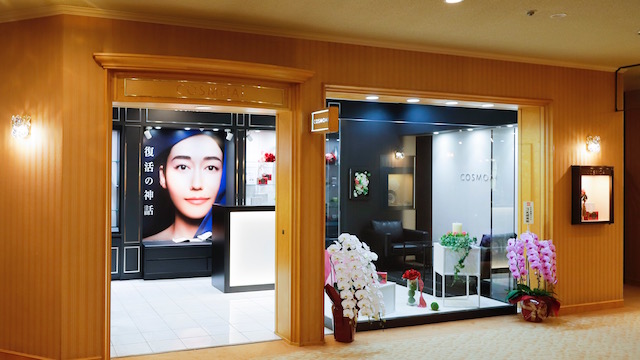
    Japanese skincare brand Cosmoai has opened its Tokyo flagship store at Imperial Hotel Tokyo. The new store covers an area of 59sqm and showcases the company’s signature products to business and mid- and upper-class customers. It is the second Cosmoai store in Japan following its first flagship store in Nagoya.

    Cosmoai’s CEO Takayuki Inoue said the store provides an opportunity to introduce Tokyo customers to premium product lines and enable them to try them out.

    Cosmoai specialises in skincare solutions and enabling anti-aging skin repair and revival. Coinciding with the new store is the launch of a new hair care product, 18-Hair Care EX, a pill taken orally that addresses the problem of hair loss and improves hair health.

    The company’s products are now available in Tokyo, Nagoya and Hong Kong and online.

  • Tanachira Retail buys out HARNN for $30m

    Tanachira Retail buys out HARNN for $30m

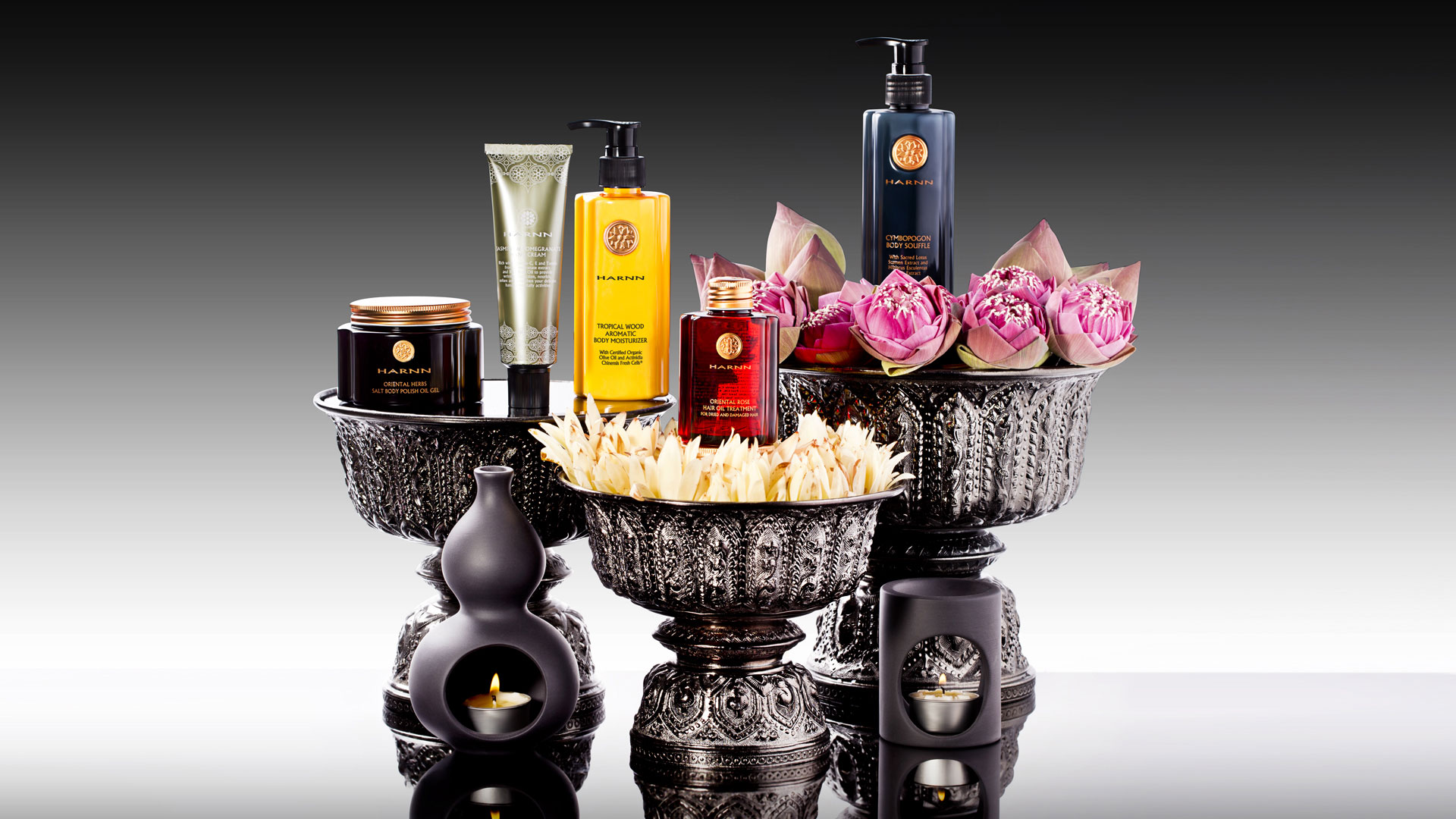
    International fashion and lifestyle brand distributor Tanachira Retail has acquired Thai health and beauty business Harnn. The THB1 billion (US$30.4 million) purchase is part of the firm’s moves to become a regional lifestyle company.

    Tanachira CEO Tanapong Chirapanidchakul said: “We will use our strength and expertise to expand Harnn’s business throughout Asia, with priority markets China, Taiwan and Japan.”

    Harnn products sell at more than 30 branches throughout Thailand and are distributed in 16 countries, predominantly in Asia.

    The acquisition, which covers brands, intellectual property assets, and business networks will help Tanachira to reduce risk from dependence on imported brand revenue. The firm will build brand awareness for Harnn among Thai consumers before building international partnerships with current and new dealers in new international markets, focusing on Asia.

    Tanachira’s CFO Aphichai Pholkosol said: “By 2020, we target Harnn contributing about 25 per cent of our total revenue at THB2.25 billion, helping us to list on the stock exchange in the second half of that year.”

  • Luxasia Vietnam targets generation z buyer

    Luxasia Vietnam targets generation z buyer

    Singaporean luxury beauty and lifestyle distributor Luxasia is making moves into Vietnam. The brand will be targeting younger millennial consumers who are thought to be responsive to social media and social media influencers.

    Luxasia Vietnam is focusing on the nation’s fast-growing economy and strong population of nearly 100 million. It currently offers 20 brands in the market, but is planning to introduce more incrementally. It also has designs on developing new distribution channels via small independent perfumeries, and building an e-commerce platform.

    Luxasia’s regional MD Karen Ong said of the Vietnamese market potential for beauty products, “It is still very much big brands focused. People want to use something other people recognise.”​

    Regarding the business climate, Ong commented: “In Singapore we take things for granted. We shake on it and we think it’s done and that everyone knows what to do. But there, you have to follow up and chase. There’s a lot of email back and forth. It reminds me of how we used to do business 10 to 15 years ago.”

    “It’s still very relationship based, the speed is much slower, and even if you plan way in advance, things may not always execute the way you have planned. The follow up has to be very close and you have to be very prescriptive in the way things want to be done.”​

  • Strongest L’Oreal sales growth in 10 years led by APAC

    Strongest L’Oreal sales growth in 10 years led by APAC

    L’Oreal sales in Asia Pacific soared 25.8 per cent on a like-for-like basis in the latest quarter – making it the French-headquartered company’s strongest international market. Sales in the region hit €1.794 billion in the quarter and €5.342 billion year to date, an increase of 23.3 per cent.

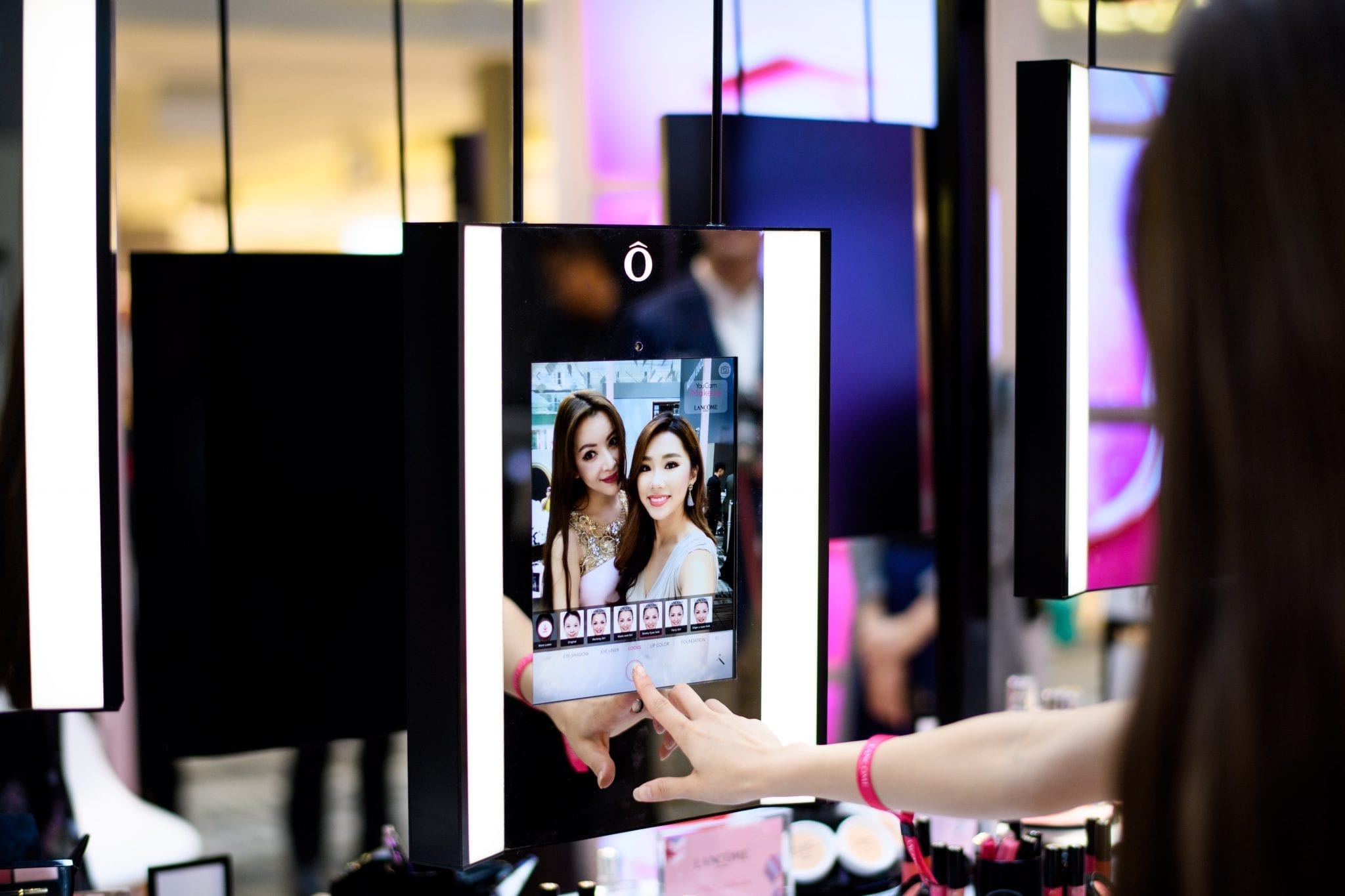
    “This acceleration in growth is boosted by strong demand from Chinese consumers, and the dynamic sales of the Lancome, Kiehl’s, Giorgio Armani, Yves Saint Laurent and L’Oreal Paris brands,” the company said in a statement.

    “In Northern Asia, the key factor remains the strong growth in China and Hong Kong, and in travel retail. In Southern Asia, sustained growth is continuing, particularly in India and Malaysia.”

    L’Oreal chairman and CEO Jean-Paul Agon said the company achieved its highest quarterly growth rate for 10 years in the three months to September 30. Worldwide sales reached €6.473 billion, up 7.5 per cent.

    “In a beauty market that continues to accelerate, driven by robust growth in skincare, the group maintains its strong momentum, with contrasted performances between the divisions. L’Oreal Luxe is showing dynamic growth, underpinned in particular by its four biggest brands, Lancome, Yves Saint Laurent, Giorgio Armani and Kiehl’s. The active cosmetics division, which continues to post double-digit growth, is being driven worldwide by consumer aspirations for dermocosmetics and the quality of its brand portfolio,” he said.

    While the consumer products division is being held back by persistent difficulties in some countries, the L’Oreal Paris and Maybelline New York brands are maintaining strong momentum.

    Travel retail globally was a standout for the group, posting growth of 29.9 per cent for the quarter and online sales grew by 38.3 per cent to now account for 9.7 per cent of L’Oreal’s turnover.

  • Estee Wonderland Christmas campaign uses AI technology

    Estee Wonderland Christmas campaign uses AI technology

    International skincare and beauty firm Estee Lauder has featured AI technology in its Estee Wonderland Christmas campaign in Hong Kong.

    The Quantum Human technology is an automated AI scan-to-avatar system that makes the customer the hero or heroine in their own virtual fairy tale.

    The carousel-themed Estee Wonderland promotion also features pop-up counters, where visitors can take a “magical carousel ride” into a favourite childhood fairytale as their avatars travel through time in a 22-second virtual reality movie.

    The technology is the brainchild of eight years of research and development. It uses expertise previously reserved for Hollywood productions to create virtual characters. The avatar automation process takes only a second.

    Unlike 3D scanning, where data cannot be used in media other than 3D printing, the Quantum Human technology enables true automation of the virtual identity creation en masse in full detail. As opposed to the month-long manual process, Quantum Human brings 3D avatars to life in minutes – 10,000 times faster than the manual process – making it viable for a broad spectrum of uses.

    The promotion has finished at Estee’s Langham Place store before moving to New Town Plaza, Sha Tin from November 10-18 and Ocean Terminal at Harbour City from November 26 to December 4.

    More pictures from the events (5 images) :

  • The Face Shop loses trademark battle with Louis Vuitton

    The Face Shop loses trademark battle with Louis Vuitton

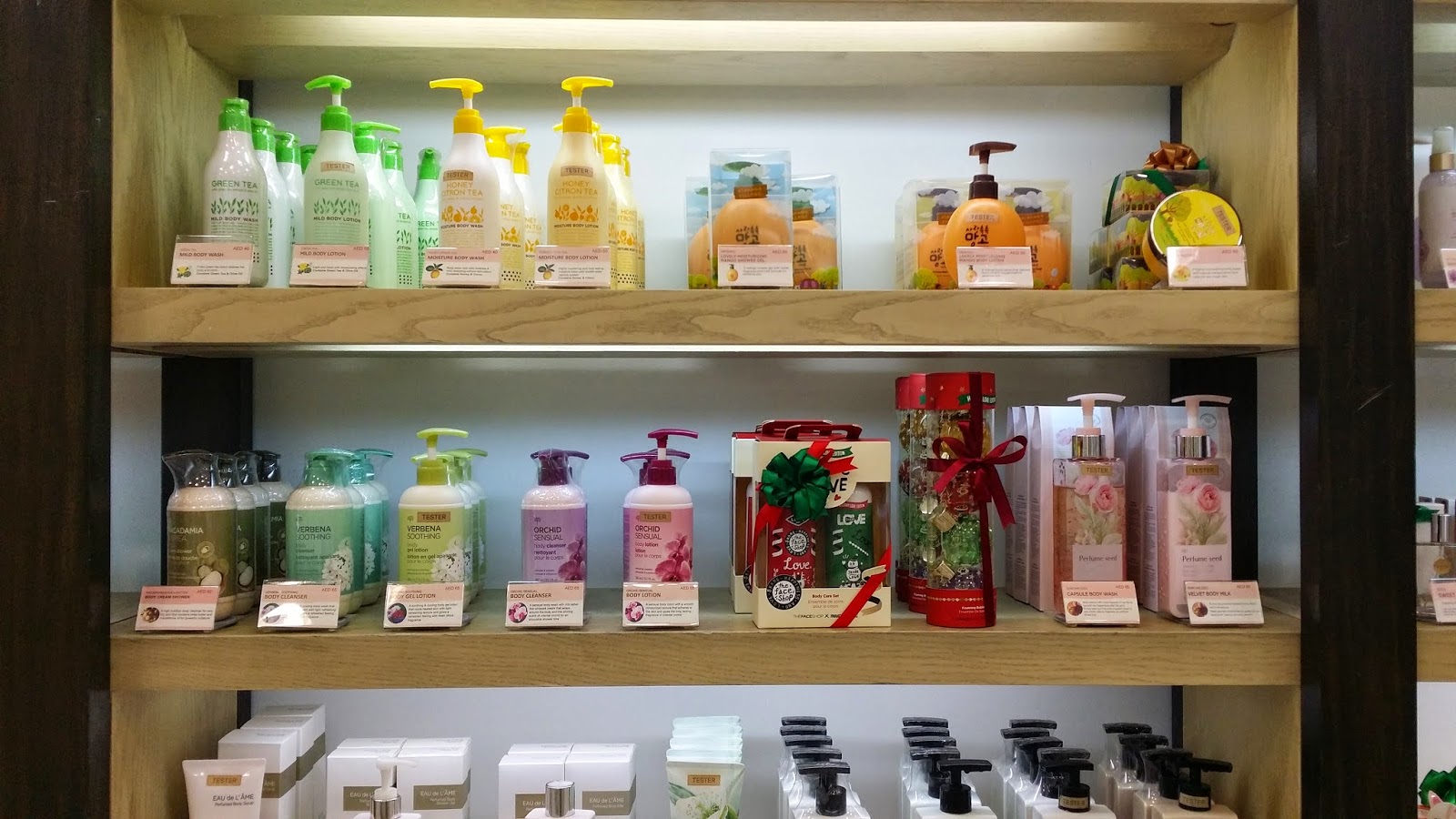
    Korean cosmetics firm The Face Shop has lost a trademark infringement case filed against it by French luxury brand Louis Vuitton. The infringement case relates to Face Shop’s collaboration with American brand My Other Bag, known for its parodies of luxury products. LV has unsuccessfully pursued My Other Bag for damages in American courts.

    Seoul’s Central District Court has ruled The Face Shop to cease trading in products featuring Louis Vuitton designs and pay KRW50 million (US$44,080) in fines.

    The Face Shop failed in its defense that their products were a parody due to the low market profile of My Other Bag in Korea and the difference in how The Face Shop used LV designs compared with My Other Bag’s parody products.

  • LimeLife acquisition helped boost L’Occitane sales

    LimeLife acquisition helped boost L’Occitane sales

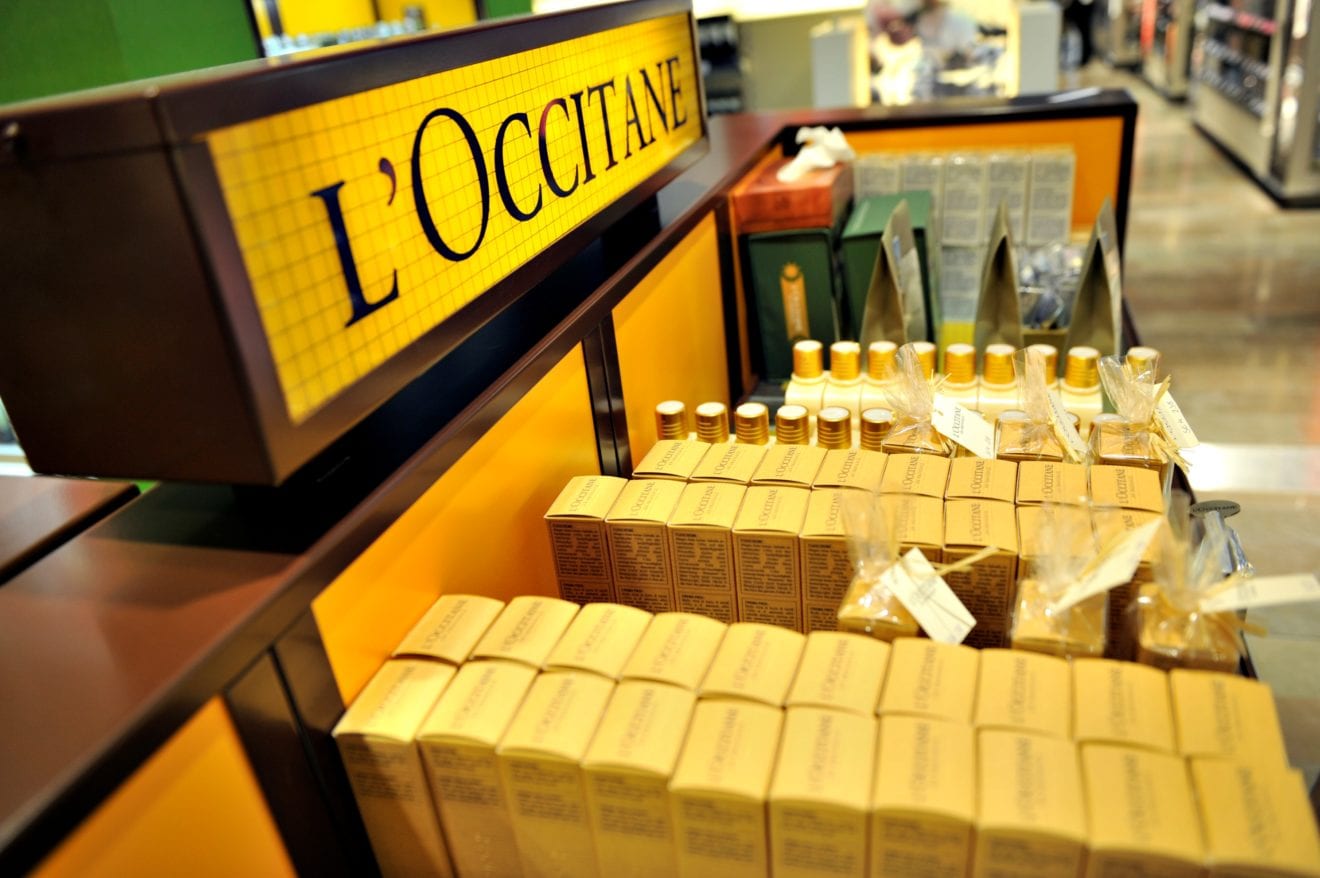
    Hong Kong-listed, Luxembourg-headquartered beauty products retailer L’Occitane has reported healthy sales growth on the back of a key acquisition. Same-store L’Occitane sales in Hong Kong rose 18.6 per cent on a currency-neutral basis in the six months to September 30, and by 14.1 per cent in Mainland China.

    Chairman Reinold Geiger said the Hong Kong growth was primarily driven by “dynamic” travel retail sales.

    But that was far less dramatic than the 65.8 per cent boom in the US, driven by the LimeLife by Alcone business which became part of L’Occitane in January, and the continued recovery of the core L’Occitane en Provence brand.

    Global group sales rose 8.6 per cent at reported rates and 12.4 per cent at constant exchange rates. After excluding the LimeLife business, like-for-like sales growth rose 4.9 per cent, which was higher than the 3.6 per cent of the first quarter.

    Global L’Occitane sales reached €595.4 million for the six months. It finished the period with 1555 of its own stores.

  • Amorepacific Group to expand in Australia

    Amorepacific Group to expand in Australia

    Amorepacific Group, the L’Oreal of Korea, is ramping up its presence in the Australian and New Zealand markets, as demand for Korean beauty products remains unabated. Over the last several months, the company has set up a head office in Melbourne under the direction of country manager Caroline Dunlop, launched its global luxury brands Amorepacific and Laneige at Mecca Cosmetica and Sephora, respectively, and opened two bricks-and-mortar stores under the banner of its popular natural beauty brand Innisfree in Melbourne. A third Innisfree store is due to open before the end of the year.

    Amorepacific Group said it will continue to further ramp up its expansion into the Oceania region after having closely studying the Australia and New Zealand beauty markets and their customers for several years. The company noted that Australia ranks among the the top five countries in the world for average cosmetics spending per person.

    “Australian and New Zealand customers are beauty conscious; taking great interest in global beauty trends and cosmetic ingredients. They also put a significant amount of time and effort into taking care of and protecting their skin against environmental factors in the region. In addition, their preference for natural makeup and healthy skin has led to a growing interest in K-beauty,” the group said in a statement.

    Amorepacific is far from the only beauty retailer moving to capitalise on the booming beauty sector, but it may be better equipped than most to do so. The company is Korea’s oldest and largest beauty business, recording around US$6 billion ($8.5 billion) in annual sales, and has a physical presence in Asia, North America, Europe and Oceania.

    “I am so pleased to introduce Amorepacific Group’s global brands … to Australia and New Zealand this year,” Dunlop said.

    “These much-loved brands have enthralled customers around the world, and K-beauty has grown into a beauty category in its own right. As a K-beauty leader, Amorepacific Group is driving innovative beauty trends globally. Through Amorepacific Group, customers will be able to experience and benefit from the long-established expertise and true essence of Asian Beauty.”

  • Bath & Body Works to open first store in India soon

    Bath & Body Works to open first store in India soon

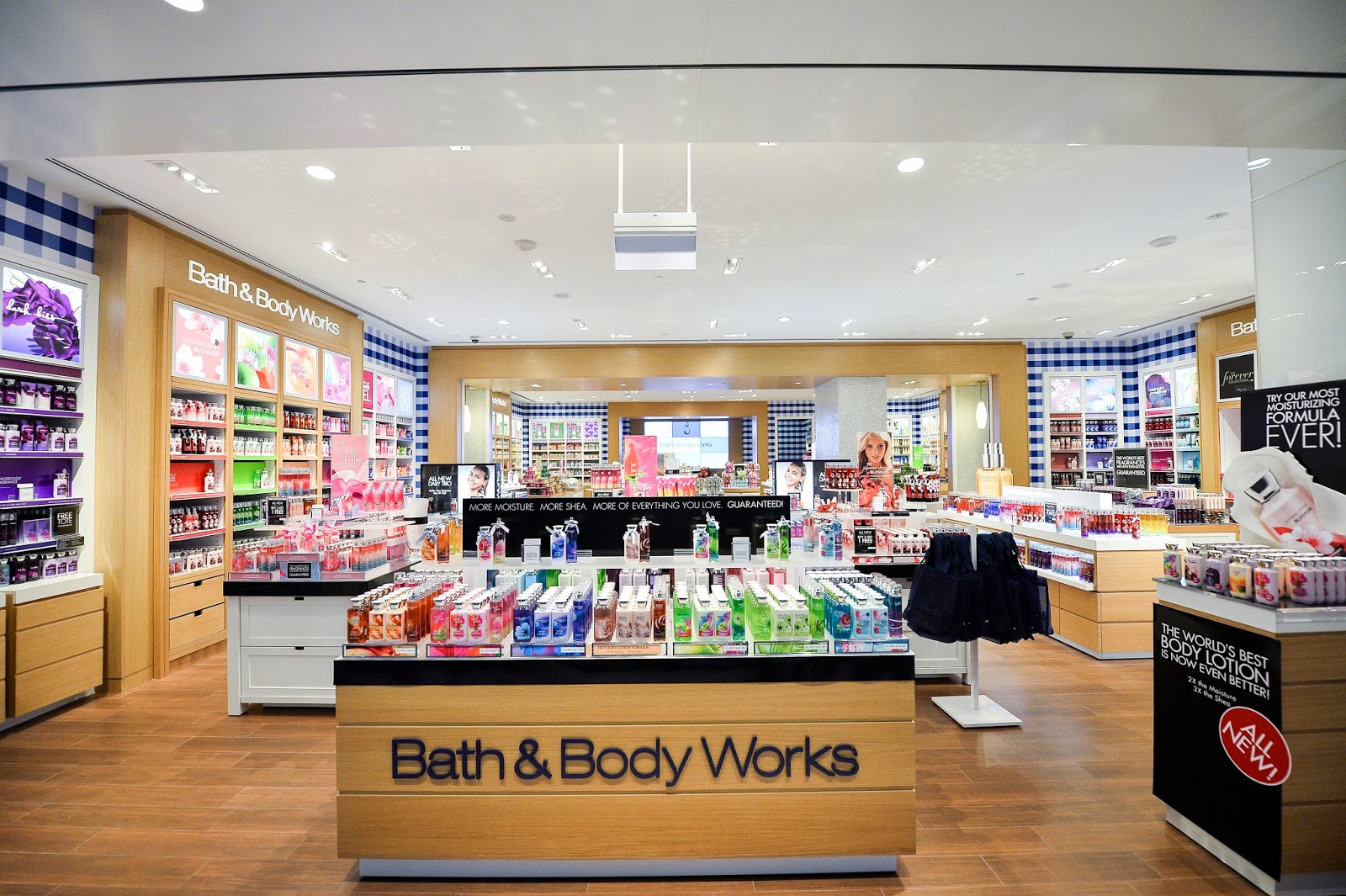
    Major Brands, India’s leading retailer for premier international fashion apparel, accessories and beauty brands is all set to launch Bath & Body Works first store in Mumbai at Palladium soon. Having established itself as one of the best and most sought after personal essentials and home fragrance brand, the Palladium store will be spread over 900 sq.ft that will allow customers to explore an extensive array of fashion fragrances for the bath, body and home.

    From fun and flirty scents to sophisticated and exotic fragrances, Bath & Body Works offers a wide range of world-class fragrances to suit every personality and occasion. Hallmark collections of the brand, including the Signature fragrances and White Barn Home Fragrance will also be available at the store.

    Launched in 1990, the brand’s portfolio today comprises over 200 different fragrances including the iconic Sweet Pea, Japanese Cherry Blossom, A Thousand Wishes, Aromatherapy, Hello beautiful as well as new seasonal releases.

    Earlier this year, the brand opened two of its flagship stores in New Delhi at Select Citywalk and Mall of India.

  • Sanrio Teams Up With The Créme Shop Launching Hello Kitty Skincare

    Sanrio Teams Up With The Créme Shop Launching Hello Kitty Skincare

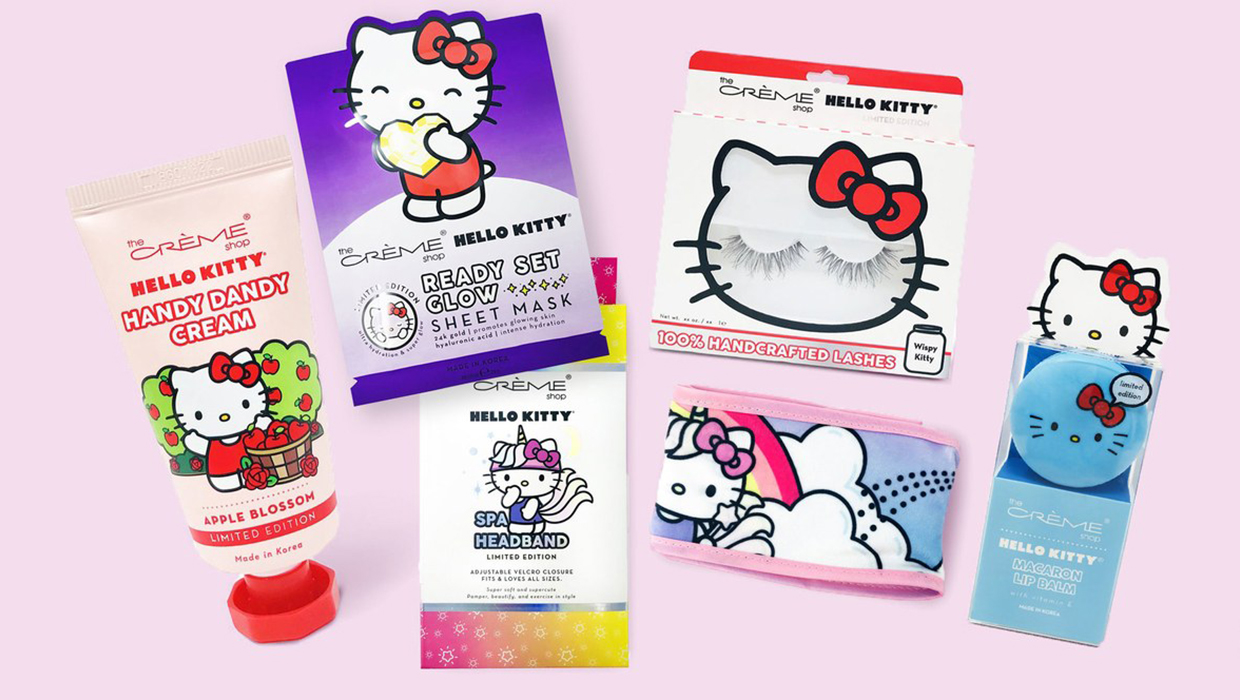
    Skin-care retailer The Creme Shop has released a collaboration with Hello Kitty. The new product range features 51 items adorned with the world-renowned Sanrio character, including face masks, lip balms, hand creams and bath bombs.

    The Creme Shop’s executive director Olive Kim said: “As a brand that loves to create fun and eclectic products for our customers, a partnership with Sanrio felt natural to us. We’ve always adored Sanrio’s whimsical aesthetic and feel that this collaboration will only enhance the enjoyment our customers receive from our products. The best news is, this is only the beginning of our collaboration, and we can’t wait to create more exciting beauty and skin-care products with Sanrio.”

    While the products are currently only available online and at the Sanrio flagship Los Angeles store, they will eventually be made available for sale at a range of offline chain stores.

  • Premium organic skincare brand Ikkai launched in India

    Premium organic skincare brand Ikkai launched in India

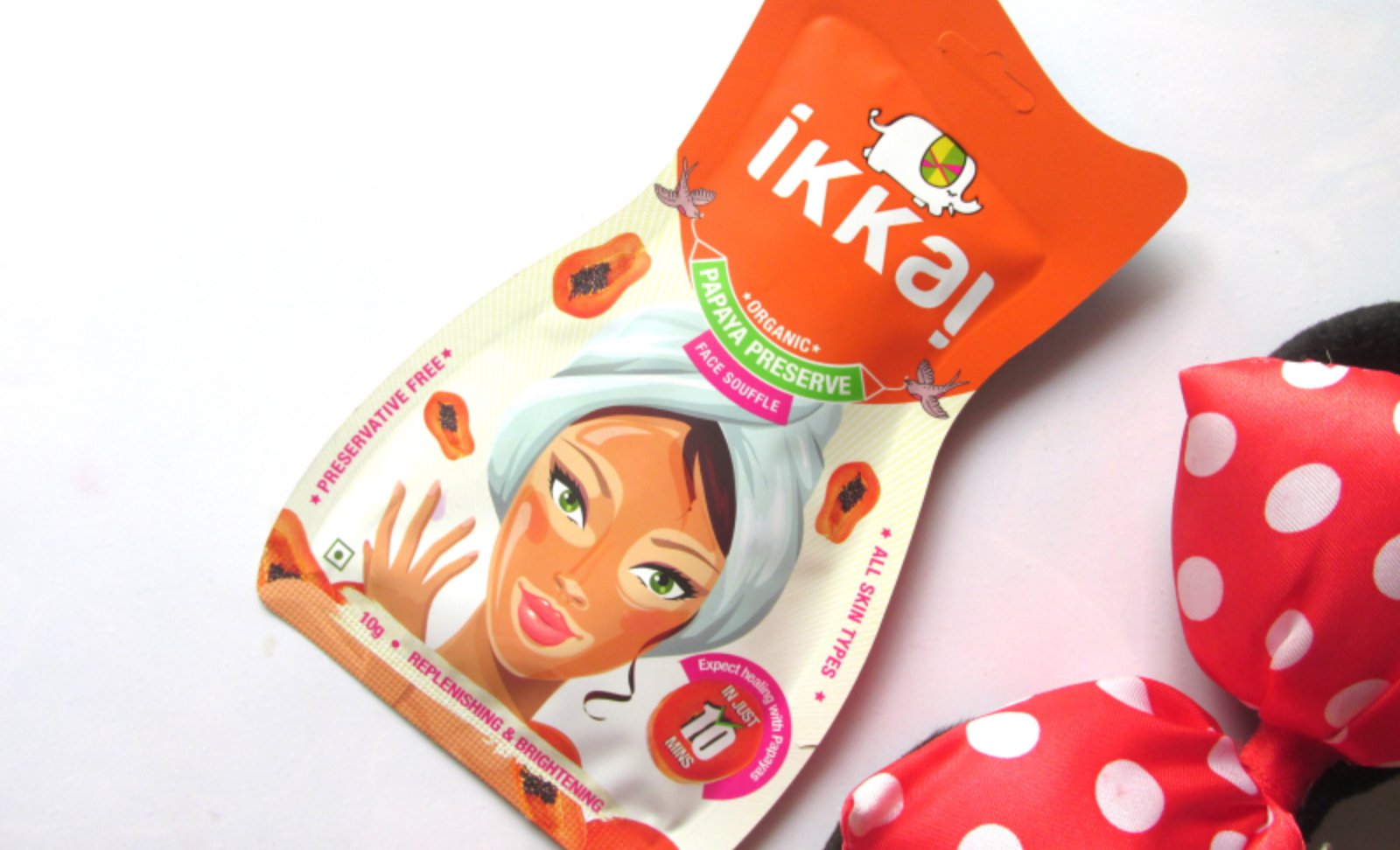
    India’s leading natural beauty brand Lotus Herbals has unveiled Ikkai, a premium organic skincare brand. Ikkai is a fun beauty care brand for the youth that delivers awesomely convenient organic skincare products in single use packs. Considered to be the ‘Future of Skincare’, Ikkai consists of a range of adorably delicious, happy beauty products that include organic face masks, soufflés and scrubs. The entire range employs potent organic formulations that administer higher concentration of active ingredients in each product to provide safe and natural care effectively. It helps combat the effect of stress, pollution and environmental damage making it one of the finest natural care products available in the market place.

    Speaking at the unveiling of Ikkai, Nitin Passi, Director, Lotus Herbals says, “It has been our endeavor to provide the Indian consumer the finest natural care products since we launched Lotus Herbals in 1993. Ikkai is a premium organic skincare brand that caters to the emerging skincare needs of today’s millennials and contemporary women. We are confident that our range of organic face masks, scrubs and soufflés packaged in one time use packs will appeal immensely to our target consumer.”

    Ikkai offers an innovative range of skincare products that are made with naturally sourced ingredients and enzymes. Cusotmers can indulge in the goodness of acai berries, blueberries, papaya enzymes , extracts of orange, lemon, carrot oil, almond meal, walnut shell and lot more.

    Ikkai products are available at leading e-commerce portals like Nykka, Amazon, Purple and Flipkart. These convenient one time use packs are priced between Rs 75 to Rs 325 for the combo packs.

  • Korea’s Skinfood getting close to bankruptcy

    Korea’s Skinfood getting close to bankruptcy

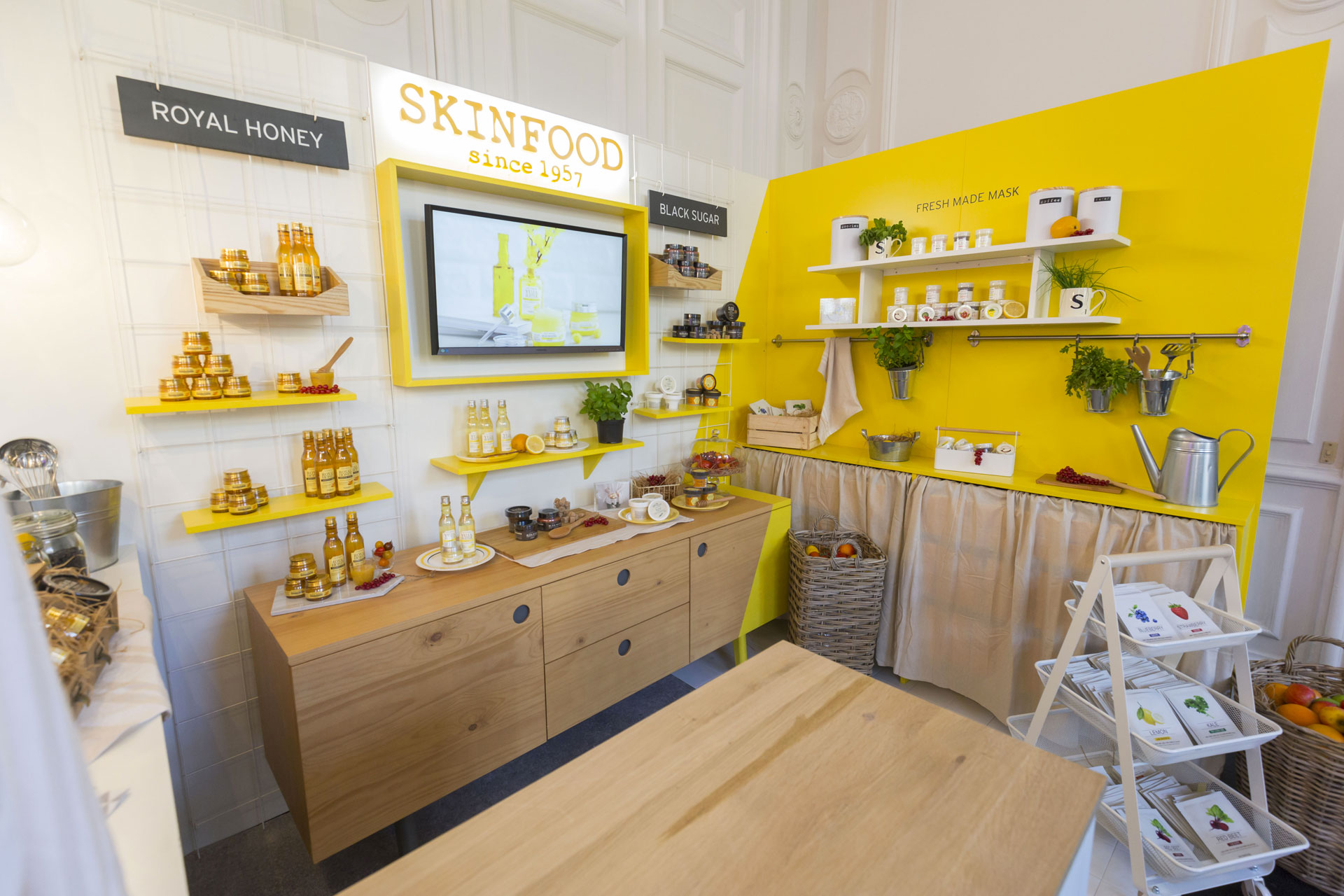
    South Korean cosmetics firm Skinfood has filed for court receivership after increasing financial losses.

    The company’s former popularity of a decade ago was hit by the 2015 Middle East Respiratory Syndrome (MERS) outbreak and diplomatic disputes between Seoul and Beijing, both events affecting the brand’s core overseas markets.

    A company spokesperson said: “We are having temporary difficulty in securing liquidity due to excessive debt. We sought the court restructuring as we thought settling the debt and promptly normalising management will benefit everyone, including the creditors.”

    The company has plans to sell off some of its overseas business rights and expand its online channels to improve its standing.

    Skinfood’s sales reached KRW126.9 billion (US$111.96 million) last year, a drop of 25 per cent from the year previous, with an operating loss of KRW98 billion ($86.46 million).

  • Alcheme Skincare ready continue with increased funding

    Alcheme Skincare ready continue with increased funding

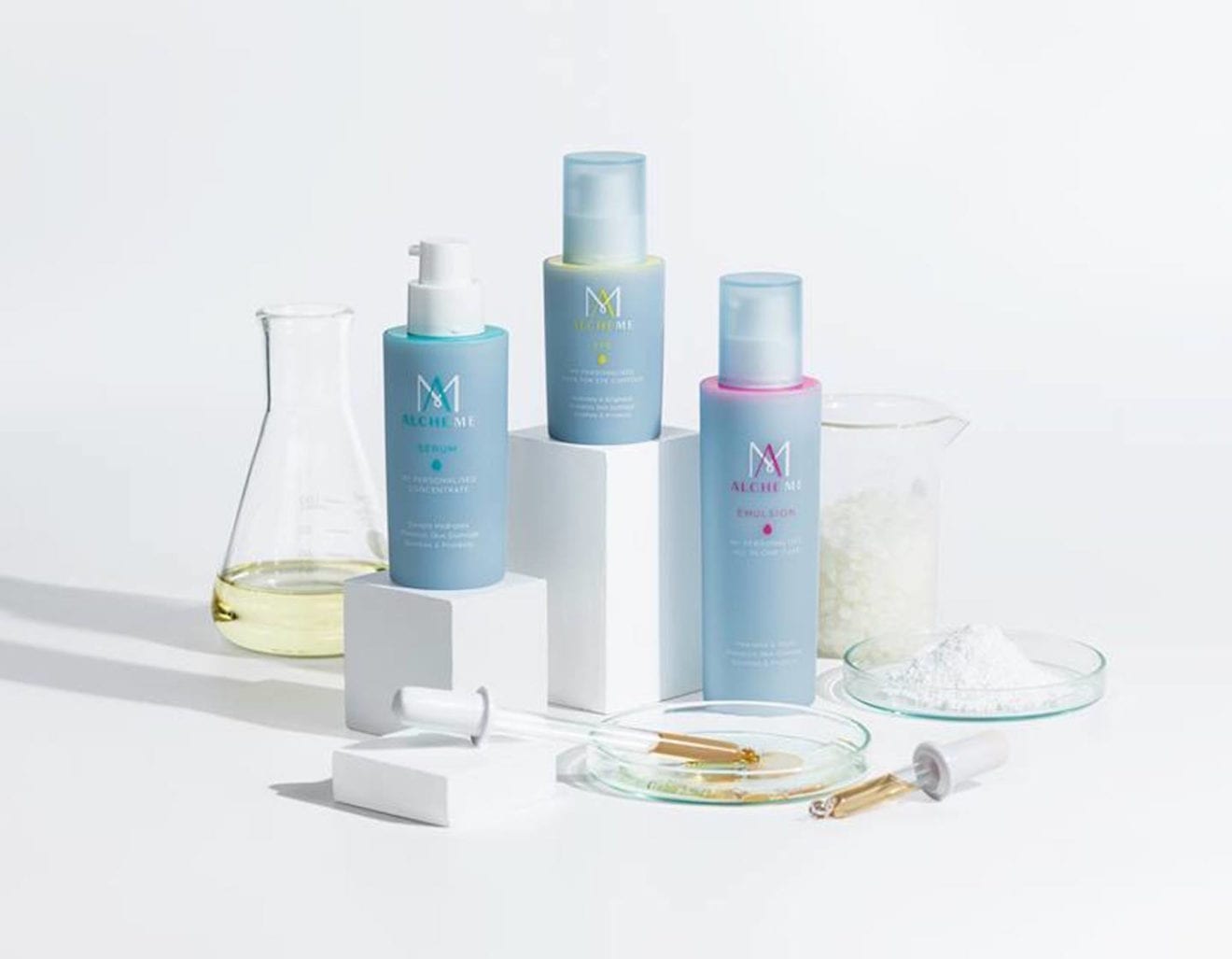
    Start-up Alcheme Skincare has closed its seed-funding round and says it is set to launch its disruptive model next month.

    It will use facial-recognition technology to provide “personalised” skincare products, say co-founders Tuyen Lamy and Constance Mandefield.

    Without disclosing the amount raised, CEO Lamy says said the funds will be used for product development, marketing, market expansion in Southeast Asia, and the establishment of an R&D and production laboratory.

    Both Lamy and Mandefield have a decade’s worth of experience in the skincare industry. They were inspired to develop their own line of products during their tenure at a global beauty brand.

    Using facial-recognition technology will provide an objective and scientific assessment of skin, say the co-founders. Data will be interpreted by proprietary algorithms in tandem with cloud-based technologies and open-sourced platforms.

    “The results are then interpreted and paired with active ingredients that not only address a customer’s specific requirements but also help provide an improved and enhanced complexion,” says Alcheme.

    Its point of difference stems from its direct-to-consumer business model, with its skincare products being customised, made-to-order and delivered to each customer.

    “Achieving perfect skin is not about making the most expensive or the most complicated choice, but about making the right choice,” says Lamy.

    Mandefield, Alcheme’s COO, says that insights from investment firm DSG Consumer Partners, which led the seed-funding round, “will help us strengthen our offerings and drive our expansion plans.”

    Based in Singapore, DSG Consumer Partners has a focus on consumer businesses in Southeast Asia and India.

  • SK-II to open pop-up store for Holiday limited edition

    SK-II to open pop-up store for Holiday limited edition

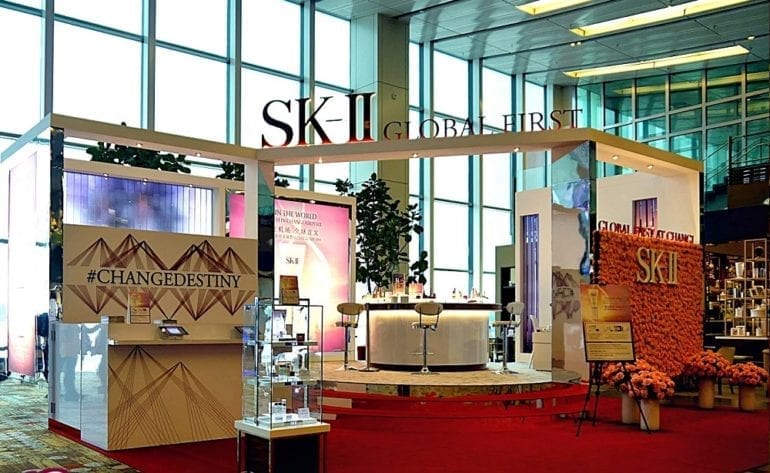
    SK-II opens a pop-up store of 2017 PITERA Essence Change Destiny Limited Edition at the Seocho-gu Central City Famille Station in Seoul for the holiday season.

    This pop-up store is designed with a variety of experience spaces and a wide range of enjoyment under the concept of a unique Pop Art design of the bottle of the PITERA Essence Limited Edition.

    A giant-sized bottle of PITERA Essence Limited Edition Bottle is displayed in the middle of the pop-up store that attracts attention and it allows anyone to experience a variety of ways to experience the PITERA Essence Limited Edition.

    Visitors take a picture  in the PhotoZone, which is surrounded by a variety of PITERA Essence Limited Editions.

    Limited Edition

    After taking a photo, they can select one of the three ‘#ChangeDestiny’ phrases on the bottle and the calligrapher will write the phrase on the a polaroid cover.

    In addition, SK-II’s beauty measuring system, Magic Ring, can be used to measure skin condition and offer beauty counseling.

    Visitors can participate in various activities at the PITERA station, including magic ring measurements, and present coins that are only available at the PITERA station.

    With the coin from the pop-up store, SK-II PITERA gift machine gives you the chance to get a variety of products from SK-II’s best products.

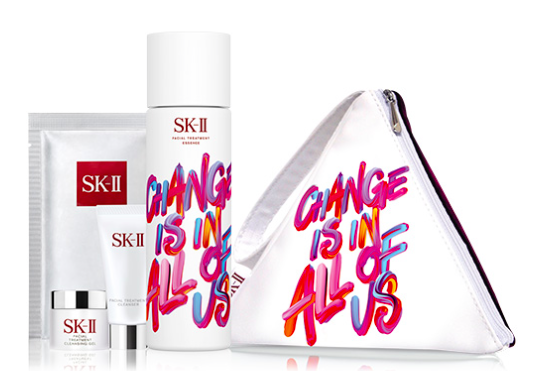
    The motif of this pop-up store, the PITERA Essence Change Destiny Limited Edition is the symbolic product of SK-II. It features a ‘#ChangeDestiny’ phrase inscribed on the bottle that inspires the subjective life.

    Three phrases with meaning of support for the attitude of life changing in a subjective way, “Be the Person You DECIDE To Be”, “CHANGE is in All of Us”, “DESTINY is a Matter of Choice” are designed in pop art form for each of the three products.

    Those products will be sold in limited edition at SK-II stores and major online malls in department stores nationwide.

    The same pop-up store concept has been mushrooming is the main Asia cities.

  • Young men are driving skincare market in China

    Young men are driving skincare market in China

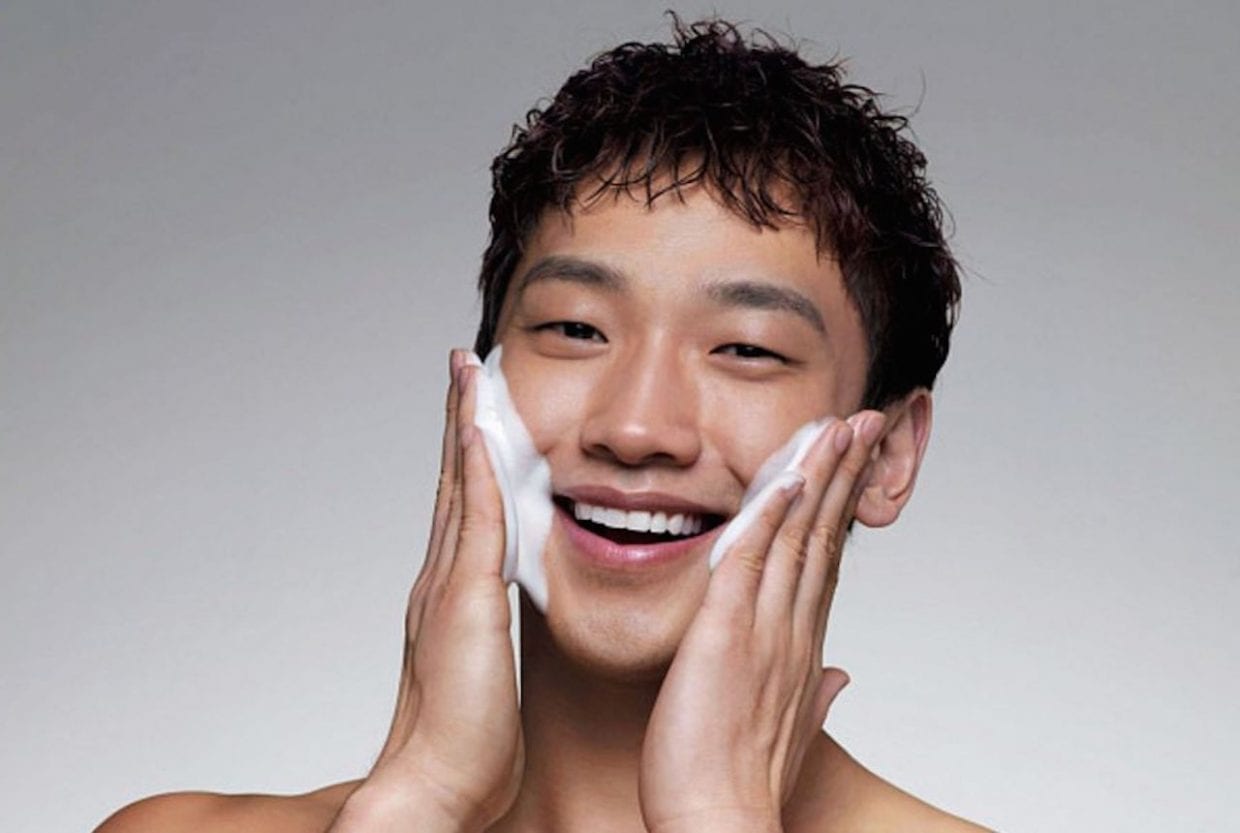
    The mainland Chinese male skincare and cosmetics market is expected to grow twice as fast as the global cosmetics market in the next two years, reaching CNY1.9 billion (US$300 million) in 2019, according to Euromonitor International.

    A report by Jing Daily stated that young Chinese men who are between 18 and 26, and have increasingly more disposable income, are becoming the new driving force for the male beauty market.

    According to a study released in April 2017 by the Hong Kong Trade Development Council, young men are beginning to build skincare habits early compared to their elders.

    Chinese men as young as high school age are already using basic facial cleansing products and by the time they begin university their skincare routine becomes more complex, said Jing Daily.

    Many factors are driving young Chinese men’s consumption in the skincare market, according to the study, with some respondents concerned about their skin health.

    “The air pollution in China now is very serious,” said one Weibo user. “It greatly affects the skin quality.” Some said their skincare habits formed as a result of the influence of their girlfriend or wife.

    The study also suggests that the introduction of exclusive product lines for men means that they are more likely to cultivate skincare habits, with demand increasing for products such as BB creams, eyebrow pencils and concealer.

    As consumers develop diverse needs, more varieties of male skincare products are emerging. According to a 2016 Beauty report released by Amazon China, L’Oréal and Nivea ranked highest on its top 100 skincare products of 2016 list, with professional men’s skincare brands like Biotherm and Lab Series favoured by the male consumer.

    Jing Daily noted that mainland consumers tend to form different perceptions towards skincare and cosmetics brands in different countries or regions.

    For example, consumers generally believe that Swiss brands focus on medical beauty, American brands tend to make more advanced formulas and Japanese brands feature whitening effects, which are more suitable for Asian skin.

    The per capita consumption gap between male and female buyers has reduced from CNY26.6 (US$4) in 2014 to CNY13.7 (US$2), according to research compiled by e-commerce giant JD.com on the consumption of beauty products in China in 2017.

    Even though male skincare products, cosmetics brands and product categories are far less diverse than those in the women’s market, the future growth of the men’s market is vast as there will be more foreign brands entering the mainland market, Jing Daily concluded.