Retail News CRM

Tag: skincare

  • New Zealand’s Trilogy sets up T-Mall flagship

    New Zealand’s Trilogy sets up T-Mall flagship

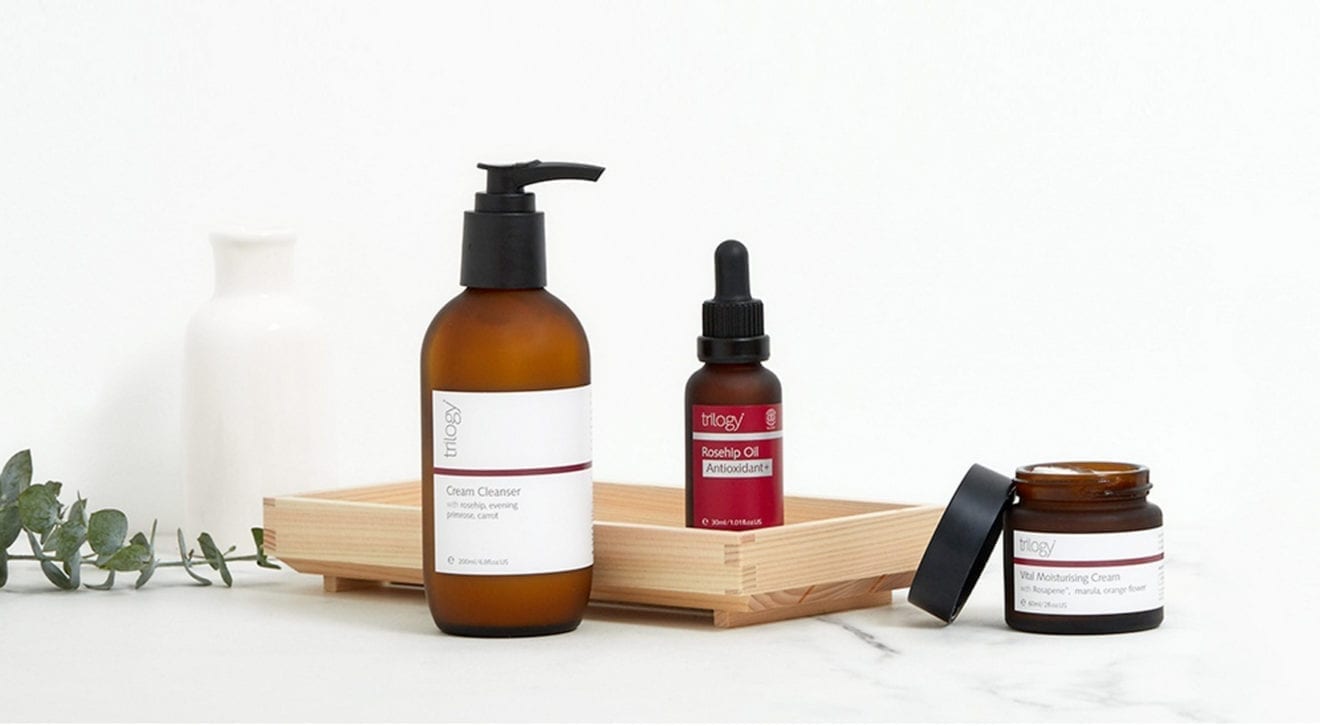
    New Zealand skincare company Trilogy has set up a cross-border e-commerce flagship store on Alibaba’s T-Mall platform.

    Trilogy has been exporting to eight countries across Asia, raking in NZ$4 million (US$2.9 million) in sales last year, almost double from the previous year’s $2.8 million.

    CEO Angela Buglass says the online store was set up after the company found a distributor in China.
    Buglass says the T-Mall store is a more formal route to market than the daigou channel, where products are shipped through Chinese personal shoppers recruited by consumers in China to buy and send goods individually.

    T-Mall’s platform means the business has control over the content, price and products being sold. Alibaba this year opened its Australia/New Zealand head office in Melbourne, and Trilogy’s T-mall manager is based there.

    While China is Trilogy’s oldest market in the region, Japan continues to be a strong focus, says Buglass. The Japanese beauty market was worth $84 billion last year, and it has been estimated that while Chinese consumers spend about $30 average a year on cosmetics, Japanese consumers spend about $234.

    Trilogy has also created bespoke products for its Japanese and South Korean customers that better suit humid climates, such as lighter formulations of its rosehip oil and face sprays.

    “You try to keep things as homogenised as possible, but the reality is that Japan needs something different to Korea and Vietnam,” says Buglass.

    She says Asian consumers are very suspicious of products because of counterfeit or fraudulency issues, but New Zealand’s reputation “puts us a step ahead”.

  • Hong Kong female consumers spend over HK$4000 on skincare products

    Hong Kong female consumers spend over HK$4000 on skincare products

    “Beauty is bought by judgment of the eye” said Shakespeare, but every woman can use her beloved Cosmetic and Skin Care products to further enhance her look. With a plethora of trendy and fashionable female inhabitants, Hong Kong is a perfect base for international skincare and cosmetic brands. 96% of Hong Kong female consumers purchase skincare or cosmetic products, with the age group 35-44 spending over HK$5,000 in the past year. While Brand flagship stores still take up most of the sales, overseas purchase is also on the rise, according to Nielsen’s Cosmetic Consumer Panel.

    Frequent buyers are not necessarily the highest spenders
    As the survey reveals, 96% of Hong Kong female consumers have purchased skincare or cosmetic products with an average spending of HK$4,021 per year. Among which, penetration on skincare products (93%) is higher than that of cosmetic products (81%). Across all age groups, ladies aged 25-34 make the most trips to buy skincare or cosmetic products, averaging 11.0 trips per year, followed by those who aged 18-24 who make 10.7 trips per year. However, in terms of the amount spent on skincare and cosmetic products, female consumers aged 35-44 are the biggest spenders, approximating HK$5,000 in the past year, followed by those aged 25-34, who spent about HK$4,700in the past year. Results indicate that ladies aged 25-34 and 35-44 have the deepest wallets for skincare and cosmetic products.

    Overseas purchase on the Rise
    While brands always wonder if it is worthwhile to increase investment in operating their own shops given the high rent and operation cost in Hong Kong, the compelling results shows that, four in 10 dollars spent on skincare and cosmetic products are through brand shops. However, it is worth-noting that many female consumers are purchasing these products during travel overseas. This overseas purchasing accounts for more than 10% of their spending, so brands should watch out on price and assortment gap between Hong Kong and other countries. Brands struggling to grow their online business can look at shopping behaviors of specific age segments and target other groups in different methods. For example, while younger females (aged 18-24) are likely to use online more, more mature women (aged 45-55) prefer chain drug stores. Despite their preference on purchase channels, the top 18% of consumers account for approximately 40% of spending, indicating their high spending as compared to the rest of the buyers. Brands should target these highest spending groups.

    What are the highest spending categories?
    The most frequently purchased item is not necessarily the one where consumers dedicate most of their spending in. Among cosmetic product categories, lipstick is the most purchased item, yet perfume is the category where consumers spent the most. For skincare products, moisturizer is the most frequently purchased item while face mask is the highest spending category. Take functional serum for example: while it is not in the top five in terms of penetration, but due to high price and higher than average purchase frequency, it comes in as the second largest category in skin care products in terms of spending.

    Who should brands target?
    When comparing the total spending on cosmetic and skincare products, more than half the spending is on skincare products (57%). Among all age groups, ladies in the mid to mature age groups (35-44 & 45-55) spend more money on skincare products whereas younger groups (aged 18-34) generally spend more on cosmetics than skincare products. It is therefore critical for brands to identify and reach the right target customers to maximize brand growth.

    “While female consumers from all age groups use both cosmetic and skincare products, purchase frequency and total spending increases with age. We are seeing that consumers aged 35 to 44 are generally the biggest spenders. At the same time, different age groups vary in their preferences of purchase channel. So, it’s really important for brands to tailor their marketing strategies and sales channels to focus on the most relevant age groups,” said Michael Lee, Vice President, FMCG and Retail verticals, Nielsen Hong Kong.
  • Shiseido Travel Retail challenges the status quo with WASO Millennial skincare line

    Shiseido Travel Retail challenges the status quo with WASO Millennial skincare line

    Shiseido Travel Retail is set to extend its skincare offer with a new and “completely different” range aimed at Millennials. The WASO line, which aims to change the way beauty is seen and made, will be available in travel retail Asia Pacific in August and in the Americas, Europe, Middle East & Africa in September.

    WASO means skincare that is inspired by Japanese aesthetics, following the ‘Washoku’ philosophy, which ensures that the range has been created with respect for nature while harnessing the power of botanical ingredients. WASO’s campaign and product line aim to champion beauty from the inside out.

    Shiseido said through WASO it is redefining beauty and empowering Millennials to feel beautiful in their own skin.

    To celebrate the new approach to beauty, WASO has partnered with five Millennial brand ambassadors to change the perception of “what is pretty”. The campaign, shot by Viviane Sassen, features the five influencers in the Japanese wilderness. 21-year-old art designer, fashion designer and videographer Julian Klincewicz created the campaign’s video content. Shiseido said it chose him not only because of his talents but because of its dedication to creating an authentic voice for a new generation.

    Collaborative collective Dvein, helmed by Teo Guillem and Carlos Pardo, is behind WASO’s launch film which is a celebration of the key ingredients in each of the WASO products, showing them in their natural elements alongside technology.

    Shiseido has designed a unique method for formulating whole botanical cells into the WASO range, to deliver a total skincare solution, which is called “Whole Cell Release System W” (for moisturisers). Designed to treat the needs of Millennial skin, the product range resolves skincare concerns like dryness, oiliness, blemishes and visible pores.

  • Dermozone eyes $42mn revenue from herbal skincare products

    Dermozone eyes $42mn revenue from herbal skincare products

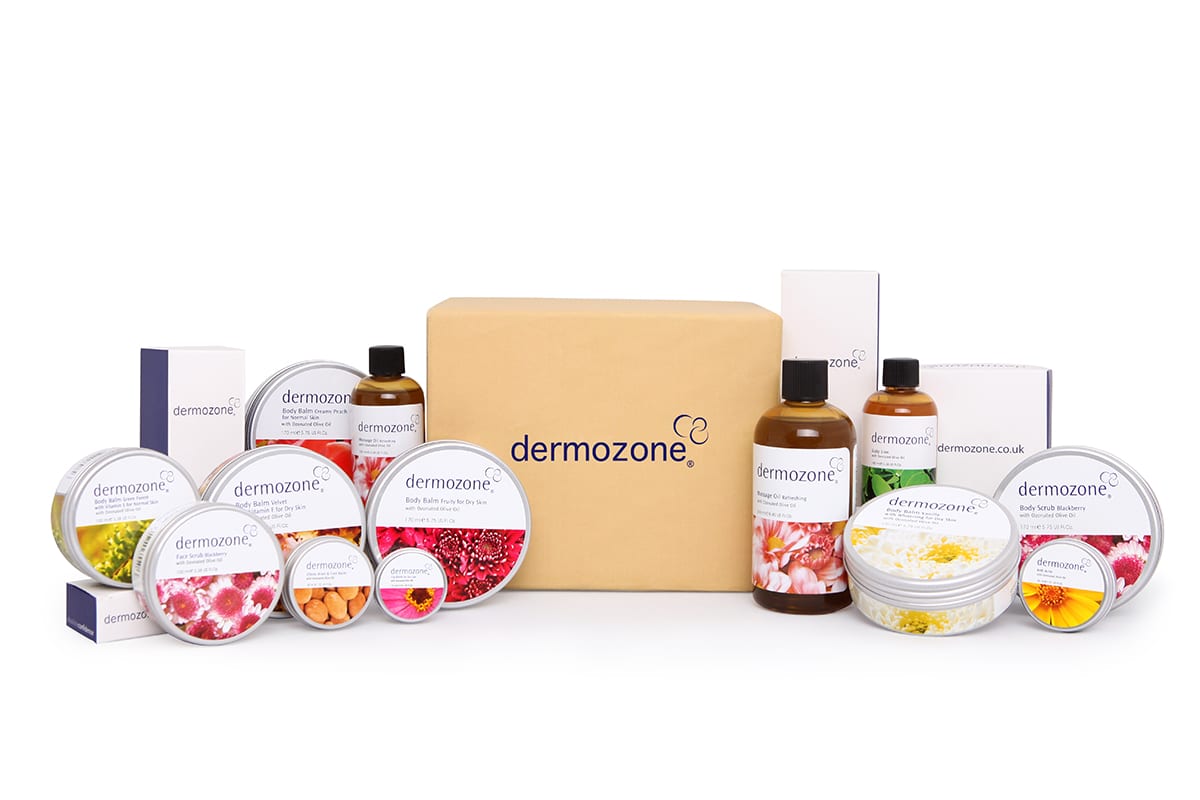
    Indo-Dermozone Herbal, makers of Indonesia-based herbal skin care products Dermozone, today said its target would be to reach 3-4 million households in India for its soon to be launched herbal skincare products with revenue target of $42 million over the next three years.

    “We are launching our herbal skin care products Dermozone in India soon and targets revenue of $42 million over the next three years,” a company’s statement issued here said.

    The company would also be looking at establishing India as a hub for managing all the technology, sales and customer support to other countries as well, it said.

    Dermozone had recently announced its entry into the Indian market by setting up an office in Bengaluru in the name of Indo-Dermozone Herbal Pvt Ltd.

    The company also announced the appointment of Manjunatha K G as the Chief Operation Officer of Indo-Dermozone Herbal, who would lead and oversee the Indian operations.

    Dermozone is globally recognised for its wide range of herbal skin care products especially its flagship brand- MedCare Ozonated olive oil, primarily used for the treatment of acne, fungal infections, dry skin, insect bites, athlete’s foot, eczema, blisters, carbuncles, diabetic wounds, burns.

    “We plan to enter the Indian market and will be soon formally launching our flagship product MedCare Ozonated olive oil,” Dermozone Chairman and CEO K S Dharshan said.

    “We have invested over $4 million over a period of six years in developing MedCare Ozonated olive oil. We have done ample research that suggests a huge market for MedCare in India. Our anticipated revenues from this product alone would be in the region of $22 million in 3 years,” Dharshan added.

    “We are also looking at the option of setting up a manufacturing base in India in the near future based on the ‘Make In India’ policy of the government. A final decision on this will be taken in the first quarter of 2016,” he further added.

    Headquartered in Indonesia, Dermozone has its operations in UK, USA, Japan, Russia, Seoul and China.