Retail News CRM

Tag: Sports

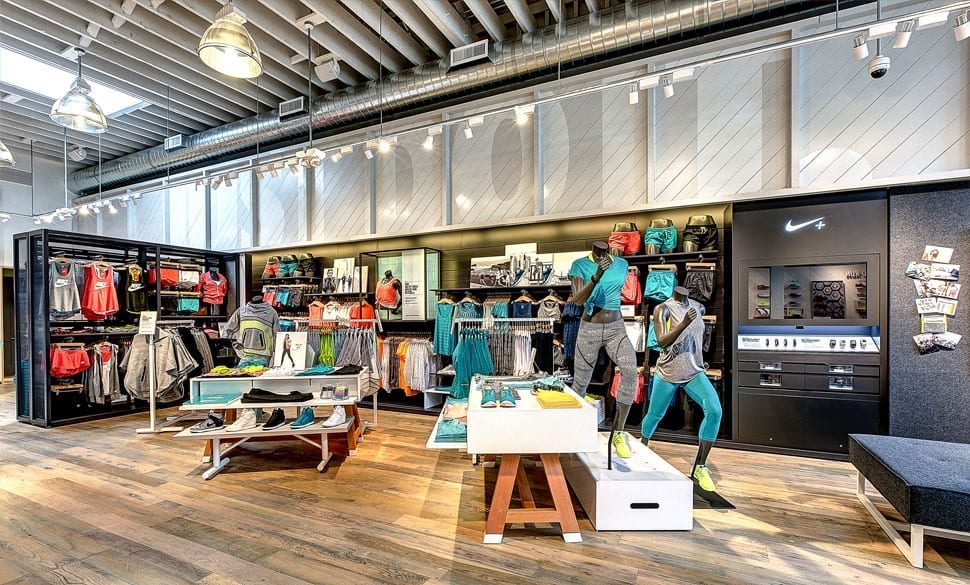
  • Nike arrives at number one in Brand Finance Top 50

    Nike arrives at number one in Brand Finance Top 50

    Despite losing popularity with American teenagers and a drop in brand value of 41 per cent, Nike is still way out in front in the Brand Finance Top 50 list of the most valuable apparel brands in the world.

    In the list, just been release by the independent brand valuation and strategy consultancy, Nike’s main competitor Adidas was fourth behind H&M and Zara with an increase in brand value of 41 per cent.

    In the realm of luxury brands, Hermes overtook Louis Vuitton, jumping two spots from 7th to 5th from last year. Luxury brands including Cartier, Gucci, Hermes and LV had strong growth in value as more consumers in emerging markets buy into the market.

    Japan’s Uniqlo was the only Asian brand in the top 10, with Hong Kong jeweller Chow Tai Fook and China’s Anta Sports taking up the 13th and 33rd spots respectively.

    These are the top 50 most-valuable apparel brands in the world this year:

      1. Nike (brand value, US$2.8 billion)
      2. H&M ($1.8 billion)
      3. Zara ($1.7 billion)
      4. Adidas ($1.4 billion)
      5. Hermes ($11.3 billion)
      6. Louis Vuitton ($10.4 billion)
      7. Cartier ($9.8 billion)
      8. Gucci ($8.5 billion)
      9. Uniqlo ($8 billion)
      10. Rolex ($6.3 billion)
      11. Coach ($6.1 billion); 12. Victoria’s Secret ($6.1 billion); 13. Chow Tai Fook ($5 billion); 14. Tiffany & Co ($4.6 billion); 15. Burberry ($4.5 billion);16. Christian Dior ($4 billion); 17. Polo Ralph Lauren ($4 billion); 18. Prada ($3.8 billion); 19. Under Armour ($3.7 billion); 20. Armani ($3.5 billion)
      12. Puma ($3.3 billion); 22. Ray-Ban ($3.2 billion); 23. Omega ($3.1 billion); 24. The North Face ($3.1 billion); 25. Pandora ($3 billion); 26. Michael Kors ($2.7 billion); 27. Tommy Hilfiger ($2.6 billion); 28. Anta ($2.6 billion); 29. Old Navy ($2.3 billion); 30. Bulgari ($2.2 billion)
      13. Bershka ($2.2 billion); 32. Calvin Klein ($2.2 billion); 33. Levi’s ($2.2 billion); 34. Primark/Penneys ($2.1 billion); 35. Moncler ($2 billion); 36. Boss ($2 billion) 37. Gap ($2 billion); 38. Ferragamo ($1.9 billion); 39. Saint Laurent ($1.8 billion); 40. Bottega Veneta ($1.8 billion)
      14. Valentino ($1.8 billion); 42. Skechers ($1.6 billion); 43. Swatch ($1.6 billion); 44. Tag Heuer ($1.5 billion); 45. Timberland ($1.4 billion); 46. Massimo Dutti ($1.3 billion); 47. Reebok ($1.3 billion); 48. Woolworths ($1.2 billion); 49. Stradivarius ($1.2 billion); 50. Pull and Bear ($1.2 billion).
  • Fitbit Hong Kong to roll out vending machines

    Fitbit Hong Kong to roll out vending machines

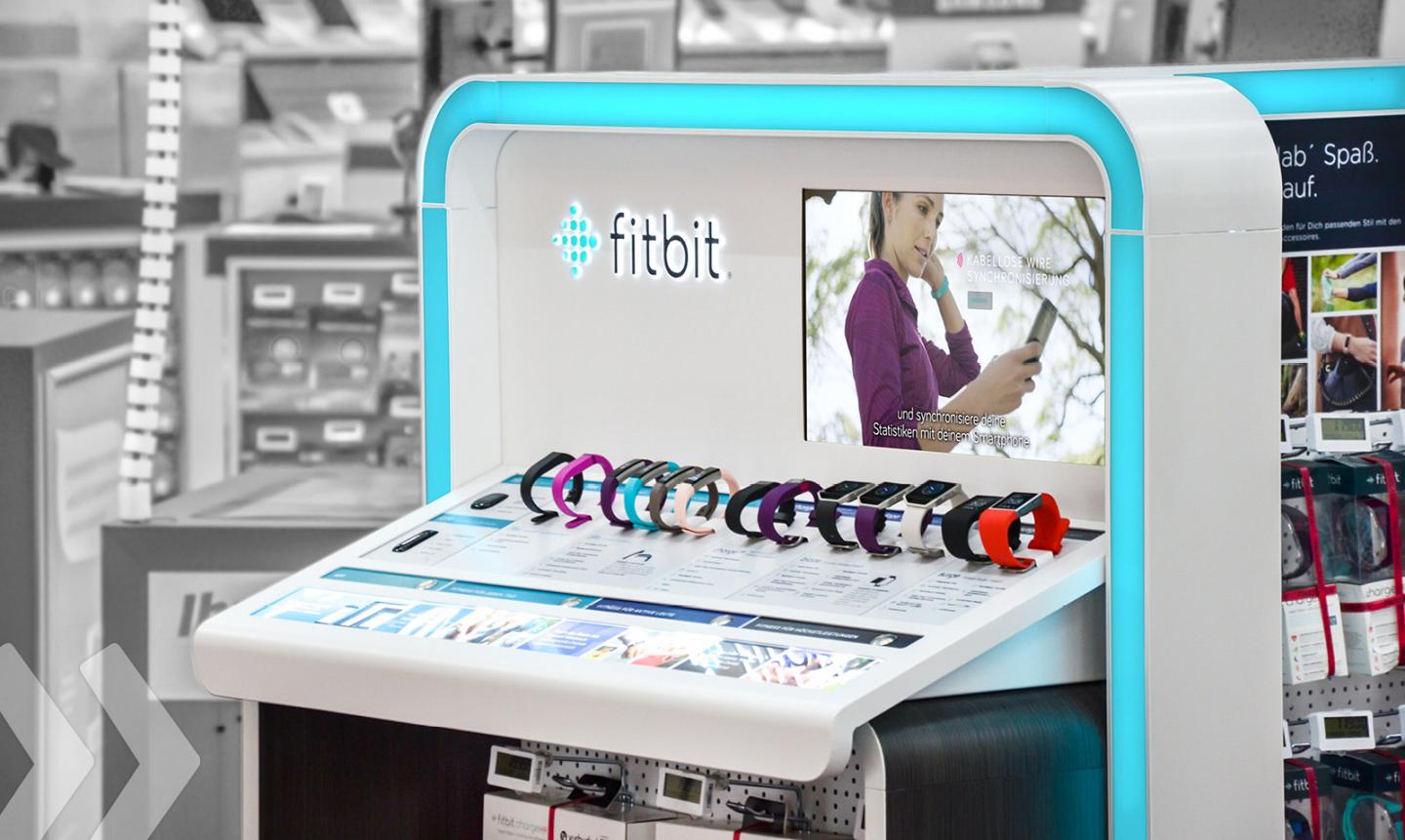
    Fitness product company Fitbit Hong Kong is aiming to grow its B2B sales via smart vending machines.

    Offered by SmartRetail, the machines accept cashless payments, and not only track sales and inventory in real time, but can also scan consumers to provide personalised recommendations.

    “For example, the machine may recommend a light-coloured wrist band to a young woman, while recommending a darker one to an older man,” says SmartRetail founder/director Adam So.

    The visual data will enable Fitbit to respond more rapidly to consumer tastes through accessing transaction data, says So. Marketing messages can also be delivered on a screen.

    IBM Hong Kong, which provides the technology for the units, says the visual and transaction data can also be used to enhance Fitbit’s sales analysis.

    “They can analyse the traffic at different time periods, the weather of a specific location, and how these environmental factors can affect sales,” says IBM Hong Kong CTO Samson Tai. “It is also possible to integrate transactions with loyalty programs. The potential with this real-time data is huge.”

    Showcased at the Hong Kong Computer Festival, the unit is still being tested, says local agent Leader Radio Technologies head of operations Ida Lee.

    She says there has been positive feedback, leading to Fitbit planning to introduce the machine in gyms or corporate offices.

    Lee says Leader sees potential for the units as the company has more B2C customers than B2B clients. “We have a stable retail and distributor ecosystem, and we wish not to disrupt it. Rather, we want to tap into the fitness, banking and corporate industries by placing our machines in their places.”

  • Lululemon fined for violating guarantee rights

    Lululemon fined for violating guarantee rights

    Sportswear retailer, Lululemon Athletica Australia, has paid penalties totalling $32,400 following the ACCC issuing three infringement notices for violating consumer guarantee rights.

    In May earlier this year, Lululemon listed sale items on its website under the heading “We Made Too Much”. The web page read “We made a little extra – don’t be shy, help yourself. It’s yours for keeps so no returns and no exchanges”.

    The ACCC said that, by this statement, Lululemon represented that consumers were not entitled to return and obtain a refund for, or exchange, these products under any circumstances.

    Lululemon has also posted this return policy on its website stating: “Final sale items like underwear, water bottles + We Made Too Much gear are yours for keeps”.

    The statements, according to the consumer watchdog, represented that consumers were not entitled to a remedy for these products under any circumstances.

    The ACCC also mentioned in November last year, a customer has contacted Lululemon requesting a refund for products she considered were faulty but received an e-mail from a Lululemon representative that said “We do not offer refunds for quality affected garments”.

    “The ACCC alleges that Lululemon made representations to customers that they were not entitled to a refund or replacement for products under any circumstances, when that was not the case,” ACCC deputy chair Delia Rickard said.

    Rickard said if a product or service fails to meet a consumer guarantee, people are automatically entitled to a remedy under the Australian Consumer Law.

    “If products develop a fault which constitutes a major failure, customers are entitled to a refund, even if the product was purchased on sale,” she said.

    “Businesses must ensure their refund and returns policy do not breach consumer law, and that representations they make about consumers’ rights to return goods or obtain a refund accurately reflect the consumer guarantee rights under the Australia Consumer Law,” Rickard said.

  • SRG to discontinue Amart Sports

    SRG to discontinue Amart Sports

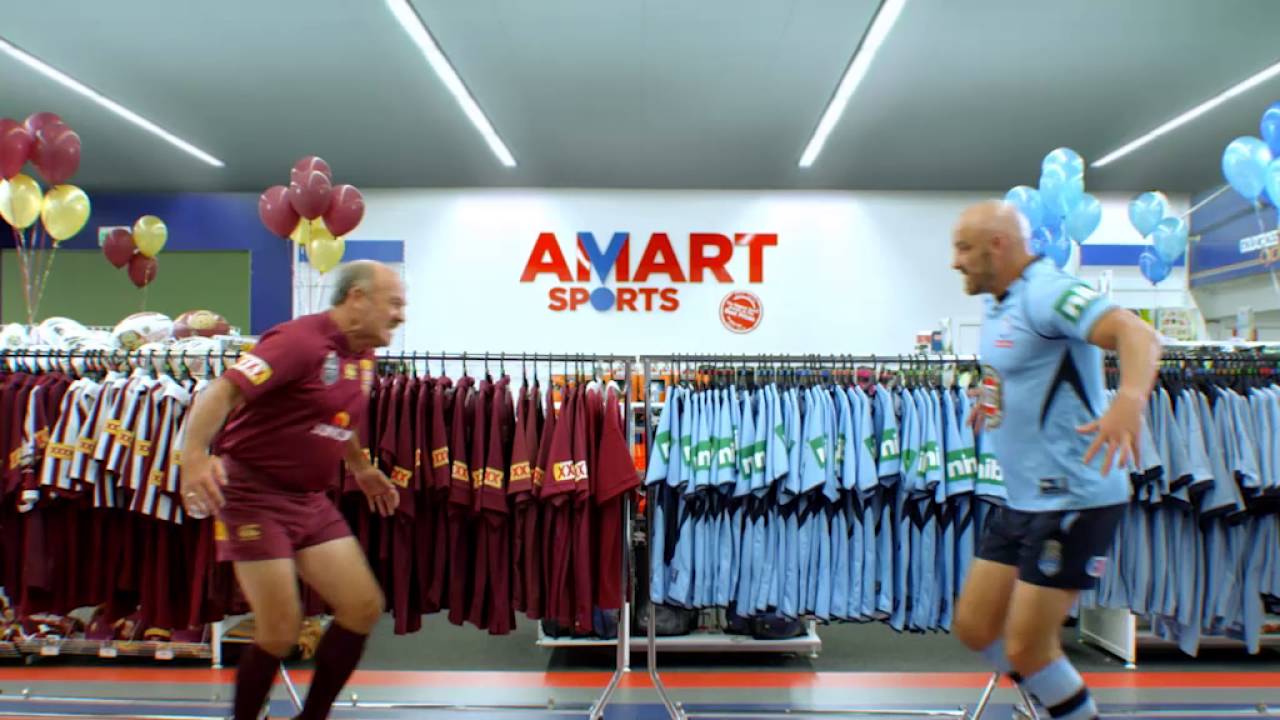
    Super Retail Group has decided to discontinue the Amart Sports and convert its 65 stores into Rebel Sport as part of a consolidation strategy designed to defend against the entry of Amazon, Decathlon and JD Sports.

    The plan, which is due to be completed by the end of October, will incur a non-cash transformation cost of $34 million in FY17 accounts, as well $9 million in capital investment for store fit outs and a further $3 million in cash costs to be incurred in FY18.

    In return, the merger is expected to generate an annualised $15 million in margin uplift and synergy benefits after two years, positioning the group to invest more heavily in Rebel’s offering, which will now trade across almost 160 stores nationwide.

    The group said in a presentation to investors that increasing customer expectations and an influx in international competitors would make it increasingly difficult to achieve a market leading position with both Rebel and Amart Sports, signalling that a merger would allow Rebel to both expand its range and invest in price to remain competitive.

    “Focusing on the Rebel brand will enable us to offer customers an expanded range of solutions and services at more locations, concentrate our investment building world-class omni retail capabilities, and further streamline the end-to-end supply chain required to deliver the seamless omni experience that customers expect,” Super Retail Group CEO Peter Birtles said.

    In recent months, the sports retailing landscape has seen increasing competition, with the likes of French retailer Decathlon and the UK’s JD Sports ramping up their Aussie footprint.

    SRG last month unveiled its omnichannel vision for the automotive brand Supercheap Auto and has now bedded down a strategy for its sporting division after conducting a review into the brands.

    It comes amid the construction of French discount sporting giant Decathlon’s first big-box location in Sydney’s inner west, which is due to open in October and will be the first of a 100 store vision for the company Down Under.

    SRG indicated that Amart Sports’ value proposition, which is also based on low-cost high-volume trade in big-box stores, will be incorporated into the Rebel brand.

    British brand JD Sports, which competes more directly with Rebel’s current brand-based offer, now also has three stores in Australia, after complementing its Melbourne flagship with locations on the Gold Coast and in western Sydney.

    The company said that the presence of new competitors on both sides of the sporting goods market would ultimately undermine the position of Amart Sports, as Rebel will be required to “adopt a stronger value message” to remain competitive, reducing the “differential in the overall customer proposition” between the companies.

    “Our research has confirmed there is a high degree of overlap between Rebel and Amart Sports customers, with the choice between brands typically only a question of which store has the most convenient location.

    “There is also significant product range overlap between the brands, so this decision will also drive synergies from a customer service perspective,” SRG said in a statement.

    The transformation will incorporate four distinct store formats for Rebel that align to metro, suburban and regional customer demographics to localise and adjust its offer for Amart’s large format stores.

    SRG remains confident that the diverse formats and assortments can be managed through adequate merchandising systems, with a plan in place to enhance ranging processes over the next three years.

    Amart Sports’ team members will be transferred to newly converted Rebel stores as the transition is implemented.

    SRG also said that it expects to come in at the upper end of its previous EBIT guidance of 16 to 18 per cent above the prior corresponding period.

  • Asics New Zealand launches in Auckland

    Asics New Zealand launches in Auckland

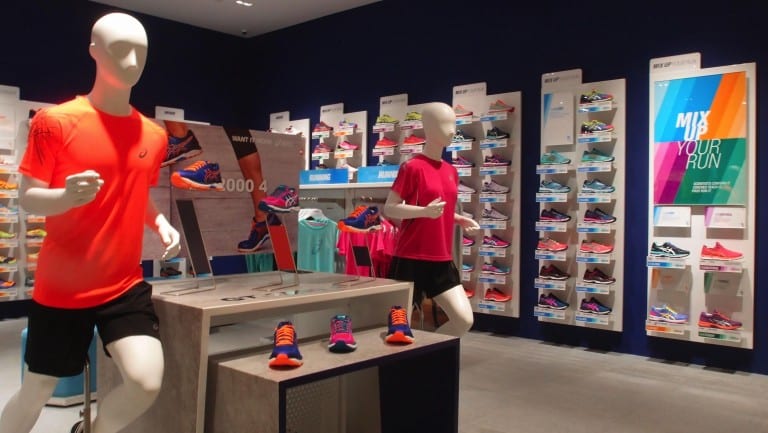
    Sneaker company Asics New Zealand has opened its first retail store in Auckland – one of only nine concept stores for the Japanese brand.

    Covering 203sqm over two levels, the store houses the nation’s only 3D foot-mapping system.

    “If you walk into the store in New York or New Zealand you have the same look and feel – it’s welcoming and comfortable. We are using a lot of wood, for example,” says Asics GM Greig Bramwell.

    “We are showcasing the full range of product, ‘head to toe’, with a focus on developing our apparel business.”

    He says the Shortland Street site is great. “It grabs your attention with big screens on the mezzanine.”

    It is only the second company-owned outlet in Australasia for Asics. It has a Family and Friends Outlet Store in New South Wales, with most of its stores being in Asia and Europe. Asics was founded in Japan in 1949 and has its head office in Kobe.

  • Canterbury open new stores in Bangkok

    Canterbury open new stores in Bangkok

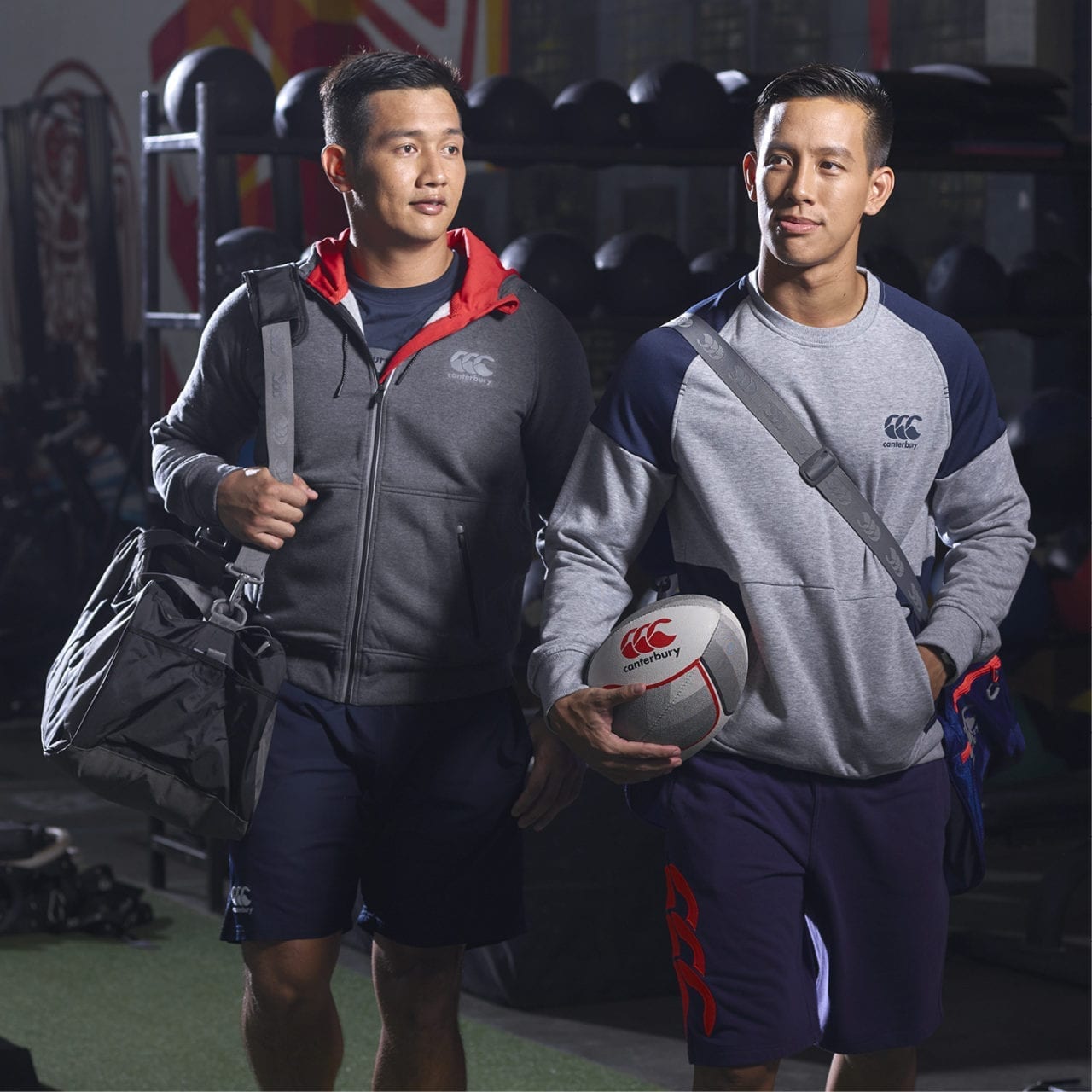
    Leading sports brand Canterbury has opened its latest store in Bangkok, bringing the total number to five since the New Zealand-founded company launched its flagship store in February this year.

    Canterbury’s expansion in Thailand reflects the increasing popularity of the sport of rugby and the fitness industry, and showcases how attitudes towards healthy living and exercise have shifted in recent years. Rugby is the fastest growing team sport on the planet and player numbers in Thailand are rapidly increasing due to initiatives of the Thai Rugby Union.

    The latest store opening at Go Sports Mega Bangna follows four successful store openings in Bangkok in just five months: Supersports at CentralWorld, Sports Mall at Emporium, the lifestyle section of EmQuartier, and the flagship Phayathai Building shop.

    “We have expanded our footprint here in response to the flourishing rugby, and fitness industry, and are proud to be able to play our part in advocating a healthy lifestyle,” said Mark Bennett, Managing Director, Silver Fern Holding Ltd., the exclusive distributor of Canterbury.

    Although Canterbury is widely recognized as the “world’s original rugby brand”, its product line goes beyond rugby essentials, and includes a wide range of quality sportswear featuring innovative technology that is both practical and stylish. Canterbury’s latest Vapordri+ collection, for example, has been specially engineered to help regulate the wearer’s body temperature, and is especially useful in tropical climates like Thailand.

    All pieces in the Vapodri+ range are made with a special fabric that features advanced wicking properties that help evaporate sweat, allowing garments to dry quickly. The Vapodri+ technology provides dynamic cooling and this adaptive technology reacts to the wearers’ changing body temperature to ensure they can focus on performance.

    “Eating right and exercising regularly is the core to any healthy lifestyle, but it is also essential that people wear the right sporting gear when they exercise, in order to train better and maximize performance.” said Mr. Bennett.

  • Telstra to connect 29 stadiums for Fox Sports

    Telstra to connect 29 stadiums for Fox Sports

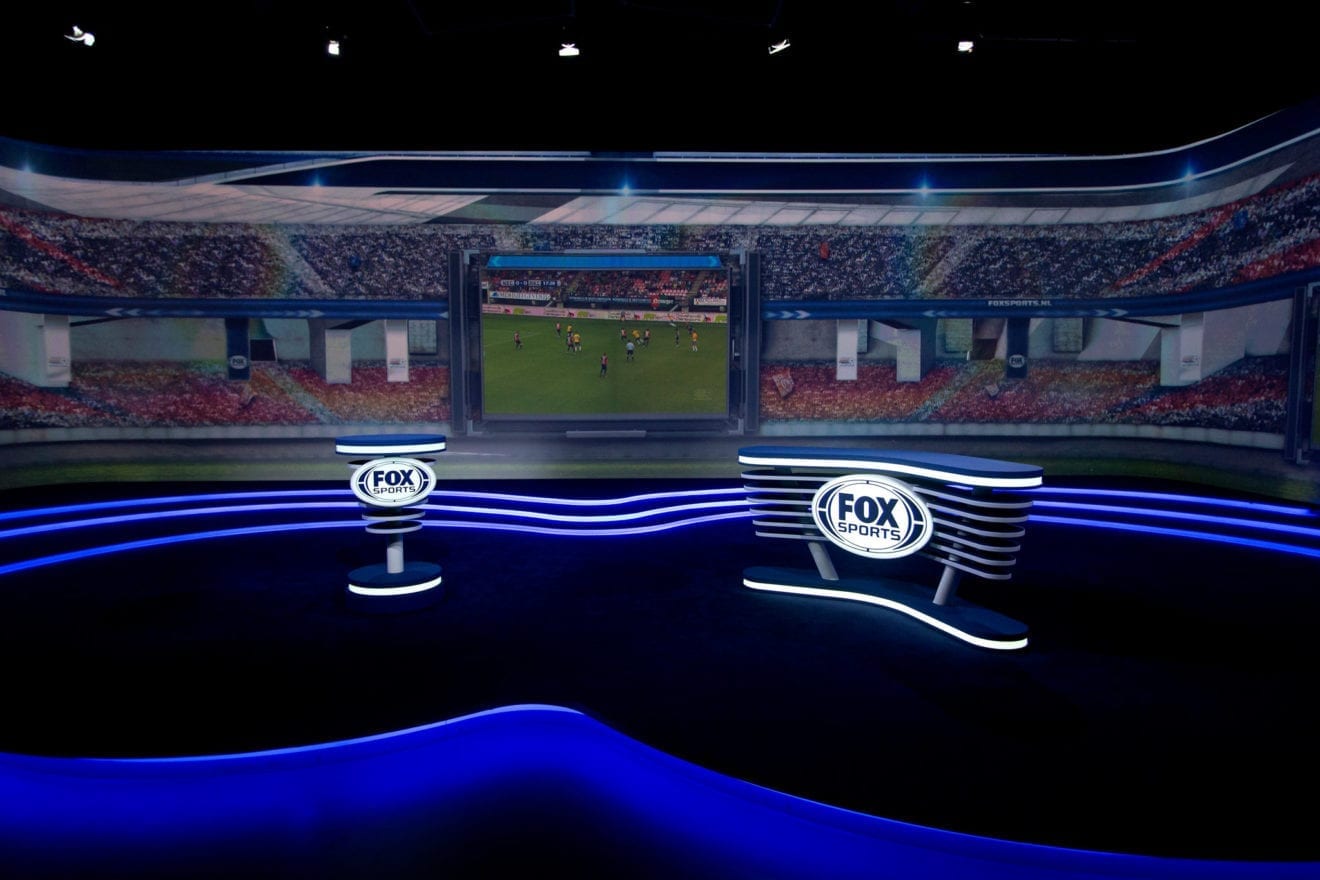
    Australia’s Telstra has secured a contract to connect 29 sporting stadiums across the country using its nationwide Distributed Production Network end-to-end IP network for cable TV broadcaster Fox Sports.

    Under the long-term contract, Telstra will use the network to connect the stadiums to new Remote Production Hubs in Sydney and Melbourne.

    The deployment is expected to be completed ahead of next year’s National Rugby League and Australian Football League seasons.

    Telstra’s DPN has been custom-built for the media industry to allow customers to remotely produce live broadcasts combining multiple raw camera feeds and audio signals from centralized production hubs.

    According to Telstra Broadcast Services head Trevor Boal, the DPN network will deliver a standard capacity of 100Gbps for each stadium using diverse network paths, and will support the broadcasting of more than 520 live tier sporting events per year.

    “Telstra’s DPN is designed to help our broadcast customers meet the rapidly growing demand for live content by offering access to our high capacity, low latency, multi-tenant network of scale,” he said.

    “In a world first, multiple channels of uncompressed linear contribution video at the lowest possible latency will be traversing our network from sporting venues up to 3500 kilometers away from the Remote Production Hubs.”

    Telstra has already previously integrated its live, point of view miniature wearable camera technology Globecam into Fox Sports’ broadcasts.

  • Vietnam formally legalizes sports betting

    Vietnam formally legalizes sports betting

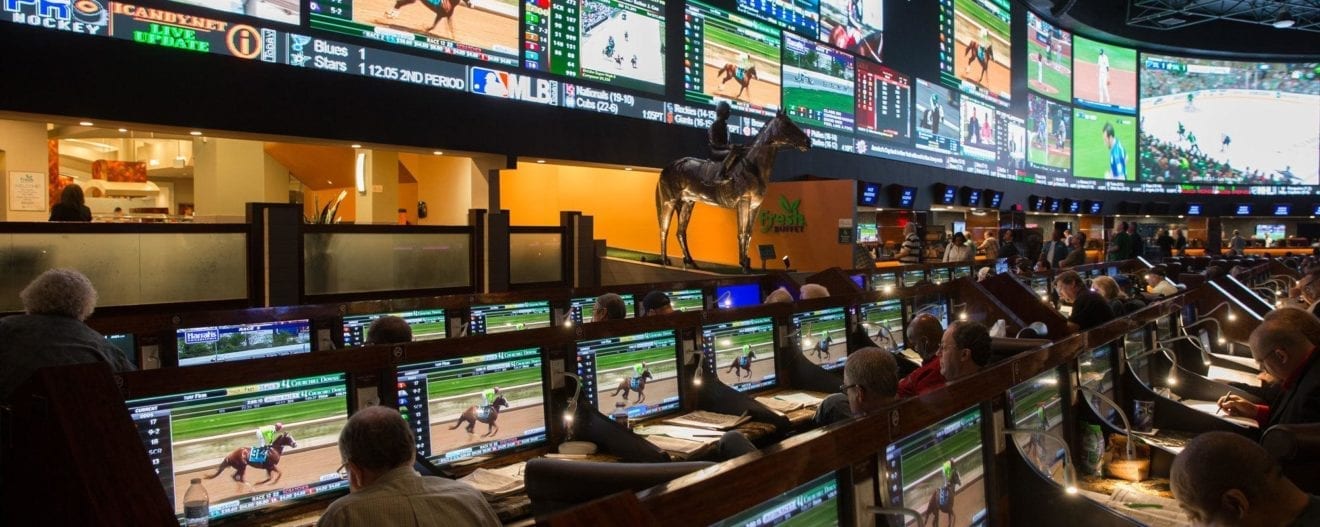
    After years of deliberation, Vietnam has finally made a historic decision to legalize sports betting. A new decree released on the government’s official website on Friday will allow citizens to bet on international soccer games and horse and greyhound races starting March 31.

    The minimum bet value is VND1,000 (4.42 cents) while the daily maximum limit is VND1 million ($44).Online betting is out of question for now. Only those above 21 years old are allowed to gamble and bookmakers have to be at least 500 meters away from schools and public venues for children.

    The decree only allows betting on international soccer games recognized by the governing body FIFA and approved by Vietnam’s sports ministry.

    Operators of bookmaking businesses will have to meet strict capital requirements: VND1 trillion ($44.2 million) for horse racing and soccer and VND300 billion ($13.2 million) for greyhound. A bidding process will be held to select one soccer betting provider for a five-year trial phase.

    Officials started working on sports betting rules in 1999 but debates after debates delayed the legalization.

    Vietnam now has one greyhound race course in the southern beach town of Vung Tau. A $100 million horse race course will be opened in the southern province of Binh Duong in April. Hanoi will also build a horse racetrack, a $500 million project that has been delayed for some time.

    The government last month also said it would allow citizens over 21 years old with a monthly income of at least VND10 million ($445) to hedge bets in local casinos from mid-March under a three-year pilot program, breaking a long-year ban of gambling among locals.

    All these recent moves show the government has shifted its stance on gambling, once considered a “social evil.”

    Many locals have broken the long-running gambling ban, creating a lucrative illegal industry for online betting. A number of online operations have been busted in recent years.

  • Sony Pictures acquires Zee’s Ten Sports

    Sony Pictures acquires Zee’s Ten Sports

    Sony Pictures Networks India (SPN) and its affiliates have entered into definitive agreements to acquire TEN Sports Network from Zee Entertainment Enterprises and its subsidiaries for $385 million.

    The TEN Sports channels being acquired include TEN 1, TEN 1 HD, TEN 2, TEN 3, TEN Golf HD, TEN Cricket, TEN Sports that operate in several countries including the Indian sub-continent, Maldives, Singapore, Hong Kong, Middle East, Caribbean.

    TEN Sports holds broadcast rights to major cricket boards (South Africa, Pakistan, Sri Lanka, West Indies and Zimbabwe). In addition, Ten Sports holds rights to wrestling (WWE), football (UEFA Champions League, UEFA Europa League, French League, English Football League Cup), tennis (WTA Events, ATP events), golf (European Tour, Asian Tour, Ryder Cup, US PGA Championship, LPGA Tour, Professional Golf Tour of India and Golf Channel Block), athletics (Asian Games, Commonwealth Games), motor sports (Moto GP) and cycling (Tour de France) events.

    “The acquisition of TEN Sports Network will strengthen SPN’s offering for viewers of cricket, football and fight sports, complementing our existing portfolio of international and domestic sporting properties,” said NP Singh, CEO, Sony Pictures Networks India.

    “It also aptly demonstrates SPN’s commitment to providing a broad range of sporting entertainment to fans across India and the sub-continent,” said Singh.

  • Indonesia outlines strategy for sports development

    Indonesia outlines strategy for sports development

    Indonesia President Joko Widodo on Wednesday stressed on the development of sports which have the potential to garner medals at international championships, including badminton, archery and weightlifting.

    “Prioritise development of games which have already shown achievements,” President Widodo said at the State Palace after congratulating the country’s medallists at the Rio Olympics, including the gold medallists in the badminton mixed doubles.

    In addition to that one gold medal, Indonesia also collected one silver medal and one bronze medal in weightlifting competitions at the Olympics, improving from the achievement at the Olympics in 2012, during which only one silver medal and one bronze medal were secured, reports Xinhua.

    Widodo added that the development “includes the improvements of facilities, infrastructure and training camps”.

    “If it is better undertaken with a long strategy, more gold medals will be able to be garnered,” he said.

    Widodo said that he had coordinated with the sports minister on how to materialise the new strategy.

  • China’s 361 Degrees Net Profit Up 30.2% In 2015

    China’s 361 Degrees Net Profit Up 30.2% In 2015

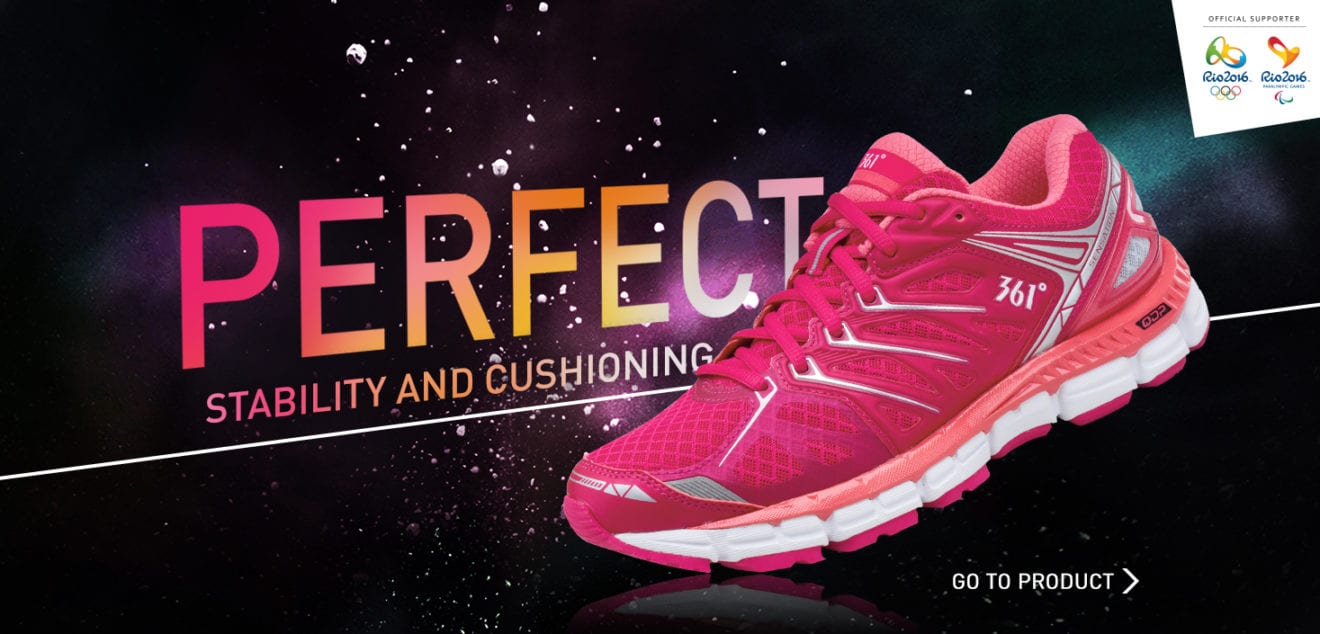
    Chinese sportswear maker 361 Degrees Group published its financial report for 2015 in Hong Kong, stating that its turnover reached CNY4.459 billion in 2015, a year-on-year increase of 14.1%; its gross profit was CNY1.823 billion; its gross margin was 40.9%; and its net profit attributable to shareholders was CNY518 million, a year-on-year increase of 30.2%.

    Meanwhile, by December 31, 2015, the company had distribution in 7,208 stores.

    The company said their children’s wear business showed strong performance. Since its launch in 2009, 361 Degrees’ children’s wear business achieved profit in six consecutive years. In 2015, its performance saw a year-on-year increase of 16% to nearly CNY600 million, accounting for 13.2% of the total operating revenue of the group. The number of children’s wear stores increased to 2,350.

    361 Degrees will continue to cooperate with the Finnish top outdoor brand One Way and promote three product series, which are for cycling, skiing, and outdoor adventure. At present, One Way has 47 owned stores in 23 Chinese cities, including Beijing, Shanghai, and Shenzhen.

    In the e-commerce sector, 361 Degrees is gradually improving the diversity and uniqueness of its e-commerce products. The e-commerce platform has also become an important channel for the company to launch smart products like smart shoes. So far, 361 Degrees’ online products and traditional store products each account for half of the business.

    In addition, 361 Degrees is actively developing new businesses and expanding overseas markets. By December 11, 2015, the company had 116 sales sites in America, 415 sales sites in Brazil, and 30 sales sites in Europe. Ding Wuhao, president of 61 Degrees, revealed that as an official partner of the Rio 2016 Summer Olympic Games, the company will fully expand the overseas markets with this opportunity.

  • Billabong kickstarts supply chain transformation

    Billabong kickstarts supply chain transformation

    Global surf brand Billabong and its family of brands is positioning its supply chain to support transformation of its wholesale and retail businesses.

    Billabong said it will connect suppliers and trading partners in a cloud based network using the GT Nexus platform to facilitate and automate processes for supply chain financing, order collaboration, invoice management, in-transit visibility and payment management.

    Billabong International Limited is a global marketer, distributor, wholesaler and retailer of apparel, accessories, eyewear, wetsuits and hardwoods in the boardsports sector under the Billabong, RVCA, Element, Von Zipper, Honolua Surf Company, Kustom, Palmers Surf, Xcel, Sector 9 and Tigerlilly brands.

    Jeff Streader, Chief Operating Officer at Billabong,said making data and capital more accessible to suppliers will remove friction and enable agile delivery of goods. The deployment of GT Nexus is part of a larger global initiative at Billabong to obtain real-time supply chain visibility to drive retail and wholesale business growth.

    “Risk and uncertainty remain prevalent as social, political and economic volatility pose constant threats to supply chains,” said Sean Feeney, CEO of GT Nexus. “The only way to assure undisrupted supply and delivery of goods while preserving margins is end-to-end visibility across all trading partners, brands and business channels. That’s the power of a cloud supply chain operating as a network.”