Retail News CRM

Tag: Sports

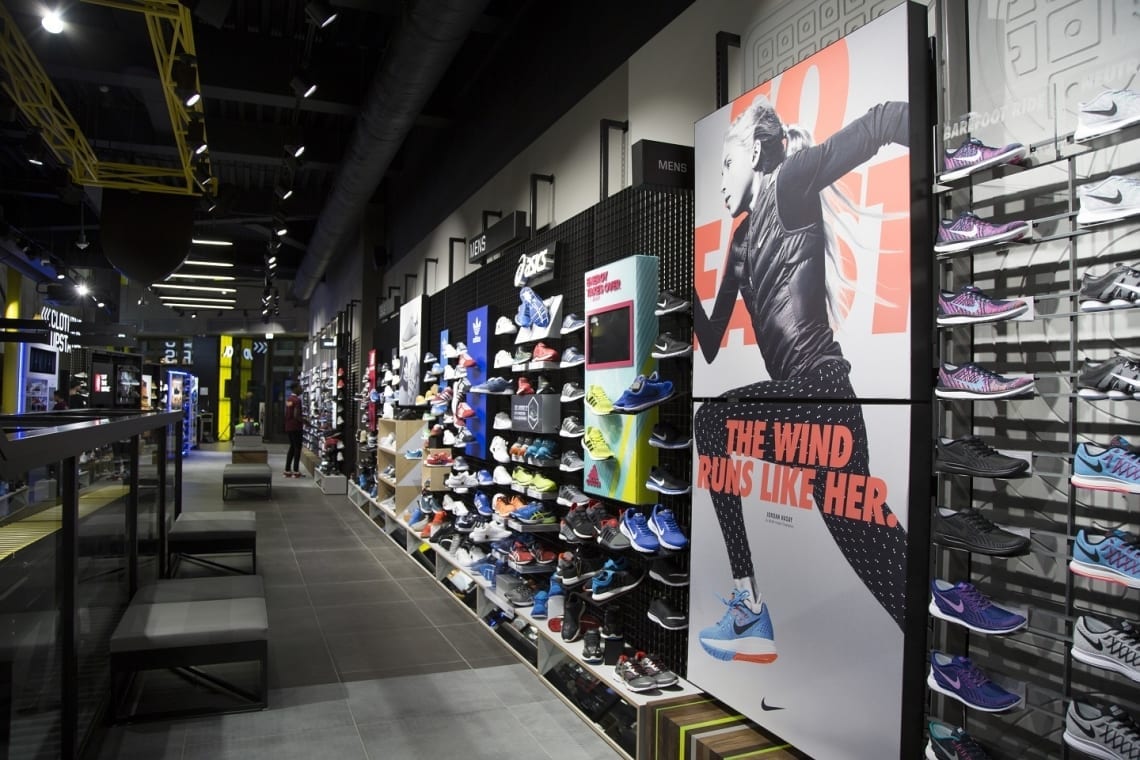
  • Nike sees steap growth numbers in Asia

    Nike sees steap growth numbers in Asia

    Sportswear retailer Nike has grown net income to US$1.1 billion over its third quarter, with the group’s consumer-direct  approach delivering growth across all four of its geographic regions.

    Revenues increased 7 per cent to $9.6 billion, up 11 per cent. The Nike brand contributed $9.1 billion of this, while footwear brand Converse brought $463 million – down 2 per cent compared to the prior corresponding period.

    “In Q3, our team once again drove strong, healthy growth across Nike’s complete portfolio,” Nike chairman, president and CEO Mark Parker said.

    “Our business momentum is being accelerated by our ability to scale innovation at a faster pace and expand new digital consumer experiences around the world.”

    In Asia-Pacific, the group saw footwear sales increase 3 per cent to $909 million, while apparel sales grew 6 per cent to $340 million.

    However, sales in the equipment category fell 8 per cent over the period, to $58 million.

    Greater China, saw equipment sales stay flat at $29 million, but experienced a strong 21 per cent growth in apparel sales to $444 million, and footwear sales 19 per cent above the prior period at $1.11 billion.

    The group’s gross margin increased over the period to 45.1 per cent, driven by higher selling prices, favourable changes in foreign currency exchange rates and growth in Nike Direct.

    Additionally, the group’s effective tax rate was 14.7 per cent, compared to 179.5 per cent during the same period last year, which included one-time charges related to the enactment of the US Tax Cuts and Jobs Act, which drove a $921 million loss.

  • JD Sports to acquire Footasylum

    JD Sports to acquire Footasylum

    JD Sports has launched a takeover bid for UK footwear retailer Footasylum. The offer, which amounts to up to US$119.6 million (£90.1 million) for the remaining shares the business does not already own, represents a 77.4 per cent premium on the closing price of Footasylum shares on the day prior to the announcement.

    JD executive chairman Peter Cowgill said the footwear business was “very complementary” to JD’s existing UK operations, due to its focus on a slightly older consumer, targeting 16-24 year olds.

    “We believe that there will be significant operational and strategic benefits through the combination of the very experienced and knowledgeable management team at Footasylum and our own expertise,” Cowgill said.

    Footasylum directors intend on accepting the offer in regards to the 63 per cent of shares they hold, and plan to recommend shareholders do the same.

    JD Sports has already procured a further 65.6 per cent of the available shares in the business, but requires 90 per cent of shares in order to make the offer final.

    According to GlobalData UK retail research director Patrick O’Brien, Footasylum had seen the wheels coming off of the business since May last year, with a highly promotional market smothering the business’ margins.

    O’Brien said the move appeared to be a defensive move by JD Sports against a potential acquisition by Sports Direct’s Mike Ashley.

    “With Footasylum’s share price so low, it looked like only a matter of time before the hoover of the high street would strike, before JD Sports began building its stake last month,” O’Brien said.

    “But, the deal seems a positive one for JD Sports, which has the clout to restart Footasylum’s expansion and use its sourcing scale to make it more efficient and we expect it to develop what is still a very marketable fascia.”

  • Global Sportswear brand Lotto to accelerate omnichannel presence in India

    Global Sportswear brand Lotto to accelerate omnichannel presence in India

    With the aim towards consolidating its presence in India’s growing athleisure market, Global Sportswear brand Lotto’s Indian association, SSIPL Lifestyle Pvt. Ltd. has partnered with Ace Turtle, Asia’s leading omnichannel platform company. Ace Turtle’s omnichannel technology platform will play a pivotal role in accelerating Lotto’s digital presence in India. Along with expanding its physical presence in India through exclusive stores, Lotto is aggressively looking to be truly omnichannel by expanding its digital presence.

    In India, Lotto has an exclusive license agreement with SSIPL, one of the leading companies in the footwear manufacturing and retailing industry. Its portfolio includes renowned sportswear brands like Nike, Asics, Adidas, Reebok, Puma, Converse to name a few. Speaking on the partnership, Amit Pahuja, BRAND HEAD, LOTTO said “The athleisure market is poised to grow 15-20 percent year on year in India. Seeing the immense scope in the category going ahead, Lotto aims to scale its omnichannel presence to expand its reach to customers who do not have access to our physical stores. Ace Turtle, in the last few years has grown rapidly to become market leader in omnichannel enablement, and we are confident that their technology platform will play a significant role in accelerating our omnichannel strategy”.

    The flourishing online retail market is a catalyst that has been successful in bolstering the growth of sportswear market in India. Ecommerce has especially been instrumental in aiding brands reach smaller cities and towns where they are not physically present of yet. Speaking on the partnership, Nitin Chhabra, CEO, Ace Turtle said “With customers increasingly switching between various sales channels (offline and online), it only makes sense for brands to adopt a robust omnichannel strategy. This will go a long way in increasing the reach of the brand and in building a strong customer base. Our omnichannel platform plays a pivotal role in helping brands build a truly omnichannel presence. We are excited to partner with Lotto, who have witnessed tremendous growth over the last few years. Our platform would play a critical role in enabling a unified brand experience for Lotto’s customers across various channels”.

    Lotto has around 40 stores and plans to add another 60 stores every year. The brand has created a niche in the Indian sportswear market targeting value segment customers. It has grown significantly over the last two or three years at a healthy CAGR of 50 per cent. Over the years, it has invested significantly in strengthening its in-house design capability and operational processes.


  • NBA to Focus on Market Growth in Southeast and Asia-Pacific Regions

    NBA to Focus on Market Growth in Southeast and Asia-Pacific Regions

    NBA basketball is undoubtedly one of the most popular sporting leagues in the world, with fans everywhere. The league’s second-biggest market after the U.S. surprisingly isn’t Canada or even anywhere in Europe. It is, in fact, China. The NBA’s social media following in China is in the hundreds of millions, with large companies like Tencent distributing over 600 NBA games each year on its proprietary digital platforms. As of last year, the market for NBA China was worth a staggering $4 billion. Now, the average NBA team is worth triple what it was only five years ago, and this is primarily due to the league’s smart moves in international expansion over the past few years.

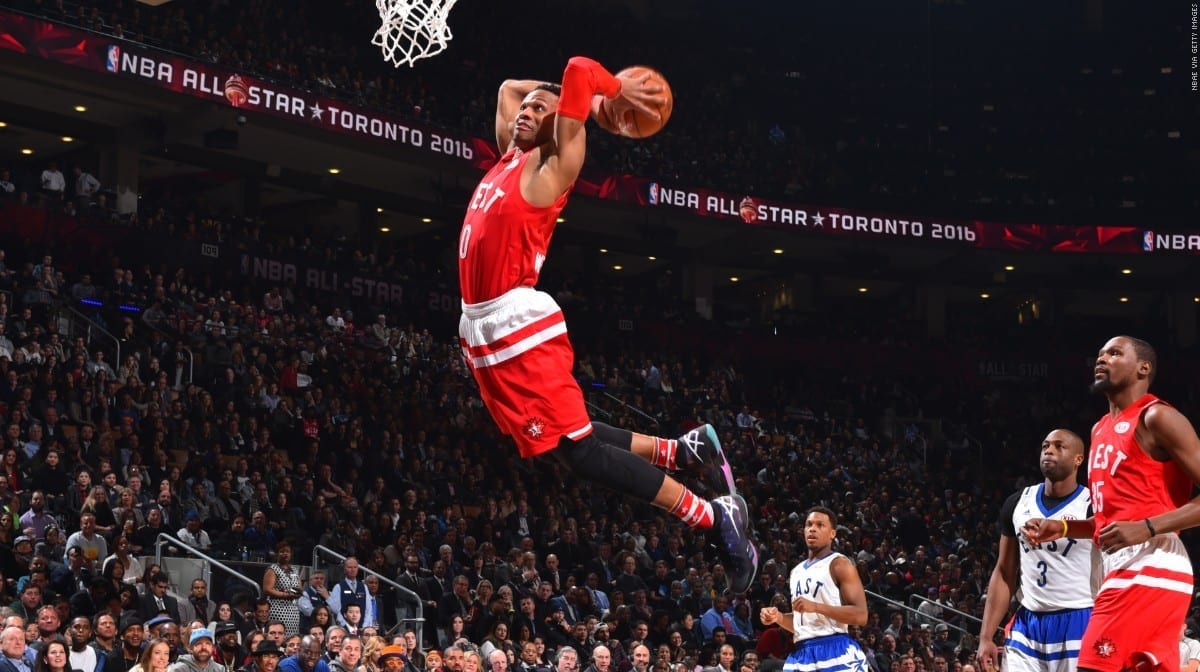
    Caption: Basketball’s popularity has expanded worldwide, and the NBA has made smart moves to capitalize on this interest.

    In recognizing how popular the game is and lucrative the international market can be, NBA bosses now look to expand viewership further afield, focusing their growth efforts specifically on the Southeast and Asia-Pacific regions. In an interview with CNBC, NBA Deputy Commissioner Mark Tatum pointed to the Philippines, Indonesia, Thailand and Japan as the next big markets for the NBA to penetrate. Tatum reported that currently, “we have got greater distribution in this region than we ever had before.” He also claimed that of the 1.5 billion NBA social media followers, “half of that traffic comes from outside the United States, and a large portion of that comes from Asia.” In the Philippines, for example, the game already enjoys large popularity, with a reported 75 percent of homes having watched an NBA game in this season alone. The league has also opened stores across the country with the aim of generating merchandising revenue and catering to existing interest in the game.

    In their efforts to further growth and viewership across Asia, they now have an exclusive distribution deal worth $225 million with Rakuten in Japan and have over 25 different media partners to distribute games throughout the Southeast and Asia-Pacific regions. That means everyone can watch, enjoy and debate the odds of their favorite teams winning games.

    Youth Engagement Programs


    Caption: The NBA seeks to increase youth engagement in basketball all over the world.

    A key part of this market growth is to get people playing basketball, specifically by developing international youth engagement in the sport. The NBA has developed a strong outreach program called Jr. NBA, which seeks to get kids playing basketball. In the CNBC interview, Tatum said the program had already reached over five million kids and had the ambitious goal of reaching another 15 million by the end of next year. Also, in 2016, they opened NBA academies aimed at training international youth talent. As it stands, they now have academies in China, Australia, Senegal, Mexico and Australia. Not surprisingly, China is the only one of these countries to have more than one academy, with the league introducing trials of the program and opening its first three academies in Shandon, Xinjiang and Zhejiang. These outreach programs are no doubt effective as China reportedly has over 300 million people playing basketball on a regular basis.

    Player Development

    International expansion is no doubt a lucrative business for the NBA. However, along with the Jr. NBA program, it also has the benefit of being a strong source of player development. As the game gets more popular, and more people grow up playing and developing their skills at basketball, the league ensures it will not be short of top talent and recruitment options in the future. Currently, the league enjoys its largest-ever international player-ship, with a record 62 international players competing professionally, hailing from 33 countries.

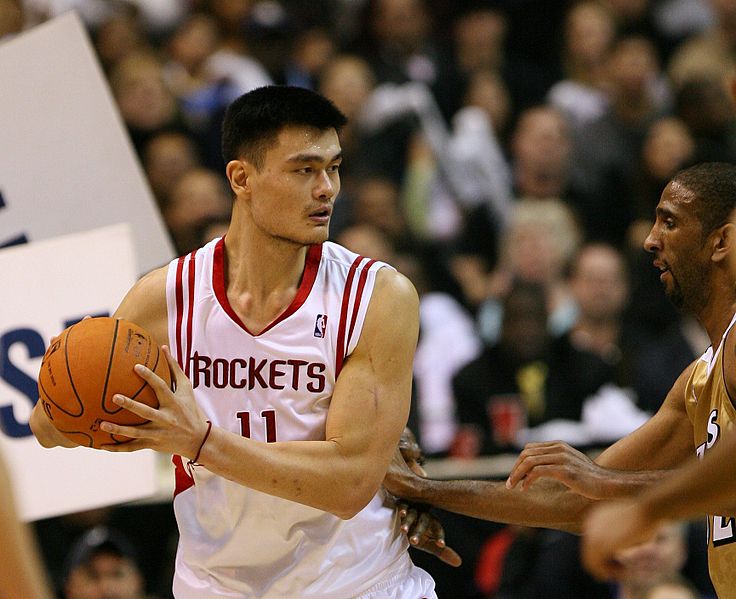
    The expansion in Asia also has a remarkable effect on the values of domestic teams, with a record 15 league teams out of the total 30 hosting pregame Chinese New Year celebrations this year. Houston, the former club of Chinese basketball legend Yao Ming, as well as the Golden State Warriors went a step further in their outreach to Chinese fans by wearing new uniforms inspired by Chinese culture and decorated with Chinese symbols.


    Caption: Chinese basketball legend Yao Ming.

    The expansive efforts taken by the NBA in international outreach programs, and increasing international viewership, are lucrative business moves for the league. However, they also have the benefit of increasing youth interest and engagement in the rigorous sporting activity, keeping our youth healthier and more active. In addition, if the expansion efforts can help talented young players follow their dreams to some-day play professionally in the biggest basketball league in the world, then it’s all good news.


  • Sportswear brands Merrell and Saucony heading to China

    Sportswear brands Merrell and Saucony heading to China

    Chinese sportswear retailer Xtep has signed a deal with Wolverine World Wide to distribute Merrell and Saucony products in Mainland China, Hong Kong and Macau.

    The joint venture plans to start operating in the second half of this year.

    “We are delighted to have Wolverine, a global company with a portfolio of premium brands, as our partner,” said Ding Shui Po, Xtep chairman and CEO. “We look forward to working shoulder-to-shoulder with them to seize the numerous business opportunities we see in these key Asian markets.”

    New stores will trade under the Merrell and Saucony banners, with the majority slated for shopping malls in China’s larger cities. Xtep plans an expanded presence for both brands in Hong Kong and Macau.

    “Wolverine is extremely pleased to partner with Xtep to accelerate the growth of two of our best-known global brands – Saucony and Merrell – in the critical markets of mainland China, Hong Kong and Macau,” added Blake W. Krueger, chairman, CEO and president of Wolverine.

    “We have seen incredible sportswear growth in these markets, and our brands are now poised to excel as we engage Xtep’s significant retail presence and regional expertise to tap into the booming running and outdoor sectors.”

  • Puma Shuffle makes its debut in India

    Puma Shuffle makes its debut in India

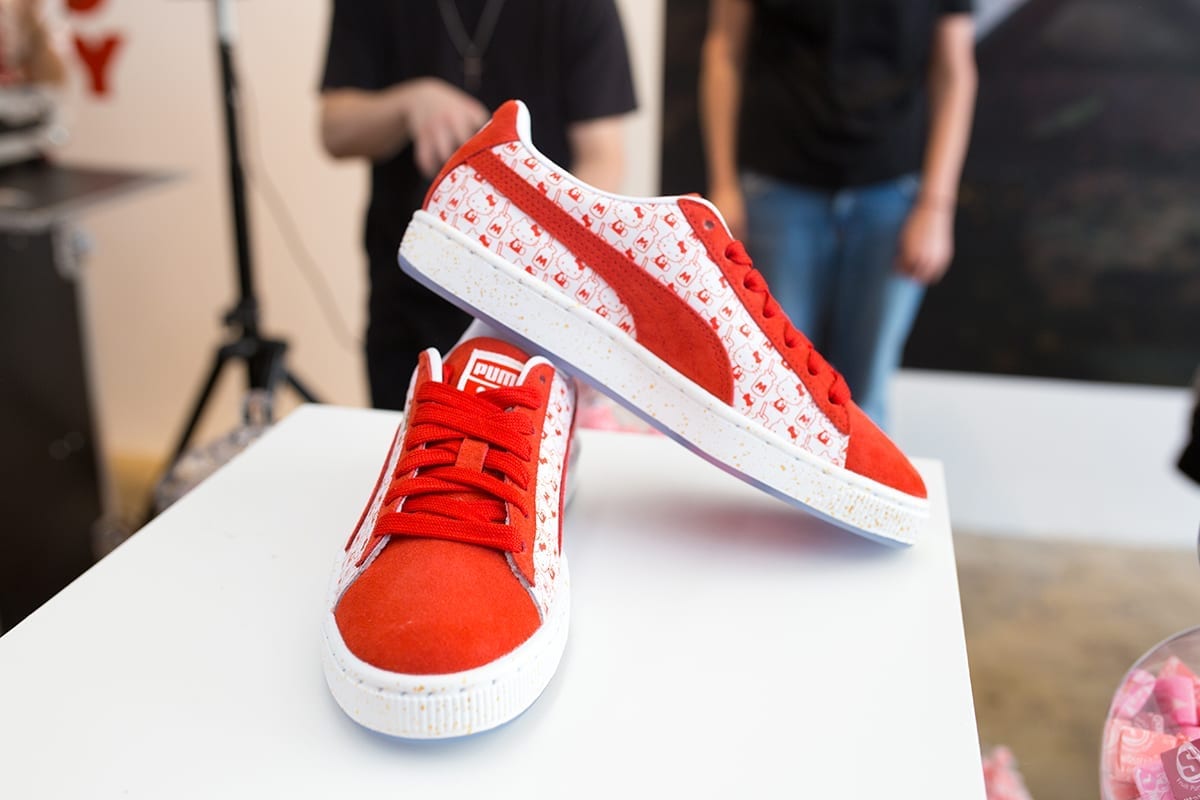
    Global sportswear brand Puma has launched Puma Shuffle, a street style weekend pop up space in Indiranagar, Bangalore on February 02, 2019. With an aim to become the hub for growing sub-cultures in the city, Puma has introduced a brand new concept that emerges over weekends to provide a dedicated space for creative expression.

    PUMA Shuffle is created on the notion of an alter ego where the identity of the place oscillates between a friendly neighbourhood bar, Watson’s and a high-energy creative space that celebrates live music and sub-cultural communities of the city over the weekend. The fluid pop up space by Puma comes to life on Friday and Saturday evenings with gigs by an eclectic selection of DJ’s, musicians, artists, designers and sneakerheads.

    Speaking about the new concept, Abhishek Ganguly, MD, Puma India, says, “Bangalore has always been a hub for culture, but it’s time to re imagine the city’s cultural landscape with the rise of a new generation of youngsters who are using sneaker, street art, skateboard, hip hop battles, and basketball as a form of self expression. Puma Shuffle, is an innovative concept aimed at being the hotbed for such communities and sub cultures, giving them a dedicated space, impetus and empowerment they need. This new concept of shuffling between two spaces will also be a great visual, gastronomical and creative experience for our consumers all under one roof.”

    Resonating the dual identity of the space, the aesthetics are all about fusing the two entities and creating a concept that allows a smooth transformation from one identity to the other. The interiors exude an old world, heritage charm with soaring arched windows and a barrel roof with an unfinished surface that gives the space raw yet regal feel. The quirky wall art and live animation breaks the earthy palette to give the space a distinct personality. The mezzanine floor displays live graffiti – a cat silhouette and Puma Shuffle artwork are brought to life by animated projections. Vibrant layered art with mixed styles of graffiti adorns the wall beside the staircase.

    Created by artist Badaal, the edgy illustration also pays homage to two of Puma’s big sneaker names – Puma Suede and RS-X Toys. There are also 5 arched frames that house images of international Puma assets on the top floor. In keeping with Puma’s first sustainable store, located below, the idea was to retain elements from the existing space and reuse materials to construct the new venue.

    Puma Shuffle provides both a great visual and gastronomical treat for the audience. Much like the vibe of the place, the menu curated for Puma Shuffle is new age, vibrant and refreshing. On offer is a medley of cuisines from different corners of the world, including a few local favourites, that makes one keep coming back for more. In keeping with the theme of the space, the bar is hooked up with a mechanical pulley system used to elevate the wrought iron lighting at the facade. Here, an array of fun cocktails are created by expert mixologists.

  • Wearables are pivoting from fitness to wellness

    Wearables are pivoting from fitness to wellness

    The wearables market has grown over the past decade, and now a new generation of tech wearables is looking to differentiate itself by looking to the buzzy wellness industry for growth. The industry and definition of wellness has expanded to incorporate aspects of mental health, fitness and physical health, beauty and more, resulting in a new class of consumerism and ample opportunity for companies to tap into it.

    In the past few years, wearables brands Bellabeat, Oura and Motiv have launched, focusing more on a holistic approach to health and less on being performance-oriented.

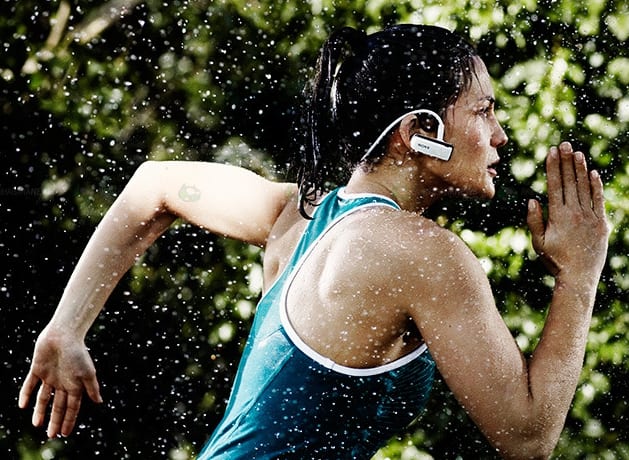
    Instead of fitness bracelets, they’re packaged as necklaces, rings or water bottles. And, in addition to the usual sleep tracking, heart rate and pedometer functions, their features include guided meditation, menstrual-cycle tracking and integration with Amazon Alexa.

    “You see so many fitness and wellness [wearable] brands right now, and they are uniquely aware of their competitors. They are thinking outside the box in order to be the best,” said Aimee Gaudin, international head of marketing at Smartech stores.

    Smartech itself is designed to bridge the gap between lifestyle and technology.

    In store, it sits between Selfridges’ tech, home goods and lifestyle departments. Currently, Smartech is negotiating with Selfridges to display and sell Motiv rings in Selfridges’ beauty section as a marketing opportunity for the brand, Gaudin said.

    “A lot of high-end department stores focus on fashion and don’t have much tech, so I always [position] our products as a fashion product, but for Motiv, I will [position] it as a beauty product first,” she said.

    Motiv’s customer base runs the gamut from “tech nerds to trendy moms,” according to Tejash Unadkat, CEO of Motiv.

    The company had initially anticipated that it would attract a similar customer base to Fitbit, which is known for its fitness fanatics, but in fact the brand “rarely” attracts them, he said.

    Motiv has consciously marketed itself as a holistic device, with a strategy of being placed in mainstream stores, instead of fitness or early-adopter tech ones, in order to continue to expand its customer base. For example, last month the brand began retailing in Nordstrom in its seasonal health and wellness section, showcasing the sleep-tracking function of the device.

    “Internally, we say the Motiv ring is not a fitness ring but a smart ring that has features around security, convenience and health,” said Unadkat.

    Overall, the wearables market is expected to see $42 billion in sales in 2019, according to Gartner, with $16.2 billion specifically on smartwatches.

    Fitbit earned its first quarterly profit since the third quarter of 2016 in early November by focusing less on fitness and more on mainstream smartwatches.

    Bellabeat, the female-focused wellness wearable, is also delving into the watch category with the launch of Time on Dec. 6, which looks like a classic analog timepiece.

    Since the brand launched in 2013, it has primarily focused on associating itself as a beauty and wellness device, according to Urska Srsen, founder and CEO of Bellabeat.

    “It’s very much a beauty product because beauty is a strong component of women’s wellness,” she said. “We see beauty as a reflection of the love and self-care you invest in yourself.”

    The brand is sold through retailers like Neiman Marcus and John Lewis in the U.K., in addition to its own e-commerce site. Its other smart products include a water bottle and a clip-on device that can also be worn as a necklace or bracelet.

    Bellabeat markets itself to the average woman who is neither a tech early-adopter nor a gadget enthusiast, Srsen said. Instead, they look for women who are equally interested in fashion and beauty as they are in wellness.

    By focusing on the $4.2 trillion dollar wellness market, these brands are attempting to avoid the pitfalls that traditional fitness tracker companies like Fitbit have experienced in the past with slow growth due to a niche focus on performance-oriented devices.

    “This is something we have to make retailers understand,” Srsen said. “Our customers are shopping in wellness and beauty; they aren’t looking in the tech and fitness section. We aren’t just educating retailers on where they should be displayed, but we’re also educating them on a new category around the intersection of tech, beauty, wellness and fashion.”

  • Li-Ning X EDG Joint Apparel Anounced

    Li-Ning X EDG Joint Apparel Anounced

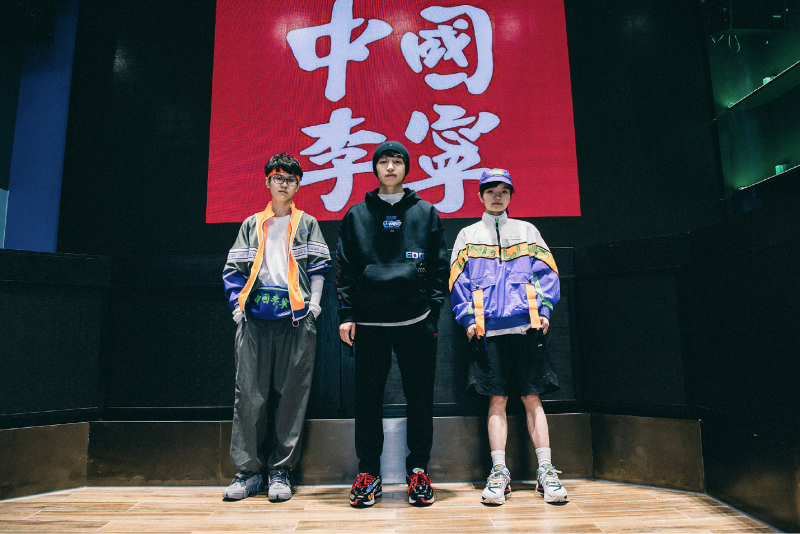
    Chinese sports apparel brand Li-Ning has released a collaboration with esports organisation Edward Gaming (EDG). The Li-Ning X EDG apparel line, which includes hoodies, jackets, tracksuits, and shoes, is now selling at its retail location in Shanghai’s Daning shopping complex.

    Li-Ning has become one of China’s largest sportswear brands, having signed multiple sponsorship deals with international-league athletes. EDG is best known for its League of Legends team, which competed in the world gaming championship earlier this year. It closed a funding round of close to RMB100 million (US$15.7 million) last May.

  • Porsche Expects To Repeat Record Vehicle Sales

    Porsche Expects To Repeat Record Vehicle Sales

    Volkswagen’s Porsche sports car brand is confident it can repeat last year’s record sales in 2018, the division’s chief executive told. Porsche sold 196,562 vehicles during the first nine months of the year, with Europe showing a 9 percent increase and China, the world’s largest car market, growing by 4 percent.

    “In light of these good numbers we expect that we can reach last year’s record again,” Oliver Blume said in e-mailed comments on Thursday.

    Porsche delivered 246,375 vehicles in 2017.

  • Singtel, affiliates sign eSports alliance

    Singtel, affiliates sign eSports alliance

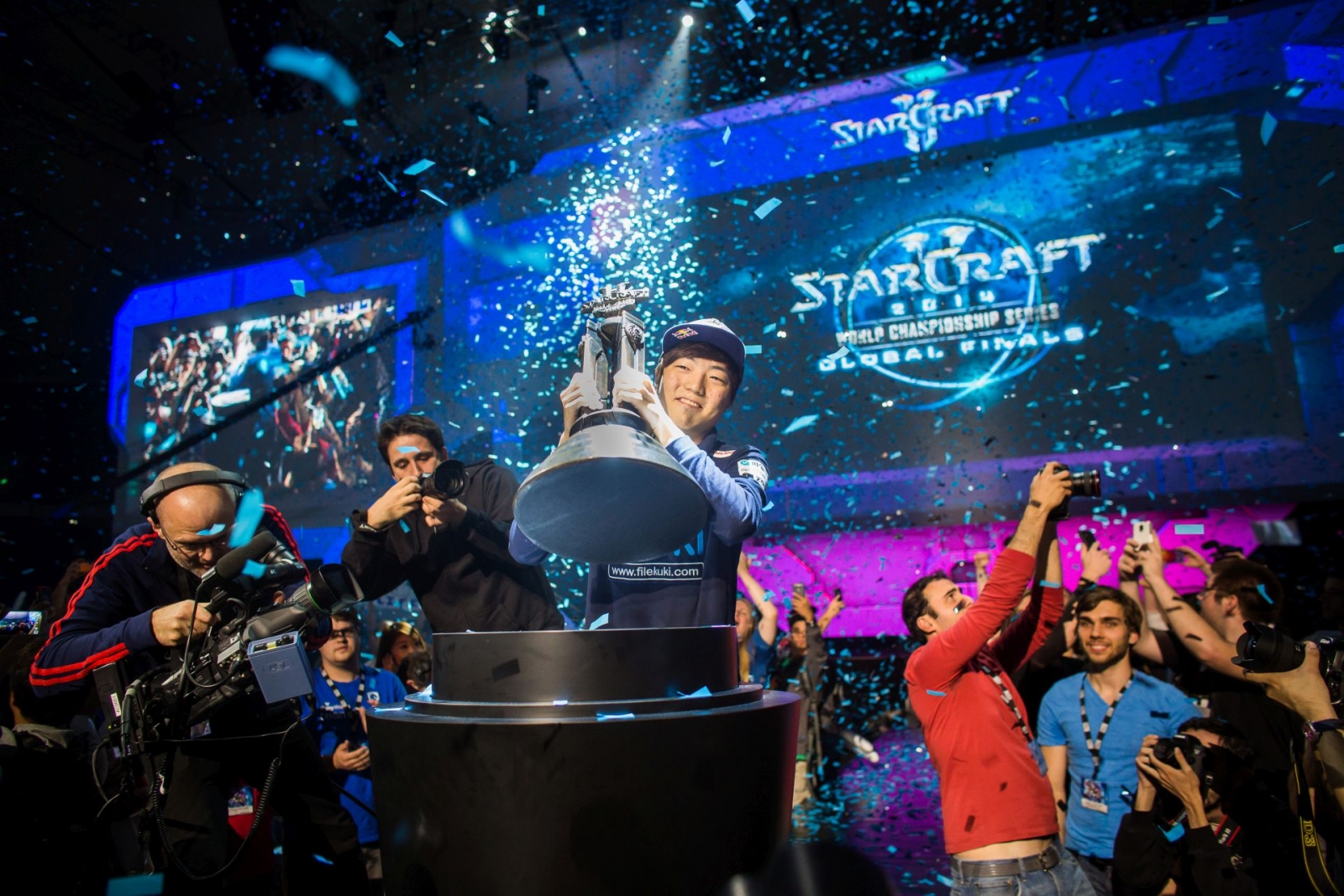
    Singtel and four of its regional mobile associates have entered a collaboration agreement aimed at stimulating the gaming and eSports ecosystem in Southeast Asia, Australia and India.

    Singtel and wholly-owned Australian subsidiary Optus have signed agreements with India’s Bharti Airtel, Thailand’s AIS, the Philippines’ Globe Telecom and Indonesia’s Telkomsel covering areas including scaling up eSports, content creation and distribution.

    Singtel, Optus, Airtel, AIS, Globe and Telkomsel plan to jointly develop solutions and services for gamers and fans across the region, including providing access to local, regional and global eSports competitions, original content and exclusive programming.

    The agreement was signed at the Singtel Group’s first multi-title and regional eSports league championship – the PVP Esports Championship – over the weekend.

    The Singtel Group has announced plans to leverage its telco assets and regional mobile customer base of more than 700 million to pursue opportunities to encourage eSports development.

    Singtel also used the championship event to unveil its new ultra-fast fiber broadband service  for Singapore gamers, which includes 1Gbps of dedicated gaming bandwidth and another 1Gbps for general internet usage.

    “Gaming is part of a digital world without borders, where fast network speeds, connectivity and local market knowledge are critical. It is a natural and perfect fit for Singtel and our partners,” Singtel International CEO Arthur Lang said.

    “We are committed to working as a group to better serve the gamers in our networks, and in the region. We hope to play a major regional role as an enabler of eSports, to collectively grow the gaming ecosystem, and give gamers the support and recognition they deserve.”

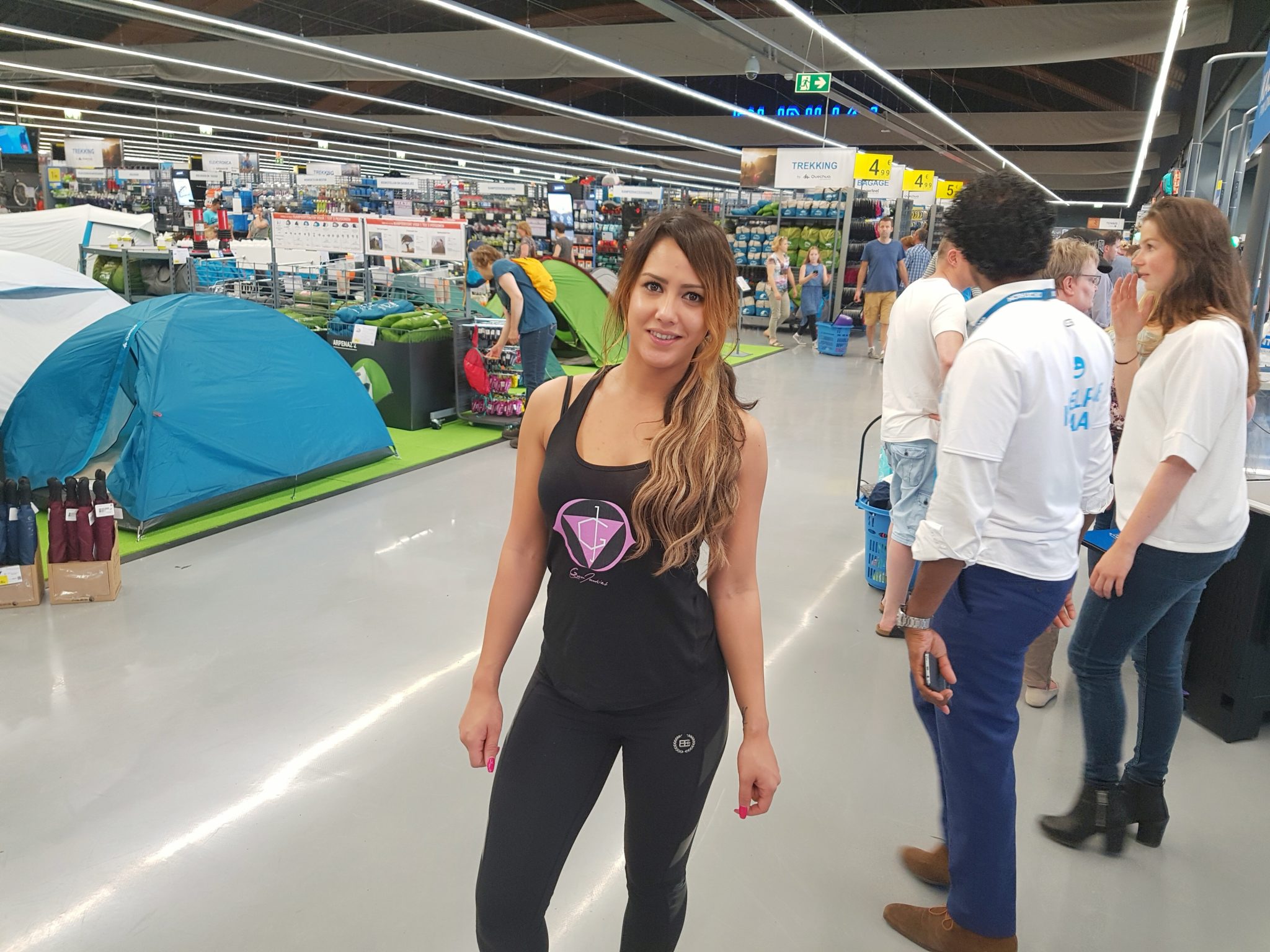
  • Decathlon announces first store in Victoria

    Decathlon announces first store in Victoria

    International sporting brand Decathlon has announced the launch of its first store in Victoria, Box Hill South, today confirming the store will open in late November 2018.

    The brand is one of the world’s largest sporting retailers, often likened to the Ikea of sporting goods, and originates from France.

    With 1200 stores across the globe in 30 countries and 80,000 staff worldwide, the sports giant said it’s focused on expansion in Australia.

    “We are extremely pleased to be expanding our presence across Australia,” CEO of Decathlon Australia, Olivier Robinet said today.

    “Building on the success of our website and our first store in Tempe, Sydney, we want to maintain the momentum by opening further stores across Australia.  The people of Australia have embraced our brand and we are excited about this.

    “Today, I am announcing that we will be opening up to five stores in Victoria over the next two years.”

    Arriving in Australia in 2017, Decathlon opened its first store in Tempe, New South Wales late last year. Since opening, the store has sold over 60,000 items on average per month, attracting 500,000 visitors per month and selling over 600,000 items to date in total including online sales.

    The first Victorian store will open in Box Hill South, 249 Middleborough Road, in late November 2018.

    “At the same time, we will also open our second store in New South Wales, 300 Parramatta Road, Auburn,” said Robinet.

    “In keeping with our generous warehouse design, the stores will be over 3800 square metres in size, represent over 70 sports and carry more than 7,000 different products, with walls and aisles lined with an endless array of unique and innovative items.

    “Australians are some of the most active people in the world, the whole country is like a playground. Prior to our arrival, many Australians had to spend hundreds of dollars to get a quality product. Decathlon has now changed this.

    “We offer high quality products at affordable prices with great service and interactive experiences in store.   Customers can try and test out our wonderful products in our ‘active zones’ and even take products home to try them for up to a week.

    “We employ many local staff and our whole team is focused on assisting customers to fall in love with sport and benefit from our great products, affordable prices and wonderful service.

    “Sport is a key ingredient for good health, good relationships and community engagement and we are excited to be opening stores in Victoria.”

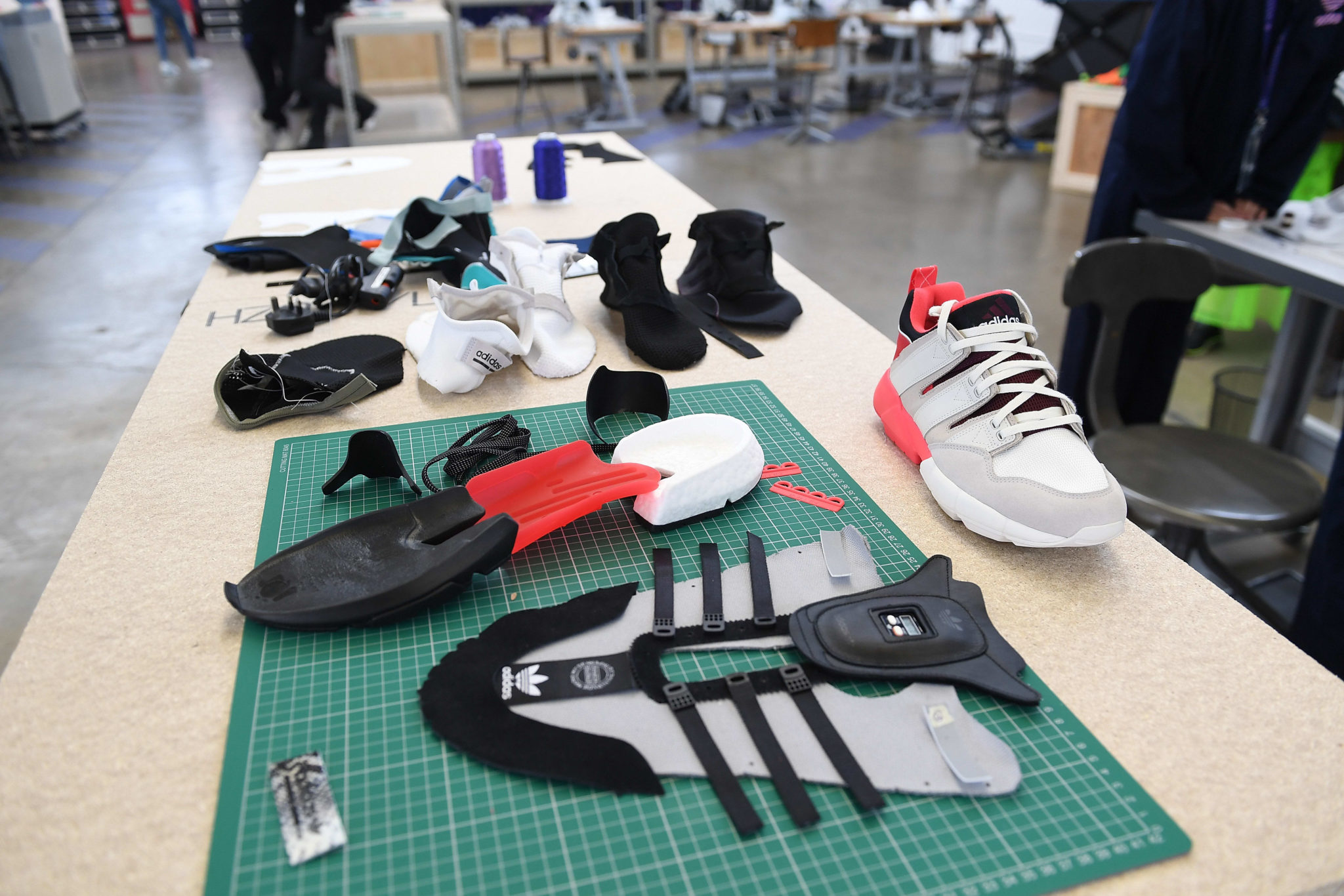
  • Adidas Originals launches new Personalisation System

    Adidas Originals launches new Personalisation System

    Adidas Originals has launched its newest silhouette ‘Point of Deflection System’, which allows customers to create their own sneakers.

    Inspired by Adidas’ iconic 90s ‘POD System’ technology and engineered with a podular sole unit, the new silhouette is built to create natural motion, flexibility and comfort.

    To celebrate the launch, global creators including Cali Thornhill DeWitt, DJ Clark Kent and Victor Ma were invited to the PODS Maker Lab in London’s Shoreditch neighbourhood.

    With assistance from Adidas Originals creators including Pharrell Williams, guests created their one-of-a-kind pair of shoes in a full footwear experience by mixing and matching PODS components with classic Originals elements.

    At night, musicians such as Migos, Suspect OTB and DJ Benji B, brought live performances.

    The POD System is available globally both online and offline at Adidas Originals.

  • Xiong’an New District New Showcase for another JD store

    Xiong’an New District New Showcase for another JD store

    Chinese e-commerce company JD has opened its largest-yet unmanned store, in Xiong’an New District.

    In the Xiong’an Civic Service Center,  the 246sqm outlet uses innovative technology as JD rolls out a “new-model industrial ecological chain”.

    Jingdong X unsupervised stores have already opened in more than 10 cities, including Beijing, Dalian and Tianjin, at malls, scenic spots and petrol stations. Shoppers use face-scanning technology to enter. Products have electronic price tags and payment is automatic.

    Xiong’an New District is being built south of Beijing as an economic hub, and JD is already planning a second store there. The move comes shortly after JD announced it would open 1000 convenience stores every day by the end of this year. The convenience retail plan runs on a franchise model.

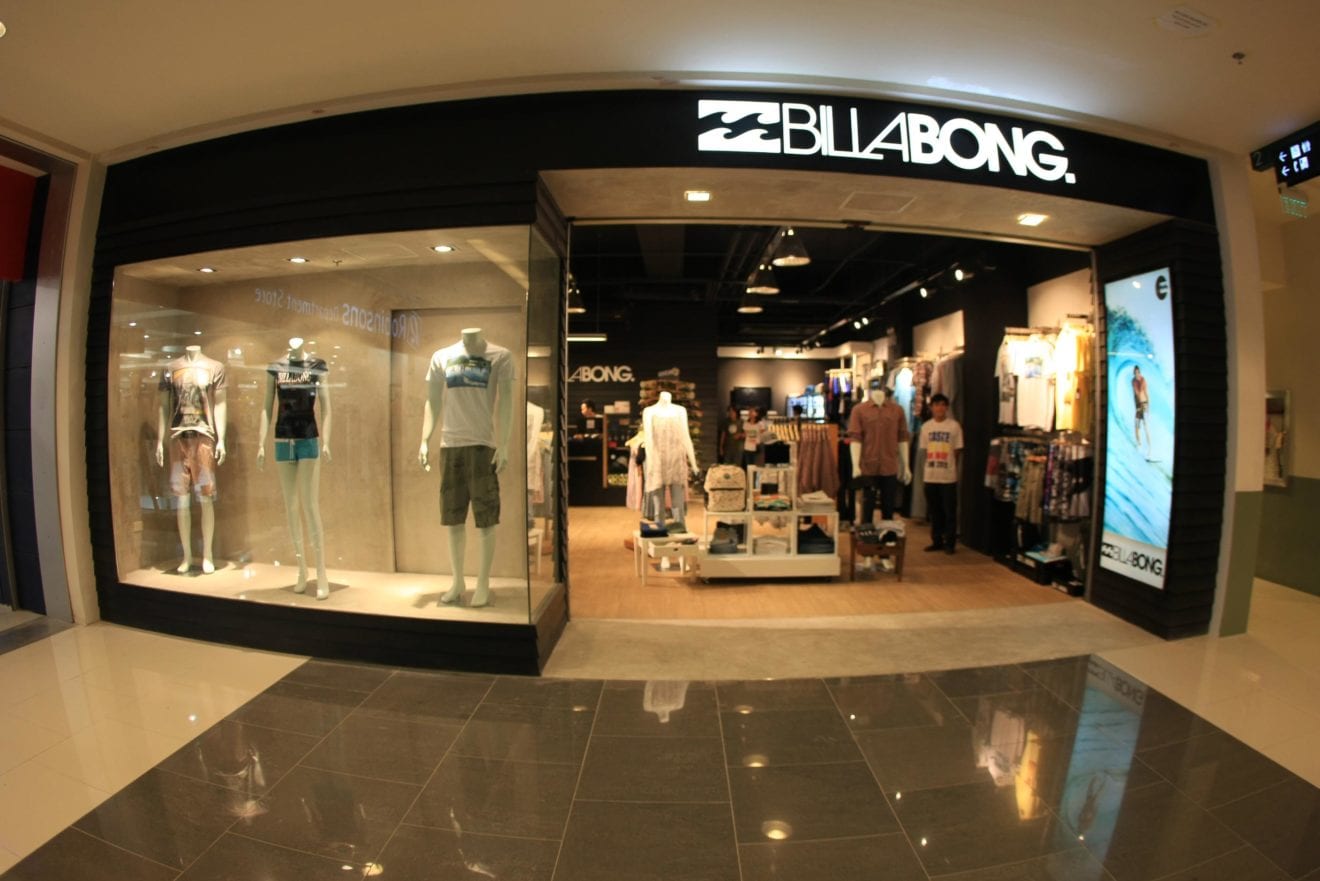
  • Boardriders appoints new Billabong management

    Boardriders appoints new Billabong management

    BillabongBillabong International’s new owner Boardriders Inc is clearing the decks, appointing 17 new senior leaders that will oversee a turnaround of the company’s ailing global operations.

    Under the changes Billabong’s chief executive Neil Fiske will depart, alongside CFO Jim Howell, general counsel Tracey Wood, HR chief Mara Pagotto and GSM Operations GM Paul Burdekin.

    Boardriders chief executive Dave Tanner announced the management shake up over the weekend, appointing the parent company’s president, Greg Healy to lead the Asia Pacific arm of the business, which includes Australian operations for the Billabong, Element, RVCA, Von Zipper and Xcel brands.

    Healy will also serve on Billabong’s new board alongside Shannan North, who will also step in as Billabong’s global president of retail strategy.

    Former Bebe stores finance principal financial officer Joseph Scirocco has come on as chief financial officer, while Boardriders COO Julie Ott will also serve as operations chief for Billabong International.

    The appointments are effective 24 April, the day that the transaction of Billabong finalises.

    Tanner said the leadership team combines seasoned boardriders talent and expertise from outside of the organisation.

    This team will lead the integration of two great companies, creating the world’s leading action sports company. I am particularly excited to announce the elevations of Greg Healy and Shannan North, who bring significant industry experience and will be instrumental in leading our global growth with their new Board responsibilities,” he said.

    “We want to thank Neil Fiske, Peter Myers, Tracey Wood, Jim Howell, Mara Pagotto, Paul Burdekin and the Billabong Board of Directors for their dedication to the success of Billabong, its people and heritage,” Tanner added.

    Full list of Billabong appointments

      • Greg Healy, Global President, President APAC, Board of Directors responsibilities.
      • Shannan North, Global President, Billabong and Retail Strategy, Board of Directors responsibilities.
      • Joe Scirocco, Chief Financial Officer.
      • Thomas Chambolle, President EMEA.
      • Jean Louis Rodrigues, General Manager Wholesale EMEA.Nate Smith, President Americas.
      • Dan Levine, Chief Brand Officer.
      • Garry Wall, Global General Manager Quiksilver.
      • Emilie Souvras, Global General Manager Roxy.
      • Mike Jensen, Global General Manager DC Shoes.
      • Kevin Meehan, Global General Manager RVCA.
      • David Brooks, Global General Manager Element.
      • Ilene Eskenazi, Chief Human Resources Officer and Global General Counsel.
      • Julie Ott, Chief Operating Officer.
      • Mike Yerkes, Chief Logistics Officer.
      • Nico Foulet, Chief Information Officer.
      • Sonia Lapinsky, Chief Integration Officer.
  • JD Sports Australia to expand logistics capabilities

    JD Sports Australia to expand logistics capabilities

    British sports fashion retailer JD Sports has issued a vote of confidence in its fledgling Australian operation, revealing that it is expanding its local logistics capabilities to facilitate “anticipated future growth”.

    Delivering its financial results for the 53 weeks ended 3 February in the UK on Tuesday, JD’s executive chairman Peter Cowgill said work to bolster its fulfilment in Australia was ongoing and that initial trading from its first five stores Down Under was “encouraging”.

    “Our initial performance in these markets [including Malaysia] is encouraging and it has given us the confidence to investigate options in other territories,” Cowgill said.

    “A smaller scale project to expand our logistics capabilities in Australia to facilitate anticipated further growth, both in stores and online, of the JD fascia is also ongoing,” he said.

    The comments come just a week after JD’s local arm, which is being shepherded by Rebel founder Hilton Seskin, announced three new stores (bringing its total to 9), one of which is already open in Macquarie, Sydney.

    JD has worked with the local veteran on slowly laying the bedrock for its Australian expansion over the last few years, launching about a year ago.

    As of 3 February JD had 12 stores in Asia Pacific and 52 stores across other businesses in the region, such as Glue in Australia.

    The listed British business does not separate its sales figures from individual markets outside of the UK, but revenue from operations outside of its home market and Europe increased by 46.6 per cent to £31.5 million (AUD$58.01m) during the year.

    Record profit

    Group-wide JD reported a record increase in its before tax profit for the year, up 24 per cent to £294.5 million (AUD$524.32m).

    Group revenue was up by 33 per cent to £3.16 billion (AUD$5.82bn) on the back of 187 store openings, including a net increase of 70 stores in the UK and Europe alone. The business has 1237 locations globally.

    Cowgill said he had been “very encouraged” by the result, which brings total profit growth since 2015 to more than 200 per cent.

    “The investments we have made over a number of years in developing our multichannel proposition and driving improved buying, merchandising and retail discipline have ultimately led to the creation of a world class sports fashion business which combines the best of physical and digital retail on an increasingly global scale,” he said.

    We are very encouraged by the progress that we are making internationally, and we continue to look for further opportunities to bring our dynamic multichannel proposition to new markets around the world with the support of our key brands”

    JD is currently finalising a yet-to-be-approved deal to purchase American footwear chain The Finish Line for $558 million, a move that will supercharge its expansion into the US.

    JD provided no specific outlook, but said it is satisfied with its progress and remains confident about the prospects for the current financial year.