Retail News CRM

Tag: Sports

  • Puma surfaces in third quarter as stores open again

    Puma surfaces in third quarter as stores open again

    Puma says its third-quarter sales rose 13.3 percent on a currency-adjusted basis to US$1.85 billion, leaving year-to-date sales down just 5.1 percent despite the impact of the pandemic.

    “The third quarter developed much better than I expected,” said Bjorn Gulden, Puma’s CEO.

    “Retail stores reopened, sports events resumed, consumer confidence improved and our sales increased week by week. I feel this strong performance confirms the strength of both PUMA as a brand and the sporting goods industry in general.”

    Puma’s gross profit margin decreased to 47 percent, largely due to negative currency impacts and increased promotional activity as the company adjusted to an unusual trading environment. However, operating expenses dropped by 3.3 percent allowing a pre-tax profit of $223 million.

    “Despite a very promotional market environment and currency developments that put pressure on our margins, we were even able to improve our EBIT compared to last year,” said Gulden.

    “This was achieved by continued strong cost control that we initiated in the extremely weak second quarter and through less but more efficient marketing activities.

    “October started well, but the recent development of Covid-19 and the number of infections we are seeing globally make us cautious for the rest of the year. We will continue to maneuver through this pandemic in the short-term without hindering Puma’s mid-term momentum.”

    Sales in Asia/Pacific declined by 1.9 percent, mainly due to slower growth in Greater China and a sales decline in India, Korea and Southeast Asian markets.

    For the first nine months of the year, including the time when lockdowns were in place across much of Asia, sales in the region fell 9.1 percent.

    Global net earnings for the nine months combined were down from $287 million last year to $63.7 million.
  • 3 Stocks Set To Capitalize On The Booming Sports-Betting Industry

    3 Stocks Set To Capitalize On The Booming Sports-Betting Industry

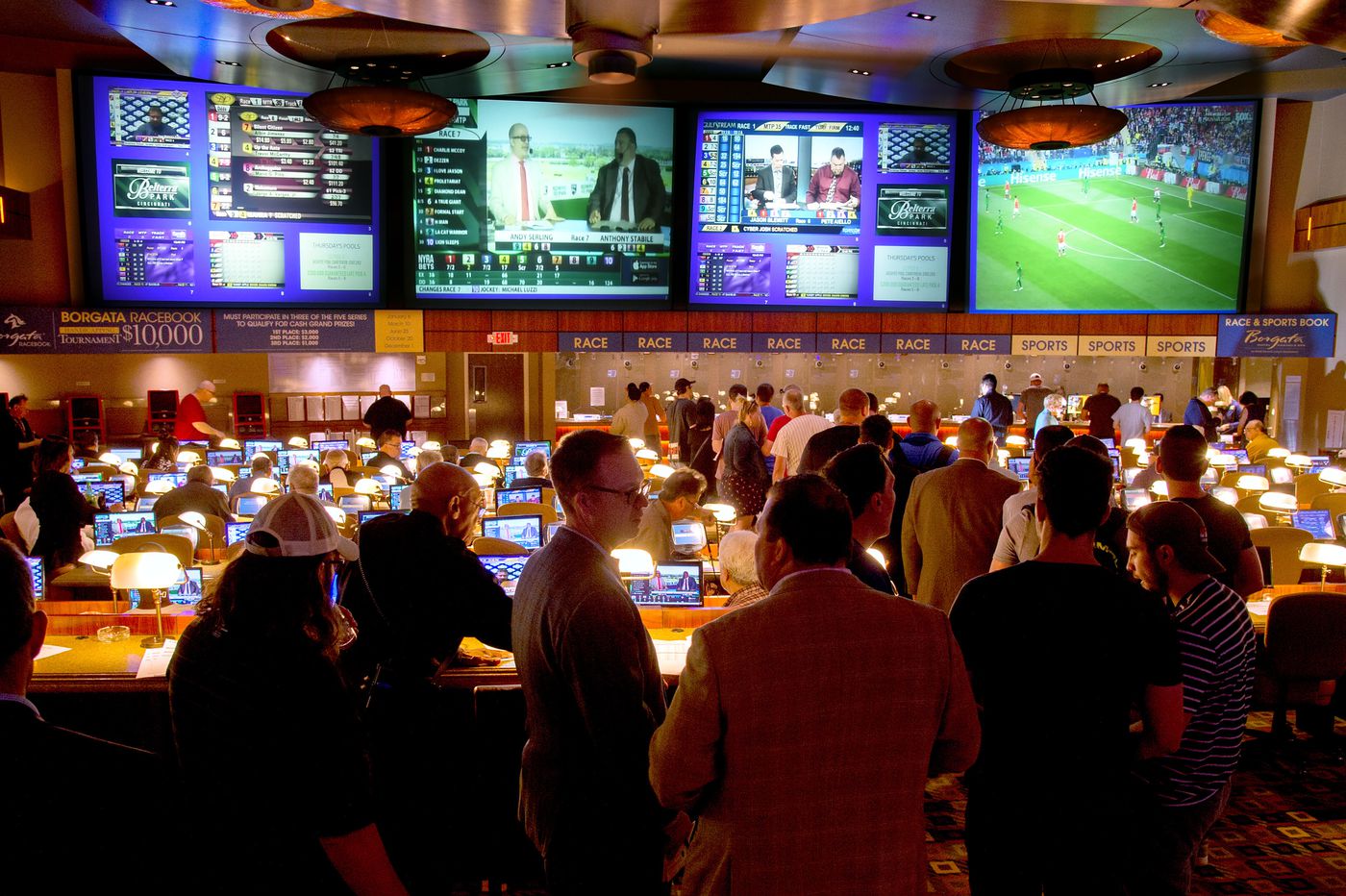
    After a difficult start to the year, the world economy is finally trying to open up. A good example is the online casino bets and gambling stock, which have taken Wall Street by storm in the recent past as the sports economy reopens and the return of live sports. In this article, you’ll discover three stocks that are positioned to take advantage of the booming sports-betting trend. 

    DraftKings

    DraftKings benefited greatly from the stay-at-home measures that lead to an increase in online sports betting and gambling on online platforms like Betway. When it announced recently that they have a partnership deal with ESPN and Michael Jordan had joined its board as a special advisor, their shares bounced. 

    According to reports, activities on the platform have surged by over 400% since going public on April 24. The DraftKings reported mixed earnings for the second quarter on August 14 as most of the major leagues remained on the break due to the global pandemic. They reported revenue of 75 million USD, surpassing the consensus estimates of 66.4 million USD.  

    Penn National Gaming

    Penn National was in the limelight at the beginning of the year when they expanded into sports media and online betting. They acquired a 36% stake in Barstool Sports, a renowned sports media company that operates up to 41 casinos and racetracks in 19 states across the US. As a result, Penn National’s stock jumped 166% since the beginning of the year.

    Reports indicate that Penn is projected to beat earnings and revenue expectations in the second quarter despite a staggering opening of some of its properties and a lack of live sports. In a statement during the release of the company’s earnings on August 6, The President and CEO, Jay Snoden, reiterated that even though visitation had not returned to pre-COVID levels yet, spend per visit had been strong, leading to better revenues than expected. 

    Apart from EPS and revenue, investors will be eager to hear reports on the Barstool Sportsbook app’s success that was launched in mid-September in Pennsylvania. 

    Boyd Gaming 

    Boyd Gaming is a company based in Nevada that operates sportsbooks in most of its casinos. It runs 29 casinos in 10 states and owns 5% in the Fan Duel, which is an online sports betting platform similar to Betway. 

    Reports reveal that the regional casino operator’s shares have recovered impressively after hitting unprecedented lows during the pandemic’s peak in March. While reporting their second-quarter earnings, Boyd CEO Keith Smith revealed that the company is off to a great start since the reopening. He also said that they managed to do better than had been projected. 

    Bottom Line

    With the return of live sports action, the stock markets are expected to respond positively. Even though many people took to online sports betting sites like Betway during the pandemic, live sports’ return gives them more options. Therefore, in the next few months, you should expect to see the boom in the sports betting market to continue.   


  • Pandemic causes steep drop in Asics revenue

    Pandemic causes steep drop in Asics revenue

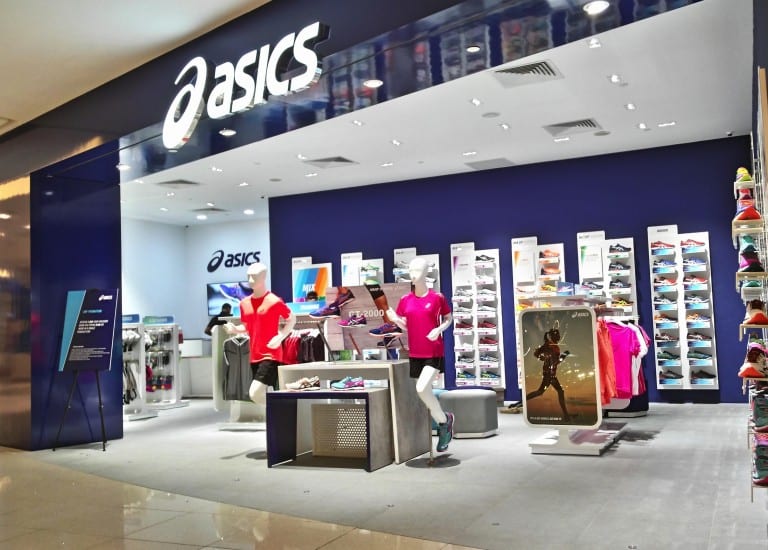
    Japanese sportswear retailer Asics has posted a steep drop in revenues as a consequence of the coronavirus pandemic.

    The firm has seen a 21.5-per-cent dip in global sales to the equivalent of US$1.4 billion in this year’s second financial quarter, and operating losses of $36.6 million against an $81.2 million profit last year.

    In keeping with a global rise in e-commerce trade heavily influenced by lockdowns and stay-at-home orders internationally, Asics saw an uptick in online sales of 139 percent for its European market – but that was not enough to prevent a fall in gross profits of 20.7 percent to $667 million.

    In its home market sales fell by 24 percent to $444.6 million, while in European sales were down 20.5 percent to $350.9 million.

  • Foot Locker launches Singapore’s largest store on Orchard Rd

    Foot Locker launches Singapore’s largest store on Orchard Rd

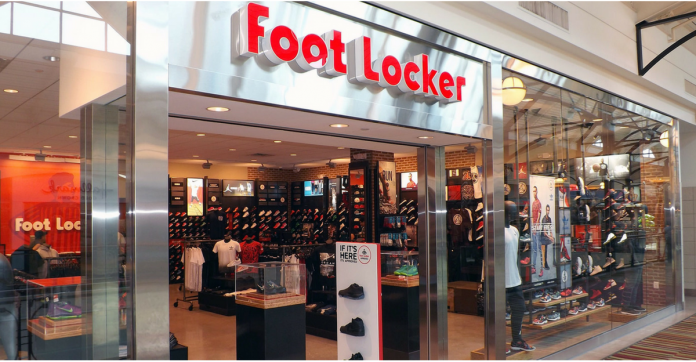
    Foot Locker Singapore has opened its largest store yet on Orchard Rd, celebrating basketball culture.

    Located at Orchard Gateway @Emerald, the Foot Locker store spans five stories, three of which are retail spaces, offering a multi-branded basketball collection.

    Foot Locker Singapore also partnered with local artists MessyMsxi and Clogtwo to feature artworks at both Level 1 and the B2 basketball half-court, expressing the brand’s appreciation for basketball culture.

    “This is where we embarked on our Asia journey and Singapore has really embraced our brand out of the gate,” said Tomas Petersson, GM, and VP at Foot Locker Asia. “Our purpose is to inspire and empower youth culture and our belief is that when we speak to the consumer through the lens of curated brand and product stories via our omnichannel focus, then we connect deeply with the Sneaker and Sport community.”

    Besides basketball collections, Foot Locker Orchard also features a wide range of footwear and apparel from global brands, including Nike, Jordan, Adidas, Puma and New Balance.

    “The Orchard Road store is a pinnacle expression of our brand together with our partners and we are especially proud as a team to deliver this in these challenging times, as this will give the Singaporean consumer a truly unique experience,” said Petersson.

  • Nike opens House of Innovation in Paris, France

    Nike opens House of Innovation in Paris, France

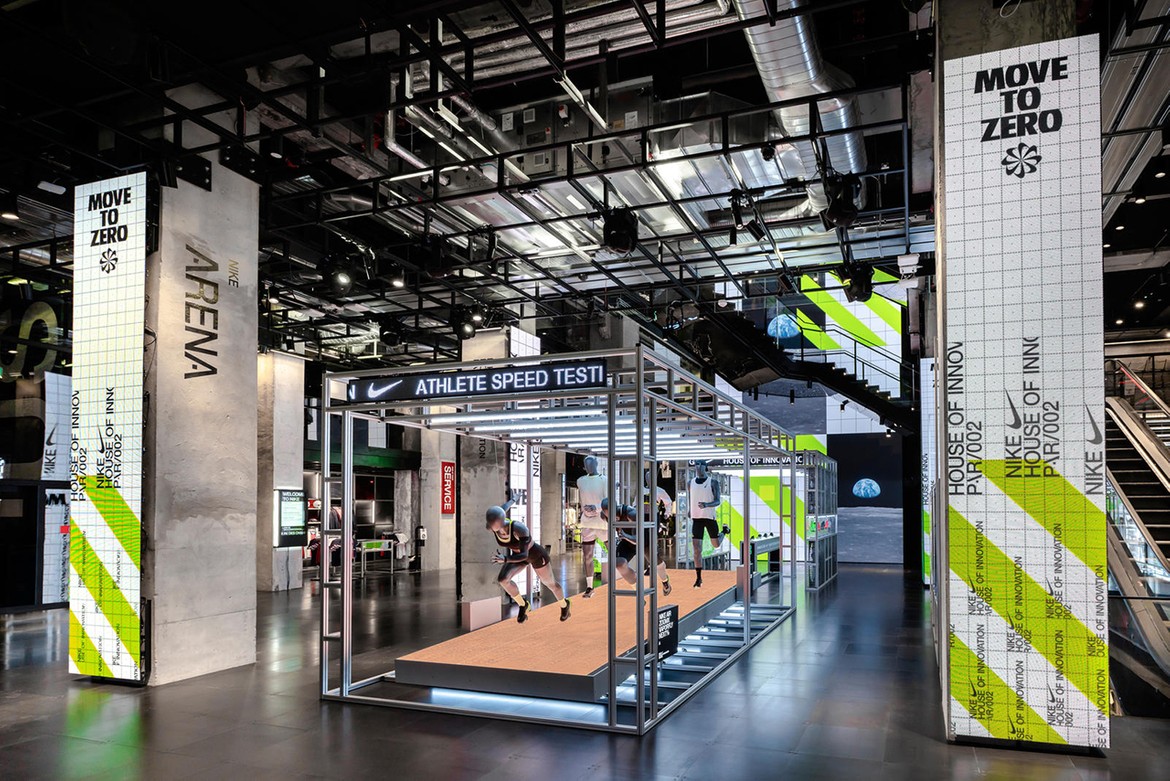
    Nike has opened the brand’s largest House of Innovation yet, in Paris, focusing on delivering a digital retail experience. Located at number 79 on the famous Avenue des Champs-Elysees, the House of Innovation 002 spans four floors and occupies a 2400sqm area.

    According to the company, Nike Paris will focus on four areas: uniting shoppers to a global sports community, innovative services and products for women, more kids’ experiences and seamless end-to-end consumer experience.

    “When consumers step into Nike Paris, they will experience our largest, most digitally connected and immersive retail concept in the world,” said Heidi O’Neill, president of consumer and marketplace.

    The House of Innovation in Paris features a wall-to-wall installation called Mission Control, connecting customers to the global sports community.

    Female shoppers can receive a fit recommendation using Nike Fit technology for any of its bras and information on their precise shape can be saved for future store visits.

    Nike Paris houses a destination for kids called Kids Pod, featuring interactive gaming and trial station such as a 360 virtual runners experience inspired by Parkour.

    “The strength of our digital portfolio combined with product innovation and amazing physical spaces will connect members to the community of sport and to one-of-a-kind experiences, serving them in an incredibly personal way,” O’Neill said.

    At the House of Innovation Paris, more than 85,000kg of sustainable material is woven into the fabric of the store design and display fixtures. The store is fuelled by a clean-energy wind farm in Spain.

  • Anta Sports hits sales and profit record

    Anta Sports hits sales and profit record

    Chinese sports shoe retailer Anta Sports has delivered its sixth consecutive year of sales growth, reaching a record US$4.8 billion in 2019, 40 percent up on the prior period.

    Hong Kong-listed Anta Group owns many Chinese and international sports brands, including Anta, Fila, Descente and Kolon Sport.

    Sales of the Anta brand surged 21.8 percent, and for Fila by 73.9 percent.

    Profit attributable to shareholders was a record $757 million, up 30.3 percent, marking the third consecutive year of 30-per-cent-plus growth for the company.

    Anta ended last year with 12,943 stores, 10,516 of those across Mainland China bearing the Anta or Anta Kids banners. Another 1951 Fila stores are located on the mainland and in Hong Kong, Macau, and Singapore and there are 136 Descente stores in China.

    The company said a policy of pursuing “high-quality growth, organic operation, and strong cost management” over recent years had laid a solid foundation for the group to cope with market uncertainties especially in times of challenges posed by the global Covid-19 outbreak.

    “Prior to the outbreak, brands under the group have already realized strategic plans of both online and offline development,” the company said in a statement.

    “In the early stage of the outbreak, the group has also reacted promptly to offset the blow from coronavirus – implementing strict cost management, exercising community marketing, building more flexible supply chains, maintaining on-time logistics and deliveries, and promoting e-commerce innovation are all among concrete moves that Anta Group has made.”

    The company is predicting a “low double-digit” decline in sales for the first half of the current year as a result of the coronavirus crisis impacting retail, but anticipates a return to growth in the second half given the rebounding Chinese economy.

    “Therefore, the group is confident to achieve positive annual growth by the end of 2020.

    “From a long-term perspective, the Covid-19 outbreak will not last for an indefinite period of time and consumers’ needs for health and fitness products will definitely be heightened, which will contribute to the group’s swift recovery after the crisis.”

  • Giant Japanese sports store Alpen to open next month

    Giant Japanese sports store Alpen to open next month

    Japanese sports and outdoor goods retailer Alpen Co is set to launch Kanagawa’s first experience-based store late next month.

    The Alpen Outdoors LaLaport Yokohama store will handle more than 40,000 predominantly outdoor-related products under 200 brands. Alpen’s new location will be offering products in two formats, “Alpen Outdoors”, which will cover the entire light outdoor product range for activities such as camping and hiking; and “Alpen Mountains”, which focuses more on mountaineering. The store offers a tent trial experience with a realistic camp atmosphere.

    Popular outdoor brands Coleman and Snow Peak have shops-in-shops at the store with dedicated support staff.

    Alpen currently operates 11 stores nationwide, including a flagship in Kashiwa, which opened in April last year and is one of the largest in the world.

  • Snap Fitness to open 300 locations in Japan

    Snap Fitness to open 300 locations in Japan

    Snap Fitness plans to open 300 locations in Japan in partnership with local franchisee Global Fitness Japan Co.

    The international franchised gym group will open a flagship location in Tokyo this year, followed by more venues in Osaka and other regions.

    “Snap Fitness has been successfully providing innovative fitness services in a sustainable manner across the world for more than 15 years,” said Kazuki Takenouchi, CEO and GM at Global Fitness Japan.

    “Global Fitness Japan believes Snap Fitness will enhance the wellness of all people’s lives in Japan by providing technology-based, results-driven workouts.”

    With a population of about 126 million, Japan is the 11th most populous country in the world, yet just 3.3 percent of people own a gym membership providing what Snap Fitness’ US-based parent company Lift Brands consider is a significant growth opportunity.

  • Asian Sports Betting Market

    Asian Sports Betting Market

    Asia has a huge betting market compared to other continents. But, it has poor coordination. The Asian market led in global betting in 2017. It comprises established sportsbooks like Betway88. Statistics show that about 40 percent of bets placed in the world are from Asia. Besides, many sports fans from other regions have a murky understanding of Asian gambling. Here is an insight into the Asian sports betting market.

    Asian Betting Odds

    An Asian handicap sport betting is popular all over the world. Each soccer match has a particular handicap. There are some common Asian handicap odds:

    1. Hong Kong Odds

    Most gamblers who wager at Asian bookmakers often choose Hong Kong odds. They resemble decimal odds. But, betting firms don’t factor in your original stake into the multiplier. For instance, if you place a $200 bet with 1.70 Hong Kong odds, you will get a return of $540. Thus, Hong Kong odds of 1.70 are equal to decimal odds of 2.70.

    1. Decimal Odds

    Bookies often display decimal odds as 1.70, 3.20 and 2.50. The figures reflect the return you will get from a bet. It includes your initial stake. For instance, you will receive $510 in total if you place a $300 bet at 1.70 odds. So, your profit will be $210. Punters can visit https://www.betway98.com/  to place soccer bets with decimal odds.

    1. Malay Odds

    Malay odds resemble Hong Kong odds. They are displayed as decimals and have a negative or positive sign. Bets with a 50 percent winning probability appear as 0.00. You will get a 1-unit payout for each 1 unit you wager. For example, you will get a $700 payout if you place a $100 wager at Malay odds of -0.70.

    1. Indonesian Odds

    Indonesian odds are often displayed the same as American odds. They can have a negative or positive sign at the front. A negative sign shows that that is the favorite bet. For instance, you need to wager $170 to get a $100 payout if the Indonesian odds are -1.70.

    Factors to Consider When Selecting an Asian Sportsbook

    Many Asian punters struggle to find the right bookmaker. Here are four factors that will help you find a nice Asian sportsbook:

    • Currencies and online payment options: It is advisable to choose a betting firm that offers different payment options. Pick a bookie that accepts different currencies as it allows you to bet while in different countries.
    • Safety: Safety is paramount in sports betting. Bookies should protect client data and stakes. Many Asian bookmakers have sophisticated software that prevents hackers from accessing your data and transaction history.
    • Favorable handicap odds: Bookies offer different odds for the same sports event. Choose a betting firm with high odds to get a bigger profit margin.
    • Promotions and bonuses: At times, Asian sportsbooks offer bonuses and promos to new and existing clients. You can use bonus bets to wager without using real money.

    Millions of Asians spend huge sums of money on sports betting. They wager on sports such as athletics, basketball, cricket, football, golf, tennis, volleyball and rugby. Some Asian betting firms have a lower margin compared to European bookies. It provides pundits a high chance of winning in the long run. You can place different types of bets at Betway88.


  • Puma experiences its best year yet as sales soar globally

    Puma experiences its best year yet as sales soar globally

    Puma’s worldwide sales surged 18.4 percent last year, to €5.502 billion and its pre-tax profit rose 40 percent to €262 million.

    But the positive results were tempered by a warning from CEO Bjorn Gulden about the year ahead given the outbreak of coronavirus in China.

    “After a good start into 2020, February has of course been negatively affected by the outbreak of COVID-19. The business in China is currently heavily impacted due to the restrictions and safety measures implemented by the authorities.”

    He said businesses in other markets, especially in Asia, are suffering from lower numbers of Chinese tourists.

    “Given the current uncertainty around the virus, it is, of course, impossible to forecast its impact on the business. We will do everything we can in the short term to minimize the damage and remain very positive in the long term both for our industry and for Puma,” said Gulden.

    Puma’s year ended with a strong fourth-quarter result, with revenue up by 20.6 percent and pre-tax earnings up by 47 percent.

    “All regions and all product divisions were up by double-digits. This made 2019 the best year in Puma‘s history,” said Gulden. “I am very proud of what the team has achieved and thought this performance shows the global potential of the Puma brand.”

  • Sports Illustrated CBD product range to be launched by Authentic Brands Group

    Sports Illustrated CBD product range to be launched by Authentic Brands Group

    Authentic Brands Group (ABG), the owner of the Sports Illustrated brand, announced a strategic partnership with Sentia Wellness, a distributor of CBD-infused wellness products. Through this partnership, Sentia Wellness will develop, produce and distribute Sports Illustrated and Sports Illustrated Swim-branded CBD-infused topicals. A Limited-Edition Recovery Cream will debut this weekend, followed by a full rollout later this year.

    “Sports Illustrated has been at the forefront of sports and culture for over 65 years and is a name that resonates with the athlete and fan in all of us,” said Daniel W. Dienst, vice chairman at ABG. “We are excited to partner with Sentia, a leader in the wellness industry, as we continue to expand the Sports Illustrated brand and create trusted, high-quality consumer products.”

    “As we continue to develop products for active, health-conscious individuals who understand that there is so much more to sport than the game itself, it became clear that Sports Illustrated was the perfect brand to partner with,” said Amy McClintick, COO, licensed brands division of Sentia Wellness. “We are excited to see the initial response from consumers, and cannot wait for the full rollout of complementary products later this year.”

    ABG’s portfolio of brands generates more than $10 billion in annual retail sales and includes Marilyn Monroe, Mini Marilyn, Elvis Presley, Muhammad Ali, Shaquille O’Neal, Sports Illustrated, Dr. J, Greg Norman, Neil Lane, Thalia, Nautica, Aéropostale, Juicy Couture, Vince Camuto, Herve Leger, Judith Leiber, Barneys New York, Frederick’s of Hollywood, Nine West, Frye, Jones New York, Louise et Cie, Sole Society, Enzo Angiolini, CC Corso Como, Hickey Freeman, Hart Schaffner Marx, Adrienne Vittadini, Taryn Rose, Bandolino, Misook, 1.STATE, CeCe, Chaus, Spyder, Tretorn, Tapout, Prince, Volcom, Airwalk, Vision Street Wear, Above The Rim, Hind, Thomasville, Drexel and Henredon.

  • Global athleisure wear market expect strong growth numbers

    Global athleisure wear market expect strong growth numbers

    Consumer desire for a multifunctional wardrobe is set to continue driving the global athleisure wear market, according to data and analytics research group GlobalData.

    Over the last two years, the athleisure trend has risen as demand for comfort, performance and style has driven the need for a multifunctional wardrobe. 68 percent of consumers who purchased sports clothing for exercise also wore such items for eating out or shopping.

    The firm forecasts that the global athleisure wear market will rise 9 percent this year and will continue to outperform the total clothing and footwear market beyond their 2023 forecast period.

    “Over the next five years, the sportswear market will be one of the leading retail sectors,” said GlobalData principal retail analyst Honor Strachan. “Activewear brands are selling consumers a lifestyle, and fashion retailers are leveraging their style credentials to produce affordable fitness ranges to sell alongside core casual and formalwear collections.”

    In the UK, 20 percent of consumers purchased sports clothing specifically for leisure activities and free time, not to exercise in.

    “This willingness to pair sportswear with core wardrobe pieces has opened sportswear brands up to new audiences and allowed them to diversify into new product areas,” said Strachan, “boosting their share of the global clothing & footwear market.”

    While fashion trends and influencers have driven the success of the global athleisure wear market , the sustainability movement will continue to support the desire for a multifunctional wardrobe. Consumers are purchasing more consciously and reducing spend on fast fashion, playing into the hands of those retailers and brands that can showcase the versatility of their items, as well as the durability and quality.

    Moreover, increasing consumer appetite for comfort has also fuelled sales of activewear and trainers with brands utilizing their technical expertise in ensuring products offer freedom of movement, aid temperature and sweat control, shape the body and provide support. These qualities have filtered into consumers’ everyday wear and not just when they are at the gym.

    Adoption of the athleisure trend in much of Asia has been slower, so international and national brands are leveraging social media, third-party selling platforms and brand ambassadors to sell the appeal of having a sports and street-influenced wardrobe.

    “Chinese brand Li-Ning has exploited its credentials as a sports manufacturer to produce high fashion casualwear which can be worn for training or leisure,” concluded Strachan, “while Nike’s instore and online outfit styling provides inspiration on how to wear pieces for multiple uses encouraging consumers in China, Taiwan, South Korea, and Japan to incorporate sportswear into their everyday wardrobes.”

  • Jack Wills sold to Sports Direct

    Jack Wills sold to Sports Direct

    Struggling UK fashion chain Jack Wills has been bought by Sports Direct for £12.75 million after being placed in administration.

    Sports Direct, owned by retail entrepreneur Mike Ashley, has bought Jack Wills’ stock and taken over its distribution center, 100 stores and employees across the UK and Republic of Ireland in what is known as a “pre-pack administration” deal.

    The fate of the brand’s stores in Hong Kong, Singapore and the US is not yet known with “alternative options being considered” by the company’s directors, according to a statement released overnight.

    The Jack Wills business sold to Sports Direct has about 1700 staff spread across the business, six franchised stores in Kuwait, Saudi Arabia, the UAE, and the Channel Islands, and an e-commerce channel serving 130 countries.

    Pippa Stephens, retail analyst at GlobalData, said that while Mike Ashley has given Jack Wills a much-needed lifeline, she fears he already has far too much on his plate to make the ailing lifestyle brand a priority and implement a successful turnaround strategy.

    “While Ashley recently admitted that he regrets purchasing House of Fraser, significant time and money are still required to resurrect the failing department store retailer, making it the focus if Ashley is to retain his self-penned ‘savior of the high street’ label,” said Stephens.

    “Jack Wills has lost relevance in the UK clothing market as its heavily branded, preppy products no longer appeal to 16-24-year-olds who now prefer more edgy, aspirational brands. Consistent discounting has devalued its full-price proposition, while its stores have lost their appeal and uniqueness.

    “Jack Wills needs to be substantially revamped if it is to revive its desirability, win back shoppers and establish a new loyal customer base. Without sufficient investment in modernizing ranges and improving the in-store experience, we expect it to continue to struggle in today’s competitive youth segment.”

    Private-equity owner BlueGem began canvassing for prospective buyers for Jack Wills early last month after engaging advisory firm KPMG to prepare a review of the business’ prospects. According to companies office records, Jack Wills lost £29.3 million for the year to January 31 last year, and a £28 million cash injection from BlueGem in January this year has been almost exhausted.

  • Decathlon India opens largest store today

    Decathlon India opens largest store today

    Decathlon India has opened its largest store yet at the DLF Mall of India.

    The French sports retailer’s new 3000sqft experiential retail outlet features dedicated activity and community zones for fitness and sports enthusiasts, as well as offering digital services such as self-checkout counter scan and a pay app for billing to improve the purchasing experience.

    The store has dedicated sections for women, men, children and teenagers, as well as a space for fitness aficionados and a community space featuring augmented reality golf, a simulator zone and skating rink.

    “Our aim to build a new experience for all people involved in fitness gets enhanced, with the support and environment of DLF Mall of India, one of the premier shopping destinations in Delhi NCR,” said Decathlon Noida Mall of India city sports leader Sylvain Deschamps.

    “We are excited about this new store and hope that the goodwill keeps thriving for years to come.”

    Decathlon India operates 70 outlets, including 12 in the national capital and its nearby regions.

  • Nike grows profit, pulls product in China

    Nike grows profit, pulls product in China

    Sportswear brand Nike has revealed its net profit increased to US$4 billion during the 2019 financial year, compared to the previous year, which saw Nike earn US$1.9 billion.

    The large disparity is attributed to the enactment of the Tax Act last year, which raised Nike’s effective tax rate to 55.3 percent – causing a 54 percent drop in profits. In FY19, Nike’s tax rate returned to a more normalized level of 16.1 percent.

    The positive results come at a turbulent time for the sportswear giant, which recently faced a social media backlash in China after Undercover, a Japanese streetwear label it collaborated with on a line of sneakers, shared an Instagram Story with the caption, “No Extradition to China,” and “Go Hong Kong”.

    Nike subsequently pulled the sneakers from its offering in China, according to media reports.

    Nike president, chairman, and chief executive Mark Parker told investors the business is committed to the China market “for decades to come”.

    “We are and remain a brand of China and for China,” Parker told analysts, according to the Financial Times.

    “We’re confident that we’ll continue to grow sport and our business in China for decades to come.”

    On Thursday, Parker told investors FY19 was a pivotal year for the retailer.

    “Our distinctive innovation and digital advantage led to accelerated growth across our complete portfolio, while our brand fuelled deeper relationships with consumers around the globe,” he said in a statement.

    Revenue grew 7 per cent to US$39.1 billion, driven by sportswear, Jordan, and running, as well as strategic investments in innovation and digital led by Nike Direct.

    The Converse brand saw revenue grow 3 per cent to US$1.9 billion, which was mainly driven by double-digit growth in Asia and digital.

    Nike and Retail Prodigy Group have been contacted for comment.