Retail News CRM

Tag: Vietnam Airlines

  • Vietnam Airlines Unlocks New Perspectives into Customer Experience Insights with Qualtrics

    Vietnam Airlines Unlocks New Perspectives into Customer Experience Insights with Qualtrics

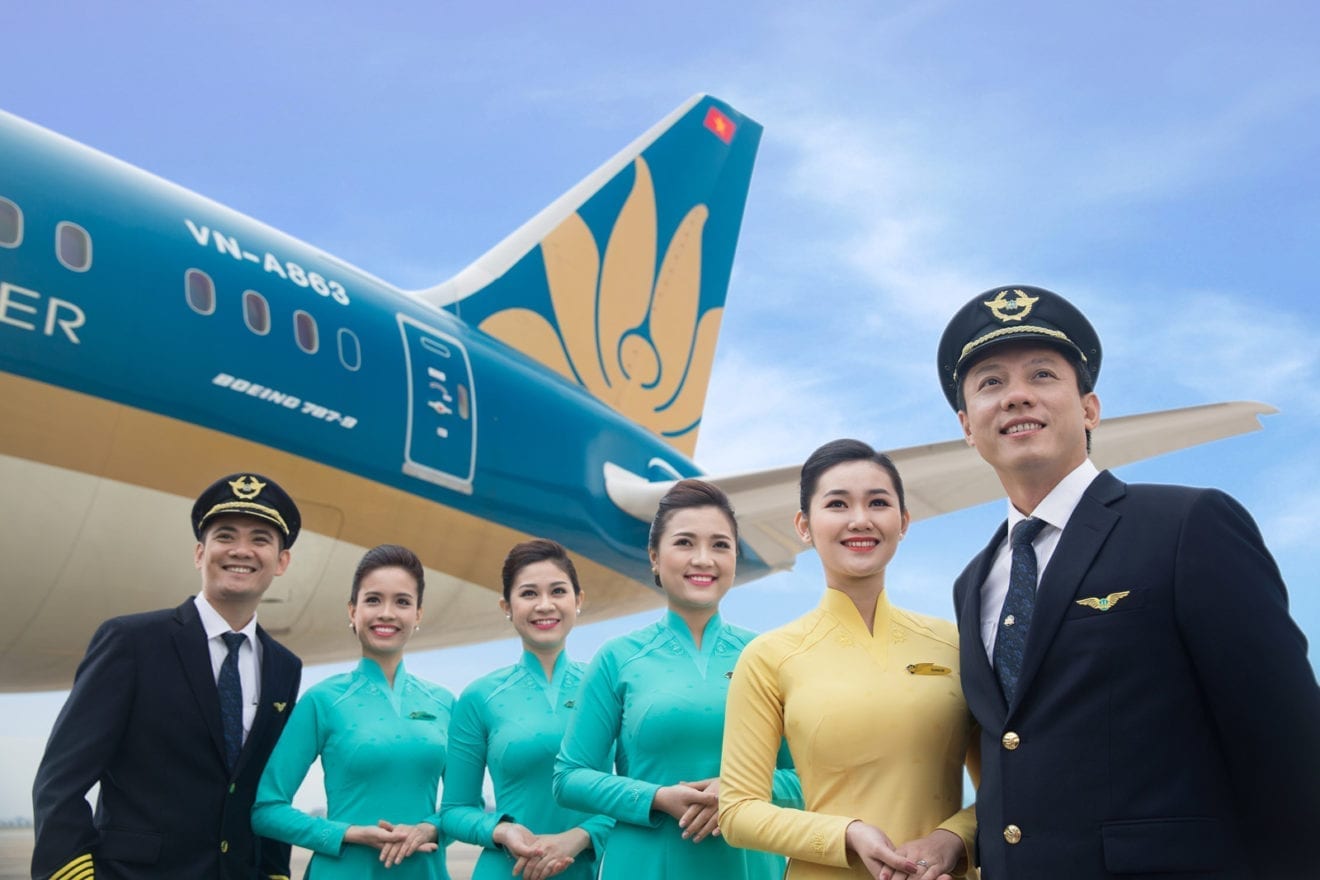
    Qualtrics, the leader in experience management, today announced Vietnam Airlines, a leading airline in South East Asia and national flag carrier of Vietnam, is using Qualtrics CustomerXM™ as part of the company’s efforts to create a more robust and tailored customer experience for its 22 million annual passengers.

    With Qualtrics CustomerXMTM – a comprehensive experience management platform – Vietnam Airlines is able to capture and respond to customer feedback in real-time. The national carrier of Vietnam has also increased the volume of customer engagement captured and research scope.

    “Qualtrics initiatives have enabled Vietnam Airlines to reduce the time needed to collect and respond to customer feedback from months to weeks. The speed at which we are now able to operate, along with the ability to garner new insights from our passengers, are key differentiators for us. Powered by the speed and accuracy of the Qualtrics CustomerXMTM platform, Vietnam Airlines is able to capture customer insights, which serve as very important input for creating breakthrough customer experiences – characterized by Vietnam’s rich culture and identity – helping cement our position as one of the leading carrier in the region,” said Ngo Hong Minh, Director of Passenger Service Department, Vietnam Airlines.

    Vietnam Airlines deployed a number of dynamic data collection tools on Qualtrics CustomerXMTM to derive new perspectives of its entire customer experience. These include dynamic and custom data collection tools that can focus on priority areas in the customer journey, real-time website feedback, QR code feedback capabilities for higher response rates in regions such as China and Singapore where this method of engagement is preferred, and an offline app for “mystery shoppers” to use.

    Customer responses are presented back to Vietnam Airlines in role-based dashboards that can be accessed from any device in real-time. Stakeholders collaborate to create unique pages and apply filters to pinpoint specific moments – like reservations, check-in, and online booking – across the carrier’s 30+ branch offices and representative offices in more than 20 countries and territories.

    “Combining experience data captured by Qualtrics CustomerXMTM with operational data has inspired a number of changes to the customer experience we create at Vietnam Airlines – from the food and drink we serve through to conversations at check-in. Since going live on the Qualtrics platform in late 2017 we’re proud to have maintained  our Skytrax 4-Star status which now extends to fourth year running, and achieved a record profit of VND 2.8 trillion in 2018,” added Minh.

    “Airlines across the globe are looking for ways to compete in increasingly competitive markets on more than price alone. Customer experience is therefore a significant and invaluable differentiator. Vietnam Airlines’ investments and accolades in creating breakthrough customer experiences is testament to the carrier’s tireless devotion and commitment to improving quality across products and services. Qualtrics is proud to support Vietnam Airlines through this exciting and unprecedented period of growth by helping it optimise its customer experience at the moments that matter most,” said Foo Mao Gen, Head of Southeast Asia, Qualtrics.
  • Vietnam Airlines approved for listing on HoSE

    Vietnam Airlines approved for listing on HoSE

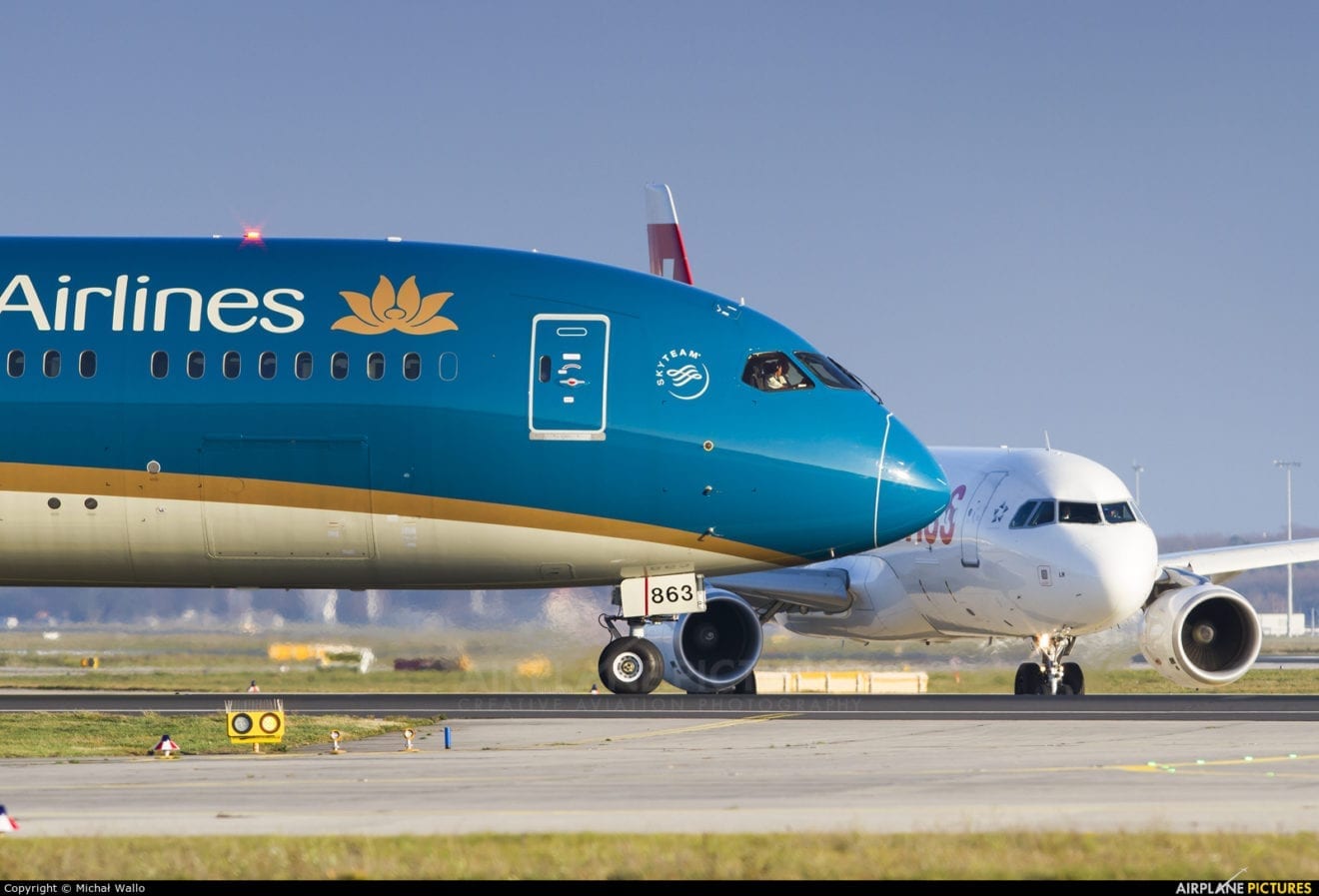
    The national carrier Vietnam Airlines (UPCoM: HVN) has gained approval of the Hồ Chí Minh Stock Exchange (HoSE) to list its 1.4 billion shares on the southern bourse.

    The company will move to HoSE from the Unlisted Public Company Market (UPCoM) and the stock ticket will remain as HVN.

    The company’s market value on HoSE is approved at VNĐ14 trillion (US$602 million).

    Vietnam Airlines planned to switch to HoSE from UPCoM in 2018, but the decline of the stock market in the second half of 2018 made the firm delay its plan until now.

    The national carrier sold 49 million shares, equal to 3.48 per cent of the total, for VNĐ1.09 trillion at the initial public offering (IPO) in November 2014.

    In 2016, the Japanese aviation firm ANA Holdings bought 8.8 per cent of Vietnam Airlines’ capital for $108 million.

    In 2018, Vietnam Airlines posted a record-high revenue of VNĐ96.8 trillion, up 17 per cent year on year.

    Its pre-tax profit for 2018 rose 34 per cent year on year to VNĐ3.24 trillion.

    Vietnam Airlines shares on UPCoM have increased by nearly a quarter since the end of last year, ending Tuesday at VNĐ41,200 per share.

    The private-equity new-age carrier Vietjet is now the only aviation firm that lists shares on the stock market with the market value of $3 billion.

  • Vietnam aviation faces safety rating challenge

    Vietnam aviation faces safety rating challenge

    Vietnam might find it difficult to maintain its aviation safety rating due to a lack of qualified personnel, experts caution. The U.S. Federal Aviation Administration (FAA) Friday gave Vietnam a Category 1 safety rating, allowing local airlines to operate direct flights to the U.S. “Acquiring this rating is hard, keeping it is going to be even harder,” Dinh Viet Thang, head of the Civil Aviation Authority of Vietnam (CAAV) said.

    He said that the CAAV currently has only 30 aviation safety officers, meeting only 30 percent of the demand. They hire the rest from other airlines.

    The U.S. Federal Aviation Administration (FAA) has required that the CAAV has enough aviation safety officers on its own in upcoming years so that it doesn’t need to hire people from outside, and CAAV plans to meet this goal by 2025.

    However, training these officers is costly, with an individual bill costing over VND5 billion ($216,000).

    One of the biggest hiring difficulties is that aviation safety officers are attracted by the higher salaries offered by airlines compared to state-owned companies, Thang said.

    An aviation safety officer at CAAV earns only VND10 million ($432) a month, while local airlines pay them about VND300 million ($12,960).

    “The government gives us VND20-30 billion ($864,000-1.29 million) each year to hire aviation safety officers and VND10 billion ($432,000) to train new ones, but we really need more investment from the government to develop this team,” he noted.

    Another challenge is meeting FAA safety requirements as they conduct unannounced safety examinations. If Vietnam doesn’t meet these requirements, FAA will downgrade the rating to Category 2, meaning no direct flight to the U.S. is allowed.

    This has happened before in Thailand, Indonesia, Philippines and most recently India, he said.

    Local airlines, including state-owned Vietnam Airlines, budget airline Vietjet and new private airline Bamboo Airways, have previously expressed interest in operating direct flights to the U.S.

    Vietnam’s aviation industry has been growing rapidly in recent years. There were 12.5 million air passengers last year, up 14.4 percent from 2017.

    The number of flights in the country grew by 16 percent on average between 2010 and 2017, according to official data.

  • Vietnam Airlines eyes stock market listing in 2019

    Vietnam Airlines eyes stock market listing in 2019

    Vietnam Airlines plans to list its shares on the Ho Chi Minh City Stock Exchange next year amidst rising competition of low-cost carriers. “Vietnam Airlines will go public in the first quarter of next year,” its chief executive, Duong Tri Thanh said. “We are making our target the first quarter of next year, and I think it is feasible.”

    But he admitted the final decision rests with the government.

    The carrier’s shares are traded on Hanoi’s Unlisted Public Company Market (UPCoM) and it has a market capitalization of more than $2 billion.

    The government currently owns around 86 percent of Vietnam Airlines, but has said it wants to reduce this to 51 percent by 2020.

    The country’s largest airline by passengers carried now faces rising competition from budget carrier VietJet Aviation and others. Last month Vietjet became the second most valuable airline in Southeast Asia by market cap behind only Singapore Airlines.

    With the domestic market showing signs of saturation, Vietnam Airlines seeks to expand overseas. In October it started a daily service from central Da Nang City to Osaka City to add to the 70 weekly flights from Vietnam to Japan. In 2020 it plans to begin a direct service to the U.S.

    Vietjet launched a daily service from Hanoi to Osaka last month to take its total number of international routes to 64 in 11 countries. It plans to add two more routes to Japan by next month.

    Other airlines are also jostling for market share. Bamboo Airways, Vietnam’s newest airline, received a license last month and is set to make its maiden flight on December 29.

    Experts said the listing of Vietnam Airlines would allow it to compete with other carriers by attracting more investors.

    “This would be a major Vietnamese company joining the stock exchange, which would interest international investors and potentially enable Vietnam Airlines to raise funds more easily to compete with the likes of VietJet and Bamboo,” the Financial Times quoted Tony Foster, a partner at Hanoi law firm Freshfields, as saying.

    Vietnam’s international aviation market, driven by the rapid growth in tourism, has been expanding at more than 30 percent a year, according to the CAPA Centre for Aviation, an Australian consultancy.

    Vietnam welcomed 14.1 million international tourists from January to November, up 21.3 percent year-on-year, according to the General Statistics Office. As many as 11.4 million of them came by plane, up 15.3 percent, it added.

    Vietnamese carriers transported 45.1 million passengers between January and November, up 11.9 percent year-on-year, and 369.2 million tons of goods, up 18.6 percent, according to the General Statistics Office.

    There are five carriers in Vietnam: Vietnam Airlines, Vietjet Air, Bamboo Airways, Jetstar Pacific and VASCO. Vietnam Airlines owns VASCO and has a 70 percent stake in Jetstar Pacific.

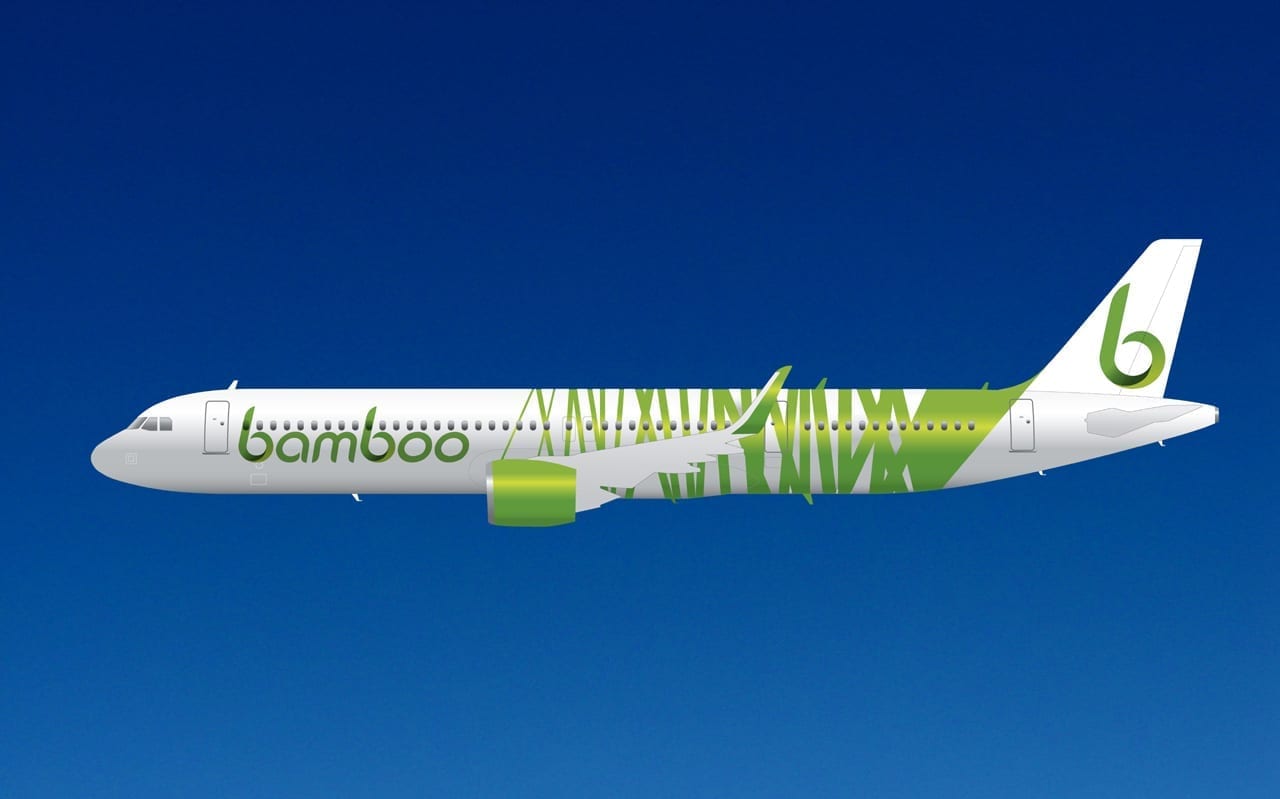
  • Bamboo Airways gets license, to start flying before year end

    Bamboo Airways gets license, to start flying before year end

    Vietnam’s newest airline, Bamboo Airways, has received its long-awaited aviation license and plans to launch its first flight within the next 45 days. The carrier, the country’s fifth, is allowed to operate 10 aircraft on both domestic and international routes and to carry passengers and cargo on its flights.

    It plans to fly on 100 routes, connecting Vietnam’s major cities with popular domestic and international tourist destinations.

    But initially it is likely to only operate on certain sectors like Hanoi-Quy Nhon and Ho Chi Minh City-Quy Nhon. Quy Nhon is a city on the central coast.

    According to Bamboo Airways general director Dang Tat Thang, most of the preparatory works have been completed for the maiden flight to take off before the end of the year.

    It needs to obtain an aircraft operator certificate and obtain permission for parking and selling tickets, which are expected to take 30-45 days from the date of license issuance.

    Bamboo Airways was founded by Vietnamese private firm FLC in mid-2017 with a charter capital of VND700 billion ($30 million), which it increased to VND1.3 trillion ($55.68 million) recently.

    The airline has signed deals to buy 24 Airbus A320neo and 20 Boeing B787-9 Dreamliner aircraft worth a total of about $8.6 billion.

  • Vietnam retains current price ceilings on domestic flights

    Vietnam retains current price ceilings on domestic flights

    While several carriers want the price ceilings for domestic flights raised, inflation concerns have prevailed, for now. The current price ceiling, fixed by the Transport Ministry in August 2015, is set to remain unchanged for the time being as a new draft circular on air transportation rates.

    Under the draft circular on air transportation prices, prices for five different classifications range from VND1.6 million ($68) to VND3.75 million ($160) per one-way ticket.

    The lowest ceiling applies to flights for distances of 500 kilometers and less to remote rural areas, islands and mountainous areas that require a socioeconomic development boost.

    The highest price ceiling of VND3.75 million ($160) applies for flights of more than 1,280 kilometers.

    The maximum service charges listed above are for economy seats, not including value added tax and other charges like baggage, service and security fees.

    In July, several carriers had suggested that the price ceilings be raised since fuel prices were higher than when the current ceilings were introduced in 2015.

    But the Civil Aviation Administration of Vietnam (CAAV) advised that current price levels be maintained to follow the government’s directive on curbing inflation.

    As of now, the ticket prices listed by carriers are 76-79 percent of the ceiling.

    The CAAV acknowledged that the ceiling prices need to be adjusted, especially for long flights, adding that it will re-assess the situation next year and propose new price brackets if needed.

    Vietnam’s aviation industry has been booming in recent years. The country served more than 94 million air passengers in 2017, up 16 percent from the previous year, including 13 million foreigners.

  • Vietnamese carriers far from world’s cheapest, high fuel costs to blame

    Vietnamese carriers far from world’s cheapest, high fuel costs to blame

    None of Vietnam’s carriers made it to the top 50 list of cheapest airlines by average ticket price per kilometer, according to a 2018 report on global flight price by Melbourne-based transport search engine Rome2Rio.

    The report analyzed about 1.5 million price points for economy-class airfares from Europe, Americas and Asia Pacific as displayed by Rome2Rio during this year’s first two months.

    At the top of the list were Australia’s Tigerair Australia, Malaysia’s AirAsia X and Indonesia’s Indonesia AirAsia at $0.06, $0.07 and $0.08 per kilometer, respectively.

    Meanwhile, Vietnamese carriers are falling behind, with Vietjet Air, Jetstar Pacific and Vietnam Airlines priced at $0.14, $0.15 and $0.30 per kilometer, respectively.

    The report also shows that Vietnam is ranked 15th in the list of cheapest average airfare per kilometer ranked by country.

    Vietnamese carriers’ higher-than-average airfares were due to high fuel costs, said an airline representative.

    “Vietnam’s fuel costs are 20 to 30 percent higher than other countries’,” the representative said. This representative also noted that fuel costs represent the highest percentage in an airline’s total operational costs, at 30 to 40 percent.

    Despite Vietnam’s status as a crude oil exporter, the country still heavily depends on importing refined oil from other countries.

    “Vietnam will not be free of imports of refined fuels, although combined diesel and gasoline imports will halve from about 200,000 barrels per day in 2016,” said Suresh Sivanandam, analyst at energy consultancy Wood Mackenzie.

  • Vietnam’s biggest carriers see higher profits

    Vietnam’s biggest carriers see higher profits

    VietJet plans to add routes to more countries while Vietnam Airlines reports high number of passengers. Vietnam’s two biggest airlines reported strong growth in domestic and international markets on Thursday, fuelling profits and talk of expansion plans.

    VietJet, the biggest private airline in the Southeast Asian nation, said it was adding routes to Japan, India and Australia as part of its strategy to become a global airline.

    Hanoi-based VietJet currently operates 38 domestic and 44 international routes. VietJet added 17 new aircraft last year to boost its fleet to 51 planes.

    VietJet said on Thursday it expected pre-tax profit to rise to VND5.8 trillion this year, up 9.4 percent from 2017. It also targeted a 20.5 percent rise in revenue to VND50.97 trillion from a year earlier.

    Its state-owned rival, Vietnam Airlines, said on Thursday its pre-tax profit jumped 71 percent in the first quarter as growth on domestic and international routes exceeded its forecasts.

    Pre-tax profit during the January-March quarter rose to VND1.46 trillion ($64.13 million), the airline said in a statement, up from 854 billion dong in the same period a year earlier.

    Vietnam Airlines said it carried five million passengers in the quarter, up five percent from the same period last year.

    “Demand remains high in Northeast Asian markets (Japan, South Korea), together with the implementation of market-driven solutions in the condition of high fuel prices,” the airline said, adding it will take delivery of its 12th Airbus A350 in the second quarter.

    Vietnam Airlines could launch non-stop flights to the United States in 2019, Chief Executive Officer Duong Tri Thanh said in February, but it would struggle to be profitable on U.S. routes due to the lack of business travellers.

  • Government approves rights to purchase Vietnam Airlines’ shares

    Government approves rights to purchase Vietnam Airlines’ shares

    The Ministry of Transport (MoT) will transfer its rights to purchase shares additionally issued by the Vietnam Airlines Corporation through auction at the Hà Nội Stock Exchange.

    Under its plan, the ministry, as Vietnam Airlines’ State stakeholder, will auction 371.5 million share purchase rights, an equivalent to 57.9 million additional shares in Vietnam Airlines’ upcoming share issue.

    Individual and organisations, including overseas Vietnamese and foreigners who meet the conditions as prescribed by the law, will be eligible to buy the rights.

    In July 2017, Vietnam Airlines decided to issue over 191 million shares to existing shareholders at the ratio of 15.57 per cent to raise charter capital. The issue, expected in the last quarter of 2017, however has yet to be implemented.

    The State now holds 86.16 per cent of Vietnam Airlines charter capital which is nearly VNĐ12.3 trilion after equitisation. If the State shareholder do not exercise their rights to purchase shares in Vietnam Airlines’ upcoming share issue, the State ownership in the national flag carriers will decrease.

    Vietnam Airlines shares, trading on the Unlisted Public Company Market (UPCoM) under the sticker HVN, close Tuesday’s trade at VNĐ48,100 (US$2.11) per share, down 5.9 per cent from the previous session.


  • Vietnam Airlines to introduce flights to Singapore, Taiwan

    Vietnam Airlines to introduce flights to Singapore, Taiwan

    National carrier Vietnam Airlines will add four flights per week from HCM City to Singapore and Taiwan each from March 27.

    A spokesperson of the carrier said the firm wanted to diversify its products to meet the demand of passengers as Singapore and Taiwan had recently become favourite destinations for Vietnamese tourists.

    The new flights to Singapore will depart from HCM City at 7.25pm every Monday, Wednesday, Thursday and Sunday, while the return flights will depart at 11.25pm on the same days.

    The flights from HCM City to Taiwan will depart at 2.05am every Tuesday, Thursday, Saturday and Sunday. The return flights will depart from Taiwan at 10.10pm every Monday, Wednesday, Friday and Saturday.

    With the introduction of the new flights, Vietnam Airlines will have a total of 11 flights per week on the HCM City-Taiwan route and 25 flights between HCM City and Singapore. All flights will be Airbus A321 with four-star international levels.

    On June 30, the carrier will launch a special promotional programme, in which the return ticket between HCM City and Singapore will cost VNĐ2.79 million and that between HCM City and Taiwan will cost VNĐ4.56 million (US$200), including taxes and fees.


  • Vietcombank to sell 7.6 million Vietnam Airlines’ shares

    Vietcombank to sell 7.6 million Vietnam Airlines’ shares

    Joint Stock Commercial Bank for Foreign Trade of Việt Nam (Vietcombank) has registered to sell 7.6 million shares of Vietnam Airlines Corporation, which is listed as HVN on the stock market.

    The transaction is expected to take place from January 24-February 22.

    This is part of more than 22.4 million shares, equivalent to 1.8 per cent of charter capital of Vietnam Airlines that Vietcombank bought in the airline’s initial public offering in late 2014. The bank spent VNĐ544.12 billion (US$23.9 million) to buy the shares, or VNĐ22,300 for each share.

    At the current market price of Vietnam Airlines’ shares at some VNĐ63,700 each, Vietcombank can earn an estimated VNĐ484 billion from the sale of its 7.6 million shares after more than two years of holding. Compared to six months ago, the stock has nearly tripled in terms of market value.

    If successful, Vietcombank’s holdings at Vietnam Airlines will reduce to 1.2 per cent.

    The shares of Vietnam Airlines and VJC shares of budget carrier Vietjet Air are two aviation stocks that have grown fast in the past few months. The growth of share prices comes mainly from positive business results in late 2017 and early 2018 in the aviation industry.

    Last year, Vietnam Airlines Corporation, including Jetstar Pacific and Vietnam Air Services Company (VASCO), recorded a consolidated revenue of VNĐ88.4 trillion (US$3.88 billion) and pre-tax profit of more than VNĐ2.8 trillion, exceeding 72 per cent of its plan and up 8.3 per cent year on year, respectively. This is the highest level of revenue and profitability the firm has made in its history.

    According to stock investors, the increasing demand for air transportation during Tết (Lunar New Year) holiday is another reason for the acceleration in prices of aviation shares in recent times.

    Vietnam Airlines has traded more than 1.2 billion shares on UpCOM, making it a large-scale public company in the leading group of capitalisation value in the stock market. The airline plans to put all of its shares on HCM Stock Exchange (HOSE) in the second quarter of this year.

    Meanwhile, it will continue to issue additional shares to existing shareholders to increase charter capital and reduce State ownership. Accordingly, in the first quarter of this year, Vietnam Airlines plans to increase charter capital by issuing additional 191 million shares at VNĐ10,000 each to existing shareholders.

    Vietnam Airlines has a charter capital of nearly VNĐ12.28 trillion, of which the State holds 1.057 billion shares, equivalent to 86 per cent of charter capital. Of the remaining shareholders, ANA Holdings Inc., Japan’s largest aviation group, holds 107 million shares, representing nearly 8.8 per cent of charter capital.


  • Vietnam Airlines concerned about US direct flights

    Vietnam Airlines concerned about US direct flights

    General Director of Vietnam Airlines Duong Tri Thanh said that it would take a long time to break even or make profit through direct flights to the US.

    He spoke about the opening the Vietnam-US direct air route which was approved by Prime Minister Nguyen Xuan Phuc.

    According to Thanh, it would not be easy to complete legal procedures for the air route. It was already quite difficult just to export dragon fruit and litchi into the US, so it would be much harder to open the flights to the country due to the strict security requirements.

    Federal Aviation Administration (FAA) worked with Vietnam Airlines for many times and said that the carrier has met requirements to open flights to the US. So, Thanh hoped FAA would approve the CAT1 aviation safety rating for Vietnam Airlines this year.

    However, Thanh added that, it would be impossible to launch Vietnam-US direct flights this year as many procedures need to be completed. He expected that the air route would be opened by late 2019 or early 2020.

    He also expressed the concerns about the loss possibility, noting that it would take five years to break even for the air route. “The national carrier flag would suffer from loss of USD30 million a year for the first five years of operation, so we need to figure out how to reduce the losses to below USD30 million annually.”

    This air route is very competitive with low-priced tickets but high costs, he explained. Thanh mentioned co-operation with other airlines to operate the route.

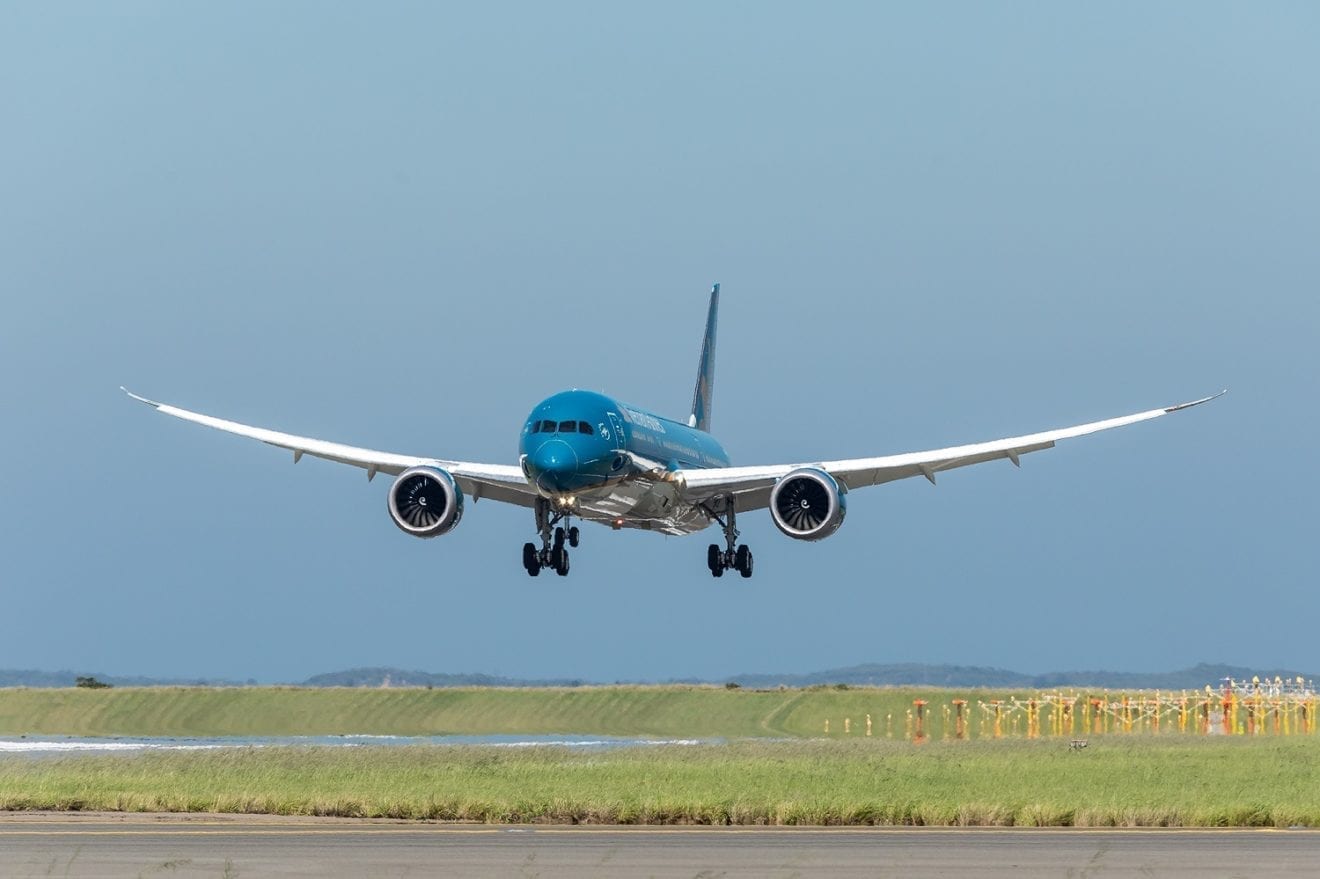
    Vietnam’s current Boeing 787 Dreamliner and Airbus A350-900 XWB can’t be used for direct flights to the US, and still require stops. In the coming time, it is expected that more modern airplanes will be produced to meet this demand.

    Regarding flight frequency, Thanh said that at least 3-4 flights a week on the route will be conducted and then will be raised.

    At present, dozens of airlines such as Singapore Airlines, Japan Airlines, Cathay Pacific, China Airlines, ANA and Eva are providing flights to the US, so tickets on this route are very competitive.

    The target passengers for the air route are American Vietnamese, Vietnamese people who work and study in the US, American tourists and business people.

    Thanh said that the American Vietnamese community know about Vietnam Airlines and the carrier is trying to develop brand recognition among other Americans.

  • Vietnam confirms plan to fly non-stop to California in 2018

    Vietnam confirms plan to fly non-stop to California in 2018

    Vietnam’s government has approved plans to expand its air network to major markets including Australia, China, Europe and the United States starting from this year.

    According to the plan, Vietnam Airlines will go through with its proposal to open non-stop services to the U.S., starting with direct flights to the west coast in 2018. The national carrier is considering between San Francisco and Los Angeles.

    The U.S. proposal was revealed a couple of years ago and received much excitement, given busy travel between the countries. The U.S. is the fourth largest source of foreign visitors to Vietnam, with more than 614,000 people coming in 2017, up 11 percent from the previous year, according to the General Statistics Office.

    Aircraft manufacturer Airbus said in September 2016 that it had signed an MoU with Vietnam Airlines to deliver 10 A350-900 aircraft, which will be used for non-stop flights to the U.S.

    But the giant economy across the Pacific is just part Vietnam’s sky plan.

    For its neighbor China, Vietnam is set to open dozens of new flights by 2020.

    The new routes will connect Can Tho, Da Lat, Da Nang, Hai Phong, Hue, Nha Trang and Phu Quoc Island of Vietnam with at least 17 Chinese destinations: Changchun, Chongqing, Dalian, Fuzhou, Guilin, Guiyang, Haikou, Hainan, Harbin, Lanzhou, Ningbo, Shenyang, Wuhan, Xi’an, Xiamen, Xishuangbanna and Zhengzhou.

    Current flights to Beijing, Chengdu, Guangzhou and Shanghai will increase passenger load by adding to their frequency and using bigger aircraft, according to the development plan which has been approved by Prime Minister Nguyen Xuan Phuc.

    Chinese passengers to Vietnam surged nearly 50 percent to more than 4 million in 2017, accounting for nearly a third of foreign arrivals to the country.

    Vietnam’s aviation development plan also involves new flights to Australia, France, India, Japan, Malaysia, Russia, South Korea, Thailand, and the U.K., all of which now benefit from Vietnam’s e-visa and visa waiver programs.

    The country welcomed nearly 13 million foreign visitors and raked in nearly VND515 trillion ($22.7 billion) from tourism in 2017. It hopes the new air routes will bring the number of visitors up to 17-20 million in the next two years, when tourism money will contribute 10-12 percent to the economy, compared to the current 7 percent.

  • Vietnam Airlines and Garuda agree partnership

    Vietnam Airlines and Garuda agree partnership

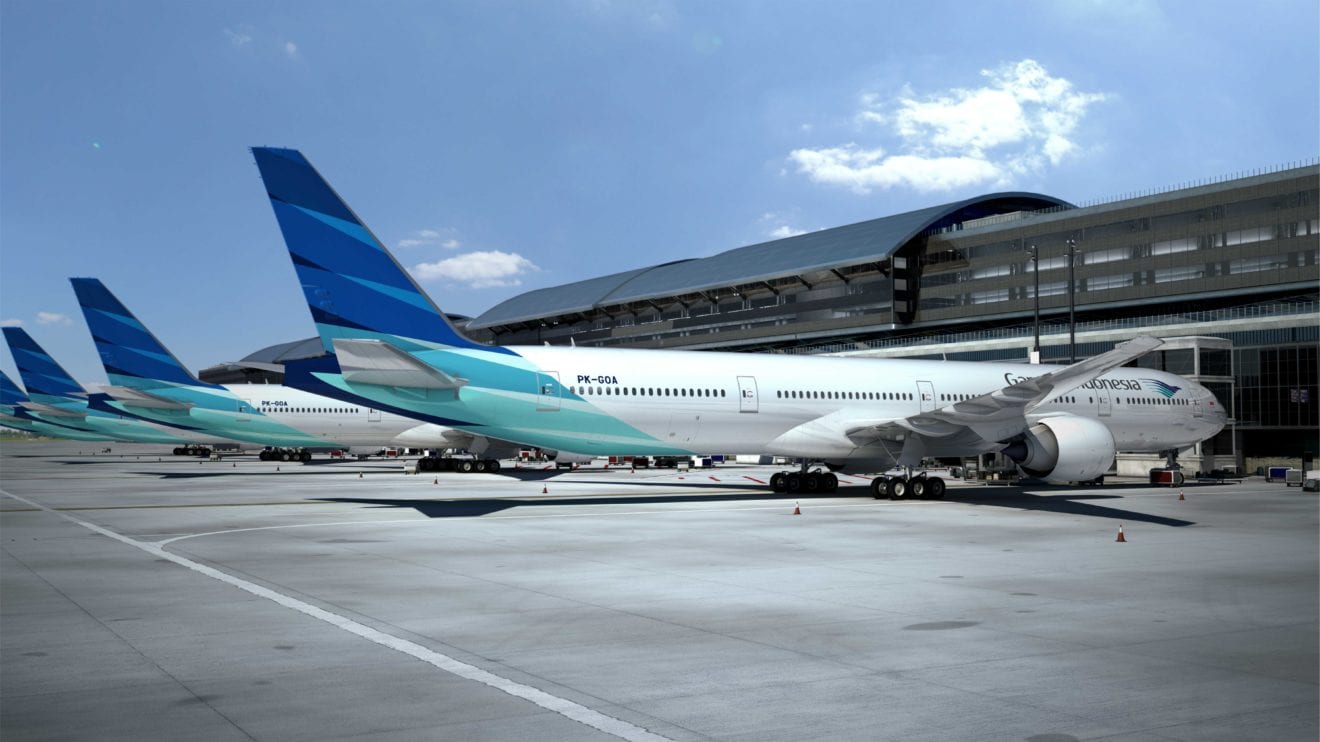
    Asian carriers Vietnam Airlines and Garuda Indonesia have agreed to an extended partnership including more codeshares and working together on MRO (maintenance, repair and operations) operations.

    The CEOs of the two Skyteam members signed a memorandum of understanding (MOU) to work more closely together during an event in Indonesia.

    As part of the deal, the carriers will extend their existing codeshare agreement on to additional routes including Hanoi-Ho Chi Minh City, Hanoi/Ho Chi Minh City-Singapore, Singapore-Jakarta/Bali and Jakarta-Bali.

    Pahala Mansury, CEO of Garuda Indonesia said: “We are pleased to announce this partnership with Vietnam Airlines which extends our network even further within the south-east Asia.

    “Vietnam is an important market for Indonesia and through this partnership we can offer increased travel options for the increasing number of passengers travelling between the two countries.”

    Vietnam Airlines CEO Duong Tri Thanh added: “This MOU takes our co-operation further in the direction of a solid and mutually beneficial partnership, helping both airlines achieve the vast potential of the market.”

  • Vietnam Airlines starts second service to Sydney

    Vietnam Airlines starts second service to Sydney

    Vietnam Airlines added a second route from Vietnam to Sydney (SYD). The SkyTeam carrier now offers three times weekly flights on the 7,783-kilometre route between Hanoi (HAN) and Australia’s busiest airport, complementing the airline’s existing daily service from Ho Chi Minh City. The airline will face no competition on the new service which will be flown using its 274-seat 787-9s.

    Kerrie Mather, MD & CEO of Sydney Airport, said: “More than 240,000 passengers travelled between Sydney and Vietnam in 2016, and we’re delighted this new service will provide more choice for this growing market. With about 40% of Australia’s Vietnamese-born residents living in NSW, the service will make an important contribution to supporting the visiting family and friends market. Hanoi’s colonial architecture and rich sense of history also makes it the ideal holiday destination for Australian travellers.

    ” Adam Marshall, NSW Minister for Tourism and Major Events, added: “In 2016 NSW welcomed 32,000 visitors from Vietnam, which was up 27% on 2015. Between them, those visitors injected $162 million in overnight visitor expenditure into the state’s economy, which again was an 11% increase on the year prior.” With the airline also operating a daily service between Ho Chi Minh City and Melbourne, Vietnam Airlines currently has a monopoly on non-stop services between Australia and Vietnam.