Retail News CRM

Category: E-Tailing

Retail News Asia is committed to providing both local and global retailers with the latest E-Commerce & Etail news throughout the Asian market. This on a daily base.

  • Prime Day Phenomenon: How Amazon’s Mega Sale Is Reshaping The Retail Calendar

    Prime Day Phenomenon: How Amazon’s Mega Sale Is Reshaping The Retail Calendar

    The Evolution of Prime Day

    In the United States, Black Friday has long been seen as the ultimate shopping event. However, Amazon’s Prime Day has been increasingly gaining momentum among consumers since its inception. Launched on June 15, 2015, as part of Amazon’s 20th-anniversary celebrations, it initially offered a 24-hour window of exclusive deals to Prime members.

    Over the past decade, Prime Day has evolved from a one-day sales event to a multi-day shopping frenzy, significantly reshaping the US retail calendar. Melissa Minkow, Global Director of Retail Strategy at CI&T, observed that Prime Day has become an exceptional event where consumers feel inclined to splurge due to the impressive marketing around the event as a significant savings opportunity.

    This year, Amazon extended its Prime Day sale to four days, from July 8th to 11th, making it the longest sale in the company’s history. It is estimated that in 2024, Amazon achieved record sales of $14.2 billion during the 48-hour event, increasing 11 per cent year-over-year. This year’s extended Prime Day event is projected to drive $23.8 billion in spending, a rise of 28.4 per cent compared to the previous year.

    An Adobe spokesperson likened the event to “two Black Fridays,” which brought in $10.8 billion in online spending during the 2024 holiday shopping season. However, Amazon isn’t the only retailer capitalizing on this alternative “Black Friday” shopping season.

    Impact on Other Retailers

    Prime Day has become a pivotal date in the retail calendar, according to Neil Saunders, MD of GlobalData. He noted that many consumers eagerly anticipate the event to secure deals and bargains.

    To keep up with Amazon, other retailers such as Best Buy and Target have devised competing events like ‘Black Friday in July’ and ‘Target Circle Week.’ These events aim to attract consumers already excited by Amazon’s Prime Day.

    Recent data revealed that during Prime Day, 53.4 per cent of consumers intended to explore retailers other than Amazon. Furthermore, a 2024 survey revealed that 35 per cent of Prime members also shopped during Target Circle Week, another 35 per cent participated in the Walmart Deals event, and 12 per cent took part in Best Buy’s ‘Black Friday in July.’

    In response to Amazon’s Prime Day extension, competitors like Walmart and TikTok Shop have also extended their sales events. However, as noted by Daniel Reid, Senior Insights Analyst at Similarweb, merely extending the duration of discount periods isn’t enough to maintain competitiveness. Retailers must also provide a unique and credible value proposition that consumers cannot find elsewhere.

    The Competitive Landscape

    Many retailers, including Target, have adopted strategies such as releasing different deals each day to keep customers engaged and curious about what’s coming next. This year, retailers introduced new promotions to further attract consumers, such as Target allowing its Circle 360 members early access to Circle Week deals, TikTok Shop offering cash back to customers who watch ‘Deals For You Days’ live streams and find a lower price for a featured product elsewhere, and Walmart hosting its Deals event both in-person and online for the first time.

    While it’s unlikely that these retailers will match the sales numbers achieved by Prime Day, it’s evident that they must continue innovating to capture consumers’ attention during this busy shopping period.

    Questions & Answers

    How long was Amazon’s Prime Day event this year?
    Amazon extended its Prime Day event to four days, from July 8th to 11th, marking the longest sale in the company’s history.

    What strategies are other retailers adopting to compete with Amazon’s Prime Day?
    Retailers like Best Buy and Target are creating rival events, while others are extending their discount periods to match Amazon’s. Some are also releasing new deals daily to keep customers engaged and curious.

    What new promotions are retailers offering this year to attract consumers?
    Retailers are offering new promotions such as early access to deals for members, cashback offers, and hosting events both in-person and online.
  • Alibaba Unveils Ambitious Expansion Strategy, Transforming Wholesale Business In Southeast Asia

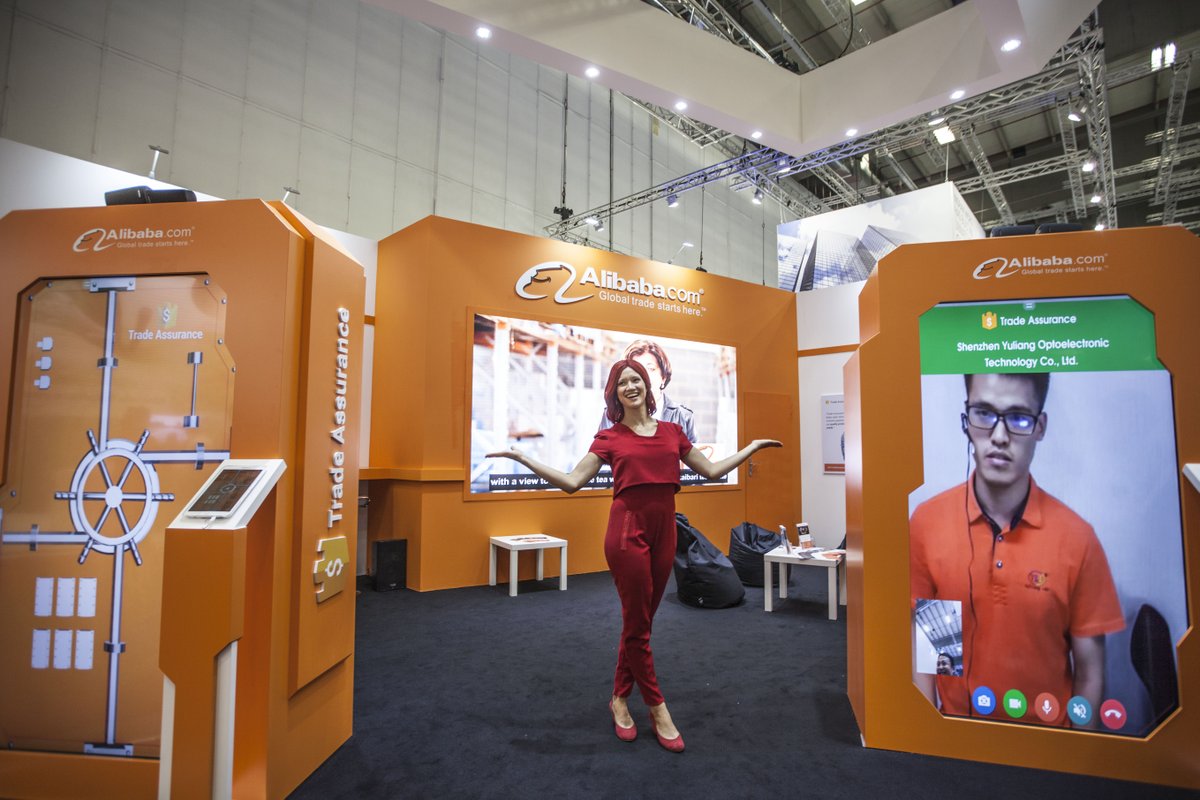
    Alibaba Unveils Ambitious Expansion Strategy, Transforming Wholesale Business In Southeast Asia

    Retail giant Alibaba Group is ramping up its game as it unveils plans to expand its wholesale business, unveiling a transformative strategy that aims to penetrate deeper into Southeast Asia’s burgeoning e-commerce market. With a firm belief in the region’s potential, Alibaba is investing heavily as part of its long-term vision, transforming the traditional wholesale model to meet the evolving demands of today’s consumer landscape.

    Innovations in Wholesale

    Rather than sticking to outdated practices, Alibaba’s latest initiative involves leveraging technology to streamline operations and enhance the customer experience. The company is introducing advanced tools and platforms that promise to simplify the wholesale purchasing process for small and medium-sized businesses (SMBs). Imagine a world where merchants can source products with the swipe of a finger, and you get a glimpse of what Alibaba is bringing to the table.

    This pivot is particularly timely, given the rapid changes in consumer behavior spurred by the pandemic. Retailers are no longer just looking for inventory; they’re seeking innovative solutions that offer flexibility and speed. By marrying traditional wholesale processes with cutting-edge technology, Alibaba aims to provide a seamless shopping experience that empowers SMBs to thrive.

    Regional Growth and Collaboration

    As part of this ambitious expansion, Alibaba is not just going solo. Building partnerships with local players is crucial to its strategy. According to the company, collaborating with regional retailers and distributors will provide invaluable insights into market nuances, enabling Alibaba to tailor its offerings more effectively. It’s a classic case of “together we are stronger,” and a strategy that could well redefine wholesale networks in the area.

    The company’s reach in Southeast Asia has received a notable boost through strategic investments and the establishment of localized platforms, which resonate with the unique cultural patterns of the region. Known for its active engagement with local communities, Alibaba plans to leverage its existing ecosystem to foster deeper relationships with customers and partners alike.

    The Road Ahead

    As Alibaba races ahead with its wholesale ambitions, the company faces competition from other e-commerce platforms that are equally keen to claim their share of the market pie. However, with its robust infrastructure and wealth of experience, Alibaba is poised to set the standard for wholesale in the region. Change is not just inevitable; it’s here, and Alibaba is all set to lead the charge.

    In a region where e-commerce and retail sectors are intertwined yet diverse, Alibaba’s innovative approach has the potential to spark significant change. If this strategy pays off, it could lay the groundwork for a new era in how businesses source products in Asia — and who knows, there might be a bidding war for your favorite new gadgets.

    Questions & Answers

    What is Alibaba’s new wholesale strategy focused on?
    Alibaba’s new wholesale strategy centers on integrating advanced technology into the purchasing process, aiming to streamline operations for small and medium-sized businesses.

    Why is Southeast Asia important to Alibaba’s expansion plans?
    Southeast Asia presents significant growth opportunities in e-commerce, and Alibaba aims to strengthen its presence through partnerships and tailored strategies that resonate with local markets.

    How does Alibaba plan to collaborate with local retailers?
    Alibaba intends to partner with local retailers to gain insights into regional market nuances, fostering deeper relationships that enhance its wholesale offerings.

  • Umall Acquires Asian Grocer Online: A Strategic Leap In Multicultural Grocery Sector

    Umall Acquires Asian Grocer Online: A Strategic Leap In Multicultural Grocery Sector

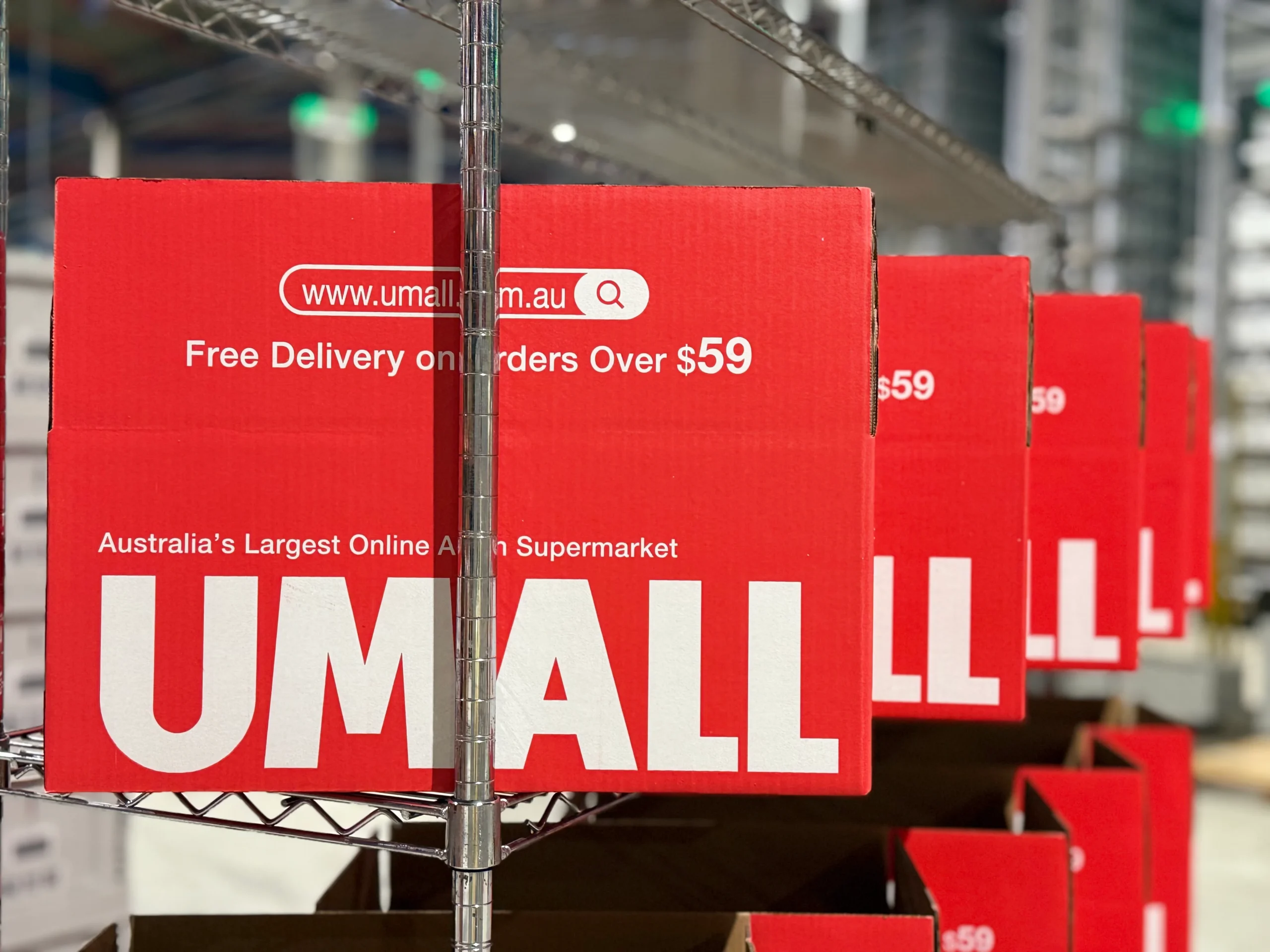
    Umall, an Australian e-commerce platform, recently announced its acquisition of Asian Grocer Online (AGO) in a bid to expand its presence in the multicultural grocery sector.

    Strategic Acquisition

    This acquisition represents a significant development in Umall’s ongoing expansion efforts. The company refers to this move as a “key milestone” in its growth trajectory. As part of this acquisition, AGO’s website is currently unavailable due to system enhancements. However, the company is working towards launching a fully refurbished, unified platform that combines the strengths of both brands.

    Expanding Reach

    With the integration of AGO’s category expertise and dedicated customer base, Umall aims to solidify its leadership position in the multicultural grocery space. The company intends to broaden its reach across Australia, providing a more diverse range of products to its customers.

    New Online Asian Supermarket

    The acquisition of AGO comes on the heels of Umall’s recent launch of a new online Asian supermarket. This venture seeks to provide a broader array of culturally diverse products, all delivered straight to customers’ homes.

    Investments in Technology

    Umall attributes much of its rapid growth to its significant investments in advanced technologies such as AI, automation, and robotics. The company maintains that these technologies have enabled it to provide faster, fresher, and more efficient service in comparison to traditional retailers.

    Questions & Answers

    What does Umall’s acquisition of AGO indicate?
    This acquisition suggests Umall’s strategic plan to extend its influence in the multicultural grocery sector and solidify its leadership position.

    What is the plan following the acquisition?
    The current plan is to launch a fully revamped, unified platform that leverages the strengths of both Umall and AGO. This integrated platform aims to provide a wider array of culturally diverse products.

    What has contributed to Umall’s rapid growth?
    Umall attributes a significant part of its rapid expansion to its substantial investments in AI, automation, and robotics. These technologies, according to the company, allow it to provide faster and more efficient service than traditional retailers.

  • France Slaps Shein with $47M Fine Over Deceptive Business Practices: What This Means for Retail

    France Slaps Shein with $47M Fine Over Deceptive Business Practices: What This Means for Retail

    In a notable crackdown on misleading retail practices, France’s antitrust authority has levied a hefty fine of 40 million euros (approximately $47.17 million) against fast-fashion giant Shein. The company, founded in China, has been scrutinized for alleged deceptive business strategies, including misleading discount promotions, as a result of a nearly year-long investigation.

    The French Competition, Consumer Affairs, and Fraud Prevention Agency reported that Infinite Style E-Commerce (ISEL), the entity that oversees Shein’s sales, misled customers by manipulating discount information. The company has accepted the fine and the findings of the agency.

    Discount Dilemmas and Regulatory Repercussions

    As per French law, the reference price for discounts must reflect the lowest price offered by a retailer in the 30 days leading up to a promotion. However, Shein ran afoul of these regulations by neglecting to consider prior pricing or, rather creatively, inflating prices before applying discounts. The agency’s findings suggest that Shein effectively “deceived consumers about the authenticity of discounts they could benefit from,” a revelation that casts a shadow over the retailer’s credibility.

    Results of the Investigation: Numbers That Speak

    The investigation examined a vast array of products on Shein’s French website from October 2022 to August 2023, and what it uncovered was startling: 57% of the advertised deals were found not to be offering any true price reduction, while 19% reflected discounts that were less beneficial than presented, and 11% represented actual price hikes disguised as discounts. It seems that Shein’s pricing tactics were about as transparent as a foggy window.

    Shein Responds: A Commitment to Compliance

    In light of the allegations, Shein has stated that ISEL was made aware of the breaches concerning reference pricing and environmental regulations as early as March last year. Following this notification, corrective measures were implemented within a mere two months. Shein emphasized that all the issues identified had been rectified over a year ago and reaffirmed its commitment to adhering to French regulations.

    Questions & Answers

    What specifically led to Shein’s fine in France?
    The French antitrust agency fined Shein for misleading customers about discount authenticity, particularly by failing to adhere to regulations around discount references.

    How did the investigation assess the validity of Shein’s discounts?
    The investigation revealed that a significant portion of Shein’s advertised deals—57%—did not offer real savings, and many promotions were deceptive, some even involving price increases.

    What steps did Shein take in response to the allegations?
    Shein indicated that upon being informed of the regulatory breaches, it implemented corrective actions swiftly, declaring that all issues had been addressed more than a year ago.

  • Alibaba’s Metaverse Mall: Revolutionizing Online Shopping Experience In 2024

    Alibaba’s Metaverse Mall: Revolutionizing Online Shopping Experience In 2024

    Chinese e-commerce giant Alibaba is diving headfirst into the metaverse, with plans to unveil a new digital marketplace that promises to change the shopping experience for its users. The ambitious project, called “Metaverse Mall,” aims to create an immersive shopping environment that blends virtual reality with online retail, allowing shoppers to browse and interact with products in a three-dimensional space.

    Metaverse Mall is set to launch in the first quarter of 2024, and initial reports suggest it will offer a myriad of features designed to enhance consumer engagement. Users will not only be able to view products from all angles but will also have the ability to interact with virtual sales assistants and participate in gamified shopping experiences. Imagine picking out a pair of shoes and having a virtual avatar model them for you—an enticing prospect for fashion enthusiasts!

    The move into the metaverse aligns with Alibaba’s ongoing efforts to adapt to changing consumer behaviors and preferences, especially among younger shoppers who are increasingly interested in digital experiences. Analysts suggest that this new venture is not merely a gimmick; it could be a pivotal strategy for capturing a larger share of the online retail market as competition intensifies across the Asia-Pacific region.

    “The metaverse is where the future of shopping is headed,” said industry expert Dr. Mei Chen. “Alibaba’s initiative could set a precedent that others will follow, and it has the potential to redefine how brands interact with their consumers.”

    In a landscape where online shopping has become a staple—especially after the pandemic—Alibaba’s innovative stride into the metaverse may shift the focus from traditional e-commerce to a more immersive experience that keeps customers engaged longer. Offering interactive layouts and themed shopping environments, the Metaverse Mall could turn routine errands into virtual adventures.

    And it doesn’t stop there; early previews hint at seasonal events and product launches that will make shopping feel less like a transaction and more like an experience—who wouldn’t want to attend a virtual concert while completing their holiday shopping?

    While Alibaba is forging ahead, it’s not alone in this frontier. Competing retailers across Asia are closely watching the development, with some already experimenting with augmented reality and digital storefronts. The race to capture the metaverse shopping experience is heating up, and shoppers can expect a plethora of options soon.

    As Alibaba embarks on this significant leap into the virtual space, the retail world will be keenly observing how this transformative approach impacts the consumer landscape and whether it will indeed revolutionize shopping as we know it.

    Questions & Answers

    What is Alibaba’s new initiative in the metaverse?
    Alibaba is set to launch “Metaverse Mall,” a digital marketplace that combines virtual reality with online shopping to create an immersive experience for users.

    When is Metaverse Mall expected to launch?
    The Metaverse Mall is slated to launch in the first quarter of 2024.

    How might this venture impact the retail landscape?
    This initiative could redefine shopping by offering interactive experiences and engaging consumers in ways traditional e-commerce does not, setting a new standard that competitors will likely follow.

  • Vietnamese Online Shopping Soars: Consumers Shell Out $16B, Leading Southeast Asia’s Retail Surge!

    Vietnamese Online Shopping Soars: Consumers Shell Out $16B, Leading Southeast Asia’s Retail Surge!

    Vietnamese consumers spent an estimated US$16 billion on online purchases via platforms such as Shopee, Lazada, and TikTok Shop in 2024, placing the country among the top three e-commerce markets in Southeast Asia.

    The recently unveiled Southeast Asia E-commerce 3.0 report from Momentum Works highlights a booming digital shopping landscape in the region, which saw a total gross merchandise value (GMV) of $128.4 billion in 2024—marking a 12% year-on-year increase. Remarkably, Southeast Asia processed an average of 43.6 million online orders daily, nearing the scale of the U.S. market, a fact that could make any retailer’s heart race.

    Shopee, Lazada, and TikTok Shop dominate the market, accounting for over 90% of all orders, while Vietnam joins the ranks of top five e-commerce powerhouses, alongside Thailand, which leads with $23.5 billion, Malaysia at $11.5 billion, the Philippines matching Vietnam at $16 billion, and Singapore standing at $4.9 billion. Thailand and Malaysia stand out for their impressive growth figures, with increases of 22% and 20%, respectively.

    Indonesia remains the titan of the region, boasting a staggering $56.5 billion in GMV and a commanding 44% market share. However, its growth has tempered to just 5%, a reflection of ongoing platform mergers that have caused a few hiccups.

    In Vietnam, e-commerce is predominantly led by three major platforms. Shopee significantly leads the charge with a 65% market share, translating to about $10.4 billion in GMV. TikTok Shop follows with a growing presence at 28% ($4.5 billion), while Lazada holds 6% ($1 billion) and Tiki trails with 1% ($200 million). This online tussle illustrates a dynamic market, indicative of a region that is rapidly evolving.

    Beyond these major players, other digital channels like brand websites, multi-brand retailers, and social media platforms, including WhatsApp, have contributed an impressive $16.8 billion to the region’s total e-commerce value.

    The report also indicates a noteworthy comeback for Chinese consumer brands in Southeast Asia. These businesses are returning with revitalized products and localized strategies aimed at seizing essential market segments, proving that what goes around comes around—especially in retail.

    Looking ahead, Momentum Works projects that Southeast Asia’s e-commerce sector could generate an additional $131 billion in transaction value by 2030 if companies effectively leverage artificial intelligence across sales, operations, logistics, and customer service.

    Questions & Answers

    How much did Vietnamese consumers spend on online shopping in 2024?
    Vietnamese consumers spent approximately US$16 billion on online purchases in 2024.

    Which platforms dominated e-commerce in Vietnam?
    Shopee, TikTok Shop, and Lazada were the dominant platforms, accounting for over 90% of the total order volume.

    What future growth is anticipated for Southeast Asia’s e-commerce sector?
    Momentum Works forecasts that the sector could generate an additional $131 billion in transaction value by 2030, driven by the adoption of artificial intelligence.

  • Alibaba And JD Revolutionize E-commerce In Asia: A Leap Towards Digital Shopping And Smart Logistics

    Alibaba And JD Revolutionize E-commerce In Asia: A Leap Towards Digital Shopping And Smart Logistics

    The retail landscape in Asia is witnessing a bustling surge as major players like Alibaba and JD.com continue to innovate the e-commerce experience. Recently, the two giants sparked excitement among consumers and investors alike with their ambitious plans to enhance digital shopping and logistics. As countries across the region increasingly embrace online retail, these companies are determined to capture larger shares of the market.

    Alibaba’s Expanding Footprint

    Alibaba is not simply resting on its laurels; the company is constantly fine-tuning its platform to create a more immersive shopping experience. With initiatives ranging from augmented reality features to AI-driven recommendations, the tech titan is ensuring that it stays relevant in a fast-evolving consumer environment. Moreover, its investment in advanced delivery networks promises faster and more efficient service, which is a boon for the ever-demanding shoppers in Asia.

    JD.com Sets New Standards

    Meanwhile, JD.com is breaking new ground with an impressive rollout of smart logistics. With an eye on technological advancements, the company is leveraging drones and self-driving vehicles to streamline deliveries, setting a new benchmark for efficiency. This commitment to innovation not only enhances customer satisfaction but also positions JD.com as a leader in redefining China’s logistics landscape.

    The Competitive Spirit Fuels Growth

    The intense rivalry between these giants feeds into the broader ecosystem, prompting smaller retailers to adapt as well. The competition is driving improvements across all levels of the retail sector, encouraging businesses to experiment with online strategies, bolster their digital presence, and enhance customer engagement. As competition heats up, consumers are the ultimate winners, enjoying better prices and more options than ever before.

    In this dynamic atmosphere, Asia’s retail sector is transforming at lightning speed, creating a thrilling narrative for both companies and consumers alike. Will you be ready for the retail revolution?

    Questions & Answers

    What are Alibaba’s recent initiatives to enhance the shopping experience?
    Alibaba is leveraging augmented reality features and AI-driven recommendations to create a more immersive shopping platform, while also improving its delivery networks for efficiency.

    How is JD.com innovating in logistics?
    JD.com is pioneering the use of drones and self-driving vehicles to streamline delivery processes, which significantly enhances efficiency and sets industry benchmarks.

    How does competition between these giants impact smaller retailers?
    The fierce rivalry encourages smaller retailers to innovate and improve their digital presence, leading to better options and pricing for consumers, ultimately benefiting the retail landscape as a whole.

  • Amazon To Inject $233m Into India Operations: Aims For Infrastructure Expansion And Enhanced Delivery Safety

    Amazon To Inject $233m Into India Operations: Aims For Infrastructure Expansion And Enhanced Delivery Safety

    By 2025, Amazon is planning to inject more than 20 billion rupees (equivalent to US$233 million) into its operations in India. This significant investment will be used to enhance and widen the scope of its operational infrastructure, as well as devise innovative technology for its product fulfillment networks and augment delivery safety procedures.

    The Aim of the Investment

    This substantial financial commitment comes in continuation of Amazon’s previous investments aimed at constructing a comprehensive operations network that can cater to all serviceable postal codes within the nation.

    A key player in the Indian e-commerce market, Amazon competes with other heavyweights such as Walmart’s Flipkart and Reliance Retail, owned by billionaire Mukesh Ambani. The corporation had previously announced that by 2030, its total investment in the Indian market would reach $26 billion, however, the specifics regarding this allocation were not disclosed.

    Investment Implementation

    The new funding will be allocated toward the establishment of new sites and modernization of existing facilities across its fulfillment and delivery network to enhance processing speed and capacity.

    In addition to infrastructural developments, Amazon also has plans to incorporate technology that will ensure the safety of its delivery associates. This includes implementing systems that will notify associates of unsafe speeds and enable the equitable distribution of delivery routes.

    Investing in Employee Welfare

    Part of the funding will also be directed toward initiatives designed to improve the health and financial stability of Amazon’s employees. This showcases the company’s commitment to not just expand its market presence, but also to enhance the welfare of its workforce.

    Earlier this year, it was announced that Amazon’s cloud services provider, Amazon Web Services, was earmarked to invest approximately US$8.2 billion in India.

    Questions & Answers

    What is the purpose of Amazon’s planned investment in India?
    The investment is intended to expand and modernize Amazon’s operational infrastructure, develop new technology for its product fulfilment networks, and boost delivery safety.

    How will Amazon’s new investment benefit its delivery associates?
    Amazon plans to implement technology that will alert delivery associates about unsafe speeds and ensure fair distribution of delivery routes, enhancing their safety and work experience.

    What commitment has Amazon made towards the welfare of its employees?
    Amazon has pledged to allocate a portion of its new investment to initiatives aimed at improving the health and financial well-being of its employees in India.

  • Amazon Extends Prime Day To Four Days: New Features Introduced For Personalized Shopping Experience

    Amazon Extends Prime Day To Four Days: New Features Introduced For Personalized Shopping Experience

    Amazon is expanding its yearly Prime Day event from two to four days, providing exclusive offers to Prime members from July 8 to July 14 in 22 markets worldwide. Notable markets include the United States, United Kingdom, Canada, Germany, Australia, Singapore, and Japan.

    Length of Prime Day in Different Markets

    While the duration of Prime Day has been extended in most markets, it has been shortened by two days in Singapore, where the event lasted for six days in the previous year.

    Jamil Ghani, Vice President for Amazon Prime, emphasized that the extended sales period allows Prime members more opportunities to access deals across a variety of categories. These include fashion, pantry essentials, home improvement, personal care, toys, school supplies, and premium goods.

    “Prime Day is dedicated to celebrating our members by offering them remarkable savings and expedient delivery,” Ghani remarked. He further announced that this year’s event would also feature exclusive deals like fuel discounts.

    New Features and Personalized Experience

    Amazon is introducing a new feature named ‘Today’s Big Deals.’ These daily themed offers will start at midnight, and special deals will be released every five minutes during selected periods throughout the event.

    Moreover, Amazon aims to leverage its AI capabilities to provide a more personalized shopping experience. Prime members can utilize Amazon’s AI shopping assistant, Rufus, to investigate product categories and identify relevant deals. Other tools, including ‘Interests’ and ‘Buy Again’ lists, enable users to monitor discounts on items they have previously purchased or frequently viewed.

    Prime Day’s Global Reach

    Prime Day will commence on July 8 in numerous countries including Australia, Austria, Belgium, Canada, Colombia, France, Germany, Italy, Ireland, Japan, Luxembourg, the Netherlands, Poland, Portugal, Singapore, Spain, Sweden, Turkey, the United States, and the United Kingdom. Prime members in Brazil, Egypt, India, Mexico, Saudi Arabia, and the United Arab Emirates will have the chance to shop Prime Day deals later this summer.

    Questions & Answers

    When will Amazon Prime Day take place in 2022?
    Amazon Prime Day will take place from July 8 to July 14.

    What are the new features introduced by Amazon for Prime Day 2022?
    Amazon has introduced ‘Today’s Big Deals,’ a feature that provides themed offers daily, and Rufus, an AI shopping assistant to help members find relevant deals.

    Which countries will have the opportunity to shop Prime Day deals later this summer?
    Prime members in Brazil, Egypt, India, Mexico, Saudi Arabia, and the United Arab Emirates will have the opportunity to shop Prime Day deals later this summer.

  • Yiwugou.com gains the first batch of official online business licenses in China

    Yiwugou.com gains the first batch of official online business licenses in China

    Yiwugou.com, the official website of Yiwu Commodity Market, the largest commodity wholesale market in the world, has announced that ten sellers on Yiwugou.com have gained the first batch of official online business licenses which will add significant integrity to the e-commerce credit system in China.

    According to CCTV, Chinese leaders proposed the “Internet +” idea at two sessions press conference in 2015 and indicated that the integration of online and offline had created greater vitality, and that both online and offline shops should remain faithful to ensure quality and safeguard consumer rights. The nature of the “Internet +” idea is to upgrade traditional industries through internet technology therefore online business licenses are the best practice for the “Internet +” idea in the field of e-commerce.

    In China, the business license is a merchant legal certificate that is supervised by the state administrative department. However, with the development of e-commerce, it’s harder to supervise and approve online merchants in the traditional model of the business license. In addition, the enterprise certification of third platforms like Alibaba usually can’t be recognized by the state administrative department. In January this year, the conflict between Alibaba and the State Administration for Industry and Commerce was a concentrated reflection of this problem and consequently the government, enterprises and people are more concerned about the problem of online integrity.

    The online business license is specific to online business spaces as opposed to the electronization of traditional business licenses and also promotes e-commerce integrity management from enterprise certification up to national regulation. Thus, sellers on Yiwugou.com can be better supervised by national laws and regulations and undoubtedly Yiwugou.com will provide a more reliable procurement platform for buyers all over the world.

    “The unique model of ‘E-commerce + Offline shops + Integrity Protection’ shows that Yiwugou.com is the steadfast practitioner of the “Internet +” idea. The online business license lays a good foundation for various internet financial services afterwards. This also will further develop the ‘Global Partnership Plan’ of Yiwugou.com to accelerate the building of a spider-web market platform covering all of China and the world with the effective integration of online and offline based on powerful industrial support,” said Wang Jianjun, CEO of Yiwugou.com.

  • ‘Google Analytics for the offline world’

    ‘Google Analytics for the offline world’

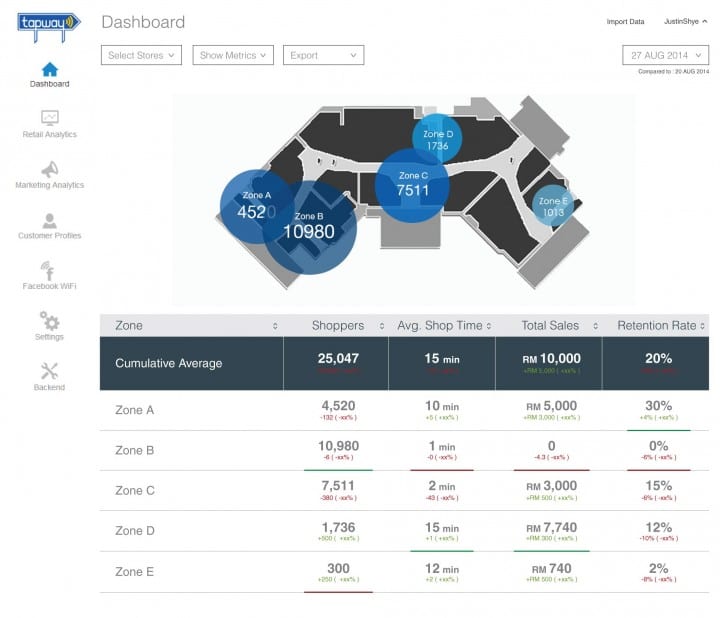
    A young Malaysian entrepreneur has developed what he describes as “Google Analytics for the offline world” – a unique application aimed to revolutionise the way bricks and mortar store owners interact with their customers.

    TechInAsia.com reports that while ecommerce might be all the rage in the tech world, 94 per cent of total retail sales are being generated in bricks-and-mortar stores, (source: market research firm eMarketer).

    Considering that business-to-consumer (B2C) ecommerce sales worldwide are estimated to reach US$1.471 trillion by the end of this year, the size of the offline market is mind-boggling.

    This is what Lim Chee How, founder of Malaysia-based Tapway, is counting on; he believes Tapway is something store owners sorely need.

    “Whenever I purchased something through Amazon, they were really awesome at identifying who you are, what you have purchased, and giving you really personal recommendations,” Lim expains.

    “I’m a rock fan, so I always purchase CDs through Amazon, and when I returned to Malaysia [after studying abroad] I always shopped at this record store, but despite being a repeat customer, they couldn’t remember me at all. They couldn’t give me good offers and it was always the same boring welcome and goodbye message. That’s why I created this.”

    Much like Google Analytics, a lot of insight on shopper behavior and activity can be drawn from the data captured on Tapway’s platform, but it is up to the store owner to act on them.

    The startup’s basic package – which captures metrics such as walk-by traffic, visitor traffic, and average visit duration – relies on wi-fi presence and triangulation technology. It’s currently charging MYR100 (US$30) per month for this service.

  • Tesco Malaysia partners with HappyFresh

    Tesco Malaysia partners with HappyFresh

    Tesco Malaysia has partnered with online grocery platform HappyFresh to expand its capacity and capability to fulfill online orders.

    Shoppers are offered more than 12,000 products, including the grocery group’s private labels, while fresh produce is selected by HappyFresh’s concierge shoppers in Tesco Malaysia hypermarkets.

    All products sold via HappyFresh are offered at the same price as the products in store, including discounted items. Shoppers will receive their delivery within one hour after placing their order, or during a one-hour time slot they specify.

    Tesco Malaysia tapped into online shopping about three years ago with its home-delivery services, discovering a gap in the market where time-pressed online shoppers want to receive their goods at a specified time.

    Following a six-month trial with HappyFresh and five Tesco hypermarkets, fulfilling orders from 2500 HappyFresh users, the retailer is rolling out the service in Klang Valley.

    “Most consumers today do not have the time to drive out to a store and buy their groceries weekly,” says Tesco Malaysia CEO Paul Ritchie. “The internet lets them do all of that with a click of a button.

    “By expanding our multi-channel reach through HappyFresh, we continue to serve our customers’ online and on-demand shopping experience by making it even more seamless.”

  • Uber Wants to be a Technology Company in Indonesia

    Uber Wants to be a Technology Company in Indonesia

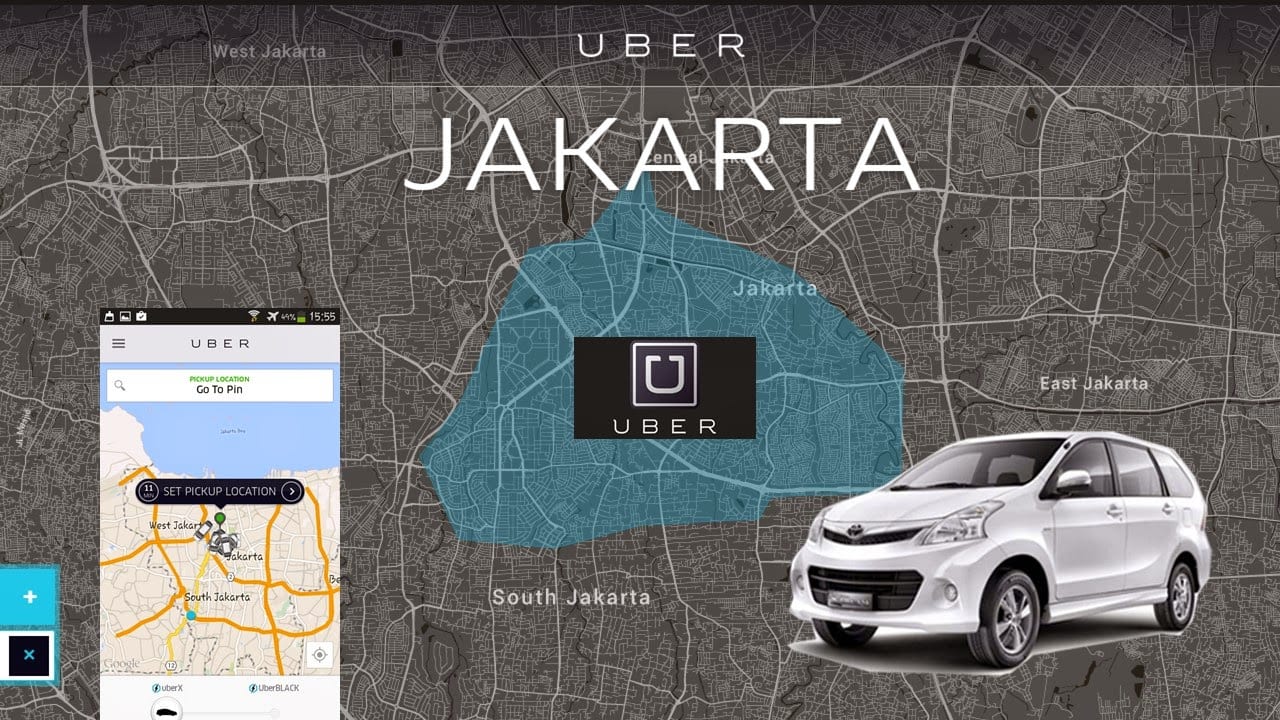
    Uber Technologies Inc. said Tuesday it is working to establish itself as a technology company in Indonesia, to avoid legal hurdles after police launched an investigation into the company’s operations last month.

    The move will also help underscore what Uber says is its role as a provider of smartphone applications, amid claims from traditional taxi firms that its business practices in the country are illegal.

    “We definitely want to be here long term,” Alan Jiang, head of Uber’s operations in Indonesia, said at a news conference. “In order to do that, we are currently in the process to set up a foreign investment company here and we would like to work closely with the government.”

    Uber introduced its popular ride-hailing application to the local market last August, opening a representative office in Jakarta to supervise its business in three markets: Jakarta, Bali and Bandung. Traditional taxi firms, however, have called the startup’s business practices illegal, saying it doesn’t have a taxi license or use meters. Their complaints led Jakarta police to detain five Uber drivers for questioning last month; they were released the same day without being charged although authorities said they could be called as witnesses as the investigation into Uber progresses.

    Although Uber is still operating in Indonesia, the arrests forced the company to rethink how to avoid potential legal hurdles, which could affect its business in the future. Indonesia, the fourth most populous nation in the world with a fast-growing middle class, is one of the company’s key growth markets, it has said.

    Uber won’t, however, be applying for a taxi license, as some of its competitors have demanded, Mr. Jiang said. Instead, it will seek a license to formally establish itself as an e-commerce company.

    “Uber is only a smartphone application,” Mr. Jiang said. “We don’t need a transportation license as all we make is a smartphone app that connects riders to drivers.”

    The San Francisco-based company, which operates in more than 300 cities around the world, has faced regulatory hurdles in many parts of the world. The problems have been especially acute in Europe. Courts in Spain, Germany, Italy and the Netherlands have banned a low-cost Uber service that uses nonprofessional riders. France prohibits companies such as Uber from showing the location of available cars other than traditional cabs on smartphone apps.

    In Asia, the company has faced regulatory hurdles in Thailand, Singapore and Vietnam. An Indian court last month left in place a ban on the service in Delhi, where Uber has been banned since December, when a woman alleged that a driver booked through the firm’s app raped her. The driver is on trial and denies wrongdoing.

    By establishing itself as a company in Indonesia, Uber would be allowed to gather revenue from inside the country, something which a representative office can’t do. Normally, Uber collects a 20% service fee on every fare paid by a passenger, and the rest goes to the driver. At the moment, Uber doesn’t collect fees from the two services it operates in Indonesia, UberBlack and UberX.

    Mr. Jiang declined to specify how much Uber has invested in Indonesia.

  • Amazon extends hourly wage bump for warehouse workers in light of the coronavirus

    Amazon extends hourly wage bump for warehouse workers in light of the coronavirus

    Amazon is extending the hourly wage increase that it announced previously to support workers during the coronavirus pandemic. The company had added $2 for each hour worked on top of the minimum hourly wage of $15. In the UK and European countries, the increase amounted to £2 per hour and €2 per hour respectively. For Canada, it was C$2 per hour worked. These revised rates were to last through the end of this month initially.

    Under the new announcement, the increased rate will apply through May 16. Moreover, the company has also extended double overtime pay in the US and Canada.

    Amazon says that this extension will increase its investment in pay during the outbreak to around $700 million. While this sure sounds great, it is also worth highlighting here that unlike most other companies, Amazon’s business is not suffering because of COVID-19. In fact, sales have apparently skyrocketed, and the company is also on a hiring spree, which goes on to show that demand for its services has increased during the pandemic.

    Unlike corporate office employees, warehouse workers cannot work from home. And thus, it makes sense to provide them an incentive so they keep working during these testing times. An Amazon warehouse worker has already died because of the virus, and many have tested positive.

    The e-commerce giant is also giving flexibility with leave of absence options. However, it hasn’t said if it will also extend the unlimited unpaid time off policy that was announced last month. This policy enabled workers to take some unpaid time off without having to worry about any consequences such as penalties. However, it seems like beginning next month, workers who wish to stay home will have to use their accrued time off i.e. the leaves they have remaining or ask for a leave of absence, which will be granted if a worker has an existing health condition or lives with someone who does. That’s because such individuals are more susceptible to coronavirus. Other workers will apparently have to get back to work.

  • Global giants crave for pieces in Vietnam e-commerce market

    Global giants crave for pieces in Vietnam e-commerce market

    Foreign investors have been pouring billions of dollars into the e-commerce market, seeking to change shopping habits in Vietnam and eventually profit from a likely online boom.

    Since the pandemic began, Tran Thi Linh in Hanoi has picked up a new habit of lying on her couch for hours to browse through e-commerce apps, looking for promotions.

    “With social distancing, I became reluctant to leave the house, and I realize it is more convenient to shop for certain items online,” the 47-year-old housewife said.

    With the apps she no longer has to carry heavy bags of detergents and rice from the supermarket to her apartment, while the coffee her husband drinks is cheaper online.

    “I read reviews and watch videos to make shopping decisions. I still go to the supermarket but less often.”

    Linh is among many Vietnamese that have become more familiar with e-commerce platforms and saw their shopping habits changed during the pandemic, a goal that that Vietnamese and foreign companies have spent billions of dollars to achieve as they seek to claim a bigger share in a booming industry.

    Vietnam’s digital economy is forecast to grow by 29 percent annually from 2020 to $52 billion by 2025, according to a study by Google, Temasek Holdings and Bain & Co.

    But data from Euromonitor International estimates e-commerce accounted for only 3 percent of the nation’s retail market last year, the smallest amount in Southeast Asia.

    This is why major global companies have been making moves to secure a place in the market. From 2016 to the first half of 2020, investors poured $1.9 billion into Vietnam’s online sector, the study by Google, Temasek and Bain showed.

    The latest deals include a $400 investment by an Alibaba Group-led consortium into a unit of conglomerate Masan Group, which is set to team with Lazada as part of the deal to win Vietnam’s e-commerce market.

    Equity firm Warburg Pincus in January poured more than $100 million into M-Service JSC, a Vietnamese startup that operates the MoMo payment app.

    Domestic platform Tiki had earlier raised $192.5 million from Japan’s Sumitomo Corp and China’s JD.com.

    “Vietnam is at the beginning of becoming a digitalized society with a young population that loves technology,” Bloomberg cited Ralf Matthaes, managing director of Ho Chi Minh City-based Infocus Mekong Research, as saying.

    “So all these companies are tripping over themselves to offer these services.”

    But changing Vietnamese people’s shopping habit while dominating the market in the process is easier said than done.

    Linh, the Hanoi housewife, said that until now she only pays for online orders by cash, because she does not know how to link her shopping account with her debit card.

    “Another reason is that I can refuse to accept orders if they do not meet the quality I expect. There are many online shopping frauds and I want to be careful.”

    Cash remains the most popular payment method in Vietnam with around 80 percent of the population preferring it in daily transactions, according to the Ministry of Industry and Trade.

    “Cashless payment remains unpopular in Vietnam because people prefer to see and touch products before paying for them,” said Le Xuan Vu, board member of Military Bank, adding that if local banks can guarantee to compensate customers for fraud and fake products, they will trust cashless payment and use them more regularly.

    Dominating the market remains a challenging task for e-commerce firms with so many players seeking a piece of the pie. Among four major platforms, Shopee, Tiki, Lazada and Sendo, none has been able to secure a paramount position to become the go-to marketplace for every need.

    Electronic companies like Mobile World, FPT and CellphoneS have also established their own platforms so not to be left behind in the race.

    “I have apps of Tiki, Shopee and Lazada and use them all. I don’t feel the need to commit to only one platform,” said Nguyen Duc Anh, who works for an advertising agency in Hanoi.

    Duc Anh often compares prices and reviews of a product on all three platforms to make the decision. Usually the platform with the highest number of purchases and offers the best price and delivery time wins.

    “For now I’m having the best of several worlds.”

    This is why e-commerce companies are trying different strategies to make its platform the best and the only.

    Almost every month Shopee offers a period of major discount with a variety of items priced as low as VND1,000 (4.3 U.S. cents).

    Tiki has been working to remove counterfeit products and increase the number of items eligible for a two-hour delivery. It also offers up-to-30-day return policy for certain electronics products to gain customers’ trust.

    In the new partnership with Lazada, Masan seeks to blend offline and online shopping into one experience by making its 2,200 VinMart+ outlets the pickup points for purchases on the platform.

    But while platforms race to win more customers, people like Linh are still reluctant to abandon the traditional shopping method.

    The other day she used online platforms to check prices of an air purifier but ended up driving her motorbike to an electronics store to make the purchase even though it was priced slightly higher there.

    “I still need to touch it. I want to see it with my own eyes.”