Retail News CRM

Category: E-Tailing

Retail News Asia is committed to providing both local and global retailers with the latest E-Commerce & Etail news throughout the Asian market. This on a daily base.

  • Shopee parent Sea delivers double-digit growth in sales, profit

    Shopee parent Sea delivers double-digit growth in sales, profit

    Sea Limited, the parent company of Shopee, has announced a notable increase in its revenues and profits during the first quarter of the year, indicating a robust start to the financial year.

    Impressive Revenue and Profit Growth

    The company’s revenue for the quarter ending on March 31st skyrocketed by 29.6% to $4.8 billion. Concurrently, gross profits experienced a 43.9% boost, reaching $2.2 billion. This represents a significant turnaround for the company, which reported a net income of $410.8 million as opposed to a loss of $23 million during the same period last year.

    Record Performance by Shopee

    Shopee, Sea’s e-commerce subsidiary, recorded record numbers for both Gross Merchandise Value (GMV) and total volume of orders, which climbed by 21.5% and 20.5% respectively. The subsidiary’s revenue saw a 28.7% increase, amounting to $3.1 billion. This growth was driven by a 39.2% rise in core marketplace revenue and a 4% increase in revenue from value-added services.

    Strong Growth Across All Segments

    Sea also reported robust growth in its digital financial services (Monee) and digital entertainment (Garena) segments. Forrest Li, Chairman and CEO of Sea, expressed satisfaction with the company’s first-quarter performance. “We have delivered another great quarter of strong growth with improving profitability across all three businesses,” Li said. He added: “Our strong start to the year gives us more confidence of achieving our full-year guidance.”

    Questions & Answers

    What was Sea’s revenue for the first quarter?
    Sea reported a revenue of $4.8 billion for the first quarter, marking a 29.6% increase from the same period last year.

    How did Shopee, Sea’s e-commerce subsidiary, perform in the first quarter?
    Shopee registered record figures for both Gross Merchandise Value and total order volume, which rose by 21.5% and 20.5% respectively. The subsidiary’s revenue increased by 28.7%, reaching $3.1 billion.

    Did Sea’s other business segments also perform well?
    Yes, Sea reported strong growth in its digital financial services (Monee) and digital entertainment (Garena) segments in the first quarter.

  • Southeast Asia’s E-Commerce Market Poised to Soar to $140 Billion by 2030

    Southeast Asia’s E-Commerce Market Poised to Soar to $140 Billion by 2030

    Southeast Asia’s e-commerce landscape is on a meteoric rise, with sales soaring an astonishing 46 times since 2012. A report titled Nextwave Southeast Asia 2025, released by DBS and market insights firm Cube, forecasts that the region’s e-commerce market will more than double from $184 billion in 2024 to an impressive $410 billion by 2030. This surge indicates a robust compound annual growth rate of 14%.

    Major Players Make Profits Amid Market Evolution

    As the sector matures, numerous key players have already achieved profitability, thanks to market consolidation, increased platform fees, and a sharper focus on core offerings. Many companies are also venturing into logistics and last-mile delivery, enhancing their operational efficiency to meet the growing consumer demand.

    The maturation of the market is prompting businesses to pivot towards cost control, reliable revenue streams, and the retention of customers. Companies that provide personalized and engaging shopping experiences are set to solidify their grip on market share, proving that a tailor-made approach is the name of the game.

    AI Takes the Spotlight in Retail

    Artificial intelligence is emerging as a game-changer, transitioning from backend operations to the forefront of consumer engagement by facilitating personalized recommendations and immersive shopping experiences. New entrants leveraging AI and offering seamless payment solutions are poised to disrupt established players, capturing both market attention and investment.

    Funding Strategies Shift in the Tech Realm

    The report highlights a noteworthy shift in the funding landscape for tech companies. Start-ups and scale-ups are looking to decrease their reliance on venture capital, opting instead for credit-backed financing. This evolution reflects the changing market dynamics and a broader commitment to long-term sustainability in Southeast Asia’s burgeoning digital economy.

    In the thrilling chase for e-commerce supremacy, it seems the stakes are never higher—and just like a good sale, there are surprises around every corner!

    Questions & Answers

    What is the projected growth for Southeast Asia’s e-commerce market by 2030?
    The e-commerce market is expected to grow from $184 billion in 2024 to $410 billion by 2030.

    What factors are driving profitability among e-commerce players?
    Market consolidation, increased platform fees, and a focus on core offerings are key drivers of profitability.

    How is artificial intelligence changing the shopping experience?
    AI is facilitating personalized recommendations and creating immersive shopping journeys, enhancing consumer engagement.

  • Amazon Australia Expands Workforce: 600 Seasonal Jobs for Mid-Year Sales

    Amazon Australia Expands Workforce: 600 Seasonal Jobs for Mid-Year Sales

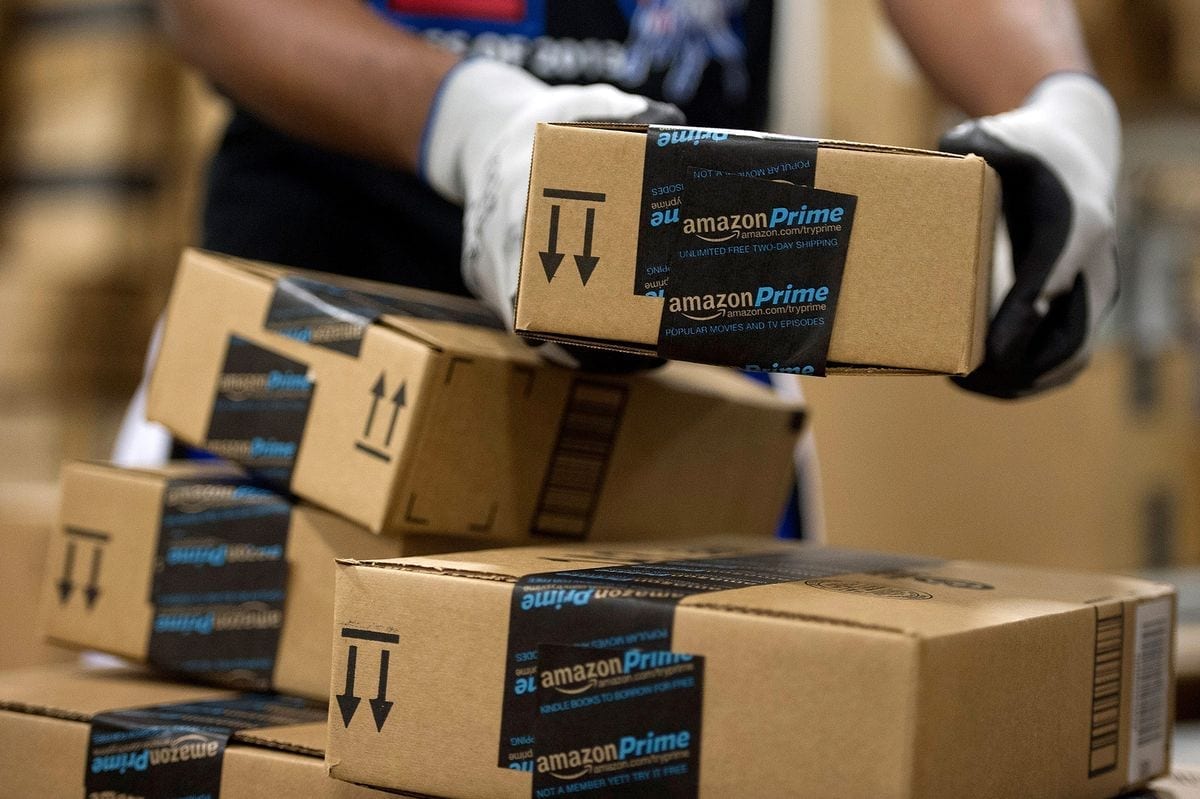
    As the mid-year sales season approaches, Amazon Australia plans to hire 600 seasonal workers across its fulfillment centers and logistics sites. This recruitment drive is aimed at enhancing operations in anticipation of the highly-anticipated Prime Day event in July.

    Roles Focused on Order Fulfillment

    The seasonal positions will predominantly involve picking and packing orders to ensure that customer demand is met efficiently. With a significant increase in online shopping, particularly leading up to Prime Day, these new hires will play a crucial role in maintaining the swift, free delivery services that Prime members expect.

    Competitive Pay and Opportunities for Growth

    “These roles offer competitive pay, a safe and inclusive work environment, and the chance to build valuable skills in a fast-paced, technology-driven workplace,” stated Jacqui Marker, HR Director of Operations at Amazon Australia.

    In addition to attractive compensation, these seasonal positions have the potential to transition into permanent roles. Employees may enjoy benefits such as life insurance, income protection, and subsidized private health coverage for their families, making these opportunities appealing for those seeking long-term employment in retail.

    Prime Day: What to Expect

    Prime Day promises exclusive discounts on a vast array of products, spanning everyday essentials to the latest electronics and home goods. The event has become a cornerstone of Amazon’s retail strategy, drawing in millions of eager shoppers.

    Amazon’s proactive approach to staffing with these seasonal roles reflects broader consumer trends in the retail sector. As more shoppers turn to online platforms, companies like Amazon are investing in their workforce to enhance customer satisfaction and operational efficiency. This wave of hiring not only underscores the booming e-commerce market but also has the potential to positively impact local economies by providing job opportunities and fostering growth within the retail landscape.

  • Indonesia’s e-commerce market tipped to exceed $46 billion

    Indonesia’s e-commerce market tipped to exceed $46 billion

    E-commerce transaction values are growing steadily in Indonesia, with the market size up from $18.2 billion in 2020 to $40.8 billion last year.

    According to data and analytics company GlobalData, this represents a compound annual growth rate (CAGR) of 22.3 per cent.

    With such a growth pace, GlobalData forecasts the Indonesian e-commerce market to reach $46.6 billion in value this year.

    Government initiatives to improve digital infrastructure and online transaction security have contributed to this market growth, the research house reports.

    To protect traditional businesses and online marketplaces, and to reduce online fraud, the Indonesian Ministry of Trade issued a ban on social media e-commerce transactions in 2023, improving consumer confidence.

    GlobalData’s 2024 Financial Services Consumer Survey found that alternate payment methods held a market share of 49.3 per cent in the e-commerce payment landscape due to their convenience, speed, and security.

    Mobile wallets such as GoPay and Dana have gained popularity among consumers, with GoPay seeing 30 million downloads last July.

    The survey found that bank transfers held a 30.2 percent market share, particularly for high-value transactions, attributed to perceived security and the direct nature of the process.

    The use of cards for e-commerce transactions was just 7.5 percent, according to the survey.

    A preference for credit cards was seen due to the benefits offered, such as reward programs, cashback, interest-free installment payment options, and discounts.

    “Looking ahead, Indonesia’s e-commerce market value is projected to grow at CAGR of 12 per cent from 2025 to 2029. The growth will be driven by several key trends, including the continued expansion of digital payment solutions, the increasing penetration of smartphones and internet connectivity, and the rising demand for convenient and secure online shopping experiences,” said GlobalData banking and payments analyst Siddharth Das.

  • GoTo posts first full-year underlying profit

    GoTo posts first full-year underlying profit

    Indonesia’s biggest tech firm PT GoTo Gojek Tokopedia forecast a sharp increase in its underlying earnings for 2025 on Wednesday, and also posted its first ever full-year underlying profit.

    GoTo, which offers ride hailing, food deliveries, logistics and financial services, also forecast a surge in its core earnings, or adjusted EBITDA, the company’s key measure of profitability.

    “We saw a significant increase in our user numbers throughout the year and expect this to continue into 2025,” said Patrick Walujo, GoTo Group CEO.

    The tech firm now expects its adjusted EBITDA for 2025 to be in the range of 1.4 trillion rupiah (US$85.16 million) to 1.6 trillion rupiah.

    It’s a significant increase from GoTo’s underlying profit of 327 billion rupiah for 2024, swinging from a loss of 3.670 trillion rupiah last year.

    The firm’s financial technology segment, whose earnings jumped 70 per cent last year, is expected to expand further in 2025 as the user base for its GoPay app and its loan book grows, the company said.

    GoTo, which is backed by Japan’s SoftBank Group and Singapore’s sovereign wealth fund GIC, had reportedly been involved in merger talks with Southeast Asian ride-hailing and food delivery company Grab.

    But GoTo said in a filing last month it had not engaged in talks regarding a potential merger with any party, noting media reports involving Grab.

    In an interview with the Financial Times, GoTo CEO Walujo expressed openness to a potential deal.

    “I will always be open to anything that is enhancing our shareholders’ return . . . in the long term,” Walujo said.

  • JD Mall to open first physical store in Hong Kong

    JD Mall to open first physical store in Hong Kong

    China’s JD.com is preparing to open its first brick-and-mortar store in Hong Kong as part of its expansion efforts.

    The company is currently in search for a location for its offline superstore, focusing on home appliances and consumer electronics, similar to JD Mall locations in Mainland China.

    While the Hong Kong store is expected to follow a similar model, space constraints may lead to a more compact format.

    A spokesperson from the company confirmed to news agency Ming Pao that new JD Mall stores will launch across the region this year but did not specify locations.

    However, industry sources say that the company has been actively recruiting talent from Hong Kong’s electronics retail sector since last year.

    Last year, its property division acquired the entire Li Fung Centre in Sha Tin, and related companies have also moved into Jardine House in Central.

    In Mainland China, JD Mall stores operate in cities such as Beijing, Guangzhou, and Chongqing, offering electronics, home appliances, and lifestyle products.

  • Shein offers Chinese manufacturers incentive to move to Vietnam

    Shein offers Chinese manufacturers incentive to move to Vietnam

    Shein is offering its Chinese manufacturers temporary incentives to move some of their production to Vietnam in response to rising US tariffs.

    The incentives include up to a 30 percent increase in procurement prices and larger order guarantees.

    The move is part of the fast-fashion retailer’s efforts to shift production outside of China after US President Donald Trump called a halt to Section 321 de minimis earlier this week.

    The de minimis previously allowed low-value packages from China to be shipped duty-free to the US. This means that prices of cheap Chinese goods are likely to increase in the country, affecting the operations of Shein and similar businesses like Temu and Amazon Haul.

    Shein hopes its expansion strategy in Vietnam will help mitigate the impact of Trump’s tariffs on its business model, which relies heavily on Chinese production.

    The company’s operations in Vietnam currently face some challenges after the local government required it to register its e-commerce services late last year.

    This came amid concerns about the impact of deep discounting by Chinese online platforms, as well as the potential sale of counterfeits.

  • Indonesia’s Bukalapak to scale down to virtual products

    Indonesia’s Bukalapak to scale down to virtual products

    Indonesian e-commerce firm Bukalapak said on Tuesday that it would stop selling physical items on its marketplace soon, amid tough competition from TikTok’s Tokopedia and Sea’s Shopee in Southeast Asia’s largest economy.

    Bukalapak, which went public in 2021, said in a statement that it later would only sell virtual products ranging from mobile phone credits to streaming vouchers. Customers have until February 9 to make last orders for certain items, Bukalapak added.

    “Bukalapak will undergo a transformation in an effort to increase focus on virtual products … we fully understand that these changes will impact the sellers and we are committed to making this transition as smooth as possible,” the company said.

    Shares of Bukalapak were down 4.1 percent to 117 rupiah on Wednesday as of 0519 GMT.

    On the day of its market debut in August 2021, Bukalapak shares had soared by the daily limit of 25 percent to 1,060 rupiah a piece as investors looked to get a piece of the company that raised $1.5 billion in its initial public offering.

    But over the three years since its listing, Bukalapak has faced fierce competition from Indonesia’s e-commerce market leader Shopee, which is owned by Southeast Asian technology firm Sea, and from Tokopedia.

    Tokopedia, another homegrown e-commerce company, is now majority owned by ByteDance’s TikTok, which acquired 75.01 percent of the shares from local tech conglomerate GoTo early last year.

    Bukalapak reported a loss of 593.23 billion rupiah ($36.62 million) in the first nine months of 2024, according to its latest financial results.

  • E-commerce market soars to $25B

    E-commerce market soars to $25B

    Vietnam’s e-commerce market surpassed US$25 billion this year after growing by 20% from 2023 and exceeding earlier estimates.

    Online remains a key distribution channel, especially for agricultural products during harvest season, and businesses have achieved a breakthrough by leveraging e-commerce, according to a report by the Ministry of Industry and Trade.

    It valuation of the e-commerce market places Vietnam in the third place in Southeast Asia behind Indonesia ($65 billion) and Thailand ($26 billion), and also exceeded an earlier estimate of $22 billion by Google and its partners.

    E-commerce accounted for 60% of Vietnam’s digital economy this year, and is a key growth pillar along with online tourism.

    Other sectors that contributed to the digital economy were ride-hailing and food delivery and online media.

    The top e-commerce platforms are Shopee, TikTok Shop, Lazada, Tiki, and Sendo, with new ones such as Temu and Shein trying to move in on the market this year.

    The ministry said e-commerce models are becoming increasingly complex and diverse, and admitted a legal framework to regulate them is lacking.

    For instance, it pointed out, live-stream sales are currently governed by general e-commerce regulations, which treats them as a combination of advertising and sales activities.

    But there are no specific rules for live-stream sellers, account identification or the supervision of information during live sessions, it said.

    The proliferation of counterfeit and substandard goods remains a big challenge, particularly as online violations grow more sophisticated, it said.

    Managing cross-border activities poses difficulties due to inadequate regulations, enabling platforms like Temu and Shein to enter Vietnam without completing legal procedures, it said.

    This lack of oversight allows goods from other countries to enter Vietnam, affecting domestic producers, it said.

    It called for the passage of an E-Commerce Law to enhance government oversight, especially of cross-border platforms.

    Vietnam has nearly 725,000 vendors on e-commerce platforms, with these vendors’ total transactions exceeding VND75 trillion (US$2.95 billion), according to data from 439 platforms submitted to tax authorities.

    Taxes on e-commerce activities increased by 20% in 2024 to VND116 trillion.

  • Amazon seeks to contest Temu, Shein with budget store selling items like $3 iPhone cases

    Amazon seeks to contest Temu, Shein with budget store selling items like $3 iPhone cases

    American e-commerce giant Amazon has launched Amazon Haul, an affordable e-commerce storefront which offers products priced US$20 or less.

    Items such as a $3 iPhone case or a pack of four socks for $7 are sold with a variety of options on the new store, which is advertised as offering “crazy low prices,” according to a company release.

    Over 300 million products in the main categories of clothing, home goods, jewelry and electronics are available on the store, which can be found on Amazon’s mobile app.

    Most items are $10 or less, and the company offers free shipping on orders of $25 or higher.

    The Wall Street Journal reported that Amazon Haul items will take longer to deliver because they ship directly from warehouses in China, similar to Chinese competitors Temu and Shein which have been rapidly expanding to many markets in recent months.

    Although products priced under $3 are not eligible for return, Amazon guarantees that all items have been screened for safety and authenticity.

  • E-commerce platform Temu restricts checkout to $35-40 price range

    E-commerce platform Temu restricts checkout to $35-40 price range

    Chinese shopping platform Temu has made it mandatory for customers to check out with orders between VND887,000 and VND1 million (US$35-40).

    Shoppers noticed this week that they cannot check out if their order is less than VND887,000 on the Temu app.

    Those who had bought for more than VND1 million were informed they had exceeded the limit and had to remove some items.

    Hieu, an online shopper in HCMC, said: “This policy and the requirement to pay in advance make the platform less attractive compared to its competitors in Vietnam.”

    When Temu first came to Vietnam at the end of September, it required a minimum order of VND120,000.

    It raised it to VND632,000 last week and to VND887,000 now, a sevenfold increase in two months.

    Temu said the minimum allows it to “continue offering more and lower-priced items.”

    Although it did not explain why the cap was set at VND1 million, one obvious explanation is that there is no tax on e-commerce items under this price.

    But with an estimated 4-5 million such items shipped from China to Vietnam every day, the government has been considering scrapping this tax waiver.

    Temu says on its app that it is in the process of registering with Vietnamese authorities.

    Government officials have warned that all unregistered e-commerce platforms will be blocked in the country.

    Temu, formally owned by Singaporean company Elementary Innovation Pte. Ltd., reported zero revenues in its third quarter financial disclosure submitted to Vietnamese tax agencies, and said it expected to record revenues starting in October.

  • Temu faces EU probe over the sale of illegal products

    Temu faces EU probe over the sale of illegal products

    Chinese online retailer Temu will be investigated over whether it may have breached rules aimed at preventing the sale of illegal products, EU tech regulators said on Tuesday, in a move that could lead to hefty fines for the company.

    The EU investigation will also focus on the potentially addictive design of Temu’s service, including its game-like reward programmes, and its systems to recommend purchases to users.

    The European Commission launched its probe under the Digital Services Act (DSA), which requires very large online platforms such as Temu to do more to tackle illegal and harmful content on their platforms, following complaints by pan-European consumers organisation BEUC and 17 of its national members.

    “There is a real kind of, you know, suspicion, that not enough is done, in an effective way, to really prevent the dissemination of illegal products. Rogue traders are reappearing with different identities,” an EU official told reporters.

    Temu, which has 92 million users in the 27-country European Union and is a unit of Chinese ecommerce giant PDD Holdings, said it will cooperate with regulators.

    “Temu takes its obligations under the DSA seriously, continuously investing to strengthen our compliance system and safeguard consumer interests on our platform,” the company said in a statement.

    The company also said it was in talks to join a voluntary EU initiative to counter the sale of counterfeit products.

    The EU tech enforcer will also investigate whether Temu is complying with the DSA obligation to provide researchers access to its publicly accessible data.

    “We want to ensure that Temu is complying with the Digital Services Act. Particularly in ensuring that products sold on their platform meet EU standards and do not harm consumers,” EU antitrust and tech chief Margrethe Vestager said in a statement.

    Temu could face a fine of as much as 6 percent of its global turnover if found guilty of breaching the DSA.

  • Chinese online seller Temu not registered in Vietnam as required by law

    Chinese online seller Temu not registered in Vietnam as required by law

    Chinese e-commerce platform Temu is not registered in Vietnam but still allows local consumers to shop on it.

    We have asked the Vietnam e-Commerce and Digital Economy Agency about it and the latter confirmed the news Wednesday.

    The law requires cross-border e-commerce platforms to register in the country if it has a Vietnamese domain, uses Vietnamese as a display language or has over 100,000 transactions a year in Vietnam.

    Temu started allowing users in Vietnam to shop last month, and Vietnamese is among the four languages it offers them.

    The agency is studying the impact of Temu on the local market, especially its discount policy, to prevent sale of counterfeits, Deputy Minister of Industry and Trade Nguyen Sinh Nhat Tan told reporters recently.

    Temu, owned by Chinese e-commerce giant PDD Holdings, launched the U.S. in September 2022 and is now present in 82 countries and territories, according to Singapore-based consultancy Momentum Works.

    It recorded gross merchandise value of US$20 billion in the first half of this year, up from $18 billion of last year’s total, it added.

    Indonesia earlier this month banned the platform to prevent an influx of cheap Chinese goods.

    Other countries have made moves to limit the platform to protect their small and medium-sized businesses.

  • China’s Temu, Shein flood Vietnam with cheap goods

    China’s Temu, Shein flood Vietnam with cheap goods

    Chinese e-commerce platforms Temu and Shein, known for their steep discount strategies, are seeking to entice Vietnamese consumers by offering lavish promotions.

    Le Hung of Hanoi recently got a dash camera three days after ordering on Temu, all for VND71,000 (US$2.8).

    He had learned about Temu from a social media ad. After downloading the app he was told to create an account to get large discounts and shop immediately.

    “Normally, dash cameras cost several times more, so I gave it a try,” he says.

    If the total order is VND120,000 or more, shipping is free.

    Bich Phuong in HCMC recently received a 94% discount voucher from Temu for her first order.

    She bought two incense burner towers for VND50,000 each, half the price on Shopee. Temu owned by Chinese e-commerce giant PDD Holdings, launched in the U.S. in 2022 and has been expanding globally in recent years.

    It now sells directly to consumers in 82 countries and territories, with the latest markets being Vietnam, Brunei, Malaysia, and the Philippines.

    Chinse fashion brand Shein has also been active in Vietnam.

    Nhu Mai of HCMC was introduced to the platform by a colleague who used it to buy phone cases and clothes.

    “Purchases over VND200,000 qualify for free shipping,” she says.

    Other Chinese platforms like Taobao, 1688, Pinduoduo, and JD are facilitating direct purchases by Vietnamese consumers.

    Vietnam’s promising retail market and open policies are causing these large e-commerce players to flock to the country.

    A report by Singapore research firm Momentum Works said Vietnam was the fastest growing market last year with gross merchandise volume rising by nearly 53% from 2022.

    According to e-commerce data firm ECDB Vietnam ranks 21st globally and third in Southeast Asia after Indonesia and Thailand in terms of e-commerce market size with an estimated value of $23.8 billion this year.

    Over the next four years it is projected to grow by 12.6% annually to top $38.2 billion by 2028, it added.

    “Vietnam is becoming a lucrative market for investors, especially in cross-border e-commerce,” an official from department of e-commerce and digital economy, who asks not to be identified.

    Vietnam’s e-commerce market has grown by 25% annually, with over 61 million people shopping online and spending $336 a year on average, according to the department.

    Regulations require cross-border e-commerce platforms that use Vietnamese domains, display content in Vietnamese or process over 100,000 transactions annually from Vietnam must register with the Ministry of Industry and Trade.

    But the ministry acknowledges that not all platforms are following the rule.

    “The Ministry of Industry and Trade is increasing oversight and working with them to ensure platforms comply with the law and consumer rights are protected,” the official adds.

    Pressure on local retailers

    Platforms like Temu offer Vietnamese consumers direct access to cheap “made-in-China” goods, which is hurting domestic retailers, according to Tran Lam, an expert in online sales training.

    Temu, along with Shopee, Lazada and TikTok, is flooding Vietnam with low-priced Chinese goods, and local sellers are suffering, unable to compete on price.

    Some countries have are trying to prevent this influx of Chinese goods.

    Temu was banned in Indonesia earlier this month, and is facing increasing scrutiny in the E.U. and the U.S.

    The European Commission is considering imposing import duties on goods valued under EUR150 ($163).

    Last month Washington announced measures to close a loophole that allowed tax-free import of items valued at under $800.

    Frederic Neumann, co-head of Asia economics research at HSBC, says banning platforms like Temu and Shein in Vietnam might not be a good idea.

    These platforms benefit consumers by offering low prices, the competition they bring causes domestic producers to improve product quality, and the entry of foreign giants encourages investment in logistics, benefiting consumers overall, he points out.

    “Some countries take a hardline approach, but finding a way to integrate them into the ecosystem without causing too much disruption is the best outcome.”

    He says authorities must introduce detailed regulations to allow Vietnamese producers to participate on platforms like Temu, and ensure there are no tax discrepancies between local and foreign goods.

    For instance, Thailand previously did not impose import duties and VAT on goods costing under THB1,500, but since May this year all shipments are subject to a 7% VAT, thus protecting local production from cheap online imports, he says.

    “The key is creating a level playing field.”

    The Ministry of Industry and Trade official notes that managing cross-border e-commerce is a challenge for Vietnam and many other countries amid globalization.

    Ministries have called for tweaking customs operations to separate ordinary goods flows from online purchases and increase control over foreign sellers.

    They also want amendments to the VAT Law to ensure that products sold on digital platforms do not get any exemption.


  • Budget e-commerce platform Temu enters Vietnam, Brunei after Indonesia ban

    Budget e-commerce platform Temu enters Vietnam, Brunei after Indonesia ban

    Chinese discount shopping site Temu has entered Vietnam and Brunei after facing a ban in Indonesia.

    But its entry into Vietnam was rushed, seeing as the Temu website in the country was initially only available in English.

    It also only accepts payments through credit cards and Google Pay, and no local digital wallets.

    The platform said shipping to Vietnam takes four to seven days, much faster than the five to 20 days for Malaysia or the Philippines, according to Singapore-based research firm Momentum Works.

    Meanwhile, Temu’s Brunei site is available in both English and that country’s official Malay language.

    Vietnam was the fastest-growing e-commerce market in Southeast Asia with a 53% year-on-year growth in gross merchandise value last year while Brunei has one of the world’s highest standards of living.

    The move to expand into these two Southeast Asian countries came after the site was banned from operating in Indonesia earlier this month.

    Budi Arie Setiadi, the country’s Minister of Communications and Informatics, said on Oct. 1 that the ban is in place to protect local micro, small and medium enterprises from being disrupted, as quoted by CNA.

    Indonesia has also requested Google and Apple to block Temu from their Indonesia app stores to prevent it from being downloaded, Reuters reported.

    The country’s e-commerce industry is projected to grow from US$62 billion in 2023 to approximately US$160 billion by 2030, according to a report by Google, Singapore state investor Temasek Holdings and consultancy Bain & Co.

    Based in Boston, Massachusetts, Temu is an online marketplace offering a variety of products at heavily discounted prices. It is owned by Chinese e-commerce giant PDD Holdings and currently operates in over 80 countries and territories.