Category: E-Tailing

Retail News Asia is committed to providing both local and global retailers with the latest E-Commerce & Etail news throughout the Asian market. This on a daily base.

  • Shopify Projects Robust Quarterly Revenue Amidst Resilient Merchant Base And Steady Consumer Demand

    Shopify Projects Robust Quarterly Revenue Amidst Resilient Merchant Base And Steady Consumer Demand

    Shopify, the renowned Canadian e-commerce platform, has projected a positive outlook for its quarterly revenue. This forecast comes amidst no apparent reduction in consumer demand and the impressive resilience of merchants on the platform despite prevailing tariff pressures. This uplifting news resulted in a significant 20% increase in the company’s share values.

    Throughout early August, Shopify’s merchant base demonstrated remarkable fortitude, maintaining the steady growth observed in the April-June period. This resilience contributed to a 31% boost in the second quarter’s revenue.

    These results help to alleviate some of the anxieties investors have due to the fluctuating trade policies of the current US administration. These policies have left many retailers uncertain about several aspects of their business, including demand, production, sourcing, and operating costs.

    Addressing these concerns, Jeff Hoffmeister, Shopify’s CFO, reassured investors during a post-earnings call. He affirmed that demand from the US, both inbound and outbound, has remained steady. Furthermore, he noted that the platform had experienced growth across all merchant segments during the second quarter.

    Hoffmeister also highlighted the strong performance of sellers with an annual gross merchandise volume (GMV) exceeding US$50 million and those below the $2 million mark. In terms of pricing strategy, Shopify reported that many merchants have increased their prices, although no specific details regarding the extent of these hikes were provided.

    Despite the ongoing disruptive tariff situation, Shopify’s resilience and adaptation seems to be the current narrative. As noted by Third Bridge analyst Charlie Miner, greater clarity is emerging regarding consumer reactions, and Shopify is unlikely to be adversely affected.

    Shopify’s projections for the third quarter anticipate a revenue increase in the mid to high twenties percentage range. This estimate exceeds analyst predictions of a 21.54% rise, as compiled by LSEG.

    Additionally, Shopify’s ongoing investments in artificial intelligence-powered features are proving advantageous. These features aid retailers in various tasks, such as developing store websites, generating images, and collating sales data.

    Questions & Answers

    What is the projected revenue increase for Shopify in the third quarter?
    Shopify projects a mid to high twenties percentage increase in revenue for the third quarter.

    How are Shopify’s merchants responding to the ongoing tariff situation?
    Despite tariff pressures, merchants on Shopify’s platform have shown resilience, with many even increasing their prices.

    What investments has Shopify made to support retailers?
    Shopify has invested in artificial intelligence-powered features that assist retailers with tasks such as creating store websites, producing images, and gathering sales data.


  • Italy Penalizes Shein $1.15M for Deceptive Eco-Friendly Claims: A Retail Wake-Up Call!

    Italy Penalizes Shein $1.15M for Deceptive Eco-Friendly Claims: A Retail Wake-Up Call!

    In a decisive move underscoring the growing scrutiny on corporate sustainability claims, Italy’s Competition Authority has levied a hefty fine of $1.15 million (€1 million) against Infinite Styles Services Co. Ltd, the company behind Shein’s European websites. This penalty stems from the publication of misleading environmental claims related to the fast-fashion giant’s clothing lines, sending ripples through the already tumultuous waters of ethical retail practices.

    Misleading Environmental Messaging

    The regulator’s investigation revealed that Shein relied on vague, generic, and often exaggerated assertions about its sustainability efforts on various digital platforms, particularly in sections like #SHEINTHEKNOW, evoluSHEIN, and Social Responsibility. These claims raised eyebrows, suggesting a level of environmental commitment that appeared more like window dressing than a genuine effort.

    Confusing Claims About Sustainability

    Focusing on the #SHEINTHEKNOW section, the authority criticized Shein for promoting the idea of a “circular system” and the recyclability of its products, labeling these statements as either misleading or outright confusing. Furthermore, the evoluSHEIN by Design line, advertised as utilizing “green” fibers, fell short of providing substantive information about tangible environmental benefits, all while failing to clarify that this line constitutes only a fraction of Shein’s vast product range.

    Vagueness About Emission Goals

    Among the contested claims was Shein’s assertion of cutting emissions by 25% by 2030, coupled with a goal of achieving net-zero emissions by 2050. The authority found these statements lacking in specificity and unsupported by factual evidence. Alarmingly, it noted an uptick in Shein’s emissions in 2023 and 2024. The watchdog highlighted the brand’s significant responsibility as a player in the highly pollutive fast fashion industry, suggesting that the façade of environmental stewardship does not align with actual practices.

    As consumers become more discerning and demand transparency from brands, Shein’s recent missteps serve as a cautionary tale within the retail sector, reminding companies that authenticity, rather than glossy claims, is the best policy—after all, consumers might not be quick to forgive when the trust is breached.

    Questions & Answers

    Why did Italy’s Competition Authority fine Shein?
    The fine was imposed because Shein was found to be using misleading environmental claims to promote its clothing, including vague assertions about sustainability and inaccurate statements regarding recycling and carbon emissions.

    What was misleading about the claims made by Shein?
    Shein’s claims included the promotion of a “circular system” and the recyclability of its products, which were found to be either confusing or false. Additionally, their marketing of “green” fibers in certain lines lacked clarity on actual environmental benefits.

    What has been the impact on Shein’s emissions trajectory?
    Contrary to its assertions of reducing emissions, Shein’s actual emissions have increased in 2023 and 2024, which has raised concerns about the validity of their sustainability commitments.

  • Alibaba Unveils Bold Strategy For E-commerce Evolution: Community Engagement And Personalized Shopping

    Alibaba Unveils Bold Strategy For E-commerce Evolution: Community Engagement And Personalized Shopping

    As the global retail landscape shifts, Asian e-commerce giant Alibaba has unveiled its ambitious plans for expansion, promising a new era of digital shopping that could reshape consumer habits and retail dynamics across the continent. During a recent press conference, Alibaba’s management outlined an innovative strategy that emphasizes not just sales, but also community engagement and personalized shopping experiences.

    At the heart of Alibaba’s strategy is a commitment to transforming its marketplaces into vibrant ecosystems that transcend mere transactions. The company aims to foster a sense of community among its users, encouraging interaction through various platforms. By introducing features that allow customers to share reviews and recommendations in real-time, Alibaba is tapping into the growing desire for social shopping. In fact, as shoppers increasingly turn to digital platforms, the integration of social elements has become crucial — like mixing a family recipe with an unexpected splash of hot sauce, it adds a surprising kick to the shopping experience.

    A Focus on Hyper-Personalization

    Alongside community initiatives, Alibaba is advancing its use of artificial intelligence to elevate personalization in customer interactions. By analyzing purchase history and preferences, the platform can offer tailored recommendations and experiences to shoppers. This move aligns with global trends where consumers expect a shopping experience that speaks directly to their desires and needs. Essentially, it’s not just about finding the right product anymore; it’s about creating a shopping journey that feels exclusively crafted for each individual.

    To expand its reach further, Alibaba is forging strategic partnerships with local brands throughout Asia. This approach not only enriches its product offerings but also allows smaller brands to leverage Alibaba’s robust logistics network and vast consumer base. In a market where collaboration often leads to innovation, these partnerships could unlock new opportunities for both established retailers and emerging players alike.

    Plans for Global Engagement

    While Alibaba’s roots are firmly planted in Asia, the company hasn’t overlooked international markets. By showcasing Asian brands to global consumers, Alibaba aims to position itself as a bridge between local creativity and worldwide audiences. This dual focus on enhancing local presence while reaching out to global consumers reflects a careful balancing act that could define the future of international e-commerce.

    However, as ambitious as these plans may be, Alibaba faces challenges from growing competition within Asia and beyond. Rivals are quickly adapting to the changing landscape, matching innovations with their own strategies. The stakes are high, and success is contingent on Alibaba’s ability to stay ahead of trends while maintaining customer trust.

    Questions & Answers

    What is Alibaba’s primary focus with its new e-commerce strategy?
    Alibaba aims to create vibrant ecosystems on its marketplaces that enhance community engagement and provide personalized shopping experiences.

    How does Alibaba plan to use artificial intelligence in its services?
    The company intends to leverage AI to analyze shopper preferences so it can offer tailored recommendations, transforming how customers interact with the platform.

    What role do partnerships play in Alibaba’s expansion plans?
    Strategic partnerships with local brands are essential for Alibaba, as they enhance product offerings and allow smaller brands to benefit from the company’s logistics network and consumer base.

  • Alibaba’s New Retail Strategy: Transforming Asia’s Retail Landscape With Seamless Online Offline Shopping

    Alibaba’s New Retail Strategy: Transforming Asia’s Retail Landscape With Seamless Online Offline Shopping

    In an ambitious move that could reshape the retail landscape in Asia, Alibaba Group has unveiled its latest venture: a multi-format retail experience designed to blend online and offline shopping seamlessly. This ambitious project embraces the company’s mantra of “retail as a service,” as it looks to transform how consumers interact with brands while navigating an increasingly digital marketplace.

    Redefining Shopping Experiences

    The new initiative, which Alibaba refers to as its “New Retail” strategy, aims to create an omnichannel environment where traditional brick-and-mortar stores and digital platforms operate in perfect harmony. Customers will see a seamless integration of shopping experiences, from smart shelves that provide real-time product availability to interactive displays that offer personalized recommendations based on consumer behavior.

    Alibaba’s President, J. Michael Evans, described the project as a “game changer,” emphasizing the importance of tailored experiences in today’s competitive retail market. By leveraging data analytics and artificial intelligence, Alibaba plans to enable businesses to connect with consumers on a more intimate level, ensuring that every interaction feels customized and relevant.

    Partnerships Fueling Innovation

    Key to this initiative is a series of partnerships with established brands and startups alike. Notably, Alibaba has joined forces with local enterprises to enhance logistics capabilities and improve supply chain transparency. As Evans notes, “Collaboration is at the heart of what we are doing.” With this mindset, Alibaba hopes to attract partners eager to embrace the changing shopping paradigm and innovate alongside one of Asia’s retail giants.

    For tech enthusiasts, the prospect of shopping with augmented reality features is especially enticing. Imagine slipping on AR glasses to browse through a virtual storefront while standing in your living room — it sounds like something out of a science fiction novel but could soon become part of your everyday retail experience.

    Economic Implications

    This innovative push comes at a pivotal moment for retail in Asia, as significant shifts in consumer behavior have emerged during the pandemic. Research indicates that online shopping has skyrocketed, but there’s still a strong desire among consumers for physical interactions. Alibaba’s strategy appears to anticipate this hybrid demand, potentially setting a new standard for how brands engage with their customers in both realms.

    The economic implications of Alibaba’s New Retail approach are profound. By creating an ecosystem that fosters growth for businesses of all sizes, Alibaba not only stands to boost its own bottom line but also invigorate the entire retail sector, leading to renewed job creation and economic activity.

    Final Thoughts

    As Alibaba propels itself further into the retail future, one thing is clear: this isn’t just about selling products — it’s about crafting a consumer-centric environment that enhances the shopping journey. If executed successfully, it could indeed be the start of an exciting new chapter in Asian retail history.

    Questions & Answers

    What is Alibaba’s New Retail strategy?
    Alibaba’s New Retail strategy aims to create an integrated shopping experience that melds online and offline retail, utilizing advanced technologies like AI and data analytics to personalize customer interactions.

    How is Alibaba partnering to enhance its retail initiative?
    Alibaba is forming partnerships with both established brands and innovative startups to strengthen logistics and supply chain transparency, driving collaboration and innovation in the retail space.

    What are the potential economic impacts of this initiative?
    The New Retail initiative could invigorate the retail sector, boost economic activity, and lead to job creation by fostering a growth-oriented ecosystem for businesses of all sizes in Asia.

  • JD.com To Acquire German Retailer Ceconomy In €2.2 Billion Strategic Expansion Move

    JD.com To Acquire German Retailer Ceconomy In €2.2 Billion Strategic Expansion Move

    JD.com, one of China’s leading online retailers, is set to acquire German electronics retailer, Ceconomy. The acquisition deal is worth an estimated 2.2 billion euros (US$2.5 billion). This strategic move signals JD.com’s intentions to expand beyond its domestic market.

    The Details of the Acquisition

    Ceconomy operates under the renowned MediaMarkt and Saturn brands. The acquisition will grant JD.com, a competitor of international giants like Alibaba and Amazon, access to one of Europe’s most extensive online electronic goods platforms, as well as a network of approximately 1000 stores spanning several European nations. The two chains currently employ around 50,000 individuals.

    The deal, announced recently, prices Ceconomy at 4.60 euros per share. CEO Kai-Ulrich Deissner revealed that the deal is expected to be finalized in the first half of the upcoming year.

    According to Deissner, JD.com is the perfect partner at this opportune time. He expressed enthusiasm about the partnership, noting that it would provide them with unrivaled access to cutting-edge technologies, unparalleled retail expertise, and world-leading supply chains.

    Deissner also affirmed that both Ceconomy’s management board and supervisory board would recommend acceptance of the offer to its shareholders. Furthermore, the company’s Duesseldorf headquarters will continue to operate as usual.

    Implications of the Acquisition

    Sandy Xu, CEO of JD.com, has voiced her commitment to working with the team to bolster their capabilities, while also utilizing their advanced technology to expedite Ceconomy’s ongoing transformation.

    Xu added that their objective is to foster Ceconomy’s growth across Europe, thereby creating long-term value for their customers, employees, investors, and local communities.

    The Kellerhals family, Ceconomy’s largest single shareholder, owning just under 30 per cent of the shares, has accepted an offer for 3.81 per cent of its shares. The family intends to retain its investor status, maintaining approximately 25.35 per cent stake.

    Other shareholders, Haniel, Beisheim, BC Equities, and Freenet – who collectively hold about 27.9 per cent of the shares – intend to sell their shares to JD.com.

    Deissner assured that there would be no compulsory redundancies within three years of closing the transaction. He also expressed confidence in avoiding any significant issues from antitrust authorities.

    Impact on Ratings

    Acquiring Ceconomy could potentially fortify JD.com’s presence in Europe significantly. In the wake of the acquisition, JD.com stands to benefit from the more than 1000 stores operating under the MediaMarkt and Saturn brands, not to mention its healthy online presence, which contributes to 24 per cent of sales.

    According to Fitch Ratings, this acquisition could potentially enhance Ceconomy’s credit profile, given JD.com’s strong credit profile. As one of the world’s largest e-commerce platforms, JD.com’s $160 billion revenue from retail, technology, logistics, and healthcare sectors could be a game-changer.

    Questions & Answers

    What is the estimated value of the acquisition deal between JD.com and Ceconomy?
    The acquisition deal is valued at approximately 2.2 billion euros (US$2.5 billion).

    How will the acquisition of Ceconomy benefit JD.com?
    The acquisition will grant JD.com access to one of Europe’s largest online platforms for electronic goods and a network of nearly 1000 stores across several European countries.

    What are the implications of the acquisition deal for Ceconomy’s shareholders?
    The Kellerhals family will sell 3.81 per cent of its shares but intends to remain an investor. Other shareholders, including Haniel, Beisheim, BC Equities, and Freenet, intend to sell their shares to JD.com.

  • Vietnamese Online Shopping Surges: $7.8 Billion Spent in Just Six Months!

    Vietnamese Online Shopping Surges: $7.8 Billion Spent in Just Six Months!

    Vietnam’s e-commerce landscape is booming, with sales across four major platforms — Shopee, Lazada, Tiki, and TikTok Shop — soaring to VND202.3 trillion (approximately US$7.8 billion) in the first half of 2025.

    The surge in online shopping also shone a spotlight on imported goods, which accounted for VND7.5 trillion in sales, resulting in over 164 million products sold — a nearly 7% increase from the previous year.

    Despite the surge in sales, a notable trend has emerged: the number of sellers on these platforms dipped by 6% year-on-year. This shift indicates a market increasingly favoring established brands and physical stores, as consumers sharpen their purchasing criteria due to concerns over quality and rising instances of subpar goods online.

    Looking ahead, the smart data platform Metric predicts that e-commerce sales will reach VND122.8 trillion in the third quarter, alongside consumption projected to rise to approximately 1.236 billion units. This represents a staggering growth of 21% in sales and 27% in product output compared to the previous quarter.

    This robust growth not only highlights an ongoing recovery in consumer spending but also an evolving market where shopping habits continue to transform. The most sought-after categories include food, beverages, cosmetics, fashion, sports, home care, and technology — a diverse mix that reflects changing consumer preferences as they navigate the digital shopping landscape.

    Metric’s optimistic forecast suggests that Vietnam’s e-commerce retail revenues could exceed $30 billion this year, firmly establishing the country as a key player in the Asian e-commerce arena. As the saying goes, “In the digital age, a click can fill your cart and your heart!”

    Questions & Answers

    What are the total e-commerce sales recorded in Vietnam for the first half of 2025?
    Total e-commerce sales in Vietnam reached VND202.3 trillion (around US$7.8 billion) in the first half of 2025.

    Which product categories are currently leading in online sales?
    The top-selling categories include food, beverages, cosmetics, fashion, sports, home care, and technology, showcasing a wide range of consumer interests.

    What does the future hold for Vietnam’s e-commerce market?
    Forecasts indicate that e-commerce sales could hit VND122.8 trillion in the third quarter, with total retail revenues expected to surpass $30 billion for the year, signaling a continued growth trajectory.

  • JD.com Launches Ambitious ’10 Billion Growth Plan’ to Introduce 1,000 Global Brands to China

    JD.com Launches Ambitious ’10 Billion Growth Plan’ to Introduce 1,000 Global Brands to China

    JD.com, China’s largest retailer by revenue, is embarking on an ambitious journey with its “10 Billion Growth Plan,” which seeks to attract 1,000 new international brands into the Chinese market via cross-border e-commerce over the next three years. This initiative directly responds to the surging demand from Chinese consumers eager for high-quality global products.

    With an emphasis on customer satisfaction and a solid supply chain, JD.com is setting its sights on helping these brands collectively achieve a staggering sales increase of $1.39 billion (¥10 billion).

    Three Strategic Pillars Driving Brand Expansion

    The initiative is anchored by three pivotal strategies. First up is the Centennial Brands initiative, designed to introduce historic international brands with over a century of legacy that have yet to make their debut in China. These brands will be showcased in a dedicated “Global Centennial Pavilion” and promoted through special “Centennial Brand Days,” celebrating their heritage and craftsmanship for the discerning Chinese shopper.

    The second strategic focus is the expansion of JD.com’s National Pavilions, digital storefronts that enjoy official endorsement from embassies and trade organizations. Currently featuring 140 pavilions, JD.com aims to broaden its reach to nearly every European nation, providing consumers with enhanced access to unique products and immersive cultural experiences.

    Rounding out the plan is the Global Goods Recruitment initiative, which invites consumers to recommend the international products they wish to see on the platform. JD.com is prioritizing sources of health-conscious, organic, and locally produced items to align with the evolving preferences of Chinese shoppers—a clever way to keep an ear to the ground on consumer trends.

    European Brands Flourishing on JD.com

    European brands have particularly thrived on JD.com, with sales of European products on the platform racing past 740 million units in 2024, generating over $12.3 billion (¥87 billion) in revenue. The upward momentum shows no signs of slowing; by the first half of 2025, sales had already topped 390 million units and $6.41 billion (¥46 billion). Prestigious names like Danone and Nestlé from France, Adidas from Germany, and Fila from Italy are all reporting impressive double-digit year-on-year growth, proving once again that the appetite for international goods in China is more than just a passing fad—it’s a full-blown shopping phenomenon.

    Questions & Answers

    What is the goal of JD.com’s “10 Billion Growth Plan”?
    The plan aims to introduce 1,000 new international brands to the Chinese market through cross-border e-commerce, targeting a combined sales increase of $1.39 billion.

    How does JD.com plan to showcase international brands?
    Through initiatives like the “Global Centennial Pavilion” and “Centennial Brand Days,” JD.com will highlight historic brands with a legacy of over 100 years, emphasizing their craftsmanship and heritage.

    What kind of products does JD.com aim to recruit through its Global Goods initiative?
    The initiative will focus on sourcing health-conscious, organic, and locally produced items, reflecting the evolving tastes of Chinese consumers.

  • Korean e-commerce firms under fire over hidden review rankings

    Korean e-commerce firms under fire over hidden review rankings

    Approximately 40% of significant online shopping portals in South Korea utilize proprietary algorithms to order product reviews, but the metrics behind these rankings are not publicly disclosed. This lack of transparency has caused some concerns about consumer trust, as per a recent study by the Seoul Metropolitan Government.

    Algorithm-Based Ranking in Online Retail

    The Seoul Electronic Commerce Center’s latest survey, published on Friday, revealed that 66% (33 out of 50) of the country’s top online retail platforms arrange customer feedback using algorithm-based rankings. These kinds of rankings are often labeled as “most popular” or “best”. However, 36% (18 out of 50) of these platforms do not provide any explanation about how these algorithms work.

    The systems used for review rankings can vary across different platforms, but they often prioritize high-star ratings and positive comments. Only a handful of platforms allow visibility for critical yet constructive reviews or let users sort reviews based on their valuable positives and negatives.

    While most platforms offer basic filtering options like “photo/video reviews” or “newest first”, more sophisticated controls are a rarity. Only a single platform allowed users to sort by “most commented”, while merely four platforms provided options to exclude reviews from promotional testers.

    The Importance of Reviews in Online Shopping

    In the report, the city stated, “In online shopping, where consumers cannot inspect the product in person, reviews are a vital factor in the decision-making process. Overemphasis on positive reviews undermines trust and limits informed consumer choice.”

    International platforms such as Costco, Rakuten, Amazon and Sephora have implemented more transparent and user-friendly review systems. For instance, Costco and Rakuten highlight one positive and one critical review deemed most helpful, while Sephora marks incentivised reviews and enables users to filter them out completely. Amazon provides tools to highlight both positive and negative reviews that other consumers have found useful.

    Seoul officials are planning to propose regulatory changes that would require online retailers to reveal their review-sorting algorithms to ensure better oversight.

    Kim Myung-sun, director of Seoul’s Fair Economy Division, commented, “A balanced review policy aids consumers in making quicker decisions and reduces unnecessary returns and disputes. We will continue to advocate for policies that protect consumer rights.”

    Questions & Answers

    What percentage of South Korean online shopping platforms use proprietary algorithms for ranking product reviews?
    Approximately 40% of major online shopping platforms in South Korea employ proprietary algorithms to rank product reviews.

    Why is there a concern about the use of algorithm-based rankings?
    The concern arises from the fact that the criteria behind these algorithm-based rankings are not disclosed to the public, which raises issues about consumer trust and transparency.

    What do Seoul officials plan in response to these findings?
    Seoul officials plan to propose regulatory changes requiring online retailers to disclose their review-sorting algorithms, which aims to strengthen oversight in the online retail sector.

  • TikTok Shop Gains Ground, Closing In on E-commerce Leader Shopee in Retail Competition

    TikTok Shop Gains Ground, Closing In on E-commerce Leader Shopee in Retail Competition

    TikTok Shop is making waves in the Southeast Asian e-commerce landscape, capturing a notable 39% share of gross merchandise value, a substantial increase from 29% in the first half of the previous year, according to data from Metric. In stark contrast, its competitor Shopee has seen a decline, with its market share slipping from 63% to 58%. When it comes to revenue growth, TikTok Shop outpaced Shopee dramatically, reporting a staggering 69% growth compared to Shopee’s more modest 16%.

    Combined, TikTok Shop and Shopee command an impressive 97% of the market, leaving the remaining 3% to Lazada and Tiki, while other players remain too small to feature in Metric’s data. The analytics firm suggests that TikTok Shop’s ascent highlights a significant consumer trend towards platforms that marry entertainment with shopping, a seamless integration some are dubbing “shoppertainment.”

    At the recent TikTok Shop Vietnam Summit, the platform celebrated the remarkable success of this entertaining shopping model. Metrics from 2024 show revenue growth surging by 2.3 times in affiliate marketing and 1.9 times in livestreaming and short videos. However, TikTok Shop is not just riding the wave of entertaining content; official brand stores are emerging as a crucial growth driver. Despite representing only 3.4% of total stores on Shopee and TikTok Shop, these brand malls accounted for an impressive 28.7% of total revenues, reflecting an eye-popping year-on-year growth of 63% and 107% respectively. It seems consumers are becoming increasingly discerning, gravitating towards trusted brands amid the prevalence of low-quality goods.

    As we look ahead to the third quarter, forecasts from Metric indicate a projected gross merchandise value increase of 21.6% among the four major platforms, expected to reach VND122.8 trillion. Key sales events like the Mid-Autumn Festival and the back-to-school season are anticipated to fuel demand for education, gifting, and food products.

    In a recent forum, Nguyen Lam Thanh of TikTok Vietnam emphasized a commitment to optimizing seller operations, enhancing user security, and bolstering community support initiatives within the industry. Meanwhile, rival platforms Shopee and Lazada are ramping up competition by offering free shipping, with Shopee announcing free shipping on all orders, except for bulky items, and Lazada launching similar offers for orders under 15kg from official brand stores.

    Questions & Answers

    What trends are fueling TikTok Shop’s growth in Southeast Asia?
    The growth of TikTok Shop is largely attributed to the blending of entertainment and shopping—termed “shoppertainment”—which is increasingly resonating with consumers, alongside a notable rise in trust for official brand stores amidst a crowded market.

    How is the competition responding to TikTok Shop’s success?
    In response to TikTok Shop’s explosive growth, both Shopee and Lazada are implementing aggressive strategies, including offering free shipping on various orders to attract more customers.

    What does the future look like for e-commerce platforms in the region?
    The outlook for the coming months appears promising, with projections of a 21.6% increase in gross merchandise value across major platforms, driven by key shopping events and seasonal demand for various products.

  • Google Enhances Virtual Try-On Tool with Exciting New AI Features for Shoppers

    Google Enhances Virtual Try-On Tool with Exciting New AI Features for Shoppers

    Amid a landscape of rapidly changing consumer preferences, the Asia-Pacific region continues to lead the way in retail innovation. From bustling markets in Bangkok to sleek showrooms in Tokyo, retailers are adapting to ensure they meet the evolving demands of shoppers who are increasingly drawn to convenience, variety, and experiential shopping.

    Shifting Tides in Consumer Behavior

    As online shopping cements its place in daily life, traditional brick-and-mortar stores are feeling the pressure to reinvent themselves. With a surge in e-commerce, driven by a tech-savvy population eager for instant gratification and seamless service, physical retailers are compelled to enhance the in-store experience. This dynamic is particularly noticeable in countries like China, where the rise of social commerce has changed the shopping landscape overnight. Retailers are increasingly leveraging livestreaming and interactive platforms to engage consumers in real time, encapsulating the adage that if it’s not fun, it’s not selling.

    Technology as a Game Changer

    The integration of technology into retail isn’t merely a trend—it’s a necessity. Augmented reality (AR) and artificial intelligence (AI) are transforming how shoppers interact with products. Innovative retailers are using AR to allow customers to “try before they buy,” enabling virtual fittings for clothing and makeup. Meanwhile, AI is being deployed to analyze shopping data, helping retailers anticipate trends and stock accordingly. The result? A more tailored shopping experience that speaks directly to what consumers want, rather than what retailers predict they might buy.

    The Rise of Sustainability

    Sustainability remains a hot topic in the retail sector, especially among younger consumers who are keen to support environmentally conscious brands. Retailers across Asia are responding with initiatives aimed at reducing waste and embracing ethical sourcing. Brands that can effectively communicate their sustainability practices are not only attracting a loyal customer base but are also setting themselves apart in an increasingly crowded marketplace. It’s all about making sustainability not just a checkbox, but a cornerstone of brand identity—a move that’s both smart and refreshing in an industry often critiqued for its environmental footprint.

    Adapting to Economic Realities

    The economic landscape in Asia is as diverse as its cultures, with each country presenting unique challenges and opportunities. Retailers must navigate fluctuating currencies, varying regulations, and differing consumer sentiments. Cambodia is not just a hidden gem in tourism; it’s emerging as a bright spot for retail investment, attracting international brands eager to tap into a youthful population. Similarly, Southeast Asia’s rising middle class fuels demand for more upscale products, prompting local businesses to upscale their offerings.

    With so much at play, the retail sector in Asia is like a game of chess; those who strategize effectively will be the ones to thrive. Yet, amidst all this growth and change, it’s essential to remember that retail is fundamentally about connection—between brands and consumers, products and experiences.

    As Asia continues to shape the future of retail, one thing is clear: innovation is not just encouraged; it’s a survival instinct.

    Questions & Answers

    How are retailers in Asia adapting to the rise of e-commerce?
    Retailers are enhancing their in-store experiences by integrating technology and leveraging social commerce strategies, such as livestream shopping, to engage consumers more effectively.

    What role does sustainability play in current retail strategies in Asia?
    Sustainability is increasingly central to brand identity, attracting younger consumers who prioritize environmentally conscious practices and ethical sourcing.

    Which countries in Asia are showing promising growth in retail investment?
    Countries like Cambodia are emerging as key markets for retail investment, alongside the rapid growth in demand observed in Southeast Asia due to a rising middle class.

  • New Tax Measures Trigger 300% Price Surge On Chinese E-commerce Platform In Pakistan

    New Tax Measures Trigger 300% Price Surge On Chinese E-commerce Platform In Pakistan

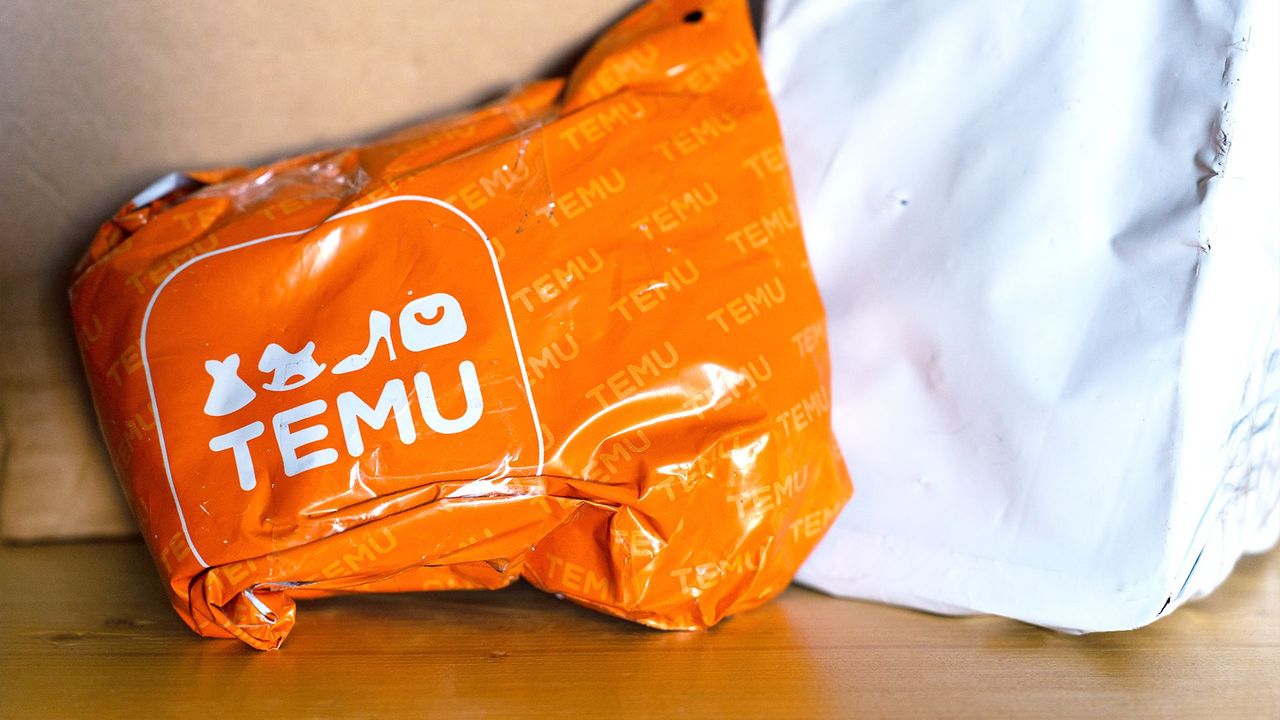
    Prices on the Chinese e-commerce platform, Temu, have dramatically surged in Pakistan, with increases reaching up to 300% in some cases. This substantial escalation has been reported by customers over the past week, marking a significant shift in the online shopping landscape.

    New Taxes Imposed

    These price spikes appear to be occurring in the wake of new tax measures instituted by the government. The administration last month implemented new taxes specifically targeting online sellers. These levies extend to platforms such as Temu and AliExpress, among others.

    While the companies haven’t issued an official statement providing the reasons behind the price alterations, a spokesperson for Temu pointed to external policy shifts and escalating operational costs across numerous sectors as the primary catalysts for the increases. The spokesperson stated, “We remain committed to providing access to quality products at affordable prices, while fully complying with local requirements.”

    Digital Presence Proceeds Tax Act

    The government disclosed last month that a 5% tax would be put on all goods sold in Pakistan by foreign digital platforms that lack a physical presence in the country. This initiative is part of the Digital Presence Proceeds Tax Act. The goal of this tax is ostensibly to create a more equitable commercial environment. It is said to target online platforms such as Facebook, Google, Spotify and Netflix, in addition to select local online sellers.

    Further, online retail platforms are now also responsible for paying the standard 18% sales tax applicable to local businesses in Pakistan. The government’s rationale for these tax hikes is to equalize conditions for Pakistani businesses that are already subject to both the 18% sales tax and an income tax of up to 35%.

    Concerns Over Impact

    While the government’s intent might be to create a fairer marketplace, experts have voiced concerns over the potential harm the digital tax could inflict on Pakistan’s burgeoning e-commerce market.

    Questions & Answers

    What are the new tax measures impacting e-commerce in Pakistan?
    Last month, the government introduced a 5% tax on all goods sold in Pakistan by foreign digital platforms. These platforms are also expected to pay the 18% sales tax applicable to local businesses.

    What is the rationale for these new taxes?
    The government’s intent with these tax hikes is to create a level playing field for local Pakistani businesses already paying an 18% sales tax and an income tax of up to 35%.

    What are the potential consequences of the new digital tax?
    While the intention is to foster a more equitable commercial environment, experts have raised concerns that the digital tax could harm Pakistan’s rapidly growing e-commerce market.

  • Rakuten Launches E-Commerce Platform, Empowering Singapore Sellers to Reach a Global Audience

    Rakuten Launches E-Commerce Platform, Empowering Singapore Sellers to Reach a Global Audience

    In a significant move poised to reshape cross-border retail, Rakuten Group, Inc. has opened the doors of its Rakuten Ichiba platform to Singaporean businesses, allowing them to sell directly to Japanese consumers. This expansion, which removes previous geographical restrictions for sellers, now invites merchants from Singapore to join the ranks of those in Japan, South Korea, China, select European nations, the United States, and Canada.

    What’s remarkable about this leap is that Singaporean sellers can list their products on Rakuten Ichiba without the burden of maintaining a physical presence or inventory in Japan. This flexibility not only simplifies the selling process but also allows for seamless shipping from Singaporean warehouses straight to Japanese customers’ doorsteps. Think about it: e-commerce has gone truly global, and Singapore businesses can now help fulfill Japan’s unique shopping desires without ever leaving their island!

    To support these newcomers, Rakuten is rolling out a suite of resources, including dedicated E-Commerce Consultants and advanced tools designed to enhance product visibility and streamline storefront management. Merchants will also benefit from Rakuten’s diverse ecosystem, featuring AI-driven sales enhancements, exclusive promotional events, and the widely popular Rakuten Points program, which keeps customers engaged and coming back for more.

    The scale of Rakuten Ichiba is nothing short of impressive, boasting over 100 million registered users and generating nearly 6 trillion yen in gross merchandise sales in 2024 alone. With a commanding 27% share of Japan’s e-commerce market, the platform’s expansion signifies a strategic move that could alter the landscape of online shopping in the region.

    Questions & Answers

    How does Rakuten Ichiba’s expansion benefit Singaporean sellers?
    Singaporean sellers can access one of Japan’s largest e-commerce platforms without needing a physical presence in Japan, allowing for direct shipping from their local warehouses, thereby simplifying the logistics.

    What support will Rakuten provide to these new sellers?
    Rakuten will offer dedicated E-Commerce Consultants and advanced tools to enhance product visibility, streamline storefront management, and promote customer engagement through their ecosystem.

    What is the significance of Rakuten Ichiba in Japan’s e-commerce market?
    With over 100 million registered users and a 27% market share, Rakuten Ichiba is a dominant player in Japan’s e-commerce scene, making it an attractive platform for international sellers looking to tap into Japanese consumer demand.

  • Temu’s Price Surge: 300% Increase Fuels Controversy Over New Tax in Pakistan

    Temu’s Price Surge: 300% Increase Fuels Controversy Over New Tax in Pakistan

    In a significant shift, Temu, a rising star in the Chinese e-commerce sector, has jacked up prices for Pakistani consumers by as much as 300%. This steep increase comes on the heels of the Pakistani government’s recent decision to impose new taxes on online sellers, a move that has sent ripples across the country’s digital marketplace.

    Industry analysts are concerned that these tax measures could dampen consumer spending and stifle the burgeoning digital economy in Pakistan. With prices soaring, one has to wonder if shoppers still have the appetite for online bargains, or if they’ll be forced back to traditional markets — a twist that would surely turn the tables on the e-commerce revolution.

    As online platforms like Temu adapt to this fiscal landscape, consumers find themselves at a crossroads. The new tax burdens could hinder the growth of digital commerce just when it was beginning to flourish, raising questions about the long-term implications for businesses and buyers alike.

    Questions & Answers

    How has Temu’s pricing policy changed in Pakistan?
    Temu has increased prices for its products in Pakistan by up to 300%, attributed to the government’s new taxes on online sellers.

    What impact might these tax measures have on consumers?
    Experts believe that the new tax measures could negatively affect consumer spending and slow the growth of Pakistan’s digital economy.

    Are there concerns about the future of e-commerce in Pakistan?
    Yes, there are significant concerns that the tax increases could stifle the rapid growth of digital commerce, limiting options for consumers and affecting overall market dynamics.

  • Aldi Australia Embraces Digital Era: Launches First Grocery Delivery Trial With Doordash

    Aldi Australia Embraces Digital Era: Launches First Grocery Delivery Trial With Doordash

    Aldi Australia Goes Digital

    Aldi’s low-cost, no-frills approach has distinguished it in Australia’s hyper-competitive supermarket industry. However, the German supermarket chain is transitioning into a new era that emphasizes comfort, while preserving its fundamental principles.

    In a surprising move, Aldi Australia is trialling its first grocery delivery service, collaborating with DoorDash to provide on-demand shopping to customers in Canberra.

    The pilot program began on July 8, allowing ACT residents to use the DoorDash app or website to order a selection of over 1800 Aldi products. These range from fresh produce and meats to home necessities, all of which can be delivered directly to customers’ homes.

    This trial denotes a notable strategic evolution for Aldi, a company that has traditionally maintained a distance from digital channels. It also brings up an intriguing query: how can a brand like Aldi, renowned for its simplicity, adapt to a world where an omnichannel approach is mandatory?

    Aldi Australia’s Chief Commercial Officer, Jordan Lack, stated that Aldi’s mission since entering the Australian market has been to offer high-quality groceries at the lowest possible prices for Australian households, and this aim remains steadfast. He expressed his excitement for Canberra customers to shop with Aldi from the comfort of their homes, bringing their “Good Different” shopping experience to a wider audience with the click of an app.

    Cost-effective Convenience

    Aldi’s approach to this trial is calculated. Instead of investing in expensive logistics infrastructure or in-house e-commerce capabilities, the retailer has transferred the complexity to DoorDash. DoorDash’s delivery contractors, known as Dashers, will select, package, and deliver orders from local stores. This model enables Aldi to maintain operational effectiveness and cost control.

    This third-party approach is capital-light and allows for rapid expansion of the trial if it proves successful, without the strain of warehousing or internal fulfilment logistics.

    Anticipating Market Shifts

    Teresa Sperti, founder and director of digital consultancy Arktic Fox, believes Aldi’s move into e-commerce mirrors wider changes in how Australians shop for groceries and their expectations from retailers.

    On the other hand, Aldi’s decision to partner with DoorDash holds on to its famously lean cost base. However, it also comes with both strengths and strategic limitations.

    Aldi’s model may not build the same customer loyalty as major supermarkets that use proprietary data to personalize experiences, and help understand preferences to drive repeat sales. In Aldi’s case, DoorDash owns the shopping basket and the customer relationship, not Aldi.

    There are also potential challenges around pricing transparency. Aldi will need to navigate this carefully as historically, grocery and supermarkets offering different pricing in-store vs online, have eroded customer trust.

    Strategic Moves in Digital Transition

    Unlike its competitors, Coles and Woolworths, Aldi’s digital transition has been slower but seemingly intentional. Aldi’s every digital step, from checkout upgrades to delivery trials, has been meticulously planned and operationally efficient.

    Aldi has also been trialing self-checkout kiosks in 10 stores across New South Wales since 2021, indicating another strategic move for a retailer known for thin profit margins and high staff productivity.

    Last-mile delivery may attract new customer segments such as busy professionals, young families, and urban residents who appreciate Aldi’s low prices but lack the time to shop in person. By partnering with DoorDash, Aldi can offer convenience without the financial burden of infrastructure.

    This trial will not only examine operational feasibility but also gauge customer appetite. It remains to be seen if Aldi can replicate its in-store experience online or maintain its low prices while sharing the margin with DoorDash.

    Questions & Answers

    What is Aldi’s strategic shift in Australia?
    Aldi has begun a trial of home grocery delivery in Canberra, a notable shift from its traditional approach of keeping digital channels at arm’s length.

    How does Aldi’s partnership with DoorDash work?
    DoorDash’s delivery contractors, known as Dashers, will select, pack, and deliver orders from local Aldi stores to customers’ homes. This third-party approach enables Aldi to maintain operational efficiency and cost control.

    What challenges might Aldi face with its move into e-commerce?
    Aldi’s business model may not build the same level of customer loyalty as other supermarkets that use proprietary data to personalize experiences. Additionally, there may be challenges around pricing transparency, an important cornerstone of Aldi’s brand.

  • Global Bunjang Further Expands into Singapore, A Key Market in Asia Growth Strategy

    Global Bunjang Further Expands into Singapore, A Key Market in Asia Growth Strategy

    Bunjang, South Korea’s leading C2C secondhand marketplace platform, reaffirmed its commitment to Singapore as a strategic growth engine in its broader Asia strategy. The company is launching targeted marketing efforts for Singapore users via Global Bunjang – the platform’s global site – positioning the city-state as a critical gateway in its broader push across Asia.

    Launched in July 2023, Global Bunjang is a dedicated mobile site operated by Bunjang to serve users around the world. It offers a wide range of categories, including K-pop merchandise, kidult items, branded fashion, collectibles, and more. Powered by a deep learning-based large language model (LLM) trained on extensive socio-cultural data, Global Bunjang features advanced AI technology capable of understanding and responding to natural languages—making it easy for global users to search, browse, and purchase Korean products without language barriers.

    Importance of Singapore and Why Now

    While Global Bunjang has previously seen Singapore-based users utilizing the platform, the company is now ramping up investment in the market through dedicated marketing initiatives and community engagement efforts, especially as K-wave continues to sweep the streets of Singapore. This includes plans to drive awareness among Singapore’s K-culture fans and value-conscious shoppers.

    In a time when businesses are scaling down on investments, Global Bunjang’s strategic focus comes as Singapore has rapidly emerged as one of the company’s fastest-growing markets outside South Korea. As of June 2025, the cumulative number of users in Singapore has grown by 452% compared to January. Platform engagement continues to show strong momentum, with Singapore-based users showing a strong preference towards high-value categories such as Korean lifestyle and entertainment goods. Among users from over 50 countries accessing Global Bunjang, Singapore ranks 3rd in sales and 10th in overall active users.

    Moreover, the re-commerce market in Singapore is projected to reach US$2.37 billion this year, and projected to grow 14.5% annually, driven by increasing consumer consciousness around sustainability and circular economy principles.

    “Singapore represents the perfect intersection of digital savviness, sustainability values, and a deep affinity for Korean culture. Our goal is to make it easy for users in Singapore and beyond to shop directly from Korean sellers and redefine the cross-border re-commerce experience,” said Jaewha Choi, CEO of Bunjang.

    Tapping into Singapore’s Love for All Things Korean

    Unlike conventional secondhand platforms, Bunjang offers direct access to Korea’s dynamic and trend-driven re-commerce ecosystem. From sold-out K-pop concerts to trending Korean streetwear brands, Singapore continues to lead the region in embracing K-lifestyle trends.

    Global Bunjang taps directly into this demand by offering rare and authentic goods from Korean sellers, especially items that are difficult to find through traditional e-commerce platforms. Through the English-language platform and cross-border logistics support, the global fanbase of K-culture can now tap into Korea’s dynamic secondhand ecosystem more easily than ever.

    This cultural alignment has translated into strong platform engagement and organic growth in Singapore, with metrics such as a repeat purchase rate of over 50% and increasing demand for K-style re-commerce. The most popular items among Singaporean users include K-pop merchandise—such as photocards, albums, and light sticks—and Pokémon trading cards. Fashion items like T1 Esports uniforms, KBO baseball jerseys, and rare apparel and footwear are also seeing steady sales.

    What’s Next for Singapore and Asia     

    Singapore combines deep cultural affinity, digital savviness, and demand for sustainable consumption — making it a natural fit for Bunjang’s global ambitions. Its performance to date reaffirms the market’s importance, not just in numbers, but in its role shaping what re-commerce can look like beyond Korea.

    To build on this strong growth trajectory, Bunjang will also be further reinvesting into its regional offerings such as expanding partnership with local platforms, leveraging data-driven curation of globally popular items, and enhancing buyer protection across Asia. In addition to its Singapore-focused marketing efforts, Bunjang is preparing targeted go-to-market strategies in Hong Kong and Taiwan, where demand for K-culture and sustainable consumption is similarly accelerating.

    These efforts are part of Bunjang’s broader commitment to laying the groundwork for long-term growth in Asia Pacific, positioning Singapore as the launchpad for scaling its cross-border re-commerce model across key markets in the region.