Retail News CRM

Tag: Australia

  • Sexual wellness retailers combine to form global Lovehoney Group

    Sexual wellness retailers combine to form global Lovehoney Group

    Online retailer Lovehoney is merging with WOW Tech Group to form a global sexual wellness group: The Lovehoney Group.

    The group will operate across EMEA, APAC and North America, and will combine a strong portfolio of brands, such as Fifty Shades of Grey, Happy Rabbit, Womanizer, We-Vibe, and Arcwave, as well as Swiss retailer Amorana, which was purchased by Lovehoney last year.

    The merger and expansion comes after the sexual wellbeing market exploded during global lockdowns, with the sector poised to grow at a CAGR of 8 percent from 2021 to 2028.

    Johannes Plettenberg, WOW Group founder and Lovehoney Group CEO, said the sector is fast becoming mainstream, “supported by liberalization, acceptance of sexual awareness, and the influence of popular culture.”

    “Amorana, Lovehoney, and WOW Tech share the same mission to destigmatize sexuality, empower people to enjoy a fulfilling love life, and experience sexual happiness,” Plettenberg said.

    “Combined, Lovehoney Group will provide a specialist e-commerce platform with unmatched international reach, with the creator of the most well-known and innovative brands in the industry.”

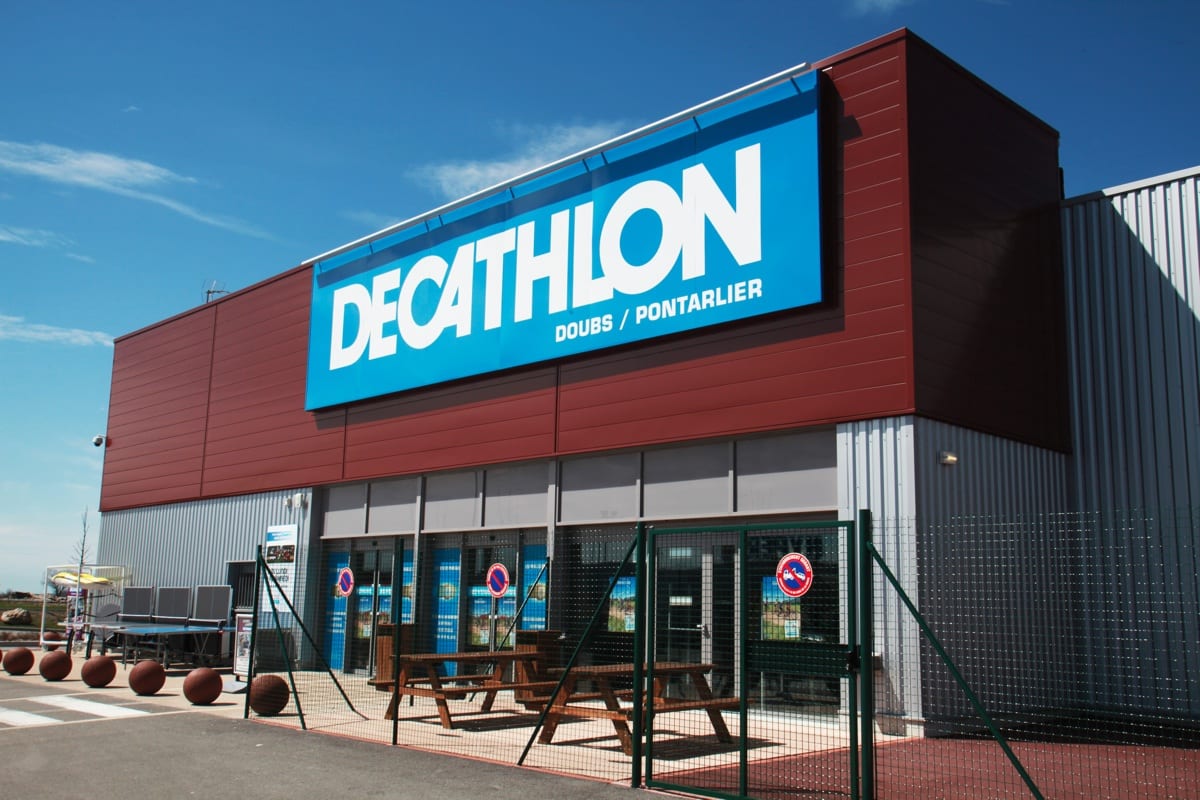
  • Decathlon in Australia fined A$1.5 million for breaking consumer law

    Decathlon in Australia fined A$1.5 million for breaking consumer law

    French sporting goods business Decathlon has been fined $1.5 million for selling products that failed to meet Australia’s mandatory safety standards – an act in breach of consumer law.

    The Federal Court handed down the ruling, according to the Australian Competition and Consumer Commission, after the business sold more than 400 unsafe basketball rings and backboards, and over 300 portable pools, which failed to include relevant safety labelling, or installation and use instructions.

    “Mandatory safety standards exist to reduce the risk of death and serious injury to consumers, especially children, when using these types of products,” ACCC Deputy Chair Delia Rickard said.

    “By not including these important warnings, Decathlon put consumers at risk of serious harm when they were using the Decathlon swimming pools, basketball rings and backboards.”

    The basketball rings and backboards were made to appear safe to attach to brick walls, which is untrue: if a customer utilised the product in this way they risked fatal injury if the wall failed to hold the weight.

    Similarly, the portable pools failed to warn parents that children had drowned in pools of similar size (over 30 centimeters deep), and that adequate supervision and pool fencing laws applied to the product.

    “It is illegal to sell products in Australia that do not comply with mandatory safety standards, and consumers have a right to expect that products they purchase will not endanger their safety, or the safety of their family and others,” Rickard said.

    Decathlon admitted that it had contravened consumer law, and consented to issue a corrective notice to customers and implement an Australia Consumer Law compliance program to ensure it complies moving forward.

  • Nokia trials AI technology in Melbourne to keep streets clean and safe

    Nokia trials AI technology in Melbourne to keep streets clean and safe

    Nokia the City of Melbourne have conducted a trial using Nokia Scene Analytics artificial intelligence (AI) technology to develop a deeper understanding of waste disposal behaviour. This will allow the city to tackle the issue of waste dumping more efficiently keep laneways – the busy and narrow city streets and pedestrian areas – even more clean, safe and free of garbage.

    To decrease the frequency of waste contractor visits to busy areas, the City of Melbourne has offered local residents and businesses subscription-based access to the large-capacity compactor facilities. With the compactor in place, Council then wanted to understand how the service was being utilised and how to mitigate illegal waste dumping, which can quickly create safety and hygiene issues in the area.

    Under its ‘emerging technology testbed’ initiative, the City of Melbourne worked with Nokia to leverage an existing network of installed cameras as internet of things (IoT) sensors to monitor one of the compactors. The Nokia Scene Analytics solution employed an AI-powered algorithm to filter and collate data from the cameras, while also combining other data sources, such as operational data on the compactor itself, to create real-time alerts and produce reports. Initial trial results demonstrate that Scene Analytics can support the City’s objectives for better, safer citizen experiences while simultaneously lowering maintenance and down time costs for waste management services.

    This innovative use of Scene Analytics has been recognized on a national stage as the partnership between Nokia and the City of Melbourne was shortlisted for the Communications Alliance’s ACOMMS awards in the Artificial Intelligence category.

    Lord Mayor Sally Capp, City of Melbourne, said:“This is a great example of using new technology to help remove illegal waste more quickly, make our city cleaner and protect the environment. Our partnership with Nokia is another way we are gathering data to make Melbourne a safer, smarter and more sustainable city. This innovative project will help to avoid hazards and make our streets even cleaner by allowing our waste services to better understand behavior trends related to the illegal and dangerous dumping of waste.”

    Rob Mccabe, Head of Enterprise of Australia and New Zealand,Nokia,said: “The City of Melbourne is using robust AI technology to offer its citizens, visitors and businesses a greener and more liveable community. In helping the City of Melbourne monitor and enhance services with real-time driven actions, Nokia Scene Analytics is supporting the safety, security and operational continuity of this city in a proactive and automated way.”

  • Square to buy Afterpay for $39 billion as buy now, pay later booms

    Square to buy Afterpay for $39 billion as buy now, pay later booms

    Square Inc, the payments firm of Twitter co-founder Jack Dorsey, will purchase buy now, pay later (BNPL) pioneer Afterpay for US$29 billion (S$39.3 billion), creating a global transactions giant in the biggest buyout of an Australian firm.

    The takeover underscores the popularity of a business model that has upended consumer credit by charging merchants a fee to offer small point-of-sale loans which their shoppers repay in interest-free installments, bypassing credit checks.

    It also locks in a remarkable share-price run for Afterpay, whose stock traded below A$10 in early 2020 and has since soared as the Covid-19 pandemic – and stimulus payments to a workforce stuck at home – saw a rapid shift to shopping online.

    The all-stock buyout would value the shares at A$126.21, the companies said in a joint statement on Monday (Aug 2).

    That means a payday of A$2.46 billion (S$2.44 billion) each for Afterpay’s founders, Anthony Eisen and Nick Molnar. China’s Tencent Holdings, which paid A$300 million for 5 percent of Afterpay in 2020, would walk away with A$1.7 billion.

    “We built our business to make the financial system more fair, accessible, and inclusive, and Afterpay has built a trusted brand aligned with those principles,” said Mr Dorsey in the statement.

    “Together we can better connect our … ecosystems to deliver even more compelling products and services for merchants and consumers, putting the power back in their hands.”

    The Afterpay founders said the deal marked “an important recognition of the Australian technology sector as homegrown innovation continues to be shared more broadly throughout the world”.

    Afterpay shares jumped slightly higher than Square’s indicative purchase price in early trading before settling just below it at A$119.36 by late morning, up 23.5 per cent and helping push the broader market up 1.2 percent.

    The deal, which eclipses the previous record for a completed Australian buyout – the US$16 billion sale of Westfield’s global shopping mall empire to Unibail-Rodamco in 2018 – also pushed up shares of rival BNPL players.

    Afterpay competes with unlisted Sweden-based Klarna, Australia-listed Zip Co and new offerings from US veteran online payments provider PayPal Holdings.

    “Few other suitors are as well-suited as Square,” said Wilsons Advisory and Stockbroking analysts in a research note.

    “With Klarna rumoured to be building a strategic stake in Z1P, and PayPal already achieving early success in their native BNPL, other than major US tech-titans lobbying an 11-th hour bid, we expect a competing proposal from a new party to be low-risk.”

    Credit Suisse analysts said the tie-up seemed to be an “obvious fit” with “strategic merit” based on cross-selling payment products, and that a competing bid seemed unlikely.

    The Australian Competition and Consumer Commission, which would need to approve the transaction, said it had only just been notified of the plan and “we will consider it carefully once we see the details”.

    Created in 2014, Afterpay has been the bellwether of the niche no-credit-checks online payments sector that burst into the mainstream last year as more people, especially youngsters, chose to pay in instalments for everyday items during the pandemic.

    BNPL firms lend shoppers instant funds, typically up to a few thousand dollars, which can be paid off interest-free.
    As they generally make money from merchant commission and late fees – and not interest payments – they sidestep the legal definition of credit and therefore credit laws.

    That means BNPL providers are not required to run background checks on new accounts, unlike credit card companies, and normally request just an applicant’s name, address and birth date. Critics say that makes the system an easier fraud target.

    The loose regulation, burgeoning popularity and quick uptake among users has led to rapid growth in the sector, and has reportedly even driven Apple Inc to launch a service.

    For Afterpay, the deal with Square delivers a large customer base in its main target market, the United States, where its fiscal 2021 sales nearly tripled to AUS$11.1 billion in constant currency terms.

    The deal “looks close to a done deal, in the absence of a superior proposal,” said Ord Minnett analyst Phillip Chippindale, adding that it “brings significant scale advantages, including to Square’s Seller and Cash app products.”

    Talks between the two companies began more than a year ago and Square was confident there was no rival offer, said a person with direct knowledge of the deal.

    Afterpay shareholders will get 0.375 of Square class A stock for every Afterpay share they own, implying a price of about AUS$126.21 per share based on Square’s Friday close, the companies said.

    Square said it will undertake a secondary listing on the Australian Securities Exchange to allow Afterpay shareholders to trade in shares via CHESS depositary interests (CDIs).

  • First Victorian Ampol Woolworths Metro store opens in Melbourne

    First Victorian Ampol Woolworths Metro store opens in Melbourne

    The opening of Victoria’s first Ampol Woolworths Metro store in Sandringham has set a new benchmark for retail shopping in Melbourne.

    Owned and operated by Ampol, the new store brings together Ampol’s great service and world-class quality fuels with an inspiring range of quality fresh food and top-up essentials from Woolworths, to help on-the-go customers in Melbourne make the most out of every journey.

    The new Ampol Woolworths Metro Sandringham store will offer more than 1,400 grocery items, including more than 200 Woolworths Own brand products.

    With a focus on freshness and convenience, Ampol Woolworths Metro stores feature a curated product range perfect for customers looking to top-up on their groceries, along with fresh, quality food they can eat now, on the go, or grab for later. This offer is supported by Ampol’s quick-service restaurant partner, Boost. Customers will also benefit from the ability to earn points through Woolworth’s Everyday Rewards.

    Bringing the latest in convenience technology to Melbourne consumers, the shop features self-serve checkouts and access to the Ampol App, where consumers can pay from the convenience of their phone and access special offers. Consumers are also provided the ability to access the store’s broad range of products through Uber Eats.

    Ampol’s Executive General Manager, Retail, Brand and Culture, Jo Taylor said: “We know Australians are increasingly looking to shop local, in a safe and convenient way. Together with Woolworths, we’re making it easier for customers to pick up quality fresh food and grocery essentials in one place, along with our great quality coffee and premium fuels.

    “Our award-winning Ampol Woolworths Metro format has set a new standard of service, product quality and range, and we are thrilled to bring this outstanding offer to Melbourne.

    “We look forward to rolling out more sites across Victoria in the months ahead.”

    Woolworths General Manager – Metro Partnerships, Michelle White said: “At Woolworths, we’re always looking for new ways to make it easier to shop for your everyday needs.

    “Our Melbourne customers lead busy lives and are increasingly looking for convenient local food stores with the fresh and healthy foods they want.

    “This partnership brings the best of both brands together and delivers a whole new level of convenience for the benefit of our mutual customers.”

    The first Ampol Woolworths Metro store was launched in North Ryde, Sydney in 2019. Today, the retail format has presence in 13 locations strategically positioned around major arterials in key suburban areas of Sydney.

    Thirteen more sites are expected to open before Christmas, including three new stores in Melbourne in Mount Waverley, Elsternwick, and Kew.

  • CUB, Asahi alcohol division CEO to retire

    CUB, Asahi alcohol division CEO to retire

    Asahi Beverages is announcing that Peter Filipovic will be retiring as CEO of Carlton & United Breweries (CUB), our Australian alcohol business division.

    Mr Filipovic will shortly achieve 25 years of service with the business, and following the successful integration of CUB in June 2020, Asahi Beverages and Mr Filipovic decided that now was the right time for the announcement of his intention to retire from the business.

    Mr Robert Iervasi, Group CEO of Asahi Beverages, commented: “Peter has played an important role in the smooth integration of CUB and the continued growth of our business. He has given great service to CUB and Asahi Beverages.

    “Asahi Beverages plans to announce the new CEO of the CUB business division in Q3 2021.

    That person will also join our Asahi Beverages Executive Leadership Team. They will play an important role in helping deliver on our multi-beverage strategy and leading our very
    experienced CUB Leadership Team.”

    Mr Filipovic, CEO of CUB, commented: “It’s been a privilege to have served as CEO of CUB and a member of the Asahi Beverages Executive Leadership Team. It’s a phenomenal business, with exceptional people and an unrivalled portfolio. I’m leaving the business knowing that it’s in great hands and well set-up for long-term success.”

    Peter will step down as CUB CEO once a new CEO for the business has been appointed.

    Mr Roland van Bommel, Chairman of Asahi Holdings Australia, is also pleased to announce that Natalie Toohey has been appointed to join the Board of Asahi Holdings Australia.

    Natalie is a seasoned corporate affairs specialist with senior leadership and advisory experience across a range of sectors including FMCG, particularly alcohol and beverages.

    She will advise on supporting the implementation of business strategy through communication, reputation management, sustainability and government & industry strategy.

  • Coles revamps health foods aisle, boosting sports and diet range

    Coles revamps health foods aisle, boosting sports and diet range

    Coles has transformed its health foods section, moving products traditionally found in the category, such as fodmap-friendly soups, gluten-free cereals, oils and nut spreads to their respective mainstream aisles.

    The revamp has provided space for more than 150 sports-performance and health products from brands like Amazonia Raw, Muscle Nation, and Botanika Blends, which join Coles’ shelves for the first time.

    These products include protein bars and custards from Muscle Nation, 20 new protein products and pure creatine from Body Science (BSC), Macro Mike’s powdered peanut butter and brownies mix, Dose & Co Marine Collagen and 180 Nutrition protein powder and bars. New health ingredients include Superfood Protein Ball Mixes from Mount Elephant and Melrose Superfood Powders and MCT Oils.

    According to Coles, the expansion of the health aisle comes as “Sports & Diet” was identified as the fastest-growing segment of the supermarket’s health food aisle between 2014 to 2019. Earlier this month, Coles revealed it had moved cereal products from the health-foods aisle into the breakfasts area.

    “Our transformed health foods aisle is a giant leap towards delivering Coles’ purpose to sustainably feed all Australians to help them lead happier and healthier lives,” said Leanne White, GM, Coles.

    “We’re seeing more and more customers look for healthier options or specific dietary requirements in the main grocery aisles – they no longer expect to go down one dedicated aisle to find these options.”

  • Leading milk tea brands plot Australian expansion

    Leading milk tea brands plot Australian expansion

    Major milk tea brands Gotcha and Chatime have disclosed Australian expansion plans and their focus during the next few years.

    The assistant MD of Gotcha, Christy Chen said that the brand is set to open 20 new stores by the end of the year.

    “Gotcha will continue to focus on the interior of our stores to deliver an elevated level of design,” Chen said.

    Launching in 2018, the brand now operates more than 20 stores across the country. Gotcha aims to expand to Saudi Arabia, New Zealand and Singapore this year, and is expanding its store network in Indonesia.

    “We are very confident the bubble-tea market will continue to grow, especially as we expand into international regions.”

    Meanwhile, rival Chatime, said it will add 29 more stores to its existing 126 franchises in Australia this year.

    “As of right now, we currently have over 50 percent of our target locked in,” said Andrew Benefield, chief development officer at Chatime.

    The company expects the market will consolidate to just two to three key players including itself. Chatime’s goal is to hit 250 stores across the country during the next five years. At the same time, it will shift its focus to be more environmentally friendly and reduce plastic waste.

    “Chatime is currently working on Project Happy Turtle, which aims for us to completely eradicate single-use plastic within our stores across Australia,” Benefield said. “We’ve tried this through the introduction of reusable bubble-tea cups, as well as paper straws across the network.”

  • Toys ‘R’ Us to open immersive Australian experience centre

    Toys ‘R’ Us to open immersive Australian experience centre

    Tru Kids Brands and Candytopia have worked together to create a new, innovative play experience – the Toys R Us Adventure.

    The immersive experience will celebrate the fun surrounding toys and play, and is scheduled to open mid-October at Brookfield Properties in Chicago and Edens Lenox Marketplace in Atlanta.

    The Toys R Us Adventure will feature full sensory brand and play experiences with interactive playrooms and installations featuring the Toys R Us mascot Geoffrey the Giraffe and toy suppliers including Melissa and Doug, Spin Master with the Paw Patrol brand and Schleich. Consumers will have the chance to interact and take pictures with both classic and new toys.

    “The Toys R Us brand was built upon celebrating the joys of childhood and we are thrilled to partner with the creatives behind Candytopia to introduce an exciting new way to play for guests of all ages,” said Richard Barry, CEO of Tru Kids.

    “As we focus on bringing a re-imagined Toys R Us to the US we believe this live experience, coupled with our new experiential retail stores, will attract families from around the world and create a unique opportunity to rediscover the magic of this beloved family brand.”

    The limited-run engagements will remain in Chicago and Atlanta throughout the holiday season, before moving to other major US cities in 2020.

    Tru Kids Brands also recently named toy industry veteran Jamie Uitdenhowen as president of Toy Retail Showrooms, the new joint venture that operates and manages Toys R Us stores in the US.

    In addition to the Candytopia partnerships, two new Toys R Us stores will open in Houston, Texas and Paramus, New Jersey.

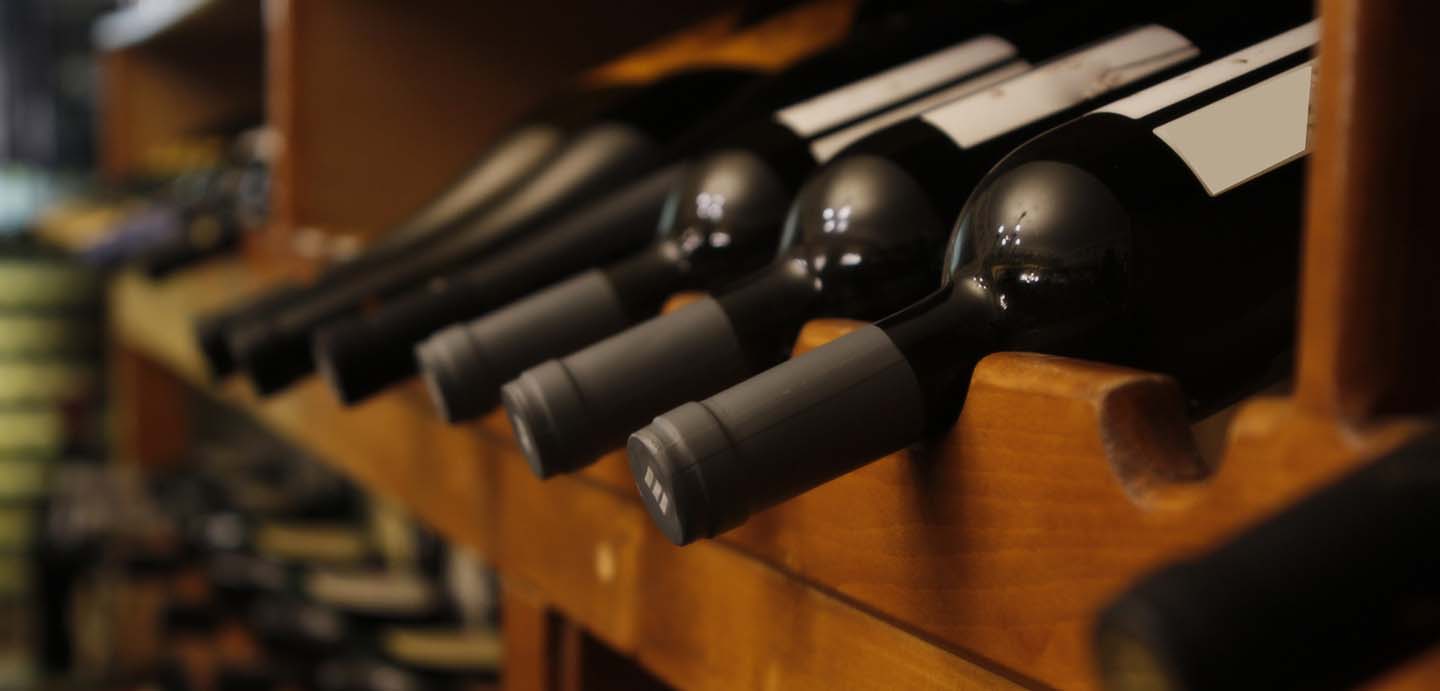
  • WineDepot expands to Melbourne, buys distributor Parton

    WineDepot expands to Melbourne, buys distributor Parton

    WineDepot Market has launched its direct-to-trade platform in Melbourne – and sealed a deal to acquire Parton Wine Distribution.

    After serving venues and retail outlets across Sydney since May, the subsidiary of ASX-listed Digital Wine Ventures has already brought on board more than 400 brands. WineDepot CEO Dean Taylor said local customers are responding positively to the proposition.

    “The evolution of the wine distribution model in Australia is long overdue. Technology has brought vast changes in the way we produce wine and sell to consumers, but in the middle, supply chains and wholesaling are still plagued by inefficiency,” he said.

    WineDepot describes itself as an integrated trading, logistics and payment solution designed to streamline wine and beverage distribution. The direct-to-wholesale marketplace allows suppliers to list their products for sale on consumer marketplaces such as Amazon, Ebay and Vivino and provides a smart logistics solution allowing suppliers to fulfill orders from various depots, to allow same- and next-day delivery to most capital cities. In addition, an online ERP system allows suppliers to manage orders, inventories and technology integrations and offers a payment management solution through which suppliers can offer customers credit terms yet get paid three days after sale.

    “The chance to move more of their wine purchasing to a single platform, with a single invoice and single credit account, has been highly attractive to venues and retailers,” said Taylor.

    “Customers are trialing the platform and finding a large range of products they already purchase, all in one place, along with a selection of new and interesting wines from some of Australia’s top producers.

    “We identified the need for a comprehensive direct-to-trade platform in the local wine market years ago, and launching in our second major city shows we’re closing in on that goal.

    WineDepot acquires Parton Wine Distribution, 

    Meanwhile, WineDepot yesterday announced it would buy specialist wine and beverage logistics provider Parton Wine Distribution.

    Taylor said Parton’s long track record in the industry, 23,000 sqm of warehousing, and 100-strong team would provide a significant boost to WineDepot’s operational capability.

    While WineDepot’s outsourcing of third-party logistics was working well, as the business continued to scale it would become necessary to further develop its own capacity to maintain service levels – especially during times of peak demand, said Taylor.

    “Having our own dedicated fleet of delivery vans and drivers will ensure we provide an exceptional experience for suppliers using WineDepot Logistics and trade buyers using WineDepot Market.

    “In addition, direct management of our own warehouses allows us to offer on-demand picking, late cut-off times and temperature-controlled, cold chain and bonded storage to our customers right up and down the supply chain.”

    Richard Raddon, who founded Parton, will join WineDepot’s senior executive team as GM of the logistics division and his son David will become national operations manager.

    Parton’s 150-strong existing customer base will be transitioned across to the WineDepot platform.

  • Kiwi coffee brand Allpress launches capsules in Australia

    Kiwi coffee brand Allpress launches capsules in Australia

    Kiwi coffee brand Allpress has created its first capsule espresso, designed, it says, to deliver an accessible solution for those seeking to enjoy the brand’s coffee at home. 

    According to the company, the capsule took years of innovation to create and uses the same specialty grade coffee used by its cafes worldwide.

    The capsules were crafted by reformulating its Allpress Espresso Blend to highlight the “caramel sweetness”, increase depth, and ground it “super-finely” for slower extraction. The grounds were then roasted at high temperatures to maximize the coffee’s solubility, recreating the same flavor of its cafe’s coffee, the brand added.

    Allpress head roaster Zach Dowse says most coffee pods aren’t able to meet customers’ expectations when it comes to flavor, so the brand worked to create one product that could.  

    “This meant going back to the basics and thinking about how the Allpress Espresso Blend could be adjusted to work best as a pod,” said Dowse. 

    “We had to think about the roast profile, the mix of origins in the capsule and finally, finding the correct grind size that allowed the right amount of water contact and gave us the most balance to our cup.” 

    Founded in 1989, Allpress says creating the capsule coffee is one of the brand’s biggest ventures yet. 

    Allpress Espresso Specialty Coffee Capsule is available from its online store, in Allpress Roastery Cafes, from cafe partners, and specialty grocery stores nationwide for RRP $12 for a 10-piece pack and $70 for a 60-piece pack.

  • NAB in Talks to Buy Citi’s Australia Consumer Unit

    NAB in Talks to Buy Citi’s Australia Consumer Unit

    The National Bank of Australia is the latest to join the hunt for Citi’s retail assets after it announced plans for a major consumer downsizing earlier this year.

    NAB is in talks to potentially but Citi’s consumer business in Australia, according to an exchange filing.

    Discussions are ongoing and no deal has been concluded.

    Numerous banks are eyeing opportunities to purchase consumer businesses from Citi’s 13-market exit.

    In Australia, NAB joins the likes of ANZ, ING Bank, Macquarie, Bank of Queensland and local insurer Suncorp. which have also reportedly expressed interest.

  • Naked Wines revenue grows 42 per cent as online booms

    Naked Wines revenue grows 42 per cent as online booms

    Online wine marketplace Naked Wines has seen success in Australia during the last year, as more and more Aussies spending online drove the business’ local sales up 42 percent to $84.2 million.

    Alicia Kennedy, managing director of Naked Wines Australia, said the results grew on an already landmark result the year prior.

    “As we continue to grow our market here in Australia, we also continue to grow and push our mission; to disrupt the wine industry through a strong direct-to-consumer model which is for the benefit of all wine drinkers and winemakers,” Kennedy said.

    “In the past year we’ve experienced first-hand the wave of customers flocking online to buy wine during the Covid-19 crisis.

    “But more importantly we have seen these purchasing behaviours endure post lockdown… we can see [our] strategy producing impressive customer retention figures.”

    According to Naked Wines, customer behaviour has shown a direct move toward supporting local wineries, and a greater understanding of how ‘big bottle’ retail conditions and major market forces impact smaller independent winemakers.

    Looking forward, the business is focusing on growing their customer base with a $10.1 million investment in customer acquisition.

    “Overall, our results show, the challenging environment has our businesses set up for the future, we have a bigger and better business than before, with customer growth and sales of the best independent Australian wine surging” said Kennedy.

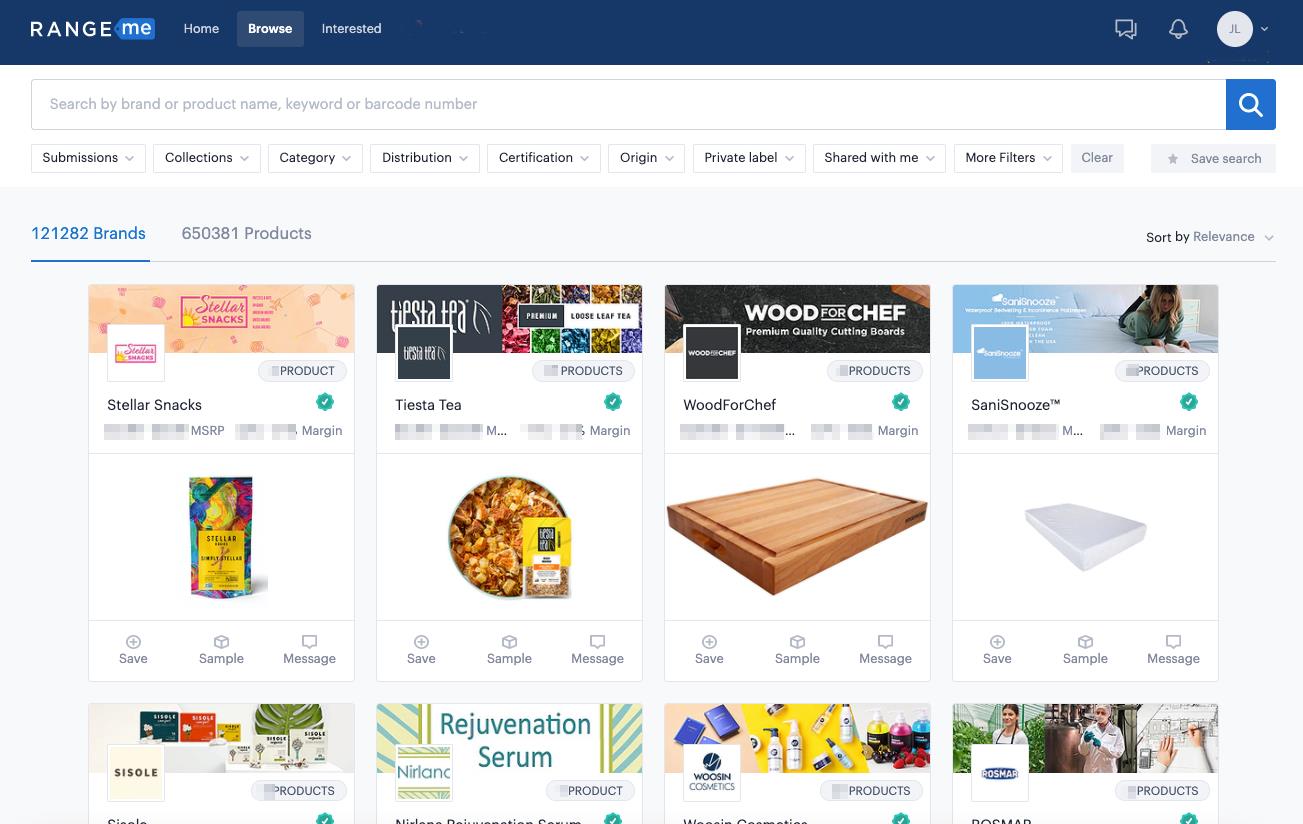
  • RangeMe opens 200,000 suppliers to Australasian retailers

    RangeMe opens 200,000 suppliers to Australasian retailers

    Product discovery and sourcing platform RangeMe has fully launched its global service to retailers in Australia, New Zealand, and the wider APAC region, allowing businesses to access 200,000 international suppliers.

    A number of businesses are already using the service, such as Blooms the Chemist, Good Price Pharmacy Warehouse, Pet Circle and Pet Culture, and are now able to source new products at a time demand for a wider range of products is growing.

    “This will be a transformative experience for these retailers’ buyers,” said RangeMe chief executive Nicky Jackson.

    “Our mission has always been to empower retailers and suppliers to be productive and successful. The world has become a smaller place, but it remains distant for forging strong cross-border buyer and seller relationships

    “We built RangeMe to connect buyers and suppliers anywhere in the world.”

    RangeMe allows businesses to search and filter for products they want to sell, creating a more specific and intentional supplier relationship. The business is also open for Australian suppliers, which can sign up to be a part of the service and potentially gain new buyers from over 12,000 overseas clients – including Walmart, Sephora, Walgreens and Albertsons.

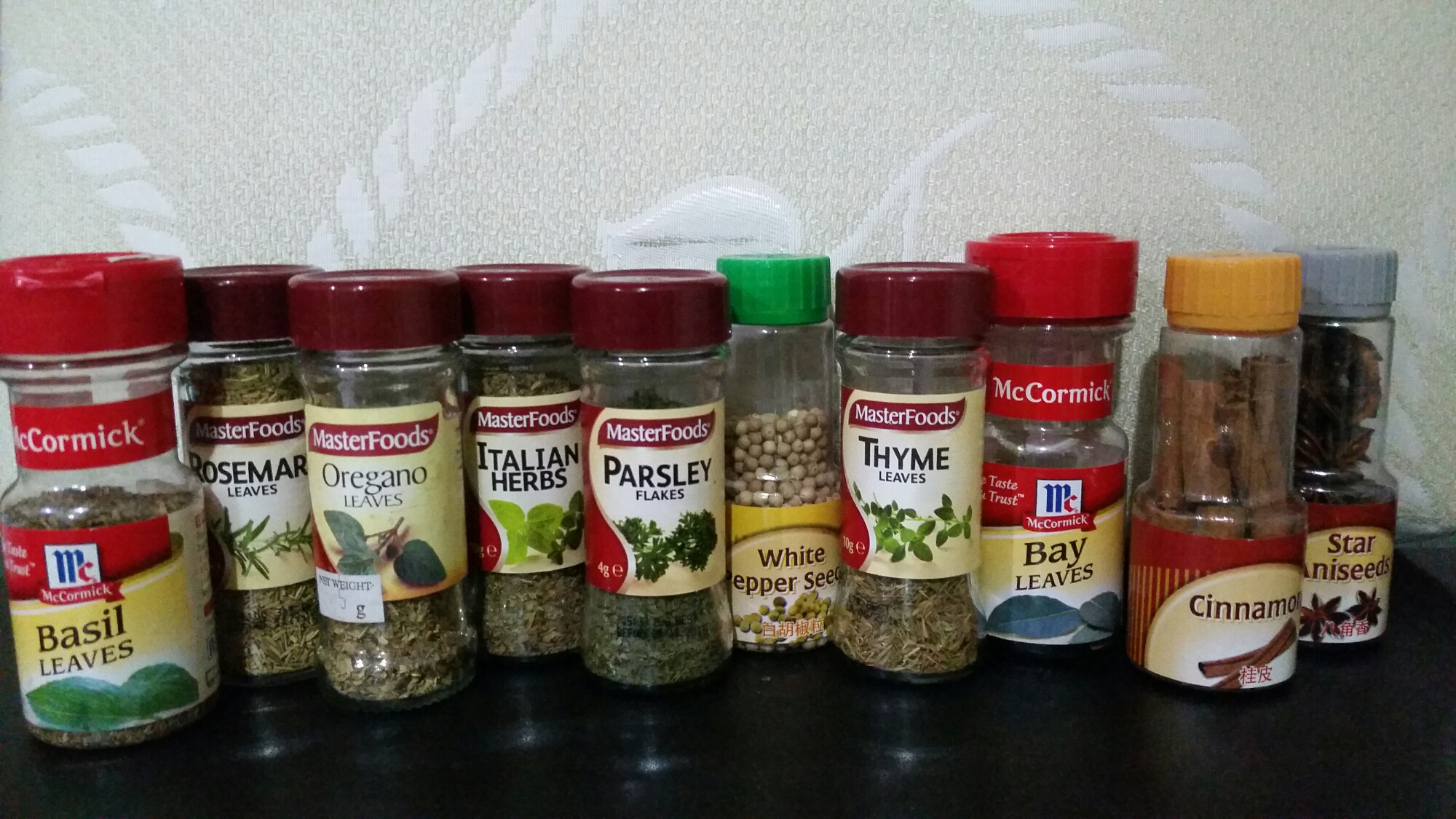
  • Masterfoods revamps home herbs and spice range

    Masterfoods revamps home herbs and spice range

    Masterfoods has rolled out new packaging for its range of herbs and spices, aiming to make the shakers more user-friendly and with more differentiation between items. The herbs and spices will now come in color-coded lids, with improved labeling, and “easier-to-use” shakers.

    Old screw-top caps will be replaced with flip-top lids so that people with impaired hand movements can use them with ease. The new lids will also make it easier for cooks to add the seasoning blends directly from the jar, said Masterfoods.

    The change comes after research by Mars Food Australia, the manufacturer of Masterfoods, found people disliked “having to pick up every jar and read every label” to find the spice or herb they needed.

    The new color-coded lids and easy-to-find labels would ensure herbs and spices do not get “lost in the shadows of the pantry”, another issue highlighted in the study.

    Along with the product’s name on the lid, the following colors will be used for easier recall – green lids for herbs, orange for spices, and burgundy for seasoning blends.

    “The new-look packaging will have the same quality herbs and spices MasterFoods is known for but will help shoppers easily find the product they’re looking for”, said Jane Horder, consumer insight and foresight leader at Mars Food.

    The launch is supported by a new ad campaign created by Clemenger BBDO Sydney, which will appear across media platforms.