Retail News CRM

Tag: auto news

  • Vietnam auto sales decline drags it down to 5th place in Southeast Asia

    Vietnam auto sales decline drags it down to 5th place in Southeast Asia

    A slump in auto sales last quarter pushed Vietnam from fourth to fifth place in Southeast Asia.

    Vietnam has for years been the fourth largest auto market in the region after Indonesia, Thailand and Malaysia, but suffered a 25% drop in sales in the first three months this year.

    Only 86,817 units were sold, according to data from the Vietnam Automobile Manufacturers Association, VinFast and Hyundai Thanh Cong.

    Due to the global recession, inflation and gloomy real estate and securities markets, people are more hesitant to buy big-ticket items like cars, and promotions and discounts by manufacturers and dealers have failed to persuade them.

    Vietnam and Myanmar saw the biggest declines in Q1, according to the ASEAN Automotive Federation. Myanmar suffered a steep drop of 84.8% year-on-year from 3,411 vehicles in Q1 2022 to 519 this year.

    The Thai market also declined by a more modest 6.1%, with sales being 210,000 units.

    According to automotive magazine Just Auto, the Thai automobile industry has seen slow growth since April last year because of rising bank interest rates and other factors such as floods and component shortages.

    But Indonesia and Malaysia have witnessed steady growth.

    In Indonesia, quarterly sales grew at 7% to 280,000 units, which kept it the top market in the region.

    Malaysia remained in third place with 190,000 units, a 20.4% increase.

    The Philippines took over fourth place with a 30.1% increase to 97,000 cars.

    The Singapore market also declined, with sales falling by 4.3% to 10,000.

    Thailand and Indonesia exchange places in auto production, while Malaysia remains in third place.

  • Mercedes distributor sees plummeting profit

    Mercedes distributor sees plummeting profit

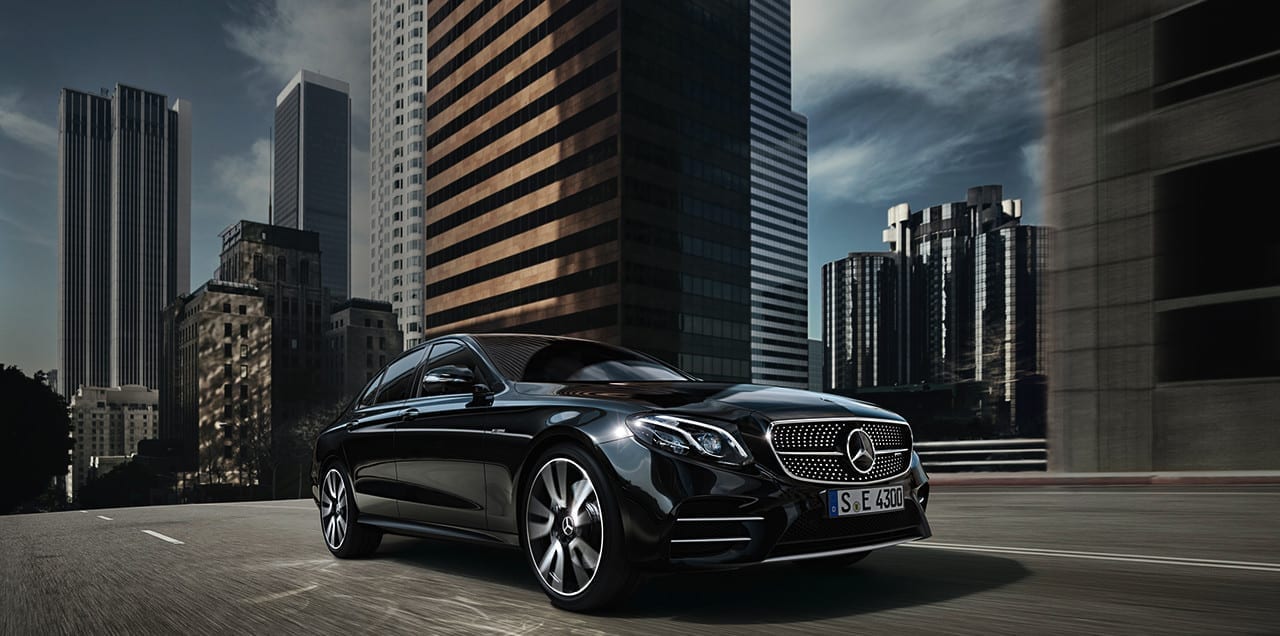
    Mercedes distributor Haxaco reported a 92% year-on-year fall in pre-tax profits in the first quarter to VND5.6 billion ($238,750).

    Amid an industry-wide decline in sales, Haxaco’s revenues plummeted by 40% to VND992 billion.

    High-interest rates and the difficult economic situation caused sales of the luxury brand to drop, the company said in a statement.

    Its chairman, Do Tien Dung, said last week that in some months during the first quarter only a few cars were sold, and most of the income came from services.

    The company expects the difficult situation to persist until the end of the year.

    Yet it targets profits of VND310 billion for the year, the same as the record sum achieved last year, with Dung saying he does not want his employees to give up because the market situation is difficult.

  • BMW Introduces Digital Key Plus For Android Smartphones

    BMW Introduces Digital Key Plus For Android Smartphones

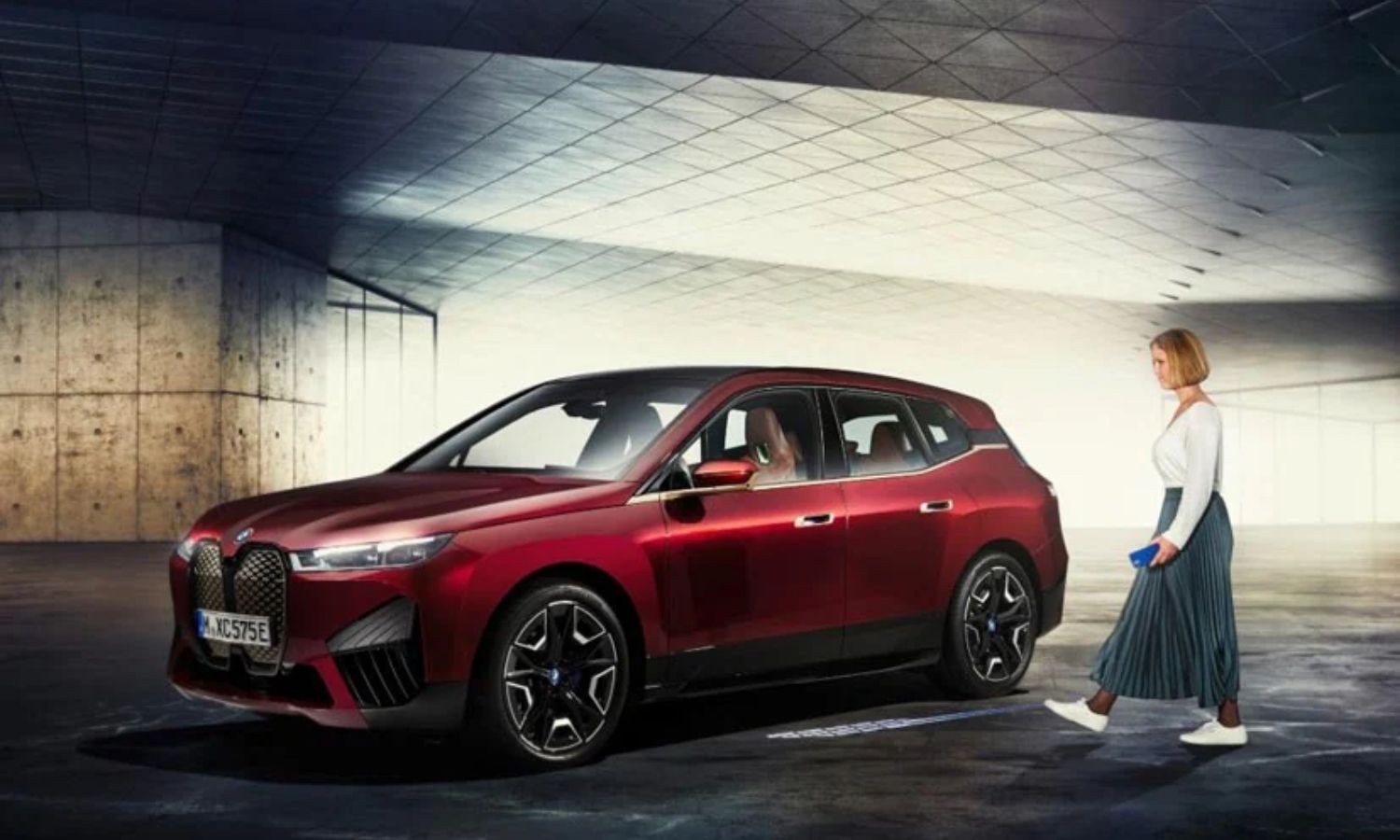
    BMW introduced the smartphone as a digital vehicle key in 2018 and since then the company has been pressing ahead with the development and popularisation of its BMW Digital Key feature. The feature was made available to iPhone users in January 2021, and BMW has now added the same feature to Samsung & Google Android phones as well. The BMW Digital Key Plus is a convenient and secure way to unlock and start your car without taking your smartphone out of your bag or pocket, similar to a physical key that supports keyless entry & start.

    The new, additional features enabled by the BMW Digital Key Plus are based on Ultra-Wideband technology. This short-range, high-bandwidth digital radio technology is characterised by an exceptionally precise localization with the greatest possible security. UWB’s precision also ensures that relay attacks, where the radio signal is jammed or intercepted, are not possible.

    With the Car Connectivity Consortium (CCC), BMW has been working closely with Google as well as Apple to develop the corresponding specification with partners and established it as a global standard for the automotive industry. This has also enabled secure, cross-platform sharing of Digital Key between iPhone and compatible Android devices via email, SMS or any other messaging service. Until now, the feature was restricted to only iPhone & Apple watch users, but it will now be added to Select Samsung & Google devices – running Android 13.1 or later – which include Samsung Galaxy S23+, S23 Ultra, S22+, S22 Ultra, S21+, S21 Ultra, Z Fold4, Z Fold3, Note20 Ultra, and Google Pixel 7 Pro & Pixel 6 Pro.

  • Mercedes soars above competitors in Vietnam

    Mercedes soars above competitors in Vietnam

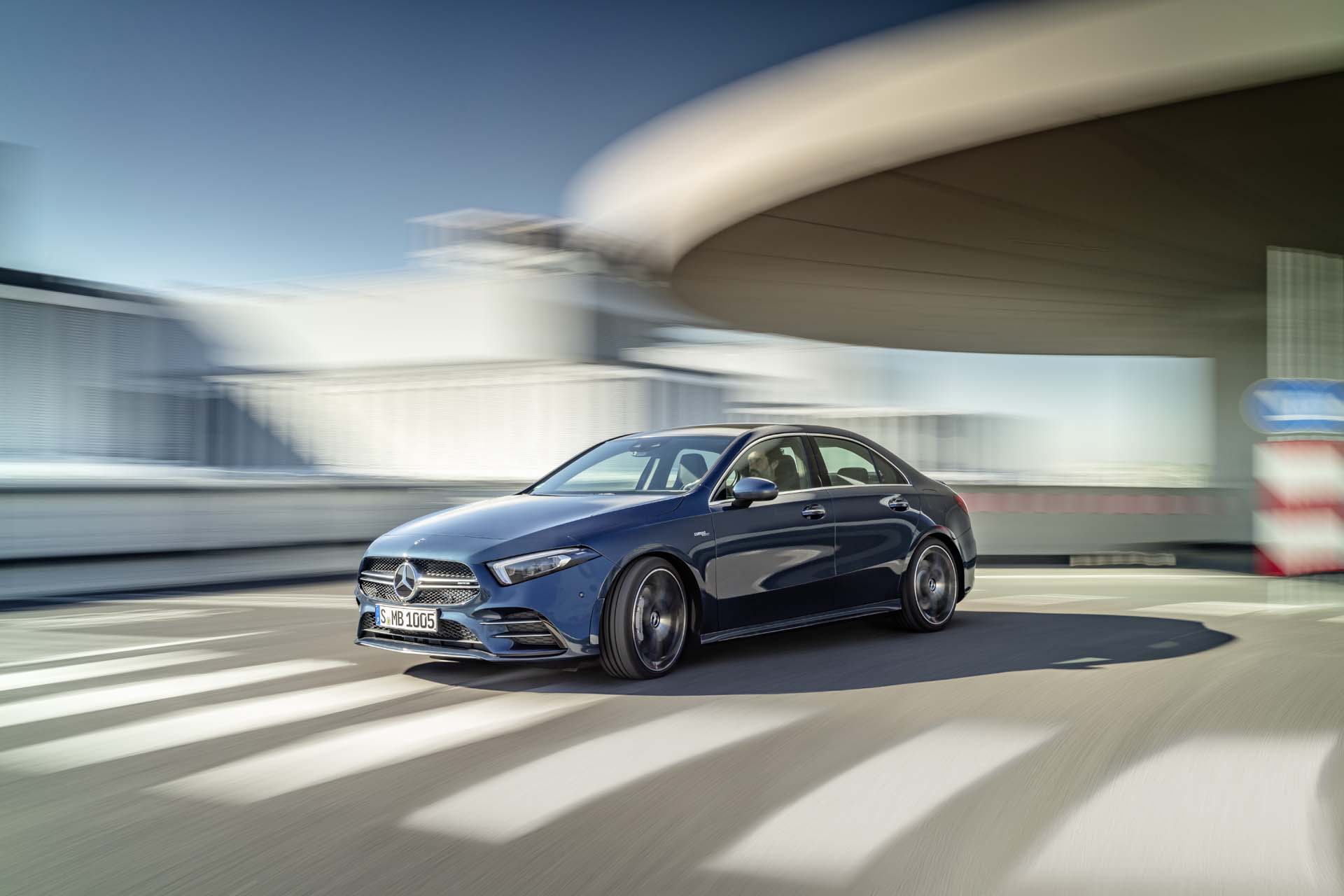
    Mercedes has dominated Vietnam’s luxury car market for the last four years as Lexus, Volvo and other trailing brands tussle behind.

    Auto registration data showed that between 2019 and 2022, Mercedes secured and average of around 60% of Vietnam’s total luxury car market share.

    The German brand sold 7,925 cars in the Southeast Asian nation last year, up 35% from 2021.

    The figure was five times that of the second-place brand, Lexus.

    In the last four years Mercedes sold on average nearly 6,400 cars in the Vietnam, higher than the combined figure of its six next major competitors.

    Before 2022, Mercedes was the only auto brand with an assembling factory in Vietnam. This gave it a price advantage over its competitors, who bear the burden of heavy import taxes.

    Mercedes also has a diverse array of models available in Vietnam, up to 20 at any given time, giving customers a wider variety of purchase options than their competitors.

    Mercedes GLC SUV has been the brand’s best-selling model in Vietnam over the last four years, accounting for around half of its total sales.

    Lexus trails far behind Mercedes as Vietnam’s number-two most popular foreign car, but number-three competitor Volvo from Sweden is hot the Japanese manufacturer’s tails.

    Lexus sold 1,568 units last year, only marginally higher than Volvo with 1,508 units.

    No brand saw Vietnamese sales grow as fast as Volvo in the 2019-2022 period.The Scandinavian brand has seen sales surge 200% in the last four years, pushing Germanic BWM into fourth place in 2022.

    In recent years Volvo has begun to sell more cars made in Malaysia than in Sweden, making its prices more affordable in Vietnam, even though the brand was the last luxury automaker to enter Vietnam in 2016.

    Porsche was Vietnam’s fifth most popular luxury car brand last year with 759 units, nearly double the number it achieved in 2021.

    A Porsche manager said that many of its customers are young and successful businesspeople who want to “reward” themselves with a Porsche car even though they possess only a limited knowledge of luxury automobiles.

    Audi was in sixth place in Vietnam last year with 394 cars sold. Its dealership network in Vietnam remains modest compared to its competitors.

  • Toyota dominates compact CUV segment in Q1

    Toyota dominates compact CUV segment in Q1

    Toyota’s Raize and Corolla Cross now account for 40% of the compact CUV segment, with the rest divided between Kia, Mazda, Honda, and Hyundai.

    In the last two years the competition in the urban compact CUV segment has been hot, persuading car companies to bring in new products.

    The race in this segment is mainly between Toyota, Hyundai and Kia.

    The compact CUVs have significantly contributed to Toyota’s top position in terms of revenues.

    So far this year Toyota has sold a combined 5,100 Corolla Cross and Raize cars. Both models are imported. The former in particular is a global product with all kinds of bells and whistles and new technologies.

    Like the Mitsubishi Xpander in 2019, the Corolla Cross has become a phenomenon in the Vietnamese car market, zooming to the top of its segment within just half a year after entering the market in May 2020, and remaining there.

    Kia has two models in this segment, Sonet and Seltos. The Sonet has sold 2,006 units this year, representing 22% year-on-year growth, while the Seltos sold 1,481, down 63%. Together they hold a 27% market share.

    The Seltos’ decline was mainly because of the Creta, of which Hyundai sold 2,647 in Q1.

    Kia and Hyundai are sister companies, with the latter owning a one-third stake in Kia.

    Mazda CX-3, Honda HR-V, Nissan Kicks, Volkswagen T-Cross, MG ZS, and Peugeot 2008 account for the rest of the segment. While the first two sold fewer than 1,000 cars in Q1, the rest did not publish sales figures.

  • Hyundai automobile sales in Vietnam increased by 5.5% in March

    Hyundai automobile sales in Vietnam increased by 5.5% in March

    Thanh Cong Group (TC Group) on April 11 announced its sales results for March with over 5,770 Hyundai automobiles sold in Vietnam last month, up 5.5% over February.

    Hyundai Accent continues to be the best-seller model in March with 1,355 units delivered to customers, followed by Hyundai Creta with 1,035 units – equal to the level a month earlier, and Hyundai Grand i10 with 664 units.

    Over 640 Hyundai Stargazer were sold last month, 2.5 times higher than February’s. The TC Group recorded sales of 514 Hyundai Santa Fe units, equivalent to the previous month Hyundai Tucson of 307, up 54.2% compared to February.

    Hyundai commercial models achieved sales of 1,016 vehicles in March, an increase of 42.1% compared to February 2023.

    In the first quarter of 2023, Hyundai-branded models achieved sales of 14,736 units, down 21.1% compared to the same period last year.

    TC Group expects higher sales in the second quarter of this year, explaining that the demand will increase thanks to the peak tourism season with greater travel demand.

  • VinFast rolls out long-awaited electric SUVs, eyes overseas deliveries

    VinFast rolls out long-awaited electric SUVs, eyes overseas deliveries

    Vietnamese carmaker VinFast said on Thursday it will begin delivering its new electric sport utility vehicles (SUVs) to local customers this week and targets overseas deliveries in the coming months.

    VinFast, which began operations in 2019, is gearing up to expand in the United States, where it hopes to compete with legacy automakers with its two electric SUV models.

    “After Vietnam, VinFast expects to export the first batch of VF9 to international markets in the coming months,” VinFast said in a statement, without providing a specific timeline for deliveries of the new model.

    The VF9 model was initially scheduled to debut at the beginning of this year.

    The company currently sells the VF8 model of SUV. It started shipping those last year and delivering them to customers this month. The company has said it would ship the second batch to the U.S. in the second quarter of 2023.

    VinFast, backed by Vietnam’s biggest of conglomerate Vingroup JSC, is the country’s sole EV maker.

    As of December last year, VinFast said it secured 55,000 orders globally, of which 12,000 were from the U.S. market.

  • Tesla Recalls 3,470 Model Y Vehicles Over Loose Bolts

    Tesla Recalls 3,470 Model Y Vehicles Over Loose Bolts

    Tesla said it recalls 3,470 2022 through 2023 Model Y vehicles in the United States because bolts securing the second-row seatback frames may not have been securely tightened, according to a public filing.

    The National Highway Traffic Safety Administration (NHTSA) said a loose seat frame bolt may reduce seat belt system performance, increasing injury risks during a crash.

    Tesla told NHTSA it has identified five warranty claims since December that may be related to these conditions. Tesla said it was not aware of any injuries or deaths that may be related to the recall issue.

    Tesla will inspect bolts securing second-row driver-side and passenger-side seat back frames to the lower seat frames and if needed tighten them to specifications.

    In December, the automaker said that a Tesla supplier implemented improved process controls along with improved training and supervision to ensure bolts are torqued to specifications.

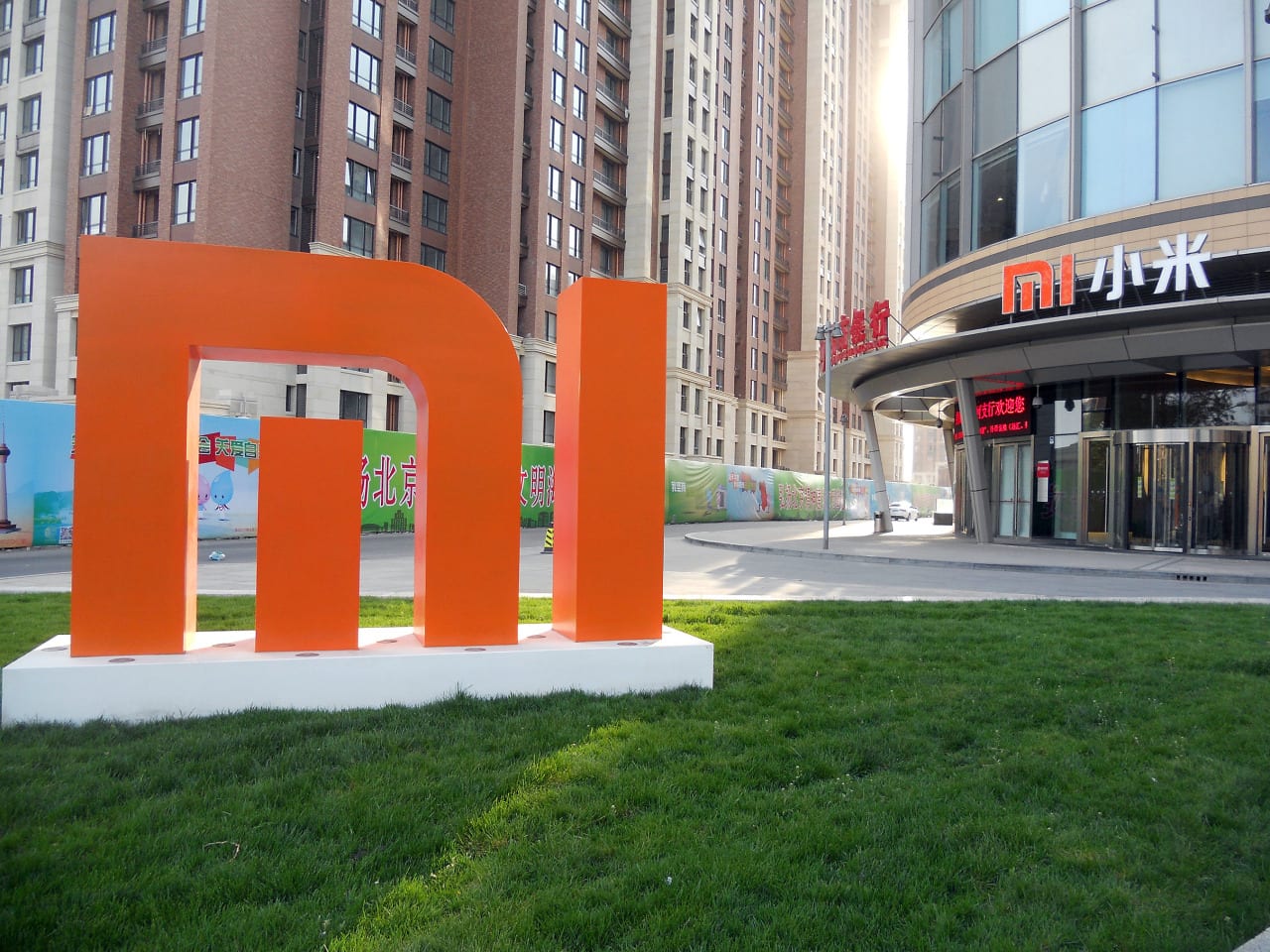
  • Xiaomi Demands Payout From Supplier After Car Designs Leaked

    Xiaomi Demands Payout From Supplier After Car Designs Leaked

    China’s Xiaomi said on Thursday it had imposed a 1 million yuan ($149,000) penalty on a supplier after it leaked early design drafts of an upcoming car model.

    On its official Weibo page, a spokesperson wrote Xiaomi had “dealt seriously” with a Beijing-based molding technology company which on Jan. 22 publicly revealed images of an upcoming car’s front and rear bumpers, violating a confidentiality agreement.

    Xiaomi did not disclose the name of the company and we could not identify it.

    As punishment, the smartphone-turned-car maker said it would impose “economic compensation” of 1 million yuan ($148,763) on the supplier.

    The spokesperson added it had instructed the supplier to strengthen its information security management, and develop plans to upgrade its confidentiality measures.

    Xiaomi CEO Lei Jun also circulated the note on his personal Weibo page.

    Over the Chinese New Year, images purportedly showing mock ups of the front and rear of Xiaomi’s upcoming electric vehicle (EV) spread on social media, as well as a full view of what appeared to be a white compact sedan, with a license plate that read “MS11”.

    The leaks would mark the first confirmed images of Xiaomi’s long-awaited automobile.

    However, News portal Sina Tech reported on Thursday that Wang Hua, general manager of Xiaomi’s public relations department, said the leaked designs were part of a bidding process and were not final renderings.

    In March 2021 Xiaomi, a hardware company best known for its smartphones, said it would enter the automotive sector, aiming to invest $10 billion in the project over ten years.

    Since then, the company has committed to opening a plant in Beijing that could produce 300,000 vehicles per year.

    The company has said it hopes to reach mass production of its cars in the first half of 2024.

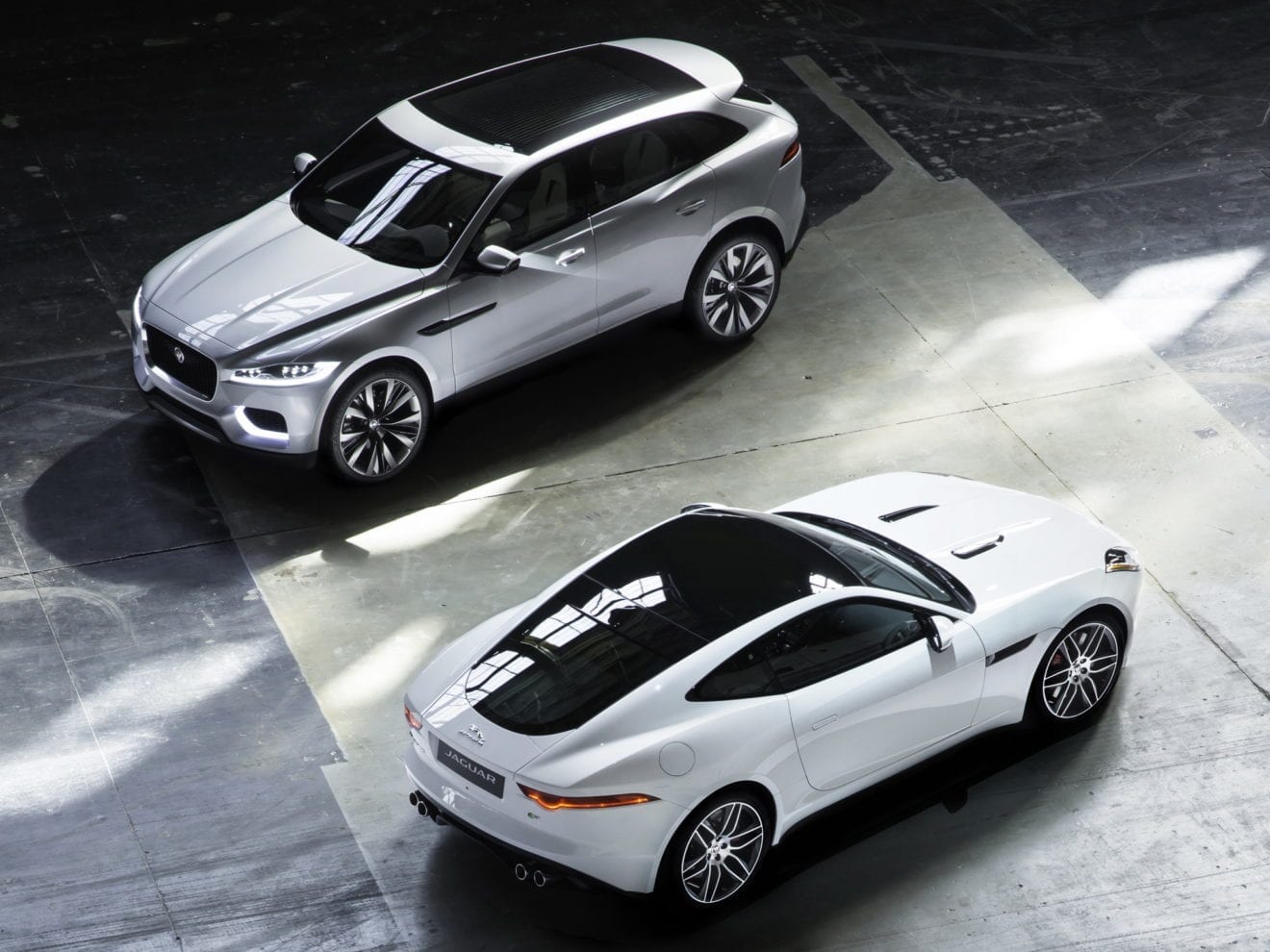
  • Jaguar Land Rover India Appoints Rajan Amba As Its New Managing Director

    Jaguar Land Rover India Appoints Rajan Amba As Its New Managing Director

    Tata Motors-owned luxury car brand Jaguar Land Rover has appointed a new Managing Director for its India business. The company’s current President and Managing Director Rohit Suri will take retirement from his position by the end of the current financial year. While it had not named Rohit’s successor back then, the company has now announced that Rajan Amba will take over as the Managing Director of Jaguar Land Rover India, from March 1, 2023.

    Rajan will join Jaguar Land Rover from Tata Motors Passenger Vehicles, where he is currently the Vice-President of Sales, Marketing and Customer Care. Rajan Amba succeeds Rohit Suri, who is due to retire on March 31, 2023.

    Rajan Amba commented on his appointment, “I have immensely enjoyed my stint at Tata Motors and look forward to the next one at Jaguar Land Rover – iconic automotive brands, which I hugely admire. I keenly look forward to working with my new team at Jaguar Land Rover India and steering forward our future growth strategy.”

    Martin Limpert, Regional Director, Overseas, Jaguar Land Rover said, “Rajan’s customer-centric mindset, broad experiences from different industries, and his passionate and authentic leadership approach bring the right set of qualities to further grow our operations into the promising future of India, aligned with our overall Reimagine strategy to become the creator of the world’s most desirable luxury vehicles and services for the most discerning of customers.”

    Jaguar Land Rover India is one of the key luxury car marques in India and offers a range of products across the two brands. In the last couple of years, the company launched some exciting products in India, including the all-electric Jaguar I-Pace, the new-gen Land Rover Defender, and the new Range Rover and Range Rover Sport in the country.

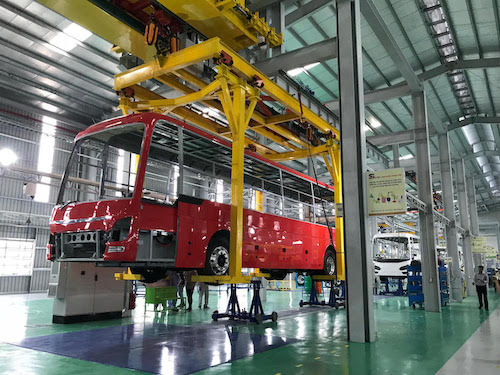
  • Thaco eyes 7% auto sales growth despite headwinds

    Thaco eyes 7% auto sales growth despite headwinds

    Automaker Thaco Group plans to increase its sales 7.7% from last year to 120,000 units this year, with earnings of more than VND90 trillion ($3.80 billion), despite concerns about market challenges.

    The plan calls for the sales of 96,000 passenger cars, 23,500 trucks, and 1,500 buses and minibusses, Chairman Tran Ba Duong said in a letter to employees.

    Duong said many global challenges are expected this year, including rising inflation and tightened spending, adding that Vietnam’s economy is forecast to grow slower while consumption declines.

    Although Thaco is targeting a sales growth, Duong anticipates that the auto industry will see a drop in sales and that competition will be fierce. Lowering costs to bring down prices is a key mission, he added.

    Thaco Group this year begins a new development phase with focus on six sectors: automobiles, mechanics and supporting industry, agriculture, logistics, investment, construction and commerce.

    The company wants the mechanics and supporting industry managed by its subsidiary, Thaco Industries, to be the second biggest business in the group with a target revenue of over VND20 trillion.

    The company expects to manufacture and export 15,000 trailers to the United States, Canada, Mexico and Japan.

    Thaco Industries was established last year with a charter capital of VND12.6 trillion. It expects to spend over VND3 trillion this year to build a manufacturing complex to produce auto parts.

    Agriculture subsidiary Thaco Agri plans to grow 14,000 hectares of bananas, and expects to have over 100,000 cows and 215,000 pigs by the end of the year.

    The construction unit Thadico – Dai Quang Minh will launch 24 new projects this year and complete three projects.

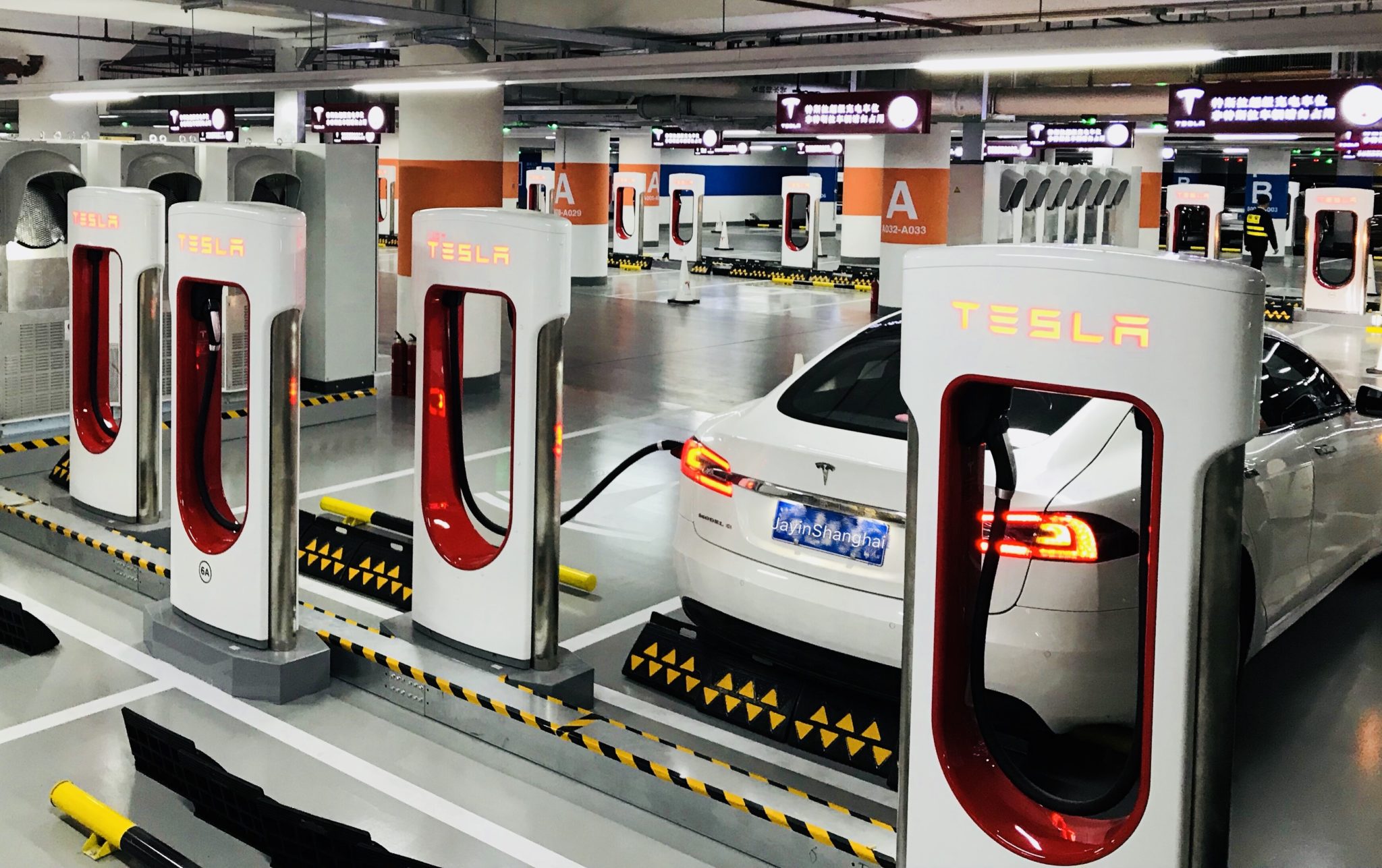
  • Tesla Deliveries Miss Estimates Due To Logistical Issues, Slowing Demand

    Tesla Deliveries Miss Estimates Due To Logistical Issues, Slowing Demand

    Tesla said quarterly deliveries fell short of market estimates on Monday, held back by ongoing logistical issues and growing demand concerns that rounded off a tumultuous 2022 for the Elon Musk-led firm.

    The company is still the world’s most valuable automaker even after losing 65% of its market value in 2022. Shares fell 8.5% to $112 on Tuesday.

    Tesla delivered 405,278 vehicles in the fourth quarter ended Dec. 31, short of analysts’ estimates of 431,117, according to Refinitiv. For all of 2022, the electric-vehicle maker’s deliveries rose by 40%, missing Musk’s 50% annual target.

    “We believe Tesla is facing a significant demand problem … many investors underestimate the magnitude of the demand challenges Tesla is facing,” Bernstein analyst Toni Sacconaghi said.

    The shortfall also highlighted the logistics hurdles facing a company known for its end-of-quarter delivery rush, with the gap between production and deliveries widening to 34,000 vehicles as more cars got stuck in transit.

    Tesla also plans to run a reduced production schedule in January at its Shanghai plant, extending the lowered output it began in December into 2023, Reuters has reported.

    Tesla has tried up prop up demand with a rare set of discounts on its top-selling vehicles as competition deepens from legacy automakers such as Ford Motor Co and General Motors Co and startups such as Rivian Automotive Inc and Lucid Group Inc.

    “Tesla’s previous gains have been based on delivering super-charged growth. Without that it looks (like) a different proposition,” said Russ Mould, investment director at AJ Bell.

    Sacconaghi said demand challenges will persist in 2023 as most Tesla models do not qualify for a tax rebate and the company would need to either reduce its growth targets or cut prices.

    The company, which has some of the highest margins in the industry, will report quarterly results on Jan. 25.

    The fourth-quarter deliveries consisted of 388,131 Model 3 compact sedans and Model Y sports utility vehicles (SUVs), compared with 17,147 Model X and Model S luxury cars.

    Production came in at 439,701 vehicles.

    Tesla said in a separate statement on Monday it plans to host its Investor Day on March 1 and will likely discuss long-term plans for expansion and capital allocation at the event that will be held at its Texas Gigafactory.

    The automaker also hinted at a “generation 3” platform that could be shown to investors at the event. Musk said in October that Tesla was working on a “next-generation vehicle” which will be cheaper and smaller than the Model 3 and Model Y cars.

  • Hyundai distributor reports revenue of $5B

    Hyundai distributor reports revenue of $5B

    Thanh Cong, distributor of South Korea’s Hyundai automobiles in Vietnam, recorded a revenue of VND118 trillion ($5 billion) last year, an increase of 15.6% over 2021.

    The Thanh Cong Group sold more than 81,500 Hyundai automobiles of all kinds during the year, accounting for some 16% of the country’s total automobile sales in 2022.

    Late last year Thanh Cong inaugurated its second Hyundai automobile plant in Vietnam in the northern province of Ninh Binh, with a designed capacity of 100,000 vehicles per year. It is expected to only assemble the Hyundai Ionic 5 electric vehicle at the plant this year.

    Established in 1999 as a manufacturer, Thanh Cong has now become a multi-industry firm, mainly operating in the spheres of automobiles, services and real estate.

    Other automobile distributors in Vietnam also reported big revenues or profits last year.

    Selling some 130,000 vehicles of all kinds, Truong Hai Auto Corporation (THACO), the local assembler and distributor of brands such as Kia, Mazda and Peugeot achieved a consolidated revenue of more than VND100 trillion, nearly doubling its revenues for 2021.

    Haxaco, the distributor of Mercedes cars, posted a record after-tax profit of some VND245 billion, up 1.5 times over 2021.

  • Tesla Under Fire In Germany Over Union Concerns On Working Hours

    Tesla Under Fire In Germany Over Union Concerns On Working Hours

    Tesla has come under fire from German union IG Metall and politicians over allegations by workers of unreasonable working hours and fears over speaking out at its Brandenburg plant, with some calling for inquiries into the carmaker.

    At its annual news conference, IG Metall, which has an office near the plant and says it is in regular contact with workers, said a growing number reported longer working hours with little free time.

    Workers were also increasingly fearful about discussing their working conditions openly because of non-disclosure agreements they were told to sign along with their work contracts, IG Metall said.

    A new role advertised on Tesla’s career website for a “Security Intelligence Investigator”, who will partner with legal and human resources departments to carry out “collection of on-the-ground information both within and beyond Tesla walls in order to protect the company from threats”, exacerbated these concerns.

    “Workers started at Tesla with great enthusiasm for the project. Over time we are observing that this enthusiasm is withering,” Irene Schulz of IG Metall Berlin-Brandenburg-Sachsen said in a statement.

    “Tesla is not doing enough to improve working conditions and is leaving too little time for leisure, family and recovery.”

    Tesla was not immediately available for comment.

    Tesla China has also asked some staff to sign non-disclosure agreements, according to two sources with knowledge of the matter. Reuters found several people on LinkedIn with the title of “Security Intelligence Investigator” working for Tesla in Austin, San Francisco and Shanghai.

    Local politicians from the centre-left SPD to the centre-right CDU expressed concern about the allegations, calling for inquiries both by Tesla and the local government.

    “The state government of Brandenburg must enforce occupational safety through close controls at Tesla,” Christian Baeumler of the Christian Democrats (CDU) said.

    The Brandenburg government was not immediately available for comment.

  • Tesla’s Price Cuts Promise More Pain For Money-Losing U.S. EV Startups

    Tesla’s Price Cuts Promise More Pain For Money-Losing U.S. EV Startups

    A price war in electric vehicles started by market leader Tesla Inc has made it much more difficult for money-losing U.S. startups like Rivian Automotive Inc and Lucid Group Inc to grab share in an industry competing for shrinking consumer wallets.

    Tesla’s move last week to slash prices globally on its EVs by as much as 20% could draw new buyers to electric cars in the industry, but also will force other automakers to respond with lower prices or risk getting left behind, analysts and investors said.

    Some startups may not be able to afford lower prices as they struggle with staggering raw material and production costs combined with far lower output than the Elon Musk-led Tesla, which delivered more than 1.3 million vehicles last year.

    Tesla’s move will “strengthen their … competitive advantage over other automakers,” CFRA Research analyst Garrett Nelson said.

    The struggles of most startups are a far cry from their initial public offerings over the past few years, when investors believed these companies would take over the EV market and echo the heady valuation Tesla has sported in the past.

    ‘GAME OF THRONES’ FOR EV STARTUPS

    Both Rivian and Lucid have yet to turn a profit. Together they delivered more than 24,000 cars last year, with Rivian spending more money on making each car than the selling price of that vehicle.

    The company’s cost of goods sold was about 2.7 times its revenue in the last reported quarter, while Lucid’s cost of revenue was about 2.5 times its sales.

    Still, Rivian had $13.8 billion in cash at the end of the third quarter – the most among the U.S. EV startups. Lucid had the second-highest cash reserves with $1.26 billion, and it raised another $1.52 billion in the fourth quarter.

    That gives the companies a sizeable production runway at a time peers Faraday Future and British EV startup Arrival have been seeking funding and have warned they might not be able to sustain operations through 2023.

    “It’s a ‘Game of Thrones’ battle for EV startups and they face some dire options over the next 12 to 18 months if they do not succeed in their financial targets,” said Wedbush Securities analyst Daniel Ives. “We would expect some … losers that face the prospect of consolidation or possibly worse on the horizon.”

    A clearer picture of their balance sheets is expected when these companies report fourth-quarter earnings.

    Rivian declined to comment, while Lucid did not respond to a request for comment.

    Lucid aims to target the luxury and sport-luxury sedan segment of the EV market, with its cars starting at over $87,000, which is $8,000 less than the base version of Tesla’s Model S sedan after the January discounts.

    Lucid, headed by former Tesla executive Peter Rawlinson, has not announced plans for a mass-market car to rival Tesla’s Model 3 and Model Y, which start at about $44,000 and $53,000, respectively.

    Rivian sells its R1T pickup truck at a starting price of $73,000 while its R1S SUV starts at $78,000.

    The company, whose largest shareholder is Amazon.com Inc, does not plan on selling cheaper cars that it will build on a next-generation R2 platform before 2026. The platform will support higher volumes and be less expensive than the vehicles built on the R1 platform, Rivian says.

    Tesla’s price cuts come just months after contract manufacturer Magna Steyr began production of Fisker’s Ocean SUV, which starts at $37,499 and makes it more vulnerable, analysts said.

    Fisker declined to comment.

    Lordstown Motors, which in May sold a significant chunk of its assets to contract manufacturer Foxconn to raise funds, said its Endurance pickup targets the commercial fleet market only.