Retail News CRM

Tag: auto news

  • Indonesia Says Mitsubishi Motors To Invest About $667 Million Over Next 3 Years

    Indonesia Says Mitsubishi Motors To Invest About $667 Million Over Next 3 Years

    Mitsubishi Motors plans to invest about 10 trillion rupiah ($666.89 million) in Indonesia between 2022 and 2025, the country’s chief economics minister said on Tuesday.

    Airlangga Hartarto in a statement said the Japanese company had invested 11.3 trillion rupiah up to 2021 and was planning to expand its production in the Southeast Asian country.

    The statement quoted Mitsubishi Motors CEO Takao Kato as saying the company planned to produce hybrid electric vehicles and battery electric vehicles in Indonesia.

    He said Mitsubishi was aiming to increase its export capacity from Indonesia to 72,000 units this year and to 98,000 units in 2024, from 42,000 units in 2021.

    Airlangga met Mitsubishi’s executives during a visit in Tokyo, where they also discussed potential fiscal incentives for the company’s exported products.

    “Indonesia’s tax rate is actually competitive compared to other countries such as Thailand,” Airlangga said.

    “However, there are different regional taxes which make taxes seems bigger in Indonesia, this is what we are reviewing at the central government,” he said, without elaborating.

    Indonesian President Joko Widodo was due to visit Japan later this week.

  • Mercedes-Benz Expects Supply Chain Constraints To Continue In 2022

    Mercedes-Benz Expects Supply Chain Constraints To Continue In 2022

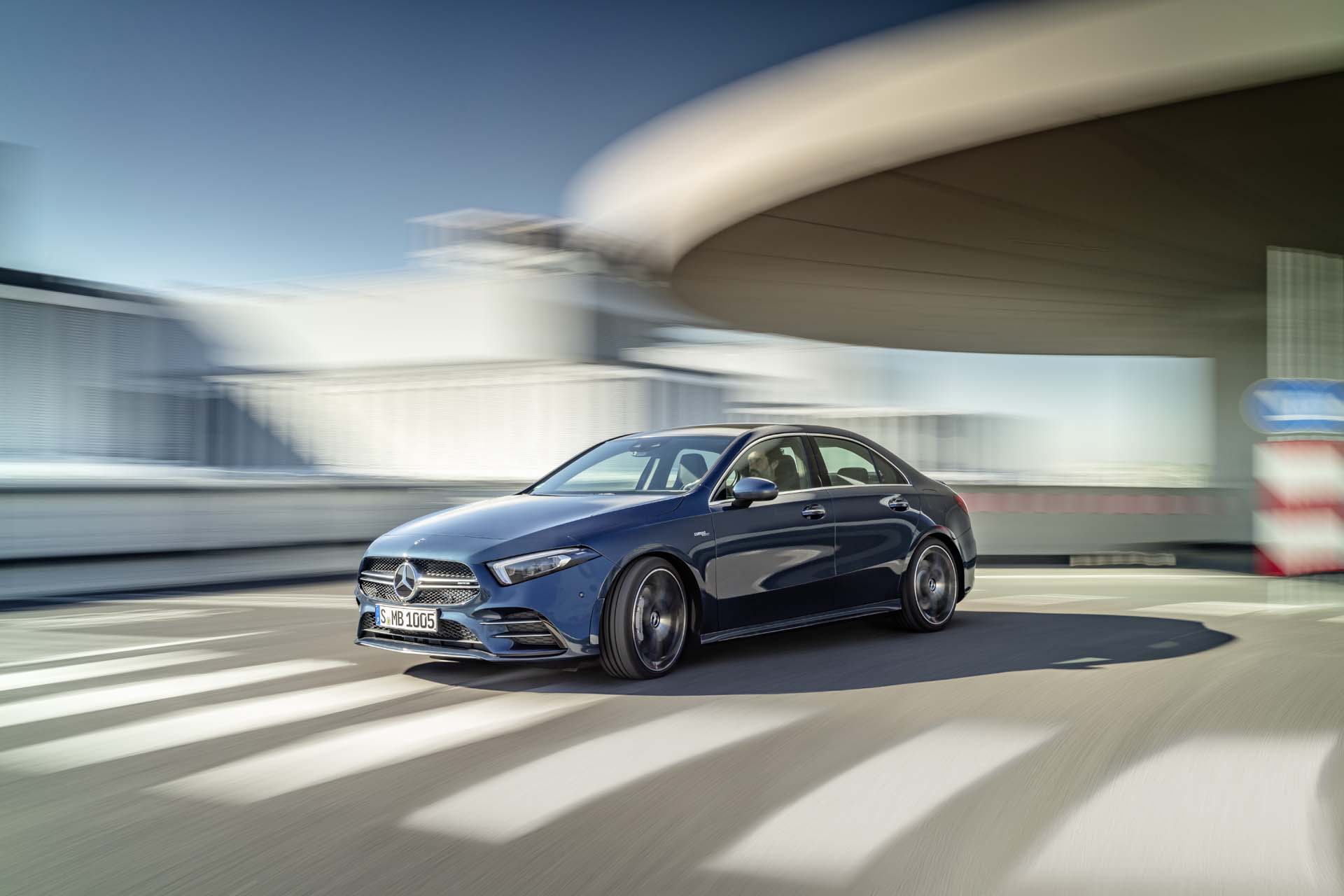
    Mercedes-Benz is still feeling the effects of the global semiconductor shortage that hit the auto industry as well as supply chain constraints. As per a report by PTI, the carmaker is not expecting the situation to improve in 2022 while also saying that it was hard to predict how it would change in the future.

    Speaking to PTI, Martin Schwenk, Managing Director and CEO of Mercedes-Benz India said that the company was dealing with not just semiconductor shortages but also with congestion in shipping. He added that the company was facing significant supply constraints placing a limit on the number of cars it could produce and deliver causing longer waiting period for its customers. Schwenk also revealed that the global economic uncertainties and go-political tensions seemed to have worsened over the past few months with a lot of questions being raised across markets regarding the economic situations in the short-to-medium terms.

    Schwenk however said that while the brand was facing uncertainty over its production levels, the global economic uncertainties and geopolitical crisis was yet to affect consumer sentiment in India. The carmaker said that it has over 5,000 pending orders on its hands currently in the country with the number of bookings continuing to increase.

    He however said that the company in the past few months had been forced to hiked prices on several occasions owing to rising input costs and the company was continuing to monitor topics such as inflation and pricing.

    Mercedes has some big launches lined up for India in the coming months including its all-electric flagship, the EQS luxury sedan and the EQB electric SUV. The carmaker at the start of the year had revealed its plans to launch 10 new models in India in 2022 which has till now included the new Mercedes-Maybach S-Class and the new-gen C-Class.

  • Mercedes Readies Plants To Produce Electric Vehicles

    Mercedes Readies Plants To Produce Electric Vehicles

    Mercedes-Benz is adjusting its network of plants to  manufacture a new range of luxury electric vehicles as it prepares to switch to electric by the end of the decade.

    Mercedes aims to halve CO2 emissions per passenger car over the life cycle by the end of this decade compared to 2020.

    “We are ready for the rapid scaling of electric vehicle volumes,” said Joerg Burzer, board member for production and supply chain, adding the new setup followed talks between management and worker representatives.

    Plants in Sindelfingen, Bremen, Rastatt – all in Germany – and Kecskemet, in Hungary, will start production of new models in the top end luxury, core luxury and entry luxury segments from the middle of the decade, said Mercedes.

    Battery systems will be supplied by a production network with factories in three continents, it said.

    “The local production of battery systems is a key success factor for the Mercedes-Benz electric ramp-up and a decisive component in being able to meet the global demand for electric vehicles flexibly and efficiently,” it said in a statement.

  • Tesla Worker Rejects $15 Million Payout In Race Bias Lawsuit

    Tesla Worker Rejects $15 Million Payout In Race Bias Lawsuit

    A Black former elevator operator at Tesla Inc’s flagship California assembly plant on Tuesday rejected a $15 million award in his lawsuit alleging racial abuse by coworkers, opening the door for a new trial after a judge slashed a $137 million jury verdict. Lawyers for Owen Diaz, who had sued Tesla in 2017, turned down the judge’s award in a brief filing in federal court in San Francisco.

    They said in a statement that the award was unjust and would not deter future misconduct by Tesla. “In rejecting the court’s excessive reduction by asking for a new trial, Mr. Diaz is again asking a jury of his peers to evaluate what Tesla did to him and to provide just compensation for the torrent of racist slurs that was directed at him,” his lawyers said.

    Tesla did not immediately respond to a request for comment.

    U.S. District Judge William Orrick lowered the jury award, which was one of the largest of its kind in a discrimination lawsuit, to $15 million in April. He had also denied Tesla’s motion for a new trial, conditioned on Diaz’s acceptance of the lower award.

    Earlier this month the judge denied Diaz’s motion for permission to appeal that ruling and gave him two weeks to accept the lower award or agree to a new trial.

    Recently, Tesla shareholder filed a lawsuit accusing the company’s chief executive, Elon Musk, and board of directors of neglecting worker complaints and fostering a toxic workplace culture

    Tesla is facing a series of lawsuits involving alleged widespread race discrimination and sexual harassment at its Fremont, California factory, including one by a California civil rights agency.

    Last week, a Tesla shareholder filed a lawsuit accusing the company’s chief executive, Elon Musk, and board of directors of neglecting worker complaints and fostering a toxic workplace culture.

    Tesla has denied wrongdoing and says it has policies in place to prevent and address workplace misconduct.

    Diaz alleged that his colleagues and a supervisor subjected him to a hostile work environment that included slurs, caricatures and swastikas in his nine months working at the Fremont plant in 2015 and 2016.

    A jury had awarded Diaz $6.9 million of compensatory damages and $130 million of punitive damages last October, but Orrick in April said those numbers were excessive.

    Diaz’s lawyers in their statement on Tuesday said Orrick’s decision highlighted systemic bias that federal judges have against juries, which in turn violates the constitutional rights plaintiffs have to a trial by jury.

  • Tesla Leads In Driver-Assisted Technology Crashes

    Tesla Leads In Driver-Assisted Technology Crashes

    Tesla Inc reported 273 vehicle crashes since July involving advanced driving assistance systems, more than any other automaker, according to data U.S. auto safety regulators released on Wednesday.

    Automakers and tech companies reported more than 500 crashes since June 2021, when the National Highway Traffic Safety Administration (NHTSA) issued an order requiring the information. Two U.S. Senators called for a deeper probe of the “out-of-control industry,” and a U.S. safety board said the data was not standardized so it was hard to evaluate performance of each carmaker’s system.

    Car companies are rushing to add driver assistance systems, saying these improve safety by handling some maneuvers. U.S. regulators are trying to understand the practical effect of the changes. But automakers collect and report data in different ways, making it difficult to evaluate systems performance.

    Democratic Senators Ed Markey and Richard Blumenthal told NHTSA in a letter that “publicizing the data alone is not enough. We urge NHTSA to … shed needed light on this out-of-control industry and impose guardrails to prevent more deadly crashes.”

    The current report contains “a ‘fruit bowl’ of data with a lot of caveats, making it difficult” to understand, National Transportation Safety Board (NTSB) Chair Jennifer Homendy said in a statement. “Tesla collects a huge amount of high-quality data, which may mean they’re overrepresented in NHTSA’s release.”

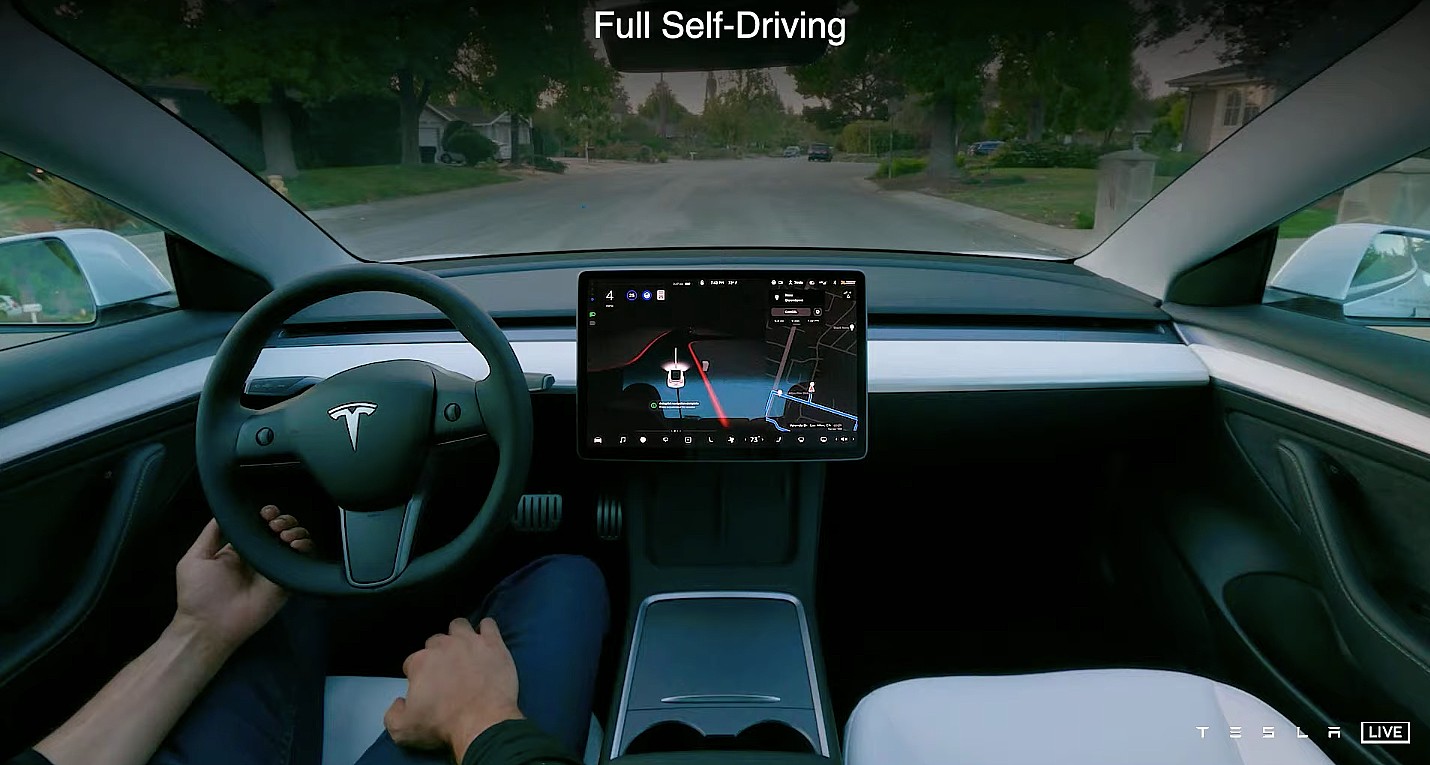
    Tesla’s advanced driver assistant software dubbed “Full Self Driving” has also created confusion about vehicle capabilities.

    The senators raised alarm about the high number of Tesla crashes. “We worry that some drivers today are using the technology as a convenience feature and are placing themselves and other road users in danger,” Markey and Blumenthal wrote.

    NHTSA ordered companies to quickly report all crashes involving advanced driver assistance systems (ADAS) and vehicles equipped with automated driving systems being tested on public roads.

    Of the 392 such crashes reported by a dozen automakers since July, six deaths were reported and five serious injuries. Honda Motor identified 90 crashes.

    Companies also reported 130 crashes involving prototype automated driving systems, while 108 involved no injuries and one was a serious injury crash.

    NHTSA said Alphabet Inc’s self-driving car unit Waymo reported 62 crashes involving automated driving systems, while General Motors’ Cruise had 23.

    Waymo said its crashes were not high severity and one-third were in manual mode. Airbags deployed in only two crashes.

    Cruise said it “has logged millions of miles in one of the most complex urban driving environments because saving lives is our chief aim.”

    The NTSB reiterated a five-year-old recommendation that NHTSA require automakers to provide standardized crash and usage data. It made the recommendation after the a 2016 crash killed a Tesla driver using the company’s Autopilot system, which the company website says “enables your car to steer, accelerate and brake automatically within its lane” but still requires the driver’s attention.

    NHTSA said the first batch of data has already been used to trigger investigations and recalls and helped inform existing defect probes.

    The data “will help our investigators quickly identify potential defect trends,” NHTSA Administrator Steven Cliff said, cautioning the raw number of incidents reported per manufacturer “is by itself inadequate to draw conclusions.”

    The agency emphasized crashes are tracked by individual automakers in different ways and discouraged comparisons in part because there are no comprehensive metrics on how widely each system is used.

    Tesla did not respond to requests for comment.

    Honda told Reuters it had found no defects in the systems and its crash reports were based on unverified customer statements “to comply with NHTSA’s 24-hour reporting deadline.”

    No other automaker reported more than 10 ADAS crashes during the period.

    Despite the limitations, NHTSA said the data was essential to quickly spot potential defects or safety trends. Incidents that occur when an advanced system was engaged within 30 seconds of a crash must be reported within 24 hours to NHTSA.

    The agency plans to release new data monthly.

    NHTSA has been scrutinizing Autopilot and said last week it was upgrading its probe into 830,000 Tesla vehicles with the system, a required step before it could seek a recall. The regulator had opened a preliminary evaluation to assess the performance of Autopilot after about a dozen crashes in which Tesla vehicles struck stopped emergency vehicles.

    Separately, NHTSA has opened 35 special crash investigations involving Tesla vehicles in which ADAS was suspected of being used. A total of 14 crash deaths have been reported in those Tesla investigations, including a May California crash that killed three people.
  • U.S. Agency Asks Tesla For Information On Canadian Fire Incident

    U.S. Agency Asks Tesla For Information On Canadian Fire Incident

    The National Highway Traffic Safety Administration said on Thursday it has asked Tesla Inc for information about a recent 2021 Tesla Model Y fire in Vancouver, British Columbia, in which a driver reported struggling to exit.

    The NHTSA told Reuters the agency “is aware of the incident and has reached out to the manufacturer for information.”

    Electrek posted a video of the incident in which the owner said he received an error notification and then saw smoke. The driver said that to get out he “had to smash the window. … I kicked through the window because everything stops. The power didn’t work. The door didn’t open. The windows didn’t go down.”

  • GM and Honda To Produce ‘Attainable EVs’ In Bid To Surpass Tesla Sales

    GM and Honda To Produce ‘Attainable EVs’ In Bid To Surpass Tesla Sales

    General Motors and Honda Motor Co said on Tuesday they will develop a series of lower-priced electric vehicles based on a new joint platform, producing potentially millions of cars from 2027 in a bid to beat Tesla in sales.

    The announcement expands on plans for GM to begin building two electric SUVs for Honda starting in 2024 – the Honda Prologue and an Acura model.

    The automakers said the new deal is for “affordable” EVs, including compact crossover vehicles, built using GM’s Ultium battery technology. The compact crossover is the biggest selling auto sector in the world with annual volumes of more than 13 million vehicles, the companies said.

    The companies declined to say how much they are investing as part of the new collaboration.

    GM Chief Executive Mary Barra said Tuesday at an Axios event the pricing will come in below the $30,000 price tag planned for the electric Chevrolet Equinox SUV. She said the new lower-priced vehicles would be “attainable EVs.”

    She said the new vehicle is part of GM’s plan to surpass Tesla in EV sales.

    “We have a very important goal… that by mid-decade, by 2025, we’ll sell more EVs in the U.S. than anyone else and to do that, you need to have a portfolio of vehicles,” Barra said, noting GM plans a wide range of small to large EVs. “We definitely can scale and can do it quickly.”

    The companies said they will also discuss future battery technology collaboration for electric vehicles in a push to drive down costs.

    The deal is part of GM’s push to achieve carbon neutrality in its global products and operations by 2040 and eliminate tailpipe emissions from light-duty vehicles in the United States by 2035.

    Honda has said it aims to reach carbon neutrality on a global basis by 2050.

    The Japanese carmaker owns a stake in GM’s Cruise self-driving car subsidiary and the carmakers are co-developing the Cruise Origin autonomous EV. The companies also have a joint venture to develop and produce hydrogen fuel-cell systems at a plant in Brownstown, Michigan.

    “Honda and GM will build on our successful technology collaboration to help achieve a dramatic expansion in the sales of electric vehicles,” Honda CEO Toshihiro Mibe said.

  • Swiss Set To Drop Criminal Probe Of VW Emissions Scandal

    Swiss Set To Drop Criminal Probe Of VW Emissions Scandal

    Swiss federal prosecutors are set to drop a nearly five-year criminal investigation into Volkswagen’s diesel emissions scandal after concluding they did not have a strong enough case to file charges, they said on Tuesday.

    The Office of the Attorney General said it had informed the German carmaker and its Swiss dealership arm this month “that it considers the investigation to be complete and intends to drop the case,” it said in a statement, confirming a report by broadcaster SRF.

    The defendants and private plaintiffs can still review the case file and submit more evidence before the case is closed officially, it said.

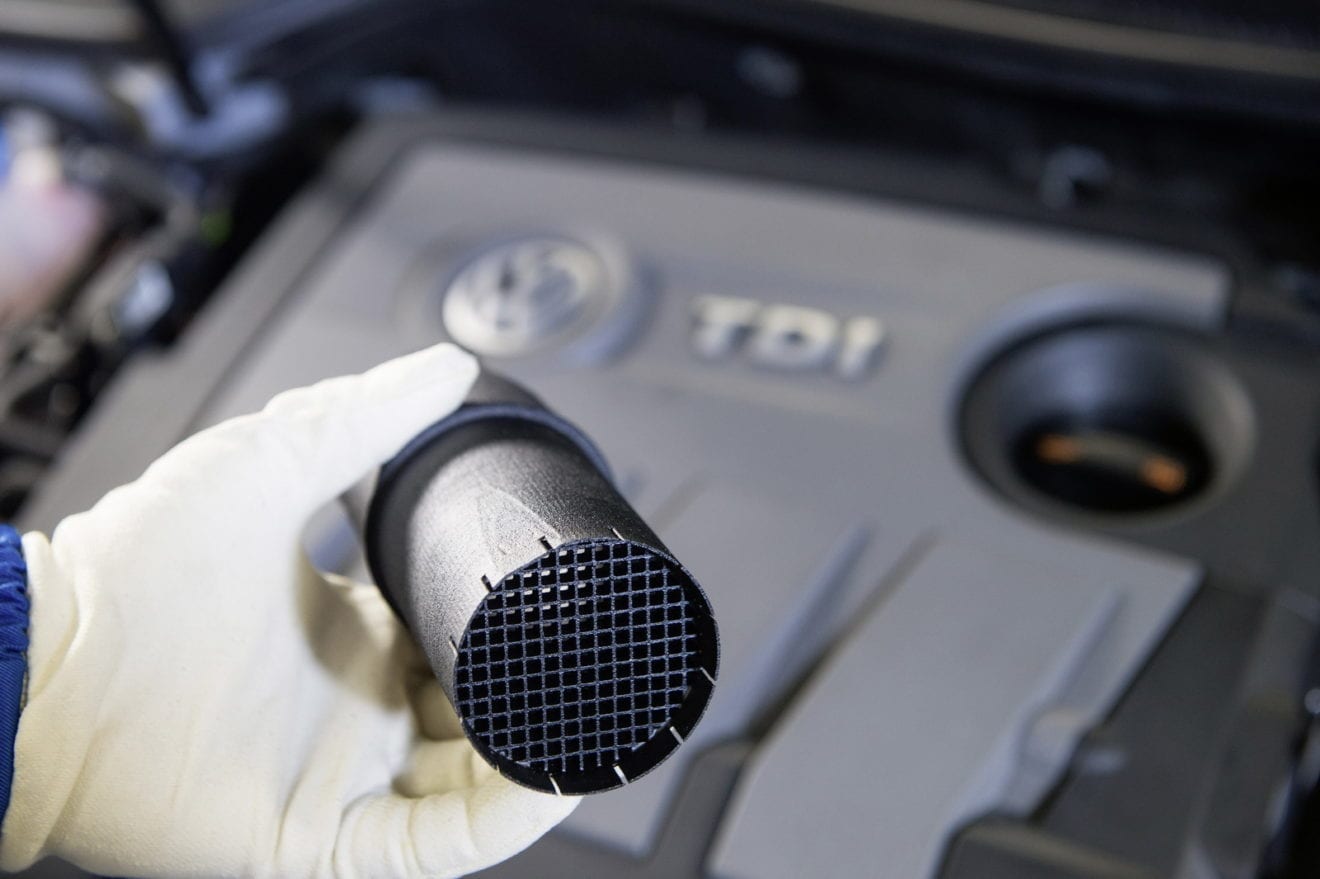
    VW admitted in September 2015 it had installed secret software in hundreds of thousands of U.S. diesel cars to cheat exhaust emissions tests and make the cars appear cleaner than they were, and that as many as 11 million vehicles could have similar software installed worldwide.

    SRF said Swiss plaintiffs could still claim damages through civil law, noting VW has already paid out billions abroad.

    Swiss prosecutors opened criminal proceedings after a court ruled they must conduct their own investigation into hundreds of complaints lodged in Switzerland.

    The case centred on the potential damage to around 175,000 customers who bought or leased VW group vehicles with diesel motors that at least some VW officials must have known had been manipulated.

    SRF said Swiss plaintiffs could still claim damages through civil law, noting VW has already paid out billions abroad. “But without official culprits, such proceedings in Switzerland are very costly and difficult for individuals,” it added.

    Contacted by Reuters on Tuesday, VW had no immediate comment.

  • Chinese Automakers See Thailand EV Boost From Government Incentives

    Chinese Automakers See Thailand EV Boost From Government Incentives

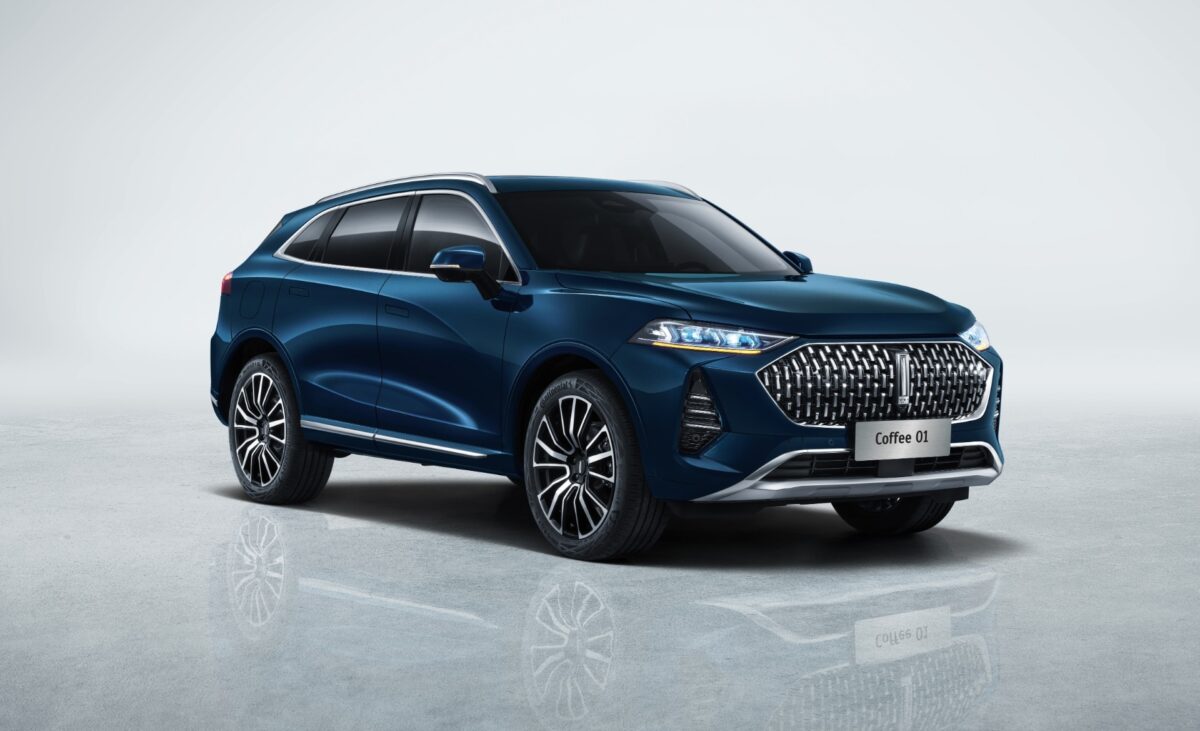
    Chinese automaker Great Wall Motor has signed an agreement with Thailand’s government to slash retail prices of its electric vehicles, an executive said on Tuesday, a move aimed at boosting domestic EV sales and production.

    The agreement, which involves a government subsidy and reduction in value-added tax, could save customers up to 160,000 baht ($4,779) per unit, Michael Chong, General Manager of Great Wall Motor Thailand told Reuters.

    That would apply to vehicles typically priced 1 million baht, representing a saving of about 13-15%.

    “This is very beneficial for our customer because this price is more affordable,” he said at the annual Bangkok International Motor Show.

    A similar agreement has also been signed with the rival automaker, SAIC-CP Motor, the Thai unit of SAIC Motor Corp, the finance ministry said on Monday.

    Those come as Thailand tries to incentivize EV use and preserve its status as a major regional automaker. The government is targeting the production of 725,000 EV units a year, or 30% of the output by 2030.

    Chong said other factors like rising energy prices were also driving EV demand.

    “Oil prices keep increasing, so people who buy ICE (internal combustible engine) will feel it’s more expensive,” Chong said, adding that EVs would help make air cleaner, something Thailand’s capital has struggled with.

    Great Wall Motor in 2020 took over the General Motors plant in Thailand, Asia’s fourth-largest auto assembly and export hub.

    Auto manufacturing accounts for about 10% of Thai gross domestic product and manufacturing jobs.

    This year the firm plans to sell 20,000 units in Thailand between its two brands, the BEV Ora Good Cat and Haval SUVs, Chong added. It plans to locally produce EVs in 2024.

    But the transition will take time, however, with less than 4,000 fully-electric vehicles registered in Thailand last year, and manufacturing investments still being made in conventional engines.

    These include U.S. automaker Ford, which invested $900 million to upgrade its Thai factories to build its Ranger pickup truck and Everest SUV.

    “ICE is going to be around for a while,” said Andrea Cavallaro, Ford Operations Director, International Market Group, adding EV technology and infrastructure has yet to be adopted across Southeast Asia.

  • BMW Teases All-Electric iX1 SUV Ahead Of Debut

    BMW Teases All-Electric iX1 SUV Ahead Of Debut

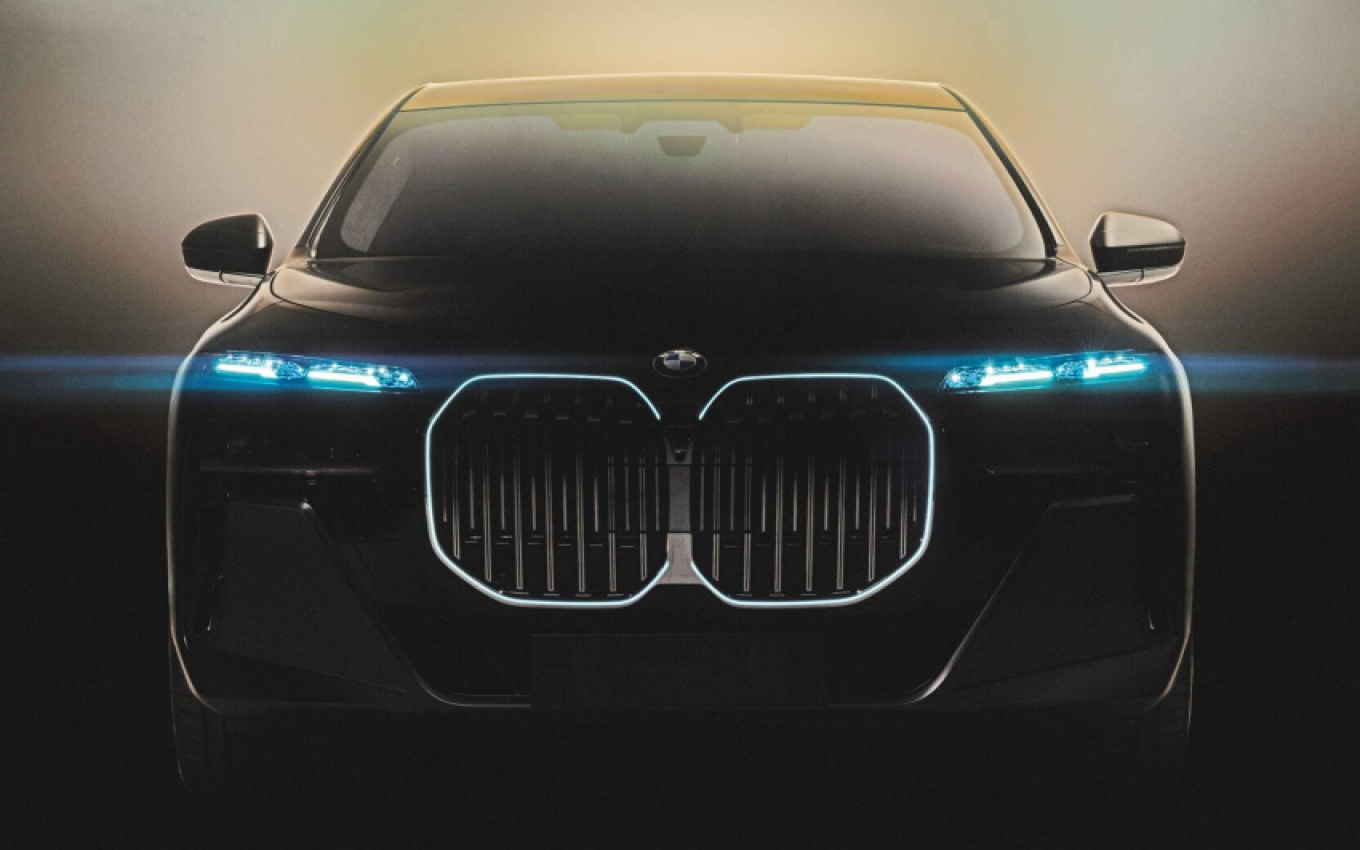
    BMW has confirmed that it will be debuting an all-electric version of the upcoming new X1 before the end of the year. BMW revealed that the new iX1 will debut shortly after the new X1 which is due for a full model change this year. BMW previewed its upcoming compact EV in a teaser image revealing some styling details of the SUV front fascia. Speaking at BMW’s recently held annual conference Oliver Zipse, Chairman of the Board of Management of BMW AG said, “Starting at the end of the year, the new iX1 will be our fully electric offer to customers in the high-volume premium compact segment. The X1 also highlights the potential of modern, flexible BMW architectures with its diversity of different drivetrains – just as you have experienced with iX and i4.”

    Unlike the born-electric iX which gets its own unique design, the iX1 gets a more familial design closer to the likes of the current iX3. The teaser previews an SUV with upright proportions, a prominent kidney grille, inverted L shaped DRLs for the headlamps and large vents on the bumper. Like with the iX3 expect the signature kidney grille to be closed off owing to the lack of a conventional combustion engine under the bonnet. Other EV-specific details are expected to include unique wheel designs and the blue highlights seen on the teaser.

    The iX1 otherwise isn’t expected to stray far from the standard X1 sitting with much of the body paneling and interior to be common between the two.

    For the cabin, the iX1 could follow a similar design as the new 2 Series Active Tourer based on test mules caught on international roads.
    BMW hasn’t confirmed exact powertrain details though it has said that the EV will feature its latest eDrive technology with a range of up to 438km on a single charge. Aside from the all-electric variant, the new X1 will also get conventional petrol and diesel powertrain options including plug-in hybrid technology.

    BMW has also confirmed that the iX1 and X1 will pack in the latest tech including BMW’s latest iDrive with OS8 (Operating System 8).

  • Tesla Raises Prices For Second Time In Days On Rising Costs

    Tesla Raises Prices For Second Time In Days On Rising Costs

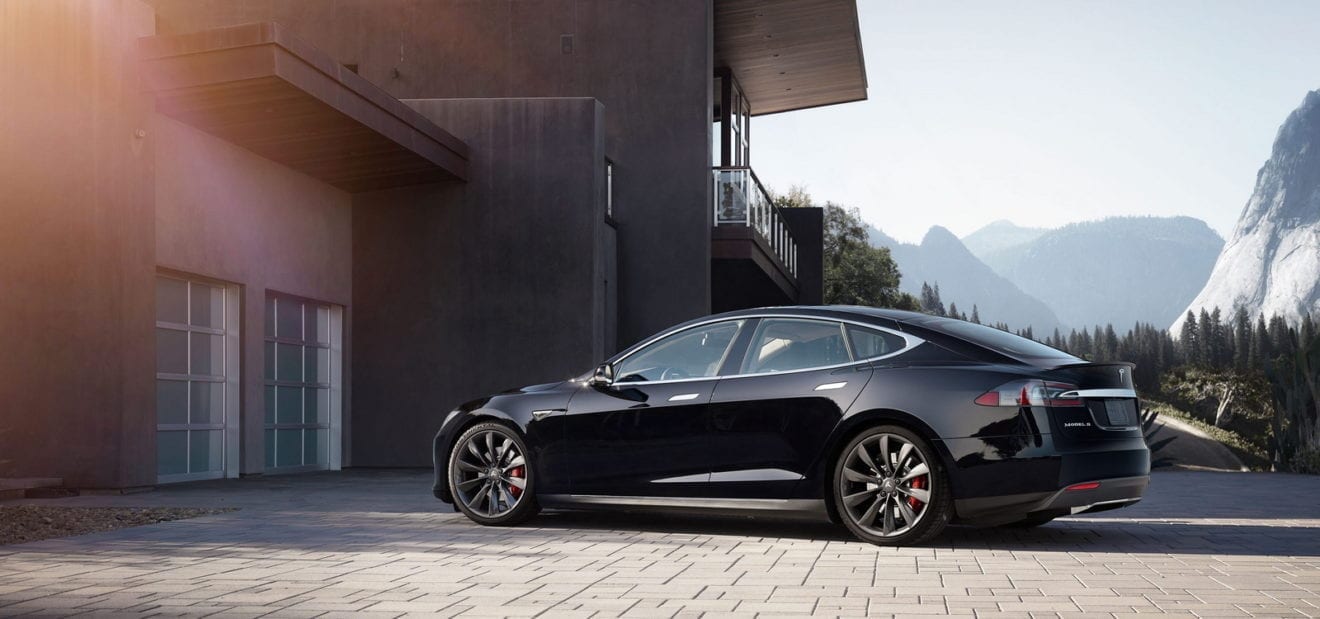
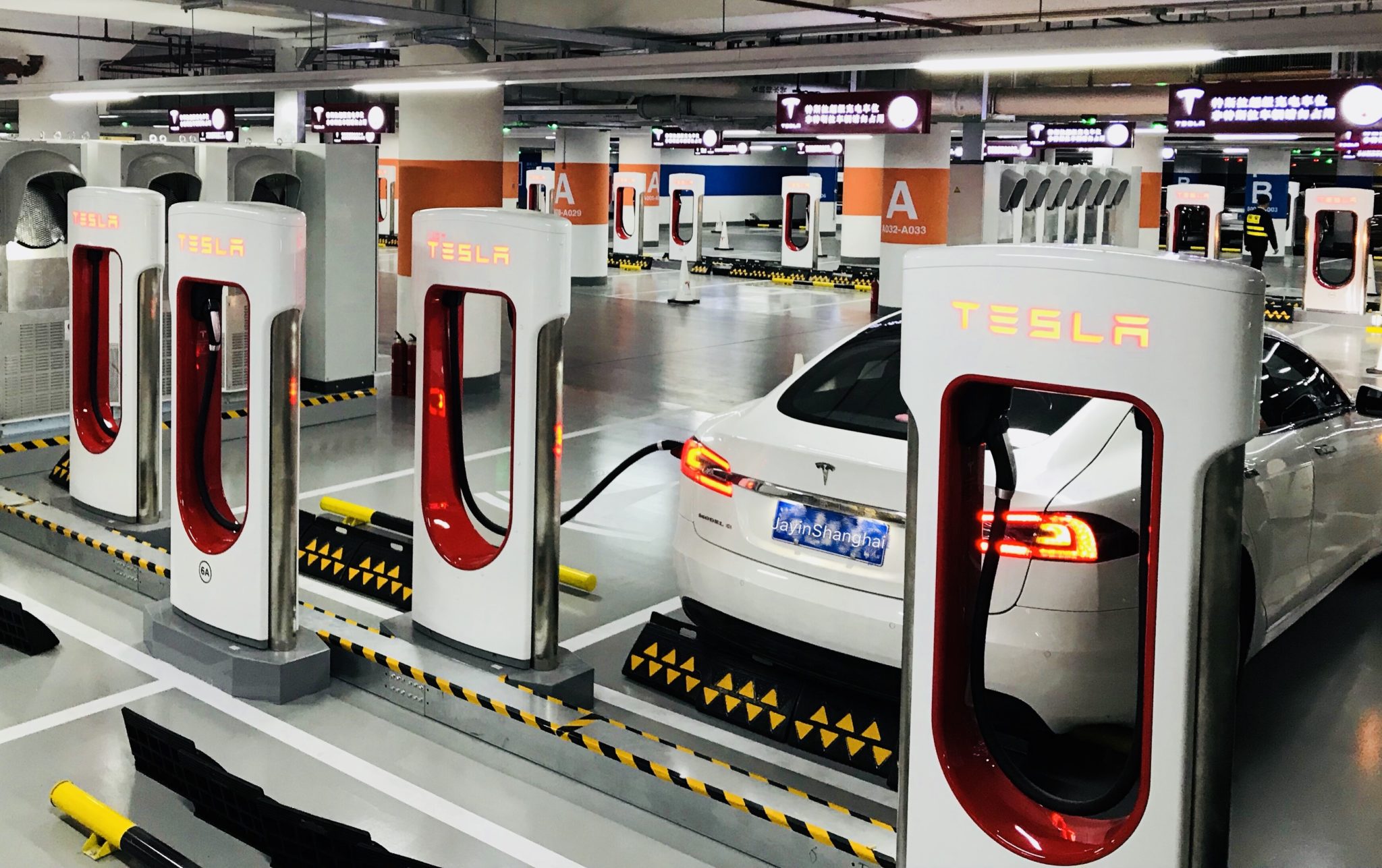
    Tesla raised its prices in China and the United States for the second time in less than a week, after CEO Elon Musk said the U.S. electric carmaker was facing significant inflationary pressure in raw materials and logistics. The increases come as costs of raw materials are surging, exacerbated by supply chain disruptions following Russia’s invasion of Ukraine.

    Prices of metals used in cars have soared, including aluminum that is used in the bodywork, palladium used in catalytic converters, and nickel and lithium that power electric vehicle (EV) batteries. The costs have raised concerns about EV economics, as legacy automakers and startups prepare to launch new cars on the back of a long semiconductor supply crunch that is still knocking production at companies including Toyota and Volkswagen.

    Tesla, which has a diversified supply chain, has bought “millions of euros worth of aluminum” from Russian aluminium giant Rusal, CNBC reported on Monday, citing internal documents.

    Rusal’s billionaire founder Oleg Deripaska has been sanctioned by Britain.

    Tesla bought Rusal aluminum for casting parts at its new vehicle assembly plant outside of Berlin for the Tesla Model Y, among other things, CNBC said.

    Tesla received a conditional go-ahead for its 5 billion euro ($5.5 billion) German gigafactory earlier this month after months of delay.

    Tesla and Rusal did not immediately respond to emails seeking comment.

    “Tesla & SpaceX are seeing significant recent inflation pressure in raw materials & logistics,” Musk tweeted on Monday, referring to his rocket company. “And we are not alone,” he said.

    Tesla raised prices on Tuesday for all its models in the United States by 5%-10%, its website showed. In China, it raised prices of some China-made Model 3 and Model Y products by about 5%.

    Last week, the company increased prices of its U.S. Model Y SUVs and Model 3 Long Range sedans and some China-made Model 3 and Model Y vehicles.

  • Skoda to build plant in Vietnam

    Skoda to build plant in Vietnam

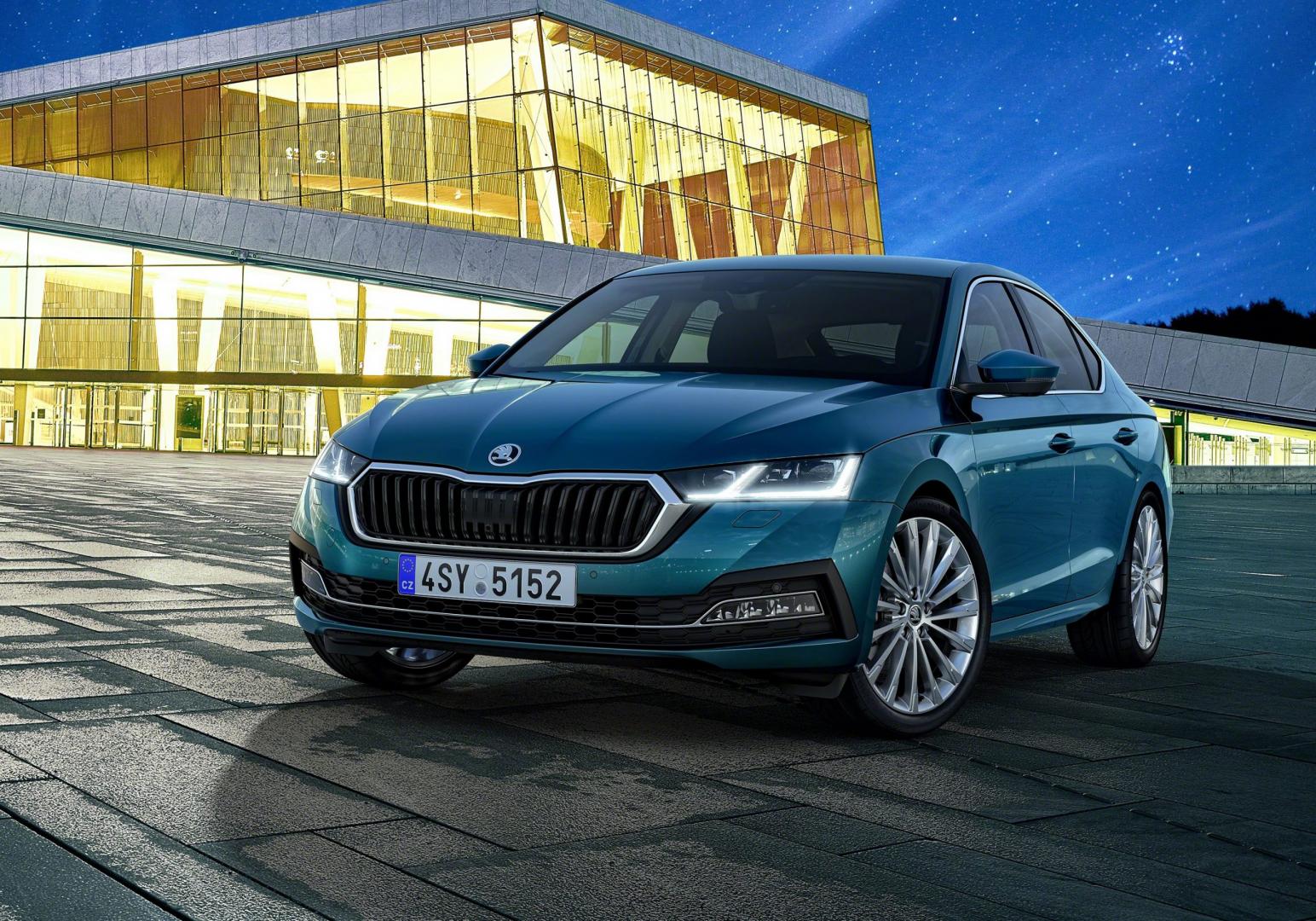
    Czech automaker Skoda is set to build a plant in the northern province of Quang Ninh and expects to begin production and exports of vehicles by 2023. Leaders of the company have worked with representatives of the Ministry of Industry and Trade on the plan of building the factory.

    Martin Jahn, a director of Skoda Auto, said the Vietnamese car market is relatively small but very promising.

    “The political and trade ties between the two countries represent extensive opportunities for cooperation.”

    There are 44 Czech projects in Vietnam with a total investment of $91 million, according to the Ministry of Planning and Investment. Mercedes-Benz and Peugeot are two European carmakers with plants in Vietnam, while BMW’s factory is expected to be completed this year.

    Skoda manufactured around 900,000 cars last year and sold nearly half in Western Europe.

    Established in 1925, it is a subsidiary of German auto giant Volkswagen.

  • Tesla Recalls 817,000 Vehicles In U.S. Over Seat Belt Reminder Alert

    Tesla Recalls 817,000 Vehicles In U.S. Over Seat Belt Reminder Alert

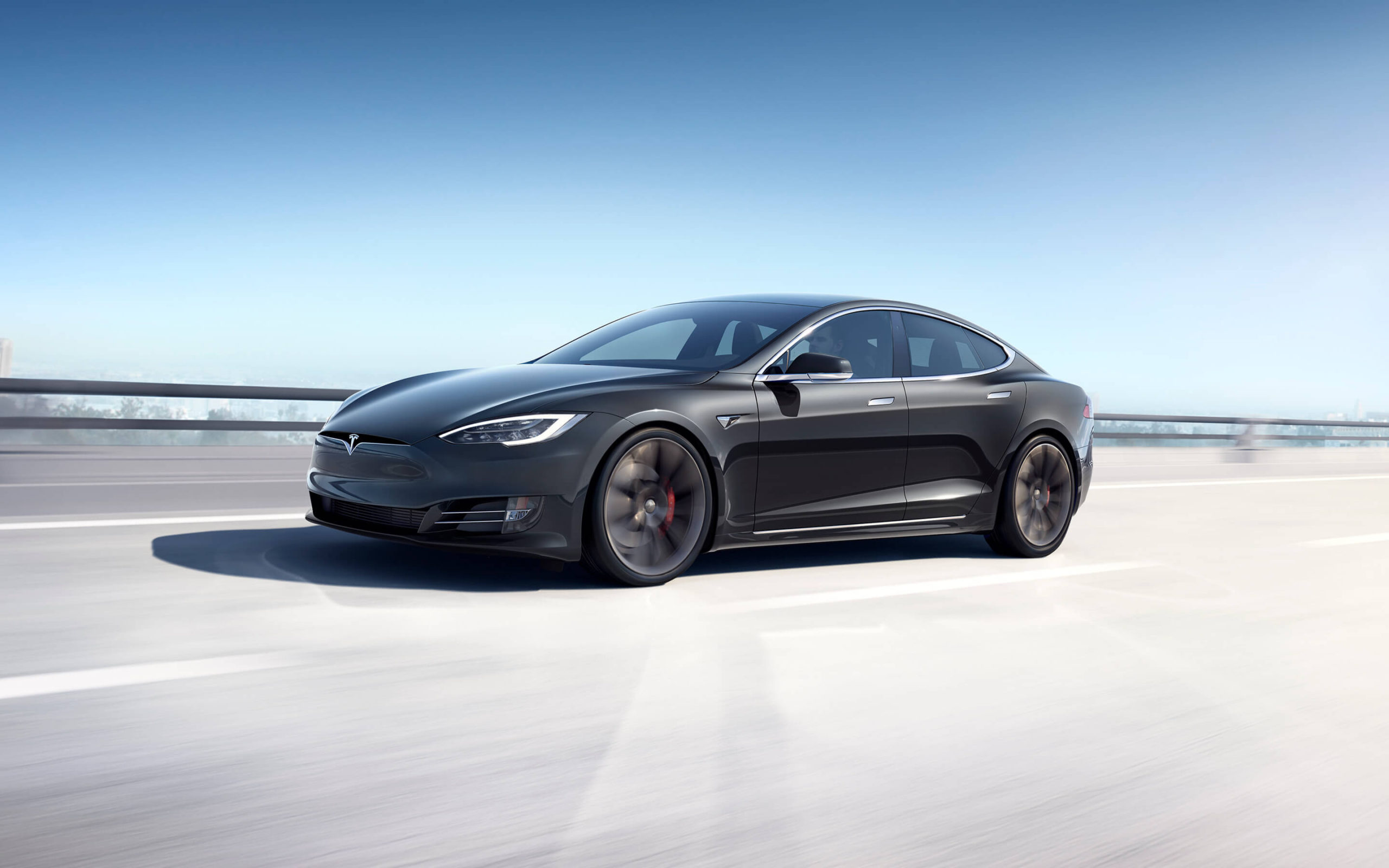
    Tesl is recalling more than 817,000 vehicles in the United States because an audible alert may not activate when a vehicle starts and the driver has not buckled the seat belt, a U.S. auto safety regulator said. The National Highway Traffic Safety Administration (NHTSA) said on Thursday the vehicles, 2021-2022 Model S and Model X, 2017-2022 Model 3, and 2020-2022 Model Y fail to comply with a federal motor vehicle safety standard on “Occupant Crash Protection” because the chime does not activate. Tesla will perform an over-the-air (OTA) software update to address the issue.

    Tesla told NHTSA that as of Jan. 31 it was unaware of any crashes or injuries related to the issue. Tesla said in a document filed with NHTSA, the South Korea Automobile Testing & Research Institute (KATRI) on Jan. 6 brought the condition to Tesla’s attention. Tesla said on the recalled vehicles a software error may prevent the chime from activating upon vehicle start under certain circumstances.

    The automaker said the issue was limited to circumstances where the chime was interrupted in the preceding drive cycle and the seat belt was not buckled after that interruption. Tesla added the issue does not affect the audible seat belt reminder chime from activating when the vehicle exceeds 22 km/h and the driver seat belt is not detected as buckled. The condition does not impact the accuracy of the accompanying visual seat belt reminder. Tesla has come under increasing scrutiny from U.S. regulators and issued several recalls in recent months.

    On Tuesday, Tesla said it was recalling 53,822 U.S. vehicles with the company’s Full Self-Driving (Beta) software that may allow some models to conduct “rolling stops” and not come to a complete stop at intersections posing a safety risk. Tesla will perform an over-the-air software update that disables the “rolling stop” functionality, NHTSA said.

  • Panasonic To Invest $700 Million To Produce Tesla EV Battery

    Panasonic To Invest $700 Million To Produce Tesla EV Battery

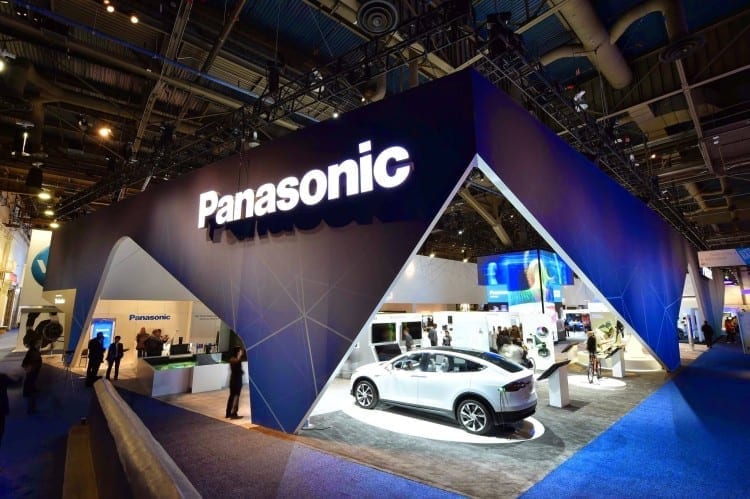
    Japan’s Panasonic will begin producing its new lithium-ion battery for Tesla from as early as 2023, with plans to invest about 80 billion yen ($705 million) in production facilities in Japan, the Nikkei reported on Monday. The powerpack could help make electric vehicles (EVs) more attractive to motorists by extending cruising range by about a fifth, the Nikkei reported, without saying where it obtained the information.

    “We are studying various options for mass production, including a test production line we are establishing this business year. We don’t, however, have anything to announce at this time,” Panasonic said in a statement sent to Reuters.

    Panasonic unveiled the 4680 format (46 millimetres wide and 80 millimetres tall) battery in October. At around five times as big as batteries it currently supplies to Tesla, it is also expected to help the U.S. electric vehicle maker lower production costs.

    Panasonic will make the 4680 batteries at a plant in Wakayama prefecture in Western Japan, with output of less than 10 gigawatt hours a year, equivalent to around 150,000 vehicles, the Nikkei said.

    Panasonic is the sole maker of the more advanced Tesla battery, ensuring it remains a key supplier to the U.S. company, at least for its pricier models, even as the EV maker seeks out battery suppliers in China and elsewhere.

  • Another Apple Car engineer quits, this time, joining Meta

    Another Apple Car engineer quits, this time, joining Meta

    Okay, so far, we’ve had a lot of information about the reported turnover at Apple’s mysterious project for self-driving vehicles. Many engineers have reportedly left the project to join other firms. Now, AppleInsider reports about yet another Apple Car engineer leaving the company, and this time, he will be joining Meta (former Facebook).

    The long-rumored project for a self-driving car from Apple seems to be having a lot of setbacks recently, mainly due to losing engineering managers and other key staff and an overall quite consistent employee turnover.

    It seems this pattern is continuing in 2022. This time, it’s the head of software engineering of Apple Car, Joe Bass, who has reportedly left Cupertino to go join Meta. Joe Bass was the Lead Engineering Program Manager for Autonomous Systems over at Apple since the beginning of 2015. According to his LinkedIn profile, he has now left Apple for a new start.

    His new position is Director of Technical Program Management, Mixed Reality Technologies over at Meta (formerly Facebook). The departure of Bass comes after several other engineers did the same back in December, with a majority of them seemingly going to air-taxi startup Archer Aviation, and another similar company, Joby Aviation.

    Keep in mind that the Apple Car project is still just rumored, and has not had an official announcement. The most recent news about it is the report that the company is looking to announce its key partners for the project sometime this year. This information is coming from South Korean sources: it seems Cupertino has been looking into South Korean carmakers to possibly strike a deal with them for Apple Car components.

    This information seems to indicate Apple has plans to ship an Apple Car by 2025. The possible announcement of the partnerships could give us more information about the time frame in which we expect to see this ever-so-mysterious self-driving car. And from this high level of turnover, one can not help but assume things aren’t going exactly according to plan for the Apple Car.

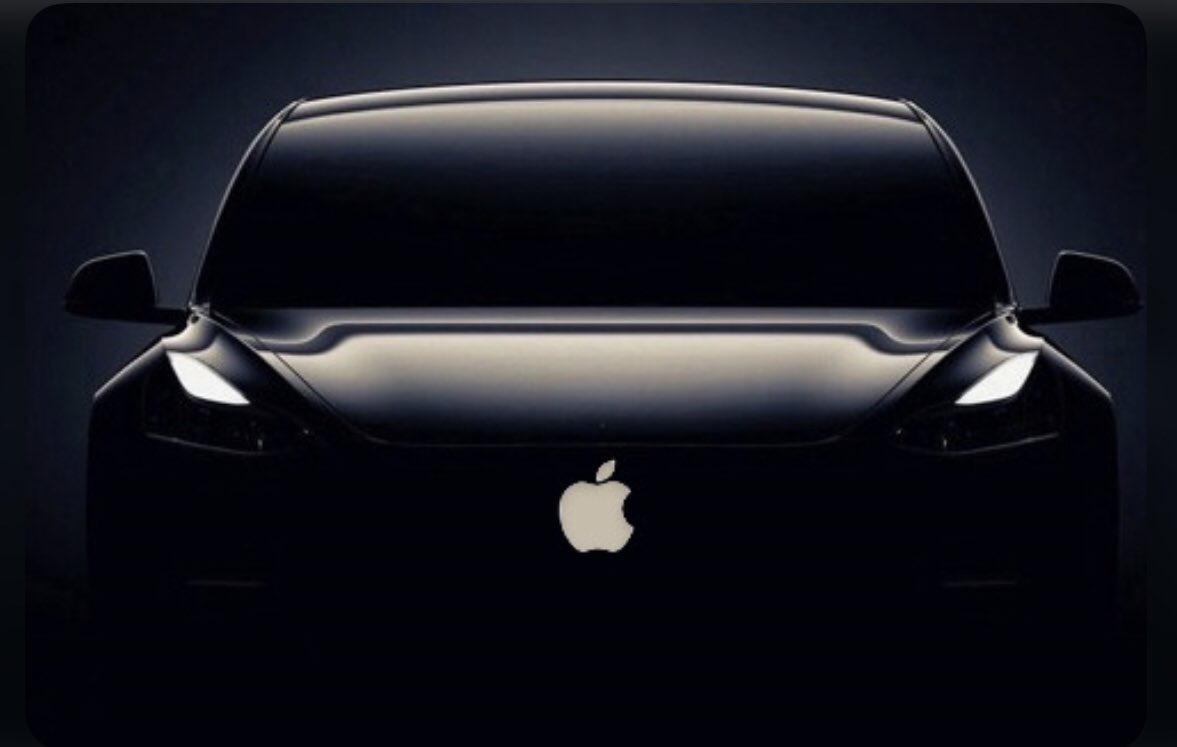
    This image is a part of the newly-created Apple Car renders that we reported on earlier, coming from British car leasing firm Vanarama, and of course, they are based on patents filed by Apple plus previously released Apple devices.

    It is, indeed, a very early stage to know for sure if the Apple Car will look anything like the image shown above, but it looks cool, don’t you agree?

    There have been many people leaving and joining the supposed Apple Car project in recent months, especially in November and December of last year. Some of its key engineers have been leaving to join air taxi startup companies, while other ex-Tesla engineers have joined to take their place.

    Just to name a few, Eric Rogers, who was Apple’s chief engineer for radar systems for the project for the self-driving vehicle has left to go join Joby Aviation Inc, a flying taxi startup. Alex Clarabut, who was an engineering manager for the team’s battery systems group, has now joined Archer Aviation, another company working on air taxis.

    The third person who recently left Apple is Stephen Spiteri, who was a hardware engineering manager, and he has also gone ahead and joined Archer. The two flying taxis companies have confirmed the appointments.

    All these staff changes serve to show how many challenges the Cupertino tech giant is facing as it is expanding into an entirely new industry. Of course, building and selling a self-driving car represents a massive new sales opportunity, one of its famous “next big thing”. We will see how Apple will face the challenges coming with it.