Retail News CRM

Tag: auto news

  • Vinasun’s 2022 profit almost seven times higher than target

    Vinasun’s 2022 profit almost seven times higher than target

    Vietnam’s leading taxi firm Vinasun posted VND185 billion (US$7.89 million) after-tax profit last year, which is 6.8 times higher than targeted.

    The taxi operator recorded profits in all four quarters of 2022 after suffering losses in 2020 and 2021 due to the Covid-19 pandemic.

    With efforts to recover the market in HCMC and the nearby Binh Duong and Dong Nai Provinces, and look for partnership opportunities in transport, technology and consumption sectors, the company earned revenues worth VND1.089 trillion last year, which is twice the figure of 2021.

    By the end of last year, Vinasun’s total assets were worth VND1.836 trillion, up nearly 20% from the beginning of the year.

    At the closing the session on January 19 before the Lunar New Year break, Vinasun (VNS)’s stock value increased by nearly 6.8%, to VND18,150 per share.

  • Indonesia surpasses Thailand as Vietnam’s largest car exporter

    Indonesia surpasses Thailand as Vietnam’s largest car exporter

    Indonesia surpassed Thailand as Vietnam’s largest car exporter in 2022, with 72,671 cars exported.

    According to statistics released by Vietnam Customs, Vietnam imported 173,467 cars in 2022, an 8.5% increase from 2021.

    Indonesia, Thailand and China were the biggest car exporters to Vietnam, but Indonesia surpassed Thailand to be the country that exported the most cars to Vietnam, with 72,671 cars exported in total, a 64.2% increase from 2021, and worth $10.5 billion.

    Thailand exported 72,032 cars worth $1.42 billion to Vietnam in 2022, a 10.9% decrease in number from 2021. The number of cars imported from Indonesia and Thailand amounted to 144,703 cars, accounting for 83% of all imported cars. China stood in third place, exporting 17,240 cars to Vietnam in 2022.

    For the first time in decades, the number of cars sold in Vietnam in 2022 reached 508,547 cars, according to statistics from the Vietnam Automobile Manufacturers’ Association and TC Motor.

  • Audi Delivers Over 1,00,000 EVs Globally in 2022

    Audi Delivers Over 1,00,000 EVs Globally in 2022

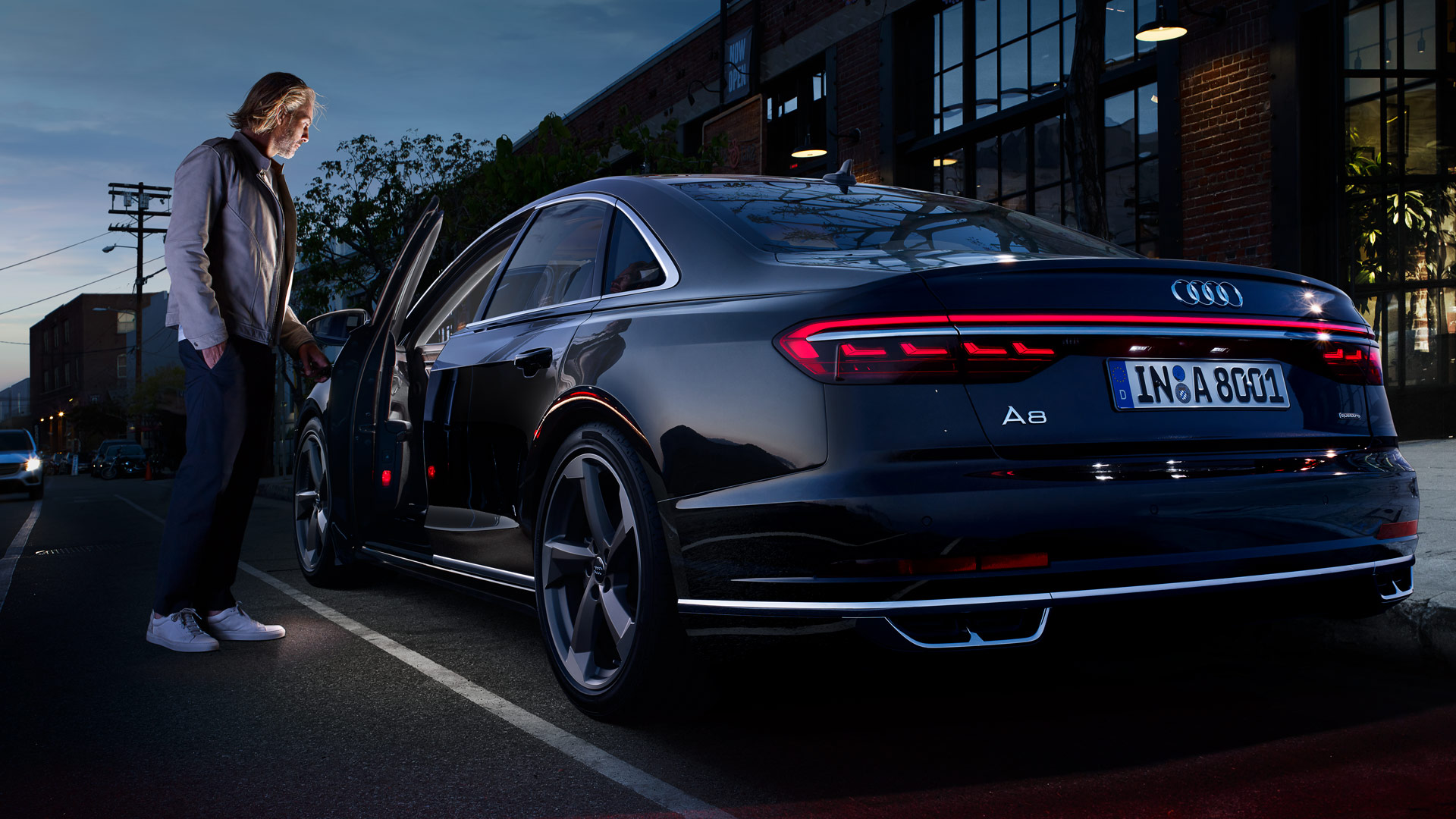
    Audi saw a significant growth in the sale of EVs in the year 2022 globally, as the German manufacturer registered a sales figure of over 1 lakh EVs in the year. To be precise, the Volkswagen Group-owned brand delivered 1,18,196 electric vehicles globally in the year, which marked an increase of 44.3 percent over CY2021.

    “Even though we’re still facing global economic challenges, we’re looking toward the future with confidence,” said Hildegard Wortmann, Member of the Board of Management of AUDI AG for Marketing and Sales. “That’s because we’re going into 2023, during which we will accelerate the transformation together with an attractive portfolio, many orders and a highly motivated team.”

    Audi saw high demand for all-electric models, including the Audi Q4 e-tron, Audi e-tron GT quattro, and Audi e-tron – which will soon be replaced by Audi Q8 e-tron. Not just globally, but Audi also saw a decent growth in EV sales in India, with the figure going up 27.1 per cent in the year 2022.

  • Indonesia To Offer $5,000 Subsidy On Electric Car Sales

    Indonesia To Offer $5,000 Subsidy On Electric Car Sales

    Indonesia’s government plans to offer a subsidy of more than $5,000 on every sale of an electric car, a minister said on Wednesday.

    It will also offer incentives to encourage purchases of electric motorbikes as well as hybrid cars, Industry Minister Agus Gumiwang Kartasasmita said, as part of plans to reduce carbon emissions in Southeast Asia’s largest economy.

    The incentives will offered to buyers of EVs produced by firms with factories in Indonesia, he said in a video statement.

    A subsidy of around 80 million rupiah ($5,131) will be offered on every sale of an electric car, 40 million rupiah on hybrid cars and 8 million rupiah on fully electric motorbikes, the minister said.

    The government will also cover 5 million rupiah of the cost to convert a combustion engine motorbike into an electric one, he added.

    He did not provide a timeline for when the scheme will be implemented nor the total budget it will require.

    Senior Minister Luhut Pandjaitan said previously that the program may start next year.

    Indonesia has a target of at least 1.2 million electric bikes and 35,000 electric vehicles in use by 2024.

  • Domestic car market sees sluggish sales in year-end sale season

    Domestic car market sees sluggish sales in year-end sale season

    While normally a positive time for car sales, this year the domestic automobile market is seeing gloomy days as Tet (Lunar New Year holiday) approaches.

    Sale manager of a Hyundai showroom Van Nam said since the end of the second quarter this year, car loans from commercial banks have had an interest rate of 13-15.5% a year, while car loans during the Covid-19 pandemic were between 9.5-9.9% a year.

    Car loans offered by foreign banks in Vietnam are between 10-11% per year, however, lending procedures are very strict, and borrowers must have high incomes and their salary must be paid via banks.

    His showroom’s car sales have decreased by about 40% from the beginning of this year, Vietnam News Agency quoted Nam as saying. His showroom set a target of selling 200 units in December, but it has been hard to achieve it.

    Dinh Hung, a car trader, said used car sales have been gloomier. Since he started trading used cars, this has been the bleakest time. Hung attributed his slow sales to higher interest rates and tightening credit. He complained that he had to borrow money from banks for his business, and it was very difficult to pay off his loans as his used cars have gone unsold.

    Sharing the same view, car dealer Nguyen Quyet said in the first months of this year, the used car market was boisterous and many used vehicles were even sold at higher prices than new cars due to global supply shortages. Contrary to early months, the year-end used car market is quite gloomy.

    The sluggish sales are attributed to a tightening credit market and higher interest rates.

    Tran Duc Hung, a Hanoi resident who is planning to purchase a vehicle, found himself wondering whether he should opt for a new car or not. Hung said that if he bought a new car, he would have to borrow about VND400 million ($16,670) from a commercial bank for a term of five years.

    With this loan, his car would end up costing an additional VND130 million due to bank interest.

    Nguyen Van Thang, an owner of a car dealership on Le Van Luong street, said most banks do not give priority to car loans while interest rates are quite high. This factor greatly affected the car market in general and used cars in particular, especially luxury and expensive ones. Car traders had to reduce prices in early December to lure customers.

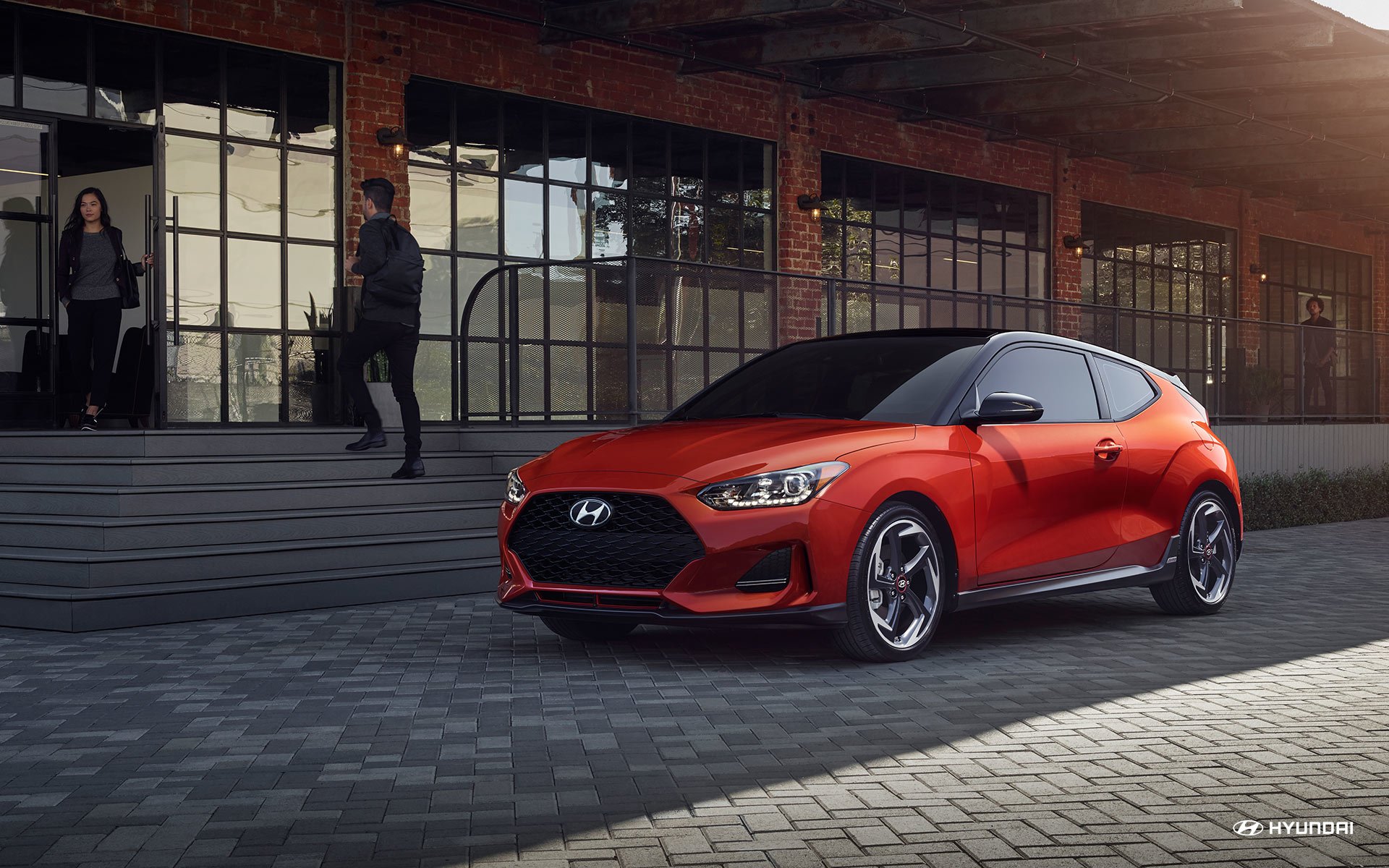
    Nguyen Van Nam, sale manager of a Hyundai showroom in Hanoi, said that in December, he lowered prices by between VND15-30 million ($625-1,250) of popular Hyundai models such as Accent, Grand i10, and Elantra.

    Le Thai Son, a car salesman at a Honda showroom in Cau Giay District, said the prices of many Honda models were reduced, for instance, the Honda CR-V at this time would get an attractive discount of between VND70-90 million.

    Toyota Vietnam has offered a promotion campaign for models such as Veloz, Vios, or the 7-seat MPV segment with discounts of VND30-40 million. Meanwhile, many dealers have launched promotions by offering free registration or direct discounts on price.

    November auto sales posted a decline from October after four consecutive months of growth, but sales for the year so far have still achieved double-digit growth.

    According to the Vietnam Automobile Manufacturers Association (VAMA) report issued on December 13, automobile sales including imports were down 5.9% year-on-year to 36,371 units in November. CKD volume reached 18,813 units and CBU volume was 17,558 units.

    Total sales in the first 11 months this year rose 43% year-on-year to 369,334 units. Of that total, sales of CKD vehicles reached 208,822 and those of CBU imported vehicles reached 160,512 units.

  • Tesla Adds Apple Music, Zoom & Steam Games Via OTA Update

    Tesla Adds Apple Music, Zoom & Steam Games Via OTA Update

    Tesla has released a new over-the-air (OTA) update for the Model S and Model X which have 16GB RAM. This new update for the 2022 models, now adds some notable new features like the ability to play games from the Steam App Store with cloud synchronisation and support for Bluetooth game controllers while using the arcade mode. This includes support for the PlayStation 5 Dual Shock remote.

    Other updates include a dog mode which allows users to access the in-car camera from the mobile app to keep an eye if your pet is doing well. There are updated media features as well. Teslas notoriously don’t have support for Apple CarPlay and Android Auto. This also meant users of streaming services like Apple Music or YouTube Music could only stream music via Bluetooth or use Spotify which already had an app for the Tesla infotainment system.

    Over the months Tesla had been developing an Apple Music client which has now been released with this OTA update. This was important as a majority of Tesla’s user base has an iPhone which comes preloaded with Apple Music. In addition to Apple Music, there is also a dedicated Zoom client for the video calling and conferencing service which would be a boon to people who are always working on the go.

    The entire user interface for navigation has been updated with drivers having the ability to relive Mario Kart memories and drive on the rainbow road. The turn signals can also automatically turn off and the door handles have new options while parked at home.

    This update furthers Tesla’s vision of the car becoming the next mobile entertainment hub. When the new Model X and S cars where launched they came with a new infotainment system that had AMD RDNA 2 silicon which provides comparable computational power to the Sony PlayStation 5.

    In fact, Sony which has partnered with Honda for an electric car venture is hinting at embedding the PlayStation 5 console within the new cars they launch in the next few years. Mercedes is also moving in a similar direction with the MBUX platform on its cars while Google’s Android Automotive is providing a phone like operating system for manufacturers like Volvo.

  • Tesla Launches EVs In Thailand Amid Competition From Cheaper Brands

    Tesla Inc launched two electric vehicle (EV) models in Thailand on Wednesday, marking its first foray into the regional autos hub that has long been dominated by Japanese manufacturers.

    The launch of two EVs with prices ranging between 1.7 million baht to 2.5 million baht (($48,447 to $71,205) comes as Thailand makes a push for EV adoption and production by offering tax cuts and subsidies.

    The U.S. automaker plans to start selling its EVs in Southeast Asia’s second-biggest economy via online channels, with deliveries set to start early next year. But it faces stiff competition from Chinese brands like BYD and Great Wall Motors, which have set up showrooms and distribution partners in recent years to reach customers and offer EVs with prices starting at 800,000 baht.

    Tesla did not provide details on sales targets.

    Thailand is Asia’s fourth-largest auto assembly and export hub for companies like Toyota Motor Corp and Honda Motor Co Ltd. It produces about 1.5 million to 2 million vehicles annually, of which about half are exported.

    Fuel-based vehicles, especially made by Japanese brands, still dominate the market and uptake of EVs has gradually gained momentum, with about 7,000 new battery EVs registered in the first ten months of 2022, according to the Thailand Automotive Institute, up from 2,000 last year.

    Customers who showed up to Tesla’s launch in a luxury mall in central Bangkok said they were interested in the new cars being offered.

    “I’m excited. The price differences aren’t significant (from other EV brands),” said office worker Thitipun Paisirikul, 36, adding he expected the re-sale value of the car would be high.

    The government wants at least 30% of vehicles produced in the country to be electric by 2030.

    State-owned energy firm PTT Group this year announced a $1 billion joint venture with Taiwan’s Foxconn to produce EVs in Thailand.

  • Tata Motors Take A Dig At Mahindra As Nexon EV Crosses 35,000 Unit Sales

    Tata Motors Take A Dig At Mahindra As Nexon EV Crosses 35,000 Unit Sales

    Tata Motors recently announced that its popular Nexon EV has crossed the 35,000 unit sales mark. Tata Motors posted the achievement on its social media channels, while also taking a dig at the upcoming Mahindra XUV400. Tata Motors posted an image that read 35,000 is greater than OO, where the OO was written in the same font that Mahindra uses for the XUV400.

    The soon-to-be-launched Mahindra XUV400 one-ups the Nexon EV in almost all the fields, except on the feature front. Its longer, and has better specs than the Nexon EV, but it is not as feature packed as the Nexon EV.

    The Nexon EV has been the bestseller EV in India for a while, Mahindra aims to dethrone the SUV once the XUV400 is launched early next year.

  • VinFast ships first electric vehicles to US

    VinFast ships first electric vehicles to US

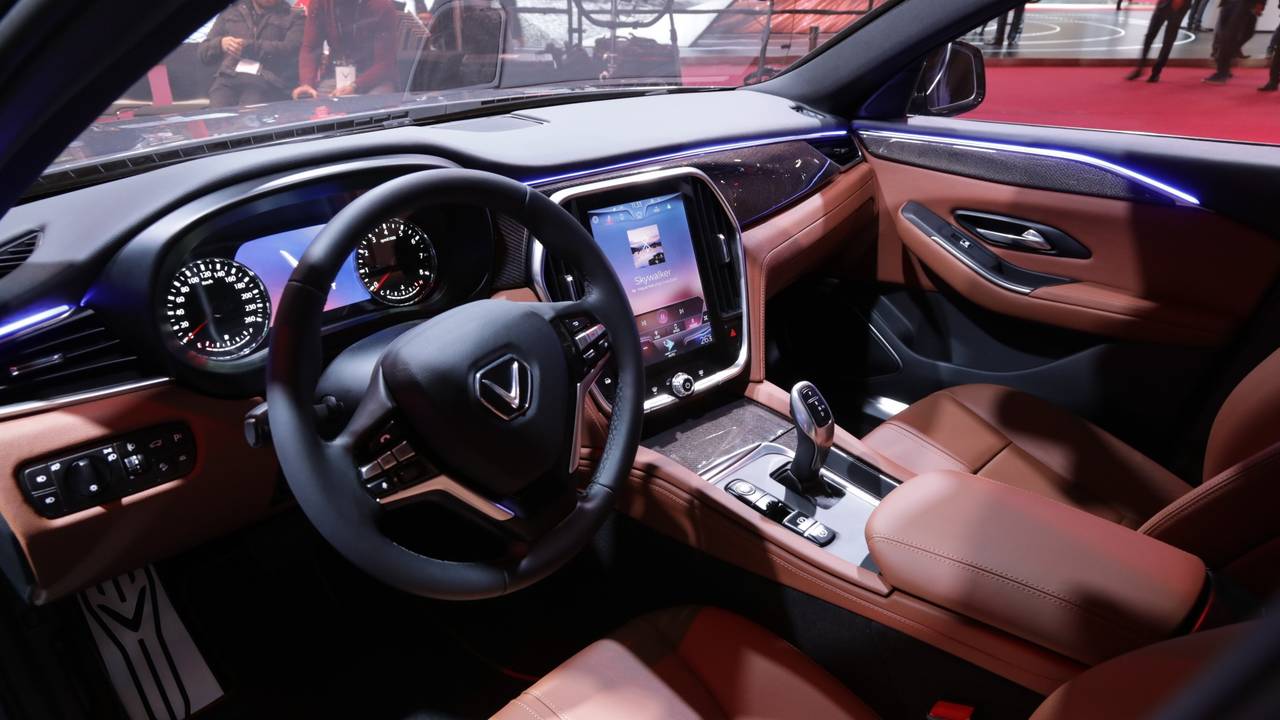
    VinFast had shipped its first batch of 999 cars to the U.S., capping a five-year bid to develop an auto production hub in Vietnam for markets in North America and Europe.

    The company said that the first cars are expected to be handed over to customers by the end of December.

    VinFast Chief Executive Le Thi Thu Thuy said some of the VF 8 electric SUVs being shipped on Friday would be sent to U.S. car subscription service Autonomy but the majority would go to retail buyers who have ordered the car.

    Thuy said VinFast expected to be able to ship a second batch of cars to the United States, its first export market, around January.

    VinFast is in the process of building an electric vehicle plant in North Carolina that is awaiting final regulatory approval from local officials.

    Thuy said the company expected to start production at the North Carolina factory from July 2024 and that electric vehicles built there would qualify for incentives under the terms of the Inflation Reduction Act signed by U.S. President Joe Biden.

    The Inflation Reduction Act, as currently written, requires automakers to have 50% of critical minerals used in EV batteries come from North America or U.S. allies by 2024, rising to 80% by the end of 2026.

    Major automakers have said those targets are unrealistic and it was not immediately clear how VinFast would meet the sourcing requirements.

    “The IRA came as a surprise to all of us but it doesn’t really impact our strategy in the U.S.,” Thuy told Reuters. “As soon as we start manufacturing cars in the U.S., our customers will be eligible (for) the tax incentive.”

    VinFast said last week that Autonomy had ordered 2,500 electric vehicles, its largest corporate order to date. VinFast has said it has almost 65,000 orders globally in total and expects to sell 750,000 EVs annually by 2026.

    The North Carolina factory project is running months behind schedule, based on the company’s initial targets, and the first shipment of EVs built by VinFast was short of the initial goal to deliver as many as 5,000 cars built at its factory in Haiphong by December.

    VinFast officials said the number 999 for the vehicles shipped in the first batch had been chosen because it is considered a lucky number in Vietnam.

    “There is no luckier number than 999,” Thuy said. The Panamanian-chartered transport ship used to send the first shipment of VinFast EVs had the capacity to carry up to 2,000 vehicles, officials said.

    Shares in VinFast’s listed parent company, Vingroup, which also has property and resort development businesses, were up 5.41% on Friday morning.

  • Mercedes recalls nearly 1,000 vehicles in Vietnam over fire risk

    Mercedes recalls nearly 1,000 vehicles in Vietnam over fire risk

    Mercedes is recalling 966 cars in Vietnam due to fire risks related to electrical short circuits in the trunk control modules and faulty trim bars on rear doors.

    The recall covers three models – C300, GLE and GLS imported via official channels in Vietnam. Of these, 126 recalled Mercedes C300 cars were made between May 2021 and May 2022.

    The remaining 840 units – GLE 450 4Matic, GLS 450 4Matic, GLS Maybach 480 4Matic and GLS Maybach 600 4Matic – were made between July 2019 and January 2022.

    With the C300 model (W206 generation), there is a risk of rain water ingress at the rear trunk. Moisture can thus seep into the signal acquisition and actuation module (SAM module) inside the trunk, the carmaker said.

    In this case, short circuits may occur in the control modules and fire risks cannot be completely eliminated. In addition, short circuiting can lead to various other problems, for instance, damage to the taillights. The company has recalled vehicles to fit a waterproof cover over the module that receives the signal and activates it to prevent problems.

    The GLE and GLS models are being recalled to repair the trim bar in the triangular window (rear door) because they may not meet specifications due to deviations in the assembly process. As a result, the decorative bars may detach from the vehicle while it is in motion, potentially causing accidents or injuries to other road users.

    The recall of the above models is being carried out at Mercedes Vietnam’s authorized dealers system nationwide and repairs are done free of charge. Fixing the error on the C300 takes about 60 minutes and procedures for the remaining lines about half that time. The recall program will run from November 10, 2022 to December 31, 2027.

    Mercedes Vietnam has said that it will also provide free error correction support for C300, GLE and GLS models not imported via official channels that are on the global recall list of Mercedes AG.

  • Tesla Recalls 3,21,000 U.S. Vehicles Over Rear Light Issue

    Tesla Recalls 3,21,000 U.S. Vehicles Over Rear Light Issue

    Tesla is recalling more than 321,000 vehicles in the United States because tail lights may intermittently fail to illuminate, the company said in a filing made public Saturday.

    The news follows the company’s recall on Friday of nearly 30,000 Model X cars in the United States over an issue that may cause the front passenger air bag to deploy incorrectly, which sent its shares down almost 3% to a near two-year low.

    In the filing published Saturday to the National Highway Traffic Safety Administration (NHTSA), the electric vehicle manufacturer said the tail light-related recall covers some 2023 Model 3 and 2020-2023 Model Y vehicles.

    Texas-based Tesla said it will deploy an over-the-air update to correct the rear light issue and said it has no reports of any crashes or injuries related to the recall.

    The company said the recall followed customer complaints it became aware of in late October, largely from foreign markets, claiming vehicle tail lights were not illuminating.

    The investigation found in rare cases the lights may intermittently not work due to an anomaly that may cause false fault detections during the vehicle wake-up process. Tesla said it had received three warranty reports over the issue.

    Tesla has reported 19 U.S. recall campaigns in 2022 covering more than 3.7 million vehicles including four callbacks in November, according to NHTSA data.

  • Tesla Shares Close Lower After 3-1 Stock Split

    Tesla Shares Close Lower After 3-1 Stock Split

    Tesla’s shares closed 2% lower on Thursday as a three-for-one stock split announced by the world’s most valuable automaker to woo retail investors came into effect.

    The stock opened at $302 and closed at $296.07 as the split allowed investors to get two additional shares for each they owned as of Aug. 17. It had closed at $891.29 before the split on Wednesday.

    This is the second stock split by Tesla in as many years and follows similar moves by high-growth companies such as Amazon.com and Google-parent Alphabet to address the growing need to diversify investor base.

    Stock splits “certainly have a higher appeal to retail investors and makes their options more affordable as well,” said Art Hogan, chief market strategist at B. Riley.

    “Retail investors are a very important cohort for Tesla and today’s stock split is an acknowledgment of that fact.”

    Austin-based Tesla debuted in 2010 at $17 and in a decade surged to a peak price of $2,000, becoming one of the highest priced shares on Wall Street and making it difficult for small investors to bet on the high-growth stock.

    The company decided to split its stock on a five-for-one basis in August 2020 and breached $1 trillion in market capitalization in 2021.

    The EV maker is the sixth company in the S&P 500 index to split its shares this year, according to Howard Silverblatt, senior index analyst for S&P and Dow Jones indices.

    Tesla’s ticker was trending on social media stocktwits.com, indicating increased chatter among individual investors. The shares have lost about 11% of their value since March when the company announced plans to increase its number of shares.

    “In typical buy-the-rumor, sell-the-news style, investors tend to drastically scale back purchases of splitting stocks in the weeks ensuing the effective split date, causing price momentum to slow,” analysts at Vanda Research said in a note.

    A stock split does not affect the fundamentals of a company, but makes it easier for individual investors to do small trades. The benefits of such splits, however, are becoming less clear as brokerages let customers buy parts of a company’s share.

    Tesla’s shares have fallen about 16% so far this year amid a selloff in high-growth stocks due to worries over aggressive interest rate hikes and geopolitical uncertainties.

  • Ex-Apple engineer pleads guilty to stealing documentation about the Apple Car

    Ex-Apple engineer pleads guilty to stealing documentation about the Apple Car

    A former Apple employee by the name of Xiaolang Zhang, who was arrested by federal agents in July 2018 just as he was about to board a flight from San Jose to China, pleaded guilty yesterday in federal court in San Jose. Zhang was charged with stealing computer files that contained secrets about Apple’s hush-hush car division. Zhang faces a sentence of up to 10 years in prison and a $250,000 fine.
    The sentencing is scheduled to take place on November 14th. Apple claimed that Zhang downloaded an internal 25-page document that contained engineering schematics of a circuit board for a self-driving vehicle. He is alleged to have taken reference manuals and PDFs that featured descriptions of Apple’s automotive prototypes and prototype requirements. He had worked for Apple from 2015 to the time of his arrest and his last position with the company was as a hardware engineer on the team developing Apple’s self-driving car.
    Even after four years have gone by since Zhang was busted at San Jose airport, Apple has remained tight-lipped about the division developing its autonomous electric car. In the charging documents created by the FBI back in 2018, it says that 5,000 Apple employees knew about the project at the time, and that 2,700 had access to project materials and databases.
    Internal software used by Apple helps the company keep track of the employees who know about a certain project and they are forced to take in-person secrecy training according to the complaint filed with the court.

    Zhang originally took paternity leave and traveled to China, but Apple started to smell a rat when he returned from the country and quit. He said that he needed to return to China to take care of his mother. Zhang did tell Apple that he was going to work for Chinese electric vehicle company Xmotors and a suspicious Apple immediately blocked his access to Apple’s network.

    But Apple made this move after Zhang had accessed company databases to download documents and information. He was also caught red-handed (no pun intended) by Apple’s closed-circuit television system removing circuit boards and a Linux server from the lab.
    Zhang isn’t the only former Apple employee who tried to peddle secrets from Apple’s car division. Jizhong Chen is accused of stealing trade secrets from Apple’s car division in early 2019. A U.S. citizen, Chen was also planning on traveling to China. While he is represented by the same attorney defending Zhang, unlike the latter, Chen has yet to plead guilty and a trial date has not been scheduled.
    While things seem a bit slow at Apple’s car division, you know, with the new iPhone 14 series just a couple of weeks away from being announced, last month there was some news. With rumors circulating that Apple had decided to give up on the project, the company reportedly hired 20-year industry veteran Luigi Taraborrelli to lead the team designing the vehicle.
    At Lamborghini, Taraborrelli was in charge of chassis and vehicle dynamics working on such models as the Urus, Huracan, Aventador, and the off-road Huracan Sterrato. He also did some work on the Asterion concept car. Earlier this year, there was speculation that Apple is developing an operating system designed just for the Apple Car that would control important functions such as navigation and lane control, Apple Music integration, and air conditioning.
  • Auto association wants tax cuts for hybrid vehicles

    Auto association wants tax cuts for hybrid vehicles

    The Vietnam Automobile Manufacturers Association has sought cuts in excise tax and registration fees for hybrid electric vehicles.

    This would stimulate demand and encourage businesses to invest in power generation and charging systems, it said.

    Incentives for electric and hybrid vehicles should gradually decrease, and there would be no need for them by 2050 once these vehicles establish themselves in the market, it said.

    VAMA also called on the Government to soon finalize the development strategy and incentives for the auto industry to help achieve Vietnam’s goal of carbon neutrality by 2050.

    Earlier this year the National Assembly cut excise tax for electric vehicles to 3% from 15% for five years and to 11% from 2027.

    But hybrid cars are not eligible for the incentives, meaning buyers have to pay excise tax of 15% and registration fee of 10-12%.

  • Mercedes-AMG Project One Enters Production

    Mercedes-AMG Project One Enters Production

    Mercedes-AMG had taken the wraps off the Project One F1-engined hypercar five years ago at the Frankfurt Motor Show and it’s been a long time coming since then. Destined to be the fastest road car ever by Mercedes, it was delayed due to development hurdles with making the turbocharged 1.6-liter V6 petrol engine meet emission standards and noise regulations. Well! It’s through all that and the car is on the assembly line now. Mercedes-AMG will only manufacture 275 units of the Project one.

    The cars are being put together by hand at AMG’s Coventry facility in UK while the hybrid powertrain with its four electric motors is made by the Mercedes AMG High Performance Powertrains division in Brixworth. The same division was also responsible for developing and producing the heart of its F1 car. To start production of the One, AMG teamed up with Multimatic to set up a bespoke production facility. The company claims that each and every vehicle has to go through 16 assembly and testing stations and Mercedes-AMG describes the process as resembling the production of luxury watches. Over 50 people are involved in the production of a One hypercar. Once the car is assembled, it undergoes a roll-out at an adjacent proving ground where a factory test driver gives it the proverbial green light.

    The engine is tuned to churn out 1034 bhp and is covered in protective wrap and transported in a closed truck to Affalterbach in Germany at AMG’s headquarters. This is where the owners finally get their hands on the hypercar and also receive a technical vehicle briefing by AMG One experts. The Mercedes-AMG Project One can can do 200 km/h in less than 6 seconds and has a top speed of 350 km/h. It has also run purely on electric power with a range of 25 km and its internal combustion engine will need to be rebuilt after 50,000 km something that is quite common for an F1 engine