Retail News CRM

Tag: car

  • July auto sales 2nd highest for year

    July auto sales 2nd highest for year

    Auto sales jumped to 24,687 units in July, the second-highest monthly number this year behind only March.

    The Vietnam Automobile Manufacturers Association (VAMA), which provided the data – excluding TC Motor and VinFast sales – said however sales were down 18.4% year-on-year.

    The auto market has been going through a rough year amid low economic growth, with sales plummeting by 30% year-on-year in the first seven months to 162,000 units.

    Toyota sold 3,800 cars, a 31% decline.

  • Czech Skoda cars available in Vietnam this September

    Czech Skoda cars available in Vietnam this September

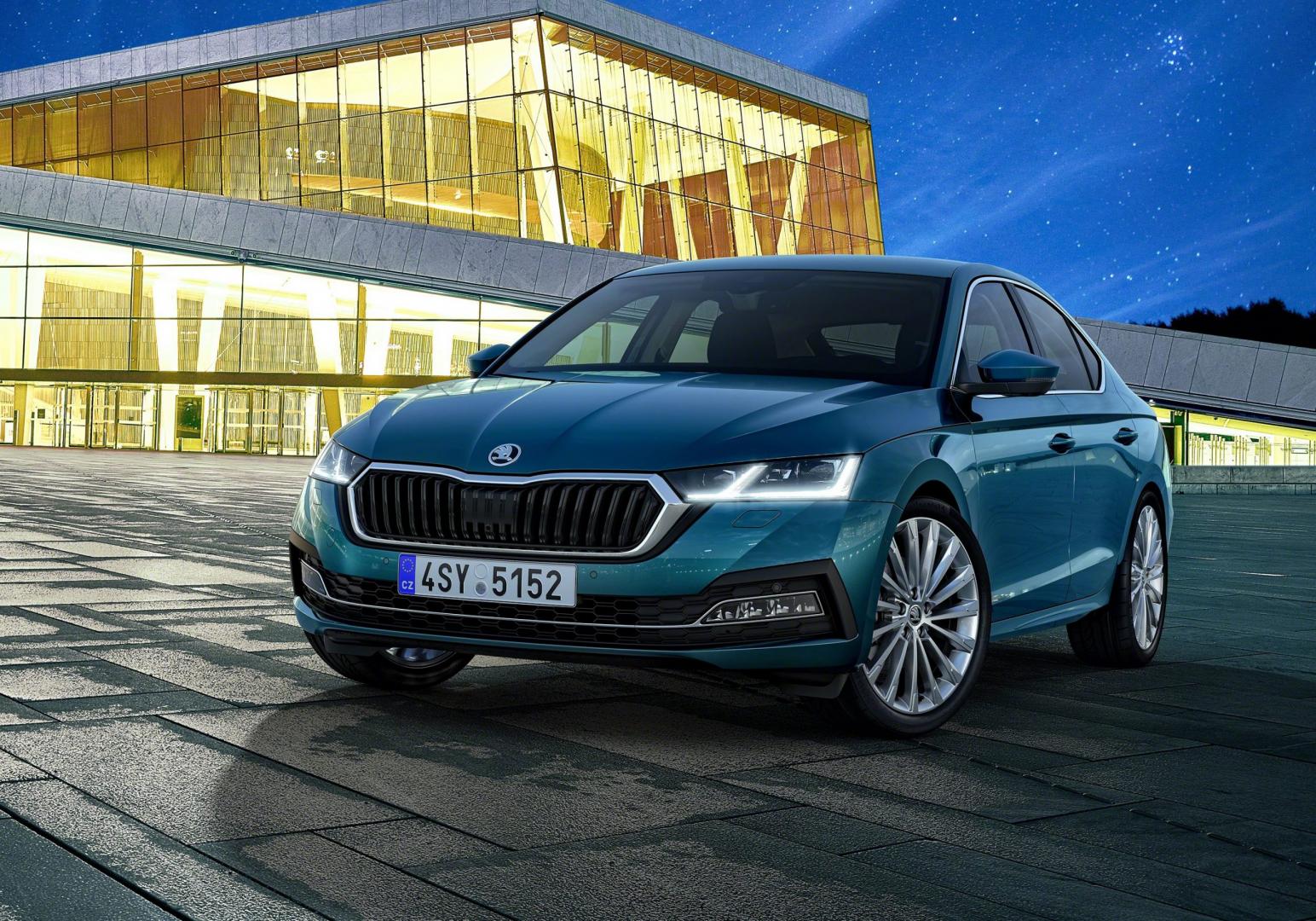
    Skoda cars have been imported into Vietnam from the Czech Republic and will go on sale here in September, according to Skoda’s Vietnamese partner TC Motor.

    The imported models include the CUV Karoq in the C-segment and the SUV Kodiaq in the D-segment, which will compete with Hyundai Tucson, Kia Sportage, Mazda CX-5, Honda CR-V, Kia Sorento, Hyundai Santa Fe, Mazda CX-8, and Toyota Fortuner, said TC Motor, a distributor and assembler of South Korean Hyundai vehicles.

    The 7-seat Kodiaq has gasoline and diesel engine versions and costs some US$52,870 on the European market.

    The Karoq also includes gasoline and diesel engine versions and has a list price of some $31,390 in Germany and around $33,000 in China.

    TC Motor will sell Skoda cars imported from Europe and then vehicles assembled in Vietnam.

    In late February Skoda and TC Motor began building a plant with an annual capacity of 120,000 Skoda cars at Viet Hung Industrial Park in the northern province of Quang Ninh.

    Vietnam is the first Southeast Asian country in which Skoda has put up a factory, from which it also plans to export vehicles to other countries in the region.

    Skoda has three plants in the Czech Republic and facilities in China, Russia, Slovakia, India and Ukraine.
    The company sold 731,300 vehicles in some 100 markets around the world, with Germany, the Czech Republic, India, the UK, and Poland being the biggest.

    In 2021, it sold nearly 900,000 cars in the markets with Germany and Russia being the biggest.

  • Luxury car dealer allegedly sells customer’s $1M Brabus 800

    Luxury car dealer allegedly sells customer’s $1M Brabus 800

    Without his knowledge, luxury car dealer Phan Cong Khanh has been accused of selling a customer’s luxury car for VND24.5 billion ($1.04 million).

    A person named Manh from the southern province of Kien Giang has complained to the police that he had lent his Brabus 800 to Khanh in early June to put on display at the launch of his dealership in Ho Chi Minh City.

    But a few weeks later he found out that Khanh had sold the car to a buyer in HCMC for VND24.5 billion.

    Brabus is a German high-performance automotive aftermarket tuning company.

    The Brabus 800 is the upgraded version of the Mercedes AMG G63, and costs around VND30 billion in Vietnam.

    Some vendors have also complained that Khanh owes them money for services they provided for the launch of K Supper, his luxury car dealership in District 1.

    They include VND100 million for bouquets, VND25 million for renting a crane and some money for construction.

    Mohamach Da Pha’s employee has also been accused of mortgaging a person’s car without consent.

    The police said that in April Pha borrowed a VND1.8-billion BMW from a man named Son and offered to sell it.

    But Son found out recently he had mortgaged his car for VND1 billion.

    The HCMC police are investigating.

    Khanh, a native of the Mekong Delta province of Ben Tre, has the reputation of selling the most luxurious cars in Vietnam.

    In June, he entered the car dealership business in 2017 and opened his K Supper showroom in HCMC’s District 1.

    He regularly posts photos of himself standing next to Rolls-Royce, McLaren, Lamborghini, Ferrari, and Porsche cars on social media, and writes about how young people can start a business and make money.

  • C-segment car sales slump

    C-segment car sales slump

    In the first half of the year 6,787 C-segment sedans, as medium-sized passenger cars are categorized, were sold, a year-on-year decrease of 59.5%.

    The Mazda3 and Kia K3 assembled and distributed by Thaco accounted for 3,983 of them.The former was the bestseller, replacing the K3, which topped last year with sales of 7,439.

    Two Japanese models imported from Thailand, the Toyota Altis and Honda Civic, the highest priced in the segment, had the lowest combined sales of 1,057 units.

    Unlike in the A- and B-segments, few new models have been launched in the C-segment.

    The Vietnam Automobile Manufacturers Association said its members sold 404,635 vehicles in 2022, up 33% from the previous year, with Toyota having the biggest market share of 25.4%.

  • VinFast to hold EV factory groundbreaking ceremony in US

    VinFast to hold EV factory groundbreaking ceremony in US

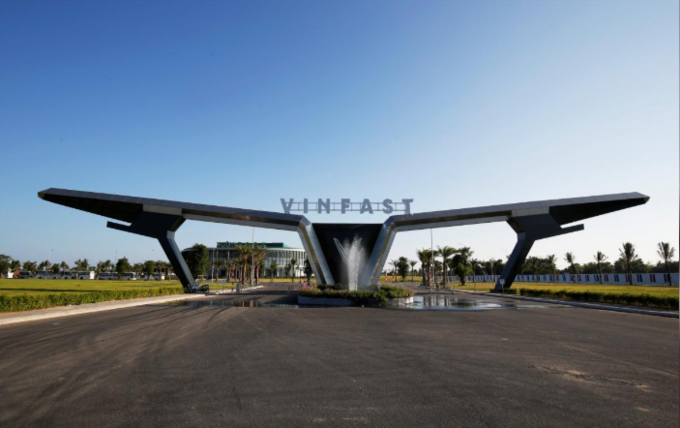
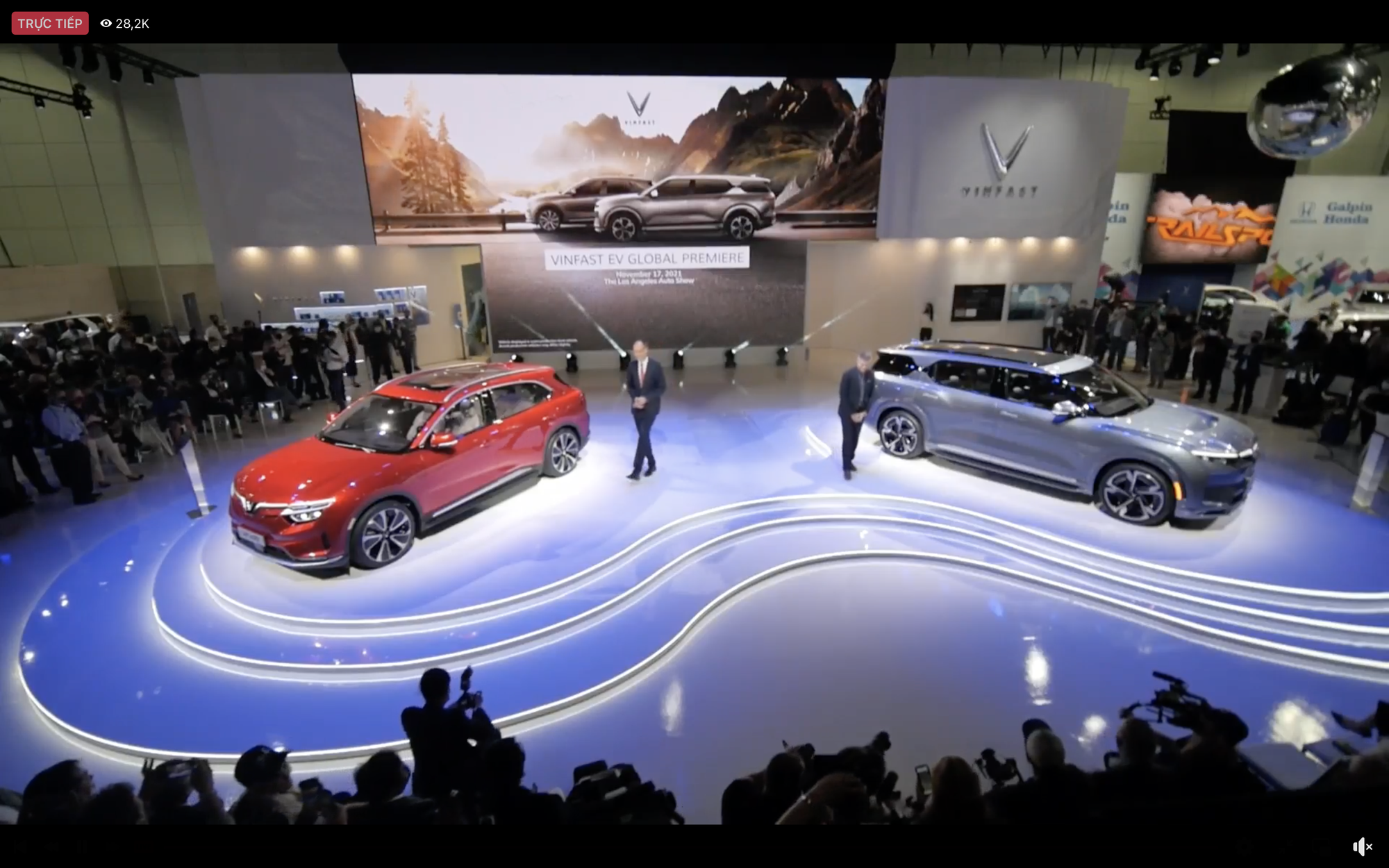
    VinFast, the subsidiary automaker of Vietnamese conglomerate Vingroup, has announced it will hold a groundbreaking ceremony of its electric vehicle (EV) factory in North Carolina, the U.S., on July 28.

    This will be the first EV manufacturing facility in the state and help contribute to the supply of this kind of vehicles in North America, accelerating the global green mobility revolution.

    The facility will be built at the Triangle Innovation Point in Chatham County. Covering an area of approximately 1,800 acres, VinFast’s factory is designed to reach a capacity of 150,000 vehicles per year in Phase 1. The factory will consist of two main areas: production and assembly. The complex will also house supplementary supplier businesses.

    The project has received basic permits to begin Phase 1 construction. When the manufacturing complex commences operations, VinFast’s factory will create an ecosystem of suppliers and help generate thousands of new jobs.

    Le Thi Thu Thuy, CEO of VinFast Auto, said that the manufacturing facility in North Carolina is one of VinFast’s key projects. When it begins operations, the factory will be VinFast’s primary supplier of EVs to the North American market. The company also hopes the construction of the factory in Chatham County will contribute to advancing the clean energy economy in the U.S. and help to support North Carolina’s green mobility strategy.

    The factory is expected to start production in 2025. Last year, VinFast was awarded a US$1.2 billion incentive package from the State of North Carolina for this project, along with critical financial support from the City of Sanford, Chatham County, and the Golden Leaf Foundation.

    In addition to the factory, VinFast is accelerating its business and brand recognition in the US by expanding its retail store and service centre system, organising local test drives and displaying products events throughout California. These efforts will aid in bringing opportunities for customers to directly experience VinFast’s EVs.

  • Volvo Cars Registers 33% Growth in Global Sales

    Volvo Cars Registers 33% Growth in Global Sales

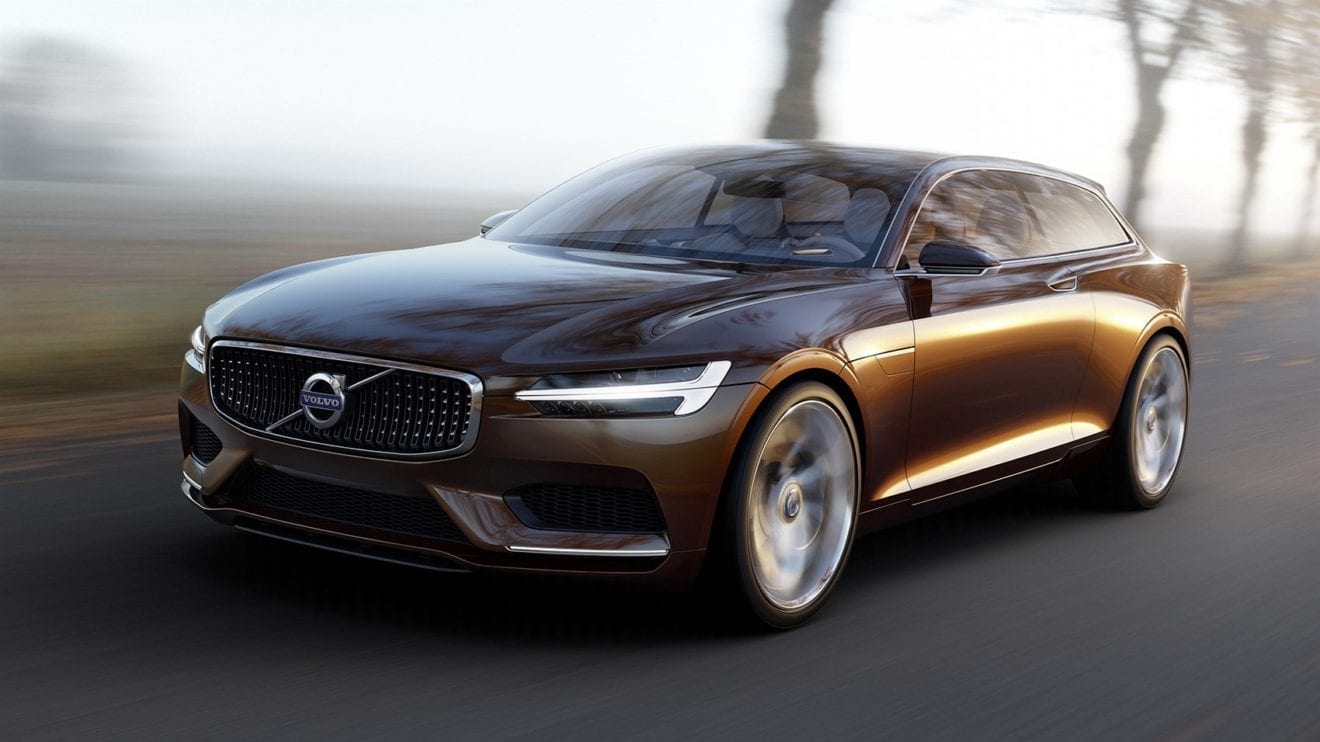
    Volvo Cars has announced a significant surge in sales for the month of June. The company reported selling a total of 66,379 cars worldwide, marking a 33% increase compared to the same period last year. A major contributor to this is the demand for Volvo’s fully electric vehicles, which experienced a fourfold increase in sales compared to June 2022. It’s worth noting that last year’s figures were adversely affected by supply chain constraints, leading to lower production. In June, Recharge models saw a staggering growth of 129%, accounting for an impressive 37% of all Volvo cars sold globally. Among the Recharge models, fully electric cars comprised 14% of the total sales.

    During the first half of this year, Volvo Cars achieved sales of 341,691 cars, representing a notable 17% increase compared to the corresponding period in 2022. A significant contributing factor to this success is the company’s Recharge line-up, consisting of chargeable models with either fully electric or plug-in hybrid powertrains.

    In Europe, Volvo Cars experienced a substantial sales surge of 70% in June, with 27,196 cars sold compared to the previous year. Recharge models accounted for 58% of overall sales in the region. Looking at the cumulative sales for the first half of the year, Volvo Cars witnessed a 23% increase in Europe, reaching a total of 146,943 cars sold.

    Meanwhile, in the United States, Volvo Cars achieved a remarkable 53% increase in sales in June, with a total of 12,933 cars sold compared to the previous year. Recharge models were the driving force behind this growth, with a notable increase of 79%. Consequently, Recharge models accounted for 29% of total sales in the US. During the first half of 2023, Volvo Cars achieved sales of 59,750 units in the US, representing an 18% increase compared to the same period last year.

    However, Volvo Cars faced a slight dip in sales in China, with 15,405 cars sold in June, representing a 7% decrease compared to the same month last year. Despite this decline, Recharge models still held a respectable 8% share of the total sales in the Chinese market.  In terms of individual models, the Volvo XC60 emerged as the top-selling vehicle in June, with a total of 21,053 cars sold. This represents an increase from the previous year when 18,275 units were sold.

    The XC40 followed closely behind, with sales reaching 18,170 cars, the XC90 also maintained a steady performance, with 9,895 cars sold. Volvo Cars’ sales growth, is particularly driven by the soaring demand for its fully electric vehicles.

  • Chinese company launches cheapest EV in Vietnam

    Chinese company launches cheapest EV in Vietnam

    Chinese manufacturer Wuling has introduced the cheapest electric vehicle models in Vietnam.

    The newly-launched mini electric vehicle models were launched Thursday for prices starting at VND239 million ($10,139).

    The Wuling Hongguang Mini EV, which is assembled in Vietnam’s northern province of Hung Yen, is one of the smallest electric vehicles in the country.

    The four-seater, designed for urban transportation, can drive for 120-170 kilometers per charge, depending on the battery that users purchase. It takes 6.5-9 hours to fully charge a battery.

    The car has a maximum designed speed of 100 kilometers per hour.

    The inexpensive vehicle has one seven-inch screen for the driver to monitor the car.

    Dealers are set to receive the cars starting this September.

  • Vietnam halves car registration fees to boost sales

    Vietnam halves car registration fees to boost sales

    Vietnam has cut car registration fees in half for locally-made or assembled cars as authorities hope against hope that the move will boost sales.

    The 6-month cut takes effect July 1 and the fees will return to normal starting Jan. 1, according to a government decree issued Wednesday.

    Registration fees are calculated based on car prices in each locality. The rates are 12% in Hanoi and Hai Phong, and 10% in HCMC.

    Vietnam issued the same 50% cut for six months in 2020 and 2022 to boost consumption. The move caused sales to double in both cases.

    The Ministry of Finance, however, said earlier that the cut might not be as effective this time since the economy is seeing a strong decline in industrial activity and exports amid high inflation and low GDP growth.

    In the first five months, 113,500 auto units were sold, a 36% plunge year-on-year, according to the Vietnam Automobile Manufacturers Association.

  • Auto parts market set to boom as vehicle population ages

    Auto parts market set to boom as vehicle population ages

    The average age of automobiles in Vietnam is 5.7 years, or near a major maintenance milestone and requiring many replacement parts, according to experts.

    Passenger cars usually have a warranty period of three to five years, and need a major overhaul after six to seven years of running.

    With cars aged nearly 6 years, the demand for components and parts for maintenance, repair and replacement purposes will increase sharply in the near future.

    At an auto parts show in Ho Chi Minh City in late June, Teoh Chee How, head of the Asia Pacific aftermarket division at ZF Aftermarket, a German seller of components and systems for cars, said: “In the next five years the number of new cars on the road will increase by 10%.”

    “The average age of vehicles is near the time of overhaul,” How said. “That is why we consider Vietnam to be a very promising auto parts market and well worth investment.”

    According to research by ZF Aftermarket, the total number of passenger cars in circulation in Vietnam is 2.5 million, and their average age is 5.7 years, compared with 12.5 years in the U.S. and 12 years in Europe.

    Markus Wittig, head of business line passenger cars at ZF Aftermarket, said the biggest challenge facing the Vietnamese auto parts market is the lack of in-depth, methodical support and diagnostic tools for workers at independent repair centers.

    The country’s annual automobile production capacity is 755,000, with foreign-owned plants manufacturing for 35% of them, according to the Ministry of Industry and Trade.

    Imports of components for production and repair are worth around US$5 billion a year.

  • Honda Motor Recalls 1.2 Million US Vehicles For Rearview Camera Issue

    Honda Motor Recalls 1.2 Million US Vehicles For Rearview Camera Issue

    Honda Motor has initiated a recall of approximately 1.2 million vehicles in the United States after a potential problem was identified with the rearview camera image, as confirmed by the National Highway Traffic Safety Administration (NHTSA) on Friday.

    The recall affects specific models including the 2018-2023 Odyssey, 2019-2022 Pilot, and 2019-2023 Passport. The issue stems from a faulty communication coaxial cable connector, which may result in the absence of the rearview camera image on the display.

    To address this concern, Honda has previously extended the warranty for affected vehicles in 2021. The automaker revealed that it has received a significant number of warranty claims, totalling 273,870, associated with this matter from May 2017 to June of this year. Fortunately, there have been no reported injuries or fatalities connected to this recall.

    Authorized dealers will resolve the issue by installing an enhanced cable harness between the existing display audio and vehicle terminal connections. Additionally, a straightening cover will be placed over the vehicle cable connector to establish a proper connection with the audio display unit.

  • Tata Motors Expands EV Focus

    Tata Motors Expands EV Focus

    Tata Motors is placing a significant emphasis on the electric vehicle (EV) sector with a series of product launches in a bid to substantially increase its market share by 2030. According to the company’s recently published annual report for the fiscal year 2022-23 (April-March), Tata Motors anticipates that EVs will account for 25 percent of its product portfolio within five years and reach 50 percent by 2030.

    In the March quarter, Tata Motors achieved a major milestone by surpassing annual EV sales of 50,000 units, constituting 12 percent of its overall sales. Over the past three years, Tata Motors, as the leading player in India’s EV market, witnessed a remarkable surge in volumes, escalating from 1,300 units to over 50,000 units.

    The company foresees a considerable surge in EV demand as more options become available to consumers. During the fiscal year 2023-24, Tata Motors aims to focus on achieving substantial volume growth, making strategic investments, maintaining healthy underlying unit economics, and remaining competitive in the market. N Chandrasekaran, Chairman and Non-executive Director, expressed confidence in the company’s future prospects, asserting that Tata Motors is rebounding after several challenging years and remains committed to fulfilling its financial obligations while contributing to a greener future.

    Tata Motors presently boasts the widest range of EV offerings in India, encompassing hatchbacks, sedans, and sports utility vehicles (SUVs) catering to both premium and mass market segments. Moving forward, the automaker intends to capitalize on this strategic advantage by expanding its EV sales and after-sales network, as well as charging infrastructure throughout the country. By implementing these initiatives, Tata Motors aims to tap into the untapped potential and broaden its customer base.

    Jaguar Land Rover (JLR), Tata Motor’s subsidiary, is also making significant strides in the EV domain. The company has set its sights on transforming Jaguar into a fully electric luxury brand, and its strategic plan is progressing as intended. Adrian Mardell, the interim CEO, announced that the first new all-electric Jaguar vehicle will be unveiled in 2024, with customer deliveries commencing in 2025. Later this year, JLR plans to commence pre-orders for the inaugural pure electric Range Rover. Despite the challenging market conditions, JLR remains committed to delivering on its “Reimagine” strategy and is confident in the unwavering support and dedication of its skilled workforce.

  • China’s biggest automaker SAIC eyes sales of 100,000 units in Vietnam

    China’s biggest automaker SAIC eyes sales of 100,000 units in Vietnam

    China’s biggest auto brand SAIC Motor will build a factory in Vietnam next year and hopes to achieve sales of 100,000 units a year within five years.

    “With 100,000 cars sold a year, SAIC can be the third biggest auto company in Vietnam,” SAIC Vietnam director of business and marketing, Tran Nam Thang, said.

    SAIC Vietnam is a subsidiary of Chinese state-owned company Shanghai Automotive Industry Corporation.

    It also plans to start selling MG cars in Vietnam in July, taking it over from Malaysian distributor Tanchong.

    SAIC owns MG, originally a U.K. company.

    The goal of selling 100,000 cars a year is considered bold, given that Toyota, the biggest player in Vietnam, sold only 91,000 vehicles last year, followed by Hyundai with 81,000 units.

    Last year only around 4,300 MG cars were sold in Vietnam.

    Selling more than one brand will be a key strategy to achieve this goal.

    “The plan to build a factory in Vietnam will help reach the goal,” Thang said.

    “SAIC owns many brands and can develop its products quickly to meet a range of demands.”

    The company is considering locating the plant in the north and completing it by 2025. It will not just manufacture cars for the Vietnam market but also for other Southeast Asian countries.

    SAIC is the third Chinese company to announce plans to build a plant in Vietnam after BYD and Chery.

    The latter plans to sell its first cars in the country by the end of this year.

    SAIC sold 5.3 million cars last year and has been the biggest auto company in China for 17 years.

  • Halve car registration fees to boost sales

    Halve car registration fees to boost sales

    Prime Minister Pham Minh Chinh has asked the Ministry of Finance to halve registration fees for locally-made or assembled automobiles starting July 1.

    A draft decree on the issue should be submitted to the Government for approval before June 15, he said.

    The cut will be in effect until the end of this year to boost falling demand.

    The registration fees are calculated based on car prices in each locality. The rates are 12% in Hanoi and Hai Phong, and 10% in HCMC.

    The Vietnam Automobile Manufacturers Association (VAMA) said credit tightening and rising interest rates have diminished market liquidity, and automobile companies are struggling to cope with high inventories.

    In the first four months VAMA saw 92,801 cars sold, down 30% year-on-year.

    Experts have predicted that total vehicle sales this year will unlikely reach last year’s figure of half a million units.

  • Volvo’s Latest Apple CarPlay Update Brings Navigation, Call Details To Driver’s Display

    Volvo’s Latest Apple CarPlay Update Brings Navigation, Call Details To Driver’s Display

    Volvo Cars is rolling out an important update for Apple CarPlay users in its vehicles worldwide. The over-the-air software update enhances the infotainment system and brings significant improvements to the Apple CarPlay experience. A key enhancement is the integration of Apple Maps and other supported navigation apps directly into the driver display (instrument cluster). This integration allows drivers to access navigation information conveniently while keeping their eyes on the road, improving safety and convenience.

    The update also improves call management by displaying call information on the driver display. Drivers can answer, reject, and end calls using the steering wheel buttons. Additionally, the CarPlay tile in the centre display now provides media information, making it easier to control media playback functions like play, pause, and skip.information

    Speaking on the announcement, Alwin Bakkenes, Head of Software Engineering at Volvo, said, “The latest update on CarPlay features is an excellent example of how we continuously improve and add features and functions together with our technology partners, making our customers’ experience richer over time.”

    In addition to the CarPlay improvements, the update brings various changes to enhance the overall driving experience. Drivers can now switch between different driver support functions using the steering wheel buttons. There is also an option to choose whether the wing mirrors should fold when locking the car. Volvo also says that the update includes minor engine calibration optimizations and bug fixes as well.

    The over-the-air update will become available on Volvo cars with Google built-in.

  • Vietnam’s VinFast recalls first batch of US-bound EVs over safety risk

    Vietnam’s VinFast recalls first batch of US-bound EVs over safety risk

    Vietnamese electric vehicle (EV) maker VinFast said it is recalling all of the first batch of vehicles it shipped to the United States last year following a safety warning issued by U.S. authorities.

    The move came after the U.S. National Highway Traffic Safety Administration (NHTSA) said 999 of VinFast’s VF 8 vehicles suffered a software error in the dashboard display that prevented critical safety information from being shown and “may increase the risk of a crash”.

    More than 700 of the 999 units are still in VinFast’s hands and have not been delivered to customers or fleet services, the NHTSA estimated.

    In a statement to Reuters, VinFast said it issued a voluntary safety recall of the VF 8 City Edition on which the dashboard screen goes blank while driving or stationary.

    “VinFast is not aware of any field reports of incidents. The company is issuing this recall out of an abundance of caution,” it said.

    The recall statement comes less than two weeks after VinFast announced it would list in the United States via a merger with special purpose acquisition company (SPAC) Black Spade Acquisition Co (BSAQ.N).

    The two companies estimated the new entity would have a potential equity value of $23 billion, assuming no Black Spade shareholders elect to cash out.

    In February, VinFast recalled 2,781 VF 8 cars sold domestically over an issue with the front brake of some models.

    VinFast, which was founded in 2017 and began selling EVs in California this year, has shipped two batches of VF 8 cars to the United States totalling 2,097 units. It is also planning to send its first vehicles to Europe in July.

    In documents filed with the NHTSA, VinFast said it first became aware of the dashboard issue on April 27 while reading customer comments and concerns. According to the safety agency, the problem has been documented 18 times.

    The NHTSA said VinFast will introduce a software update that should fix the issue. The software fix is scheduled to go live on May 25 with notification letters being sent out to owners by May 29.

    Last month, VinFast said it had received a fresh round of funding pledges worth $2.5 billion from parent Vingroup JSC, Vietnam’s biggest conglomerate, and founder Pham Nhat Vuong, Vietnam’s first billionaire and richest man.