Retail News CRM

Tag: car

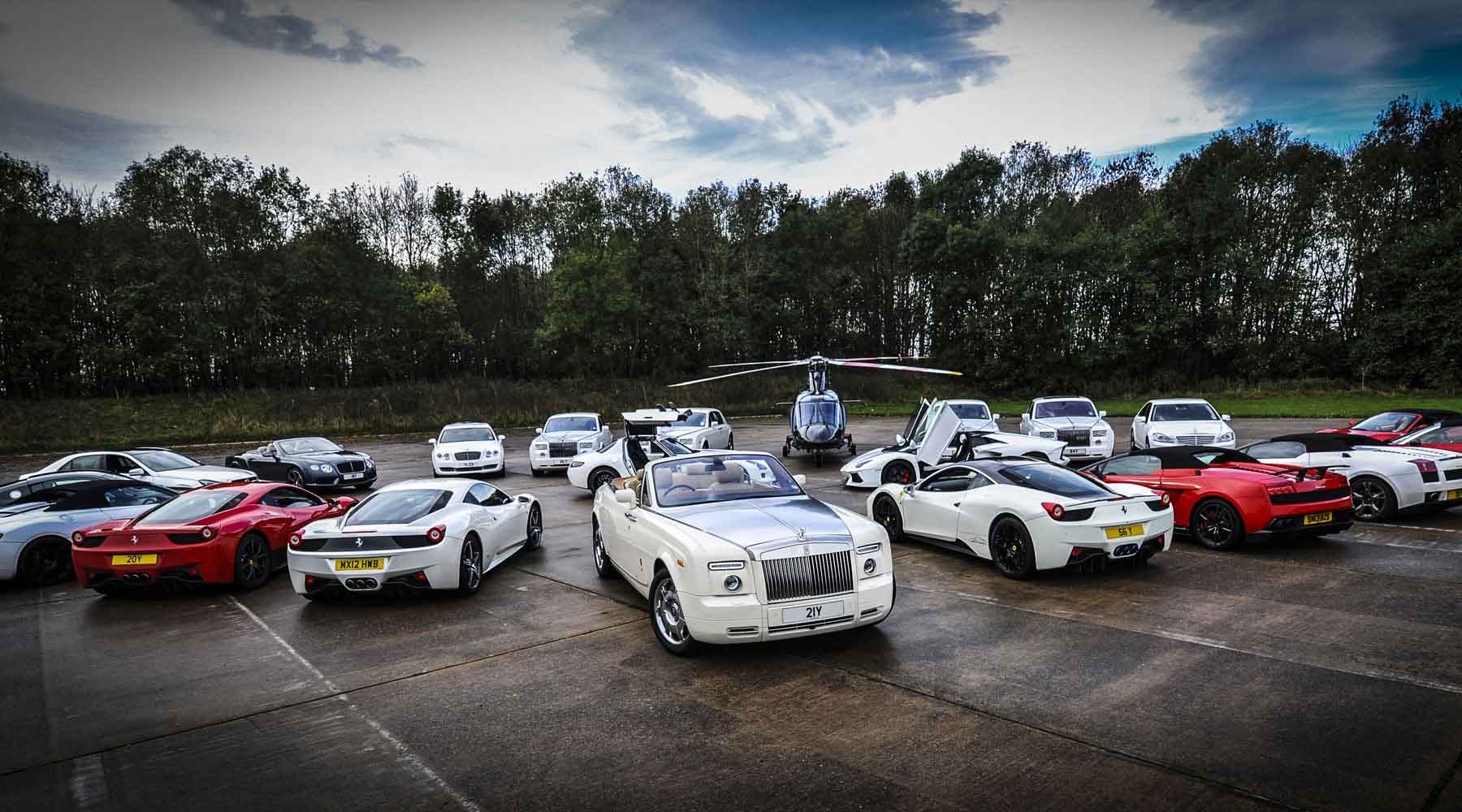
  • High-end luxury car market hit hard

    High-end luxury car market hit hard

    The bottom may already be falling out of the high-end luxury car segment because of the gloomy economy, but Indonesia’s tax amnesty scheme seems to be exacerbating the situation.

    This segment groups super sports car and ultra luxury limousine brands, namely Ferrari, Lamborghini, McLaren, Aston Martin, Rolls-Royce and Bentley.

    From January to August this year, a total of 91 of these cars were registered here, according to the Land Transport Authority. This is down 27 per cent or about a quarter from the 125 units registered in the same period last year.

    This is in stark contrast to the total year-to-date registrations for the overall car market, which soared 71 per cent from 33,673 to 57,468.

    According to some dealers, the high-end luxury car segment has been particularly quiet in the past couple of months since the start of the Hungry Ghost Festival, a period when prospective buyers traditionally refrain from making big-ticket purchases.

    Pang Cheong Yan, managing director of Wearnes Automotive, said: “Generally, people are becoming more cautious as they are not sure how long this current economic climate will continue.”

    Mr Pang, who is in charge of the Aston Martin and Bentley brands, added that it did not mean that this group of buyers is “less rich”.

    “They are just not willing to spend on discretionary items.”

    Melvin Goh, chief executive officer of EuroSports Global, said that the wealthy are being “more careful with their spending”. EuroSports distributes Lamborghini and Zonda, among other brands.

    Mr Goh said: “Business sentiment is weak and this has affected the Lamborghini business. Fortunately though, we have the LP580-2 Coupe and Spider priced below S$1 million and these are still selling.”

    Mr Goh explained that the S$1 million mark is a psychological barrier for many people, so anything just below it becomes a “magic number”.

    Besides the economy, however, some dealers said that Indonesia’s tax amnesty scheme is also hurting their business.

    The director of a high-end luxury brand, who declined to be named, said that as many as 30 per cent of his customers are wealthy Indonesians and “this group is gone”.

    He said that many are “scrambling for cash” to pay the taxman after having declared their assets to the authorities.

    “As for the rest who still have spare cash, they won’t spend until they are in the clear.”

    The head of another high-end luxury dealership agreed. He said that while the large majority of his customers – up to 90 per cent – are Singaporeans, some of the remaining 10 per cent are also feeling the heat from the tax amnesty issue.

    “For now, they are not going to be seen spending any of their money on expensive cars.”
  • Henrik Fisker launches new electric car company

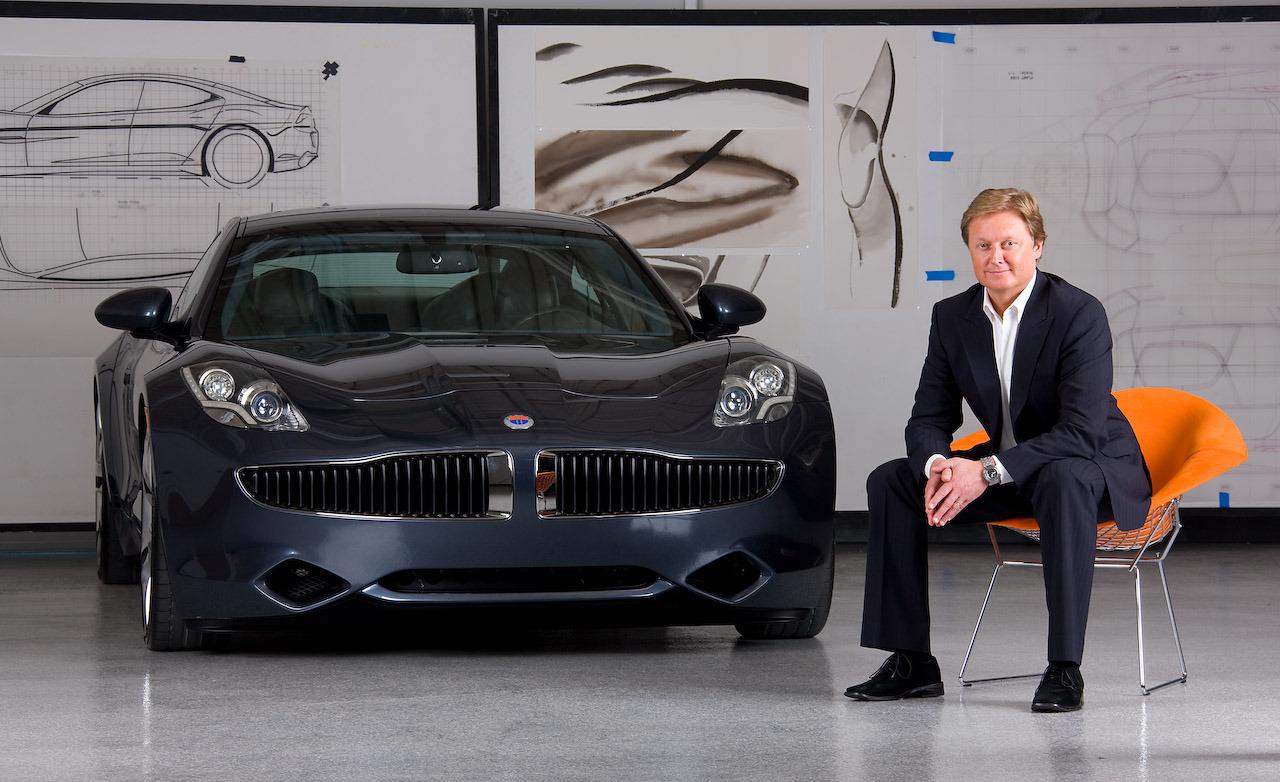
    Henrik Fisker launches new electric car company

    Henrik Fisker, whose previous automotive venture collapsed in 2013 owing U.S. taxpayers $139 million, said on Tuesday he plans to launch a new electric car company next year to compete with Tesla.

    Fisker declined to say who is funding his new California-based venture, called Fisker Inc, and a new battery subsidiary, Fisker Nanotech.

    The Danish automotive designer’s previous venture, Fisker Automotive, once was a rival to Tesla Motors Inc (TSLA.O) in the nascent market for electric luxury cars. Founded in 2007, Fisker Automotive built fewer than 2,000 cars through 2012 while burning through $1.4 billion in private investments and taxpayer-funded loans from the U.S. Department of Energy. Fisker left the company in March 2013, before it filed for bankruptcy protection.

    In 2014, Fisker was purchased out of bankruptcy by Chinese auto parts maker Wanxiang Group Corp (000559.SZ), and renamed Karma Automotive. Wanxiang also acquired bankrupt U.S. battery maker A123. It relaunched the Fisker Karma gasoline-electric hybrid sports car in August as the Karma Revero.

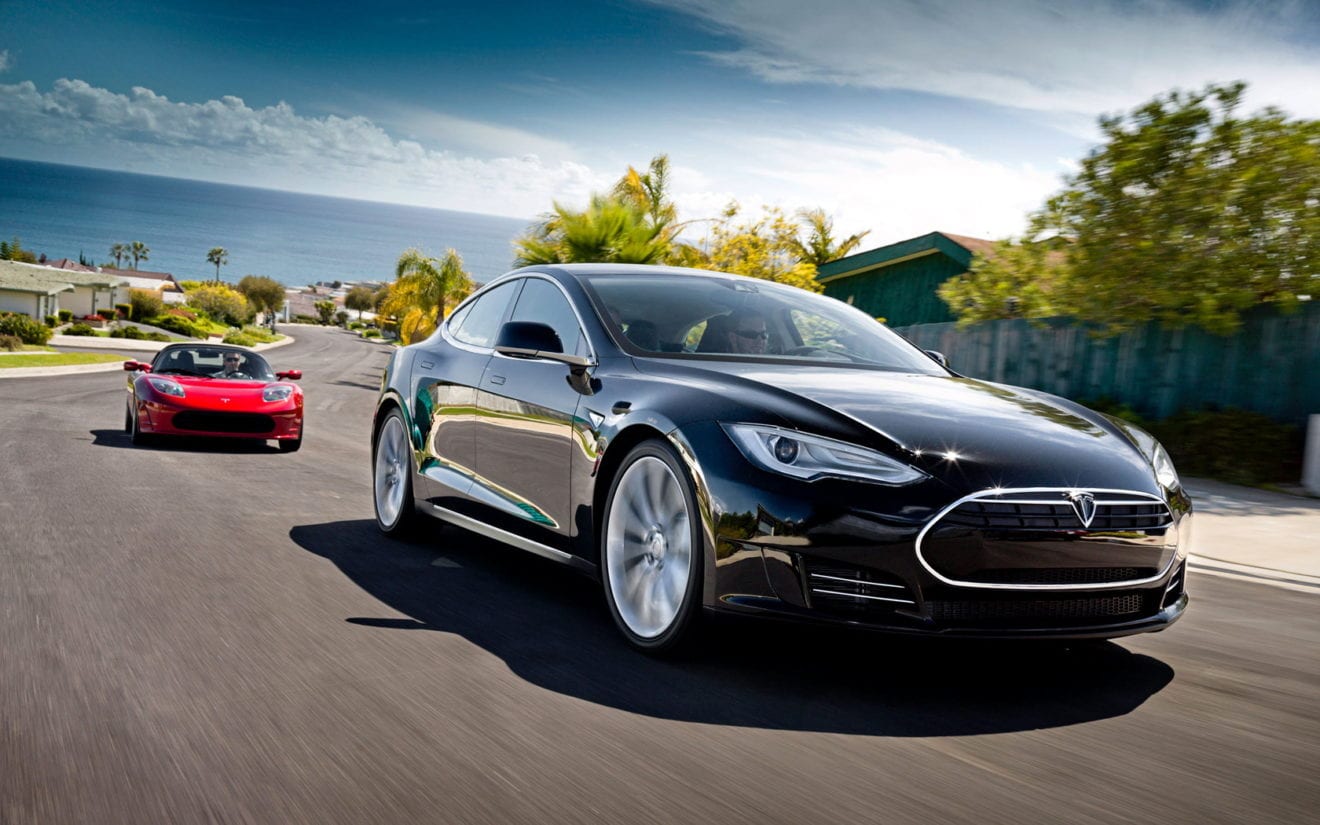
    In an interview, Fisker said his new company plans a battery-powered model aimed at the Tesla Model S, which is priced at about $65,000. He did not specify when production would begin.

    A second smaller Fisker electric car will follow, Fisker said, and will target the upcoming Tesla Model 3, which is expected to start at about $35,000.

    Fisker said his new electric cars will be powered by a long-range battery that uses graphene to extend its range and life and reduce charging time. The company is targeting a 400-mile driving range between charges, Fisker said.

    Fisker said his new venture is not connected with Wanxiang.

  • Toyota, Daihatsu to set up joint emerging markets company

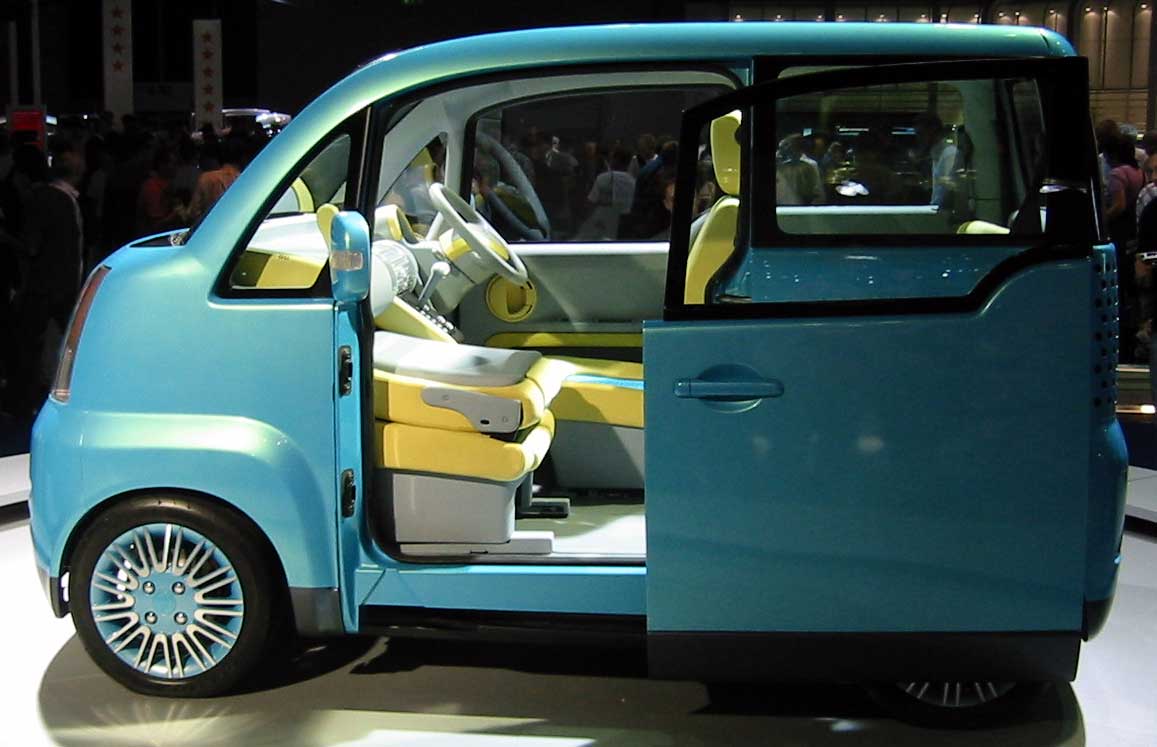
    Toyota, Daihatsu to set up joint emerging markets company

    Toyota Motor Corp on Tuesday said it will set up a joint internal company with subsidiary Daihatsu to develop and market compact vehicles in emerging markets, as Toyota aims to expand market share in other Asian markets.

    The Japanese automaker plans to establish the new unit in January, it said in a statement, adding that its operations would be led by compact carmaker Daihatsu, a Toyota group company which was absorbed by the automaker earlier this year.

    Daihatsu will be responsible for development, procurement and production preparations for compact cars while the two companies will use existing production sites to manufacture the compact vehicles.

    Toyota said the companies were considering possible markets including Vietnam, India and Pakistan.

    “With the establishment of the internal company, Toyota intends to learn the very fundamentals of Daihatsu’s competitiveness and change the way we work,” Toyota Executive Vice President Shigeki Terashi said in a statement.

    The companies intend to develop Daihatsu into a global brand as they focus on growing markets for entry-level compact cars, which are becoming smaller and energy efficient due to environmental and traffic concerns.

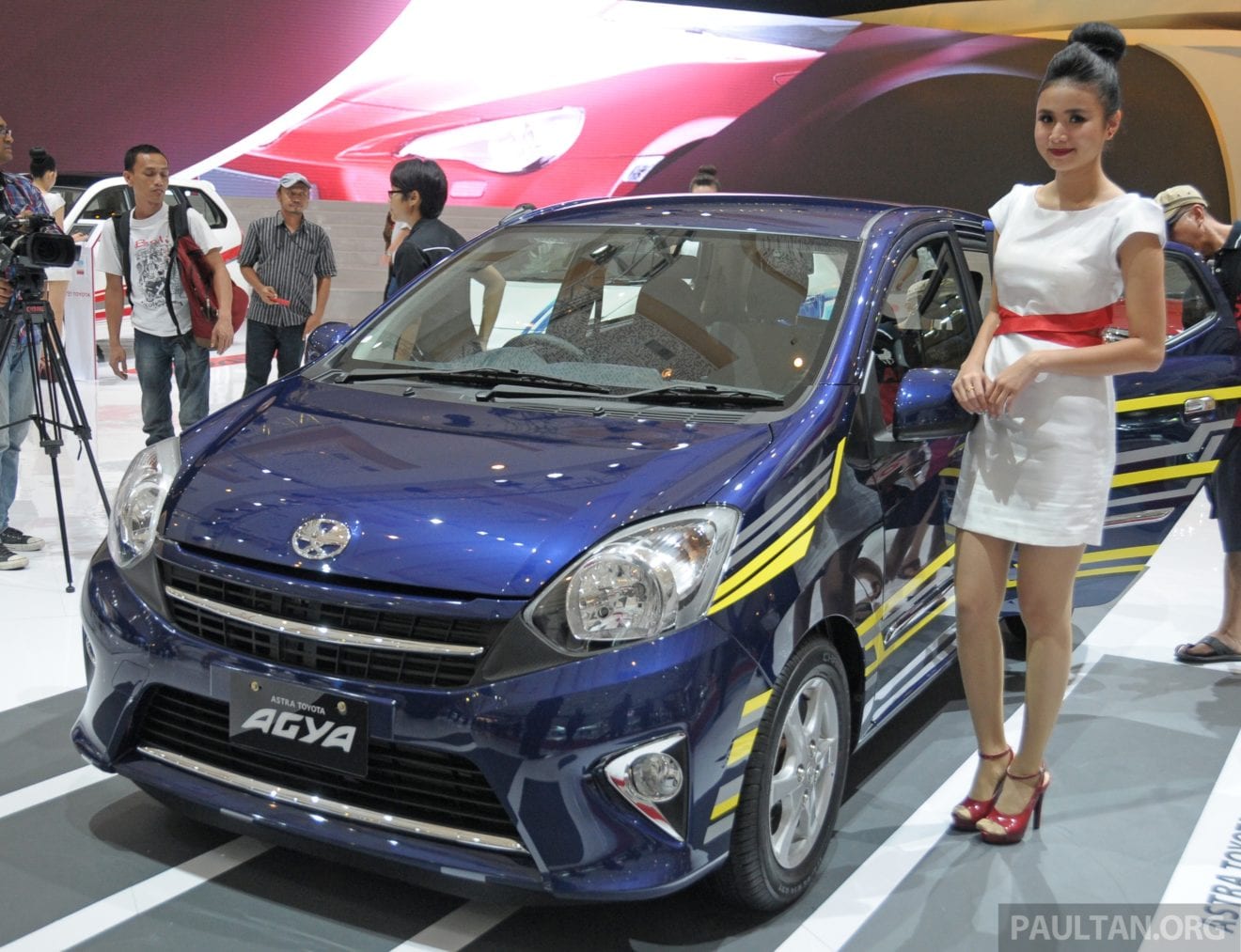
    Daihatsu holds around a 16 percent market share of the passenger car market in Indonesia, where it manufactures the Ayla and other vehicles in a joint venture with Astra International. In Malaysia, it operates a joint venture which has a market share of around 32.5 percent.

  • Tesla posts 70 percent rise in quarterly deliveries, backs 2016 target

    Tesla posts 70 percent rise in quarterly deliveries, backs 2016 target

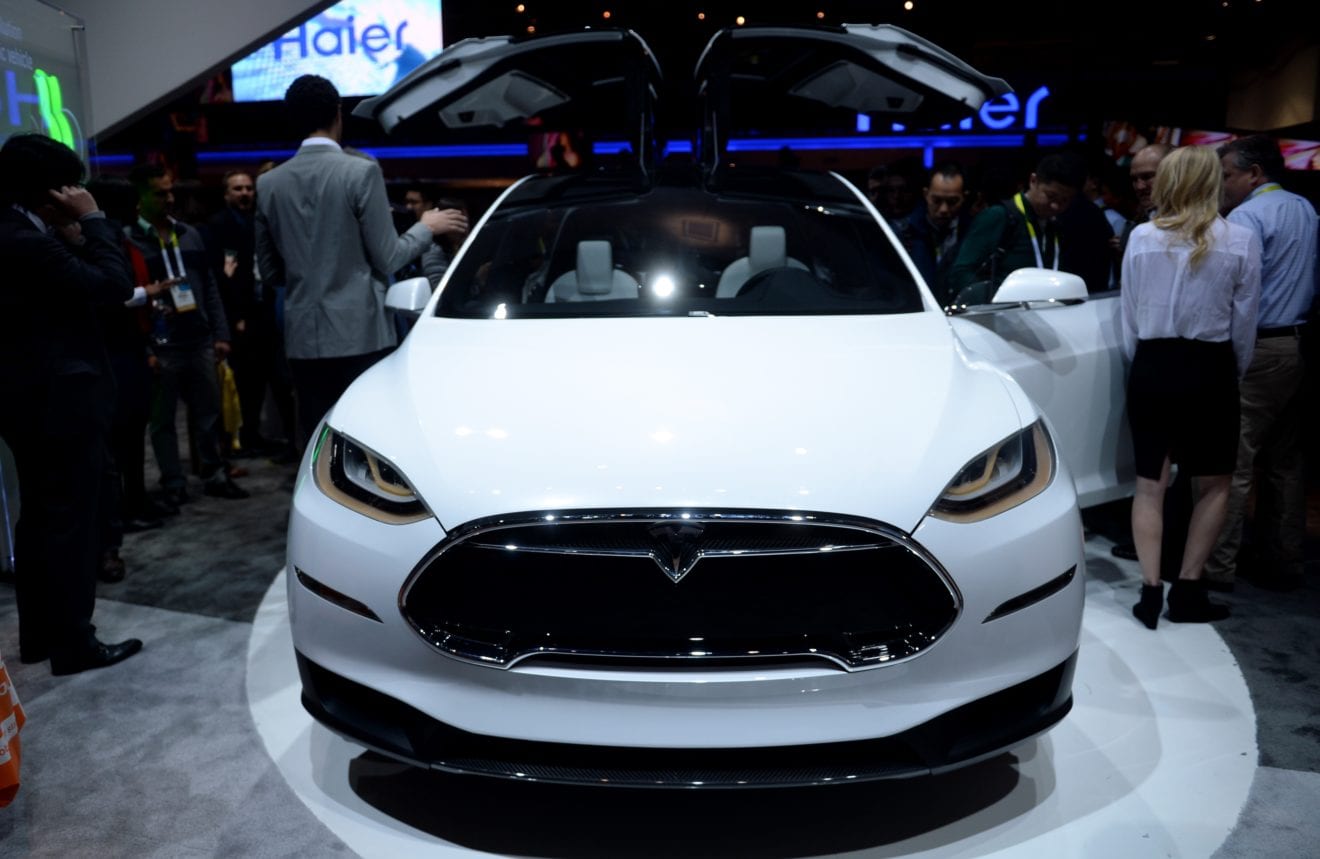
    Tesla Motors Inc said on Sunday its third-quarter deliveries rose 70 percent to 24,500 cars, following production improvements, cheaper lease deals and reports of discounts on some vehicles.

    Deliveries are a key metric of performance for the luxury electric vehicle manufacturer, which had missed these targets in the previous two quarters.

    The improved deliveries for the third quarter bring Tesla closer to meeting its second-half 2016 target of 50,000 vehicles, which it reiterated on Sunday. It said in a statement that fourth-quarter deliveries would be “at or slightly above” the third quarter’s.

    However, the third-quarter figures included 5,150 vehicles in transit at the end of the second quarter, as Tesla reported in July. Another 5,500 cars in transit would be counted in the fourth quarter, it said.

    Meeting the third-quarter target was a priority for the money-losing Silicon Valley carmaker, which is hoping to raise funds from the equity market later this year for multiple efforts, including building out its factory for the Model 3 mass-market sedan due in late 2017 and the planned acquisition of SolarCity Corp (SCTY.O).

    Tesla experienced production problems earlier this year and began to resolve them in June. It said in July that production would improve from 2,000 cars a week to 2,200 in the third quarter and 2,400 in the fourth.

    Production rose in the third quarter to 25,185 vehicles, implying just shy of 2,000 vehicles per week.

    The company will release third-quarter financial results in early November.

    Chief Financial Officer Jason Wheeler said in August that if second-half production and delivery targets are met, the company had a “great chance of being non-GAAP profitable,” without specifying a time period.

    In September, Tesla began advertising its inventory cars, for showrooms or test drives, “at favorable prices and ready for expedited delivery.”

    Some analysts expressed concern that discounts, reported extensively on online Tesla forums, would undermine margins.

    Last week, Chief Executive Officer Elon Musk published a memo telling employees to follow the company’s policy of not offering discounts on new cars.

    Musk was responding to a research note published on Tuesday by Pacific Crest Securities analyst Brad Erickson criticizing Tesla for offering discounts on Model S inventory cars, not those built-to-order for specific customers, to boost third-quarter sales.

  • Hyundai to debut Genesis premium brand in China in two-three years

    Hyundai to debut Genesis premium brand in China in two-three years

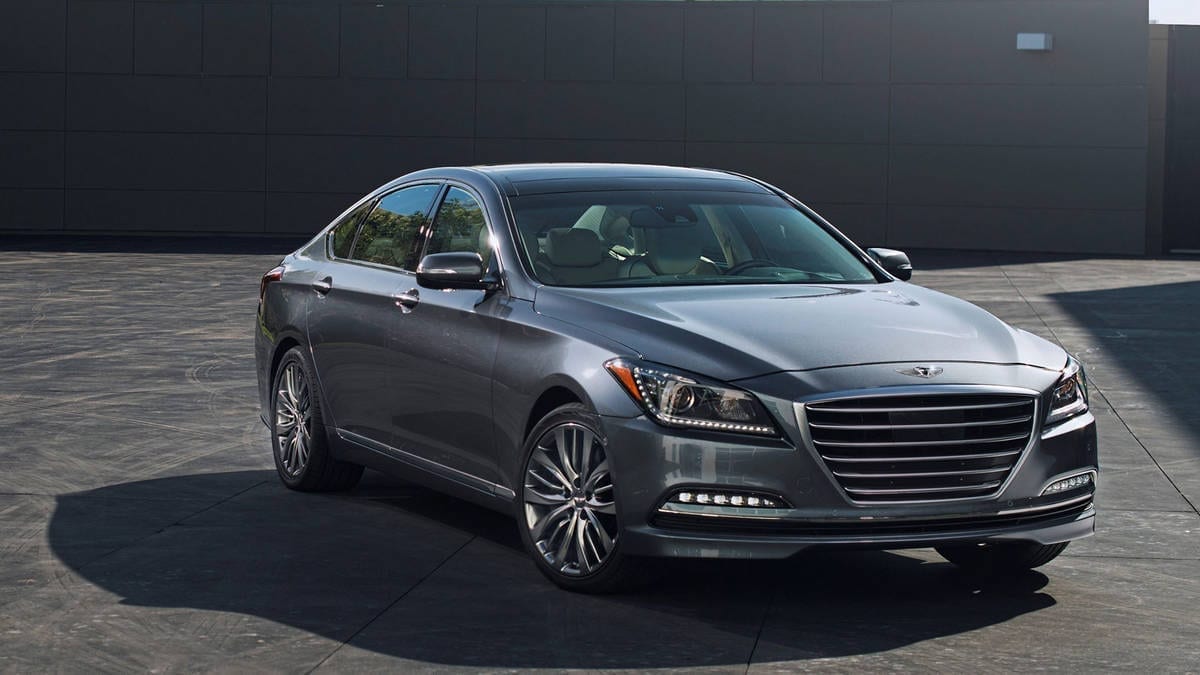
    South Korea’s Hyundai Motor will launch its standalone premium auto brand Genesis in China within two to three years, betting on a luxury lane to profit as competition bites at the lower end of the world’s biggest auto market.

    Genesis brand chief Manfred Fitzgerald told Reuters in a recent interview the company is considering building Genesis models in China “For sure. But there are also other examples of (automakers) who live pretty well off of importing cars,” he said, citing Toyota Motor Corp’s Lexus.

    The plans come as Hyundai tries to reverse out of 10 straight quarters of falling profit, hit in part by weakness in China.

    Rolling out Genesis in key markets like China marks a shift for a company better known for making value-for-money cars and lacking the brand cachet and tradition of Germany’s BMW BWMG.DE, Mercedes-Benz and Audi. That trio dominates the luxury market globally – and in China.

    “The luxury customer in China is very brand-conscious,” said U.S. national Fitzgerald, 53. The former executive with Audi’s Lamborghini brand was speaking at the first, and so far only, standalone Genesis store, in a glitzy mall in Hanam on the outskirts of Seoul featuring cars like G80 sedans that can fetch up to 74 million won ($67,100).

    “If you don’t get your brand right, you can have the best product in the world, it won’t work,” said Fitzgerald. “In two, three years’ time we will be entering China,” he said, declining to give sales targets for a global rollout that will follow launches in Korea late last year and in the United States last month.

    In China, imported cars carry a duty of more than 20 percent, putting pressure on automakers to produce locally.

    DISTRIBUTION DEBATE

    Genesis will open more standalone outlets, said Fitzgerald, and is exploring unspecified locations for its first U.S. store. The Genesis line-up currently features two models, a range that the company plans to expand to six by 2020, including two sport utility vehicles.

    Consultants like Eric Noble, president of California-based consultancy CarLab, say getting the sales channel right for premium cars is as important as the product itself.

    For now, over 300 of Hyundai’s more than 800 U.S. dealerships will also be selling the Genesis brand, posing an added challenge for differentiating it from Hyundai. By comparison, Toyota’s Lexus is sold through separate dealerships.

    “From a product standpoint, the prospects of the (Genesis) brand are encouraging,” said Noble. “But from a distribution standpoint, at least here in North America, it is much more problematic.”

    ‘TIPPING POINT’

    Hyundai Motor Group Chairman Chung Mong-koo, now 78, took the helm in 2000 and turned Hyundai and its Kia Motors (000270.KS) affiliate into the world’s fifth-largest automotive group by making inexpensive but reliable small cars.

    But the veteran’s 45-year-old son and vice-chairman Chung Eui-sun has sought to move Hyundai up the value chain. He spearheaded the move last November to hive off the Genesis sedan into a standalone brand, tapping a segment growing faster than the mass market to generate higher margins.

    Fitzgerald said meeting with the younger Chung was a “tipping point” in his decision to join a company long known for promoting from within.

    “He definitely gave me the feeling that no matter how long and how troublesome and how tedious this might be, they are in for it and they want to succeed.”

  • Audi says August sales up 2.9 percent on Chinese demand for compact cars

    Audi says August sales up 2.9 percent on Chinese demand for compact cars

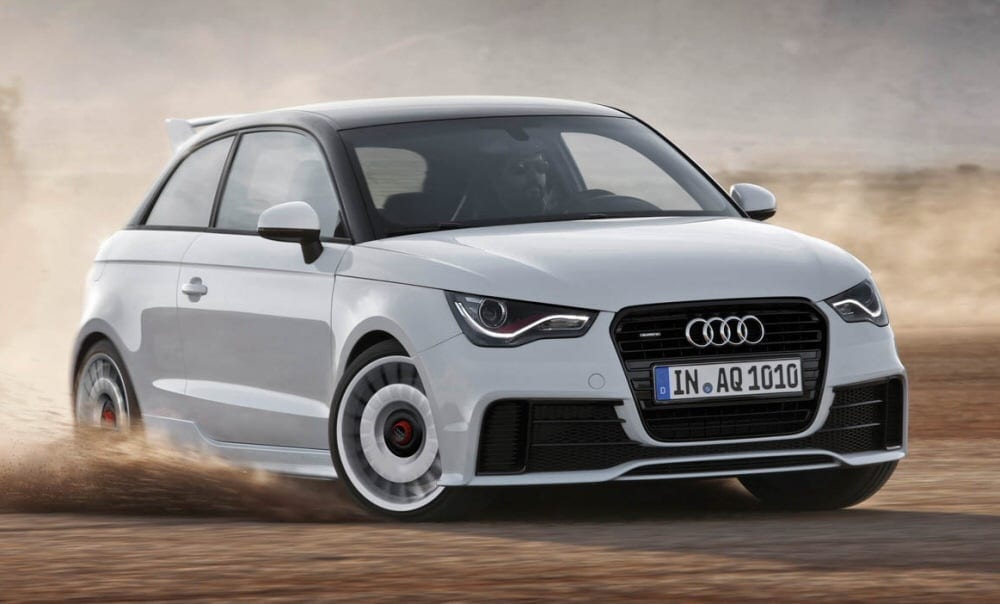
    Audi increased global sales 2.9 percent in August on strong demand in its key Chinese market for luxury compact cars including the A3 and Q3 models.

    The Volkswagen-owned division on Tuesday said deliveries rose to 132,350 autos last month from 128,647 a year earlier, with eight-month sales up 4.9 percent at 1.23 million.

    Sales in China were up 8.8 percent at 49,154 cars, expanding year-to-date registrations in Audi’s largest market 6.8 percent to 361,315.

    German luxury rival BMW earlier on Tuesday reported a 5 percent increase in brand sales to 142,554 cars, with eight-month sales up 5.5 percent at 1.28 million.

  • VW’s Audi steps up collaboration with Chinese tech groups

    VW’s Audi steps up collaboration with Chinese tech groups

    Volkswagen’s luxury car unit Audi has agreed to deepen collaboration with Chinese internet technology groups to offer more digital services in the world’s largest car market.

    Audi and FAW-Volkswagen, VW’s joint venture with FAW Car Co Ltd (000800.SZ), have signed letters of intent with Alibaba (BABA.N), Baidu (BIDU.O) and Tencent (0700.HK), Audi said on Sunday. Financial terms were not disclosed.

    Parent Volkswagen has been hobbled by a scandal over the rigging of emissions tests, distracting it in a race with global carmakers to develop computer-aided services for drivers.

    VW’s CEO told a newspaper on Sunday that it has to remain in control of its relationship with car users, which is why it stopped talks with U.S. ride-hailing service Uber and technology giants Google (GOOGL.O) and Apple (AAPL.O).

    Under the agreement with online search company Baidu, Audi aims to improve the use of smartphone apps in its cars.

    Its projects with social network and online gaming group Tencent include helping drivers to make better use of the WeChat communication app.

    The alliance with Alibaba aims to develop more real-time traffic news services and 3D maps.

    VW in May took a $300 million stake in smaller ride-sharing company Gett.

  • Honda recalls 668,000 more cars in Japan over Takata air bags

    Honda recalls 668,000 more cars in Japan over Takata air bags

    Honda Motor Co on Thursday said it was recalling about 668,000 vehicles in Japan to replace air bag inflators supplied by Takata, as part of an expanded nationwide recall announced earlier this year.

    Japan’s second-largest automaker said it had recalled models including its Fit subcompact hatchback model, and the Civic and Accord sedan models over passenger-side air bags. Vehicles produced between 2009 and 2011 were affected, it added.

    The latest announcement takes Honda’s global tally of recalled air bags to about 51 million, around half of the roughly 100 million slated for recall worldwide over inflators which are at risk of exploding with excessive force.

    Defective air bags have been linked to at least 14 deaths and 150 injuries worldwide, and are at the center of the auto industry’s biggest ever product recall.

    Thursday’s recall comes after Japan’s transport ministry in May ordered automakers to recall an additional 7 million vehicles in Japan equipped with Takata air bag inflators which do not contain a drying agent, in phases by 2019, following an expanded recall by U.S. transport authorities.

    Without a drying agent, the ammonium nitrate-based propellant used in Takata inflators has a tendency to explode violently following prolonged exposure to hot, humid conditions, spraying metal shrapnel into vehicle compartments.

    Honda, once Takata’s largest customer, has said that it would stop using Takata-made inflators in its new models, and has stopped procuring replacement inflators from the company.

    Battered by the recalls, Takata is looking for a financial backer to help overhaul its business and carry ballooning costs as its stock price has crumbled almost 90 percent since early 2014 and it faces potentially billions of dollars of liabilities.

  • Daimler plans at least six electric car models

    Daimler plans at least six electric car models

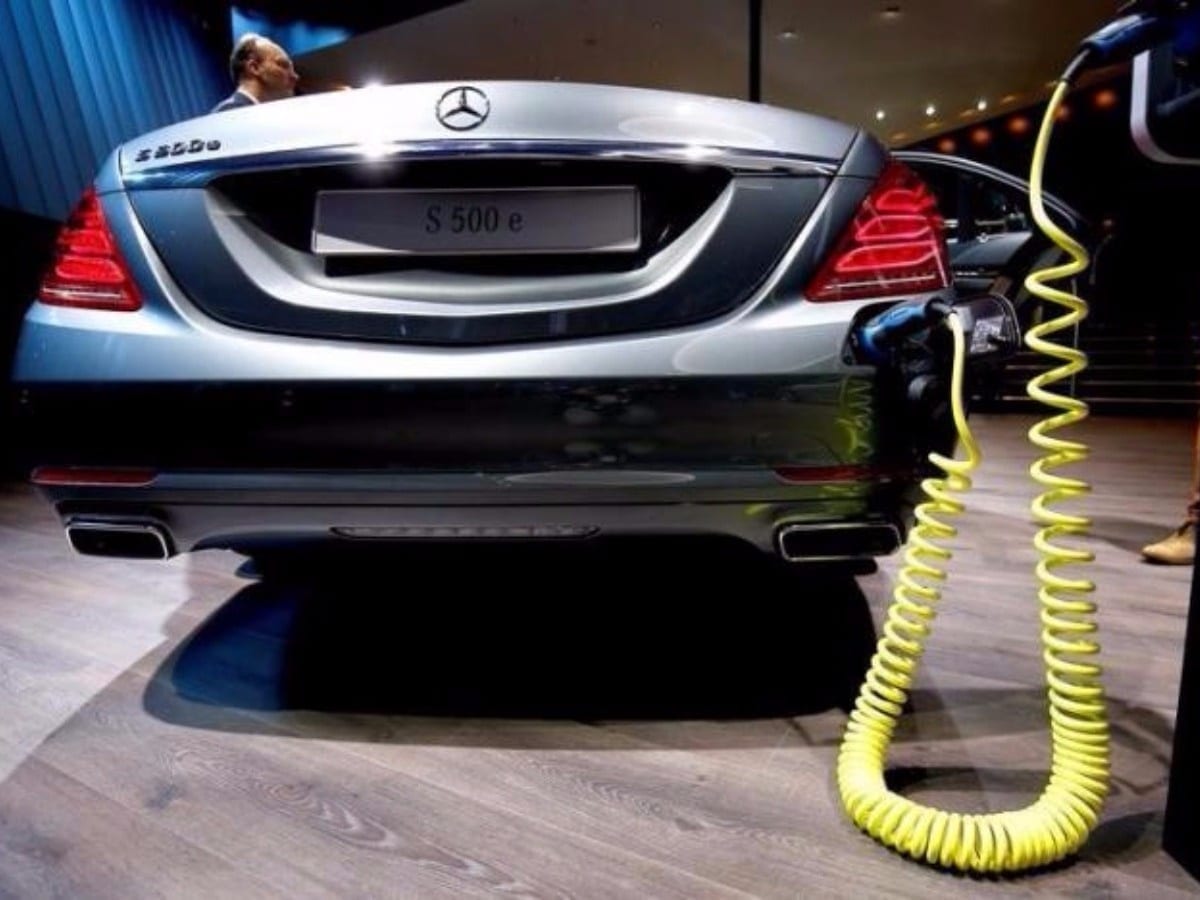
    German carmaker Daimler plans to roll out at least six, and possibly as many as nine, electric car models as part of its push to compete with Tesla and Volkswagen’s Audi, a person familiar with Daimler’s plans told Reuters.

    The maker of Mercedes-Benz cars remains on track to unveil a new electric car at the Paris motor show next month. In July, the German carmaker said it had accelerated development of premium electric cars, a segment currently dominated by United States-based rival Tesla.

    German trade magazine Automobilwoche earlier cited company sources as saying Daimler would bring to market more than six electric car models between 2018 and 2024.

    German firms are investing heavily in electric cars, a segment once neglected by the industry as customers shunned their limited operating range and high cost.

    But a growing political backlash against diesel fumes and recent advances in battery technology to increase the reach of an electric car by up to 50 percent have spurred major investments by Volkswagen, Daimler and suppliers such as Bosch and Continental.

    Reuters’ source said Mercedes would also make an SUV model with a plug-in hybrid engine powered by fuel cells, which would have a range of up to 50 km (30 miles) on battery power and would then run on electricity generated by hydrogen.

  • Volkswagen sets up shop in Malaysia to handle direct sales here

    Volkswagen sets up shop in Malaysia to handle direct sales here

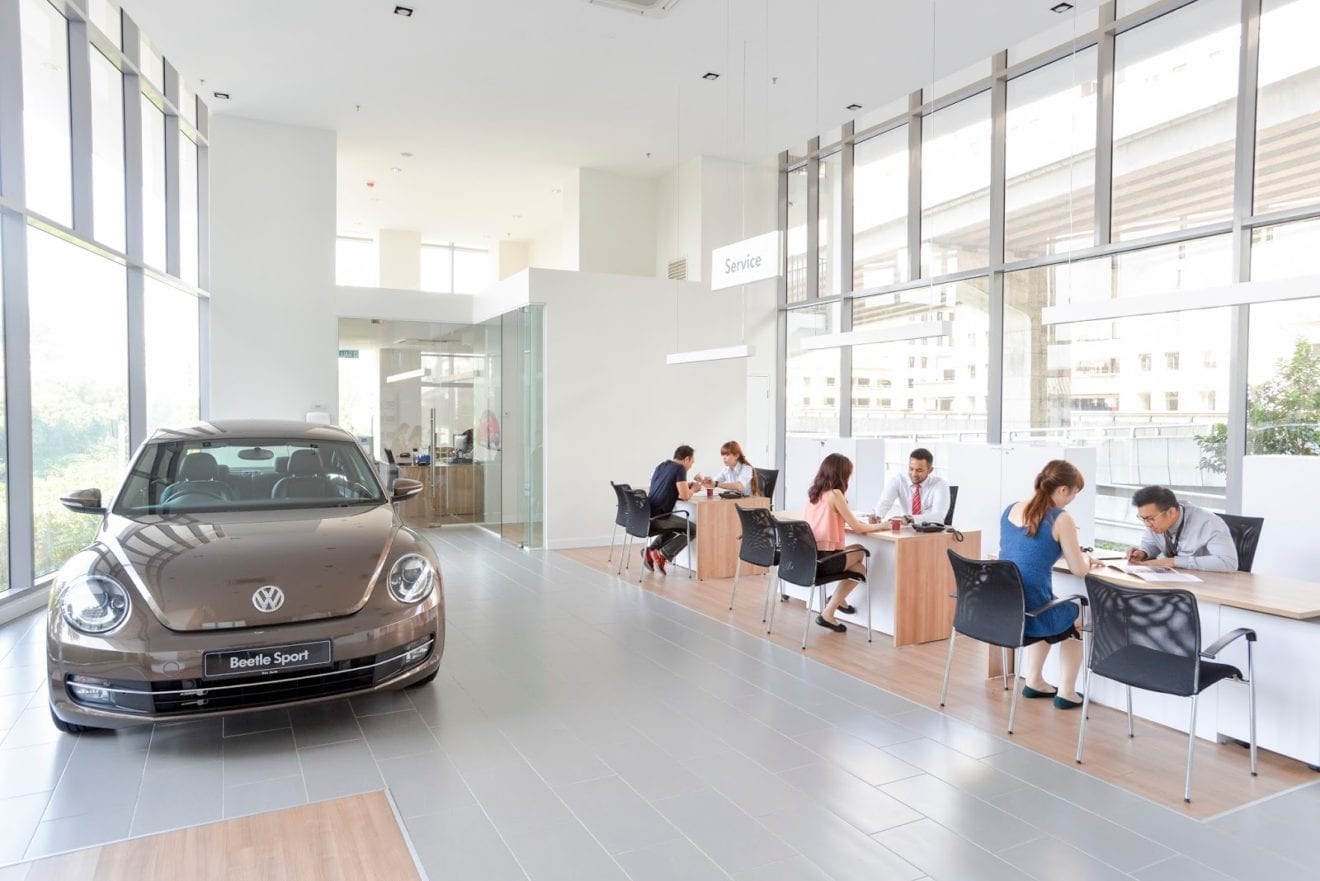
    Volkswagen Passenger Cars Malaysia (VPCM) Sdn Bhd will be the official distributor of Volkswagen cars in the domestic market.

    VPCM is managed by European automotive retail specialist, Porsche Holding Salzburg, the car distributor said in a statement.

    The announcement comes after a series of consolidation exercises within Volkswagen Malaysia over the past six months.

    Alin Tapalaga, one of two managing directors to lead VCPM, said the company would be increasing the Completely Knocked-Down model line-up, and continue to import Completely Built-Up models into the country.

    Moving forward, Volkswagen Group Malaysia will concentrate its business interest in Malaysia on the Audi brand, as well as its vehicle assembly operation in Pekan, Pahang.

    Meanwhile, VPCM is introducing a five-year manufacturer warranty for all Volkswagen cars purchased from today, while launching the new Jetta and all-new Passat within the next few months.

    The Volkswagen franchise in Malaysia was previously handled by DRB-Hicom Bhd.

  • In China’s electric car boom, global automakers select different gear

    In China’s electric car boom, global automakers select different gear

    By 2020, Beijing says automakers must meet tough new green standards to cut epic pollution in China’s cities. As domestic firms bet heavily on electric cars to meet that goal, foreign peers are set to stay in a different, petrol-driven gear.

    In the latest sign of caution from global automakers in China, Germany’s Audi last week unveiled a new factory for high-efficiency transmissions in Tianjin, to be used in petrol-powered cars. While Chinese firms go electric in the world’s biggest auto market, Audi is intent on petrol engines that can run farther, cleaner, in tandem with hybrid technology.

    As China’s electrified vehicle production booms, some international industry officials warn in private that the ambitious electric goals of domestic firms could prove too costly, too risky, too far from what consumers actually want – and not a good fit with their operations elsewhere. Still, China doled out $4.5 billion last year alone in green car subsidies.

    “In 2020, most cars we will sell will be combustion engines, so to fulfill (fuel consumption targets) you have to improve the consumption of each and every car of the Audi model range,” Audi China chief Joachim Wedler said at the opening of the new plant. Wedler didn’t comment on Chinese peers’ electric car plans.

    Automakers globally have struggled to agree on what a greener future will hold for the industry. In China, Beijing and state-linked automakers have thrown their weight behind electric vehicles – despite the fact that the electricity they need may be generated from burning coal.

    Under Beijing’s 2020 requirements, on average cars must consume less than 5 liters of petrol per 100 kilometers – nearly 30 percent below current standard levels.

    Beijing has rolled out a raft of incentives to push domestic automakers – foreign brands generally aren’t eligible – to build more electric and plug-in hybrid vehicles, spurring a quadrupling in sales of these so-called “new energy vehicles” (NEVs) in 2015. Even with that surge, just 1.4 percent of cars sold in the first seven months of 2016 were NEVs, as concerns linger over driving range and home charging.

    HYBRID COMPROMISE

    A powertrain manager at a major foreign automaker’s China joint venture said domestic companies’ smaller scale made them nimbler. Many are also state-linked, therefore obliged to support government policy, the manager said, declining to be named as he was not authorized to speak to the media.

    For example, Geely – controlled by Li Shufu, a member of the government’s political consultative body – wants 90 percent of all sales to be NEVs by 2020. Meanwhile, state-backed GAC Motor plans to be able to produce up to 400,000 green energy cars annually by the end of this year.

    Foreign automakers, who must form joint ventures with local partners to produce cars in China, have to consider a different dynamic – how manufacturing strategies on the mainland correlate with their traditional businesses and customers elsewhere.

    The powertrain manager said his company, like Audi, is focusing on a more gradual strategy, developing more efficient engines as well as plug-in petrol-electric hybrids: an interim solution that will please a government intent on cutting harmful emissions.

    Of course, foreign automakers aren’t avoiding NEVs entirely.

    General Motors’ China venture last year pledged to spend $4 billion on electrification, developing 10 new energy models by 2020.

    In Tianjin, Audi China chief Wedler said the German firm and partner China FAW Group plan to launch their first locally produced plug-in hybrid vehicle this year, with a new imported car based on the same principle on the way next year.

    But Wedler acknowledged that as China’s massive auto market evolves, automakers alone won’t determine future directions.

    “The whole picture is driven by legislation,” Wedler said.

  • Audi recalls A8 models in South Korea due to stalling problem

    Audi recalls A8 models in South Korea due to stalling problem

    Audi is recalling 1,534 A8 cars in South Korea due to a stalling problem, the transport ministry said on Wednesday, adding it was the first country where the German carmaker was recalling the model for such a defect.

    The Volkswagen (VOWG_p.DE) division will expand the recall to the United States and other countries, South Korea said, in what would be a further blow to the German company reeling from its emissions-test cheating scandal.

    An Audi Volkswagen Korea spokeswoman confirmed it was the first recall for such a defect but said she was not aware of any plans to expand the recall to other countries.

    South Korea, a major market for the A8, has sought to punish Volkswagen aggressively following the scandal, suspending sales of some Volkswagen, Audi and Bentley cars for allegedly forging documents on emissions or noise-level tests.

    The ministry said it had found a design problem in a coolant control valve, which was causing the affected models to stall. This is a “serious defect which hampers safe driving,” the ministry said in a statement.

    An Audi spokesman in Germany said a magnetic valve near the car’s gearbox needed to be replaced and that there had been no other recalls in other countries so far.

    The model in question is the A8 4.2 FSI Quattro produced between July 2010 and April 2012.

  • Toyota to introduce new safety features in future vehicles

    Toyota to introduce new safety features in future vehicles

    Japanese auto major Toyota plans to introduce its new global architecture and latest safety technologies in future vehicles as it seeks to play a major role in bringing down fatalities in road accidents.

    The company, which has introduced its Toyota New Global Architecture (TNGA) in its 4th generation hybrid car Prius, plans to introduce it in its future models as well.

    Besides, it is also looking to introduce pre-collision system (PCS) in vehicles from next year in Japan, Europe and the US.

    “We have introduced the TNGA in the market with our 4th generation Prius. We will introduce it in vehicles following the Prius and eventually introduce it to all our products when there is a model change,” Toyota Motor Corporation Assistant Chief Safety Technology Officer Seigo Kuzumaki said here.

    Stating that TNGA has resulted in new collision safety body structure, he said in oblique frontal crash test, the new Prius has about 55 per cent decline in cabin deformation percentage compared to the previous 3rd generation.

    The test was conducted at a speed of 90 kmph as compared to 64 kmph done in the previous generation, he added.

    According to Toyota, TNGA incorporates wide reaching structural innovations that promises substantially improved basic performance and product appeal.

    Commenting on the PCS, Kuzumaki said: “The plan is to introduce this technology to our vehicles in Japan, Europe and the US in 2017. Later on, it will be rolled out country wise depending on suitability.”

    The PCS is a feature that helps prevent collisions using a camera and millimetre wave radar and engaging brake assistance system after warning when a driver fails to use brake.

    Although the company hasn’t specified a timeline for these technologies to be brought to India, it assumes significance as Indian roads account for registering the highest number of road fatalities in the world.

    Deaths due to road accidents in the country increased by around 5 per cent to 1,46,000 in 2015 from the previous year.

    As per WHO, fatalities due to road accidents globally were at 1.42 million people and is projected to increase to 1.85 million by 2030.

  • Toyota to Continue to Invest Big in Indonesia

    Toyota to Continue to Invest Big in Indonesia

    Toyota will continue its major investment plan in Indonesia, particularly in manufacturing, up to Rp20 trillion by 2020.

    PT Toyota Motors Manufacturing Indonesia (TMMIN) deputy president director Warih Andang Tjahjono in Tokyo, Japan, said Sunday, August 28, 2016, that Toyota has made Rp10 trillion investment of its planned investment in Indonesia, as promised by Toyota Motor Corp (TMC) president director Akio Toyota.

    “Major projects have been realized, the third plant has been completed,” he said.

    Since 2013, he went on, Toyota’s production capacity in Indonesia continues to increase, from 110,000 units to currently 25,000 units per day.

    According to Warih, the total TMC investment in the past few years have reached roughly Rp10 trillion, in which the biggest investment had been made to develop the production capacity of Kijang Innova and Fortuner at approximately Rp5 trillion, followed by the production of Sienta at around Rp2.5 trillion, and NR engine production with an investment value of roughly Rp2.3 trillion.

    “Investment will continue, although it would not be as big as the current investment,” Warih said.

  • Tata Motors launches two new commercial vehicles in Indonesia

    Tata Motors launches two new commercial vehicles in Indonesia

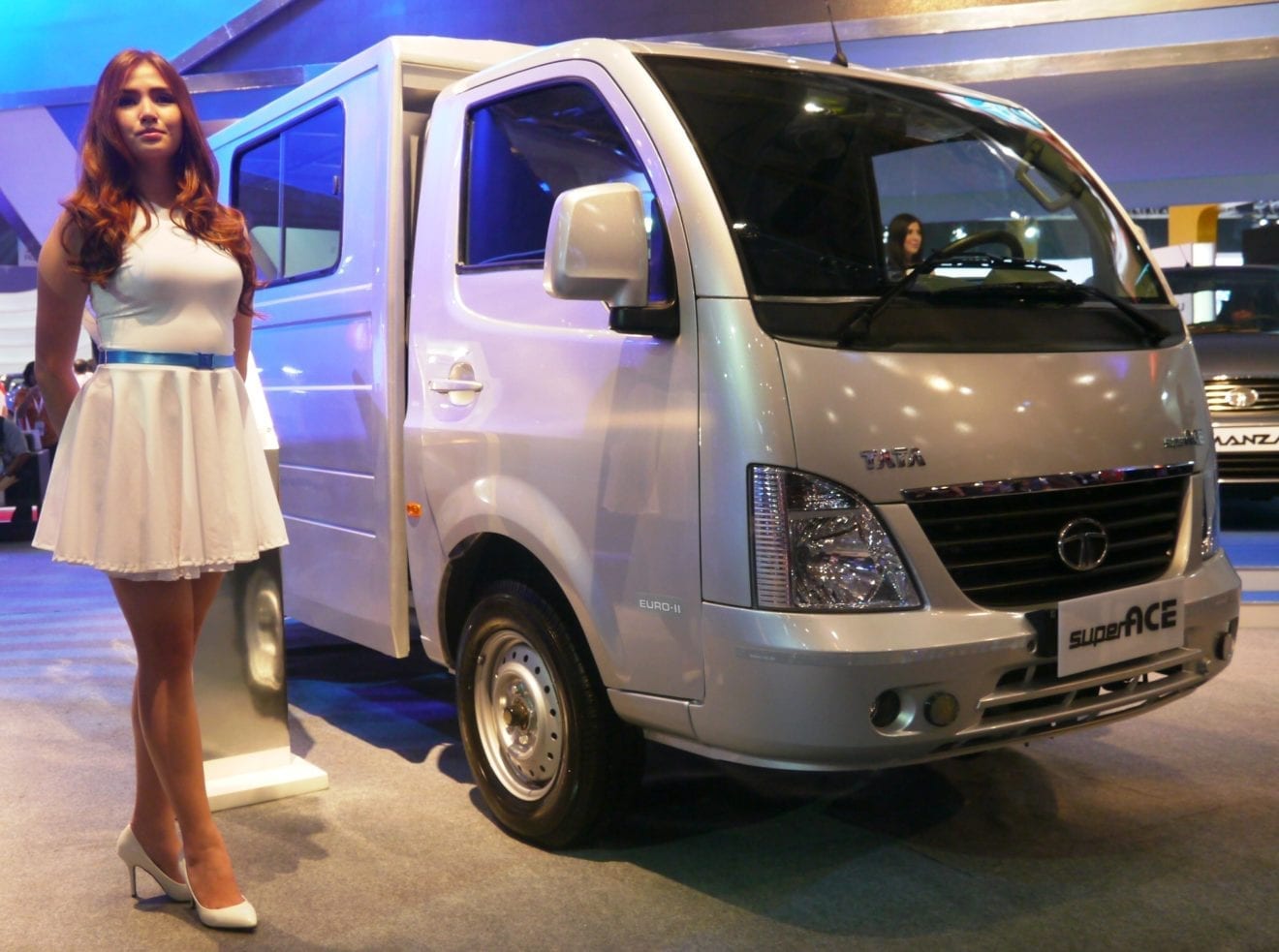
    Tata Motors today said its Indonesia unit has launched two new generation commercial vehicles in that country. PT Tata Motors Distribusi Indonesia (TMDI), a unit of Tata Motors, has launched the Tata Ultra 1012 light truck and the Tata Xenon XT D-Cab 4×4 pick-up, at the 24th Gaikindo Indonesia International Auto Show (GIIAS) 2016. Developed, keeping the Indonesian customer in mind, both vehicles have gone through rigorous trials of more than 25,000 kms, over different terrains and various operating conditions, Tata Motors said in a statement.

    “Both vehicles have been designed for the modern commercial vehicle customer with superior performance, world-class cabins, high load carrying capacity and flexible body-load configurations,” Ravi Pisharody, Tata Motors Executive Director, Commercial Vehicles, said. Tata Motors is also committed to bring the latest global technologies to the commercial vehicles market in the country, he added. Tata Motors is India’s largest automobile… Tata Motors today said its Indonesia unit has launched two new generation commercial vehicles in that country.

    PT Tata Motors Distribusi Indonesia (TMDI), a unit of Tata Motors, has launched the Tata Ultra 1012 light truck and the Tata Xenon XT D-Cab 4×4 pick-up, at the 24th Gaikindo Indonesia International Auto Show (GIIAS) 2016.

    Developed, keeping the Indonesian customer in mind, both vehicles have gone through rigorous trials of more than 25,000 kms, over different terrains and various operating conditions, Tata Motors said in a statement.

    “Both vehicles have been designed for the modern commercial vehicle customer with superior performance, world-class cabins, high load carrying capacity and flexible body-load configurations,” Ravi Pisharody, Tata Motors Executive Director, Commercial Vehicles, said.

    Tata Motors is also committed to bring the latest global technologies to the commercial vehicles market in the country, he added.

    Tata Motors is India’s largest automobile company, with consolidated revenues of Rs 2,75,561 crore in 2015-16. Through subsidiaries and associate companies, Tata Motors has operations in the UK, South Korea, Thailand, South Africa and Indonesia.