Tag: cebu

  • Cebu Pacific launches Independence Day seat sale for GetGo cardholders

    Cebu Pacific launches Independence Day seat sale for GetGo cardholders

    Cebu Pacific is staging a two-day exclusive seat sale for GetGo Visa cardholders in celebration of the 120th Independence Day.

    Cardholders will be able to book flights to select domestic destinations for as low as P699 and P1,199 to select international destinations such as Hong Kong, Kota Kinabalu, Singapore, Narita, and Melbourne.

    The seat sale runs from June 12 to June 13, for travel from January 1 to March 31, 2019.

    The seat sale is available on Cebu Pacific’s website and can be settled using GetGo credit, debit or prepaid cards by Union Bank of the Philippines.

  • Cebu Pacific adding flights to Cebu’s new ‘resort-airport’ terminal

    Cebu Pacific adding flights to Cebu’s new ‘resort-airport’ terminal

    Cebu Pacific will increase flights to Cebu by 20 percent next year, the airline’s chief Lance Gokongwei said Thursday as the Queen City of the South inaugurated its new “resort-airport” terminal.

    The new 65,500-square meter Mactan-Cebu International Airport Terminal 2 is expected to cater to 12.5 million passengers annually, airport officials said in a statement.

    “Cebu Pacific will be adding aircraft here so we can serve the growing tourism industry, probably 20 percent at the minimum next year,” Gokongwei told ABS-CBN News.

    The country’s largest carrier will also come up with special packages “to celebrate” the opening of the new airport and to entice passengers to choose Cebu as the point of entry to the Philippines, Gokongwei said.

    Cebu Pacific will also “add more routes to North Asia to serve the big market in China, Korea, and Japan,” he said.

    Gokongwei said the budget carrier also intends to reach 22 million passengers by the end of 2018, 3 million seats higher than the 19.4 million seats Cebu Pacific sold last year.

    Cebu Pacific is also eyeing more flights to Panglao in Bohol and San Vicente in Palawan in 2019, Gokongwei said.

  • Cebu Pacific to expand footprint in Japan with new office

    Cebu Pacific to expand footprint in Japan with new office

     Cebu Pacific opened an office in Japan, as the budget airline continues to expand in Asia Pacific and boost its presence in the Japanese market.

    Located in Chuo-ku, Tokyo, the airline’s Japan office will serve as the hub for Cebu Pacific’s activities and business transactions in Japan.

     “Our very own branch office in Japan symbolizes the next stage of growth into the Japanese market which has become one of the most important across our network,” Cebu Pacific chief executive adviser Mike Szcus said in a statement on Wednesday, May 16.

    Cebu Pacific offers flights to 37 domestic and 26 international destinations across Asia, Australia, the Middle East, and the United States (Guam).

    With the new office, Szcus said passengers can easily connect to top tourist islands in the Philippines, or to other cities around Southeast Asia, Guam, or Australia via Manila or Cebu.

    Tomohiko Matsumoto was appointed as the airline’s country manager for Japan in December last year. 

    Before joining Cebu Pacific, Matsumoto served as country manager and international air cargo manager for Qatar Airways. He was also Tiger Air Taiwan’s sales and marketing manager for Japan.

    “There is much opportunity for trade and tourism between Japan and the Philippines. Our vision is to bridge the gap between the Japanese market and Cebu Pacific Air,” Matsumoto said.

    “Cebu Pacific, with year-round low-cost fares, gives Japanese travelers more options and more choices. We look forward to enticing more Japanese to visit the Philippines and fly with Cebu Pacific,” he added.

    Now on its 10th year of operations in Japan, Cebu Pacific mounts about 70 flights a week between Japan and the Philippines.

    Cebu Pacific flies between Manila and Narita, Osaka, Nagoya, and Fukuoka, as well as between Cebu and Narita, using its fleet of Airbus A330 and A320 aircraft.

    “In 2017, we flew over 435,000 passengers between the Philippines and Japan. Compared to the number of Japanese travelers, there is much room to grow,” said Alex Reyes, vice president for cargo at Cebu Pacific.

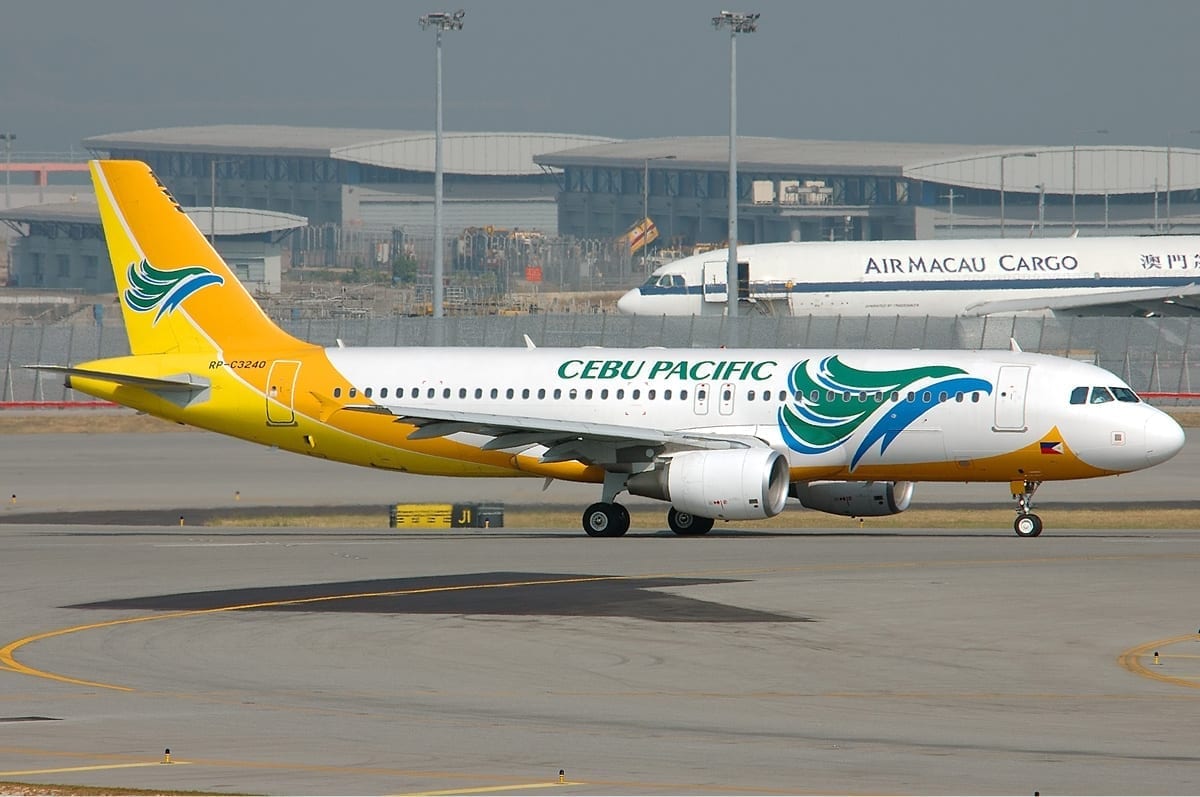
    The airline’s 65-strong fleet includes 4 Airbus A321ceo, 36 Airbus A320, 8 Airbus A330, 8 ATR 72-500, and 9 ATR 72-600 aircraft.

    Between 2018 and 2022, Cebu Pacific expects delivery of 4 more A321ceo, 32 Airbus A321neo, and 7 ATR 72-600 aircraft.

    The Gokongwei-led airline saw its net income increase by 12% to P1.437 billion in the 1st 3 months of the year, despite the rise in global oil prices and the weakening of the Philippine peso against the US dollar.
  • Cebu Pacific takes delivery of 3 new Airbus jets

    Cebu Pacific takes delivery of 3 new Airbus jets

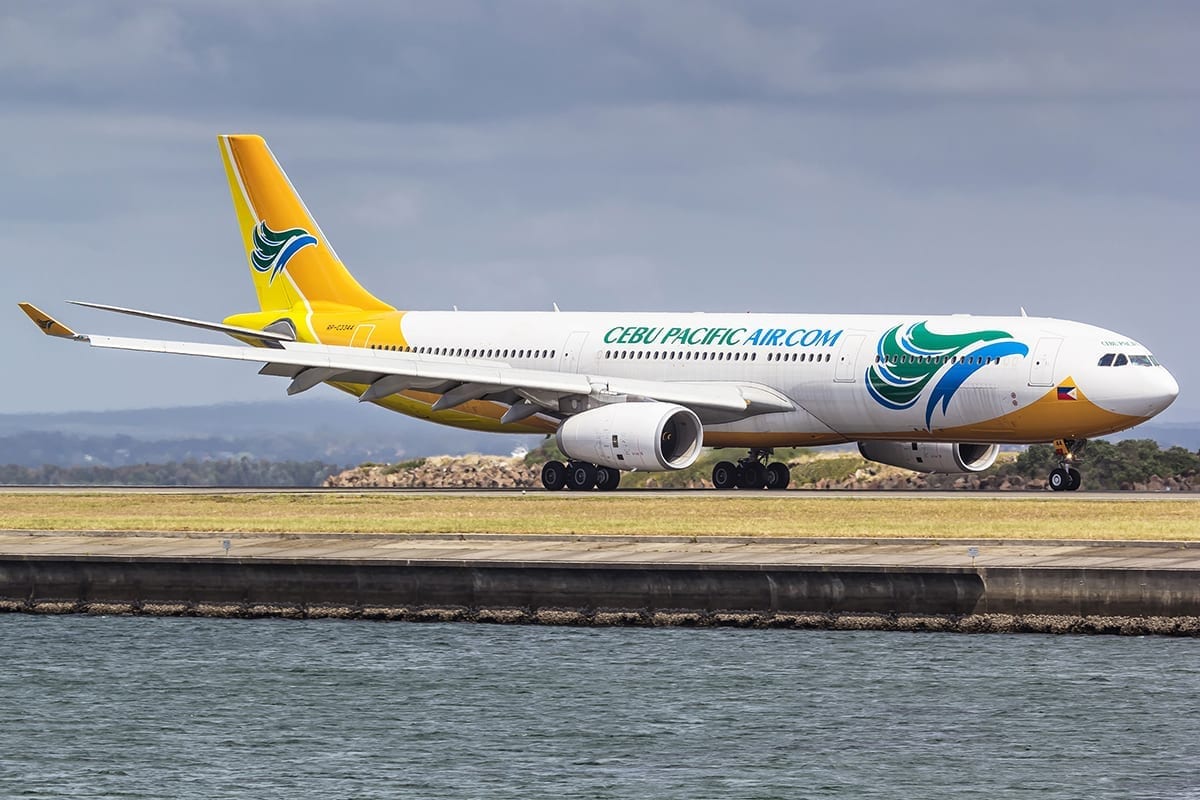
    Cebu Pacific said Thursday it took delivery of three more brand new Airbus A321 CEO jets, as it pursued a fleet modernization.

    The country’s largest airline said it now has 65 aircraft, including 4 Airbus A321 CEO, 36 Airbus A320, 8 Airbus A330, 8 ATR 72-500 and 9 ATR 72-600.

    The new A321 CEOs have a capacity of 230 seats, 50 seats more than previous models.

    “Coupled with investments in avionics, this will enable CEB to operate more efficiently, and offer even lower fares to its customers,” the airline said.

    Gokongwei-led Cebu Pacific said it invested $4.9 billion on its new A321 fleet, with deliveries of 3 A321 CEO and 32 A321 NEO spread from this year until 2022.

  • Philippines AirAsia to develop more regional Filipino hubs

    Philippines AirAsia to develop more regional Filipino hubs

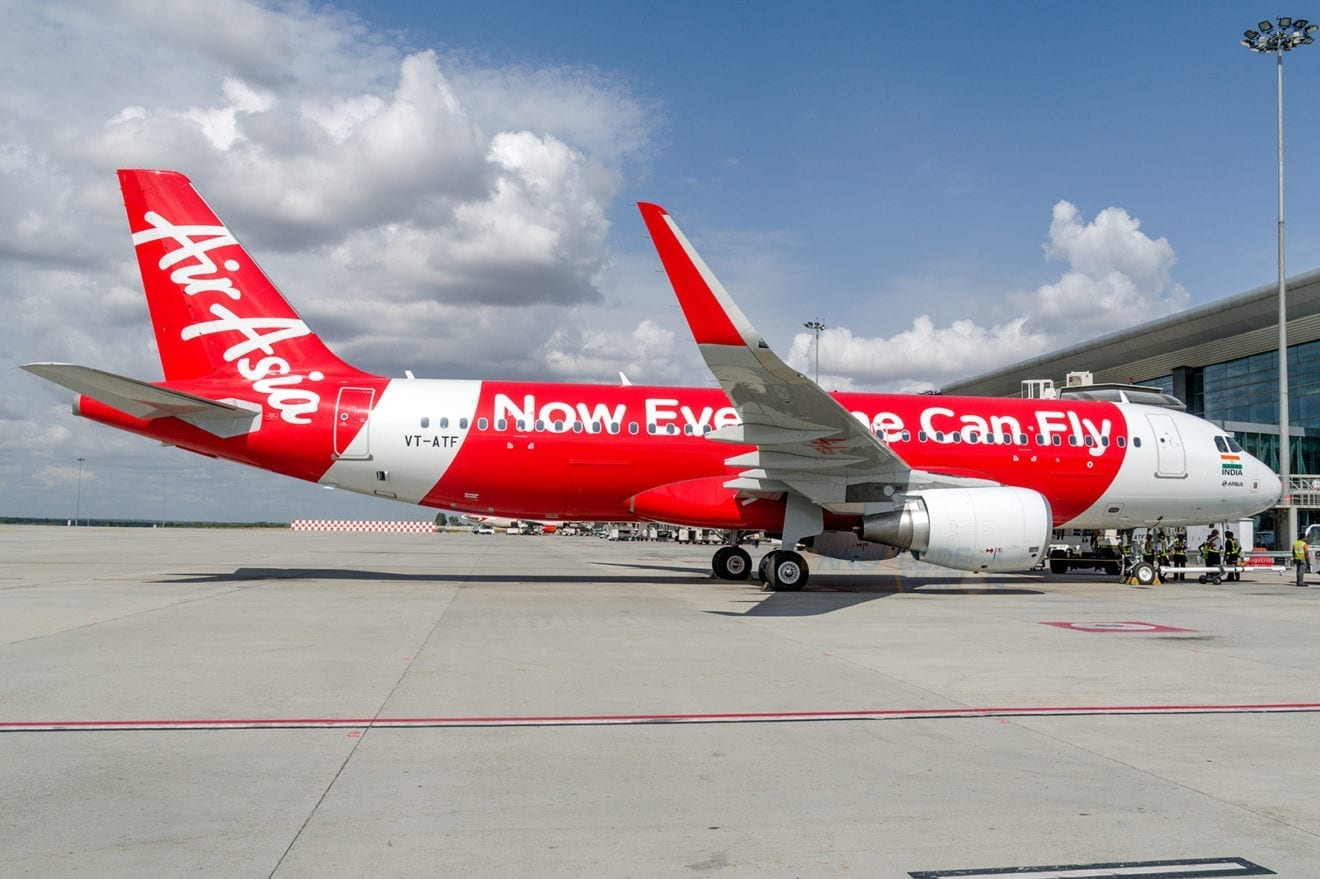
    Philippines AirAsia will skirt future growth at Manila Ninoy Aquino Int’ldue to serious capacity constraints and instead will focus its development at regional hubs in Clark, Cebu, Kalibo, Puerto Princesa, and Panglao, an airport set to replace Tagbilaran by the end of 2018, CEO Dexter M. Comendador has told the Business Mirror.

    “These will be opened up as hubs because we are lacking space in Manila, and in the next 10 years, we should have 70 planes. So we need to distribute the planes to the countryside. It will spread; then development will follow,” Comendador has said.

    The Filipino unit of AirAsia Group currently operates 399 weekly departures, 38% of all its flights, out of the capital airport in the country. Cebu, its second-largest base, is served with 160 weekly departures. However, these proportions may soon change.

    According to the ch-aviation fleets module, Philippines AirAsia currently operates twenty-one A320 aircraft. It is set to receive around fifty more A320 Family jets, possibly including A320neo, in the next 10 years.

    In line with a government directive, Philippine Airlines (PR, Manila Ninoy Aquino Int’l) has also announced that it, too, will focus on regional airports as the capital gateway lacks space for growth.

    Comendador has also reaffirmed Philippines AirAsia’s plan to launch an Initial Public Offering (IPO) in the fourth quarter of 2018. Philippines AirAsia intends to raise around USD200 million and float up to 30% of its shares.

  • No baggage theft by staff of Cebu Pacific

    No baggage theft by staff of Cebu Pacific

    Budget airline Cebu Pacific has cleared its staff of any wrongdoing in the alleged pilferage incident on its 5J 113 flight.

    Airline authorities conducted its own investigation on the matter and ruled that its staff could not be held liable for negligence or any criminal activities over the reported lost valuables of a female passenger.

    In a statement issued on Tuesday, Cebu Pacific said the package of the woman who flew from Hong Kong to Manila last Sunday was not tampered with while it was with the said airline.

    “After a thorough investigation, which included inquiries with the ground staff, viewing body cam and fixed CCTV footage, we found that there were no discrepancies nor indications of tampering in the baggage of the concerned passenger under the care and custody of Cebu Pacific,” the company said.

    All of the reports and footage would be submitted to the Manila International Airport Authority, Cebu Pacific said.

    Last Sunday, a video of a woman complaining after seeing her package opened and valuable items lost at the baggage carousel went viral on Facebook.

    According to a previous statement from Cebu Pacific, the female passenger flew with a different airline from London en route to Hong Kong, before boarding their plane to Manila.

    “CCTV security footage showed that the baggage container arrived (in) Manila intact, with the passenger’s baggage inside,” the company said.  “CCTV footage further showed ground personnel loading the baggage on the carousel with the lock still in place.”

  • Cebu Pacific targets 12% passenger growth with A321 deliveries

    Cebu Pacific targets 12% passenger growth with A321 deliveries

    Cebu Pacific is targeting for passenger numbers to hit 22 million in 2018, a 12% increase from the year before.

    Last year, the Philippine low-cost carrier handled 19.7 million passengers, a 3% year-on-year increase, largely driven by an 8% growth in the number of international passengers. Performance was strong in its key markets of Sydney, Dubai, Hong Kong, Tokyo Narita, Taipei, and Seoul.

    “To reach our goal of flying 22 million passengers this year, we remain committed to offering a compelling route network where we can meet rising demand and sustain our year-round low fare proposition,” says JR Mantaring, the airline’s vice-president for corporate affairs.

    He adds that despite the higher fuel price, the weakening of the Philippine peso against the US dollar, security concerns and travel advisories, the carrier has “remained relatively resilient”.

    This year, the carrier is scheduled to add seven A321s from March through September, before its first Pratt & Whitney PW1100G-powered A321neo is delivered in November. These large narrowbodies will add capacity and also free up some A330s that are used on short-haul services to go further afield.

    Two of these A321s have already been delivered, while another three are scheduled to arrive “in the coming days”.

    Last year, operating profit slipped 17.3% to Ps10.1 billion ($194 million), as the growth in expenses outpaced that of revenue. Net profit fell 18.9% to Ps7.91 billion.

  • Aguilas ink pact with Cebu Pacific

    Aguilas ink pact with Cebu Pacific

    THE Davao FC Aguilas travel a lot. With the 2018 season of the Philippine Football League already under way, the Aguilas having a national carrier as one of their sponsors is a blessing indeed.

    General Manager Michael Shaw said the team is very grateful after Cebu Pacific came forward to help as their main sponsor in their coming home-and-away games.

    “In terms of the PFL format, the matches are home and away and definitely signing a sponsorship agreement with Cebu Pacific helps,” said Shaw after a signing an agreement with Candice Iyog, Vice President for Marketing and Distribution at the Cebu Pacific’s head office (8007 Domestic Rd in Pasay City).

    The Aguilas currently have a 2-2-2 win-draw-loss record and they are close to making it to the AFC Cup Group Stage.

    They have games set in Bacolod, Tagum City, Cebu City, Marikina City, Iloilo City and Binan City.

    “It’s a privilege to partner with a team that represents Davao. We’ve always been associated with Cebu. And it’s important that we spread our wings and sponsor teams that are from other parts of the country,” said Iyog.

    The team’s players include Phil and James Younghusband, goalie Nick O’Donnell, Ronilo Bayan Jr., Matthew Hartmann, Simone Rota, Brad McDonaldo and Jason de Jong.

    They also have James Younghusband, Angel Guirado.Harry Sawyer, Phil Youghusband, Takashi Odawara, Jorrel Aristorenas, Josh Grommen, Omar Khan and James Hall, among others.

    Ceres of Cebu currently leads the standings with three straight wins.

  • Cebu Pacific Less Profitable in 2017

    Cebu Pacific Less Profitable in 2017

    Cebu Air operator of the country’s largest carrier Cebu Pacific, said net income in 2017 dropped by 18.9 percent to P7.91 billion from P9.75 billion in 2016 due to higher fuel prices and operating expenses.

    Operating expenses swelled by 16.6 percent to P57.90 billion in 2017 from the P49.65 billion recorded in the previous year.

    “The increase was primarily due to the rise in fuel prices in 2017 coupled with the weakening of the Philippine Peso against the US Dollar,” the company said in a disclosure.

    Cebu Air Inc is the parent company of airline brands Cebu Pacific and Cebgo.

    Cebu Air said that the Philippine peso ended 2017 at an average of P50.40 per US dollar compared to the previous year’s P47.50 per US dollar.

    “The growth in the airline’s seat capacity from the acquisition of new aircraft also contributed to the increase in expenses,” Cebu Air added.

    The airline company said revenues went up by 9.9 percent from P61.90 billion in 2016 to P68.03 billion in 2017, as passenger revenues increased by 7.2 percent to P49.931 billion.

    “This was mainly attributable to the 3.2 percent growth in passenger volume to 19.7 million from 19.1 million last year, driven by the increase in number of flights by 3.6 percent in 2017 as the Group added more aircraft to its fleet,” the company said.

    Cargo revenues reached P4.60 billion, increasing by 29.2 percent from the previous year, while ancillary revenues went up by 14.9 percent to P13.49 billion.

  • AirAsia starts Clark–Cebu flights on May 11

    AirAsia starts Clark–Cebu flights on May 11

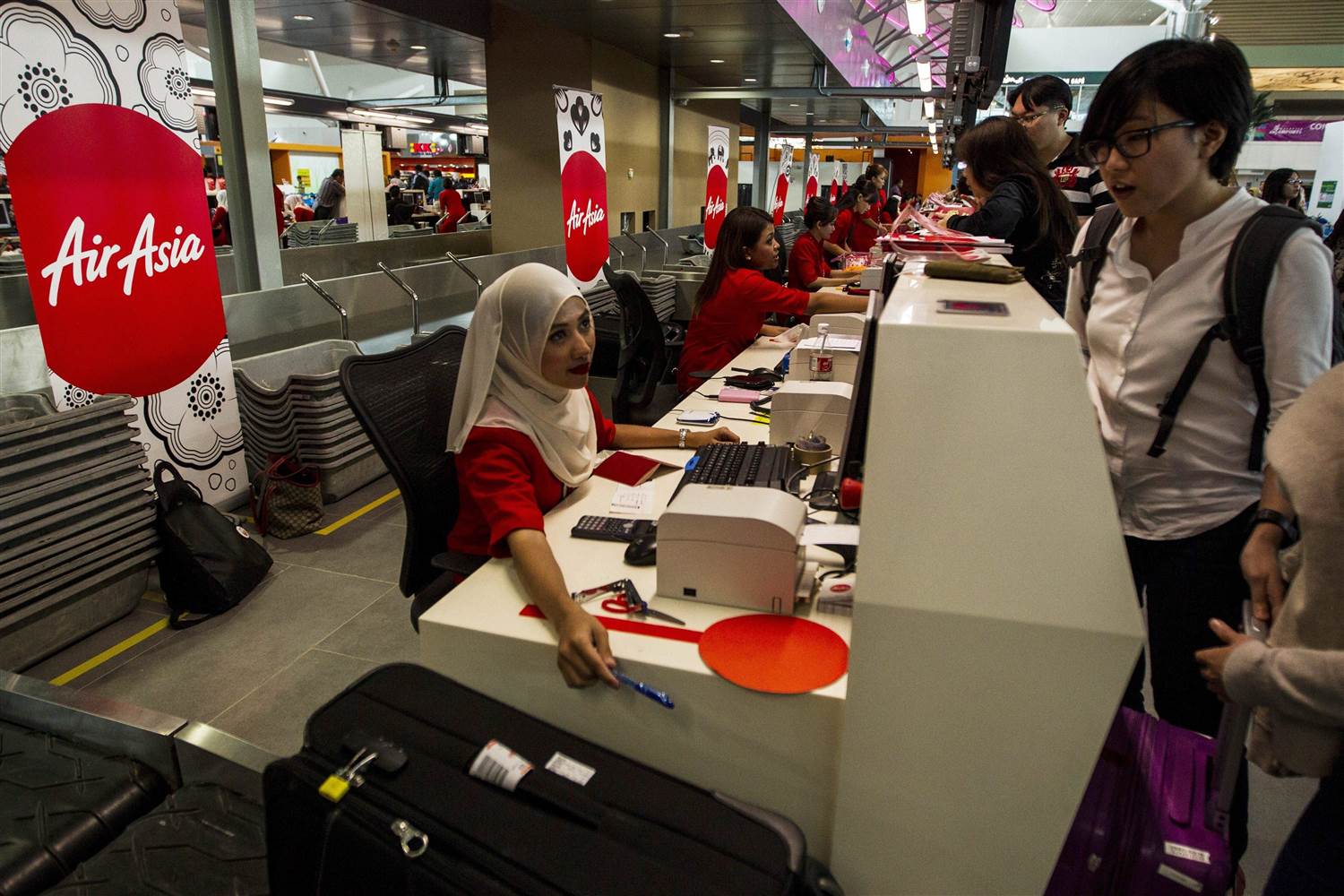
    AirAsia continues to expand its domestic network in Clark Airport in Pampanga with new flights between Clark and Cebu starting May 11, 2018. AirAsia Philippines CEO Captain Dexter Comendador said their commitment is to make air travel more affordable, convenient and accessible to travelers especially outside Metro Manila with “superb service and signature low fares.”

    “We are thrilled to be painting Clark and Cebu skies red with introductory fares now up for grabs from as low as P17 only!” To celebrate AirAsia’s newest flight, “all-in promo fares for Clark to Davao are now available from as low as P17.00, one-way fare only, until 22 April 2018 at www.airasia.com for travel period between 11 May 2018 and 26 October 2018,” he said. At a recent Philippine Economic Briefing 2018, the Philippine government has envisioned the New Clark City to be a hub of agro-industrial activities, cutting-edge technology and logistics companies and government centers with world-class sports facilities. Alongside this development, Clark International Airport (CIA) will have a new terminal building to accommodate a projected 8 million passengers per year and a new railway system connecting to Manila and neighboring provinces.

    The expansion of CIA according to government transport authorities will help decongest Ninoy Aquino International Airport (NAIA) in Manila. The expansion project for the Clark airport broke ground last December. “AirAsia is here to support the government’s flagship projects to boost tourism and trade. We aim to better connect Clark to secondary cities within the Philippines like Iloilo, Davao, Tacloban and Cebu followed by inter-Asean connectivity where the AirAsia Group has massive network covering over 120 destinations in the whole of Asean, in greater Asia, Australia, United States and beyond,” Comendador added. Aside from Clark-Cebu route, AirAsia also offers several flights to and from Clark, Iloilo, Davao, and Puerto Princesa.

    AirAsia launched its first commercial flights from Clark with only two planes in March 2012 before transferring its hub to Metro Manila following a strategic partnership with a local carrier in 2013. AirAsia has since been operating on a much larger scale with a fleet of 20 aircraft from Metro Manila and has expanded its domestic and international network with flights from hubs in Manila, Cebu, Clark and Kalibo.

  • AirAsia opens Cebu-Shenzhen route on May 9

    AirAsia opens Cebu-Shenzhen route on May 9

    Budget carrier Philippines AirAsia is enhancing its route with the introduction of a new one from Cebu to Shenzhen, China.

    Starting on May 9, AirAsia will fly daily directly between Cebu and Shenzhen, making that city its first Chinese destination out of the Queen City of the South.

    “The addition of our first China route from the Cebu hub enables us to further strengthen our network outside Metro Manila and open up new and exciting places to visit this summer,” Philippines AirAsia CEO Dexter Comendador said last Sunday.

    Shenzhen is located in the Pearl River Delta metropolitan area and is one of the major economic hubs of China.

    Known as “China’s Silicon Valley,” Shenzhen is home to some of the top start-up and tech businesses in the world, including the headquarters of popular global companies such as Huawei, BYD and ZTE.

    “Cebuano travelers would be delighted to experience Shenzhen’s modern metropolis and marvel at how the southern city that links Hong Kong to mainland China built the world’s largest electric bus fleet, massive malls, contemporary buildings and amusement parks,” Comendador said.

    AirAsia is strengthening its operations outside Metro Manila due to capacity constraints in the Ninoy Aquino International Airport.

    It has a fleet of 17 planes as of end-December. For 2018 it is expected to take delivery of five more jets, bringing its fleet to 22 planes by end-2018.

  • Cebu Pacific issues peak season travel advisory

    Cebu Pacific issues peak season travel advisory

    Cebu Pacific (CEB) and Cebgo remind all passengers during this crunch holiday season to allot ample time to get to the airport, check-in, go through security and immigration checks, and process pre-departure requirements.

    “CEB Domestic Check-in counters are open three hours before the scheduled time of departure and four hours for international flights,” a Cebu Pacific advisory indicated.

    “All check-in counters close 45 minutes before the scheduled time of flights, except those exiting the Dubai and Middle East (one hour) and Shanghai (50 minutes).”

    Cebu Pacific has also deployed roving check-in agents in all of the Philippine airports the carrier operates in, including the NAIA Terminal 3 and Terminal 4.

    “The agents are equipped with iPads with the Levarti MAX Airport application, as well as portable printers. This allows CEB terminal personnel to remotely check-in passengers, assign seats, facilitate payment for baggage and other ancillary services, and even print boarding passes.”

    CEB and Cebgo passengers may also check-in using the following options to cut the waiting and queuing time:

    • CEB Mobile Check-in. Download the official Cebu Pacific Mobile App on the App Store or Google Play and tap on the Check-In option. CEB Mobile Check-in is available from seven (7) days to four (4) hours before an international flight, and up to one (1) hour before a domestic flight.
    • CEB Web Check-in. Visit the Manage Booking section of the Cebu Pacific website (https://www.cebupacificair.com). For international flights, web check-in is available from seven (7) days up to four (4) hours before scheduled flight departure. Those taking domestic flights can do web check-in up to one (1) hour before their scheduled departure.
    • Self-Check-in Kiosks. Passengers at NAIA Terminals 3 and 4 and selected domestic airports can use these kiosks to check-in their flights eight (8) hours up to one (1) hour before the scheduled flight departure.

    Domestic Airports with CEB Self Check-in Kiosks

    • Bacolod: Bacolod–Silay International Airport
    • Busuanga (Coron): Francisco B. Reyes Airport
    • Cagayan de Oro: Laguindingan Airport
    • Clark: Clark International Airport
    • Davao: Francisco Bangoy International Airport
    • Dipolog: Dipolog Airport
    • General Santos: General Santos International Airport
    • Iloilo: Iloilo International Airport
    • Kalibo: Kalibo International Airport
    • Legazpi: Legazpi International Airport
    • Ozamiz Labo: Ozamiz City Airport
    • Roxas: Roxas Airport
    • Pagadian: Pagadian Airport
    • Puerto Princesa: Puerto Princesa International Airport
    • Tagbilaran: Tagbilaran Airport
    • Zamboanga: Zamboanga International Airport
    • Butuan: Bancasi Airport

    Domestic web or mobile check-in guests with check-in luggage can drop these off at the bag drop counter at least 45 minutes before the flight, except those exiting the Middle East (one hour) and Shanghai (50 minutes).

    International web or mobile check-in guests still need to show up at check-in or bag drop counter at least one (1) hour before the flight to present valid travel documents.

    Domestic web or mobile check-in guests with check-in luggage can drop these off at the bag drop counter at least 45 minutes before the flight, except those exiting the Dubai (one hour) and Shanghai (50 minutes). International web or mobile check-in guests still need to show up at check-in or bag drop counter at least one (1) hour before the flight to present valid travel documents.

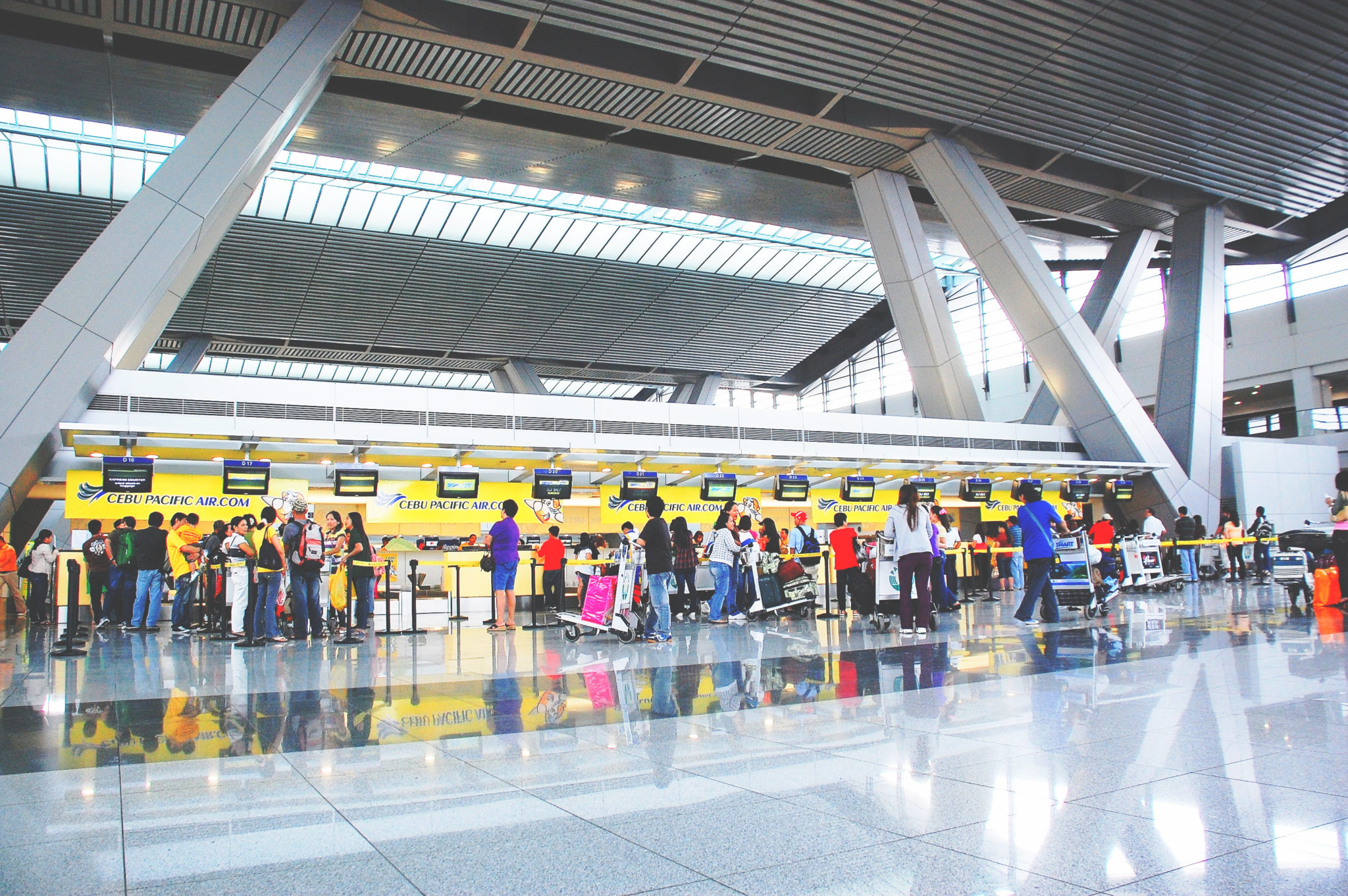
    Dedicated bag drop counters (D16-D24) are available for web and mobile boarding pass holders at the NAIA Terminal 3.

    Here are other reminders for all CEB and Cebgo passengers:

    • Check the airport terminal screens for the accurate time and boarding gate assigned to the flight. While there is a Public Address system where announcements are made, we strongly encourage passengers to be more alert in checking boarding information. CEB boarding agents are ready to assist passengers and answer queries.
    • Mind the weight of your hand-carry. CEB allows only ONE (1) hand-carry bag with maximum weight of seven (7) kilos.
    • Liquids, aerosols and gels inside a hand-carry bag should be in a container 100 ml or less. These should be placed in a clear, resealable plastic bag.
    • Purchase baggage allowance upon booking, with options ranging from 15 to 40 kilos. This lets you save as much as 71% compared to paying excess baggage fees at the airport.
    • Be security-conscious. When possible, lock and seal your luggage and place easily identifiable markers on your check-in baggage. We strongly advise guests to hand-carry valuable items such as money, jewelry and mobile devices.
    • Proceed to the boarding gate immediately after completing check-in requirements. Guests should be at the gate at least 30 minutes before the scheduled time of departure.
  • Cebu Pacific apologizes for delays in morning flights, cancels one flight due to bad weather

    Cebu Pacific apologizes for delays in morning flights, cancels one flight due to bad weather

    Cebu Pacific cancelled one domestic flight to Cauayan, Isabela, on account of bad weather Wednesday, even as it apologized for the inconvenience caused by an average 45-minute delay in early morning flights.

    Cancelled due to bad weather was 5J 196/197, Manila-Cauayan-Manila 5J- Cebu Pacific.

    In a separate advisory, Cebu Pacific attributed the flight delays to a temporary slowdown in the production of its flight plans.

    “Early morning flights were delayed by approximately 45 minutes as a consequence and this will also cause a domino effect for flights throughout the day,” said the leading low-cost carrier.

    “We are currently putting measures in place to make up time and thus minimize delays to our schedule. Our airport personnel are on-hand to assist affected passengers. We sincerely this has caused, and appeal for patience and understanding,” said the airline.

  • Cebu Pacific cancels Indonesia flights due to volcano eruption

    Cebu Pacific cancels Indonesia flights due to volcano eruption

    Cebu Pacific has announced the cancellation of its flights to and from Bali, Indonesia on Tuesday, Nov. 28.

    The statement was issued due to the eruption of Mount Agung volcano and the closure of the Ngurah Rai International airport in Denpasar.

    The affected flights are:

    • 5J 279 (Manila-Denpasar) ETD 350am / ETA 750am

    • 5J 280 (Denpasar-Manila) ETD 835am / ETA 1240pm

    “We sincerely apologize for any inconvenience this may cause,” the airline said.

    The company said guests with confirmed bookingswill be moved to the next available Cebu Pacific flight.

    The guests may also opt to rebook their flights within the next 30 days, or place the cost of the ticket in a Travel Fund for future use.

  • Cebu Pacific looks to grow further in Australia in 2018 with Melbourne

    Cebu Pacific looks to grow further in Australia in 2018 with Melbourne

    Cebu Pacific is looking at launching services to Melbourne in 2018, further strengthening the Philippine low cost carrier’s position in Australia following the upcoming upgrade of Sydney to daily.

    Cebu Pacific has served Sydney for three years and has talked about the possibility of adding service to Melbourne since launching Sydney in late 2014. Talk about Melbourne has escalated over the last year as the performance on Manila-Sydney has improved, prompting the decision to upgrade Sydney to daily for the peak summer season. Sydney has until now been served with four to five weekly frequencies depending on the time of year.

    Cebu Pacific will operate seven weekly frequencies to Sydney in Dec-2017 and Jan-2018, compared to five weekly frequencies for the same period last year. Cebu Pacific for now has loaded a schedule of five weekly frequencies on Manila-Sydney from early Feb-2018. Cebu Pacific CEO Advisor Mike Szucs told CAPA on the sidelines of the 8-Nov-2017 CAPA Asia Aviation Summit that the airline plans to initially operate five or six frequencies during the non-peak and shoulder months but aims to eventually serve Sydney with a daily year-round schedule.

    “Australia is working well because it is selling well on both ends,” Cebu Pacific CEO Advisor Mike Szucs said. “Australia is a very good market for us.”

    Mr Szucs also said Cebu Pacific is now looking at launching services to Melbourne in 2018. “Australia is doing really well for us. We’ve grown the Manila-Sydney market phenomenally. We are the number one player in terms of passenger traffic on Manila-Sydney. We are increasing Sydney to daily frequencies from this December,” he said. “Melbourne is on the agenda for some time next year. We are not there yet – we need to go and finalise the numbers but Melbourne is looking interesting.”

    Philippine Airlines (PAL) is currently the only airline operating the Manila-Melbourne route, while Manila-Sydney has three nonstop competitors including PAL, Qantas and Cebu Pacific. PAL serves Sydney daily and Melbourne with three weekly flights, while Qantas has five to six frequencies on Sydney-Manila (depending on the time of year).

    Cebu Pacific has a fleet of eight A330-300s but has been using its widebody fleet mainly on short haul routes since suspending three Middle East services in mid-2017. Sydney and Dubai, which is served daily most of the year, are the only remaining long haul routes in Cebu Pacific’s network and use the equivalent of two aircraft.

    Mr Szucs said Cebu Pacific will have the opportunity to resume long haul growth in 2018 as A321s enter the fleet. Cebu Pacific mainly plans to use the new A321 fleet to up-gauge short haul routes from A320s but has the flexibility to use some of the A321s to replace A330s on short haul routes, freeing up A330s for new long haul routes. “As the A321s come in next year we will be able to start redeploying A330s again into some targeted long haul markets,” Mr Szucs explained.

    Under this scenario, Melbourne is on the top of the list as Cebu Pacific is not interested for now in resuming expansion in the Middle East, due to what it considers irrational competition in the Philippines-Middle East market. Cebu Pacific is also not interested, for now, in launching Manila-Honolulu, which originally was in its long haul network plan, as this market is highly competitive and unbalanced, consisting mainly of ethnic or VFR traffic.

    Manila-Melbourne is a less competitive route and the Australia-Philippines is a more balanced market. In the Sydney market, Cebu Pacific has been able to generate a relatively even mix of outbound and inbound traffic, covering the leisure, ethnic or VFR and business segments. For the latter, Cebu Pacific mainly targets SMEs as it does not have a premium product.

    “Australia is working well because it is selling well on both ends,” Mr Szucs said. “Australia is a very good market for us.”