Retail News CRM

Tag: E-Commerce

  • 11Street takes KWC Trend on-line

    11Street takes KWC Trend on-line

    KWC Fashion mall has grow to be Malaysia’s first wholesale bodily mall to go surfing, after partnering with eCommerce newcomer 11street.

    11Street , already one of many largest on-line marketplaces in Malaysia, and KWC Fashion mall, certainly one of Kuala Lumpur’s excessive profile retail vacationer locations, have signed a memorandum of understanding to embark on 11street’s quick rising market portal to supply wholesale buying on-line.

    Merchandise from KWC Fashion mall’s tenants at the moment are stay on 11street, with reductions of as much as 70 per cent and free delivery on greater than 2000 chosen trend gadgets.

    “The partnership between 11street and KWC is critical as a result of this additional reinforces our ongoing dedication to increase our vary of merchandise and to supply one of the best selection to shoppers,” stated Hoseok Kim, 11street CEO.

    “Including a wholesale mall will definitely widen the web retail website’s repertoire, increase shopper expertise and supply extra for buyers to sit up for as 11street continues so as to add new merchandise on a regular basis.”

    KWC centre supervisor Fiona Bong stated the collaboration will profit KWC tenants on the bodily mall by offering them with on-line publicity to boost model consciousness while providing a constructive increase in transactions and gross sales for his or her enterprise.

    “11street is a gateway to new goal audiences for the varied retailers that we’ve beneath our roof. In immediately’s fast-paced, cost-conscious and aggressive setting, it’s not sufficient to depend on only one single go-to-market channel.”

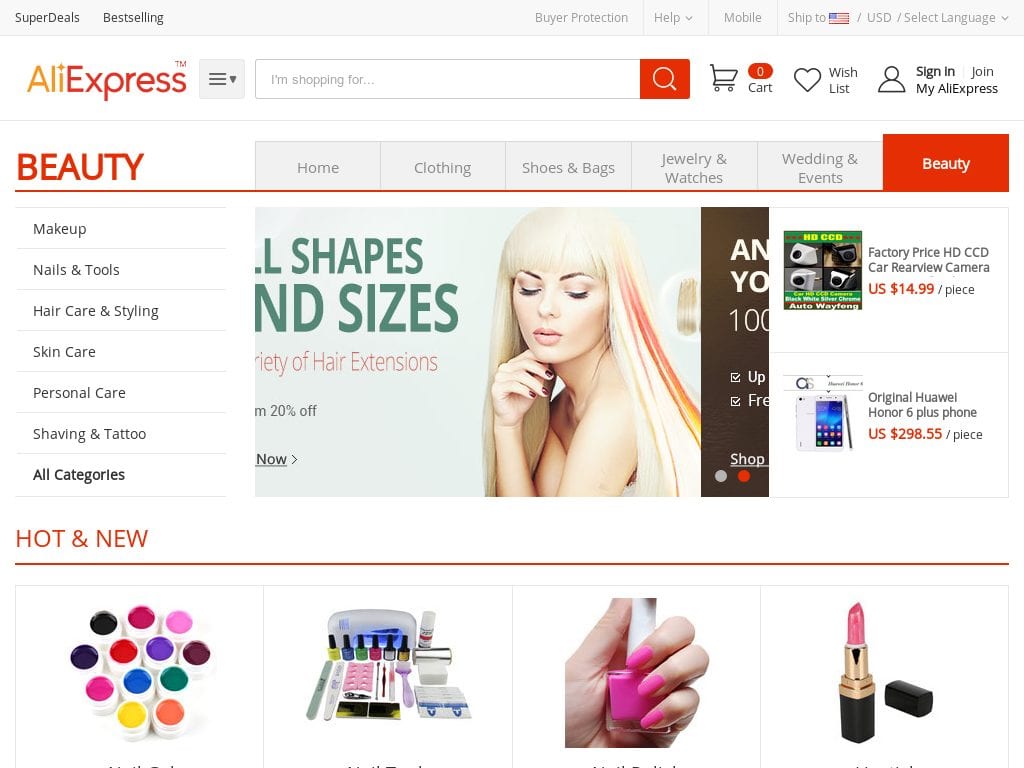
  • Brazilian On-line Consumers Are Enamored with AliExpress

    Brazilian On-line Consumers Are Enamored with AliExpress

    Enterprise is booming in Brazil for Alibaba’s AliExpress.

    Regardless of the language barrier, lengthy delivery occasions, and cost inconveniences, increasingly Brazilians have been drawn to AliExpress because of the excessive value of many gadgets in Brazil. Even with import duties, which is greater than 60 %, many merchandise, together with garments and baggage, are cheaper on AliExpress by as much as two-thirds, in response to China Day by day.

    “AliExpress is now my favourite abroad buying web site as a result of it presents higher costs and extra choices,” stated Amanda Bernardo, who boasts over a million views on her on-line buying movies, through which she lately featured gadgets purchased from AliExpress.

    Bruno Calheiros, an exhibition designer who makes a middle-class revenue of $2,540 per thirty days, prefers to buy on-line over going to modern malls.

    “I used to purchase garments, home equipment and health gear from Ebay and Amazon, however extra so from AliExpress since I attempted it. I simply like it,” stated Calheiros. He added that he has beneficial AliExpress to lots of his acquaintances.

    On final yr’s Singles Day sale on November 11th, Brazilian spending on Alibaba’s web sites was second solely to that of the Russians.

    Current findings from analysis agency E-Bit revealed that middle-class Brazilians accounted for 62 % of internet buyers from the nation in 2014. Final yr, Brazilian internet buyers totaled 51.5 million individuals, together with 10.2 million individuals who shopped on-line for the primary time. The variety of on-line orders is predicted to rise 19 % to 123 million orders in 2015.

    Spending by Brazilian internet buyers rose 24 % final yr to $11.three billion, and analysis agency eMarketer predicts that it might attain $26.17 billion in 2018.

    In quantity, Chinese language companies accounted for 55 % of all Brazilian on-line purchasing for a complete of $2.1 billion final yr, in accordance with E-Bit.

  • Cracking the native advertising code

    Cracking the native advertising code

    Journey, books, electronics, style, classifieds and now native providers – e-commerce has disrupted the established order in virtually each sector. With Amazon venturing into grocery (Kirana Now), Snapdeal getting into providers and Flipkart able to comply with go well with, on-demand providers look like the subsequent frontier for competitors within the crowded e-retail area.

    Take a look at what’s within the pipeline. Amazon lately launched Amazon Residence Providers within the US market. It’s anticipated to launch an identical service in India quickly. On-line market main Snapdeal has gone a step additional with its service platform to incorporate utility funds and a market for monetary providers apart from house providers. Given the large investor curiosity within the class, a handful of extremely localised house providers start-ups (comparable to UrbanClap, LocalOye, Taskbob and UrbanPro) have additionally thrown their hats within the ring .

    This can be a huge shift, thoughts you. From being on-line marketplacesfor merchandise you at the moment are shifting into providers, you’re aggregating photographers and tutors and handymen, and organising a extremely fragmented however big market. Take a look at some numbers. The homecare and set up providers market in India is estimated at Rs 90,000 crore; the laundry market at Rs 200,000 crore yearly, of which 95 per cent is unorganised.

    You possibly can see why e-commerce corporations are muscling in, however does it actually assist the native man who want to supply a extremely personalised service? Apparently sure, it broadens the potential shopper base and provides him an opportunity to scale up shortly. Specialists say an entry in providers can even assist the massive horizontal gamers trim prices and enhance margins. The incremental value of supply of providers is decrease and may probably give higher returns on funding.

    Says Devangshu Dutta, chief government, Third Eyesight, “A seek for margin enchancment and a want to be ‘the e-commerce of every thing’ are the prime drivers to enter the providers aggregation area. Merchandise e-commerce has moved from inventory-led fashions to marketplaces, however as soon as all prices are labored into the equation, even these are margin-negative, if not for the marketplace then for the sellers on the marketplace. Aggregating extra providers can be a method to generate additional margins and in addition defray customer-acquisition and retention prices over a wider base of companies.”

    For giant horizontal gamers, the power to cross-sell providers can result in higher margins in comparison with area of interest gamers. Additionally native providers may be seen as a differentiator. It permits e-retailers to not simply goal the retail share of the buyer pockets however all the consumption basket. “Why would they need to restrict themselves to only retail merchandise when there’s a lot of value-add they will present by way of providers,” asks Pragya Singh, VP, retail & shopper merchandise division, Technopak.

    Jabong.com co-founder & MD Praveen Sinha, who has invested in two native providers start-ups, Zimmber and Wassup, says, “Native providers is the subsequent part of ecommerce and can see big progress offered corporations are capable of execute it nicely. Nevertheless, operational complexity is the most important problem right here.”

    So what are the challenges an e-commerce market is more likely to encounter when it decides to combination providers? How ought to it tweak its provide chain community to reap the benefits of the rising demand for hyper-local providers?

    The larger the higher
    An eretailer can ship a product to any location from its centralised warehouse by way of courier companions however the identical concept does not work in providers. Execution is a problem as you can’t replicate a profitable mannequin in lots of geographies on the similar time.

    That stated, massive horizontal retailers with their established provide chain networks have a bonus over smaller gamers/start-ups within the class. Contemplate Snapdeal, which presently provides house/set up providers, and monetary providers by means of RupeePower. “The house and set up providers enterprise is an extension of our residence and dwelling class, providing an assortment of 10 lakh merchandise and end-to-end residence providers that embrace furnishings set up, electrical, plumbing, pest management and professional residence cleansing providers,” says Saurabh Bansal, vice-president, residence, Snapdeal.

    On-line classifieds platform Quikr can also be engaged on a service providing. Pranay Chulet, co-founder and the CEO of Quikr, says, “We’re launching a sub-brand referred to as Quikrservices, which can allow higher interplay between consumers and sellers. Providers is a unique ballgame. The supply of purchaser and vendor on the similar time is necessary. It isn’t so simple as delivery a product to the buyer’s doorstep.”

    Specialists reckon providers might be cracked however solely at scale. Merely put, until you’re very giant in measurement you can’t hope to offer customised service. Extra quantity means higher customisation and aggressive pricing. “Service suppliers are additionally capable of get extra enterprise from a platform, to allow them to supply higher costs,” provides Chulet.

    However scale can solely clear up 50 per cent of the issues. Delivering a standardised service expertise is an enormous problem. Says Debadutta Upadhyaya, co-founder, Timesaverz, a cellular market for providers, “Standardisation of processes, talent verification, background checks and tender talent coaching of service companions are a should.” Timesaverz is current in Mumbai, Pune, Bengaluru. It fees a 20 per cent fee from service companions for each transaction and noticed 10x income progress final yr over the earlier yr.

    On its half, Snapdeal has tied-up with service suppliers resembling EasyFix and Hicare with confirmed capabilities. “We’re working to make sure that professionals who carry out end-user duties are educated in buyer communication and repair supply,” says Bansal.

    Most gamers are making in depth use of know-how to attach a buyer with a service supplier who’s greatest suited to service her distinctive want. In a approach it additionally makes the native providers enterprise extra clear and environment friendly, says Varun Khiatan, founder, UrbanClap. UrbanClap is an internet market that gives providers in 20 classes together with private providers and occasions.

    Nevertheless, service just isn’t a simple area to function in. Aggregation of native providers are open not solely to ecommerce gamers, but in addition to look big Google on the one hand (by way of search outcomes and advertisements) and native aggregators (sector-specific information bulletins in a metropolis like Noida). “Most home providers, for example, are extra high-involvement than merchandise buys and the last-mile, last-minute connectivity with the client is the place the connection is made or damaged. In such instances native aggregators with a hands-on strategy may have a aggressive benefit,” says Dutta.

    Internet-net, whereas search and repair aggregation might seem a low-margin recreation, over time, technology-powered giant e-commerce platforms have the potential to leverage the excessive volumes it provides and organise this extremely fragmented market within the course of.

  • The way forward for retail is omnichannel

    The way forward for retail is omnichannel

    Digital know-how, which permits us to decide on actual supply slots, surf the aisles in the midst of the night time and verify comparability websites for the most effective costs, has put an finish to the times of the omnipotent retailer. Not can retail manufacturers decide once we store, the place we store or how we store. To a big extent, even how a lot we pay.

    Know-how has created a ferociously aggressive shopping for battleground the place retailers are usually not simply competing with the shop down the street, but in addition each retailer on-line, whether or not it’s a huge model, a small area of interest outfit or a digital pure play.

    At the moment, probably the most profitable retailers will not be all-powerful; they’re omnichannel. The facility has shifted to the buyer, who’s now firmly ensconced within the driving seat, with an insatiable urge for food for retail to be quicker, cheaper and higher.

    In 2015, the thought of a buyer taking a day without work work to take a seat at house ready for a supply (which can not even come) appears quaint, risible and consigned already to the historical past books about how we used to reside earlier than the web took maintain.

    The 2 most important drivers forcing this revolution are the change in shopper behaviour and the velocity at which know-how is creating. The coupling of those two developments means one factor: a lot greater shopper expectations, no matter which retail sector you’re working in.

    So, what are shoppers anticipating from retailers?

    Comfort. Most significantly, they need to obtain their items in a means that fits their way of life with out incurring unreasonable premiums, or wasting your time. Many retailers have been testing their method into offering extra seamless omnichannel experiences and driving actual enterprise outcomes. For instance, within the UK, John Lewis realized that buyers needed to purchase on-line and pickup in retailer (click-and-collect) – that service now accounts for 45 % of on-line orders.

    Wonderful Buyer Service. This new competitors for the buyer has led to vital enhancements within the retail buyer expertise. Manufacturers like Nutmeg, Uber and Airbnb are offering radically simplified service fashions. Shoppers’ service expectations are not restricted to a product class or vertical business which compounds the problem for retailers. These pioneers have met the service problem and raised the bar dramatically for his or her retail friends, with shoppers now anticipating excellence as normal.

    Social Proof of Buy. Peer suggestion is a key a part of the fashionable shopping for course of, particularly for millennials. Some manufacturers are responding to this development, similar to Nordstrom, a pacesetter within the within the US for omnichannel retailing, which now tags gadgets which might be well-liked on Pinterest. Shoppers worth the perception and expertise of their friends, and this can be a nice instance of how digital knowledge can affect in-store gross sales.

    Personalised Experiences. Some retailers are already offering these to nice impact, reminiscent of Tori Burch, which has developed a retailer associate-facing pill software, Shopper Ebook, which places the facility of data on the affiliate’s fingertips. The gross sales affiliate can see a strong profile of the person shopper and supply a customized purchasing expertise.

    Related Content material to Inform their Buy. REI, the outside gear retailer, as an example, excels at mixing content material and commerce. The enterprise understands the life-style of its shopper – it publishes common content material, and hosts in-store occasions to deliver individuals collectively. Sephora can also be a winner on this entrance: it seamlessly blends content material, similar to how-to movies and inspirational magnificence boards, with environment friendly commerce. It understands how cellular experiences can increase the in-store expertise – in truth, it encourages cellular use in retailer.

    Retailers have to aggressively restructure their enterprise if the present mannequin does not work. Shoppers anticipate to work together with manufacturers seamlessly throughout channels and units and have a constant expertise. They don’t seem to be within the challenges of integrating totally different communications channels or IT methods. They’re on the lookout for a degree of connectedness that retailers typically wrestle to offer. Some retailers have realized this implies they should continuously reinvent their enterprise and put utterly new processes in place. An excellent instance of that is GrandVision, a worldwide main optical retailer with operations in 43 nations. When GrandVision launched in China, probably the most superior social commerce market on the earth, it enhanced its present instruments and processes with digital applied sciences to offer a seamless cross-channel expertise. For instance, the in-store expertise is now enhanced with a sensible storefront and interactive shows. The personalised expertise allows the client to make a extra knowledgeable buy, in addition to validate their determination inside their social community. Retailer associates are additionally empowered to raised service the client with digital tablets that allow the complete omnichannel buyer journey.

    Whereas on-line retail pure gamers, from Amazon to Netflix to Uber, are getting a whole lot of consideration proper now, at Razorfish we consider probably the most profound improvements within the near-term will truly come from brick-and-mortar retailers— particularly as a result of over 90 % of retail gross sales nonetheless occur in bodily shops.

    There are already indicators of this occurring. For instance, Greatest Purchase, which is leveraging its retailer community to ship merchandise to clients quicker than Amazon does. Within the course of, too, Greatest Purchase has improved margin on clearance and end-of-life stock that has been traditionally trapped in shops.

    To win this omnichannel recreation, retailers want to deal with inner challenges head on. Meaning altering their organizational buildings and incentive fashions to drive collaboration and innovation round digital; placing the client expertise on the centre and re-configuring their infrastructure and knowledge fashions round that—particularly connecting digital to in-store.

    However, when talking with conventional retailers, they typically cite their skinny revenue margins, an lack of ability to draw digital expertise and a hesitancy of shifting first as the primary explanation why they’re holding again in digital, and subsequently not with the ability to present seamless multi-channel experiences.

    Nevertheless, if these ex-power gamers don’t ramp up their tempo and begin adapting their techniques to this new, extra degree enjoying subject, they may quickly discover themselves sitting on the side-lines for good and can by no means have the prospect to revive their former glory.

  • Alibaba goals to assist US companies promote in China

    Alibaba goals to assist US companies promote in China

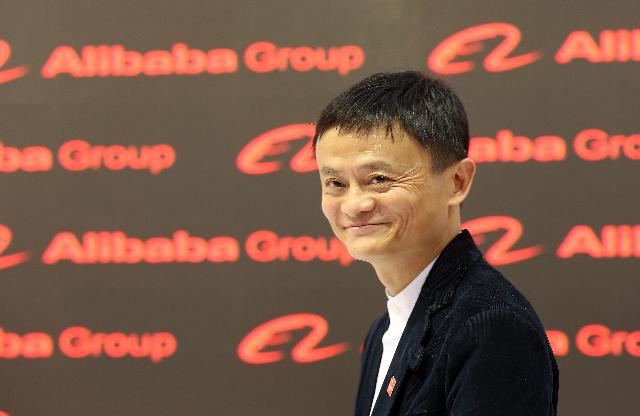
    Chinese language e-commerce titan Alibaba Group Holding Ltd doesn’t need to battle for US market share however as an alternative hopes to assist small US companies promote extra items in China, Government Chairman Jack Ma stated.

    Ma is visiting the USA this week to elucidate Alibaba’s international technique and to “assist dispel misconceptions” concerning the firm, spokesman Greg Jenkins stated in an e-mail.

    “We’re not coming right here to compete,” Ma advised the Financial Membership of New York on Tuesday.

    The huge bulk of Alibaba’s income comes from its dominant home on-line marketplaces, however the firm has been investing aggressively in a variety of sectors overseas.

    Nonetheless, it has taken what quantities to a conservative strategy to increasing within the US, opposite to business hypothesis that it might be plotting a direct assault on US soil after its record-breaking US$25 billion IPO in September.

    Ma stated he’s frequently requested when Alibaba will “invade” America and do battle with Amazon.com Inc and Ebay Inc. Final yr, the corporate debuted a small direct-to-consumer US portal, 11Primary.com, which is a set of Web storefronts for smaller companies.

    “The chance and the technique for us helps small enterprise in America go to China, promote their merchandise to China,” Ma stated.

    The longer term for Alibaba is in constructing its e-commerce infrastructure past China’s borders, he stated.

    Within the first quarter, Alibaba’s income from China commerce grew 39 % to US$2.2 billion. Worldwide commerce grew 27 % to US$264 million and solely accounted for 9 % of income, in contrast with 11 % in the identical interval a yr earlier.

    Alibaba says a few of its bigger abroad markets embrace Brazil and Russia.

  • Bullish on ‘Make in India’, Amazon opens international e-comm markets to exporters

    Bullish on ‘Make in India’, Amazon opens international e-comm markets to exporters

    Amazon on Tuesday introduced the launch of its International Promoting Program in India, opening doorways for Indian companies to export to e-commerce markets of the world.

    Amazon is extending two of its pioneering merchandise – Promoting On Amazon (SOA) and Achievement By Amazon (FBA) – to companies of all sizes and scale from throughout the nation to go international and showcase their “Made in India” creations and merchandise to tons of of hundreds of thousands of consumers, beginning with the US and the UK, by itemizing it on  Amazon.com and Amazon.co.uk .

    Producers and native manufacturers can export merchandise within the Attire, Residence Furnishing (together with Indian Handicrafts), Jewelry, Books, Collectibles, Sporting Items, Purses, Footwear and Well being & Magnificence merchandise classes.

    Decreasing obstacles

    “Amazon at this time presents companies unprecedented attain to clients across the globe. Not are they sure by geography with entry to Amazon’s 270 million-plus lively clients worldwide. Actually, sellers on Amazon from greater than 100 totally different nations all over the world have fulfilled orders to clients in 185 nations utilising our FBA service.

    “Our International Promoting Program in India is designed to help Indian producers & companies to develop their enterprise by leveraging Amazon’s state-of-the-art know-how, world class logistics infrastructure and customer support experience,” stated Chad Goelzer, Director International Gross sales for Amazon.

    Native options

    To allow companies take Indian creations to the world, Amazon will present native enablement options by means of verified third social gathering service suppliers. These initiatives embrace logistics companions, tax consultants and compliance specialists to make the method of worldwide promoting clean and friction-free.

    Amazon’s international promoting group additionally helps them perceive native demand patterns, whereas additionally serving to sellers enhance the discoverability of their merchandise on every market. Hidesign, one among India’s hottest high-end trend manufacturers, has efficiently leveraged the Amazon International Promoting program to increase its attain within the US and the UK.

    Value efficient

    Vikas Kapur, CEO of Hidesign America Inc, says, “International Promoting is a incredible alternative for Indian manufacturers and producers as a result of it permits us to sidestep the distributor and promote on to clients across the globe and at a lot decrease costs.”

    Amit Deshpande, Director Vendor Providers, Amazon India, stated, “We sit up for serving to companies navigate by means of the complexities of promoting globally and develop a world footprint by leveraging the big demand for his or her merchandise throughout borders and thus rework the best way India makes and sells.”

  • Authorities turns down FDI in retail e-commerce

    Authorities turns down FDI in retail e-commerce

    The Union authorities won’t ease overseas direct funding (FDI) guidelines for digital commerce.

    Minister of State for Commerce and Business Nirmala Sitharaman final month met executives of Flipkart andSnapdeal and representatives from the Confederation of Indian Business (CII) and the Federation of Indian Chambers of Commerce and Business (Ficci) to evaluate the impression of FDIon Indian e-commerce corporations.

    The assembly spawned hypothesis that the Nationwide Democratic Alliance (NDA) authorities may permit overseas e-commerce corporations to function in India. New Delhi can also be underneath strain from Washington and Tokyo to chill out its FDI coverage for e-commerce.

    “B2B (business-to-business) is one of the best coverage. We’ll simply not permit B2C (business-to-consumer). India strongly believes that B2C is towards the buyer’s curiosity. If China and Japan haven’t opened up, why ought to we?” a prime official with the division of commercial coverage and promotion (DIPP) informed Enterprise Normal.

    Extra conferences on playing cards
    Throughout Sitharaman’s assembly a number of the factors that emerged have been permitting FDI in e-commerce would face assault from small retailers and the market can be flooded with imported items. Sitharaman deliberate to carry extra conferences on this problem, the official stated.

    The NDA authorities needs the ‘Make in India’ marketing campaign to achieve success earlier than opening up B2C e-commerce to overseas retailers. In addition to, Indian business just isn’t enthusiastic concerning the transfer.

    In a illustration to the DIPP, the CII said overseas corporations must be allowed after Indian e-commerce gamers had acquired the power to tackle the competitors. The chamber sought safeguards for Indian corporations like native sourcing, privateness, security towards tax evasion and checking e-wastage.

    At current, 100 per cent FDI is allowed in business-to-business (B2B) e-commerce, whereas it’s banned within the business-to-consumer (B2C) phase. Apart from, there’s a 30 per cent native sourcing rule for overseas gamers.

    Market set off
    Giant Indian e-commerce corporations like Flipkart and Snapdeal have grown considerably since their inception in 2007 and 2010, respectively. International e-commerce giants like Amazon can function in India beneath the marketplace mannequin. In some instances, overseas gamers have tied up with native corporations to enter the Indian market.

    In response to a report by Technopak, the adoption of market fashions by e-tailers is fuelled principally by enterprise scalability and FDI coverage compliance.

  • Blaming China’s anti-graft measures hides issues in retail methods

    With a inhabitants of over 1.36 billion and with over 160 cities with a inhabitants of over a million, the alternatives that China presents retailers with are monumental. Subsequently it’s regarded by many as a precedence market.

    During the last 24 months, a variety of the world’s most famous manufacturers have introduced that they’re experiencing a troublesome time in China and are both scaling again their operations or closing their China enterprise.

    So why are these retailers struggling when others proceed to develop a worthwhile enterprise? Within the report, Nobody stated that it might be straightforward: Find out how to crack the China Retail Market, CR Retail’s Managing Director James Rogers, analyses retailer’s methods and behavior, identifies the important thing causes behind these failures.

    “Numerous retailers regularly blame the anti-graft measures for the slow-down, nevertheless these are solely partly accountable” says Rogers. “We see the problems beginning lots earlier with the retailers failing to understand the complexities and challenges concerned with opening there.”

    In line with the report, there are 15 questions that have to be requested previous to getting into the market starting from figuring out one’s audience to figuring out whether or not the model will journey and, whether or not the buyer is definitely prepared.

    “When talking with retailers it’s astounding what number of new entrants haven’t considered a few of these points” notes Rogers. “They consider the parable that a retailer can simply open a retailer just like what they function in different markets and the shoppers will come flooding in. Typically this could not be farther from the reality.”

    There have been numerous examples of shops saying very aggressive enlargement plans however only a few truly obtain them. “When retailers announce their enlargement plans for the China market, it is rather shortly obvious how good an understanding they’ve of what lies forward.” says Rogers. “Retailers are sometimes drawn by the numbers and whereas the market is getting simpler to function in, the competitors stays fierce.”

    In 2014, China recorded on-line gross sales of USD 427 billion making it the most important on-line retail market on the planet. “No matter your on-line technique at house, if establishing your self in China, you can’t afford to disregard the e-commerce market. It’s a key pillar of China’s retail market.” provides Rogers.

    As with bodily bricks-and-mortar shops, China’s e-commerce market might be equally as difficult. One must firstly decide whether or not you’re to launch your personal native website or have your merchandise bought by way of a 3rd celebration platform. In that case, which one? How are you to speak with the buyer and draw them to the place your merchandise are being bought?

    “The methods during which a retailer engages with the Chinese language shopper are totally different. A social media presence is vital, nevertheless there isn’t any Fb or Twitter. Retailers subsequently have to familiarise themselves with the native platforms,” he continues.

    With China’s retail market nonetheless considered immature, Rogers advises that one thinks long-term. “The US retailers are notably good at this in comparison with their European counterparts. They respect how lengthy it has taken to construct a robust enterprise at house and are typically extra affected person. Whereas turning into spoilt for selection, the buyer continues to be studying. Rome wasn’t inbuilt a day and nor will a retailer’s China enterprise. It ought to be remembered nevertheless, establishing a profitable presence in China may even drive gross sales in different worldwide markets. Subsequently conceding defeat and retrenching must be a final resort.”

  • Cross-border eCommerce to hit $1 trillion in 2020

    Cross-border eCommerce to hit $1 trillion in 2020

    The worldwide B2C cross-border eCommerce market will balloon to $1 trillion in 2020 from simply $230 billion in 2014, in line with a report from international consulting agency Accenture and AliResearch, Alibaba Group’s analysis arm.

    Within the report, Cross-border B2C E-commerce Market Tendencies, researchers forecast  this more and more fashionable type of on-line purchasing – entailing shoppers taking to the web to purchase merchandise instantly from abroad retailers – will see compound annual progress of 27.four per cent over the subsequent 5 years, double the speed of worldwide B2C purchasing as an entire.

    By 2020, greater than 900 million individuals all over the world shall be worldwide internet buyers, the report says, with their purchases accounting for almost 30 per cent of all international B2C transactions.

    Cross-border on-line purchasing is gaining reputation notably in rising markets, the place shoppers can discover it arduous to seek out reasonably priced imported merchandise in native outlets. In lots of instances, the one various is purchasing on web sites in different nations or from marketplaces reminiscent of Alibaba Group’s Tmall.com, a Chinese language B2C web site that hosts retailers from all over the world.

    In accordance with the Accenture-AliResearch report, China is predicted to drive a lot of the expansion of cross-border e-commerce in coming years as a result of the nation’s giant and rising center class is hungry for genuine, good-quality overseas merchandise. China’s center class at this time is equal in measurement to all the US inhabitants and is predicted to succeed in 630 million by 2022, in response to administration consultancy McKinsey.

    China will grow to be the most important cross-border B2C market by 2020, with the transaction quantity of imported items bought on-line reaching $245 billion, based on Accenture-AliResearch. The report predicts over 200 million Chinese language shoppers can be cross-border purchasing in 5 years.


    Right here’s how issues break down graphically in charts from the report: 

    AliResearch crossborder chart 1AliResearch cross border retailing chart 2

  • China Jo-Jo on-line gross sales soar

    China Jo-Jo on-line gross sales soar

    China Jo-Jo Drugstores says its on-line gross sales are skyrocketing and now account for almost one in each 5 RMB of its turnover.

    The Nasdaq listed pharmacy says on-line gross sales soared 90 per cent yr on yr, with its personal model pharmacy on-line pharmacy gross sales doubling. Offline gross sales in conventional pharmacies grew 20 per cent within the yr to March 31.

    China Jo-Jo says its previous US$14 million of merchandise on-line, representing 18 per cent of its complete gross sales. Within the 2014 yr on-line accounted for about 11 per cent of gross sales.

    The longer term appears even brighter for the corporate given the current rest of laws in China referring to the sale of prescribed drugs over the web.

    “Since 2013, China Jo-Jo’s administration workforce has been directing its focus in the direction of constructing and increasing its on-line pharmacy enterprise in China, with final objectives to help long run natural progress, enhance revenue margin and improve shareholders’ return,” the corporate stated in a press release.

    “The preliminary end result from our on-line pharmacy division, which exceeds the corporate’s inner projection of $13 million, mirrored our balanced technique of collaboration with third-party B2C e-commerce companions, resembling Taobao, JD.com and Amazon.com, whereas constructing our personal on-line pharmacy model. Through the fiscal yr 2015, our enterprise was additionally positively impacted by new initiatives, corresponding to shut cooperation with sure giant business insurance coverage corporations in China, partnership with Shanghai Jianbao Know-how, a pacesetter in China’s Pharmacy Profit Administration (PBM) sector, in addition to the launching of Alipay service, China’s dominant cellular cost system, to our clients.”

    China Jo-Jo expects the expansion in its on-line pharmacy division will proceed within the present fiscal yr and past.

    China Jo-Jo Drugstores has 59 retail pharmacies in Hangzhou and a wholesale arm which provides its personal shops and rival retailers.

  • Tremendous Supply to launch in English

    Tremendous Supply to launch in English

    Raccoon, which operates one among Japan’s largest BtoB e-marketplaces, will launch an English languageSuper Supply web site later this yr promoting Japanese developed merchandise into 134 nations.

    From August 25, shoppers will have the ability to select from a variety of greater than 450,000 Japanese merchandise, trend gadgets and common merchandise from greater than 1000 Japanese producers.

    Whereas Raccoon could also be little recognized outdoors Japan at current, that would properly change when the brand new Tremendous Supply web site launches in English language. At present, 43,398 Japanese retail shops use the service.

    With the variety of overseas retailers and corporations utilizing the service growing over the previous a number of years, Raccoon says it determined to formally launch Tremendous Supply in English to maximise worldwide gross sales alternatives.

    Tremendous Supply sells all kinds of merchandise, starting from conventional Japanese handicrafts comparable to tableware to high-quality clothes to every day requirements. It is among the world’s largest web sites to facilitate purchases of merchandise produced or developed in Japan. Consumers should buy merchandise from Japan at wholesale costs.

    Raccoon is now accepting advance purposes from suppliers to make use of the service previous to its launch. Candidates can discover out extra on the advance software web page.

  • MAP eMall to reshape Indonesian etailing

    MAP eMall to reshape Indonesian etailing

    Whereas Lazada continues to dominate the web retail area in Indonesia, and Lippo Group’s MatahariMall faces a delay till summer time, a brand new participant of Moby Dick proportion is loading its weapons for the eCommerce battle to return.

    Mitra Adiperkasa (MAP) is an Indonesian retail firm with a portfolio that features malls, style manufacturers, sports activities gear, meals and beverage names, supermarkets, and way of life merchandise. MAP has near 1800 shops, which include upward of 150 manufacturers in additional than 60 cities throughout Indonesia. The corporate employs 23,000 individuals. It’s additionally the native franchise holder of well-known international manufacturers similar to Starbucks, Zara, Barbie, and Adidas.

    MAP eMall is MAP’s ecommerce website that’s set to go reside at first of August, and can inevitably compete head-on with Indonesia’s different ecommerce behemoths.

    “Truly, our technique is totally different from theirs due to the exclusivity of our manufacturers,” explains MAP eMAll’s eCommerce advertising head Jasmina Dewi Nashya. “We’re going to make MAPe Mall’s buying expertise actually distinctive, and we’re additionally going to publish inspiring content material that may make guests get extra worth from the location… Additionally, I feel our goal clients are extra within the center to excessive phase, whereas the opposite websites goal extra of a majority.”

    Forty individuals are engaged on MAP eMall, not together with outsourced expertise from digital businesses like Mirum (previously XM Gravity) and ecommerce platform builder Magento. Nashya additionally confirms that MAP eMall has partnered with aCommerce for logistics, in addition to fellow supplier Agility. In accordance with Nashya, MAP eMall will quickly even transfer its operation into the identical constructing as aCommerce in order to be nearer to the motion.

    This info is fascinating as a result of aCommerce can also be the first enabler for MatahariMall. Having each corporations in its portfolio – and certain getting plenty of foot visitors from from bigwig rivals in its workplace – aCommerce might want to reassure each MAP and Lippo Group that there’s in reality an inner Chinese language wall in place to stop conflicts of curiosity. If all goes properly, aCommerce group CEO Paul Srivorakul and Indonesia CEO Adrian Suherman might be well-positioned to stitch up the market in Jakarta regardless of who wins the ecommerce struggle.

    Nashya says MAPeMall is trying to combine 4 essential classes: style, sports activities, journey, and youngsters. In response to her, style and journey would be the two largest drivers on the location, and MAPeMall’s full deployment will happen in a number of separate phases.

    “At first we could have round 50 manufacturers, together with Lacoste, Nautica, Marks & Spencer, New Look, Samsonite, Converse, Adidas, Dr. Martin, and extra,” Nashya tells Tech in Asia. “All the trend and journey manufacturers [in our portfolio] can be unique to MAPeMall.”

  • On-line market Luxify enters Philippines

    On-line market Luxify enters Philippines

    Luxify, a web-based luxurious market for purchasing and promoting luxurious merchandise, is launching within the Philippines.

    The Hong Kong based mostly firm, which additionally has workplaces in London and Singapore, says it’s “notably excited” concerning the present “opportunistic occasions” in the Philippines.

    The Philippines is certainly a rising marketplace for luxurious merchandise,” says Alexis Zirah, co-founder of Luxify.

    Amidst usually testing occasions to the worldwide financial system, the Philippines has emerged with one of many biggest financial growths in Asia. From being as soon as touted because the “sick man of Asia” the nation is now unquestionably stronger, particularly after it emerged because the second quickest rising nation inAsia final yr.

    The reported financial progress of 6.1 per cent in 2014 can also be complemented by an inflow of high-end manufacturers and overseas corporations. The forecasts for the longer term are equally constructive, with corporations and shoppers displaying robust confidence.

    The current setup and success of luxurious manufacturers all through the Philippines has set the inspiration for different prosperous manufacturers to prosper.  Luxify says it’s assured of seeing extra prolific shoppers in the Philippines who’re hungry for luxurious and more and more influenced by eCommerce.

    “The spurt of progress in the Philippines could be very encouraging, particularly for classy manufacturers like ourselves,” says Zirah.

    “There’s nonetheless lots to discover on this market and with shoppers being extra open to luxurious, we now have an thrilling lineup forward. This month we’ve teamed up with Salcedo Auctions, the one public sale home in the Philippines to specialise within the sale of advantageous artwork, jewelry, ornamental arts and collectible equipment, for his or her upcoming Collectors’ Sale public sale, all of which enhance our imaginative and prescient and product vary splendidly,” he added.

    The forms of merchandise listed within the public sale embrace worldwide and conventional Filipino artwork items, basic furnishings, elegant jewelry, in addition to collectible books, maps, and work.

    Particulars of every merchandise are listed on Luxify’s web site and consumers might additionally go to Salcedo Public sale’s centre in Manila, for a particular preview till June 5, earlier than the public sale begins on June 6.

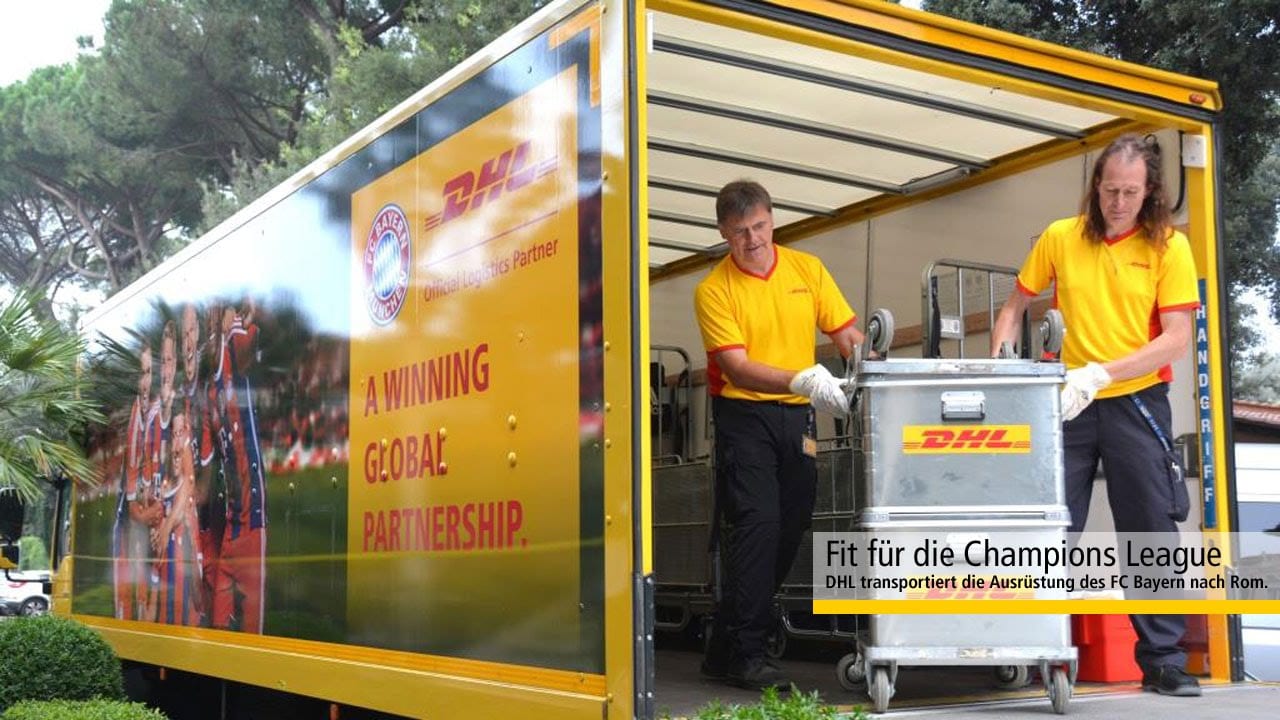
  • DHL providing E2E logistics for FC Bayern Munich’s online store

    DHL providing E2E logistics for FC Bayern Munich’s online store

    FC Bayern Munich is working with Alibaba’s Tmall Global and DHL eCommerce to launch an official FC Bayern Munich online flagship store for consumers in China.

    Through the new online store (https://fcb.tmall.hk), fans in China can now order a FC Bayern Munich jersey with their favourite player’s name and also purchase a variety of fan merchandise as well as “traditional German and Bavarian products”.

    Karl-Heinz Rummenigge, Executive Board Chairman of FC Bayern Munich, said: “Making our fan merchandise accessible is crucial to connect with our fans in China.”

    Jörg Wacker, Executive Board Member Internationalization and Strategy of FC Bayern Munich, added: “China continues to be our key focus market and plays an important role in our internationalization strategy. For our market entry in China, Tmall Global is the best platform since many of our fans already use the platform today. Together with our strategic partner DHL, we will ensure a fast delivery. This store is a big first step in expanding our touch points with our Chinese fan base and we will interact with our fans even more during our Audi Summer Tour China in July this year.“

    Jeff Zhang, President of China Retail Marketplaces of Alibaba Group, commented: “FC Bayern Munich, as one of the first football clubs launching their exclusive online flagship store on Tmall Global, will greatly reflect the diversity of brands and goods on the platform.”

    The six-year partnership between DHL and FC Bayern Munich will see DHL acting as the club’s exclusive logistics partner and full service provider for international e-commerce starting in China in 2015 with a planned roll-out across the Asia-Pacific region. DHL eCommerce will manage many aspects of FC Bayern Munich’s merchandising in China – working with Tmall Global on product listing, order management, fulfillment of orders, local distribution and returns, local customer service and market entry support.

    Thomas Kipp, CEO of DHL eCommerce, said: “There couldn’t be a better opportunity to demonstrate our expertise in e-commerce such as fulfillment and end-to-end delivery than launching the online flagship store of the world’s biggest football club, FC Bayern Munich, on the world’s biggest marketplace in China. We also have the added bonus to work even more closely with Tmall Global, China’s leading online retail platform.”

    FC Bayern Munich are one of the world’s biggest football clubs with over 255,000 members. They are also one of the most successful, having won five Champions League Titles, three Club World Cup trophies as well as 25 national championships. FC Bayern Munich are planning to return to China for a summer tour in July, when they will play three games: in Beijing, Shanghai and Guangzhou.

  • Korean cellular carriers open unified app retailer

    Korean cellular carriers open unified app retailer

    South Korean cellular carriers have opened a unified app retailer for his or her smartphone customers, as a part of an effort to bolster their presence within the rising app content material sector dominated by two app giants: Google and Apple.

    The One Retailer is a consolidated cellular model of KT‘s Olleh Market; T Retailer operated by SK Planet, the platform arm of SK Telecom; and U+ Retailer by LG Uplus.

    It’s out there for a smartphone consumer by way of a model improve of the prevailing app market on the handset.

    An app developer can now promote their product on the app market by importing the product solely as soon as on the One Retailer, whereas up to now they needed to register it individually on the prevailing app shops.

    The requirements for creating an app have additionally been harmonised so app creators gained’t have to make totally different apps for every app retailer, the cellular carriers stated.

    The launch of the One Retailer got here two months after saying the plan to combine the web content material market that had been run individually by every telecom firm.

    In accordance with market watchers, cellular carriers felt the necessity to be a part of forces for the app content material sector towards Google’s Android market and Apple App Retailer which have dominated the native app enterprise.

    In response to the newest knowledge by the Korea Cellular Web Enterprise Affiliation, Android is estimated to have taken up 51.eight per cent of the app market in Korea value roughly four.5 trillion gained (US$four.06 billion) as of end-2014, adopted by Apple’s 31.three per cent. The mixed share of native app platform suppliers solely stood at 13 per cent.

    The Korean cellular carriers hope the One Retailer will create new alternatives for native app builders, in addition to cellular shoppers, to take pleasure in numerous and certified content material based mostly on a extra handy and higher consumer expertise.

    About 1.7 million smartphone customers are anticipated to go to the One Retailer each month, the cellular carriers stated. They didn’t give particulars on the variety of apps registered with the unified market.