Tag: entertainment

  • AirAsia X enhances entertainment for Aussies

    AirAsia X enhances entertainment for Aussies

    Malaysian carrier AirAsia X has upgraded its in-flight entertainment option for Australian passengers.

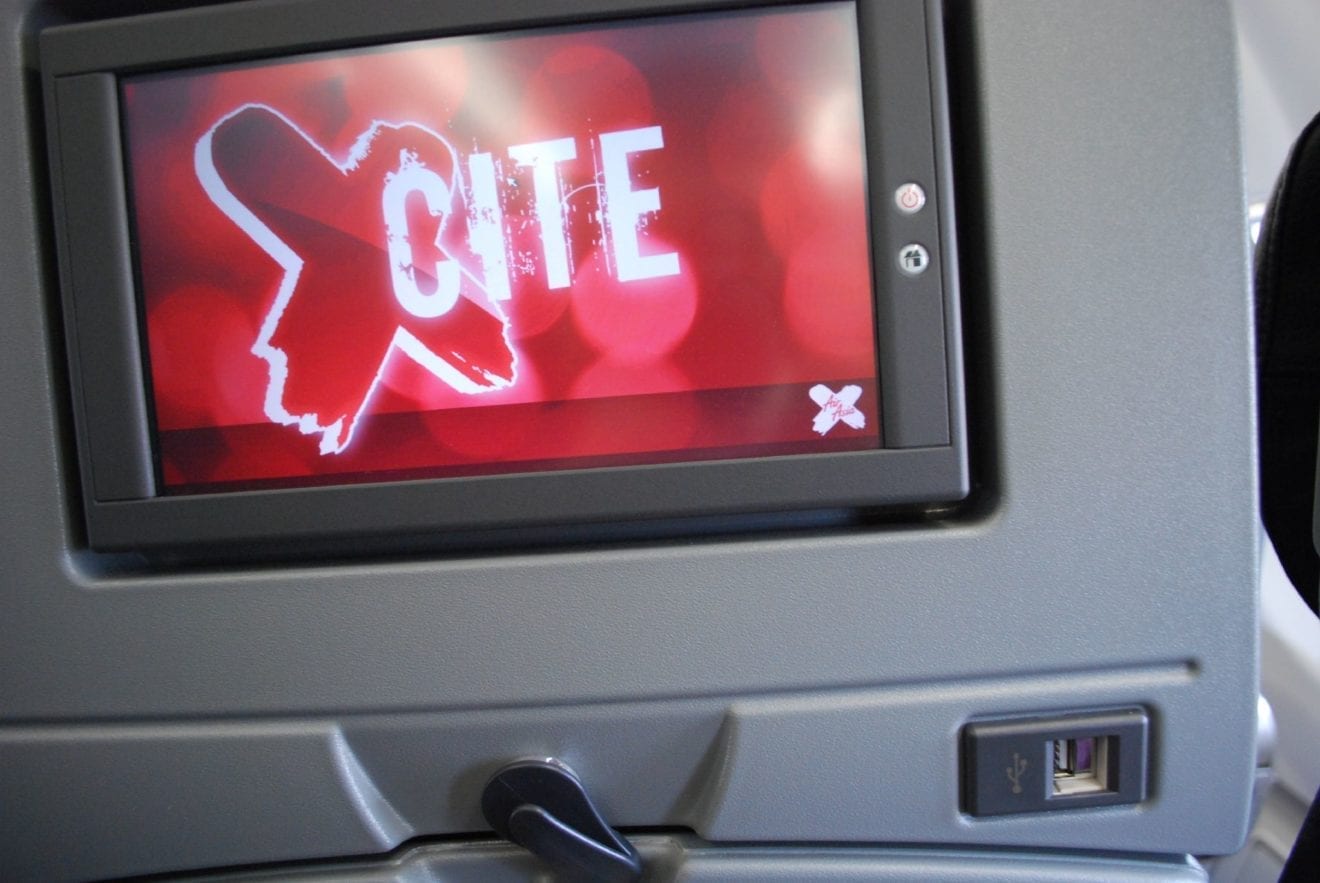
    The new Xcite Inflight Entertainment tablet is a Huawei Mediapad 2, equipped with a 10.1″ HD widescreen display, Harman Kardon audio technology and headset.

    Guests travelling aboard AirAsia X (flight code D7) services to and from Australia can pre-book these devices for about $AU15 (RM49) or rent them on-board for about $18 (RM60).

    The new tablets support five languages (English, Bahasa Malaysia, Mandarin, Korean, Japanese) and the service is complimentary for all Premium Flatbed customers.

    AirAsia X CEO Benyamin Ismail says device content will be regularly updated with the latest Hollywood blockbusters, as well as other international and local movies.

    Currently Xcite is showing X-Men: Apocalypse, The Maze Runner, 21 Days Under the Sky, Storks, The Drop and more. However, no television shows or series are available on the devices at this point.

    There’s also plenty of music, games and magazines to read, plus passengers can shop while they fly, as the AirAsia BIG Duty Free catalogue is also included.

    Previously, the airline offered Samsung Galaxy Tab devices for rental on all its Australian flights.

    AirAsia X flies out of Sydney, Melbourne, the Gold Coast, Darwin and Perth.

    Xcite Inflight Entertainment will not be available on flights to/from Auckland, Jeddah and Kathmandu.

  • TiVo, Netflix ink product, IP deals

    TiVo, Netflix ink product, IP deals

    TiVo and Netflix have signed licensing agreements that allow both companies to deliver a better entertainment experience to consumers.

    A product agreement calls for TiVo to continue integrating Netflix into TiVo set-top boxes available to consumers through a select, but growing number of pay-TV providers and retail stores.

    Customers will benefit from the integrated offering, which includes unified search across the content catalog and a Netflix button on remote controls.

    “The partnership between Netflix and TiVo dates back to our early days of streaming video,” said Bill Holmes, Netflix global head of business development. “Building on this history, the agreements provide consumers freedom to watch their favorite TV shows and movies whenever and wherever, with an integrated experience across more devices.”

    A separate intellectual property agreement provides Netflix a license to the TiVo patent portfolios and a license to the Intellectual Ventures patent portfolio for over-the-top offerings.

    This agreement represents one of the first licenses granted under the exclusive partnership with Intellectual Ventures announced earlier this year.

    “Our agreements with Netflix represent a major milestone for TiVo as we expand our offerings for the fast-growing OTT space, and further demonstrates our commitment to delivering innovative technologies to new and emerging markets,” said Tom Carson, CEO, TiVo.

    “From products to patented technologies, TiVo is helping companies quickly adapt to a rapidly changing media industry and create beautiful user experiences that keep consumers connected to their favorite entertainment,” said Carson.

  • CTE debuts in South Korea

    CTE debuts in South Korea

    Celestial Tiger Entertainment (CTE) has launched its flagship Chinese movie channel, Celestial Movies, on SK Broadband – a major pay TV platform in South Korea with over 3.8 million subscribers.

    The channel is now available on SK Broadband’s linear service “B tv” as well as OTT services “B tv plus” and “oksusu”.  The deal marks CTE’s first foray into South Korea.

    “This launch in South Korea is a very important milestone for Celestial Tiger Entertainment as this marks the 16th country for our network footprint,” said Todd Miller, CEO of CTE.

    Celestial Movies will be fully localized with Korean subtitles.  The channel will offer Chinese blockbusters and iconic films covering a diverse range of genres and featuring superstars like Jet Li, Chow Yun Fat, Stephen Chow and Nicolas Tse.

    Celestial Movies also airs special programming each month centered around themes such as tribute to stars, special holidays and particular genres. Beyond movies, the channel also presents interviews with renowned Chinese stars and directors.

    Celestial Movies is CTE’s flagship Chinese movie channel in Asia.  In Malaysia, Celestial Movies, Celestial Movies HD and Celestial Classic Movies continued to dominate the Chinese demographic as the top three most-watched regional movie channels among Astro Chinese 4+ audiences in the first six months of 2016.  In Indonesia, Celestial Movies remained among the top four regional movie channels including Hollywood services.

  • Zee acquires Sarthak Entertainment for $17m

    Zee acquires Sarthak Entertainment for $17m

    Zee Entertainment Enterprises has decided to acquire fully Sarthak Entertainment, which operates Odia-language Sarthak TV.

    The acquisition shall be from current shareholders of Sarthak Entertainment, subject to requisite regulatory approvals, as an all-cash deal at a consideration of maximum of 1.15 billion rupees or about $17 million.

    With this acquisition, Zee has entered the rapidly expanding regional market in Odisha. Sarthak TV would complement Zee’s regional bouquet of channels that includes Zee Marathi, Zee Talkies, Zee Bangla, Zee Bangla Cinema, Zee Telugu, Zee Kannada and Zee Tamizh.

    “The acquisition of an already profitable, market leading venture is going to be a value accretive investment in line with our philosophy of enhancing shareholder value,” said Punit Goenka, managing director and CEO of Zee. “Sarthak will further add to our formidable bouquet of 33 channels in the domestic market.”

    “Being the oldest and market leading network in India, Zee would provide the perfect platform for Sarthak to grow further in the future,” said Sitaram Agrawalla, founder and managing director of the Sarthak Group. “With a history of successful operations, we are sure Sarthak will be a great value-add for Zee.”

  • China’s Consumers Spend Up On Spas, Travel and Entertainment

    China’s Consumers Spend Up On Spas, Travel and Entertainment

    China’s consumers are ignoring the bears.

    Consultancy McKinsey & Co. is tipping that China’s shoppers will increase their spending by 10 percent per year through the end of the decade as incomes rise. Some 55 percent of consumers expect a significant wage increase over the next five years.

    It’s not just staple goods that will be filling the shopping trolleys. Consumers are spending more on luxury items like spa visits, travel and entertainment.

    The shift is just another sign of China’s economy changing away from one that is fueled by heavy industry and exports and towards one where consumers and services drive growth.

    The chart below shows how shoppers plan to spend more on leisure and travel.

    Here’s another sign of the burgeoning market: consumers are adopting new products, services and retail experiences at rates unseen in developed markets. Mobile payment in China went from zero in 2011 to 25 percent of the population in 2015.

    “Gone are the days of indiscriminate spending on products,” according to McKinsey. “The focus is shifting to purchasing more premium products, and living a more balanced, healthy, and family-centric life.”

    China’s leadership have prioritized economic growth of between 6.5 percent and 7 percent this year and have promised to ensure the economy, which grew by its slowest in 25 years in 2015, will avoid a hard landing.

    While China’s retail sales slowed in the first two months of the year, they remain in a double-digit growth range.  Annual sales of cinema tickets could overtake the U.S. as early as 2017 and outbound tourist trips is on course to reach 200 million by 2020, according to CLSA Ltd.

    Still, for foreign competitors hoping to capture greater market share, the outlook is mixed. While foreign brands dominate the premium segment, local companies are increasing their market share in the mass segment of the market.

    “While scale, speed, and simplicity proved advantageous during the past 15 to 20 years, the changing shape of Chinese consumption is set to topple some giants of the past, and elevate new champions,” McKinsey said.

    McKinsey surveyed 10,000 shoppers aged between 18 and 65 in 44 cities across China.

  • Mohegan Sun-led scheme gets South Korean casino licence

    Mohegan Sun-led scheme gets South Korean casino licence

    The government of South Korea has awarded a licence to build a casino resort to a consortium between U.S.-based Mohegan Tribal Gaming Authority (also known as Mohegan Sun) and South Korean chemicals manufacturer KCC Corp.

    The new property is to be located in Incheon, near the country capital Seoul, the Ministry of Culture, Sports and Tourism said in a statement on its website on Friday.

    The country’s authorities had been reviewing an unspecified number of proposals for new casino resorts, submitted as part of an integrated resort licence bidding process initiated in 2015. There were up to two new casino resort licences up for grabs, but the South Korean government decided to grant only one.

    The licence allows the Mohegan Sun-KCC consortium to set up a foreigners-only casino.

    South Korea currently has 17 casinos, but the country’s nationals are only allowed to gamble at one of them – Kangwon Land in an upland area of Kangwon province.

    The winning bid (pictured in an artist’s rendering) has a price tag of US$1.24 billion and includes a hotel, retail areas, a concert arena and venues for conventions, according to South Korea’s Yonhap news agency. The scheme is scheduled to begin operations by 2020.

    “We will closely monitor the project to help support the [winning consortium] in building a world-class integrated resort,” the ministry said, quoted by the news agency. “It is expected to boost the competitiveness of the South Korean tourism industry with various tourism infrastructure, such as a K-pop arena, a theme park and a convention centre.”

    There are already two casino projects proposed for Incheon.

    South Korean foreigners-only casino operator Paradise Co Ltd has linked with Japanese pachinko operator Sega Sammy Holdings Inc for a project in Incheon referred to as Paradise City and already under construction. The scheme, with a total area of 330,000 square metres (3.55 million sq feet), is presented in its official website as having a price ticket of KRW1.3 trillion (US$1.05 billion) and featuring a foreigners-only casino with 160 live table games, 388 electronic table games and 350 slot machines. It is scheduled to open in 2017.

    The other announced project for Incheon is the result of a partnership between U.S. casino operator Caesars Entertainment Corp and Hong Kong-listed real estate developer Lippo Ltd. Construction has not yet started. Analyst Grant Govertsen from Union Gaming Securities Asia Ltd said in a note on Friday “there are uncertainties currently associated with the Caesars project”.

    No regional impact

    Mr Govertsen said in his note following the South Korean government’s announcement that construction for Mohegan Sun-KCC’s project should begin in early 2017. The project has the working title ‘Inspire Integrated Resort’. It will be Mohegan Sun’s first venture outside of North America.

    KCC in November announced it acquired a 24.5-percent stake in Inspire Integrated Resort Co Ltd – a South Korean subsidiary of U.S. regional tribal casino operator Mohegan Sun – for a total consideration of KRW203.8 billion, becoming a joint venture partner in the casino resort project.

    The consortium has a commitment to spend a total of US$5 billion in South Korea over the next 20 years.

    Mohegan Sun’s project includes a 20,000-square metre casino with 250 gaming tables – including 40 VIP tables – and 1,500 slot machines.

    The casino resort will have a two-tower luxury hotel complex with 1,000 rooms, a 20,000-seat arena, and more than 18,500 square metres of shops, restaurants, art exhibition and music entertainment areas, including “a Korean village celebrating Korean food and music, and a Native American cultural and arts experience”, according to Mohegan Sun.

    Union Gaming said in its note it did not expect the three new casino resorts in Incheon to pose a material threat to Macau, Singapore or the Philippines.

    Mr Govertsen noted the ongoing decline in Chinese high roller play around the region. He added that none of the U.S.-based casino operators entering the South Korean market had a significant built-in base of VIP customers, being largely reliant upon mass-market customers to generate a return.

    He said: “Importantly for Macau, its mass market gross gaming revenue is driven primarily by southern China meaning that related persons are unlikely to divert to [South] Korea for gaming. Rather we would expect Incheon integrated resorts to draw from northern Chinese cities (e.g. Beijing, Tianjin) and from Chinese visitors already going to [South] Korea for purposes other than gaming.”

    In a January note, Morgan Stanley said new casino supply did “not bode well” for South Korea’s foreigners-only casinos, especially as the investment bank expected the number of Chinese high rollers to South Korean casinos to continue declining.

    Union Gaming’s Mr Govertsen also noted that the three casino projects for Incheon are not close to each other. “This suggests that there is unlikely to be the natural benefit associated with the cluster effect seen in markets like Las Vegas and Macau (e.g. driving increased visitation and therefore increased revenue).”

    He added: “However, operators who do not have a presence in Asia, like Caesars (coming in capital light) and Mohegan Sun, seem to be less risk averse and could be beneficiaries should [South] Korea ever green light locals gaming beyond the lone locals gaming licence issued to Kangwon Land – although we find this scenario to be highly unlikely for the foreseeable future.”
  • Imax China to Install 100 New Screens in 2016, Bullish on Growth

    Imax China to Install 100 New Screens in 2016, Bullish on Growth

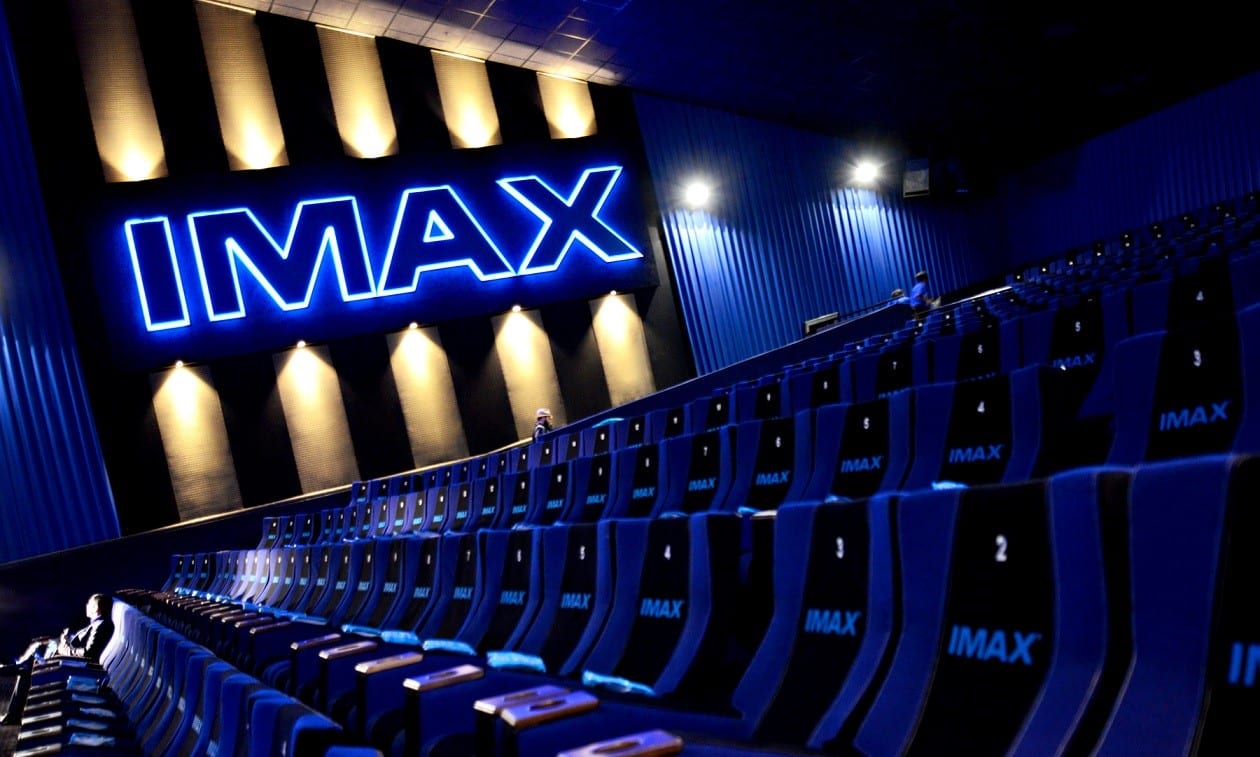
    Imax China, the Hong Kong Stock Exchange-listed subsidiary of the Canadian giant-screen exhibitor, reported a robust year of growth in the booming China market on Thursday.

    The company’s greater China box office reached $312.4 million, a 53.8 percent increase over net grosses in the territory in 2014. Reflecting the record box office and the company’s ongoing screen installations, total revenues surged 41.4 percent to $110.6 million, with adjusted profit growing 66.9 percent year-over-year to reach $43.4 million.

    The company said it will continue its expansion in the Chinese market with the installation of 100 new screens in 2016. Last year, Imax installed a record 74 giant screens, bringing its country-wide network total to 307 theaters.

    In 2015, Imax exhibited 31 films in China, a record eight of which were local-language Chinese titles. Imax reports that its per screen average in greater China was up 10 percent for the year to $1.34 million. The company indicated that it was pleased with the growing-per-screen average given that it has been aggressively expanding in the market at the same time.

    The biggest performing title for the company in 2015 was Furious 7, which earned a record $39 million in Imax box office. Local blockbuster Monster Hunt also set a domestic record, grossing $27 million in the format.

    Imax China, listed on the Hong Kong Stock Exchange on Oct. 8, 2015, received $57 million in net proceeds, resulting in a cash balance of $90.7 million as of Dec. 31, 2015.

  • Netflix on brink of being global TV powerhouse

    Netflix on brink of being global TV powerhouse

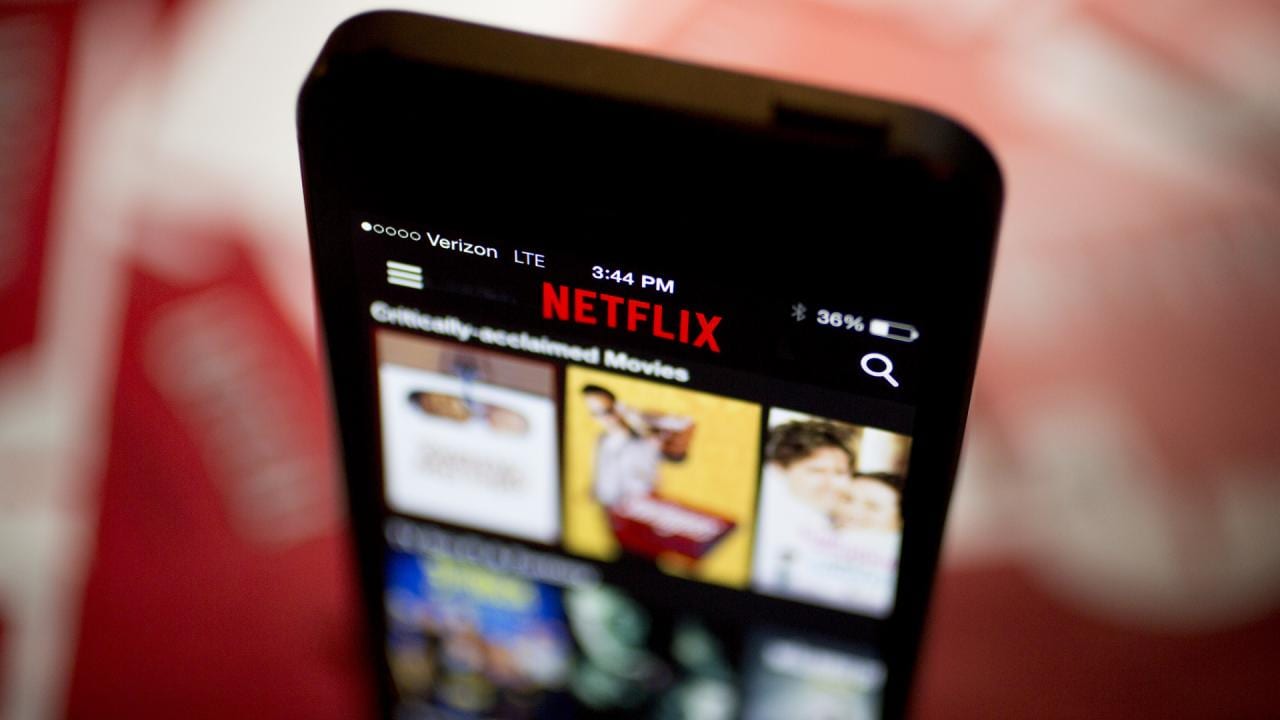
    Netflix has added a record 5.59 million subscribers across the fourth and final quarter of its fiscal year, putting it within touching distance of 75 million subscribers.

    Such impressive growth is, primarily, the result of a global rollout that has seen international subscriptions almost double over the past two years.

    That global drive has, however, taken its toll on the company’s bottom line. Associated development, marketing and expansion costs have taken a chunk out of profits, pushing the international segment to a $333 million loss for the full fiscal year –  one of the worst ever performances. This, in turn, deflated final year net income by 54 per cent over the prior year.

    Despite the lower profit outcome, we concur with Netflix’s view that such a deterioration should be seen as an investment that will, over the longer term, pay dividends. The fact that the company now has a global footprint in all countries bar China is a significant achievement, and one that provides it with enormous potential for growth.

    Such a global focus is especially necessary given the slowdown in Netflix’s home market, where subscription growth in the fourth quarter was at its lowest for several years. This is hardly surprising given the company’s past success and its relative maturity, but it does underline the necessity to look firmly beyond the shores of the US for future growth.

    Despite the slowdown, the US operation remains the prime driver of profit and for the first time ever made a contribution of over a billion for the full fiscal year. While it is unlikely that this profit will be diluted in the near term, increased competition in the market does mean Netflix will have to fight increasingly hard to maintain its share.

    On this front there are three reasons to be optimistic. The first is the growing trend among consumers to ‘cut the cable’ and stop subscribing to cable TV packages; this represents a significant saving that can more than cover the costs of Netflix and other streaming services.

    The second is that the threat from Amazon is, in our view, overplayed. Many consumers will happily subscribe to both Amazon and Netflix because the former is seen as a more rounded service with a range of benefits, rather than as just another streaming service.

    The third factor is the high quality content development in which Netflix is engaging. Series like House of Cards and Making a Murderer are key to persuading existing customers to maintain their subscriptions and new customers to buy into the service.

    If Netflix can hold its US position and grow its international operations into profitable territory it will become a truly global powerhouse of the modern age of television.