Retail News CRM

Tag: entertainment

  • LG Electronics starts venture to make in-cabin electronics

    LG Electronics starts venture to make in-cabin electronics

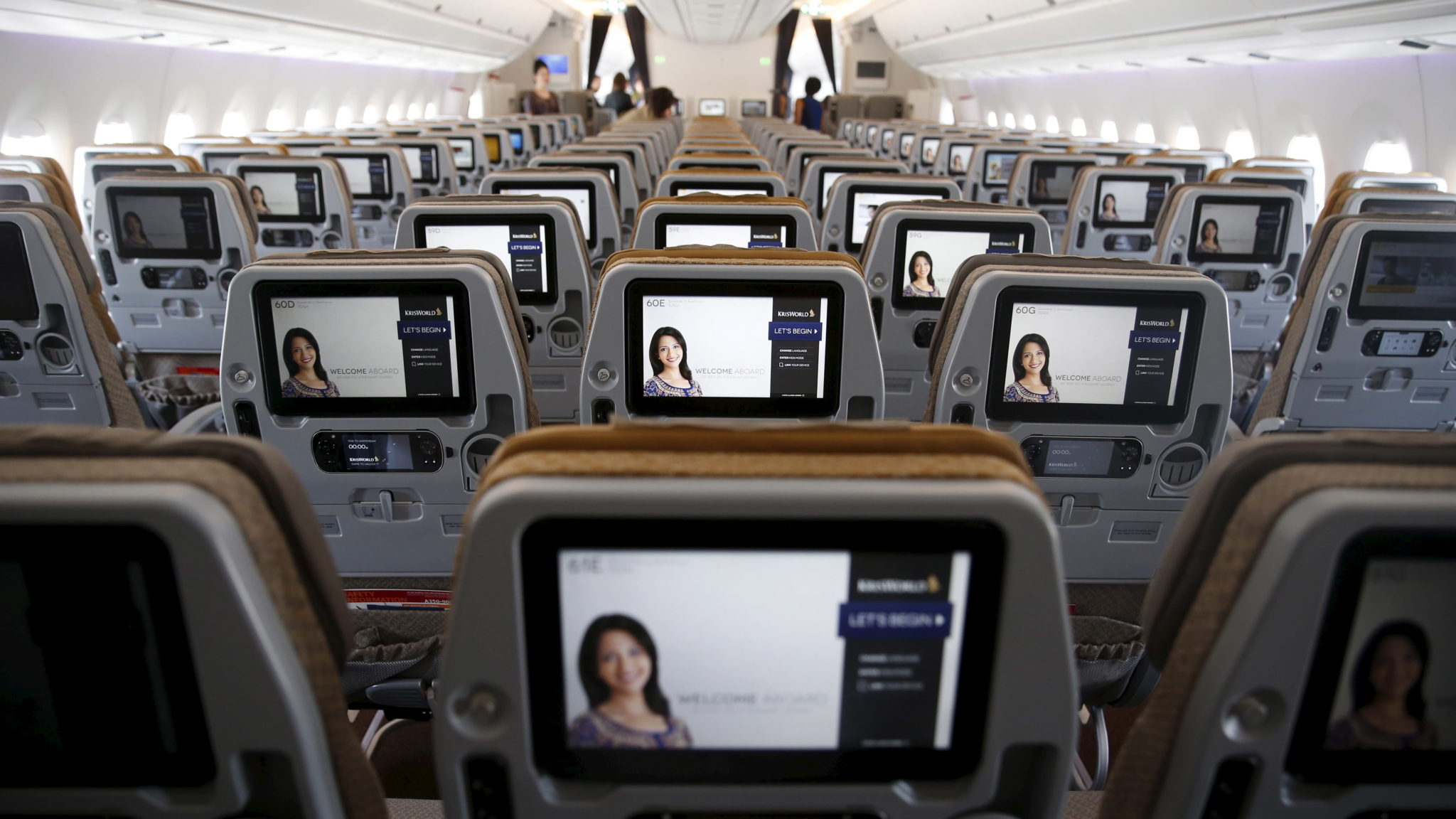
    LG Electronics said Thursday it will establish a joint venture with Germany’s Lufthansa Technik, which will be devoted to developing in-cabin electronics systems. The new venture, whose name has not yet been decided, will focus on developing in-cabin solutions utilizing LG Electronics’ technologies, including its OLED displays.

    Lufthansa Technik is a subsidiary of Deutsche Lufthansa AG, Germany’s largest air carrier.

    The new company will kick off in the first half of 2019, and will be based in Hamburg, Germany. LG did not reveal detailed conditions of the agreement, including the size of the deal.

  • Media Prima to provide content for Europe’s Dailymotion video streaming service

    Media Prima to provide content for Europe’s Dailymotion video streaming service

    Media Prima Bhd has inked a memorandum understanding (MoU) with Dailymotion, which will see the media group’s video content being made available on the platform.

    Dailymotion currently has 300 million monthly unique users and three billion monthly video views. More than 50% of its users are from the Asia Pacific region. Other notable partners of Dailymotion includes BBC News, Vice Media, Bloomberg Media and CBS Sports.

    When asked if there are concerns over piracy and copyright, Media Prima Television Networks CEO Johan Ishak said that the group currently works with authorities such as the Home Ministry and the Communications and Multimedia Ministry to tackle the issue.

    Additionally, it also has an internal unit to look after the media group’s Intellectual Property (IP) content.

    “Whenever we find any incidences of piracy… we will get authorities to help us shut it down,” he added.

    According to Dailymotion’s vice-president Content (Asia Pacific) Antoine Nazaret, the necessary tools and technology are in place to ensure that media content uploaded to its platform are protected.

    He said the platform started as a user generated platform (UGC) 15 years ago and has shifted its focus to becoming a premium platform in the last two to three years.

    “We started 15 years ago as a UGC platform and it was a little bit of everything and anything. We took a really strong position 2-3 years ago (that) we don’t want to just be a UGC platform … we wanted to be a premium platform, meaning we want to care and be relevant for very premium content providers and guarantee them that their IP and content are perfectly well protected on the platform,” he added.

    Nazaret said in order for Dailymotion to guarantee its position on being premium, it has to demonstrate that it can safely protect the value content on the platform.

    The platform is owned by Paris based multinational company, Vivendi.

    No specific timeframe has been laid out as for the duration of the collaboration, with both parties saying that it will continue as long as it is required.

    Dailymotion will also be powering Media Prima’s Tonton over-the-top (OTT) service platform.

    As for Tonton, which ceased video-on-demand subscription on Aug 31, Johan said the group may relook at the possibility of re-implementing subscription services in the future when there is enough demand for paid content.

    Johan said the focus is on digital advertising through advertising video-on-demand.

    As for the first half of the financial year ended June 30, the group reported RM44.8 million as digital revenue compared to RM14.9 million in the comparative period driven by higher digital advertising revenue across all platforms.

  • Hamleys no longer under ownership of China’s C.banner

    Hamleys no longer under ownership of China’s C.banner

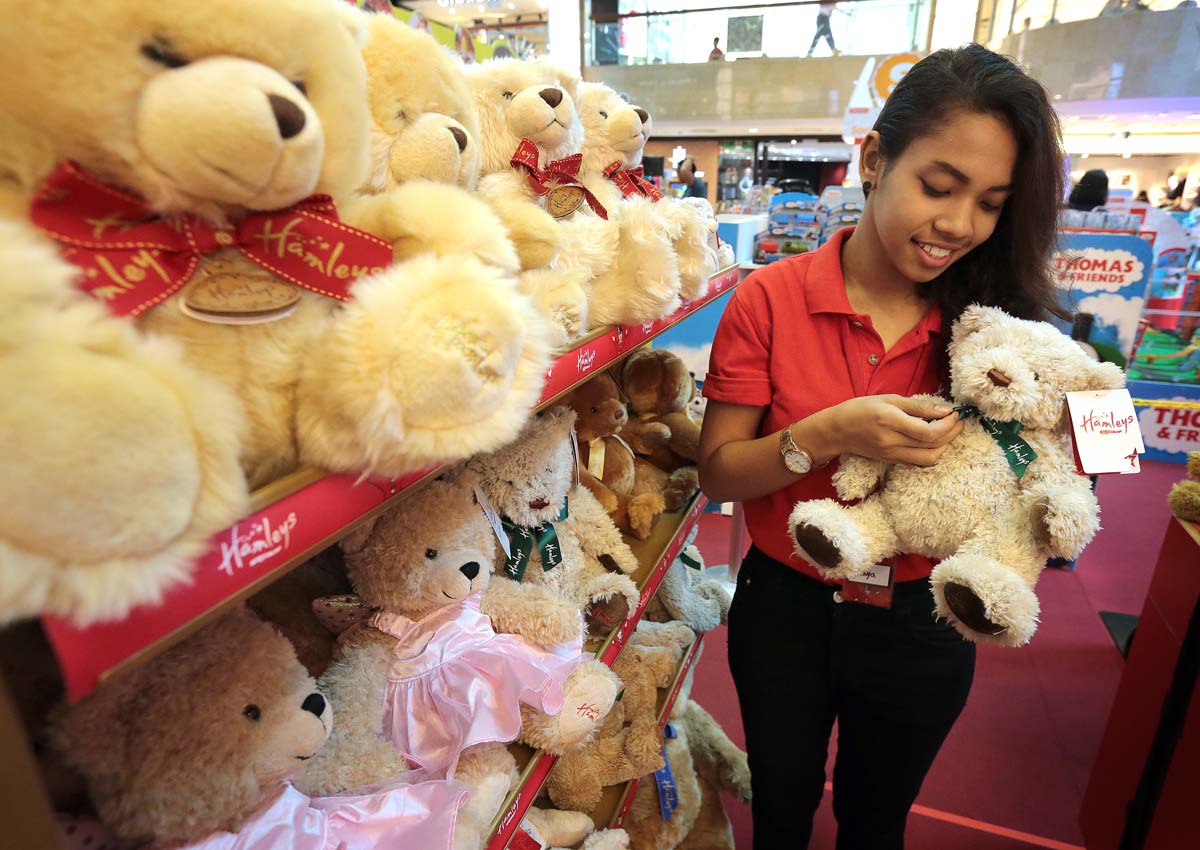
    Toy retailer Hamleys looks likely to be sold by Chinese owner C.banner International. The company has launched a strategic review of options for Hamleys’ future after receiving several expressions of interest from would-be buyers. C.banner International has owned Hamley’s for just three years, but the Chinese company has suffered a massive decline in its share price leading to an aborted bid for UK department store House of Fraser.

    At the time the Hong Kong-listed company planned a share issue to raise funds to acquire House of Fraser, it expected to receive between HK$2.40 and $3 per share. In August, when it dropped the plan, its shares were trading at 71 cents and today they are trading at just 56 cents each.

    The prospective bidders have not been named and talks are at a preliminary stage. C.banner has appointed Vermillion Partners to oversee discussions.

    In the year to December 31, Hamley’s recorded a loss of £12 million, a heavy reversal from a profit the previous year of £2.6 million. Sales fell 2.5 per cent to £66.3 million.

    But the company said it was on track to return to profitability and during the first eight months of this year it achieved 2.7 per cent like-for-like sales growth.

  • Vietnam Casino fined $15,000 for tax evasion

    Vietnam Casino fined $15,000 for tax evasion

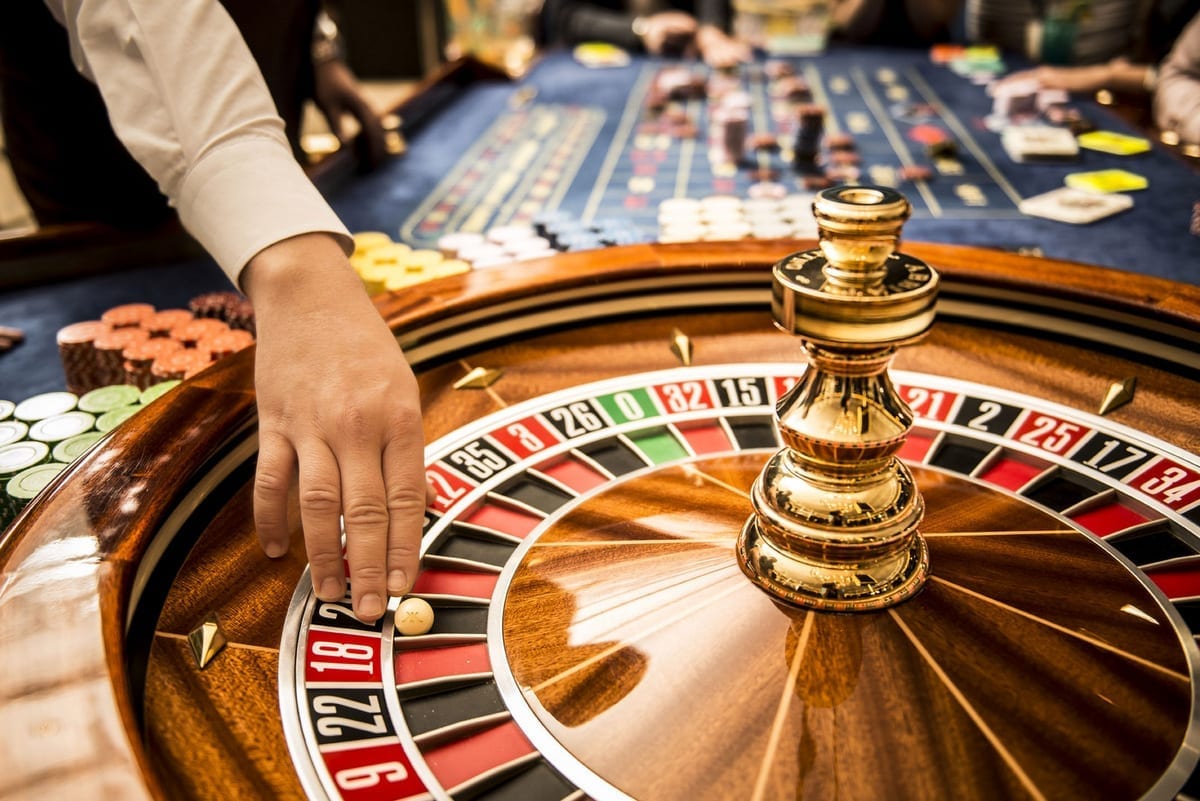
    The Quang Ninh Tax Department says it has found the casino violating corporate tax and value-added tax regulations after inspecting returns filed in 2017 and its value-added-tax receipts until February 2018.

    The department has levied total fines of $15,000, including $10,500 for faulty reporting of value added tax and $3,700 for using illegal invoices.

    The Casino Gaming Club is the only gambling facility approved to serve foreigners exclusively in Ha Long Bay City, but it has been in the red since 2013.

    Last October, the company’s financial report stated that its losses in the third quarter had jumped 23 times from a year ago to more than $3.04 million.

    Managers said most of its customers were from Taiwan and mainland China, but their numbers have dwindled in recent times.

    In the first three months of this year, the company earned nearly $2.92 million in revenue, and around $69,000 in after tax profits. This is a sharp increase compared to a $908,000 loss during the same period last year.

    However, the company’s accumulated loss is estimated at more than $7.4 million on a total capital investment of $30.5 million.

    Vietnam has six casinos that are open exclusively for foreigners, and four of them are reporting losses.

    Earlier this year the government lifted a long standing gambling ban on Vietnamese nationals, allowing them to patronize two casinos, one on the southern resort island of Phu Quoc and the other at the Van Don Special Economic Zone in the northern province of Quang Ninh.

  • The Marvel Experience Thailand opens in Bangkok

    The Marvel Experience Thailand opens in Bangkok

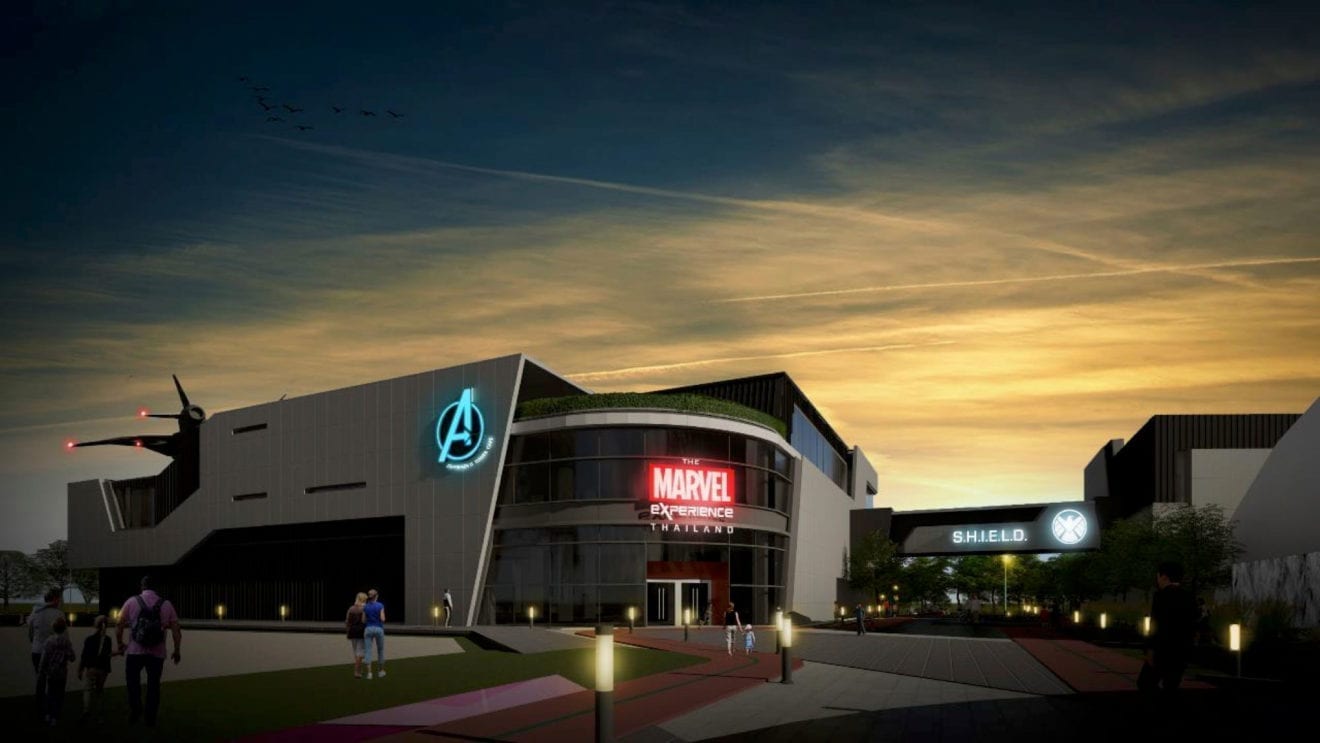
    The Marvel Experience Thailand opens in Bangkok.  South East Asia’s first Marvel Experience-branded attraction has launched at Bangkok’s Mega Bangna mall.

    The Marvel Experience Thailand stretches over two hectares. It’s sited at the Mega Bangna (Bang Phli) mall, halfway between Suvarnabhumi International Airport and the centre of Bangkok.

    “From our success with the launch of The Marvel Experience (TMX) in the United States of America and elsewhere, a number of countries have reached out and invited us to bring TMX to them,” said Rick Licht, CEO of Hero Ventures. “As Thailand is a major fan base for Marvel, we believe that Thailand is the perfect country to which we should bring this adventure.”

    The new attraction has two major zones – a reception building and the Attraction Zone. As visitors enter they will find themselves at the ticket office. F&B options The Avengers Café and the Super Hero Snack Bar are on hand. The Marvel Adventure Zone offers play for smaller children. Guests can also browse the Marvel Experience Super Store, with a wide range of Marvel licensed products. The Marvel Experience Thailand merchandise is exclusive to the venue.

    Guests then enter the Holding Zone Beta, a prepping area before guests move into the main Attraction Zone. Once inside the Attraction Zone, guests are invited to become S.H.I.E.L.D agents. They then join Spiderman, Captain America, Iron Man, Thor, Hulk, Black Widow, Black Panther and other Marvel heroes in a two-hour campaign. The immersive battle offers a compelling combination of hyper reality, interactive and multimedia technology games. It also includes AR and VR simulations.

    The Marvel Experience also offers a 4D motion ride and a 360-degree 4D stereoscopic projection dome. Guests also have the opportunity for meet and greets with Marvel heroes.

    TMX is collaborating with their local partner Hero Experience to manage the attraction. Surakiat Thienthong, co-CEO of Hero Experience, says he hopes the new attraction will become a key tourist focus in Bangkok, helping to boost overall numbers of tourists for Thailand.

    “We plan to communicate with both Thai people and international tourists,” says Thienthong. “For Thailand, our strategy is to integrate marketing communication across all media channels: TV, radio, online, out-of-home media, including marketing activities every month.”

    He adds that, for the international market they will “promote through media and key influencers in each country as well as find the right travel agent partners to broaden our target groups.”

    The addition of branded retailtainment is in line with current trends in retail.

    It seems the world can never get enough of Marvel. Earlier this year Blooloop reported on the opening of a £1million Marvel Super Heroes attraction at Madame Tussauds Blackpool.  Meanwhile the Marvel Summer of Super Heroes is in full swing at Disneyland Paris.

    View gallery below for more pictures of the venue (7 images) :

  • Korea advances in the Asian entertainment market with 3D technology

    Korea advances in the Asian entertainment market with 3D technology

    Korea Creative Content Agency organised the 3D VFX pavilion at the recently concluded Asia TV Forum 2010 held in Singapore from 8-10 December, in hopes of promoting Korean 3D contents technology.

    The 3D VFX was further demonstrated at the 3D conference thus promoting not only the technology but also the so-called Korean Wave.

  • Mall offers bored partners ‘husband rest hatches’

    Mall offers bored partners ‘husband rest hatches’

    Global Harbour, Shanghai’s largest mall, has launched four “husband rest hatches” where men can put up their feet and play computer games while their significant others shop.

    However, the idea has had a mixed reception from couples, reports ThePaper.cn.

    “Such a machine is just the best of both worlds: the girlfriend can take her time shopping while I have some fun without disturbing others,” one man told the news site, while one woman complained that it was impossible to ask a man to stop playing games. “I may now have to wait for him when I finish shopping but he’s still playing games.”

    Another woman said a man was supposed to accompany his girlfriend while shopping. “I’ll be the bored one if he plays games and has fun by himself.”

  • AirAsia X Boosts roKKi System With Inmarsat’s GX Aviation

    AirAsia X Boosts roKKi System With Inmarsat’s GX Aviation

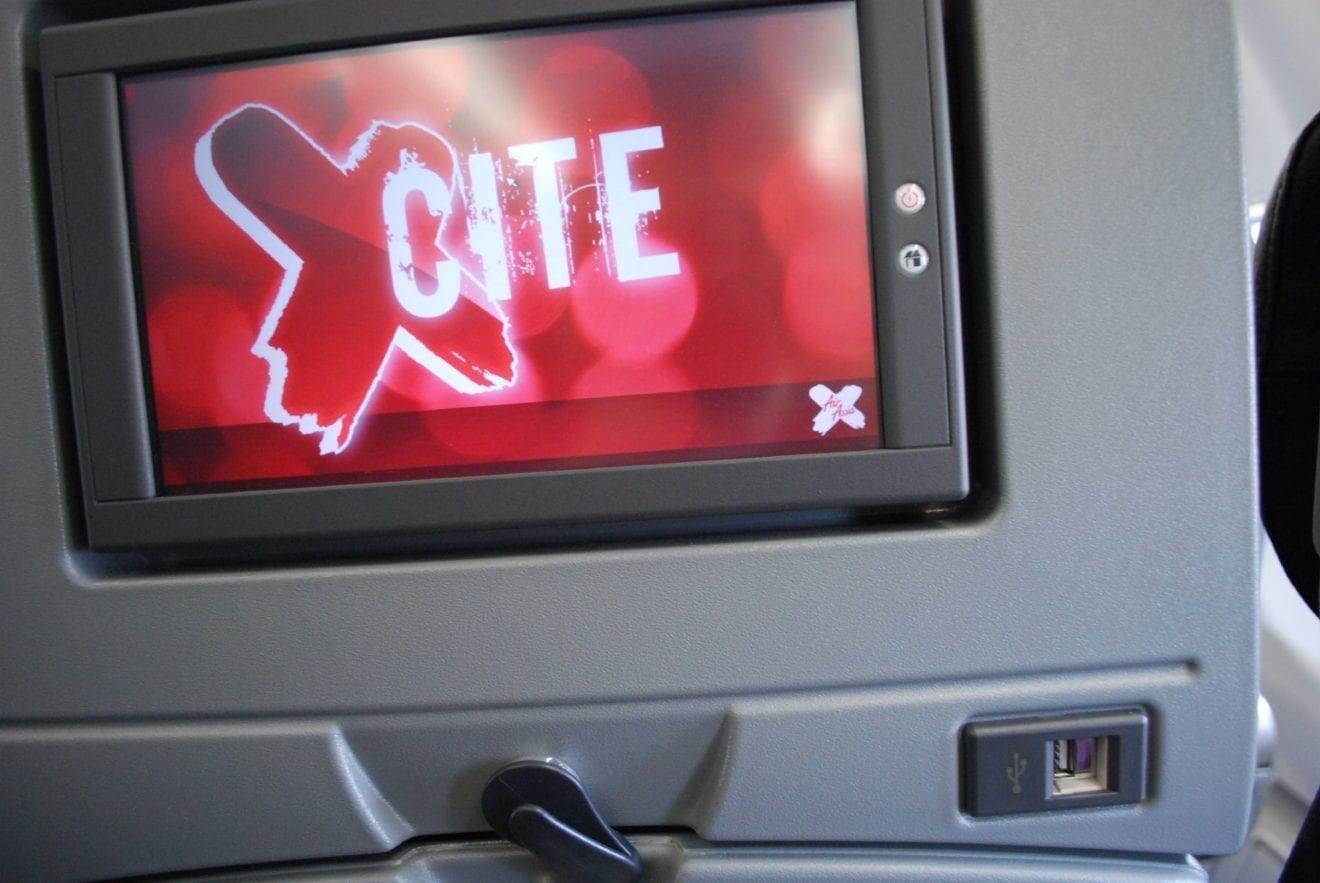
    AirAsia X announced that it will upgrade in-flight connectivity for its roKKi in-flight entertainment system using Inmarsat’s GX Aviation, with plans, not only to boost Internet speeds and provide seamless streaming, but to increase passenger spend on board.

    AirAsia X CEO Ben Ismail was at Aicraft Interiors Expo in Hamburg this afternoon to announce it would be upgrading its roKKi in-flight entertainment platform with Inmarsat’s GX aviation. The upgrade will bring faster Internet speeds for browsing, video streaming and social media.

    “Today marks a significant milestone for AirAsia and roKKi. This next-generation connectivity solution represents a major infrastructure upgrade that signals a long-term commitment in transforming AirAsia into a truly digital airline,” Ismail said.

    “This next-generation connectivity solution represents a major infrastructure upgrade that signals a long-term commitment in transforming AirAsia into a truly digital airline.” — AirAsia X CEO Ben Ismail

    “AirAsia is a really important win for us,” says Frederik van Essen, SVP, Strategy and Business Development, Inmarsat Aviation. “AirAsia has the attitude that we share of making things happen, not accepting the status quo. Once they take the decision to move, they want to move quickly.”

    The memorandum of understanding with Inmarsat covers AirAsia X’s A330 and A320 fleets, subject to final contracts. Installations begin later this year with GX Aviation connectivity expected to go live first on the A330s in 2018.

    “Connectivity is something desired by all passengers.” — Frederik van Essen, Inmarsat Aviation

    Aside from upgraded connectivity, Ismail says GX Aviation will help to drive ancillary revenues on board. “Currently our ancillary spend is about $60 US per passenger, and I think with this coming in, it’s going to drive that sales up to $80 or $90,” Ismail explained, adding that the average passenger flies four to eight hours on an AirAsia flight.

    “In Asia, showing this attitude with a low-cost carrier demonstrates that these are not only systems for premium carriers that want to offer this to first- or business-class passengers. Connectivity is something desired by all passengers,” van Essen said.

    “GX is different from the other offers out there. We own and operate satellites. We are seeing the fruits of that as we roll out the service next year,” said Leo Mondale, president, Inmarsat Aviation.

  • South Korea dominate Vietnam entertainment industry

    South Korea dominate Vietnam entertainment industry

    They include YG Entertainment, which manages many of Korea’s biggest stars like Big Bang, 2NE1, PSY, Epik High, Choi Ji Woo, Black Pink and Lee Jong Suk, its subsidiary YGKplus, the country’s leading modelling agency, and Naver.com, the country’s biggest search engine and online media and entertainment channel.

    The Korean companies are seeking to tie up with Multimedia JSC in entertainment and fashion.

    They will send their stars to participate in major entertainment events in Vietnam like the Vietnam International Fashion Week and also create opportunities for Vietnamese models in Korea.

    Besides YG Entertainment and Naver.com, many other Korean companies in movies, the media and entertainment also have plans to enter the Vietnamese entertainment market.

    The Vietnam Film Distribution Association said the market was dominated by foreign distributors, many of them Korean.

    Vietnam now has more than 50 cinema chains. Korean-owned CJ CGV Vietnam is the largest in the market with 30 cinemas in 10 major cities. Lotte Cinema, also owned by South Korea, has 16 cinemas.

    A CJ CGV executive said each year the company opened around 10 cinemas in Vietnam and expected to reach 60 by next year.

    Market observers said South Korean investors saw plenty of opportunities in the Vietnamese entertainment industry.

    They find that the Vietnamese entertainment market is still in a fledgling state while the demand for entertainment has skyrocketed in step with living standards, meaning the sky could be the limit for investors.

    The fact that Vietnam and Korea have many cultural similarities means Korean entertainment investors with their quality products can attract Vietnamese audiences easily.

    On the commercial side of things, there are several trade agreements Vietnam has signed which offer opportunities to foreign investors, including those in the entertainment industry.

    Analysts said all this meaned pressure on domestic entertainment companies, who could lose the market completely to the Koreans if they were slow to react.

    In 2005 CJ CGV and Vietnamese company VIFA established a joint venture called CJ-VIFA whose first project was the drama “Mui Ngo gai”.

    Then CJ CGV bought out Megastar, the largest chain of cinemas in Vietnam at that time. At the beginning of 2014, after closing the acquisition, Megastar was renamed CGV.

    CGV now accounts for over a half the Vietnamese cinema market.

    It also dominates the film import market, and by showing more movies than its rivals, including blockbusters, CGV has become popular among the public.

    CJ CGV’s strategy is a vital lesson for local entertainment companies.

  • AirAsia X enhances entertainment for Aussies

    AirAsia X enhances entertainment for Aussies

    Malaysian carrier AirAsia X has upgraded its in-flight entertainment option for Australian passengers.

    The new Xcite Inflight Entertainment tablet is a Huawei Mediapad 2, equipped with a 10.1″ HD widescreen display, Harman Kardon audio technology and headset.

    Guests travelling aboard AirAsia X (flight code D7) services to and from Australia can pre-book these devices for about $AU15 (RM49) or rent them on-board for about $18 (RM60).

    The new tablets support five languages (English, Bahasa Malaysia, Mandarin, Korean, Japanese) and the service is complimentary for all Premium Flatbed customers.

    AirAsia X CEO Benyamin Ismail says device content will be regularly updated with the latest Hollywood blockbusters, as well as other international and local movies.

    Currently Xcite is showing X-Men: Apocalypse, The Maze Runner, 21 Days Under the Sky, Storks, The Drop and more. However, no television shows or series are available on the devices at this point.

    There’s also plenty of music, games and magazines to read, plus passengers can shop while they fly, as the AirAsia BIG Duty Free catalogue is also included.

    Previously, the airline offered Samsung Galaxy Tab devices for rental on all its Australian flights.

    AirAsia X flies out of Sydney, Melbourne, the Gold Coast, Darwin and Perth.

    Xcite Inflight Entertainment will not be available on flights to/from Auckland, Jeddah and Kathmandu.

  • TiVo, Netflix ink product, IP deals

    TiVo, Netflix ink product, IP deals

    TiVo and Netflix have signed licensing agreements that allow both companies to deliver a better entertainment experience to consumers.

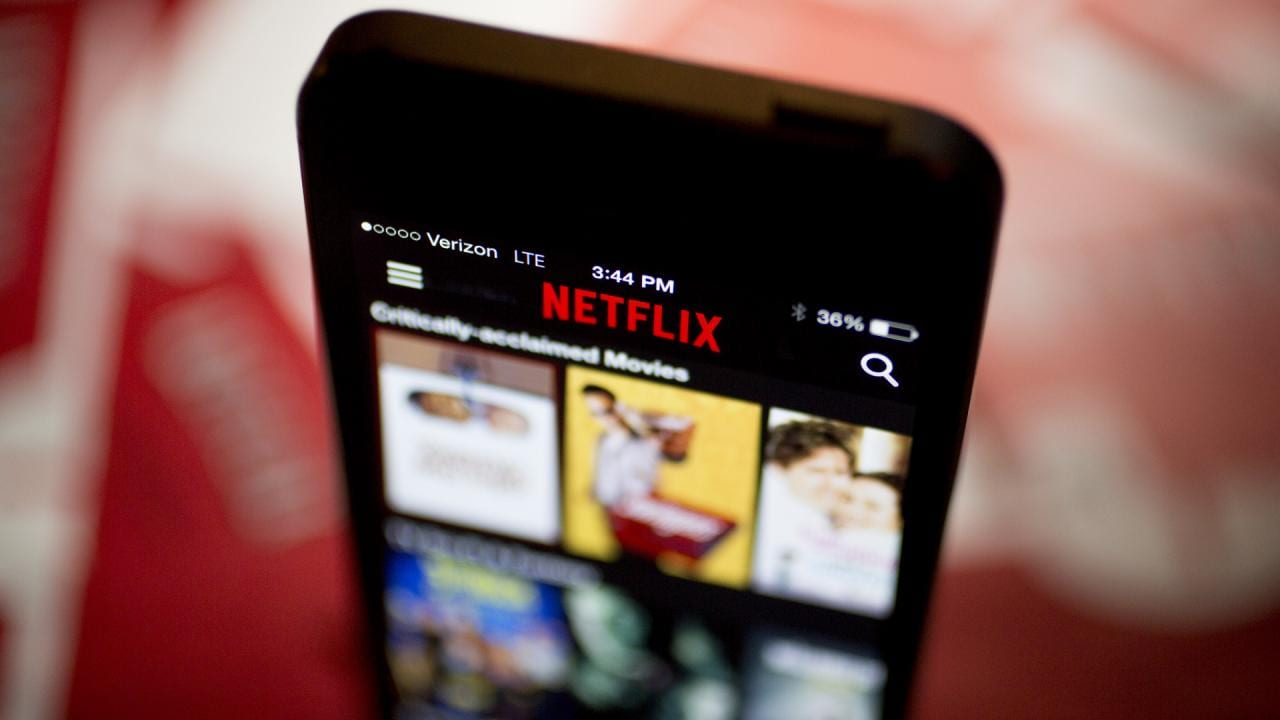
    A product agreement calls for TiVo to continue integrating Netflix into TiVo set-top boxes available to consumers through a select, but growing number of pay-TV providers and retail stores.

    Customers will benefit from the integrated offering, which includes unified search across the content catalog and a Netflix button on remote controls.

    “The partnership between Netflix and TiVo dates back to our early days of streaming video,” said Bill Holmes, Netflix global head of business development. “Building on this history, the agreements provide consumers freedom to watch their favorite TV shows and movies whenever and wherever, with an integrated experience across more devices.”

    A separate intellectual property agreement provides Netflix a license to the TiVo patent portfolios and a license to the Intellectual Ventures patent portfolio for over-the-top offerings.

    This agreement represents one of the first licenses granted under the exclusive partnership with Intellectual Ventures announced earlier this year.

    “Our agreements with Netflix represent a major milestone for TiVo as we expand our offerings for the fast-growing OTT space, and further demonstrates our commitment to delivering innovative technologies to new and emerging markets,” said Tom Carson, CEO, TiVo.

    “From products to patented technologies, TiVo is helping companies quickly adapt to a rapidly changing media industry and create beautiful user experiences that keep consumers connected to their favorite entertainment,” said Carson.

  • CTE debuts in South Korea

    CTE debuts in South Korea

    Celestial Tiger Entertainment (CTE) has launched its flagship Chinese movie channel, Celestial Movies, on SK Broadband – a major pay TV platform in South Korea with over 3.8 million subscribers.

    The channel is now available on SK Broadband’s linear service “B tv” as well as OTT services “B tv plus” and “oksusu”.  The deal marks CTE’s first foray into South Korea.

    “This launch in South Korea is a very important milestone for Celestial Tiger Entertainment as this marks the 16th country for our network footprint,” said Todd Miller, CEO of CTE.

    Celestial Movies will be fully localized with Korean subtitles.  The channel will offer Chinese blockbusters and iconic films covering a diverse range of genres and featuring superstars like Jet Li, Chow Yun Fat, Stephen Chow and Nicolas Tse.

    Celestial Movies also airs special programming each month centered around themes such as tribute to stars, special holidays and particular genres. Beyond movies, the channel also presents interviews with renowned Chinese stars and directors.

    Celestial Movies is CTE’s flagship Chinese movie channel in Asia.  In Malaysia, Celestial Movies, Celestial Movies HD and Celestial Classic Movies continued to dominate the Chinese demographic as the top three most-watched regional movie channels among Astro Chinese 4+ audiences in the first six months of 2016.  In Indonesia, Celestial Movies remained among the top four regional movie channels including Hollywood services.

  • Zee acquires Sarthak Entertainment for $17m

    Zee acquires Sarthak Entertainment for $17m

    Zee Entertainment Enterprises has decided to acquire fully Sarthak Entertainment, which operates Odia-language Sarthak TV.

    The acquisition shall be from current shareholders of Sarthak Entertainment, subject to requisite regulatory approvals, as an all-cash deal at a consideration of maximum of 1.15 billion rupees or about $17 million.

    With this acquisition, Zee has entered the rapidly expanding regional market in Odisha. Sarthak TV would complement Zee’s regional bouquet of channels that includes Zee Marathi, Zee Talkies, Zee Bangla, Zee Bangla Cinema, Zee Telugu, Zee Kannada and Zee Tamizh.

    “The acquisition of an already profitable, market leading venture is going to be a value accretive investment in line with our philosophy of enhancing shareholder value,” said Punit Goenka, managing director and CEO of Zee. “Sarthak will further add to our formidable bouquet of 33 channels in the domestic market.”

    “Being the oldest and market leading network in India, Zee would provide the perfect platform for Sarthak to grow further in the future,” said Sitaram Agrawalla, founder and managing director of the Sarthak Group. “With a history of successful operations, we are sure Sarthak will be a great value-add for Zee.”

  • China’s Consumers Spend Up On Spas, Travel and Entertainment

    China’s Consumers Spend Up On Spas, Travel and Entertainment

    China’s consumers are ignoring the bears.

    Consultancy McKinsey & Co. is tipping that China’s shoppers will increase their spending by 10 percent per year through the end of the decade as incomes rise. Some 55 percent of consumers expect a significant wage increase over the next five years.

    It’s not just staple goods that will be filling the shopping trolleys. Consumers are spending more on luxury items like spa visits, travel and entertainment.

    The shift is just another sign of China’s economy changing away from one that is fueled by heavy industry and exports and towards one where consumers and services drive growth.

    The chart below shows how shoppers plan to spend more on leisure and travel.

    Here’s another sign of the burgeoning market: consumers are adopting new products, services and retail experiences at rates unseen in developed markets. Mobile payment in China went from zero in 2011 to 25 percent of the population in 2015.

    “Gone are the days of indiscriminate spending on products,” according to McKinsey. “The focus is shifting to purchasing more premium products, and living a more balanced, healthy, and family-centric life.”

    China’s leadership have prioritized economic growth of between 6.5 percent and 7 percent this year and have promised to ensure the economy, which grew by its slowest in 25 years in 2015, will avoid a hard landing.

    While China’s retail sales slowed in the first two months of the year, they remain in a double-digit growth range.  Annual sales of cinema tickets could overtake the U.S. as early as 2017 and outbound tourist trips is on course to reach 200 million by 2020, according to CLSA Ltd.

    Still, for foreign competitors hoping to capture greater market share, the outlook is mixed. While foreign brands dominate the premium segment, local companies are increasing their market share in the mass segment of the market.

    “While scale, speed, and simplicity proved advantageous during the past 15 to 20 years, the changing shape of Chinese consumption is set to topple some giants of the past, and elevate new champions,” McKinsey said.

    McKinsey surveyed 10,000 shoppers aged between 18 and 65 in 44 cities across China.

  • Mohegan Sun-led scheme gets South Korean casino licence

    Mohegan Sun-led scheme gets South Korean casino licence

    The government of South Korea has awarded a licence to build a casino resort to a consortium between U.S.-based Mohegan Tribal Gaming Authority (also known as Mohegan Sun) and South Korean chemicals manufacturer KCC Corp.

    The new property is to be located in Incheon, near the country capital Seoul, the Ministry of Culture, Sports and Tourism said in a statement on its website on Friday.

    The country’s authorities had been reviewing an unspecified number of proposals for new casino resorts, submitted as part of an integrated resort licence bidding process initiated in 2015. There were up to two new casino resort licences up for grabs, but the South Korean government decided to grant only one.

    The licence allows the Mohegan Sun-KCC consortium to set up a foreigners-only casino.

    South Korea currently has 17 casinos, but the country’s nationals are only allowed to gamble at one of them – Kangwon Land in an upland area of Kangwon province.

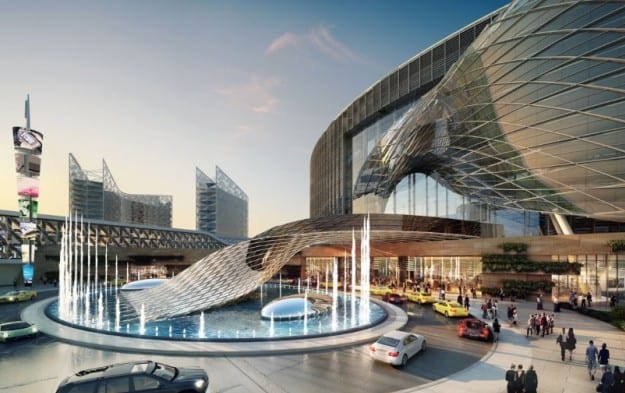
    The winning bid (pictured in an artist’s rendering) has a price tag of US$1.24 billion and includes a hotel, retail areas, a concert arena and venues for conventions, according to South Korea’s Yonhap news agency. The scheme is scheduled to begin operations by 2020.

    “We will closely monitor the project to help support the [winning consortium] in building a world-class integrated resort,” the ministry said, quoted by the news agency. “It is expected to boost the competitiveness of the South Korean tourism industry with various tourism infrastructure, such as a K-pop arena, a theme park and a convention centre.”

    There are already two casino projects proposed for Incheon.

    South Korean foreigners-only casino operator Paradise Co Ltd has linked with Japanese pachinko operator Sega Sammy Holdings Inc for a project in Incheon referred to as Paradise City and already under construction. The scheme, with a total area of 330,000 square metres (3.55 million sq feet), is presented in its official website as having a price ticket of KRW1.3 trillion (US$1.05 billion) and featuring a foreigners-only casino with 160 live table games, 388 electronic table games and 350 slot machines. It is scheduled to open in 2017.

    The other announced project for Incheon is the result of a partnership between U.S. casino operator Caesars Entertainment Corp and Hong Kong-listed real estate developer Lippo Ltd. Construction has not yet started. Analyst Grant Govertsen from Union Gaming Securities Asia Ltd said in a note on Friday “there are uncertainties currently associated with the Caesars project”.

    No regional impact

    Mr Govertsen said in his note following the South Korean government’s announcement that construction for Mohegan Sun-KCC’s project should begin in early 2017. The project has the working title ‘Inspire Integrated Resort’. It will be Mohegan Sun’s first venture outside of North America.

    KCC in November announced it acquired a 24.5-percent stake in Inspire Integrated Resort Co Ltd – a South Korean subsidiary of U.S. regional tribal casino operator Mohegan Sun – for a total consideration of KRW203.8 billion, becoming a joint venture partner in the casino resort project.

    The consortium has a commitment to spend a total of US$5 billion in South Korea over the next 20 years.

    Mohegan Sun’s project includes a 20,000-square metre casino with 250 gaming tables – including 40 VIP tables – and 1,500 slot machines.

    The casino resort will have a two-tower luxury hotel complex with 1,000 rooms, a 20,000-seat arena, and more than 18,500 square metres of shops, restaurants, art exhibition and music entertainment areas, including “a Korean village celebrating Korean food and music, and a Native American cultural and arts experience”, according to Mohegan Sun.

    Union Gaming said in its note it did not expect the three new casino resorts in Incheon to pose a material threat to Macau, Singapore or the Philippines.

    Mr Govertsen noted the ongoing decline in Chinese high roller play around the region. He added that none of the U.S.-based casino operators entering the South Korean market had a significant built-in base of VIP customers, being largely reliant upon mass-market customers to generate a return.

    He said: “Importantly for Macau, its mass market gross gaming revenue is driven primarily by southern China meaning that related persons are unlikely to divert to [South] Korea for gaming. Rather we would expect Incheon integrated resorts to draw from northern Chinese cities (e.g. Beijing, Tianjin) and from Chinese visitors already going to [South] Korea for purposes other than gaming.”

    In a January note, Morgan Stanley said new casino supply did “not bode well” for South Korea’s foreigners-only casinos, especially as the investment bank expected the number of Chinese high rollers to South Korean casinos to continue declining.

    Union Gaming’s Mr Govertsen also noted that the three casino projects for Incheon are not close to each other. “This suggests that there is unlikely to be the natural benefit associated with the cluster effect seen in markets like Las Vegas and Macau (e.g. driving increased visitation and therefore increased revenue).”

    He added: “However, operators who do not have a presence in Asia, like Caesars (coming in capital light) and Mohegan Sun, seem to be less risk averse and could be beneficiaries should [South] Korea ever green light locals gaming beyond the lone locals gaming licence issued to Kangwon Land – although we find this scenario to be highly unlikely for the foreseeable future.”