Retail News CRM

Tag: entertainment

  • Northern Vietnam casino reports first profit in three years

    Northern Vietnam casino reports first profit in three years

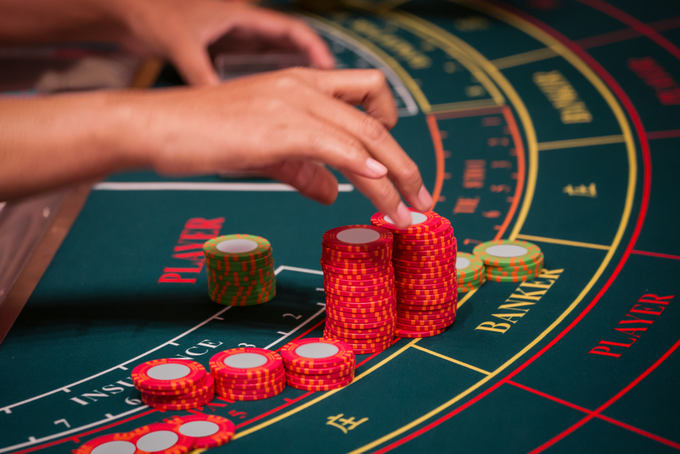
    Royal Casino, the largest in the northern Quang Ninh Province, last year reported a profit for the first time in three years. Royal International Corporation, its operator, said revenues grew by 48 percent from the previous year to VND288 billion ($12.39 million), and profit after tax to VND17 billion ($731,263) in 2018. This is the company’s first profit since 2015.

    The owner of the company is Khai Tiep International Investment Limited, registered in the Cayman Islands.

    The casino accounted for VND178 billion ($7.66 million) with the rest coming from hotel, villas and hospitality-related services.

    The company’s management said in a financial report that the growth in the casino’s revenues was due to the sharp increase in the number of customers after an expressway connecting Quang Ninh’s Ha Long town  with northern Hai Phong City was built last September.

    Linking up with the Hanoi-Hai Phong expressway, it cuts the travel time from the capital to Ha Long by half to just 90 minutes.

    The company also saved VND16 billion ($688,192) last year in sales and management costs.

    At the end of last year the casino had 1,346 employees, 80 fewer than at the beginning of the year.

    On Saturday Corona Resort and Casino in the southern Phu Quoc Island became the first casino in Vietnam to allow Vietnamese to gamble.

    The government has allowed a three-year trial period.

    Vietnamese who gamble here must be over 21, earn a minimum of VND10 million ($430) a month and have no criminal record or objections from family.

  • Vietnam’s first casino for locals opens on three-year trial basis

    Vietnam’s first casino for locals opens on three-year trial basis

    The first casino in Vietnam that allows locals to gamble has opened in Phu Quoc Island off the country’s southern coast. The Corona Resort and Casino is part of an ecotourism and amusement complex built by Phu Quoc Tourism Investment and Development JSC at a cost of VND50 trillion ($2.15 billion). The casino will remain open 24 hours a day during a three-year pilot, and Vietnamese who want to gamble must be over 21, earn a minimum of VND10 million ($430) a month and have no criminal record or objections from family.

    The entry fee is VND1 million ($43) for 24 hours or VND25 million ($1,000) a month (with a maximum play time of 720 hours). Three months ago the government approved the three-year trial period allowing Vietnamese to enter the casino.

    Vietnam, which treats gambling as a “social evil”, has hitherto prohibited locals from gambling in the seven casinos around the country. Only foreign passport holders can enter them.

    Vietnam’s per capita income was around $2,500 last year.

    One of Vietnam’s biggest real estate developers Sungroup is currently building another casino in Van Don in northern Quang Ninh Province, home of popular Ha Long Bay.

    Phu Quoc, Vietnam’s largest island, is one of the top holiday destinations in the country.

  • JD.com steps into entertainment industry

    JD.com steps into entertainment industry

    JD.com, China’s largest retailer, has joined forces with Paramount Pictures and global play and entertainment company Hasbro to celebrate the Chinese release of the new TRANSFORMERS movie BUMBLEBEE. On the run in the year 1987, BUMBLEBEE finds refuge in a junkyard in a small Californian beach town. Charlie (Hailee Steinfeld), on the cusp of turning 18 and trying to find her place in the world, discovers BUMBLEBEE, battle-scarred and broken. When Charlie revives him, she quickly learns this is no ordinary, yellow VW bug.

    JD first partnered with Hasbro and the TRANSFORMERS franchise in 2017, releasing a MISSION RED mini short that showed Optimus Prime and Red Knight – a special JD exclusive TRANSFORMERS character – fighting to protect the energon fuel source. This year’s celebration will be accompanied by a series of three mini shorts featuring Panasonic and Chinese menswear brand HLA in which Red Knight protects energon.

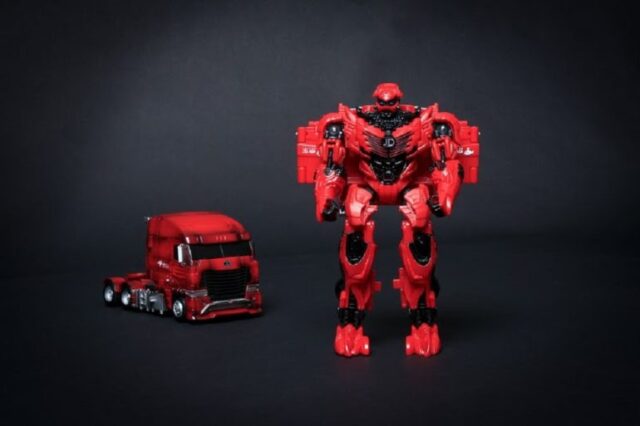
    JD and Hasbro are also bringing Red Knight to life by creating an action figure of this TRANSFORMERS bot. Released on Dec 29, 2018, the exclusive action figure is only available on JD.

    JD also launched a “Super BUMBLEBEE Day” sales promotion to coincide with the Jan 4 premiere of the film in China. During the promotion, JD’s more than 300 million customers were able to purchase BUMBLEBEE movie-themed merchandise from Hasbro, Panasonic, HLA, and more. JD has outfitted multiple delivery vans and delivery boxes across China with BUMBLEBEE-themed designs.

  • Four Korean firms join forces to fight Netflix

    Four Korean firms join forces to fight Netflix

    SK Telecom is teaming up with three major broadcasters to launch a new video content service in a bid to challenge the popularity of foreign services like Netflix. On Thursday, SK Telecom and broadcasters KBS, MBC and SBS signed an MOU to combine their current over-the-top (OTT) media service businesses and launch a new and improved service by the first half of this year. OTT refers to content that is delivered directly to users over the internet without going through intermediaries like television.

    The four companies will also establish a joint venture that combines the OTT operations of each party. SK Telecom CEO and President Park Jung-ho said he is seeking around 200 billion won ($177.9 million) in investment for the new firm.

    SK Telecom’s subsidiary SK Broadband currently operates Oksusu, a television and movie platform released in 2016. The three broadcasters have Pooq, a joint venture that MBC and SBS both have a 40 percent stake in, while KBS holds 20 percent.

    Videos from over 70 channels are available on Pooq, including drama series from the 1990s and early 2000s.

    All four companies are expected to benefit from the partnership. Pooq has already established ties with Southeast Asian companies, having partners in Hong Kong’s Viu, Malaysia’s iflix and China’s iQiyi.

    During the MOU signing, SK Telecom CEO Park said he hoped to see the new strengthened service launch in Southeast Asia by June.

    In return, the three TV channels will have access to SK Telecom’s financial resources, which can be invested in original content production.

    The partnership is seen as an effort by the domestic companies to combine forces to fend off growing foreign competition, especially that posed by Netflix.

    Oksusu has 9.46 million registered users while Pooq has 3.7 million. Netflix is estimated to have around 900,000 domestic registered accounts, still trailing far behind the local companies.

    These figures only tell half the story, however.

    While Oksusu is the No. 1 OTT service in Korea in the number of accounts, its number of monthly active users is only estimated to be two-thirds of registered users. OTT services from competing mobile carriers like KT’s Olleh TV and LG U+’s Video Portal are also catching up quickly in total users.

    Also, very few original videos produced by Korean OTT service providers have enjoyed success.

    Netflix, on the other hand, saw tremendous growth in the three years it has been operating in Korea.

    As of last September, users spent a total of 283 million minutes a month on Netflix’s mobile app on Android according to WiseApp, which analyzes mobile app usage. Just two years ago, users had spent 14 million minutes a month on Netflix, or 20 times less.

    During the same period, the time that Oksusu and Pooq users spent on the apps increased less than twofold.

    Users spent a total of around 600 million minutes a month on both apps as of last September.

    Experts believe that the content budget is largely to explain for the differences in growth.

    Netflix is estimated to have spent around $8 billion on content production and licensing last year. Oksusu spent only around 10 billion won in content investment, however, a fraction of Netflix levels.

    “Through this partnership, Korean OTT service providers can strengthen the competitiveness of their content, which has been their weakest point,” said Jung Ji-soo, an analyst at Meritz Securities. “[The companies’] goal of becoming Korea’s Netflix will also help in energizing the domestic media ecosystem.”

  • Korean Air’s jets get name of East Sea badly wrong

    Korean Air’s jets get name of East Sea badly wrong

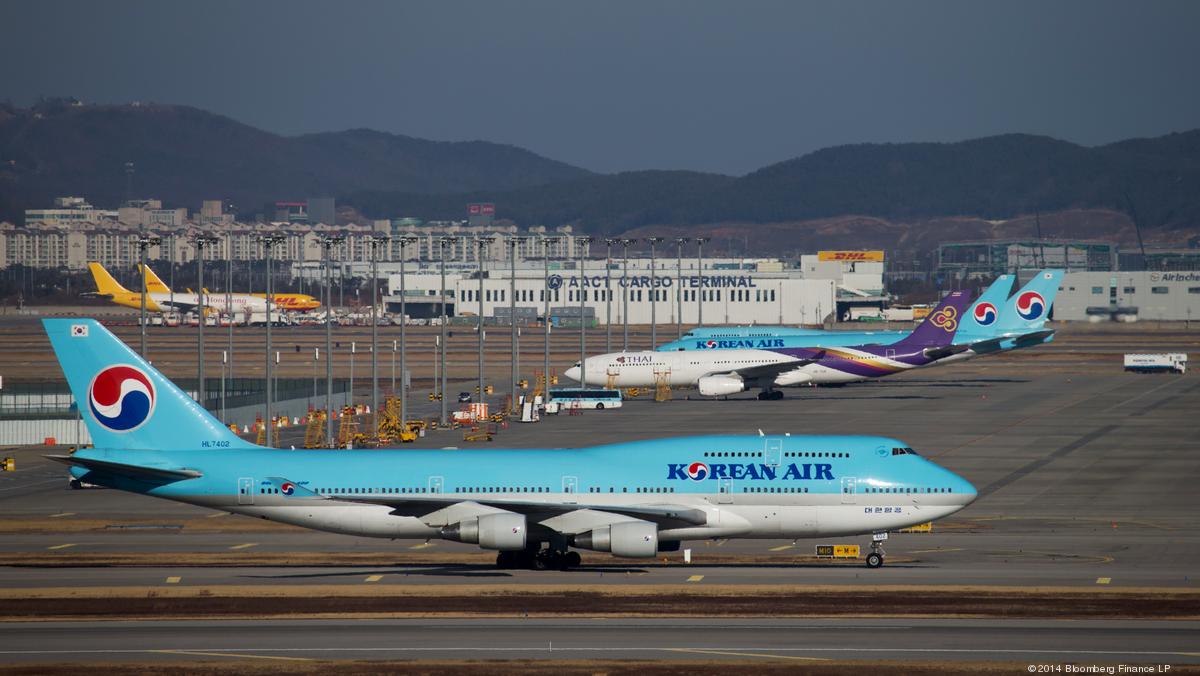
    Korean Air, the country’s flag carrier, displayed maps with the “Sea of Japan” aboard some its flights rather than the East Sea, the name supported by the Korean government. The Japanese name of the sea, which is opposed by Korea, was found on a number of passenger-entertainment monitors. According to news reports Sunday, 3-D maps on the displays aboard 787-9 Dreamliner aircraft were found to make the designation.

    Korean Air confirmed Monday that seven of its nine B787-9 planes had the problem. All other aircraft marked the location as the East Sea.

    A spokesman explained that a software upgrade was undertaken to change the maps into 3-D visuals, and that the company failed to notice the wording supplied by the developer.

    “The developer of the 3-D map is a company in the United States,” he said.

    Adjustments to replace the Sea of Japan by the East Sea in the seven aircraft were to be finalized Monday.

    “I was told that the modified version was sent to us today and delivered to the division in charge by 5 p.m,” added the spokesman, saying that the changes would be made by the end of the day.

    He said the company did not know why the other two B787-9 aircraft did not have the same problem.

    The controversy is the result of an ongoing dispute between Korea and Japan over the name of the sea located between the two countries. Both argue that their respective names had been used historically.

    Since South and North Korea first raised objection to the “Sea of Japan” name in 1992, the research on the subject has yielded conflicting conclusions.

    Korean Air received similar criticism in 2012, when its official homepage used the “Sea of Japan” name instead of the East Sea. The problem resulted from the company’s use of the Google Map service.

  • FAO Schwarz Hong Kong store opens

    FAO Schwarz Hong Kong store opens

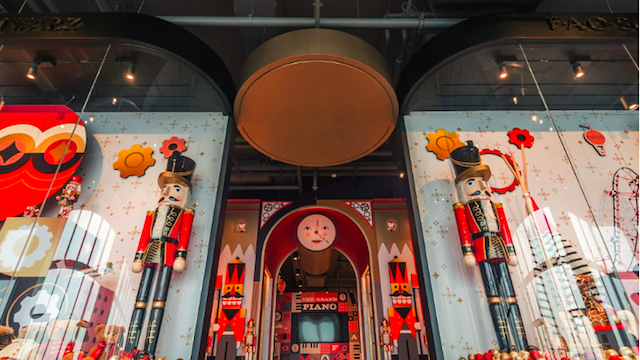
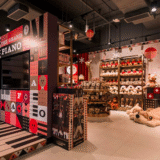
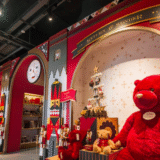
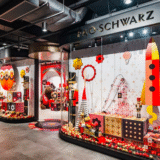
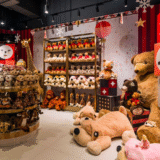
    New York toy retailer FAO Schwarz has opened a private, invitation-only store in Hong Kong, designed by Studio X. The 1150sqft FAO Schwarz Hong Kong store which quietly opened last month is a prototype retail concept for Asia where the company can test design elements and store features before it opens public stores in Mainland China and beyond.

    FAO Schwarz is the oldest toy store brand in the US and a New York City icon frequently referenced in popular culture with scenes in movies such as ‘Big’ in which Tom Hanks famously danced across the store’s giant floor piano. That store closed in July 2015, its turnover no longer sufficient to meet the high rentals of Manhattan, but the legend has lived on.

    Parent ThreeSixty has opened a new store in New York this year and early this month said it planned aBeijing store. The prototype FAO Schwarz Hong Kong store is located inside the newly opened ThreeSixty Group Hong Kong office, which was also designed by Studio X.

    A spokesperson for Studio X said the design is centred around the toy brand’s philosophy “Return to Wonder”, offering “a sense of theatre and occasion that the original New York store was renowned for”. Key design features include many of the original store’s memorable elements such as the giant floor piano and clock tower.

    Studio X oversaw the whole design, including visual merchandising, custom graphics and the shopfront. The company will work with FAO Schwarz to develop further flagship stores across the world next year.

    Studio X was founded in 2016 by Rufus Turnbull and Sam Bradley with a vision to offer a fresh approach to commercial design. Its clients include Ikea, Swire Properties, K11 and Aromatherapy Associates.

    View the gallery below (7 images) :

  • HMV Hong Kong collapses

    HMV Hong Kong collapses

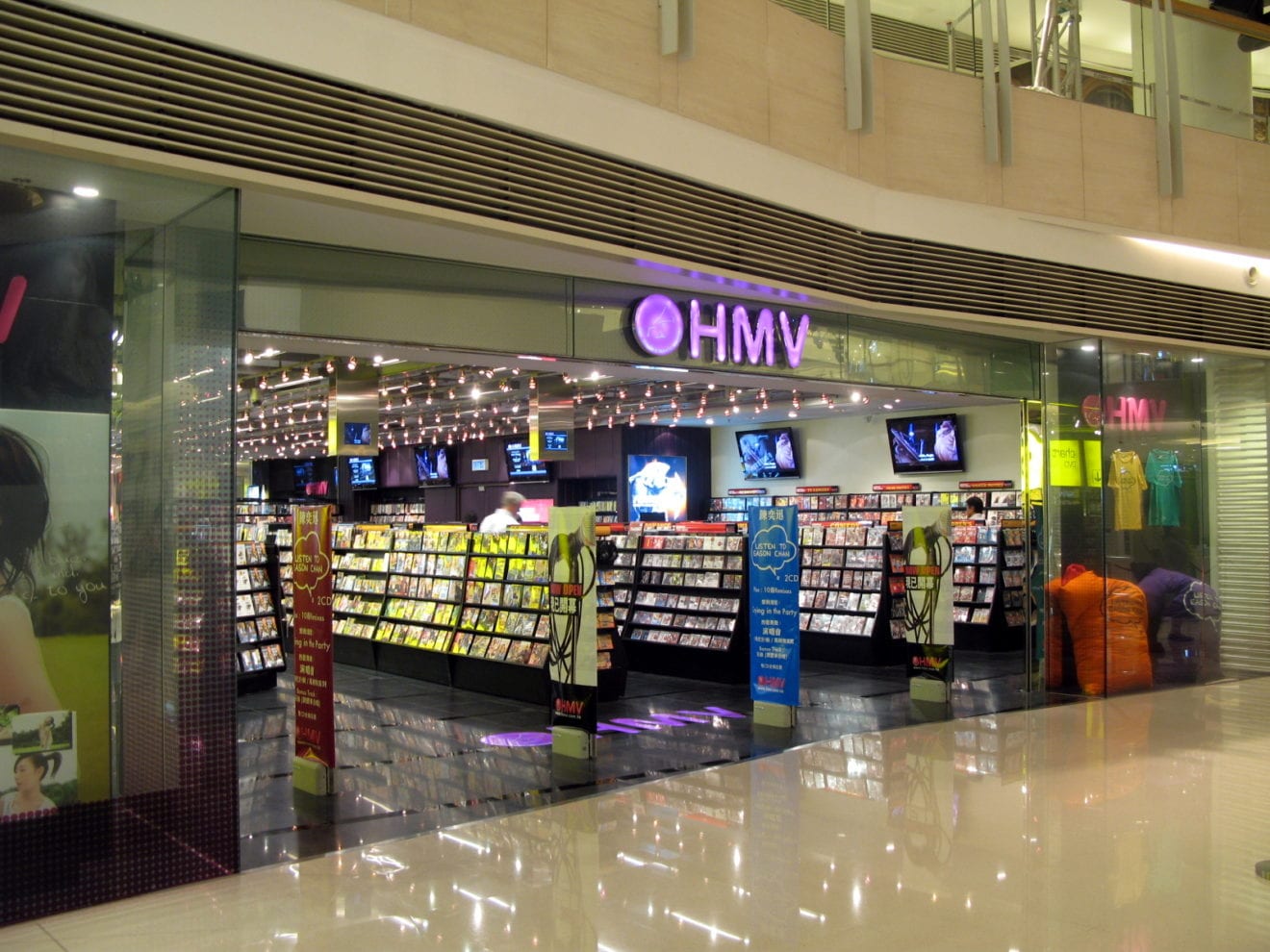
    The HMV Hong Kong business has collapsed, with the chain’s owner appointing liquidators. In a statement, HMV Digital China Group chairman Stephen Shiu Jnr said the company was “unable to escape from the crushing force of the wheel of history” as live-streaming services like Spotify and Netflix made CDs and DVDs redundant.

    The company is believed to have debts of HK$40 million and assets – mainly stock – of just $9 million. All seven stores have been closed and 80 staff laid off.

    “The company is under negotiation with the landlords of the settlement plans. HMV Retail has not been generating sufficient revenue to cover its own operating expenses and there is no reasonable prospect of making any significant improvement on its financial performance or operations in the foreseeable future.”

    As reported last week, HMV was facing three legal suits over unpaid rents on stores, totalling $5 million. One of those related to its four-story Causeway Bay flagship.

    After the chain last went into administration in 2013, private equity company AID Partners converted the business into more of a lifestyle destination, stocking headphones, bicycles, backpacks and other curated products. That met with some success, and AID sold the business to Shiu’s company in 2016 for $408 million. Yesterday, Shiu cited Apple’s AirPods for eroding demand for earphones, which had become a core category.

    “[We have] faced numerous struggles and ups and downs, witnessing the rise of the record industry and the heyday of CD, VCD and DVD home entertainment systems, but as time changes, the global development of information and economic climate have also changed”, the company said Shiu.

    The HMV Hong Kong business achieved a profit of $1.85 million in the September quarter last year – but during the same period this year, retail sales fell 41 per cent to $31.55 million and the business lost $18.81 million.

    The liquidators, Wong Sun-keung and Janice Tsui Mei-yuk of Vision AS will try to find new investors to refinance HMV Retail’s operations, although clearly any solution would involve adopting an entirely new business model.

  • BTS adds 4 trillion won to the Korean economy

    BTS adds 4 trillion won to the Korean economy

    Popular boy band BTS’s annual economic value is estimated at over 4 trillion won ($3.5 billion), making it more lucrative than a medium-sized company. The group’s annual production inducement effect, which refers to the value generated in related industries, is estimated at around 4.1 trillion won, according to a report by Hyundai Research Institute (HRI) released Monday.

    “BTS was the first Korean artist to place at No. 10 on the Billboard Hot 100 and reach No. 1 on the Billboard 200,” read the report. “The group’s rising fame and popularity can be observed in the explosively growing number of Google searches and YouTube video counts after 2017.”

    “Expecting such growth in popularity to have a positive effect on the Korean economy, we wanted to estimate the impact of BTS’s popularity on the domestic economy by assessing foreign tourists and consumer exports.”

    Research findings revealed that the HRI’s assumptions were correct. According to the report, BTS is responsible for attracting at least 796,000 foreign tourists annually to Korea since their debut in 2013. The report also credits the group for increasing sales of related exports by $1.1 billion every year, including $233.98 million worth of clothing, $426.64 million worth of cosmetics and $456.49 million worth of foodstuffs.

    BTS’s estimated annual economic value of 4.1 trillion won is 26 times larger than the average medium-sized company in Korea, which earned just 159 billion won in 2016 according to the report.

    The HRI report also discussed the factors believed to be behind the success of the group.

    “All BTS members participate in the songwriting and composing, often writing from their own perspective the concerns of young adults in their teens and twenties, and listeners are able to sympathize with them regardless of their nationality,“ read the report. “BTS’s albums and concerts are also structured in a way that has a narrative, which helps attract the attention of fans and raise their expectations for upcoming albums and concerts as well.”

    Other factors mentioned include active communication with BTS fans – known as ARMY – through social media and the fans’ strong support.

    BTS is expected to produce an accumulated total of 41.8 trillion won in economic value between 2014 and 2023 if it maintains its average popularity level of the last five years.

    “In order to maximize the economic impact of Hallyu [Korean wave], it’s necessary to develop and promote domestic tourism through dramas, movies and videos and raise demand from foreign tourists,” the report concluded.

  • New Lego land in China

    New Lego land in China

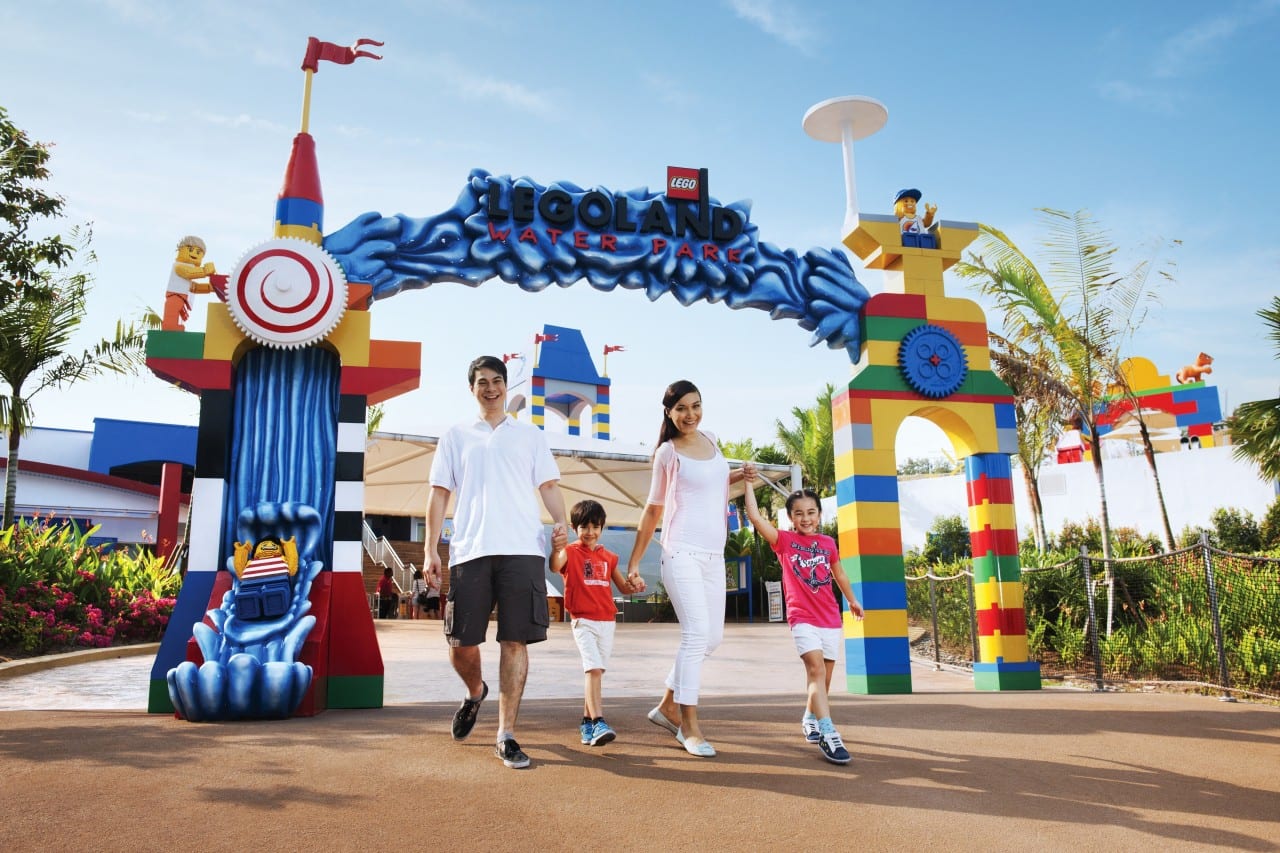
    The site where a Legoland will be built in Chuncheon, Gangwon, on Friday. The development of the Legoland, about the same size as the Legoland in Johor Bahru, Malaysia, has been approved by the Gangwon government. British amusement park developer Merlin is in charge.

  • HMV owes US$600,000 unpaid rental, face legal case

    HMV owes US$600,000 unpaid rental, face legal case

    Gadget, movie and music retailer HMV may face eviction from several of its Hong Kong store locations in coming weeks as landlords seek to recover unpaid rents and charges. Separate lawsuits have been filed relating to HMV stores in Causeway Bay, Central and Kowloon Bay, collectively seeking more than HK$5 million (US$640,000), according to court documents.

    The four-story HMV flagship store on Paterson Street in Causeway Bay was leased from Ever Light in July 2015 for four years at a monthly rent of $1.59 million for the first two years and $1.72 million for the ensuing two.

    Another store on Queen’s Road Central was leased in September 2016 from Pridemax for a term of six years at an initial monthly rent of $1 million.

    Those two landlords lodged legal action in the High Court of Hong Kong seeking payment of overdue amounts and vacation of the premises.

    About three weeks ago, MTR Corporation issued legal proceedings seeking to recover $273,300 in unpaid rent and charges and demanded the store vacate its space in Telford Plaza shopping mall.

    HMV was acquired by China 3D Digital Entertainment in March 2016 for $408 million, with the vendor, private equity company AID Partners retaining an approximate 18 per cent share.

    In 2015 AID received widespread acclaim for the restructure of the Hong Kong operations of what was once an iconic international brand name in music and movie retailing, but which collapsed in other markets with the advent of digital streaming undermining the popularity of DVDs and CDs.

    The Causeway Bay flagship, which incorporates a cafe and live music performance space, began specialising in lifestyle items including headphones, toys and even scooters, along with recognising the returning popularity of vinyl records.

  • Swee Lee Music Malaysia reopened

    Swee Lee Music Malaysia reopened

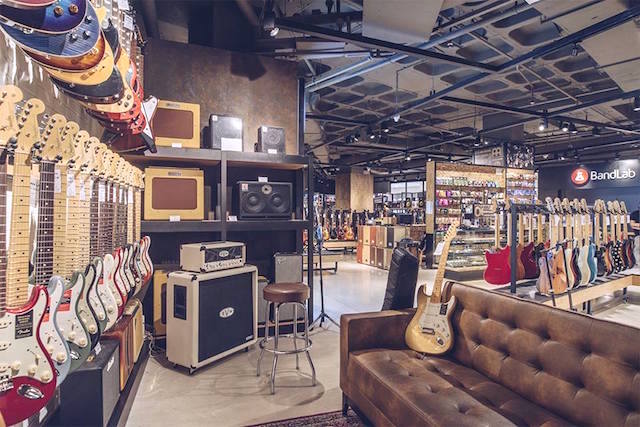
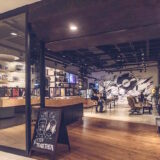
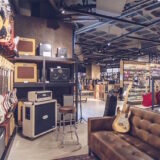
    Southeast Asian musical instruments retailer Swee Lee Music has opened a refurbished flagship in Malaysia. The 4995sqft location in Lot 10 Mall is Swee Lee’s 15th store in the region, and one of three in Malaysia. Beyond its range of instruments, the store sells vinyl records and curated lifestyle products, and has partnered with second-hand guitar retailer Well Played Gear to offer its products in store. High-end consumer audio goods are also available for purchase.

    The store represents the first build of Swee Lee’s retro-futuristic wood/concrete interior design aesthetic in Malaysia. It also reserves space for a cafe and performance events.

    Swee Lee’s MD of music Meng Ru Kuok said: “Since Swee Lee began operating in Malaysia three years ago, we’ve been delighted to support local musicians as they pursue their creative journeys.

    The refurbished KL flagship store is about taking this to the next level. In a dynamic city like Kuala Lumpur, which has a deep passion for music and incredibly talented artists, we want to establish a space where anyone can be inspired to connect and create.”

    View the gallery below (4 images) :

  • Lego opens its first official store in Thailand at Siam Paragon

    Lego opens its first official store in Thailand at Siam Paragon

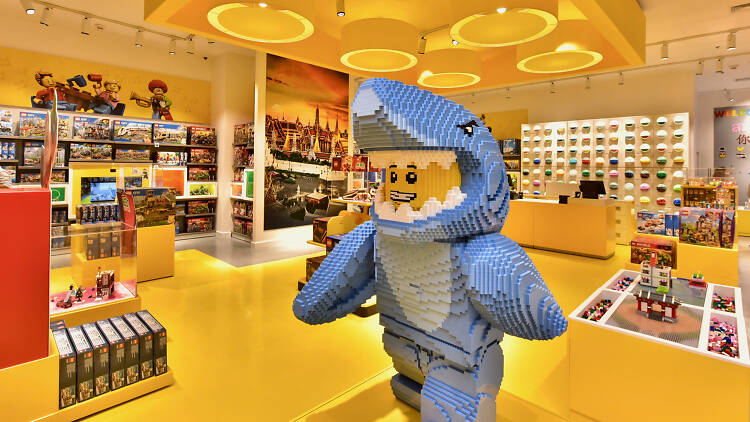
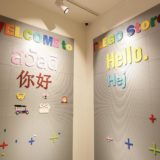
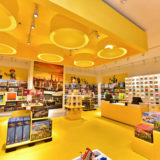
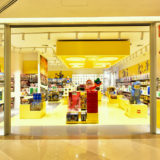
    The first certified Lego Thailand store has opened at Siam Paragon in Bangkok. The Danish building-toy manufacturer says the move is part of the brand’s strategic plan for Asian expansion. The new 170sqm Lego Thailand store has opened in a “co-sharing” partnership with DKSH (Thailand) Ltd. It  offers more than 300 Lego toys, 32 of which are exclusive to certified, branded Lego outlets.

    Lego Singapore GM for emerging Asia Atsushi Hasegawa said Thailand is an attractive market for Lego. “The country has an established economy, a large population and an established retail industry … We expect to see faster growth in Asia, including Thailand, and sustainable growth in Europe and America.”

    Hasegawa added that Lego’s targeting of the Asian market recognises that it is home to more than half of the world’s children. While Asia still has a low base for Lego toys compared to many established markets in the West, the company is seeing an opportunity to boost its sales by five or six times in the region.

    Gallery below (6 images) :

    According to Hasegawa, the company’s initial priority is not to increase the number of Lego stores, but to deliver the right brand experience to children at the right locations.

    DKSH’s director of commercial development Arden Feschuk said the company expects the Lego Thailand store will achieve THB100 million (US$3.05 million) in sales in its first year. There is also a plan to expand the number of Lego-certified stores in Thailand later.

    “During the first year of opening, more than 400,000 people are expected to visit the store, with Thais accounting for 60 per cent and foreigners 40 per cent. Due to the company’s one-price strategy, exclusive Lego sets will cost the same here as they do in neighbouring countries.

    “Due to this, Lego fans will no longer have to go overseas to buy Lego products. Also, new collections will be launched at the same time as in the US and Europe”.

    Sixty per cent of Lego’s Thailand sales are currently brought in via distribution in department stores, while more than 15 per cent is derived from specialist toy stores.

  • World’s first Nerf experience centre coming to Marina Square in 2019

    World’s first Nerf experience centre coming to Marina Square in 2019

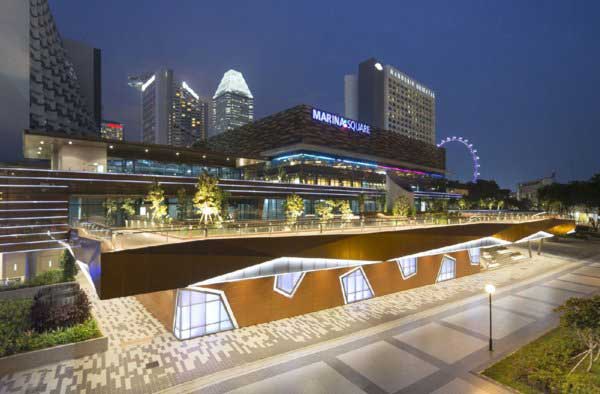
    Shopping mall Marina Square has been chosen as the venue for the world’s first Nerf family entertainment centre. The Nerf Experience Singapore will open in the second half of next year, following a licensing agreement between Kingsmen Creatives subsidiary Nax Singapore and the Nerf brand’s parent Hasbro who will co-conceptualise, create, build and operate multiple Nerf experiences across Asia Pacific. Nerf is a collection of toys, mostly foam-firing plastic guns.

    Plans are underway to translate the Nerf brand values into a vast play experience occupying an 18,000sqft space on the ground level of Marina Square. Nerf Experience Singapore will feature multiple activity zones that promote active play and teamwork.

    CEO of Marina Square Lim Hock San said “Marina Square is positioned as a family mall in the city. The injection of the Nerf experiences fits our overall positioning and strategy to provide more activity-based experiences for the whole family. We believe the concept will be a great draw for both locals and tourists, creating much life and energy in the Marina Centre precinct.”

    Group CEO of Kingsmen Andrew Cheng said Nerf Experience Singapore is designed to be a year-round family destination and Marina Square is an excellent launchpad for the attraction.

    “Our goal is to create a brand of unique participative experiences that guests of any age can enjoy and will want to return to. With families constantly on the lookout for things to do together, we are confident that our offering of adrenaline-filled fun, coupled with enriching experiences will be a hit.”

  • Quuen movie inspires rock band instrument sales in Korea

    Quuen movie inspires rock band instrument sales in Korea

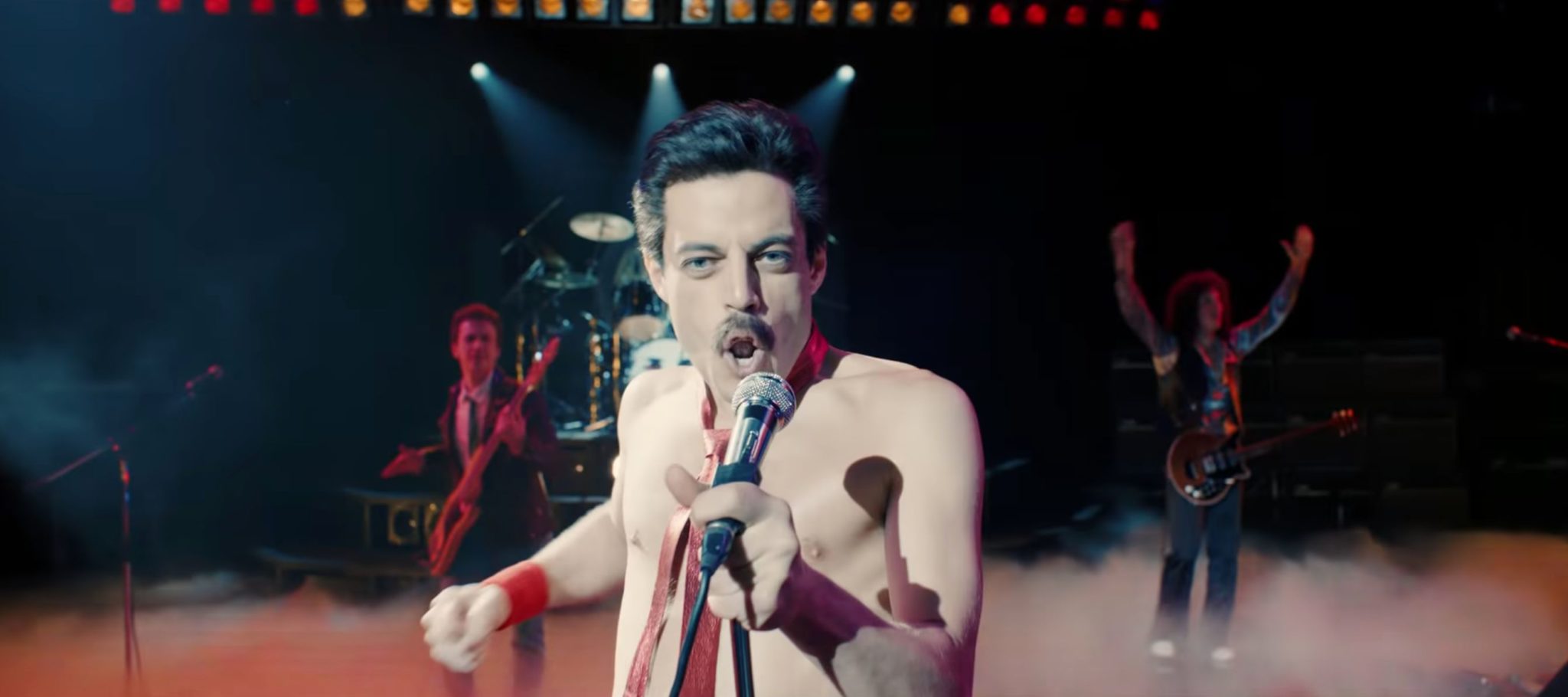
    Musical instrument sales are booming as Queen mania continues to sweep the country. Sales of instruments used by rock bands – like drums and guitars – have skyrocketed following the release of Freddie Mercury-biopic “Bohemian Rhapsody,” according to online shopping site Gmarket on Wednesday.

    The increase was most pronounced among customers in their 40s and 50s who grew up when Queen first hit the music scene in the 1970s and ‘80s.

    The film, which has been popular globally, opened in Korea on Oct. 31.

    According to data on instrument purchases between Nov. 3 and Dec. 2 released by Gmarket, over-50s consumers purchased 14 percent more electric guitars in that month compared to the same period last year.

    Consumers in that age range purchased 433 percent more drum sets and 129 percent more sticks for drumming. They bought 35 percent more digital pianos in the same period year on year. Sales of portable amplifiers – an essential tool for electric instrument players – doubled.

    Among consumers in their 40s, piano sales grew 50 percent year-on-year.

    The same demographic purchased 20 percent more electric guitars and 22 percent more drum sets in the same period.

    Notably, the purchase of portable headphone amplifiers increased eightfold among consumers in their 40s. These amplifiers improve the quality of sound heard through headphones, making them a popular tool for people who want to practice playing electric instruments by themselves or at night.

    “Consumers are showing more interest in [rock] band instruments as Queen songs sweep the music charts and flood the radios on the strength of “Bohemian Rhapsody’s” popularity,” said a Gmarket spokesperson. “Instrument sales have especially increased among men in their 40s and 50s.”

    “Sales of records and music by Queen also rose,” he added, “though there was no noticeable change in the purchasing patterns of younger consumers.”

    Koreans have shown an unusually high interest in the British rock band’s biopic compared to audiences elsewhere.

    According to film database Box Office Mojo, “Bohemian Rhapsody’s” box office gross in Korea is the third highest in the world, at $36,206,310 as of Nov. 25.

    Korea is only topped by the United States and Britain in ticket sales, and comes far ahead of runners-up Australia and France.