Retail News CRM

Tag: Ericsson

  • Ericsson, Equinix enter hybrid cloud alliance

    Ericsson, Equinix enter hybrid cloud alliance

    Ericsson and Equinix have developed a joint offering designed to help enterprises capture the true benefits of hybrid and multi cloud adoption.

    The offering leverages the Equinix Cloud Exchange (ECX) and the Apcera platform from Ericsson.

    The initial target enterprises will be finance and insurance companies in Southeast Asia and Oceania to help solve their challenges on data compliance and regulation and at the same time give the agility that enterprises need.

    The finance and insurance industry have strict compliance regulations on data and this limitats their ability to pursue a multi-cloud strategy. Ericsson and Equinix’s joint offering will address this challenge by enabling enterprises to deploy any application on any cloud infrastructure with high performance and secure connections that meet compliance regulations.

    “To be able to meet the market demand for hybrid cloud and multi cloud, Ericsson is delighted to partner with Equinix,” commented Ludvig Landgren, VP for network applications and  cloud infrastructure at Ericsson Southeast Asia and Oceania.

    “We will jointly support enterprises, initially addressing South East Asia and Oceania customers, moving workloads and data across multiple clouds using one port with on-demand, automated connectivity.”

    The initial deployment is scheduled for December, 2016.

  • Ericsson, HomeSend team for remittance in emerging markets

    Ericsson, HomeSend team for remittance in emerging markets

    HomeSend and Ericsson have teamed up to accelerate the adoption of international remittances via mobile across emerging markets.

    With the partnership, 50 million Ericsson-powered mobile wallet users are expected to benefit from access to international payment services via HomeSend’s network of money transfer operators (MTOs).

    The Ericsson Wallet Platform is now certified by HomeSend, a joint venture between Mastercard, eServGlobal and BICS that aims to bridge the gap between financial institutions, non-financial entities and mobile network operators.

    The HomeSend-Ericsson partnership aims to give financial service providers a low-cost, simple and fast way to connect the HomeSend global money transfer hub with Ericsson’s mobile money offering around the world. With this, mobile money users are expected to be able to enjoy new levels of flexibility, choice and value.

    Ericsson’s Mobile Financial Services solutions now also include Ericsson interconnect, the company’s cloud-based financial transactions switching and mediation service, which aims to extend reach to Financial Services providers using any wallet or mobile banking platform.

    “The partnership represents HomeSend’s continuing commitment to displace cash and facilitate electronic payments, advancing financial inclusion in the new global economy,” said Stephen Doyle, CEO, HomeSend. “Millions of new unbanked consumers will gain improved access to digital inflows from friends and relatives, as we continue to advance toward a fully open ecosystem for global mobile money remittances.”

    In 2016, the World Bank expects remittances to reach over $600 billion, with more than $440 billion being sent to developing countries. The partnership aims to bridge the gap between finance and telecommunication service providers, enabling mobile wallet users to send and receive money from their family abroad through their mobile phones, while enabling financial institutions to offer their customers the convenience of digital money transfers regardless of their location or that of the recipient.

    “By enabling fast, secure integrations to HomeSend’s remittance hub, we are providing growth opportunities for our customers,” said Peter Heuman, head of Ericsson Mobile Financial Services.

    “Integration with the HomeSend Hub connects Ericsson mobile wallet powered financial service providers, and potentially other financial service providers, to a global network of financial institutions and MTOs. This represents a major advance in helping to grow mobile financial services ecosystems whilst supporting financial inclusion.”

  • Ericsson, Google partner on pay TV

    Ericsson, Google partner on pay TV

    Ericsson and Google are partnering to extend the reach of the Ericsson cloud-based MediaFirst TV Platform into the Android TV ecosystem, Google’s operating system for the set-top-box.

    Ericsson MediaFirst is a software-defined, media-optimized end-to-end portfolio suite for the creation, preparation, management and delivery of next generation pay-TV to any screen with an immersive TV viewing experience.

    The integration of Ericsson MediaFirst TV Platform with Android TV will provide an additional pathway to extend MediaFirst cloud-based TV services, including 4K-UHD live TV channels, video-on-demand, catch-up TV and cloud DVR to an even wider subscriber base.

    According to Ericsson, the partnership with Google will give operators the opportunity to benefit from Android TV’s growing presence on connected TV operating systems, without the need for additional hardware costs.

    Operators will be able to partner with manufacturers of Android TV devices to deliver new hardware-based functionality as well as niche over-the-top programming, or deploy additional applications within the Android operating system.

    Additionally, the collaboration will enable Ericsson to deliver multiple, flexible, pre-integrated set-top box solutions that support hybrid configurations for satellite, cable, terrestrial, and fixed and mobile broadband TV.

    “By expanding our range of set-top box options, we are giving Ericsson MediaFirst TV customers the opportunity to deliver cutting-edge, large scale video services and respond to the surge in adoption of smart devices, broadband connectivity and cloud-based delivery,” said Shiva Patibanda, head of business line TV platforms at Ericsson.

  • Telstra, Ericsson achieve five-carrier LTE aggregation

    Telstra, Ericsson achieve five-carrier LTE aggregation

    Telstra and its technology supplier Ericsson claim to have achieved a world-first with a test that used four separate radio frequency spectrum bands with five carriers for very high long term evolution-advanced (LTE-A) bit rates.

    The trial at an undisclosed location used Telstra’s production network, with a Cobham Aeroflex TM500 4G network testing device as the receiver.

    It used 20 MHz each in the 700 MHz, 1800 MHz and 2100 MHz ranges, as well as two 20MHz bands in the 2600 MHz frequency range, for a total of 100MHz aggregated bandwidth.

    Five carriers and 100MHz are the maximum under the current LTE-A specification.

    Ericsson utilised high encoding rate 256 quadrature amplitude modulation (QAM) for the signal to provide better peak data speeds.

    Using the stateless user datagram protocol (UDP), the trial achived 950Mbps downlink speeds.

    With the more commonly used transmission control protocol (TCP), Ericsson and Telstra hit 843Mbps against the Speedtest website, the two telcos said. They declined to reveal the latency of the connection or the distance over the air for the signal.

    Telstra operations managing director of networks Mike Wright said that was “a widely accepted view that 4G should achieve peak speeds in the range of 1Gbps”.

    In reaching such high speeds, Wright said it could be argued that LTE technology was finally moving beyond the 4G barrier.

    “The demonstration of 1Gbps end to end capability shows the advanced state of these standards and our ability to rapidly bring them into commercial service in order to deliver increased capacity in our network to meet growing demand,” he said.

    “In addition to Telstra consumer customers, we are preparing our networks for growth in business use, as well as emerging technologies, which rely on our ability to deliver high capacity and low-latency solutions.”

    There are currently no handsets or devices capable of working with the combined five carrier LTE signal, and Telstra would not say when or whether it is planning on launching commercial services.

  • Ericsson to launch 5G New Radio in 2017

    Ericsson to launch 5G New Radio in 2017

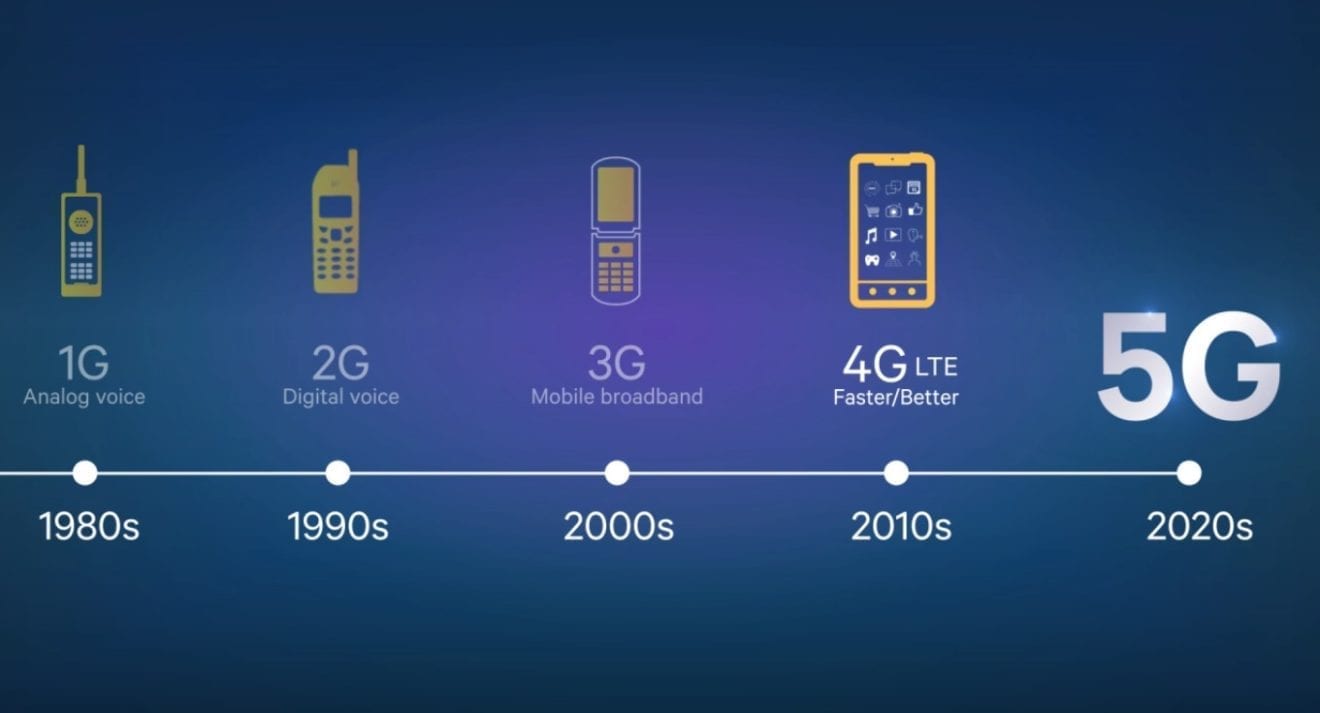
    Ericsson has announced plans to commercially launch the first 5G New Radio (NR) equipment in 2017, a key enabling technology for future 5G networks.

    The 5G NR radio supports Ericsson’s Massive MIMO and Multi-User MIMO 5G plugins. It uses advanced antennas and a large number of steerable ports to support these new technologies, as well as beamforming, another expected component of 5G networks.

    In addition to being 5G ready the 5G NR supports LTE, so it will be deployable in today’s networks. They support Gigabit speeds for LTE and advanced TDD beamforming.

    New network builds will be supported by Ericsson’s new Industrialized Network Rollout Services offering, which involves providing configuration, installation, integration, shakedown and handover in a single site visit.

    China Mobile Research Institute deputy head Huang Yuhong has welcomed the planned launch.  “Massive-MIMO, also known as 3D MIMO, is an important milestone in China Mobile’s technology roadmap from 4G to 5G,” he said.

    “We are very happy that Ericsson’s new radio product is coming to market soon to meet our needs and enable us to integrate 5G technologies into our existing networks.”

    “Mobile operators, today, are clearly focused on the race to 5G commercialization, while also continuing to invest in their existing LTE networks,” Current Analysis VP of consumer and infrastructure services Peter Jarich added.

    “With a new 5G radio and LTE offerings which echo key 5G concepts – small cells, licensed-unlicensed band combinations, Cloud RAN, network densification, spectrum optimization – Ericsson’s new portfolio additions and Ericsson Radio System innovations provide a compelling way forward.”

  • Ericsson and China Mobile trial 5G drone prototype

    Ericsson and China Mobile trial 5G drone prototype

    Ericsson and Nokia are both trialing using drones to dynamically improve coverage of next-generation mobile networks.

    Ericsson and China Mobile recently announced they have completed a 5G drone prototype field trial on the operator’s network.

    During the trial in Wuxi, a drone was flown using the operator’s mobile network with 5G-enabled technologies and handovers across multiple sites.

    In a statement, the companies said the trial marks “an important step toward 5G networks in which part of a network can be distributed and dynamically deployed at the cellular edge in order to reduce end-to-end latency, and to serve a range of 5G use cases at the same time.”

    Nokia has meanwhile been collaborating with EE to trial using drones to carry tine base stations to remote areas. Nokia said the testing showed that drones can help to very quickly establish mobile coverage over ranges of several kilometers.

    Mobile operators would be able to provide temporary 4G coverage in remote areas or rapidly extend capacity at large events such as sports matches or festivals.

    During the trial high-quality LTE calls, video streaming and a peak data throughput of 150Mbps were all achieved without the need to connect to an external core network.

    The development follows shortly after Nokia and SK Telecom announced that they had completed trials of an all-in-one portable public safety LTE system, which contains all the equipment needed to establish a temporary LTE network in hardware compact enough to fit in a backpack.

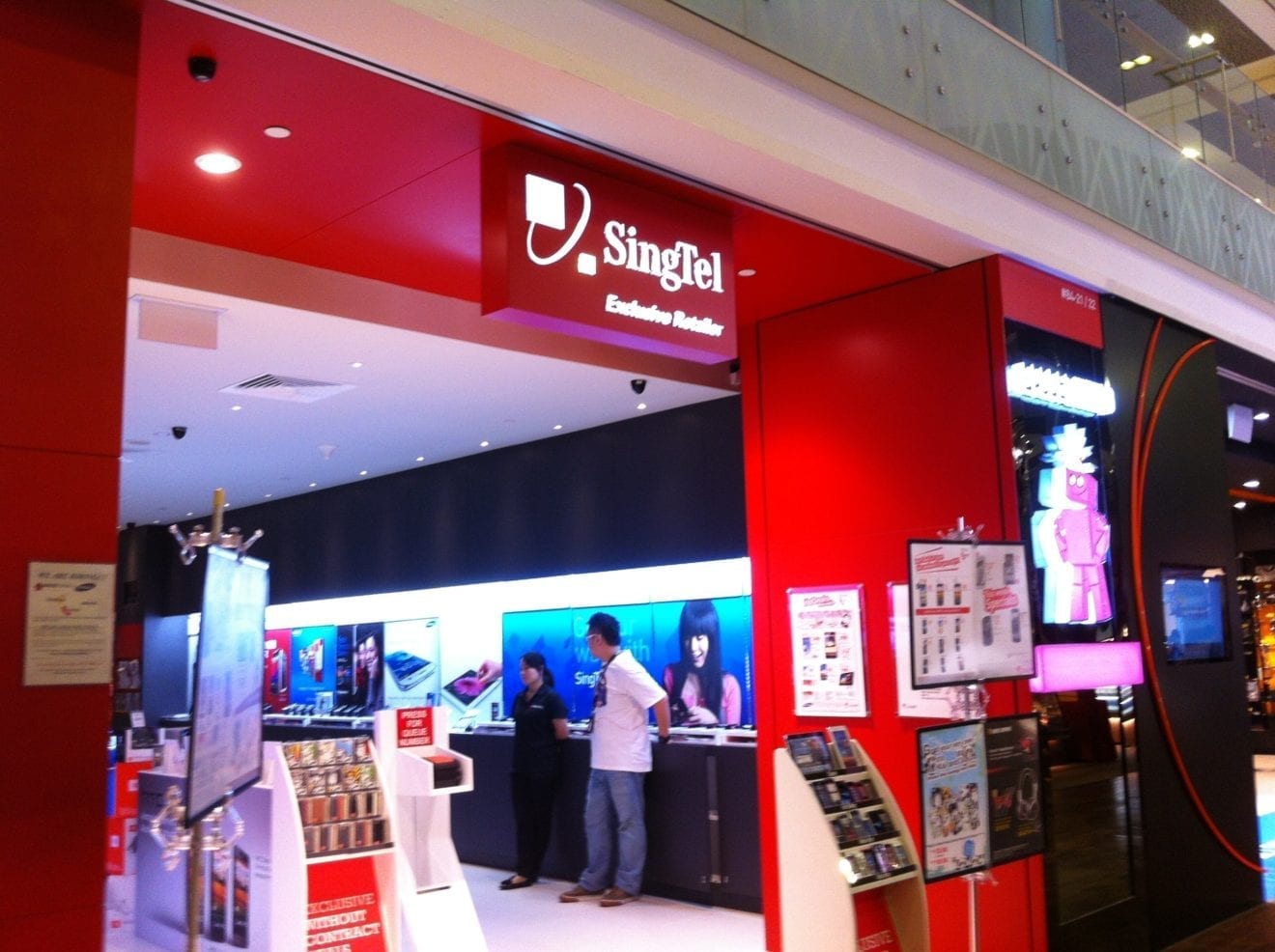
  • Singtel, Ericsson complete SEA’s first 5G demo

    Singtel, Ericsson complete SEA’s first 5G demo

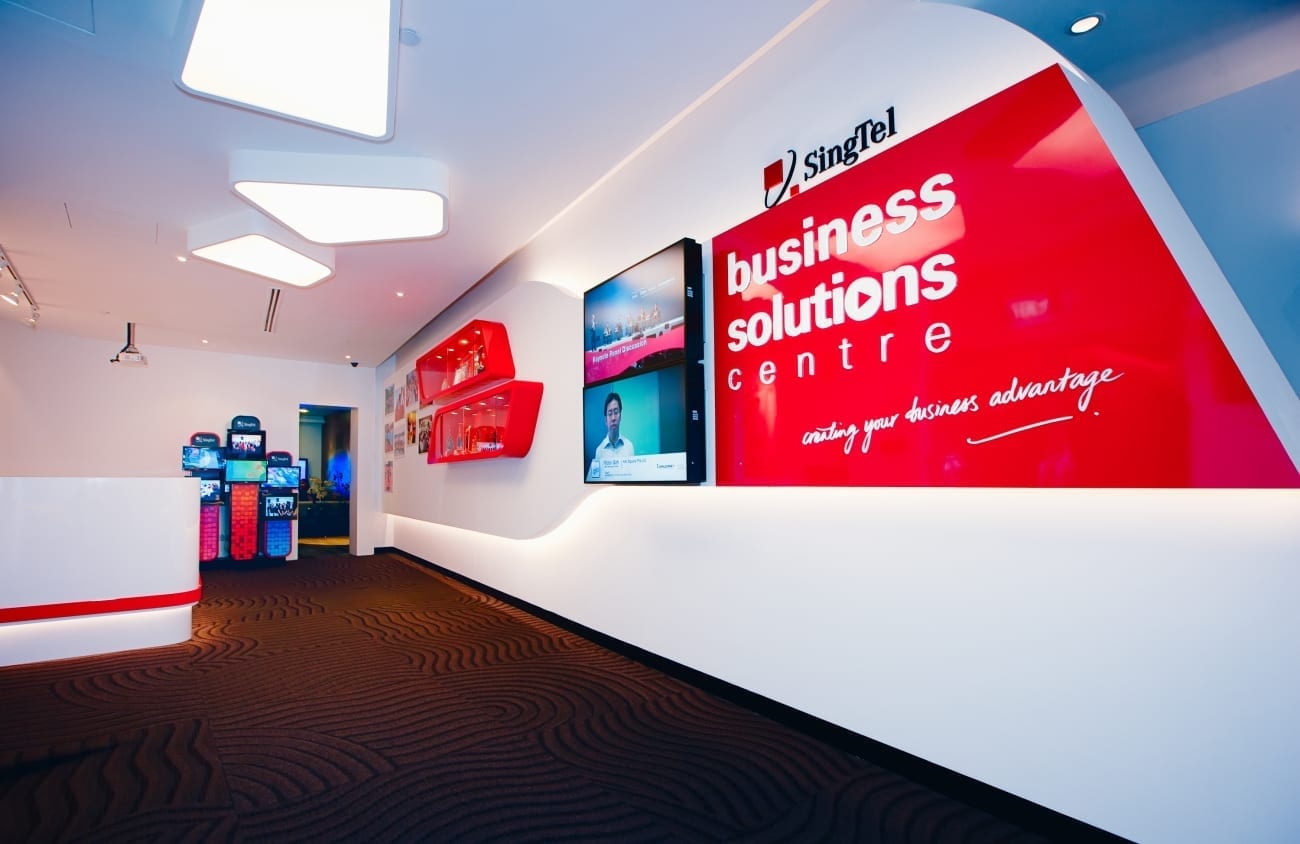
    Singtel and Ericsson have completed the first live demonstration of 5G prototype technology, achieving a peak throughput of 27.5Gbps.

    The demonstration used Ericsson’s 5G radio prototypes to showcase the capabilities offered by the new networking technology, which also included demonstrating a latency as low as 2ms.

    At the demonstration, Singtel and Ericsson also showcased the world’s first end-to-end low latency live video streaming over 5G.

    Ericsson and Singel signed an MoU last year to collaborate on testing technology candidates for the 5G standard. Last week, the companies completed a live trial of pre-standard License Assisted Access (LAA) technology over Singtel’s 4G network.

    Singtel group CTO Tay Soo Meng said the collaboration is aimed at ensuring the operator’s customers have access to the latest mobile technologies.

    “We strive to upgrade our networks with cutting-edge enhancements, constantly offering our customers all the possibilities that technology brings. Singapore is at the forefront of the most connected cities in the world and now we want to take it to the next level,” he said.

    “5G is very important to the Singtel Group as it will support advanced communication needs. To ensure the Group continues our technology leadership in the mobile communications domain, we are exploring, studying and trialling pre-5G technologies with Ericsson.”

    The operator is preparing for the anticipated standardization of 5G in 2020 by deploying key pre-5G technologies including carrier aggregation, 256QAM and NB-IoT.

  • Singtel, Ericsson demonstrate LAA on live 4G network

    Singtel, Ericsson demonstrate LAA on live 4G network

    Singtel and Ericsson announced they have completed a live trial of pre-standard License Assisted Access (LAA) technology on Singtel’s network.

    The trial in an office building at Serangoon North involved a 20 MHz block of licensed 1800-MHz spectrum, augmented with 20 MHz in the unlicensed 5-GHz band.

    A stationary live test achieved an LTE LAA throughput of 275 Mbps, while a second test demonstrated LAA’s ability to co-exist with Wi-Fi signals without degrading the Wi-Fi user experience.

    The trial also involved coverage testing to validate the technology’s ability to improve link performance, coverage and medium access control compared to Wi-Fi access points.

    Announcing the results, Singtel said the testing showcases the potential for LAA to improve network capacity for mobile customers, in a market where nearly 85% of mobile traffic is generated indoors.

    Due to the success of the trial the operator plans to progressively deploy LAA technology in Singapore over a two-year period starting in the first half of 2017, as part of efforts to evolve its networks in preparation for the introduction of 5G.

    The company said in the future, customers with LAA-capable handsets will be provided with peak download throughput of up to 450 Mbps.

    “To provide our customers with a superior mobile experience when they are indoors, we are continuing to invest in new technologies that will increase indoor 4G speeds,” Singtel managing director of networks consumer Singapore Tay Yeow Lian said.

    “We are pleased to be the first in Singapore to showcase LAA technology live. This is an integral part of the LTE-Advanced evolution and will bring us one step closer to our 5G goals.”

  • Ericsson CEO Hans Vestberg steps down

    Ericsson CEO Hans Vestberg steps down

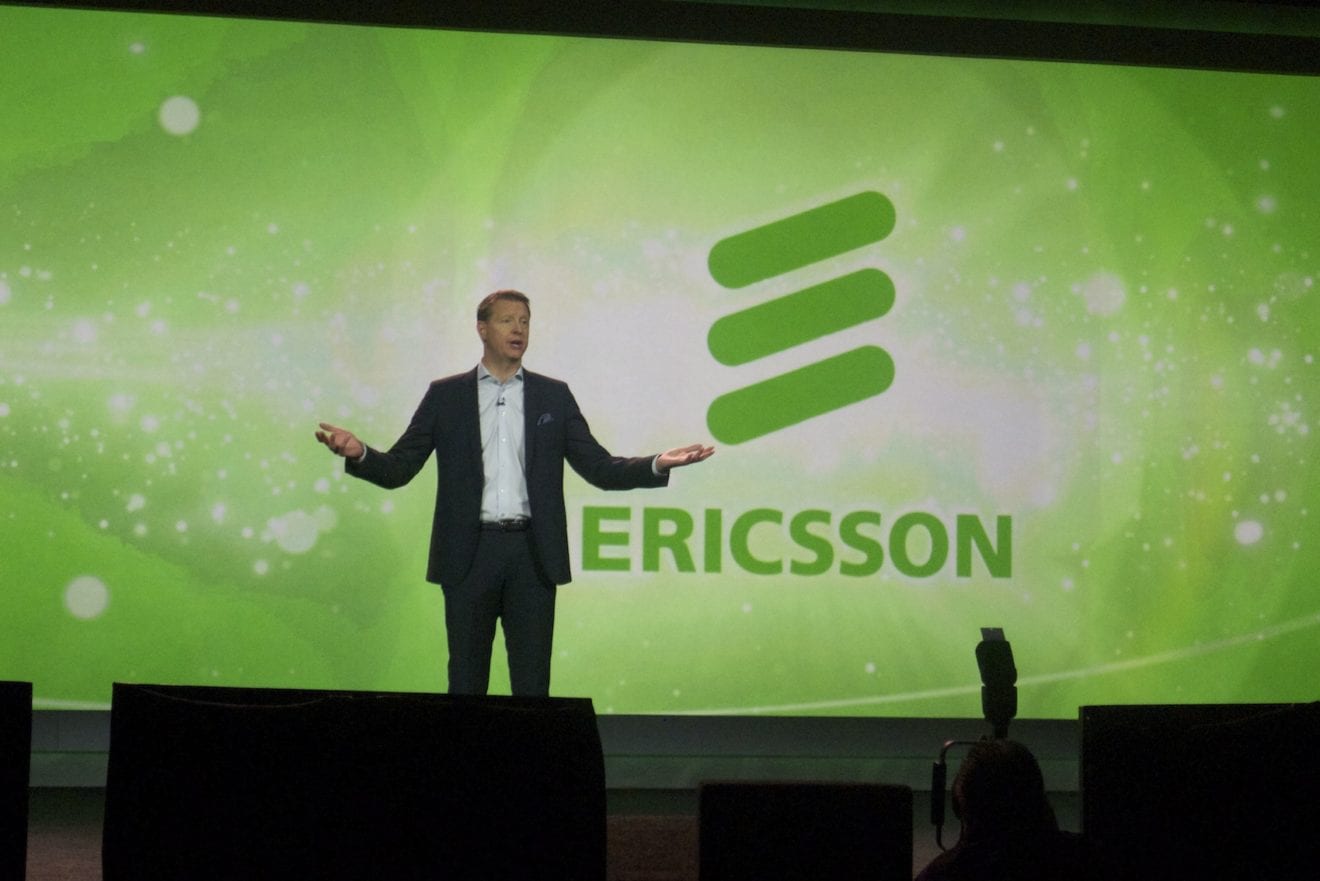
    Ericsson has announced the resignation of long-serving CEO Hans Vestberg, effective immediately, as the company seeks to transform to adapt to changing market dynamics.

    Vestberg has also stepped down as president and as a member of the board of directors, but remains “at the company’s disposal” for a six month term of notice, the company announced.

    Executive vice president and CFO Jan Frykhammar will take the role of interim CEO until a permanent replacement is found.

    Vestberg has been with Ericsson for 28 years and has been serving as CEO for the last seven. But he has been facing pressure to step down as the company struggles with profitability in a period of slowing demand and intense competition.

    Last week the company reported a 24% decline in second-quarter net profit, along with an aggressive cost reduction plan aimed at turning around the company’s operations.

    “Hans has been instrumental in building strong relationships with key customers around the world and his leadership and energy have been an inspiration to employees and leaders across Ericsson,” Ericsson chairman Leif Johansson commented.

    “However, in the current environment and as the company accelerates its strategy execution, the Board of Directors has decided that the time is right for a new leader to drive the next phase in Ericsson’s development.”

  • Ericsson launches 5G plug-ins

    Ericsson launches 5G plug-ins

    Ericsson has launched a line of “5G plug-ins” designed to prepare today’s networks for the next generation of mobile technology.

    The vendor has introduced a range of software-driven plug-ins focused on capabilities operators can leverage within current networks to facilitate the evolution to 5G.

    Plug-ins include massive MIMO, multi-user MIMO, RAN virtualiztion, intelligent connectivity and latency reduction.

    The plug-ins cover use cases including mobile HD video, driverless buses, haptic feedback-enabled drones and residential wireless broadband services offering fiber-equivalent speeds.

    They are currently only available for operator trials but will be made available for commercial networks starting from next year.

    Ericsson SVP and head of radio Arun Bansal said the plug-ins are designed to “enable the evolutionary steps that operators need to take as they develop networks to secure their 5G future.”

    Current Analysis VP of consumer and infrastructure services noted that while 5G has gained considerable momentum over the past year, “without spectrum allocations or ratified standards, operators need a migration tactic allowing them to leverage current network investments in synch with their 5G evolution strategies.

    “Ericsson’s 5G plug-Ins deliver this flexibility, supporting the deployment of advanced access technologies in the near-term, and in preparation for 5G.”

  • Ericsson reshuffles management team

    Ericsson reshuffles management team

    Ericsson has announced changes to its management team, with the departure of three senior vice presidents and several promotions, as part of a boarder reorganization of the company into five business units and one dedicated customers-service unit.

    Anders Lindblad, currently head of Business Unit Cloud & IP, will head Ericsson’s new Business Unit IT & Cloud Products.

    The new Business Unit IT & Cloud Services unit will be headed by Jean-Philippe Poirault, currently Ericsson’s Head of Consulting and Systems Integration.

    Fredrik Jejdling, currently head of region sub-Saharan Africa, will become SVP and head of Business Unit Network Services.

    Charlotta Sund, currently head of region Northern Europe and Central Asia, will take up the role of SVP and head of Customer Group Industry & Society.

    Niklas Heuveldop will become SVP, chief customer officer and head of Group Function Sales. Heuveldop is currently Ericsson’s head of Global Customer Unit AT&T.

    Lindblad, Poirault, Jejdling, Sund, Heuveldop will also join the Ericsson executive team.

    The three top executives leaving Ericsson as part of the shakeup include Jan Wäreby, Anders Thulin and Mats H. Olsson.

    Magnus Mandersson, currently EVP and head of Segment and Business Unit Global Services, will hold the position as head of Segment Global Services, EVP and Advisor to the CEO.

    Angel Ruiz, currently head of Ericsson’s North America region, will be replaced by Rima Qureshi. Qureshi is currently Ericsson’s SVP and head of Group Function Strategy and Head of M&A. Ruiz will continue with the company as chairperson of regions North and Latin America.

  • TrueMove H taps Ericsson for LTE-A rollout

    TrueMove H taps Ericsson for LTE-A rollout

    Thailand’s TrueMove H has appointed Ericsson to support its LTE-Advanced rollout in north, central west and south Thailand.

    Under the contract Ericsson will help deploy LTE-A carrier aggregation and further expand TrueMove H’s 2G and 3G networks on the 900-MHz, 1800-MHz and 2100-MHz spectrum bands.

    The three year contract will see Ericsson provide multi-standard radio equipment using the new Ericsson Radio System, ranging from indoor small cells to macro cells.

    “We are committed to offering our customers the best mobile broadband experience,” True Corp COO Vichaow Rakphongphairoj said.

    “Our Partnership with Ericsson will further strengthen our 3G/WCDMA and 4G/LTE leadership in Thailand and enable us to offer optimized mobile data service with the best smartphone performance to our customers.”

    TrueMove H was one of two winners of 900-MHz 4G spectrum during an expensive auction last year, after bidding 76 billion baht ($2.1 billion).  But fellow license winner Jasmine appears likely to  miss the deadline for paying the first installment of its own bid.

  • Ericsson wins 4G network deal from XL Axiata

    Ericsson wins 4G network deal from XL Axiata

    Swedish telecom gear maker Ericsson said that it has signed a three-year contract with Indonesian telco XL Axiata for design and implementation of 4G/LTE network and upgrade of existing 2G and 3G networks in Jakarta and Central Java.

    The agreement includes all hardware, software and services to deliver 4G/LTE services for XL Axiata’s subscribers.

    “We are keen to work with Ericsson to bring this next generation technology to Indonesia. We are looking forward to the implementation of the 4G/LTE network and the improved mobile broadband experience this will deliver for our subscribers,” Dian Siswarini, President Director and CEO of XL Axiata, said in a statement.

    This 4G/LTE network deployment will improve network capacity and enhance speeds to allow Indonesian users to enjoy improved smartphone and network performance, as well as faster web browsing and downloads.

    “Ericsson’s LTE solution will enable XL Axiata to deliver unique experiences for people, society and businesses, thus shaping and accelerating the Networked Society in Indonesia,” Thomas Jul, Head of Ericsson Indonesia and Timor Leste, said.

    Ericsson is today present in all high traffic LTE markets including the US, Japan, and South Korea, and is ranked first for handling the most global LTE traffic – 40 percent of the world’s mobile traffic is carried over Ericsson networks.

    Ericsson is number one in LTE market share within the world’s top 100 cities. More than 220 LTE RAN and evolved Packet Core networks have been delivered worldwide, of which 170 are live commercially.

  • 2C2P helps Myanmar revolution

    2C2P helps Myanmar revolution

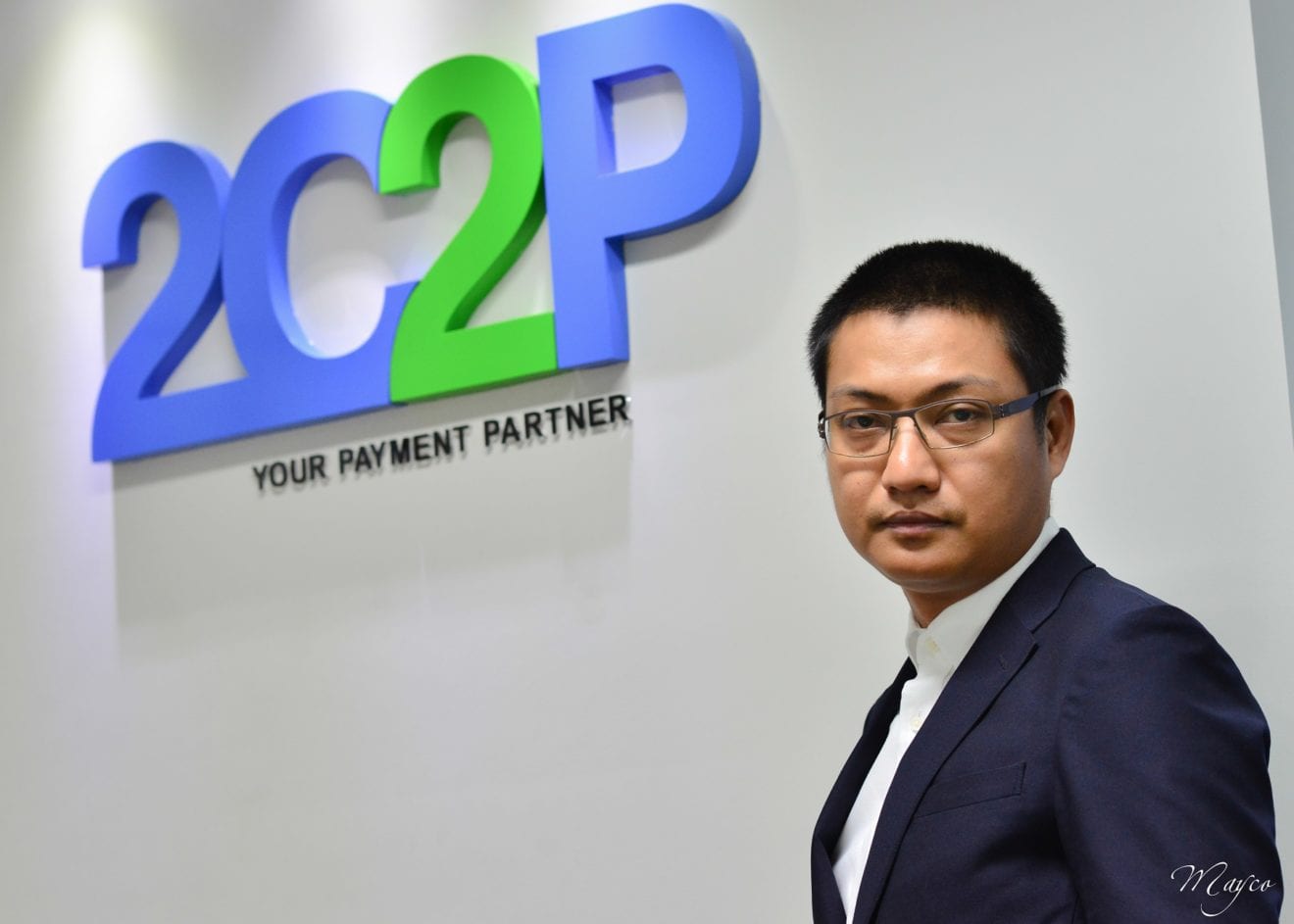
    Southeast Asia payments company 2C2P of Singapore, with its Burmese founder and CEO Aung Kyaw Moe, has taken a step to modernise Myanmar’s economy with the country’s first co-branded debit card so its citizens can shop with international merchants.

    The new UnionPay and Myanmar Payments Union (MPU) co-branded debit card is being introduced along with the launch of 1-Stop, a cash acceptance network of sellers and buyers, bringing digital commerce to Myanmar, especially helpful for its rural communities. Also a partner of the debit card is Myanmar’s Asia Green Development Bank (AGD Bank).

    Anyone in Myanmar can now set up a microbusiness to sell goods and services online. Domestic transactions are processed by MPU, while international transactions go through UnionPay International, which is recognised by more than 4000 merchants domestically and more than 26 million across 150 countries, as well as at 1.8 million ATMs internationally.

    MPU is Myanmar’s national payment network, authorising the issuance and acceptance of all payment cards within the country, of which there are more than 1.2 million. With UnionPay International, a subsidiary of China UnionPay, cardholders can shop with international merchants for the first time. UnionPay is the largest global payment card company with more than five billion cards issued.

    Myanmar is expected to quadruple the size of its economy from $45 billion in 2014 to $200 billion by 2030 (McKinsey), with a reboot of its cash-based economy seen as the key to growth. This will be driven by Myanmar’s young population (47 per cent of its 51.4 million citizens are 24 years old or younger). The World Bank pegs Myanmar’s annual growth rate as leading Asia at 8.3 per cent annually between 2014 and 2017.

    Myanmar’s millennials are also responsible for the country’s spike in outbound tourism. This sector grew from $29 million in 2002 to $257 million in 2012, a rise of 24 per cent, according to the World Trade Organisation.

    “2C2P is committed to support Myanmar’s financial institutions,” says CEO and founder Aung Kyaw Moe. “We do this by bridging the gap between local and international infrastructure.

    “We bring our robust platform, as well as our experience and knowledge in international payments, making it possible for Myanmar’s banking and financial institutions to innovate – offering new services that leapfrog legacy financial technologies.”

    AGD Bank customers can download an app to manage card transactions in real time with online support. A loyalty program offers discounts and privileges from more than 4000 merchants domestically, across food and beverage, retail, hospitality, and travel and tourism.

    “We are committed to innovate, offering Myanmar’s young, fast-growing and connected population the financial services that meet their evolving needs,” says AGD Bank chairman U Than Ye.

    Meanwhile, 1-Stop’s network has more than 3000 locations through 2C2P’s strategic partnerships with the country’s largest distribution network for the agriculture sector Myanmar AWBA Group, retail and convenience store chains Capital Hyper Mart and Grab & Go, mobile stores eCity, Lu Gyi Min andMr.Fone, as well as independent stores.

    It is aiming to contribute to modernising the economy through its online-to-offline commerce approach in a market with relatively high smartphone penetration but limited e-payment infrastructure.

    Myanmar is the fourth-fastest growing mobile market globally, according to Ericsson. In the third quarter of last year, it accounted for nearly 6 per cent of the world’s 87 million new mobile subscribers. Research firm Ovum estimates mobile subscriptions in Myanmar grew by 87.4 per cent in 2014 to 10.7 million. This is forecast to grow at a 21 per cent compounded annual growth rate to reach 38.5 million by the end of 2019 as networks expand to rural areas.

    Last year, 2C2P also launched easyBills, the country’s first online bill-payment system. Previously, along with Myanmar Citizens Bank, 2C2P launched the Citizen Card, a reloadable prepaid card accepted by MasterCard and merchants globally.

    2C2P has offices across Southeast Asia, including Cambodia, Indonesia, Laos, Malaysia, Myanmar, Singapore, Thailand and The Philippines, as well as in Hong Kong.