Retail News CRM

Tag: factory

  • Xiaomi takes over Meitu’s phone business, manufacture co-branded products

    Xiaomi takes over Meitu’s phone business, manufacture co-branded products

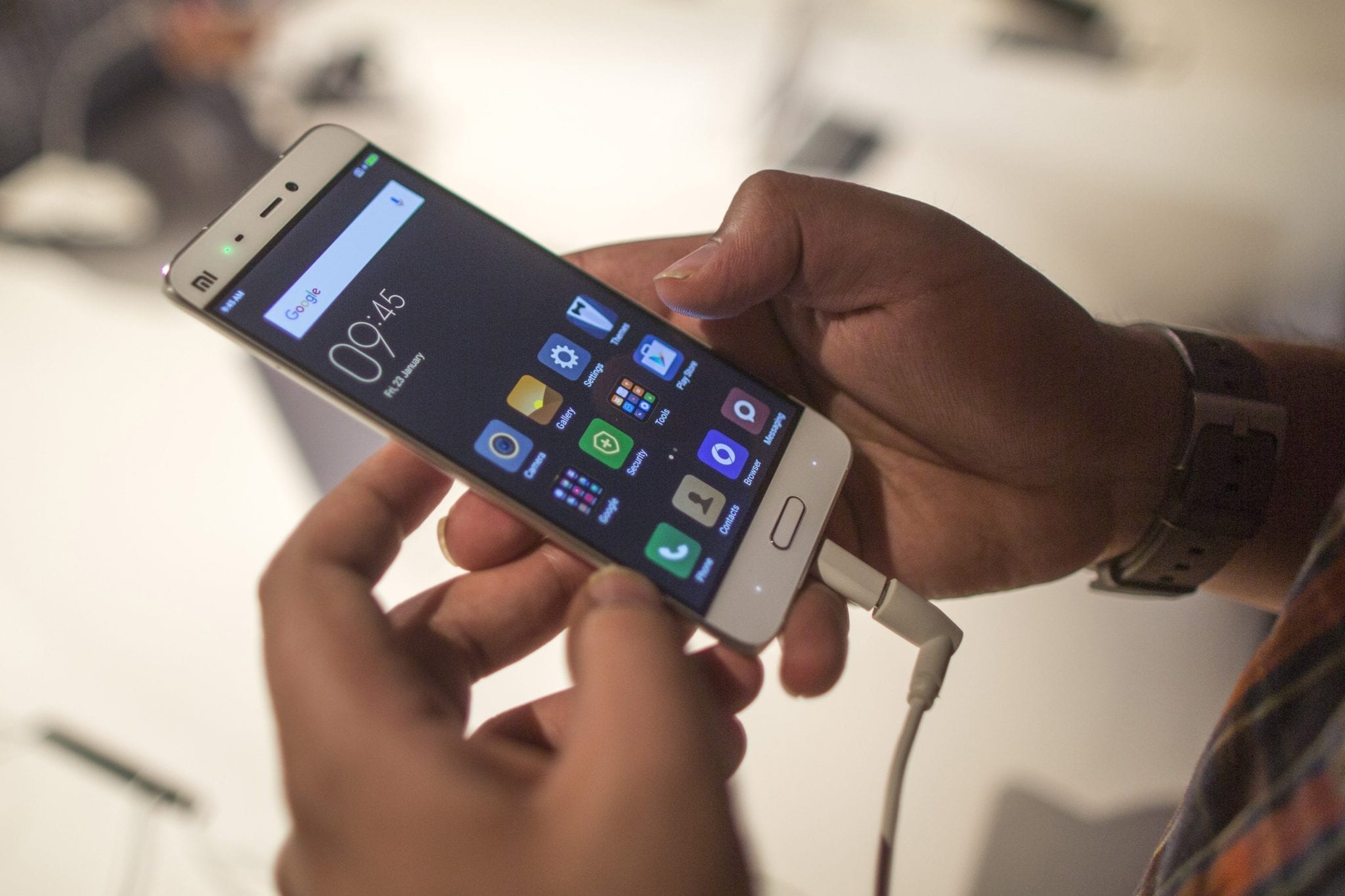
    Meitu and Xiaomi have formed a strategic partnership to jointly launch Meitu-branded phones and other smart devices. The partnership between Meitu – best known for its selfie app – and Xiaomi, a fast-growing technology company with smartphones at its core – will have a far-reaching impact on the brand development of Meitu and Xiaomi as well as the smartphone market as a whole, according to research house IDC. It will allow both companies to expand their customer base and signals a further consolidation in the highly competitive Chinese smartphone market.

    A spokesperson for IDC said that during the last year, Xiaomi has stepped up its efforts to improve the camera capabilities of its products and has done a lot in AI-powered photography research and development. “Leveraging Meitu’s image processing technologies and selfie algorithms will help Xiaomi further boost its AI-powered photography and photo quality and reduce its gap with leading vendors such as Huawei.”

    IDC says Meitu is popular with females which will help draw more women to Xiaomi products which are currently “overrepresented by male users”.

    “Introducing the Meitu brand also enables Xiaomi to offer greater diversity of smartphone products under multiple brands and series, including Redmi, Xiaomi, Black Shark, Pocophone, and Meitu. Xiaomi is gradually forming a multi-brand portfolio targeting different user groups, thereby laying the foundation for it to compete in the market in the long term.”

    The spokesperson said that through Xiaomi’s sales network, Meitu’s software products will reach a larger group of customers via smartphones. “Moreover, licensing its hardware business to Xiaomi allows Meitu to focus on software development and the upgrade of its image processing technologies.”

    And finally, with the top five vendors in China’s smartphone market taking up nearly 83 per cent market share, the growth potential will increasingly diminish for small vendors in areas such as marketing and supply chain resource integration.

    “Going forward, more small vendors are expected to seek strategic cooperation with large vendors and drive consolidation in the China’s smartphone market.”

    Meitu was founded in Xiamen in 2008 as a developer of selfie apps such as MeituPic and BeautyCam, and has been focussed on selfie algorithm development. In 2013, the company ventured into the smartphone market and launched smartphones targeting female users and the selfie market. Despite a higher profit per phone sold and a higher brand premium, the company has become increasingly marginalised in China’s brutally competitive smartphone market due to its meagre shipments.

    According to IDC’s Worldwide Quarterly Mobile Phone Tracker, Meitu only had a mere 0.5 per cent market share in China with shipments of approximately 1.5 million units as of the third quarter of this year.

  • Vingroup to invest in Hanoi smart electronics plant

    Vingroup to invest in Hanoi smart electronics plant

    Vingroup is expected to invest VND1.2 trillion ($51.38 million) in a “Smart Electronics Factory” that will produce smartphones as its first products next year. The project, expected to be operational by the second quarter of 2019, is the first one to be implemented under a cooperation agreement between the Hoa Lac Hi-Tech Park (Hoa Lac HTP) Management Board and Vietnam’s biggest private conglomerate Vingroup.

    According to the agreement, in the period 2018-2020 looking towards 2025, Vingroup will focus its investments on hi-tech manufacturing in the Hoa Lac HTP.

    The corporation will invest in research and development, advanced technology, software, hi-tech industrial manufacturing, housing development, commerce and services in Hoa Lac.

    The first project to be implemented under the agreement will be a “Smart Electronics Factory” in Hoa Lac. Construction will begin as soon as the group’s investment plan is approved by competent authorities.

    The factory will be built on an area of five hectares. Once operational, it is expected to produce 3- 4 million smart electronics products a year, supplying both domestic and international markets.

    Nguyen Viet Quang, vice president and CEO of Vingroup, said that smartphones will be the factory’s first product to debut in the market.

    Minister of Science and Technology Chu Ngoc Anh said the Hoa Lac Hi-Tech Management Board is improving the HTP’s infrastructure, providing the best conditions for investment, and creating a legal corridor to facilitate businesses.

    These efforts are aimed at developing the Hoa Lac Hi-Tech Park into a smart-technology city, he said.

    There are 87 investment licensed projects in Hoa Lac at present with total capital amounting to approximately VND78 trillion ($3.34 billion).

    In 2018 alone, Hoa Lac has welcomed 10 licensed projects with a total registered capital of VND15.86 trillion ($678.74 million).

  • Semen Indonesia Snaps Up LafargeHolcim Unit to Bolster Market Lead

    Semen Indonesia Snaps Up LafargeHolcim Unit to Bolster Market Lead

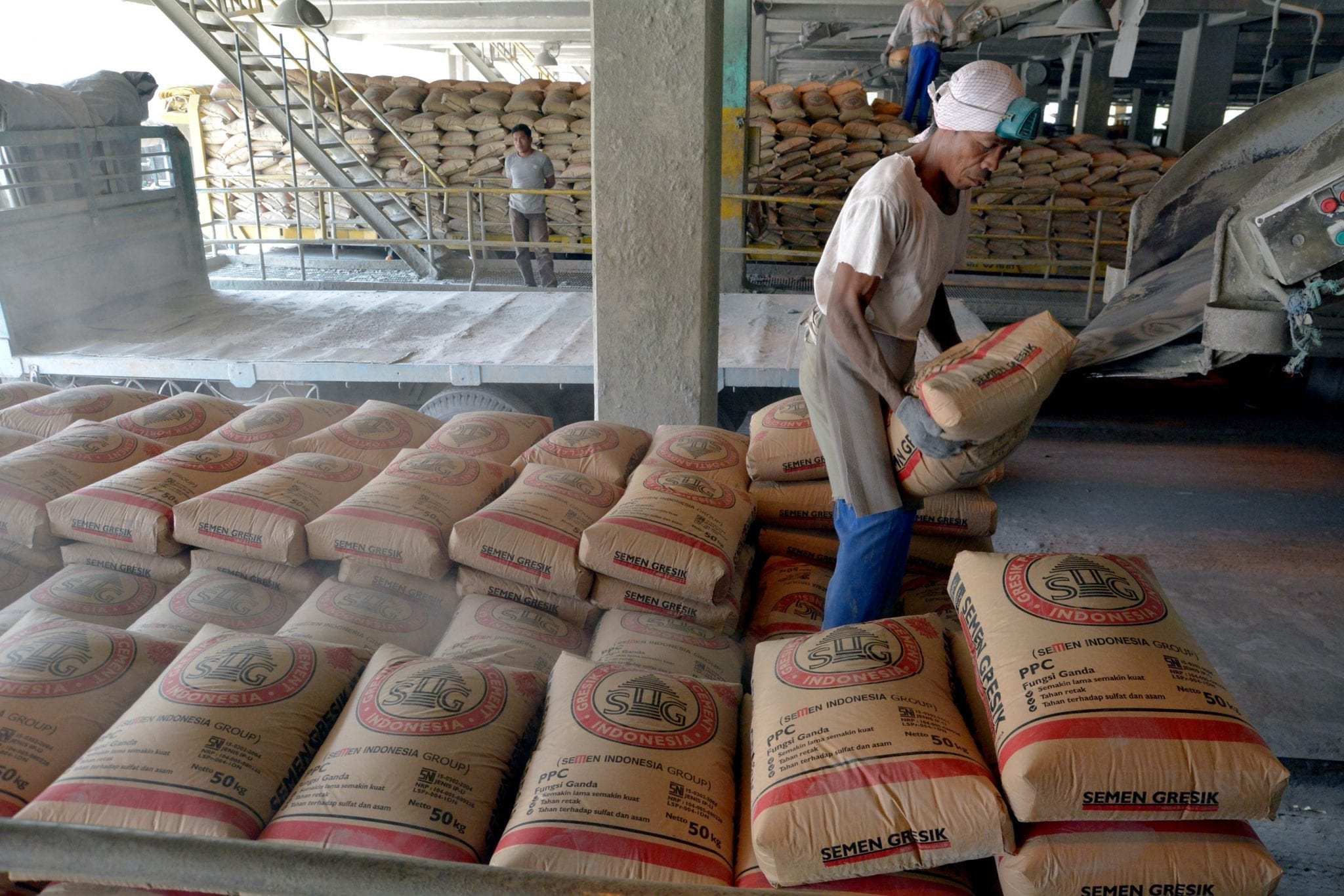
    Cement maker Semen Indonesia is buying the local unit of Swiss rival LafargeHolcim for around $917 million, as it seeks to extend its dominant position in Southeast Asia’s largest market. Semen Indonesia said in a statement it had signed a deal to acquire LafargeHolcim’s 80.6 percent stake in Holcim Indonesia, which is the third-biggest cement producer in the country.

    A fully owned subsidiary of the state firm would launch a mandatory offer for the remaining shares owned by public shareholders, it said.

    “In the competitive environment of the national cement industry, the combination between Semen Indonesia and Holcim will be stronger and larger,” Semen Indonesia president director Hendi Prio Santoso said.

    The company said the acquisition will boost its total cement capacity to 53 metric tons per annum. Analysts say this will give the combined entity a total capacity share of about 50 percent, in a market that has 15 companies.

    Sources familiar with the matter said Malaysian infrastructure company YTL Corp and privately owned Chinese firm Hongshi Cement had also been among the final bidders but the strategic fit with Semen Indonesia helped LafargeHolcim’s Indonesian unit to win the auction.

    The initial round of the auction drew interest from about a dozen companies, including from Japan, the Philippines and other countries, the sources said.

    YTL and Hongshi declined to comment.

    A spokeswoman for LafargeHolcim said it had received strong interest from bidders for its Indonesian business but declined to give details on the parties involved.

    Though President Joko “Jokowi” Widodo’s infrastructure push has fueled a boom in the building of airports, roads and housing projects, an aggressive expansion in the industry and entry of newer players such as Anhui Conch has created excess capacity and a price war in the last few years, analysts say.

    Semen Indonesia has secured financing from local, regional and international banks such as BNP Paribas, said the sources, who declined to be named as complete details of the deal have not been announced.

    “This secures Semen Indonesia’s position as a market leader for many years. Cement prices are improving and there is significantly less new capacity coming,” one source said.

    In an August report on potential consolidation in the Indonesian cement industry, Deutsche Bank analysts said: “A bull-case scenario would be that domestic consolidation reduces the number of players competing in the overcapacity market, supporting higher ASP [average selling prices] and a profitability recovery.”

    “A bear-case scenario would be a prolonged condition in which the industry loses its pricing power due to the new players’ strategy to overtake market share,” the report said.

    Semen Indonesia said the acquisition would give it significantly larger capacity and broader product portfolio and geographical footprint, while LafargeHolcim, the world’s largest cement maker, said in a separate statement that it was selling the business as it reviews its portfolio to improve its financial strength.

    LafargeHolcim’s local unit has four cement plants with a capacity of 14.8 metric tons per annum and 30 ready-mix plants, Semen Indonesia said.

    It was advised by BNP Paribas, while LafargeHolcim was advised by Citigroup.

  • SEA gives struggle to Dairy Farm International

    SEA gives struggle to Dairy Farm International

    “Significant challenges” across the Southeast Asian supermarket business are continuing to test Hong Kong-listed multi-format retailer Dairy Farm International. In a management statement discussing the company’s third-quarter performance – which did not include any figures – Dairy Farm said its businesses produced “mixed results” with a strong performance in health and beauty and good results from home furnishings and restaurants divisions. However, the performance of the Hong Kong supermarkets business has softened.

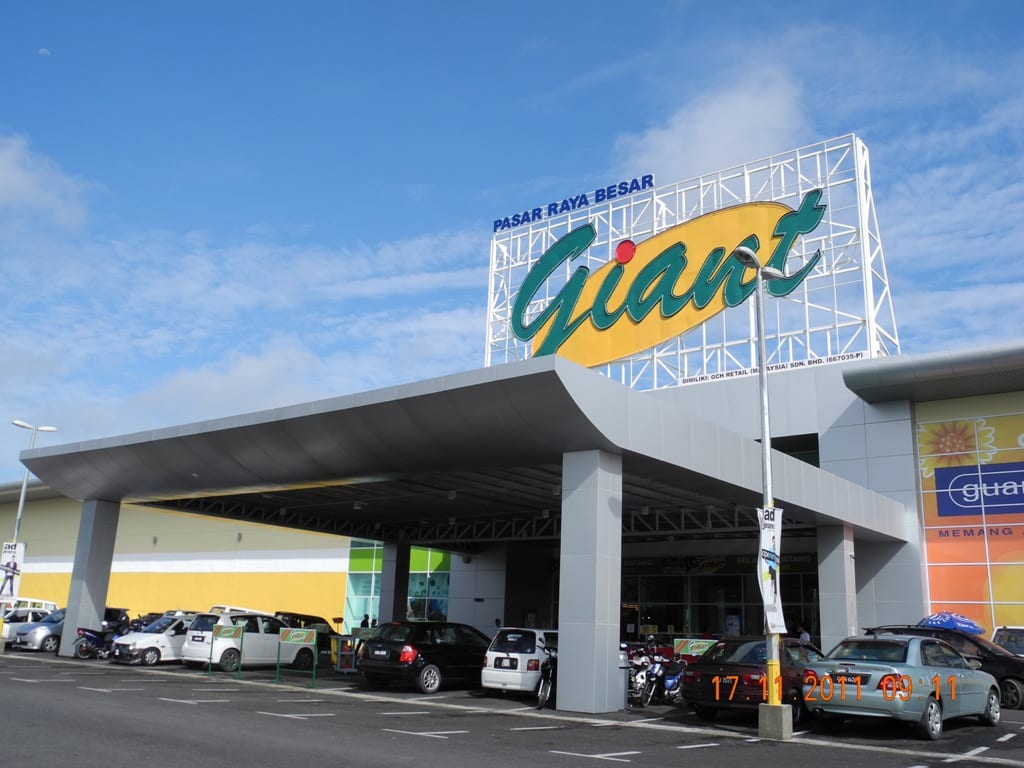
    The company said the Southeast Asian grocery store business – Cold Storage and Giant stores in Singapore and Malaysia – is expected to continue for the remainder of the year with the group’s full year results expected to be impacted by increasing costs from ongoing investment in technology, supply chain infrastructure, stores and people in order to improve the long-term performance of the business. Sales and profits fell in its supermarkets in both countries. Falling sales in Indonesia were mitigated by management action which resulted in reduced losses there.

    In North Asia, sales from the food businesses were slightly ahead of the same period last year, but profits were lower as a result of weakening margins and continued cost pressures, particularly from increased rents.

    However, the health and beauty businesses in Hong Kong and Macau (Guardian stores) delivered “strong sales and profit growth”.

    The Philippines food business showed good sales growth, benefitting from the opening of several new stores, but profit was slightly behind the prior year due to increased operating costs. There was continuing good sales and profit improvement in the group’s health and beauty businesses, notably in Malaysia and Indonesia.

    Ikea’s sales and profits were ahead of last year in Taiwan and Indonesia. In Hong Kong, sales were higher, supported by the new store which opened last year; however profits were lower as a result of higher operating costs.

    In Hong Kong, Maxim’s delivered another record-breaking mooncake sales performance during Mid-Autumn Festival, which was earlier than last year, and helped drive sales and profit higher during the period. Supermarket Yonghui reported strong sales growth in the quarter but profit was lower than the prior year due to investment in new formats and the additional costs of the new employee incentive scheme.

    Approval was received from the Philippines Competition Commission in August for the combination of Dairy Farm’s Food business in the Philippines with Robinsons Retail Holdings, with completion expected to take place within weeks.

    In early October Dairy Farm agreed to acquire the remaining 51 per cent interest in Rose Pharmacy in the Philippines, which is now subject to regulatory approvals.

    Dairy Farm, together with its associates and joint ventures, operate more than 7400 outlets, including supermarkets, hypermarkets, convenience stores, health and beauty stores, home furnishings stores and restaurants – employing more than 200,000 people. Total sales last year exceeded US$21 billion.

  • Will Bangladesh’s garment industry survive?

    Will Bangladesh’s garment industry survive?

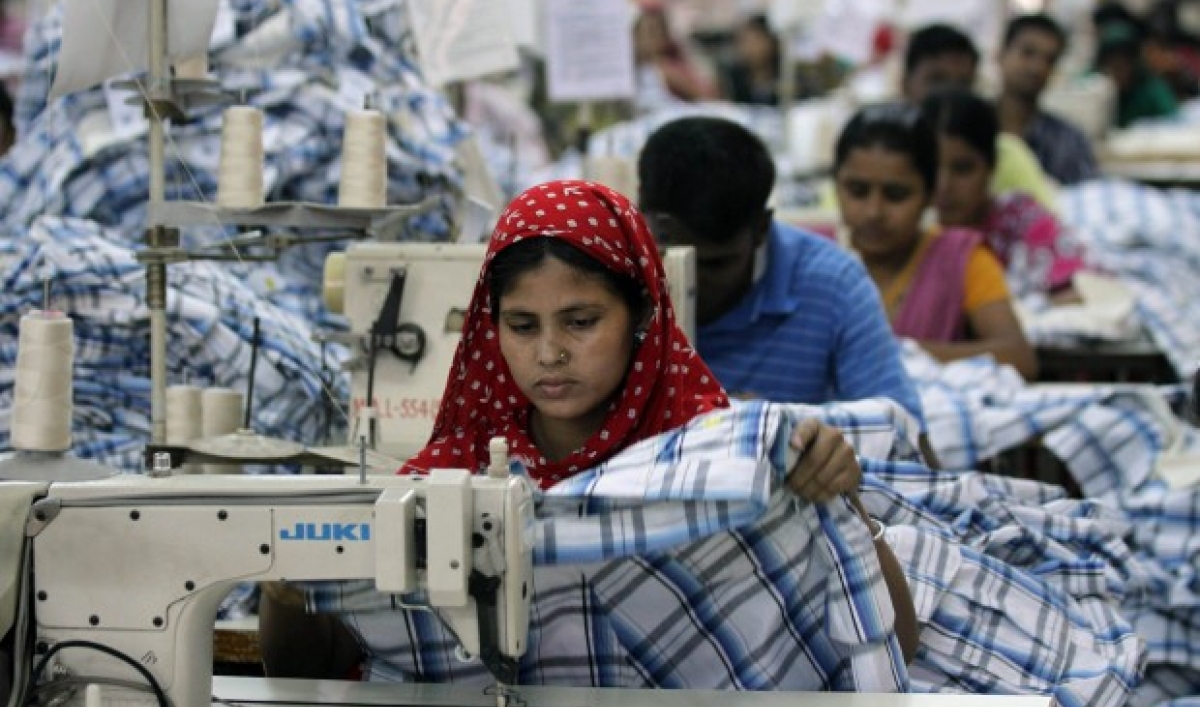
    Bangladesh is battling to keep its position as the world’s second-largest exporter of clothing after China, as it faces intensifying competition from Cambodia, Vietnam, Myanmar and now African countries like Ethiopia as global brands search for cheap labor.

    H&M, for instance, imports from an Ethiopian clothing factory it set up with Bangladeshi garment maker DBL.

    Japan’s Fast Retailing, operator of the Uniqlo casual clothing chain, is also eyeing a production base in the African country. Fast Retailing declined to comment for this story.

    The competitive pressure has sparked consolidation of what was once a mom-and-pop industry, reducing the number of factories 22% in the last five years to 4,560, according to the Bangladesh Garment Manufacturers & Exporters Association.

    Those who have survived gain market share, expand overseas and aim to go public.

    The industry is an engine behind the country’s more than 6% annual growth over the past decade.

    In the year ending in June, garment exports totaled $30.6 billion, up 8.8% and accounting for 83.5% of the country’s total exports, according to BGMEA.

    The country also increased its share of global clothes exports to 6.3% in 2016 from 4.0% in 2010, according to World Trade Organization data.

    But compared with China, which has a share of 34.5%, it is still a distant second along with countries like Vietnam, Italy and India.

    Labor in Bangladesh is still cheap.

    The average monthly wage is just $101, compared with $135 for Myanmar, $170 for Cambodia, $234 for Vietnam and $518 for China, according to surveys on select cities conducted by the Japan External Trade Organization between December 2017 and March 2018.

    But there are countries with even lower wages, such as Ethiopia with a monthly average wage of $50.

    Labor costs are rising across Asia, and Bangladesh is no exception.

    With general elections looming in December, the ruling Awami League has approved a 51% wage hike for garment workers, a decision that is weighing on the country’s garment industry.

    Companies operating in special economic zones, such as Universal Menswear, typically offer a 10% wage increase every year.

    But in election years, which come every five years, the government tends to promise more generous pay hikes.

    This has put the industry in a bind, as their Western customers, faced with online competition from Amazon and others, are demanding that prices be kept under control.

    Cost increases are not limited to labor.

    Garment makers in Bangladesh have been forced to make major investments in building safety, following a factory fire that killed 117 in November 2012 and the collapse of another known as Rana Plaza in April 2013, which left more than 1,100 dead. Since then, Western brands will not buy from Bangladeshi suppliers unless they are certified to be in compliance with stringent fire and building safety regulations.

    Factories in Bangladesh have grown in a haphazard fashion, some even operating on the upper floors of office or residential buildings.

    Western apparel makers feel more secure buying from countries like China and Vietnam, where manufacturing is better planned and organized.

    Today, most of the first-tier export-producing factories have been assessed for risk and have been improved or are in the process of being brought to a comfortable standard.

    A survey by McKinsey & Co. in 2013 found Bangladesh the No. 1 alternative to China as a manufacturing location.

    ILO’s Putiainen also says that Bangladesh could benefit as production leaves China due to cost and the U.S. trade dispute.

    But he added that global apparel brands will remain vigilant about the factory conditions in Bangladesh.

    Following the Rana Plaza accident, Ananta faced more price pressure from its customers, who demanded discounts in exchange for continuing to do business.

    That is one reason why Ananta, originally a jeans maker, is so keen to diversify into higher value-added items, such as men’s suits and lingerie.

    The strategy seems to be working. Annual sales have grown 20% to 30%. Sales in the current business year are projected at $300 million, up from $250 million in the previous year. Ananta aims for $1 billion dollars in sales within the next seven years.

    DBL, another Bangladeshi garment maker with an annual turnover of $450 million, is also branching out into sports wear and lingerie, according to company head M.A. Jabbar.

    DBL currently handles only cotton fabric, but “in the coming days, we are looking at man-made fiber,” Jabbar said.

    DBL is also adding upstream processes, such as spinning, dying, printing, fabric washing and embroidery production.

    Most garment makers in Bangladesh specialize in knitting operations, with fabrics and accessories imported mostly from China. With materials costs accounting for 65% to 70% of an item’s selling price, profit margin is razor-thin.

    “If Bangladesh focuses on the knitting business, it will eventually lose to even lower-cost producers like Ethiopia,” predicts Yoshiaki Kamiyama, senior researcher at the Japan Textiles Importers Association.

    “It has to innovate. It has to develop expertise other than just knitting.”

  • Automaker Mitsubishi eyes full-scale production in Vietnam

    Automaker Mitsubishi eyes full-scale production in Vietnam

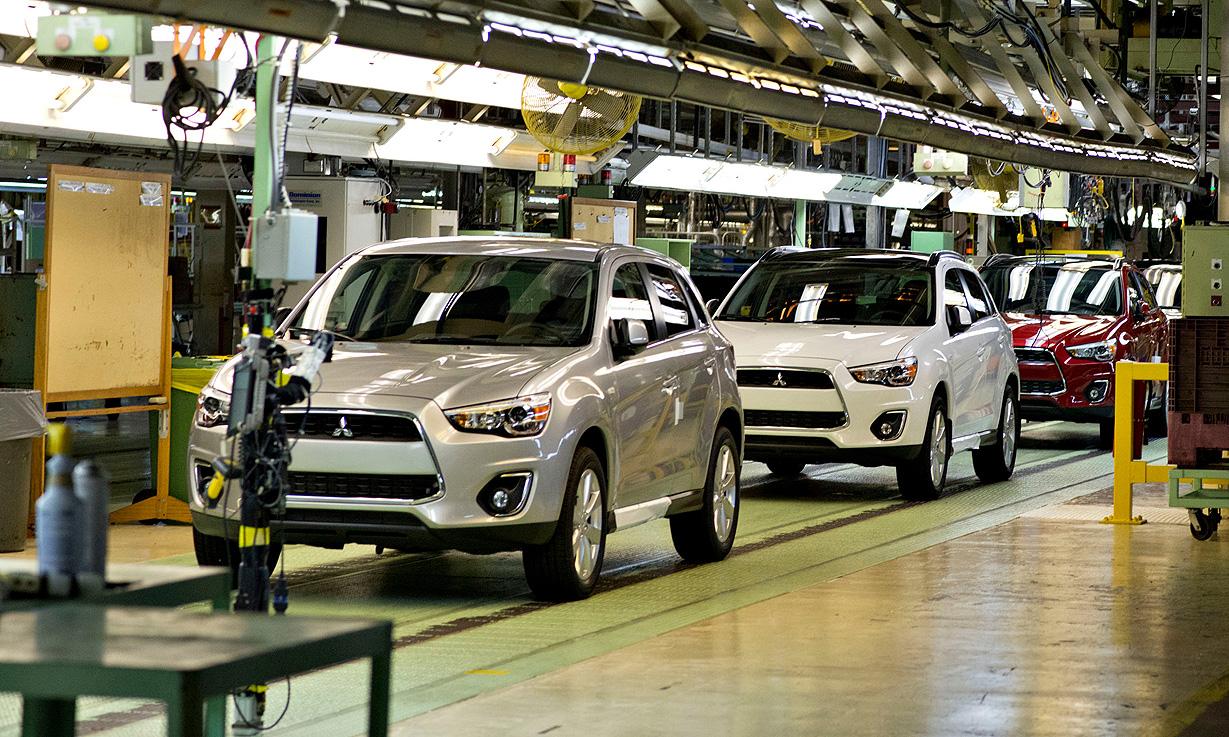
    Japanese automaker Mitsubishi Motors plans to expand its Vietnam operations by moving to full-scale production of parts within the country. The company’s CEO Osamu Masuko said at the global launching ceremony of the Mitsubishi Triton pickup truck in Bangkok that sourcing materials in Vietnam would let the company handle more upstream processes for components.

    “To be a true winner, we must develop production and exports to certain levels in each country,” Masuko said.

    He added that the Vietnamese operations will not simply be limited to assembling modules in a “knock-down kit” production method, referring to the method of manufacturing parts in one country and shipping them to another.

    The ASEAN region is the largest and most profitable market for Mitsubishi Motors, the company said in its annual report for fiscal 2017. Sales in the region went up by 33 percent last year to 275,000 units, while revenue from the region jumped 45 percent for the year to 506.2 billion yen ($4.45 billion).

    In Vietnam, Mitsubishi currently has an assembly plant in the southern province of Binh Duong with a capacity of 5,000 vehicles per year.

    It plans to increase production by having a second plant in the country by 2020, with a capacity of 30,000-50,000 vehicles per year.

    In the first nine months this year, a total of 230,958 automobiles were sold in Vietnam, according to Vietnam Customs. This figure could reach 300,000 by the end of this year, it added.

  • Chinese white goods company Midea announces Rs 1,350 crore new plant in India

    Chinese white goods company Midea announces Rs 1,350 crore new plant in India

    Chinese consumer durables firm Midea aims to manufacture its products locally in the country by next year and is setting up a new facility in Pune at an investment of Rs 1,350 crore. “India is a strategic growth market and we expect our investments in this market to yield good growth. Considering the potential of the market we have committed over Rs 1,350 crore investment for a new facility,” Krishan Sachdev, Managing Director of Carrier Midea India and also Midea Group India region, told PTI.

    “We have a manufacturing facility at Bawal in Haryana and we are strengthening our base here with a second plant in Pune. By next year, 100 percent of our products shall be manufactured locally,” he further told PTI.

    According to a report: He further said that the company is evaluating prospects of exports from India.

    The new facility near Pune, with a technology park, will have three manufacturing units for home appliances, HVAC products and compressors and will also include a manufacturing facility for Carrier Midea India, a 60:40 joint venture between Midea and Carrier.

    The complex is likely to begin commercial operations at the beginning of 2020 and the technology park is expected to generate employment opportunities for over 2,000 people, both directly and indirectly.

    Over a period of five years, the facility will produce refrigerators, room ACs, washing machines, water purifiers, water heaters, commercial ACs and compressors.

    The company, which has been growing at a CAGR of 25 per cent over the last five years, said plans for manufacturing other home appliances categories in a phased manner have been completed.

    Sachdev further said the rupee depreciation has had an impact on their business.

    “Even though we manufacture 70-80 per cent locally, production cost has gone up because some of the components are imported,” he said.

    The company is expecting a good festive season this year with 25 per cent growth and by next year it plans to have IoT enabled product solutions for this market.

    South and East are the leading markets for the company, contributing significantly to the business, while non-metros contribute 30-40 per cent of the overall revenue.

    Midea India plans to double its footprint across the country.

    “For the RAC, which is the refrigeration and air conditioning category, and which contributes 80 per cent of revenues), we are targeting to be in around 5,000 retail outlets before next summer apart from 800 plus sales and service dealers.

    We are constantly looking to expand our reach to consumers. We are already present in more than 400 cities and towns of India,” he further said.

  • Arvind India Q2 profit rises 16 pc to Rs 75 crore

    Arvind India Q2 profit rises 16 pc to Rs 75 crore

    Textile and apparel player Arvind Ltd on Thursday reported a 16.38 percent increase in its consolidated net profit to Rs 75.08 crore for the second quarter ended September 2018. According to a report: The company had posted a net profit of Rs 64.51 crore in the July-September period a year-ago, Arvind Ltd said in a BSE filing.

    Total income during the quarter under review stood at Rs 1,815.98 crore, up 12.85 percent, as against Rs 1,609.10 crore in the corresponding quarter of the previous fiscal.

    Total expenses stood at Rs 1,723.27 crore as against Rs 1,540.08 crore, up 11.89 percent.

    Meanwhile, the company said that as NCLT has approved the scheme of demerger for its branded apparels and engineering businesses, “the reported financial statements reflect figures for continuing businesses only”.

    “Pending receipt of order and other conditions precedent in the Scheme, the Group has considered the business of Engineering and Branded Apparel Undertaking as ‘Discontinuing Operations’,” the company said.

    Arvind’s net profit for the period from continuing operations rose to Rs 56.10 crore as against Rs 48.48 crore earlier.

    Net profit after tax from discontinuing operations was at Rs 18.98 crore as compared to Rs 16.03 crore.

    “The effective date of demerger and record date for allotment of shares is likely to be end of November,” it added.

  • LG Electronics launches new design

    LG Electronics launches new design

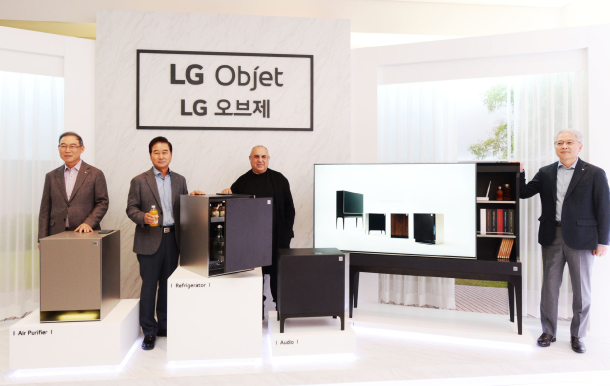
    LG Electronics has introduced a premium brand that combines furniture design with home electronics. The company rolled out four products under the LG Objet name at a press conference held Thursday in Gangnam District, southern Seoul: a mini refrigerator, an air purifier, a speaker and a television.

    “The thing about home electronics is that they are placed mostly in kitchens or living rooms but rarely inside bedrooms,” said Song Dae-hyun, LG’s president for home appliances. “Bedrooms, on the other hand, only have furniture, so in the last few years, we thought about ways to make home electronics coexist in that space.”

    All four items are covered with hard wood.

    Another way in which LG worked to make the appliances look more like furniture was to reduce the size of external features typical to electronic devices, like buttons or small screens. They are simplified or hidden in less visible areas of the product. An exception is the television, with its 65-inch screen, but LG added a furniture-like touch to it by placing a cabinet behind a sliding television screen.

    The fridge and the air purifier won Red Dot and iF design awards. Architect and industrial designer Stefano Giovannoni was involved in the development of the products.

    In terms of function, LG utilized technology to make the devices more appropriate for bedrooms.

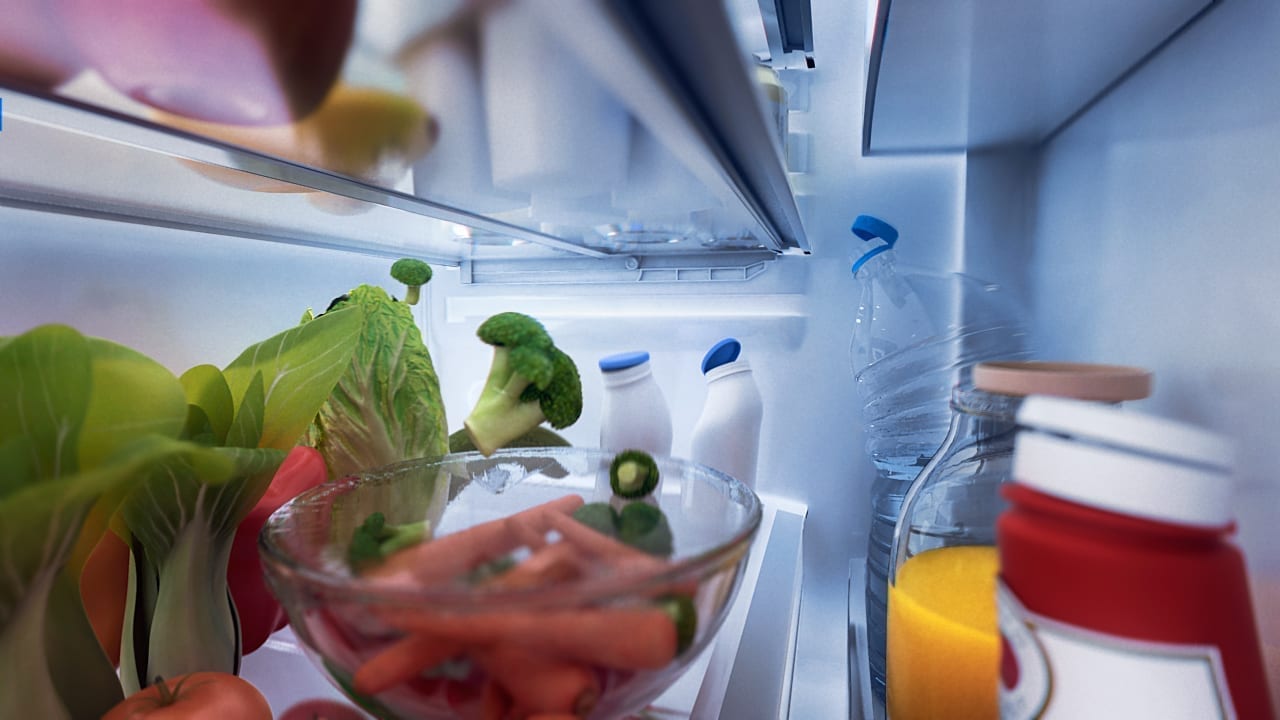
    A compressor is a core component in a refrigerator, and it tends to be noisy. LG Objet’s refrigerator utilizes the type of cooling found in wine cellars to make the product quiet.

    For customers using the refrigerator or the air purifier as a bedside table, LG enabled a corner of the top surface to work as a wireless charger for portable devices.

    Song said during the press conference that he believes affluent customers in their 50s and 60s with strong purchasing power will be a source of demand as they look for ways to decorate their private spaces.

    The refrigerator and the air purifier are priced at 1.99 million won ($1,760); the speaker, 1.49 million won; and the television, 9.99 million won. The products were made available for sale at LG Best Shops starting Thursday.

    This is LG’s second high-end home appliances brand after the LG Signature series, introduced in 2016. Apart from sales, the other goal of LG’s premium product expansion is to maintain a leadership in the sector.

  • Make Vietnam your largest strategic base, PM urges Samsung

    Make Vietnam your largest strategic base, PM urges Samsung

    PM Nguyen Xuan Phuc has suggested that Samsung expands its scale to make Vietnam the group’s largest strategic base. Receiving Lee Jae Yong, vice chairman of Samsung Group, in Hanoi on Tuesday, Phuc said Samsung should not just stop at making Vietnam its largest smartphone production base.

    He suggested the South Korean giant expands its business to other major fields like semiconductors, infrastructure and energy in Vietnam rather than focusing mainly on manufacturing and assembling electronic products, as it has been doing so far.

    A statement posted on the government’s website cited the prime minister as saying that Samsung should work towards building its largest strategic base in the country.

    He also wanted Samsung to continue providing practical support in terms of training and technology transfer to assist Vietnam’s supporting industry.

    As Samsung is making a significant contribution to developing e-government in South Korea, the PM suggested it does the same for Vietnam.

    He promised that the Vietnamese government will keep creating favorable conditions for Samsung’s operations in the country.

    Samsung Electronics Co. has invested $17.3 billion in eight factories and one research and development center in Vietnam, creating jobs for more than 160,000 locals.

    Exports from Samsung Electronics’ factories in Vietnam totaled $54 billion last year, it said.

    In April, CEO Koh Dong-jin of Samsung Electronics told PM Phuc that the company was determined to further expand production in Vietnam.

    He said Samsung will recruit more Vietnamese employees and develop electronics in smart cities in Bac Ninh province in the northern region and other places.

    Samsung is the largest foreign investor in Vietnam and accounts for around a quarter of the country’s total export revenue. It operates two cellphone factories in Bac Ninh and Thai Nguyen provinces in northern Vietnam.

    The factories produce around half of all the cellphones that Samsung supplies to the global market.

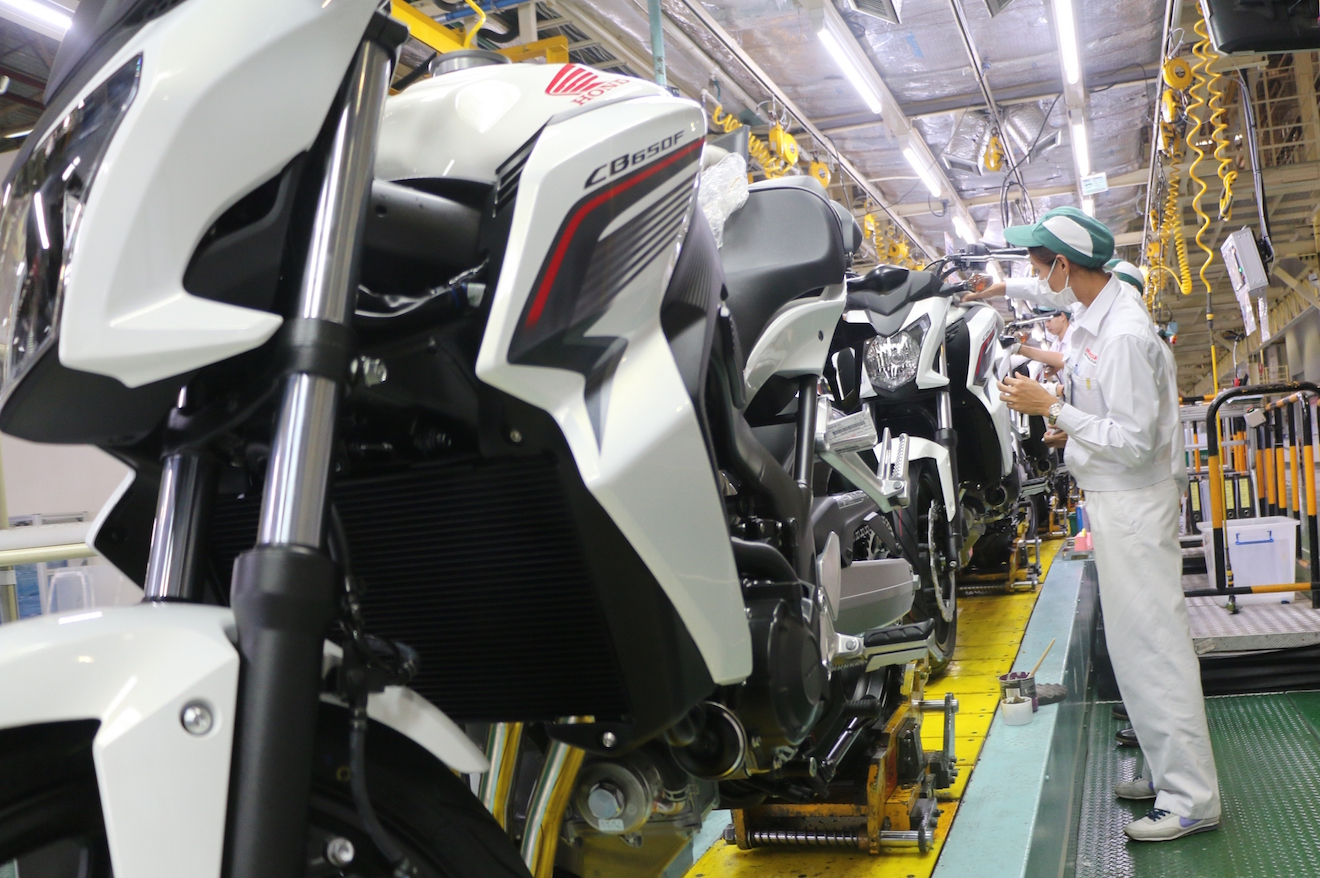
  • Honda raises forecasts on solid motorbike sales

    Honda raises forecasts on solid motorbike sales

    Japan’s Honda Motor said Tuesday it was raising annual forecasts after first-half profits rose over 19 percent on motorcycles sales in Asia. Japan’s third largest automaker now expects net profit to reach 675 billion yen ($6 billion) for the fiscal year ending March, down from last year but a still an increase from its forecast last quarter.

    It also revised up annual sales to to 15.8 trillion yen.

    The company said it was seeing strong growth in the sales of motorbikes in Indonesia, Vietnam and other Asian countries, and touted cost-cutting efforts.

    It said net profit in the April-September period was up 19.3 percent to 455.1 billion yen while operating profit jumped 21.7 percent to 513.9 billion yen.

    Sales rose 5.0 percent to 7.87 trillion yen.

    “Honda enjoyed strong sales of motorcycles… This offset the negative impact of floods in Mexico on its production,” Satoru Takada, an analyst at TIW, a Tokyo-based research and consulting firm said ahead of the results.

    Honda was forced to temporarily halt operations at its largest auto factory in Mexico due to floods in June, and said at the time that it would lose 50 billion yen as a result.

    Japanese automakers remain on edge over talk of U.S. tariffs, though immediate action by Washington has been put off for now.

    “Japanese carmakers are also bracing for the impact of U.S. trade disputes with other major economies,” Takada said.

  • Fair to screen startup hosted by LG

    Fair to screen startup hosted by LG

    Technology-related subsidiaries of LG hosted a fair on Monday in which 20 local start-ups presented their cutting-edge developments in areas such as autopilot technologies, artificial intelligence and big data. The small firms are seeking partnerships with and support from the fourth-largest conglomerate in Korea.

    LG picked the start-ups jointly with the Korea International Trade Association (KITA), hoping to revitalize local start-up ecosystem.

    The conglomerate is providing a venue for the fledgling firms to mingle with their larger counterparts and find new business opportunities.

    LG subsidiaries participating in the event include LG Electronics, LG Display, LG Innotek, LG Chem, LG U+ and LG CNS.

    Executives and researchers from those companies as well as KITA CEO Kim Young-ju paid a visit to the start-up fair, which took place at the LG Science Park in Magok, western Seoul, and had a closer look at technologies and services featured.

    Funnel, for instance, has developed a voice-recognition system that automatically collects information from television broadcasts. The resulting database can be used for artificial-intelligence smart speakers and voice-command chat bots.

    Venta VR owns a technology that is able to tape high-resolution 3D videos and calibrate the video images afterwards in a way that enhances the level of immersion and minimizes visual fatigue.

    LG will offer some of the participating start-ups office and research space inside the LG Science Park as well as technology-related consulting and funds.

    Companies under the LG umbrella have been increasing support for start-ups.

    LG Electronics is backing four start-ups that are in the web operating system business, whereas LG CNS and LG Display have been running their own programs.

    LG-led tech fairs aimed at locating and supporting promising local start-ups have been held in the United States, Germany, Israel and Russia.

    With a German start-up discovered during a tech fair in Europe, LG developed a linear compressor technology for refrigerators.

    LG says it will apply the cooperation system it developed overseas to Korean start-ups and smaller companies.

    “Future cooperation with start-ups will propel their global outreach,” said an executive at the LG Science Park.

  • LG Chem to build China facility

    LG Chem to build China facility

    LG Chem said Tuesday that it will invest 2.1 trillion won ($1.8 billion) by 2023 to build electric vehicle batteries in China in the latest move to meet growing demand for batteries for zero-emissions cars. Korea’s top chemical company said it has broken ground on a three-story plant on the 198,300-square-meter (49 acre) site in Nanjing in southeastern China.

    The plant is set to roll out electric vehicle batteries that can power more than 500,000 electric vehicles. The first phase of production is set to begin late next year.

    An electric vehicle equipped with LG Chem batteries can travel about 320 kilometers (198 miles) on a single charge, according to LG Chem.

    LG Chem Vice Chairman and CEO Park Jin-soo said the second plant in China will allow the company to better meet rapidly growing global demand.

    LG Chem has another electric vehicle battery plant in Nanjing. It also operates electric vehicle battery plants in Korea, the United States and Poland.

    The electric vehicle battery market has been on the rise as automakers around the world race to go electric due to tightened regulations on greenhouse gas emissions, which scientists say are to blame for global warming.

    Currently, LG Chem is a key supplier of batteries to U.S. auto giant General Motors, Volvo and Renault, as well as Korea’s largest carmaker, Hyundai Motor, and its smaller affiliate, Kia Motors.

  • Hyundai brings wearable robotics to factories

    Hyundai brings wearable robotics to factories

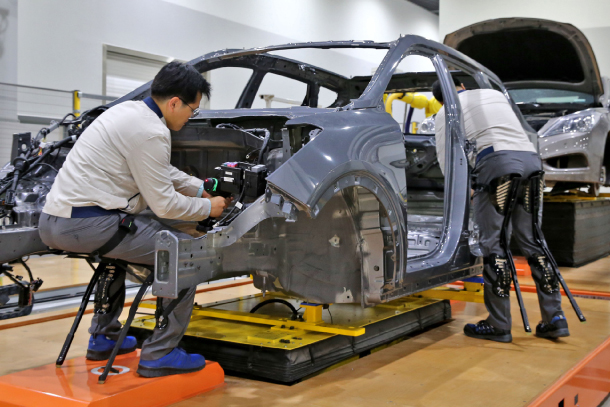
    The Hyundai Motor Group will expand the use of wearable robots at its facilities as it works to make robotics a major source of revenue, the company said Monday. Since September, Korea’s largest automaker has been testing the Hyundai Chairless Exoskeleton (H-CEX) at its North American factory. The H-CEX is an assistive robot for workers who have to stay in a seated position throughout the day. By the end of this year, the carmaker will introduce the Hyundai Vest Exoskeleton (H-VEX) at the same facility.

    The H-CEX, the first wearable developed by Hyundai for use at production sites, reduces the use of waist and lower body muscles by 80 percent, reducing the fatigue that results from being in the same seated position for a long period of time, Hyundai said in statement. The soon-to-be introduced H-VEX exoskeleton is for workers in jobs that require a lot of arm lifting. The machine vest will support the upper body and protect neck and shoulder muscles.

    “By expanding test applications, we hope to prove the technological effectiveness of our wearable robots,” Hyundai said in statement.

    The two exoskeletons were developed by Hyundai’s robotics team, established in May after the company named robotics as one of its five pillars for the future.

    The team is preparing to launch other robots focusing on three main areas: wearables, service robots and mobility robots.

    Hyundai is gearing up to test a hotel robot capable of providing room service and guiding guests. It will be introduced at the Haevichi Hotel & Resort on Jeju Island and at the Rolling Hills Hotel in Hwaseong, Gyeonggi, from the end of this year.

    A car-selling robot with natural language conversation capabilities and artificial intelligence will be prototyped by early next year. By 2020, the automaker plans to introduce a robot that can autonomously charge electric vehicles at charging stations.

    “We believe that robotics could be a solution not only for mobility but also for production in areas suffering from population decline,” a spokesperson for Hyundai said. “We plan to make notable achievements in robotics using technological data we have accumulated while developing autonomous cars.”

    Hyundai is not the only automobile maker bringing exoskeletons to assembly lines. U.S. automaker Ford has tested EksoVest, an upper-body assisting wearable jointly developed with Ekso Bionics. It was introduced at two U.S. factories in November last year. Ford announced in August a plan to bring the robot to 15 plants globally.

    German automakers BMW and Audi are also developing wearable aids for factory workers.

    According to market tracker BIS, the world’s wearable robot market is due to grow by 50 times from $96 million in 2016 to $4.65 billion by 2026.

  • Vietnam labor unions, businesses remain locked in minimum wage dispute

    Vietnam labor unions, businesses remain locked in minimum wage dispute

    The National Salary Board met for the second time this month to discuss whether or not to raise the minimum wage of Vietnamese workers next year.

    The previous meeting had failed to reach an agreement.

    On Thursday, the Vietnam General Confederation of Labor (VGCL), which represents the laborers, repeat its demand for an eight percent increase in minimum wage, or by VND220,000-330,000 ($9.4-14.6) per month, depending on the area.

    This increase will meet 95 percent of laborers’ living costs, it said.

    However, the Vietnam Chamber of Commerce and Industry (VCCI), which represents businesses, disagreed, saying there should be no increase in minimum wage next year.

    Most business associations in the country don’t agree with the proposal to increase minimum wages next year, said Hoang Quang Phong, vice chairman of the VCCI.

    One of the reasons the two organizations have not been able to come up to an agreement is that they have different methods of determining minimum living costs, said Ngo Duy Hieu, head of the Department of Labor Relations under the VGCL.

    In order that Vietnamese laborers get a minimum wage that completely covers their minimum living costs, there should be an increase in their remuneration over the next two years that is suitable for businesses but also matches the contribution of laborers, he said.

    VGCL recently published a study on minimum wage and cost of living after surveying over 3,000 laborers in 150 different businesses in the country.

    26.5 percent said they were “barely getting by,” while 12.5 percent said their incomes were not enough to support their families, and have to work overtime or extra jobs to make ends meet.

    The study found that an average worker’s minimum spending is VND6.5 million ($290) each month, while the average base salary is just VND4.6 million.

    Thus laborers need to work on average an extra 28 hours a month just to make ends meet, the study found.