Retail News CRM

Tag: factory

  • Auto industry revs up industrial real estate in Vietnam

    Auto industry revs up industrial real estate in Vietnam

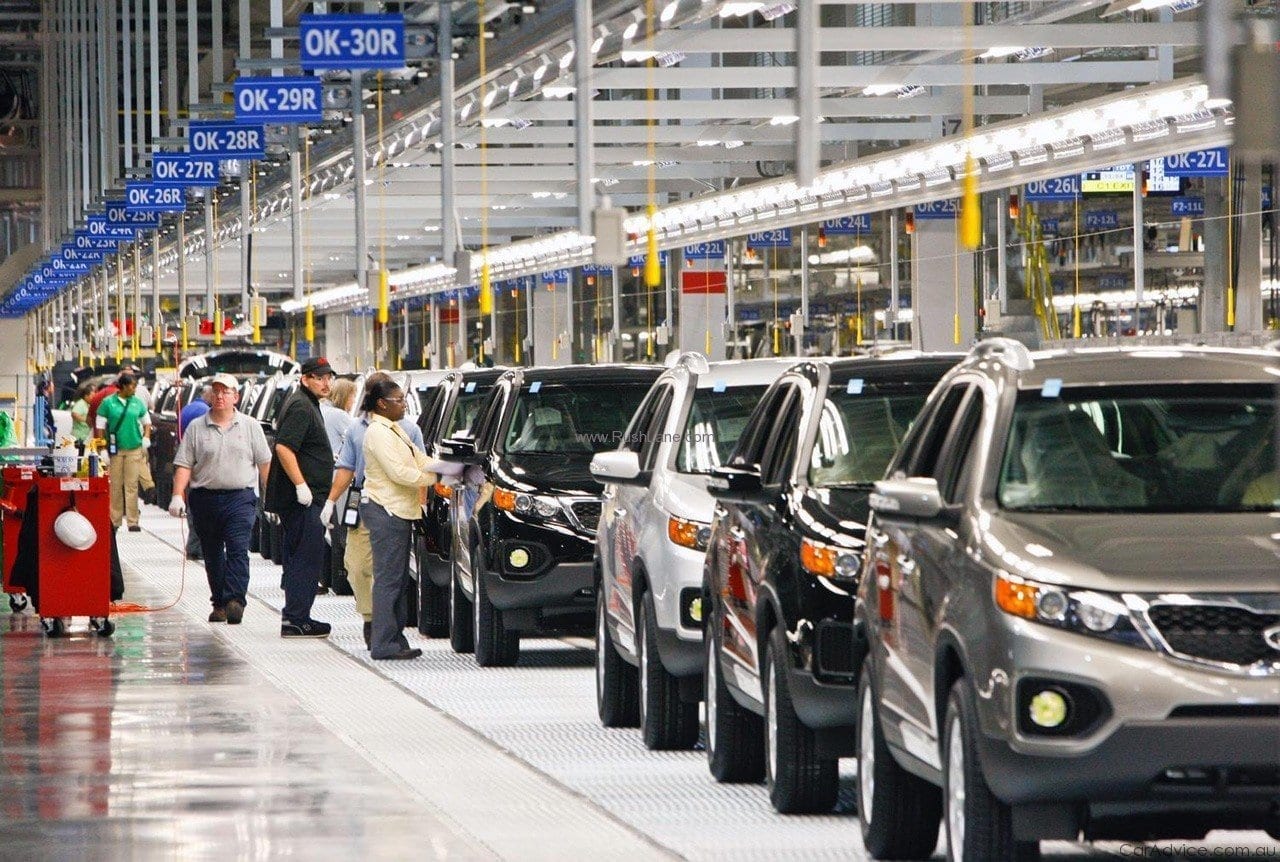
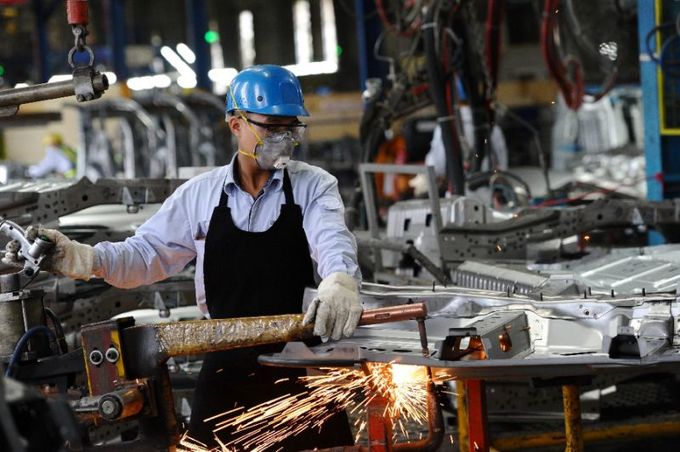
    Industrial real estate developers have been reaping the benefits of the investment surge into Vietnam’s automobile industry. Over the past three years, auto producers from Europe, the U.S. and Asia have been increasingly renting out industrial space and manufacturing facilities in Vietnam, giving real estate developers a significant boost.

    This is the conclusion drawn by a recent report by real estate service firm CBRE Vietnam which evaluates the impact of growth of the Vietnamese automobile industry on the industrial real estate market.

    The report notes that Camoplast Solideal from Luxembourg has rented 70,000 square meters of land to open a tire factory, and Schaeffler from Germany, 55,000 square meters to develop production facilities.

    Mercedes from Germany has rented 5,500 square meters of land to open a distribution center, while Bentley from the United Kingdom has rented 5,000 square meters for a showroom and service center.

    Yazaki of Japan has rented 39,000 square meters for electric car cable production, and Mogul Federal from the U.S. 5,000 square meters to make seats.

    The CBRE report says that although Vietnam’s car manufacturing sector may be behind some other ASEAN countries, the consolidation of cleared land allocated for automobile production is increasing.

    For both foreign and domestic producers, manufacturing facilities are mainly clustered in the north. Auto producers tend to choose this area to rent industrial land, the CBRE report says.

    Due to higher demand for industrial land, rentals have increased, recently.

    At an industrial park in southern province of Dong Nai, the price to rent industrial land for long-term leases of up to 50 years reached $90 per square meter last month, up from $60 to $70 last year.

    The average rent of industrial land in northern Vietnam hit $82 per square meter per lease term in Q3, an increase of nearly 9 percent compared to Q1, according to a report by real estate service firm Jones Lang LaSalle (JLL).

    Hanoi’s average rents increased significantly to $137 per square meter per lease term, the highest in the north, driven by limited supply.

    There are only 358 businesses in the auto industry in Vietnam compared to 2,500 in Thailand, according to the Ministry of Industry and Trade, and observers have said that the potential for growth is high.
  • Supporting industry should be a major priority: PM Vietnam

    Supporting industry should be a major priority: PM Vietnam

    Vietnam needs to make its supporting industry a production base for the global manufacturing chain, PM Nguyen Xuan Phuc says. “Vietnam should become a production base for multinational companies. This is what the Ministry of Industry and Trade and other government bodies should think about in their development strategy,” Prime Minister Nguyen Xuan Phuc said Wednesday.

    He was speaking at the conference on “Solutions for Promoting the Development of Supporting Industry in Vietnam,” held in Hanoi.

    He said that Vietnam should strive to compete in regional and global markets, manufacturing parts for cars, motorbikes and even airplanes.

    The government has always been prioritizing land access for the supporting industry, and has never said no to any such request, Phuc said.

    Supporting businesses should speed up and start operations earlier, Phuc said, adding that there were firms in the industry that could finish clearance and lay their foundations in just three months, while some have left things hanging for as long as three years.

    The supporting industry in Vietnam remains weak, having to import nearly 90 percent of raw materials, spare parts and components needed for production, according to the Ministry of Industry and Trade.

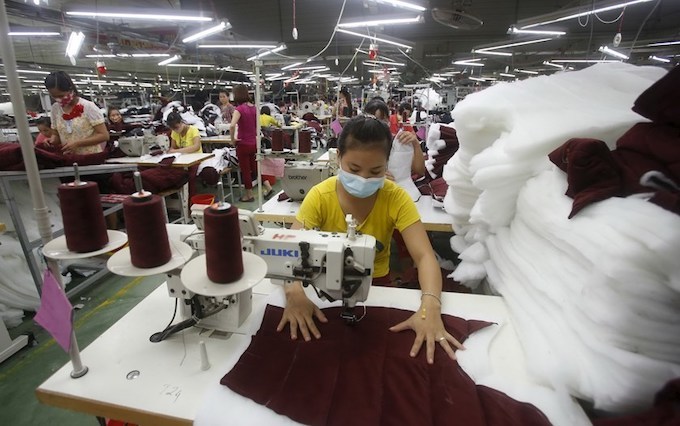
    This means a low localization rate, even in industries with great supporting industry potential, like automobiles and textiles and garments, it said.

    Minister of Industry and Trade Tran Tuan Anh said at the conference that only 300 supporting firms were currently part of the supply chain for multinational companies. As of last year, Vietnam had 75,000 manufacturing firms.

    The number of new businesses in this sector has barely increased in recent years, even though this is a key foundation for industrialization, Anh said.

    Therefore, those making finished products in the country are having to import accessories and parts from other countries or produce them on their own, he added.

    He cited Japan as a good example of a strong supporting industry. Even though the majority of Japanese supporting businesses are medium, small and micro sized, they are integrated deeply in the global manufacturing chain with high added value. They provide accessories and parts to the aviation industry, he noted.

    The trade minister added that Vietnam’s policy for attracting foreign direct investment (FDI) does not create favorable opportunities for local supporting businesses to develop and join the global manufacturing chain.

    There are over 3,000 supporting industry businesses in Vietnam, accounting for 4.5 percent of the manufacturing and processing sector, creating jobs for over 550,000 employees, according to the Ministry of Industry and Trade.

    From January to November this year, Vietnam imported $30.66 billion worth of machines, accessories and parts, and exported $15.13 billion worth of products, according to Vietnam Customs, marking a trade deficit of $15.53 billion.

  • Securing Raw Materials Key to Competitiveness of Indonesia’s Textile Industry

    Securing Raw Materials Key to Competitiveness of Indonesia’s Textile Industry

    Indonesia is set to become one of the top five textile and textile product producers in the world by 2030, and the Ministry of Trade is forging ahead with its Making Indonesia 4.0 roadmap, which prioritizes the development of a number of industries, including the textile sector.

    Muhdori, the trade ministry’s director tasked with the textile, leather, footwear and various other industries, said the implementation of the roadmap would strengthen the textile sector’s global competitiveness, as it improves efficiencies and product quality.

    “Being highly integrated from upstream to downstream, this sector is competitive and is supported by a large amount of human resources for its production activities,” he said.

    The challenge for the textile industry was to become more efficient, while continuing to improve human resource competencies, in accordance with technological development, he said.

    “Being both an export-oriented and labor-intensive sector, the textile industry has thus far contributed significantly to Indonesia’s economic growth,” Muhdori said.

    According to the Ministry of Industry, textile and textile product exports have continued to increase in recent years. The textile and textile product sector’s contribution to Indonesia’s gross domestic product amounted to a record $10.46 billion last year, while exports were valued at $12.58 billion, up 6 percent from 2016.

    Increased Exports

    The Ministry of Industry pegged textile exports at $13.5 billion this year, along with the creation of 2.95 million new jobs in the industry, while exports are projected to increase further to $15 billion next year, with the creation of up to 3.11 million jobs. This will increase the sector’s share of Indonesia’s total exports to 1.6 percent.

    The ministry is optimistic that this year’s growth target of between 4 percent and 6 percent can be achieved. The textile industry grew 3.45 percent last year, having nearly doubled from 2016.

    However, this growth target also calls for an increased supply of raw materials, which currently consist of 51 percent synthetic fiber, such as polyester and nylon, 37 percent cotton fiber, and 12 percent rayon.

    But the industry still faces obstacles in reaching its full competitive potential, as nearly all cotton must be imported. In contrast, 80 percent of synthetic fiber and 85 percent of rayon are domestically produced, with these numbers expected to increase further.

    Rayon is a cellulose material extracted from soluble wood pulp. It offers better absorption and breathability than cotton. Rayon fiber has various uses, including in clothing, bedding, towels, baby wipes, masks and personal hygiene products.

    According to Redma Gita Wirawasta, secretary general of the Indonesian Synthetic Fiber Producers Association (APSyFI), rayon is most in demand in the fashion industry due to several advantages, such as comfort and disposability, which make it environmentally friendly.

    “Indonesia has the potential to become one of the largest rayon industry players in the world, supported by extensive land availability and a suitable climate. This makes Indonesia comparatively superior to other rayon-producing countries,” he said.

    Raw Materials

    Redma Gita said the growth of the rayon fiber industry requires sustainable raw material supply through industrial plantations.

    “Rayon plants supported by industrial plants not only strengthen the structure of the textile industry, but also reduce its dependence on imported raw materials, which has been an issue for national textile competitiveness,” he said.

    “This upstream industry could even generate foreign exchange as some of its production is exported,” he added.

    The Ministry of Industry noted that the production capacity of the rayon fiber industry has risen substantially over the past three years. Production is expected to increase to about 700,000 metric tons this year, compared with 565,000 tons last year and 470,000 tons in 2016.

    Production capacity growth is expected to continue until 2021, when it is expected to reach 1.2 million tons.

    However, the industry faces challenges from environmental activists. Redma Gita refuted allegations from Canopy, an international nonprofit focused on forest conservation, which stated that raw materials for rayon fiber comes from ancient and endangered forests in Sumatra and Kalimantan.

    “Those accusations are baseless. They have provided no proof of this whatsoever,” he said. He also highlighted the importance of the government in supporting the development of the national textile industry.

    Machmud Thohari, a forestry expert, meanwhile also questioned the Canopy report’s use of terms such as ‘ancient’ and ‘endangered’ to categorize forests.

    “As far as I know, the terms ‘ancient’ and ‘endangered’ aren’t commonly used in the scientific classification of forests,” he said.

    Thohari said the term ‘ancient forest’ may have been used to refer to an old-age forest or one that is many, many years (i.e.: centuries) old.

    On a similar note, Riau Governor Wan Thamrin Hasyim also condemned the Canopy allegations, as he sought to highlight the strategic industrial potential of the province.

    “The accusation must be clarified, as it can deter investors and [negatively impact] Riau’s economic growth,” he said.

  • Nissan terminates contract with Vietnamese distributor

    Nissan terminates contract with Vietnamese distributor

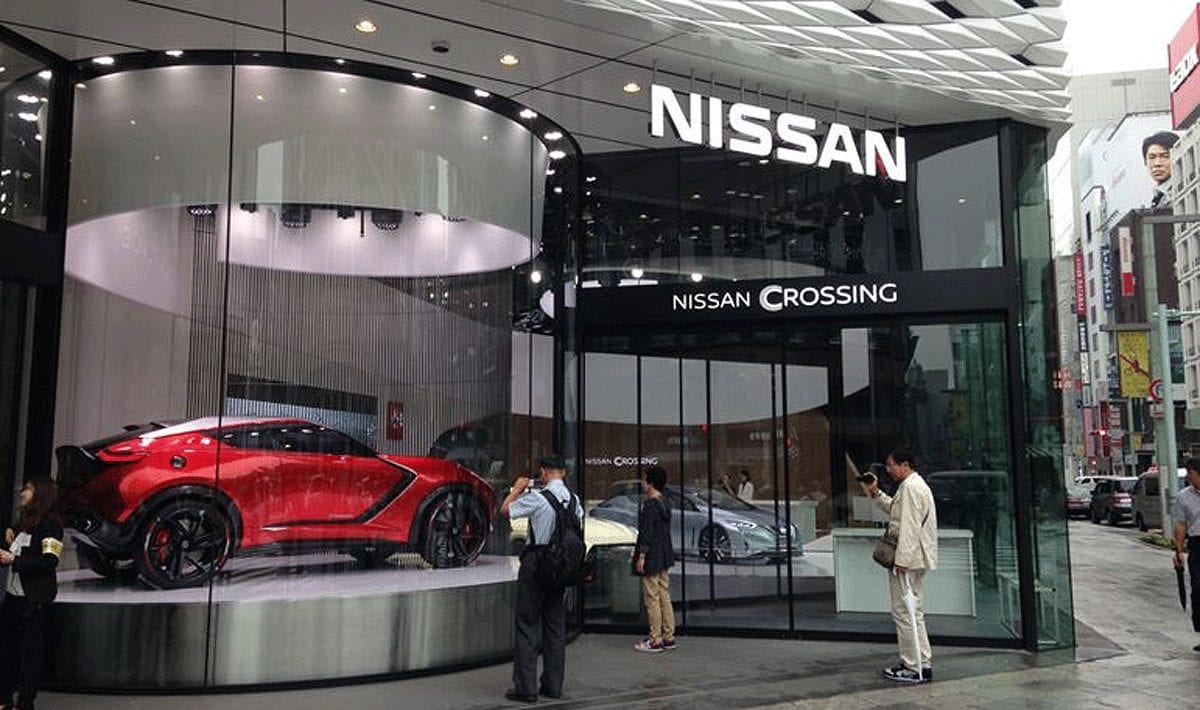
    Japanese carmaker Nissan announced it has ended its tie-up with its distributor in Vietnam, Tan Chong, without disclosing the reason. Malaysian-owned Tan Chong Motor Holdings Bhd, said it would stop importing and distributing Nissan vehicles and parts in Vietnam from September 10 next year.

    Tan Chong said it “remains open to further discussion with Nissan to explore alternative solutions and business opportunities for mutual benefit in Vietnam.”

    Nissan said: “The termination of the joint venture with Tan Chong will not affect the sales of Nissan cars in Vietnam.”

    Its business operations would remain unchanged in the near future, it said. It is set to debut its seven-seat SUV Terra in Vietnam on December 18.

    Tan Chong, a multinational corporation based in Malaysia, is not only the official distributor of Nissan in Malaysia and Vietnam, but also in Laos, Cambodia and Myanmar.

    In Malaysia, it also distributes cars by Opel, Renault and Foton. Its subsidiary, Motor Image, also owns the rights to produce and distribute Subaru vehicles in Southeast Asia, including Vietnam.

  • Hyundai forms joint venture for Algerian assembly plant

    Hyundai forms joint venture for Algerian assembly plant

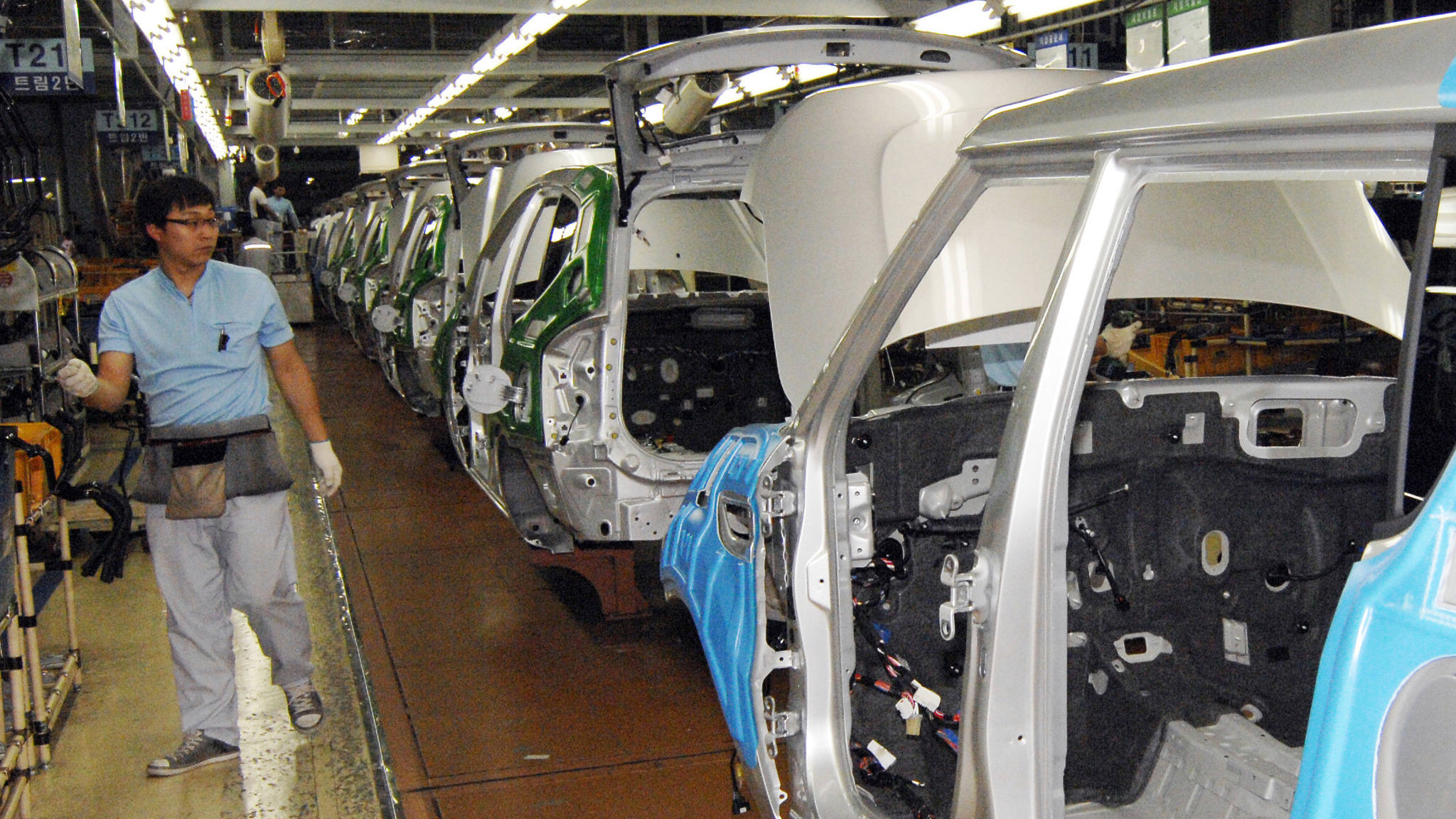
    Hyundai Motor and Algerian car maker Global Group signed a deal on Monday to establish a joint venture to produce commercial cars in Algeria. The joint venture will operate a factory that assembles knock down kits in Batna, Algeria. The assembly facility is scheduled to start operations in 2020.

    In the early stage, the factory will assemble 6,500 cars a year and gradually increase production. Medium and large trucks like the Mighty and Xcient, as well as the Hyundai County bus, will be assembled at the facility.

    According to the Korean automaker, the commercial vehicle market in Algeria has been expanding. Last year demand for commercial cars in the country was around 8,000 units, but that has increased to 12,000 units this year. By 2025, the automaker projects demand will reach 22,000.

  • Hyundai sets aside 1.67 trillion won to support its suppliers

    Hyundai sets aside 1.67 trillion won to support its suppliers

    Hyundai Motor Group has introduced a 1.67 trillion won ($1.49 billion) support program for small and midsized auto parts suppliers, the company said Thursday. As auto parts suppliers in Korea tend to be highly dependent on the performance of carmakers, the sluggish performance of Korea’s largest auto group by sales this year has been a major blow to their earnings.

    A report published by the Economic Research Institute run by the Industrial Bank of Korea earlier this year showed that 48 percent of domestic auto parts suppliers supply parts to a single carmaker and their business growth is highly dependent on the growth of that carmaker. Also, while carmakers have extra capital to respond to ups and downs in their earnings, small-sized parts suppliers are more vulnerable to changes in the market.

    Hyundai Motor Group said it will first create a 140 billion won fund for its suppliers and subcontractors. Suppliers will be able to borrow money at low interest rates and use it to stabilize their business or invest in research and development.

    Considering many suppliers lack liquidity due to the massive investment and costs incurred in early stage R&D and parts manufacturing, the group also said it will pay forward some of the cost incurred in those activities. For instance, part of the cost incurred to develop parts used in Hyundai cars will be paid by the carmaker at the beginning of development rather than after the finished product is designed. The auto group estimates its suppliers and subcontractors will receive roughly 1.46 trillion won in investment upfront over the next five years.

    Hyundai Motor, Kia Motors and auto parts affiliate Hyundai Mobis are also creating a 15 billion won fund to provide emergency aid to suppliers.

    There is a special program for suppliers expanding facilities to support the mass production of Nexo, Hyundai’s fuel-cell powered vehicle. The group is planning on injecting up to 44 billion won into suppliers and subcontractors that expand investment into facilities for parts used in the Nexo next year.

  • Vietnam’s Vsmart global market

    Vietnam’s Vsmart global market

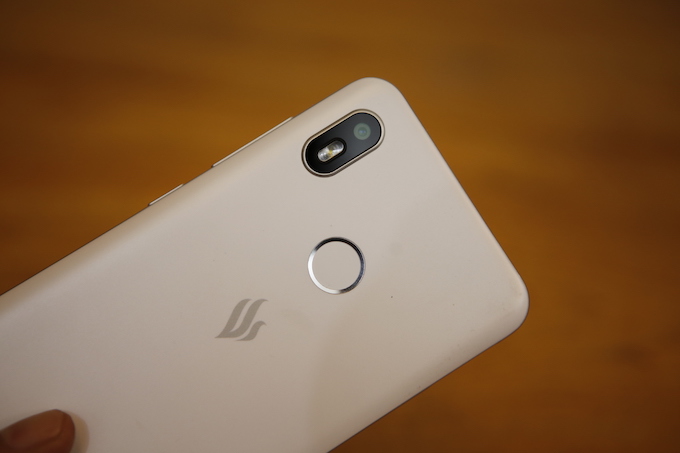
    Vietnam’s largest private firm Vingroup launched four new phone models Friday, saying it aims to sell them internationally. The four new Vsmart phones, manufactured at the group’s VinSmart factory in Vietnam’s northern city of Hai Phong, are priced from 2.49 million ($107.18) to 6.29 million ($270.76) in the introductory phase. The prices will later increase to VND2.59-6.59 million ($111.49-283.67).

    Tran Minh Trung, CEO of VinSmart, said at the launching event that his company wants to branch out to markets outside of Vietnam.

    “We will not stop at the Vietnam market. We will bring out products to the world with five business departments in five continents. A sixth department will be in charge of e-commerce. We are capable of competing and we want to be accepted in both local and international markets,” he said.

    VinSmart is set to be a new competitor in the Vietnam market of 95 million people, currently dominated by Samsung and Apple phones.VinSmart acquired the intellectual property rights for the four phones from Spanish technology firm BQ, in which VinSmart owns a 51 percent stake.

    Vietnam is the largest smartphone production base for Samsung, while key Apple supplier Foxconn is also considering setting up a factory in the country.

    The launching of the phones has happened at rapid speed, just six months after Vingroup established the VinSmart company in June to produce smartphones and other smart electronic devices with a registered capital of VND3 trillion ($131.54 million).

    Vingroup, once a real estate and retail focused conglomerate, also became the country’s first full-fledged domestic car maker in October, introducing three new car models.

    VinSmart factory is capable of making five million phones a year in its first phase of operations, the company has said.

    It has also said that the factory will produce smart TVs and other smart products in the future. VinSmart also signed a multimode global patent license deal on Friday with chip producer Qualcomm.

  • Renault to start making Twizy cars in Korea from next year

    Renault to start making Twizy cars in Korea from next year

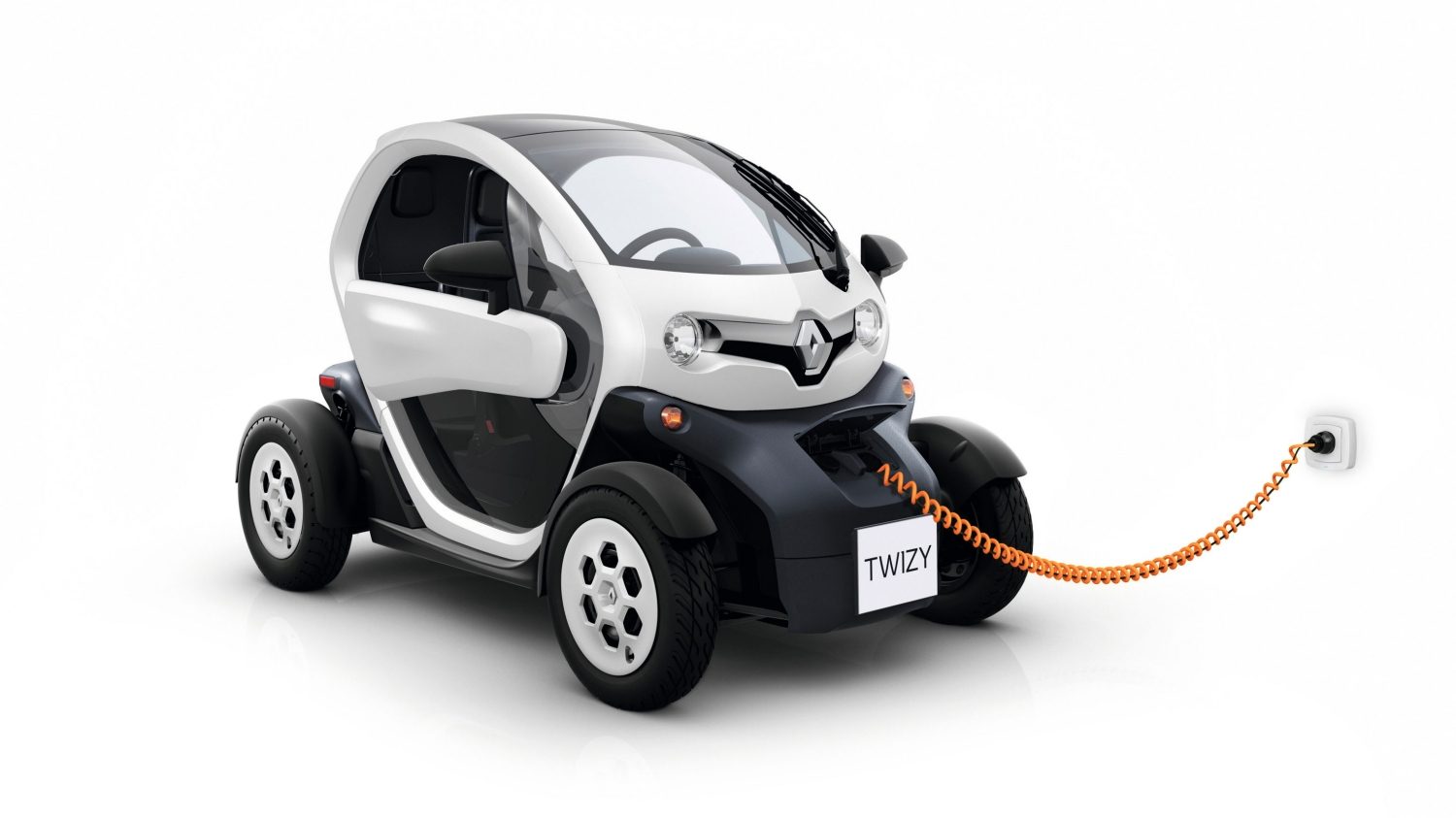
    Renault Samsung Motors, the Korean unit of French carmaker Renault S.A., is planning to start producing the Twizy ultra-small electric car in its sole domestic plant next year, industry sources said Monday. Renault Samsung, Busan Metropolitan City, and the Ministry of Trade, Industry and Energy are expected to sign an initial agreement this month to begin manufacturing Twizys, which are classified as heavy quadricycles in some countries, a person with direct knowledge of the matter said.

    He said assembly will begin “sometime during the 2019” at the carmaker’s plant in Busan, some 453 kilometers (281.5 miles) southeast of Seoul.

    This year, Renault Samsung has sold most of the 1,000 Twizys that were produced in its parent Renault’s plant in Valladolid, Spain, and shipped to Korea, a company spokesman said.

    The company plans to roll out up to 15,000 Twizys annually for domestic sales and exports to Asian markets, another person familiar with the matter said.

    Renault Samsung didn’t confirm the plan.

  • Tech, engineering to have great demand for workers in Vietnam: survey

    Tech, engineering to have great demand for workers in Vietnam: survey

    The technology and engineering sectors will see strong growth in human resources demand in Vietnam in the next five years. The growth is forecast by 90 percent of experts polled in a survey recently released by online recruitment website VietnamWorks.

    The survey was done in the second half of this year by polling more than 200 human resources professionals in management positions at multinationals and top Vietnamese companies.

    According to the survey, 62 percent forecast increased demand for arts, design, entertainment, sports, and media workers.

    Forty-two percent said there would be a decline in administrative and clerical work in five years though these are among the top three in terms of demand this year. VietnamWorks said this is because repetitive jobs like these are likely be replaced by machines.

    Fifty-nine percent of respondents believed developments in automation and information technology would be the most influential factors in the labour market in the next five years.

    Mobile Internet and cloud technology would be the next major factor, according to 57 percent, and processing power and big data, according to 54 percent.

    Forty percent said privacy issues and greater awareness of environmental responsibilities would have a great impact on the labor market demand.

    As socio-economic factors alter the nature of jobs, employers will require more sophisticated skills and abilities. The respondents expected cooperating with others, people management, emotional intelligence, and judgement and decision making to be the top cross-functional skills needed in future.

    Gaku Echizenya, general director of Navigos Group, which owns VietnamWorks, said: “The market is experiencing major changes with the fourth industrial revolution. Therefore, businesses need to keep up-to-date with market information from reputable sources to respond promptly to changes, allowing them to set out a strategy to recruit and attract talented people.”

    Employees need to actively educate themselves in IT and digital knowledge, and develop crucial skills such as cooperation with others and people management to increase their competitiveness, he added.

  • Apple assembler Foxconn considering iPhone factory in Vietnam

    Apple assembler Foxconn considering iPhone factory in Vietnam

    Apple’s biggest iPhone assembler Foxconn is considering setting up a factory in Vietnam to mitigate any impact of the ongoing trade war. The report from Vietnamese state media comes after several executives interviewed last week singled out Vietnam and neighboring Thailand as preferred destinations should they need to shelter operations from the trade war, braving hurdles such a lack of skilled labor and inadequate infrastructure.

    Foxconn Group and the Hanoi People’s Committee are working together to open an iPhone manufacturing facility in Vietnam to negate the impacts of the U.S.-China trade war.

    Vu Tien Loc, head of the Vietnam Chamber of Commerce and Industry, raised the matter with Prime Minister Nguyen Xuan Phuc at a meeting on Nov. 22.

    “We are discussing the possibility of this with Foxconn,” Loc said, without elaborating. Hanoi People’s Committee Chairman Nguyen Duc Chung declined to comment.

    Taiwan’s Foxconn, formally Hon Hai Precision Industry Co Ltd said it “follows a strict company policy of not commenting on any matters related to current or potential customers, or any of their products”.

    In trade talks on Saturday, U.S. President Donald Trump and Chinese President Xi Jinping agreed not to introduce any tariffs for 90 days as negotiations continue.

  • Samsung Electronics gives stability a try

    Samsung Electronics gives stability a try

    The CEOs of Samsung Electronics semiconductors, smartphones and consumer electronics divisions all kept their jobs in the company’s annual corporate reshuffle announced Thursday. Kim Ki-nam, head of Samsung’s device solutions division, which includes semiconductors, retained his position but has been promoted from president to vice chairman. Samsung’s semiconductor business has seen operating profit grow for the past 11 quarters as of September.

    The other two division heads – Koh Dong-jin of IT and mobile communications and Kim Hyun-suk of consumer electronics – were reappointed as CEOs and will retain their current president job titles.

    Roh Tae-moon of the IT & mobile communications division was promoted from vice president to president and will continue to head the smartphone development team. Roh has been at the core of technology development for Samsung’s Galaxy smartphone brand since the range was first introduced.

    For a company well known for rapidly exchanging executives based on performance, the minor superficial changes at the top made this year suggest that Samsung is shifting instead to put more weight on stability rather than expansion next year.

    The company already went through a major generation change last year when it laid off older executives to replace them with younger ones. A total of 14 top executives were reshuffled at the time. Samsung said in a statement on Thursday that it “re-appointed business executives from last year to realize ‘innovation within stability.’”

    The drive for stability also comes at a time when Samsung faces several uncertain factors that analysts say will halt this year’s rally of record profits. The global chip market, which has been on an unusually long supercycle over the last few years, is anticipated to slow down in 2019.

    Outlooks on the global economy are also grim due to the remaining risk of the United States and China continuing their trade war.

    Samsung also stuck to its performance-based HR strategy by heavily compensating executives and managers in the device solutions division, including CEO Kim Ki-nam.

    Kim has been heading the semiconductor business at Samsung since December 2014. Under his lead, the company celebrated the last two years as the No. 1 chip manufacturer in the world. Chips were also a major contributor to Samsung’s record-high quarterly profits this year.

    Kim wasn’t the only one to be rewarded. Among a total of 158 senior executives promoted at Samsung, including those below president, 80 were from his division.

    Samsung employees in the device solutions division will receive bonuses between 300 to 500 percent of annual wages. Even external partners and suppliers for the division will reap incentives this year of up to 89.7 billion won ($79.8 million) in total.

    Meanwhile, this was the first time in three years that Samsung Electronics has released annual reshuffle results at the year’s end – a sign that Samsung is getting back on its feet after Vice President Lee Jae-yong’s return from prison in February.

    There were no annual reshuffles at all in 2016 when Lee was investigated for bribery charges regarding former President Park Geun-hye. It was only in October last year that the company announced a reshuffle plan among top executives.

    Other Samsung affiliates announced annual reshuffle results on Thursday. Samsung C&T Vice President Kim Myeong-soo was promoted to president. He was in charge of the task force in charge of improving competitiveness in engineering, procurement and construction.

    Vice Chairman Lee’s sister Lee Seo-hyun was appointed as chairman of the Samsung Foundation, which conducts social welfare projects. She was formerly president of the fashion division at Samsung C&T.

  • Hyundai Motor rejects renewed Gwangju plan

    Hyundai Motor rejects renewed Gwangju plan

    Hyundai Motor refused a revised plan that removed a restriction on collective wage bargaining at a proposed plant in Gwangju, further complicating plans for the factory. A council with representatives from the local government and area employers, labor unions and citizens on Wednesday agreed to remove a clause from the agreement that would have suspended collective bargaining for about five years at the new joint venture between the Gwangju city government and Hyundai Motor.

    The new company will be hiring workers for a production plant to be built on 628,000 square meters (155 acres) of land in the Bitgreen National Industrial Complex. The venture is the first in Korea to bring government and private industry together in the formation of a new manufacturing facility.

    Union representatives strongly protested the clause, calling it toxic.

    Rather than pushing the clause, the council decided to offer three alternative proposals to Hyundai Motor. The city and the automaker will continue negotiations.

    “Over time, Hyundai Motor and the labor union have retreated in their demands,” said Lee Byung-hoon, Gwangju vice mayor. “But the suspension of the wage bargaining clause was the biggest issue.”

    After the announcement was made, it was Hyundai that refused the proposal.

    “We cannot help but to point out the repeated revisions and backtracking [done by the Gwangju government],” Hyundai said through a statement.

    In the first meeting held at 10:30 a.m., all nine labor representatives, including Yoon Jong-hae, head of the Federation of Korean Trade Union’s Gwangju office, refused to attend in protest of the wage bargaining ban.

    The agreement between Gwangju city and the Korean automaker had included a clause in which wage negotiations were to be suspended until the cumulative production of compact SUVs reached 350,000 units. As Hyundai Motor guaranteed a minimum of 70,000 units a year, the labor union estimated that it would take about five years before the employees at the new plant would be able to negotiate.

    The meeting resumed at 3 p.m., and Yoon joined, raising the number of attendees to 22 out of a possible 28.

    The plant proposal has been under a tight deadline as an agreement needs to be reached before the National Assembly passes the budget. The ruling Democratic Party has announced that it plans to pass next year’s budget soon.

    Meeting the budget deadline is crucial as the city needs government funding to build the necessary infrastructure, including housing that will cost roughly 300 billion won ($269 million).

    The Gwangju plant project, first proposed in June 2014, has generated significant public interest as it could keep manufacturing jobs in Korea and contribute to the revitalization of the regional economy. It would also help ease the burden of high labor costs.

    The plan is for the Gwangju government and Hyundai Motor to create a new joint-venture company. The new Hyundai Motor plant will have the capacity to produce 100,000 compact SUVs a year.

    One of the key factors in this new job creation model is that employees will receive an annual salary of 35 million won, 38 percent of the 92 million won average salaries of Hyundai Motor workers.

  • Factories, tractors and robots benefit from 5G in Korea

    Factories, tractors and robots benefit from 5G in Korea

    All three of Korea’s mobile carriers launched their 5G networks on Saturday, the first day of December, officially kicking off an era of the high-speed network. SK Telecom started transmissions from its Bundang network management center in Seongnam, Gyeonggi; KT from its Gwacheon network control center in Gyeonggi; and LG U+ from Magok Science Park in western Seoul. All of the 5G networks operate on a 3.5-gigahertz (GHz) frequency band.

    5G boasts a 20 times faster data transmission speed than the currently prevailing fourth-generation long-term evolution (LTE). Its competitive edge lies in ultra-wide bandwidth, ultra-low latency and ultra-fast connectivity. Data transmission speed of 5G is more than 20 gigabytes per second (Gbps), meaning a 2.5-gigabyte ultra high-definition video can be downloaded in just one second.

    The network can currently only be accessed by corporate clients, not individual users. Businesses can use the card-shaped mobile routers to pick up the 5G network and convert it into super-fast Wi-Fi.

    Individual subscribers are expected to be able to start using 5G from March, when smartphone devices supporting the new network will become available. Samsung Electronics is expected to unveil its Galaxy S10 smartphone as early as February and may come up with two different versions: one supporting LTE and one that works on 5G.

    SK Telecom’s first 5G customer was Myunghwa, a product quality assessment firm in Banwol Industrial Complex in Ansan, Gyeonggi. The company is using the network to process ultra-high definition photos of auto components taken from different perspectives as the products are being moved on a conveyer belt. The images are transmitted using the 5G mobile router to a cloud server, where a high-performance artificial intelligence interface can instantly tell whether a product is faulty.

    SK Telecom also began test operations of its 5G autopilot vehicles in Hwaseong and Siheung, both in Gyeonggi. The vehicles are able to exchange information about their status while on the road with a control center and traffic lights dozens of times per second.

    KT celebrated the launch of its 5G network by having a robot as its first subscriber. The robot, called Lota, will be guiding visitors to the Seoul Sky observatory at Lotte World Tower in Songpa District, eastern Seoul.

    “We chose Lota to show that 5G doesn’t simply mean a generational shift, but will become a platform that will innovate our overall lives and industry,” said KT in a statement.

    KT plans to prioritize 24 major cities nationwide as well as key public transportation routes and university areas, where traffic demand is expected to be high, for 5G installation in the near future.

    LG U+’s first corporate customer is LS Mtron, an industrial machine developer based in Anyang, Gyeonggi. The two companies have jointly developed a 5G remote-controlled tractor, the first in Korea. LG U+ said 5G-based remote-controlled technologies may minimize human engagement in risky working environments, such as the removal of mines and industrial waste disposal.

  • Renault wants Posco auto steel in Morocco

    Renault wants Posco auto steel in Morocco

    French carmaker Renault has asked Korean steelmaker Posco to enter the Moroccan market and supply automotive steel, a person familiar with the issue said last Thursday. Renault approached the world’s fifth-largest steelmaker by output in early 2017 as part of its strategy to diversify its supply of steel, the source said, who asked not to be identified because he was not authorized to speak on the record about internal discussions.

    Renault relies on ArcelorMittal, the world’s largest steelmaker, for automotive steel.

    Posco has told Renault that the two sides will delay formal discussions on the issue, noting that it has no immediate plan to enter the North African country, said the person, who is in a position to know about the situation.

    “Posco could use Morocco as a gateway for exporting its steel products to Europe without tariffs as Morocco has a free trade agreement with the EU,” the person said.

    Last year Maghreb Steel, a Moroccan maker of flat steel products, asked Posco to invest in it and provide necessary technology.

    A Posco spokesman confirmed that Renault made the request and Posco reviewed it, but said Posco has not moved forward, citing market conditions.

    The official said he had no knowledge on Maghreb Steel’s request for Posco investment, and asked not to be named, citing policy.

    Officials of Renault and Maghreb Steel were not immediately available for comment.

    In July, the EU said it would impose tariffs of 25 percent on 23 categories of steel products if imports exceed a three-year average.

    The provisional safeguard measures – which can remain in place for a maximum of 200 days – are meant to protect the EU steel industry against a surge of imports following the U.S. imposition of tariffs on imports of steel and aluminum.

    The European Commission plans to make a final decision by early 2019, at the latest, and said definitive safeguard measures may be imposed if all conditions are met.

    Posco declined to give any details on its steel exports to the EU.

    Renault is the third-largest customer of Posco’s automotive steel, according to the person.

    Renault Samsung Motors – whose 79.9 percent stake is held by the French carmaker – uses Posco’s automotive steel for 99 percent of auto production at its plant in Korea’s southeastern port city of Busan.

  • LG Display adds kiosks that let employees donate money

    LG Display adds kiosks that let employees donate money

    LG Display said last Wednesday it has installed electronic kiosks in its facilities across the country, helping employees make donations easily. The company said employees can swipe their identity cards on the kiosks and make donations ranging from 1,000 won ($0.88) to 10,000 won, which will be automatically deducted from their paychecks.

    LG Display said the project was designed to encourage employees to participate in making contributions to the community.

    LG said 4,000 employees have participated so far in raising 60 million won.