Retail News CRM

Tag: flights

  • AirAsia eyes Sabah for route expansion

    AirAsia eyes Sabah for route expansion

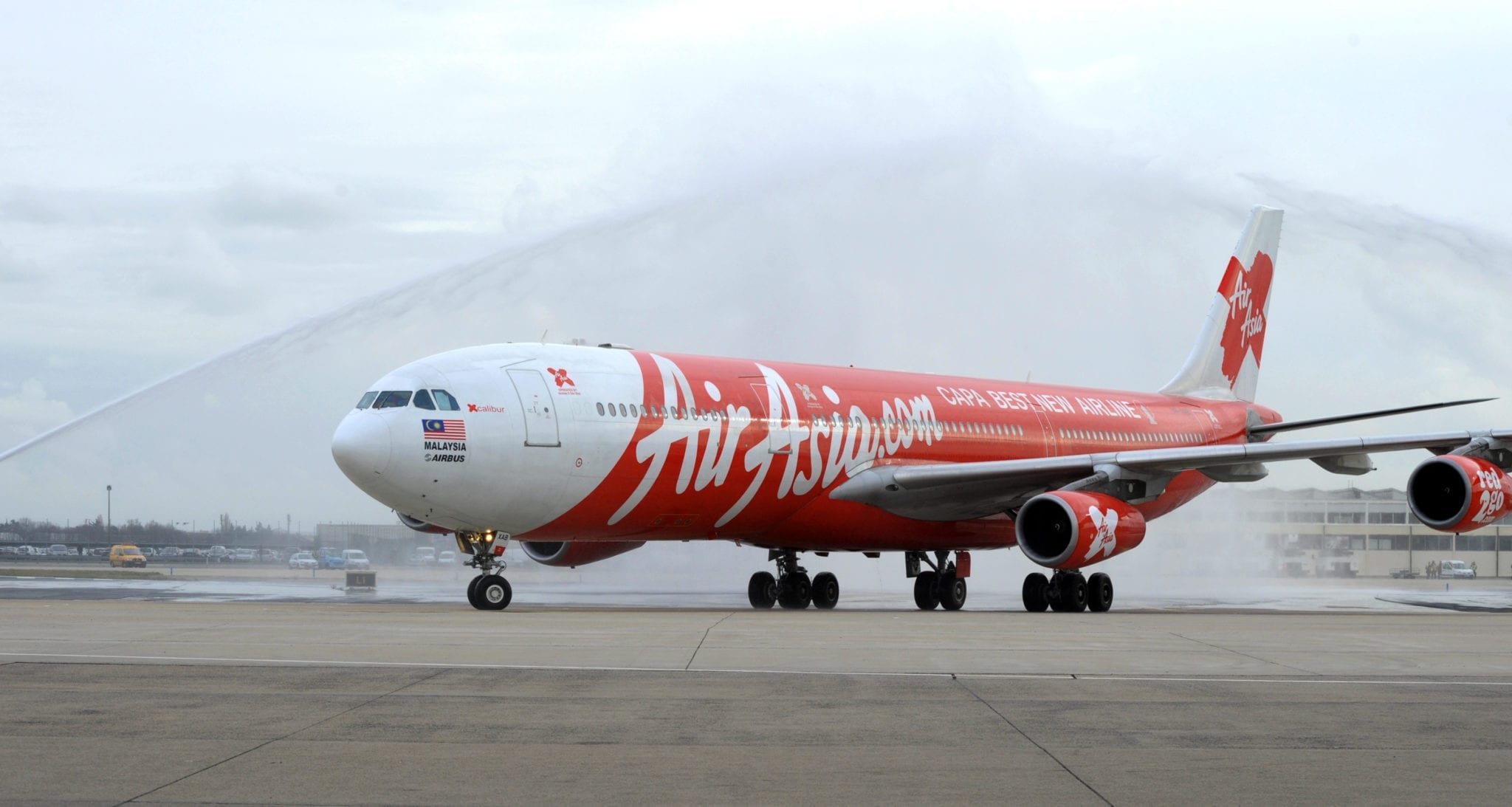
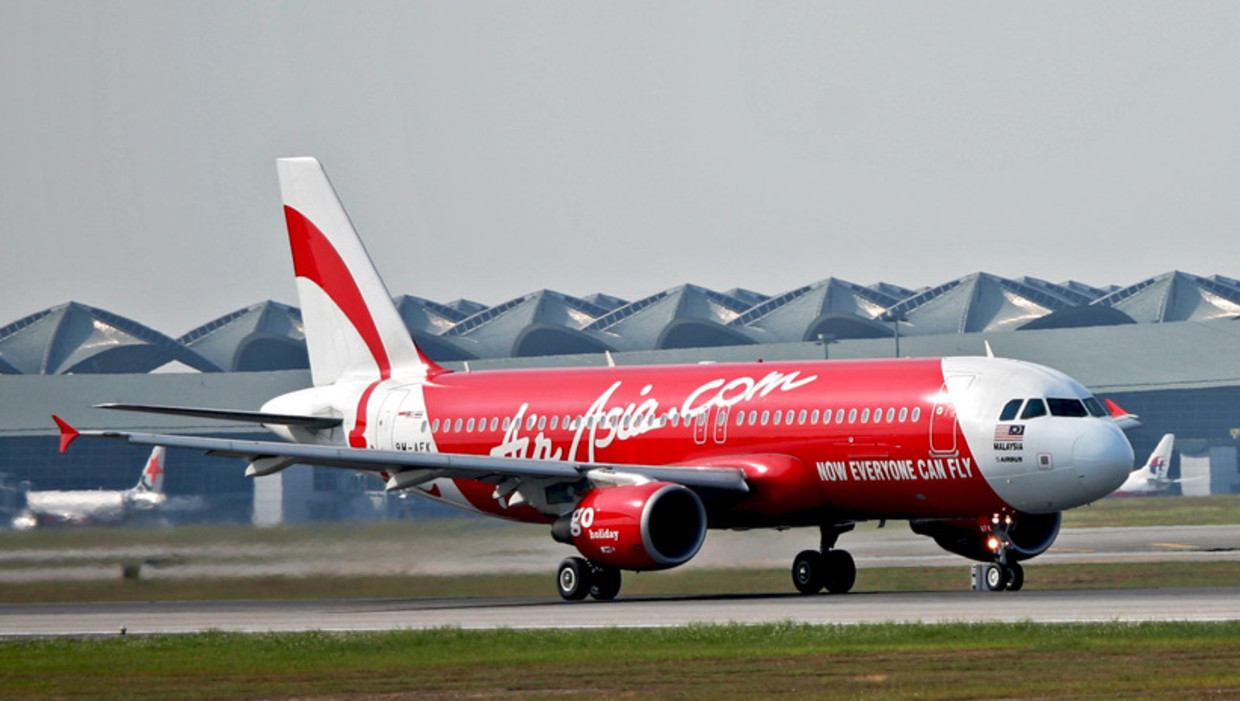
    Philippines AirAsia will introduce more direct flights to Sabah and is considering establishing a hub in Sandakan as part of its expansion ambitions.

    The airline is currently studying the potential for direct routes to Kota Kinabalu from Puerto Princesa and Davao in the Philippines. A possible connection between Zamboanga and Sandakan is also on the list of possible direct routes, according to an assessment in a media statement released by the Sabah Tourism Board.

    State Tourism, Culture, and Environment Minister Datuk Jafry Ariffin said Sabah welcomed the plan, which would help both countries in terms of economic spillover.

    “One of the Sabah Maju Jaya plans is to ensure Sandakan Airport is upgraded to the international airport. We should explore additional direct routes into the state.

    “Tawau, being a gateway to Semporna, might potentially serve as an operational hub too. So, whether it’s Sandakan or Tawau, we’ll let them study the viability,” he said.

    Jafry was speaking at a recent press conference on the joint collaboration between the Philippines AirAsia and Sabah Tourism Board (STB)

    Also present were Assistant Tourism, Culture, and Environment Minister cum STB chairman Datuk Joniston Bangkuai; Permanent Secretary of the Ministry of State Tourism, Culture and Environment Datuk Sr Yusrie Abdullah; STB deputy chairman Datuk Dr Jelani Hamdan; STB chief executive officer Noredah Othman; Philippines AirAsia chief executive officer Ricky Isla; and Philippines AirAsia SuperApp managing director Ray Berja.

    The press conference was in conjunction with the familiarisation trip to Sabah for the Philippines media.

    Speaking on the strategic partnership between STB and Air Asia, Jafry said the board is now finalising a collaborative technical campaign to encourage Filipinos to visit Kota Kinabalu.

    Ricky stated that Philippines Air Asia now flies twice weekly from Manila to Sabah, with plans to expand frequency.

    “We want to sustain the travel momentum, and for Sabah, we are not just looking at beaches but eco-tourism and agro-tourism, which are educational.

    “We are looking into the prospect of opening a new destination in Sandakan, which has one of the highest Filipino populations in Sabah, as part of our expansion plan,” he said

    Meanwhile, STB chief executive officer Noredah Othman said Manila has the potential to serve as another hub to attract international visitors and also to attract expatriates living in the Philippines.

    Although having certain similarities, she said Sabah and the Philippines each have unique contrasts that both sides should explore.

    Pre-pandemic, Noredah said the state of Sabah received 4.2 million visitors in 2019, with a promising rise in arrivals since the reopening of borders after two-year hiatus. Chinese visitors contributed the most arrivals in 2019, followed by South Koreans and Europeans.
  • AirAsia introduces trial flights to China

    AirAsia introduces trial flights to China

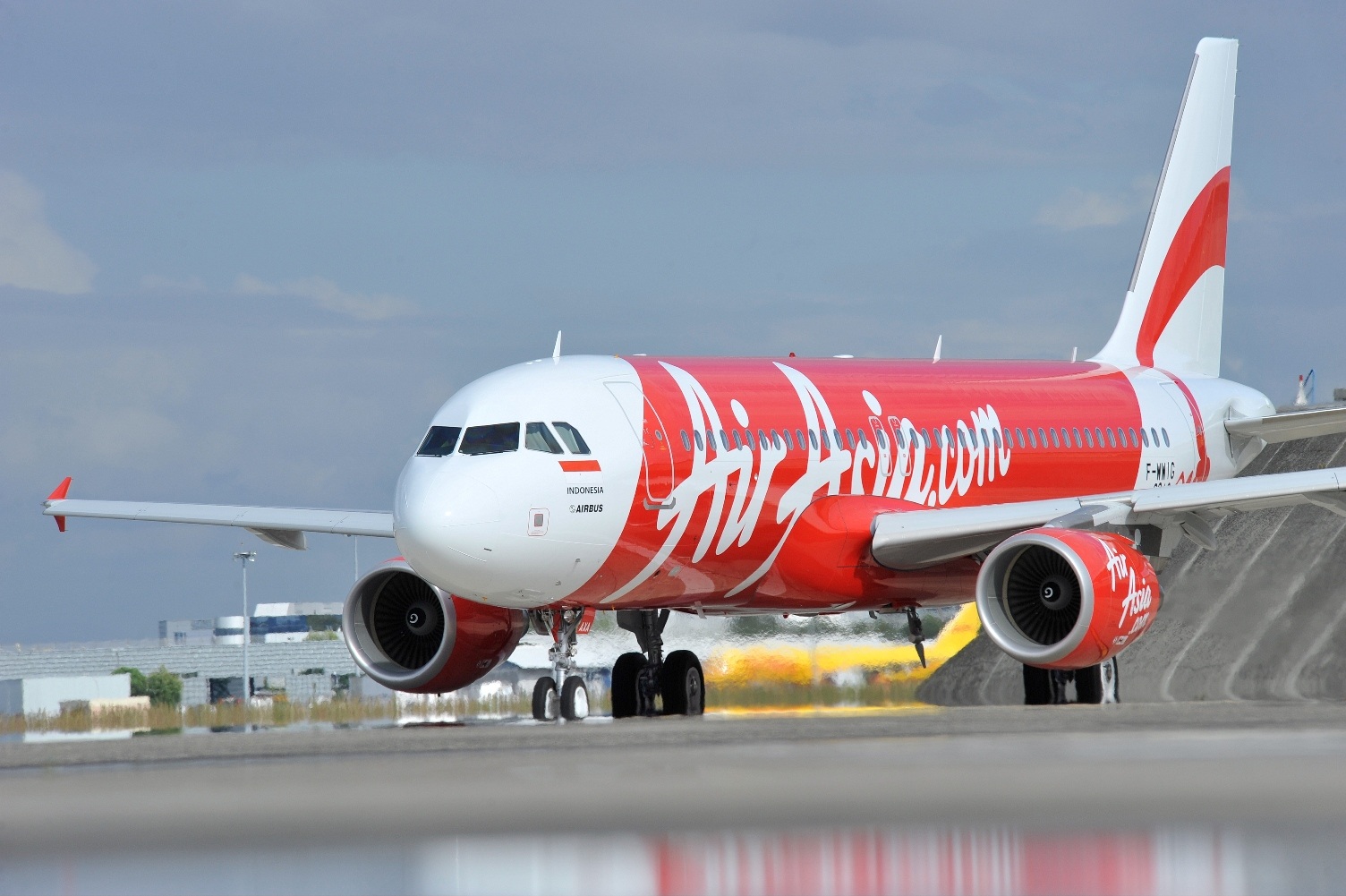
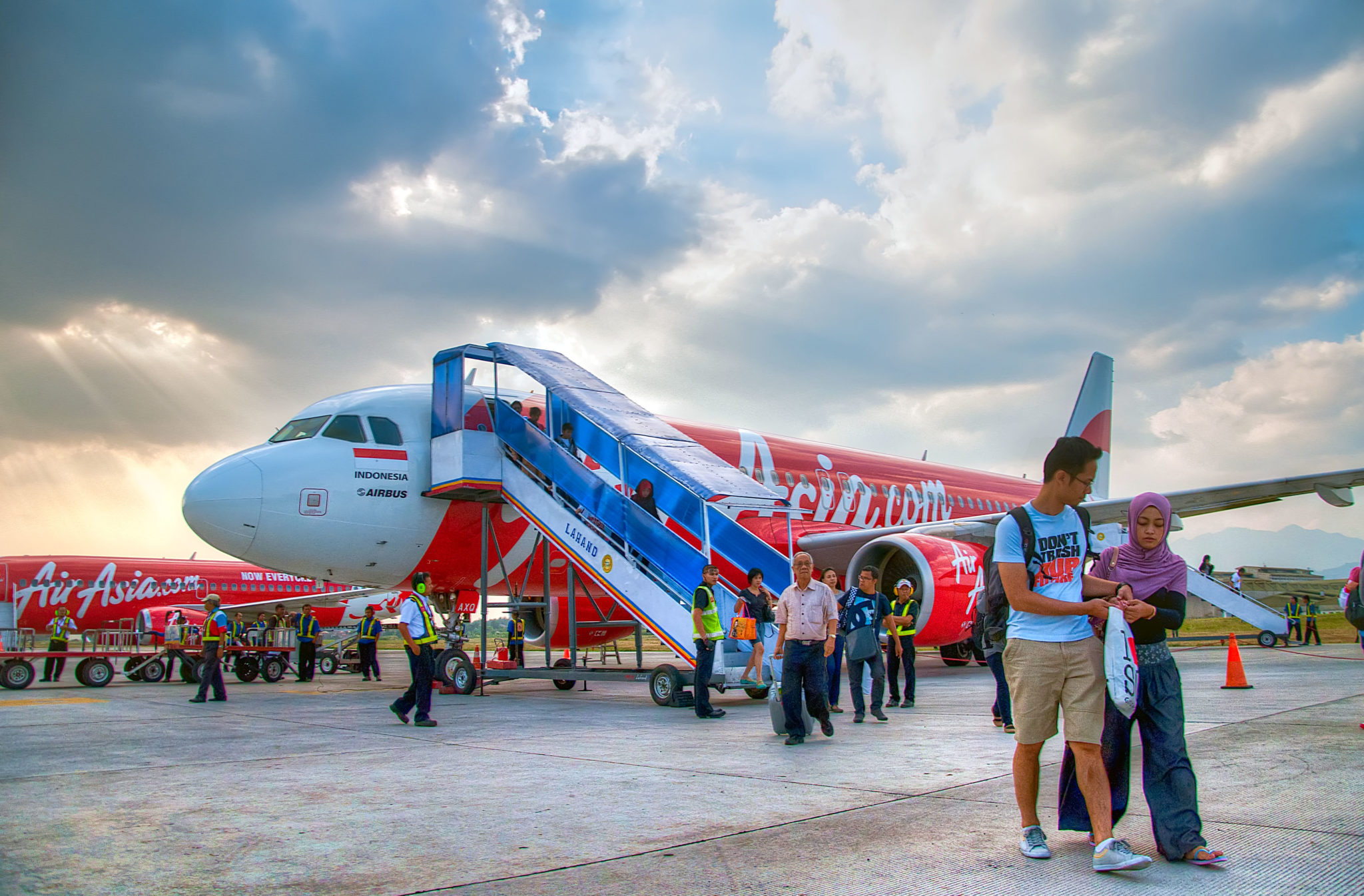
    AirAsia Thailand (flight code FD) will launch direct flights to China and Hong Kong from its Bangkok Don Mueang airport hub starting 7 August. Initially, the low-cost airline will fly a weekly service but hopes to increase flights to twice a week in September and three times weekly in October.

    Promotional fares start at around THB2,990 one-way for members for travel up to 8 December 2022 booked through the AirAsia Super App. A pilot roundtrip flight between Bangkok Don Mueang and Guangzhou is scheduled for 13 July, with tickets to Thailand available on the AirAsia Super App. The flight is being carried out to demonstrate the carrier’s readiness to serve routes to and from China as soon as China announces the country’s official reopening for outbound leisure travel.

    AirAsia Thailand chief executive officer Santisuk Klongchaiya stated: “These two initial routes provide us with an opportunity to welcome visitors to Thailand. With restrictions further relaxed in Thailand, we have been marketing heavily in China and Hong Kong to tap these tourism markets.”

    Travelers to Hong Kong are required to undergo screening procedures. Arriving travellers must be fully vaccinated. They must produce a Covid-19 test result and are required to undergo quarantine. The Don Mueang-Guangzhou flight will be subject to a policy by the China government, which has allotted a limited entry quota to Thai airlines.

    So far, China has offered no indications as to when it will reopen outbound tourism. However, industry pundits claim the reopening could be as early as the Chinese New Year holiday season in late January or February 2023. Travel to and from China is strictly controlled and mainly limited to essential business travel.

  • AirAsia Will Use Descent Optimization Technology For More Efficient Flights

    AirAsia Will Use Descent Optimization Technology For More Efficient Flights

    AirAsia plans to introduce Airbus’s innovative fuel-saving software modification known as Descent Profile Optimization (DPO) to its A320ceo aircraft commencing this month.

    The airline said the enhancement to the aircraft’s on-board flight management system (FMS) performance database offers the ability to generate fuel savings and reduce carbon dioxide (CO2) emissions. The improvement has been previously introduced in LATAM Airlines’s operations, and the FAA has introduced new optimized descent profiles into some US operations.

    Optimization of an aircraft’s flight trajectory is one of the key factors in improving flight operations efficiency. The DPO function allows the aircraft to optimize the descent phase of the flight and descend from cruise altitude using only idle engine thrust. This minimizes the amount of time spent at an inefficient level off (when the aircraft’s engines generate thrust to maintain level flight in dense air before final landing approach), resulting in the reduction of fuel consumption and proportional CO2 and NOx emissions.

    AirAsia commented on the initiative, saying,

    “The new initiative is set to reduce fuel consumption and improve the fuel efficiency by up to 0.75% of fuel burn, which is equivalent to saving 101 kg of CO2 emissions per flight. … This could reduce CO2 emissions by over 221 tonnes per aircraft per year, representing a considerable contribution to more sustainable flight operations,”

    The airline also confirmed that the DPO will be installed initially on 17 A320ceo aircraft. It is expected to save 3,764 tonnes of CO2 per year, or the equivalent of 62,700 urban trees planted.

    AirAsia has set its goal to reach carbon neutrality by 2050. And as the traveling market is recovering, AirAsia expects to get back to pre-pandemic levels by the end of 2022.

    Bo Lingam, Group CEO of AirAsia Aviation Group Limited (AAAGL), said:

    “Given the reality of climate change and the airline industry’s contribution to emissions, reducing our carbon footprint is currently one of our top sustainability priorities and we look forward to further reducing an additional 221 tonnes of CO₂ emissions per aircraft each year with the DPO system we are implementing.”

    AirAsia also plans to gradually upgrade its fleet to a higher capacity and more fuel-efficient A321neo in the longer term.

    Besides the DPO, AirAsia said it has implemented several other key efficiency initiatives from Airbus to reduce fuel consumption and carbon emissions, such as”

    • SETWA (Single Engine Taxi Without APU) which allows the aircraft to operate only one engine during the taxi phase of flight instead of both engines,
    • Idle Reverse Landing, which allows the aircraft to use idle engine thrust upon landing instead of powered thrust to reduce noise and fuel burn, and
    • the Required Navigation Performance-Authorization Required (RNP-AR) approach, which allows the airline uses the aircraft’s advanced navigation capabilities instead of conventional ground-based equipment for the shortest landing approach.

    Bo Lingam, Group CEO of AirAsia, commented,

    “It is important that we review our climate strategy and put in place new mechanisms and processes that will help to minimize the environmental impact of our flight operations.”

    In 2021, it was estimated that by applying the above improvements, AirAsia would avoid emitting 11,175 tonnes of CO2, equivalent to planting 186,250 urban trees.

  • AirAsia ready for border reopening, expects 250 international flights weekly by end-April

    AirAsia ready for border reopening, expects 250 international flights weekly by end-April

    AirAsia is expecting an increase of more than 70 international flight volumes per week for the first week of border reopening starting on April 1.

    AirAsia Malaysia chief executive officer Riad Asmat said the international flight number is expected to reach 250 weekly by the end of April.

    “AirAsia welcomes the announcement by the Malaysian government to fully open international borders on April 1, we are ready.

    “I believe the seamlessness of travel will happen sooner than later,” he told reporters in a media briefing on the airline’s preparation for border reopening here today.

    He said since resuming its operations with travel bubbles and a focus on domestic services, the gradual resumption of international flying is already well underway in tandem with borders gradually reopening around the world.

    With the continued easing of travel restrictions, the airline group has increased its domestic flight capacity by 156 percent since October 2021 kickstarted with the Langkawi travel bubble, and by 50 percent for international flights since the announcement of borders reopening in April is made by the government on March 8, 2022.

    A total of 75 aircraft are operating currently group-wide, he said. This is also supported by the reopening of other countries like Thailand, the Philippines, Indonesia, Cambodia, Singapore and Vietnam, said Riad.

    While the airline currently has a number of international services already operating, the announcement of the nation’s reopening will provide a welcome boost to support additional capacity in many of its core international markets in line with significant pent-up demand.

    Meanwhile, AirAsia Aviation Group Ltd chief executive officer Bo Lingam said the airlines earnings is expected to go back to pre-Covid level presumably by the end of the year with the hope that the fuel price goes down by then.

    “AirAsia applauds the governments around the region for their decision to reopen borders and remove travel restriction with minimal testing requirements.

    “We are thrilled to be resuming more flights in all of our core markets in Malaysia, Thailand, the international destinations including Bali, Manila, Bangkok, Ho Chi Minh City, Phuket, and more, starting in April.

    Domestic flying also continues to soar across the group with four new domestic routes launched in Malaysia, from Kuching to Langkawi, Penang to Sibu, Johor Bahru to Bintulu, and Kota Kinabalu to Kuala Terengganu this year, he said.

    “Regionally, we have seen similarly encouraging developments for domestic and international services in Thailand, the Philippines and Indonesia. We will continue to review our network which evolves based on a number of factors including demand,” he said.

    He added that new services will be announced in due course as the world continues to gradually reopen.

    “While our domestic services across the group have grown by 156 per cent in recent months due to significant consumer demand, and by 50 per cent for international, we expect to return to 100 percent or more of pre-COVID domestic and international flying by the end of this year,” he said.

  • AirAsia boosts domestic and international flights

    AirAsia boosts domestic and international flights

    AirAsia gears up for the nation’s reopening by adding more international routes to cater for significant pent-up demand ahead of Malaysia reopening borders to international travel 1 April.

    With the continued easing of travel restrictions, the airline group increased domestic flight capacity in Malaysia by 156% since October 2021, when it kickstarted the Langkawi travel bubble scheme.

    It has also increased international flights by 50% since the Malaysian government’s 8 March announcement confirming the reopening of borders on 1 April.

    Currently, the airline has 75 aircraft operating flights across the group serving Thailand, the Philippines, Indonesia, Cambodia, Singapore and Vietnam.

    AirAsia Aviation Group CEO Bo Lingam said:  We’re thrilled to be resuming more flights in all of our core markets in Malaysia, Thailand, the Philippines and Indonesia and to be adding additional services to some of AirAsia’s most popular international destinations, including Bali, Manila, Bangkok, Ho Chi Minh City, Phuket and more, starting in April. Domestic flying also continues to soar across the group. We have recently  launched four new domestic routes in Malaysia from Kuching to Langkawi, Penang to Sibu, Johor Bahru to Bintulu and Kota Kinabalu to Kuala Terengganu this year.

    “While our domestic services across the group have grown by 156% in recent months due to significant consumer demand, and by 50% for international, we expect to return to 100% or more of pre-Covid domestic and international flying by the end of this year.”

    To spur travel demand and bookings to destinations such as  Singapore, Vietnam, the Philippines, India, Thailand, Indonesia, the Maldives, Brunei, Cambodia, Sri Lanka, Laos, Bangladesh, the airline group is pegging fares as low as MYRM89 one-way, while domestic routes are on sale from just MYR39 one-way.

    Travelers can book cheap fares through the ‘Flights’ option in the AirAsia Super App from now until 27 March 2022 for travel between 1 April and 25 March 2023.

  • AirAsia adds more domestic flights as demand surges

    AirAsia adds more domestic flights as demand surges

    Beginning April 1, AirAsia Philippines is adding more weekly flights to the country’s top tourist destinations, including Boracay, Puerto Princesa and Cebu, after seeing a recent surge in bookings.

    The low-cost airline, in a statement on Friday, said that it will increase by at least ten times the weekly flight frequencies to Kalibo, Boracay, Iloilo, Tacloban, Panglao, Puerto Princesa, Bacolod, Davao and Cebu next month in anticipation of foreign arrivals amid the easing of mobility restrictions.

    “The influx of foreign tourists into the country will definitely signify the strong recovery of the Philippine aviation industry. Our guests’ eagerness to travel has already manifested with the increase in AirAsia’s forward booking from 30 to 60 days,” AirAsia Philippines spokesperson Steve Dailisan said.

    As of March 18, Dailisan said they are “seeing a 97-percent increase in seats sold for travel in the month of April alone, with Boracay, Bohol, Cebu, Kalibo and Puerto Princesa on the top spots of the most booked destinations.”

    For fully vaccinated foreign visitors, the airline said that vaccination cards are the only entry requirement.

    By April 8, AirAsia will add Dumaguete City, which is the gateway to Negros Oriental, every Monday, Wednesday, Friday and Sunday in its route network.

    Manila-Roxas flights, meanwhile, will be available beginning June 16.

    The airline also offers an add-on comprehensive travel insurance plan for as low as P230 for foreign and local travelers as an “added layer of safety and protection.”

    AirAsia Philippines is ramping up its vaccination efforts with 85 percent of its workforce having received COVID-19 booster shots.

  • AirAsia India unveils ‘FlyAhead’ service for fliers to take earlier flight

    AirAsia India unveils ‘FlyAhead’ service for fliers to take earlier flight

    AirAsia India has unveiled its new ancillary service, ‘FlyAhead’. With the ‘FlyAhead’ service, guests wishing to take an earlier flight will be able to seamlessly opt for this facility.

    The ‘FlyAhead’ service has been launched for a nominal fee of INR 1,500 for guests booked on standard fares and INR 500 for guests booked on Corporate and SME fares. Guests who reach the airport six hours or more prior to their scheduled flight departure can opt for the FlyAhead service at the AirAsia Airport Counter.

    Change fees, which are typically INR 3,000 would be waived for all guests opting for the AirAsia FlyAhead service and fare differences typically charged by airlines would also not be applicable.

    Speaking about the initiative, Dr. Ankur Garg, Chief Commercial Officer, AirAsia India, said: “AirAsia India has consistently developed innovative, future-proof solutions prioritizing the ease and comfort of our guests. Led by our core value of being ‘Guest Obsessed,’ our latest offering ‘FlyAhead’ is a new ancillary service which provides guests a flexible and convenient option to reach their destination ahead of schedule.”

  • Japan eases blanket ban on new incoming flights

    Japan eases blanket ban on new incoming flights

    Japan has softened its suspension of all new incoming flight bookings to make it easier for citizens to return, the government said Thursday, a day after it announced the move prompted by worries about the Omicron coronavirus variant.

    The transport ministry abruptly said Wednesday it was asking airlines to stop taking all new incoming flight reservations for a month, in a surprise move affecting citizens and foreign residents.

    But on Thursday, government spokesman Hirokazu Matsuno said it would be amended.

    “This request caused confusion among those affected and so the prime minister instructed the transport ministry to examine the issue and consider the needs of Japanese citizens hoping to return home,” he told reporters.

    As a result, the ministry “asked airlines to cancel the blanket suspension of new reservations for international flights to accommodate Japanese hoping to return home”, he added.

    Japan has had tight border restrictions throughout the Covid-19 pandemic, barring almost all foreign arrivals.

    It had begun to ease those rules slightly last month to allow some students and business travelers entry, but reversed that decision after the emergence of the Omicron variant.

    It has also barred all non-citizens from entering the country if they are coming from 10 southern African countries.

    All arrivals in Japan must quarantine for 14 days at home, with people coming from dozens of locations required to spend between three and 10 days of that two-week period in designated facilities.

  • Vietnam–US air fare starts from $1,300: Bamboo Airways

    Vietnam–US air fare starts from $1,300: Bamboo Airways

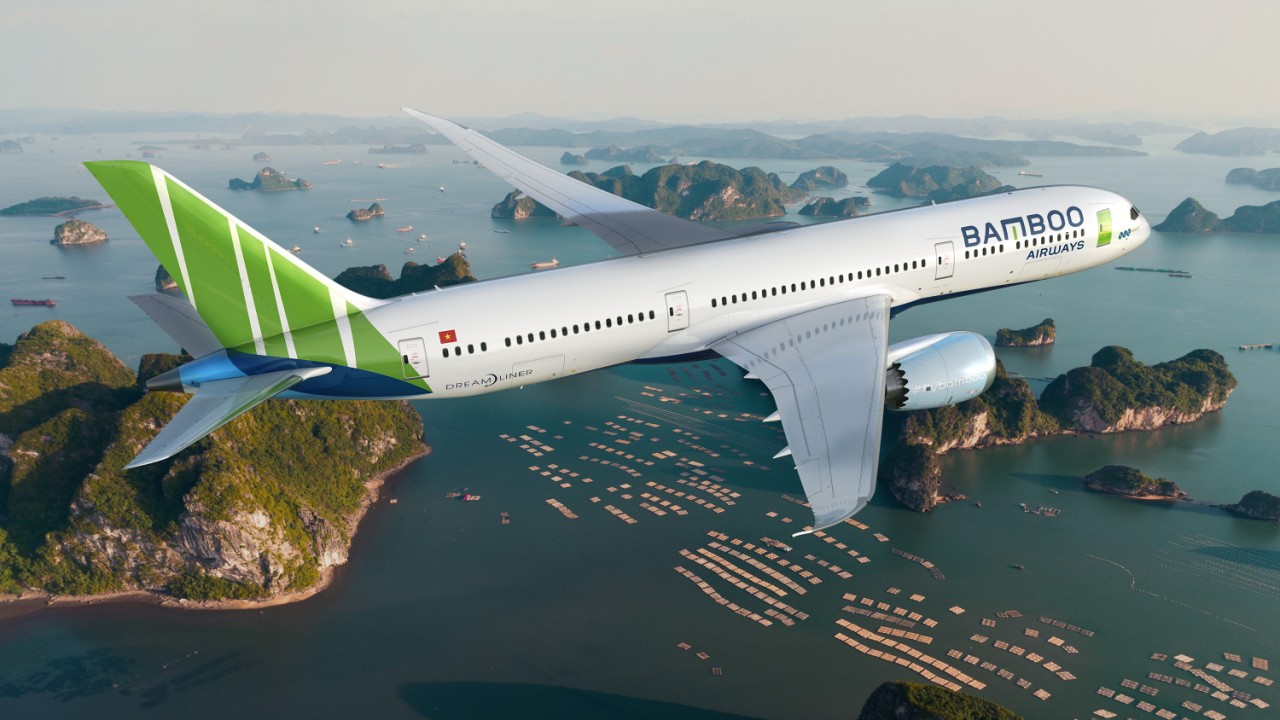
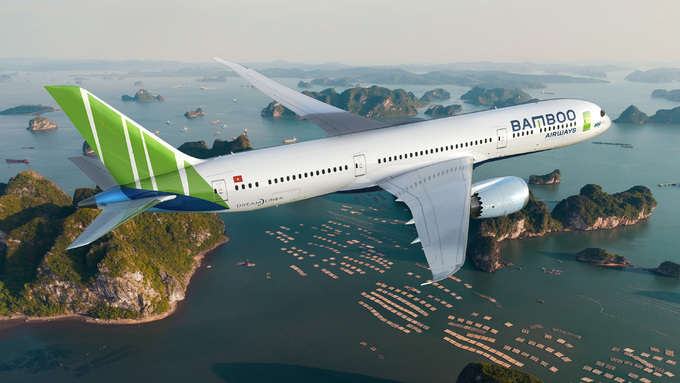
    A Bamboo Airways return ticket between Vietnam and the U.S. is set to cost $1,300-1,500, with the first regular flight planned for the first quarter of next year.

    Bamboo Airways plans to start one regular flight every two days from Ho Chi Minh City to San Francisco and increase the frequency to daily later, chairman Trinh Van Quyet told the press recently.

    This is the same price the startup airline announced two years ago. It is set to record losses with such a fare.

    “Our advantage is big resorts. The combination of aviation and tourism will bring many benefits to customers.”

    The airline is negotiating to lease wide-body Boeing 787-9 and Boeing 787-10 aircraft for flights to the U.S. and Europe.

    Quyet said the airline has submitted all necessary documents to U.S. aviation authorities.

    It will start flying once U.S. Federal Aviation Administration (FAA) gives it permission and the Vietnamese government resumes regular international flights.

    Bamboo Airways began its first charter flight from Vietnam to the U.S. on Sep. 23 as part of the 12 charter flights the U.S. Transportation Security Administration (TSA) had given permission to operate.

    Vietnam Airlines on Nov. 29 operated its first regular flight to the U.S. The airline announced earlier that one-way ticket prices would be around $1,000.

    The Vietnam-U.S. route recorded 1.4 million passengers in 2019.

  • Vietnam Airlines direct flight to US takes off next week

    Vietnam Airlines direct flight to US takes off next week

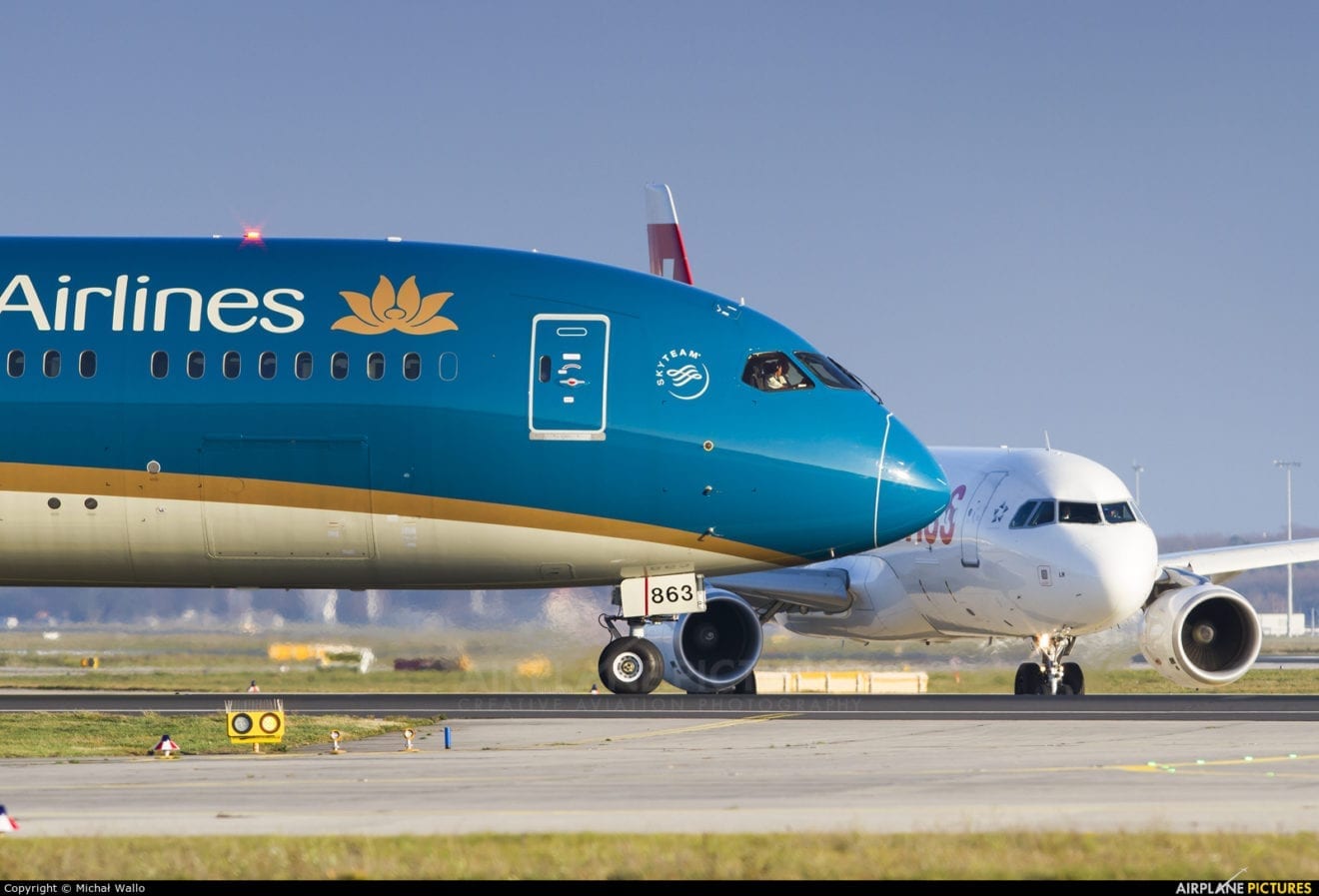
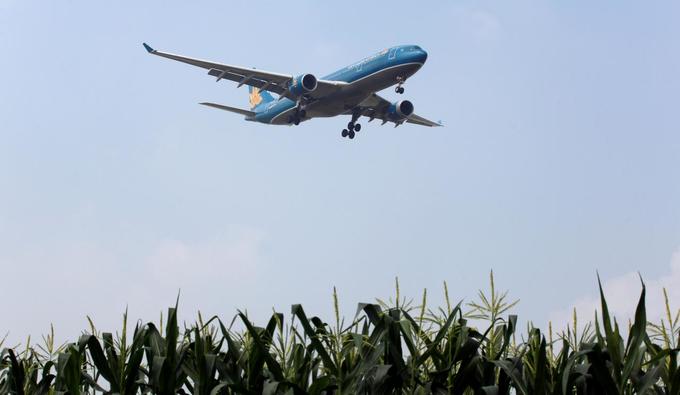
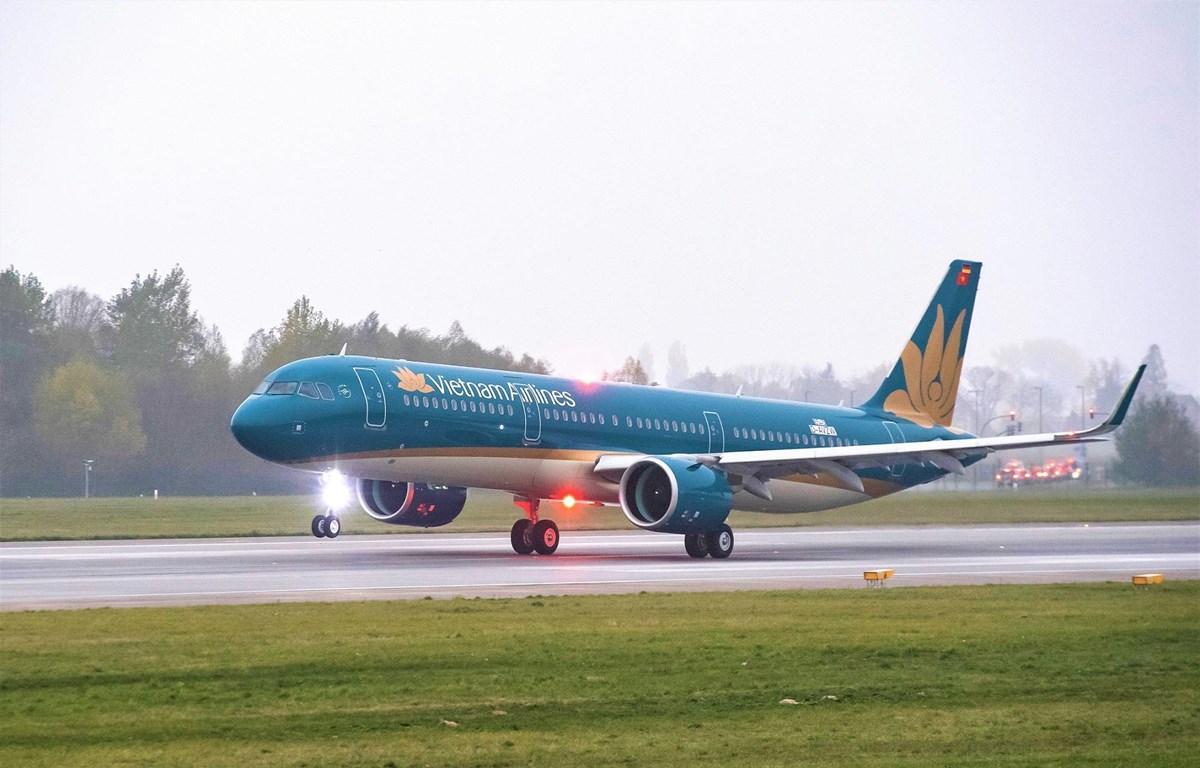
    National flag carrier Vietnam Airlines will operate its first regular direct flight to the U.S. on November 28, achieving a dream conceived nearly two decades ago.

    The flight will depart from HCMC in the evening and arrive at San Francisco 13 hours and 50 minutes later, CEO Le Hong Ha said at a press briefing Tuesday.

    The return flight will leave San Francisco on the evening of November 29 (U.S. time) and arrive in HCMC on December 1, 16 hours and 40 minutes later.

    The wide-body aircraft Boeing 787-9 Dreamliner will be used for direct flights.

    Initially, there will be two flights a week and this can be increased to seven when the pandemic situation is under control, Ha said.

    Vietnam Airlines thus becomes the first Vietnamese carrier to operate a regular flight route to the U.S.

    In 2003, the airline had been directed by the Ministry of Transport to begin direct services to the U.S. by 2005. However, concerns over profitability had kept the carrier from implementing the plan until now.

    The national flag carrier is also studying the possibility of other direct routes to the U.S., including flights between Hanoi and HCMC to Los Angeles or Houston.

    The U.S. has one of the most stringent aviation standards in the world. There are around 20 airlines operating routes between Vietnam and the U.S.

    “We needed to prepare hundreds of kilograms worth of paperwork to meet the U.S. requirements,” Ha said.

  • Vietnam Airlines to resume all domestic flights

    Vietnam Airlines to resume all domestic flights

    Vietnam Airlines is set to gradually resume flying on 40 routes, or nearly its entire domestic network, by next month, prioritizing Hanoi, HCMC and Da Nang.

    Several flights are set to be resumed to the southern archipelago Con Dao Island, the central highlands province of Buon Ma Thuot and the northern province of Dien Bien from Thursday to Nov. 30.

    The group, which comprises low-cost carrier Pacific Airlines and Vietnam Air Services Company (VASCO), will start conducting 90 routes a day from Thursday and will increase the figure to 120 from the end of this month.

    There will be three flights a day between Hanoi, HCMC and Da Nang City. For the other locations the group will try to have at least one route a day, which could rise to two depending on demand.

    Passengers can fly if they have been fully vaccinated for at least 14 days, or to have recovered from Covid-19, or to test negative within 72 hours.

    Vietnam Airlines Group started resuming its domestic flights from Oct. 10. As of Tuesday it had conducted around 150 flights carrying nearly 12,000 passengers on 16 flight routes.

  • AirAsia to reopen all Malaysian routes, push for overseas flights

    AirAsia to reopen all Malaysian routes, push for overseas flights

    AirAsia sees brighter skies ahead after Malaysia lifted interstate travel restrictions, with the low-cost carrier also pushing to restart international flights to Thailand, Sri Lanka and the Maldives as early as next week, its president told Nikkei Asia.

    Bo Lingam, AirAsia Group’s president for airline operations, said in an interview Monday that the company is “very relieved” with the government’s decision to reopen domestic borders as it will benefit both the carrier and its workforce.

    The airline aims to go big on domestic travel by reaching a pre-pandemic capacity of 39 local routes and 169 daily flights by late November, according to Bo.

    “We will open all domestic destinations that we were flying pre-COVID by the end of next month, involving over 45 aircraft,” he said.

    The comments came after the federal government on Monday allowed interstate travel nationwide. The airline was hit hard by the coronavirus pandemic, with hundreds of its employees retrenched and aircraft idled after domestic and international borders were closed and travel limited.

    The government of Prime Minister Ismail Sabri fully reopened state borders in the Southeast Asian country for the first time this year, allowing millions of residents to travel for business and leisure. Fully vaccinated Malaysians can also head overseas without police approval.

    Air travel is indispensable in Malaysia as the country’s states are spread across the Malay Peninsula as well as the island of Borneo to the east across the South China Sea.

    “The resumption of domestic service will be extremely good financially, for the airline as we would be able to pay pending bills from our suppliers who have been very nice to us to date,” Bo said.

    He added that the carrier is also looking to begin commercial international flights to Thailand, Sri Lanka and the Maldives as soon as next week.

    “We have applied for permissions in these countries and expect to receive them next week, after which we can sell tickets and fly passengers,” he said.

    AirAsia’s share price jumped almost 10% on Monday, settling at 1.28 ringgit — the highest since February 2020 and outpacing the Bursa Malaysia index’s gain of almost 1%. On Tuesday, the airline’s shares fell 3% to 1.25 ringgit at midday.

    The airline’s net loss in 2020 ballooned to 5.1 billion ringgit ($1.2 billion) from red ink of 315.8 million ringgit in 2019. Revenue also plunged from 11.9 billion ringgit in 2019 to 3.1 billion ringgit last year.

    For the first half of 2021, the airline reported a net loss of 1.3 billion ringgit from 1.8 billion ringgit net profit during the same period of last year. Revenue, meanwhile, tumbled to 686.8 million ringgit from 2.5 billion ringgit.

    AirAsia was recently granted a federal government-guaranteed 500 million ringgit loan under a framework introduced to assist companies directly affected by the pandemic. The loan was part of the 2 billion ringgit fundraising exercise mooted by the airline’s founder Tony Fernandes last year.

    The airline carried 19 million domestic passengers in 2019 but that plunged to 6.3 million last year. It has flown less than 1 million passengers between January and October this year as controls on movement were strengthened to curb the third and fourth waves of coronavirus infections.

    Bo also said the airline would reinstate some 300 employees currently on furlough to operate the domestic flights. Since last year, the airline has reduced head count by not renewing contract workers, retrenchments and furloughs.

    “We would exhaust employees under furlough first, then look at rehiring those we had laid off as the capacity grows,” he said.

    Experts say that while the return of interstate travel is undoubtedly a plus for AirAsia and competitors including Malaysia Airlines, it is far from a panacea.

    Brendan Sobie, an independent analyst at Sobie Aviation, believes domestic passenger traffic could approach pre-pandemic levels by the end of this year, though heavy competition and overcapacity — similar to the industry situation before the pandemic — will weigh on further growth for the carrier.

    “All airlines in Malaysia were unprofitable in 2019 and while domestic demand may now recover, many of the issues from prior to the pandemic have not been resolved, making a return to profitability difficult,” he said.

    Shukor Yusof, an aviation consultant at Endau Analytics said the surge in domestic travel demand would help AirAsia, though “it won’t be anywhere enough to fix its battered bottom line.”

    While Shukor said the Malaysian travel resumption itself is not an indication of a revival for the airline industry in Southeast Asia, he does view AirAsia as the carrier with the best long-term potential for post-pandemic growth.

    “It’s a critical stage as key countries for tourism — Indonesia, Thailand, the Philippines — are still struggling to control the virus and there’s little coordination amongst ASEAN members to find a solution to allow intraregional air travel,” he said.

    According to Sobie, Malaysian carriers need a recovery in both international and domestic travel to heal financially.

    “There is now light at the end of the tunnel and the overall sentiment is more positive but the road to recovery will be long and filled with twists and turns,” he said. “The darkest days should be behind AirAsia but the outlook remains relatively challenging.”

  • Airasia’s digitalisation to provide a solid foundation for future growth

    Airasia’s digitalisation to provide a solid foundation for future growth

    AirAsia Group Bhd is accelerating its digitalization by emphasizing new technologies and focusing on driving innovation across its entire portfolio of companies.

    The carrier’s engineering arm Asia Digital Engineering (ADE), ground handling division Ground Team Red (GTR) and logistics venture Teleport, are set to soar to new heights through digitization and data.

    “A silver lining of Covid-19 has caused a huge surge in demand for cargo and online shopping deliveries and this is driving many new business opportunities and revenue streams.

    “We see huge potential, not only in our super app and fintech solutions but also in our logistics, aircraft maintenance and ground services divisions,” AirAsia Group president Aireen Omar, who oversees digital operations, said in a statement today.

    Aireen said ADE is set to revolutionise the airline maintenance, repair and overhaul (MRO) industry in Asia.

    ADE performed and completed Teleport’s first A320 cargo plane conversion earlier this year and expects more aircraft modifications of the passenger to cargo aircraft in the future.

    “With an experienced workforce of more than 15 years managing AirAsia’s fleet, strong supplier, lessor and regulatory relationships and through automation and streamlined operations, we foresee that ADE will soon become the next major MRO player in Asean, delivering a significant new revenue stream for AirAsia Group.”

    Meanwhile, she said the company’s logistics venture Teleport is experiencing significant growth in line with the overwhelming demand for cargo and online deliveries.

    “With direct access to the unrivalled Airasia Group network in Southeast Asia, Teleport has put in place the right foundations to truly disrupt the cargo industry in ASEAN.

    “Furthermore, Teleport’s partnership with Freightchain, the world’s first digital air cargo network running on blockchain, is a game-changer for Teleport and the industry, making the online booking process as easy as buying a flight ticket on AirAsia.

    “Importantly it also links AirAsia airlines with other innovative interline partners to ensure maximum efficiency and lowest cost for clients,” she said.

    Similar to its super app ambitions, alongside ADE and Teleport, Aireen said GTR aims to be the ground handling services provider of choice in ASEAN.

    She said with the easing of movement restrictions and return of air travel globally, GTR is anticipating more business collaborations with foreign airlines in major airports across Malaysia.

    “GTR is preparing for strong regional expansion including with third party airlines as soon as travel restrictions ease and international borders reopen,” she said.

    According to Aireen, AirAsia Group has built a complete digital marketplace for travel and everyday lifestyle services on airasia Super App.

    “Logistics, aircraft maintenance, ground handling services and fintech are equally important to complete our ecosystem.

    “They all work in tandem symbiotically, to meet increasing demand in the e-commerce and distribution space,” she added.

  • Vietnam Airlines ready for US direct route

    Vietnam Airlines ready for US direct route

    Vietnam Airlines is set to receive its final permit from U.S. authorities to conduct regular direct flights to the U.S. after nearly two decades of preparation.

    The national flag carrier has completed all necessary documents to be approved by the U.S. Transportation Security Administration (TSA), it stated.

    It is set to receive the permit from Federal Aviation Administration (FAA) soon. The airline did not specify a date.

    Vietnam Airlines said the permit is different from that given earlier for international special charter flights between Vietnam and the U.S.

    The carrier had earlier received permits to conduct 12 charter flights last year and another 12 this year.

    Bamboo Airways had also received a permit to fly 12 charter flights to the U.S. from this month to November.

    Last month, Vietnam Airlines was planning to operate regular flights between Vietnam and the U.S. starting October.

    The airline in 2003 was ordered by the Ministry of Transport to begin direct services to the U.S. by 2005. However, concerns about profitability kept the carrier from realizing the goal until now.

  • Bamboo Airways to launch first US route this month

    Bamboo Airways to launch first US route this month

    Startup airline Bamboo Airways has completed the necessary procedures to begin its first direct flight to the U.S. starting Sep. 23, set to be the first Vietnamese airline to do so.

    The airline stated it has received licenses from U.S. Transportation Security Administration (TSA) to conduct 12 return flights between the two countries from this month until November.

    It will connect Hanoi and Da Nang City with San Francisco, Los Angeles and Seattle-Tacoma.

    Also starting Sep. 23, the airline of real estate developer FLC will begin a series of events in the U.S. including signing memorandums with San Francisco and Los Angeles airports and opening its first representative office in the U.S.

    Bamboo Airways in May received permits for charter flights from Vietnam to the U.S.

    The U.S. is considered one of the most difficult aviation markets in the world with stringent safety regulations from the TSA.

    Bamboo Airways is the second Vietnamese airline to have acquired permits from the TSA, with the first being Vietnam Airlines which is set to start its first U.S. route next month.

    Vietnamese authorities first wanted to open direct services to the U.S. 18 years ago. However, concerns about profitability have kept airlines from realizing the goal.